Study Skills


Ms. Pia Jakobsson
Office: JO 5.206    Office Phone: x 2095 (kindly do not rely on the voice mail system)
Office hours: or by appointment
Email: [email protected]

general hints and suggestions - taking classes - reading texts - reading critically - reading pictures
taking notes - exam review - writing papers and other narrative text - other resources

You will find at some point that you are confronted with material that you do not get by simply hearing or reading once. Simple repetition may help, but sometimes even that will not be enough. You need to study to learn it. Studying, like so many other things, is an acquired skill, and there are different techniques that suit different learning styles. People learn at different speeds and in different ways (some process visual information better than auditory input, some learn better with flash cards while others prefer data in narrative form), but we all have to learn how to learn.

Below are some suggestions for how to go about studying; how to process information and turn it into knowledge.

Most of the information below is useful for all your classes, but remember that each academic discipline has its own way of thinking about things and doing things. This guide was made for students of early modern history.

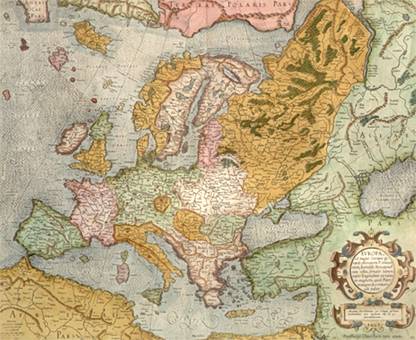
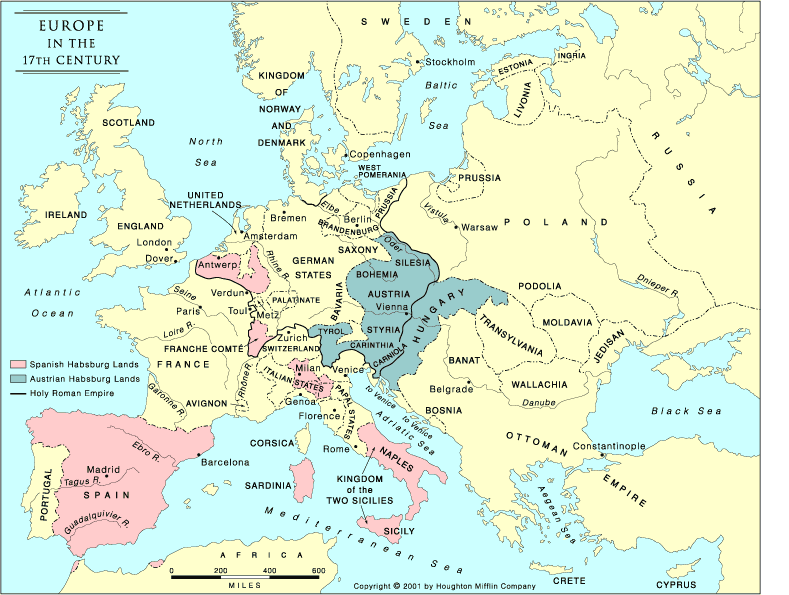
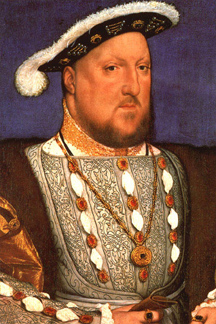
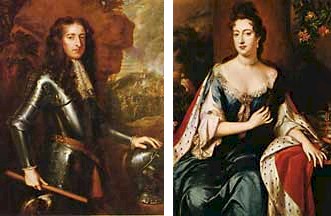
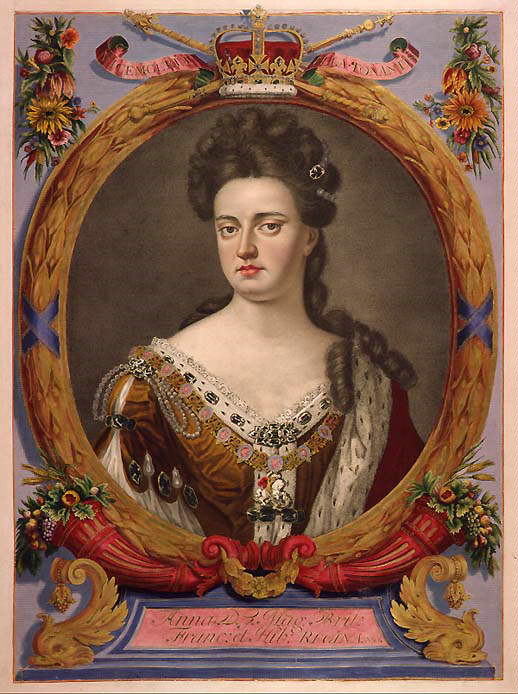
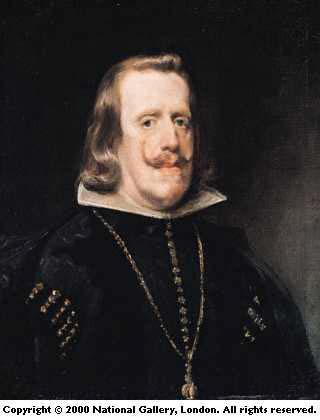
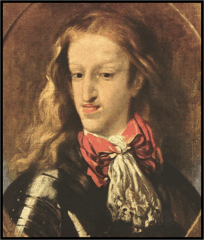
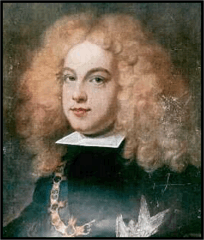
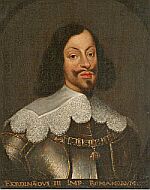
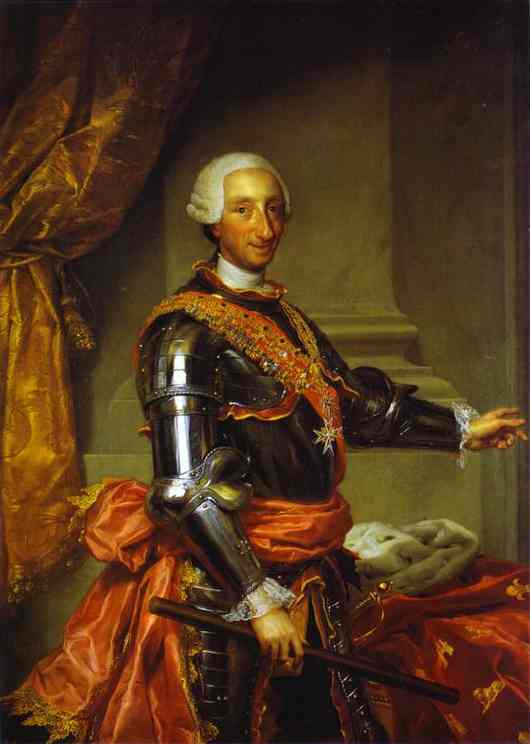
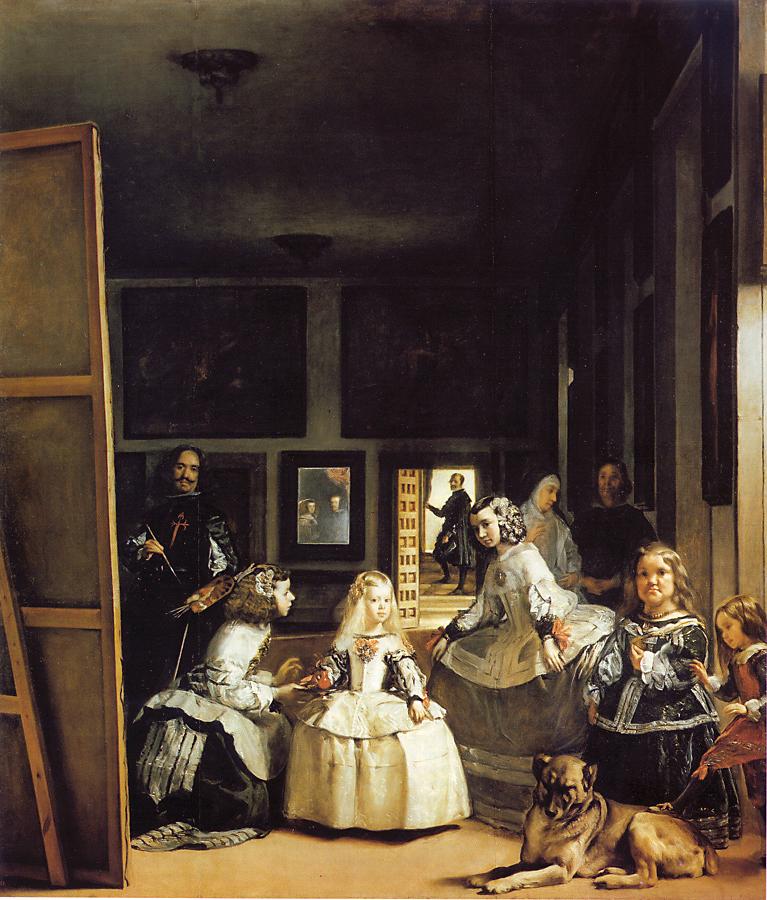
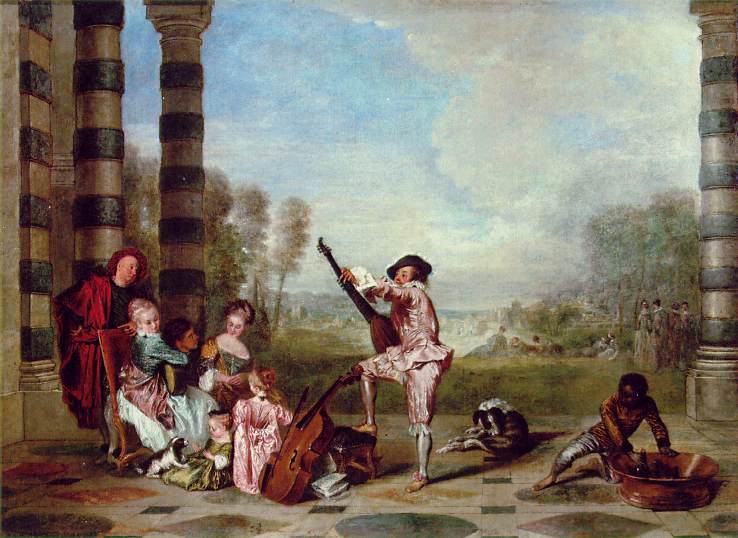
There are a number of paintings, maps and portraits mixed in with the text. They are intended to give you a sense of the broad variety of sources that can be used to learn about a period or topic.


General hints and suggestions

Self Care- take good care of your body (food, excercise and sleep) and minimise stress and other distractions.

Structure Your Work - Get a calendar or daily planner and make a schedule for each week. Make a note of test dates and when take home assignments are due, but also mark out time before the deadline to work on the assignments. Get a file folder where you keep syllabi, contact information, assignment handouts and your notes (unless you have notepads for that). Read through the syllabi at the beginning of the semester and make sure you know what is expected of you and what the respective policies are for late work, attendance, required formats for assigments, etc. Make sure you have the email adresses of people in your class - if you miss class you can have them pick up hand outs, take notes and generally keep you updated. Make sure you know where the offices of your Professors, teaching assistants and the administrative staff are, before you need them. Your Professor should notify the class of any changes to the syllabus, but it is up to you to keep track of the information. If your instructor has a website, check it regularly.

Organise Study Sessions - Divide your work into smaller, more manageable pieces than "all-of-the-reading-for-the-week". Set up a number of study sessions where you plan to get through a set number of pieces. Pieces may include reviewing notes from last week, reviewing the reading assignment (see below), reading the assignment, and looking things up (facts and word definitions as well as background information and what the text assigned for two weeks ago said about a character that turns up in this week's reading). Reward yourself when you get to the end of each piece (a phone call to a friend, a game of solitarie, some good music or chocolate). Mix different kinds of study - that way your attention will be fresh and it will be easier to stay focused. When you have lots of reading to do, stop regularly and tell yourself what you have read and what you think about it. That way you will know the text better when you get to the end. Pay attention to when you learn the best and attempt to determine what the variables are. Do you do better with music in the background, or after you have eaten, or early in the morning? Do you remember things better when you say them out loud, when you study with someone else, when you have pictures to look at? Study when you are the most efficient.

Organise Your Learning

Macro and Micro- Remember both individual items (what is absolutism, who was cardinal Richelieu), and the larger narratives they are part of (how did the role and structure of government change during the 17th century). It is much easier to remember details if you know where they fit in a larger narrative. On the other hand, the larger narrative will make more sense if you know something about the individual pieces.

Names and Dates - If you know what beliefs and actions belong with a particular person you can make educated guesses about what other things he/she may have done. If you know when things happened you have a better sense of what may have influenced what and how things might fit together (e.g. if you know that the Thirty Years War took place between 1618 - 1648 you also know that it might be a result of the Reformation, but it cannot have caused the Reformation. If you find that three different things all happened in the same year, it might be interesting to consider if they are related. Knowing when something happens also tells you about the society it happened in. Names and dates help you organize your knowledge.

Active vs Passive knowledge - Passive knowledge are things you recognize when you see them, and will help you on most multiple choice tests. Active knowledge are things you can remember with no promting, pieces you can put together in different ways.

Information vs Understanding - Closely connected to active vs passive knowledge. Information is superficial memorization of data such as "Charles I of England was beheaded in 1649" or "Henry VIII was married six times". Understanding is when you have processed data and have a sense of how the pieces fit together, when you know what they might mean. So you know that Martin Luther started the Protestant Reformation in 1517 when he nailed his 95 theses to the church door in Wittenberg, Germany. Why did he do that? How did the church react to his actions and ideas? What were, ultimately, the political consequences? Information asks for what and when, understanding takes why and how and rarely has a simple or definite answer.

Organise Your Resources

The Library - Sometimes you need more information than the textbook gives you. Maybe you think the textbook is biased or it does not cover the issue or event that you are interested in, maybe you have a reading or writing assignment that demands additional sources. The library is a wonderful resource for all of those occasions. There are magazines, journals and encyclopedias that give you short pieces of reading on any topic (encyclopedias are often a good way to start because they give you an overview of the topic and often point you to other sources), and there are specialized texts focusing in depth on your topic.. Do not hesitate to ask the librarians for help - they are experts at finding obscure information (sort of the private detectives of academia) and they are there to help students track down the material they need. If you want help learning how to use the library databases and other resources, there are regular library classes. You can also book a one-on-one session, either for a tutorial or for specific help with your particular assignment. If you cannot find time to go to the library you might try logging on from your house - with your CometCard you have remote access to all of the library's electronic databases.

People - Your Professor is a resource, as is your TA, but you may also want to keep track of other students who seem to have control over the material in a particular class. Parents, partners and friends can also be resources; sometimes because they have specific knowledge, sometimes because they can listen while you practice a presentation and sometimes because you can ask them to read a draft assignment and make comments.

Tools - nice pens, perhaps color coded highlighters, eraser, post its, notepaper, dictionary, style guide, bookmarked web pages that contain useful articles, timelines or biographies, but also good spaces - the library, your desk at home, a good reading lamp next to a good chair - and various tidbits. If I have no coffee there will be no paper written.


Map of Europe ca 1590 - by Mercator
Map of Europe in the 17th century

Taking classes

Prepare - keep material organised and read the assigned text before class. This nakes it easier to follow the lecture and to take notes. It also lets you have questions ready and enables you to participate in class discussions. If you also look up words and concepts that are new and write down the meaning (either buy a dictionary, google words, or use the library) you will get even more out of class.

Go to class - you get an immediate review of the material with an inside track on what a professional historian considers important about it. Ask your questions and take lots of notes on the lecture. Often the instructor will provide background that is not in the readings, help you structure the information and point you to different interpretations of events.

Participate - if there are opportunities for discussion, class time is when you get to see how other people understood the information and what other things they know that add to the story. Class time is also a perfect opportunity to ask questions - you have access to a whole class full of people who have read the same text you did, and there is a person in the room whose job it is to help explain things. Discussing the reading together will help you make sense of the text and give you an opportunity to play with different ideas and interpretations. It is ok to be wrong, much of discussion is about interpretation anyway and learning why an position is untenable - or how to convince others that it actually makes sense - is a great way to understand what you have read and great practice for writing papers. Some people will try out ideas for paper topics in class discussion and take home lots of ideas on how to frame their argument.

Organise your notes - the best plan is to type them out after each class, but at least go through the notes while you can still remember something of the lecture and can make sure that it all makes sense. Fill in missing pieces (refer to your books) and connect things that ended up on different parts of the note page. A month later you will not know how A and B relate unless you have it in writing, and a month later is probably when you will need your notes to study for a test or write a paper.

If you miss class - get notes, preferably from two or more people (unless you know a person who takes perfect notes and prioritizes things the same way you do). Copy the notes and read through them to make sure you understand what they mean. Ask the person who made the notes to explain if anything is unclear. At the very least, ask people what was discussed in class, and write down what they say (again, you will probably not remember it a month later if it is not on paper). If things still do not make sense ask your Professor or teaching assistant.


Raphael, "The School of Athens" - 1510-11

Reading texts

Give yourself time - reading dense scholarly texts will be slower going than reading a mystery novel. It helps if you figure out how fast you read different kinds of material and then schedule your reading accordingly. If you have 200 pages to read and half an hour to do it in, you are just not likely to get through the second half of the text.

Prepare - make sure you have a highlighter, pen and notepaper and a dictionary (or computer) available.

Skim first - you will understand the details easier if you know what the text is about. Look at the table of content, leaf through the pages and read section headings and look at illustrations. After that you read the introduction and the conclusion. Then read through the text, at least once. Well written scholarly texts will be organized to lead you through the text, telling you what part of the argument they are presenting and what the issues are. Sometimes the signposts will be less obvious, but they will be there. Practice finding them.

Read with your hands - underline or highlight important points, make a note in the margin when the text moves in a new direction (when it says "along with all the differences there were also shared features" you could write "similarities" in the margin), number items that are listed (i.e. if it says "there are three important features of X" there will probably be three things listed). If you bought a used book, do not automatically rely on some other person's highlights - they were made by another student who may have flunked the class.

Look up new words - it is much easier to remember things you understand. Sometimes it is possible to guess the meaning from the context, but you will not know for certain unless you actually check. Also, many words have several meanings, and the technical meaning is probably the one you are less likely to know about. Many words change meaning over time so any text that is more than two hundred years old will need a bit of deciphering.You may want to write down the meaning in the margin of your book so you have it ready for next time. For some classes it might also make sense to make a separate list of new vocabulary.

The notepad is for making notes of things that just do not seem to make sense, information that is missing, possible connections, disagreements with the author of the text. Take your notes with you to class, find another source that makes better sense or contains the missing information, or email your teaching assistant.

When you get to the end of the assigned reading, run through your highlights and notes and see if they make sense. What you should have is something equivalent to an outline of the text. The process helps you better understand what you read, making notes and understanding the outline helps you retain the information, and when you need a refresher (perhaps to take a test or write a paper) just reading through the notes and highlights will give you much of the information.

Before you are done with a text, consider how it fits with other readings you are doing in the class, and with things you have read in other classes. How does the book or article add to your knowledge of the class topic? Why did the instructor pick this particular text? As you think about the reading in context, you may want to type up a one page abstract. The abstract might contain - in addition to title and name of author - the author's thesis or main argument, a short summary of how the argument is laid out, an evaluation of sources used, and a statement about what you believe the importance of the text is.

Please note that you may have to read a text (all or some of it) several times to understand it. If the text is dense or many of the ideas are new to you, you may have to stop after each page and tell yourself out loud what you think is going on. In philosophy even senior students are typically assigned primary text readings of only about 30 pages per week, because they are expected to read each text over and over.


ENGLAND

Henry VIII (1491 - 1547)
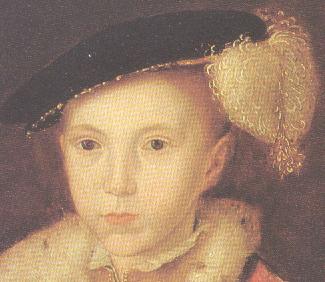
Edward VI (1537 - 1553)
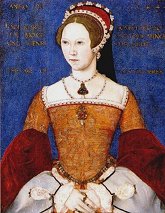
Mary I (1516 - 1558)
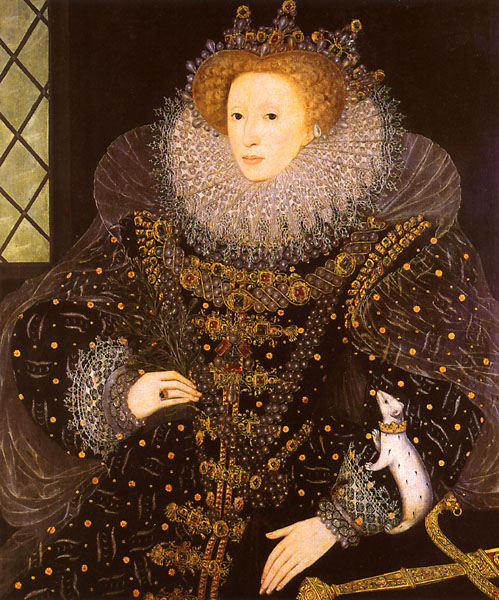
Elisabeth I (1533 - 1603)
Ruled 1509 - 1547, followed by Edward VI 47-53
Ruled 1547 -1553 (succeeded by Jane Grey for 10 days)
Ruled 1553 - 1558
Ruled 1558 - 1603
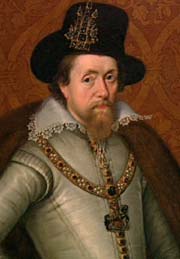
James I (1556 - 1625)
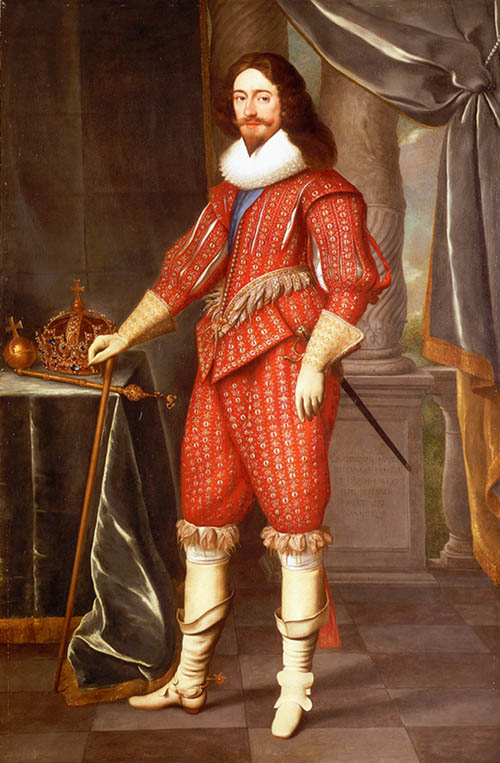
Charles I (1600 - 1649)
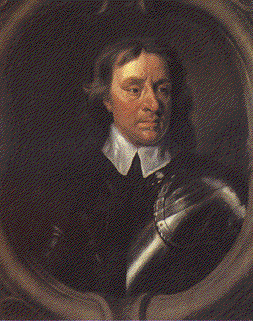
England Commonwealth
(1649 -1660)
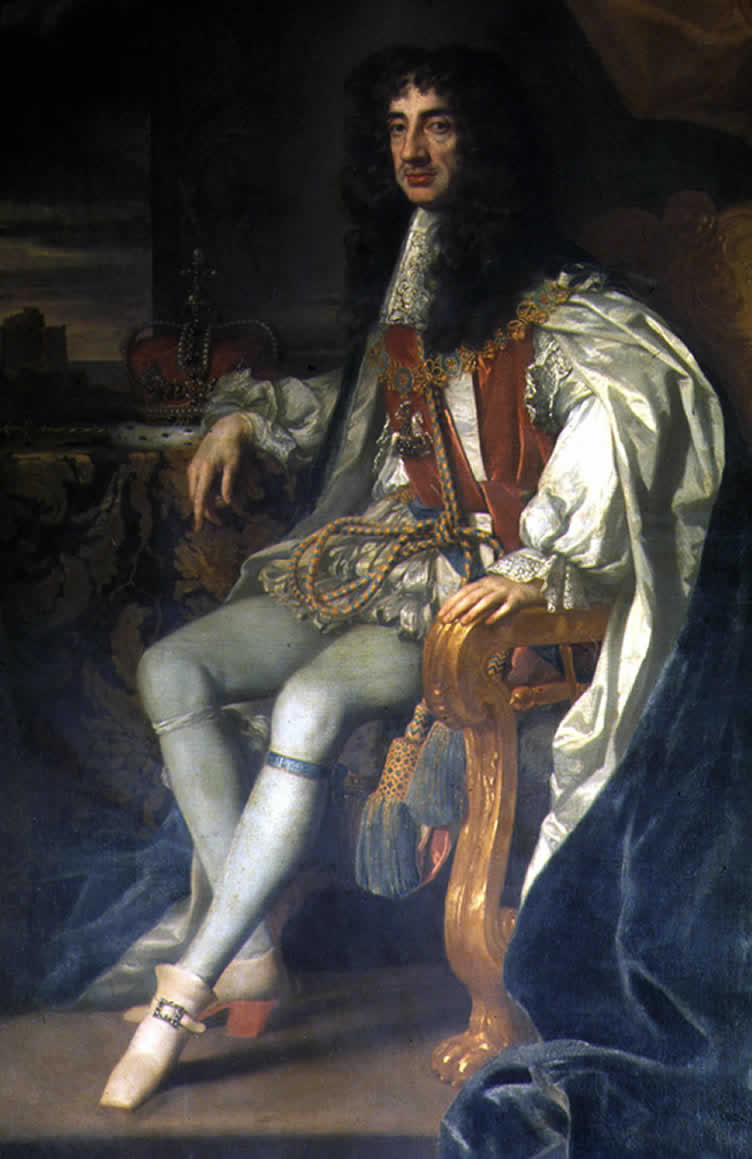
Charles II (1630 - 1685)
Ruled 1603 - 1625
Ruled 1625 - 1649 (beheaded)
Oliver Cromwell
Ruled 1660 - 1685
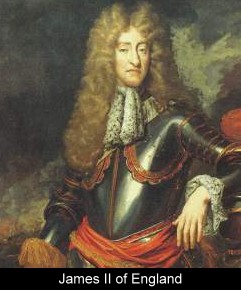
James II (1633 - 1701)
William III (1650 - 1702)
& Mary II (1662 - 1694)
Anne I (1665 -1714)
George I (1660 - 1727)
Ruled 1685 - 1688 (resigned)
Ruled jointly and then William 1688 -  1702
Ruled 1702 - 1714
Ruled 1714 - 1727
George II (1683 - 1760)
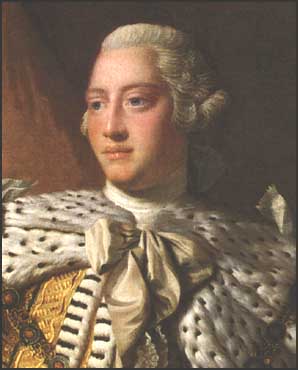
George III (1738 - 1820)
   
Rule 1727 - 1760
Ruled 1760 - 1820

Reading critically

Everything you read is trying to tell a particular story (well, the author of the text is). Even assuming that the facts are accurate, the writer decides what facts to present and what to skip over and he or she will also present their interpretation of the data. If you read a description of the American Revolution in an British textbook it will most likely be different than the one in an American textbook. If you were to compare your textbook on American history with one written 75 years ago many of the names, dates and places might be the same, but the emphasis and interpretation will be different. The old book would focus more on politics and important individuals, and less on social and cultural history.

Considering the following questions might help you get a sense of what is information and what is spin.

What is the perspective - whose story is being told?
Who is portrayed as the hero?
Whose story is not told?
What kind of information, if any, is given to support a position, or evaluation?
What kinds of sources are referred to and are they reliable? (what a law said and what people did might be different, a will might attempt to inflate the value of certain things and keep other out of sight, a person writing to her mother would put different things in a letter than if she was writing to a friend).
Is the information consistent?
Does the author try to present more than one possible explanation and perspective?
When value laden adjectives (brave, ignorant, clever, disastrous) are used, are they justified or just presented as factual?
What information is missing?
Can you imagine a different way of telling the story using the same facts? Would that be more or less believable?

When possible, find several sources that discuss the same event from different perspectives. That gives you examples of how the same story can be told differently and helps you learn how to make your own judgements and develop your own interpretation.

Also remember to take a look at who is bringing you the information. Who is the writer and the publisher? Radical Publishers Cooperative is likely to have different sources and make different assumptions than Corporate Conglomerate Inc. German historians will tell different stories about the second world war than Russian historians. In addition, knowing who the publisher is can tell you something about how trustworthy the information is or is not - a University Press is more likely to have checked sources than the National Enquirer, but either will reflect the agenda and ideals of their particular universe.


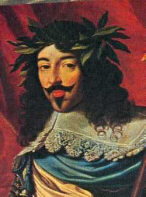
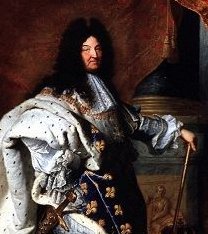
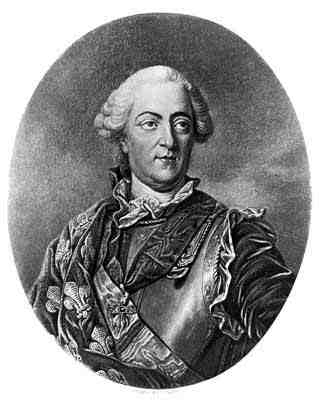
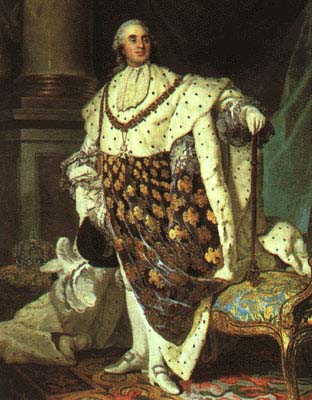
FRANCE

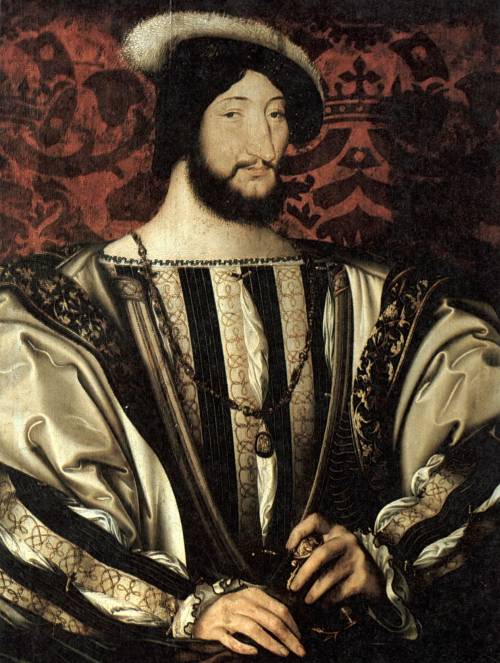
Francois I (1494 -1547)
Henri II (1519 -1559)
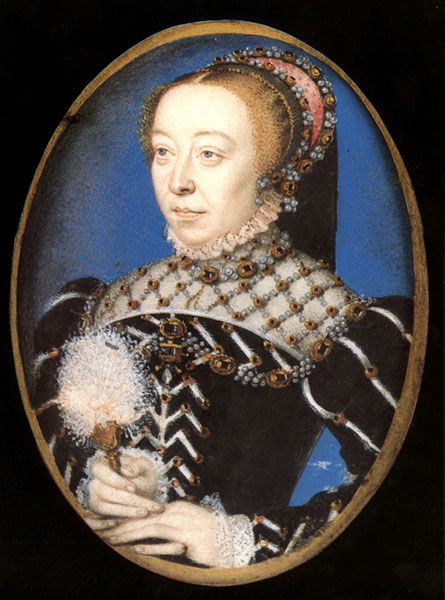
Catherine de Medici
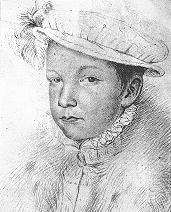
Francois II (1544 - 1560)
Ruled 1515 - 1547
Ruled 1547 -1559
Wife of Henri II, mother of  Francois II, Charles IX, and Henri III
Ruled 1559 - 1560
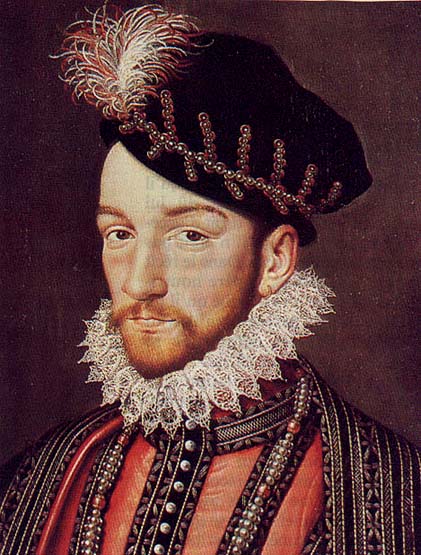
Charles IX (1550 - 1574)
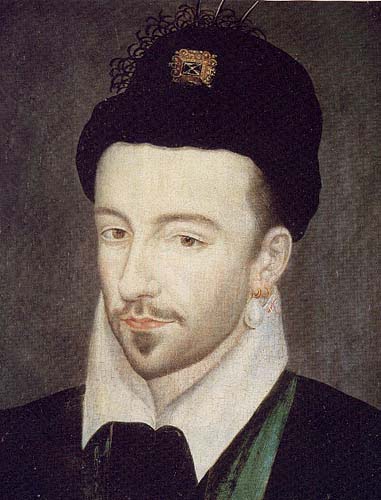
Henri III (1551 - 1589)
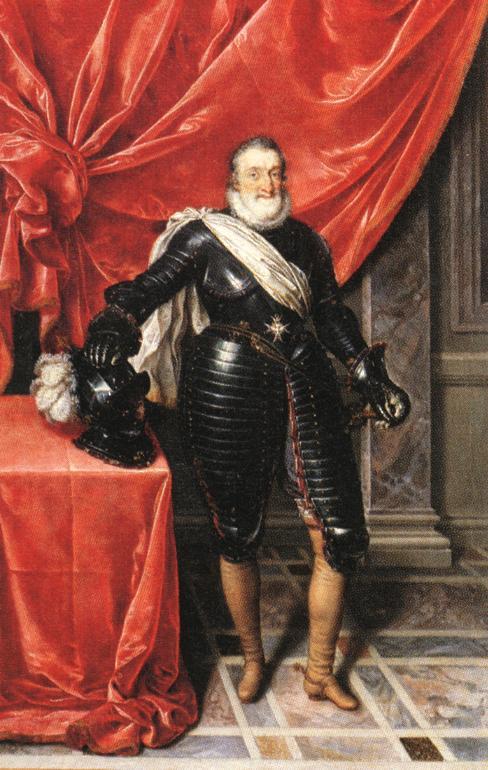
Henri IV de Navarre
(1553 - 1610)
Louis XIII (1601 - 1643)
Ruled 1560 - 1574
Ruled 1574 - 1589
Ruled 1589 - 1610 (First Bourbon)
Ruled 1610 - 1643
Louis XIV (1638 - 1715)
Louis XV (1710 - 1774)
Louis XVI (1754 - 1793)
Ruled 1643 - 1715 (esp. after Mazarin's death in 1661)
Ruled 1715 - 1774
Ruled 1774 ~ 1792 (beheaded 1793)

(1789 Storming of the Bastille)

1792-1795 National Convention
(1793-94 the Terror)

1795-1799 the Directory


1799-1804 Consulate
(under Napoleon Bonaparte)


Reading images


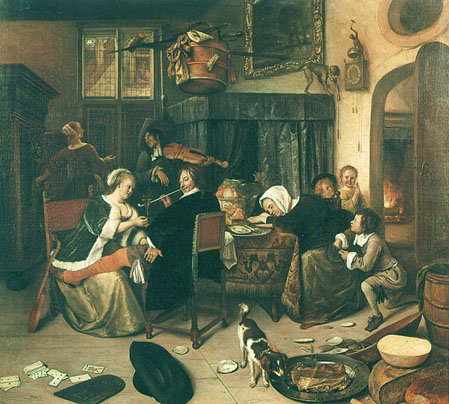
Jan Steen, "The Dissolute Household" - 1668

Pictures also tell stories. Sometimes they are intended to portray reality as accurately as is possible, and sometimes they were created with the intention of serving as propaganda. Whatever the intention, every image tells the story or describes the world from a particular point of view. With careful attention, you can read this story, read the image - much as you read text.


Who are the people in the picture?
What are they doing?
How are they dressed and what are their facial expressions?
What body language is conveyed?
Who is the hero and who is the bad guy? Is the image allegorical or a direct representation? Are there Christian or Classical references? When and where was the painting made? Different periods use art differently and use different tools to tell their story.

It is helpful to know that many older images use emblems and symbols to convey meaning, such as the arrows that represent Saint Sebastian, oysters that reference some sort of sexual invitation, a lamb that stands for Christ. Be careful how you read, though. A snake can represent temptation or sin (e.g. within the Christian tradition), but can also represent wisdom or healing if intended to be associated with the Greek god of medicine, Asclepius. Sometimes some people are portrayed as taller than others because the actually were taller, sometimes the size may indicate their political or religious importance. Sometimes common sense is enough, but often it helps to know the particular "code system" that the painter used.


SPAIN

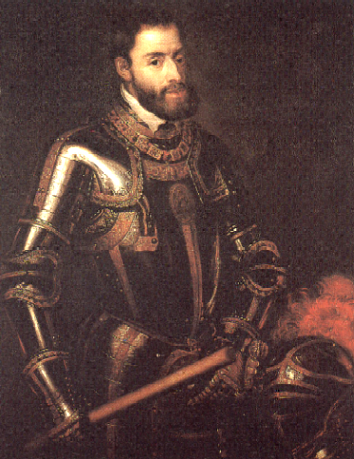
Charles V (1500 - 1558)
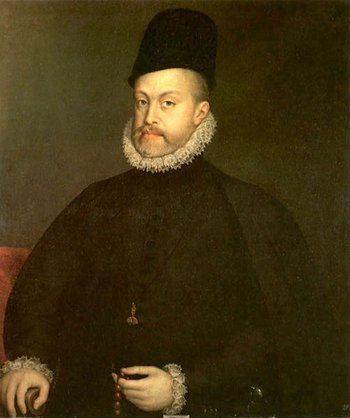
Philip II (1527 - 1598)
Philip III (1578 - 1621)
Ruled 1516-1556 (also Holy Roman Emperor)
Ruled 1556 - 1598
Ruled 1598 - 1621
Philip IV (1605 - 1665)
Charles II (1661 - 1700)
Philip V (1683 - 1746)
Ruled 1621 -  1665
Ruled 1665 - 1700
Ruled 1700 - 1746
Ferdinand VI (1713 - 1759)
Charles III (1716 - 1788)
Charles IV (1748 - 1819)
Ruled 1746 - 1759
Ruled 1759 - 1788
Ruled 1788 - 1819

Taking notes

Notetaking is difficult and it will probably take some practice before you decide on a system that works for you. You may develop your own system or learn one of the formal note taking systems, such as the Cornell system or mind-maps. Below are some general suggestions that work for me.

Prepare - taking lecture notes is easier if you have read the material to be covered. You will recognise some of the information and you will be better able to discern the outline of the lecture.

Focus - very few people are able to write down every detail of a lecture and have to focus on what they see as the most important issues. If your instructor presents material on the blackboard or on an overhead sheet, start with the headings and get a sense of what is going on before you write it down. You will most likely not be able to write down every word, so you will need to prioritize. In order to prioritise you need to have a sense of what is most important. Is the list or table on the blackboard intended to compare and contrast different groups or ideas? Is it intended to give a chronology? Sometimes the information on the board is just a list of things and the connections are made in the lecture - you ignore them at your peril. A week later as you review your notes chances are you will not be able to remember how the pieces fit together if there is no indication in your notes.

Use some form of shorthand - for most people it takes too long to write complete sentences. Gov't is faster to write than government, ML faster than Martin Luther, + is faster than advantages and an arrow is faster than led to. Underline or circle the headings so you know what the topic is, and if you make a note of the lecture date it will be easier to see what belongs together and what chapters in the textbook cover the material. Some people use differently colored pens to organise notes, some people use different lettering. Figure out what works best for you.

Taking notes during discussion is difficult, because you tend to either write and forget to participate or participate and forget to write. Try to make short notes of new ideas presented. Sometimes just writing down the questions discussed will be enough.


Velasques, "Las Meninas" - 1656-57

Exam review and test taking

Schedule several review sessions - how much you remember when you take a test depends upon how many times you have been through the material and in how many different ways. Somehow, the brain retains information better with an on/off schedule (going through material several times with breaks for other activities in between), so just cramming the night before a test is not going to be very efficient. The amount of time you need and the number of study sessions you need depend on several factors, such as how well you know the material beforehand, how fast you read and type, and what your general learning style is. If you work in two or three hour sessions over the week before the test, you'll most likely be well prepared.

Type in the study questions - if there aren't any, use the notes and highlights from your texbook to create an outline of the material. Find chapter headings, subchapter headings and try to organize your material into topics.
If you get study questions, make sure you read all of each question and that you understand the questions. Make notes of what you don't understand and ASK - you cannot answer correctly if you do not know what the question is.
Organize the study questions - maybe several of them fit together in groups, either chronologically or because they are part of a larger event (or because one deals with things that caused the things discussed in the next question). Sometimes you will not be able to organize the questions until you have found some of the answers, but this exercise helps you understand the material and how it fits together.

Study vocabulary - make a list of names and words you need to know. Some of the words you looked up while reading will be on this list and, of course, technical words that are explained in the text (e.g. "indulgence").
Find answers for the study questions - go through your notes and type in the information under each question. You may have information in several places that all belongs to the same study question. Go back to the textbook and other readings and add information from there.
If there are things that do not make sense, or questions on the study guide to which you cannot find an answer, ask your classmates and then your Professor, or teaching assistant.

If you work with someone else - give them your notes (study guide + answers) and read theirs. Compare answers and see how the pieces fit together. If your notes disagree, go back to the book and then ask your teaching assistant or your professor for clarification. Quiz each other on the words, concepts, and names. You may want to make flash cards with the word on one side and the explanation on the reverse.

For testing day - a full night's sleep and something for breakfast helps.Get to the room where the exam is held on time, with the pens, scantrons and whatever else you might need (I pack my briefcase the night before to make sure I have everything I need).
When you get the test - start by scanning through the questions so you have an idea of what they are and can set a reasonable pace. If you have 60 questions and an hour to answer them in, the questions get an average of one minute each. You will do well to work a bit faster with the questions you are reasonably sure of and then slow down on the questions you have to reason your way through. To do that, it helps to go through the test the first time and only answer the things you know. In the margins, write down thoughts and possible connections for the questions you are not answering at this time (the more you get on paper the less you have to keep in your head).Go through it again and mark anything you have remembered. Then go back to the tricky stuff and see what you can figure out. Try to narrow down possibilities by marking out what the answer cannot be. If you have short answer or essay questions, jotting down a short outline will help ensure you cover everything.


Antoine Watteau (1684 -1721), "Les Charmes de la Vie"

Writing papers and other narrative text

Formal requirements

- Assignments should be typed in a 10 or 12 point font (Times New Roman, Arial or something similar) with 1" margins and double spaced lines
- Proof read text carefully and use the "spell check" function on your word processor. Do write complete sentences. Do not use contractions, jargon, or slang.
- Identify quotes and references to other sources by giving the name of the author and a page number. If you are only referencing the class textbook you usually don't need to add a full reference, but if you use several sources you need to give all the information on a separate page at the end. There are numerous books on the different styles of citation (MLA, APA, and Chicago are the most common styles in the humanities generally, most historians use the Chicago style). Ask your professor what style he or she prefers, but whatever you pick, be consistent. The reason for all the formalities is to make it possible for your reader to find the text you are quoting. Your reader may want to check that a source is quoted accurately or he or she may want to see the context of the quote (to understand it better or make their own interpretation) If your reader likes the quote he or she may want to use the information in their own research. If you are doing an in class assignment you will not be expected to remember page numbers or exact wording, but you still need to identify the sources of opinions and interpretations that are not your own.
- In the top left corner of your paper put the following information (for papers only, not relevant for essay questions on exams).
  Your name
  Name of Professor
  Name and number of class (e.g. HIST 3319)
  Due date
- Number all pages of your paper. Some professors prefer you to put the page number only at the bottom center of the page, others want the last name and the page number in the top right corner of the page. Refer to your syllabus or ask your professor to find out what system they prefer.
- Staple the pages together before you hand in the paper.

Writing your paper

(for more detailed suggestions, see Diane Hacker's "Rules for Writers" or one of the numerous other books on the topic).
- Read the questions/paper topics carefully and make sure you understand what you are asked to write about . Use a dictionary to look up words when necessary.
- Think about what you have to say on the topic.
- If you have a choice of topics, look at several and make notes on them. Compare what you think you have the most information/opinions about and pick that topic. It may not be the one that looked the most interesting to start with.
- Read the sources again and make a note of the passages that are relevant to your paper (i.e.sections that you will use to support your argument or claims with which you want to disagree). This is what you will use as evidence of your claim, so make sure you pick good examples and consider whether they really demonstrate what you want to prove.
- Make an outline of what you intend to say and list where your quotes will go. The outline helps make sure that you do not miss anything and that your argument is clear and coherent.

- Write your paper. It should tell a credible and coherent story that argues in favor of your position or claim, and it should consist of three major parts - introduction, body, and conclusion.
   1. Introduction - "this paper will talk about/argue that/compare/explore/discuss the claim that" …this lets the reader know what kind of story they will be reading. If you are writing a short essay question for an exam, keep this section very short. For longer papers you will probably want a fuller paragraph. A book length text will often have a whole chapter titled introduction. The introduction gives the context for the paper (where we are, when, and around what people and events). The introduction also contains your thesis statement, i.e. the sentence that tells the reader what your argument is (your main points - the pieces of your argument that will be discussed in the body of the text - and your conclusion).
   2. Body - go through the pieces of your argument one by one. Make sure you identify what you intend the data to show - tell the reader if you are describing a similarity or difference, if you think a quote supports your claim or challenges it. Your reader might not interpret the evidence the same way you do.
   3. Conclusion - if your paper is really short and mostly descriptive your conclusion might only be a sentence long, but for most papers one or two paragraphs should be about right.This is where you put together the pieces of your argument and summarize where you ended up, very much like the concluding argument in a trial. Do not introduce new ideas or evidence at this point.
- After you have written the first draft, go through the text and underline your thesis statement, the steps in your argument and your conclusion. Make sure your conclusion and your thesis claim the same thing. (Some people write the final draft of the introduction AFTER they have finished the rest of the paper - when they know exactly what they ended up saying).

- Rewrite the paper, clarifying your though, adding detail to your argument, and reorganising sections that do not fit smoothly together. You may find that something that seemed very important in the beginning simply does not fit the rest of your argument. Maybe it is a really important part of a different argument, or maybe you need to rethink where it fits in the argument you are currently working on.
- When you have revised your paper for content one or several times, edit the text for grammatical and spelling errors.
- Pick an appropriate title. The title should be a preview of the topic and line of thought presented in the paper.
- Read the question or paper topic again and make sure you have answered the prompt.

Remember:
- Do not use words if you are not sure of their meaning - you might end up saying the opposite of what you intended. Clear and precise information is more important than polysyllabic vocabulary. On the other hand, academic papers do call for formal writing.
- When you make a claim or statement, make sure you back it up. Explain why you believe something is a certain way. Finding support in the text is very helpful, but be sure to show why a quote helps your argument .
- You are supposed to give your opinion, not just restate what others have said. This does not mean you get to speculate freely and just write down how you feel about the topic. Reason your way through the information, pick a position and explain why that is a good choice.
- Do not write everything you know. Make an argument and include only things that are relevant to that argument.
- Make sure you know what format you are supposed to use and use it.
- If you are referring to or quoting someone else's opinions, you MUST cite them even if it is information from an encyclopaedia, or background information. Using someone elses words and ideas without saying so is stealing and, apart from getting you in a whole load of trouble, very rude. If you are not sure whether a citation is necessary, put it there and ask your Professor before or when you hand the paper in.

Your paper must have a central argument, set out in your thesis statement.
Each paragraph in your paper should relate to that argument.
Each paragraph should contain one topic, no more.


Resources

This is not a comprehensive list, and new items will be added as I think of or you suggest them.

People -
Professors
- they set out the requirements for the class, know the topic, can give suggestions on how to study and write papers and explain things that do not make sense. This are people who has made a career out of the topic you are studying, and who will most likely really enjoy talking about it.
TAs - they know your topic pretty well and are good students who have lots of experience writing papers and reading books. This is usually the person who grades your assignments.
The Writing Center - there are people just waiting to help you with your writing assignments. Find them. Use them. Thank them.
Librarians - yes, I know I mentioned them before, but they really are excellent resources. Not only will they help you find books and articles and maps and all sorts of sources, they will also help you think about your topic.
Classmates - they are working with the same topics and readings you are. Sometimes they know something you missed, sometimes they may have understood things differently than you did and sometimes explaining to them will help you understand the material better.

Books -
  reference
How to Study History by Norman F. Cantor & Richard I. Schneider. Harlan Davidson, Inc. 1967
Historians' Fallacies by David Hackett Fisher. Harper Perennial. 1970
Rules for Writers by Diana Hacker
The Elements of Style by William Strunk and E.B. White. 4th ed., 1999
The Chicago Manual of Style
A Manual for Writers of Term Papers, Theses, and Dissertations by Kate Turabian
MLA Handbook for Writers of Research Papers


Resources for the Early Modern Period

It is often helpful to use a variety of sources to learn about a period or topic. Below I have listed a brief selection of sources, ranging from the dense and obscure to the light hearted and frivolous.

Any fictional historical account is just that, fictional. Some information will be accurate and other will be adapted to suit the storyline. Compare the data and the spin (see the discussion on reading texts and reading images above) to some other sources before you accept it as truth and/or use it to answer an exam question.

  primary sources
New Organon Francis Bacon
Discourse on Methods Rene Descartes
The Praise of Folly Erasmus of Rotterdam
The Rise and Fall of the Roman Empire Edward Gibbon
Leviathan by Thomas Hobbes
Enquiry concerning Human Understanding David Hume
Two Treatises of Government, Essay Concerning Human Understanding John Locke
The Prince Niccolo Machiavelli
Essays Michel de Montaigne
The Rights of Man Thomas Paine
Pensees (Thoughts) Blaise Pascal
Pepys' Diary Samuel Pepys
Vindication of the Rights of Women Mary Wollstonecraft

  fiction (poetry, prose, and plays)
Oronooko Aphra Behn
Life of Johnson James Boswell
Pilgrim's Process John Bunyan
Evelina Fanny Burney
Life is a Dream Pedro Calderón de la Barca
Autobiography Benvenuto Cellini
Don Quixote Miguel de Cervantes
The Three Musketeers Alexandre Dumas
Tom Jones Henry Fielding
The Princess of Clèves Madame de LaFayette
The Tragical History of Dr Faustus Christopher Marlowe
Paradise Lost John Milton
Tartuffe, The School for Wives, and The Hypochondriac by Moliere
Utopia Thomas More
Gulliver's Travels Jonathan Swift
Phaedra Jean Racine
Pamela Samuel Richardson
Complete works William Shakespeare (this links to the "first folio version" etext)

Movies -
"Amadeus" - fun, flamboyant movie about Mozart
"Dangerous Liasons" - John Malkovitz does a superb libertine
"Don Giovanni" - Joseph Losey's famous interpretation of Mozart's opera
"The Madness of King George" - about George III
"A Man for All Seasons" - about Sir Thomas More, 16th century England
"The Man of La Mancha" - 16th century Spain, "the musical version of Don Quixote"
"That Night in Varennes" - June 1791
"La Reine Margot" - 16th century France, Massacre of St. Bartholomew
"Quills" - Geoffrey Rush does Marquis de Sade
"The Return of Martin Guerre" - 16th century France
"The Three Musketeers" - (the early, 1970s version) - 17th century France
"Vatel" - 17th century France

Websites -
you can find almost anything on the net - from names and dates and images to background information, bibliographies, and scholarly articles (remember what I said earlier about remote access to the library) - but you can also get yourself horribly lost. Learn how to do efficient searches (broad enough to get results and specific enough not to be swamped by the number of hits). Consider what kinds of websites are most likely to give you reliable information and what kind of websites will be appropriate to use as a source in a class assignment (e.g. scholarly articles, well established encyclopedias and books published by university presses) and learn how to evaluate and check the information presented:
     - What are the author's credentials?
     - Does he or she (or the webpublishers) have a particular agenda or bias?
     - Do specific data correspond with what your textbook or other reliable sources say (and it may be the textbook that         is wrong)?
     - Does the text list what sources were used?

Below I have listed some websites that I think are useful and interesting. If you have sites to add to this list, please let me know.

Artchive - comprehensive collection of Western art, see esp. Renaissance and Baroque collections
The Catholic Encyclopedia - 1914 edition
Coins of the Realm - Farthing, shillings, guineas etc.
The Costumer's Manifesto, Costume History
Early Eighteenth-Century Newspaper Reports
Early Modern Resources - lots of links to information on the web
The English Civil War - a BBC website
Images of early maps on the web, Europe
The Internet Modern History Sourcebook - a wealth of primary sources
Library of Congress Map Collection Guide - lots of maps and information about maps
Luminarium - English Renaissance and 17th century literature, as well as a comprehensive list of resources
Perry-Castañeda Library Map Collection - Around 5,000 maps all in all
The Thirty Years War Website


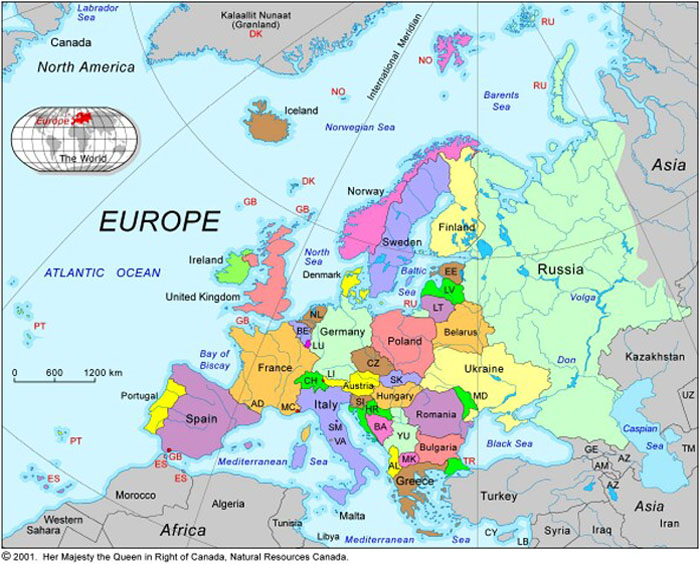
Current map of Europe

Text & Layout © 2004 Pia Jakobsson
All the images link to the respective website where they were found. Several of the sites are well worth a visit. I believe all of the images to be in the public domain, but if anyone has information to the contrary and lets me know I will take them down.


Hosted by www.Geocities.ws

1