This wheel is sometimes called the Gardnerian Wheel because it is a combination of two ancient wheels (acknowledgements to Kenny Klein). The hunting wheel, the oldest, has two God births: The Oak King is born at midsummer and rules through to Yule when he dies and the Holly King is born. The agricultural wheel has the young God born at Ostara, symbolic of the sun/son rising in the East. He dies in the second harvest, Mabon, which means 'the young Lord'.
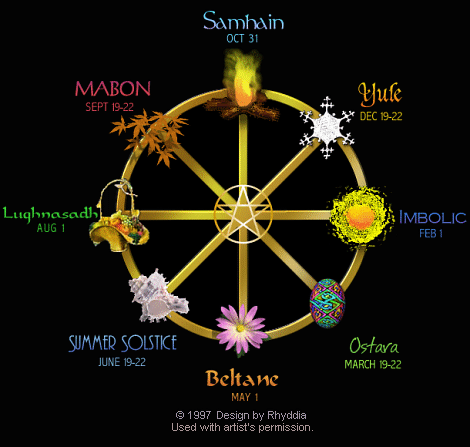
The Wiccan Wheel of the year ends and begins at Samhain, it is also known as All Saints Eve, All Hallows, or more popularly amongst non pagans as Halloween. It is a fire festival and the third harvest festival. Traditionally a time when the Goddess rekindles the Samhain fires, descends to the otherworld and we celebrate the joyful union of the Goddess and the God in the otherworld
Yule: December 21st-22nd
The next festival about 6 weeks later is Yule, winter solstice, the longest night and shortest day. Winter has covered the fields and it is a time for telling stories and sharing skills and information. We burn the Yule log that contains our wishes for the coming year. The celebration is for the birth of the Sun King. The Yule log ashes are used to start next years Yule fire.
Candlemas: February 2nd
Sometimes called Oimelc, (Ewes milk) or Imbolc, (in the belly ) as it is lambing season, or Brigits day. The Goddess has recuperated from the birth and we celebrate the Sun God reaching puberty and the awakening potential of the Goddess. (in the maiden aspect) Also a fire festival.
Eostre: April 21st
Also known as Ostara or the Spring or Vernal equinox, when the length of day and night are balanced is a good time to prepare the soil for new crops herbs and flowers. When the young God is vital and initiated into the knowledge of his own power. Also a celebration of the return of Persephone from the underworld.
Beltane: May 1st
Also a fire and fertility festival, when we celebrate the sexual maturity of the Goddess and the God by their sacred marriage. Traditionally a time when Beltane fires or belfires were lit to promote the healthy growth of the harvest. Livestock were driven between, and couples jumped these fires to ensure fertility. It was condoned and even encouraged for a married woman who was unable to become pregnant by her husband, to go into the forest at Beltane, where she could find a man to aid her in her quest.
Summer solstice: June 21st
Also called Litha. The longest day and shortest night. We celebrate the birth of the Holly King. The Oak King is challenged for rule over the land and the Goddess. The Oak King and the challenger fight and the challenger is repelled, but not before the Oak King takes a wasting wound to his thigh.
Lammas: August 1st
Or Lughnassadh, another fire festival and is the first grain harvest festival, and a time to make a new corn dolly as the old one was burnt. Demeter first realizes Kore her daughter is missing and begins to search for her.
Mabon: September 21st
Or Autumn equinox, when the length of day and night are balanced, and the second grain harvest festival. The Oak King realizes the challenger to be his son, but shows no mercy and slays him, then dies of the wound he received at midsummer. Demeter mourns Kore and casts a spell that causes all in the natural world to die, and mourn with her
The next Sabbat is Samhain and the wheel of the seasons begins again.
by Blackthorn