| October 20, 2004
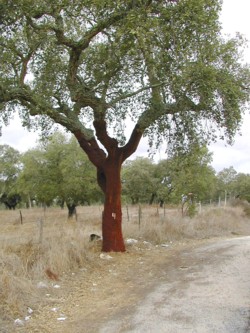
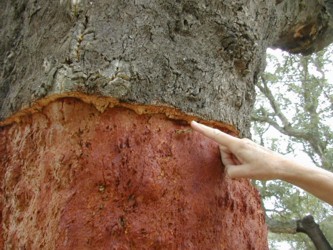
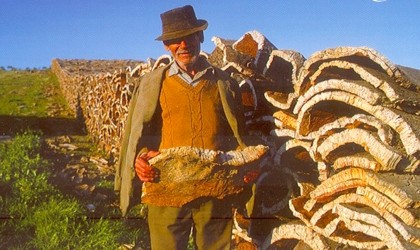
Before flying home to Florida for the holidays on October 19, 2004, we spent six memorable days exploring Portugal, three days on the road and three days in Lisbon. We drove from Lagos to Evora the first day, from Evora to Tomar the second day, and from Tomar to Lisbon the third day. As we traveled by car along the back roads of Portugal from Lagos to Tomar, we saw groves of olive, eucalyptus, and cork oak trees. Especially interesting were the cork oak trees, all at different stages of harvesting. The number on each tree indicated the year of the last harvest. Trees whose trunks were red in color had just had their outer cork bark stripped. The cork tree took 25 years to mature before the first harvest. Once stripped, it took 9 years for the bark to regrow with each cork tree continuing to produce for over 100 years. |
 |
 |
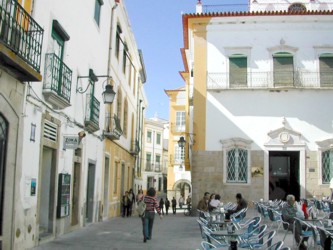
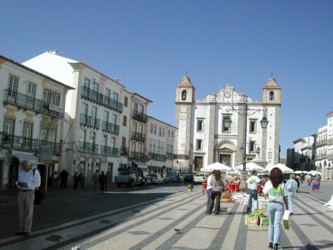
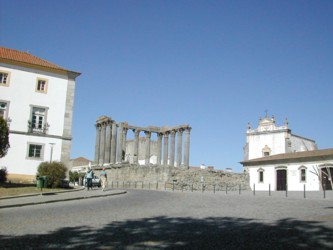
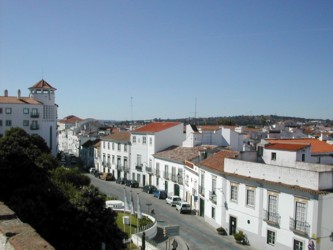
| Our first major stop was the town of Evora. Still surrounded by much of its medieval walls, the historic center of Evora was considered one of Portugal�s most important landmarks having been a cultural hub for almost 2000 years from the Romans (2nd century B.C. to 4th century A.D.) to the Moors (8th to 12th centuries) to the Portuguese kings up until the 16th century. Of particular interest in Evora was seeing the well-preserved ancient Roman temple, the 12th century cathedral with one tower Romanesque and the other Gothic, and the Church of St. Francis and the Chapel of Bones. Inside this macabre bone chapel, all walls were completely lined with bones and skulls, all unearthed from nameless graveyards. Supposedly three monks concerned with the ills of their day thought that this chapel would provide a helpful place for the people to meditate and reflect on the shortness of their material life and the inevitable presence of death. Before leaving Evora, we walked the street where Vasco da Gama had once lived and imagined ourselves back in that era. |
 |
 |
 |
 |
| Page 1 |
 |