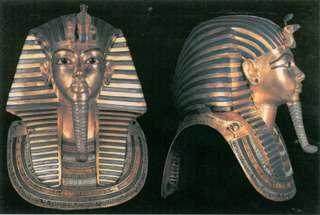
Also among his valued treasures were his four canopic jars, each complete with a Tutankhamen-head stopper. During the mummification process, which took 70 days, the internal organs of the body -- intestines, stomach, liver, and lungs -- were removed and put into canopic jars before drying out the body. These were then buried alongside the coffin in the tomb. The only organ to remain with the body was the heart, as the heart was said to contain the soul of the person and so needed to be weighed in the afterlife. Before leaving the museum, we visited the royal mummy room containing the mummy of Ramses II, the best preserved of all the mummies.
Friday afternoon, June 13, we flew back to Turkey from Egypt, marking the end to our unforgettable journey into Egypt�s great historical past. What an amazing nine days it had been! It certainly exceeded all of our expectations. |