|
Construction and
Completion
|
|||||
|
As young children grow and develop they become increasingly interested in the word around them. Their attention expands from immediate, personal concerns to involvement with others and their surroundings. Learning about the elements of the community in which they live is a basic and natural extension of a child's curiosity. The following content standards are connected tot he development of the 3-D mathematical community:
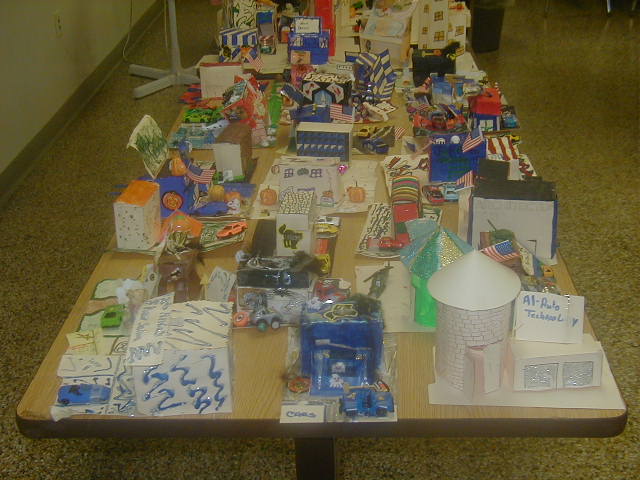
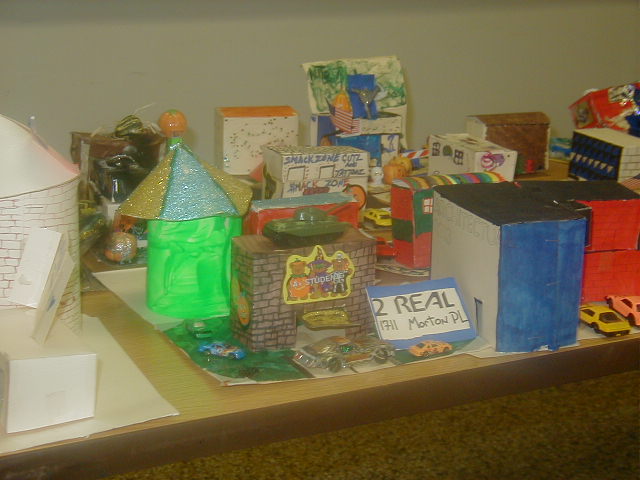
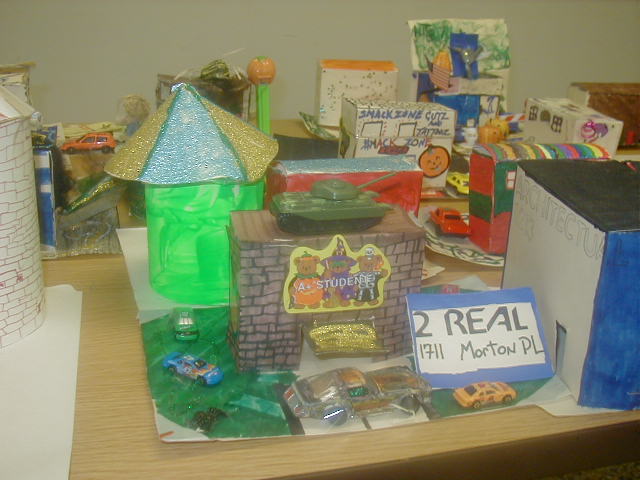
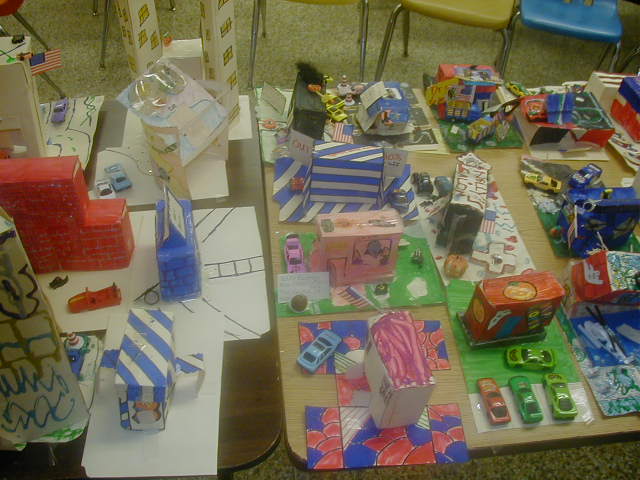
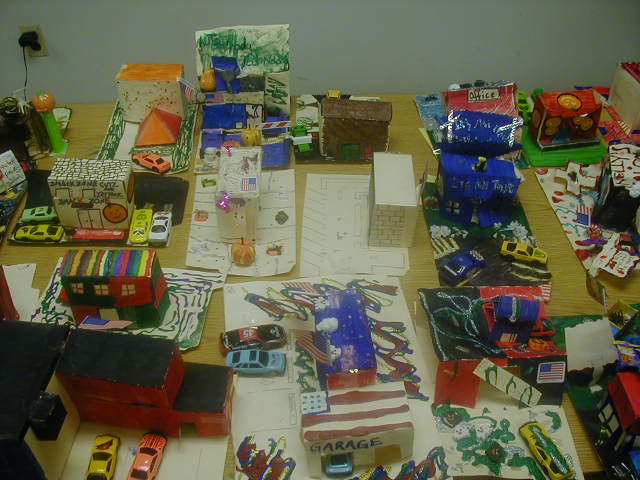
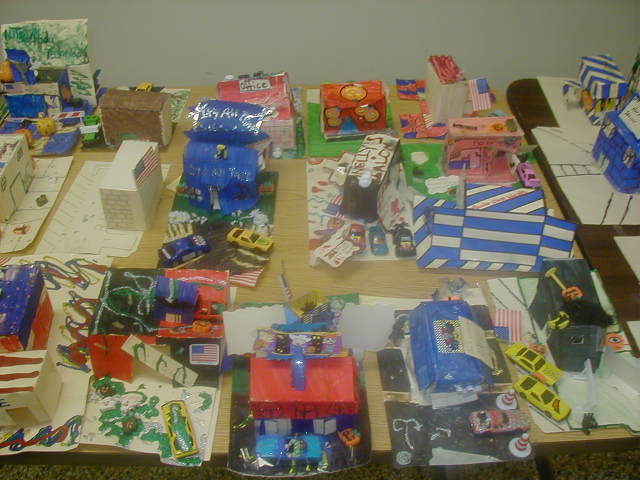
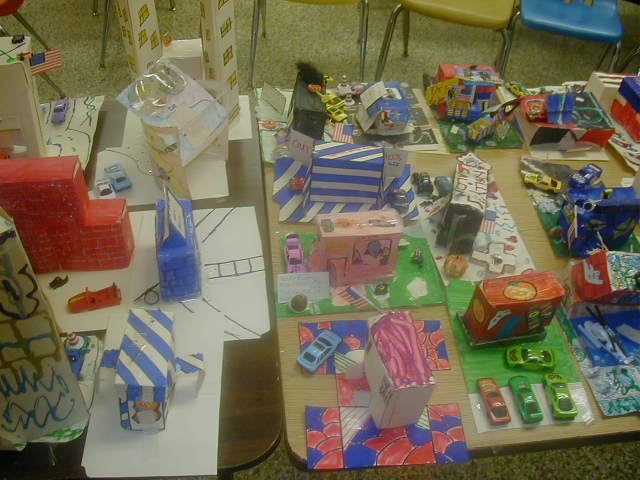
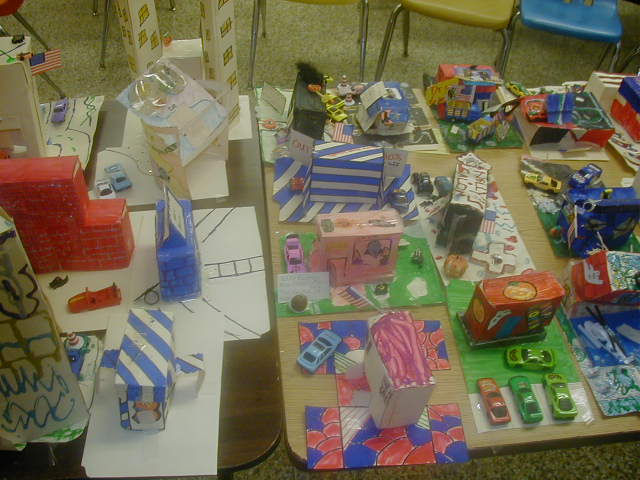
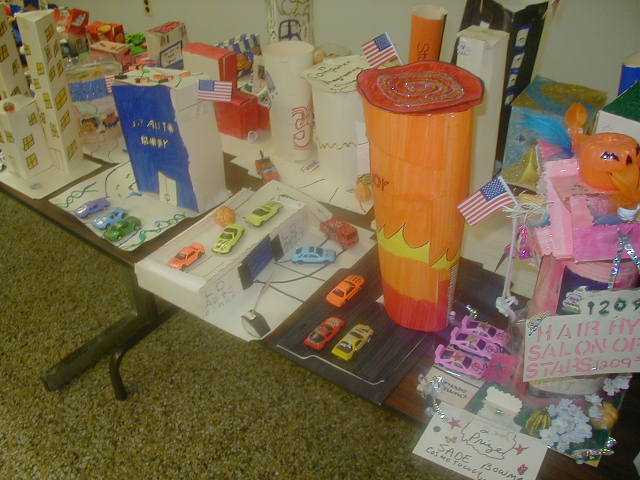
The making of the 3-D community will integrate other subjects into the curriculum being taught. The social studies content standards will be taught as the community structures are introduced. The school building, the local library, the local banks, the community hospital, the community food markets, the local drug stores, the community post offices, the local police and fire stations and all the community businesses that make up a twenty block square around the local school will be built in the 3-D community.
The science content standards will be taught when the children make the 3-D community environmentally friendly with tree, lakes, rivers, electrical lamp posts, trash disposal recycling plant, adding rocks and bushes to make all the 3-D community very creative and somewhat like the real community they live in. |
The English
content standards will be taught when the children make the 3-D community
come to life with the names of real streets on the street signs, the name
of real stores on the buildings of the 3-D community, and signs posted in
the community of directions north, south, east and west.
|
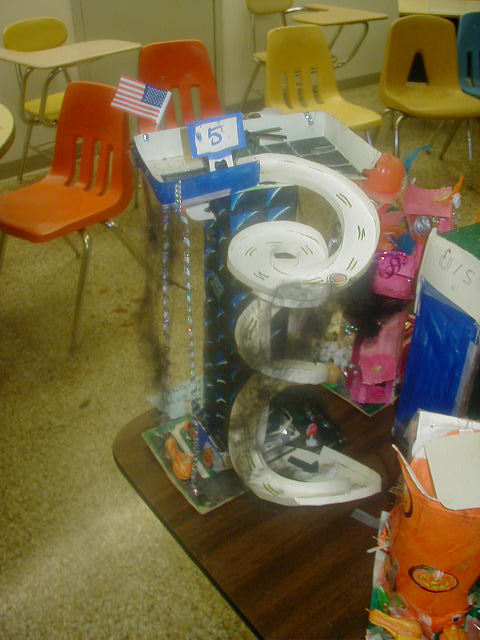
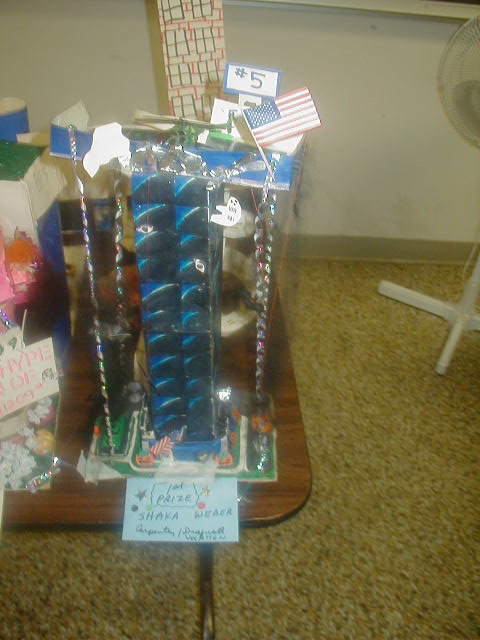
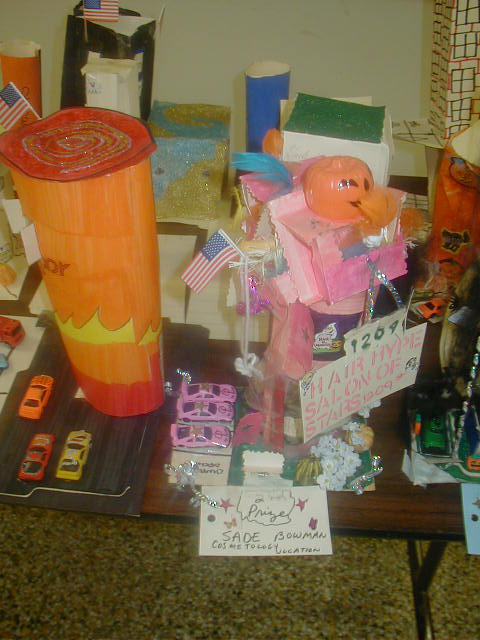
During American
Education Week 2001. The 3-D communities were displayed and judged
by the Principal of Phelps Career Senior High School, Reginald
Burke. A 1st, 2nd and 3rd place winner was selected.
The winners were: Shaka Webber, 1st Place Sade Bowman, 2nd Place Ivan Dozier, 3rd Place
|
|||