
SYRMATICUS MIKADO
TAIWAN

|
|
|
|
|
|
|
|
|
|
|
|
|
|
| MIKADO SYRMATICUS MIKADO TAIWAN |
|||||||||||||
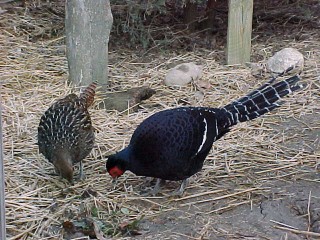
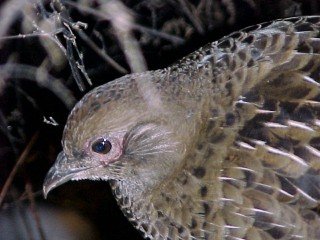
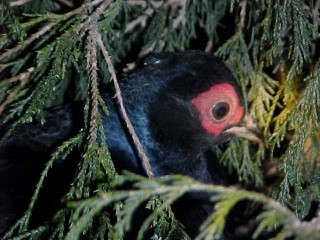
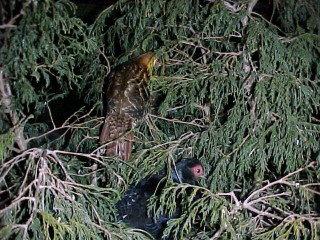
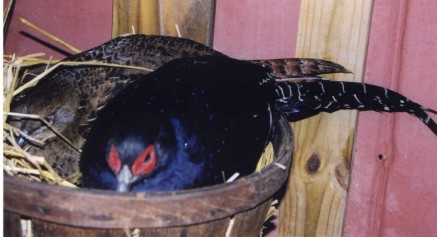
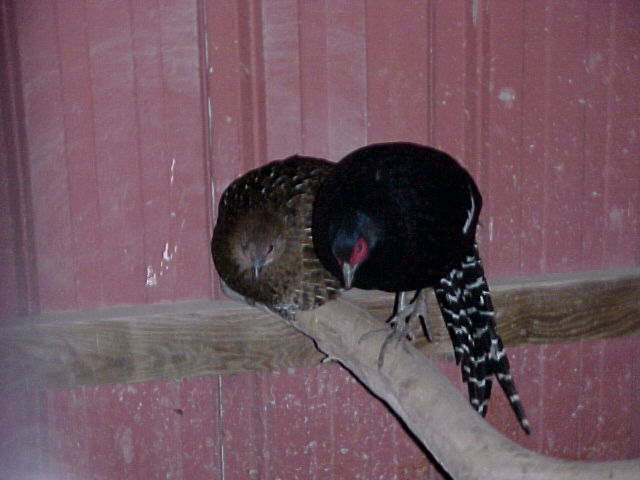
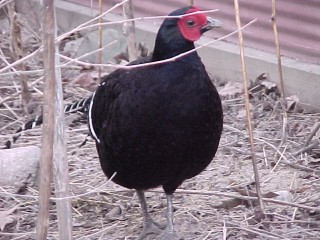
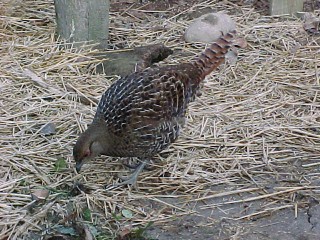
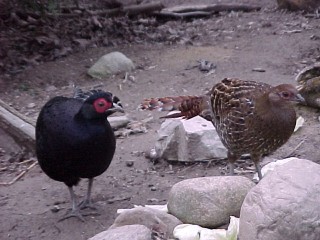
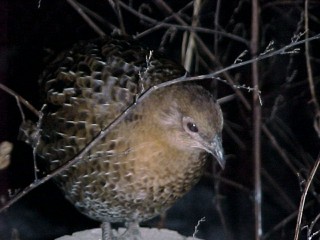
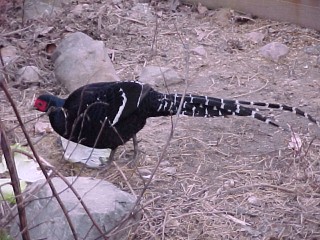
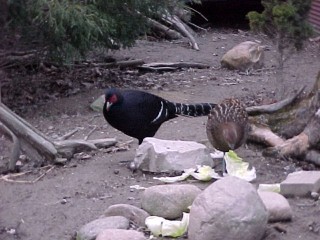
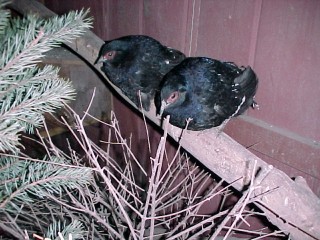
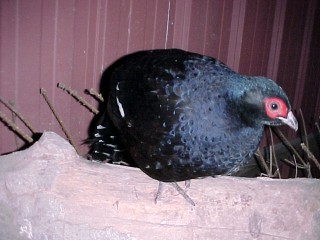
| This blue black Syrmaticus with white barring on his tail is more exquisite than he appears because in the sunlight the bluish purple sheen appears. The hens are a brown with chestnut on their tails with black dots. These popular bird from high elevations of Taiwan inhabits forests and do like plenty of cover in their enclosure. The reason for the cover is because of the males aggressiveness towards his mate much like the Coppers and a few Temmincks we have had. They are sometimes called "hen killers" and this term is correct as we have had this happen on a few occasions. But it has been the first year breeder males doing this, and we have never had a bird two years old or older injure his hen other than plucking a few feathers from the back of her head. With a pen that has lots of cover you can take precautions by trimming the males upper mandible and the flight feathers on one wing. Some people use blinders-we don't care to but have used bits in the past. We have three pairs with the oldest being twelve years old at this writing who have, for the last seven years, hatched their clutches and raised them till fall at which time we remove them. This male has shared the nest with his mate and relieves her while she feeds and rests. To watch him setting the eggs always amazes me, and I have often wondered if they do this in the wild as I have never read anything in any publication about this. They like an above ground nest, we use a tomato basket but about any type can be used as you can see in a few photos below the basket is actually a John Deere grain bin that works well. The main thing is plenty of greens, fruit and, what we found to be a favorite sweet potatoes and strawberries. The chicks do best with plenty of meal worms and greens in their diet from the start. They are given hard boiled eggs after the first few days with grasses and cut up lettuce. The chicks grow quick, but you need to separate the males and hens as there may be injuries. The chicks are susceptible to infections and worms therefore we keep them on wire for the first three months with dust baths also provided. This high altitude bird is a pleasure to watch with his display and chase of the hen with the rearing of their young. Incubation 27-28 days. | |||||||||||||
|
|||||||||||||
|
|||||||||||||
|
|||||||||||||
|
|||||||||||||
|
|||||||||||||
|
|||||||||||||
|
|
||||||||||||
|
|||||||||||||
|
|
||||||||||||
|
|||||||||||||
|
|||||||||||||
|
|||||||||||||
|
|||||||||||||