Choosing A Bird
Be sure the bird you choose is healthy.Signs of good health in a bird include bright eyes, clean shiny feathers, good appetite and lots of energy. Healthy birds eat often and are active. To help insure a healthy pet, obtain your bird from a reputable bird store or breeder.
Take your new bird to an avian veterinarian for a "well bird check up" immediately. Good pet stores will allow you to return a sick bird. This insures that you get a healthy pet, and lets you meet an avian veterinarian in your area. It also helps the pet store or breeder maintain healthy birds.
During your bird's check up, the avian vet can advise you as to diet, maintenance, training, hygiene and medical needs. Be wary of any pet store that claims the bird needs no medical attention. It is important for ALL birds to have routine check ups, one when newly purchased and then every year for healthy birds.
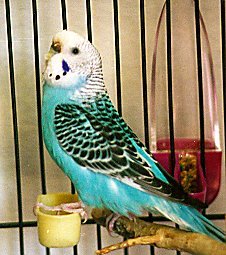
Now, how about setting up your bird's new home? You want it to be safe and comfortable. Buy the largest cage you can reasonably manage in your home. Be sure he can not slip his head between the bars. It should be convenient to clean and allow easy access to food and water containers. The perches should be of varying sizes, preferably of natural branches. These can be purchased at pet stores or you can collect your own. Manzanita, madrona and eucalyptus are all safe woods for birds to chew. Rinse them off before placing them in the cage. If you have other birds, place your new bird in an isolated room since many birds harbor contagious, disease causing organisms. This is very important to the well being of all of your feathered pets. The avian vet can advise you as to the safety of introducing him to your other birds when you have the exam.
Bird's diets vary greatly from one species to another, but a good rule is that no more than 50% of a bird's diet should be seed and nuts. The remaining 50% should be vegetables, leafy greens, fruits, small amount of cheese, lean cooked meats, boiled egg and other "people foods" with a powdered vitamin supplement added. Many birds love yogurt. All need fresh water daily.
Avoid walnut shell bedding material for the cage bottom. This frequently carries a fungal infection called aspergillus. Paper towel or corn cob bedding is all fine. Clean or replace them daily.
Finding an avian veterinarian can be difficult. Many vets do not treat birds, so it is important to find a specialist in avian care. Sometimes the breeder or pet store where you purchased your bird will have a referral to a local avian practitioner. If you are having a difficulty finding one, call your local Veterinary Medical Association for a referral. |