|
|
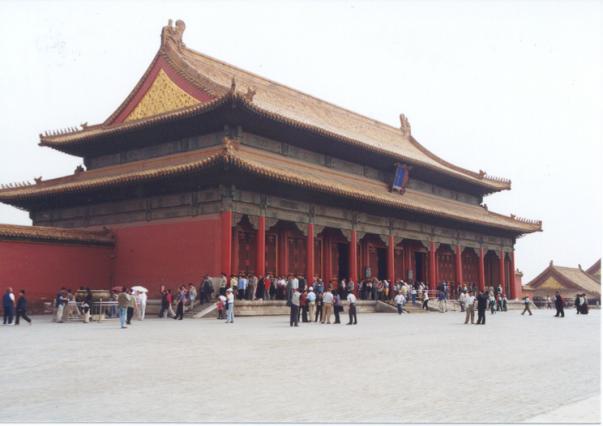
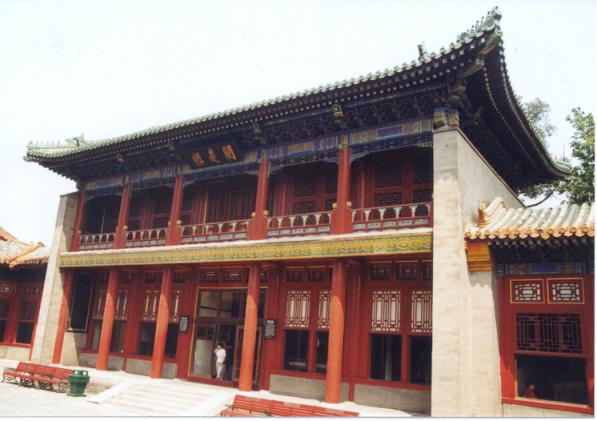
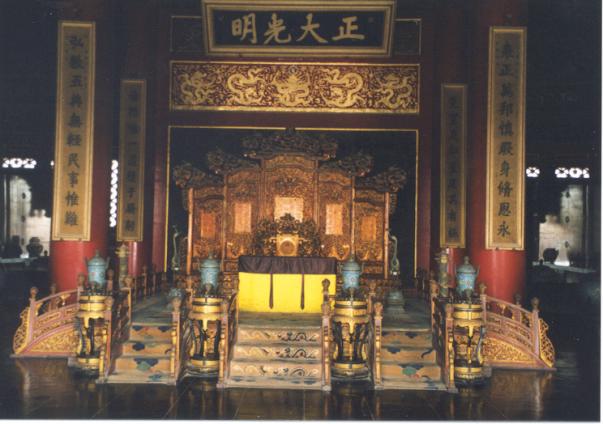
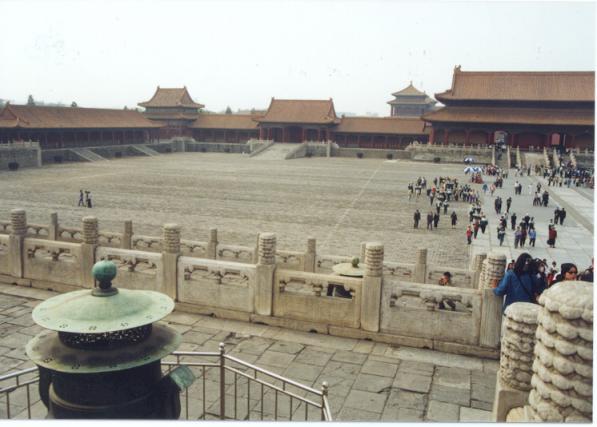
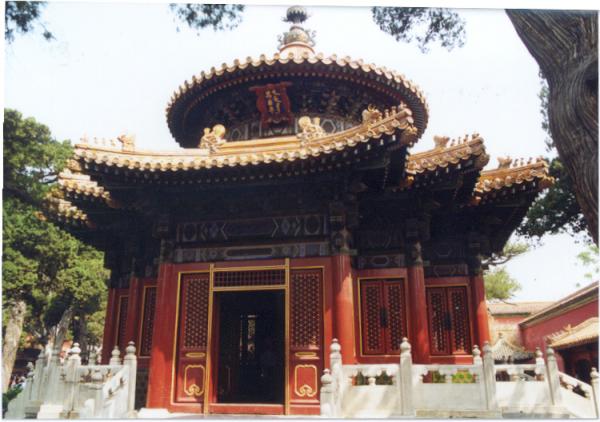
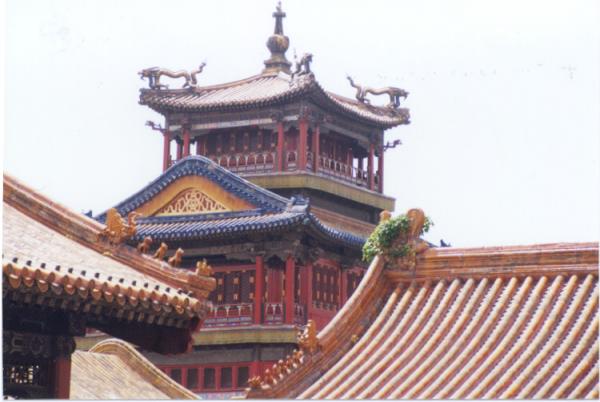
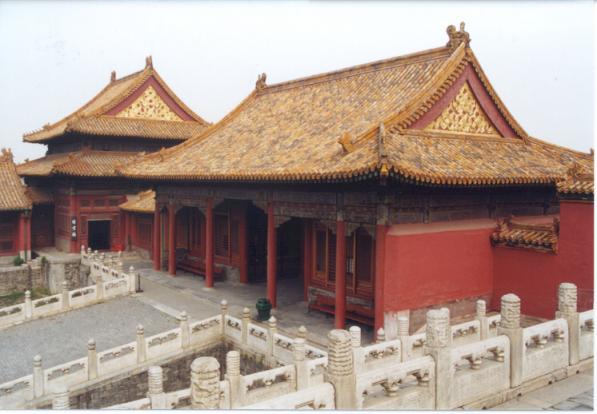
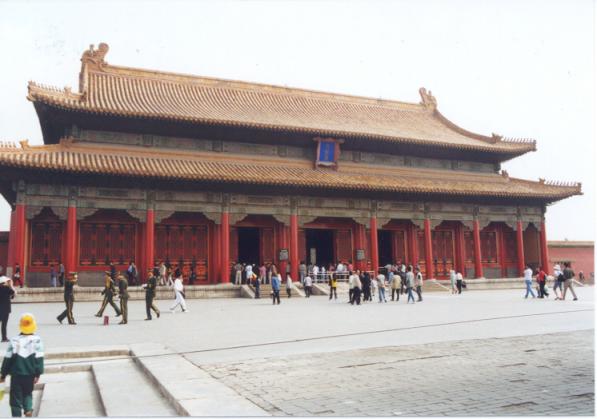
| The Forbidden City Beijing, CHINA (May 11-14, 2000) Forbidden City, also known as the Imperial Palace is China's largest and most significant building. Its origins date from the Yuan dynasty (1271-1368). Emperor Yongle of the Ming dynasty had the palace enlarged to its present day size between 1406 and 1420, after he had transferred the capital from Nanjin to Beijing. The palace was the residence of 24 Ming and Qing emperors. Ordinary mortals were forbidden to enter the palace. The predominant colour of the building is crimson which symbolizes the polar star. The imperial palace reflects the cosmic order. The complex, which is built mainly of wood and brick, extends over an area of 720,000sq.m/861,120sq.yd. The palace and pavilions together contain over 9999 rooms, all of which have been very well preserved. The complex is divided into two areas: an outer area, which was used for ceremonial purposes, and an inner area, which is of a private nature. The whole place is surrounded by a 10m/33ft high wall with four corner towers and a 50m/55yd wide moat. The main hall lies in the central north-south axis, flanked by many other halls to the east and west. |