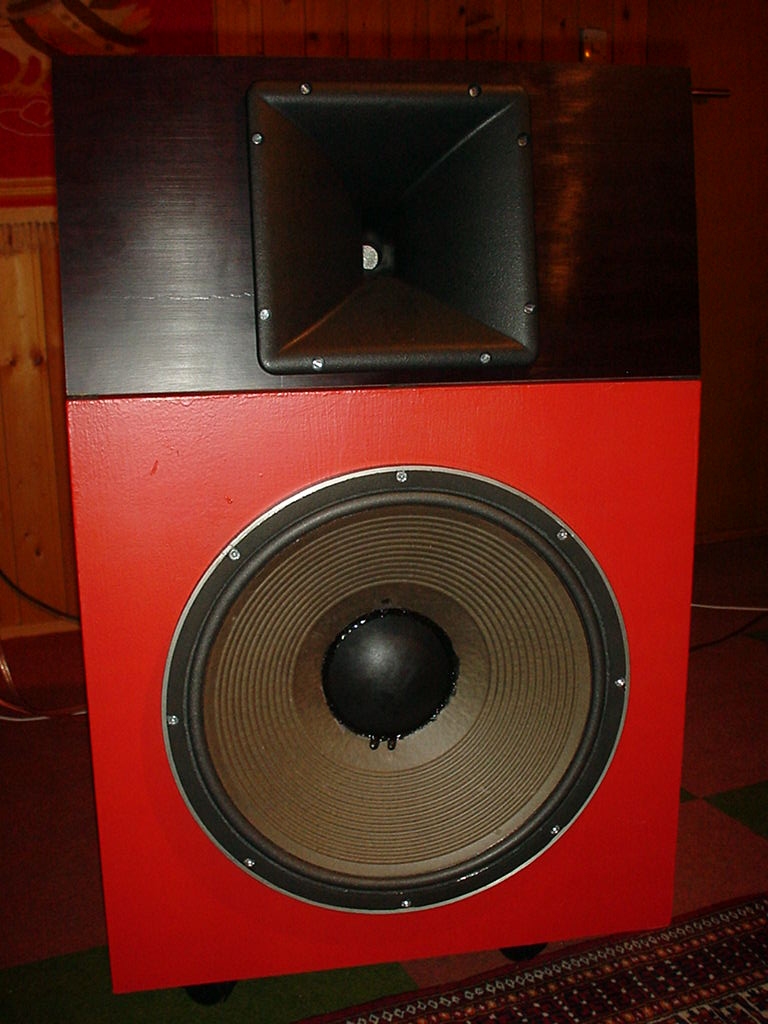
Activated Basszilla with vintage drivers
a reflection about high efficient, (nearly) single-source fullrange speakers
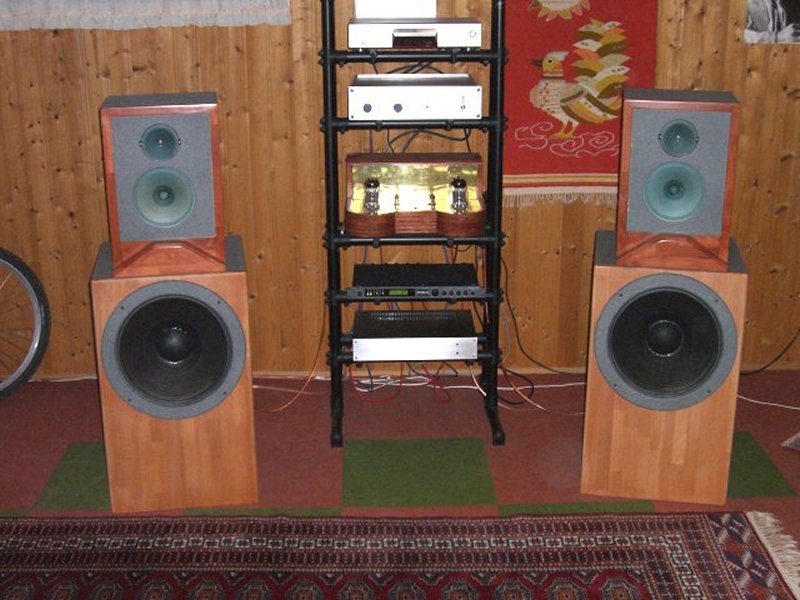
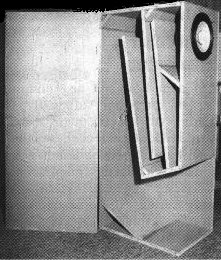
I can recommend the Basszilla designed by Dick Olsher and all its advantages, after building all kinds of speakers for the last 20 years. You can even improve this idea by activating it like I did and use high Qt drivers.
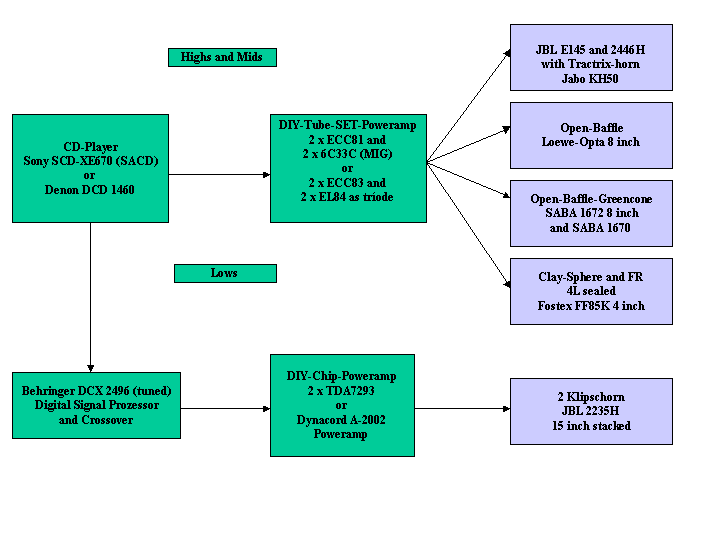
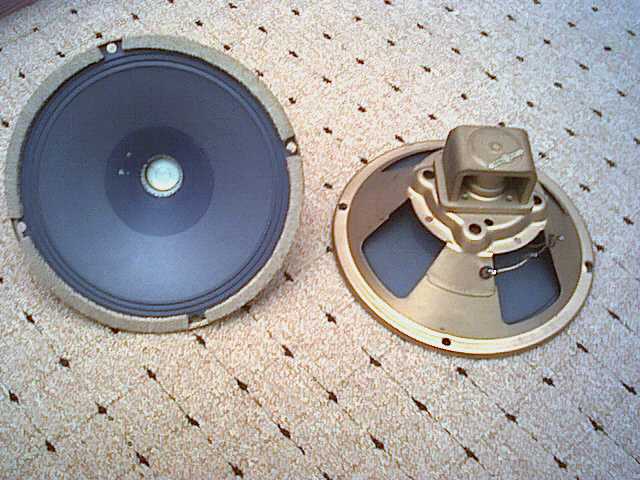
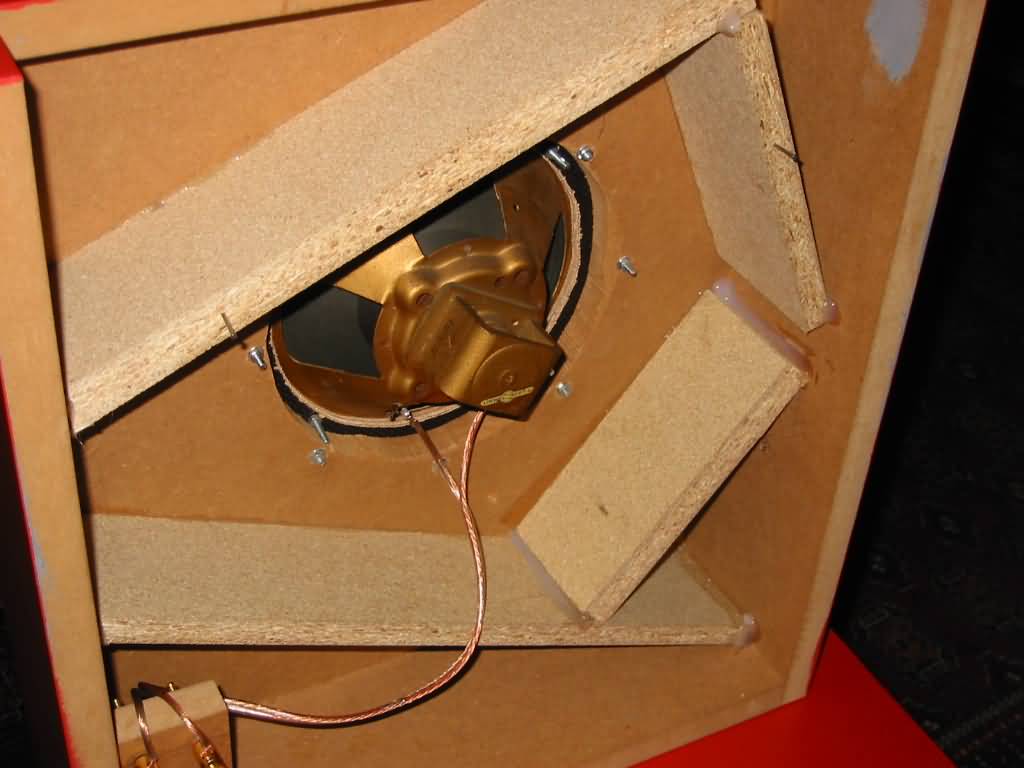
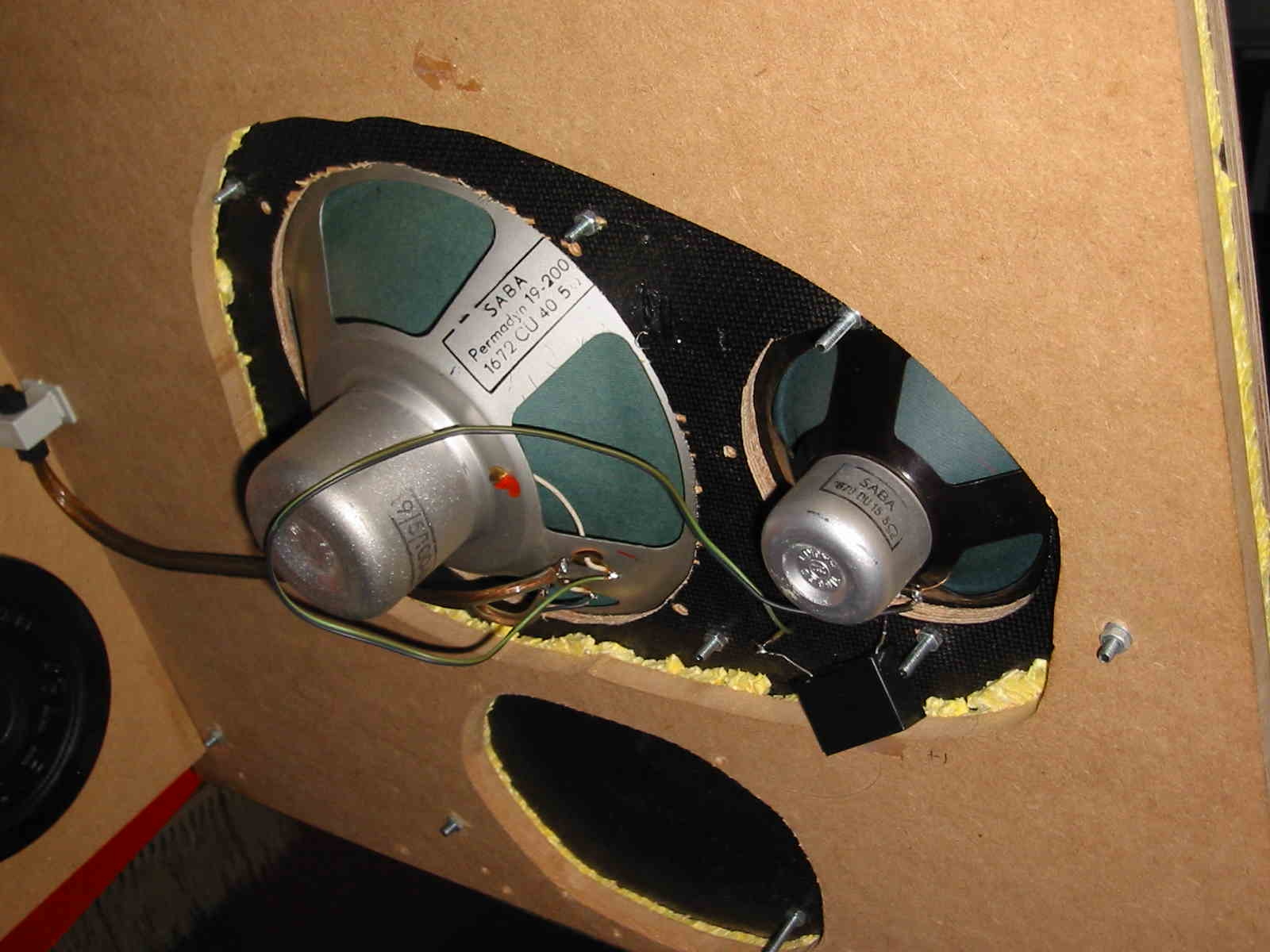
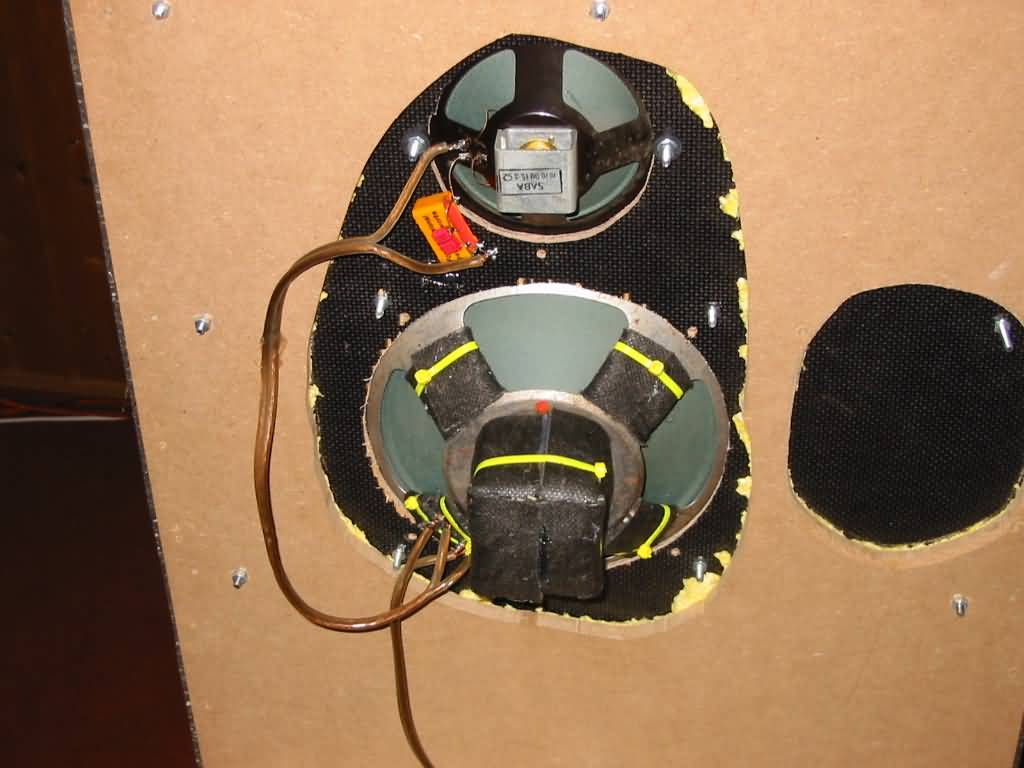
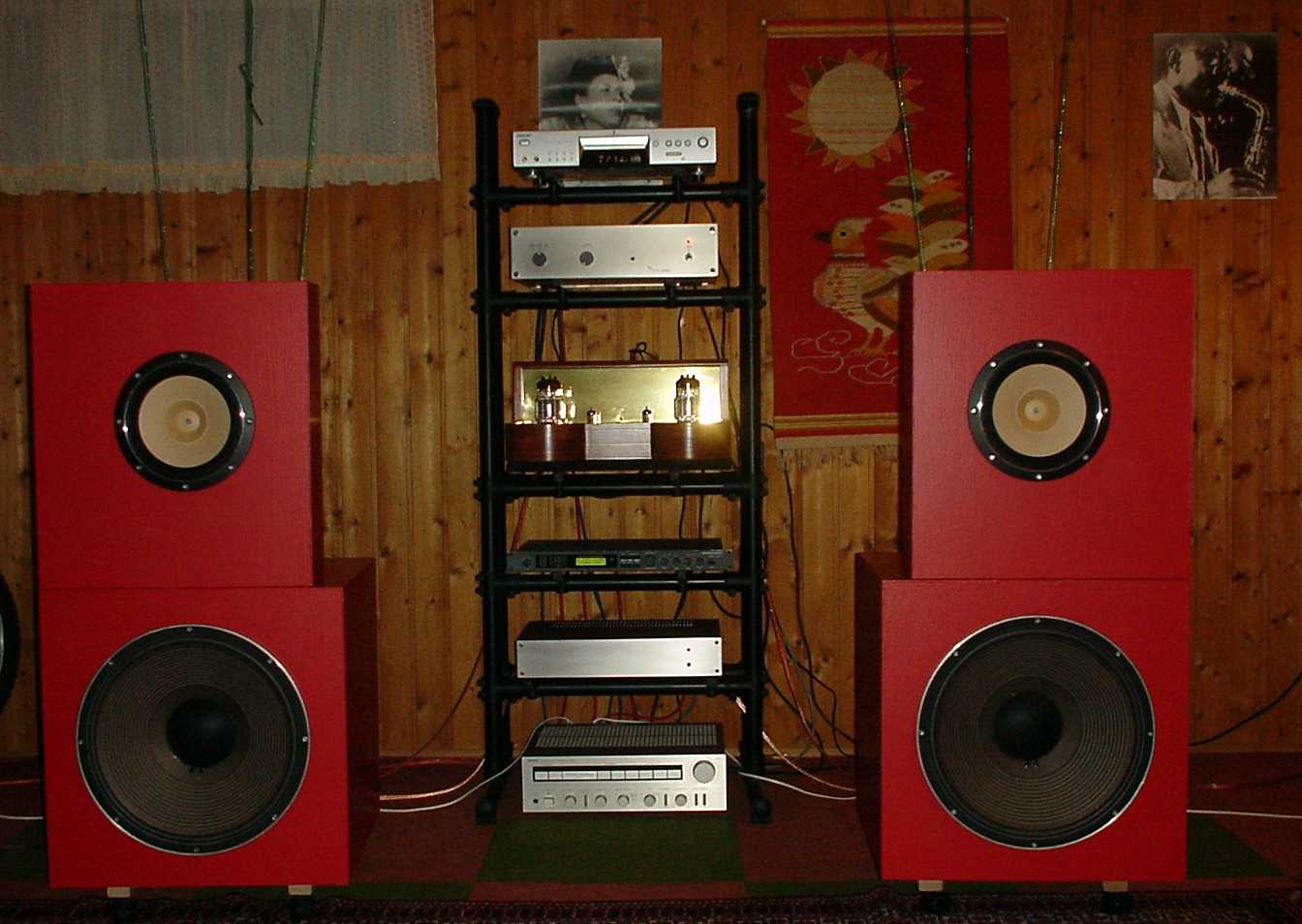
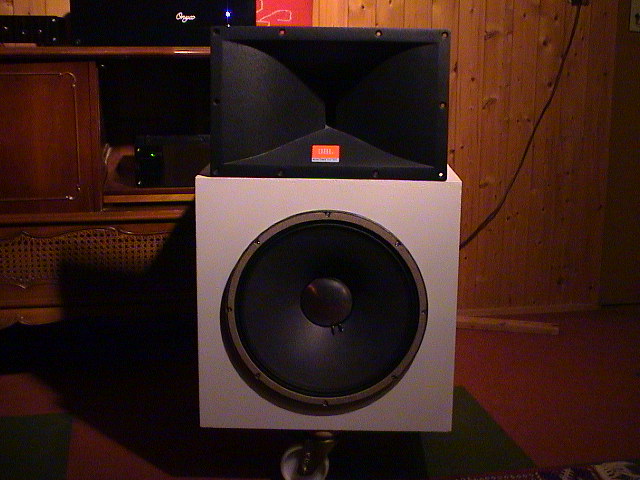
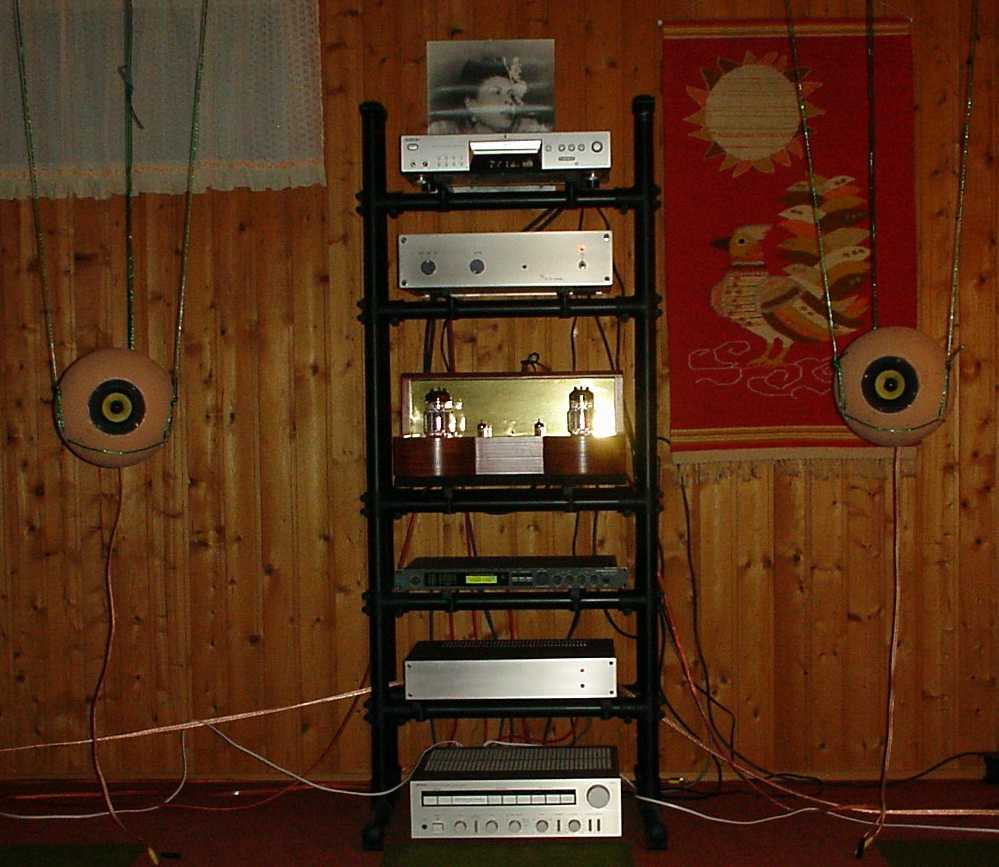
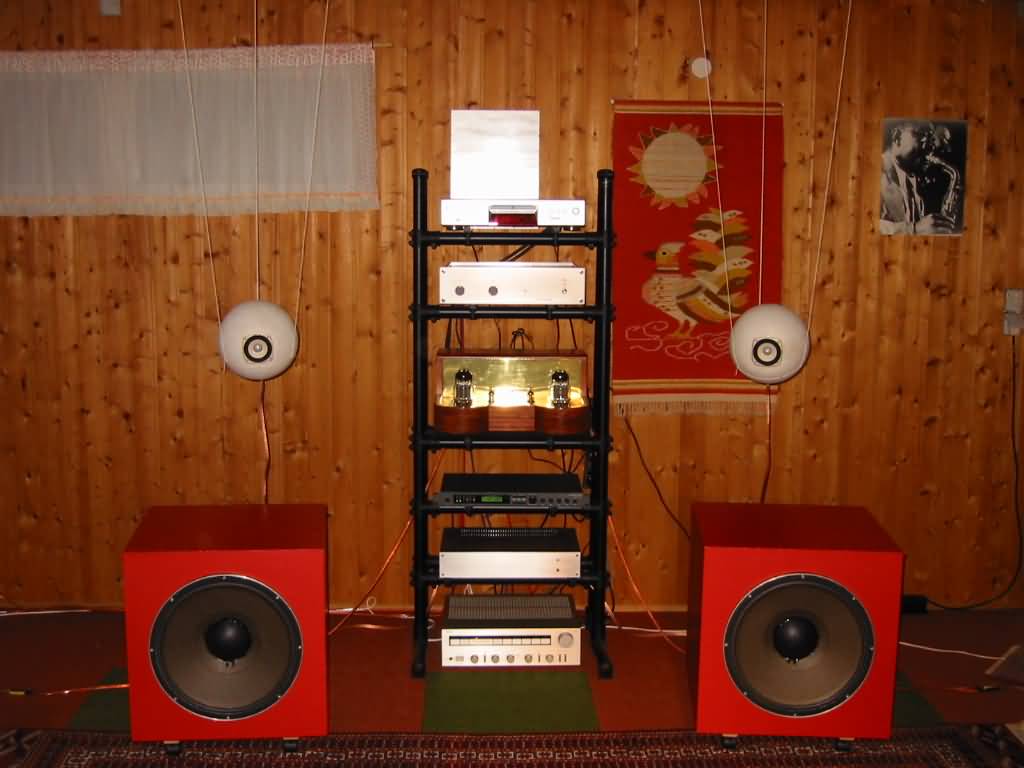
Right now I´m using different kinds of 8 inch German vintage widerange drivers without crossover in my open-baffles. A Loewe-Opta from 1953 without additional tweeter as you see above and a Saba Greencone 5298 with its special Saba cone-tweeter. These drivers are from the fifties and were used in console tube-radios. They have two advantages compared to modern fullranges. They have a high Qt which makes them more suiteable for open-baffle application and I can therefore cross them with the sub at 70hz with 24db. Furthermore they have no interfering whizzer-tweeter, which beams a lot and makes voices sound harsh in my oppinion. The disadvantage is the additional tweeter. But I cross it with 1,5µF far beyond 10khz. As a woofer I use 15 inch JBL 2235H speakers in 93 liter bass-reflex cabinets.
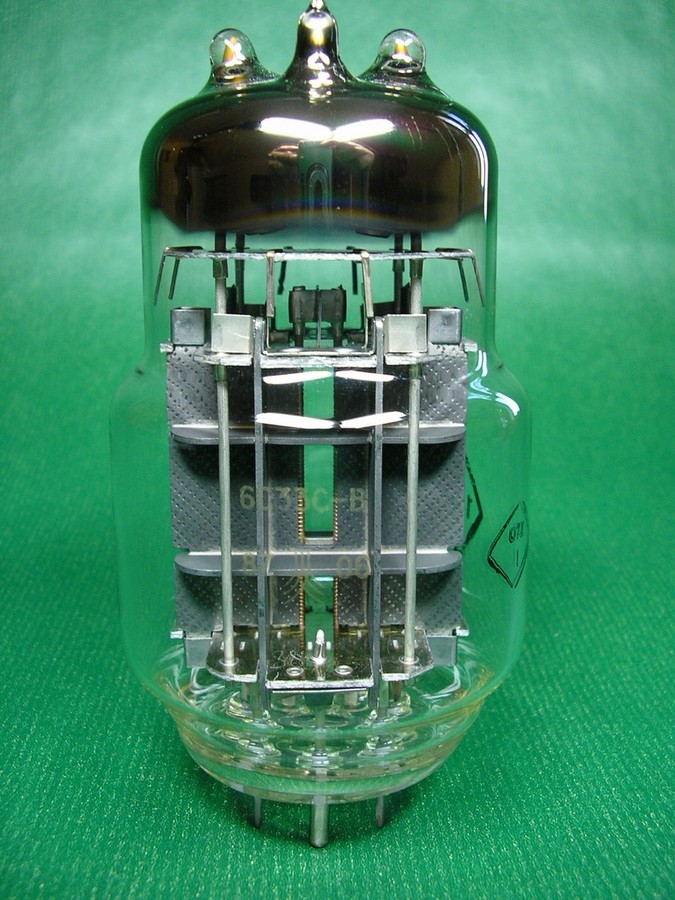
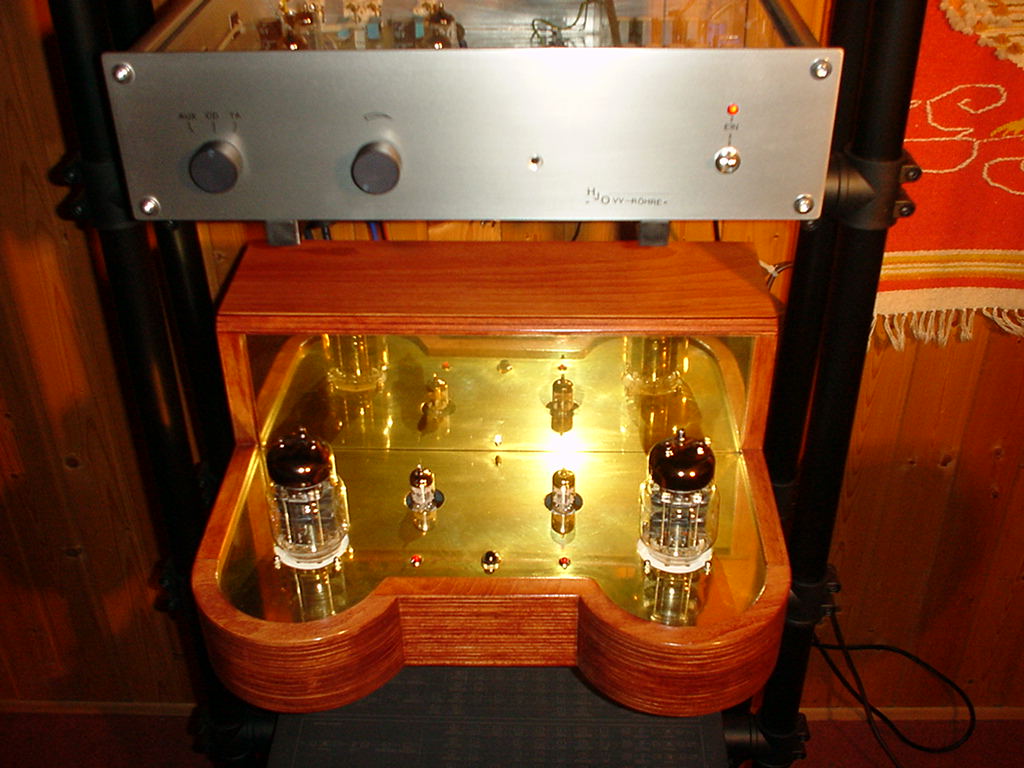
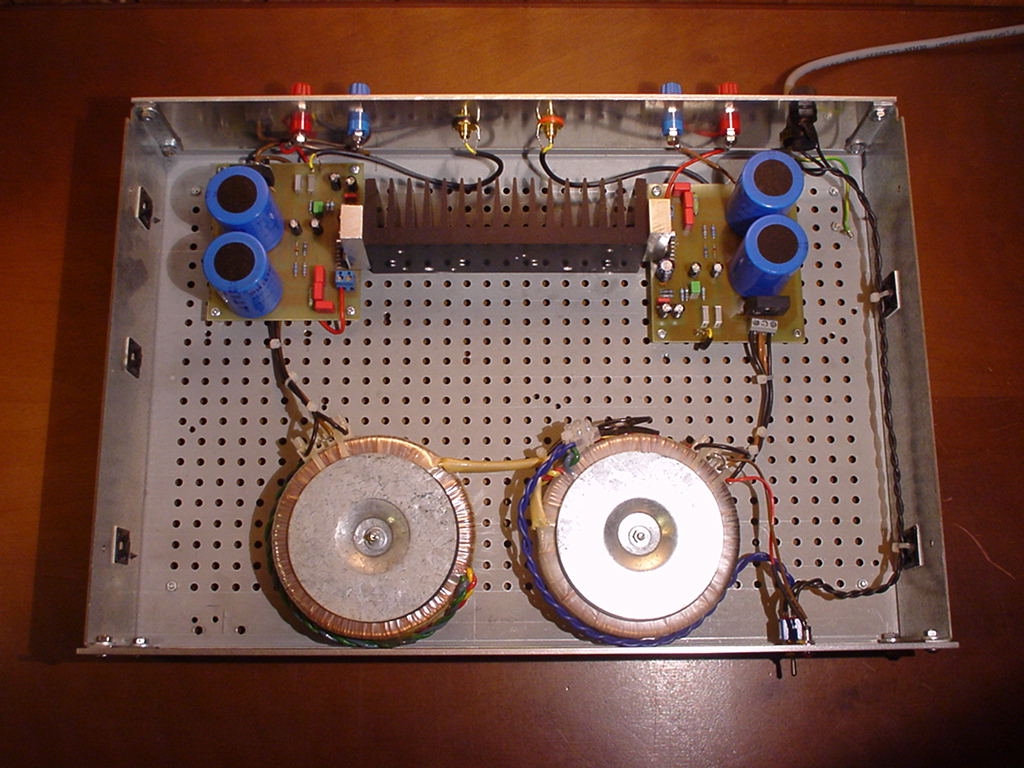
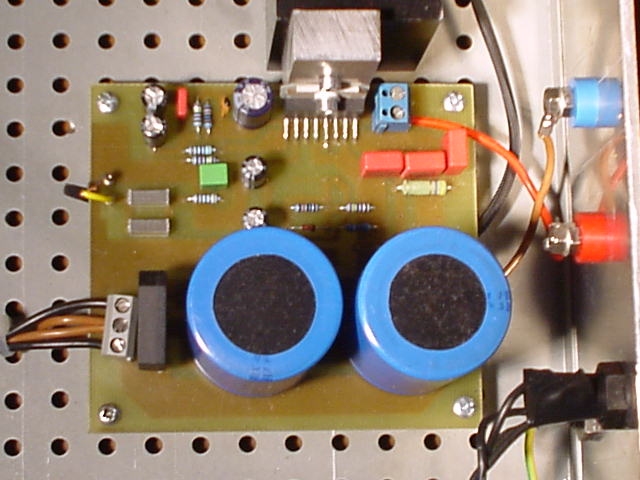
The System is driven by a 6c33c-b DIY SET tube amplifier and tube preamp with double outputs(2x2 ECC82) built by a friend; the woofers by a HiAmp100 DIY ic-amp(dual-mono TDA7293v). There is no crossover in front of the Saba Greenocnes or Loewe-Optas; the acoustic short-circuit of the open-baffle is the high-pass acoustic crossover. The woofers are separated by a digital crossover, Dynacord DSP224. I also use the DSP to eliminate the resonance of the room at about 60 hz. The system is fed by a Sony SACD-player SCD-XE670.
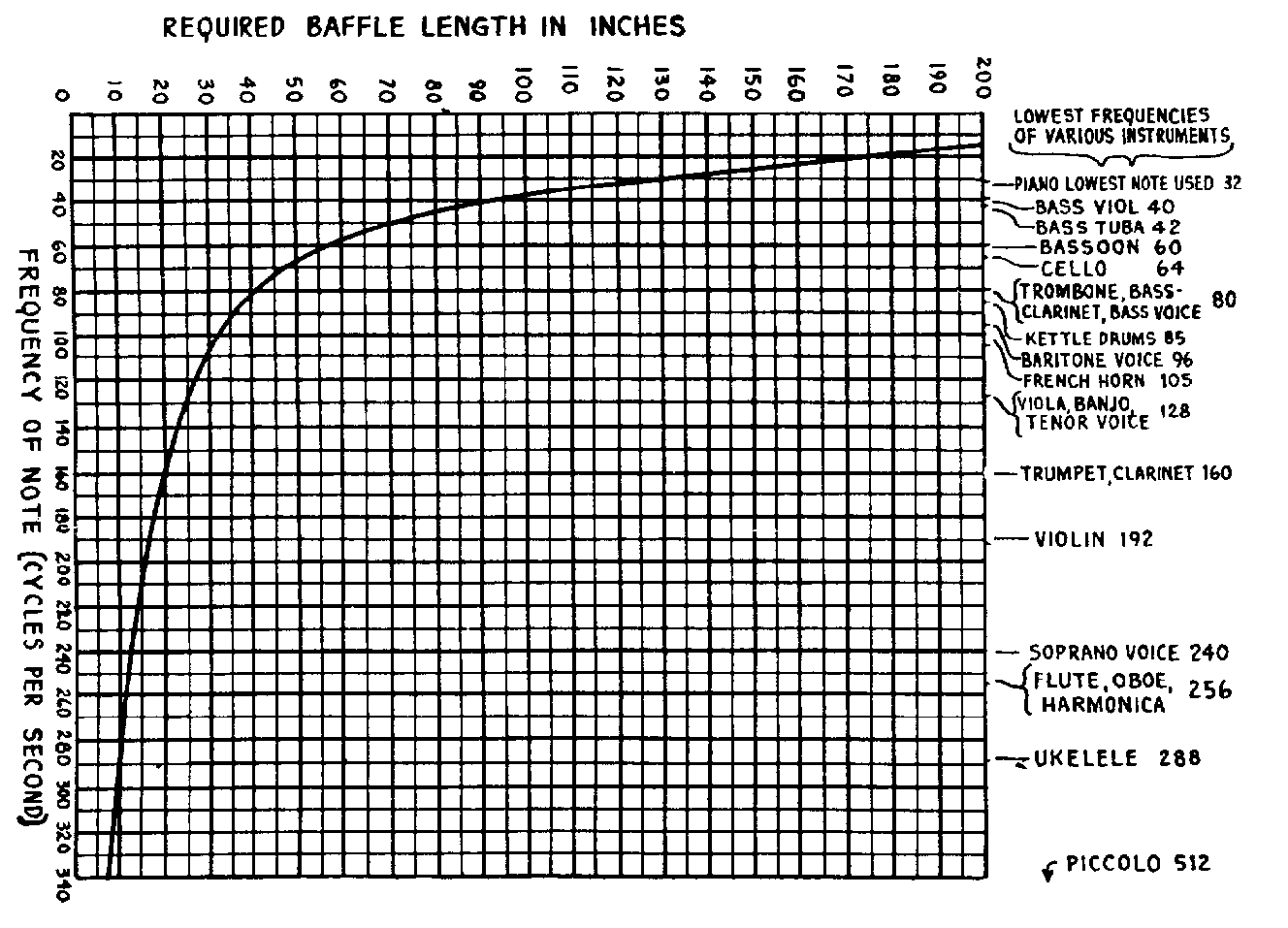
I had been using the Fostex FE208 Sigma recommended by Dick in an open baffle with the LCR-correction of the Jericho horn, but I dropped it due to its low Qt, which forced me to to cross in the woofer too high in the range of deep voices. Other reasons were the whizzer and the strong beaming. To my taste these factors make voices sound harsh. It had the typical Fostex-sound. You have to like it. In my opinion high Qt horn drivers, like Lowthers and Fostexes, should not be mounted on open baffles, because their amplitude begins to fall at about 400hz towards the low end. No matter how large the open-baffle is designed.
Advantages for the sound of this (activated) system:
1. No reflections on the back of the cone from the cabinet.
2. Single point source between 100hz and 8 to 10khz.
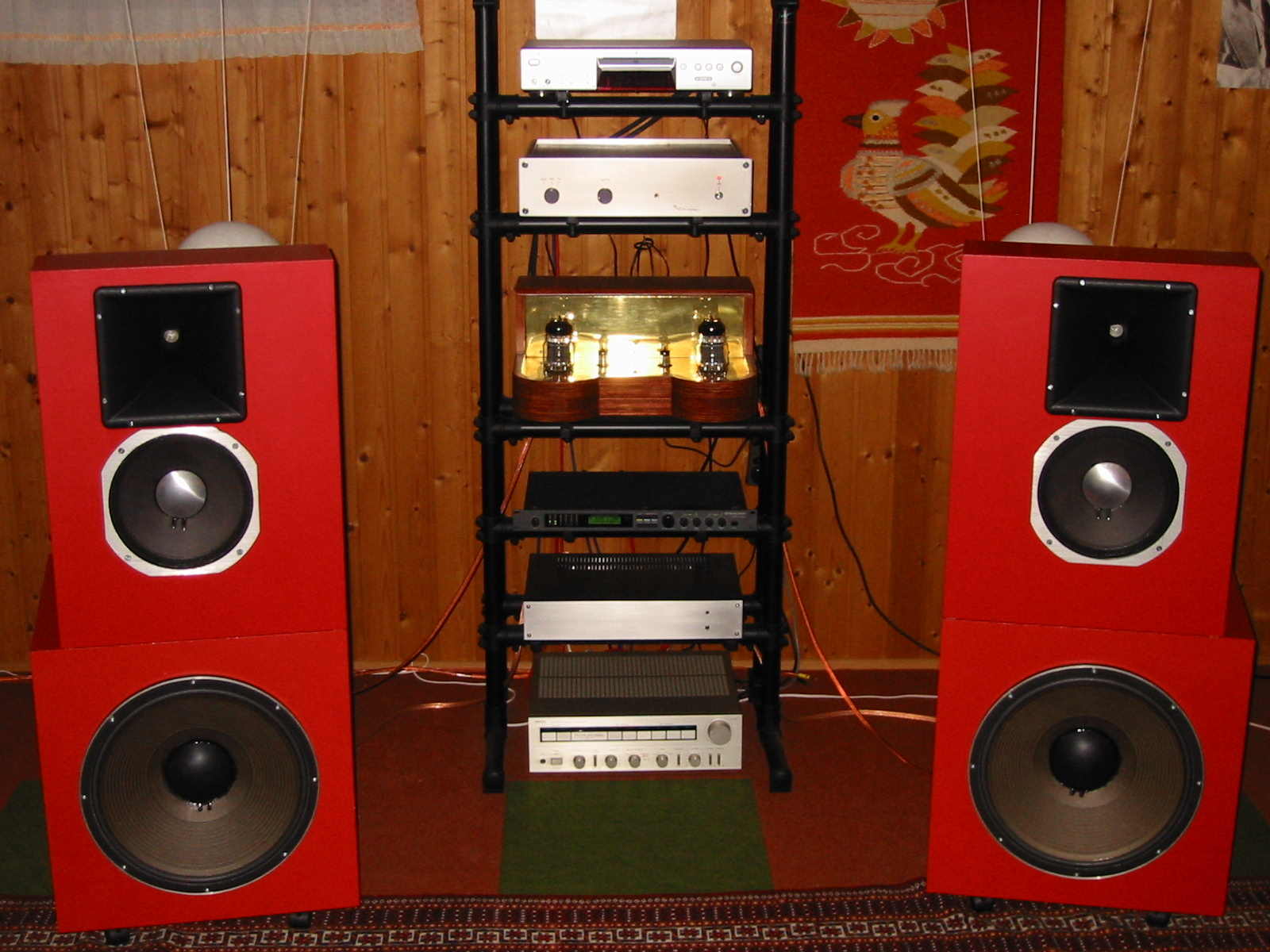
3. High dynamics without horn sound. All horns I know have to be separated in the frequency of the voice. It is very difficult to achieve a good sounding crossing in this area. I tried it for some time with JBL 2446j drivers and 2380a horns combined with JBL K130 15 inch woofers. I have also listened to a commercial 50.000,- $ high-end 4-way system in my neighbourhood. Voices were not much better. Just too many sources. Dynamics is not everything!
4. High sensitivity for feeble SET-amps (2A3, 300B) or small but fine solid state class-A amps (Nelson Pass and André Buscher).
5. Strong and cheap Mosfet- or Chipamps, like Gainclones or subwoofer-amps, can be used to drive the woofer. The quality does not have to be high-end, because they only work up to about 100hz.
6. Full control on the woofer with Mosfet-amp without passive crossover.
7. Affordable woofers with lower efficiency can be adapted to high efficiency drivers. It allows me to combine all kinds of drivers, for example a fullrange Vifa 10BGS 119/8, without any correction, in a 4 litre sphere made of clay, hanging from the ceiling with the JBL´s or two Klipsch horns and a crossing at 50 hz. Beautiful pinpoint sound with little dynamics.
8. Easy adjustment to the room resonance and the amount of bass you prefer according to the recording. There are no standards.
9. The cabinets are easy to build compared to horns.
(Dis)advantage(s)
1. Placement away from the wall behind for at least 5 feet.
2. Vintage drivers are hard to find, but ebay and DIY can help! Use a cheap subwoofer-amp with built-in active crossover to include in the cabinet of the woofer. Short cables!
3. Bad recordings become unbearable to listen to. Lots of cd´s for Christmas for others!
Two more flavors of the system
1. Another speaker is a Fostex FF85K 4 liter sphere made of clay without crossover. It has the best Bl to Mms acceleration factor (BL 4,33 / 0,0018kg = 2405) of any fullrange driver I know. No other Fostex, Tangband, Lowther or Jordan can beat it!
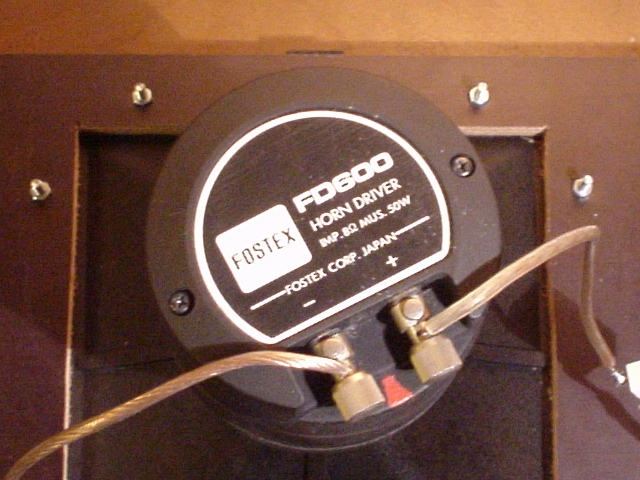
2. For very high dynamics I use JBL E110 PA-wideranges on open-baffles with RCF H100 90x75 horns and Fostex FD600 1" drivers. I cross at just above 2khz in the midrange and at about 170hz to the woofer. This solves the problem with horns and voices. All other speakers sound like toys compared to them.
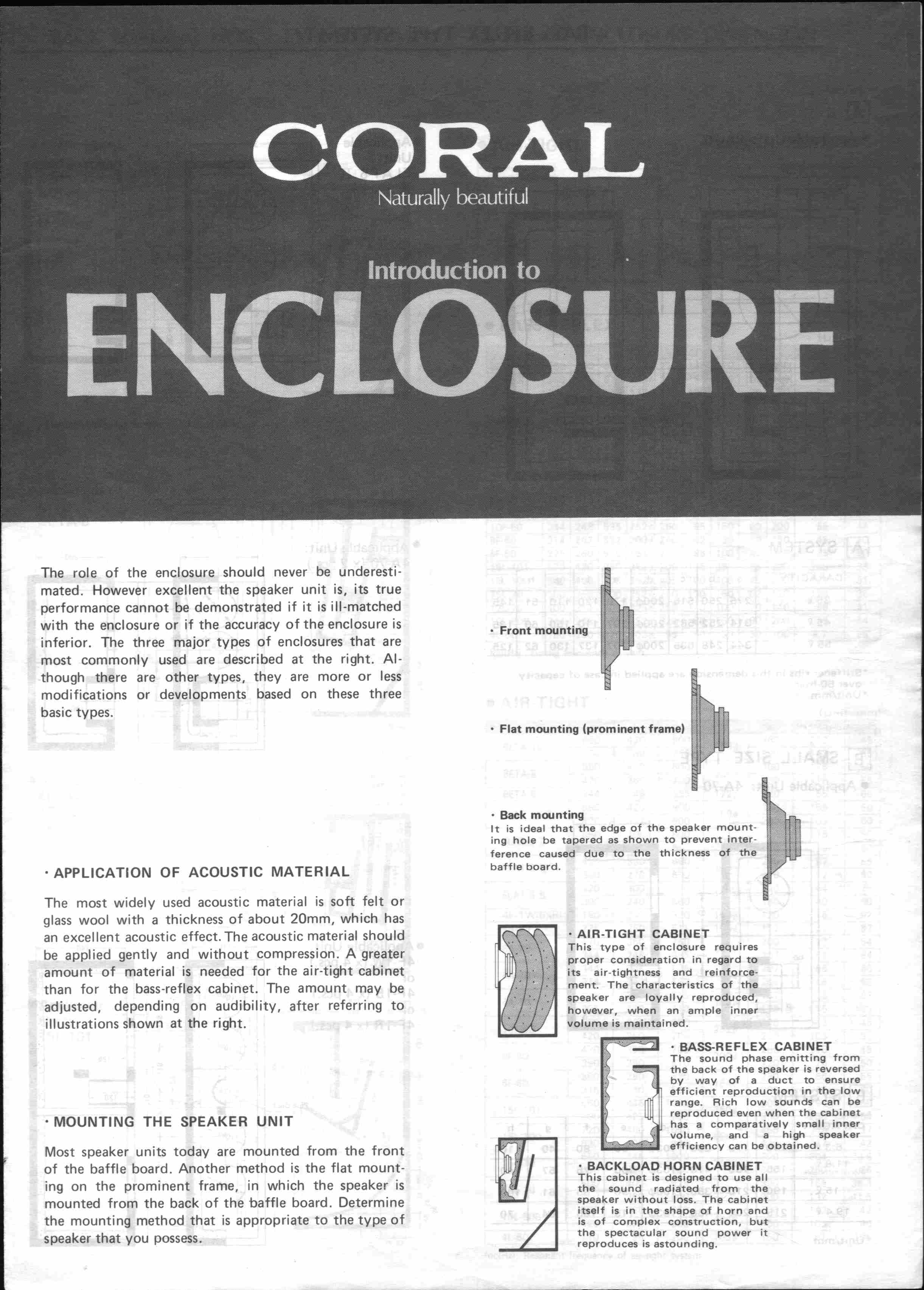
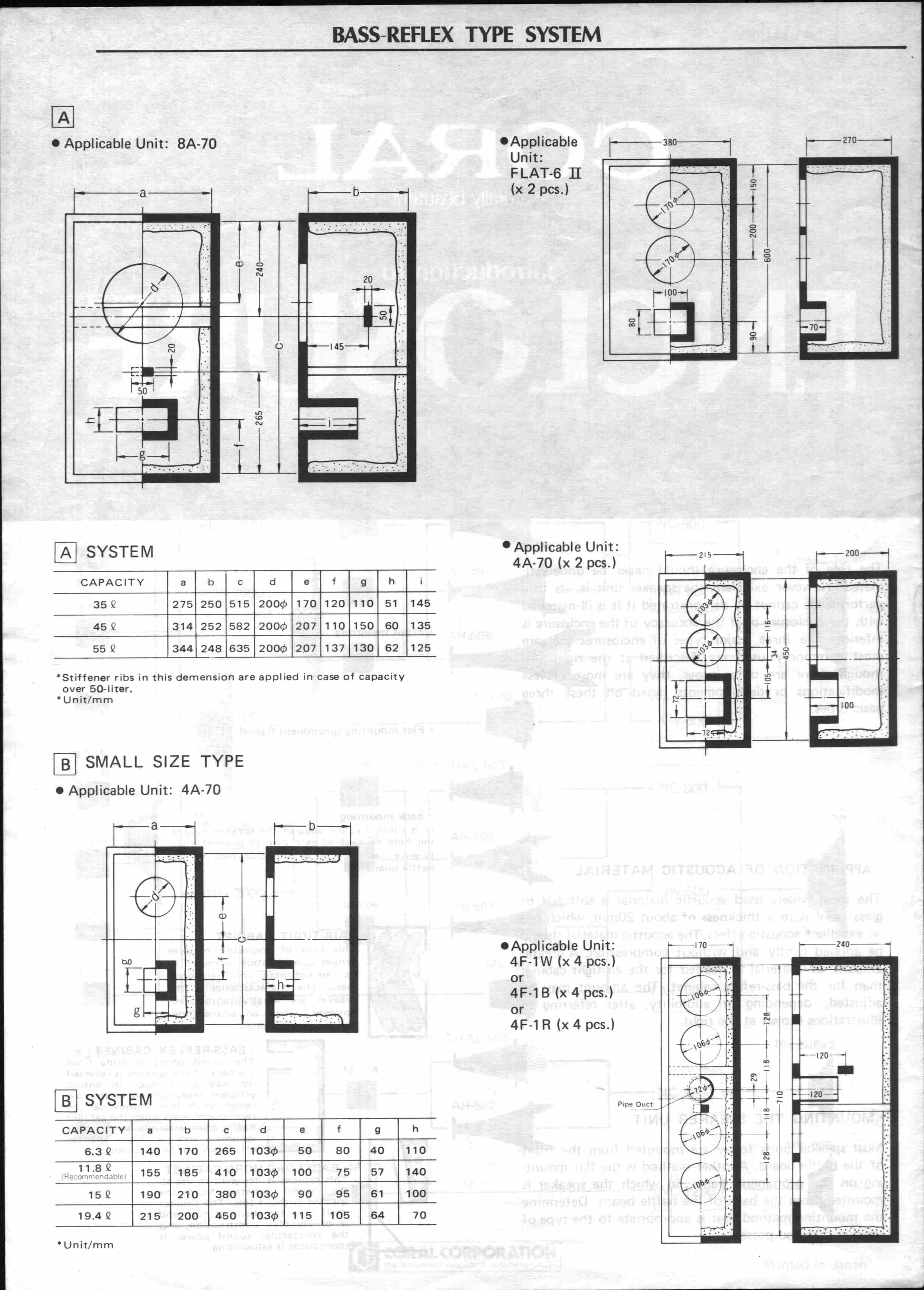
The CORAL CORNER
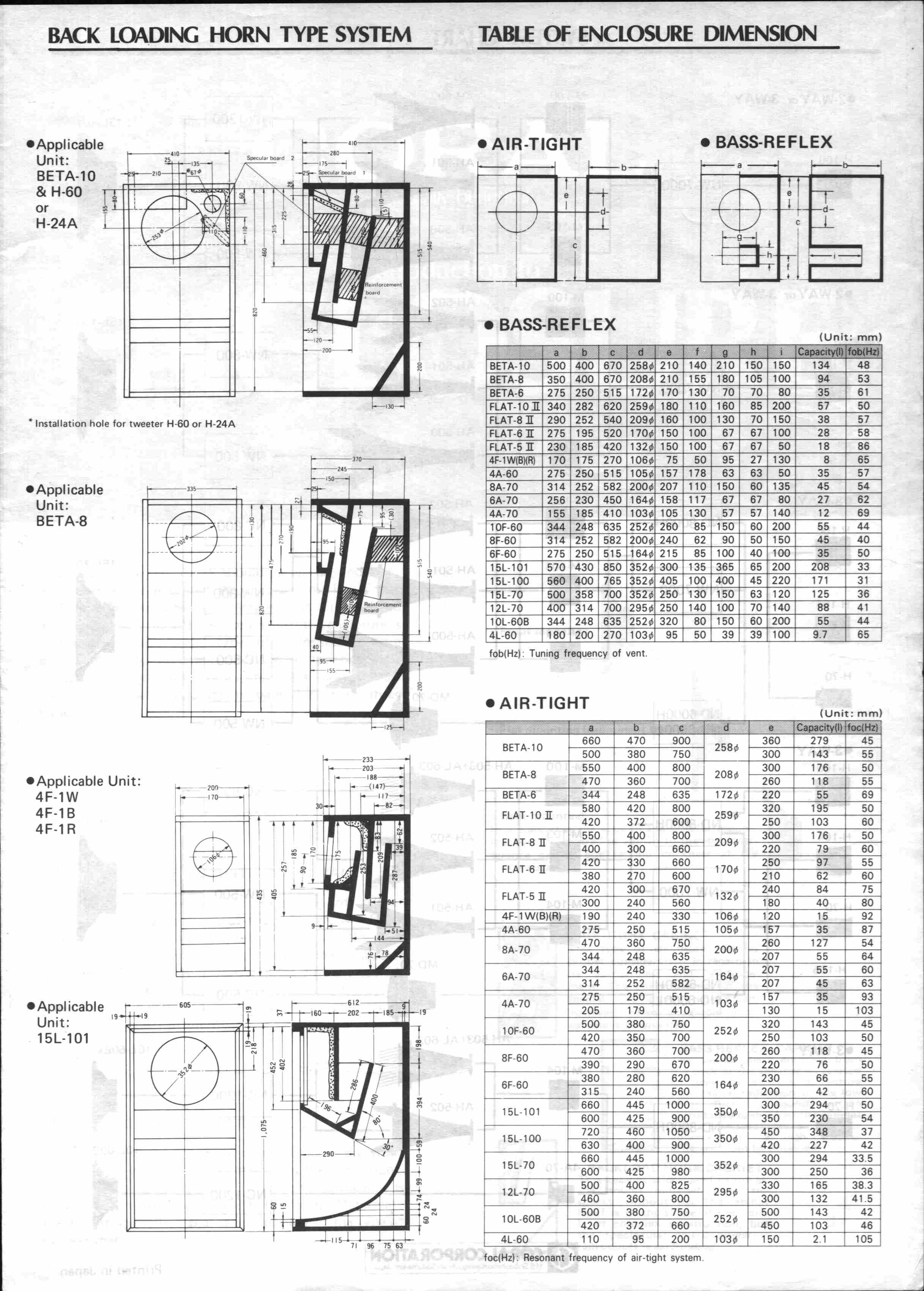
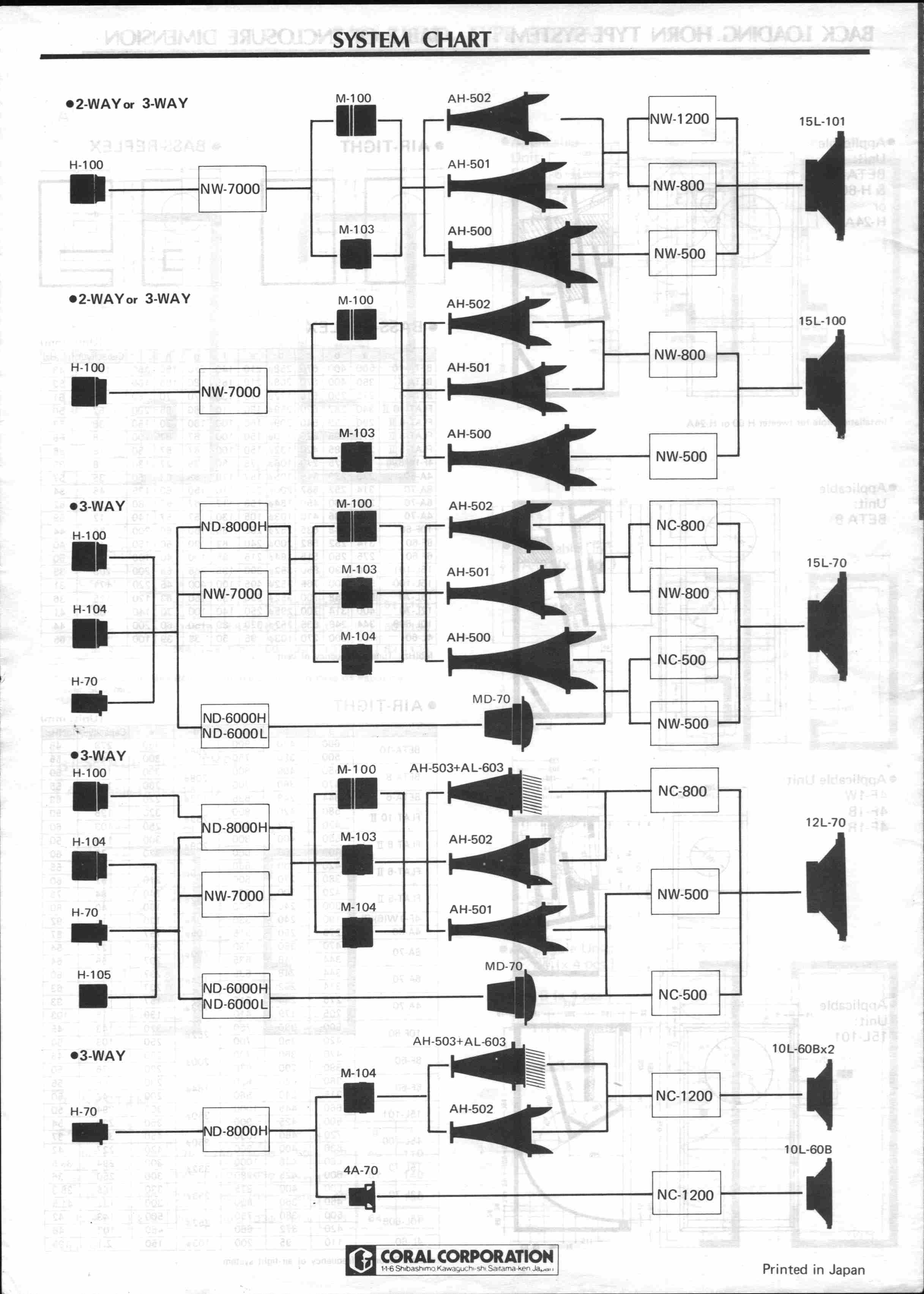
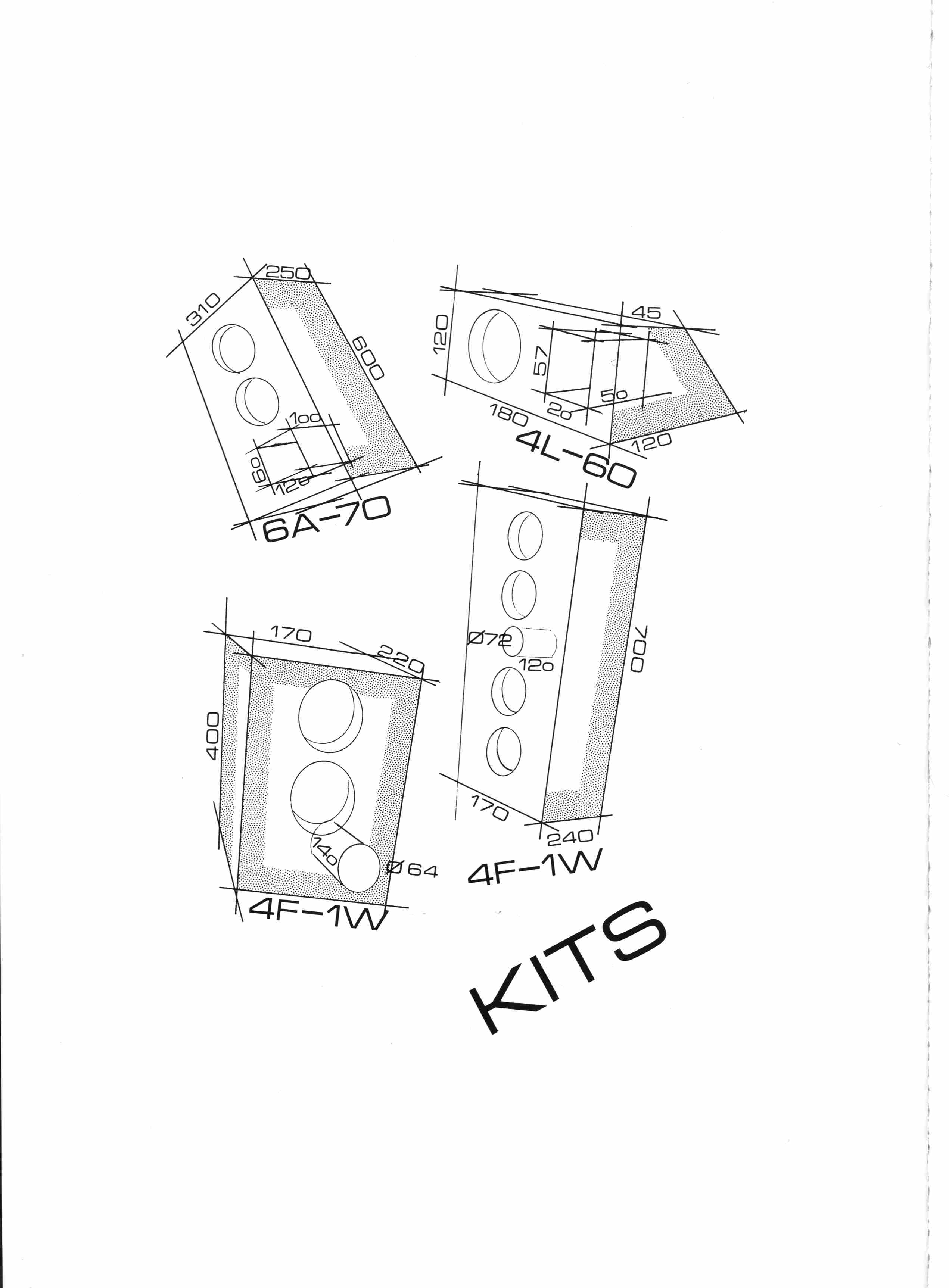
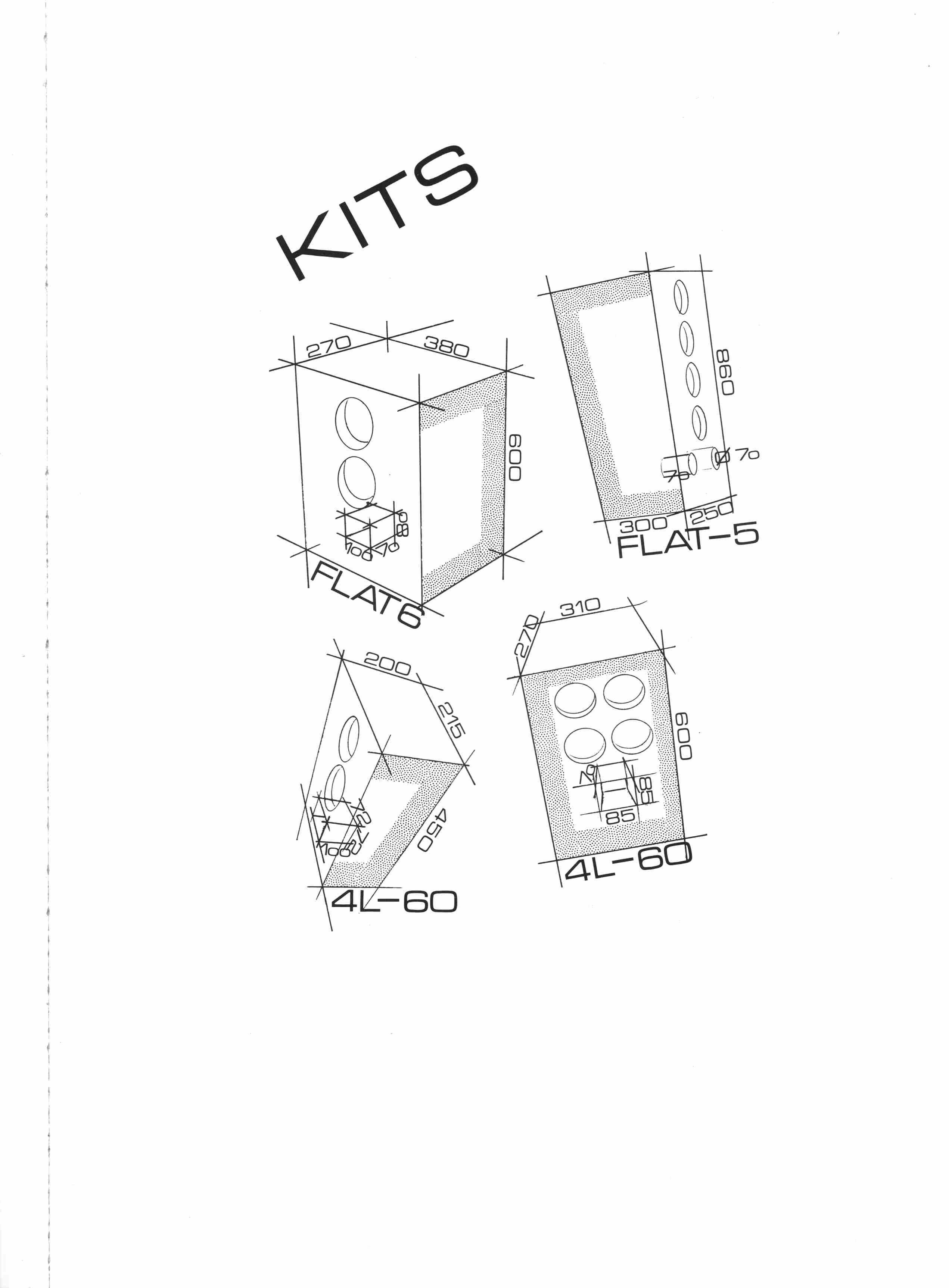
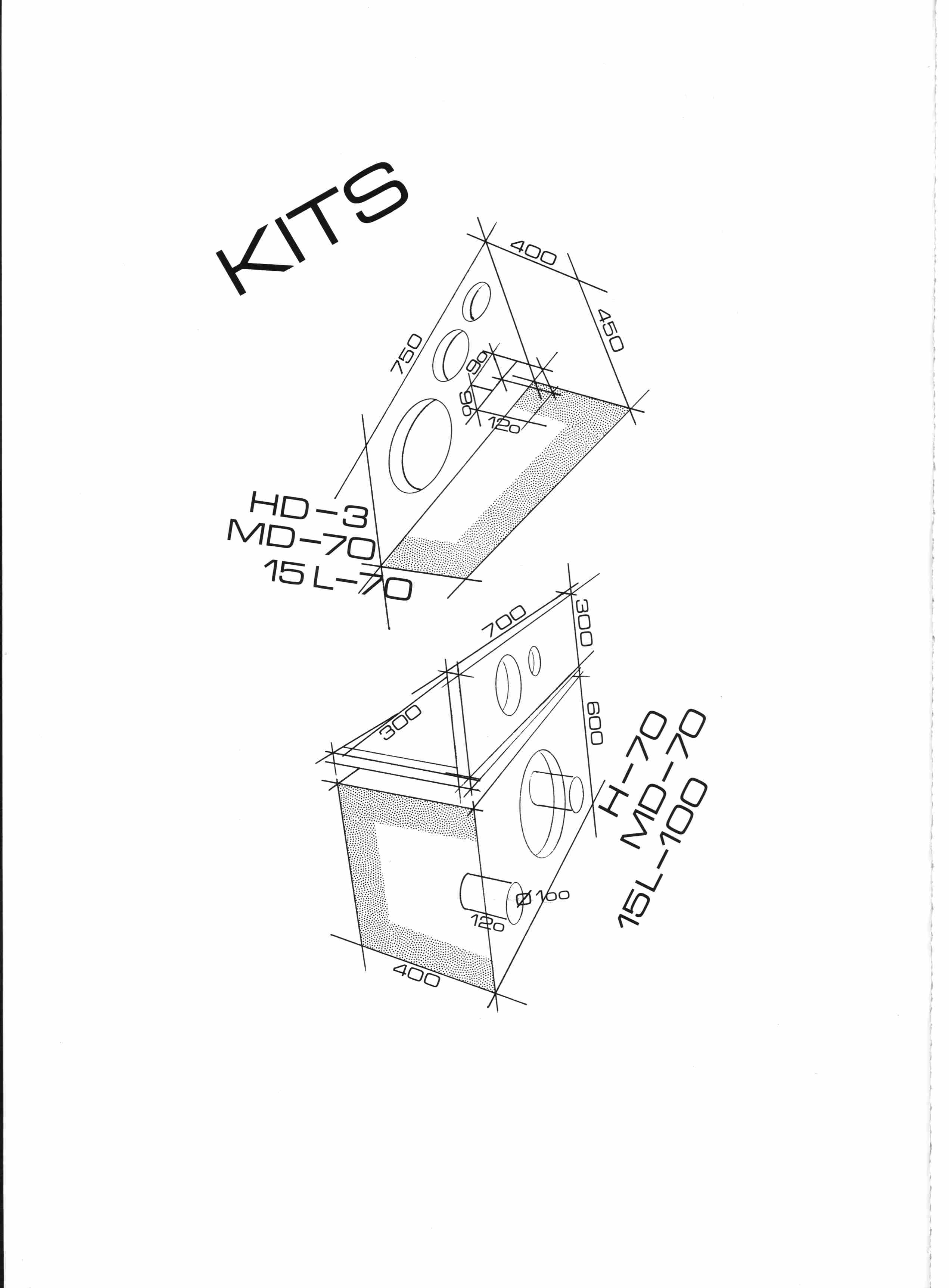
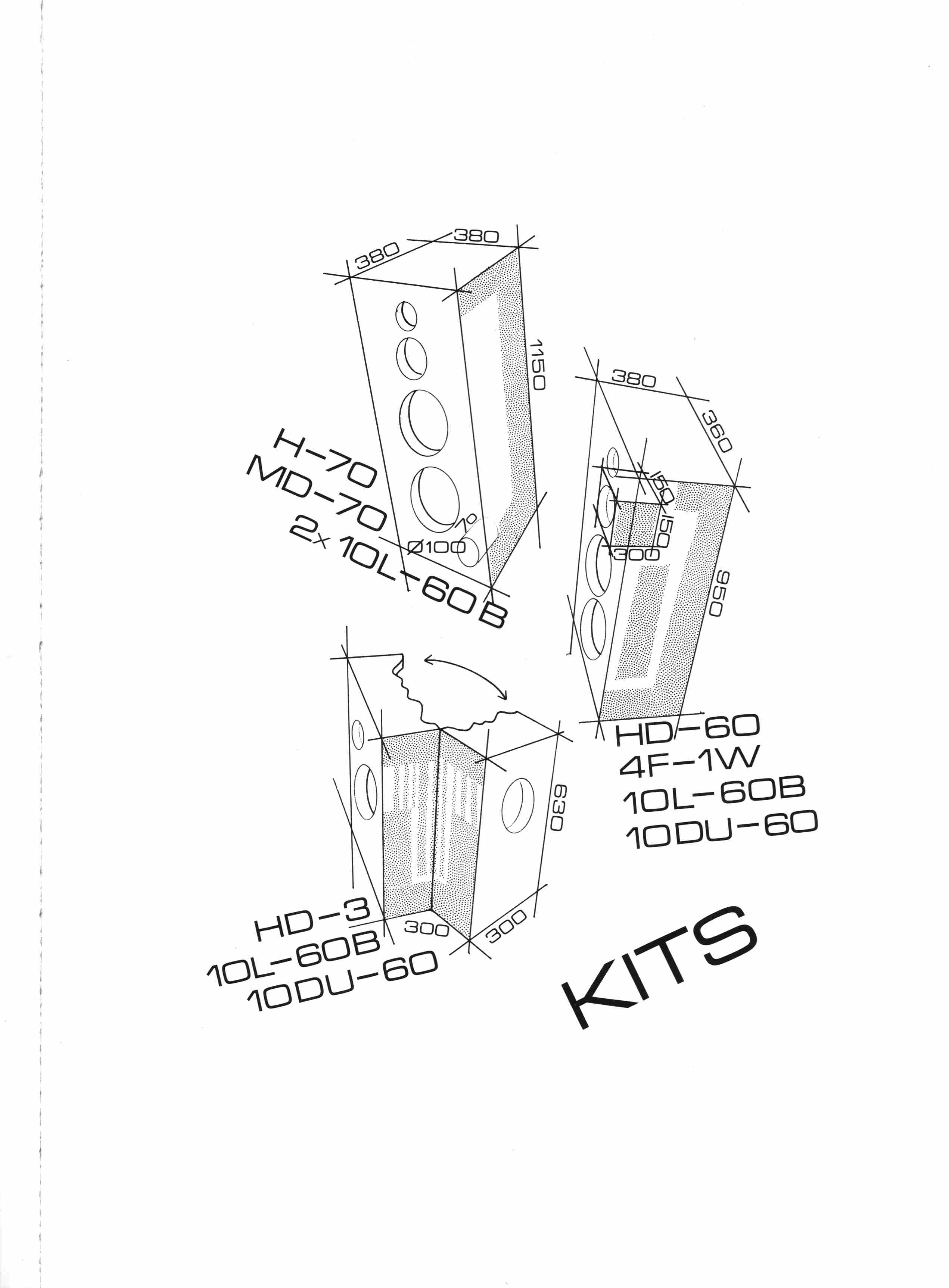
here are the plans for all DIY-kits of the reknown speaker-manufakturer:
Folder of 4 pages in English: encl1.jpg; encl2.jpg; encl3.jpg; encl4.jpg
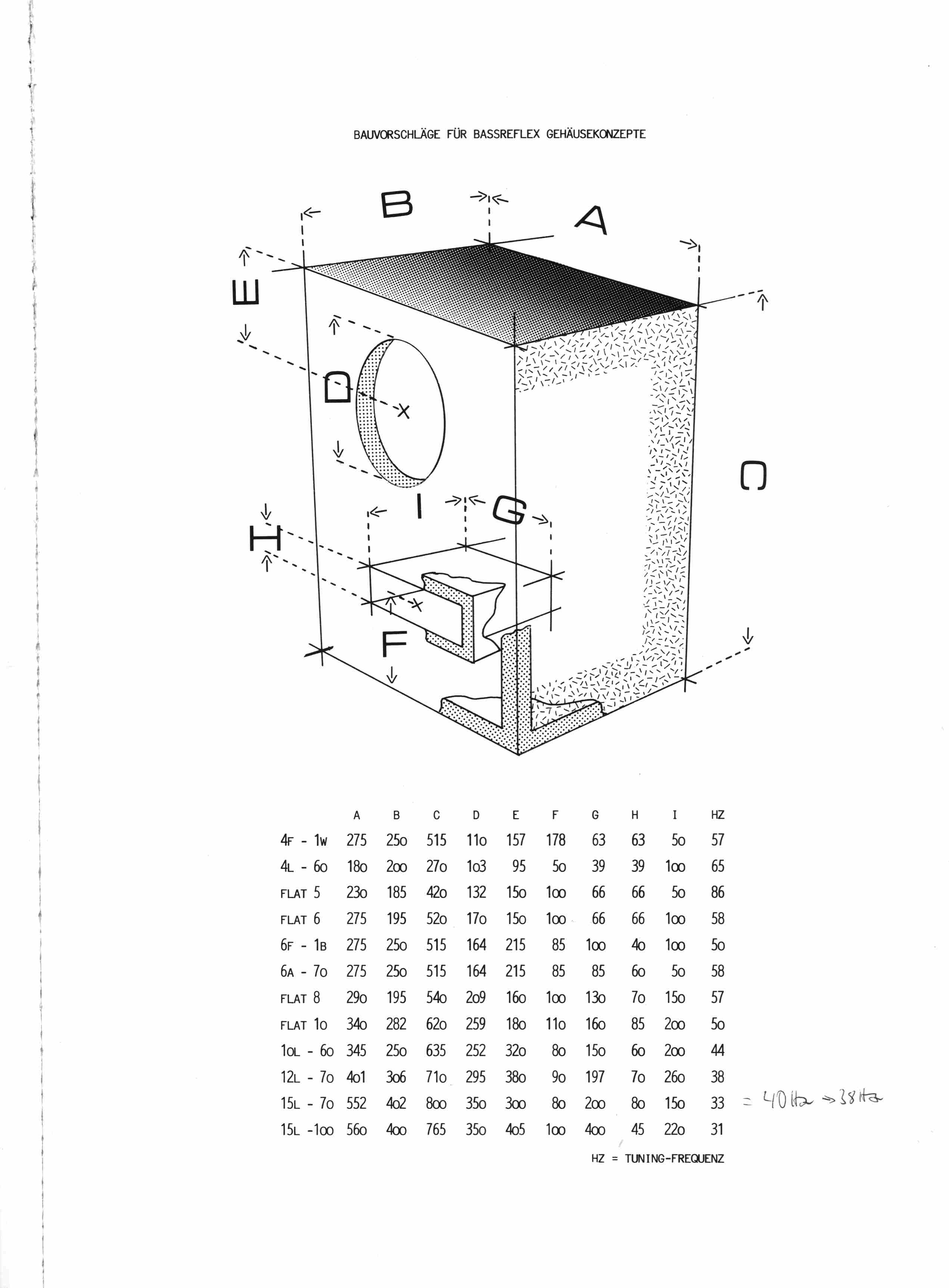
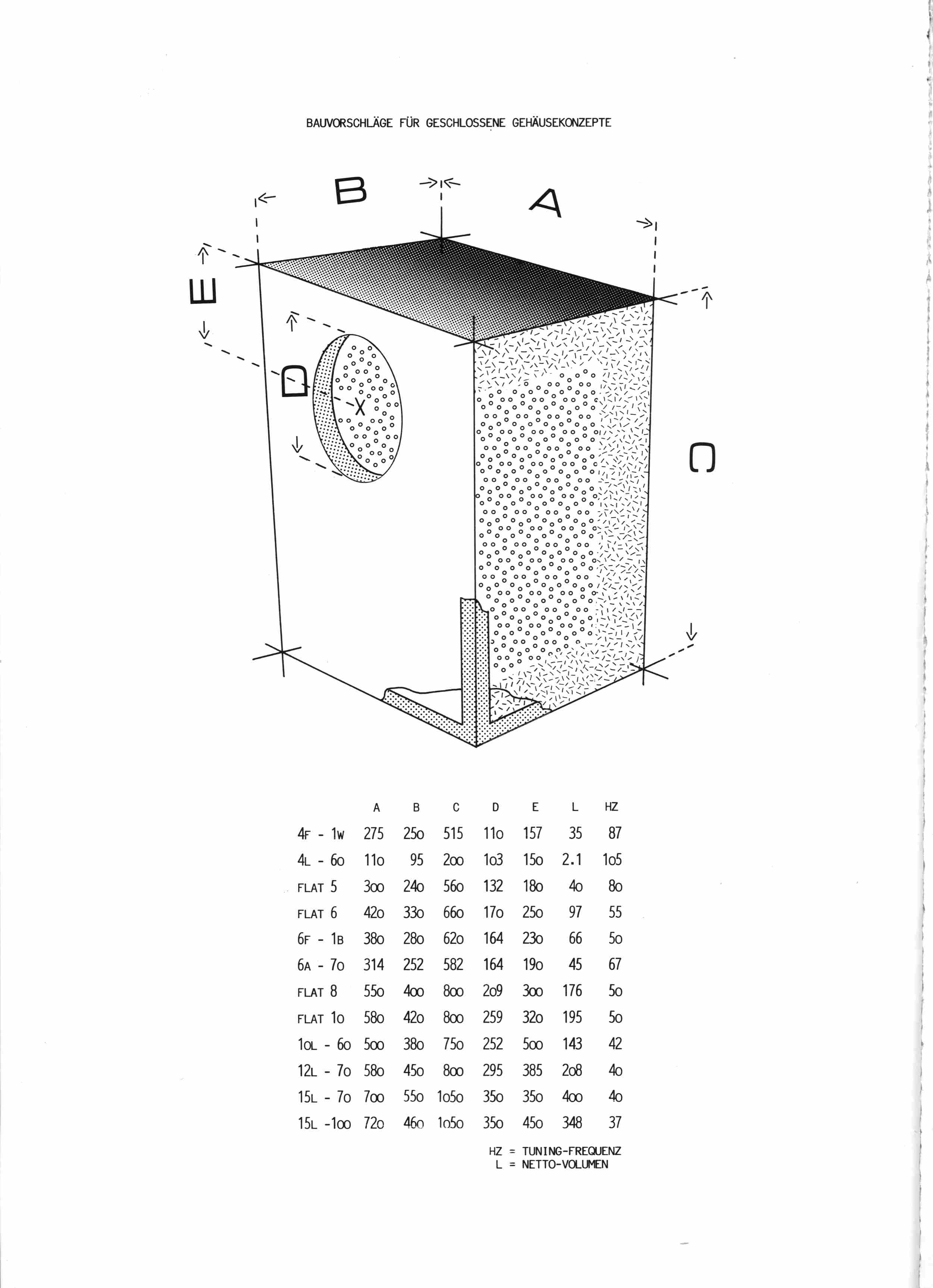
From German cataloque:
1. Vented enclosures: catrefl.jpg
2. Sealed enclosures: catclos.jpg
3. Enclosures for speaker-kits: catkit1.jpg; catkit2.jpg; catkit3.jpg; catkit4.jpg
With kind permission from Udo Spieker and Markus Redemann:
An Excel-file with the TSP of 7 different Coral Beta 8 calculating an average : Coralbeta8.xls
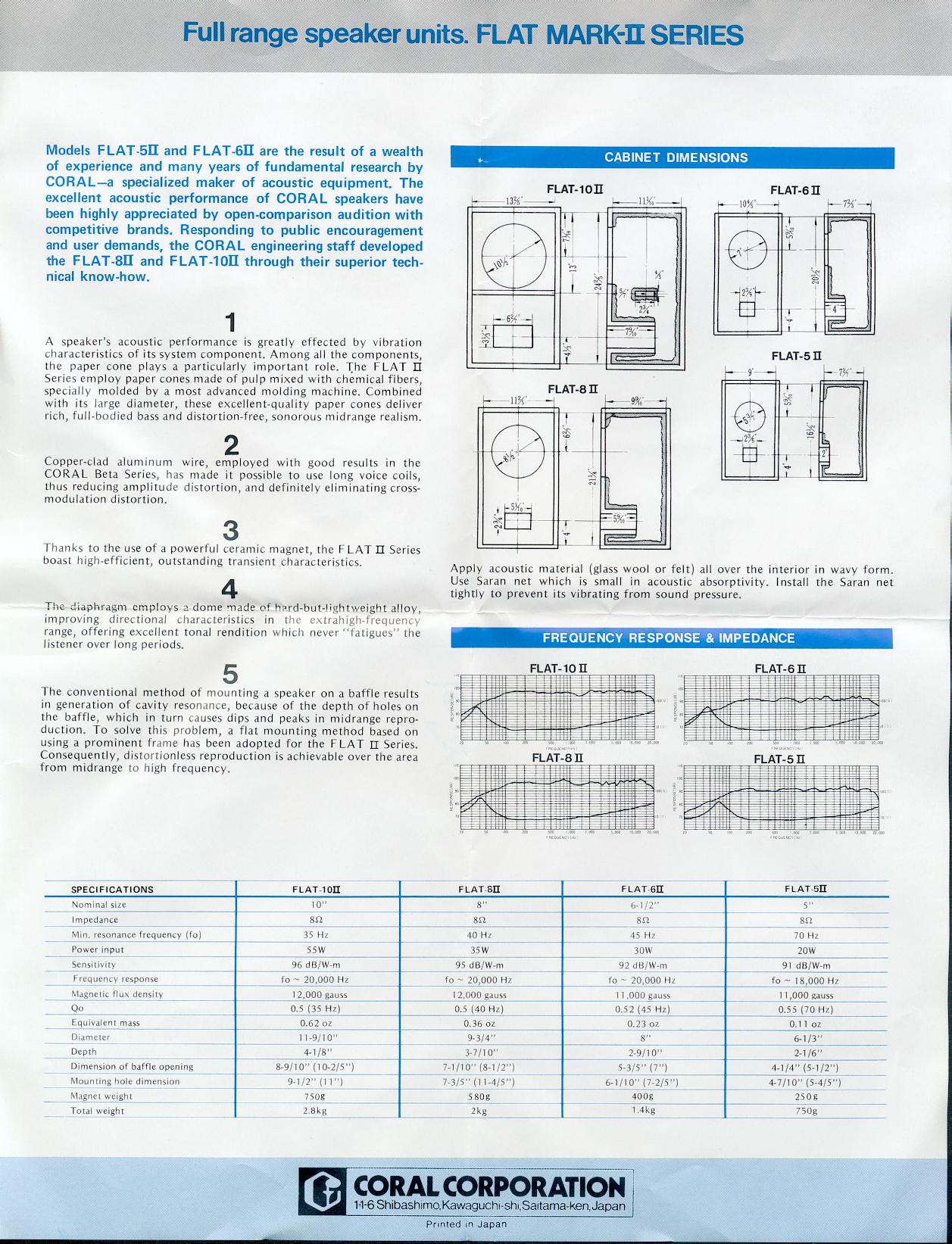
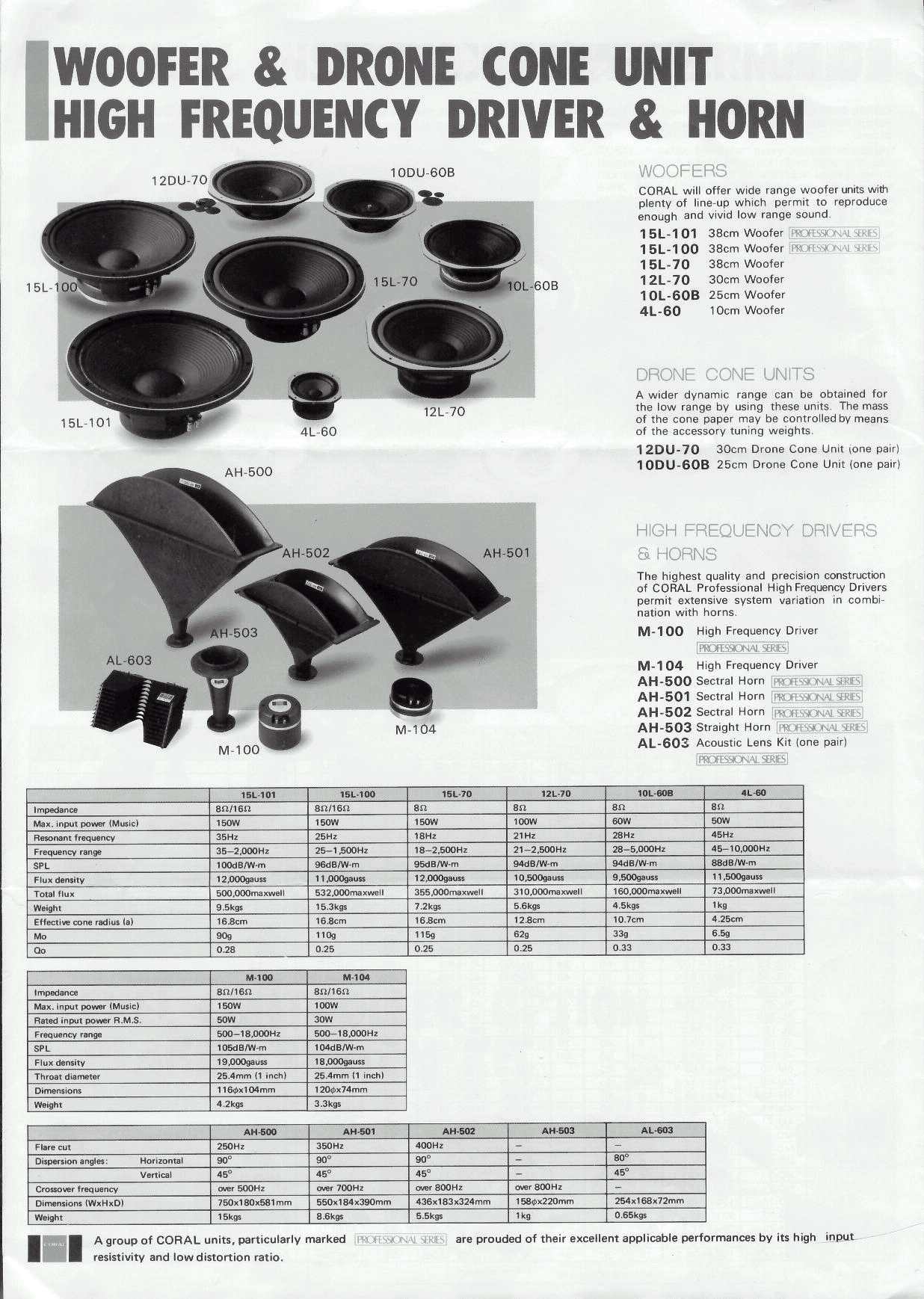
Data of the Flat-fullrange-series Flatallg.jpg and an overview of the high-power studio drivers Coralka.jpg.
The pictures were taken with digital cameras kindly provided by Uwe Birkemeyer and Petr Cejka.
[email protected]
bleiband.xls