9/6/09
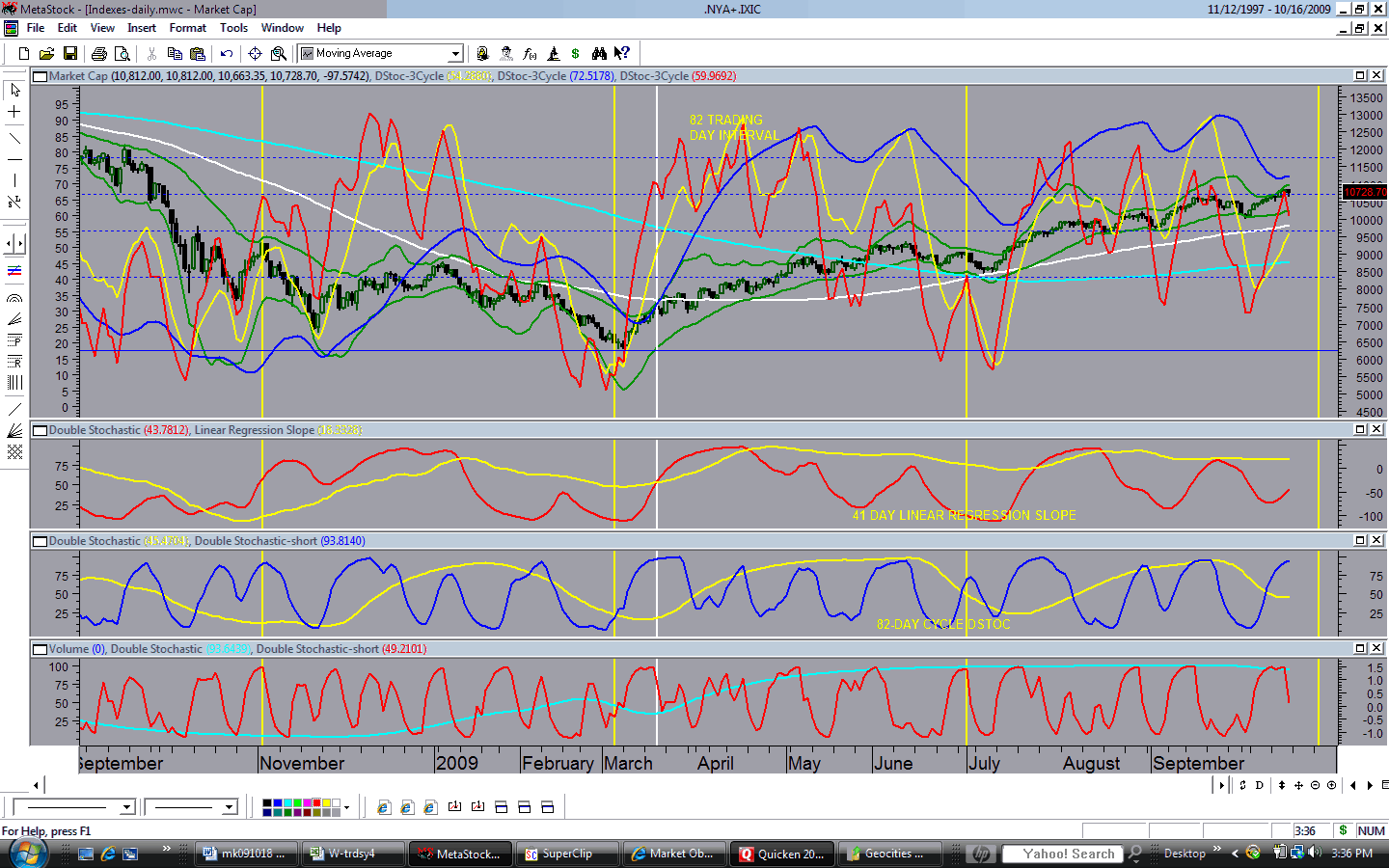
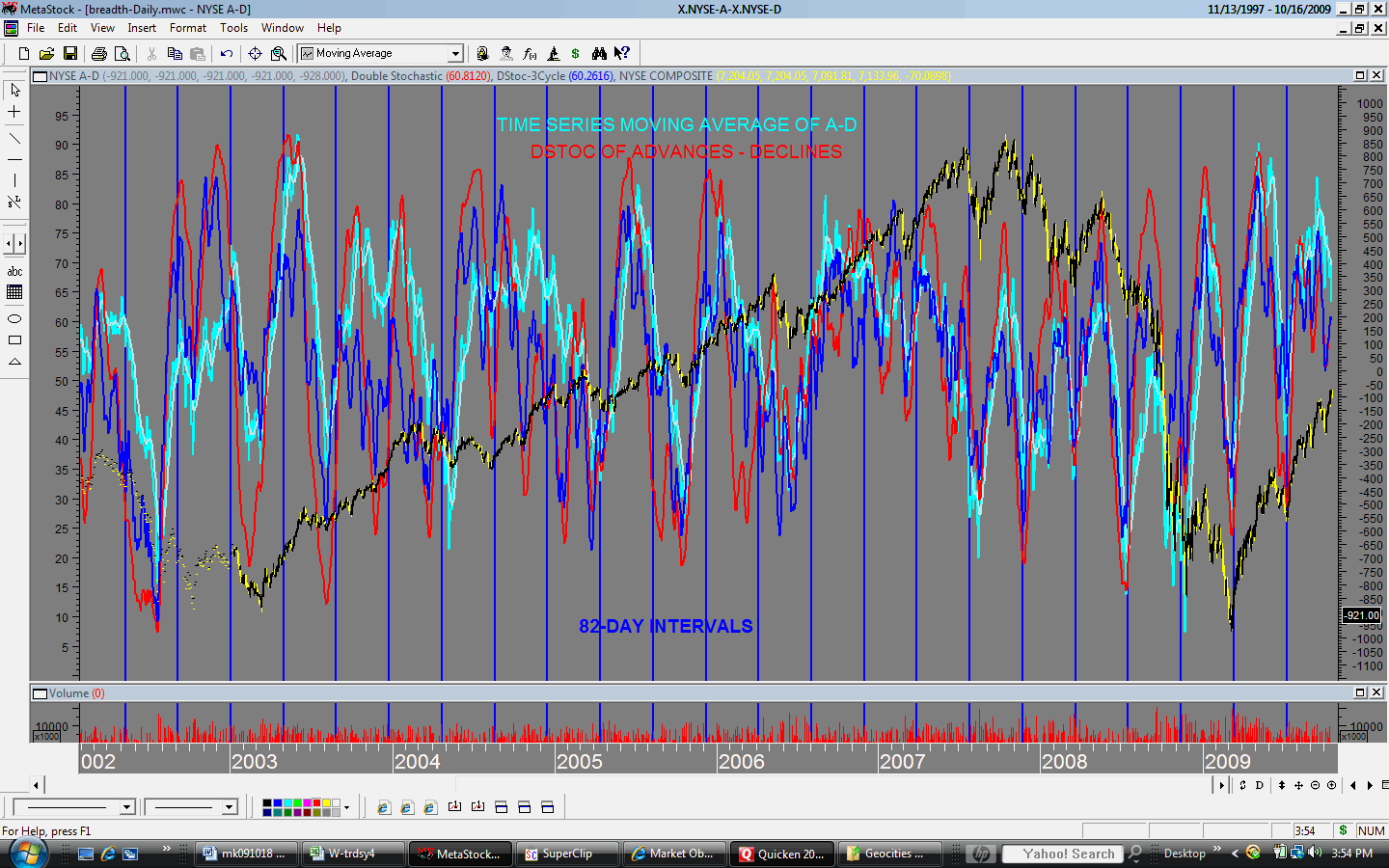
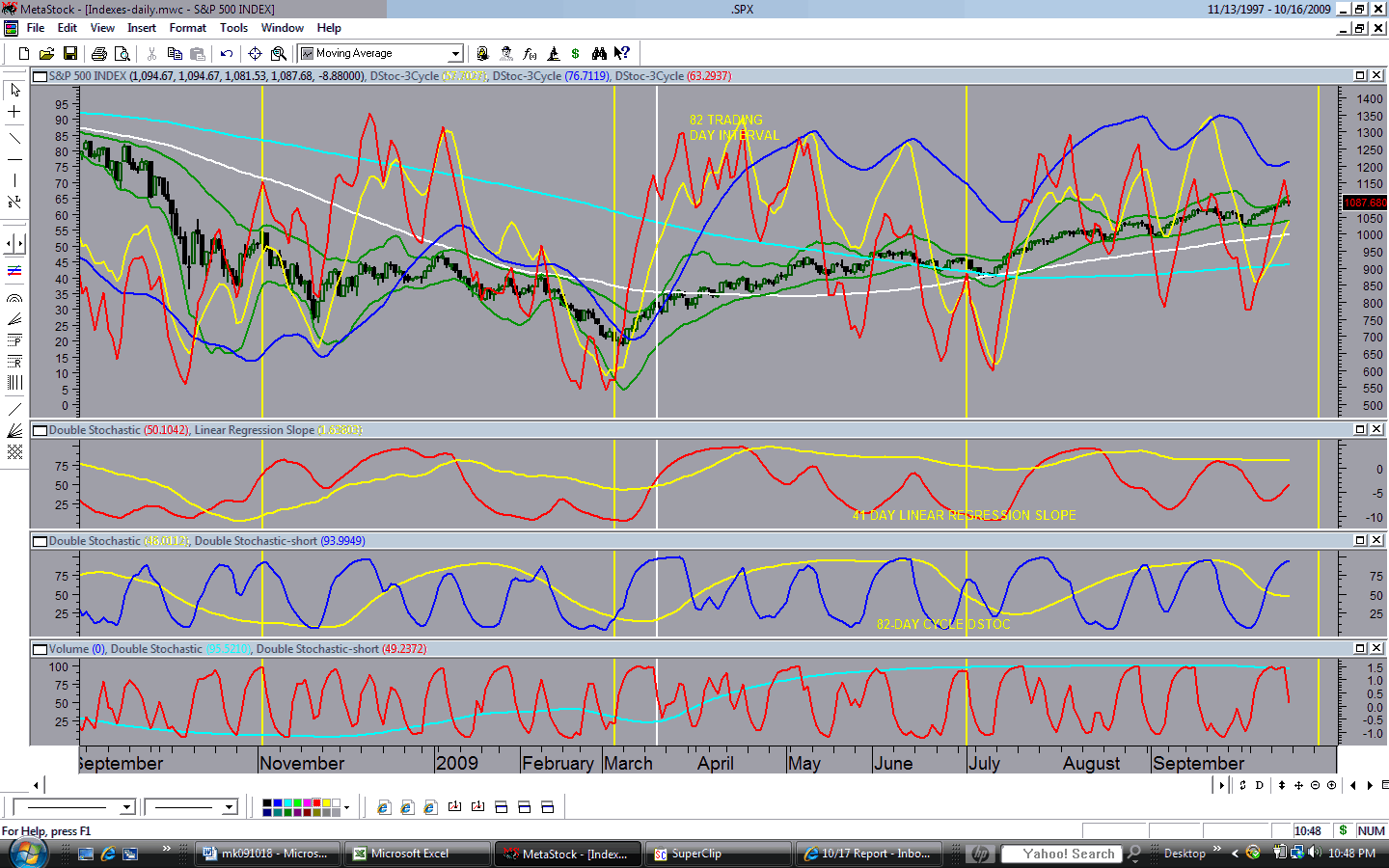
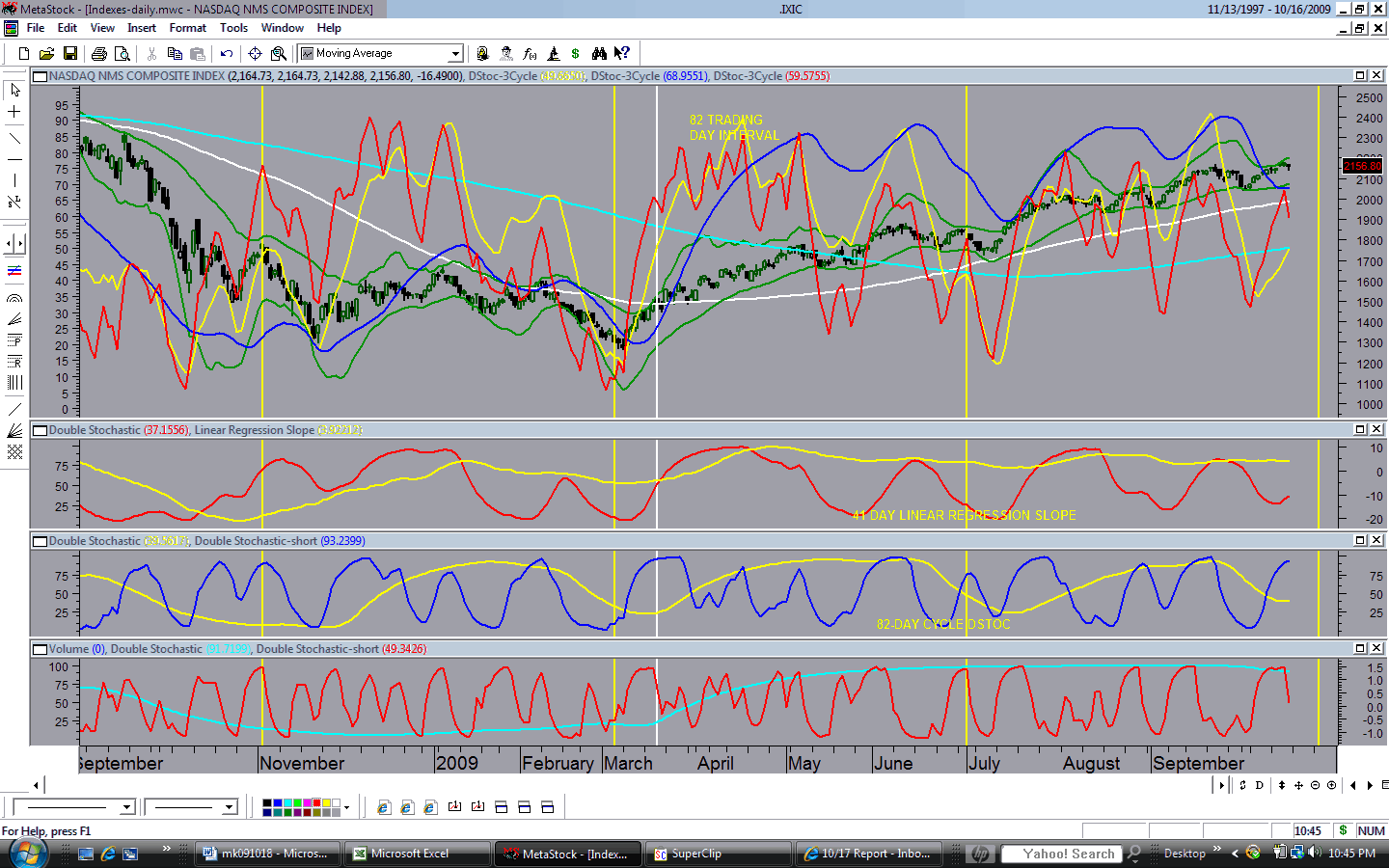
The 13-day cycle bottomed on 9/2 at age 12 days after establishing a higher right-translated high and a higher low (http://www.geocities.com/petegersb/MarketCap-Daily.GIF ).That indicates the longer-term uptrend is intact. However, the short-term composite has not yet turned up so Friday’s pop may have just been a reflection of the pre-holiday syndrome. The 26-day cycle is only 14 days old and its DStoc is declining. It is assured of a higher high, but for it to also produce a right-translated high, the 13-day cycle that probably began on 9/2 must produce yet another new recovery high. The 10 week cycle is 8.6-weeks old and its DStoc is also trending downward, so it probably won’t be supportive while the 13-day cycle attempts a new high. But it is already assured of a higher right-translated top, so it remains bullish for the longer term. The 20-week cycle (which has now contracted to an average of 82 trading days (http://www.geocities.com/petegersb/A-D_DStoc_NYSE.GIF ) is also 8.6 weeks old and moderately overbought. It’s assured of a higher high, but a right-translated high is still in question. It would probably be a done deal if the 13-day cycle can produce another new recovery high during the next two weeks. If the attempt fails, we can conclude that 8/28 probably produced the peak for all of the longer cycles, and that we can expect a nested bottom of the 9-month and 20-week cycles in about 2 or 3 months. If the attempt succeeds, and I think it will, we can probably conclude the 10-week cycle bottomed prematurely on 9/2 and the peak won’t arrive until this second 10 week cycle within the 20 week cycle peaks. That probably wouldn’t happen until October. Either way the bottom of the 6-month-old 9-month cycle probably won’t appear until November or December. If you doubt the ability of stocks to first move higher, you need only look at the comparison with the summer of 2003 (http://www.geocities.com/petegersb/2003_Comparison.GIF )
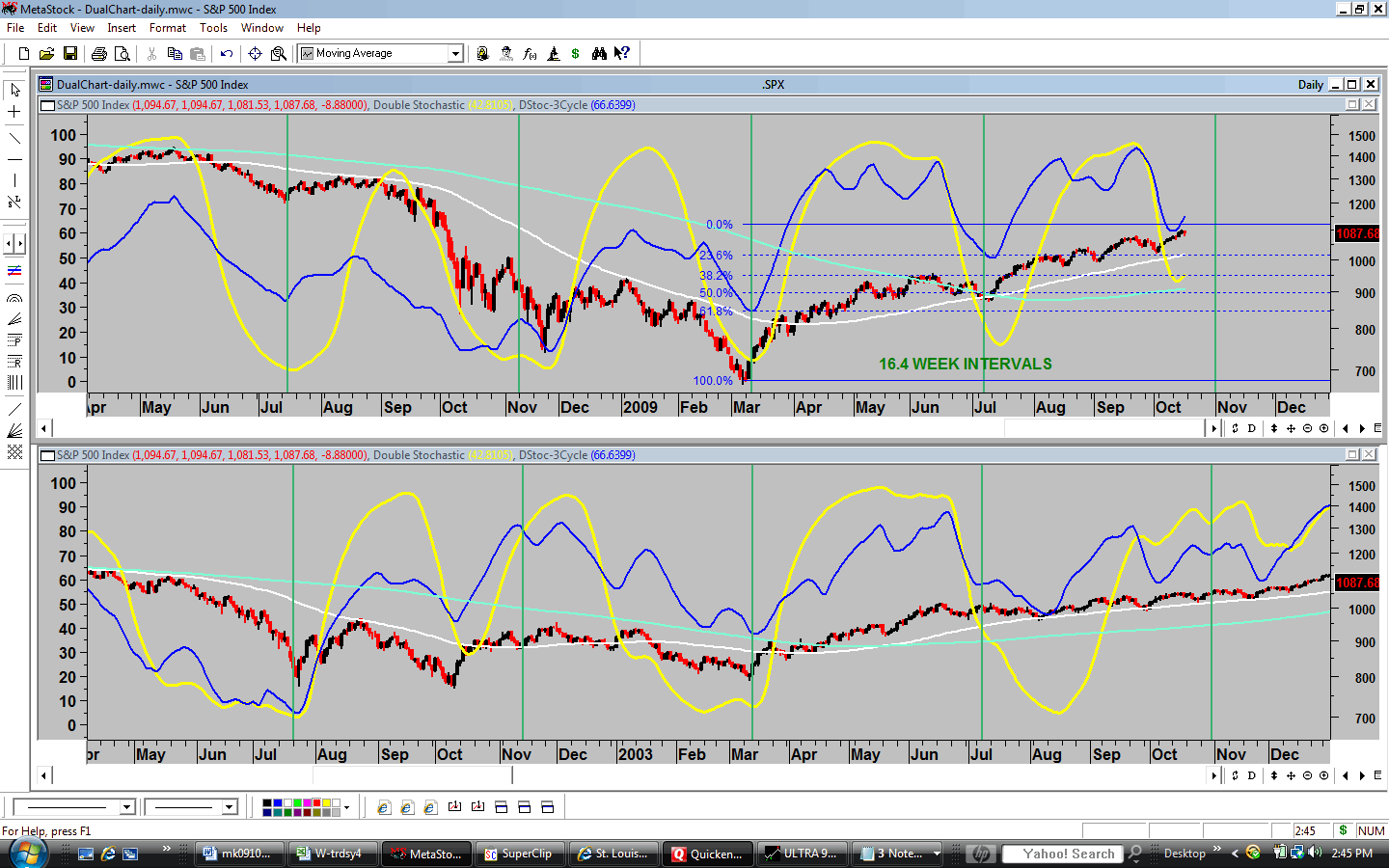
When and if the SPX
(http://www.geocities.com/petegersb/SP500.GIF
) breaks its August low of 978, next support comes
in at about 956, which is both the last 20-wk cycle peak and the 23.6%
Fibonacci retracement of the rally since March. The 82-day moving average, now
at 940, will soon be at that level as well. I expect the SPX will reach at
least that level during the 4th quarter. Next support comes in at
the 9-month moving average, now at 883 but rising. That moving average is very
likely to hold in a continuing bull market, which most of the evidence points
to. By November, it should reach the 38.2%
Fibonacci retracement just above 900. So the downside risk appears to be about
10% for the SPX in the 4th quarter. On the Nasdaq Composite (http://www.geocities.com/petegersb/NasdaqComposite.GIF
), the 38.2% retracement comes in at about 1900, which is the current level of
the 82-day moving average. It’s unlikely that a 10% decline in the less
volatile SPX would we associated with only a 5% decline in the Nasdaq, so it’s
likely that the Nasdaq composite will also decline to near its 9-mo moving
average if the SPX goes that low. It’s
now at 1672 but likely to rise close to the 38.2% retracement of the 9-mo cycle
near 1760 by the time that cycle is due to bottom in November or December. That
would be about a 13% correction from current levels and would produce a
slightly higher low for the 20-wk cycle. So those are my November-December
downside targets. If it works out that way, it would be a time to buy
aggressively.
What’s the upside potential before
the coming correction in the 4th quarter? For the SPX, it’s probably
the 50% retracement of the bear market at about 1120 – about a 10% gain from
here. The Nasdaq Composite reached its 50% retracement on 8/28, so a higher
short-term high would puncture that level. The next significant resistance for
the Nasdaq above that level comes in at the March and
July 82-day cycle lows in 2008 near 2160. That’s an 8% upside potential before the 2009
peak. So on a technical basis the SPX would appear
to have a somewhat larger upside and smaller downside potential over the next
two or three months.
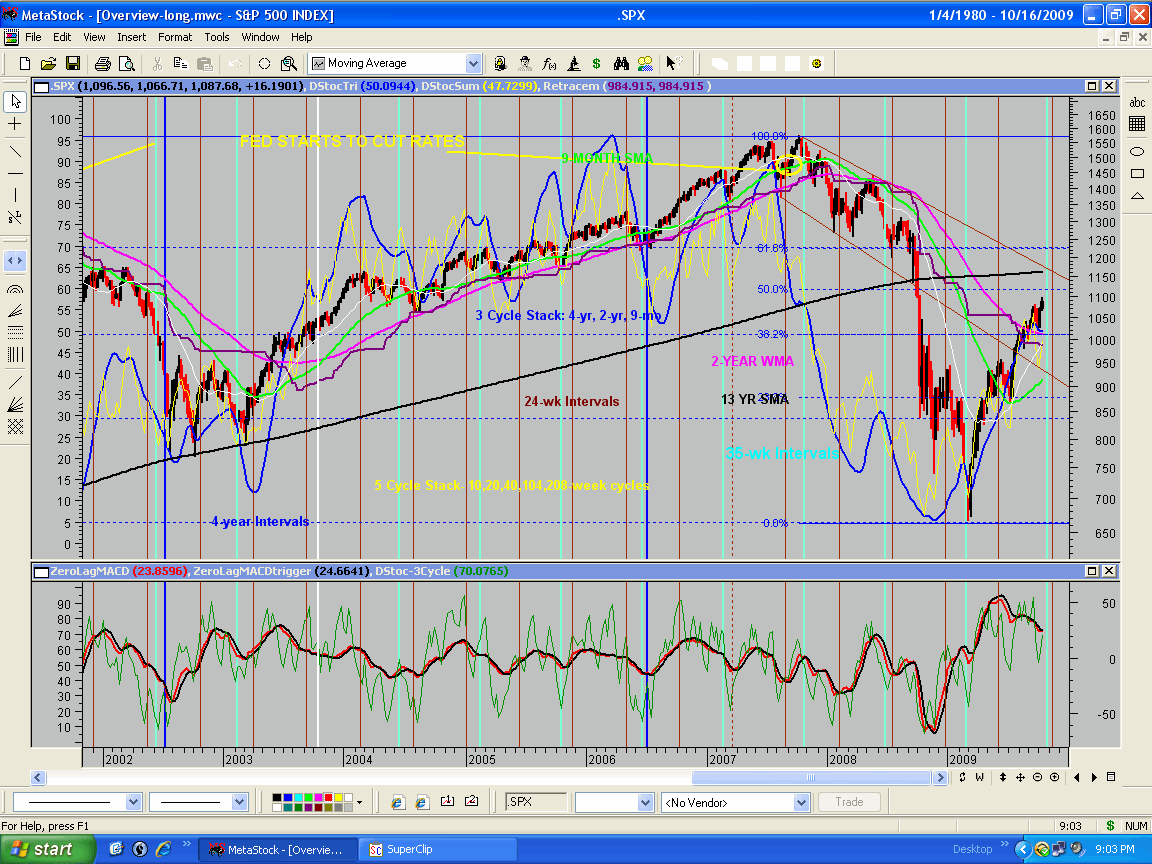
On a longer term basis, the long-term overview chart (http://www.geocities.com/petegersb/Overview-long.GIF ) provides a number of reasons to remain cautious about the stock market’s future. First, all of my long-term trend indicators are still declining. However, the price has penetrated all of these indicators, and that’s the first step in reversing the trend of these lagging indicators. Second, the 35 week DStoc (the average duration of the 9-month cycle during the last decade) is extremely overbought. That’s consistent with the expectation of a decline into a 9-mo cycle low in the 4th quarter, and it suggests a good deal of risk in hanging on for the top of the cycle. Nevertheless, given the fallibility of forecasting, it’s prudent to wait for the market to tell us that it’s reached a turning point. It hasn’t yet done that for the 9-month cycle. When vacationers return to Wall Street this week they should tell the story. If enthusiasm allows the favorable 13-day cycle to overcome the unfavorable 26-day cycle, stocks should advance in September. But if the unfavorable 26-day cycle moves the S&P below 978, it will signal that it’s time to sell the 9-month cycle.
In summary, we can be reasonably confident of 9-mo cycle pullback in the last quarter, but we are likely to see more gains before that pullback begins. The market probably will signal the beginning of the pullback the first time the indexes drop below their most recent 13-day cycle low.
Sentiment
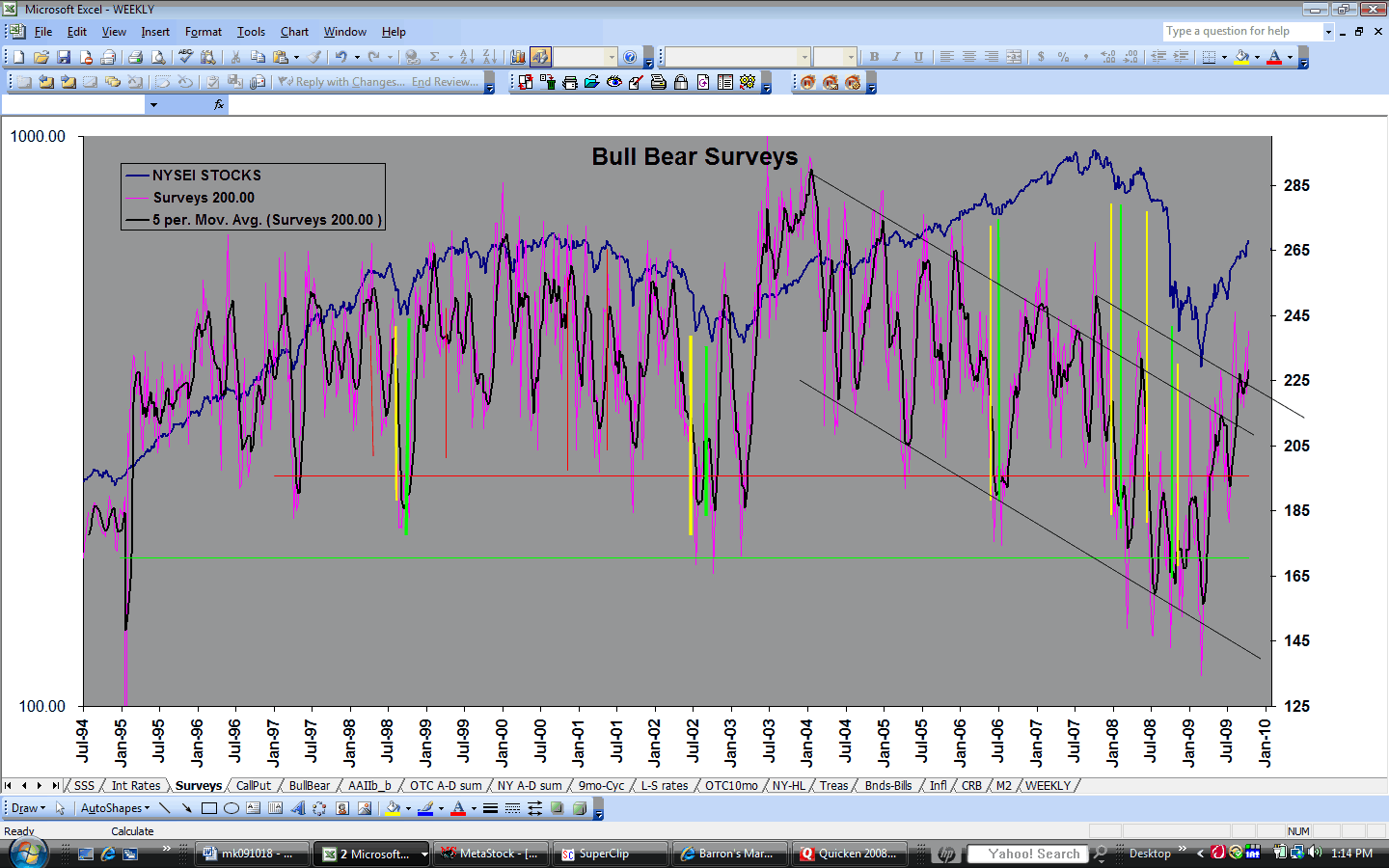
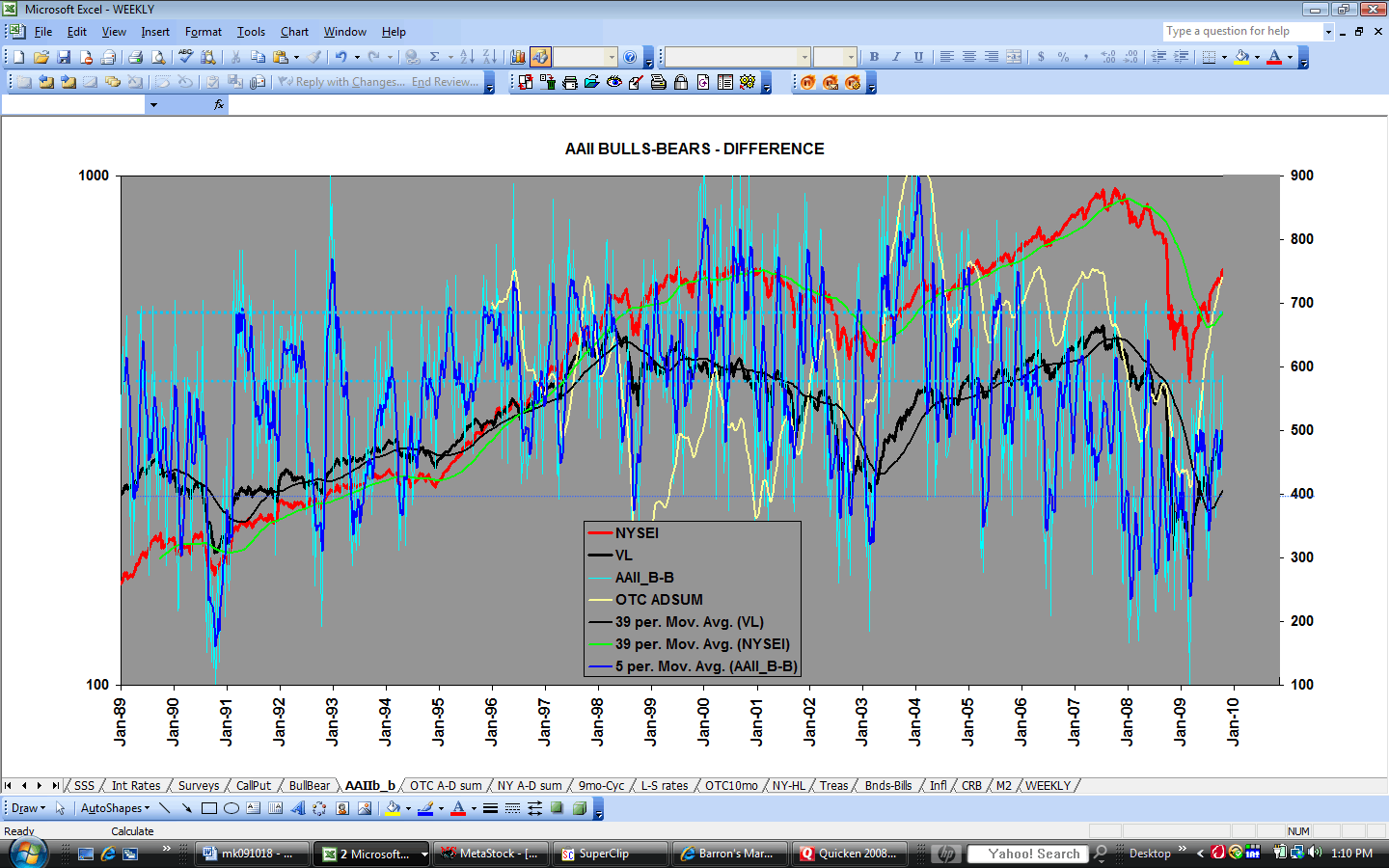
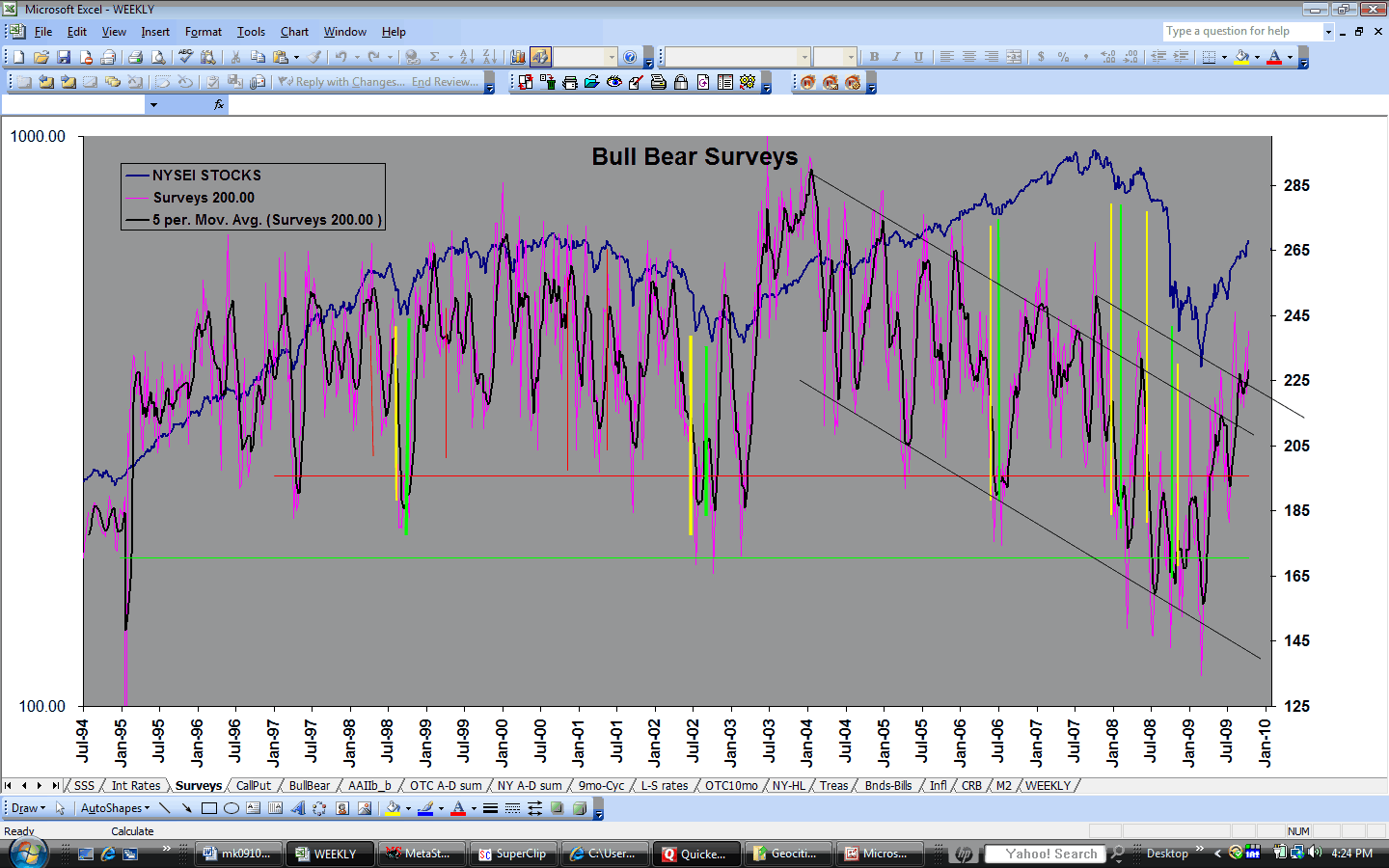
Advisory Service (http://www.geocities.com/petegersb/InvestorsIntelligence.GIF ) optimism has reached euphoric levels, but Individual Investors (http://www.geocities.com/petegersb/AAIIsentiment.GIF ) are evenly divided between bulls and bears, so there still aren’t any clear signals from the survey data. Combined (http://www.geocities.com/petegersb/SurveysCombined.GIF ) the 5-wk moving average is still trending higher, and it broke well above its long-term downtrend channel. So the bulls get the benefit of the doubt.
Fundamentals
Barron’s surveyed 10 top Wall Street strategists and published the results this week. They are in agreement that the government stimulus programs have stabilized the economy, and they expect operating profits to increase by 24% in 2010. They expect GDP growth of 2%-3.6% in 2010 and a comparable rate in the 2nd half of 2009. Their operating profits expectations for 2010 are clustered between $68 and $75 with one outlier at $80 and one at $60. (By comparison 2nd Qtr 2008 operating earnings came in at an annualized rate of $55.28) They tend to put a mid-teens multiple of those numbers to come up with year-end SPX expectations generally between 1000 and 1100, with the outliers at 930 and 1175. Consensus expectations are rarely on target, so one of outliers may be a better bet. But even if they are right on earnings, there’s plenty of room to err on multiple. They are probably in the right ballpark for year-end projections, but they are silent on the path for getting there. A 5%-10% dip followed by a 10%-20% rally would bring the year-end numbers into the 1000-1100 range, and that’s what the cycles project.
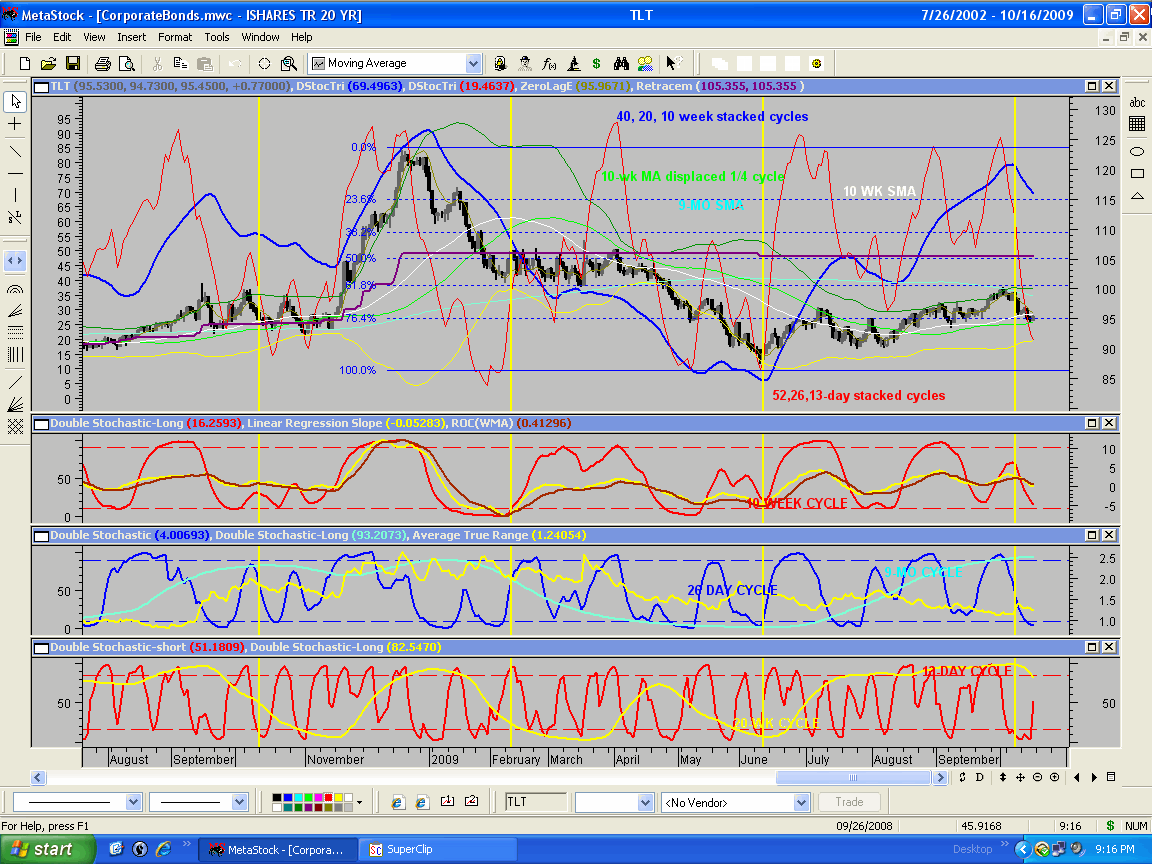
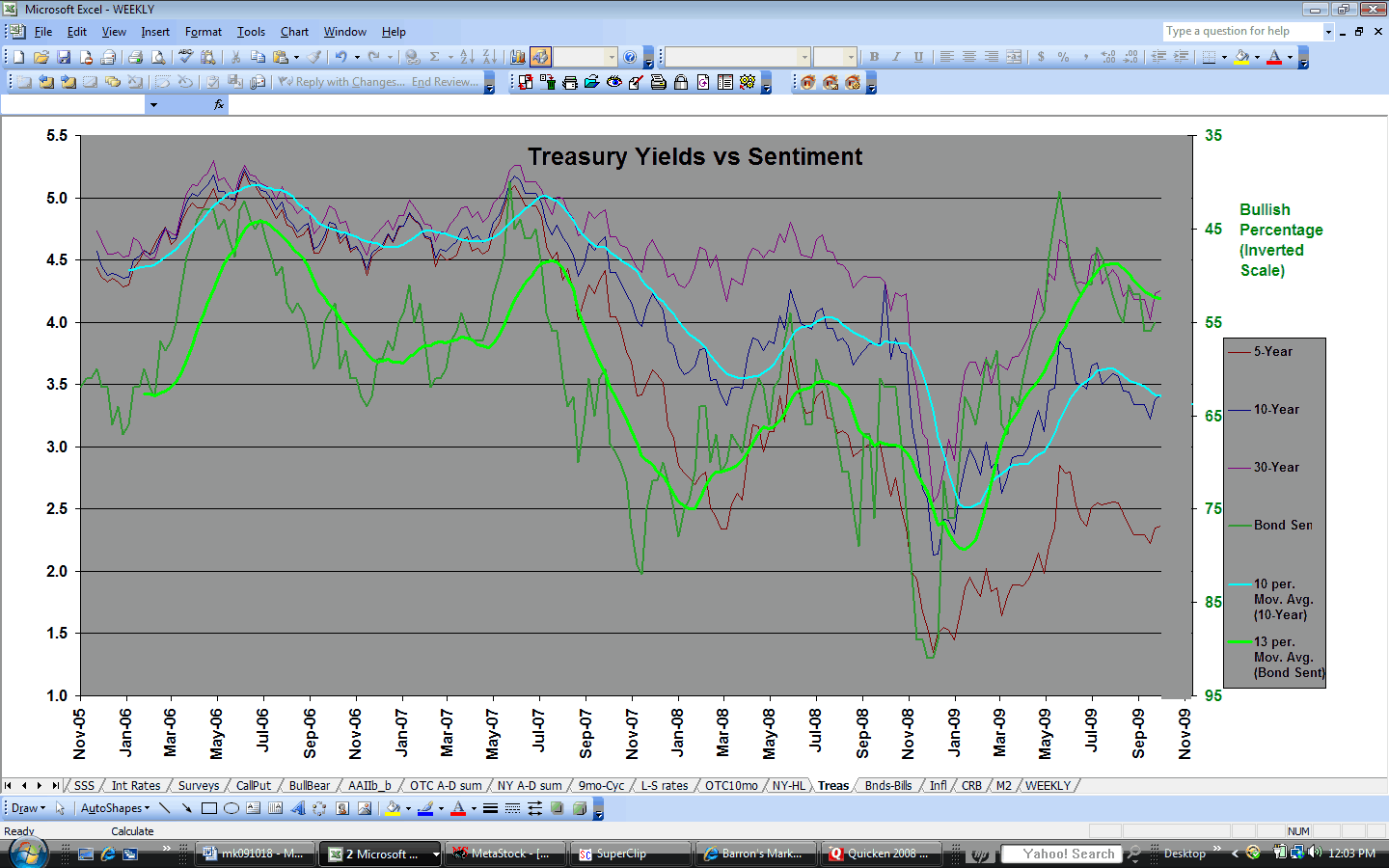
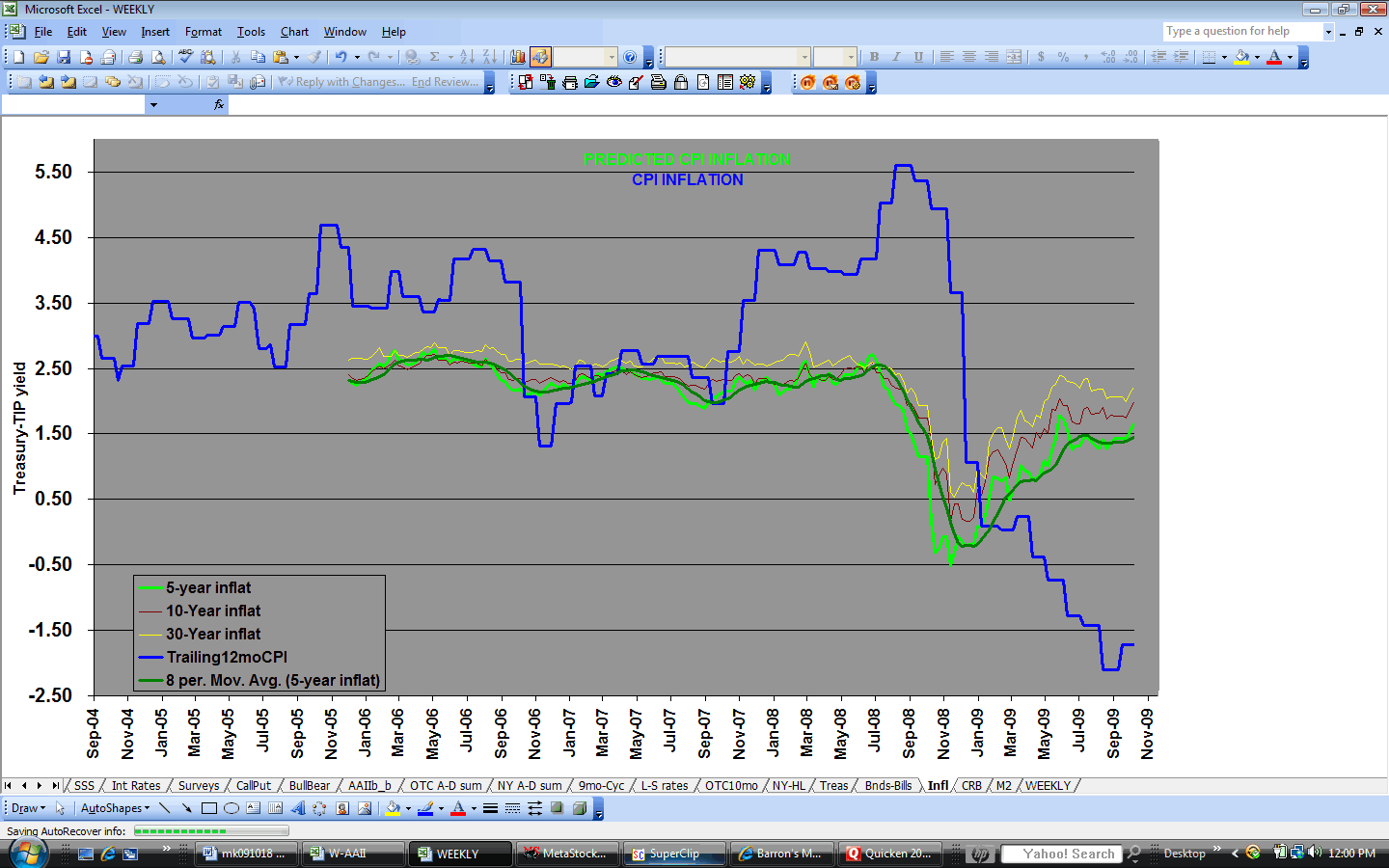
Treasury Bonds (http://www.geocities.com/petegersb/Treasury-20yr.GIF ) made a marginally higher 10-wk cycle high before a hefty decline on Friday. In my last report in early August there was a conflict between the sentiment indicator and the cycle indicators. Bond Sentiment (http://www.geocities.com/petegersb/BondSentiment.GIF ) got it right and it is now even more emphatically favorable for a further advance in prices and decline in yields. But cycle indicators suggest that the 10-week may have peaked Thursday at age 4 weeks, but the 10-day-old 13-day cycle is oversold and should provide some support at the 10-wk moving average. The 20-day-old 26-day cycle is in decline from a right translated peak - a sign of sign of strength. But the 20-week cycle is 12 weeks old and very overbought. So the odds seem to favor a 10/20-week cycle correction soon – if not now, then in a couple of weeks when the 13-day cycle peaks. Such a decline would bring Treasuries to about the midpoint of 3-month-old 9-mo cycle, which is still favorable. So it appears that the heavy supply from the Treasury is likely to be reasonably well absorbed during the next few months as year-over-year inflation numbers remain benign (http://www.geocities.com/petegersb/CPI.GIF ). Late in the year, however, a 9-mo cycle decline is likely to be reinforced by much more difficult inflation comparisons.
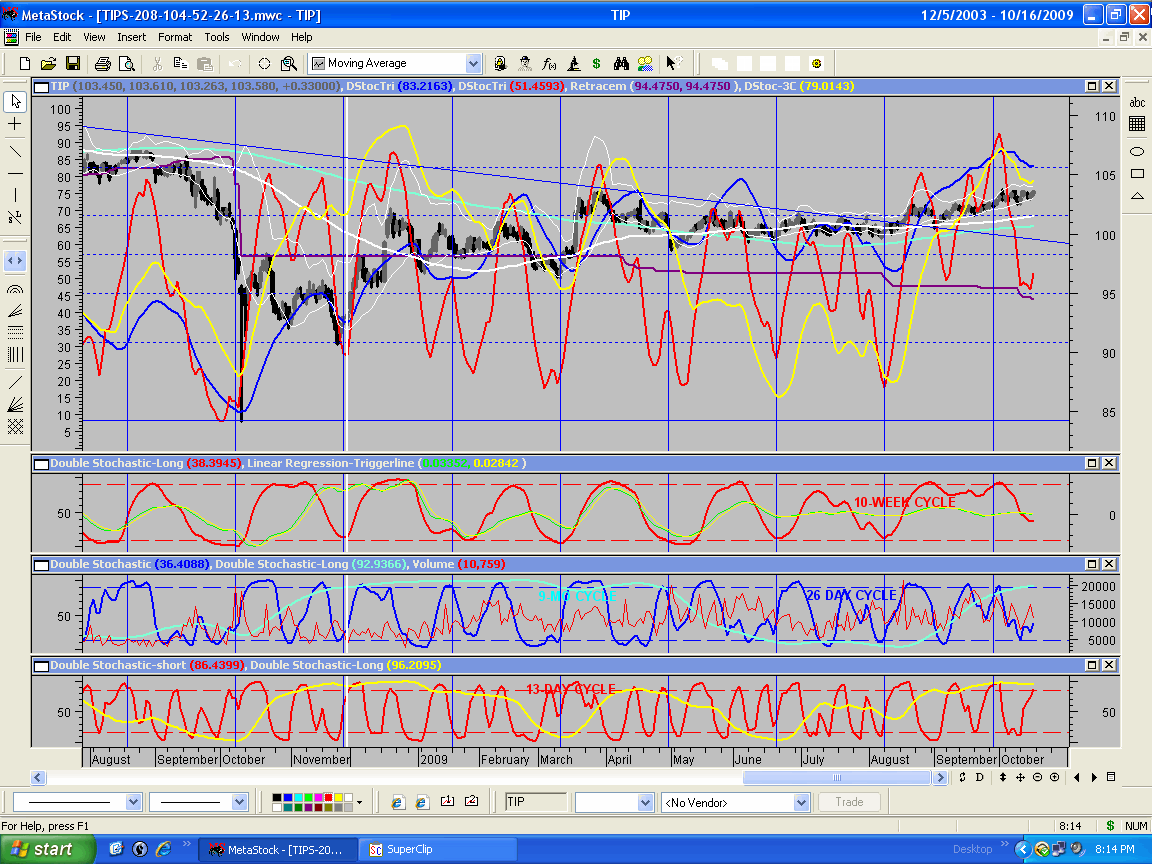
Inflation Protected Treasuries (http://www.geocities.com/petegersb/TIPs.GIF) broke above the declining tops trendline that has prevailed for the last year and half. But shortly thereafter TIPs established a 10-wk cycle peak and probably a 20-week cycle peak as well. They remain above the 9-mo moving average, but holding that line will be a challenge in a 20-wk cycle pullback. TIPs will probably have a difficult time until the CPI reports start adding to the paltry yield instead of subtracting from it. That should happen late in the year or early next year.
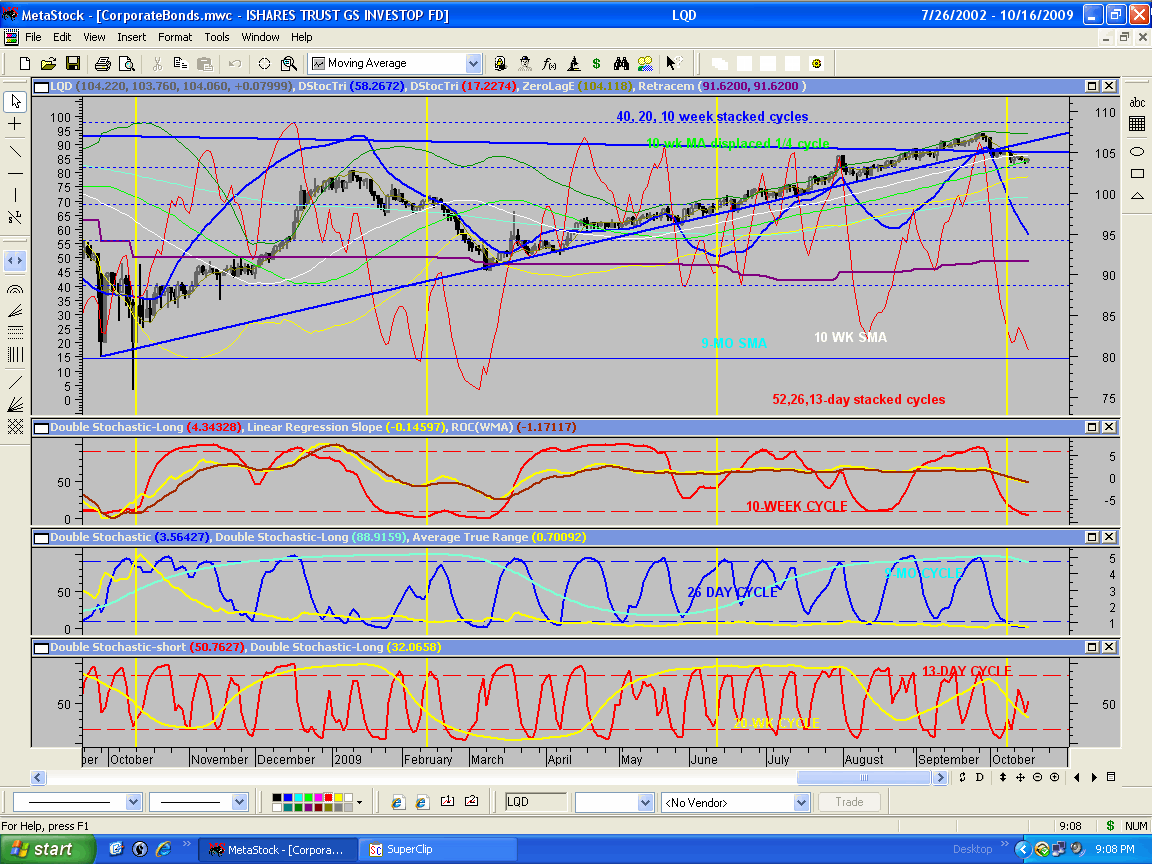
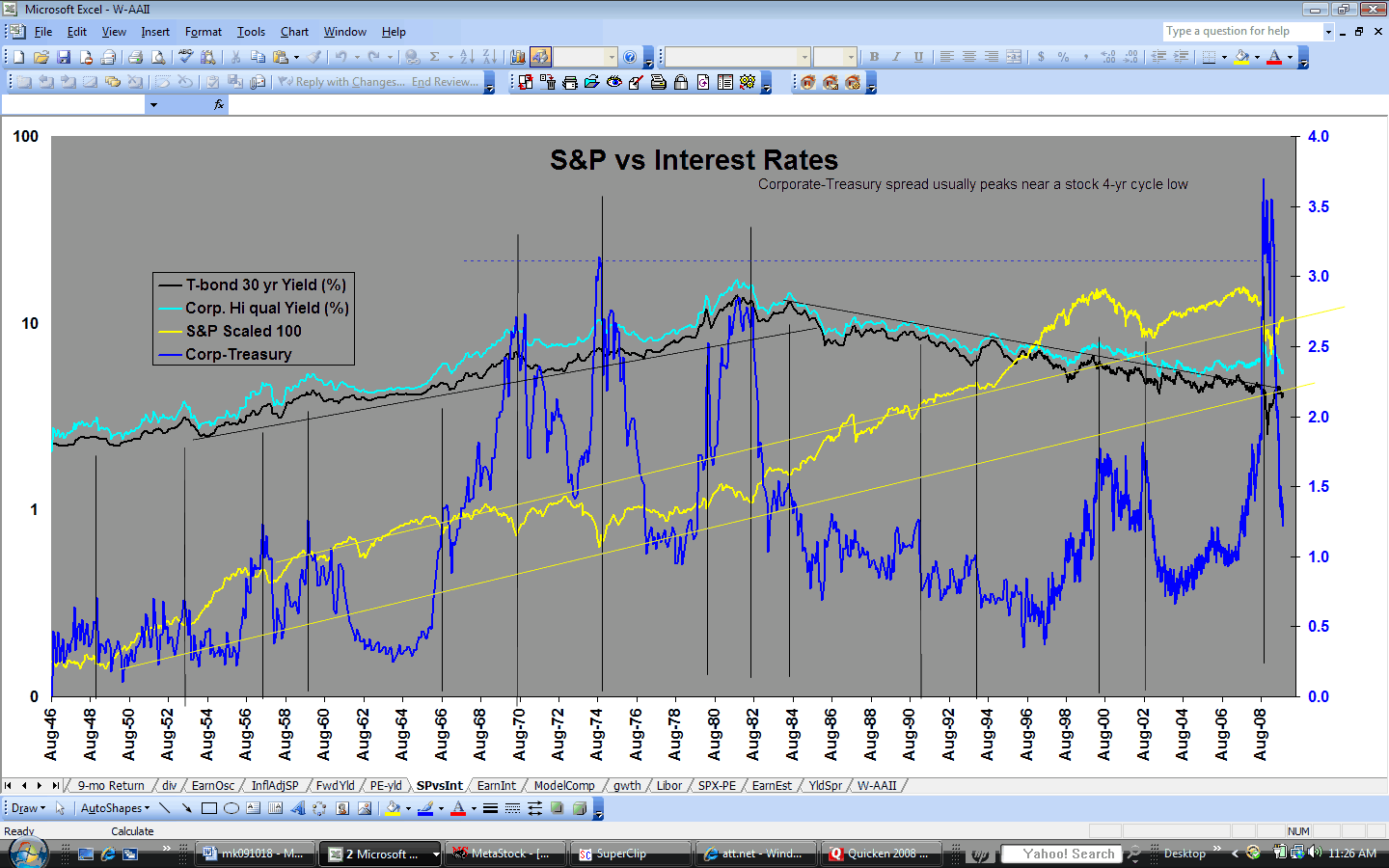
Corporate bonds ( http://www.geocities.com/petegersb/CorporateBonds.GIF ) continued to rally and have now reached the downtrend line that has acted as a lid on all rallies since the historic peak in 2003. Short cycles have turned down, so some resistance can be expected at this level. But the long cycles remain favorable. The spread between Corporate Bond and Treasury yields (http://www.geocities.com/petegersb/Stocks-InterestRates.GIF ), although still high, has contracted to a degree not seen since the beginning of stock rallies off of major lows in 1970, 1974 and 1982 – another stock bull market confirmation.
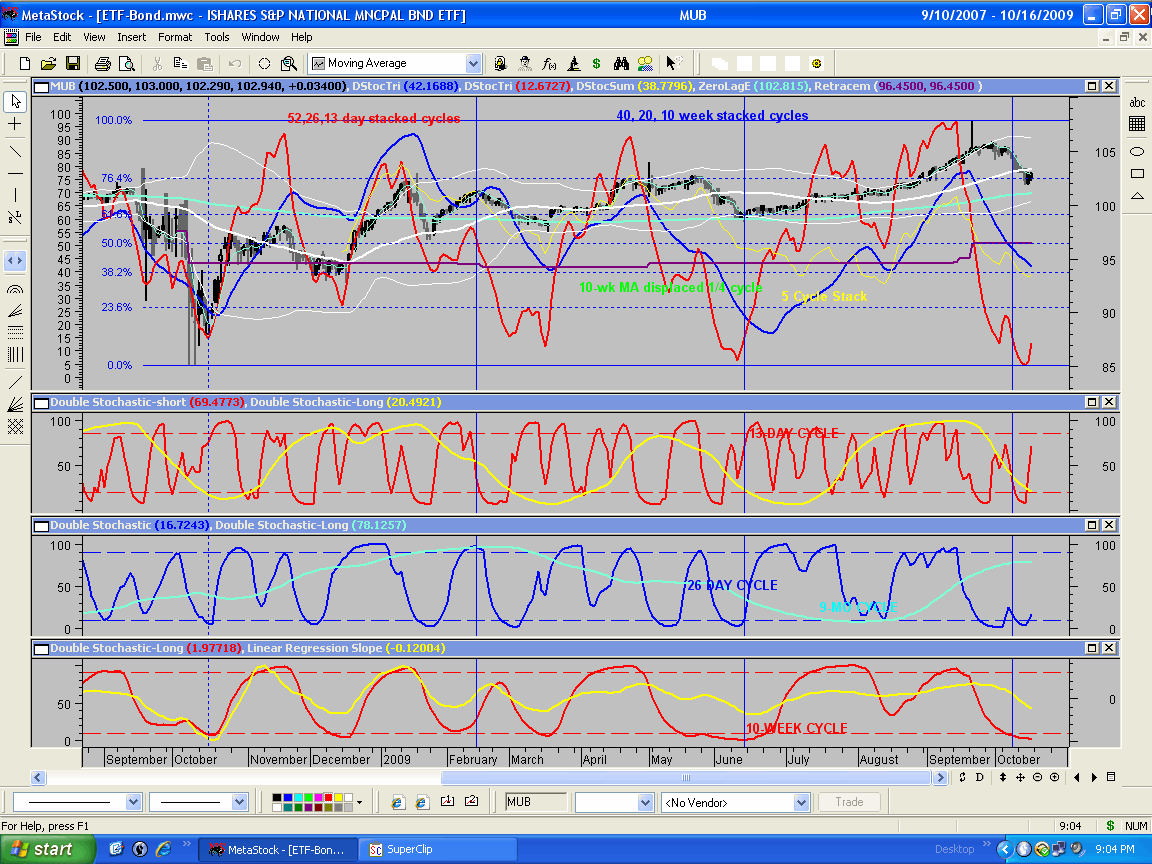
Municipal bond’s (http://www.geocities.com/petegersb/MunicipalBonds.GIF ) have trended steadily upward for the last 3 months since the 9-month cycle bottomed. That leaves all of the shorter cycles very overbought and ripe for a correction as the highs of the last two years are approached. Expect a correction soon.
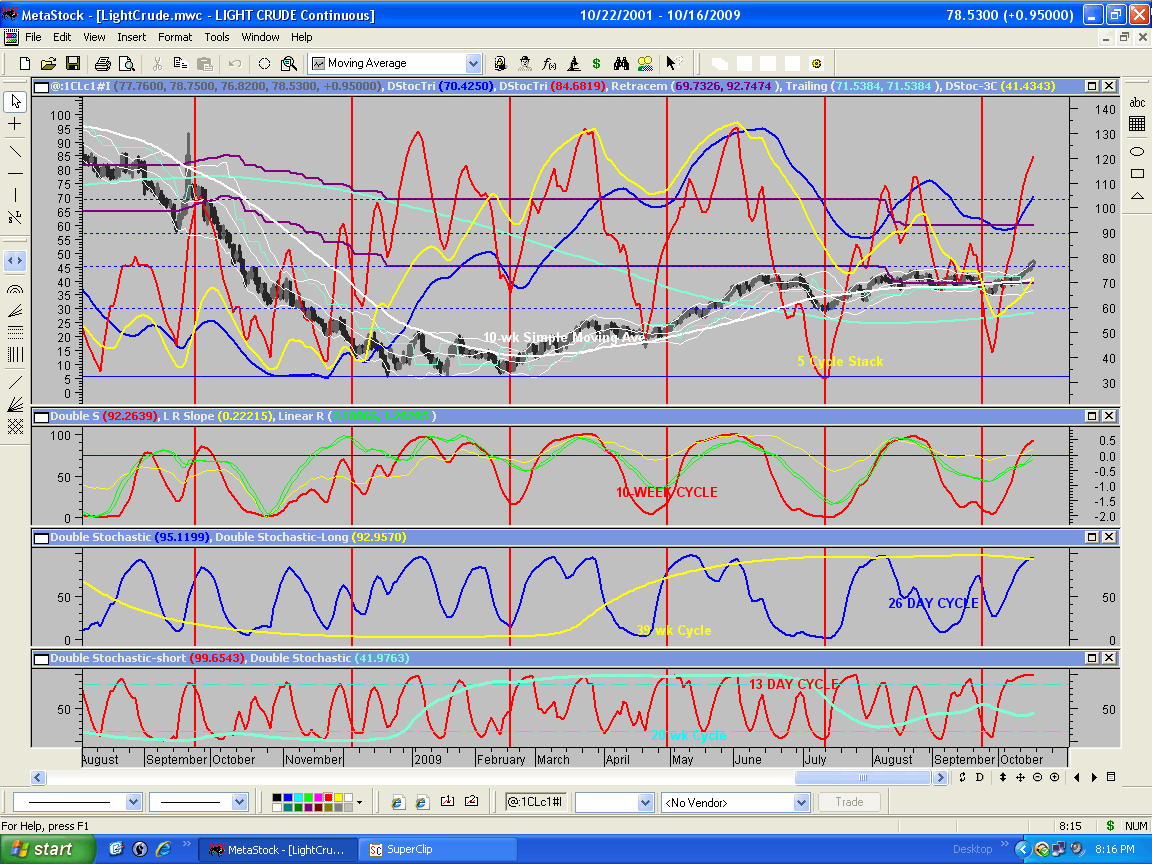
Crude oil (http://www.geocities.com/petegersb/CrudeOil.GIF ) stalled at the 38% Fibonacci retracement of the bear market. All the composites are trending lower. The price is attempting to hold the 10-wk moving average and the last 13-day cycle low, and a likely 13-day cycle rally should produce at least temporary success. But it appears that one more 13-day cycle will be required to reach a 10-wk cycle low. It’s likely that $75 crude was the peak for this 9-mo cycle, which is at least 7 months old.
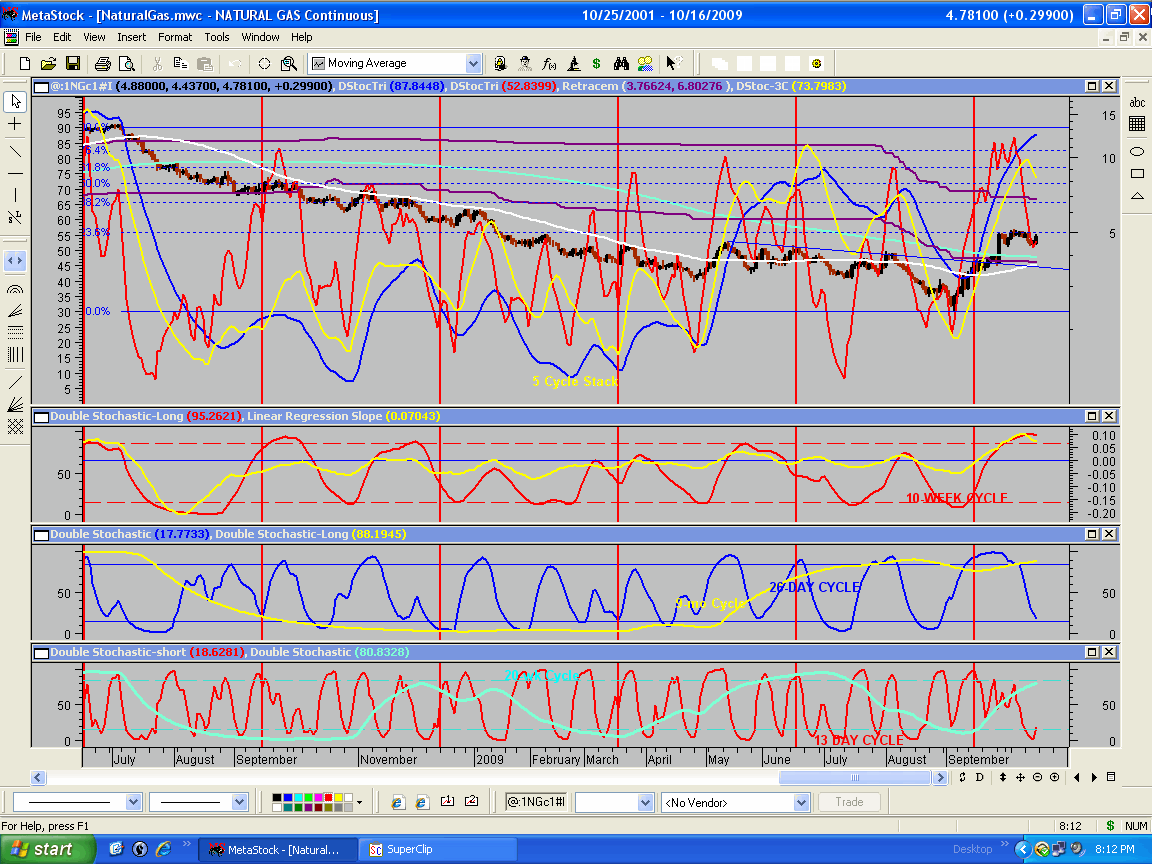
The Natural gas (http://www.geocities.com/petegersb/NaturalGas.GIF ) 10-wk cycle rally attempt in July and early August encountered resistance below the 9-month moving average as expected. It then plunged to a new 7-year low of $2.50 last week. Its price, environmental, and national security advantages relative to oil are so compelling that, at some point in the future, the investments needed to make the conversion will be made. And just as the $13 price in 2005 and again in 2008 inspired a lot of drilling for new supply, the sub $3 price now will discourage it. When increased demand from a recovering economy crosses reduced supply from discouraged drillers the price likely will surge. But first, it looks like it’s headed down to two bucks – the lower trend line and the next Fibonacci projection.
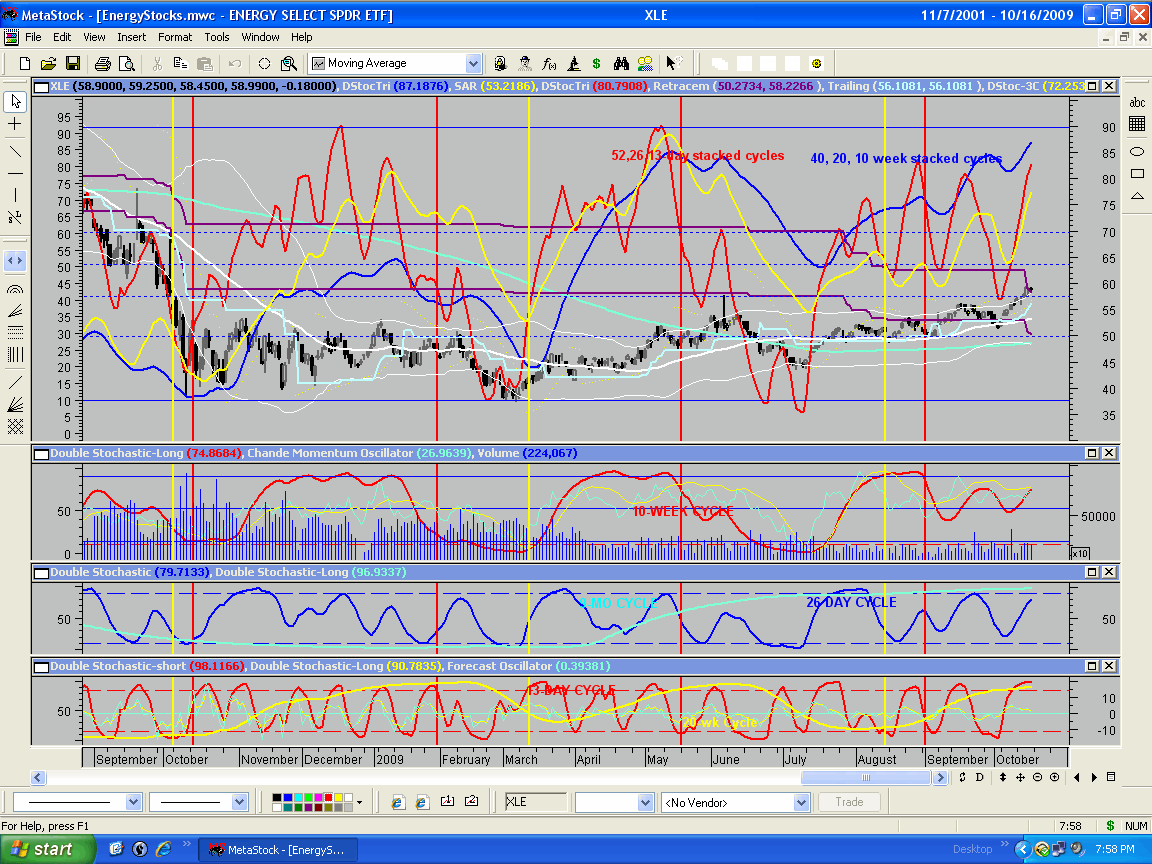
Energy stocks (http://www.geocities.com/petegersb/EnergySPDR.GIF) established a lower 10-wk cycle high a little over a week
ago, so it appears that their 9-mo cycle has peaked. Like oil, they are now trying to hold the
10-wk moving average with help from a likely 13-day cycle rally attempt. There
is additional support slightly lower at the 9-mo moving average, but with all
composites trending lower and none yet oversold, it probably won’t hold for
long. If both those support levels fail, you can bet that these stocks will
lead the broader market lower.
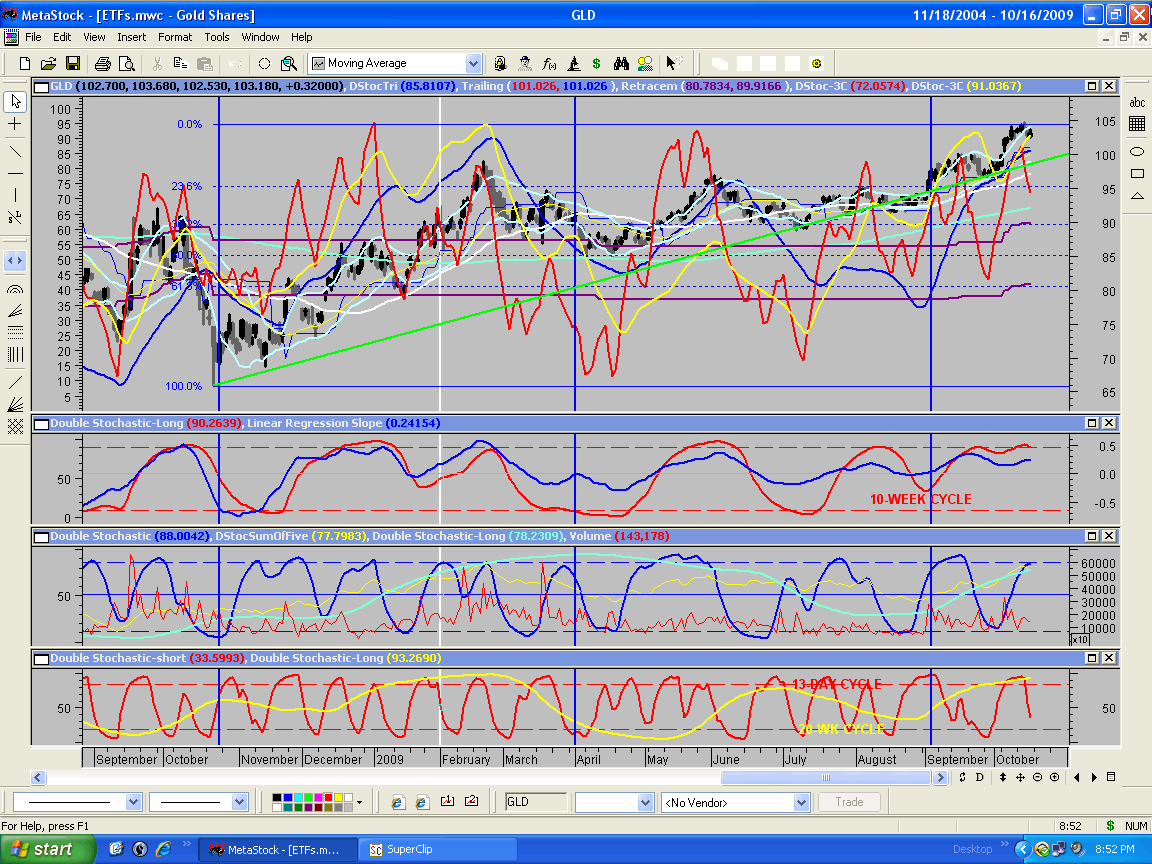
Gold (http://www.geocities.com/petegersb/GoldBullion.GIF) is threatening new highs as it enters a seasonally
favorable period. It broke above its 7-month-old downtrend line last week, all
the composites are rising, and only the 13-day cycle is overbought. It’s likely
that it will reach new highs in September. It’s somewhat surprising that gold
is so strong while oil is relatively weak. Perhaps its recognition that
inflation is accelerating without help from oil.
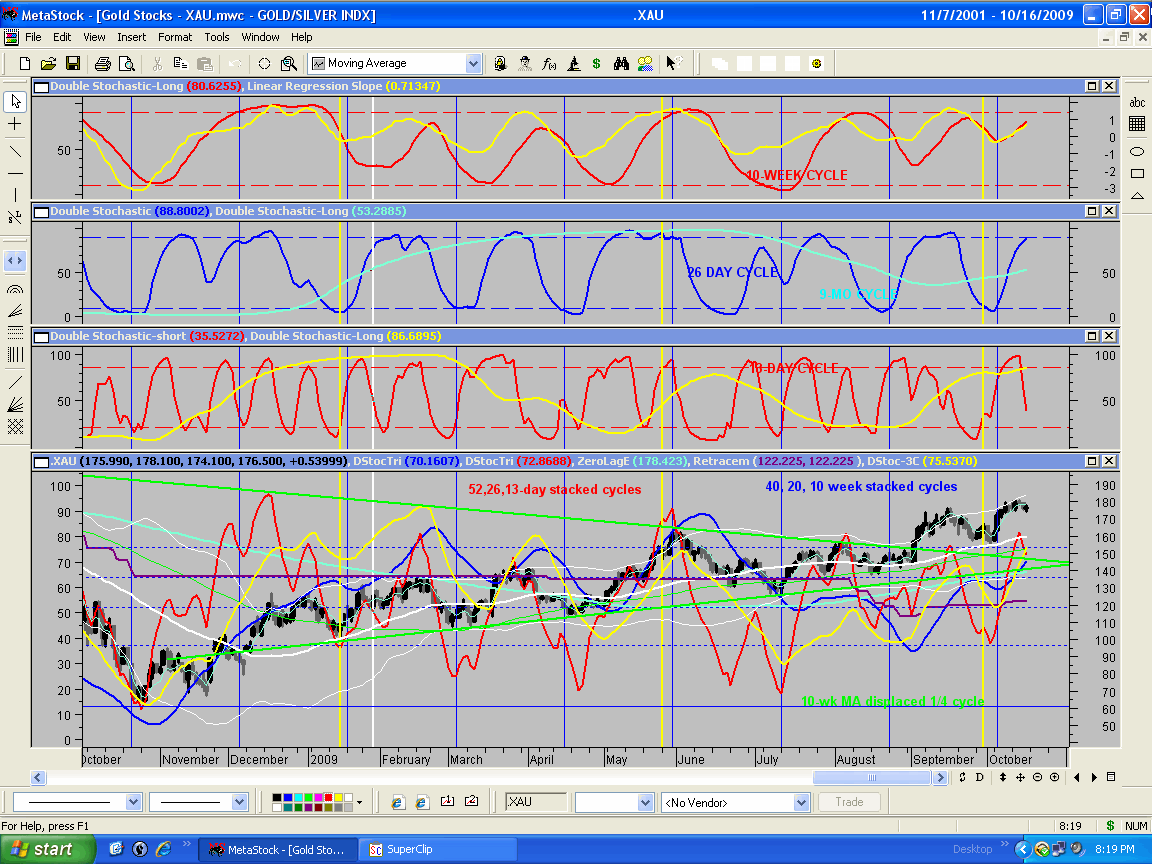
Gold Stocks (http://www.geocities.com/petegersb/GoldStocks.GIF
) surged along with the metal last week as they broke to a fresh 13 month high.
However, unlike the metal, they remain well below 2008 highs. In retrospect, it
looks like the 20 week cycle and probably the 9-mo cycle bottomed in July, so
this rally should have legs.
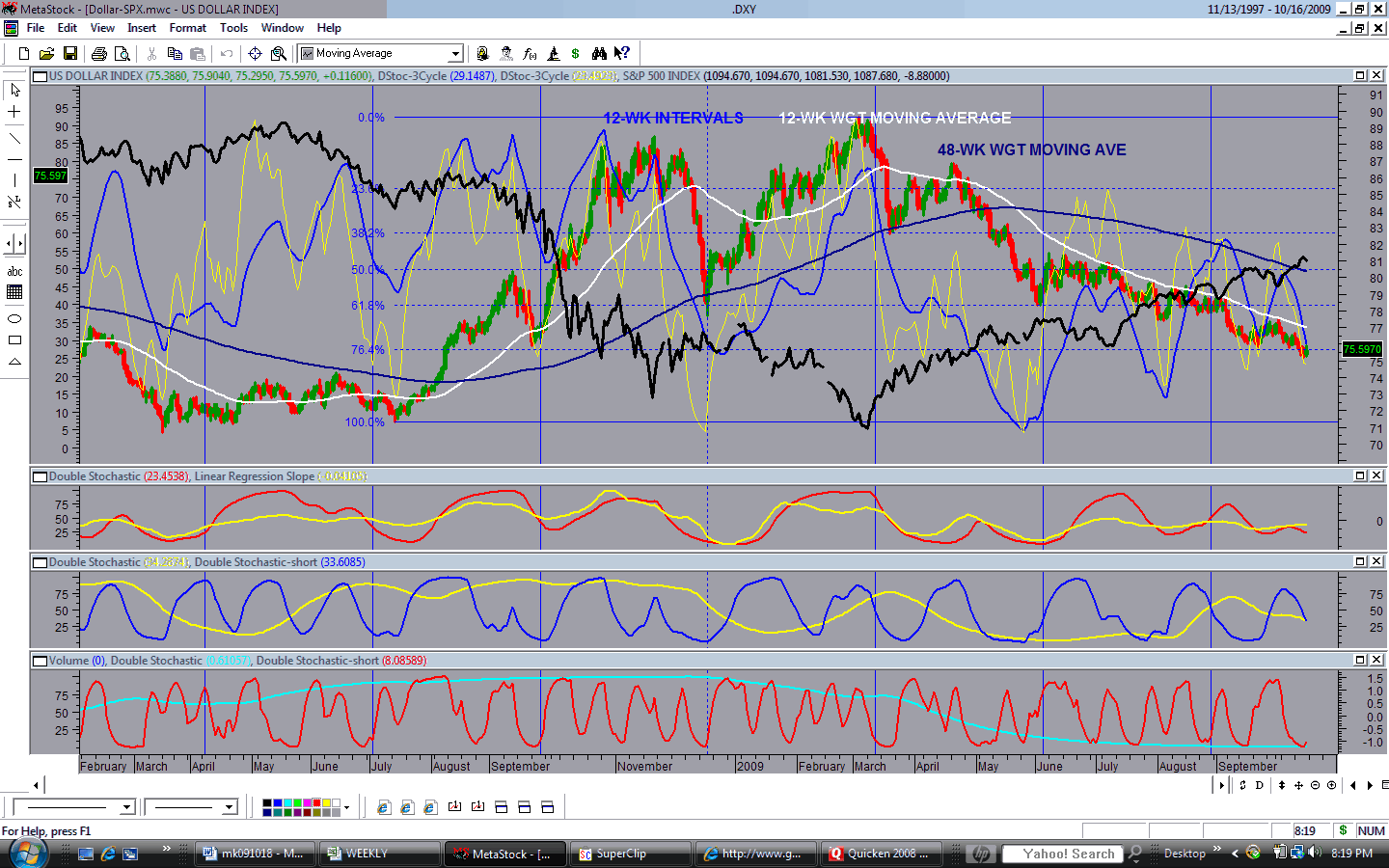
The Dollar (http://www.geocities.com/petegersb/Dollar.GIF) made a 10 month low in early August and then began a very weak intermediate-term rally. Numerous attempts to break above the declining 10-wk simple moving average (or the 12-wk weighted moving average) since then have all failed. Based on the short cycles, the dollar is likely to move still lower before another attempt to break the downtrend.
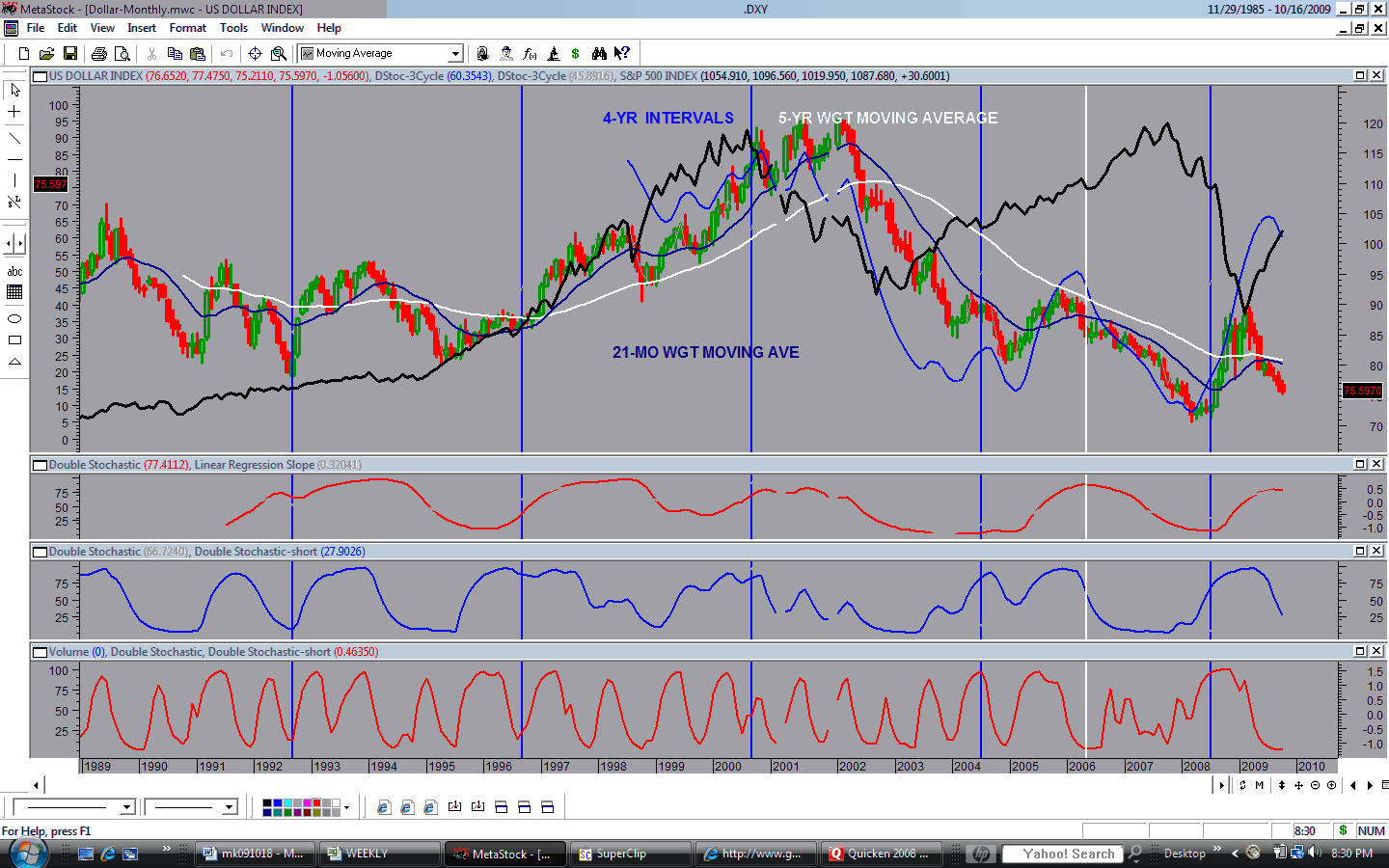
I have a revised chart that shows the dollar operating on about a 12 week cycle. It also shows the correlation with the S&P 500. During the last year the dollar has generally been inversely correlated with stocks, so it’s become an article of faith for many that a weak dollar is good for stocks. However, you need look back only another year to see a comparable period of positive correlation, so it’s not a valid assumption. However a weak dollar helps our balance trade as it makes our goods and services more attractive to foreigners and makes theirs less attractive to our consumers. It also aggravates inflation as it drives the dollar cost of imports higher. So it’s good for domestic jobs, which we sorely need, and bad for inflation, which is problematical when we get too much of it. The cycles suggest that the dollar has been in an intermediate-term rally for the last month, but it has been unable to gain any ground during that period. It merely arrested the decline. That’s evidence of a continuing longer-term decline. The dollar was weak in the 80’s, bottomed in 1992 and strong until 2001 when it again began a serious decline interrupted by year-long rallies in 2005 and 2008 (http://www.geocities.com/petegersb/Dollar-Monthly.GIF ). On this long-term chart, the composites are trending downward from a still very high level. It suggests that the decline has much further to go.