There will be no report next weekend. Instead I will send copies of the monthly WCCC briefing on 6/30 to those on the mailing list. If you are not receiving this report by e-mail, but would like to, send a note to [email protected] .
6/21/09
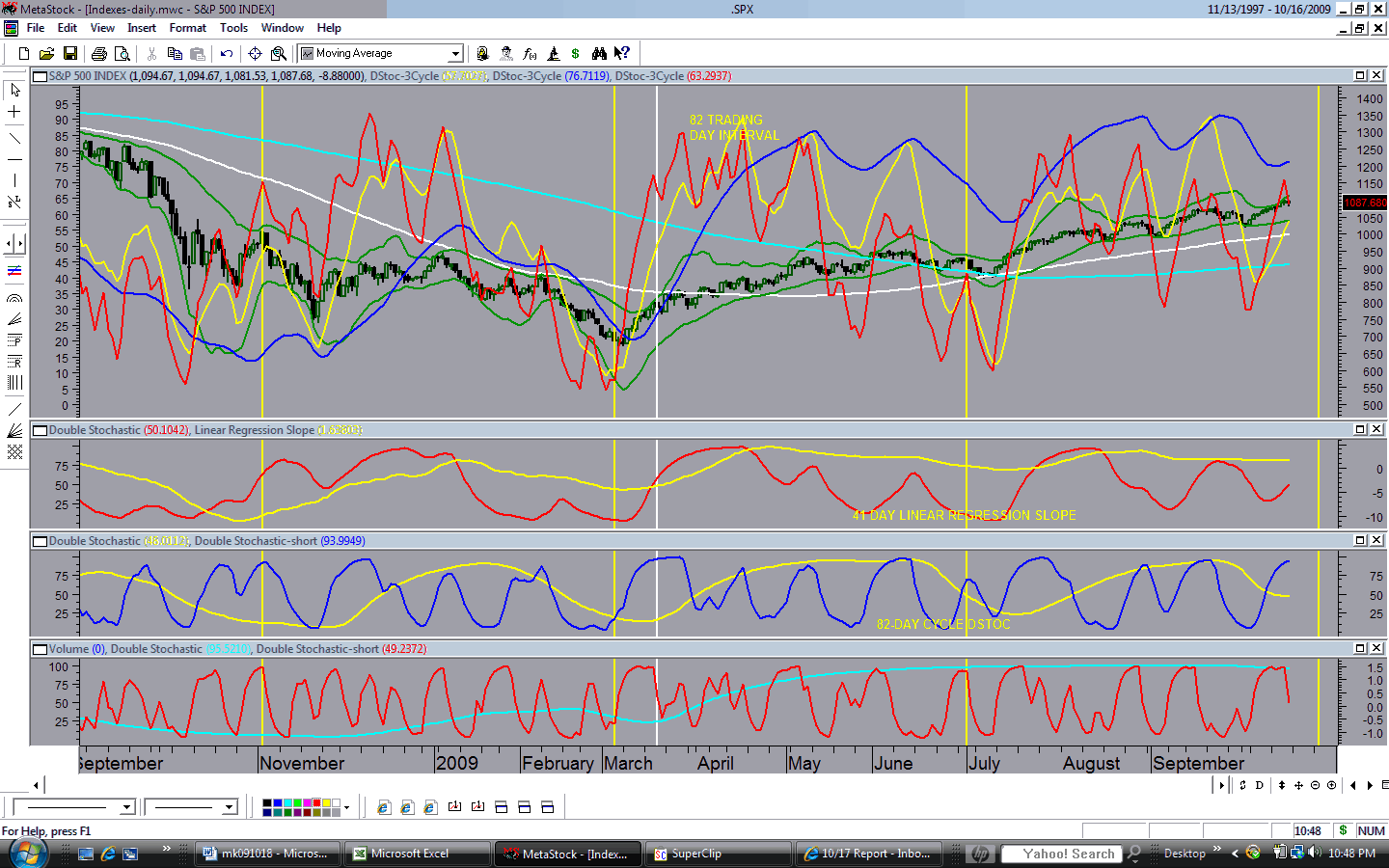
Last week’s market was a mirror image of the market 2 weeks ago when the SPX (http://www.geocities.com/petegersb/SP500.GIF ) gapped higher from the 920 to the 940 range on Monday’s opening and then went nowhere for the remainder of the week. This time the SPX gapped lower on Monday’s opening back to the 920 range and then went nowhere for the rest of the week. Meanwhile the 10-wk moving average has risen to 898 and the 9-mo moving averages dropped to 902. So the 900 level probably will provide support a little longer while the 13-day cycle completes the weak rally phase that began on Wednesday at 904.
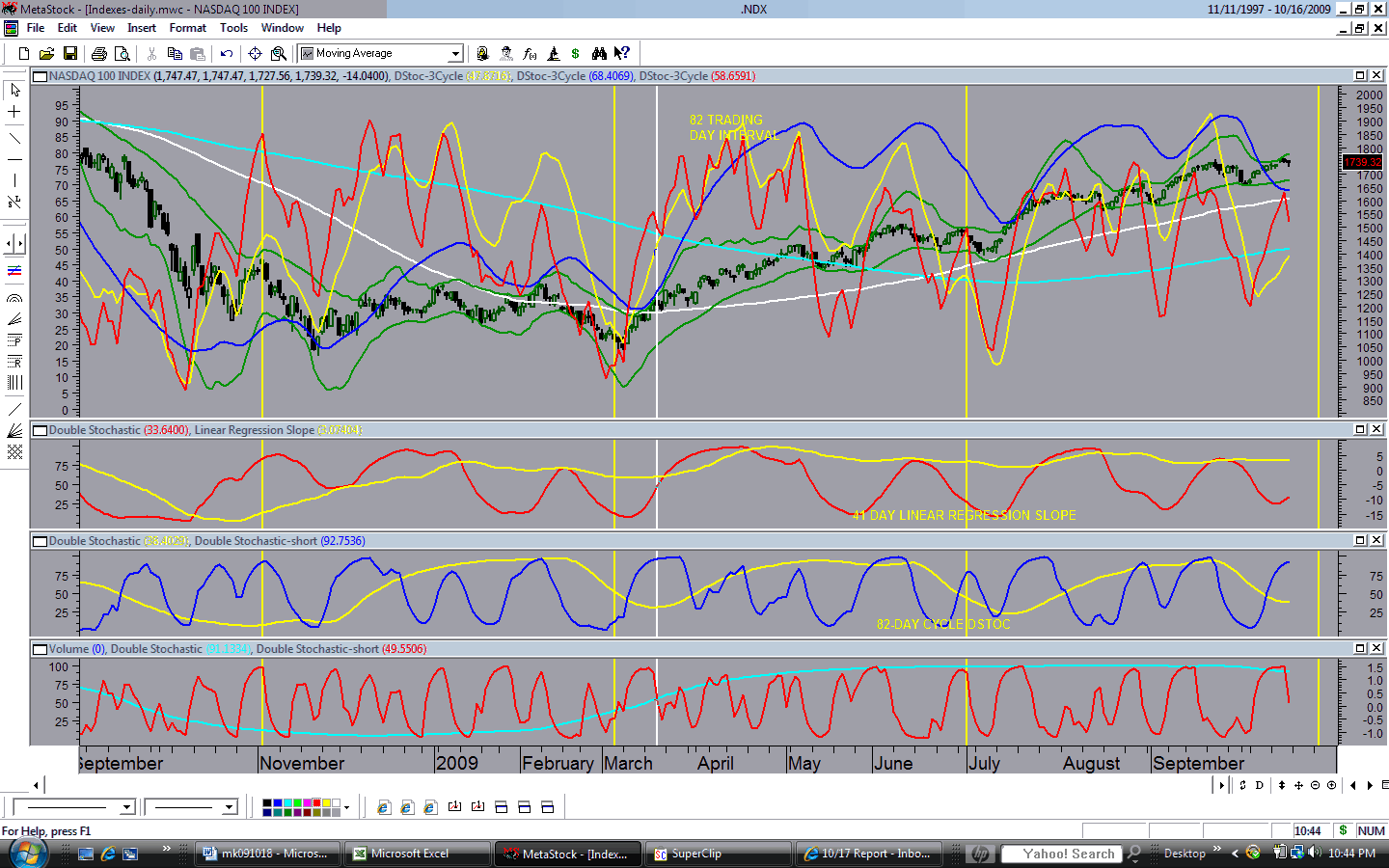
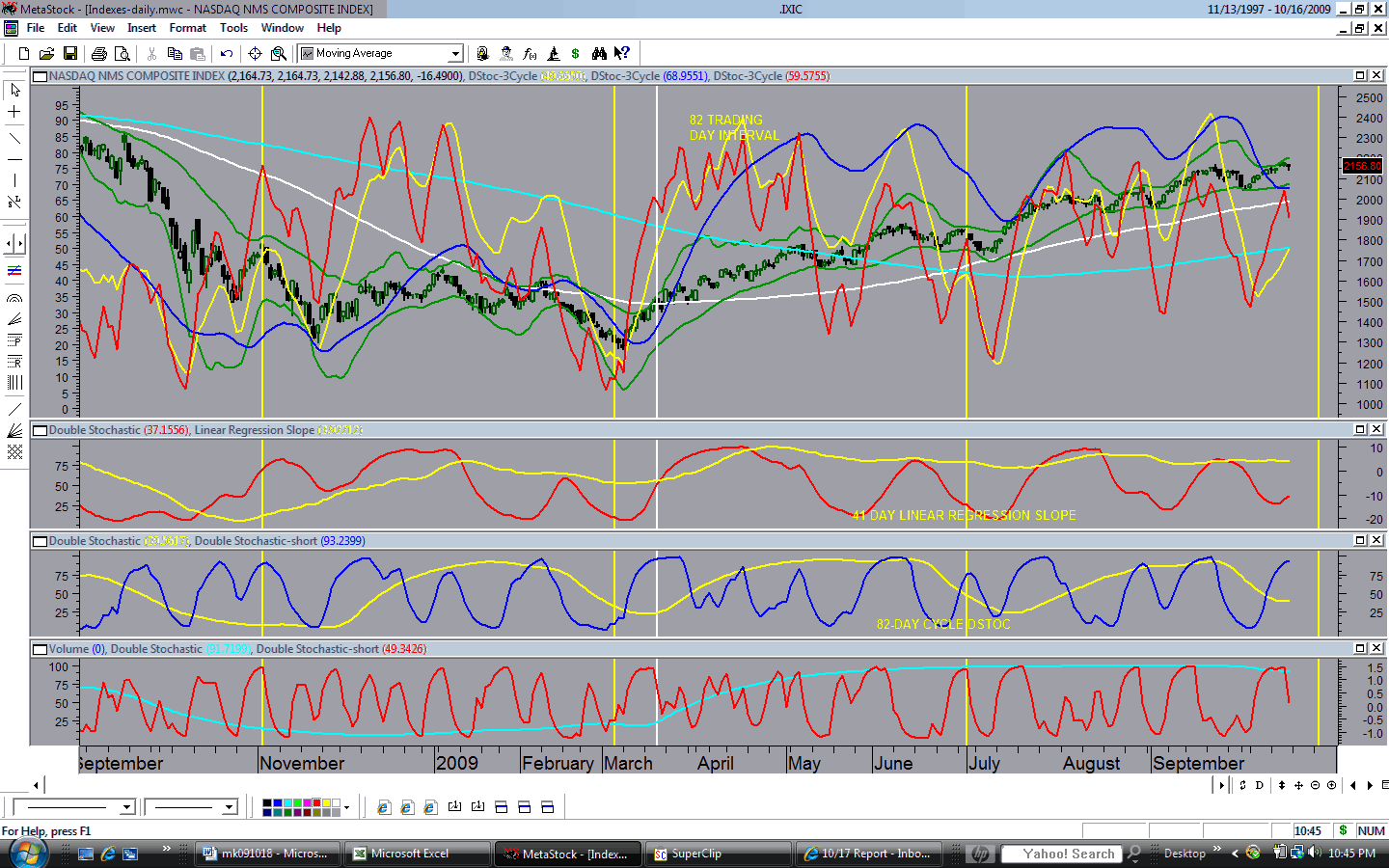
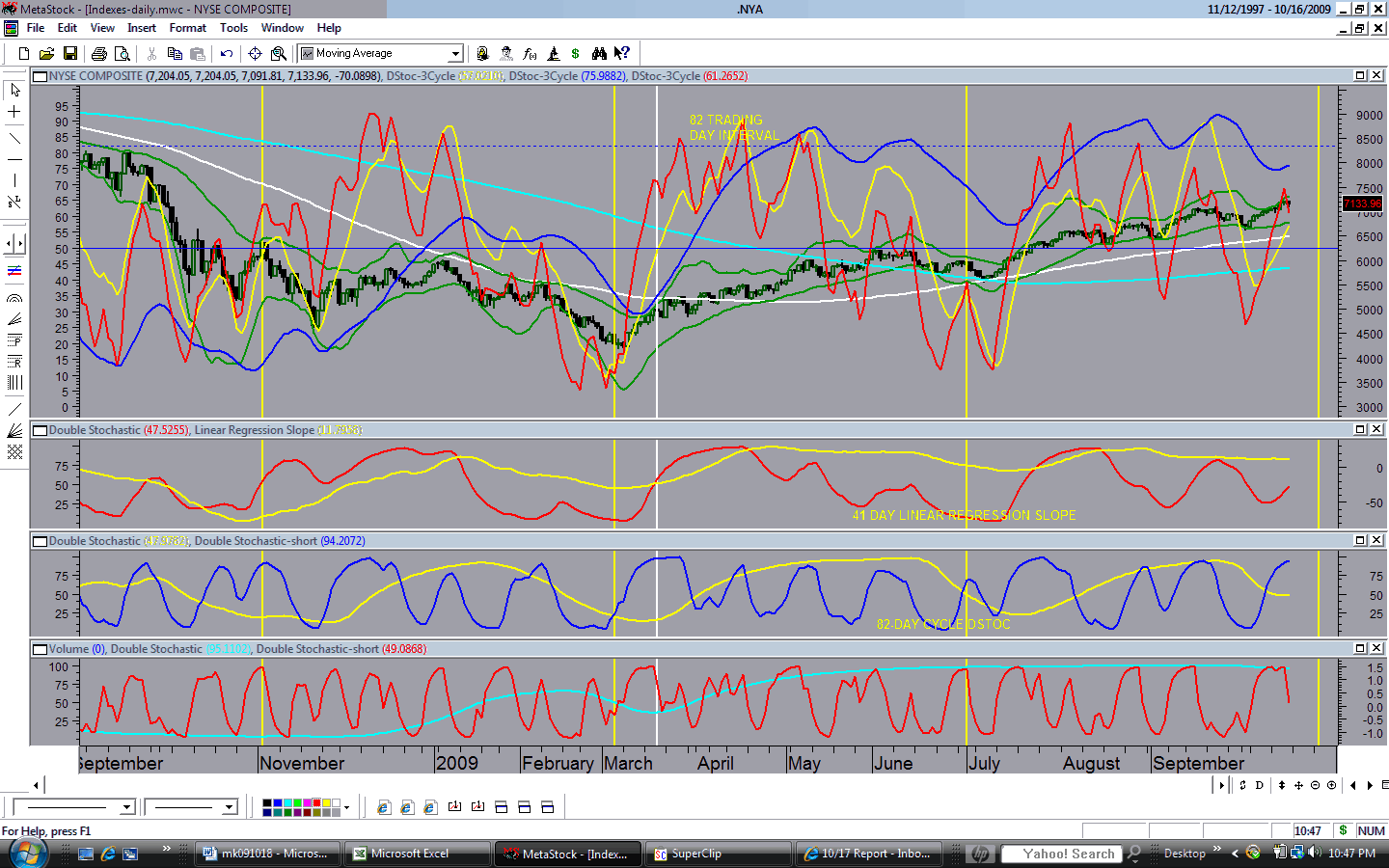
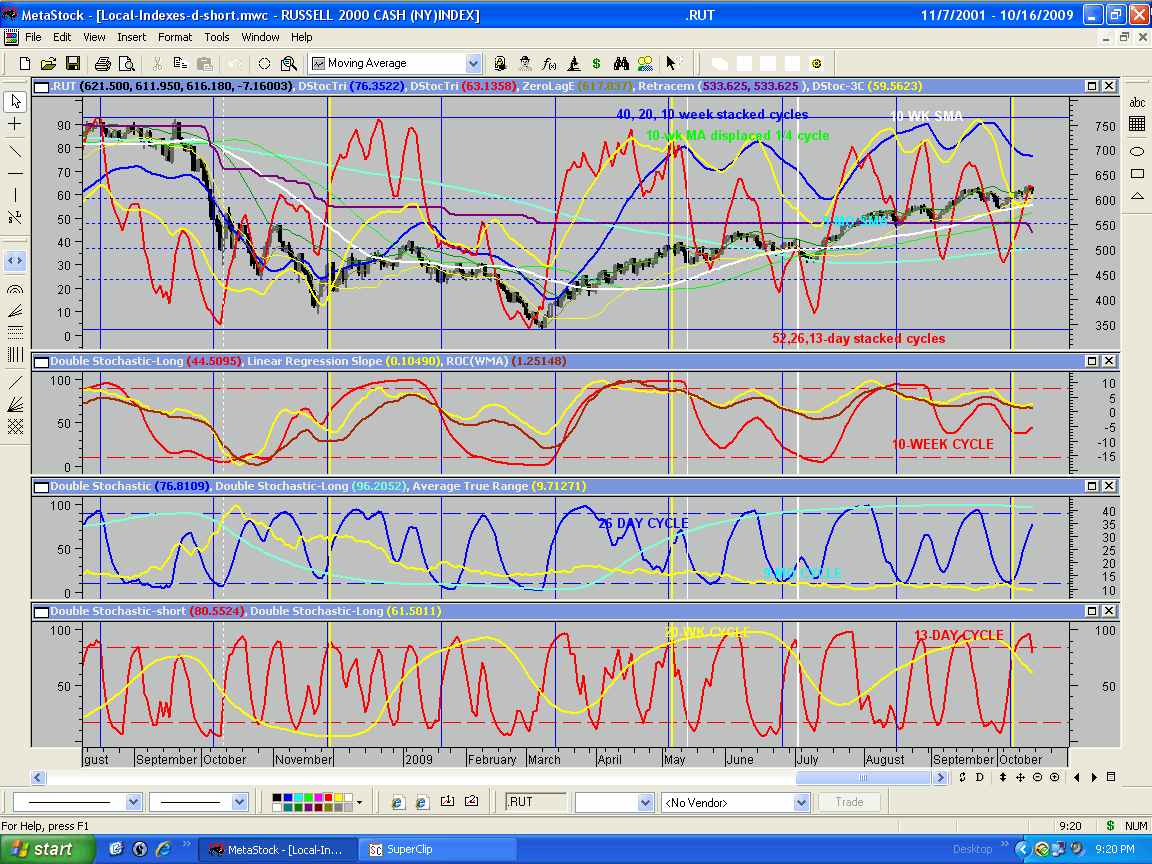
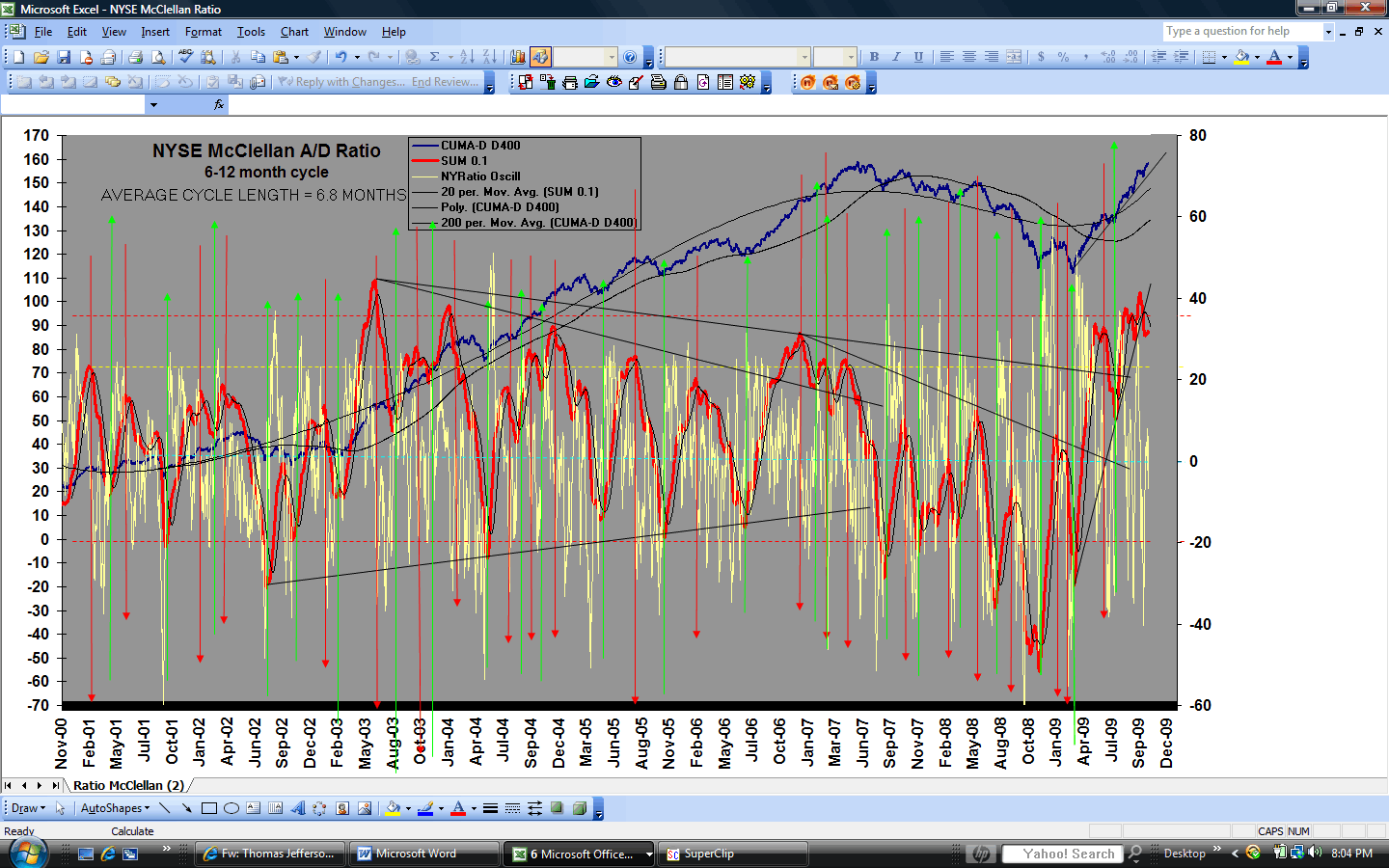
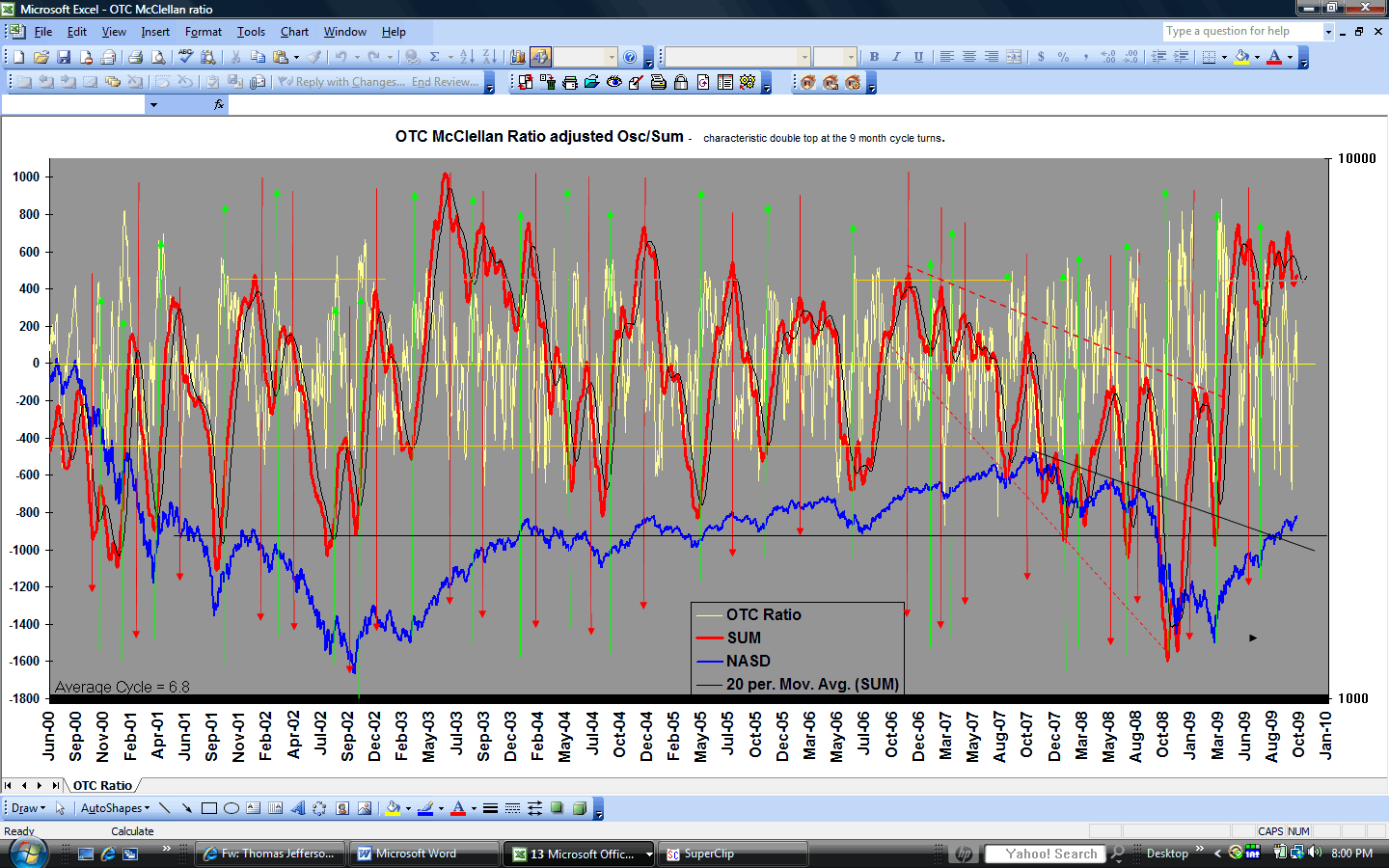
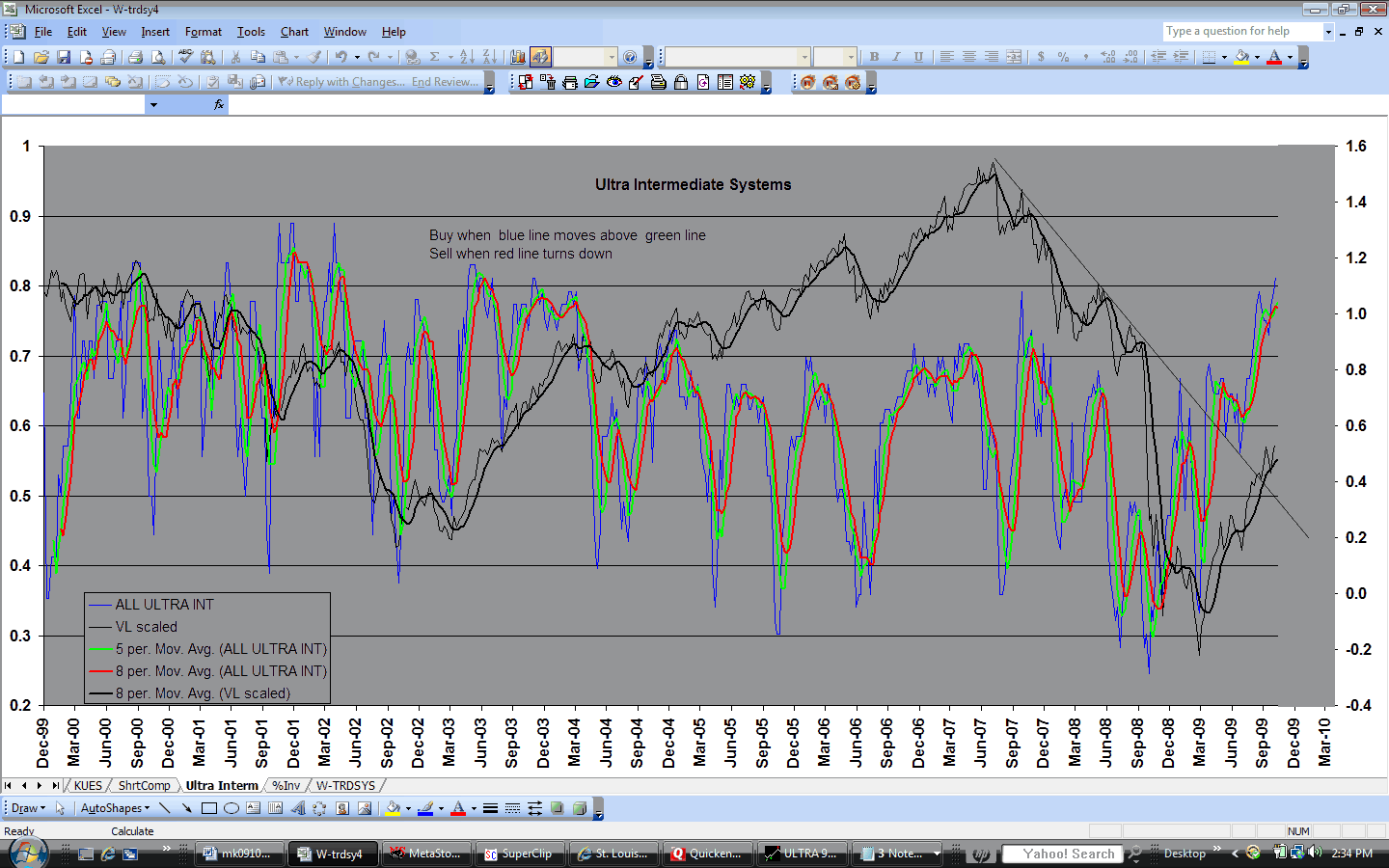
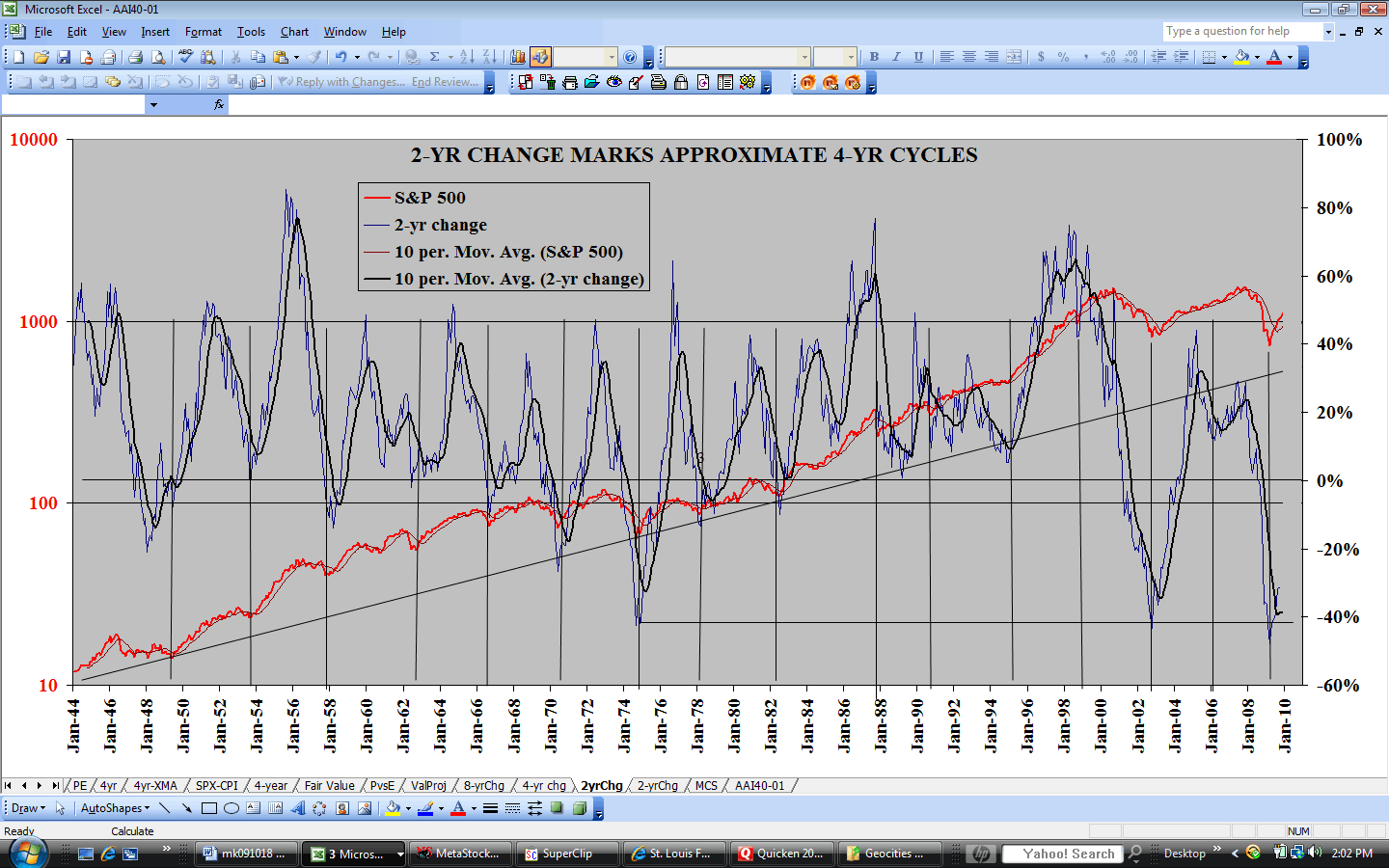
But the 13-day cycle appears to be the only one still attempting to drive prices higher, not only on the SPX, but on the other indexes as well (NDX (http://www.geocities.com/petegersb/NDX.GIF ), NASDAQ Composite (http://www.geocities.com/petegersb/NasdaqComposite.GIF ), (NYSE Composite (http://www.geocities.com/petegersb/NYSE.GIF), Russell 2000 index (http://www.geocities.com/petegersb/Russell2000.GIF ). The 19-day-old 26-day cycle is in a well established downtrend. The 5-week-old 10-wk cycle is retreating from an apparent left-translated peak on 6/11. The 15-week-old 20-wk cycle is retreating from an apparent right-translated peak on the same date. The overbought 9-mo cycle DStoc hasn’t yet turned down, but the cycle is probably 7 months old and ripe for a decline. Furthermore, the McClellan Summation Indexes (http://www.geocities.com/petegersb/A-Dsummation-NYSE.GIF , http://www.geocities.com/petegersb/A-Dsummation-OTC.GIF ) turned down from a second high level peak – this time more emphatically than the first time – to indicate that the 9-mo cycle has peaked. The downturn in the ULTRA Intermediate Composite (http://www.geocities.com/petegersb/UltraIntermediate.GIF ) has also confirmed the 9-mo downturn. In the aggregate, these cycles continue to suggest a late July or August bottom. If that bottom can hold above the March low of 667 it will provide some evidence of a new bull market. If it can hold above the last 9-mo cycle low of 741 last November, we can be more confident of a new bull market. If one of these levels holds, the 4-yr cycle oscillator (http://www.geocities.com/petegersb/2-YrChange.GIF ) should complete its usual double bottom, and soon thereafter cross above its 10-wk moving average to confirm a bull market.
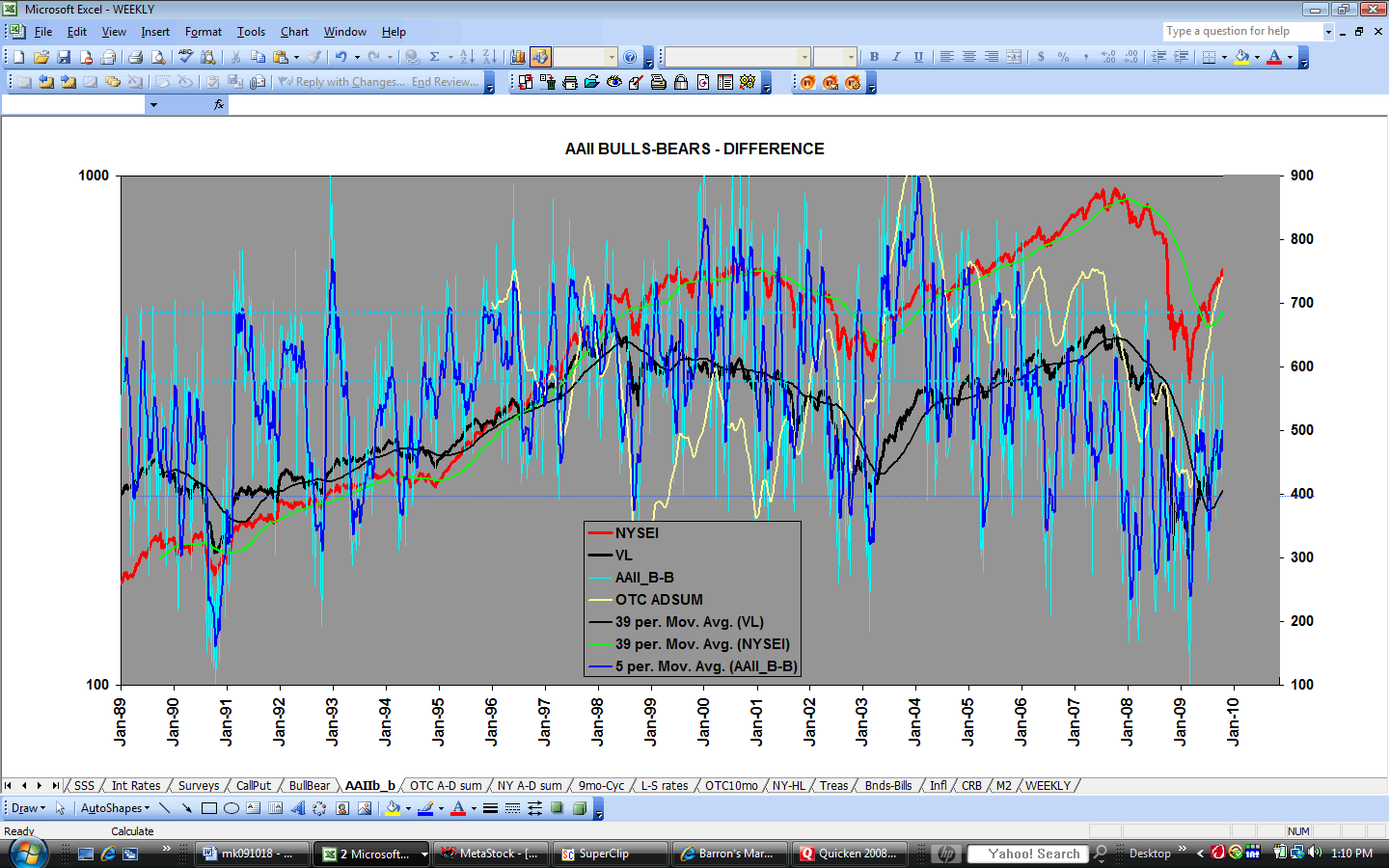
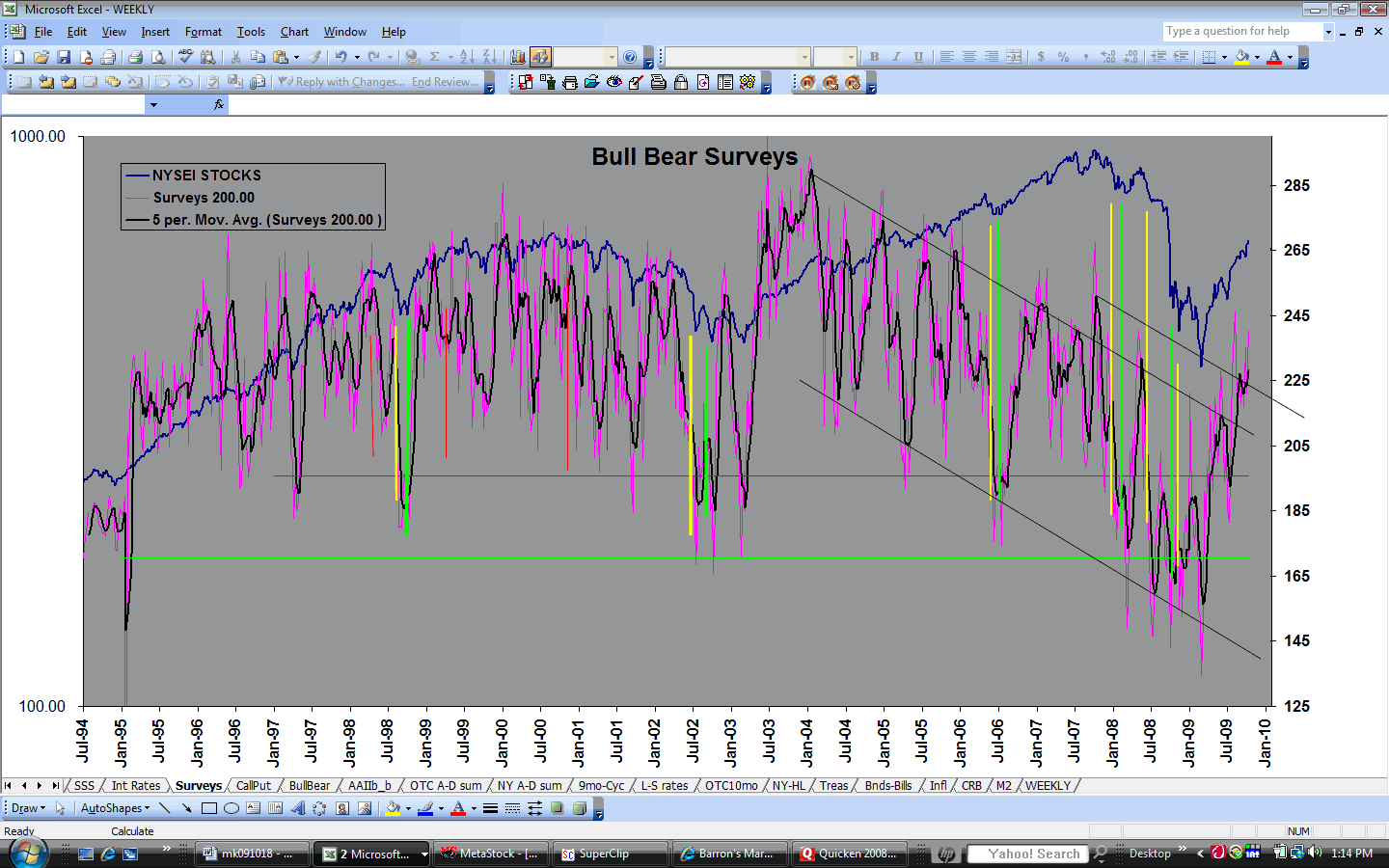
Sentiment is now consistent with the beginning of an intermediate market correction. The five-week moving average has turned down on the AAII Index (http://www.geocities.com/petegersb/AAIIsentiment.GIF ), and optimism dropped fairly sharply in the latest Advisory Index (http://www.geocities.com/petegersb/InvestorsIntelligence.GIF ).
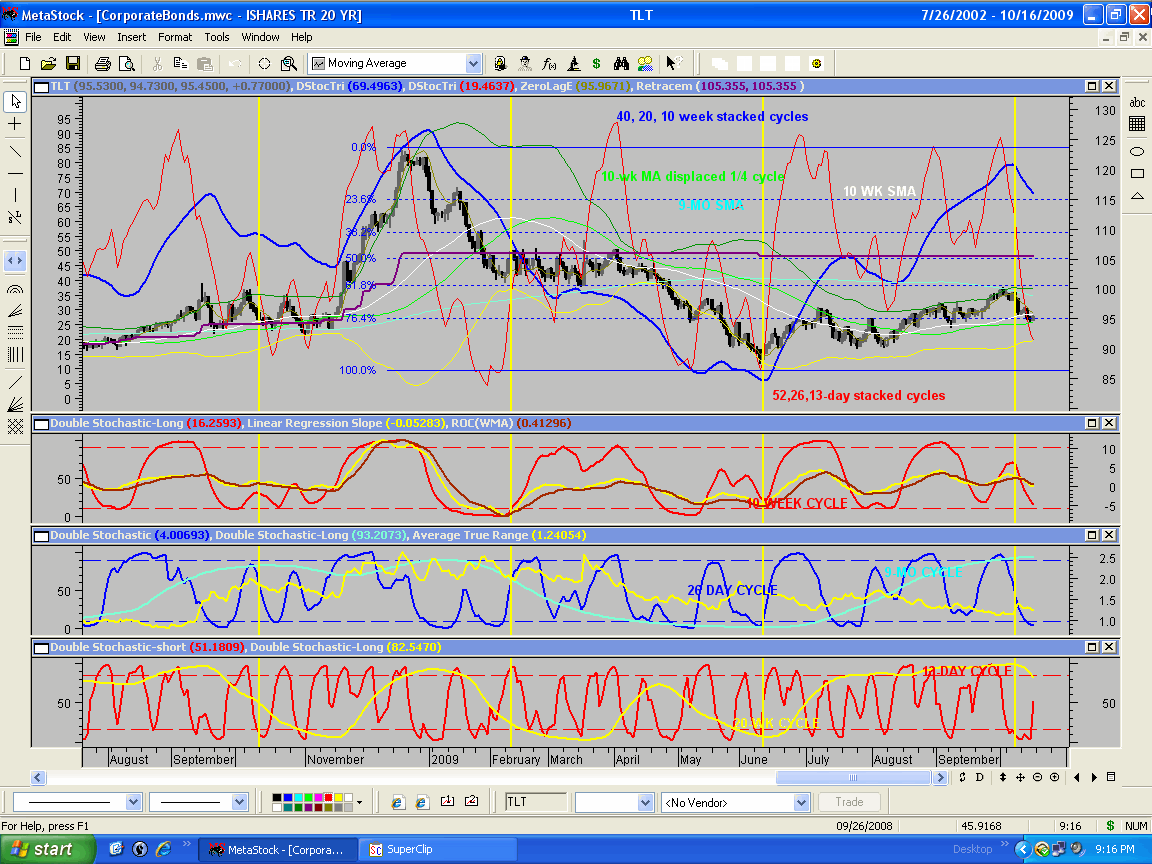
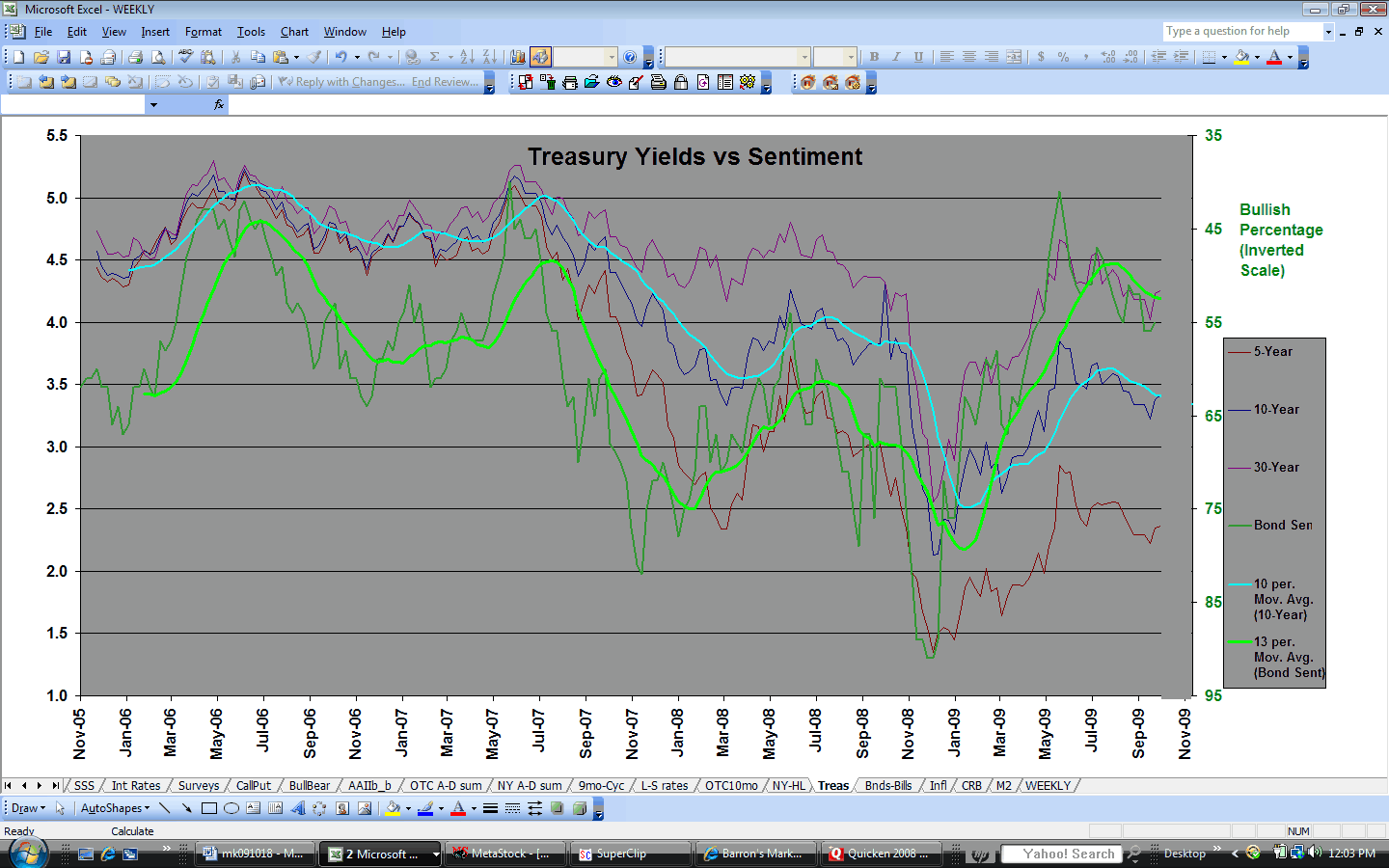
Treasury bonds (http://www.geocities.com/petegersb/Treasury-20yr.GIF ) advanced as expected last week. It wasn’t much, but enough to turn the intermediate composite upward from its deeply oversold condition. The uptrend should persist because it appears to be of at least the 20-wk cycle variety, and probably the 9-mo variety. Bond Sentiment (http://www.geocities.com/petegersb/BondSentiment.GIF ), which has begun a shift to increasing optimism, supports that conclusion. However, the shortest cycles appear likely to resist the rally this week.
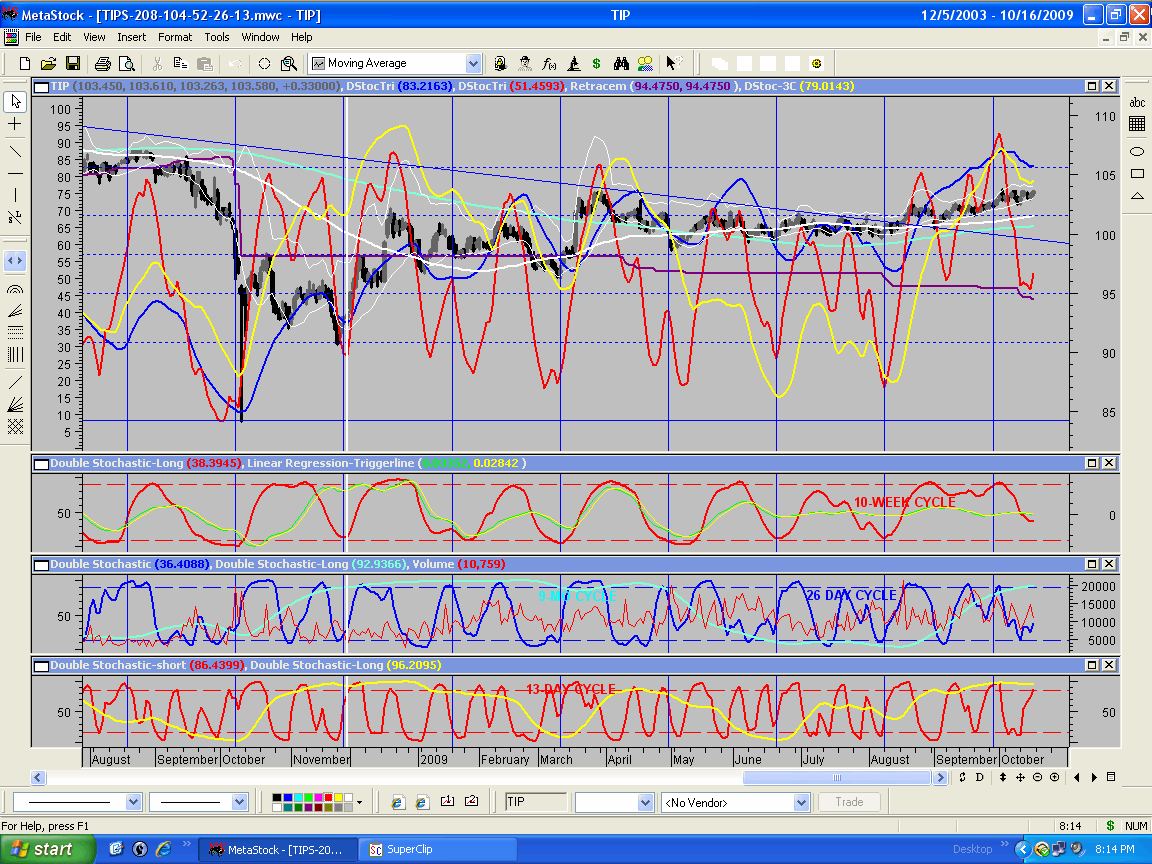
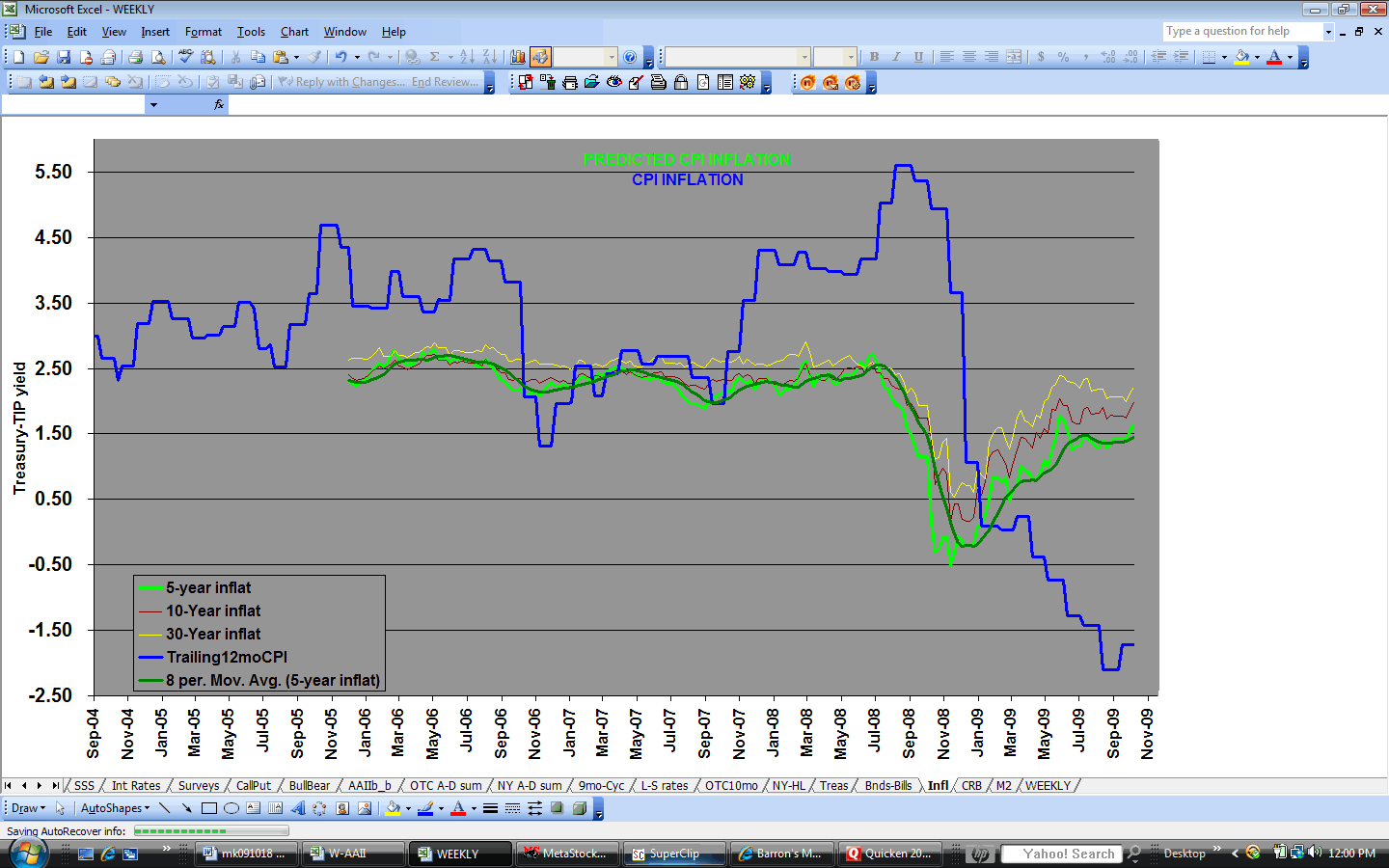
Inflation Protected Treasuries (http://www.geocities.com/petegersb/TIPs.GIF) were flat last week except for declining prices on the short maturities as the TIP yield curve flattened a bit. Another benign CPI report (http://www.geocities.com/petegersb/CPI.GIF ) probably influenced their underperformance relative to conventional Treasuries. The spread between trailing CPI inflation and expectations for the future has widened to near the same extreme as last summer. In August trailing inflation had peaked at 5.6% while expectations were about 3 percentage points lower. In the latest report, trailing inflation reached a negative 1.28% while expectations have risen from a low of negative 0.5% during November’s financial panic to a positive 1.6% currently for a positive 2% spread. Expectations tend to lead reported inflation, so we can expect higher reported inflation in the future. If CPI inflation only maintains the pace of the first 5 months of this year, the 2009 reading will come in at about 4%. But the year-over-year comparisons probably won’t turn positive for another 1-3 months, largely because oil likely will be cheaper than it was a year ago for a couple more months. Meanwhile, the cycles suggest that TIPS have a little more downside before reaching 10/20-wk cycle lows. The 10-wk cycle is 7-weeks old and not yet oversold. The 20-wk cycle is oversold but only 15-wks old. It looks like TIPS need at least one more 13-day cycle to reach short and intermediate lows.
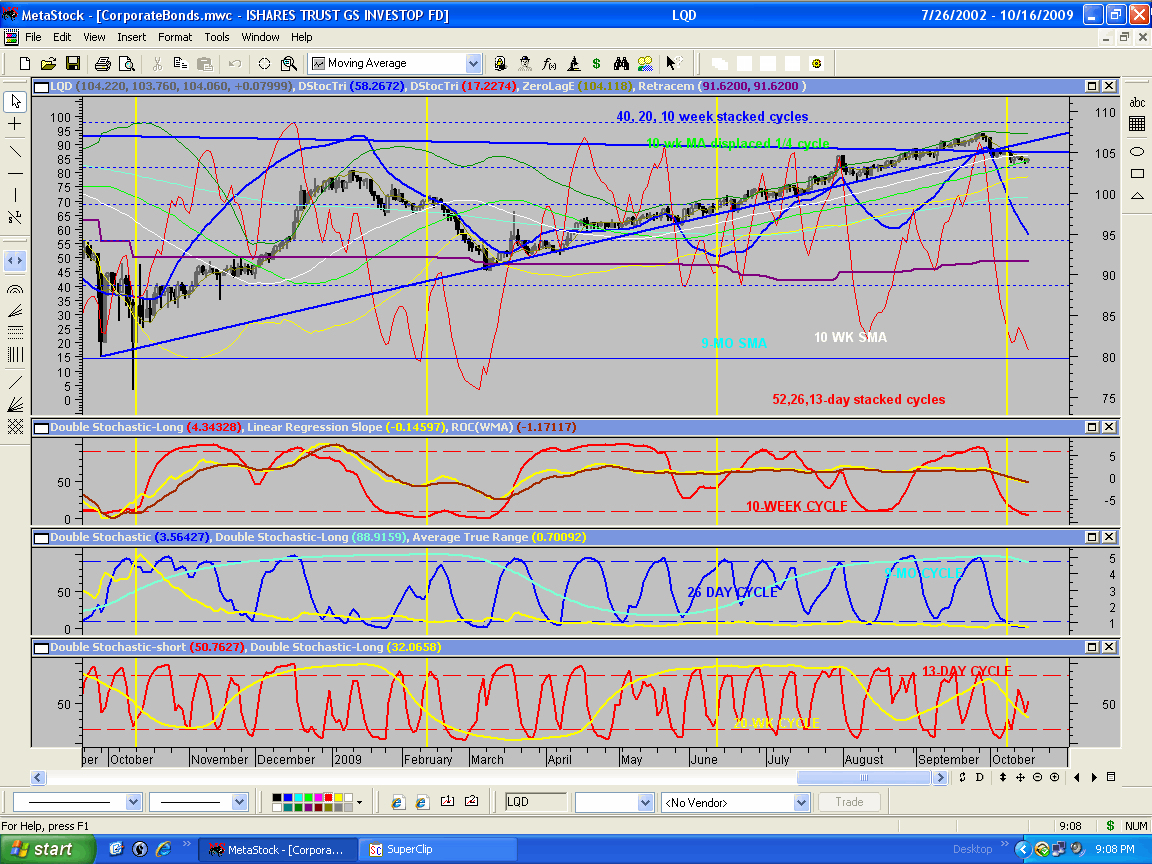
Corporate bonds (http://www.geocities.com/petegersb/CorporateBonds.GIF ) established at least a short-term peak on Tuesday. It’s likely to prove to be a peak in the 15-wk-old 20-wk cycle as well. The 9-month cycle is 8 months old, so another month or so of decline would fit the normal life cycle of both the 10 and 20-wk cycles.
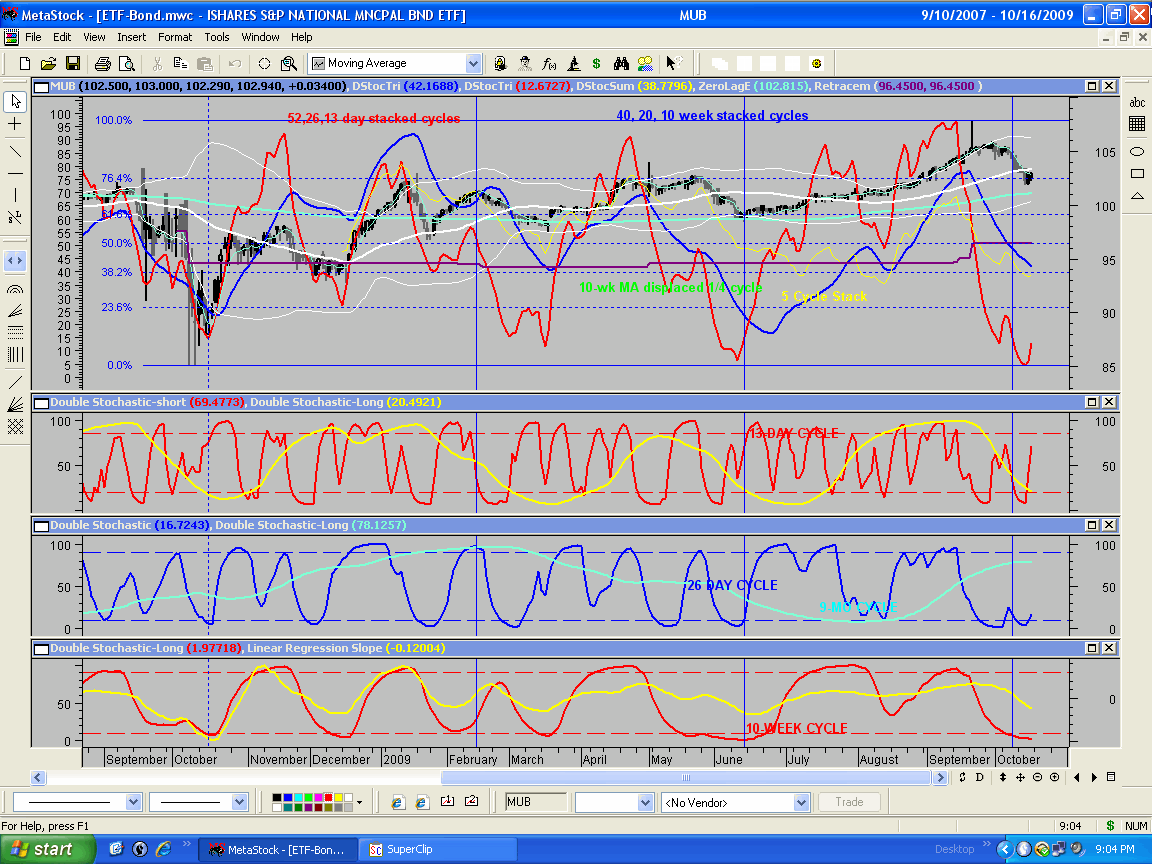
Municipal bonds (http://www.geocities.com/petegersb/MunicipalBonds.GIF ) held the 9-mo moving average and gained slightly due to favorable short cycles. The first 13-day cycle of this 10-wk cycle rally appears to have peaked, but the short-term composite suggests further rally. The intermediate composite is oversold, so this could turn into a 20-wk cycle rally, but it’s a bit early for that.
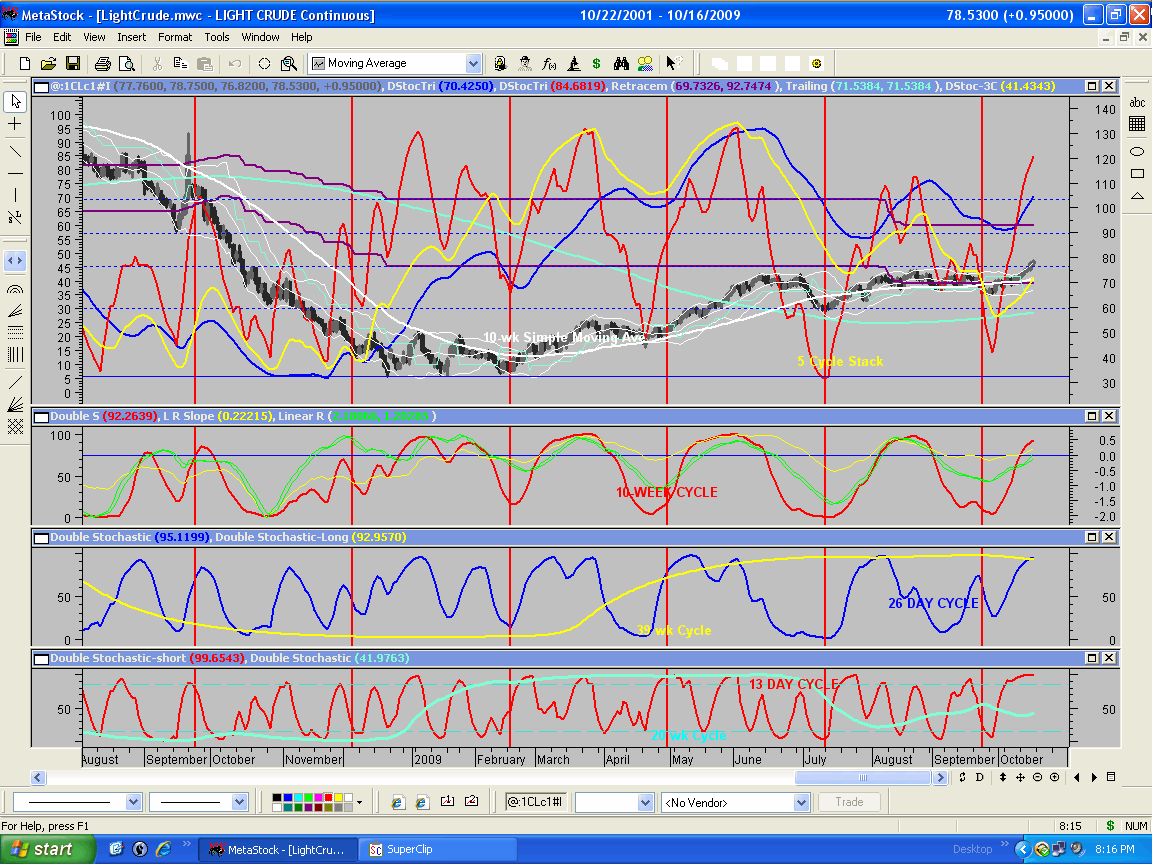
Crude oil (http://www.geocities.com/petegersb/CrudeOil.GIF ) experienced a mild decline last week as the short-cycles corrected. It remains well above anticipated support at the confluence of the still declining 9-mo moving average, the rising 10-wk moving average, and the 23.6% Fibonacci retracement of the prior decline – all now at the $60 level. The 10-wk cycle is already 9-weeks old, so it looks like it should easily hold the $60 support on any further decline.
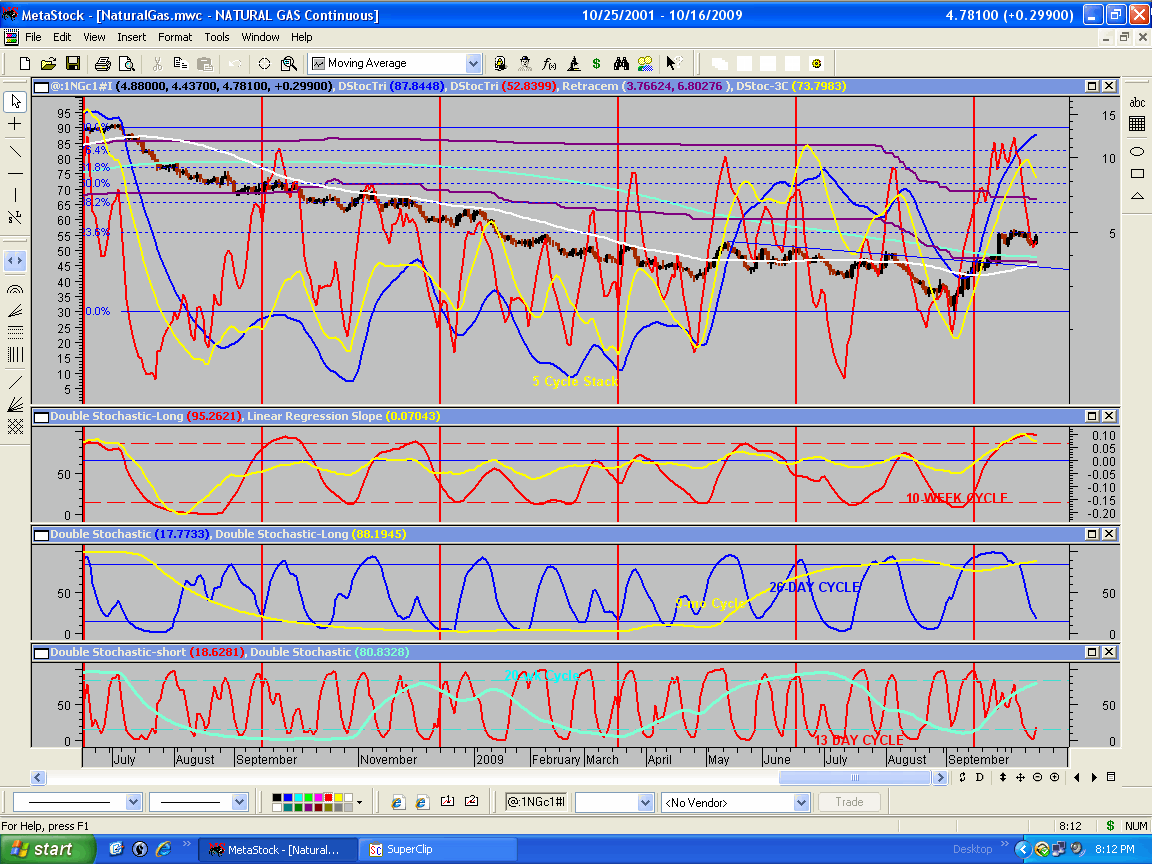
Natural gas (http://www.geocities.com/petegersb/NaturalGas.GIF ) made another run at the declining trendline, but backed off as the 13-day cycle reached its peak. This week looks like a downer. All the cycles except the 9-month are either overbought or declining.
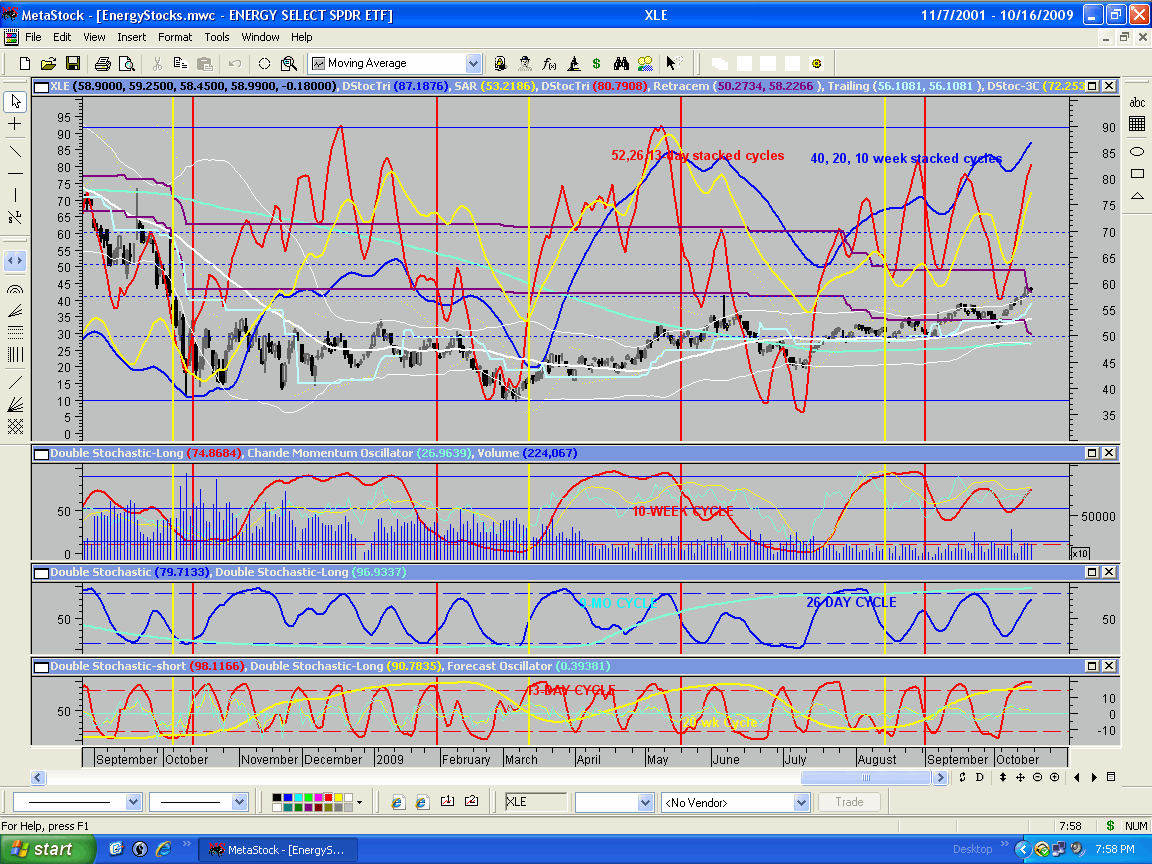
Energy stocks (http://www.geocities.com/petegersb/EnergySPDR.GIF), like the broader indexes, declined to the intersection
of the 10-wk and 9-mo moving averages and the 23.8% Fibonacci retracement of
last year’s decline. The 13-day cycle is deeply oversold and the short-term
composite is moderately oversold, so this support level may not be broken this
week. However, with the 20-wk cycle now trending downward, we can expect lower
prices in the intermediate term. The 20-wk cycle is scheduled to bottom in
about 5 weeks. The 9-month cycle is 8 months old. So anything that looks like a
bottom in late July or early August will probably be a good buying opportunity
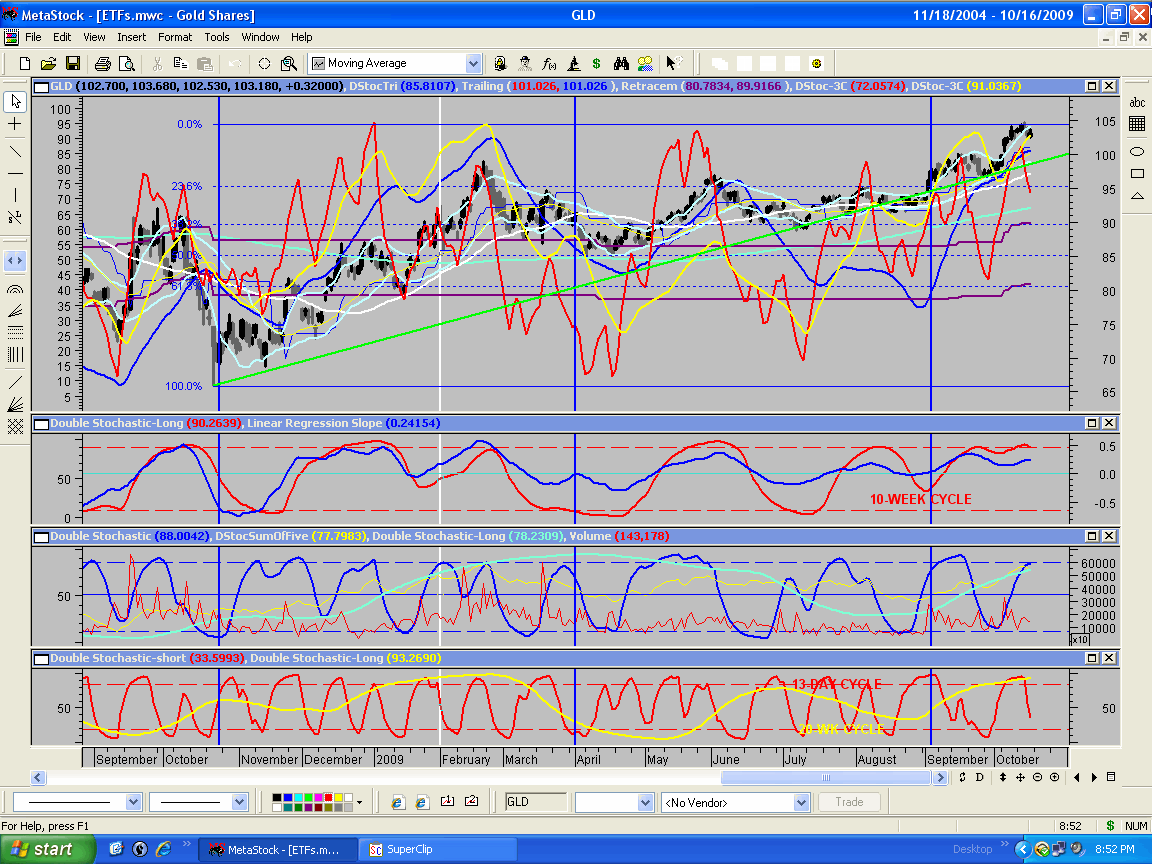
Gold (http://www.geocities.com/petegersb/GoldBullion.GIF) dipped briefly below the rising 10-wk moving average, but
the 13-day cycle found a bottom there and pushed gold back above that level
again. The favorable short-term trend appears likely to extend into this week –
perhaps longer if the deeply oversold and aging 26-day cycle and the 9-wk-old 10-wk
cycle have found a bottom. Unfortunately, a similarly favorable short-term pattern
last July failed miserably, and the intermediate trend is negative. But another
similar pattern in March of 2007 led to higher prices. So a sell stop below the
10-wk moving average would appear to be the appropriate strategy here.
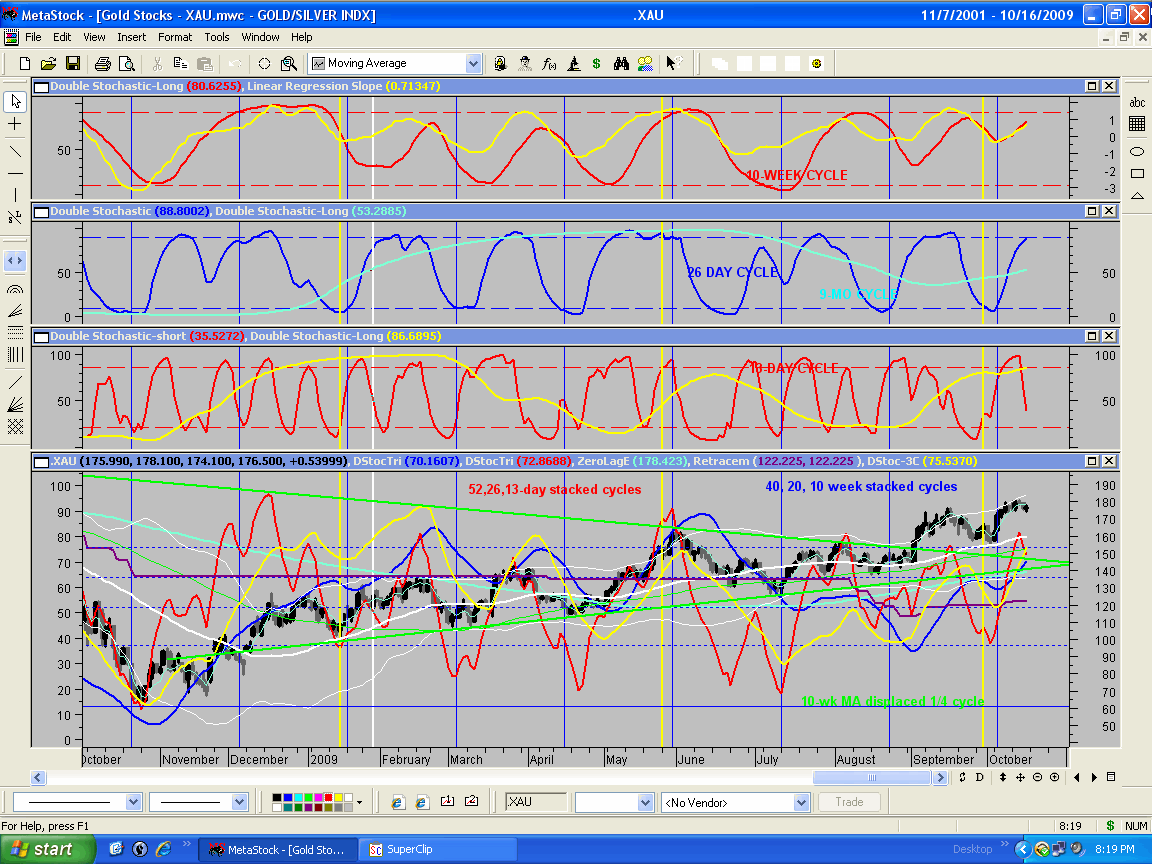
Gold Stocks (http://www.geocities.com/petegersb/GoldStocks.GIF
) also established a 13-day cycle bottom and they held above the 10-wk moving
average. The 20-week cycle DStoc turned down, and the pattern is similar to
that of Gold, so a sell stop below the 10-wk moving average is equally
appropriate.
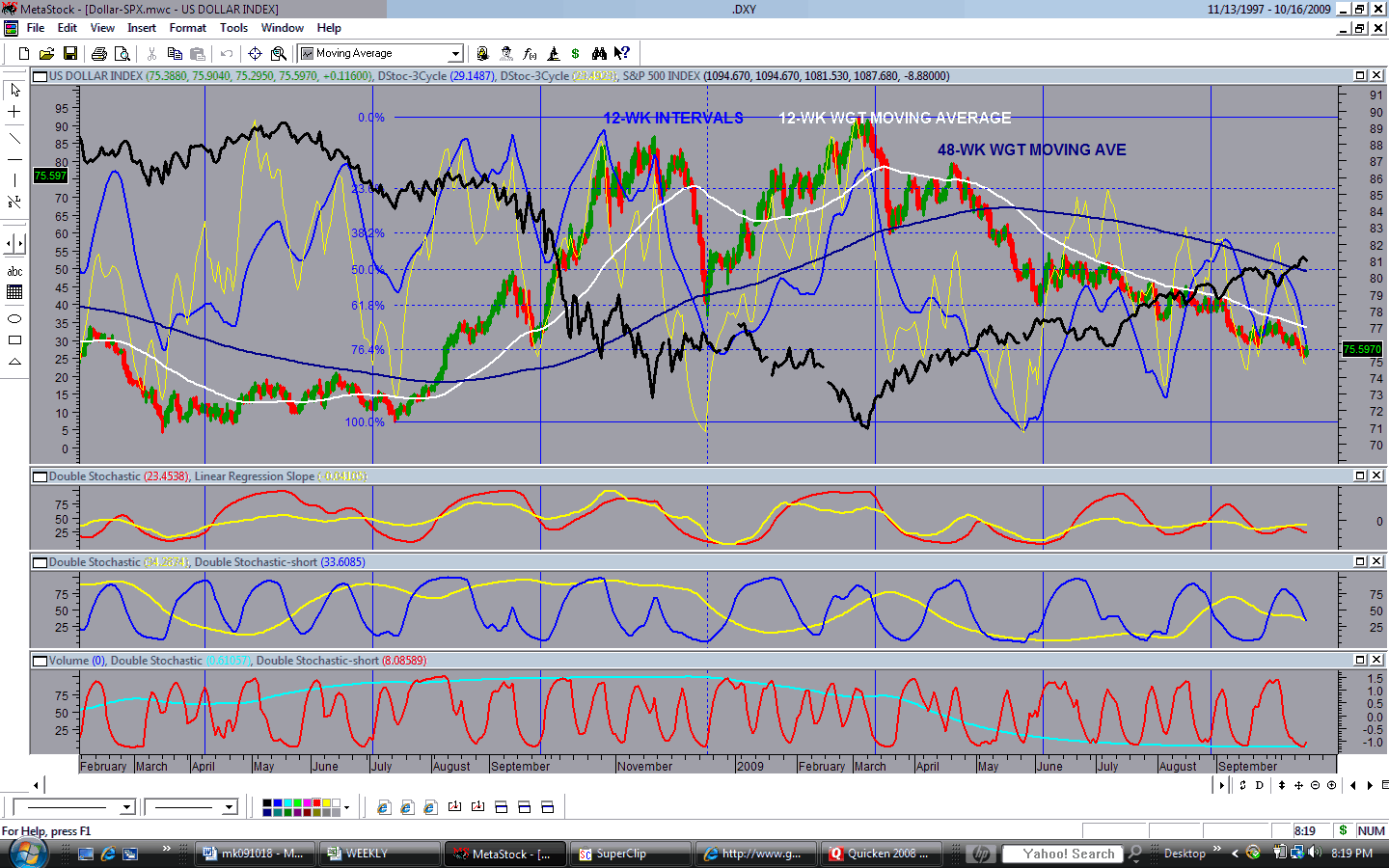
The Dollar (http://www.geocities.com/petegersb/Dollar.GIF) established a short term peak at the prior week’s high and closed little changed for the week. This week, a fresh short-term downtrend will battle a young intermediate-term uptrend. Don’t expect much movement.
In summary it looks like most markets reversed their intermediate trends in the early-mid June time frame.
.