6/14/09
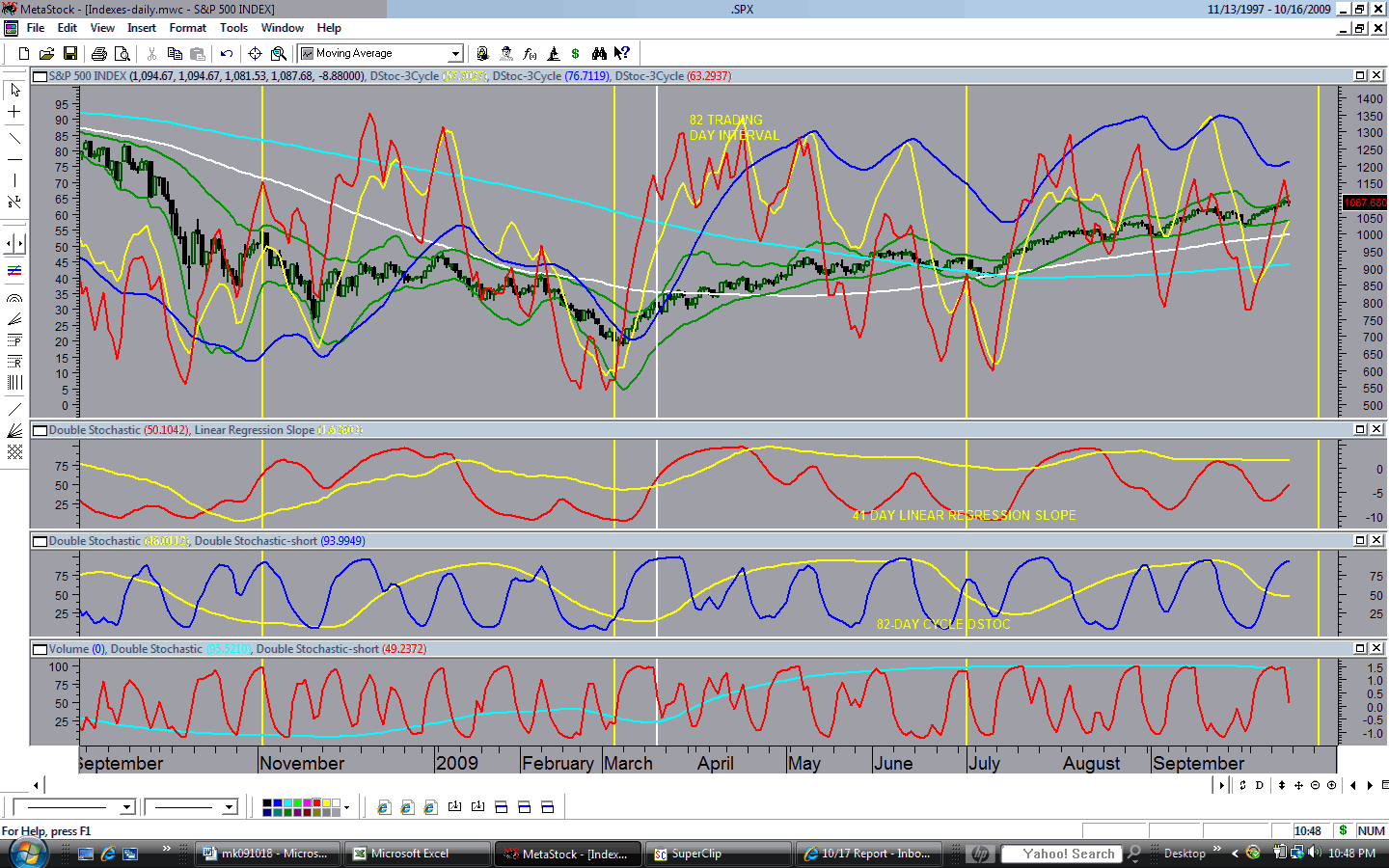
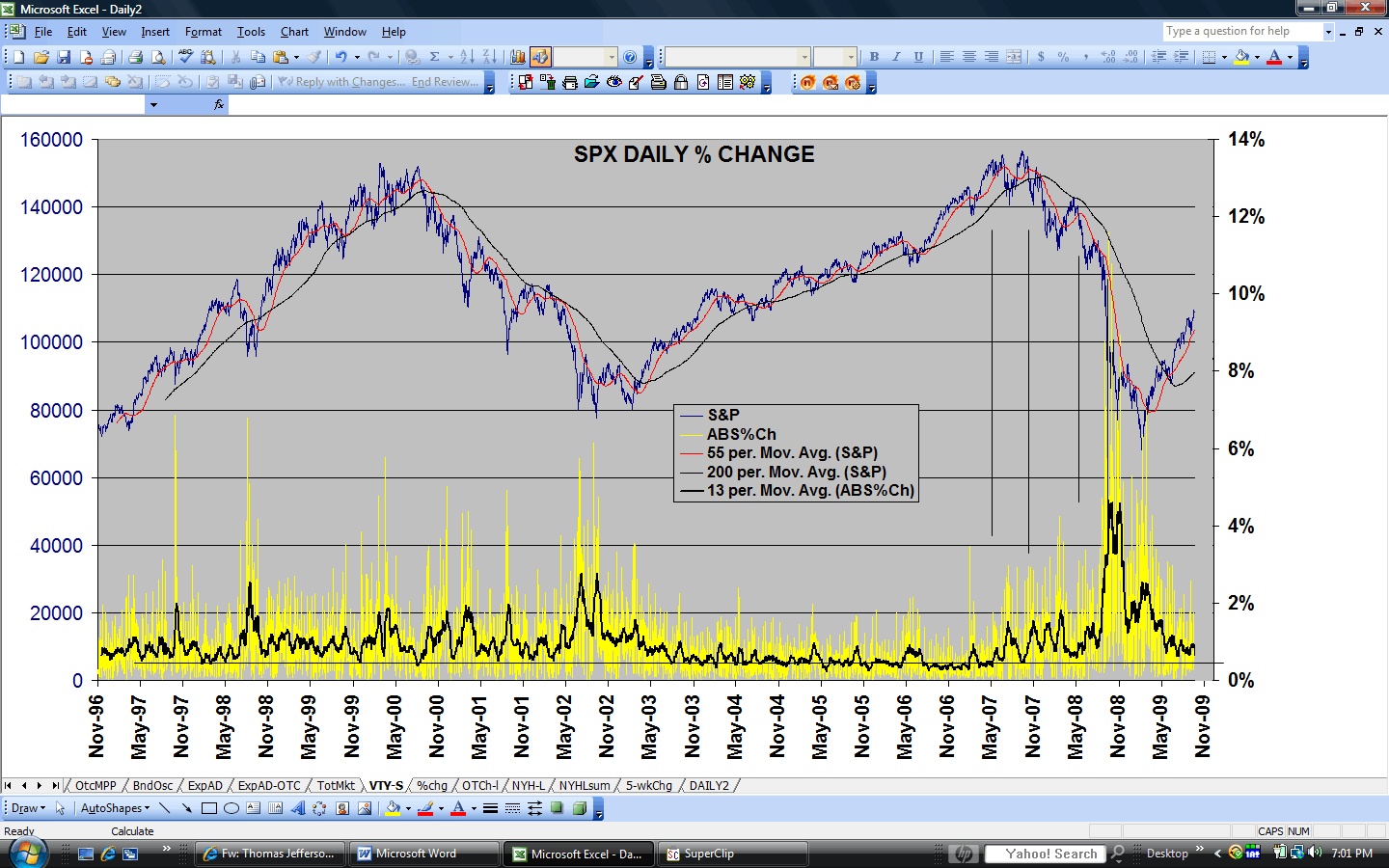
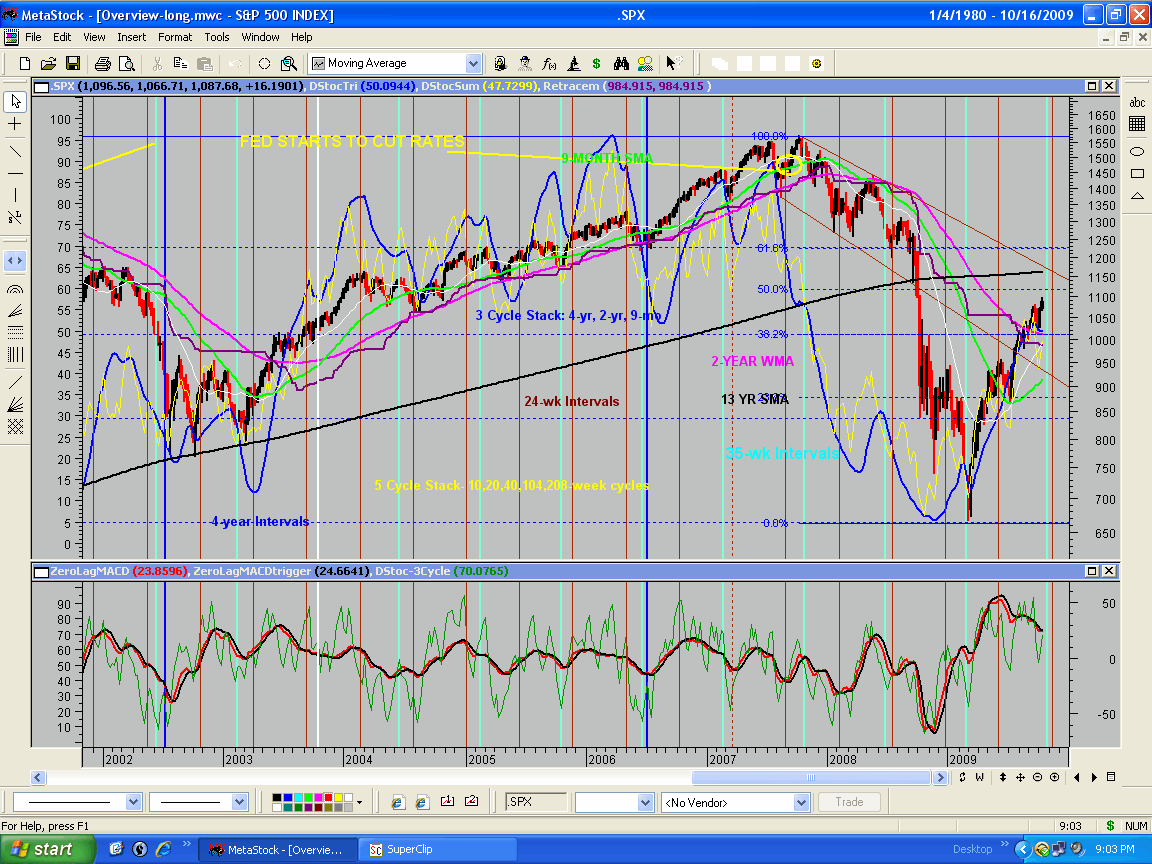
The indexes have traded in an unusually narrow range over the last 9 trading days. Since moving above its 9-mo moving average, the SPX (http://www.geocities.com/petegersb/SP500.GIF ) has consistently found support just above 924 and resistance just below 950. As a result, another indicator has fallen into place for a potential top. Volatility (http://www.geocities.com/petegersb/Volatility.GIF ) has declined to the level that coincided with all the intermediate peaks during the 2000-2002 bear market, below any level seen during the 07-09 bear market, and near the level seen at intermediate peaks during the 03-07 bull market. During bull markets, low volatility tends to persist and move above these low levels only during 9-mo cycle corrections. But during bear markets, this level of volatility doesn’t persist. It then marks the peaks. This begs the question of the type of market that currently exists, but it does suggest that, bull or bear market, this aging 9-mo cycle is ripe for a peak.
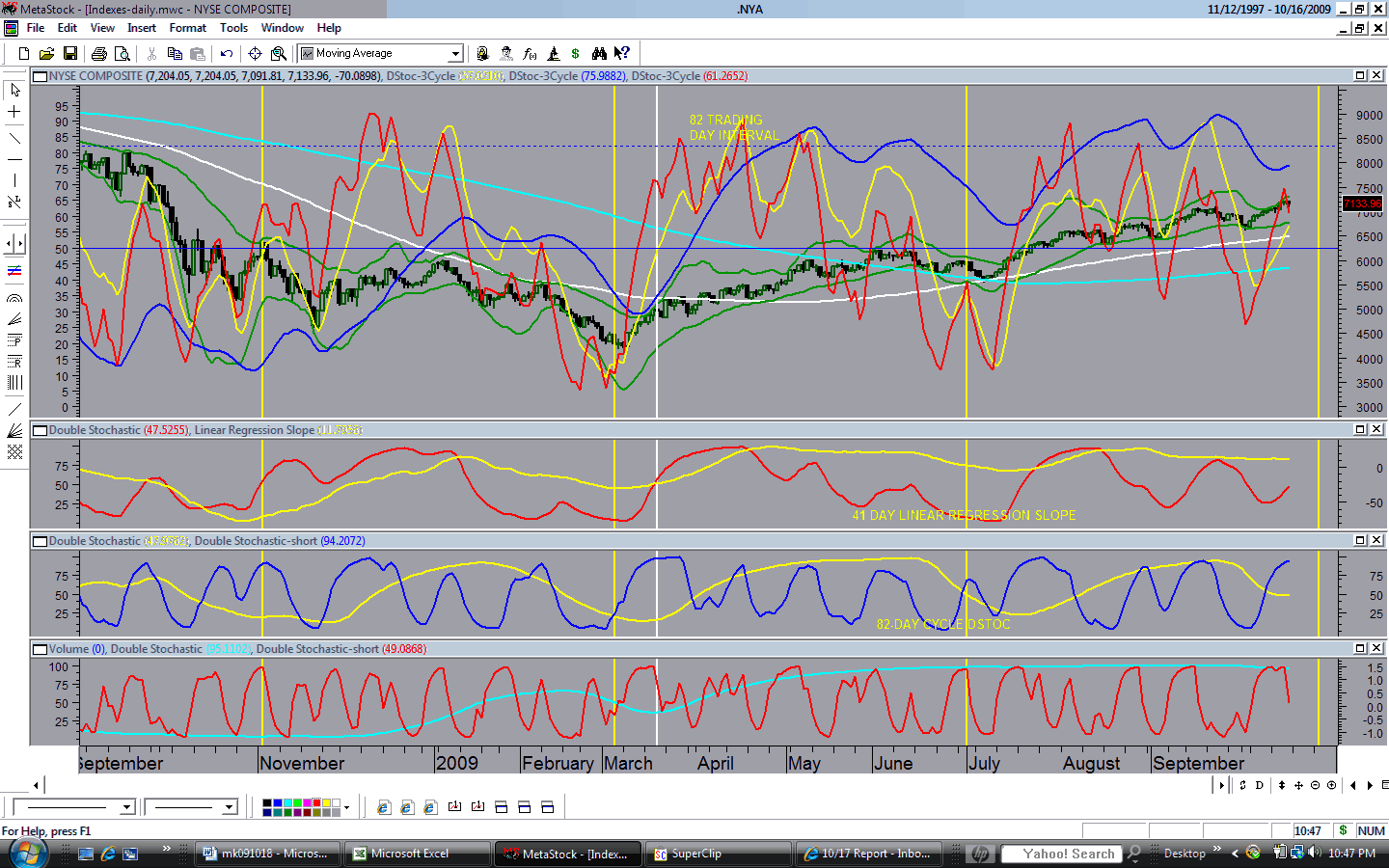
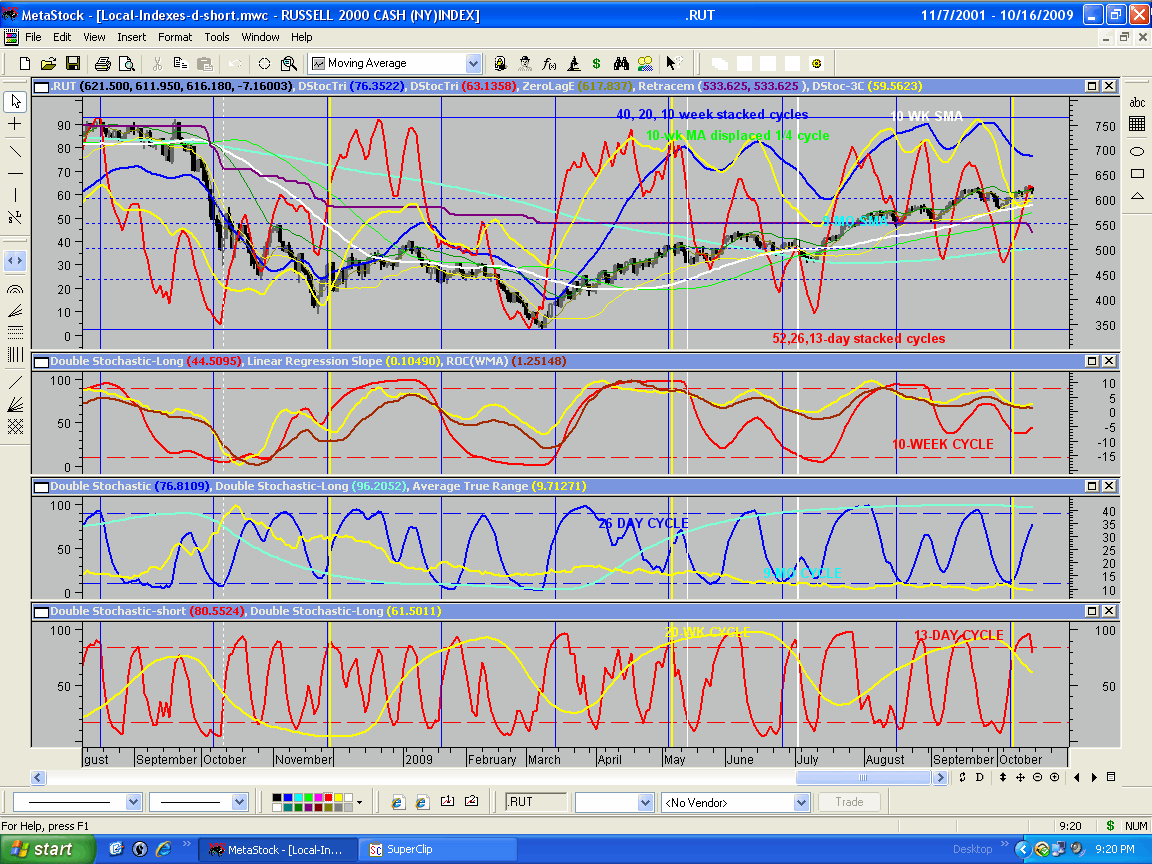
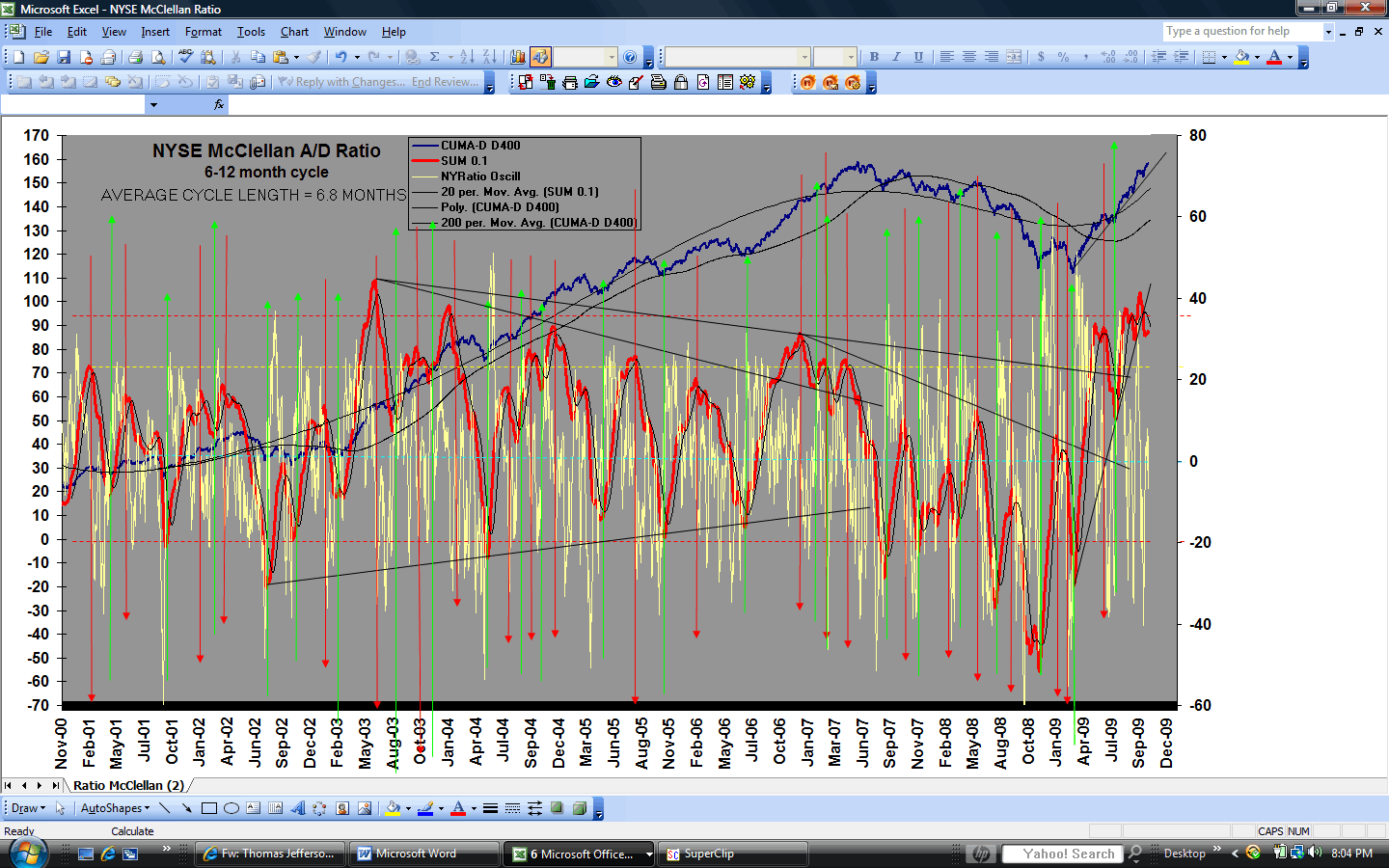
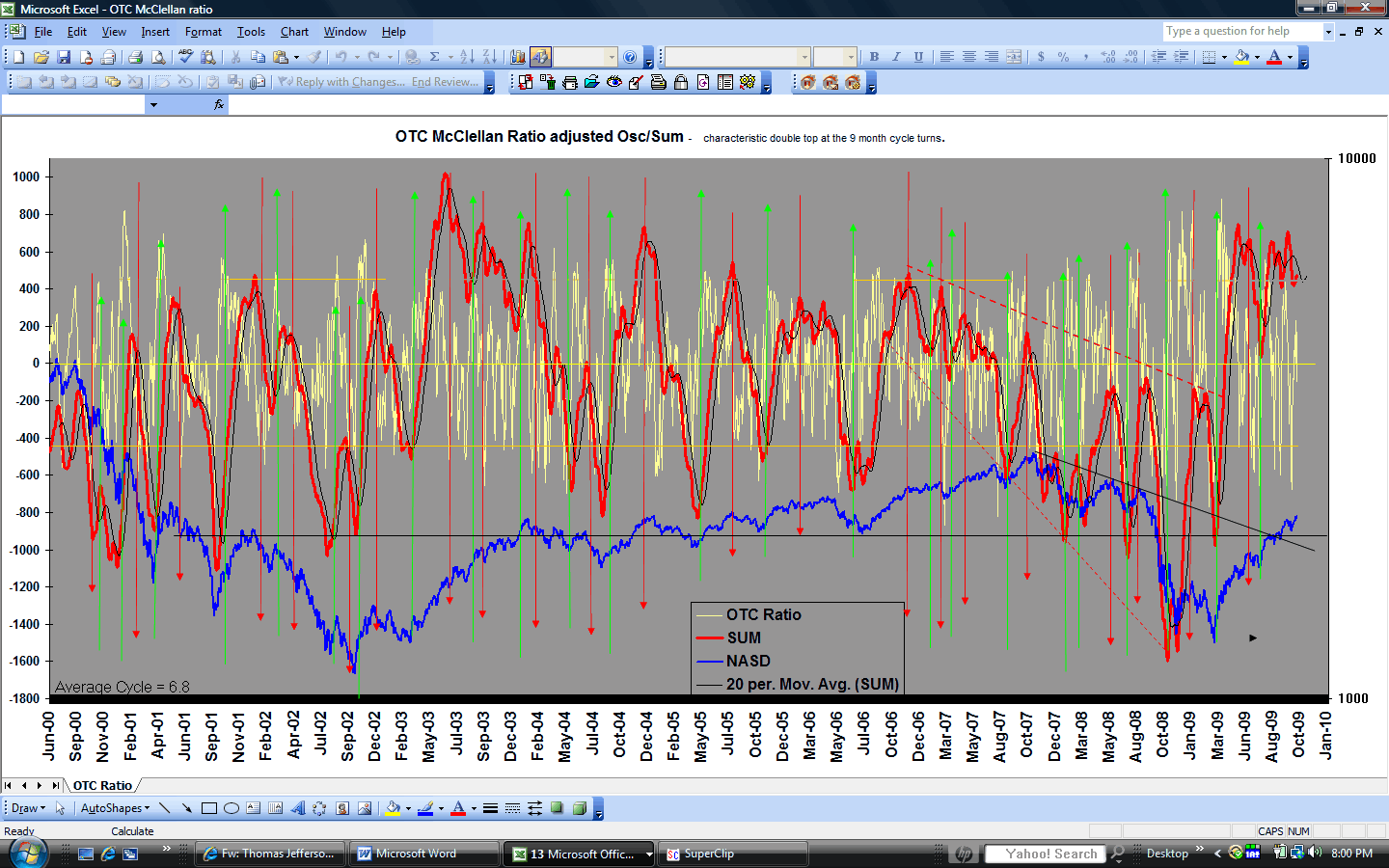
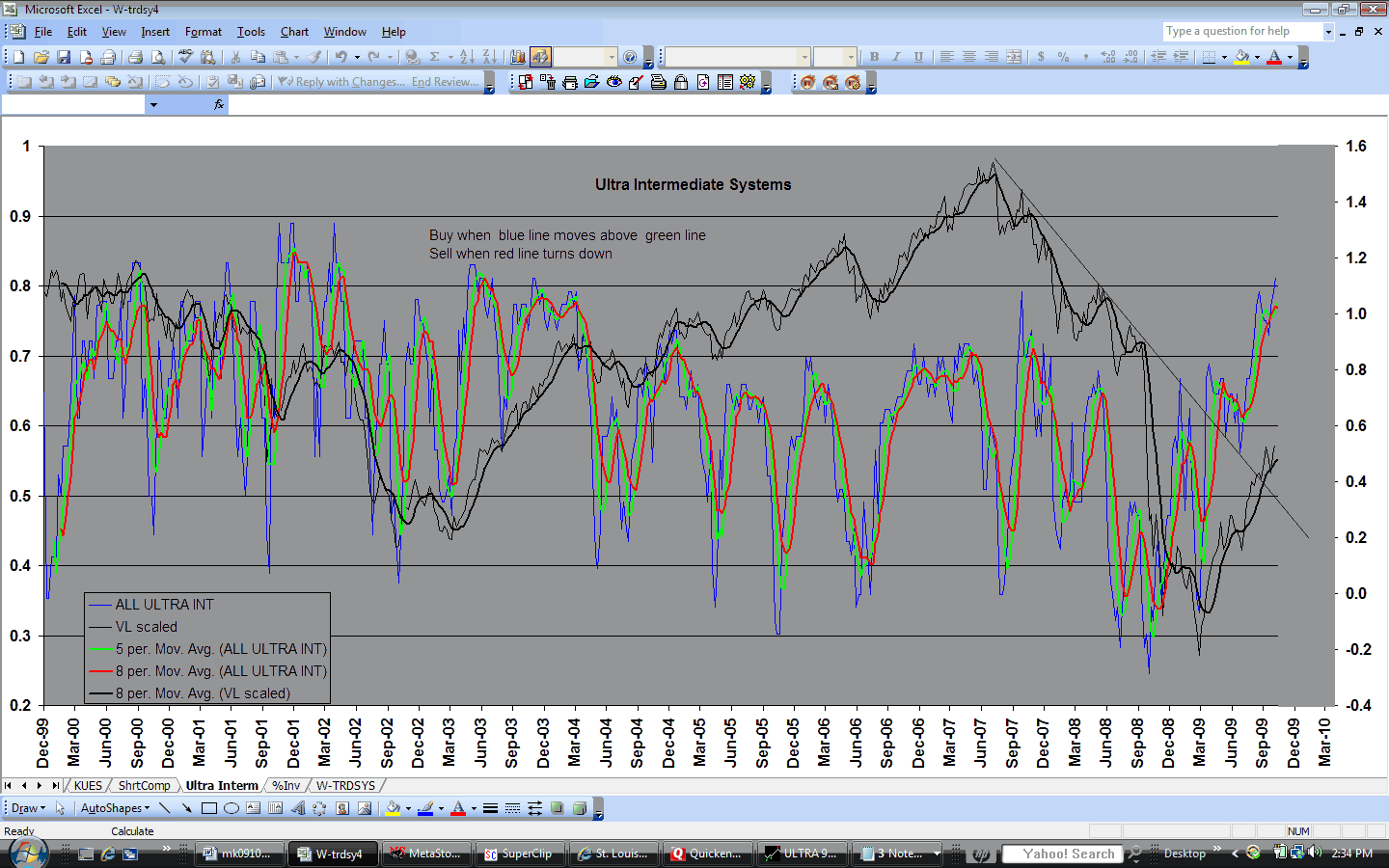
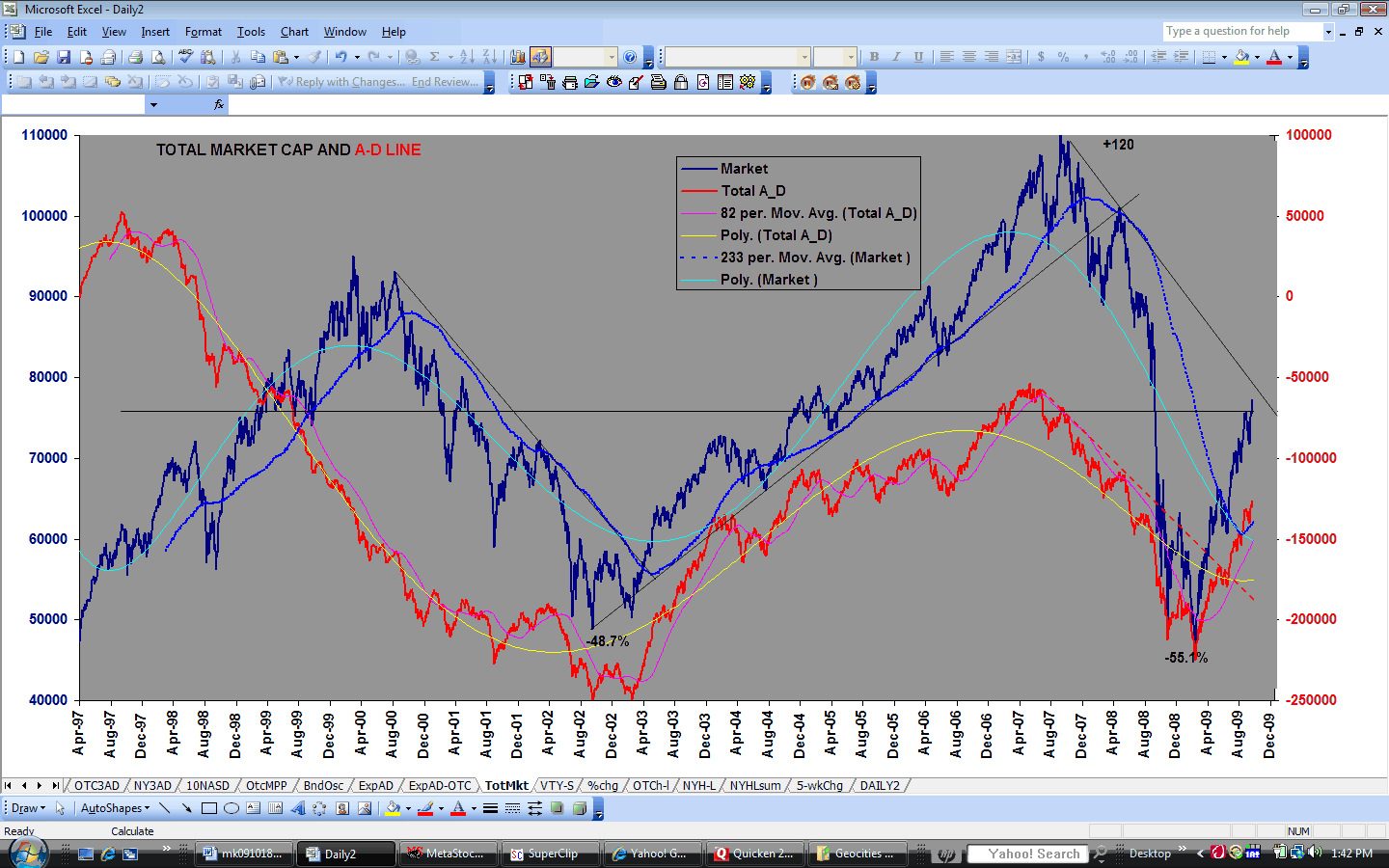
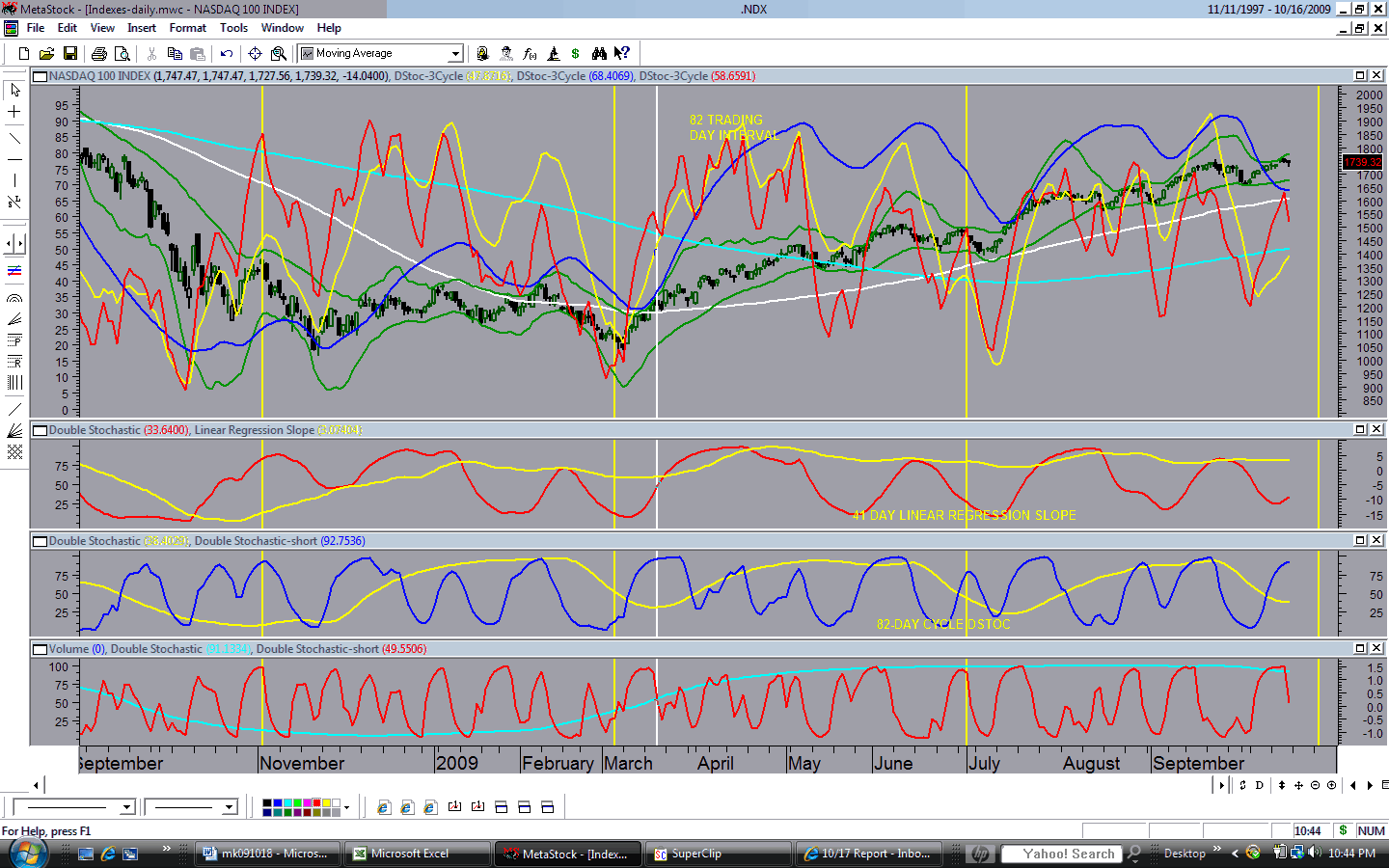
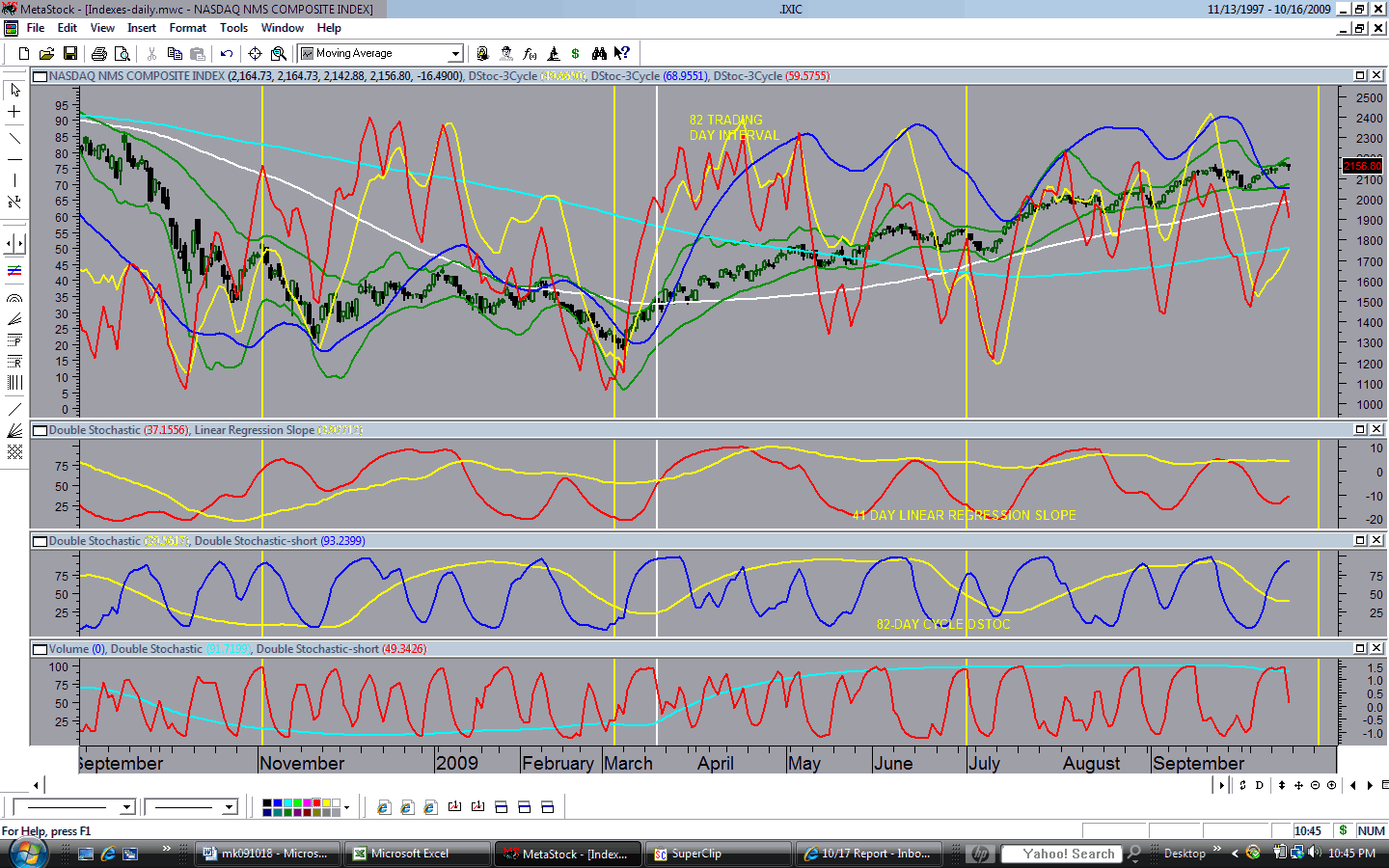
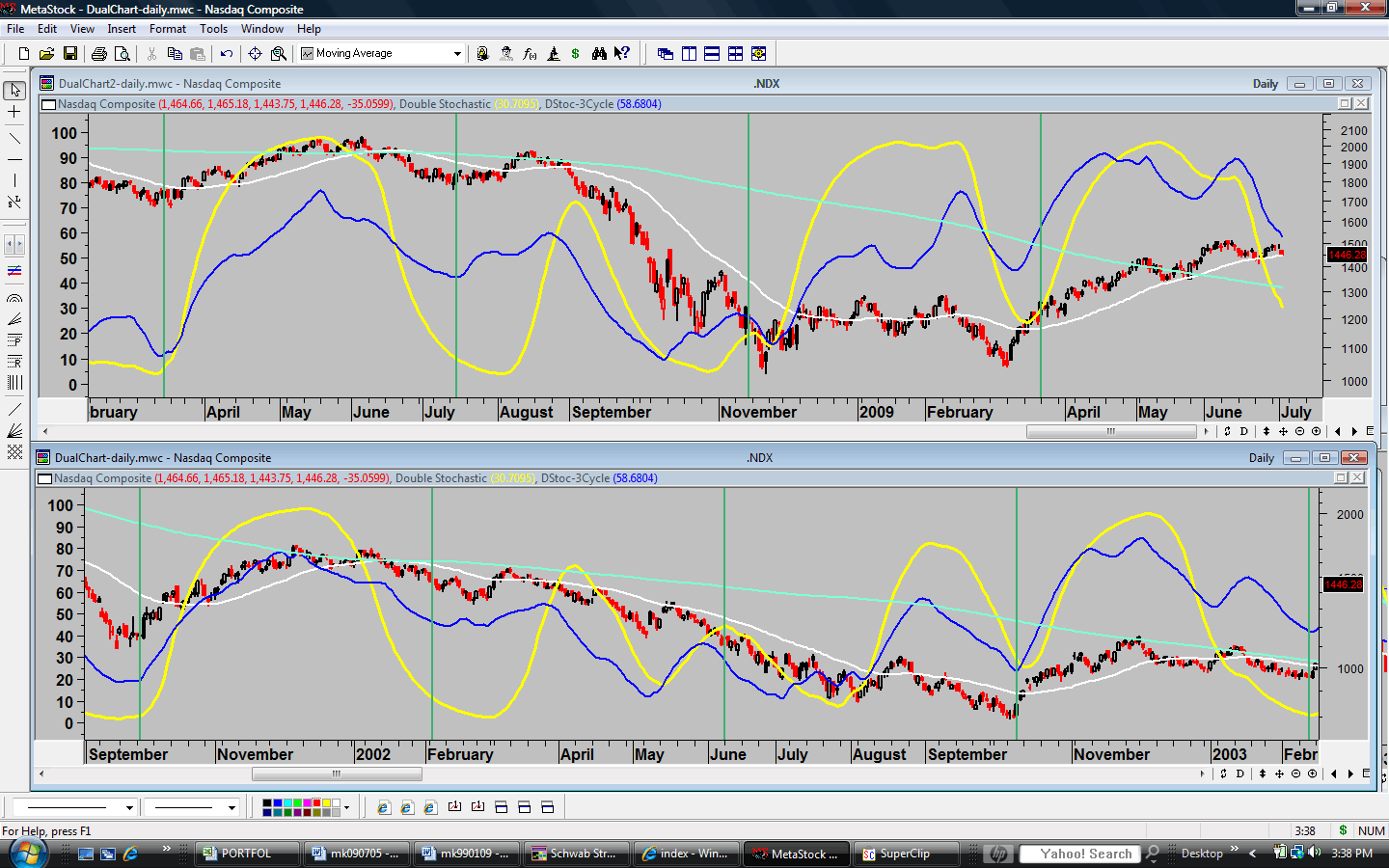
Numerous other indicators support that contention. The 9-mo cycle DStocs are overbought, as are the DStocs for this 14-week-old second 20-wk cycle within the 9-mo cycle (NYSE Composite (http://www.geocities.com/petegersb/NYSE.GIF), Russell 2000 index (http://www.geocities.com/petegersb/Russell2000.GIF ). The McClellan Summation Indexes (http://www.geocities.com/petegersb/A-Dsummation-NYSE.GIF , http://www.geocities.com/petegersb/A-Dsummation-OTC.GIF ) are forming a complex top at a very high level. The ULTRA composite (http://www.geocities.com/petegersb/UltraIntermediate.GIF ) has issued a 9-mo cycle sell signal. Total Market Capitalization (http://www.geocities.com/petegersb/TotalMarket.GIF ) has reached likely resistance at the first 9-mo cycle low in 2001, the first 9-mo cycle low in 2002, the 2004 low, and the November 2008 intermediate peak. The SPX (http://www.geocities.com/petegersb/SP500.GIF ) has reached the 38% Fibonacci retracement of the decline over the last year, and the NDX (http://www.geocities.com/petegersb/NDX.GIF ) and NASDAQ Composite (http://www.geocities.com/petegersb/NasdaqComposite.GIF ) are very close to the 50% retracement – both likely resistance levels. Treasury Bonds and the Dollar are showing evidence of an intermediate bottom, and more often than not, such turns coincide with intermediate peaks in stocks.
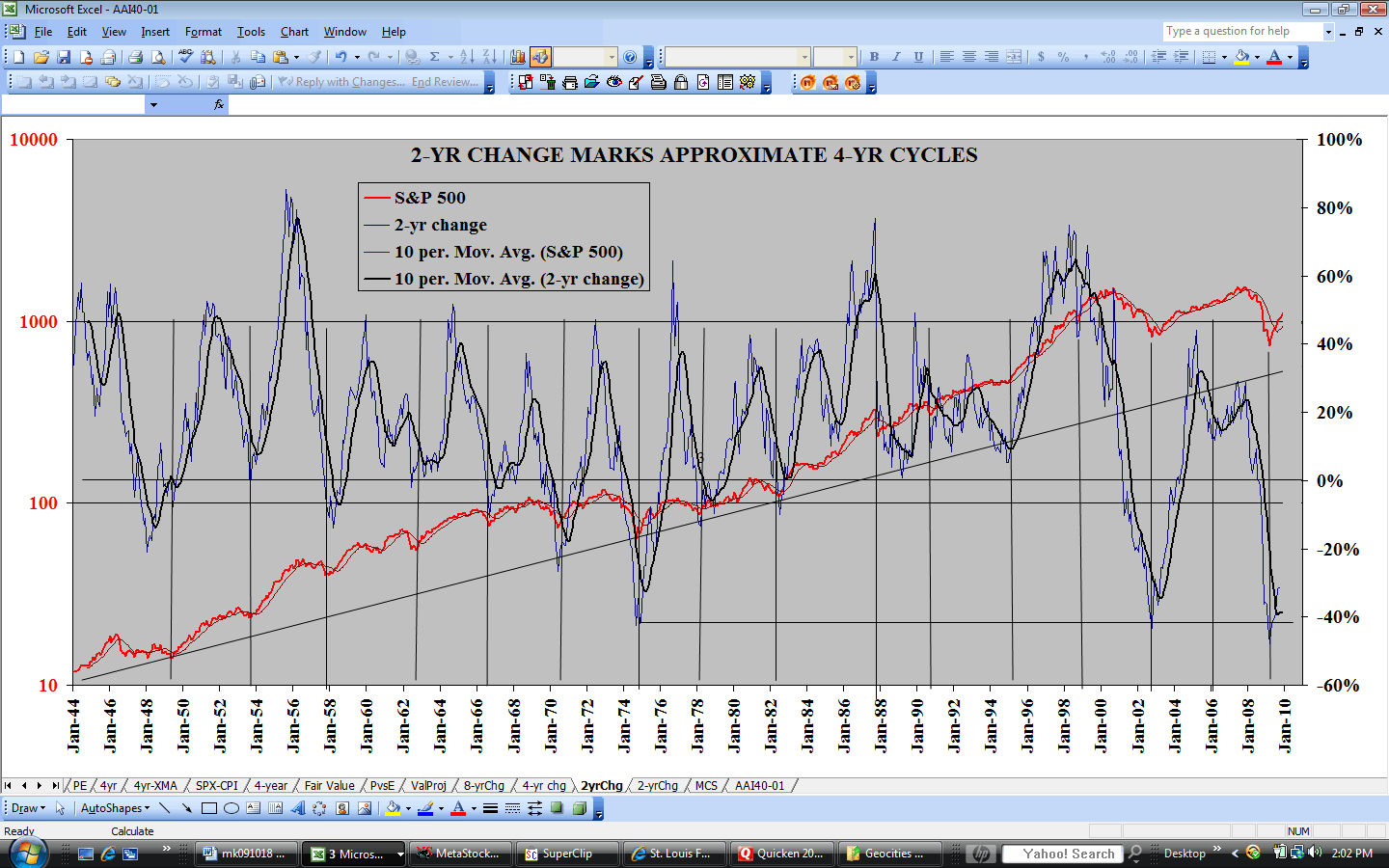
In the short-term, with the help of rising 10-wk and 26-day cycles, stocks were able to correct the overbought condition in the 13-day cycle by moving sideways last week. That cycle, which is now 14 days old, should reach bottom this week, and give a boost to the rising 10-wk cycle, which is only 4 weeks old. So both should tend to push prices a little higher this week and perhaps push the peaks in the 6-month-old 9-mo cycle and the 14-wk-old 20-wk cycle farther to the right. That would be consistent with a new bull market. The primary drag this week will probably come from the overbought 26-day cycle that has now passed normal middle age. But its peak could also translate to the right as its second 13 day cycle rallies. In summary, it appears likely that the rally will extend a little further. If it does, all of the cycles will likely be overbought and past middle age in another week or two. At that point the market should begin its descent into the summer lows. But with all of the cycles producing right-translated peaks, the bear-market case has pretty well crumbled. The correction should hold above the March lows as it forms the usual double bottom in the 4-yr cycle oscillator (http://www.geocities.com/petegersb/2-YrChange.GIF ).
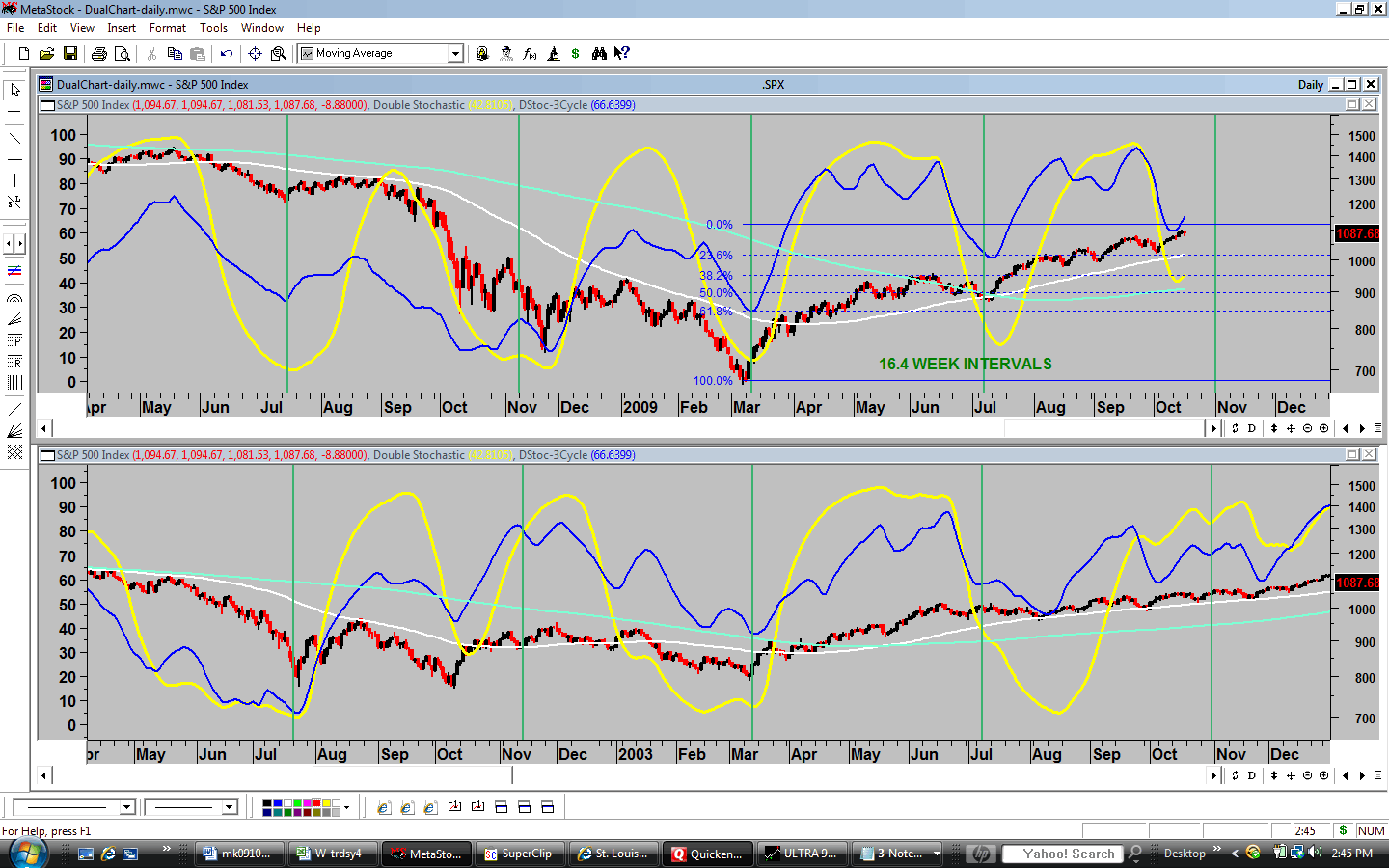
For an even more optimistic interpretation of the technical condition, the 2003 analogy is looking pretty good – at least on the SPX (http://www.geocities.com/petegersb/2003_Comparison.GIF ), the NDX (http://www.geocities.com/petegersb/2003_Comparison-Nasdaq.GIF ) not so much. If the 2003 pattern holds, the indexes would pull back to their weighted 10-wk moving average this week and go only slightly lower into August. The most significant difference in the pattern to date is in the 9-mo moving averages. By June of 2003 they had turned up and the indexes were well above those moving averages. This time those moving averages are still trending downward, and the SPX is only marginally above that level.
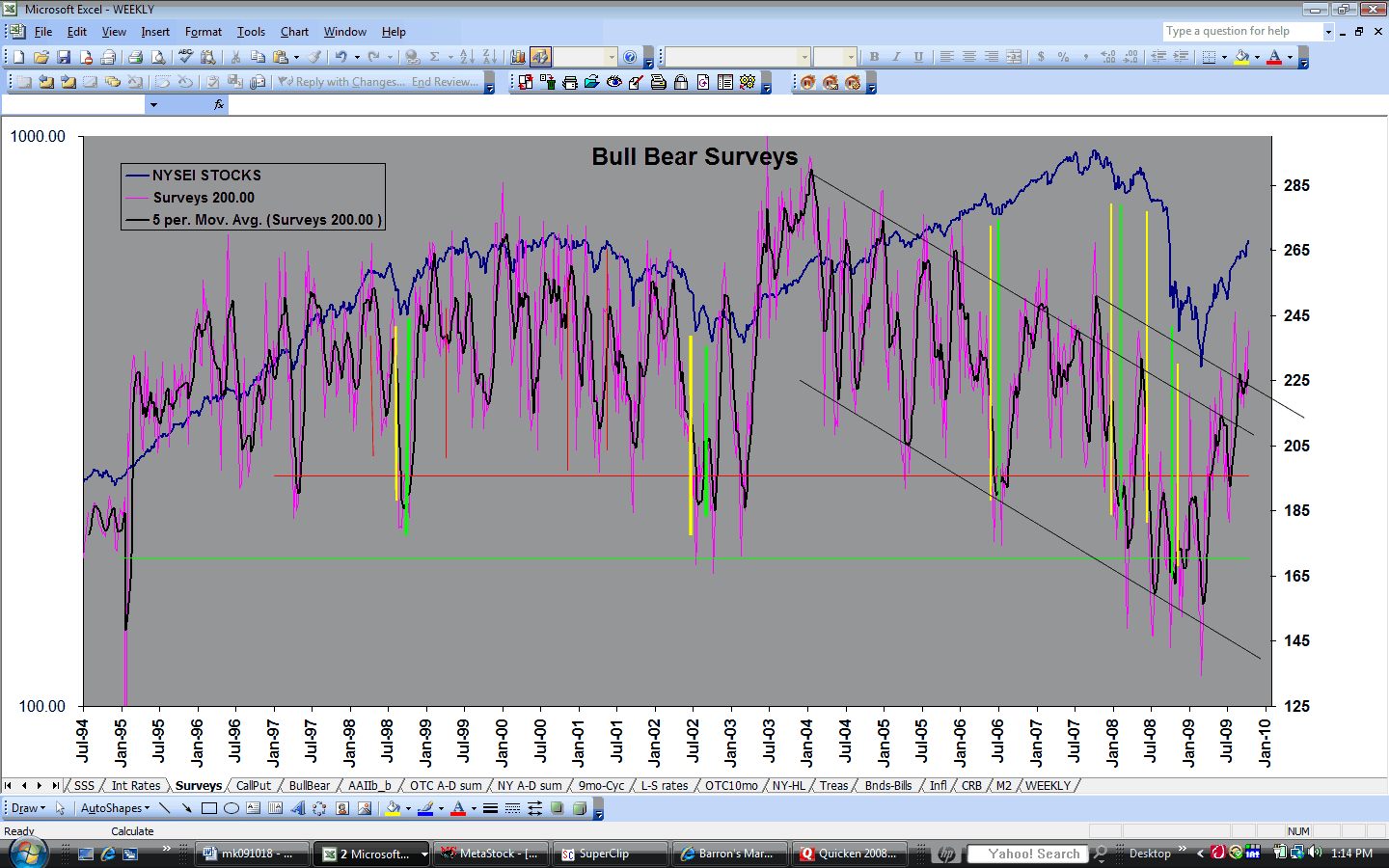
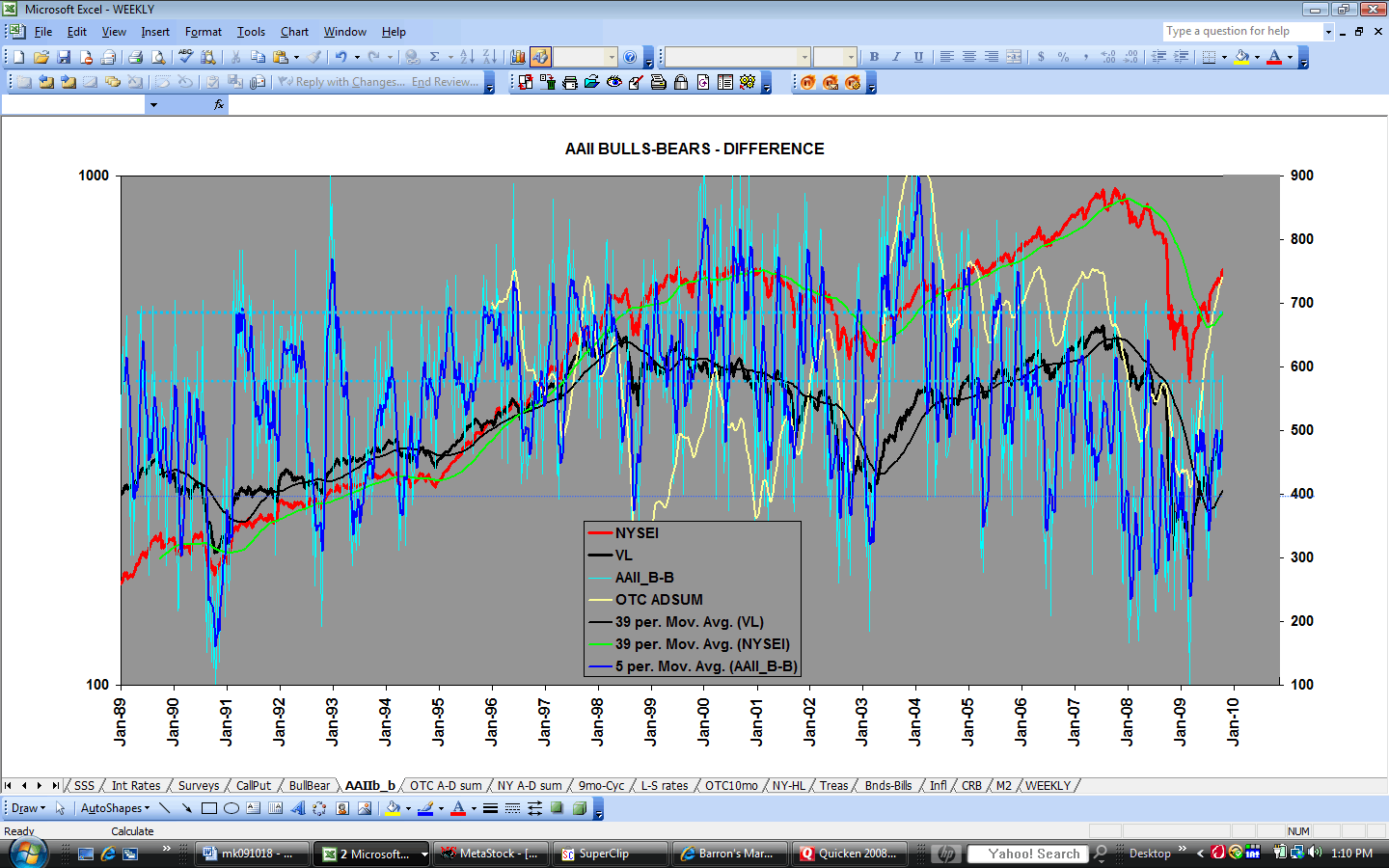
That’s what the charts seem to be telling us, but there are some of reasons to retain some skepticism about either a 2003 repeat or the general consensus that a correction will not produce new lows. First, it seems that almost all of the pundits are expecting a correction, and almost none expect new lows. The Barron’s Roundtable gang took that position in the latest issue, and for a change I find myself agreeing. Too much company makes any expectation suspect. Bulls outnumber bears by slightly over 2:1 among advisory services (http://www.geocities.com/petegersb/InvestorsIntelligence.GIF ). That’s far from a historical extreme, but it is the most optimistic reading in a year and a half. If investors have followed advisory advice, it suggests that the pool of potential converts from bears to bulls that is needed to drive prices higher is now substantially depleted. On the other hand, similar conditions prevailed in the summer of 2003 when the 4-year cycle rally was in its early stages. Furthermore, the public is equally divided between bulls and bears (http://www.geocities.com/petegersb/AAIIsentiment.GIF ), so a good pool of potential converts remains in that group.
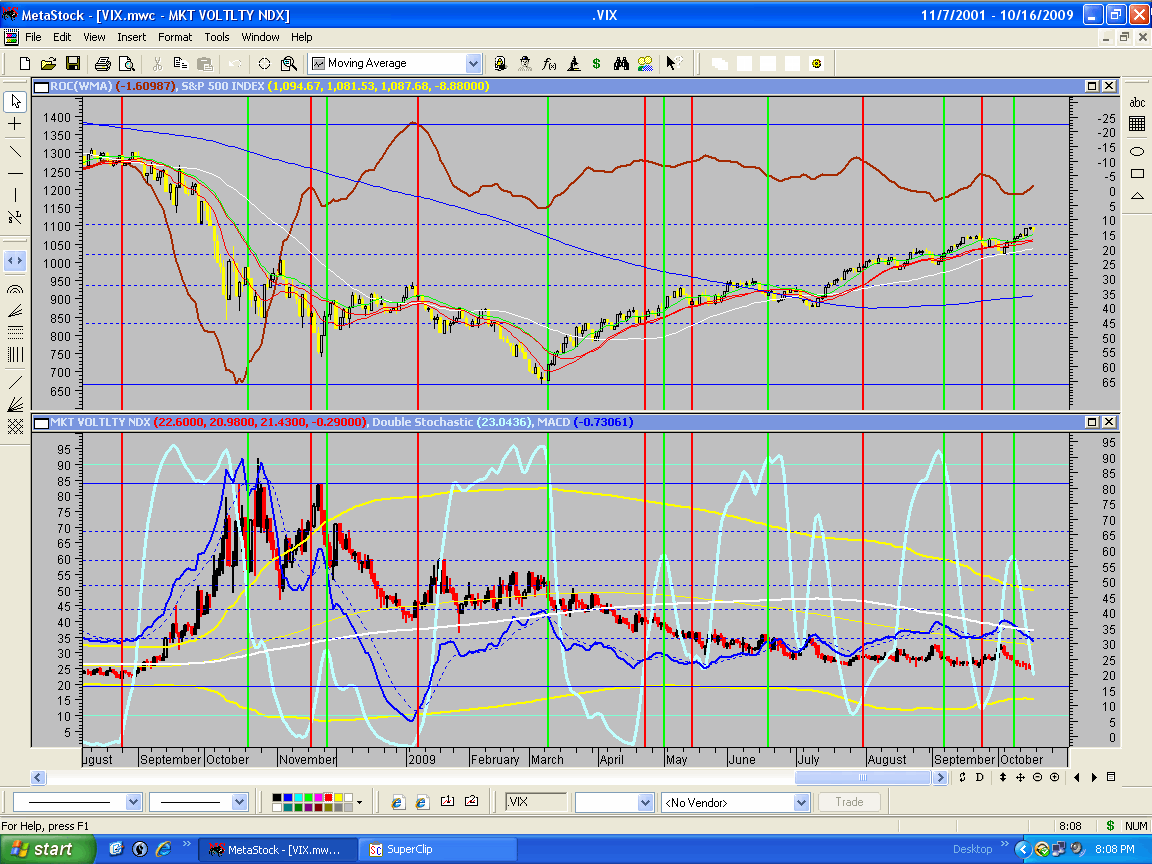
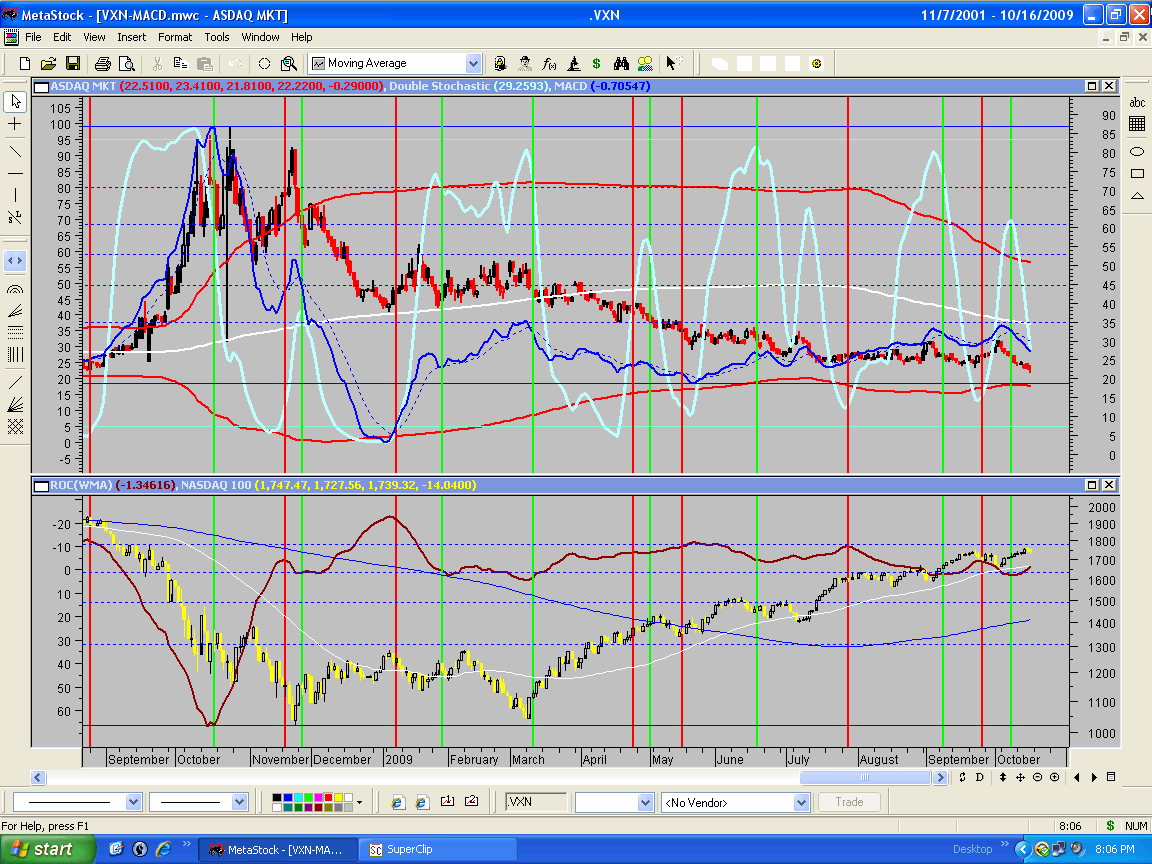
It’s interesting that the VIX (http://www.geocities.com/petegersb/VIX.GIF ) and VXN (http://www.geocities.com/petegersb/VXN.GIF ) refuse to reflect the low volatility. These measures of premiums paid on near-term options are called “volatility indexes” because they tend to be highly correlated with volatility. They reflect option traders’ expectations for future volatility – a sentiment indicator that tends to peak at market bottoms and trough near market tops. Those expectations remain high despite the marked decline in actual volatility. These indexes hit a low three and a half weeks ago and have remained at essentially the same level while the SPX has gained almost 5% and the NDX gained nearly 7%. That is highly unusual behavior that has caused the DStocs to produce exactly the wrong signals for the 10-wk cycle. Ignoring these wayward DStocs, you have to conclude that the current patterns of the VIX and VXN are forming troughs as they did a year ago, again in August, and most recently in Jan-Feb 2009 – all near intermediate market tops.
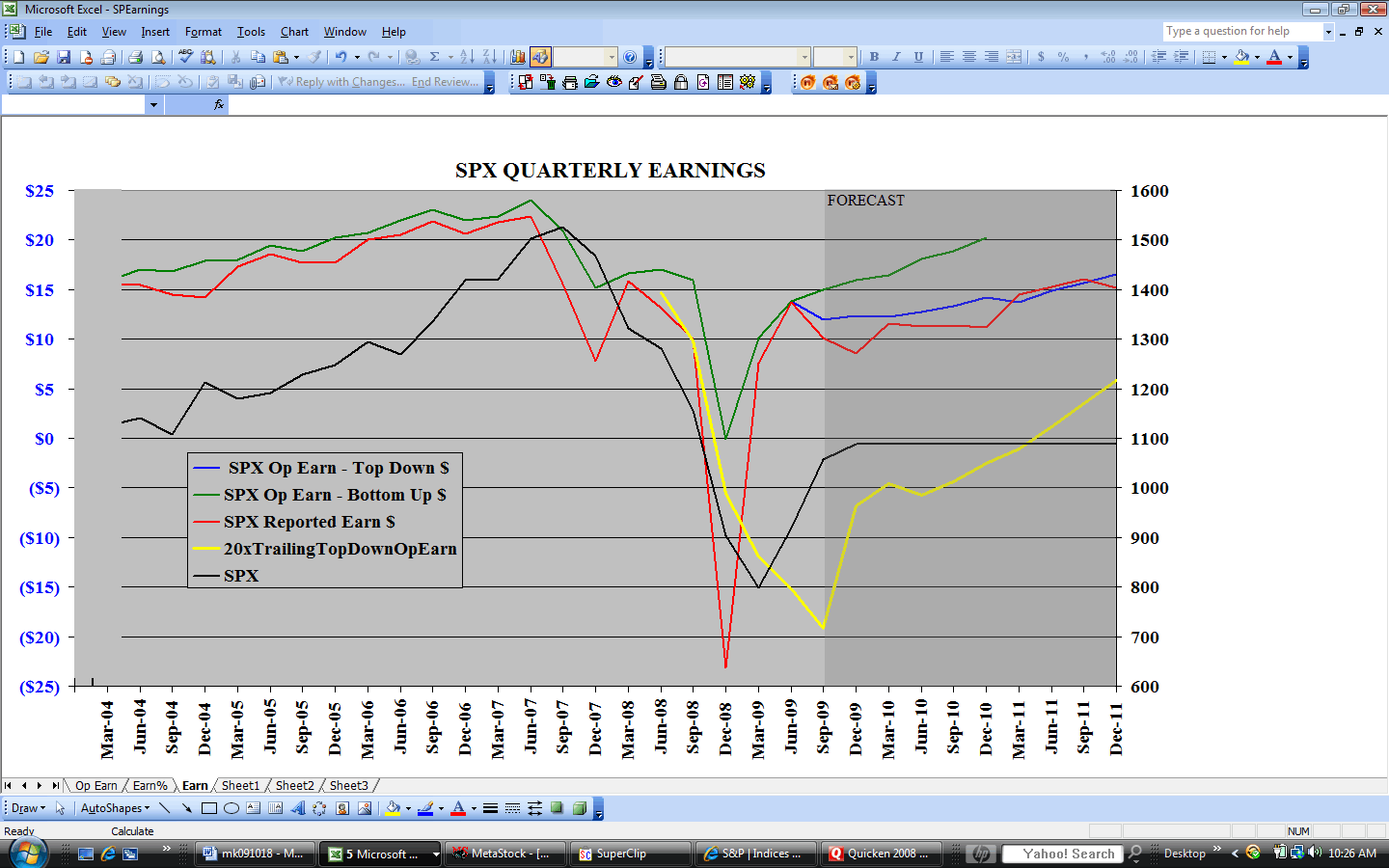
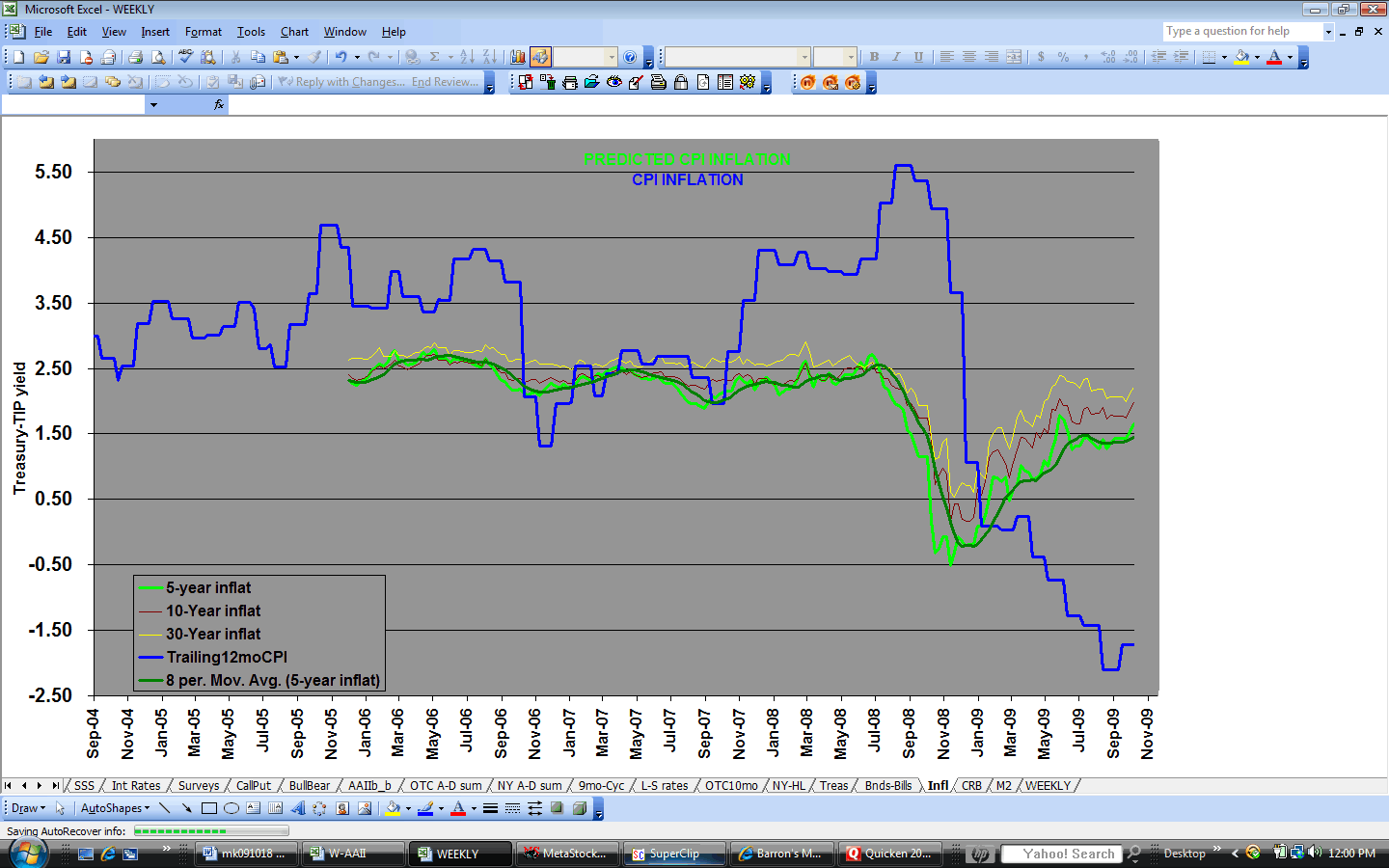
While sentiment indicators are not sending clear signals, valuation statistics are. Although S&P has recently been slowly raising earnings estimates, the S&P is currently selling at more than 20 times top-down estimates for 2010 operating earnings and 25 times estimated 2010 GAAP earnings (http://www.geocities.com/petegersb/EarnY-Y.GIF ). That’s very expensive even with the low level of current interest rates (http://www.geocities.com/petegersb/TreasuryYield-10yr.GIF ), and the odds favor higher rates in 2010 if the economy recovers enough to produce the earnings that S&P expects. To be optimistic on the fundamentals, you have to believe that inflation (http://www.geocities.com/petegersb/CPI.GIF ) and interest rates will remain low during a recovery, and that S&P’s top down earnings estimates are, for a change, too pessimistic. If both happen, the monetary and fiscal stimulus will have succeeded beyond almost anyone’s wildest dreams.
Let’s compare today with 6 years ago when a 4-year cycle was recovering from a deep hole. This recovery is starting from a considerably deeper hole than in 2003. In June of 2003 trailing 12 mo operating earnings were $47.67 and GAAP earnings were $30.32. Today the corresponding numbers are $43.01 and $6.87. S&P expects the SPX to reach 2003 type earnings numbers sometime in 2010. In contrast, by mid-2004 trailing operating earnings had reached $58.08 and GAAP earnings had reached $52. On June 13, 2003, the SPX was selling at 988.61 for P/E’s on year-ahead earnings of 17 (operating) and 19 (GAAP). Today, the SPX is selling at 946.21 on expected year-ahead earnings of $43.99 and $31.07 for forward P/E’s of 21.5 (operating) and 30.5 (GAAP). So by comparison to 2003, stocks would have to decline 21%-38% to produce comparable value. If that were to happen, the SPX would fall to the 589-748 range – about 12% on either side of the March low (http://www.geocities.com/petegersb/Overview-long.GIF ). The November 2008 low was 741, so a pullback that stops near that level would produce the potential for a large Head & Shoulders pattern similar to that at the 2002-2003 bottoms.
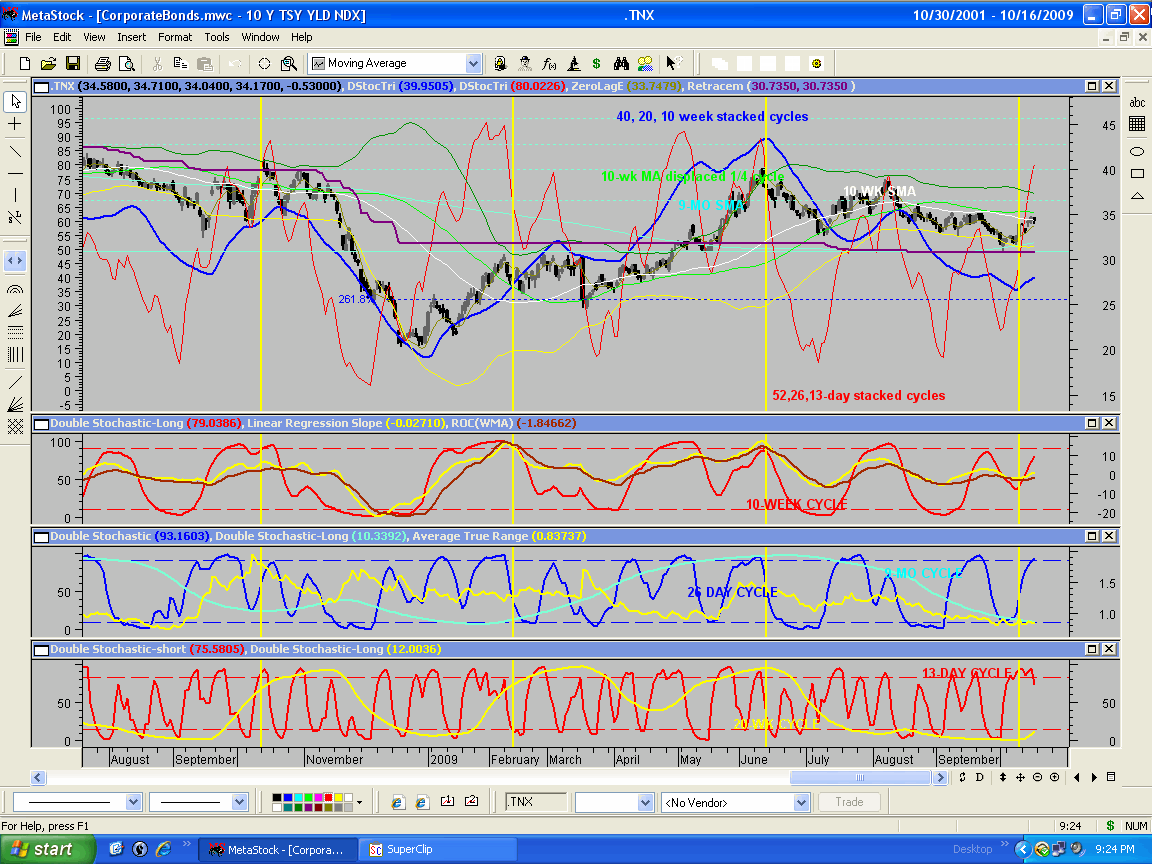
One last 2003 comparison is in order – interest rates. In June, the 10-year treasury rate had just completed a sharp increase from 3.07% to 4.59%. Now it appears to be ending an even sharper increase from 2.04% to 4.01%. From there the rate declined into September while stocks declined into August. Cycles suggest that both stocks and bonds are on the threshold of something similar.
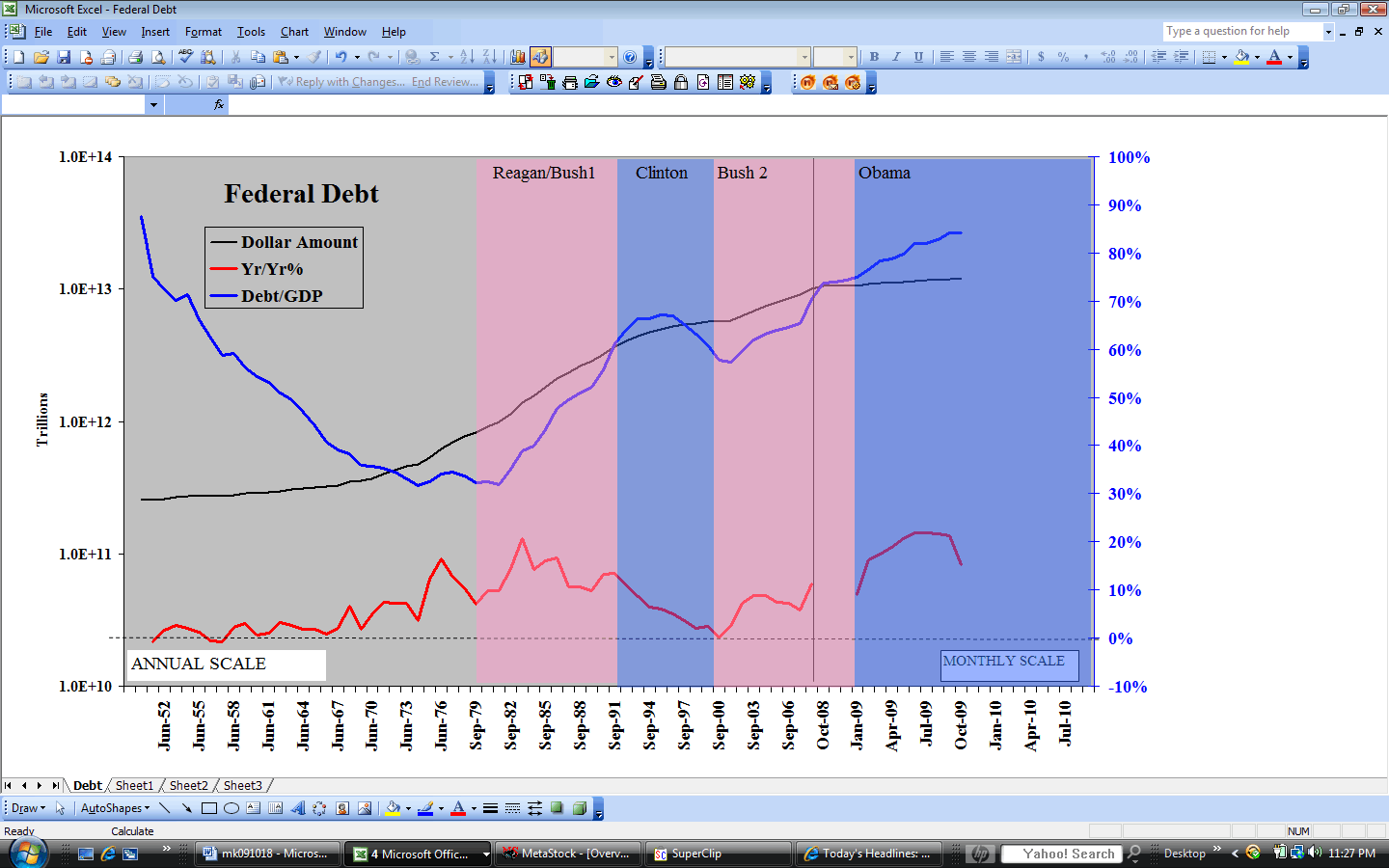
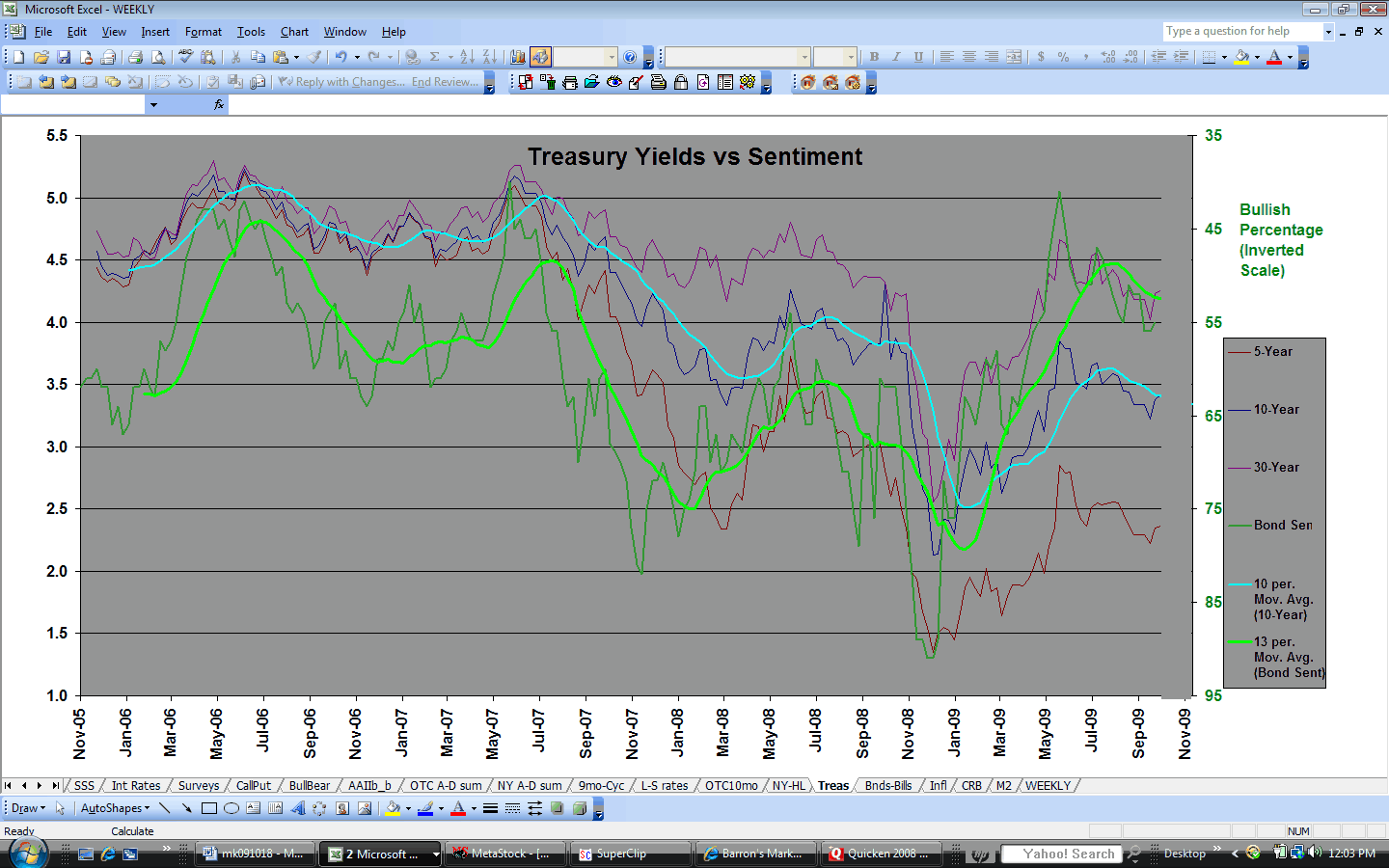
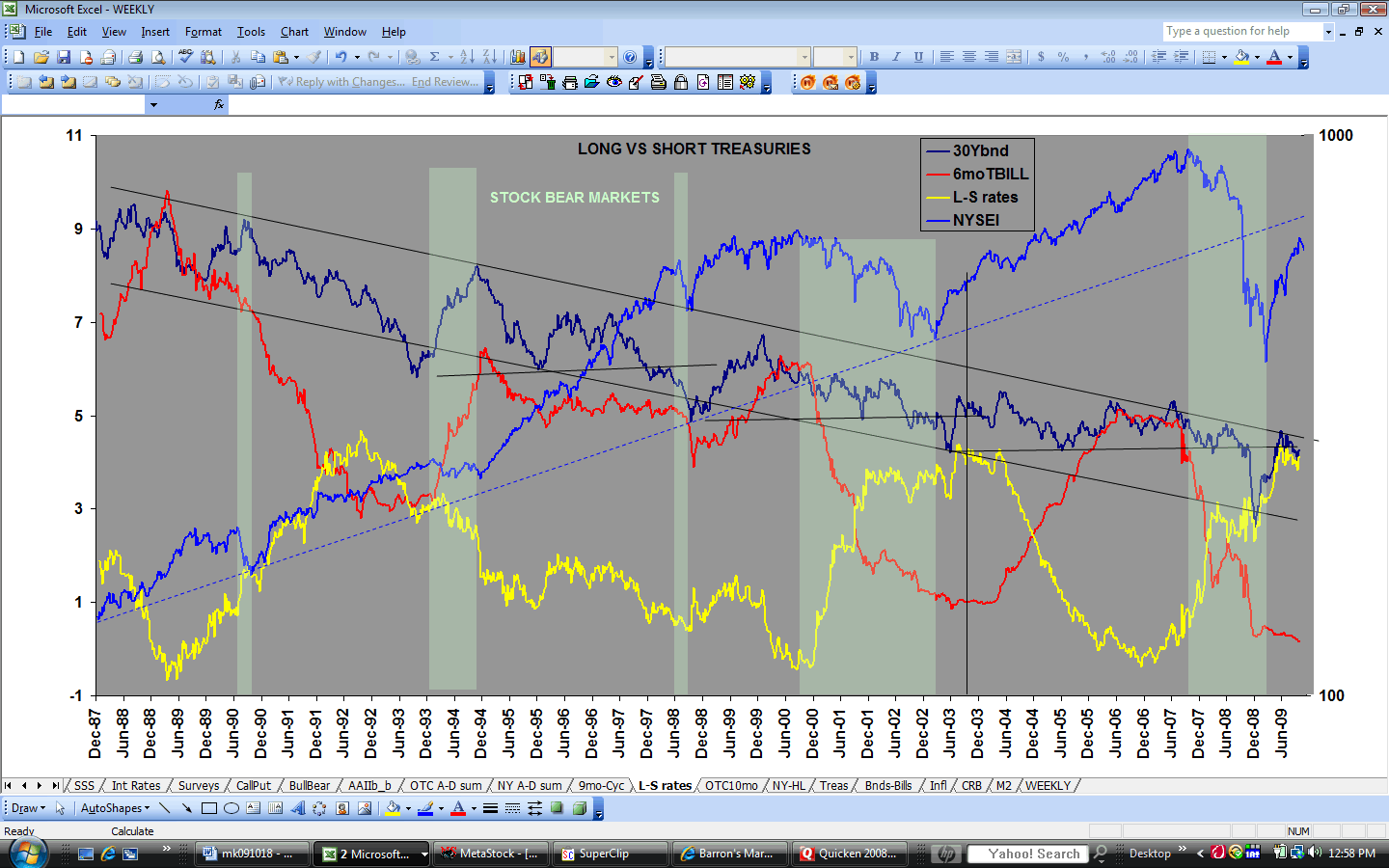
Treasury bonds (http://www.geocities.com/petegersb/Treasury-20yr.GIF ) coped well with massive offerings last week (http://www.geocities.com/petegersb/FederalDebt.GIF ). They made at least a short-term bottom on Wednesday and then rallied to close up very slightly for the week. The timing is also right for a bottom in the longer cycles, which are very oversold, but their DStocs have not yet turned up. Bond Sentiment (http://www.geocities.com/petegersb/BondSentiment.GIF ) is as pessimistic as it was in the summer of 2007 at the beginning of a huge rally. The spread between long and short yields (http://www.geocities.com/petegersb/Long-ShortYields.GIF ) has widened to a degree reminiscent of the summer of 2003 – another beginning for a significant bond rally. Treasuries look like they again will be a fairly safe haven during the coming intermediate-term decline in stocks.
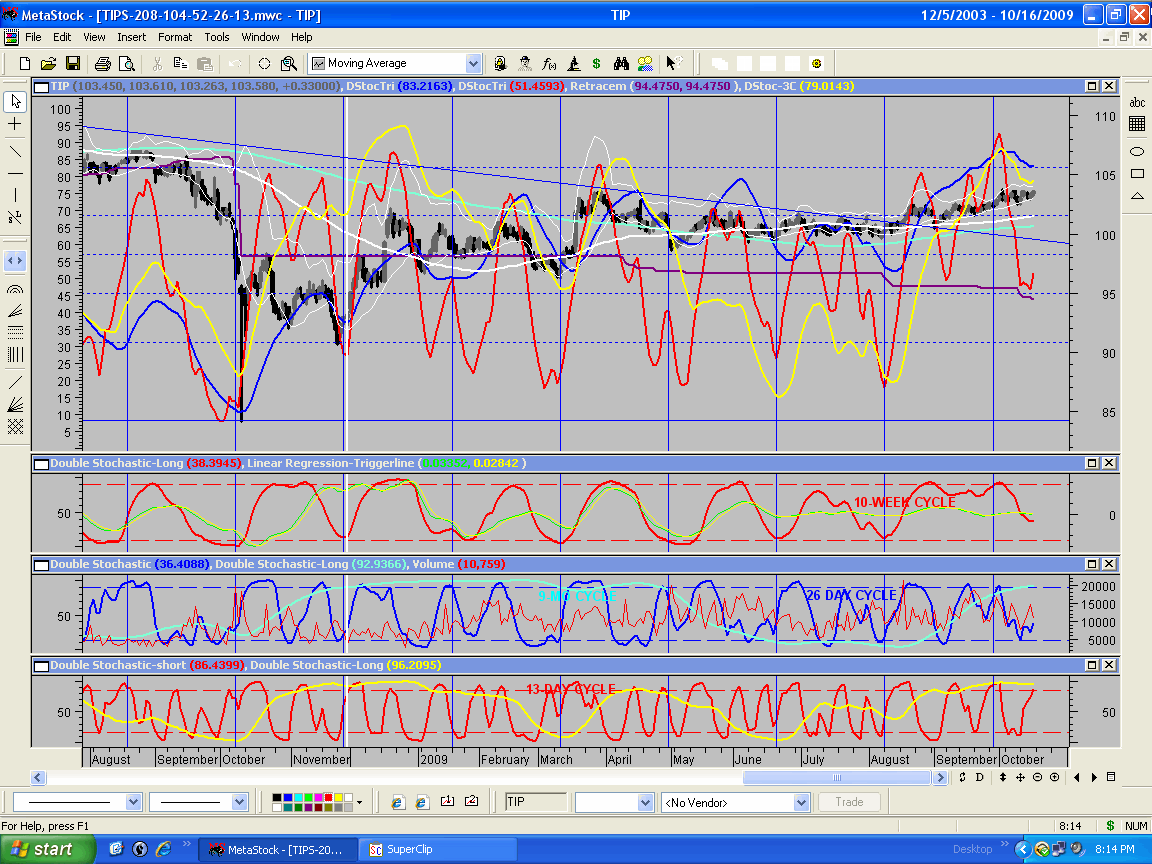
Inflation Protected Treasuries (http://www.geocities.com/petegersb/TIPs.GIF) also gained very slightly last week despite downtrends in all of the composite DStocs. Their ability to hold up so well during a 20-wk cycle decline from an apparent left-translated peak is impressive and probably indicative of rising inflation expectations (http://www.geocities.com/petegersb/CPI.GIF ). Both 20-wk and 9-mo cycles are now moderately oversold, but the down trending composites and the age of the cycles suggest they will become more deeply oversold before reaching a bottom. Another benign CPI reading this week despite rapidly increasing oil prices could give the downtrend some impetus.
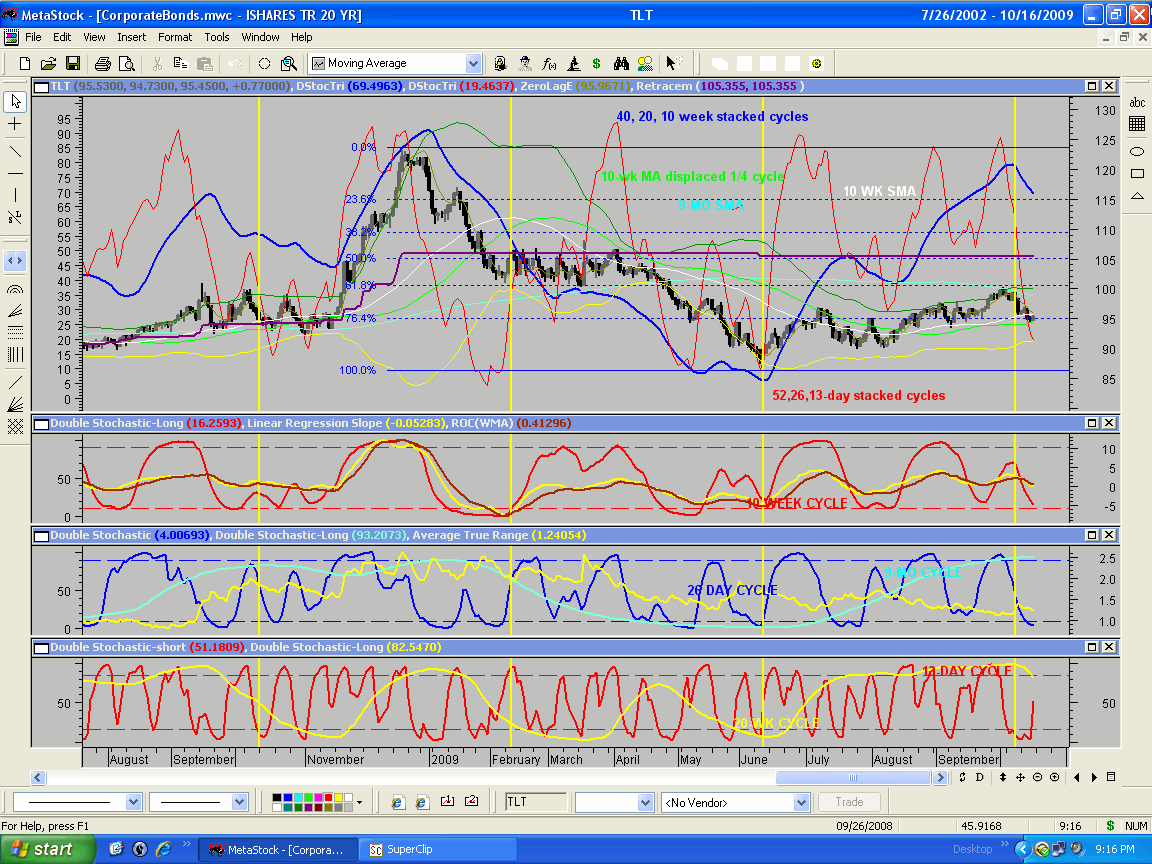
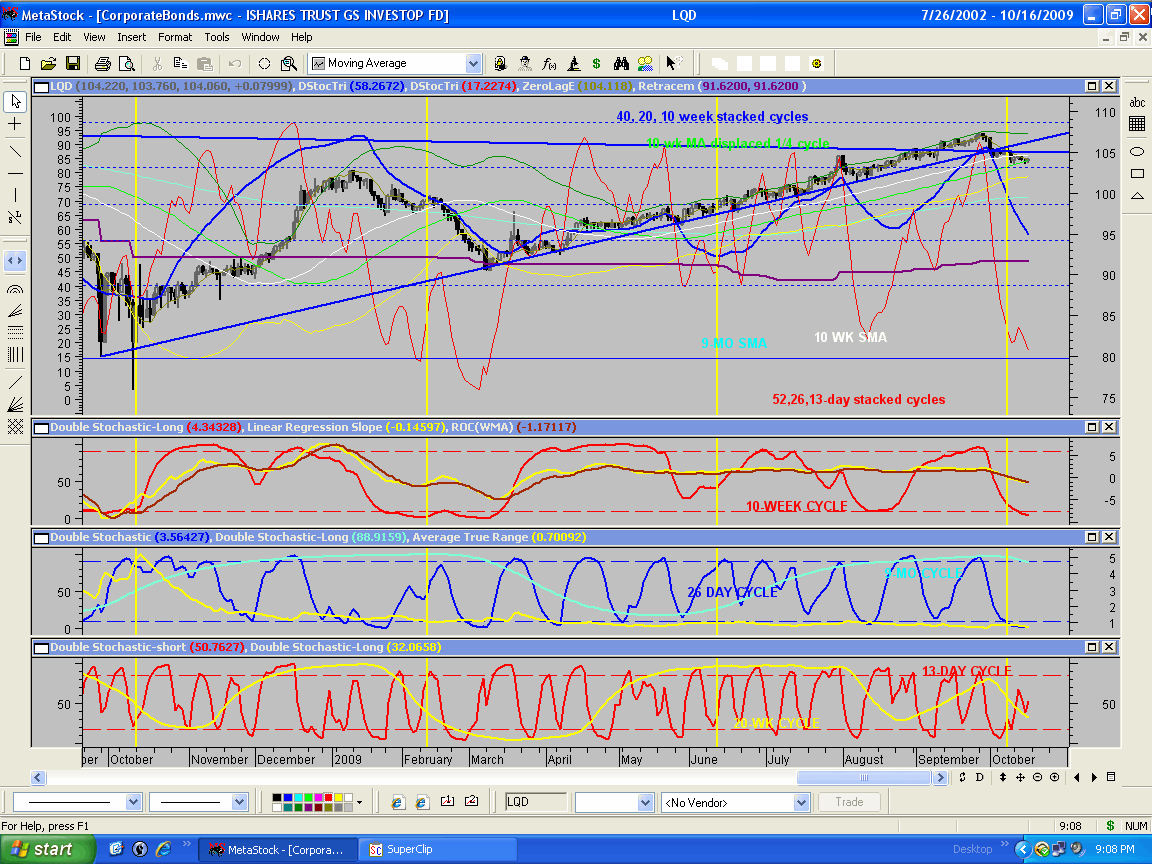
Corporate bonds (http://www.geocities.com/petegersb/CorporateBonds.GIF ) gained slightly last week, as the short cycles suggested. It appears that short cycles will again push the 20-wk cycle peak further to the right.
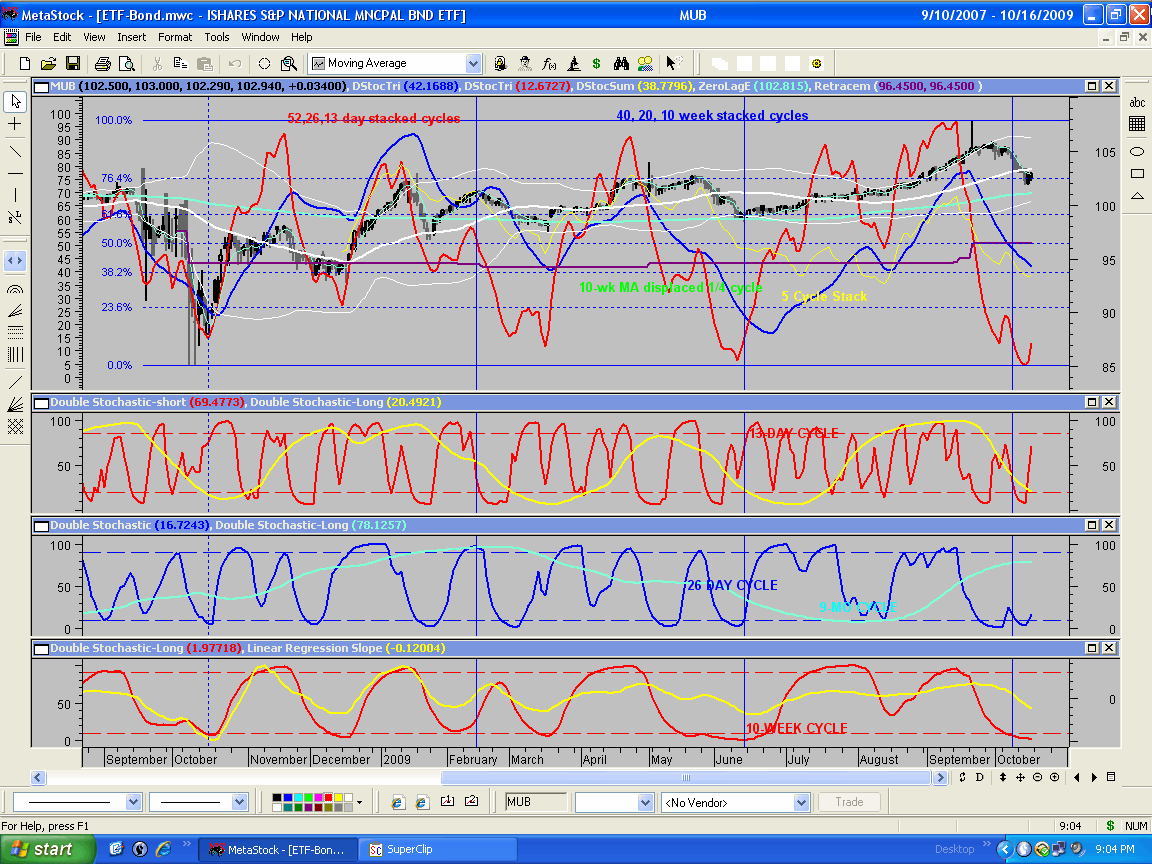
Municipal bonds (http://www.geocities.com/petegersb/MunicipalBonds.GIF ) were the bad actors in the bond market last week. They sold off steeply but reached an apparent short-term low at the 9-mo moving average. The longer cycles do not yet appear ready for a bottom. It’s early and they are not yet oversold. So after a short-term rally, I expect further a decline.
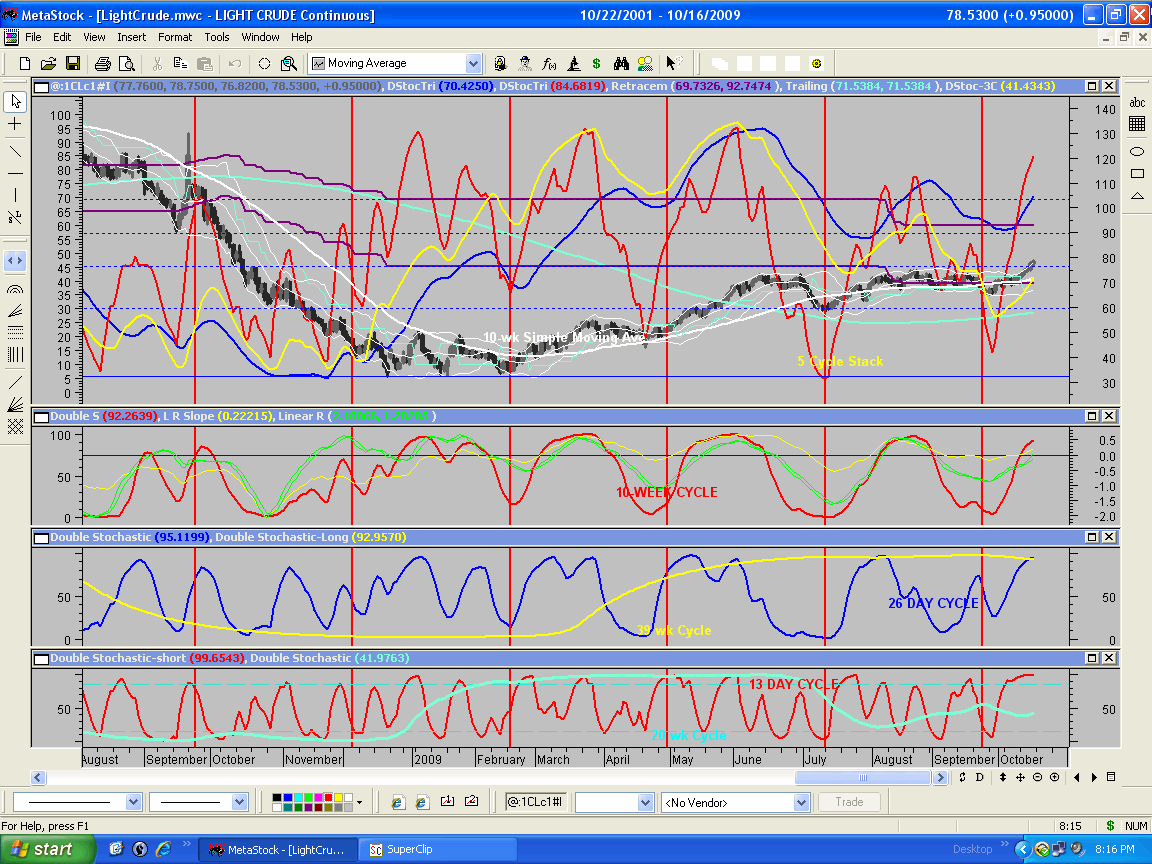
Crude oil (http://www.geocities.com/petegersb/CrudeOil.GIF ) gained again last week. Since the third of a triple bottom in February, it’s been rising at a more rapid rate than at any time during the big run-up in 2007 and the first half of 2008. Oil has nearly reached its 38% Fibonacci retracement of last year’s steep 2nd half decline. That $76 level should put a lid on this leg of the rally. When the rally began, I thought it had the potential to get to $60. Now I suspect that level will be the floor of any pullback. It’s the confluence of the still declining 9-mo moving average, the rising 10-wk moving average, and the 23.6% Fibonacci retracement of the prior decline.
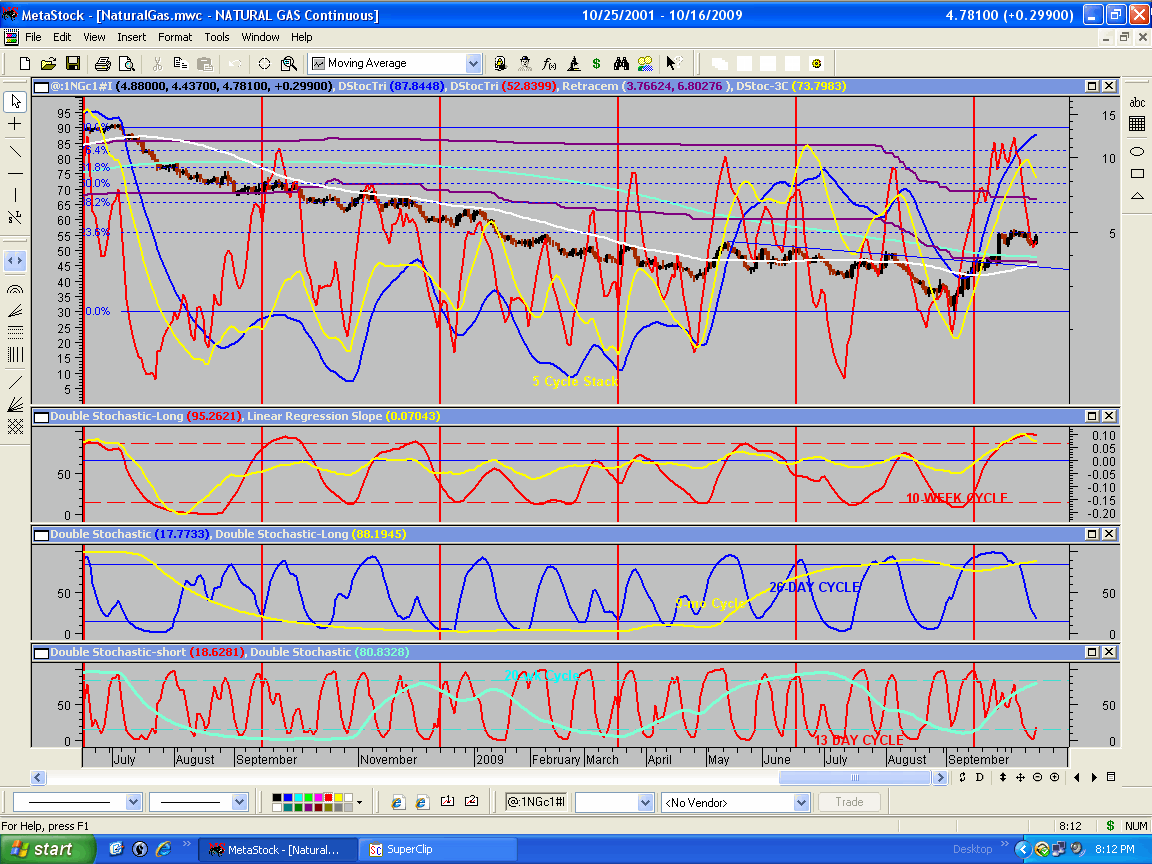
Natural gas (http://www.geocities.com/petegersb/NaturalGas.GIF ) was again little changed for the week as a downtrend in the 10-wk cycle countered uptrends in the other cycles. It looks like the shorter cycles will make another attempt at the declining trendline, but an overbought 20-wk cycle will probably prevent a breakthrough.
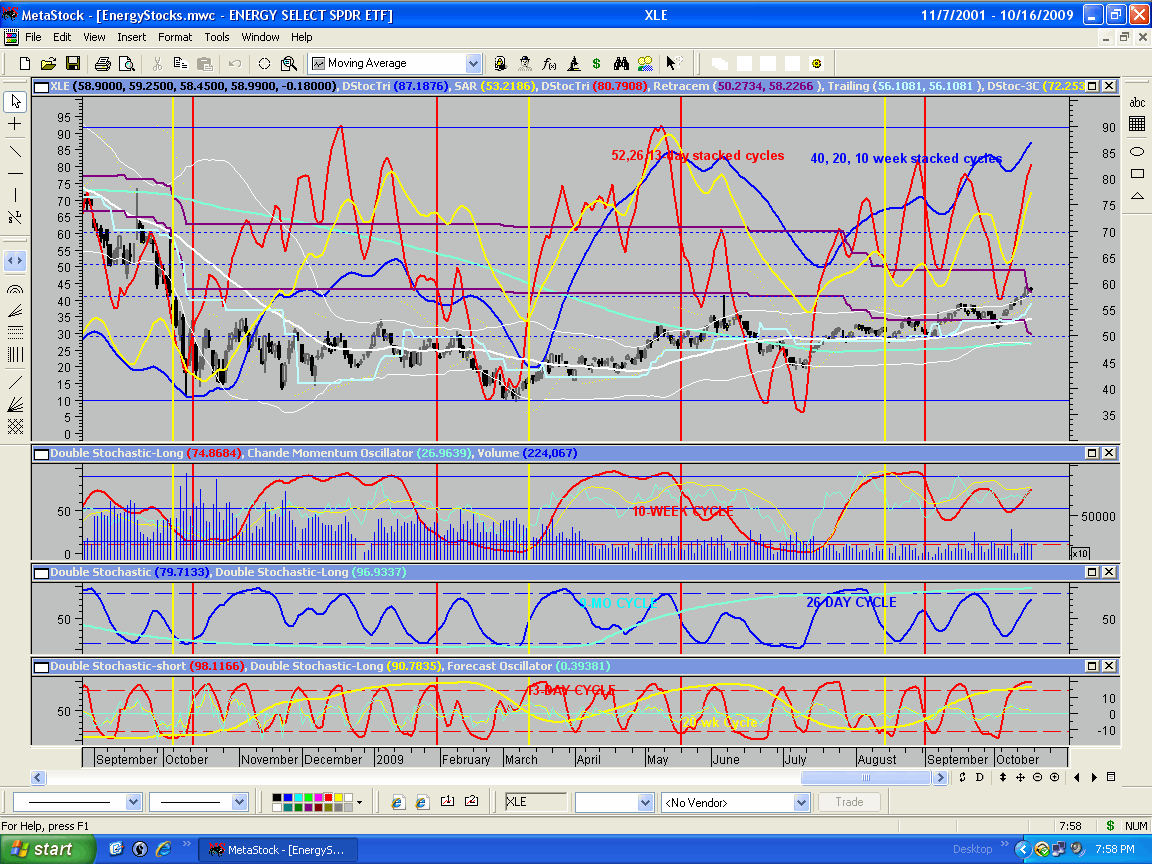
Energy stocks (http://www.geocities.com/petegersb/EnergySPDR.GIF) gained slightly despite downtrends in all of the short cycles and all of the composites. The cycles look much like they did a year ago as the 20-wk and 9-mo cycles were peaking. A correction is due in the 14-wk- old overbought 20-wk cycle. Energy stocks don’t look like they’ll buck the broader market during the coming intermediate correction.
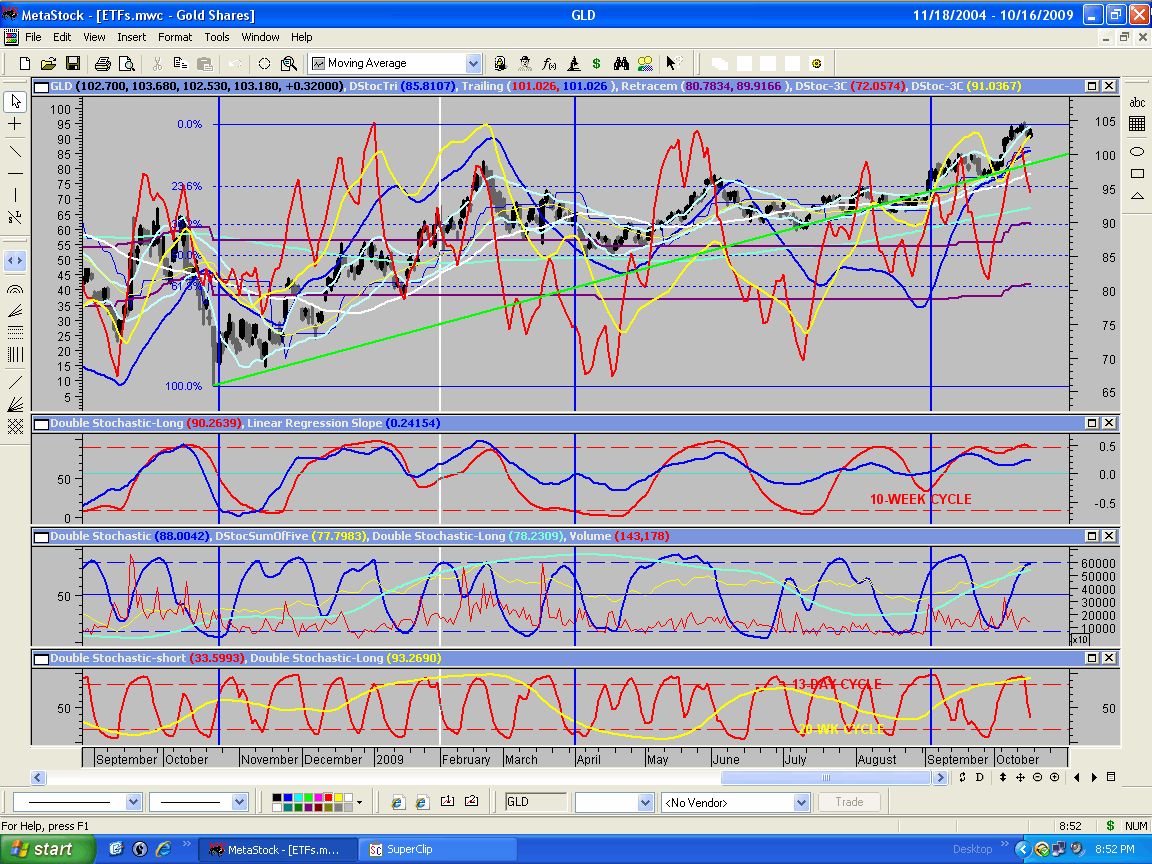
Gold (http://www.geocities.com/petegersb/GoldBullion.GIF) declined moderately under the influence of declines in
the 10-wk and shorter cycles. The 13 and 26-day cycles are now due for a bottom
and they are oversold. This week will see the declining 10-wk cycle battle a
rising 20-wk cycle and likely upturns in the shorter cycles. The price should
hold above the 10-wk moving average and perhaps rise a little, but the cycle
similarity to last July is disconcerting.
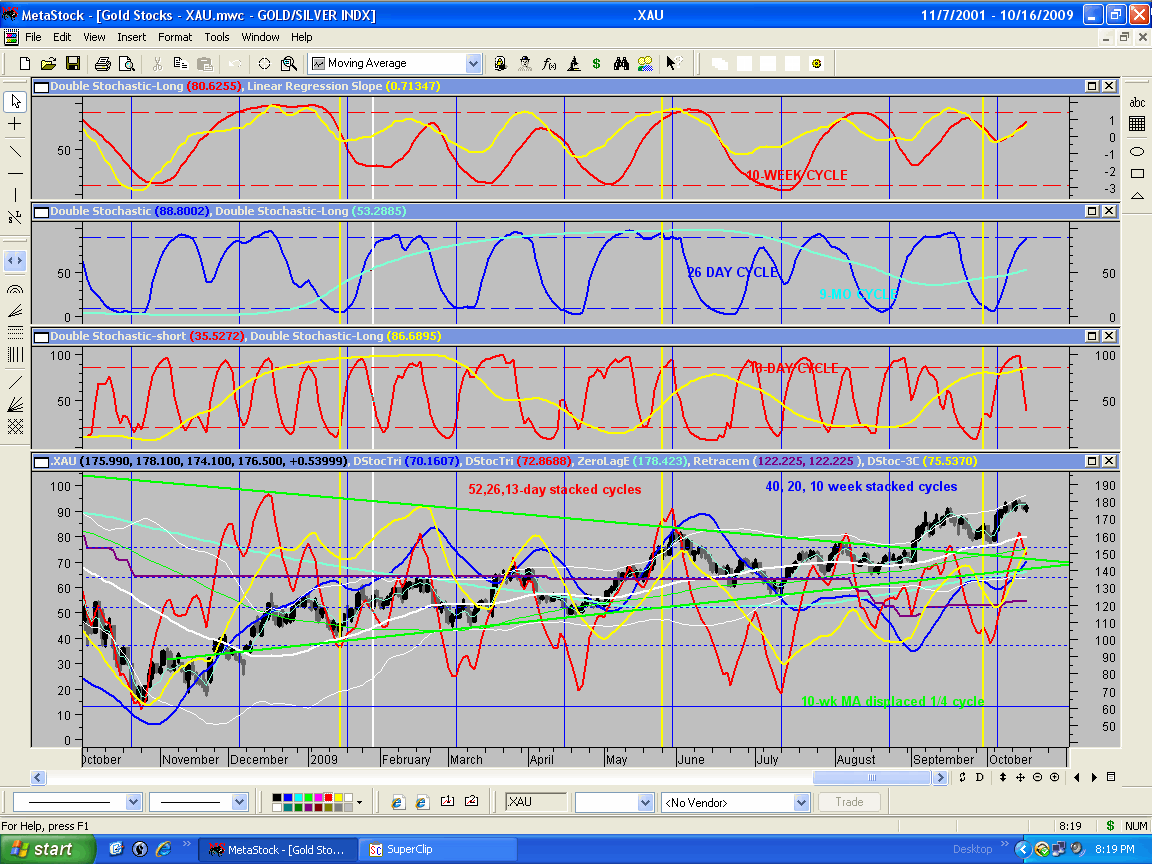
Gold Stocks (http://www.geocities.com/petegersb/GoldStocks.GIF
) also declined under the influence of the 10-wk and shorter cycles. The 8-week-old
20-wk cycle remains in an uptrend and the 13 and 26-day cycles are oversold, so
the bulls should have an edge this week against the declining 10-wk cycle. But
after the 20-wk cycle peaks, we can expect a decline in the 8-month old 9-month
cycle from an extreme right-translated peak. That right-translated peak coupled
with a10-wk moving average above the 9-mo moving average is pretty good
evidence of a bull market in gold stocks. And that suggests new highs to come
in gold after a relatively short 9-mo cycle correction.
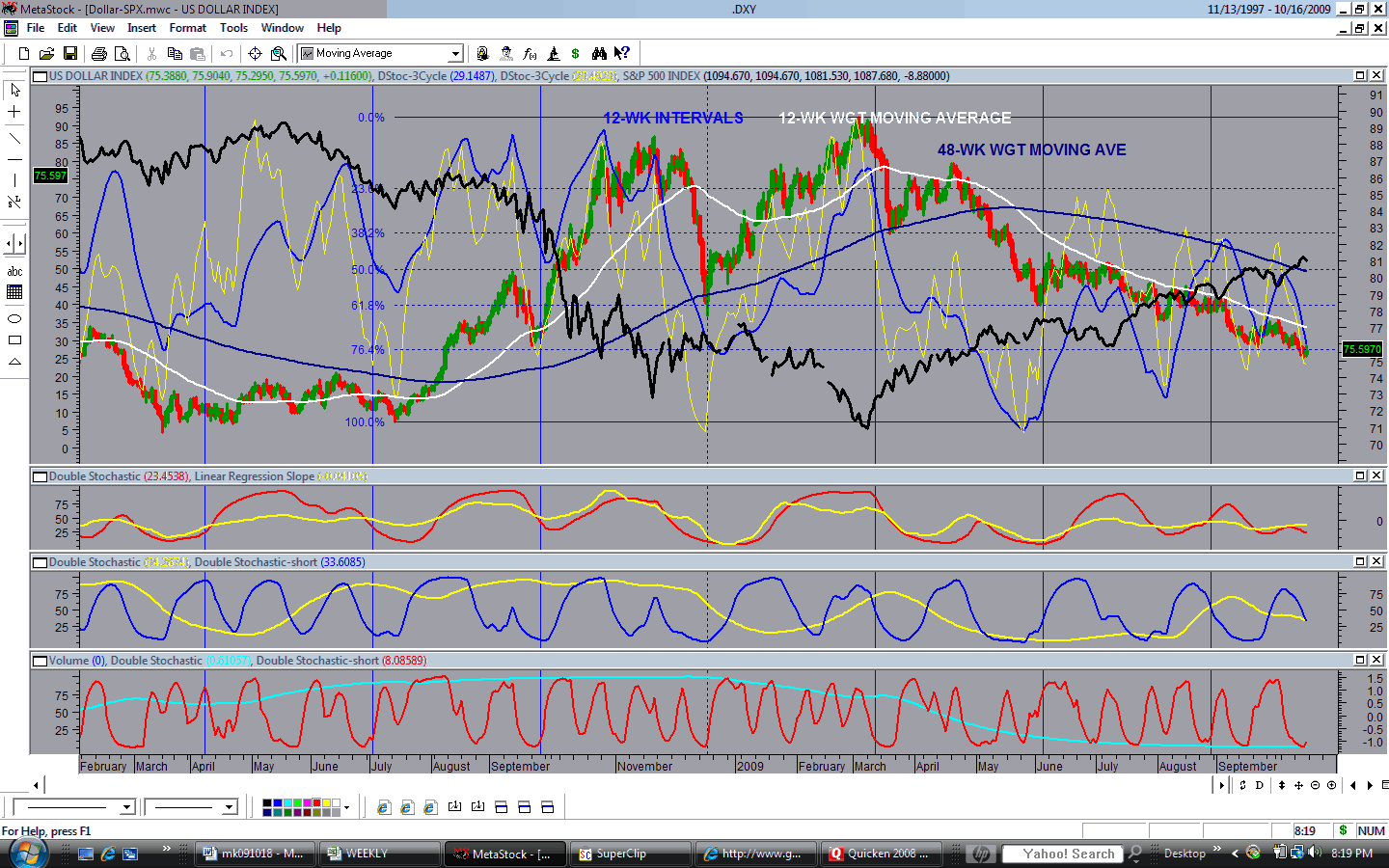
The Dollar (http://www.geocities.com/petegersb/Dollar.GIF) declined slightly last week, maintaining its unusual recent positive correlation with gold. The intermediate composite turned up decisively indicating at least a 20-wk cycle rally, but the short-term composite turned down suggesting that the intermediate rally off of the June 2 low won’t go anywhere fast this week. Beyond that I expect stiff resistance at the 82-83 level.
In summary it still looks like a coordinated intermediate trend turn is taking place in most markets.
.