6/7/09
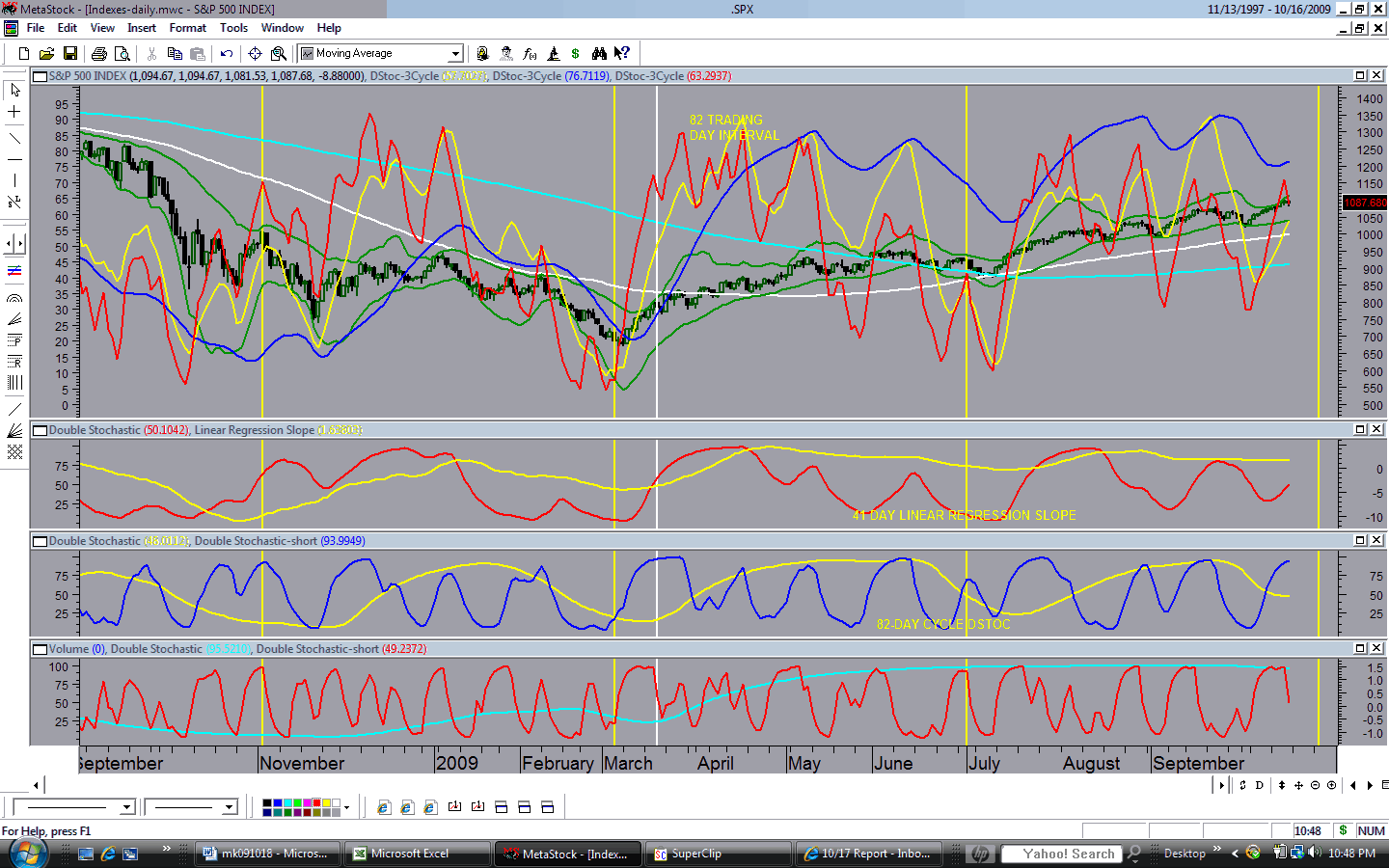
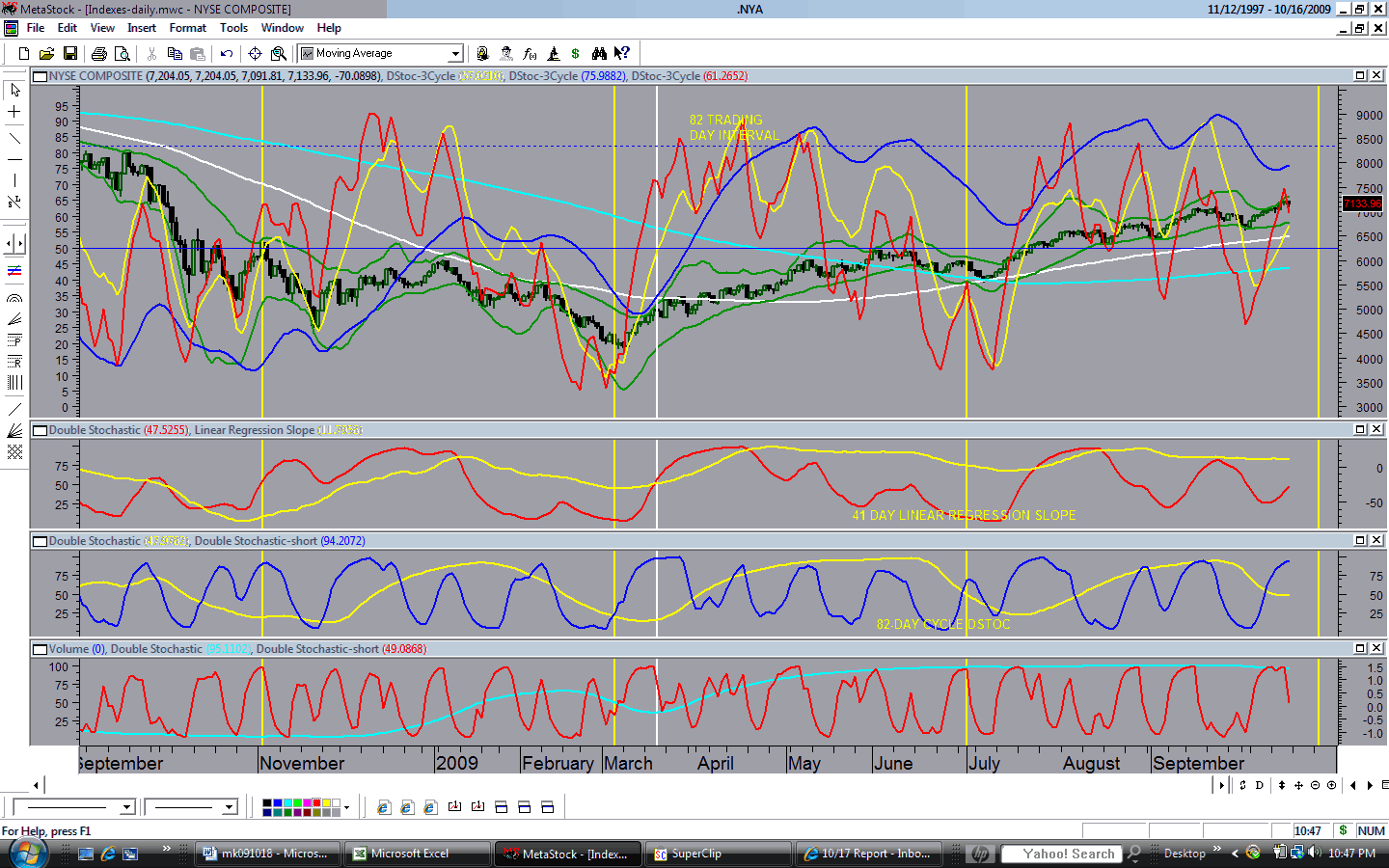
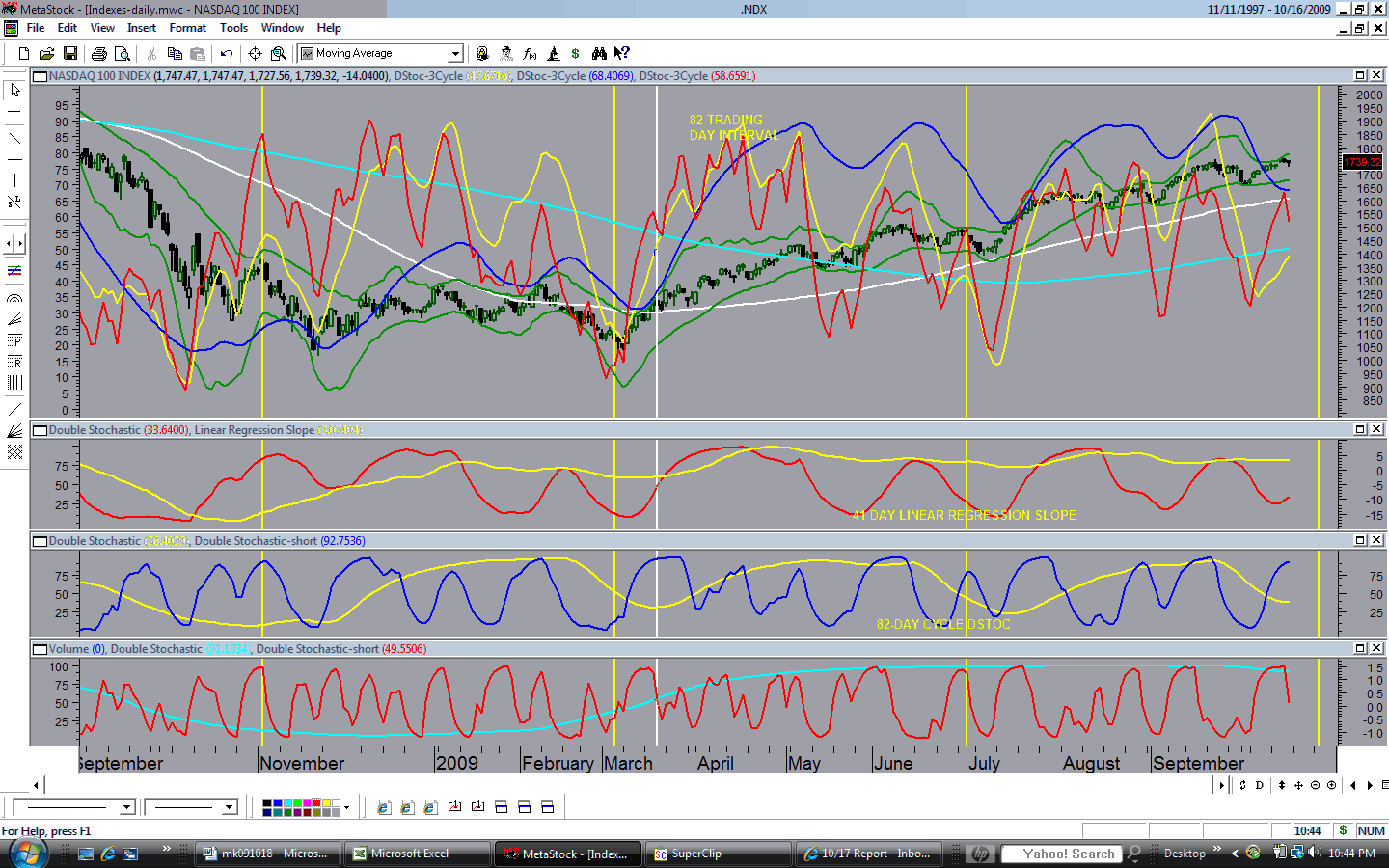
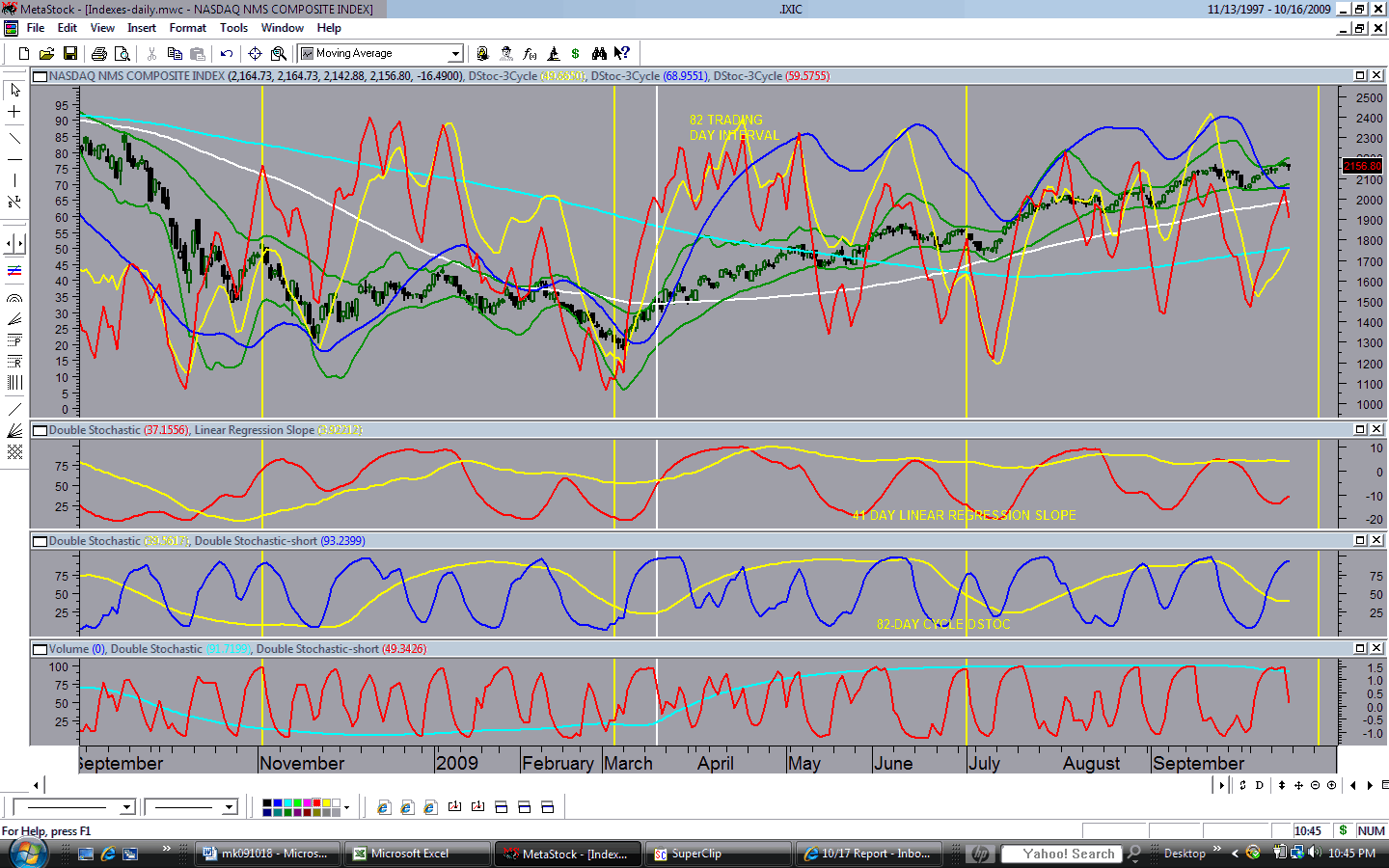
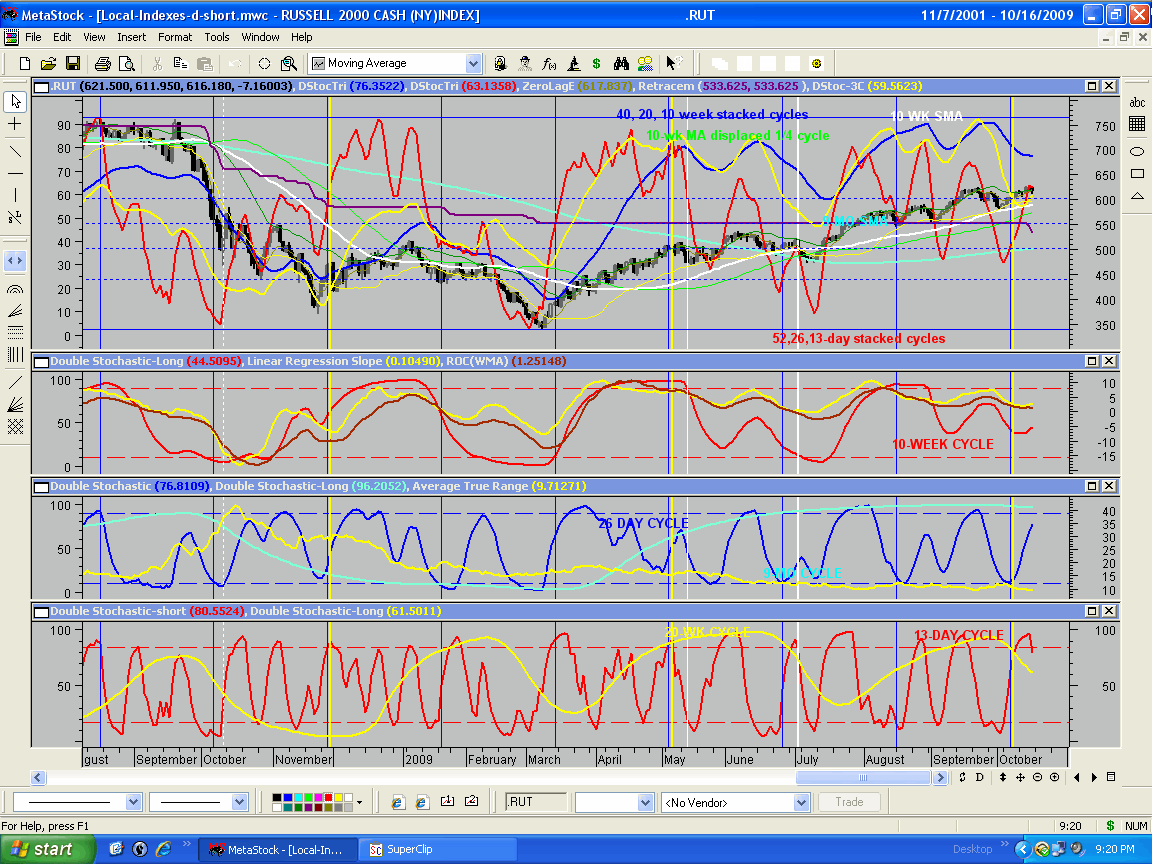
In defiance of the 2008 analogy (which now has essentially been destroyed) and the overbought condition of most of the cycles, stocks advanced again last week. The SPX (http://www.geocities.com/petegersb/SP500.GIF ) and NYSE Composite (http://www.geocities.com/petegersb/NYSE.GIF) achieved all of their gains by the end of the first half hour of trading on Monday Morning. The NDX (http://www.geocities.com/petegersb/NDX.GIF ), the NASDAQ Composite (http://www.geocities.com/petegersb/NasdaqComposite.GIF ), and the Russell 2000 index (http://www.geocities.com/petegersb/Russell2000.GIF ) also made most of their gain during the premarket and first half hour, but added a little more during the remainder of the week. Much better than expected employment numbers reported on Friday morning again produced the high for the day in the first 15 minutes. But the euphoria couldn’t be sustained.
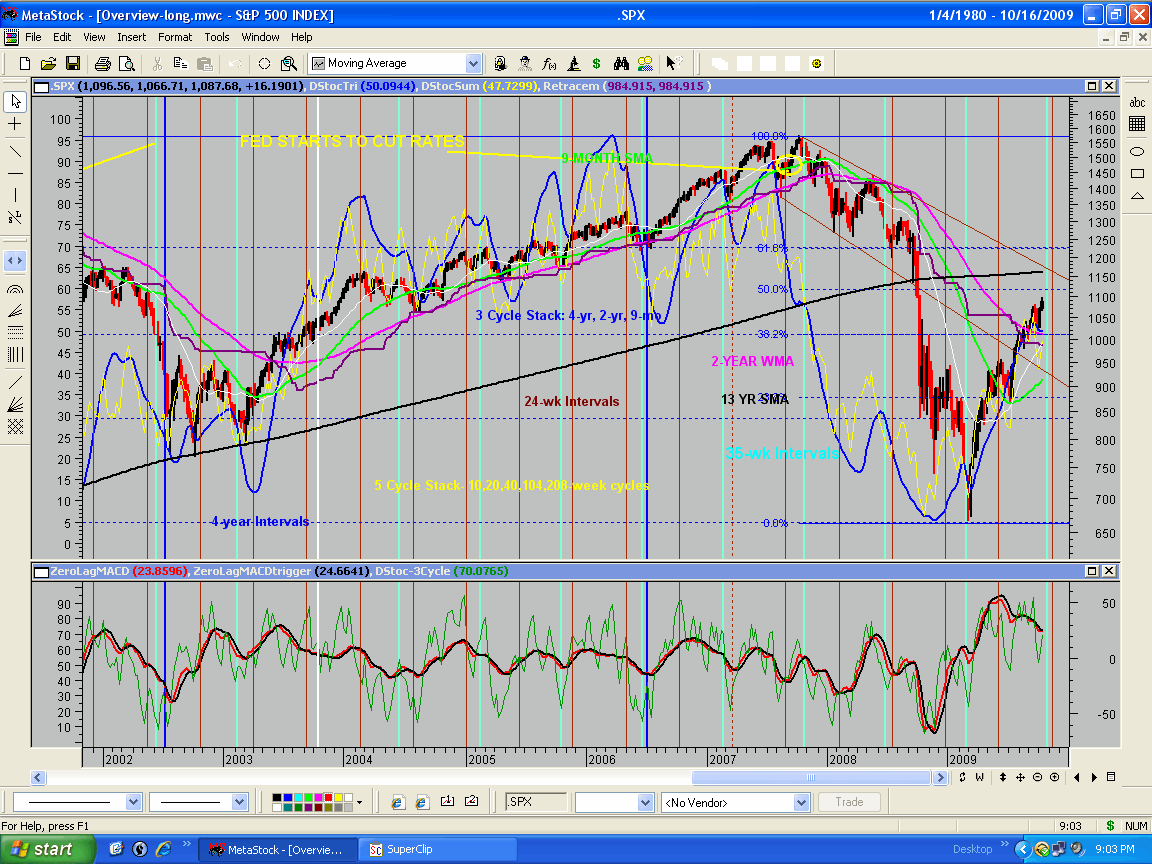
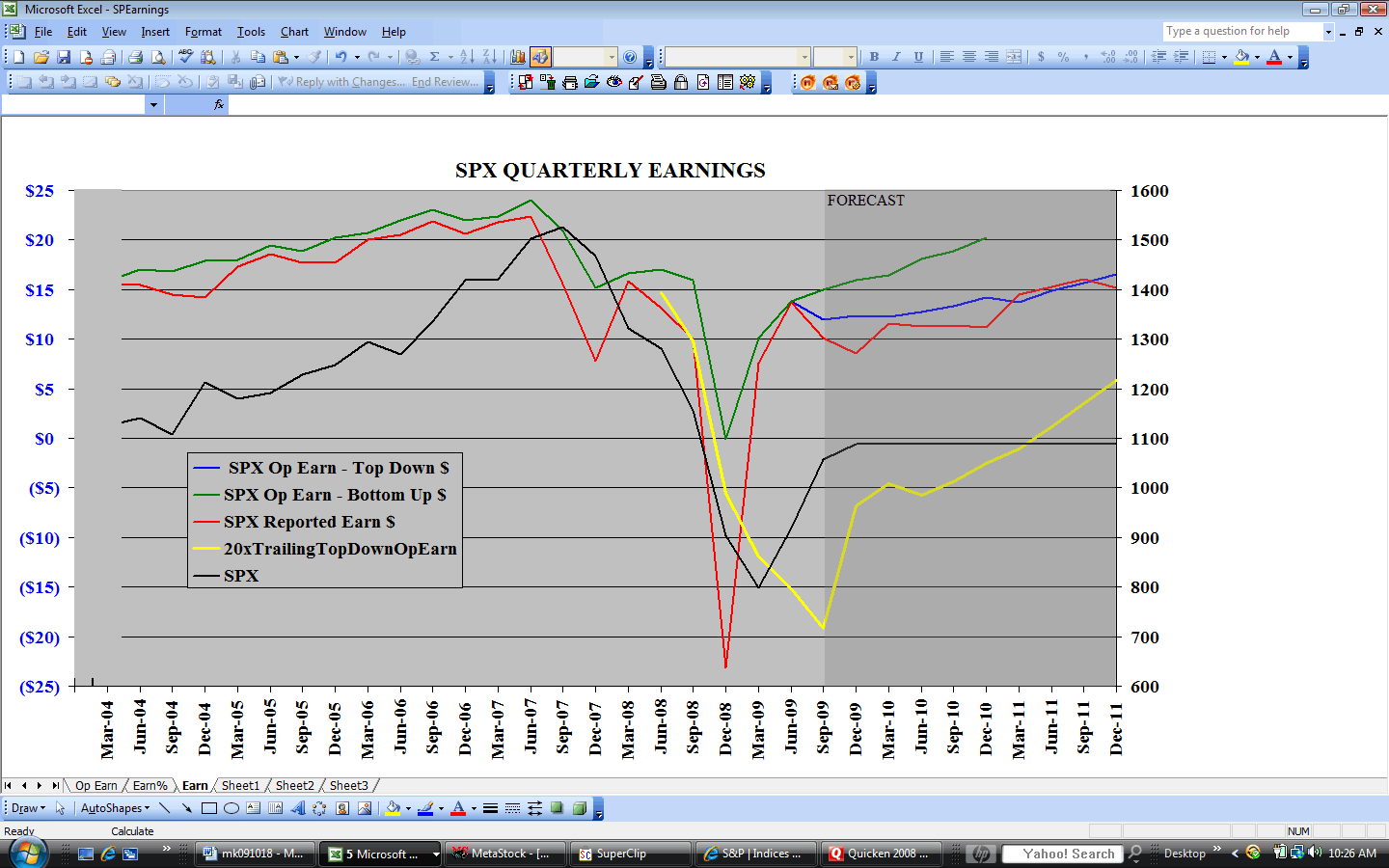
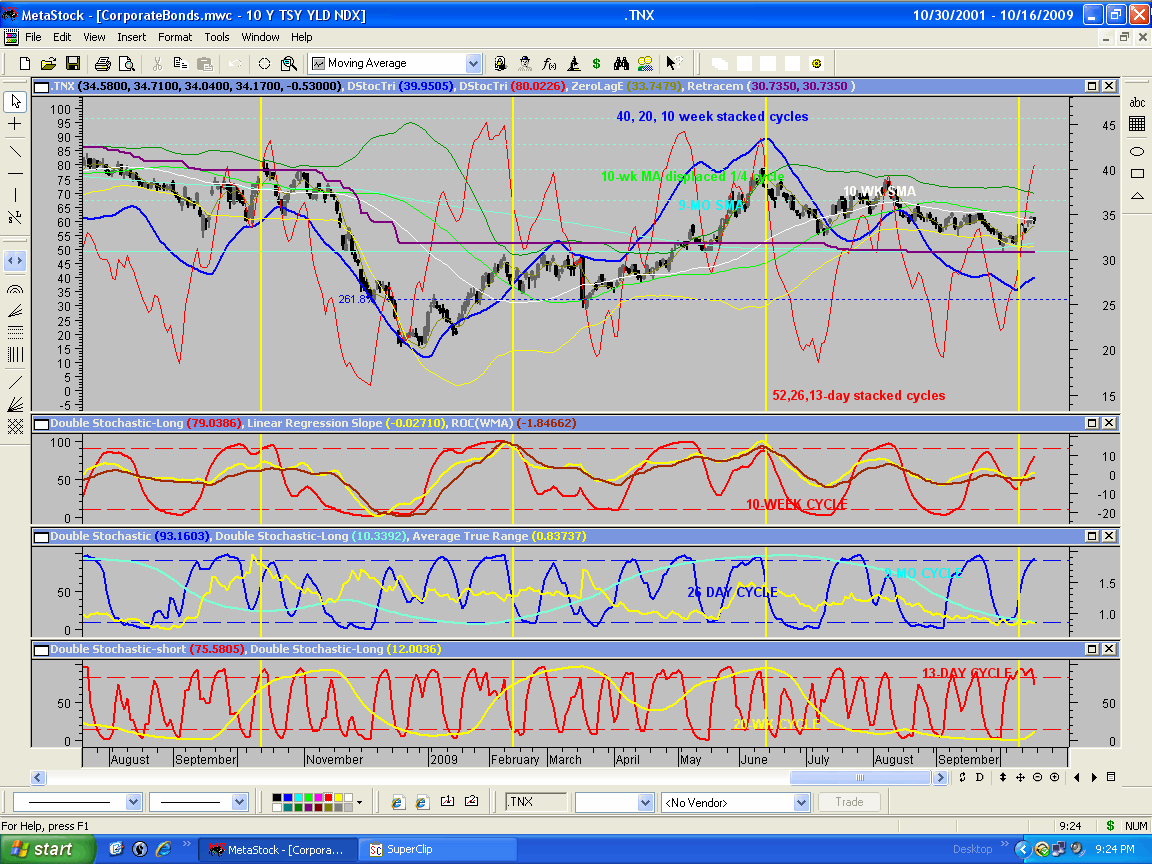
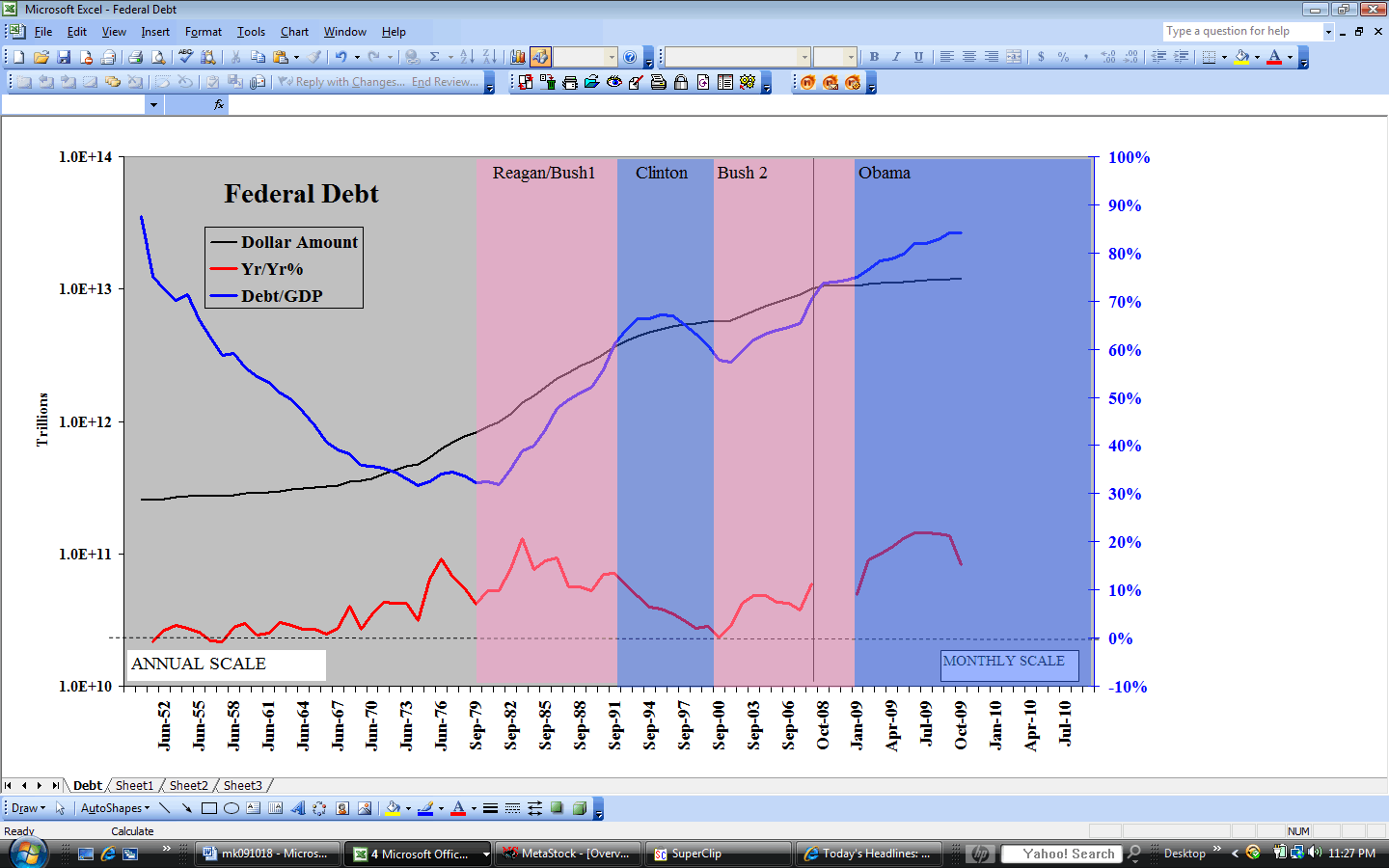
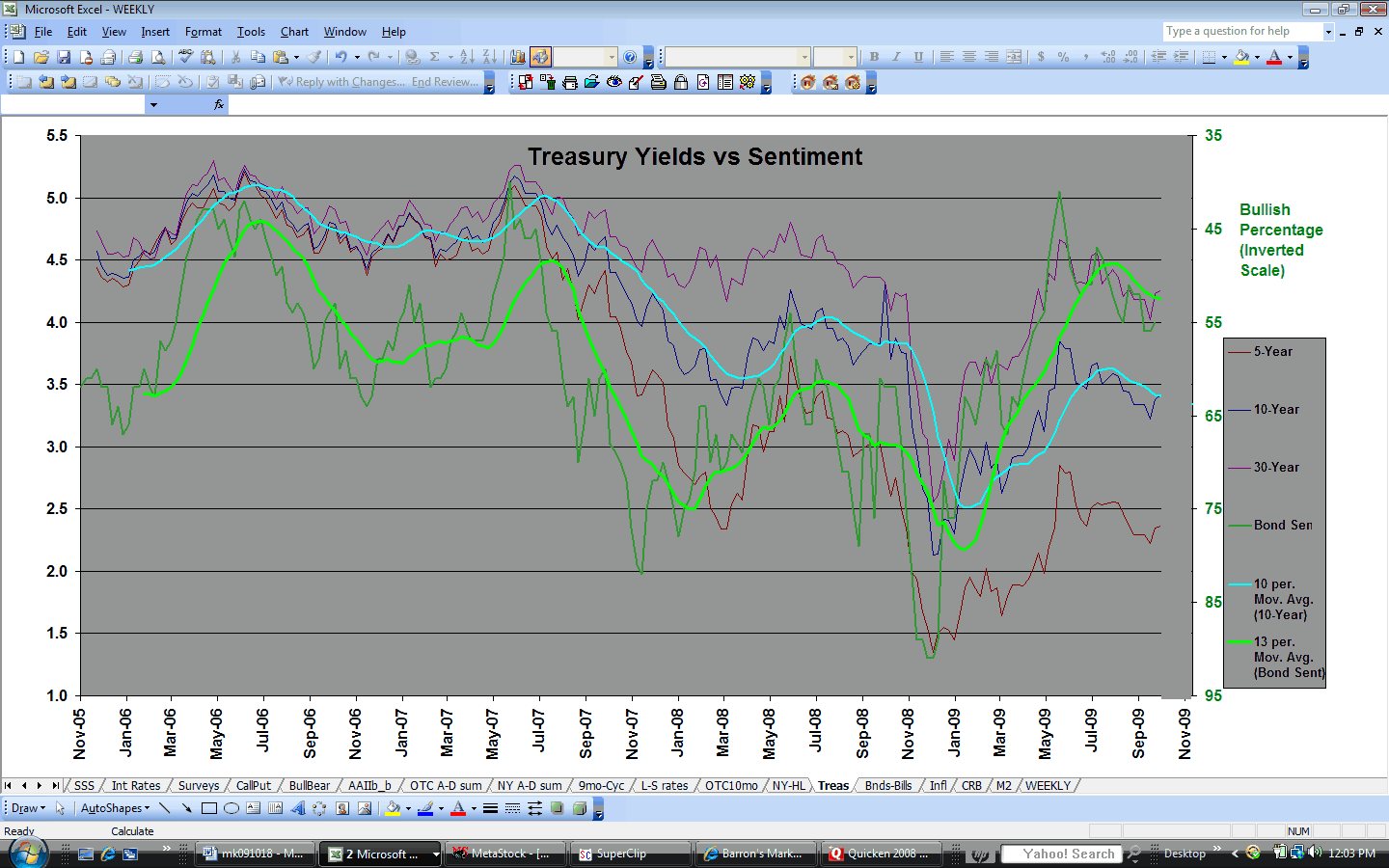
Clearly the economic reports are improving. Even if they don’t yet signal an end to the recession, they do suggest that the economic stimulus is at least slowing the decline. Whether the recent exuberance in the market for stocks constitutes another bout of irrationality or not is another question. Obviously the SPX would not have recovered 31% of its decline (http://www.geocities.com/petegersb/Overview-long.GIF ) without an expectation that the stimulus would work. But it would seem that a recovery will have to restore earnings to a greater degree than generally expected by Standard and Poor’s (http://www.geocities.com/petegersb/EarnY-Y.GIF ) to justify current P/E’s in the face of rapidly rising Treasury rates (http://www.geocities.com/petegersb/TreasuryYield-10yr.GIF ). The rapid rise in interest rates may itself be an indication of recovery, or it may just reflect the huge supply coming to market (http://www.geocities.com/petegersb/FederalDebt.GIF ). Rapidly rising energy prices also suggest a pending recovery, but like rising interest rates, they will tend to slow the expected recovery. Fortunately, the interest rate rise appears likely to stall for several months after it completes the test of last year’s high in the near future.
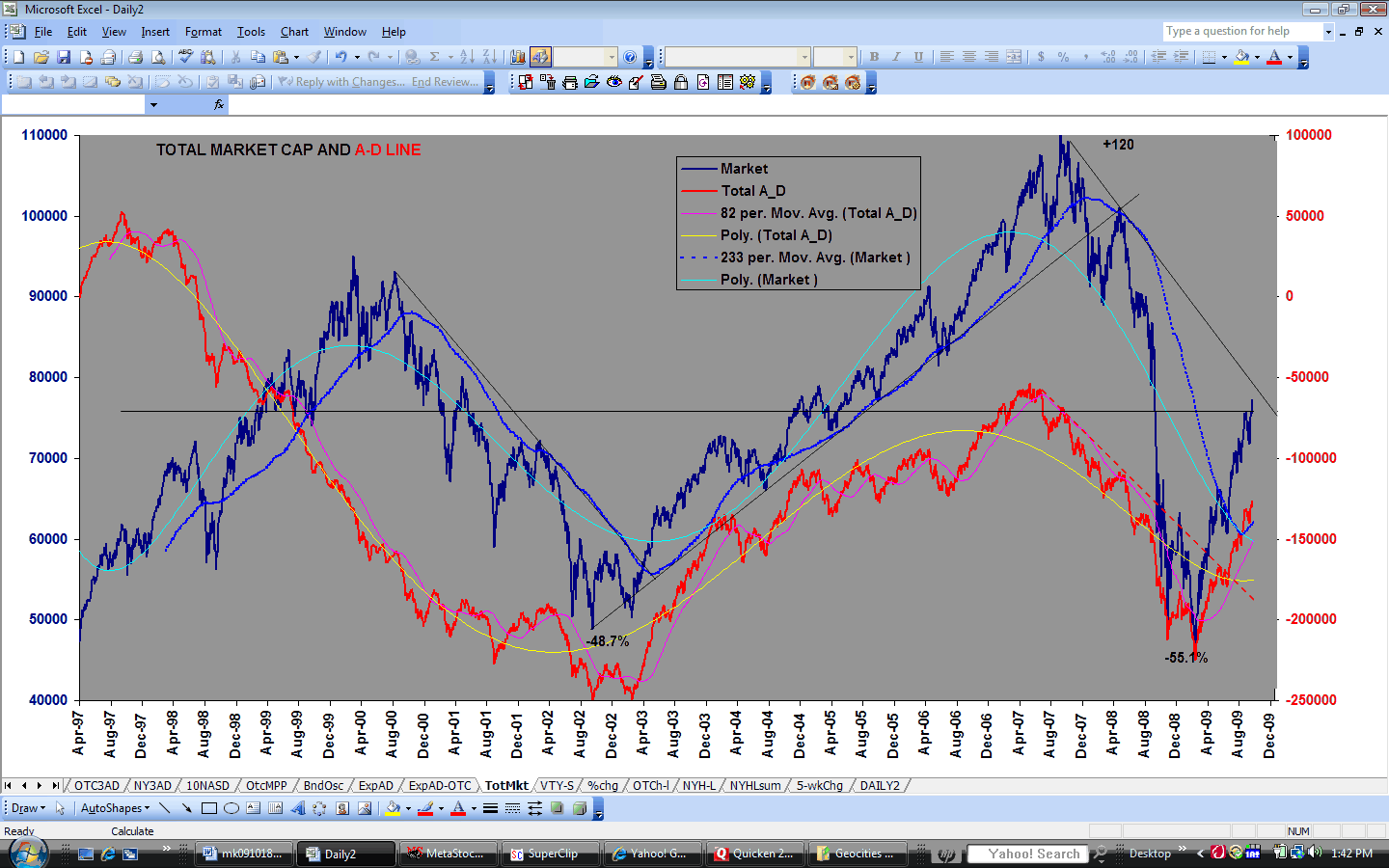
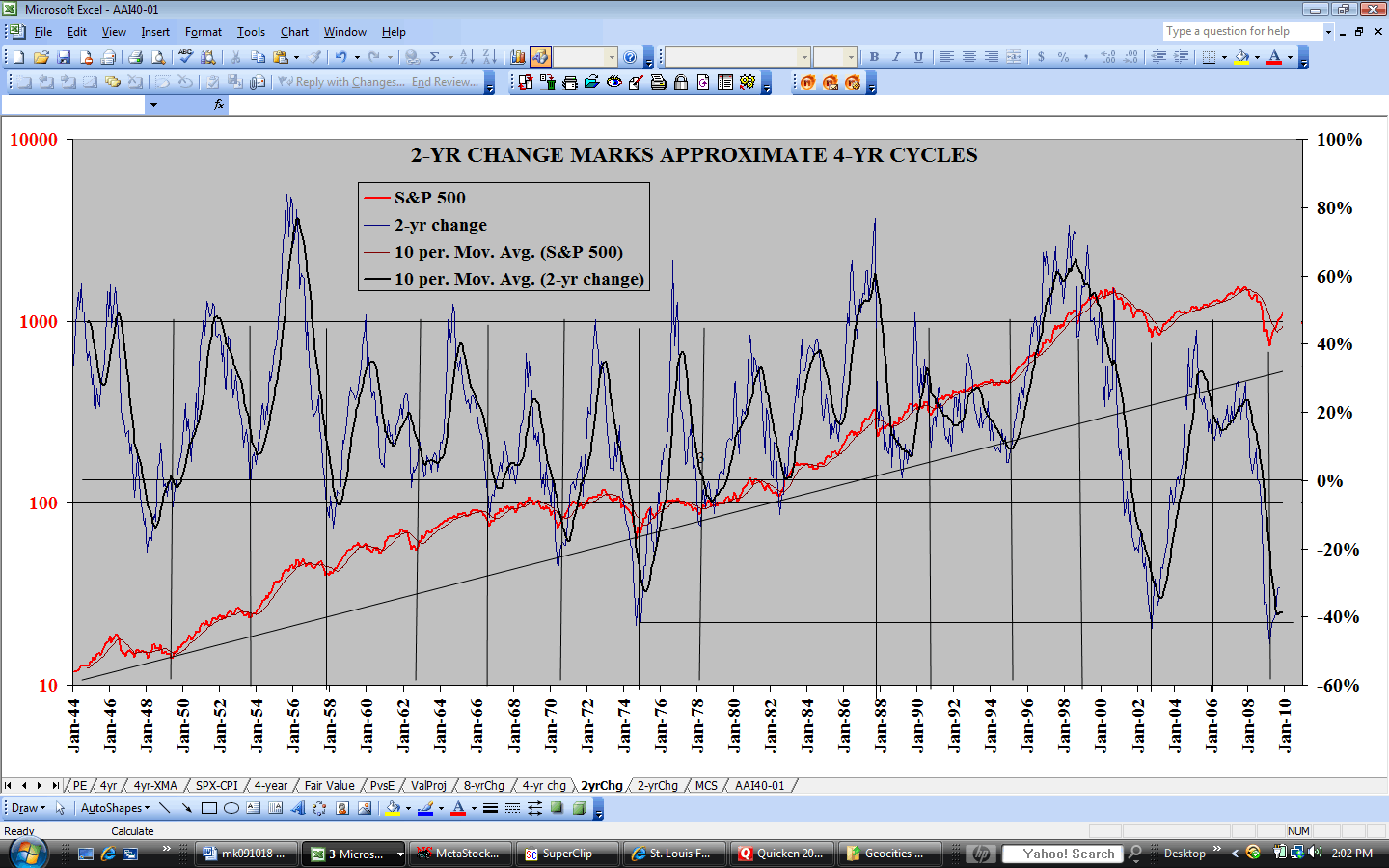
In any case, stocks move in a straight line for only a limited period of time, and the advance is clearly encountering resistance at these levels (http://www.geocities.com/petegersb/TotalMarket.GIF ). Eventually, that resistance will be overcome, but the cycle indicators continue to suggest difficulties in the intermediate term. The 9-mo cycle is 6 months old and very overbought. The 20-week cycle is 13 weeks old and even more overbought. But the 10-wk cycle is only 3 weeks old and not yet near overbought. The first 26-day cycle within that cycle is overbought and middle aged. The 13-day cycle is also overbought. So the young and rising 10-wk cycle should have a more difficult struggle this coming week against the other aging and overbought cycles. But the 10-wk cycle rally may be enough to sustain the overbought condition of the longer cycles a bit longer as their peaks continue to translate to the right. If so, the 4-yr cycle oscillator (http://www.geocities.com/petegersb/2-YrChange.GIF ) will cross above its 10-wk moving average – an event that rarely occurs in a continuing bear market and, since 1950, has always signaled a young 4-year cycle when the indicator crossed over in negative territory as it will this time. It suggests that the coming correction will not break the March lows.
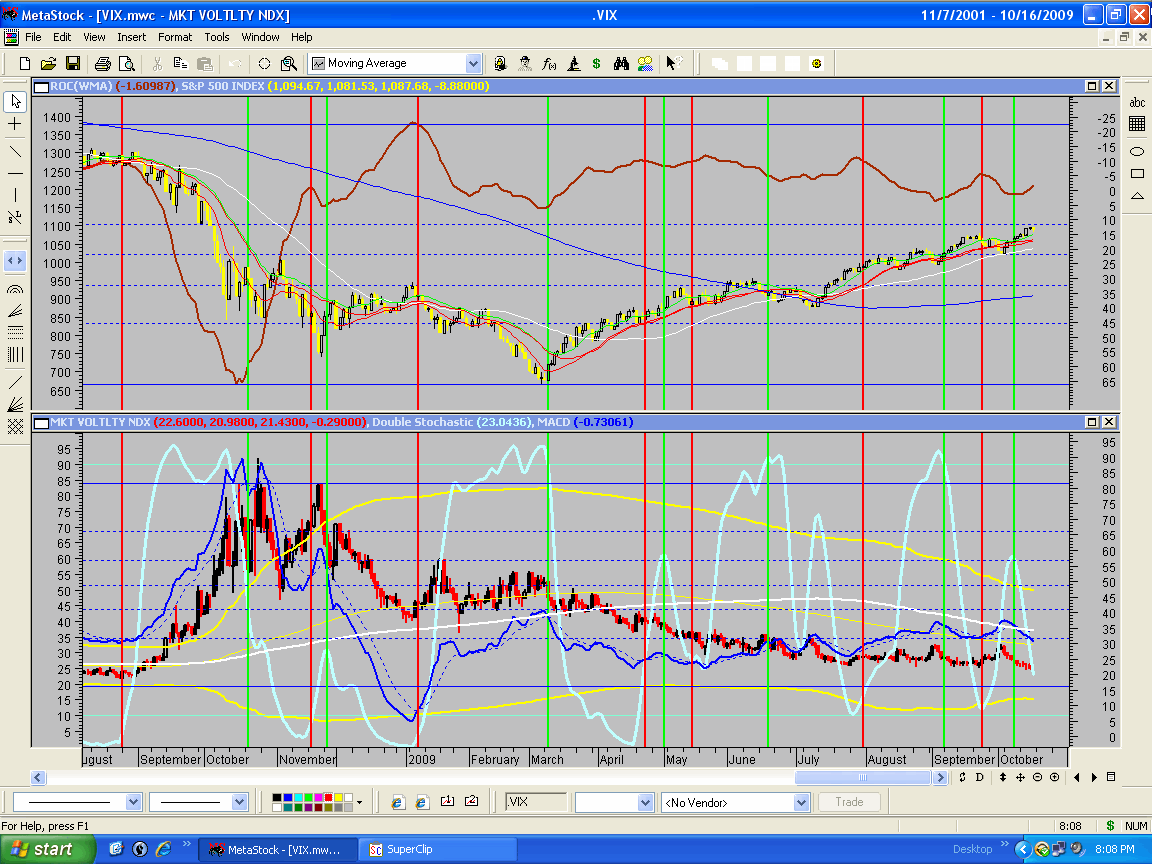
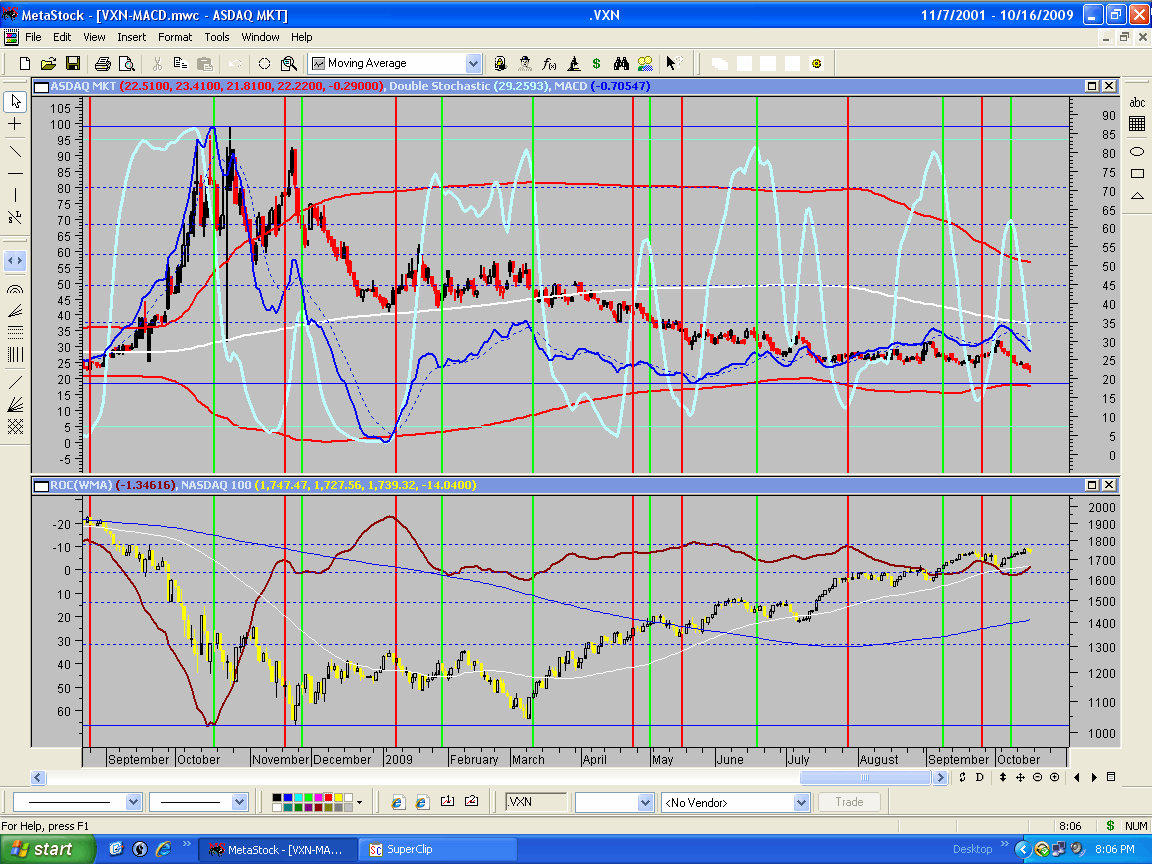
The VIX (http://www.geocities.com/petegersb/VIX.GIF ) and VXN (http://www.geocities.com/petegersb/VXN.GIF ) have not behaved normally during the last few weeks. During the slight correction in mid-May both dropped along with stock prices, and during the last two weeks they have been rising with stock prices. That’s opposite the normal negative correlation. The inability to continue dropping below the relatively high level of 30 indicates that the more sophisticate option sellers are demanding and getting high prices from the buyers who want to insure their holdings or indulge their penchant for speculation. So the option players expect relatively high volatility going forward. That expectation typically spikes upward at market bottoms and troughs gradually at market tops. Currently it seems to be forming a trough, and that suggest the formation of an intermediate top in stock prices.
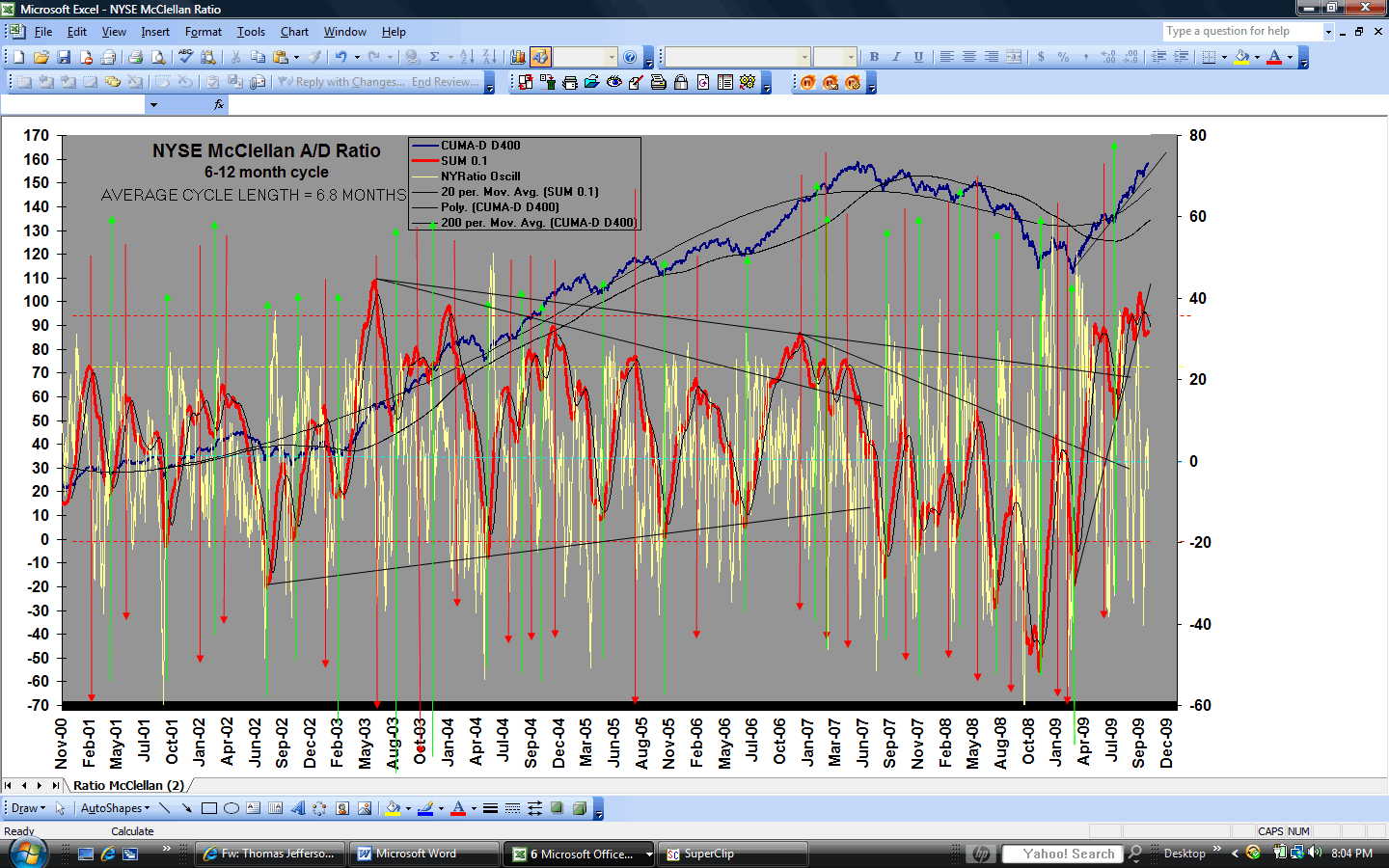
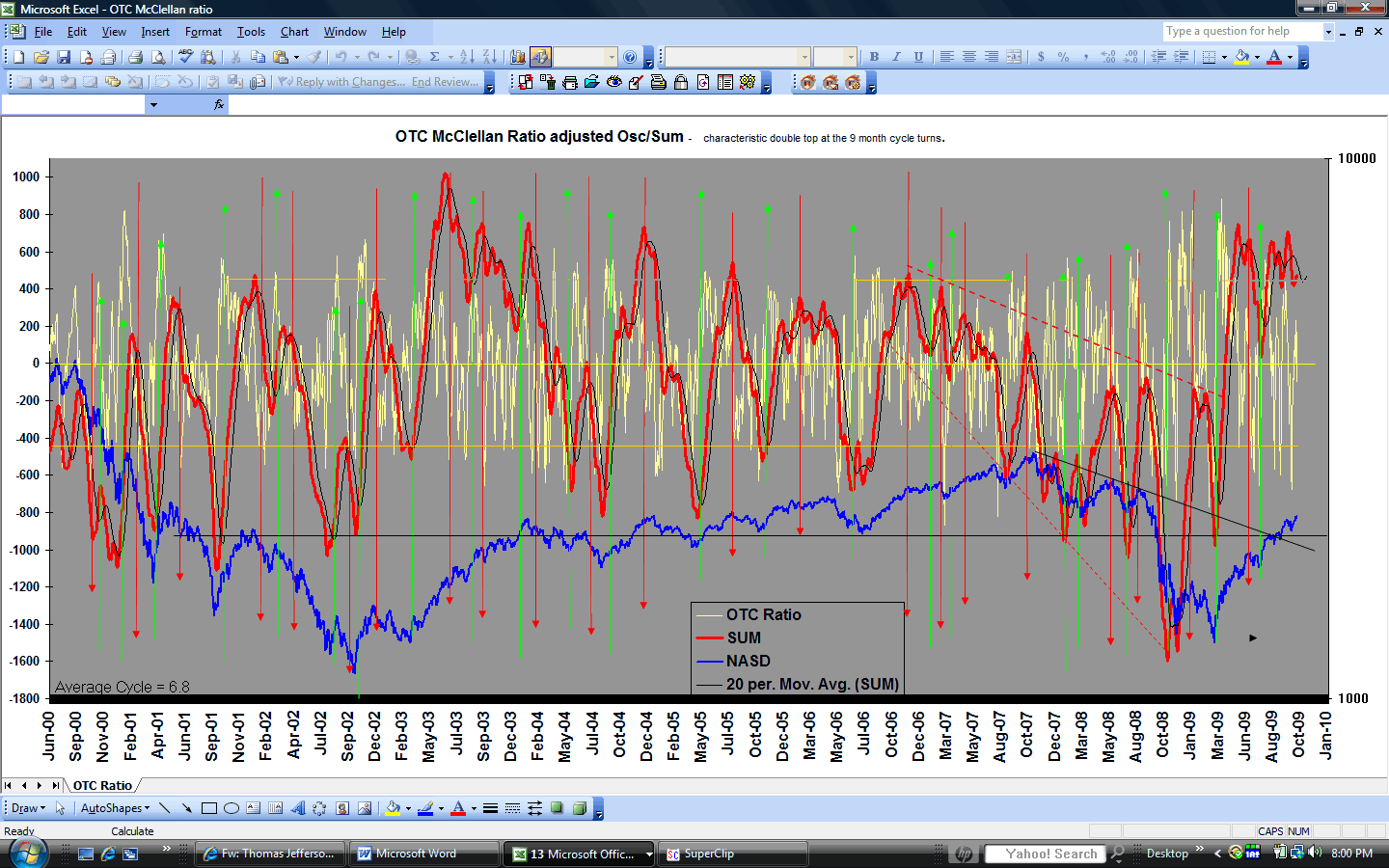
The McClellan Summation Indexes (http://www.geocities.com/petegersb/A-Dsummation-NYSE.GIF , http://www.geocities.com/petegersb/A-Dsummation-OTC.GIF ), after turning down fairly decisively from the May 8 peak, are rising once again. That lends credence to the expectation of a further advance before a 9-mo and 20-wk cycle top. But these indicators have seldom advanced beyond their current levels, so I expect the second of a double top fairly soon.
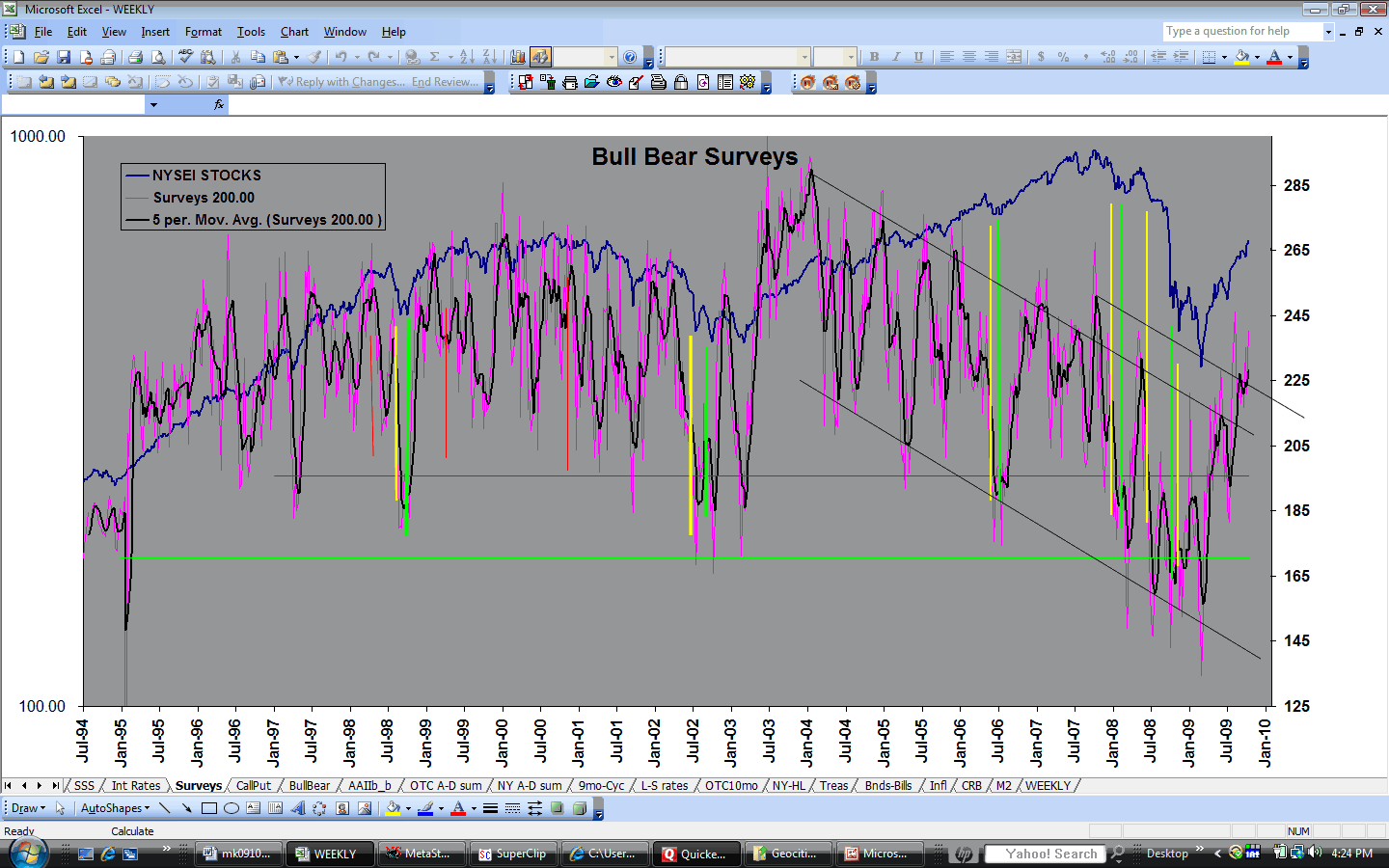
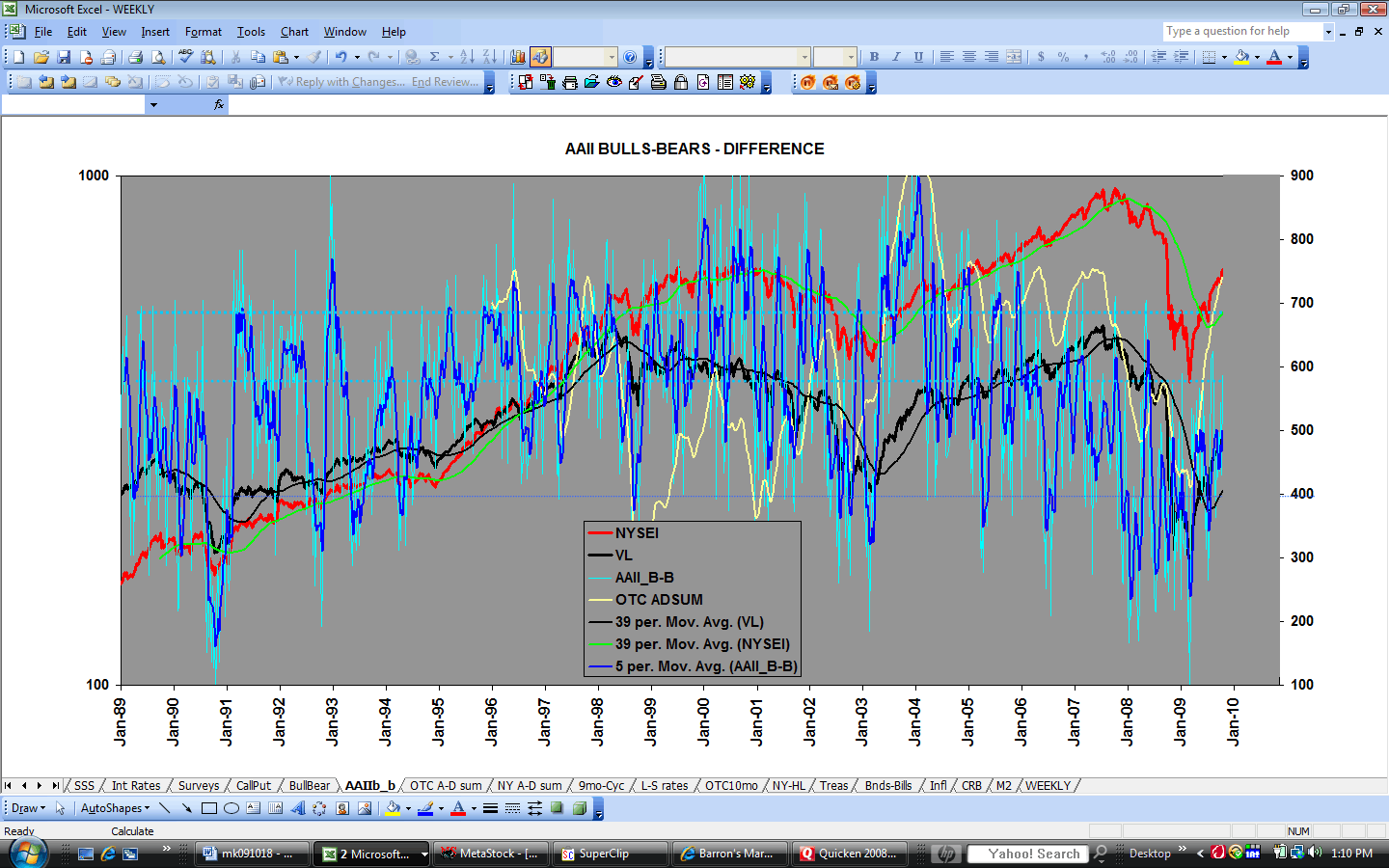
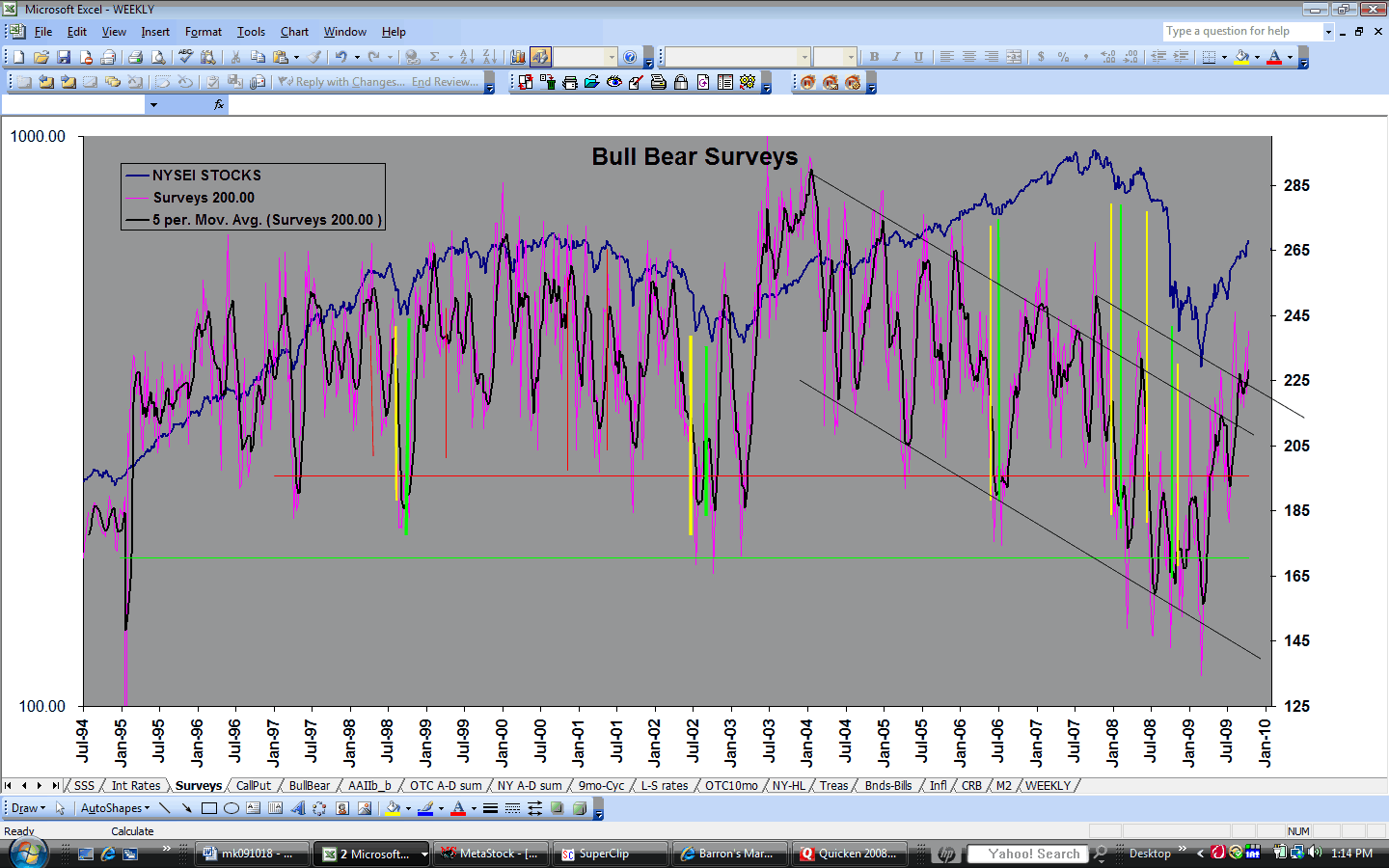
Sentiment (http://www.geocities.com/petegersb/SurveysCombined.GIF ) continues to grow more optimistic, as is normal while stock prices rise. The AAII survey (http://www.geocities.com/petegersb/AAIIsentiment.GIF ) reversed last week’s premature sell signal, and the advisory services (http://www.geocities.com/petegersb/InvestorsIntelligence.GIF ) continue to become more optimistic. Both are near the middle of the range and won’t be very helpful until they reach an extreme.
Treasury bonds (http://www.geocities.com/petegersb/Treasury-20yr.GIF ) had another sharp decline last week and made another 11-month low. Although the intermediate composite is very oversold, it appears that the short-term composite has not yet reached a bottom. It suggests that T-bonds may soon reach a 20-month low, but that should become an intermediate bottom. Given the huge new supply that will continue to grow (http://www.geocities.com/petegersb/FederalDebt.GIF ), it’s hard to see what can make Treasuries rally in the intermediate term other than another fear inspired flight to quality. And that implies another decline in stocks. Bond Sentiment (http://www.geocities.com/petegersb/BondSentiment.GIF ) is close to a 3-year extreme of pessimism, and that suggests an intermediate-term low in bonds is not far off.
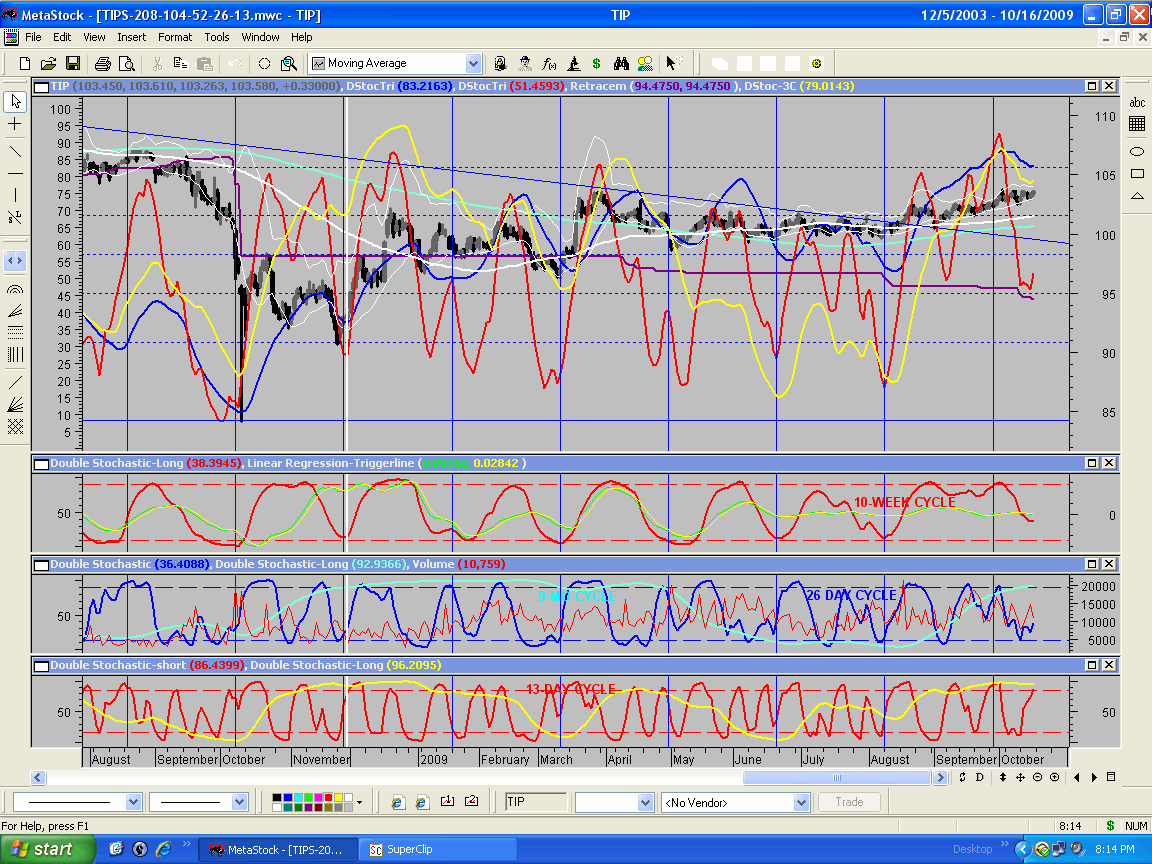
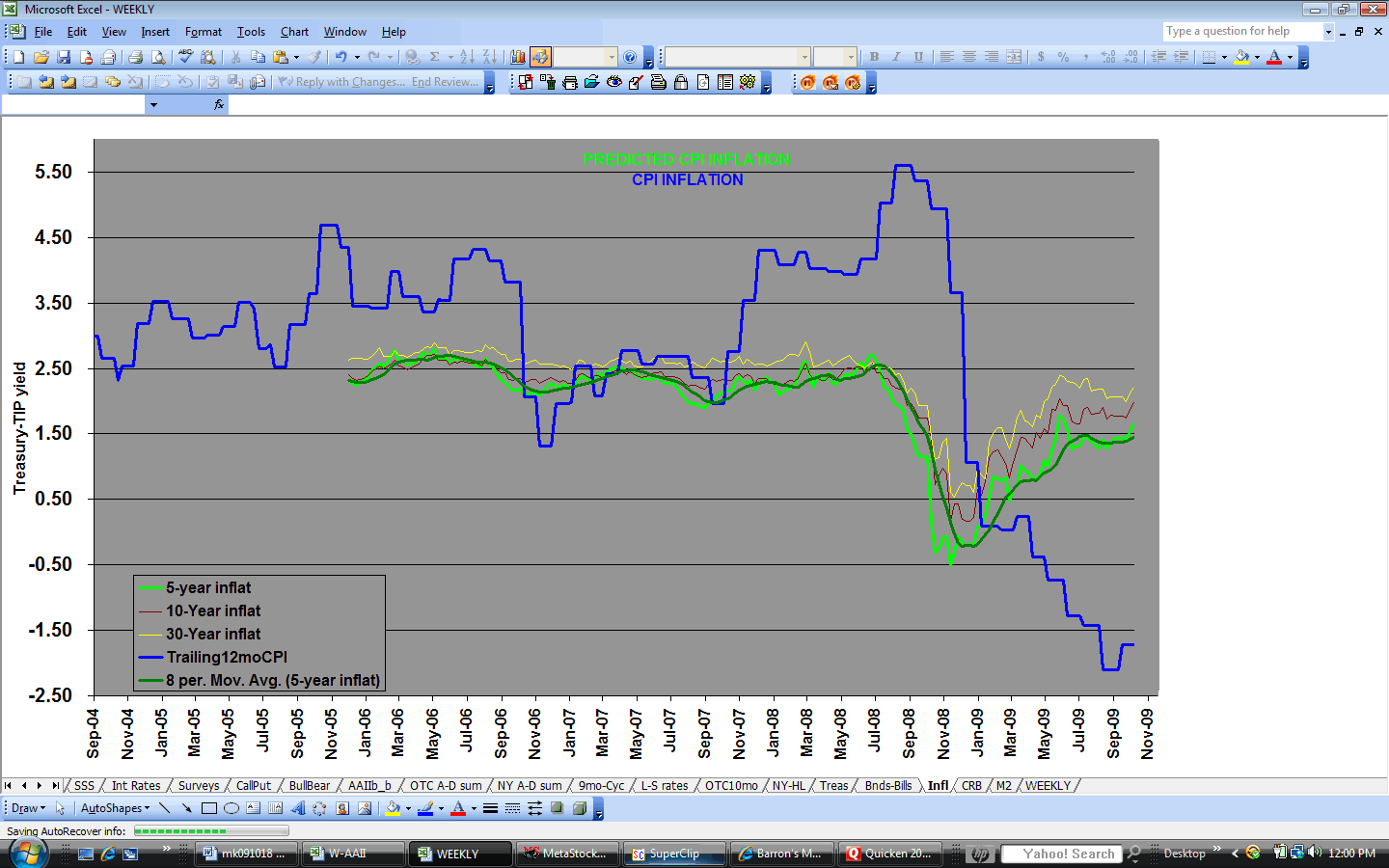
Inflation Protected Treasuries (http://www.geocities.com/petegersb/TIPs.GIF) also declined, but not nearly as badly as their unprotected counterparts which took a hit from rising inflation fears (http://www.geocities.com/petegersb/CPI.GIF ). It appears that TIPs have begun a short-term decline and they appear to be several weeks short of an intermediate bottom.
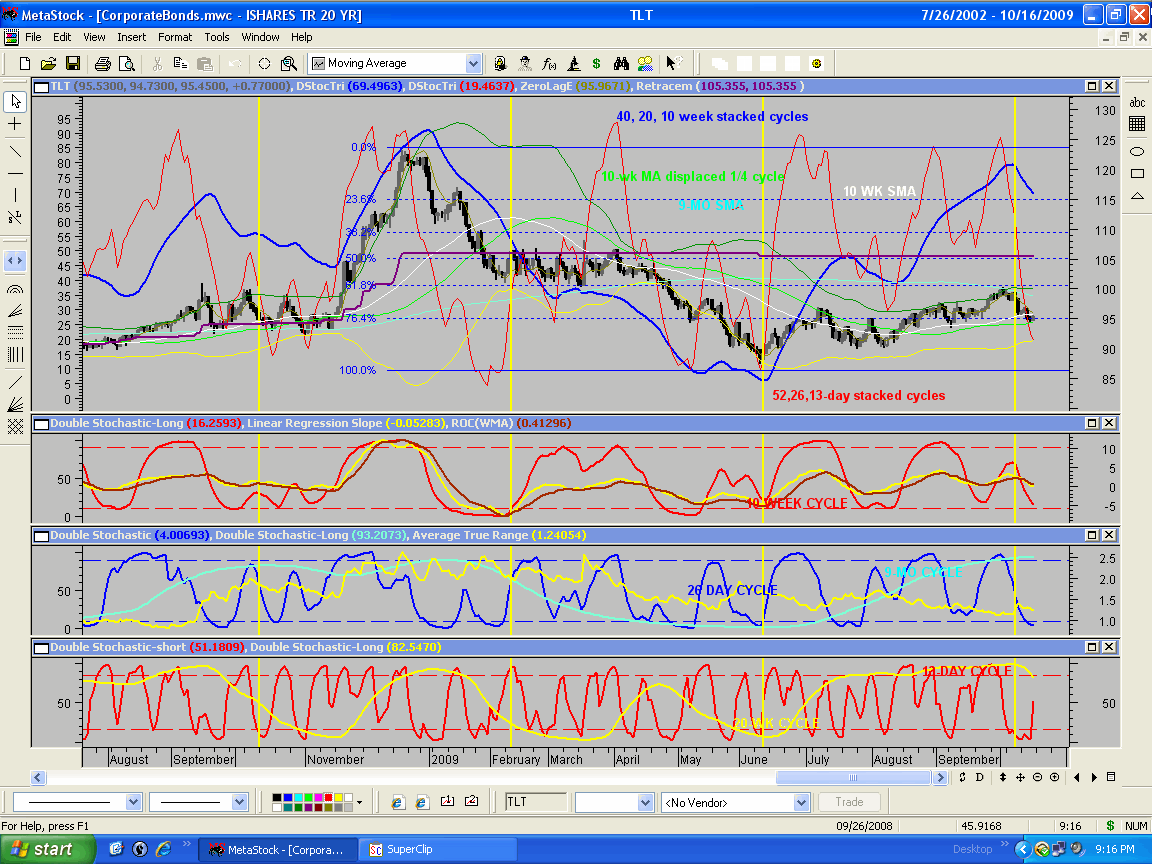
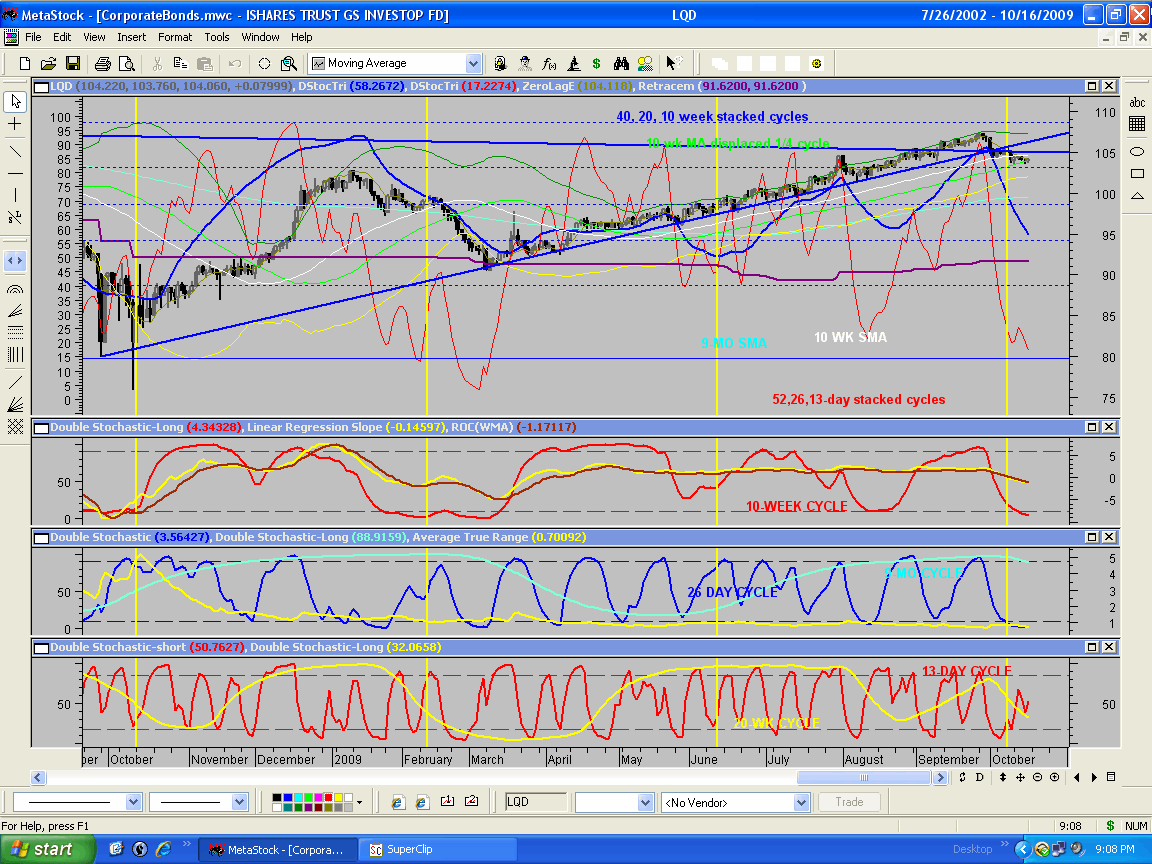
Corporate bonds (http://www.geocities.com/petegersb/CorporateBonds.GIF ) again were nearly flat last week. They remain ripe for a 20-wk cycle peak, but the short cycles appear supportive for a while longer.
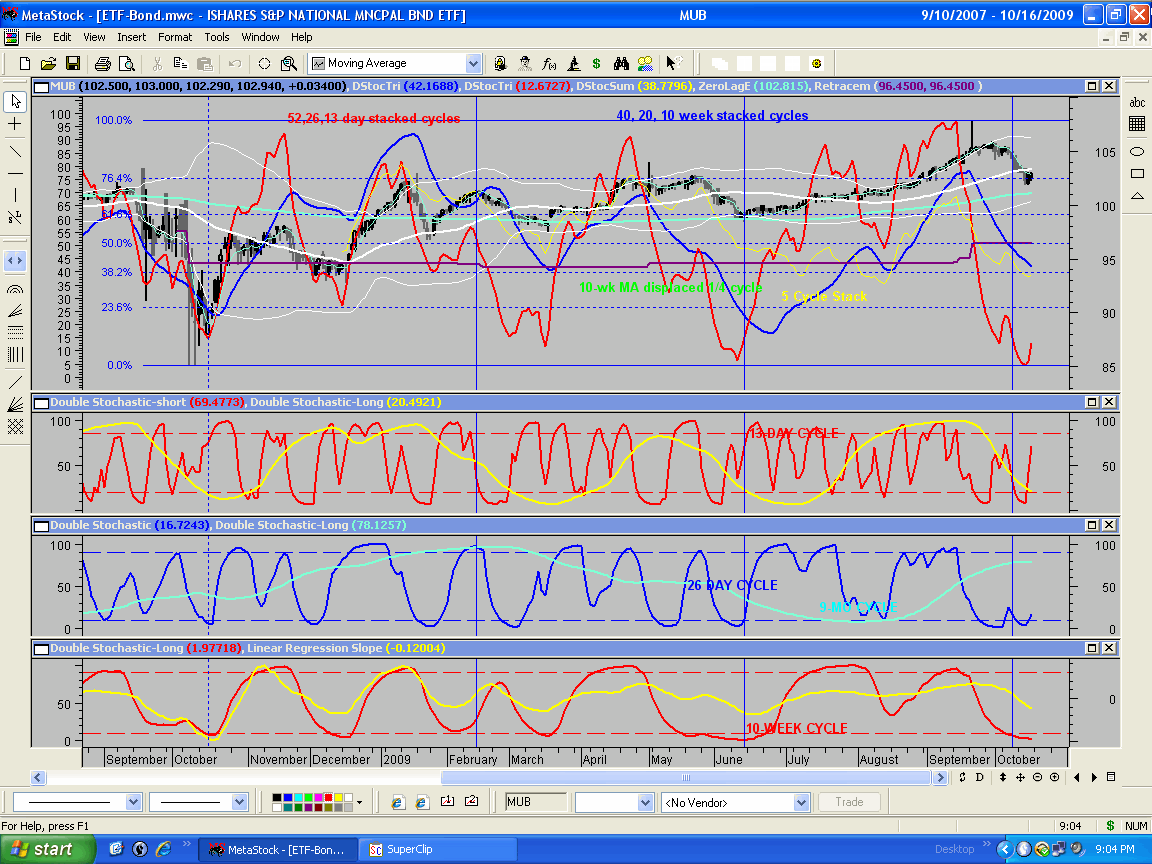
Municipal bonds (http://www.geocities.com/petegersb/MunicipalBonds.GIF ) sold off last week, but probably reached a short term low on 6/2. The subsequent rally has been very weak and the 20-wk and 9-mo cycles are not positioned for a bottom. In the intermediate term, expect a further decline.
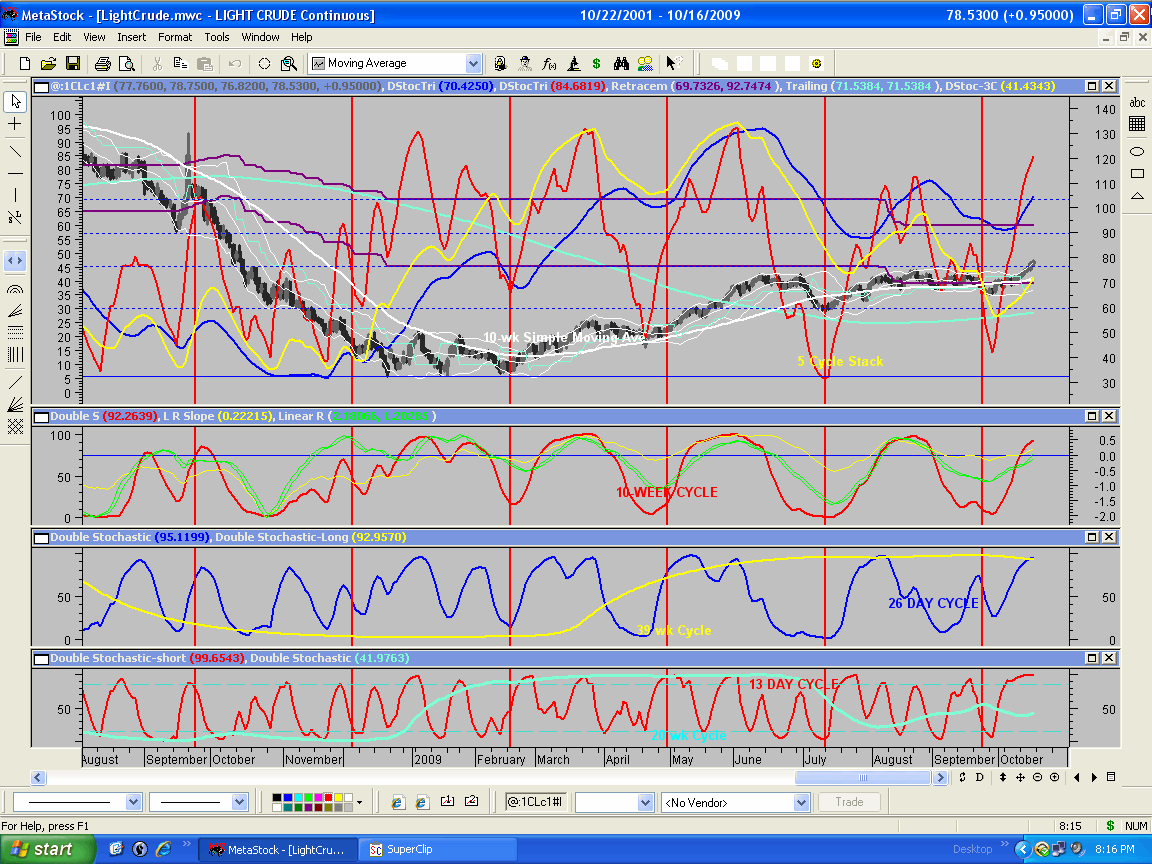
Crude oil (http://www.geocities.com/petegersb/CrudeOil.GIF ) gained a couple more bucks last week despite downturns in the short cycles and extreme overbought conditions in the intermediate cycles. The rally is 4 months old so oil is overdue for a 20-wk cycle correction. But if it continues for a couple more weeks as it did last June, the 10-wk moving average will cross above the 9-month moving to signal a new bull market in oil.
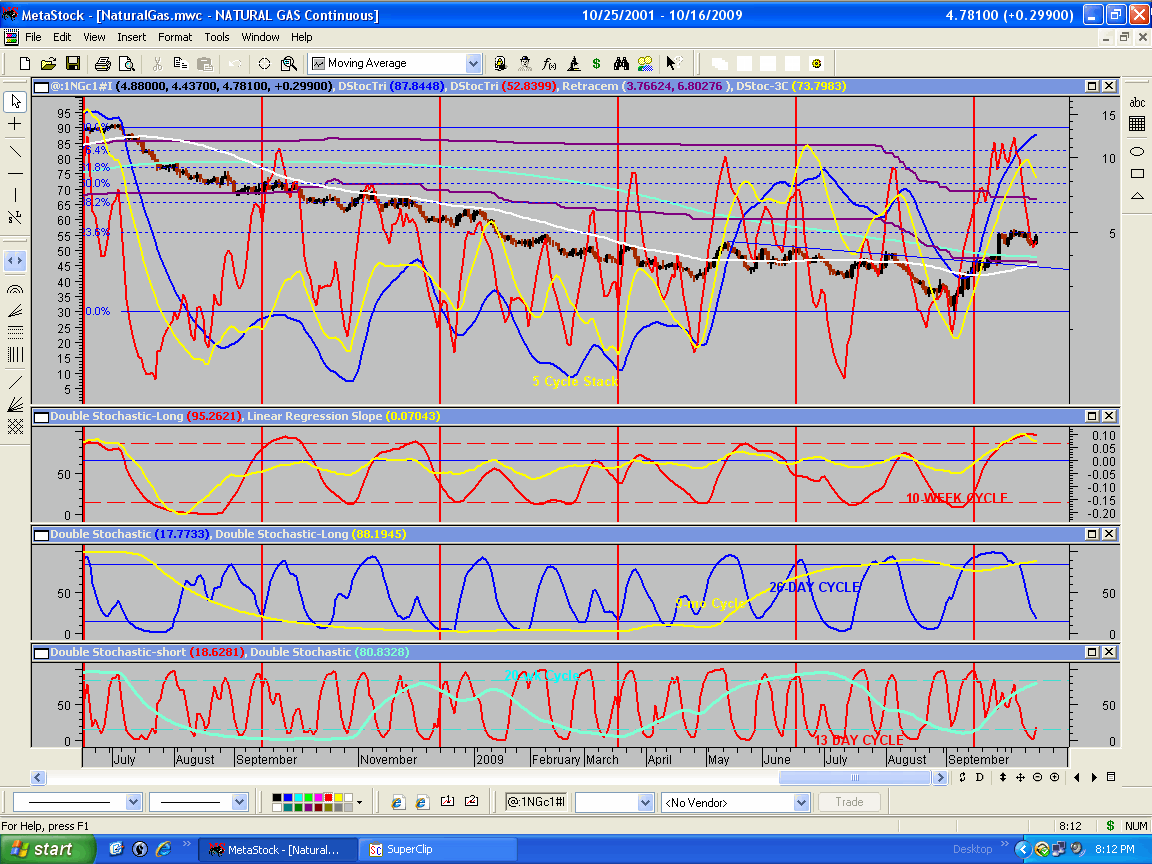
Natural gas (http://www.geocities.com/petegersb/NaturalGas.GIF ) was little changed for the week despite big moves, first up and then down. The 13-day cycle made a lower peak just below the 9-month old downtrend line. The intermediate composite remains in an uptrend, but the short-term composite has turned down. With 3 cycles rising and 2 declining, this week is something of a tossup, but the bears appear to have an edge because the 20-wk cycle appears to be forming a top.
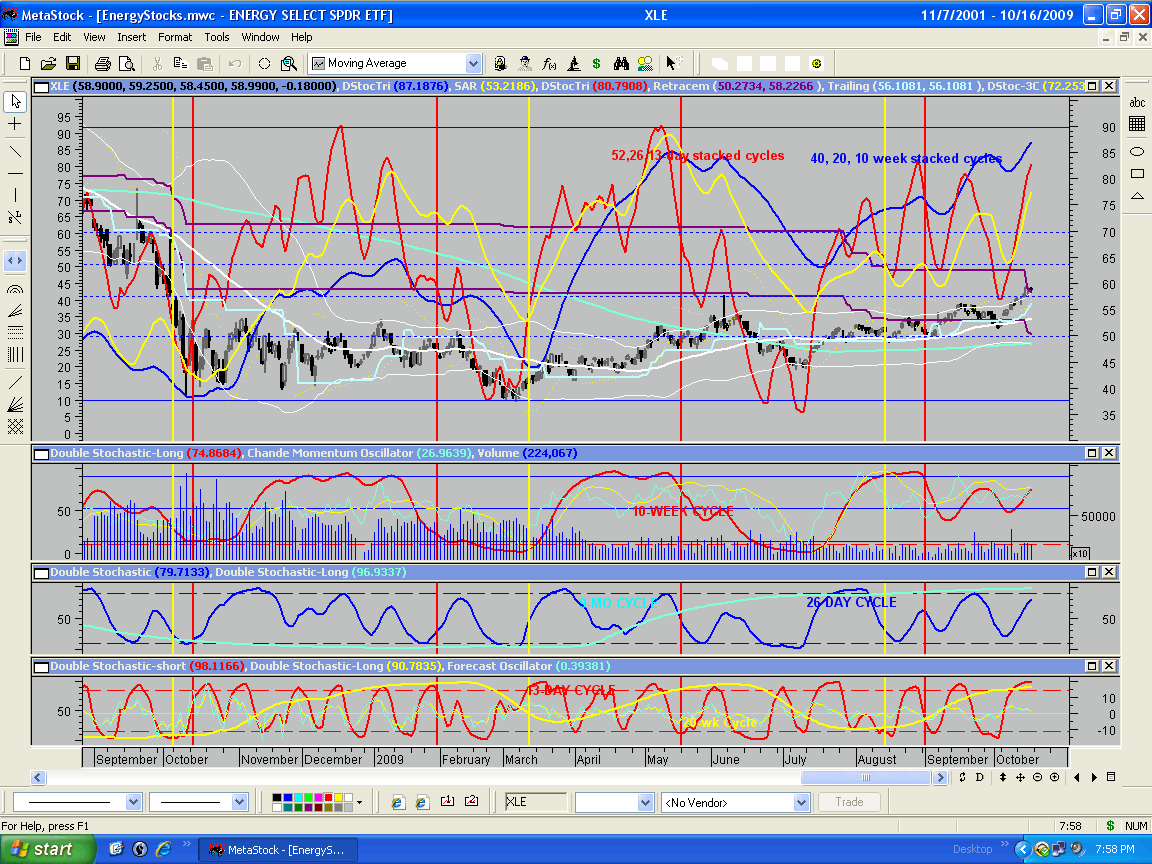
Energy stocks (http://www.geocities.com/petegersb/EnergySPDR.GIF) gained slightly to maintain their position above the 9-month moving average. But a downturn in the 13-day cycle left The XLE as one of the weaker sectors. All of the other cycles and all of the composites are trending upward, so I expect modest further gains before energy stocks reach an intermediate peak.
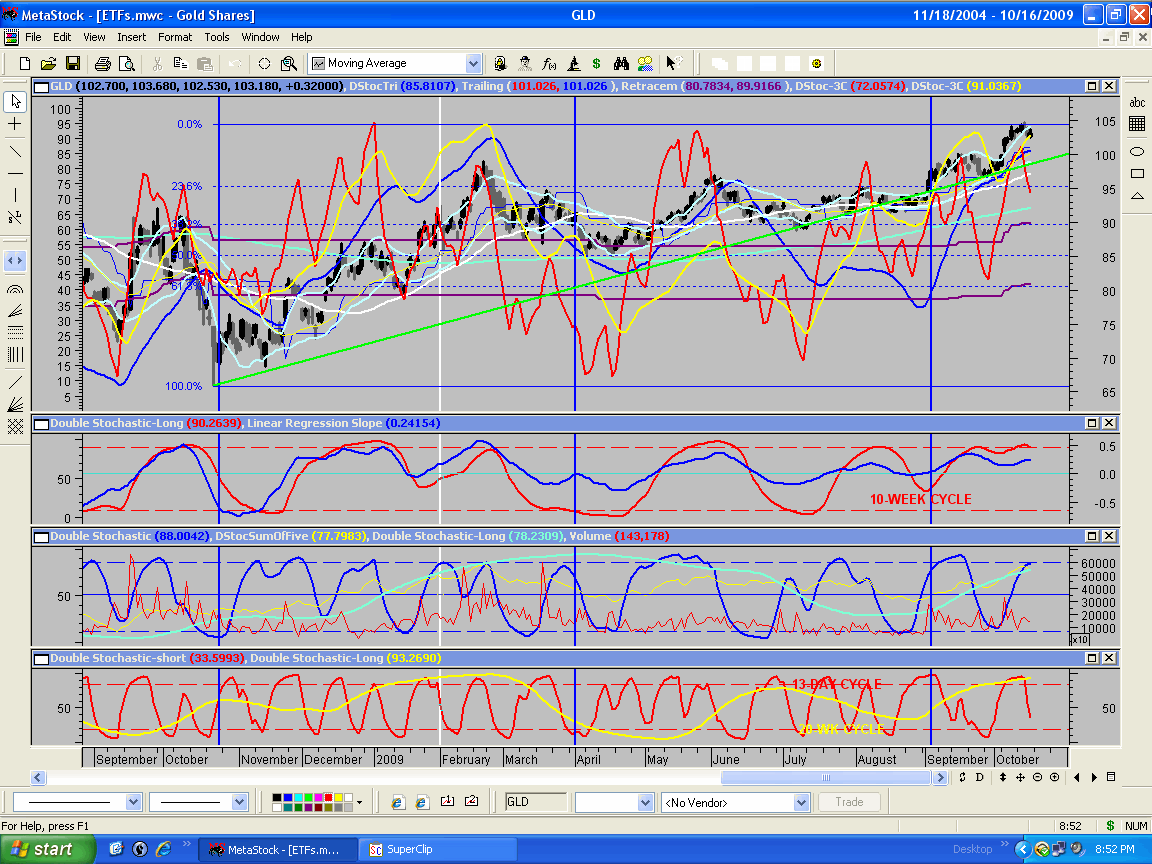
Gold (http://www.geocities.com/petegersb/GoldBullion.GIF) established a 10-week cycle peak slightly below the $1000
level that has acted as s a lid. The price and cycle pattern in recent months
has been remarkably similar to the aftermath of the first run at $1000 in March
of 2008. It was followed by a 6-wk pullback to the mid 800’s and a subsequent
10-wk failing rally to near that level. The March 2009 peak just below $1000
was followed by a 6 week decline to the high 800’s and a subsequent 8 week
rally to test the high. If last year’s pattern persists, gold is in for another
rough stretch. It’s starting to look like that unsuccessful test of a
left-translated peak in the 9-mo cycle that I warned about last week.
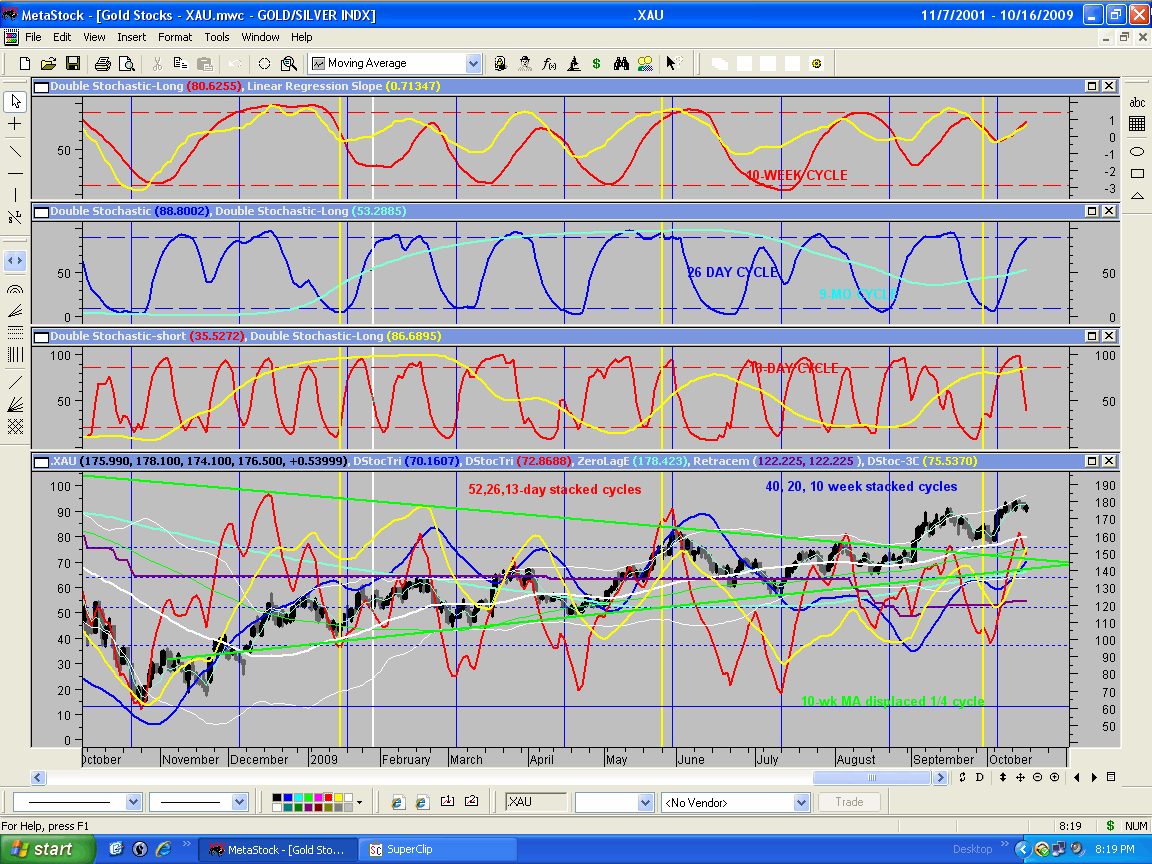
Gold Stocks (http://www.geocities.com/petegersb/GoldStocks.GIF
) declined from a likely 10-wk cycle peak and perhaps something more serious
than that. The rally is 7 months old and due for a 9-mo cycle peak, but the
20-wk cycle is only 7 weeks old and not yet overbought. The oversold 13-day
cycle is due for a rally that may test Monday’s high. If it fails we’ve
probably seen the 9-mo cycle peak.
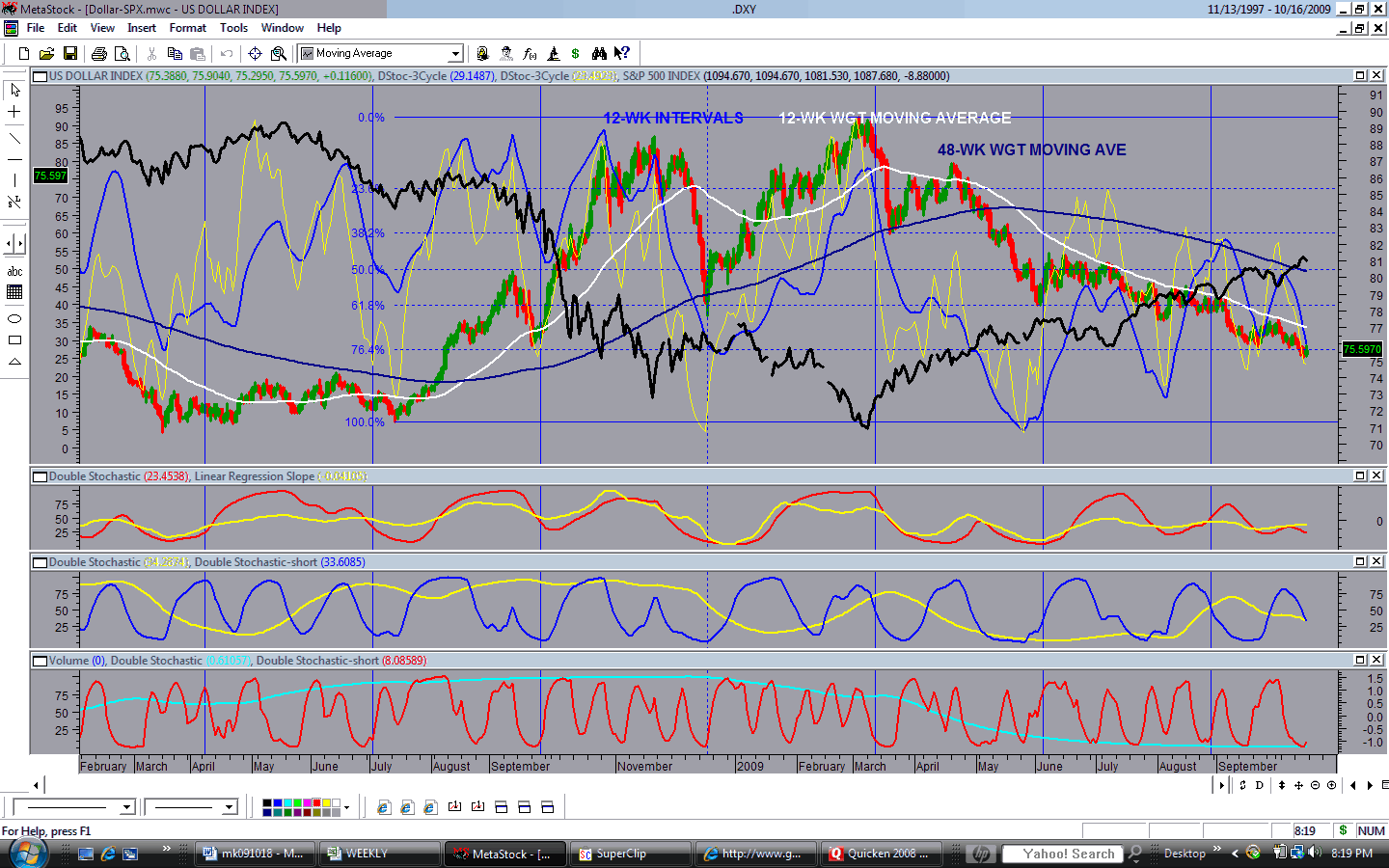
The Dollar (http://www.geocities.com/petegersb/Dollar.GIF) was weak again last week as it had one of its unusual moves in tandem with gold. I thought that might happen, but I expected both to move up, not down. The dollar held support at its December low which coincides with a 61.8 Fibonacci retracement of last year’s second half rally. The short cycles have turned up and the long cycles are oversold. It still looks like the dollar is ready for an intermediate term rally.
In summary it looks like the markets may be near one of those significant turning points when most markets change direction in unison. The dollar and Treasuries appear ready to begin an intermediate rally, and gold, oil and stocks appear ready to begin a 20-wk cycle decline. In other words, expect another flight away from equities and toward safety.
.