5/10/09
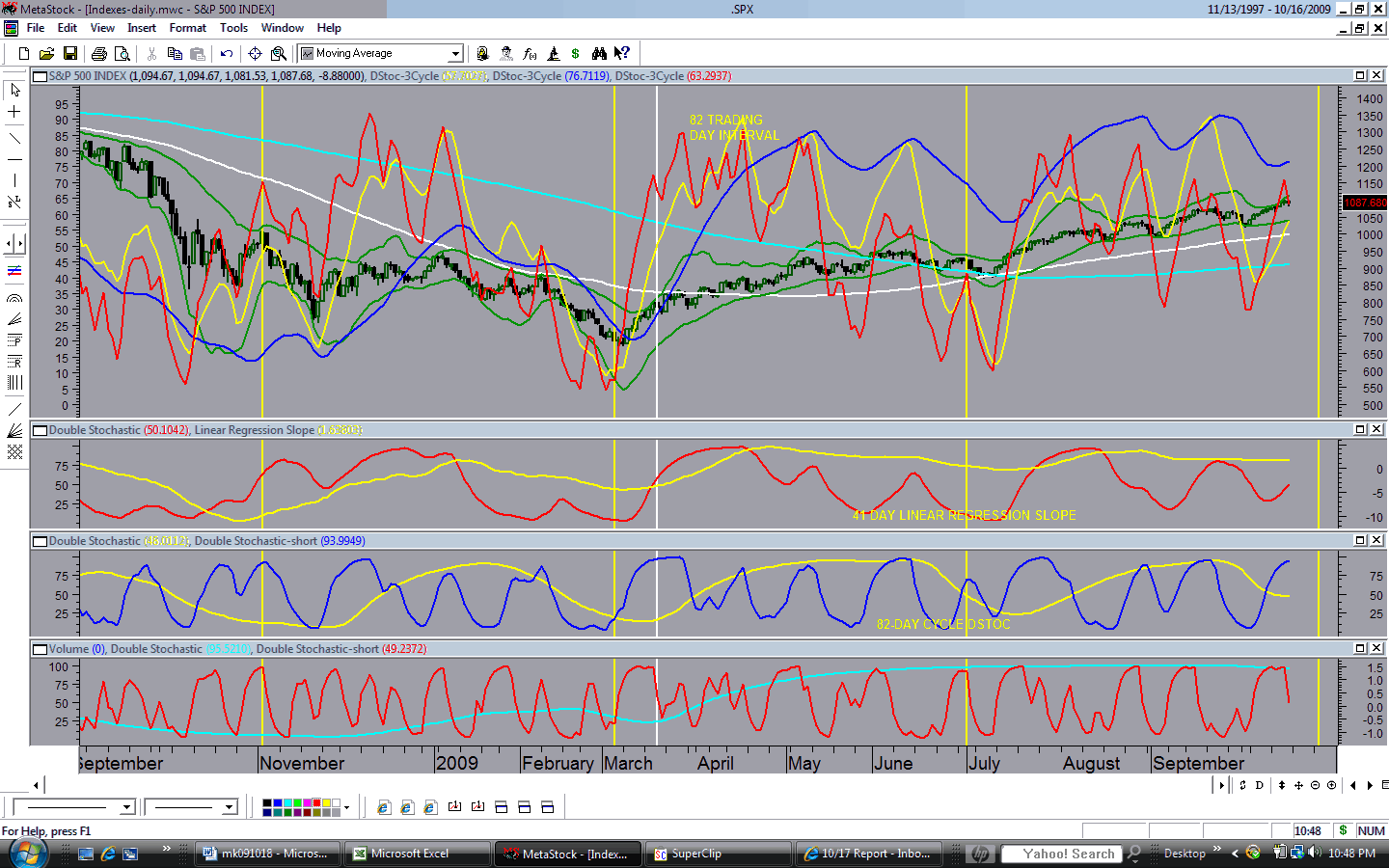
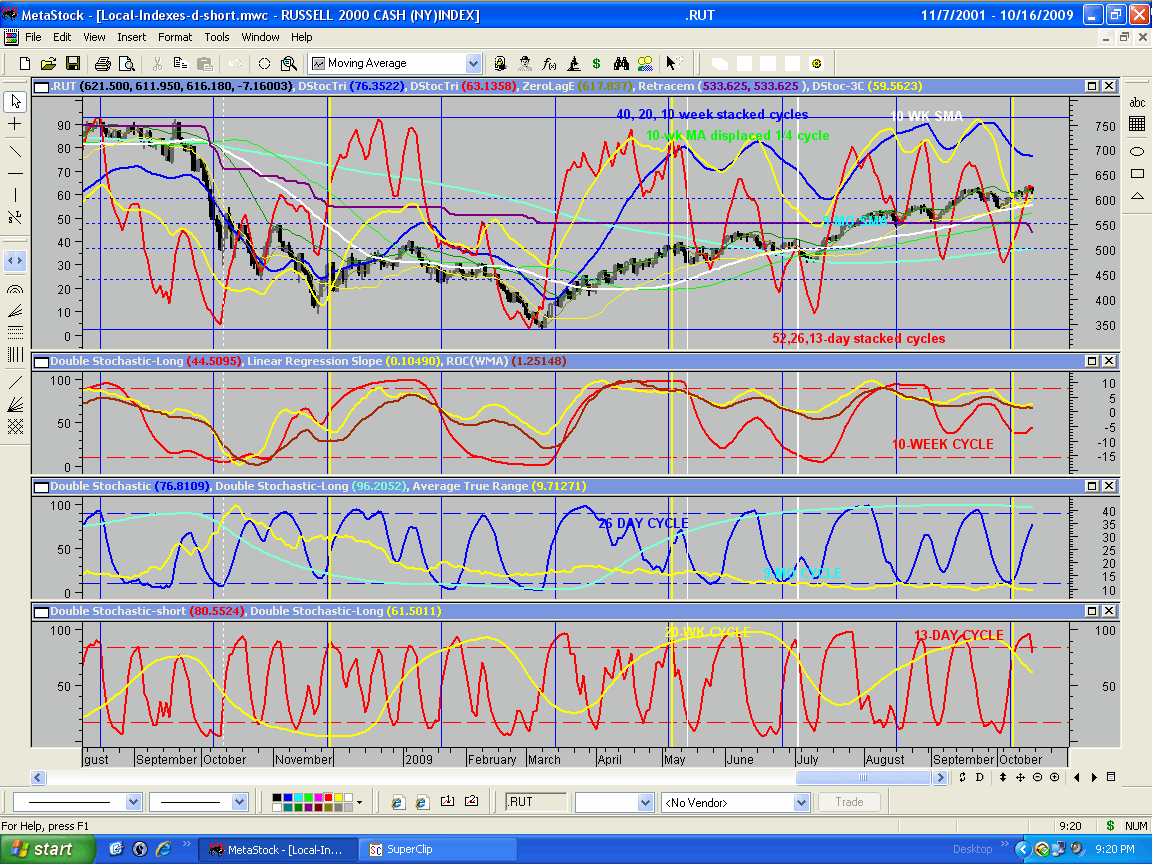
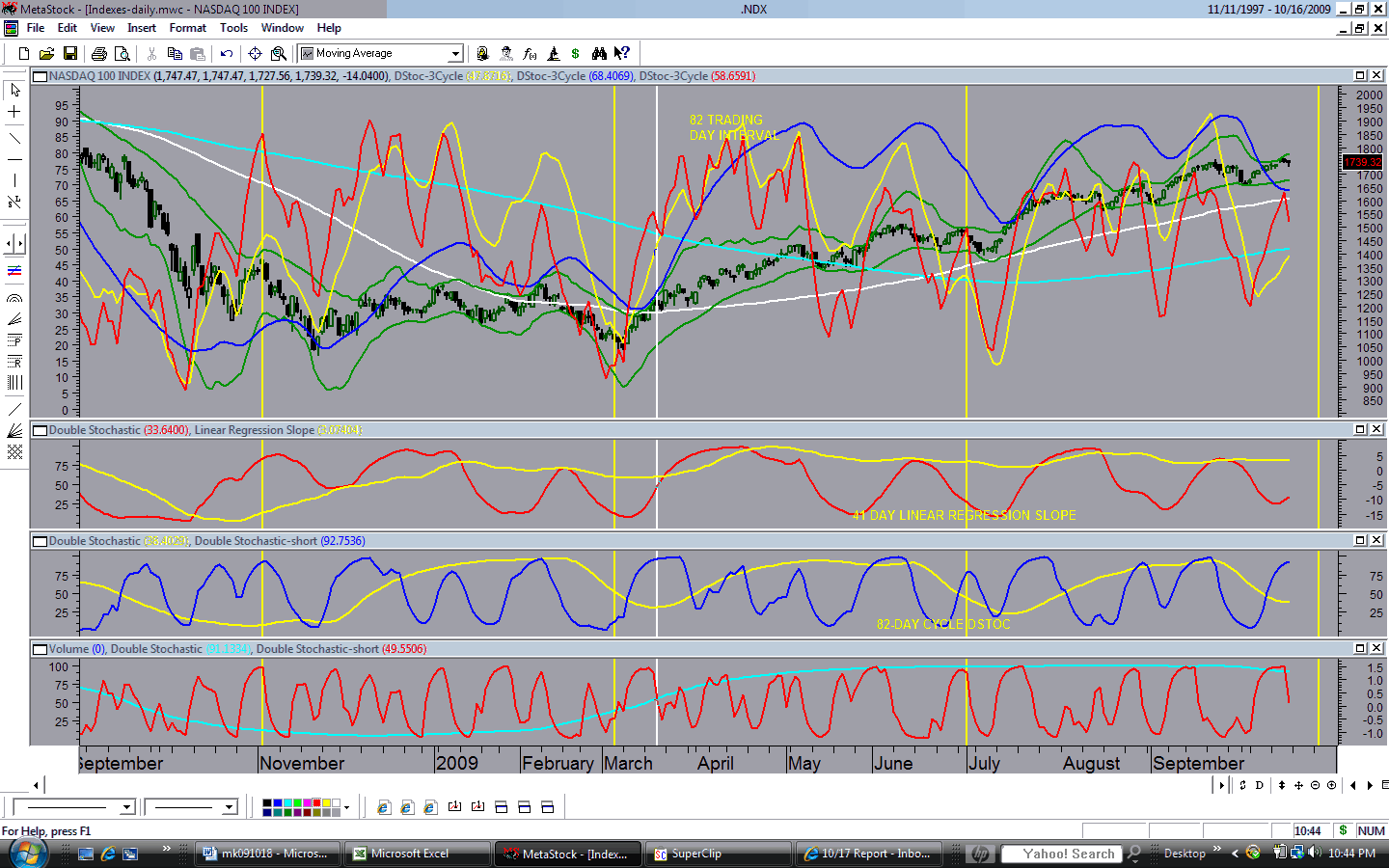
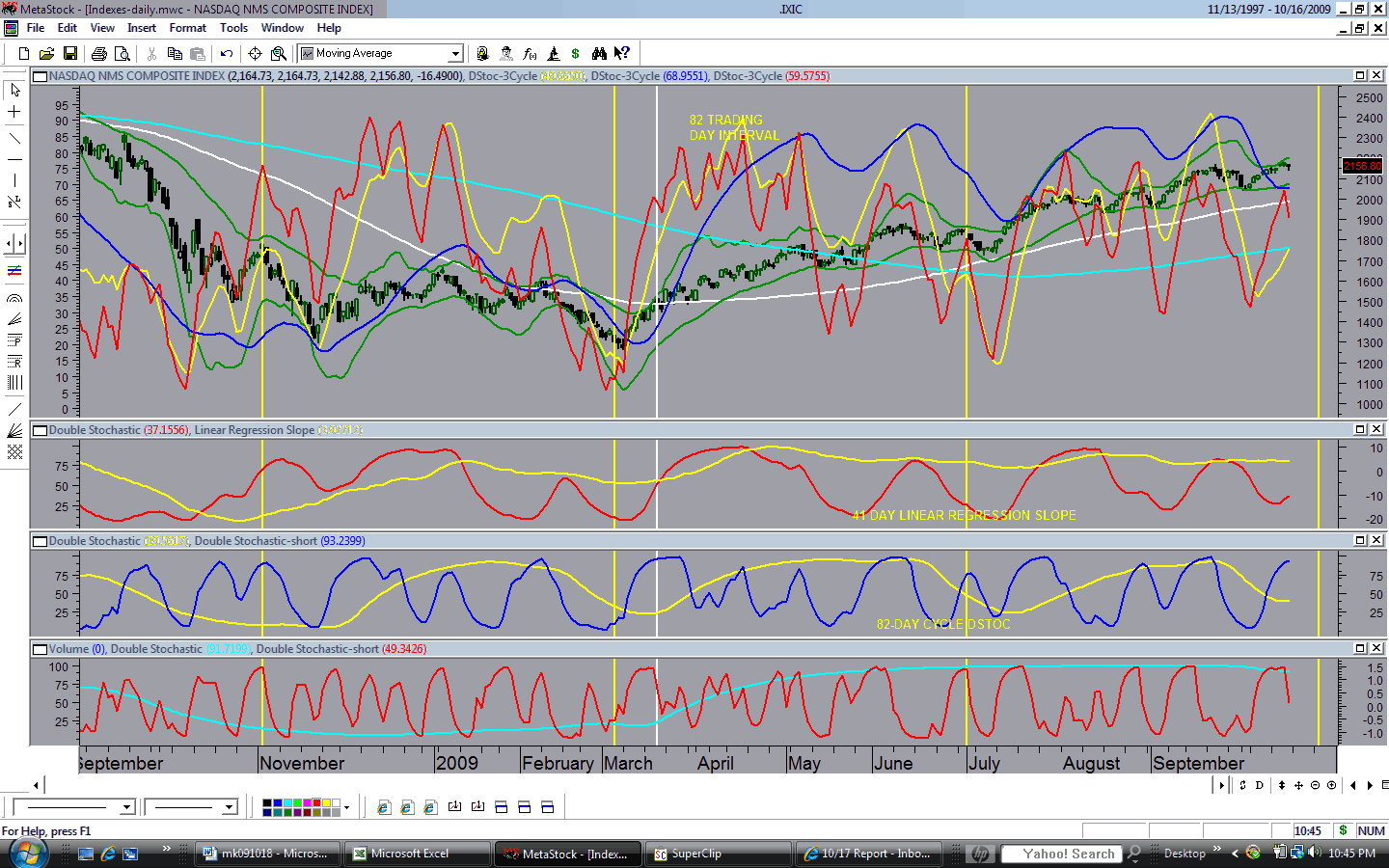
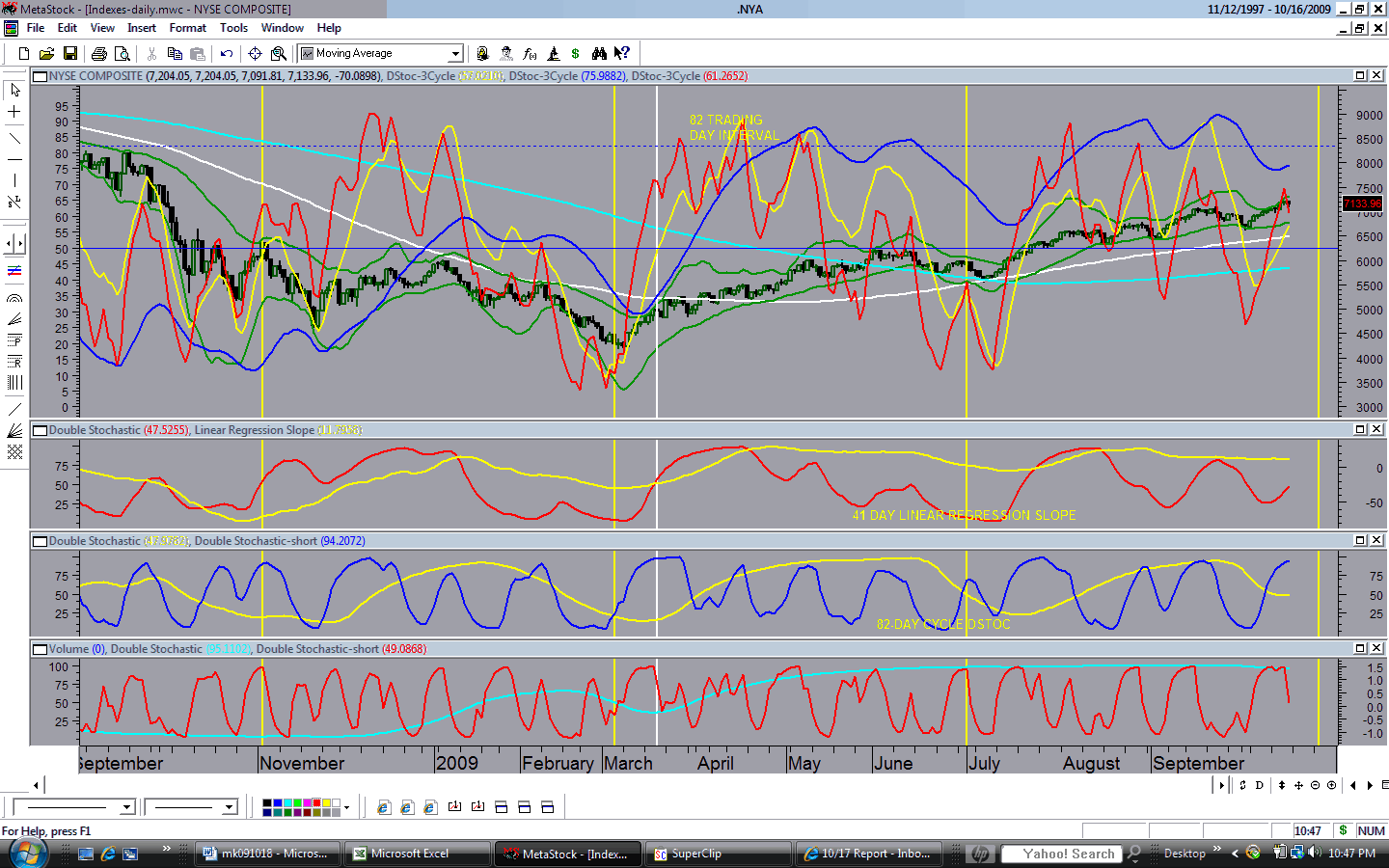
The May 2008 analogy continues to hold. After advancing for 9 weeks, as it did at that time, stocks backed off from expected resistance and had a similar first-week of a correction as last year. If the analogy persists this week, stocks will remain relatively flat as the aging 13 and 26-day cycles attempt to correct their oversold conditions while the longer cycles exert downward pressure on prices. The intermediate composite has joined the incomplete downtrend in the short-term composite. The pattern is evident in the SPX (http://www.geocities.com/petegersb/SP500.GIF ), the Russell 2000 index (http://www.geocities.com/petegersb/Russell2000.GIF ), the NDX (http://www.geocities.com/petegersb/NDX.GIF ), the NASDAQ Composite (http://www.geocities.com/petegersb/NasdaqComposite.GIF ) and the NYSE Composite (http://www.geocities.com/petegersb/NYSE.GIF).
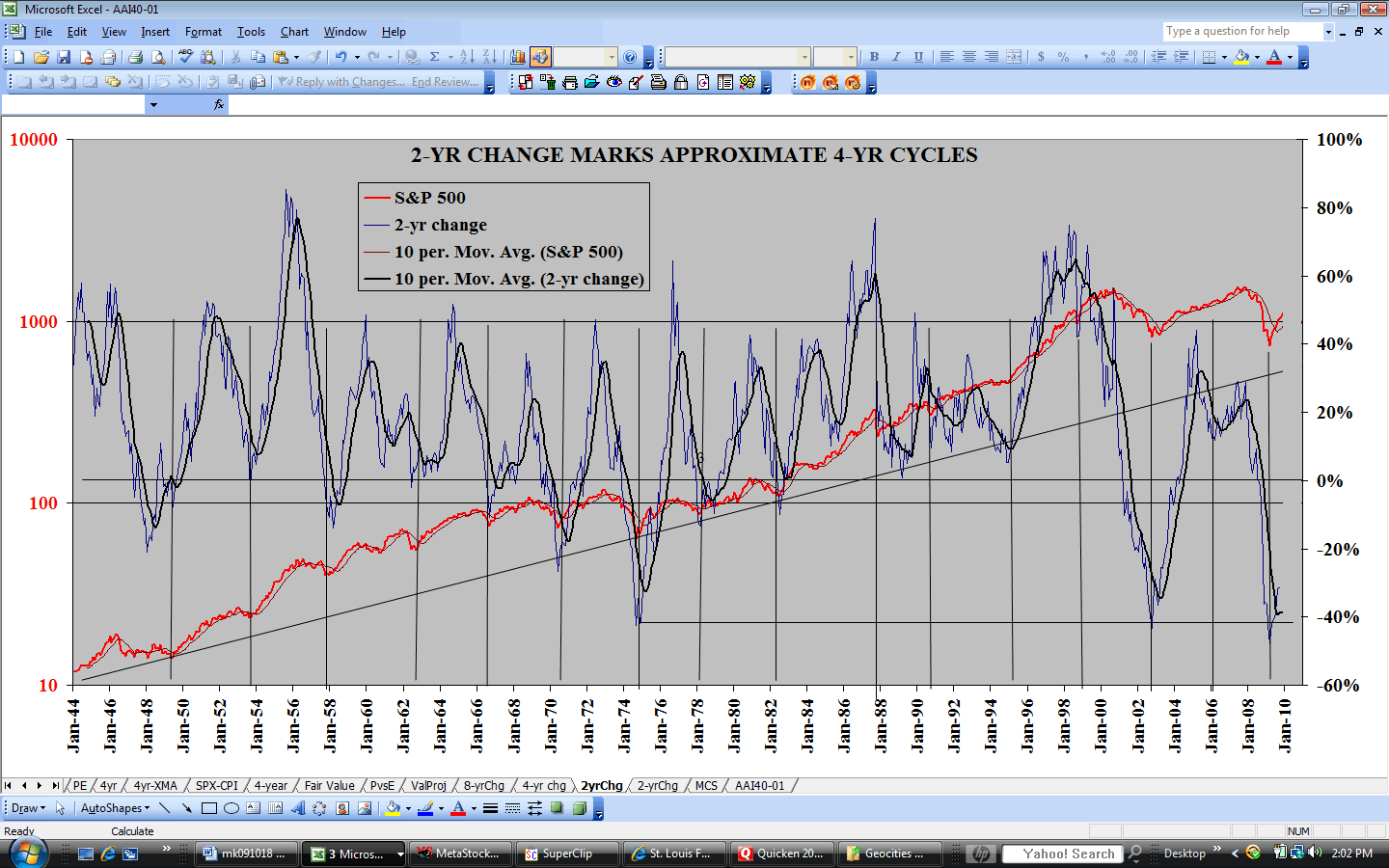
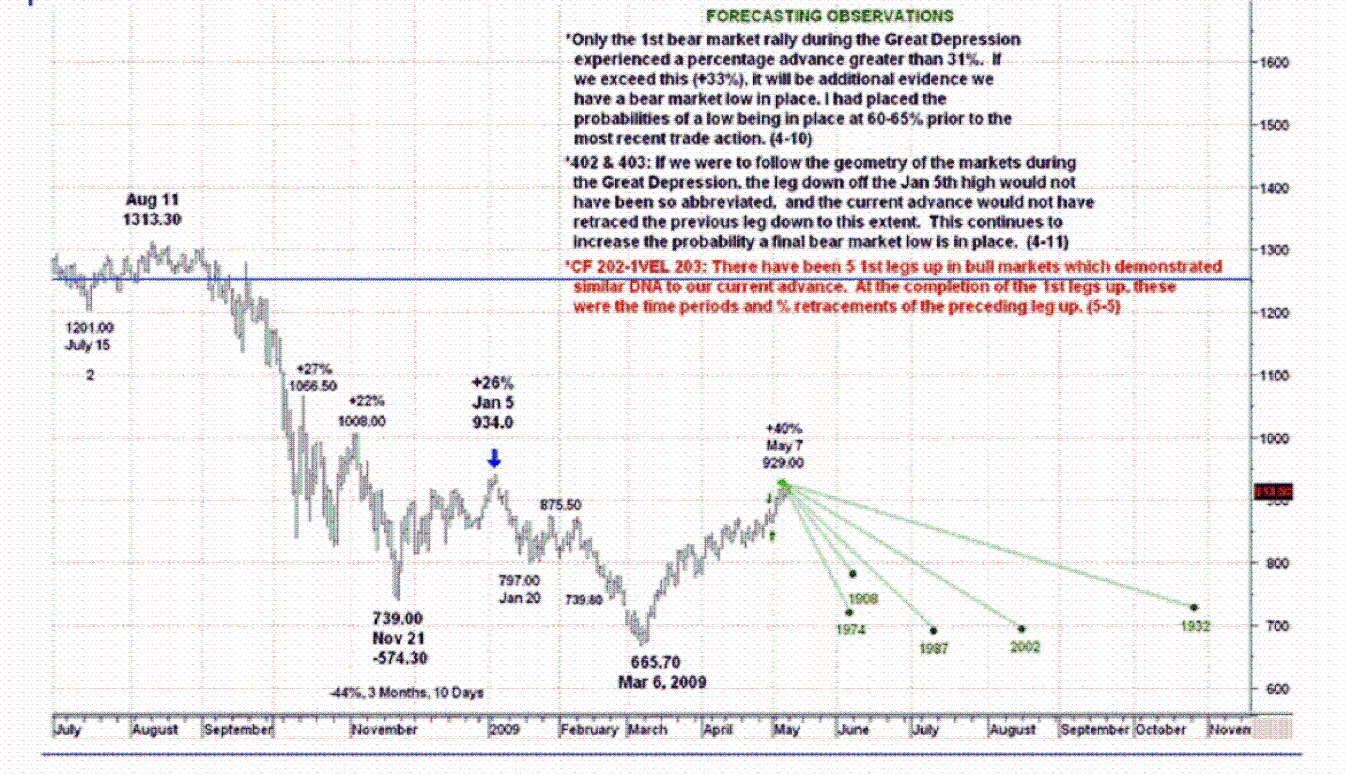
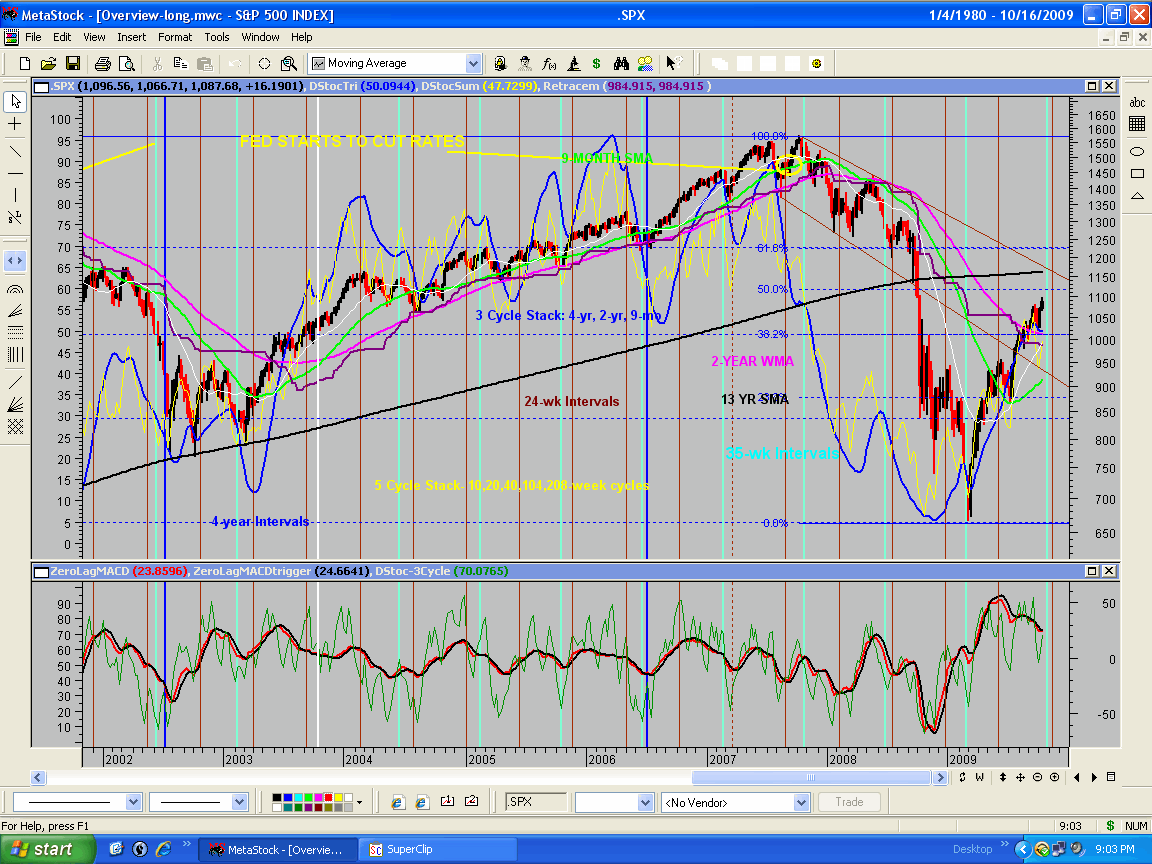
The important question now is how deep the correction will extend. If we have just seen a rally in a continuing bear, the fundamentals suggest it could go much lower than it did in March. But let’s ignore the immature age of the 4-year cycle and assume that the tentative upturn in some of its indicators (http://www.geocities.com/petegersb/2-YrChange.GIF ) marks the beginning of the end of the bear market. Bob Bertorello forwarded a nice video (http://www.gannglobal.com/insiders-stock-market-paralleled-current-5-occasions-since-1886-09-05-11/) that illustrates the pull-backs experienced after comparably steep rallies following the end of prior severe bear markets in 1932, 1974, 1987, and 2002. As illustrated in one of its charts (http://www.geocities.com/petegersb/SteepRalliesCorrections.GIF ), a similar pullback this time would bring the SPX back down to the vicinity of 700. A 76.4% Fibonacci retracement this time would bring the SPX down to about 730. The 1987 and 2002 experiences (http://www.geocities.com/petegersb/Overview-long.GIF ) are particularly interesting because a similar duration decline this time would place the bottom in July or August – about the time that we would expect a 9-month cycle low (8-9 months after the November 2008 low).
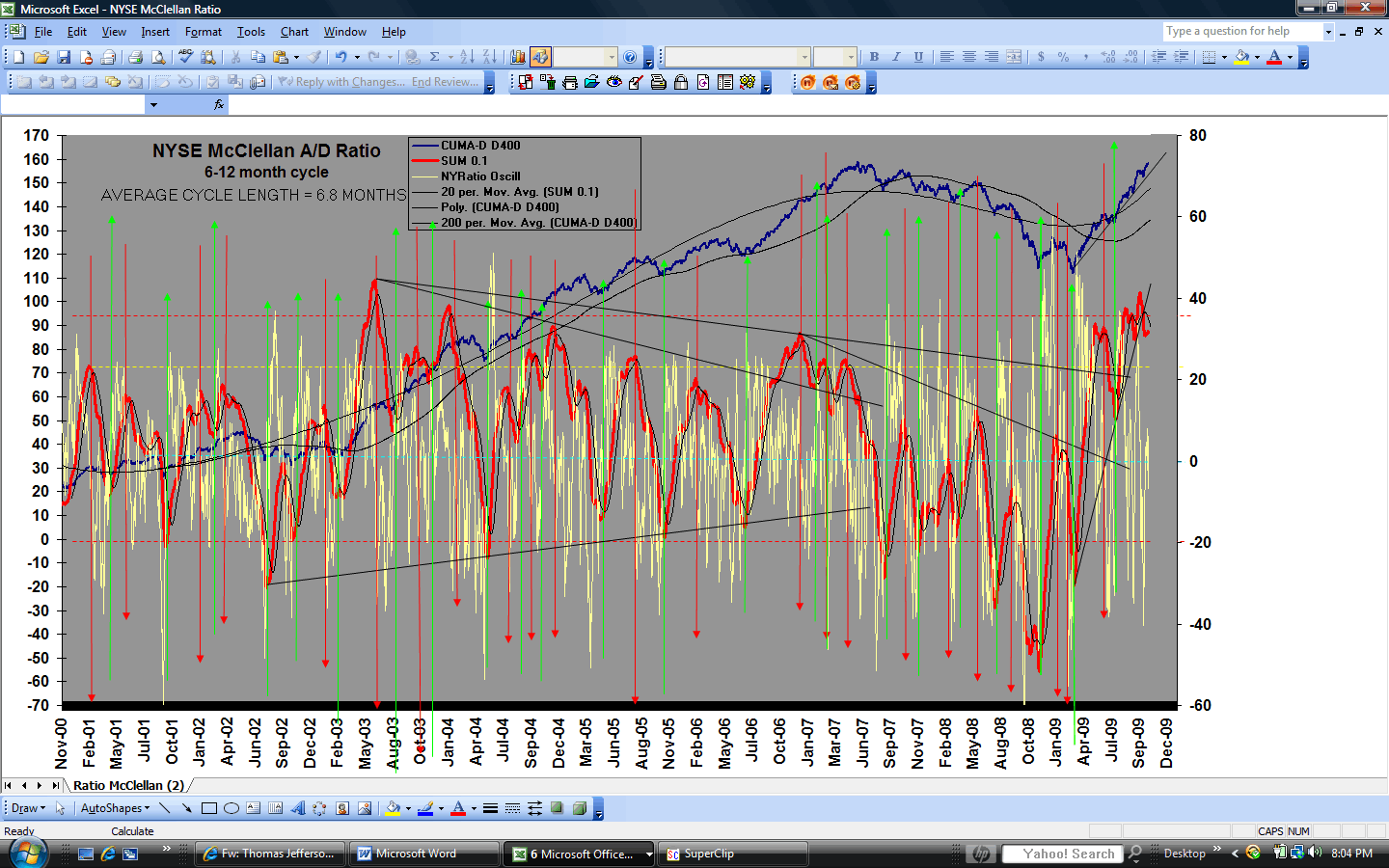
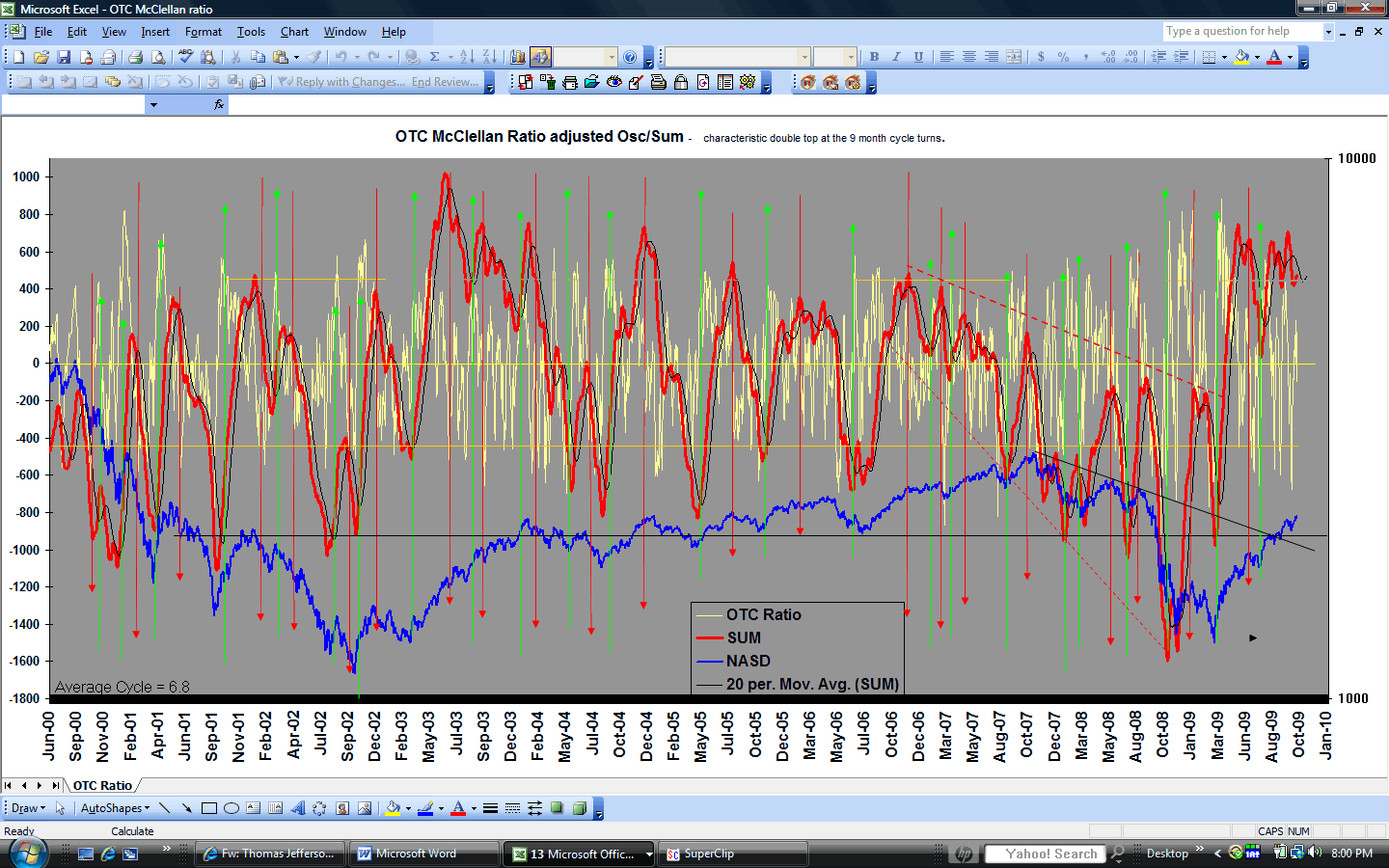
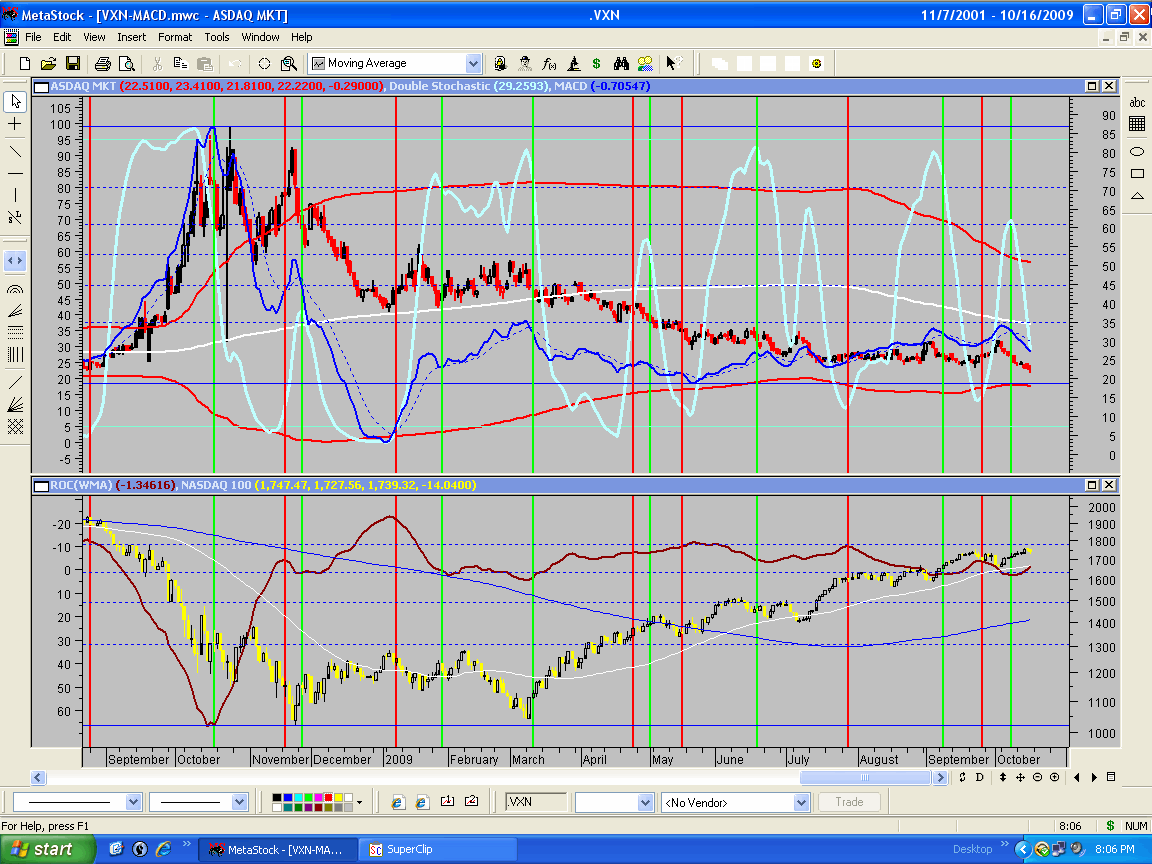
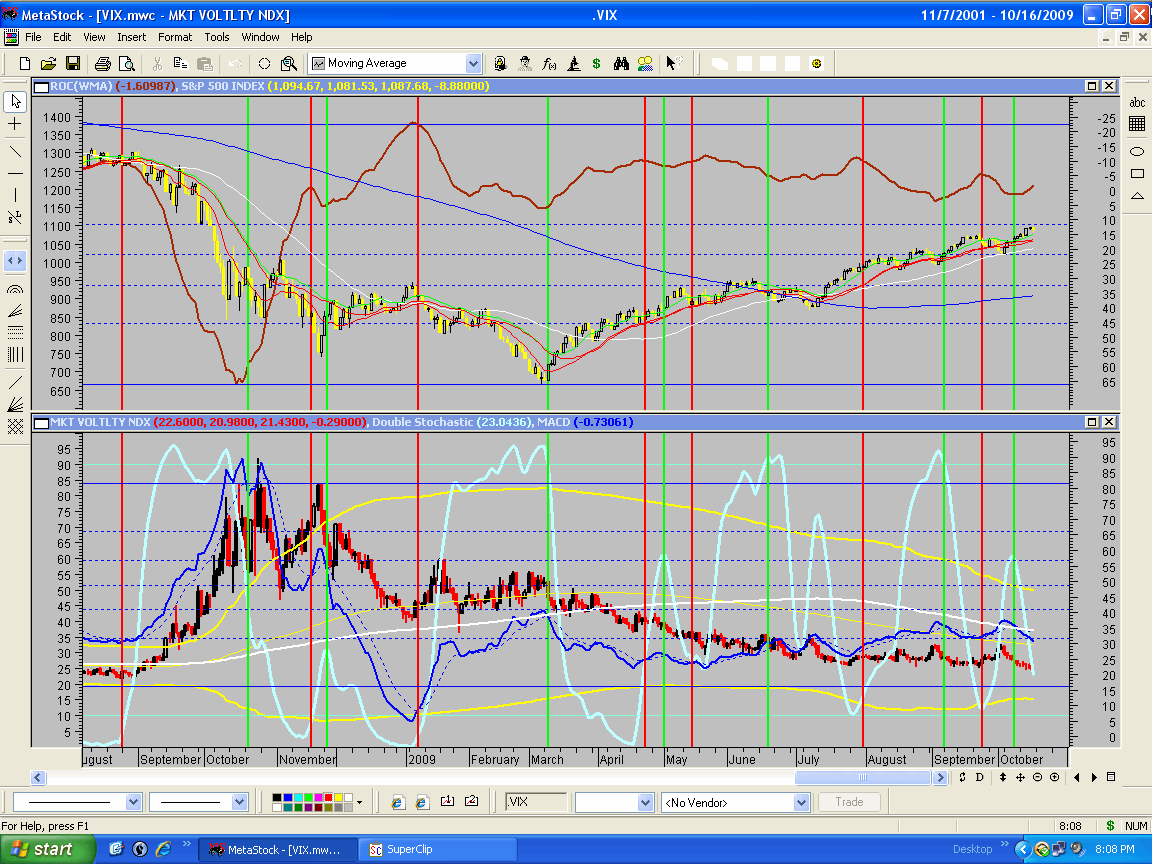
The McClellan Summation Indexes (http://www.geocities.com/petegersb/A-Dsummation-NYSE.GIF , http://www.geocities.com/petegersb/A-Dsummation-OTC.GIF ) have turned down to confirm an intermediate downtrend. The DStocs on the VXN and VIX (http://www.geocities.com/petegersb/VXN.GIF , http://www.geocities.com/petegersb/VIX.GIF ) have turned up to indicate the beginning of a 10-wk cycle downturn for the SPX and NDX. It remains to be seen if this is the beginning of the next leg of the bear market, a test of the March lows, or a mere interruption in a continuing uptrend. This week probably won’t tell us much because conflicting short and intermediate cycles should prevent much price change (tops typically take a long time to form). But after the 13 and 26-day cycles correct their oversold conditions, the cycles will be aligned for a steep descent.
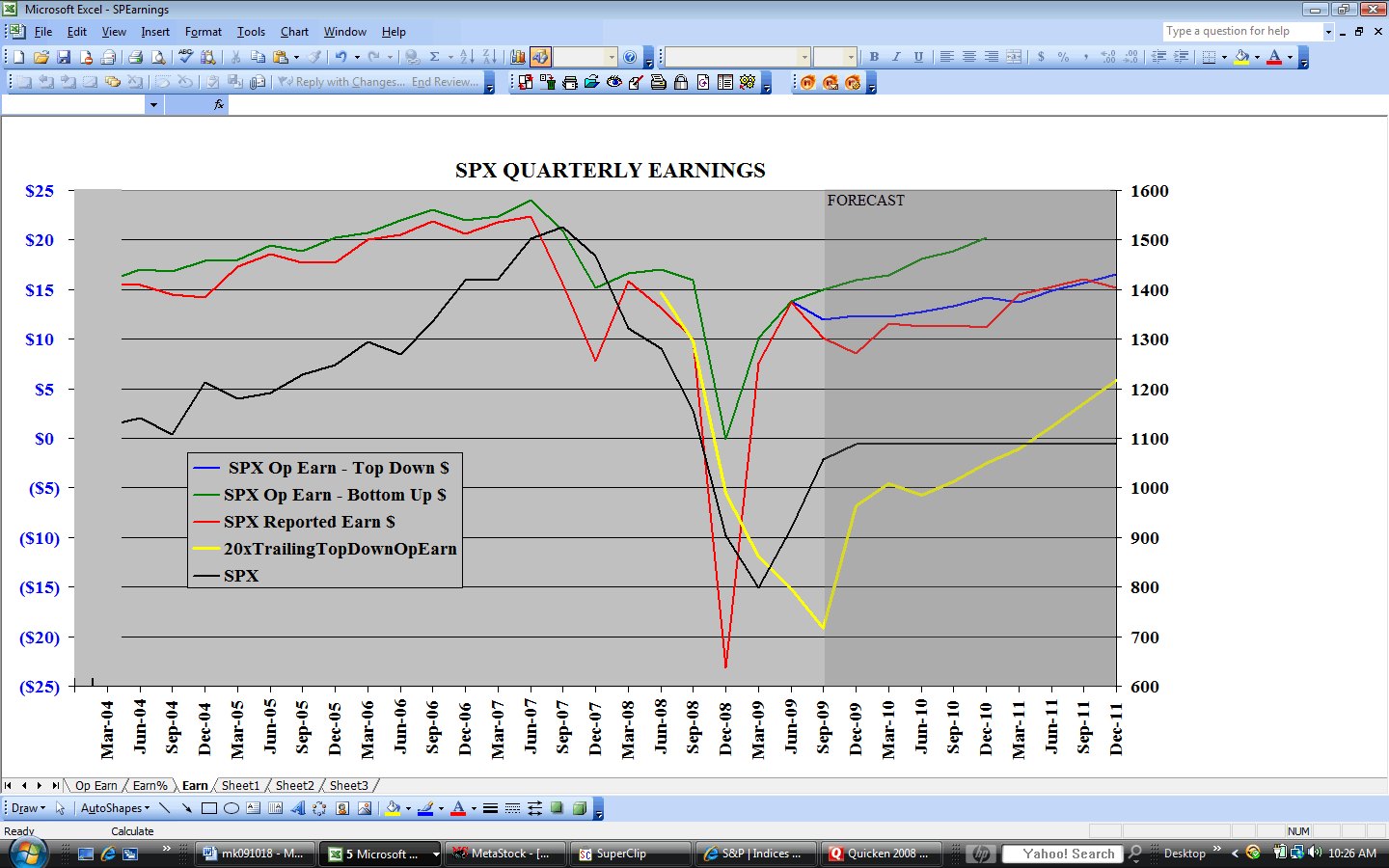
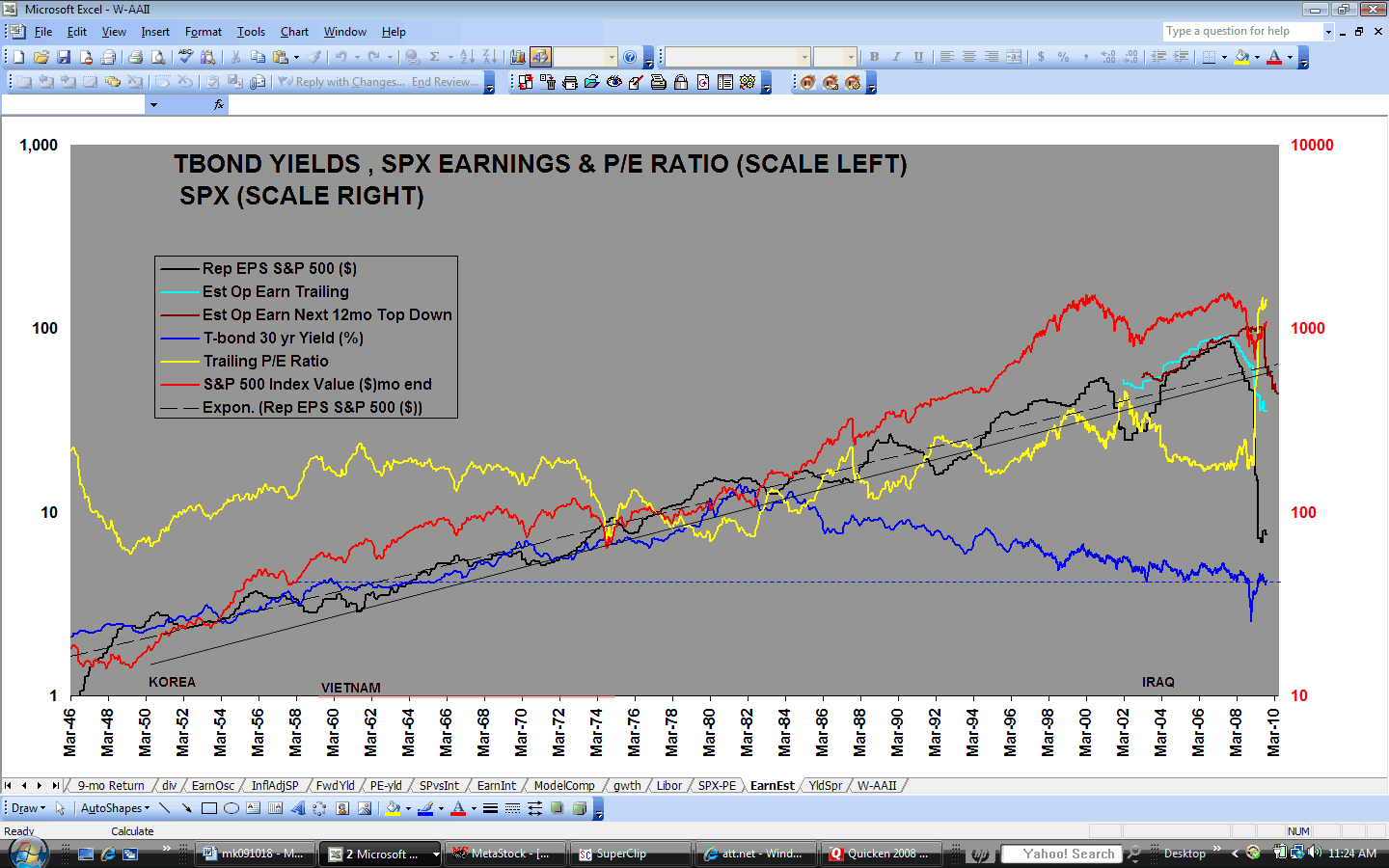
Fundamentals: When earnings are in a slump, the Wall Street spin masters revert to talking about “normalized earnings” – a term you probably never heard during the earnings heydays. It’s simply an average of earnings over some number of previous years. The logic of using it to value stocks is based on the belief that a long-term average better reflects the inherent earnings power of companies. It filters out the shorter term fluctuations. Over the past 5 years SPX operating earnings have averaged $71.23 producing a current “normalized” P/E of only 12.4. That’s a fairly normal historical P/E on operating earnings, so it’s used extensively by those who argue that stocks are fairly valued or even undervalued. At some point after the recovery takes hold, earnings will probably recover to that level, but how long? Usually-optimistic S&P estimates (top down, which has been more accurate than bottom up) that the SPX will, on an operating basis, earn $42.93 in 2009 and $45.99 in 2010 (http://www.geocities.com/petegersb/EarnY-Y.GIF ). So at the current price you are paying 20.6 times 2009 and 19.2 times 2010 hoped-for operating earnings. Bottom up earnings estimates by S&P are much higher, reaching $74.48, but they have proved to be wildly optimistic in recent years. Thompson-Reuters concurs with a $73.39 estimate for 2010. Goldman Sachs is a bit lower at $63, but Barclays is much lower at $46. Alternatively, if you want to base your assessment on trailing earnings rather than guessed-at, hoped-for earnings, and reported earnings which do not omit most of the bad stuff (http://www.geocities.com/petegersb/EarningsEstimates.GIF ), the P/E is an astronomical 122 as upwardly revised in Barron’s from last week’s reported 62. To believe you are getting reasonable value in the SPX you have to believe that the economy and earnings will surge in 2011 and beyond. That kind of confidence in current economic policies is encouraging and may even contribute to its success, but skepticism about such dramatic earnings gains is warranted nonetheless.
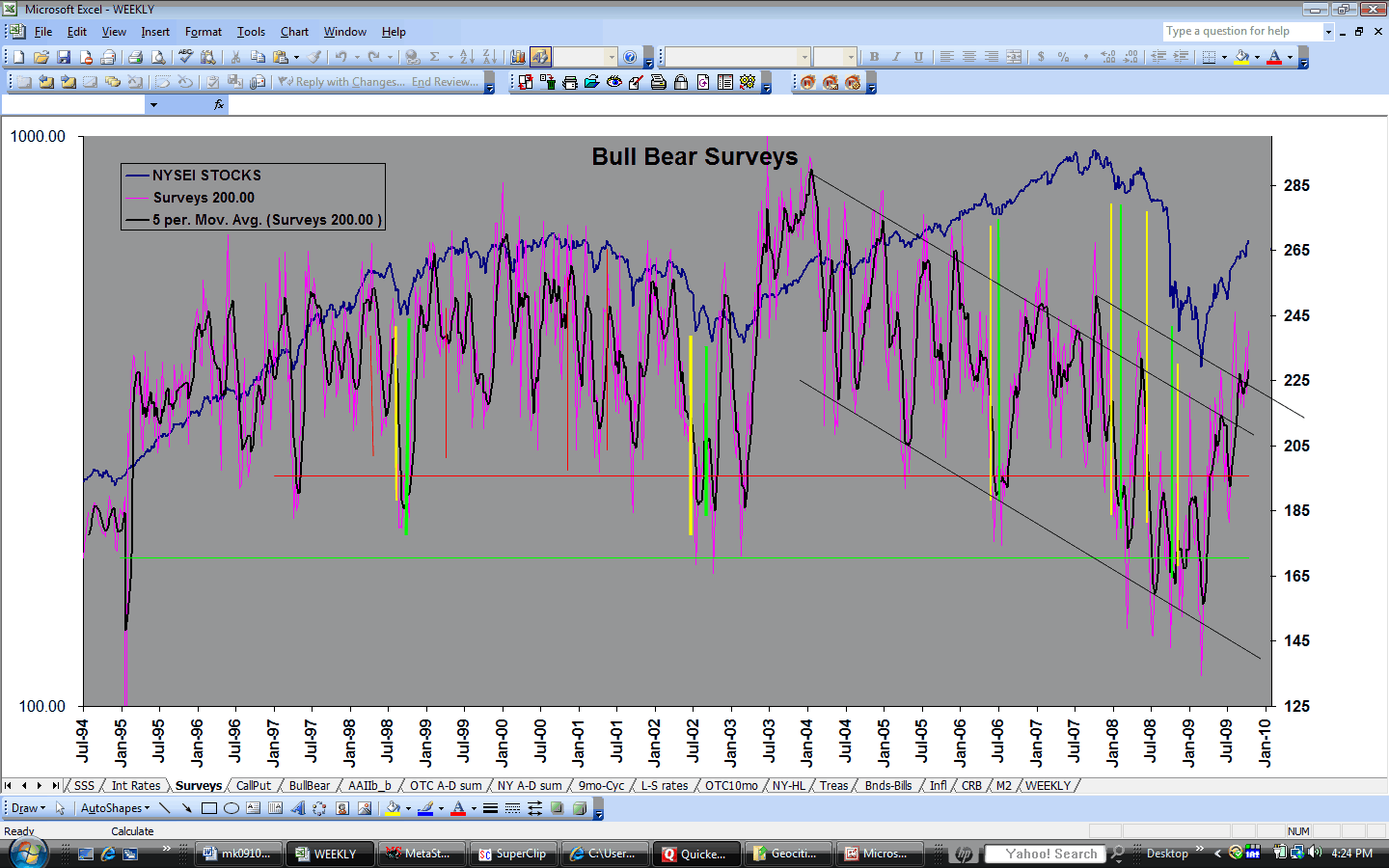
Sentiment (http://www.geocities.com/petegersb/SurveysCombined.GIF ) seems to be stalling at about the level one would expect if optimism is to remain confined to the declining trend channel of the last 5 years. When last week’s market is reflected in the data, I expect a more emphatic downturn. If we again see deep pessimism around the time that the 9-month cycle should bottom in late summer, it would be a very favorable sign.
Treasury bonds (http://www.geocities.com/petegersb/Treasury-20yr.GIF ) began a 10-wk cycle rally last week. The oversold intermediate composite also turned up, so this may be the beginning of something more significant – an upturn in the 11-month-old 9-mo cycle perhaps. If a renewed downtrend in stocks reignites a flight to the safety of Treasuries, it would not be surprising to see a bond rally that persists into the summer. So far, however, the 9-mo cycle DStoc has not turned up, and the middle-aged 13-day cycle is extremely overbought. And given that the Treasury is expected to issue a net of about $1.55 trillion in new debt this year (about 5 times last year’s amount) it’s hard to imagine prices rising at all. The Fed is expected to sop up about a fifth of that, but foreign demand is waning, so it will take a pretty dramatic flight to quality to drive prices higher. It could happen if stock investors see their recent gains evaporating. But longer term, Treasuries are likely to be a disastrous investment if the massive stimulus rights the economy but produces the unintended but likely side effect of high inflation.
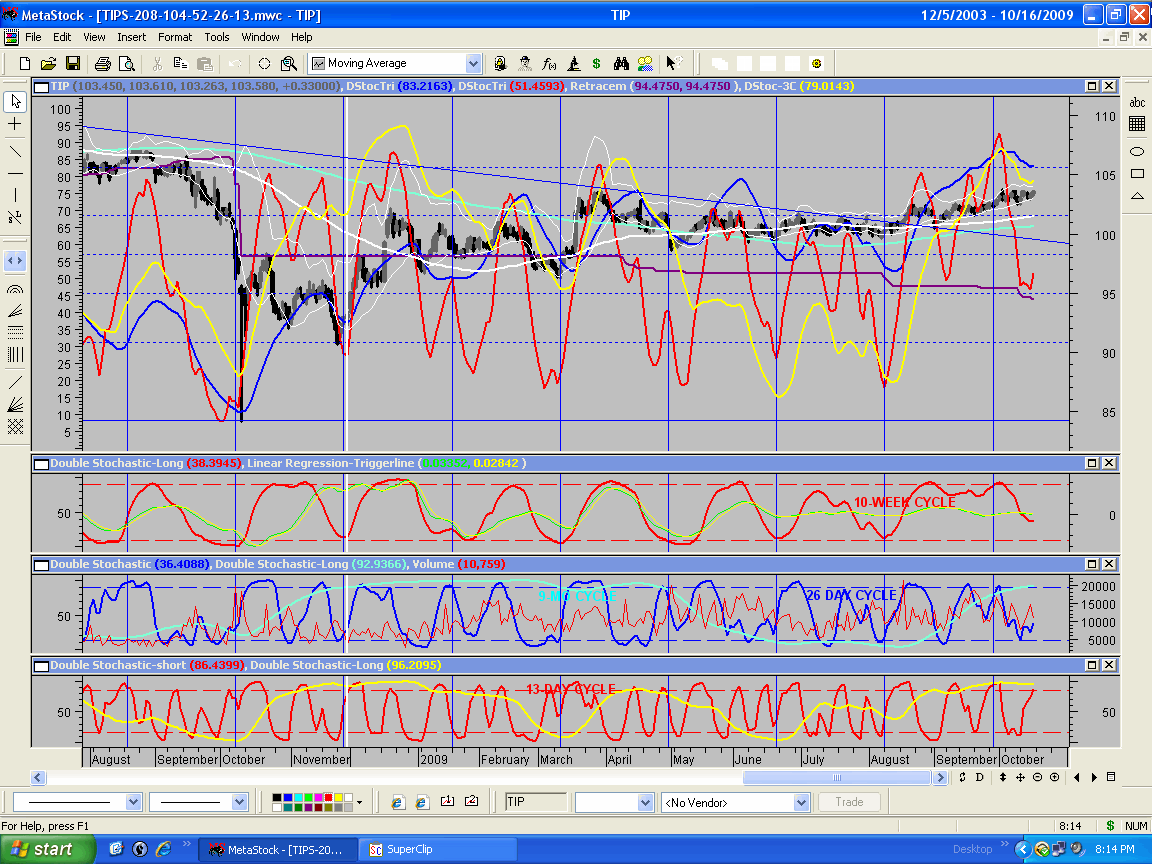
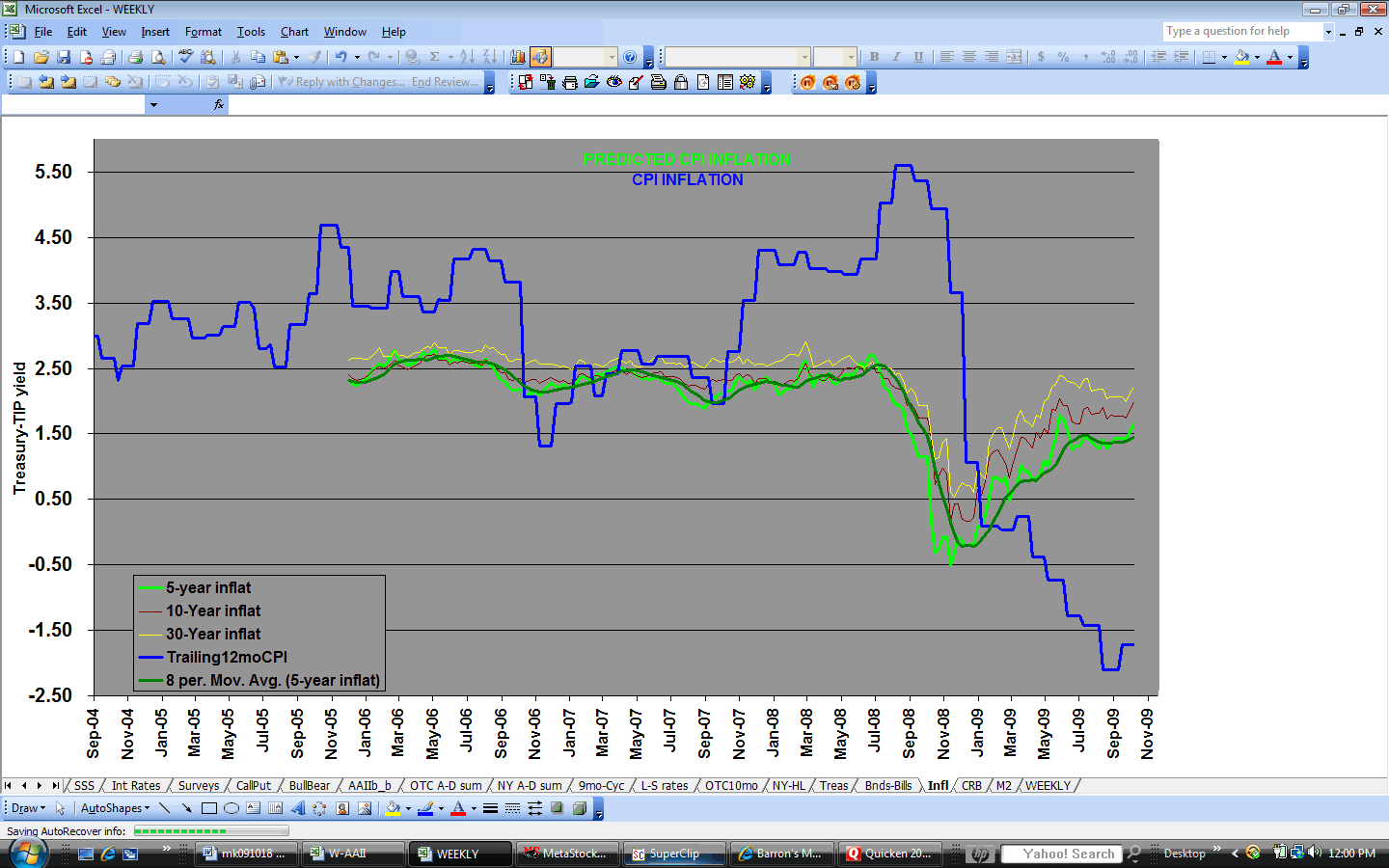
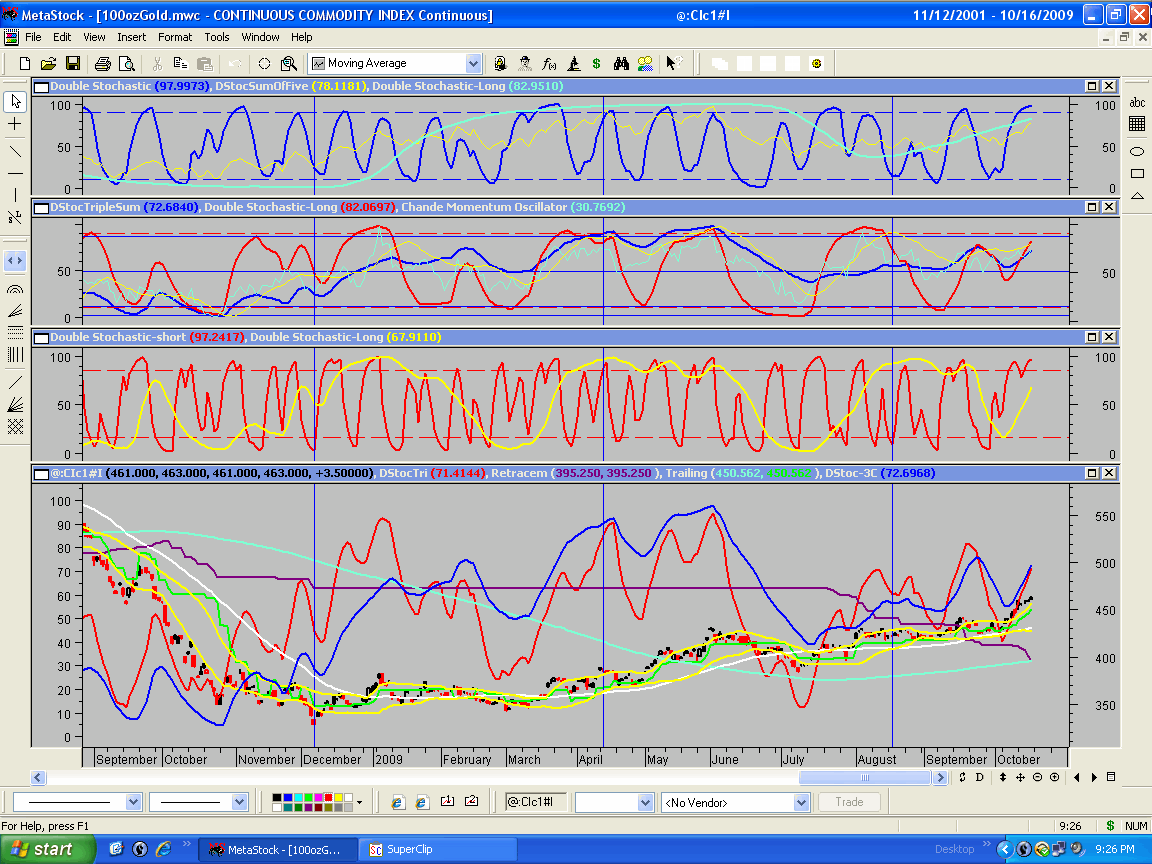
Inflation Protected Treasuries (http://www.geocities.com/petegersb/TIPs.GIF) extended the 10-wk cycle rally and moved above the 9-month and 10-wk moving averages. The shortest cycles are very overbought, but the young 10-wk cycle uptrend should prevent any serious pullback this week. Another benign CPI report (http://www.geocities.com/petegersb/CPI.GIF ) was probably a factor in causing TIPs to underperform conventional treasuries last week. The negative annual readings will likely persist through the summer because energy and other commodities (http://www.geocities.com/petegersb/CommoditiesIndex.GIF ) are still well below year-ago levels, and that situation will probably persist until the September report when the 9-month cycle in commodities is due to bottom and year-over-year comparisons become increasingly difficult.
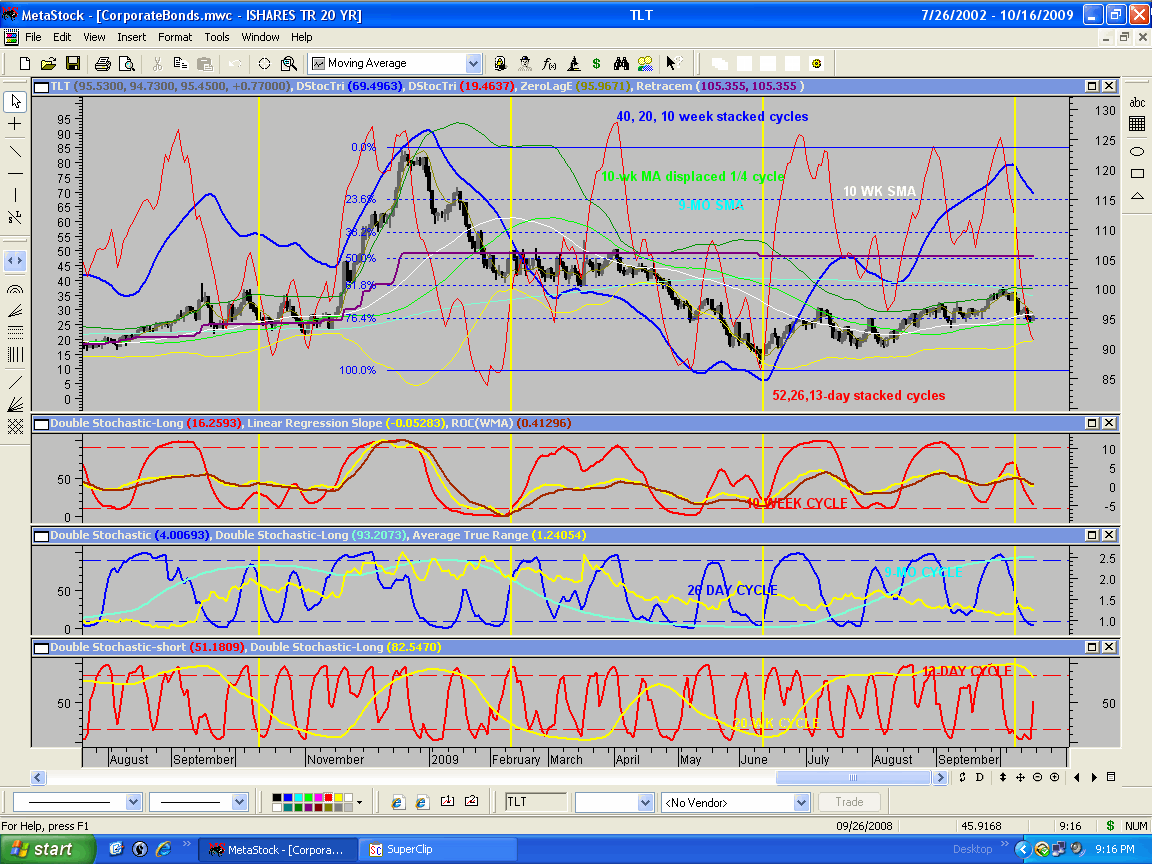
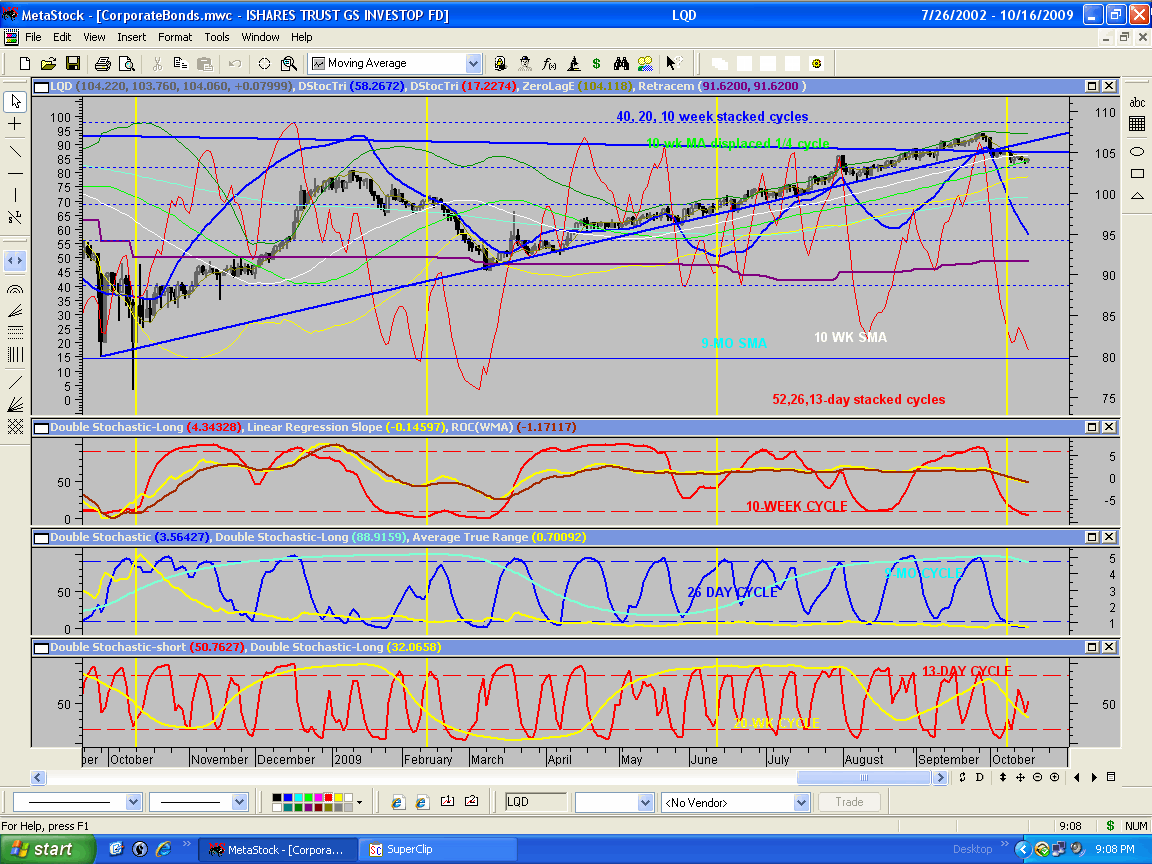
Corporate bonds (http://www.geocities.com/petegersb/CorporateBonds.GIF ) gained slightly again last week as the rising 20-wk cycle overcame the effort by the 13-day cycle to correct. This week, it appears that the 26-day and 10-wk cycles will move prices lower.
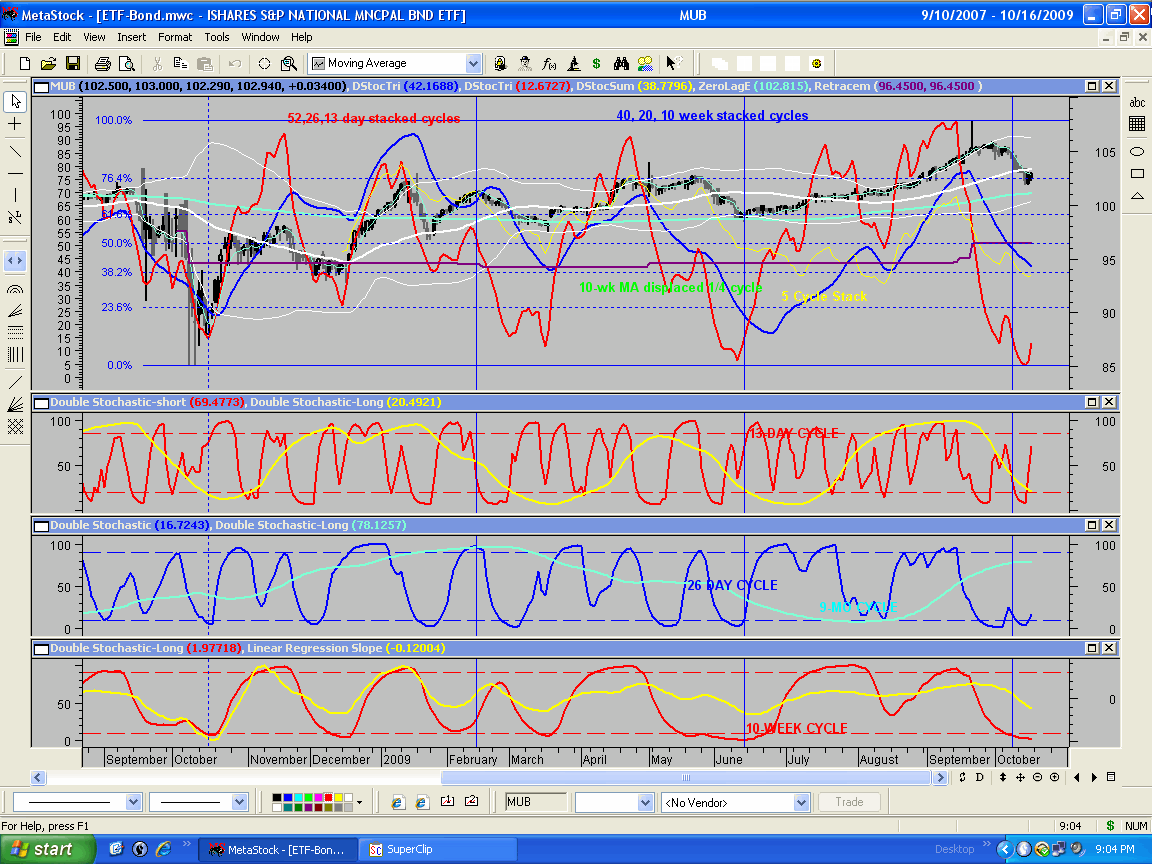
Municipal bonds (http://www.geocities.com/petegersb/MunicipalBonds.GIF ) also gained slightly as 13 and 26-day rallies countered downtrends in the longer cycles. Conflicting cycles should prevent significant moves in either direction a little longer.
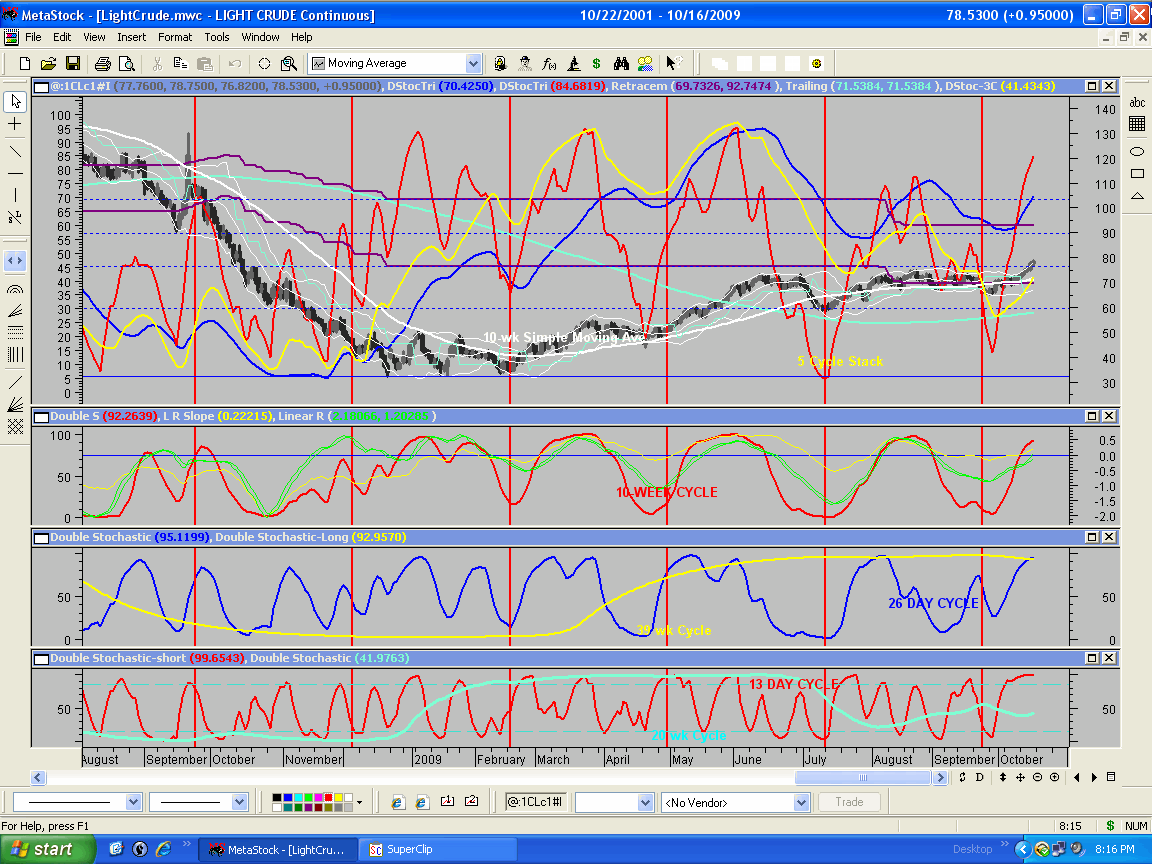
Crude oil (http://www.geocities.com/petegersb/CrudeOil.GIF ) pulled back from the 23.6% Fibonacci retracement of last year’s decline as the short cycles turned down. The short-term composite is in a young downtrend and the intermediate composite is overbought. I look for oil to pull back with stocks.
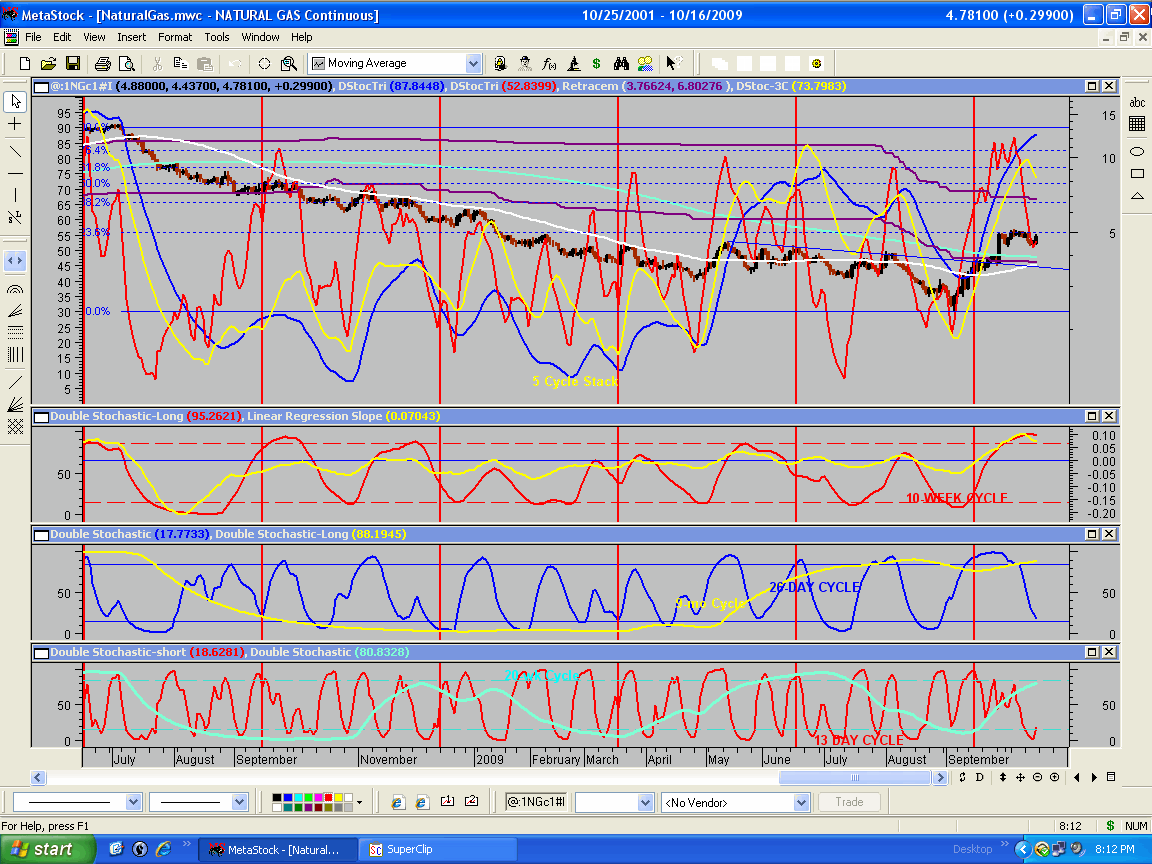
Natural gas (http://www.geocities.com/petegersb/NaturalGas.GIF ) pulled back to the downtrend channel that it had escaped in the prior week. This week it must contend with a 26-day cycle downtrend, but the longer cycles are in young uptrends. Before they peak, it appears gas has a good chance of testing the 9-mo moving average.
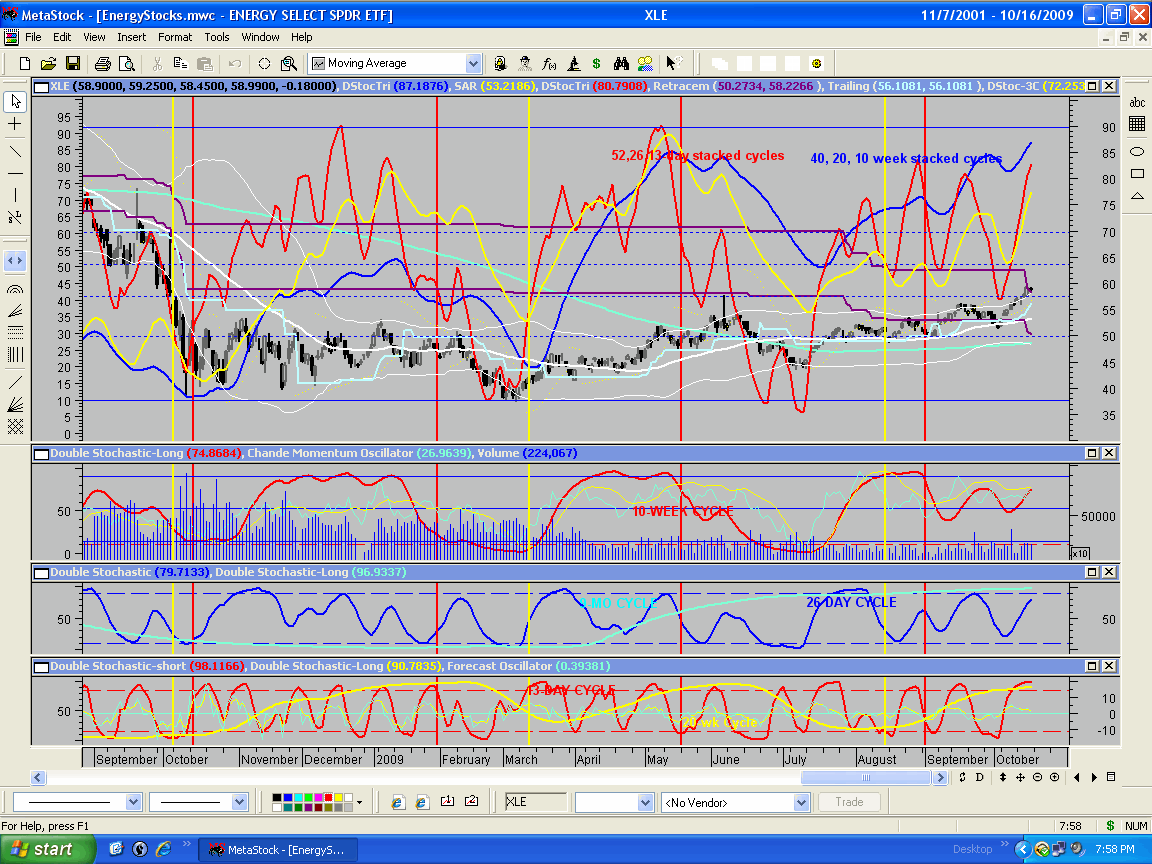
Energy stocks (http://www.geocities.com/petegersb/EnergySPDR.GIF) backed off from the 9-mo moving average and the top of the trading range, dragging down both short and intermediate composites in the process. Like the broader averages, the cycles and price pattern exhibit a strong similarity to May of last year. Another trip to the bottom of the range appears likely.
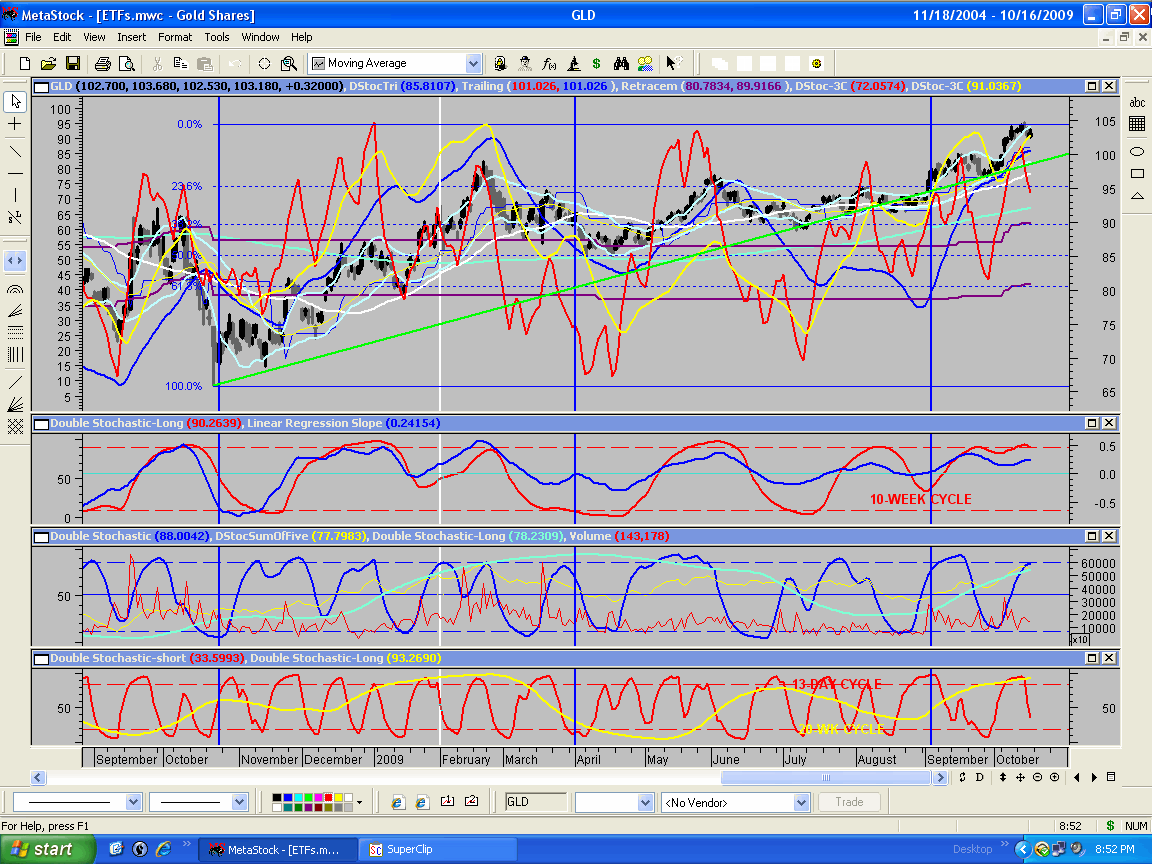
Gold (http://www.geocities.com/petegersb/GoldBullion.GIF) extended its short and intermediate term rallies. It
broke above its 10-wk moving average, but all of the short-cycles appear to be
near a peak. Only the rising 20-wk cycle appears favorable, and the May 2008
analogy is applicable to gold. I expect a 10-wk cycle correction to begin this
week.
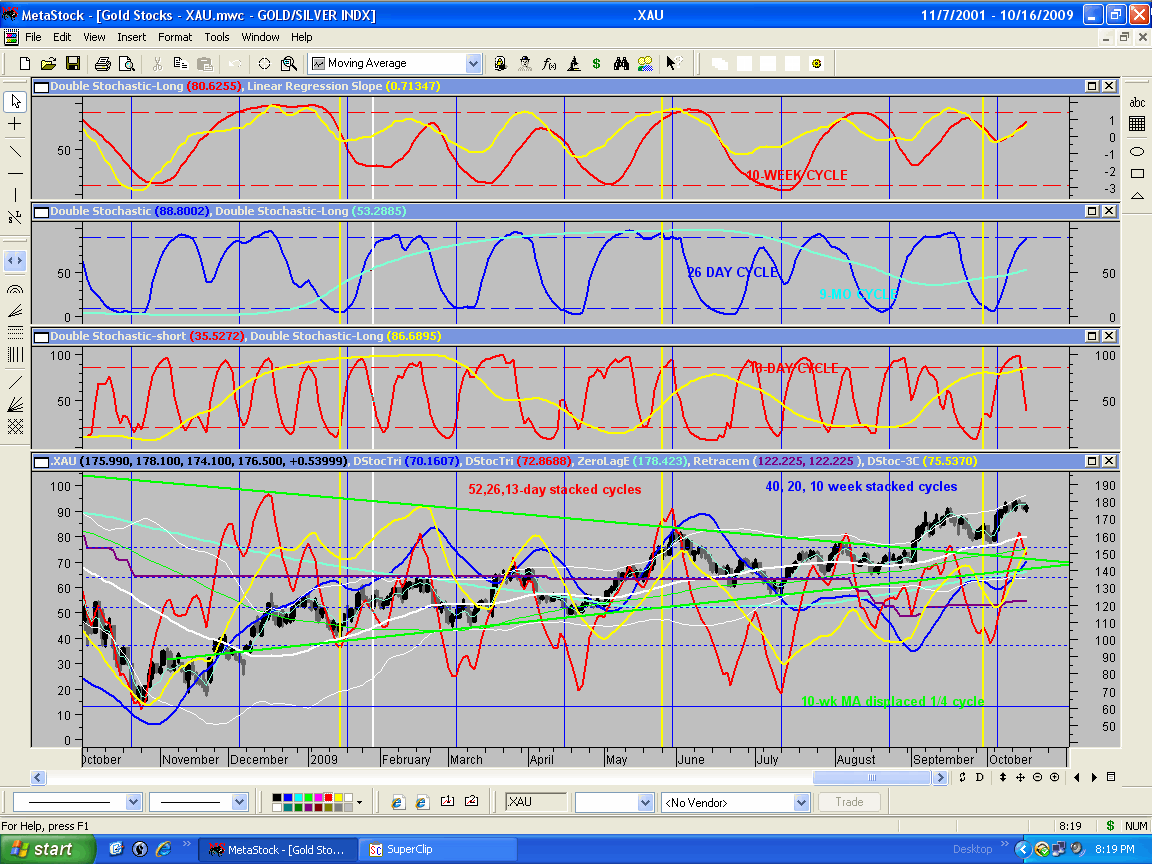
Gold Stocks (http://www.geocities.com/petegersb/GoldStocks.GIF
) once again did not fare as well. Declining short cycles were dominant over
rising 10 and 20 week cycles as the March highs proved to be difficult
resistance. This week looks like a potential standoff between the rising
intermediate composite and declining short-term composite.
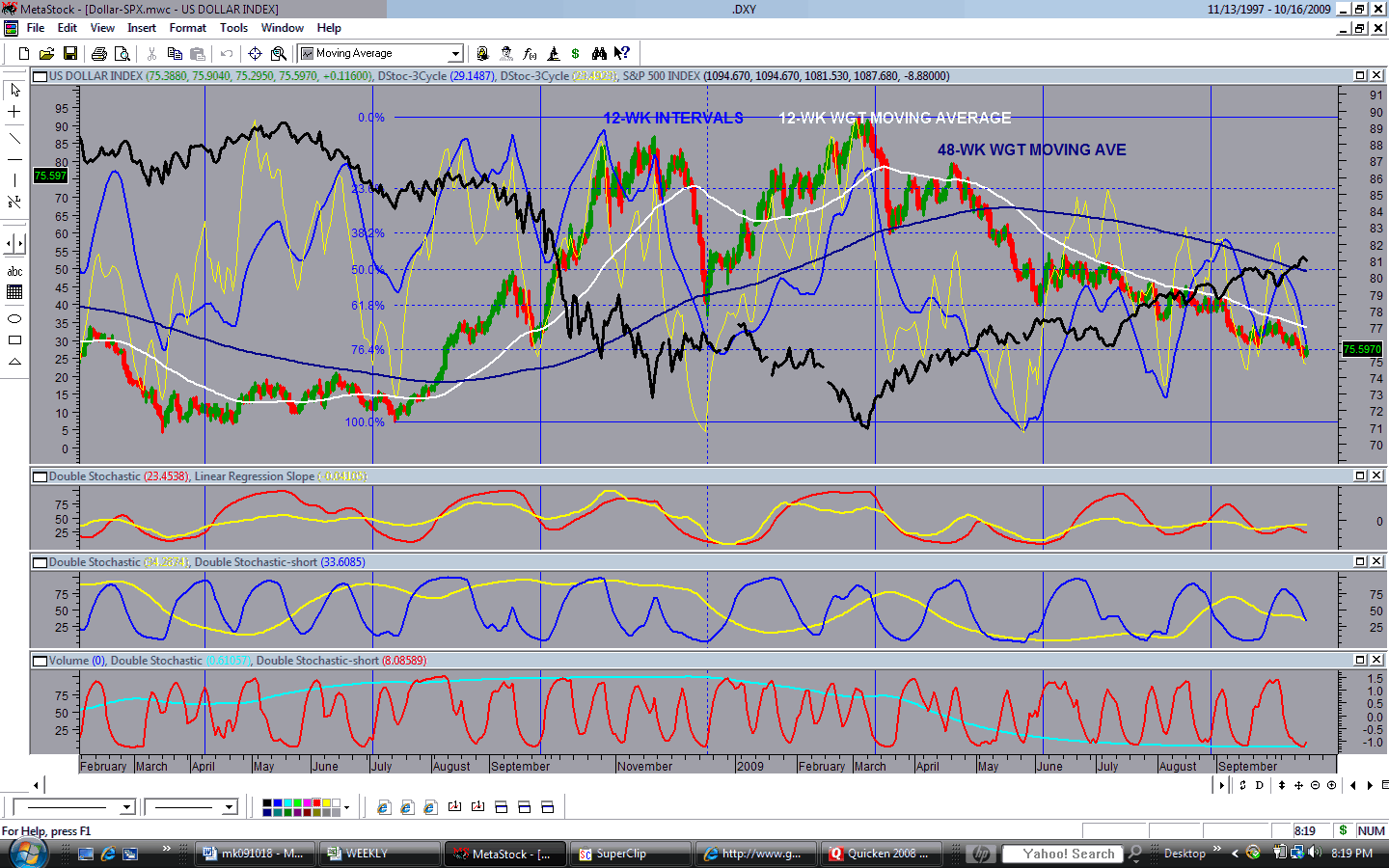
The Dollar (http://www.geocities.com/petegersb/Dollar.GIF) established a short-term bottom on Wednesday and perhaps a more significant bottom in the oversold 10 and 20-wk cycles. A dollar rally appears likely this week and beyond. You may recall that a rising dollar last year was not helpful for stocks.
.