5/10/09
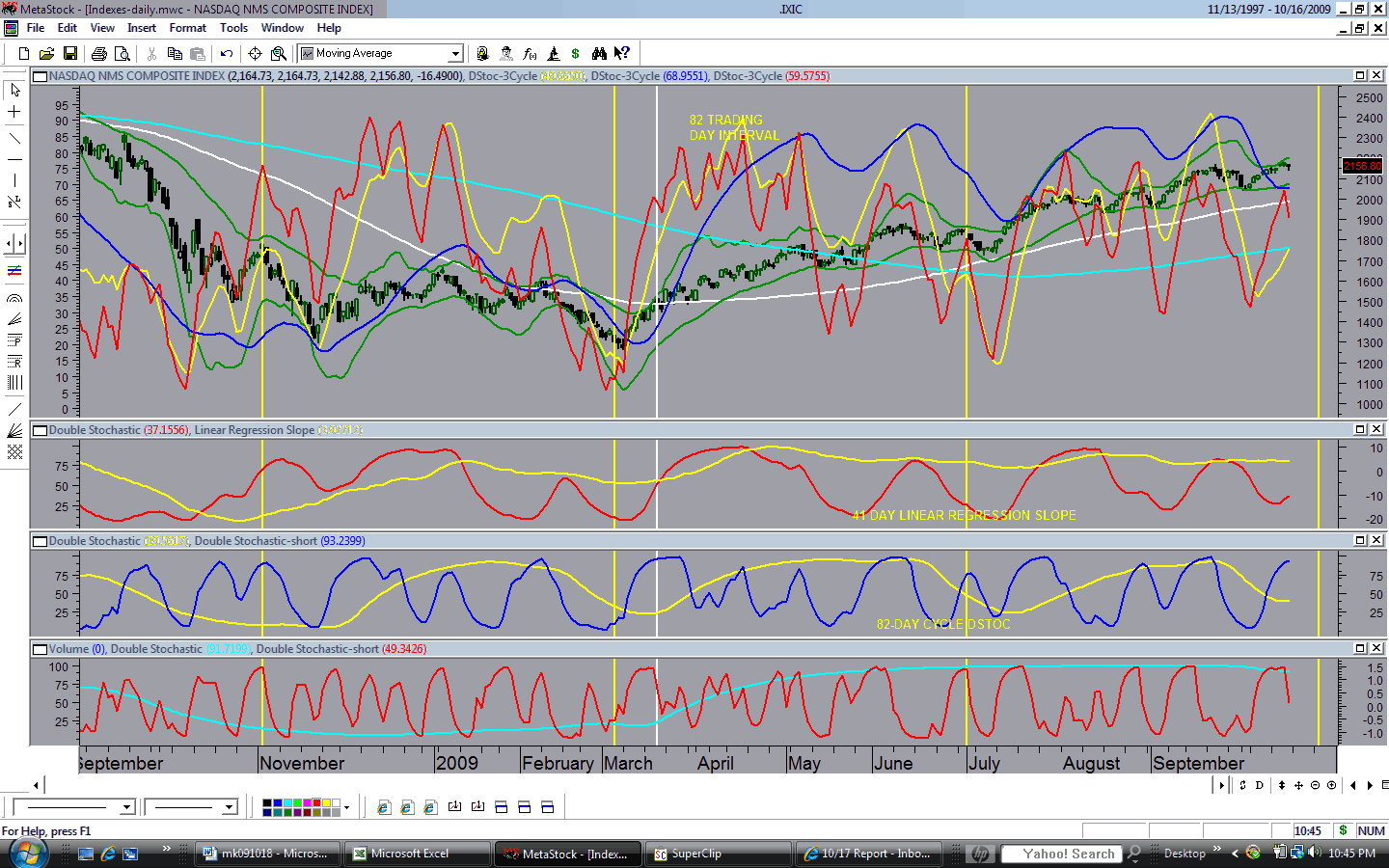
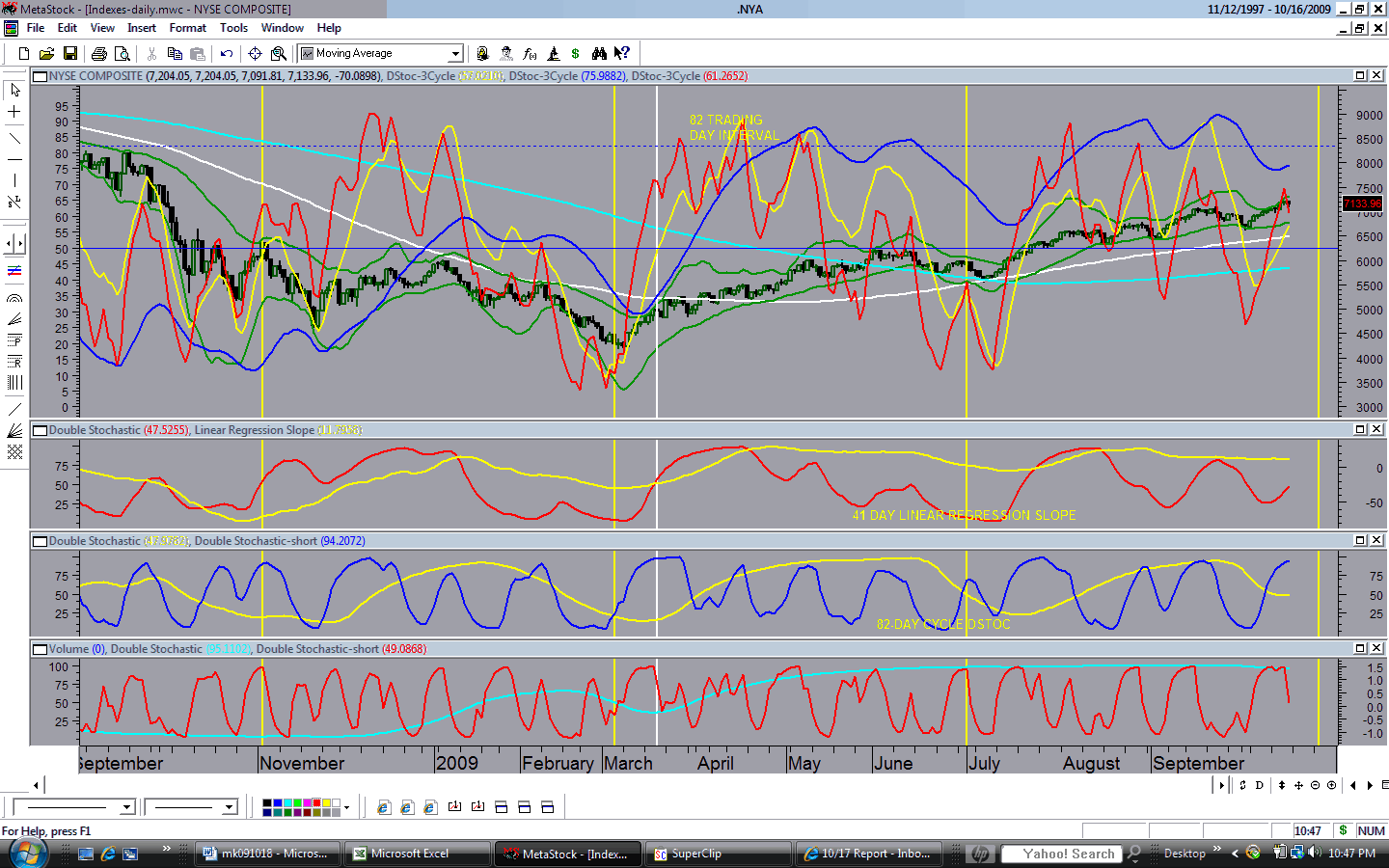
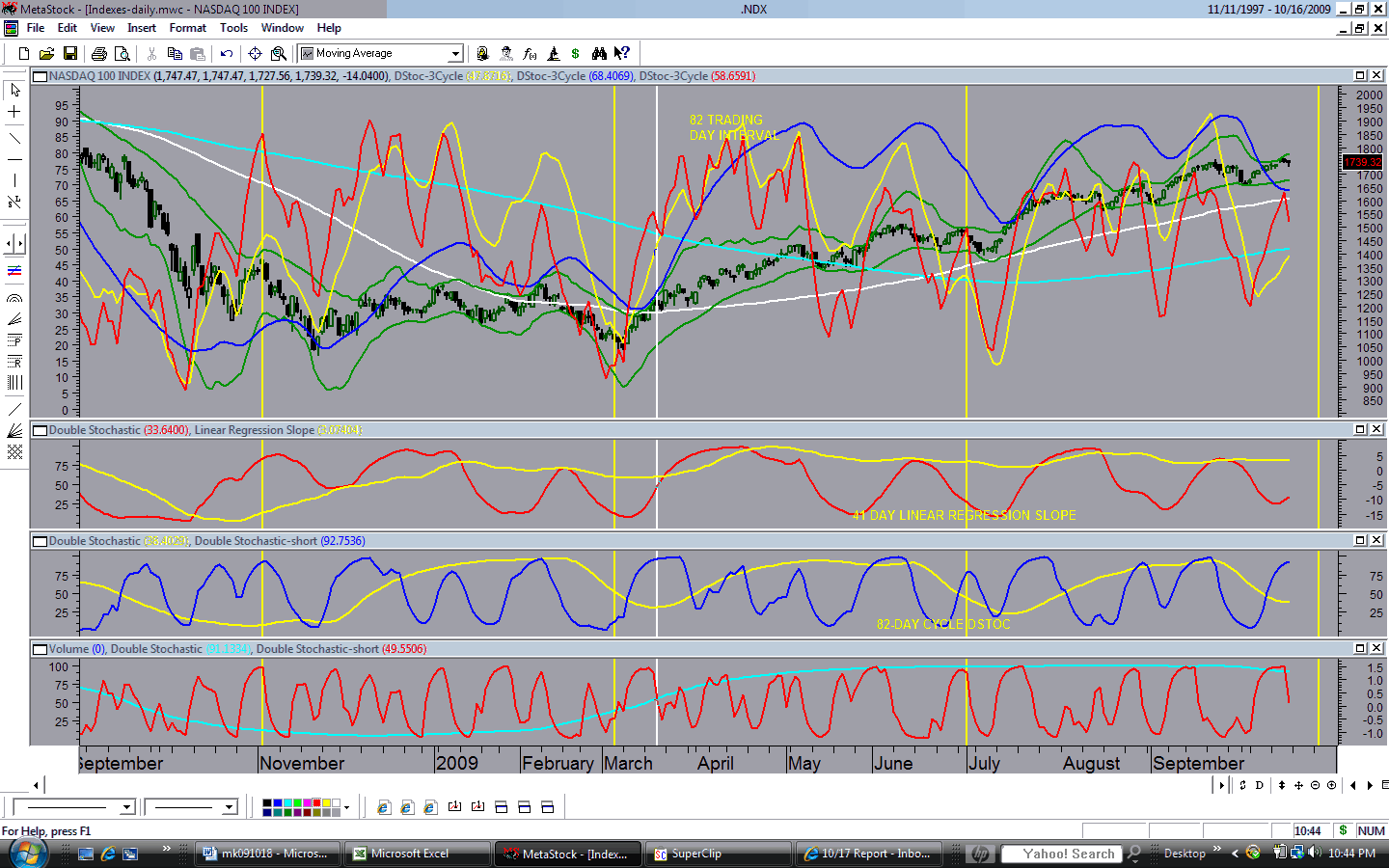
The market endured another 2-day correction in mid-week, but it extended its rally to 9-weeks as the Fed’s not-so-stressful bank test results and the economy’s not-as-bad-as-expected employment reports reignited the rally. Most indexes gained, but the NASDAQ Composite (http://www.geocities.com/petegersb/NasdaqComposite.GIF ), which had been outperforming the NYSE Composite (http://www.geocities.com/petegersb/NYSE.GIF ) for several months, ended essentially flat. The NDX (http://www.geocities.com/petegersb/NDX.GIF ) led on the way up and it may also be leading in forming an intermediate top. Its similarity in price and cycle patterns to that of a year ago continues, and that pattern is reinforced by a similar pattern in the Technology Sector (http://www.geocities.com/petegersb/Technology.GIF ). The short-term composite has now turned down on these indexes, and the intermediate composites appear to be rolling over at overbought levels.
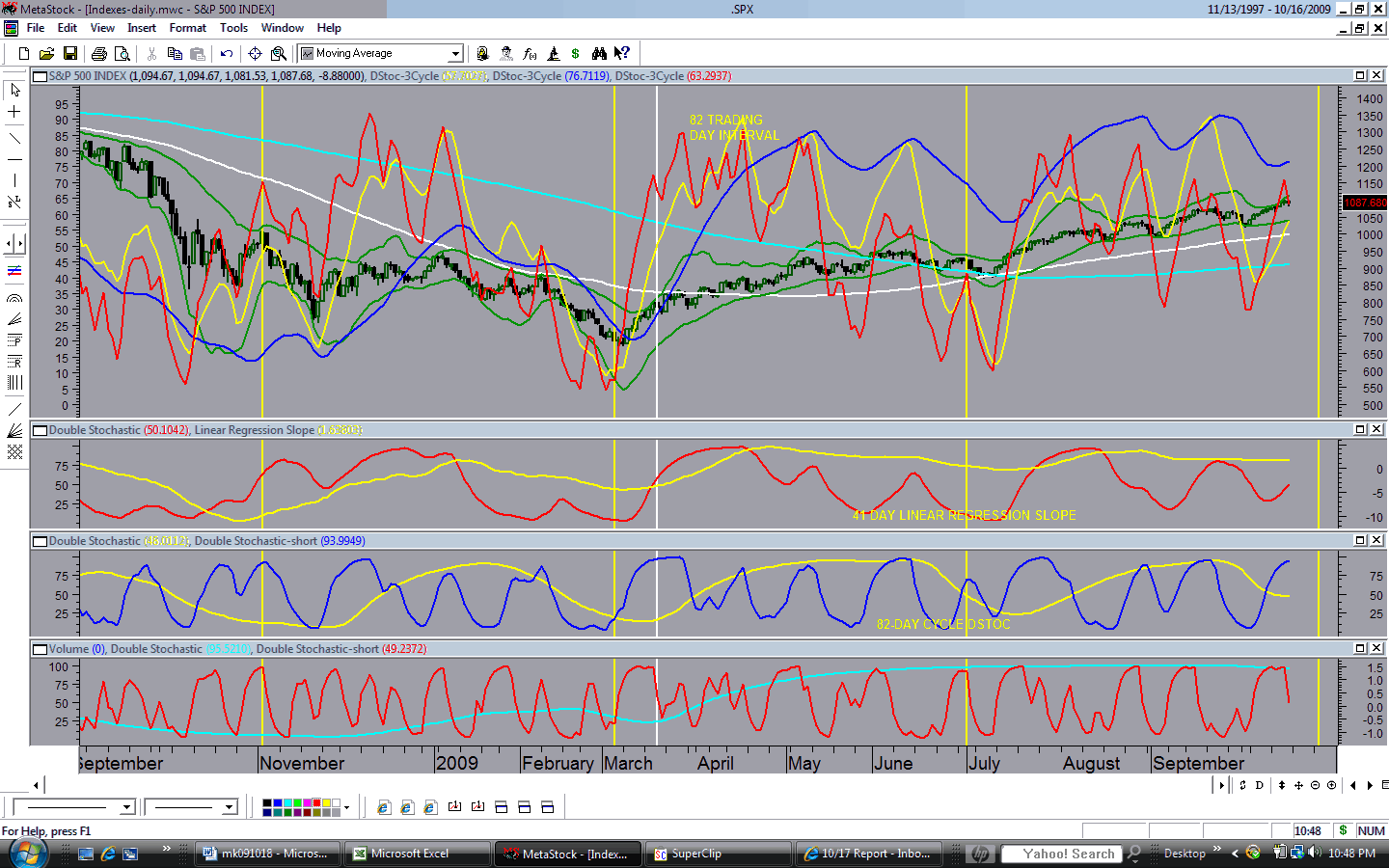
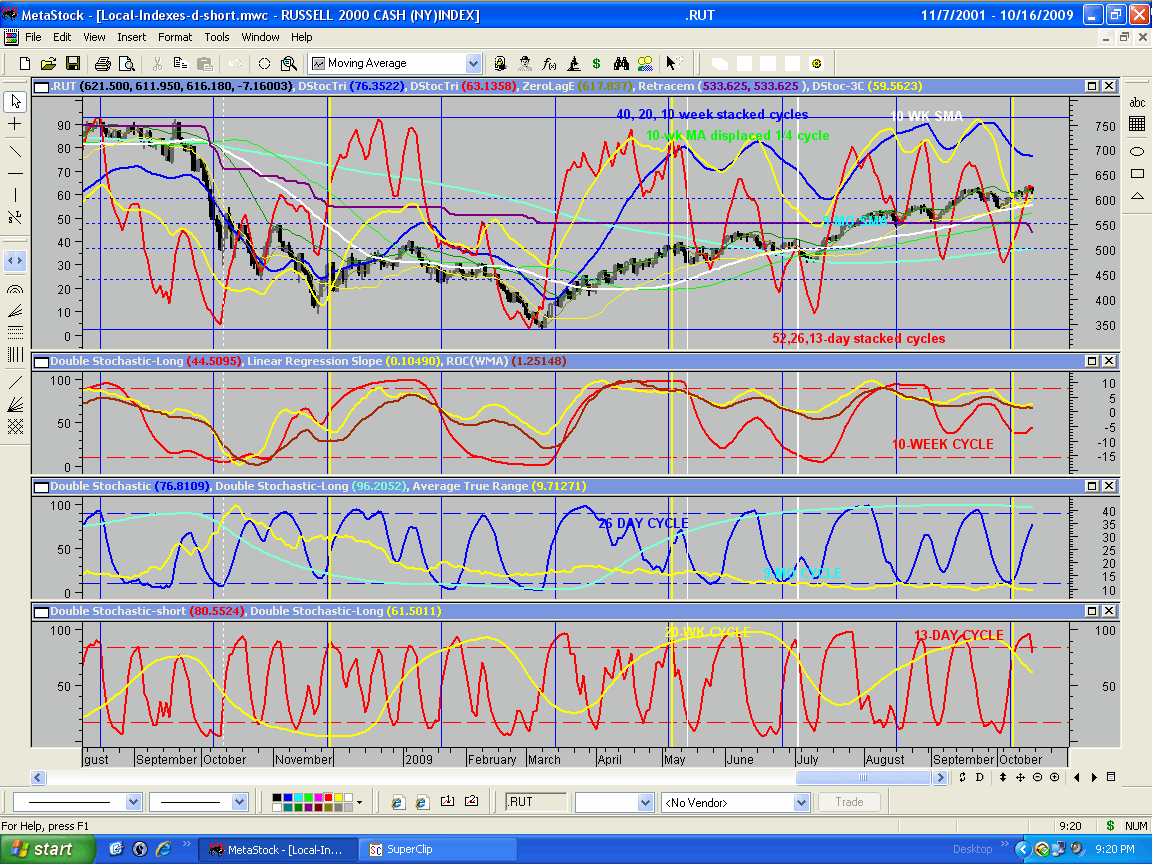
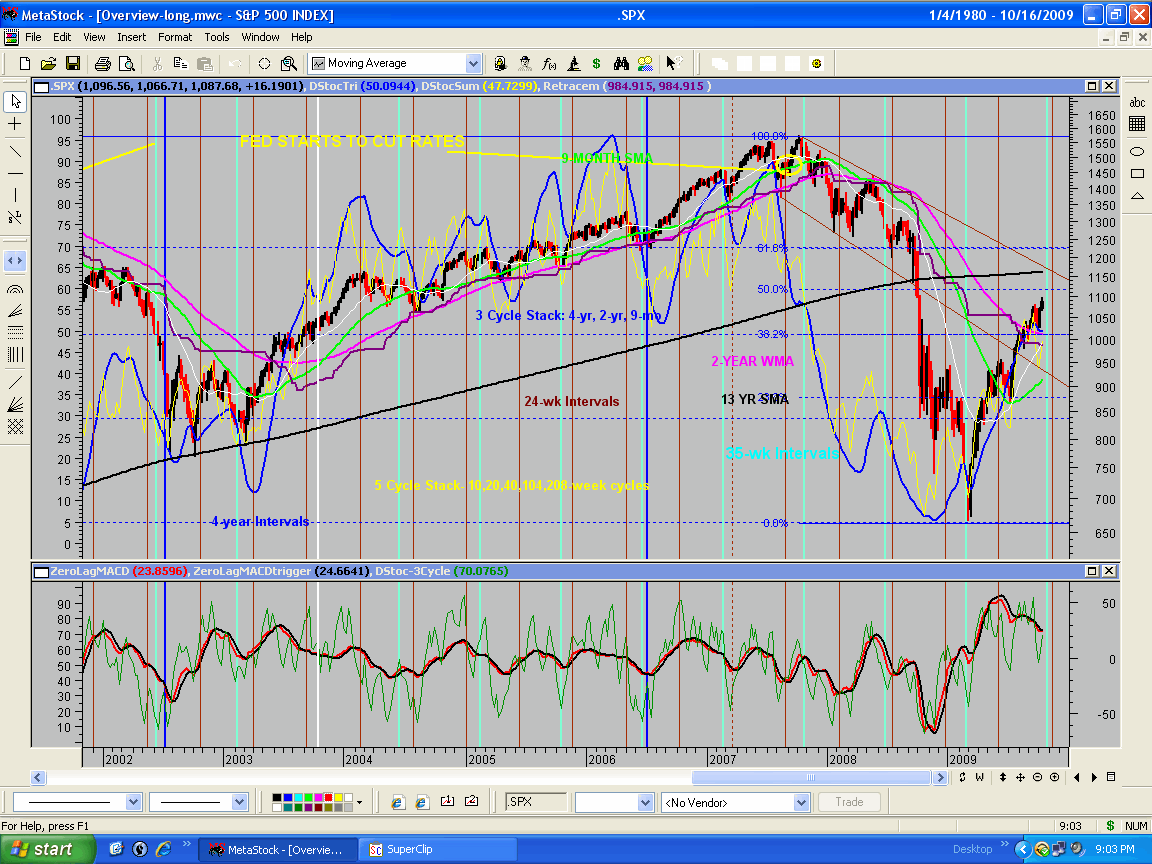
You may recall that a week ago the NASDAQ was up against resistance at its 9-mo moving average and 38.2% Fibonacci retracement. It’s having trouble getting through on this attempt. Now the NYSE Composite (http://www.geocities.com/petegersb/NYSE.GIF), SPX (http://www.geocities.com/petegersb/SP500.GIF ), and Russell 2000 index (http://www.geocities.com/petegersb/Russell2000.GIF ) are at comparable resistance or very close to it. Will the indexes continue to advance beyond these resistance levels as they did in 1974 (http://www.geocities.com/petegersb/DowDecadeComparison-70s.GIF ) and 2003 after other serious bear markets? Or will they back off as they did after the two-month duration bear-market rallies in 2001 and 2002 (http://www.geocities.com/petegersb/Overview-long.GIF )? Note that the SPX, at 929, is very close to the level that aborted bear-market rallies in August 2002 (965), December 2002 (954), and January 2009 (944). If it backs off from this important resistance level, will we see something similar to the 76.4% retracement of the first 2-month rally after the historic 1932 bottom (http://www.geocities.com/petegersb/DowDecadeComparison-30s.GIF )? Hopefully not. How about the 18-20% pullbacks in 2002-2003 or the nearly 30% pullback earlier this year? Peter Mauthe last week made an interesting observation about the leadership in this rally. The weakest sectors during the decline were strongest during the bounce, just as in late 2002. That was not the case during the lasting recovery in 2003. I lean to the conclusion that this market is headed for a test of the March low.
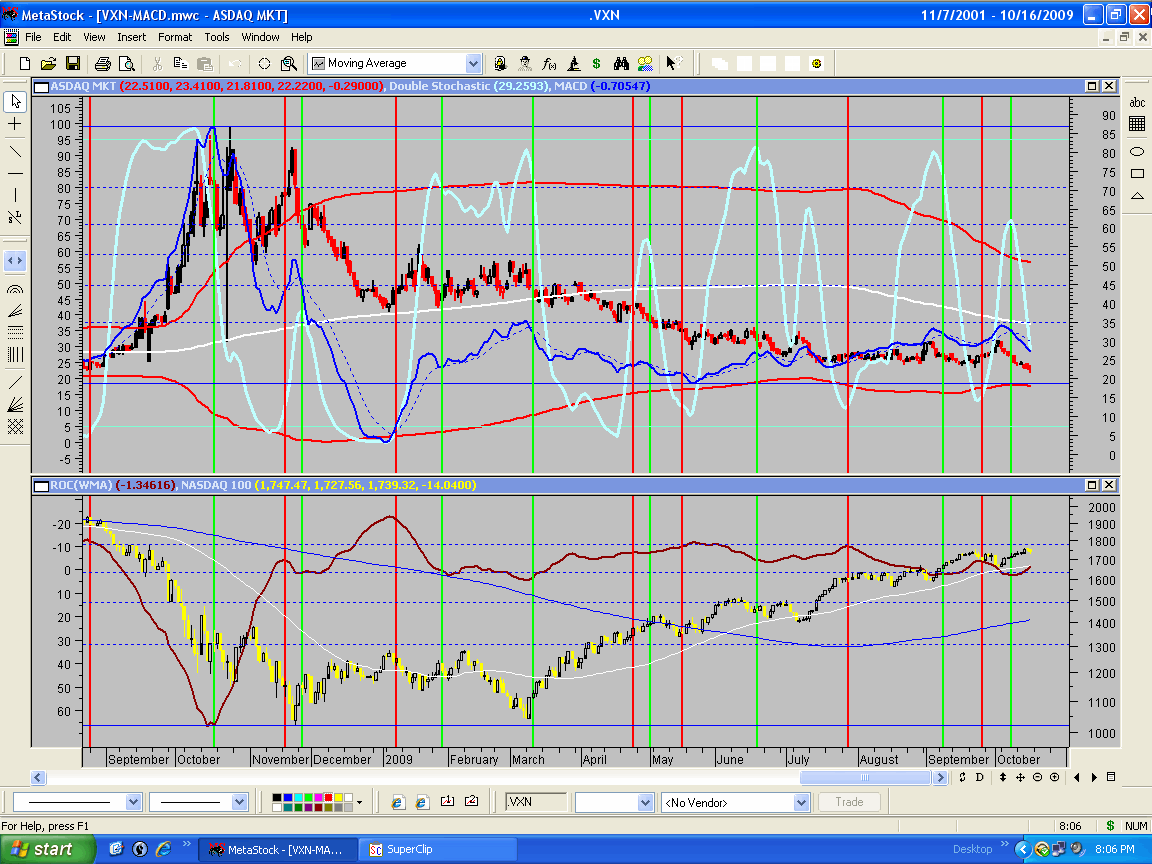
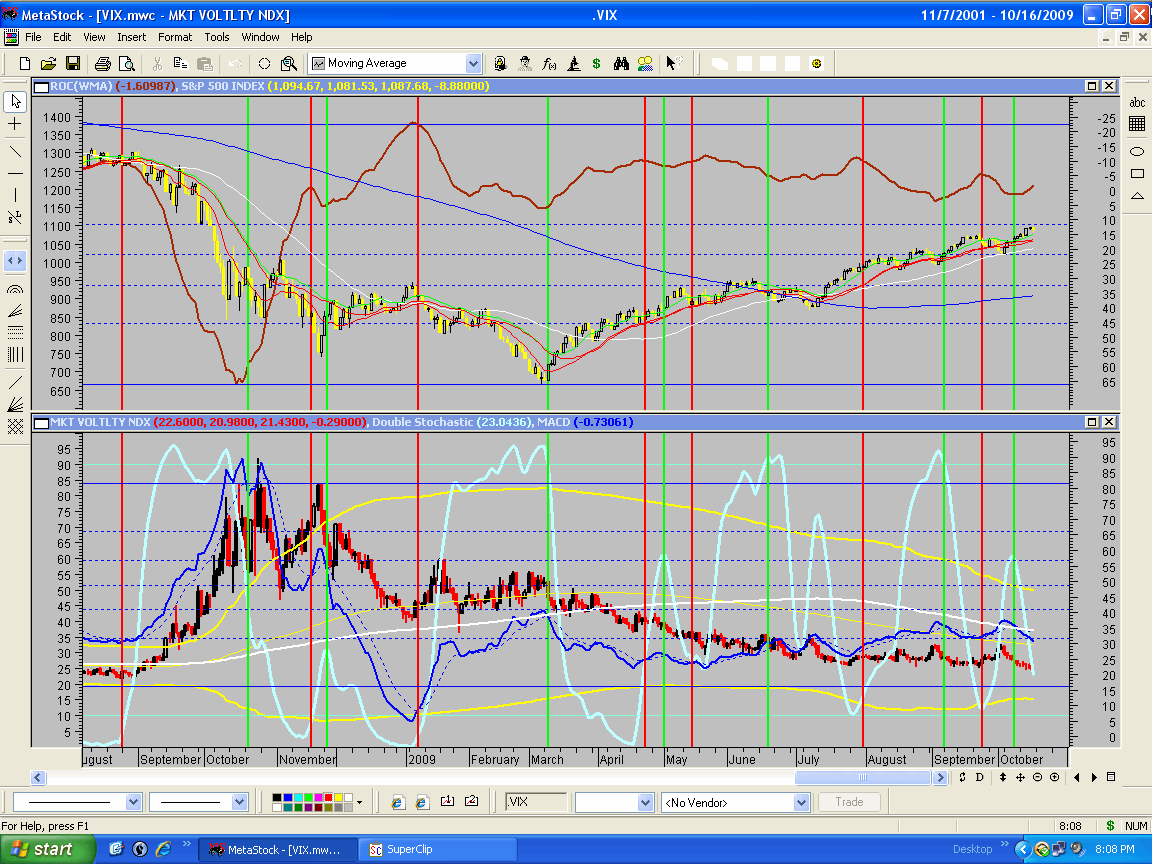
You’re probably tired of reading that the cycles are mostly overbought and that the 10-wk cycle is overdue for a correction. The cycles are still overbought, but the 10-wk cycle status is in doubt. It could be 9-weeks old and overbought, or less likely, almost 3 weeks old and overbought. The VXN and VIX (http://www.geocities.com/petegersb/VXN.GIF , http://www.geocities.com/petegersb/VIX.GIF ) support the latter situation after reversing course last week, but I suspect that the dip in the short-term composite 3 weeks ago was due the obvious corrections in the 13 and 26-day cycles. The overbought 26-day cycle is 14 days old and again ripe for a correction. If it produces a decline in prices this week, it will likely be the initiation of an intermediate correction as well as a short-term correction.
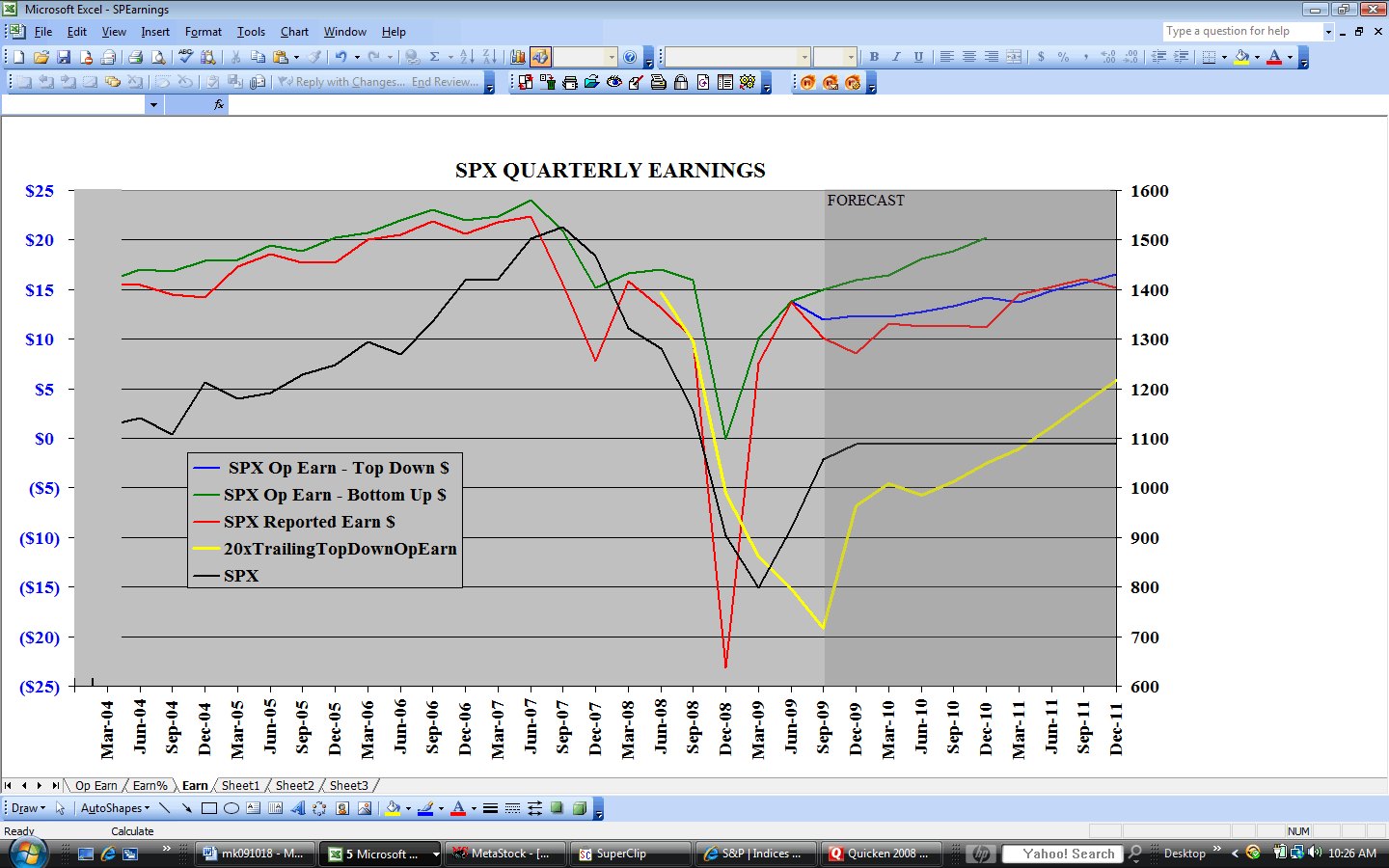
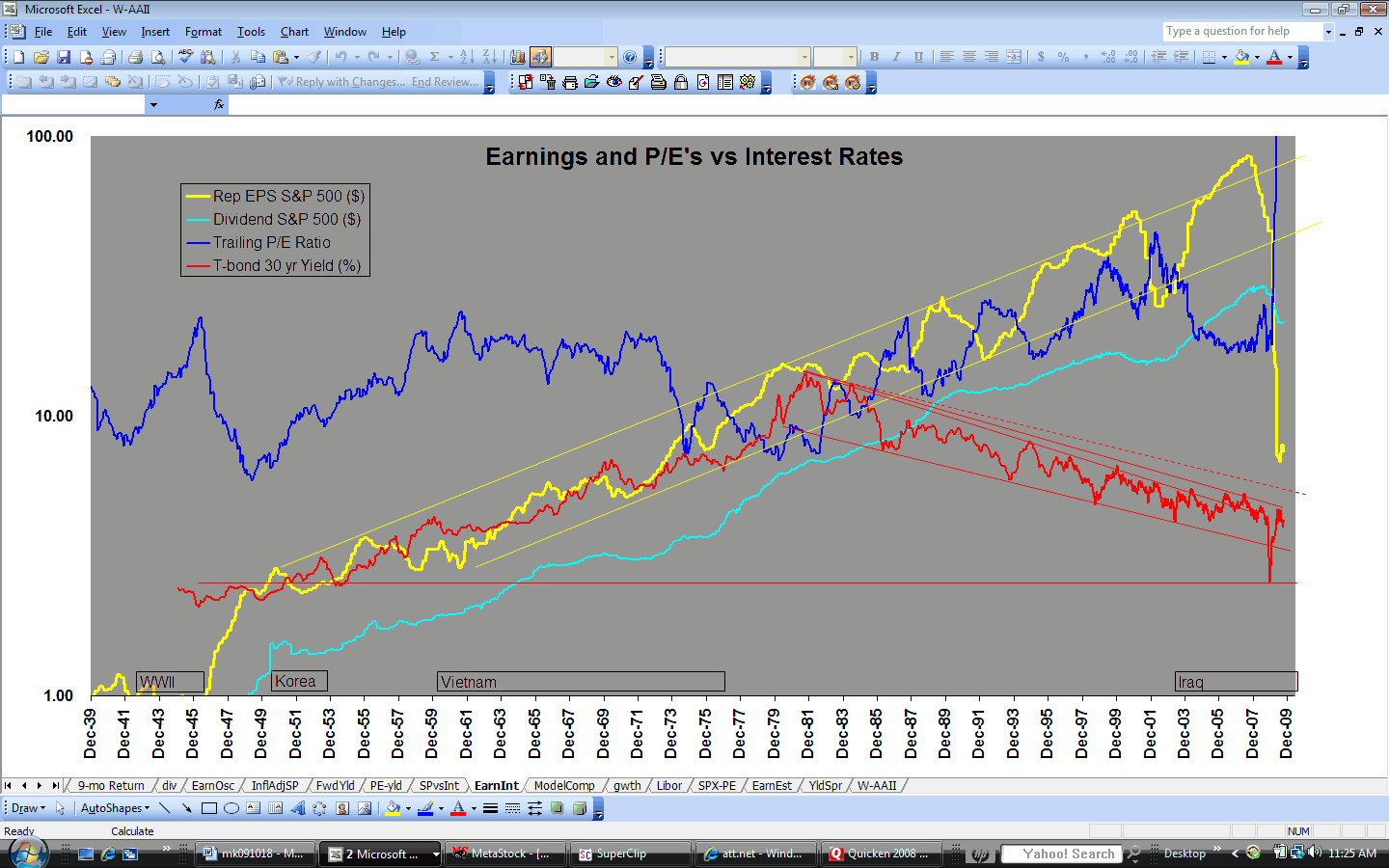
Fundamentals: Despite the emphasis in the news media on earnings reports that are better than expected, the reality is that S&P, with the benefit of some hindsight, reduced 1st quarter bottom-up operating earnings estimates for the S&P 500 (http://www.geocities.com/petegersb/EarnY-Y.GIF ) from $12.82 to $11.34 during the last week – an 11.5% reduction. Top-down estimates that are historically more accurate remained unchanged at $10.66 for the quarter and $44.41 for the year. That’s earnings without most of the bad stuff. Applying the GAAP adjustments for losses and expenses that are ignored by operating earnings brings the estimated profits down to $7.32 for the quarter and $28.51 for the year. So we have forward P/E’s of 20.9 on hoped-for operating profits and 32.6 on expected reported earnings. Should I even mention the 62 P/E on trailing reported earnings (http://www.geocities.com/petegersb/Earnings-InterestRates.GIF )? To confirm the sad fundamentals for stocks, the combination of declining dividends and rising prices has reduced the dividend yield on the SPX to 2.46% from 3.58% a mere 9 weeks ago. Historically, stocks that are that expensive have not produced good returns going forward. You can earn more on safe treasury notes (http://www.geocities.com/petegersb/TreasuryYield-10yr.GIF ), which aren’t attractive either, and much more on corporate or municipal bonds. The S&P is expensive by any reasonable measure. The bulls seem to think stocks are cheap simply because they have fallen so far.
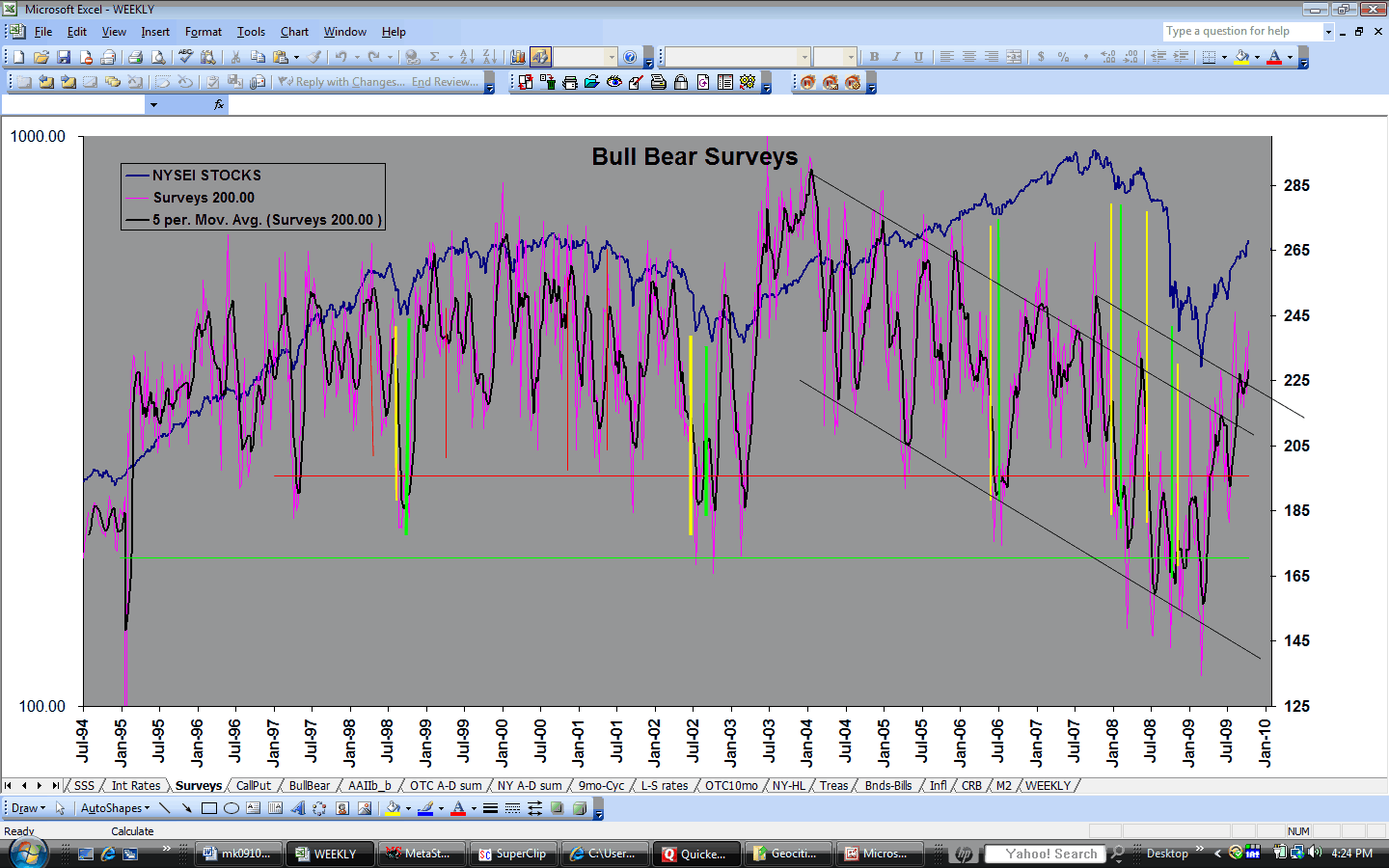
Sentiment (http://www.geocities.com/petegersb/SurveysCombined.GIF ) is still becoming more optimistic as might be expected in light of recent strong gains. At the middle of the normal range and rising, it’s moderately bullish, but it’s also at the level where recent bear market rallies have aborted.
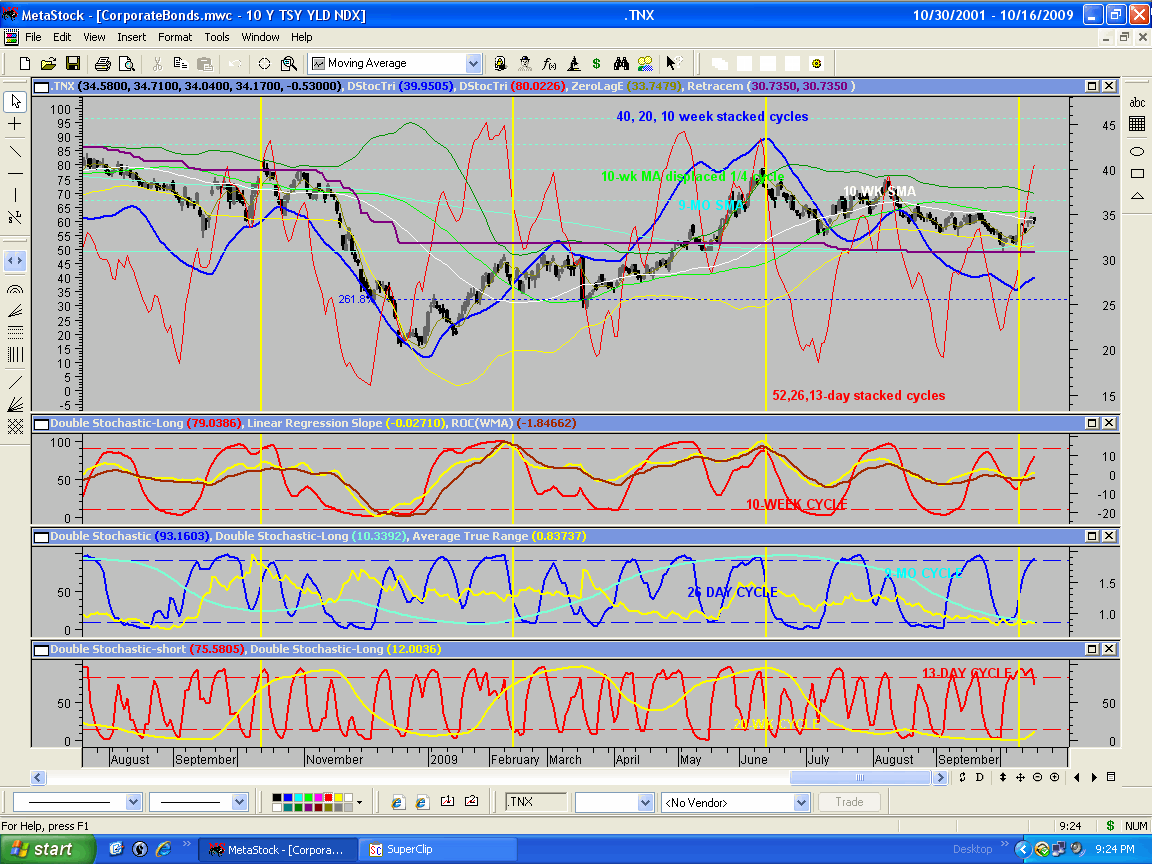
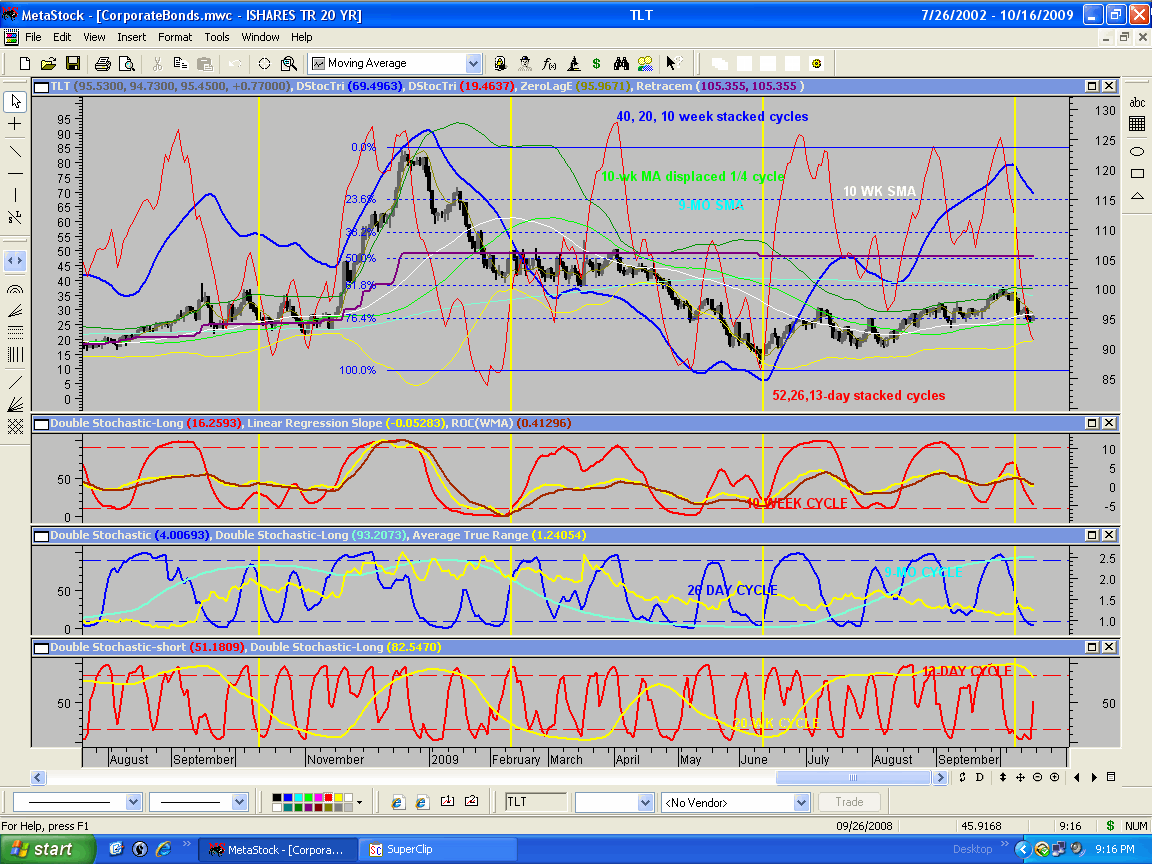
Treasury bonds (http://www.geocities.com/petegersb/Treasury-20yr.GIF ) had trouble with last week’s auction and the growing conviction that the economy will bottom by year end. Treasuries are now about as oversold as they were last May – about a month before the beginning of a 6 month rally that tacked on over 30%. I don’t expect anything similar this time. Last year’s bond bubble pushed TLT well above its multi-year trading range between 80 and 98. Despite the oversold condition, it has pulled back only to the top of the range. Barring deflation and a much deeper recession, it’s unlikely that we will see the 2008 year-end peak again. T-bonds appear near a 10 week cycle low, but also one 10-week cycle short of a more significant bottom.
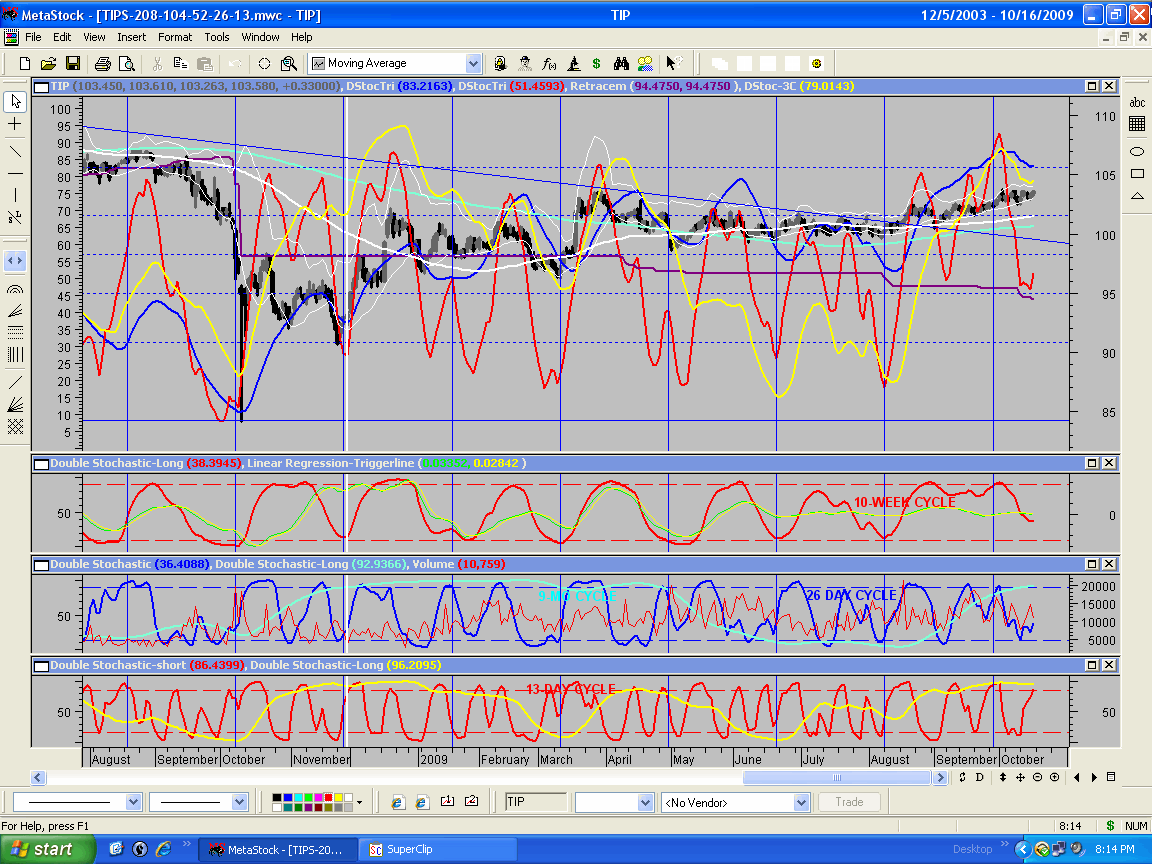
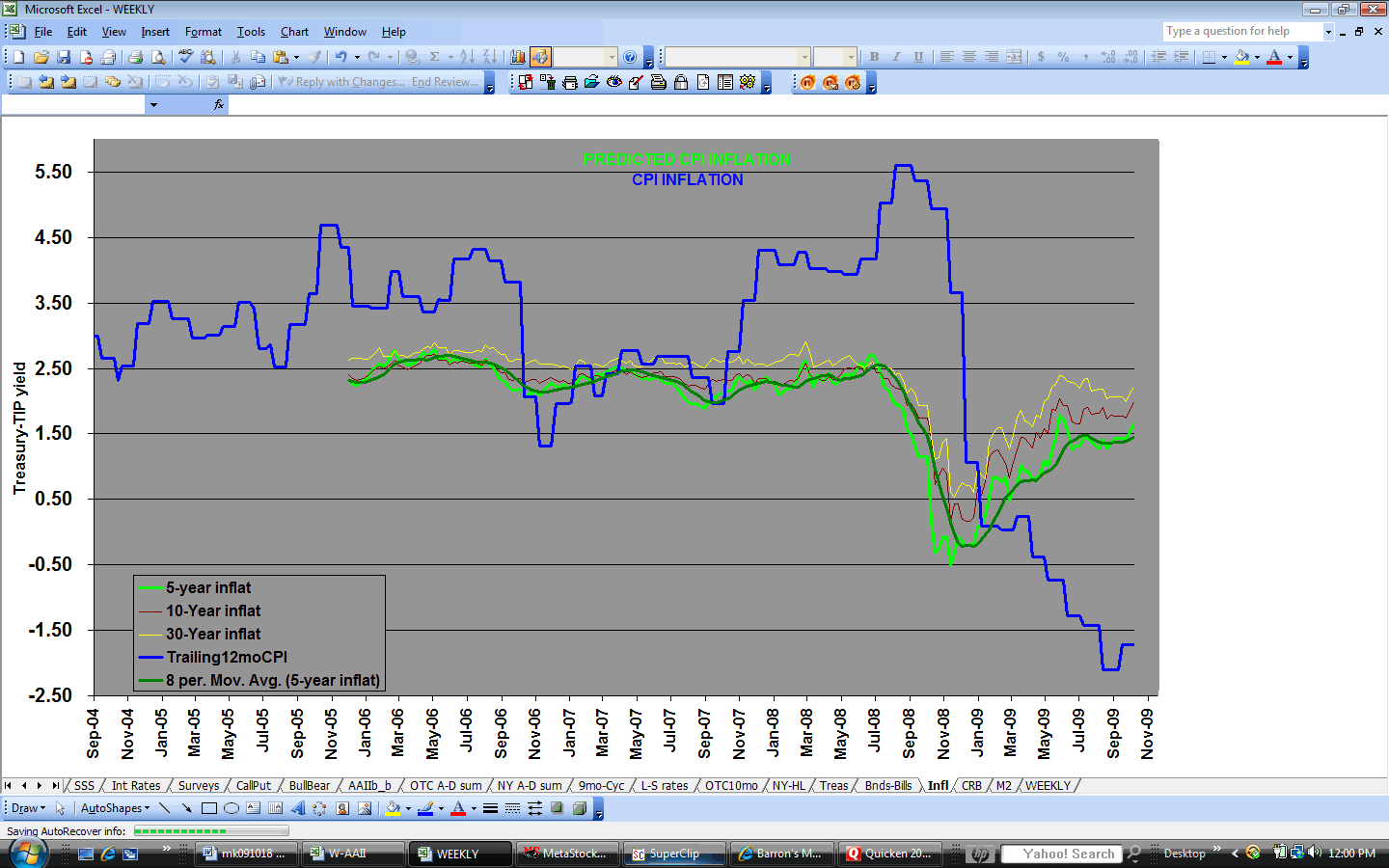
Inflation Protected Treasuries (http://www.geocities.com/petegersb/TIPs.GIF) went in the other direction despite downtrends in all but the shortest cycles. Now the short-term composite has turned up marking a likely 10-wk cycle rally and perhaps another move above the 9-month and 10-wk moving averages. Fear of inflation (http://www.geocities.com/petegersb/CPI.GIF ) is trumping rising interest rates in conventional treasuries.
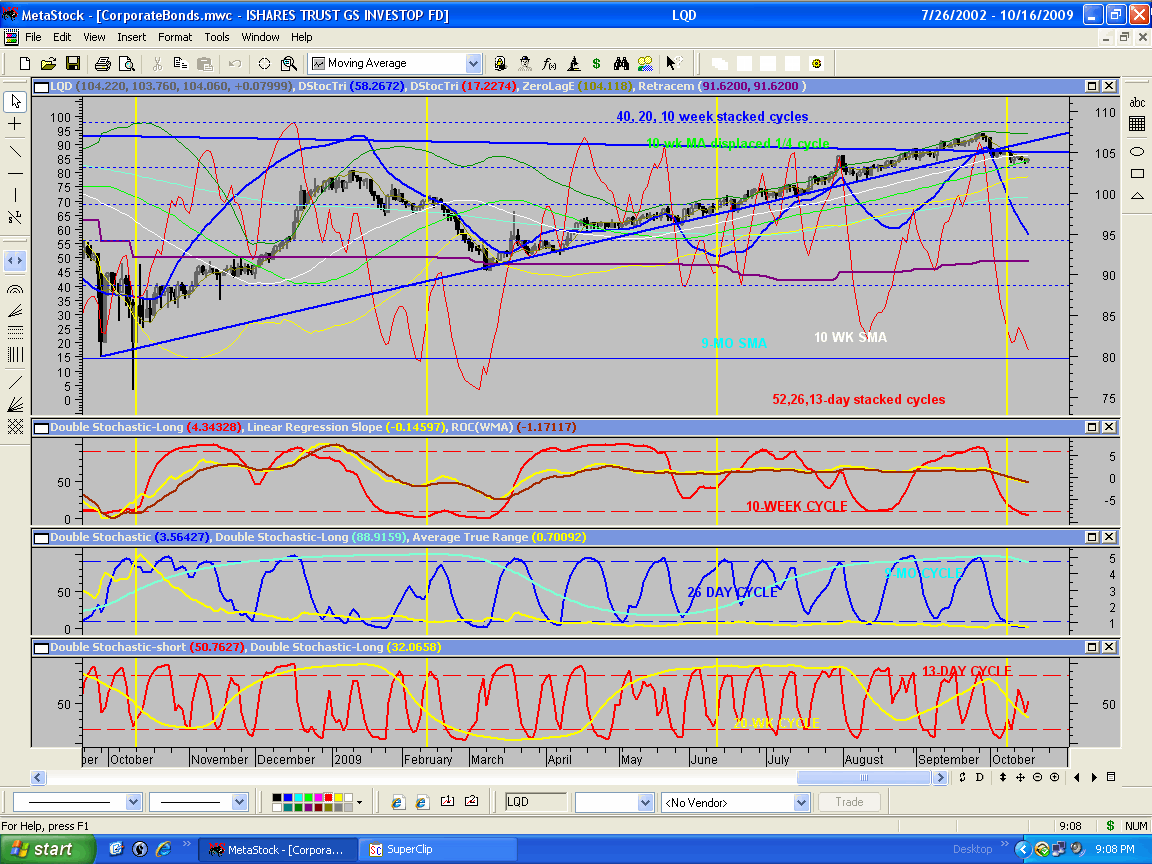
Corporate bonds (http://www.geocities.com/petegersb/CorporateBonds.GIF ) gained slightly last week as the 13-day cycle moved to a peak on Wednesday. The 20-wk cycle appears likely to continue supporting prices as the shorter cycles correct.
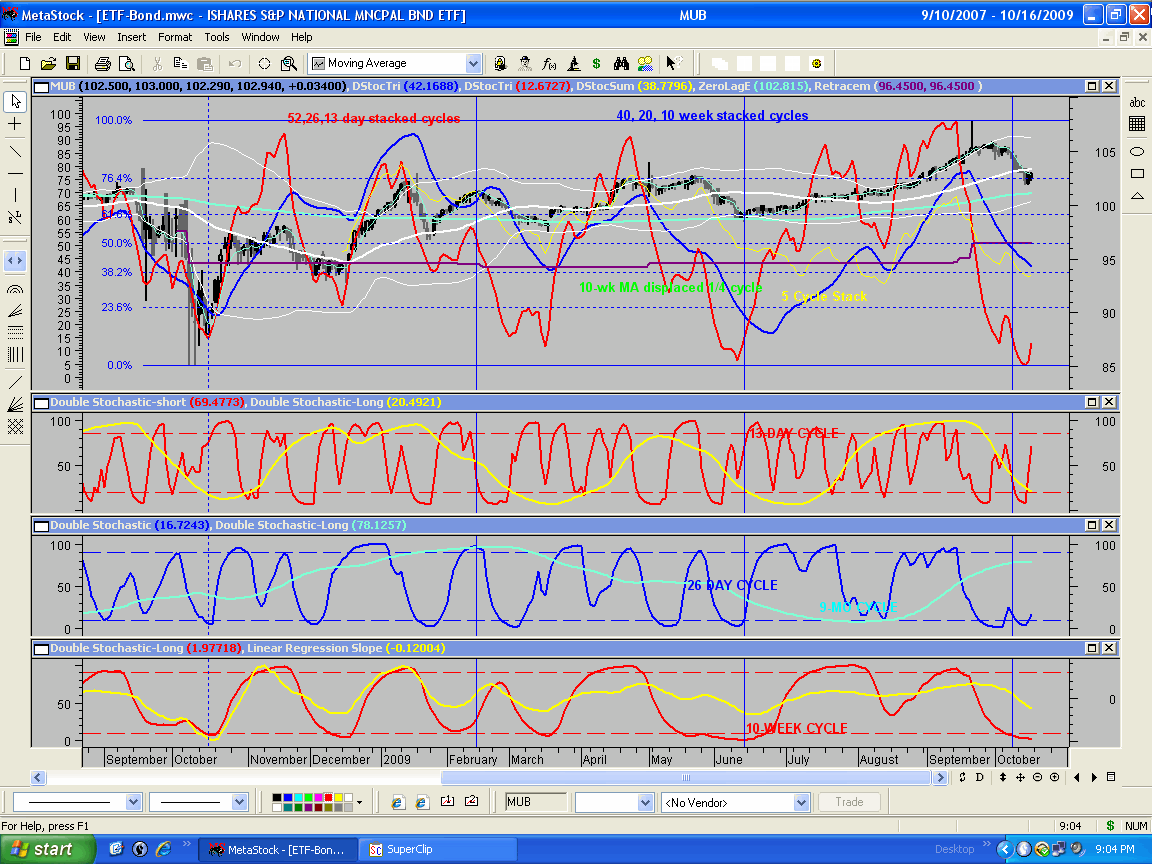
Municipal bonds (http://www.geocities.com/petegersb/MunicipalBonds.GIF ) were little changed last week as a rising 13-day cycle countered declining short and intermediate composites. This week the 26-day cycle should also lend support, but there is no indication of a bottom in the composites.
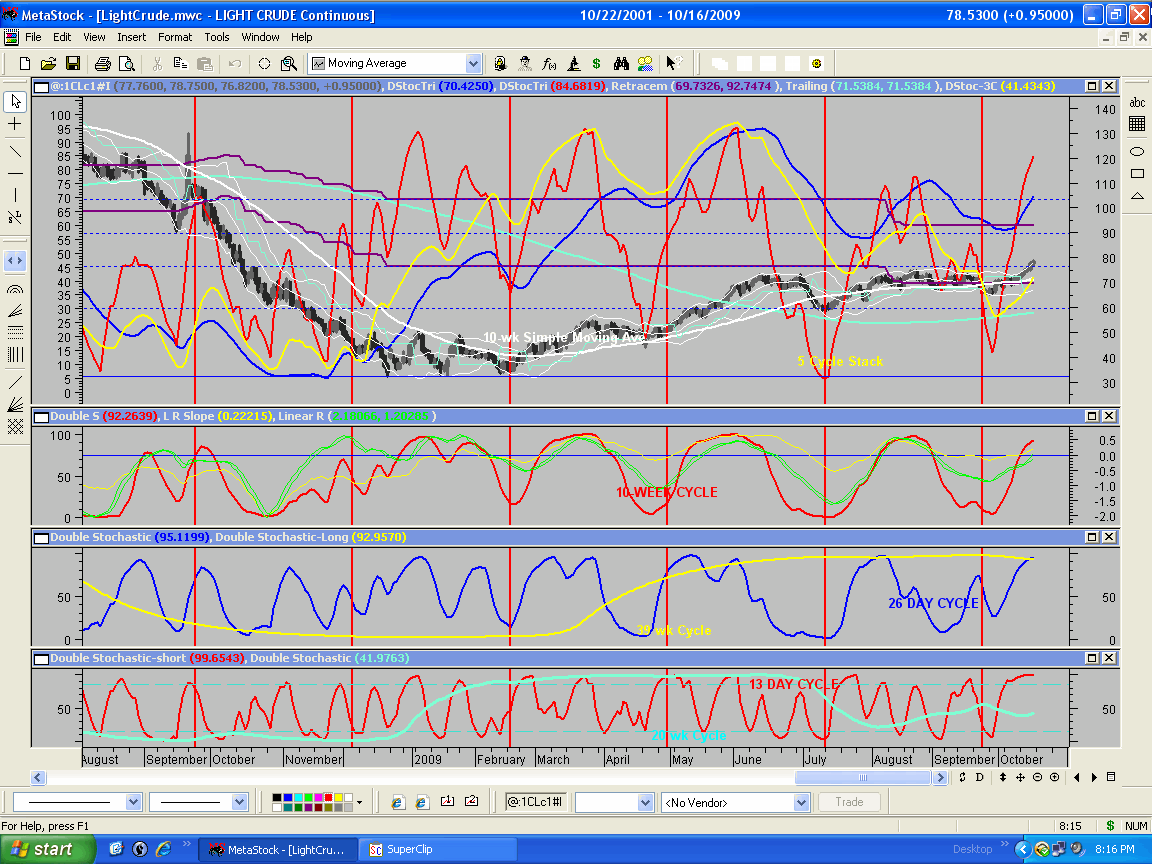
Crude oil (http://www.geocities.com/petegersb/CrudeOil.GIF ) didn’t pause for the 13-day cycle correction as expected. It advanced to a new recovery high on the strength of the favorable longer cycles. Now it’s up against the 23.8% Fibonacci retracement of last years second half decline. While most of the cycles are overbought, the composites are not, and the 10-wk cycle is only 3 weeks old. It has a good chance to penetrate this resistance, perhaps after a pause, and reach next higher resistance at the 9-mo moving average.
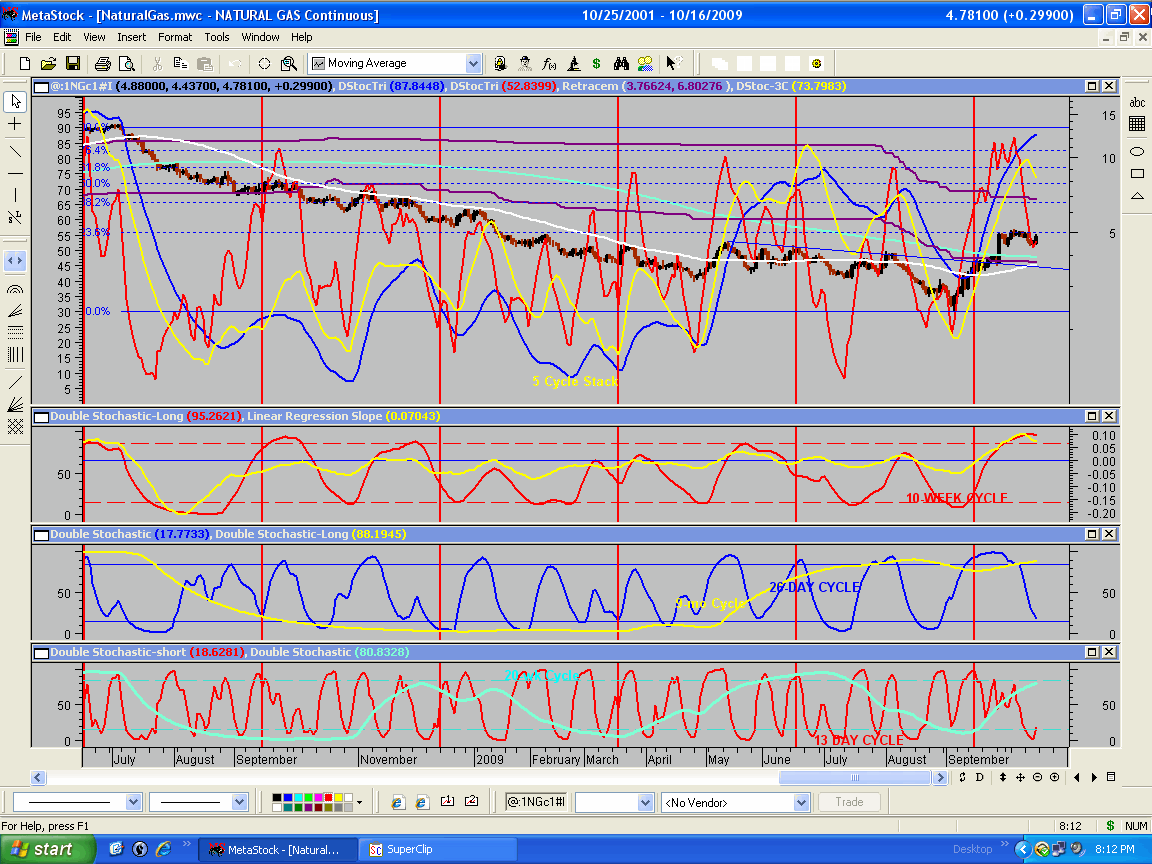
Natural gas (http://www.geocities.com/petegersb/NaturalGas.GIF ) had its strongest week in well over a year as it broke above the 10-week moving average and above the downtrend channel that confined it for the last 10 months. Although the shorter cycles are now overbought, the 10-wk cycle is only 2 weeks old and the composites have room to run. A likely 13-day cycle correction shouldn’t do much damage.
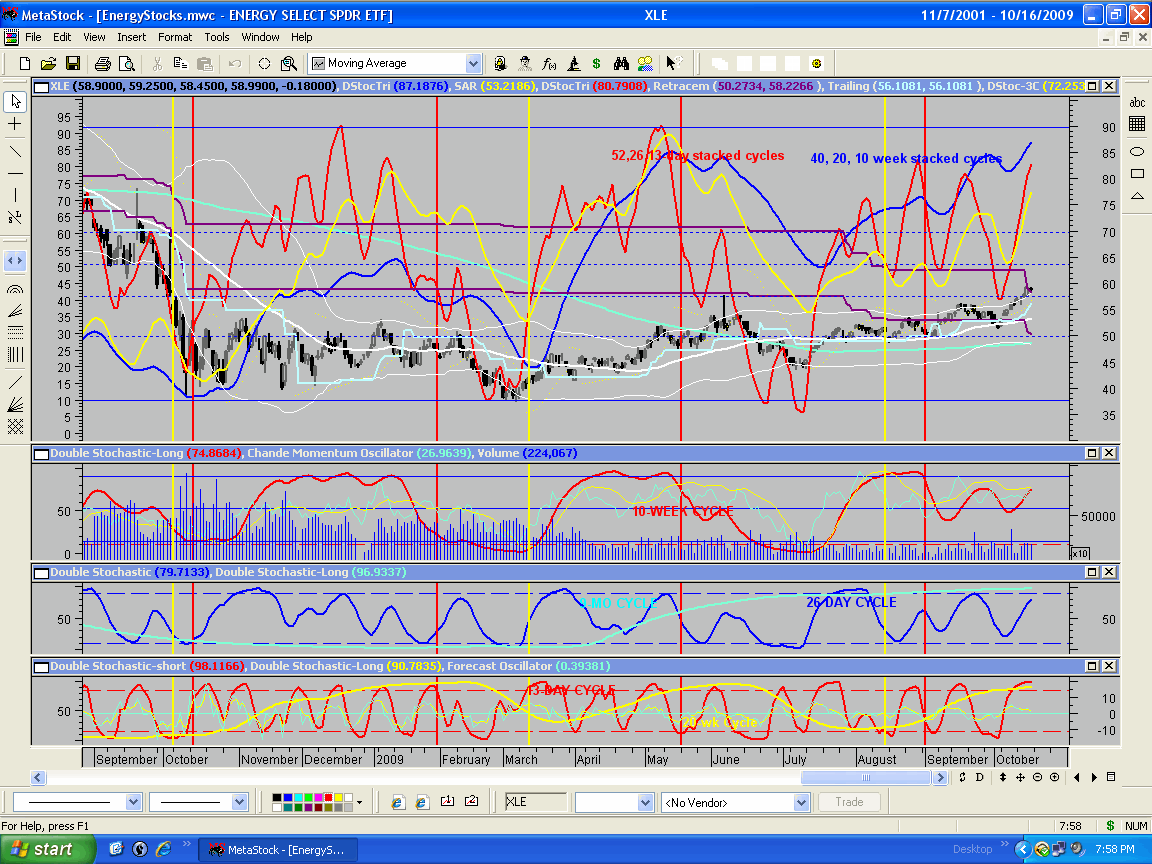
Energy stocks (http://www.geocities.com/petegersb/EnergySPDR.GIF) also rallied strongly last week – the second strongest sector behind the Financials (http://www.geocities.com/petegersb/Financials.GIF ). The short and intermediate composites are overbought, and the XLE is at the top of its 7-month trading range and up against resistance at its 9-mo moving average. But the 20-wk and 9-mo cycles are not overbought and only 9 weeks old, so the intermediate term still looks good. If we get the expected short-term correction in the broad market averages, Energy stocks will probably correct with them, but probably hold above the 10-week average that has now turned up.
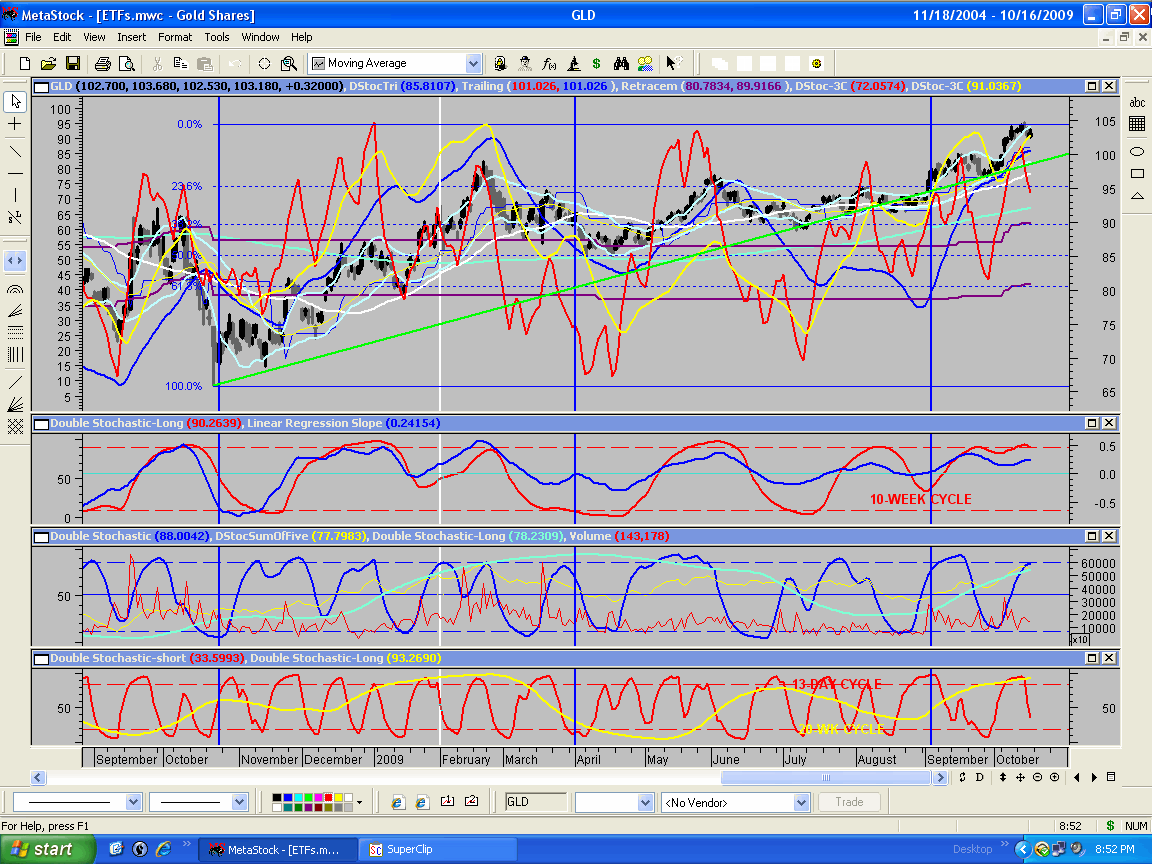
Gold (http://www.geocities.com/petegersb/GoldBullion.GIF) rallied modestly back up to the 10-wk moving average. The
short cycles and the short-term composite are moderately overbought, but the
20-wk cycle and intermediate composites are still favorable. It’s a recipe for
a modest short-term correction beginning some time this week.
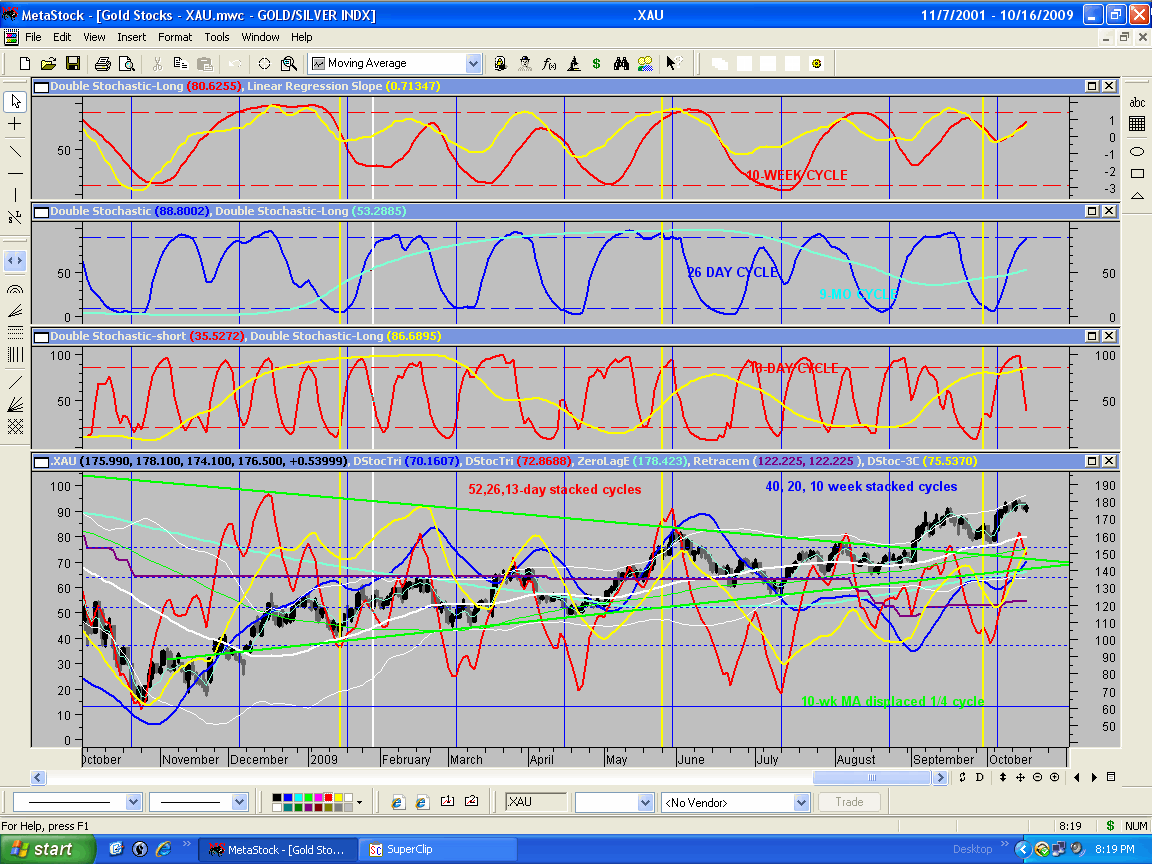
Gold Stocks (http://www.geocities.com/petegersb/GoldStocks.GIF
) unexpectedly rallied quite strongly off of the 9-mo and 10-wk moving averages.
The short-term composite aborted a budding downturn and the intermediate
composite turned up along with the 10-wk cycle DStoc. The XAU is not at the
level that temporarily halted the decline last August and, so far, stalled the
advance in February and March. This week, favorable 10 and 20-wk cycles will be
bucking overbought 13/26-day and 9-mo cycles, so a break above resistance at
this level is problematic.
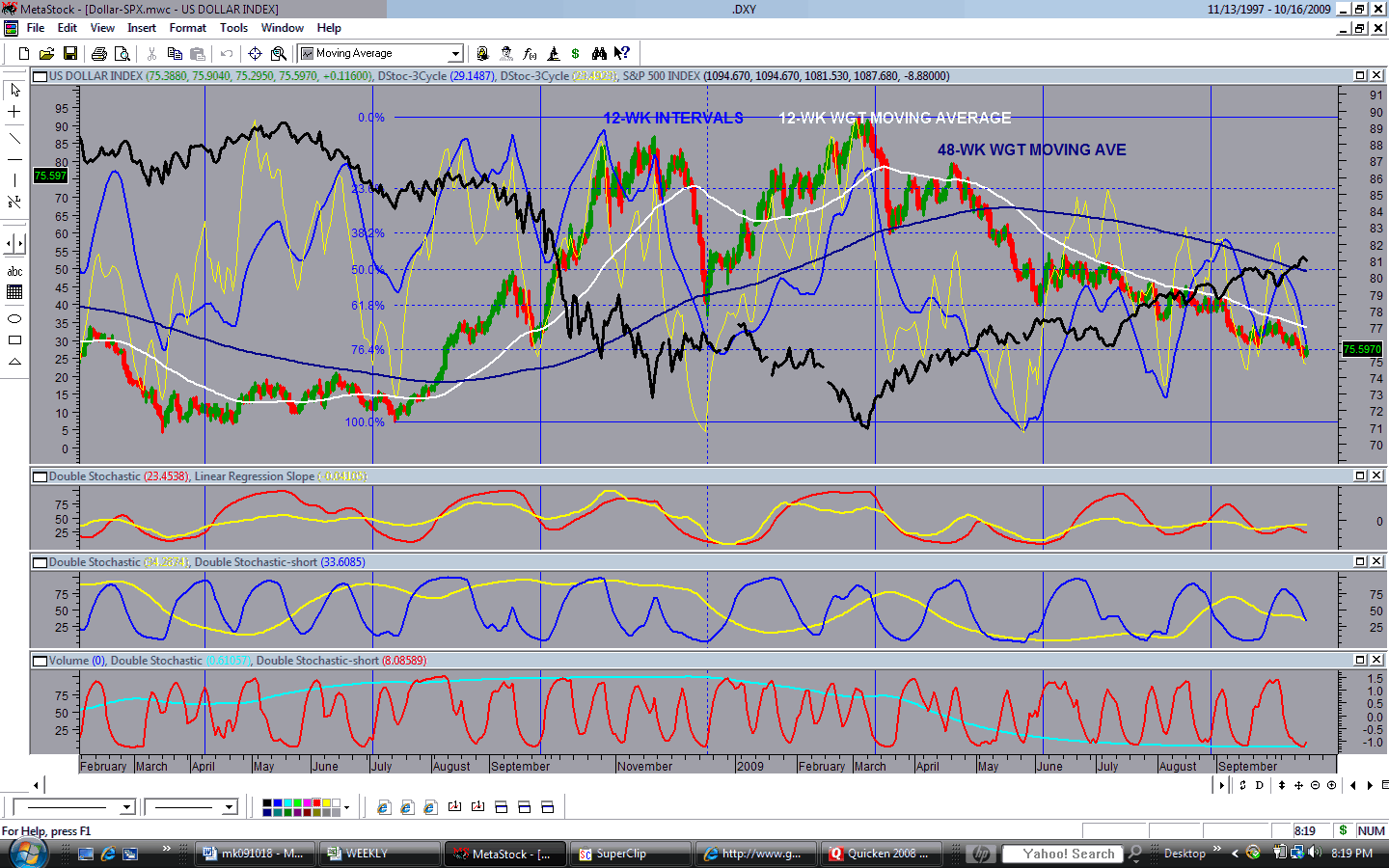
The Dollar (http://www.geocities.com/petegersb/Dollar.GIF) had a bad week and a very bad Friday that moved it down to a trendline that can be drawn along the September and December lows. That level coincides with the March low and the 38.2% Fibonacci retracement of the July-February rally. With the 26-day and 20-wk cycles very oversold, that support level may hold again, but the other cycles are unfavorable with room to run. The odds seem to favor a continued decline.