4/26/09
I will be briefing the MATS/WCCC on Tuesday, April 28. If you would like a copy of the Power Point presentation, let me know at [email protected]. If you don’t have PowerPoint on your computer, you can nevertheless view the Presentation using Power Point Viewer that is available as a free download from Microsoft at http://www.microsoft.com/downloads/details.aspx?familyid=048DC840-14E1-467D-8DCA-19D2A8FD7485&displaylang=en
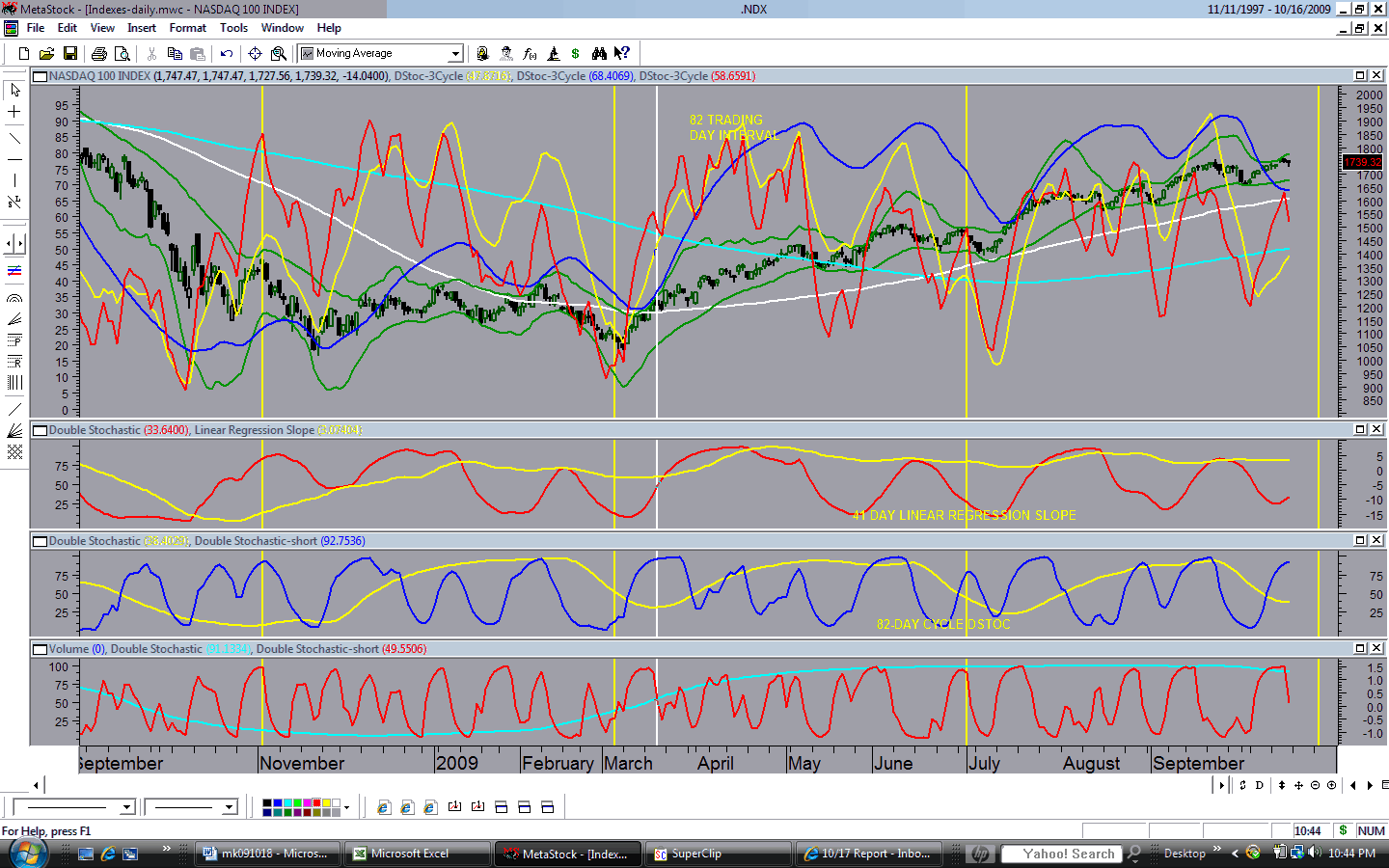
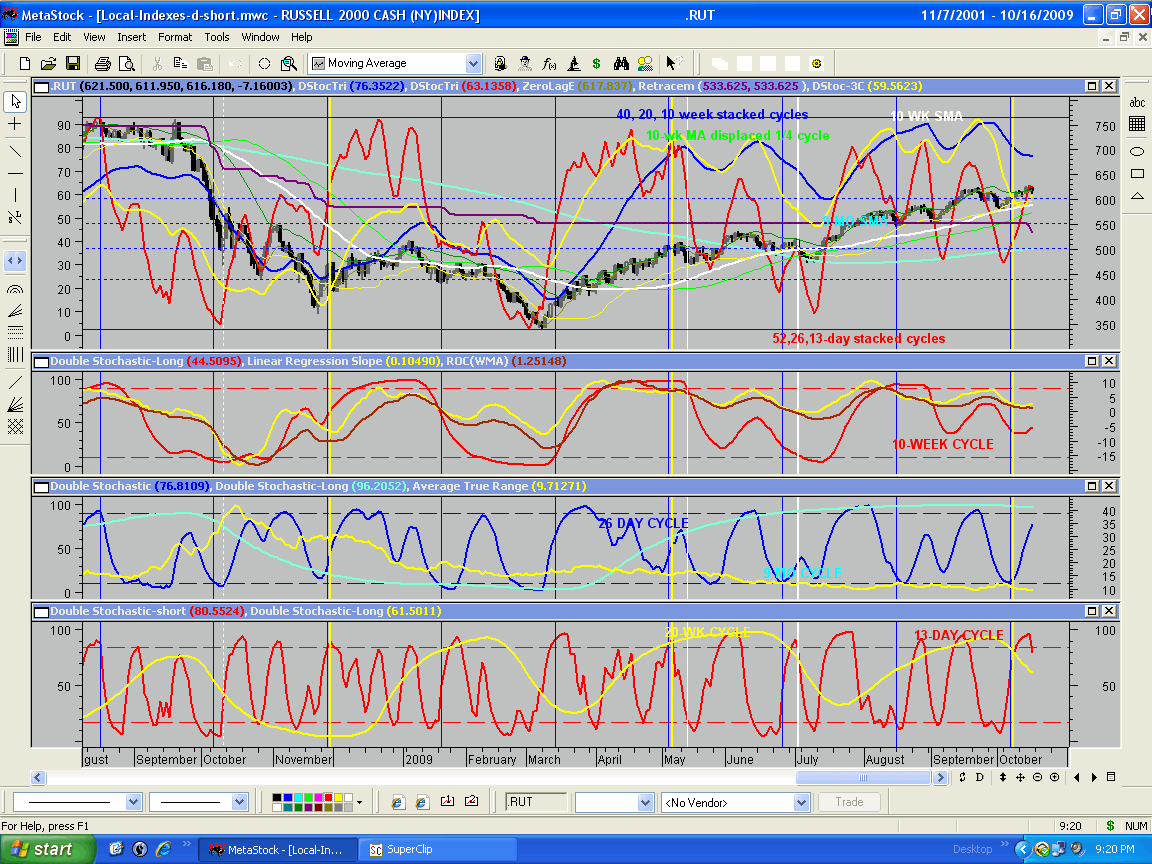
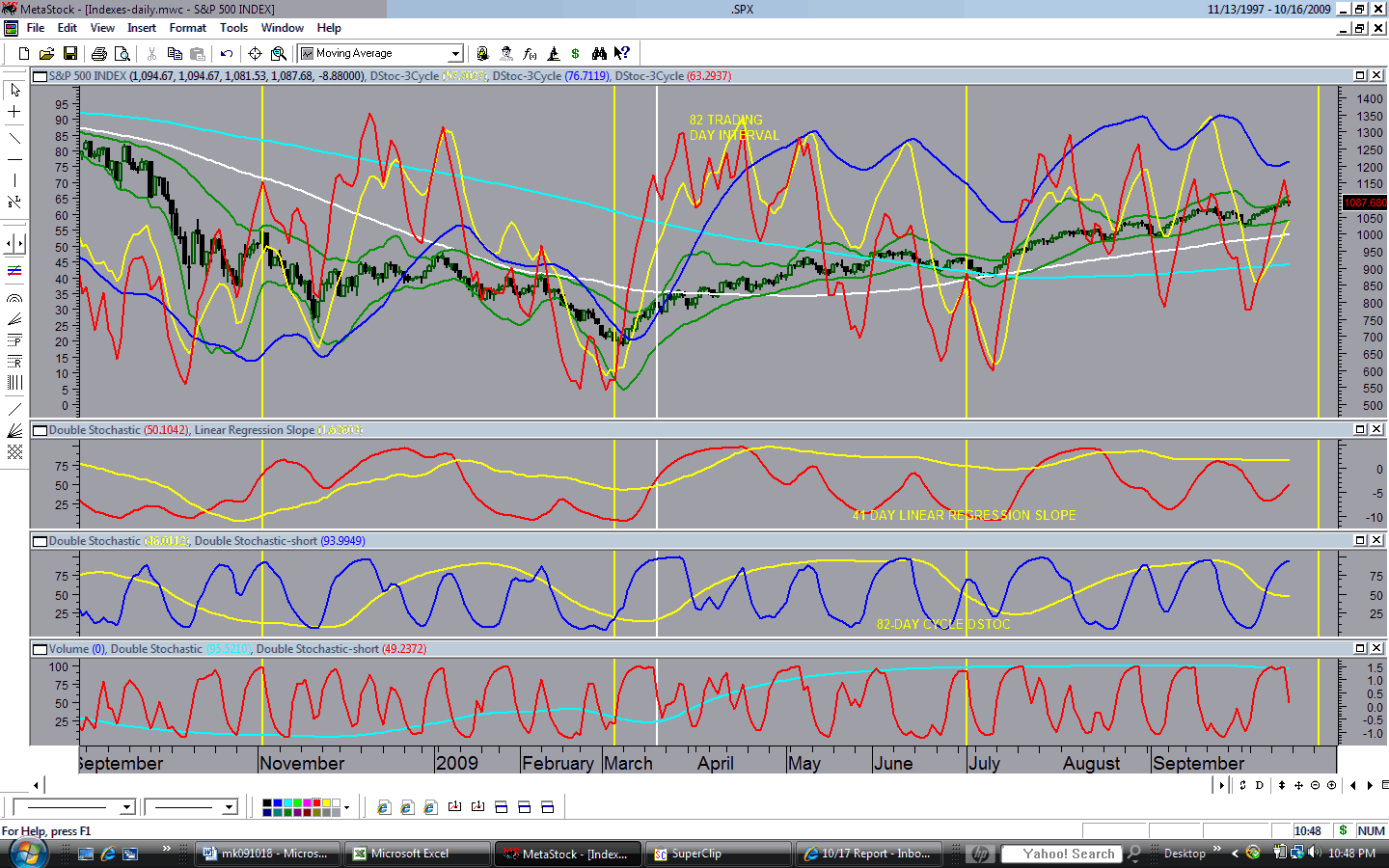
On Monday it seemed apparent that the expected short-term correction had begun, but stocks spent the rest of the week clawing their way back to test the prior week’s high. The NASDAQ (http://www.geocities.com/petegersb/NDX.GIF) succeeded in making a new recovery high; the small cap Russell 2000 index (http://www.geocities.com/petegersb/Russell2000.GIF ) matched the prior week’s high; and the SPX (http://www.geocities.com/petegersb/SP500.GIF ) fell just a bit short. But all of these charts have three things in common: 1) The cycle indicators suggest that the 10-wk cycle peaked a week ago, 2) the shorter cycles bottomed on Tuesday, and 3) The price and cycle pattern continues to track the period in mid-May when the 10 and 20-wk cycles were forming a broad top. If the pattern continues, as it has for the last 5 months, we shouldn’t see much movement this week, but a fairly serious decline during May.
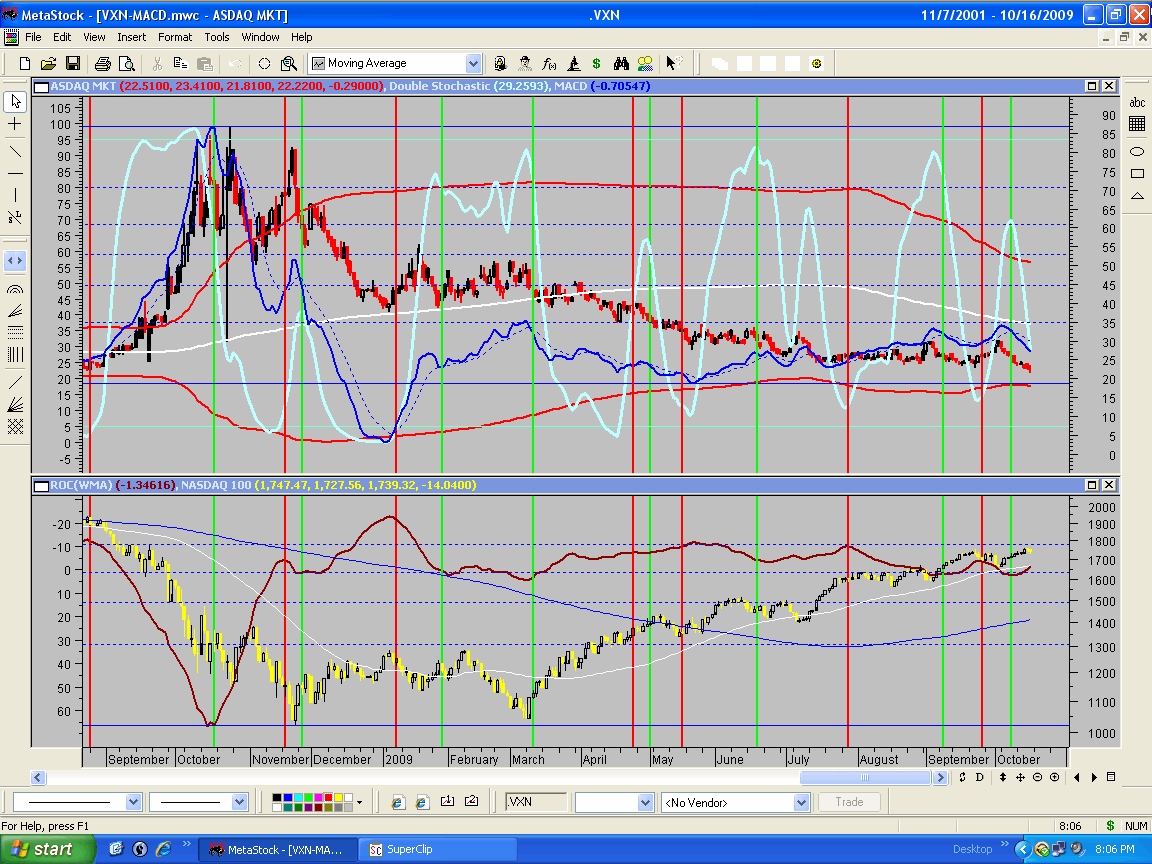
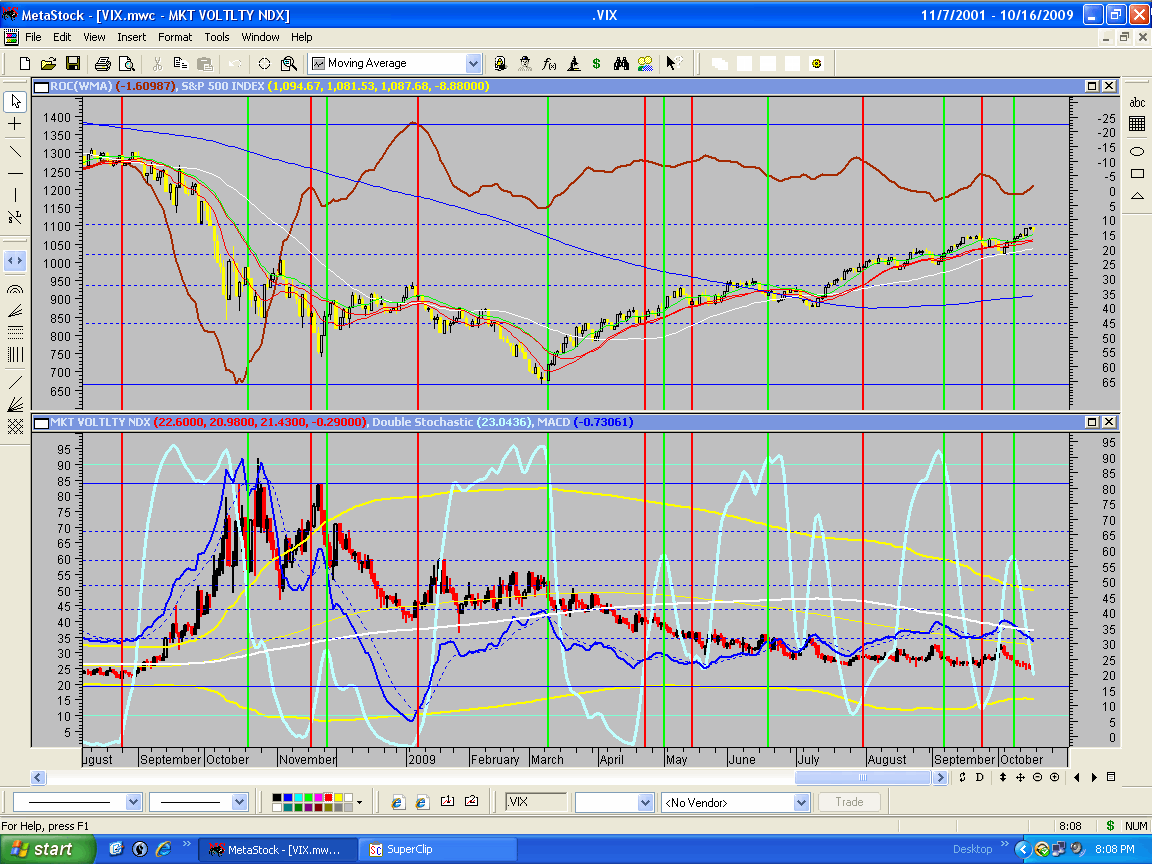
To bolster the outlook for such an outcome, the VIX and VXN (http://www.geocities.com/petegersb/VXN.GIF , http://www.geocities.com/petegersb/VIX.GIF ) rose last week despite the essentially unchanged market. Their DStocs indicate that a 10-wk cycle correction is underway. The strong NDX is meeting resistance at the down trending 9-mo moving average. The SPX is meeting resistance at the 23.6% Fibonacci retracement. Consequently, the favorable 13 and 26-day cycles will likely be hard pressed to produce a continuation of the rally.
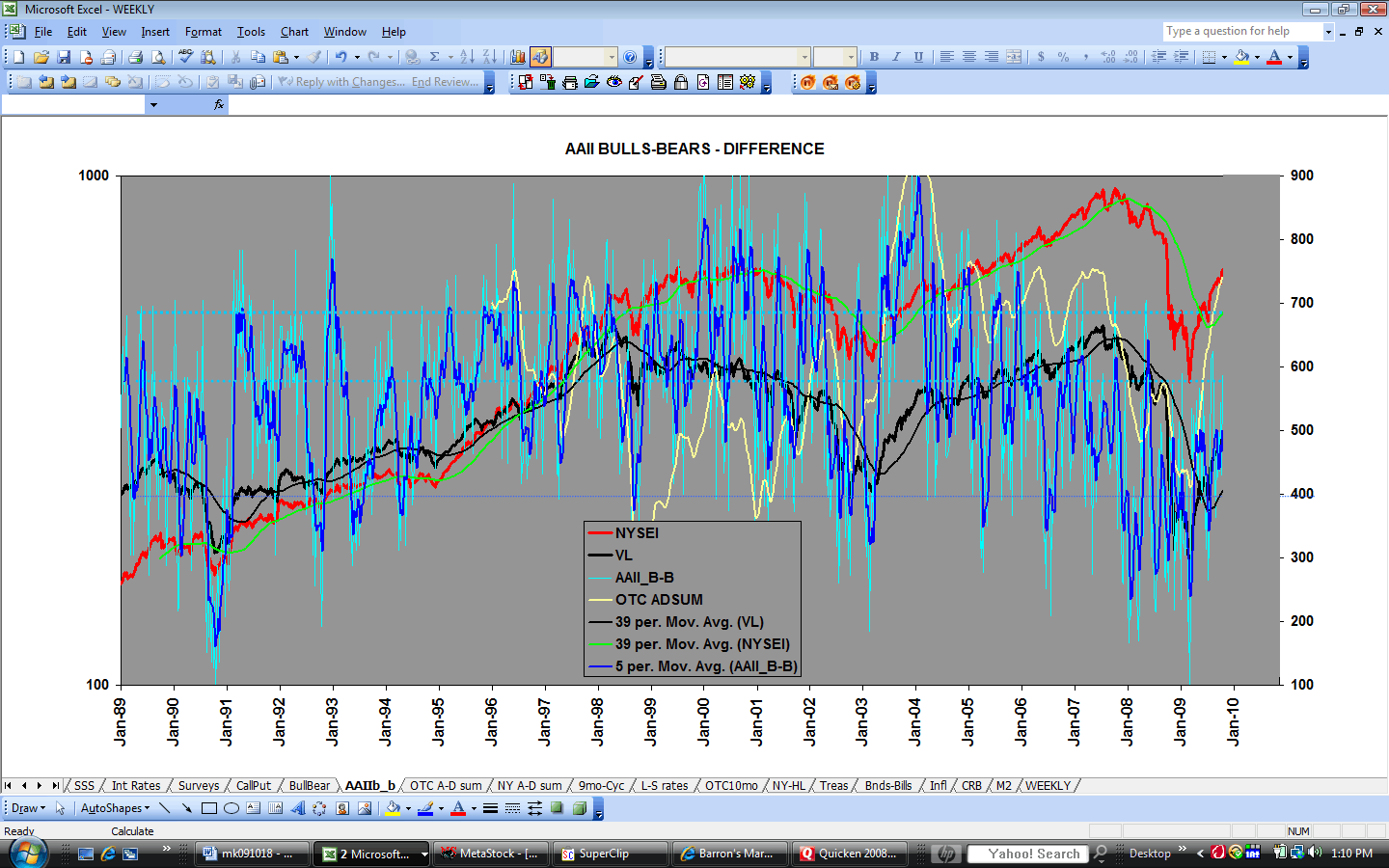
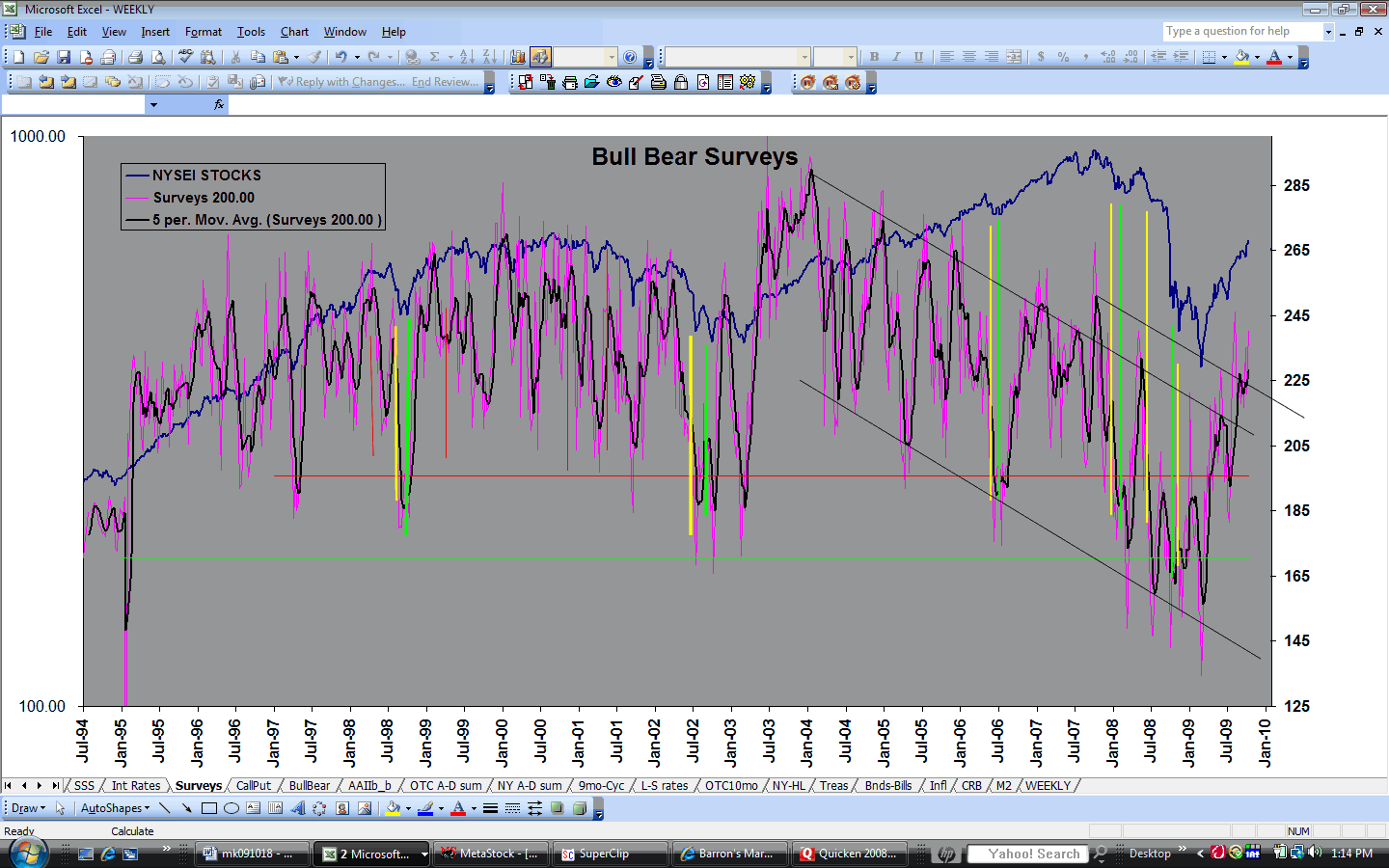
Investors seem to be seduced by generally better-than-feared earnings and economic reports, although both remain abysmal. It’s not just the generally wrong small investor (http://www.geocities.com/petegersb/AAIIsentiment.GIF ) but also the professionals (http://www.geocities.com/petegersb/InvestorsIntelligence.GIF ), or the market couldn’t have run as far as it did. Last week Barron’s published its semi-annual “big money poll”. It doesn’t identify specifically who the respondents are, but their competence at forecasting the market can be judged by their year-ago opinions. In April 2008 50% were bullish or very bullish, while only 12% were bearish. In keeping with that outlook, 55% thought the market was undervalued a year ago and only 10% thought it was overvalued. Today 59% are bullish or very bullish, while 13% are bearish, and 56% thinks the market is undervalued while only13% thinks it’s overvalued. Obviously, if their predictions are as accurate this year, we can expect another very bad year ahead.
Their sector selection was almost as bad as their market timing. Financials were the favorites. Today, Financials are again the favorite. Their political acumen was also mostly wrong. 57% expected John McCain to be our president today, 62% expected the next administration to raise taxes, and 73% expected increased regulation. So far, taxes have been cut for most tax payers and raised for none, but fortunately they got the much needed regulation right. This year, it’s a bit worrisome that I agree with them on a number of predictions: 77% think inflation poses a greater risk than deflation over the next 3 years; 59% think the Obama stimulus plan will be effective, 84% are bearish on US Treasuries, and (somewhat inconsistently) 58% think the bear market has not yet reached bottom. Perhaps I need to adjust my thinking on these items if I have so much company this year in a group that was so spectacularly wrong last year.
Treasury bonds (http://www.geocities.com/petegersb/Treasury-20yr.GIF ) broke below the 9-mo moving average as expected last week and dipped to a 5-month low. Declining short and intermediate composites that are not yet oversold suggest a further decline that should find support a little lower at the September-October highs.
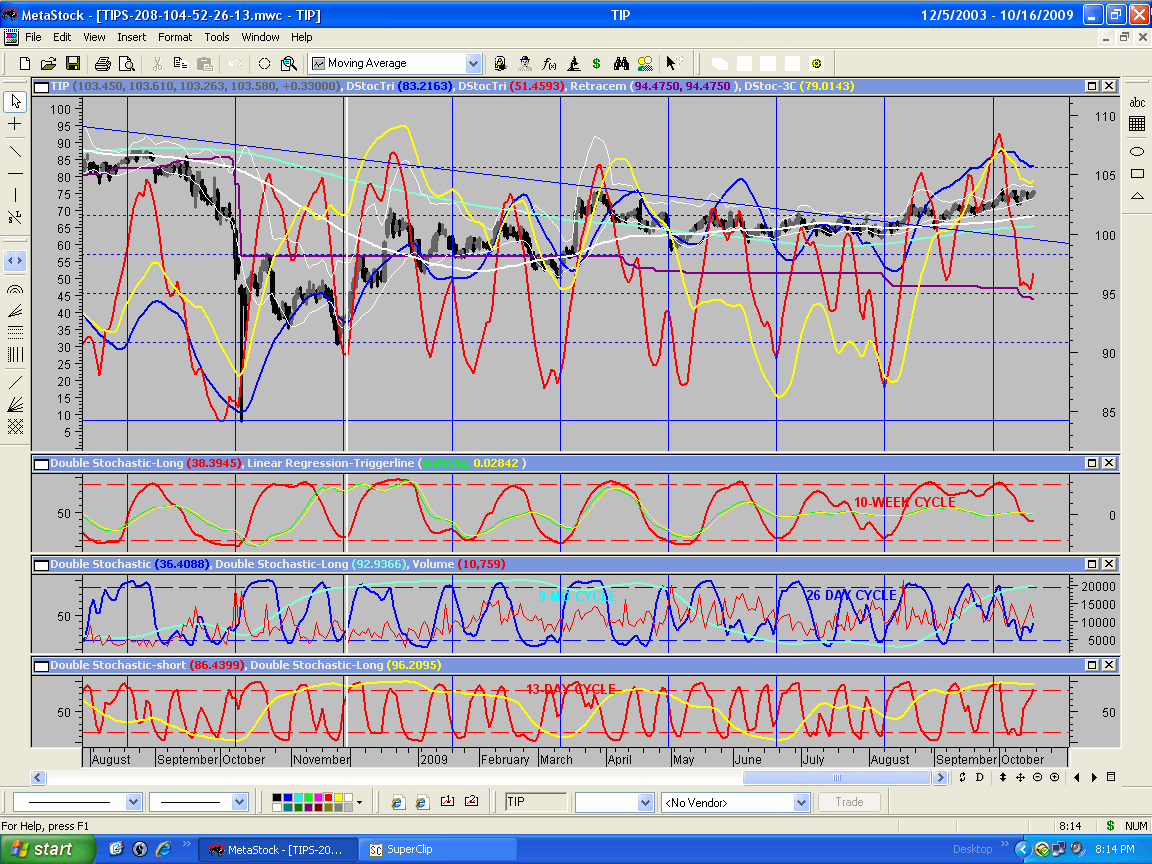
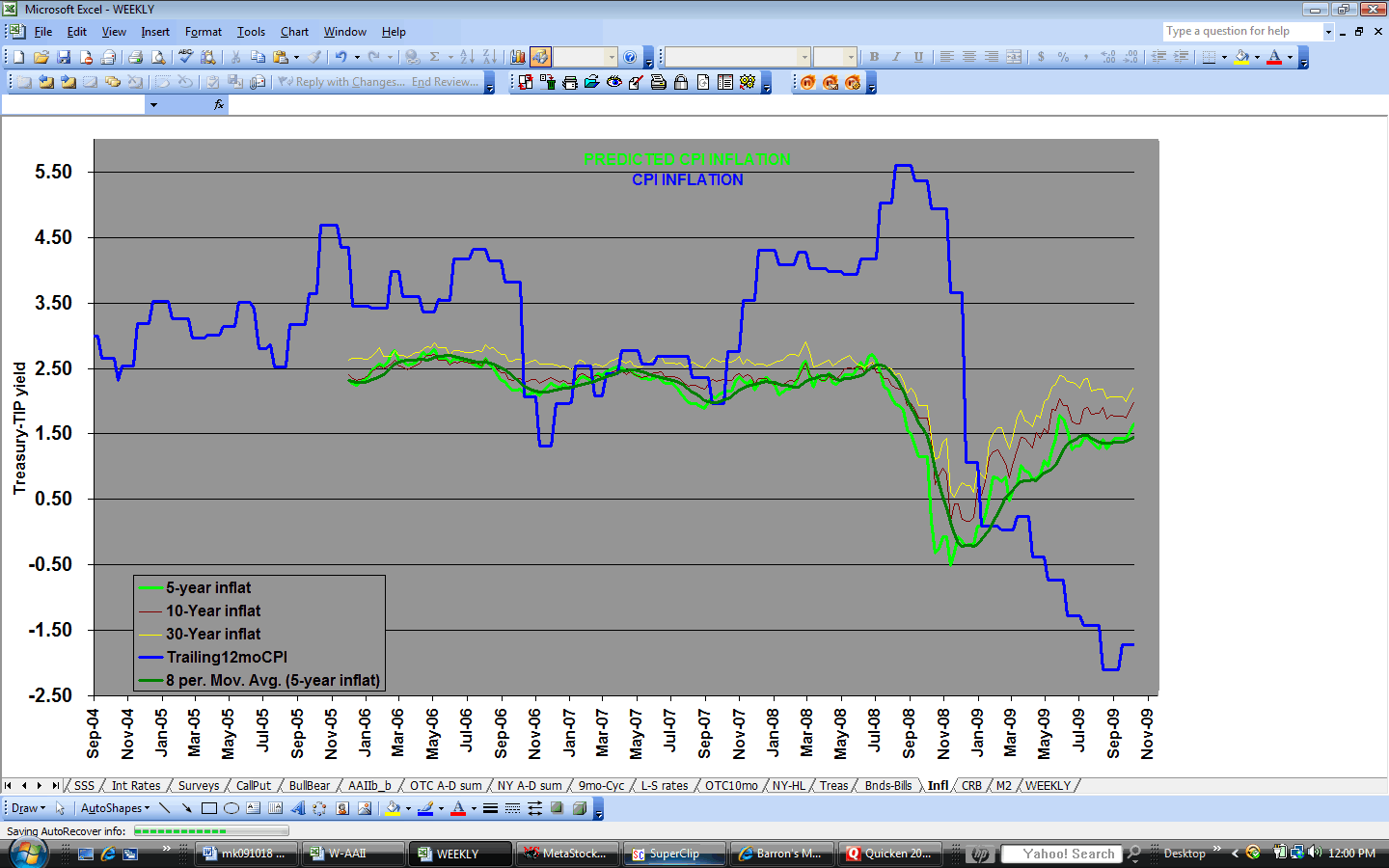
Inflation Protected Treasuries (http://www.geocities.com/petegersb/TIPs.GIF) rose very slightly despite a downtrend in the short and intermediate composites. So they maintained position just above the 9-month and 10-wk moving averages, and the 10-wk cycle is now ripe for a bottom. The longer cycles remain in a downtrend, so I expect a standoff this week. Inflation expectations rose last week after a couple of weeks of decline (http://www.geocities.com/petegersb/CPI.GIF ).
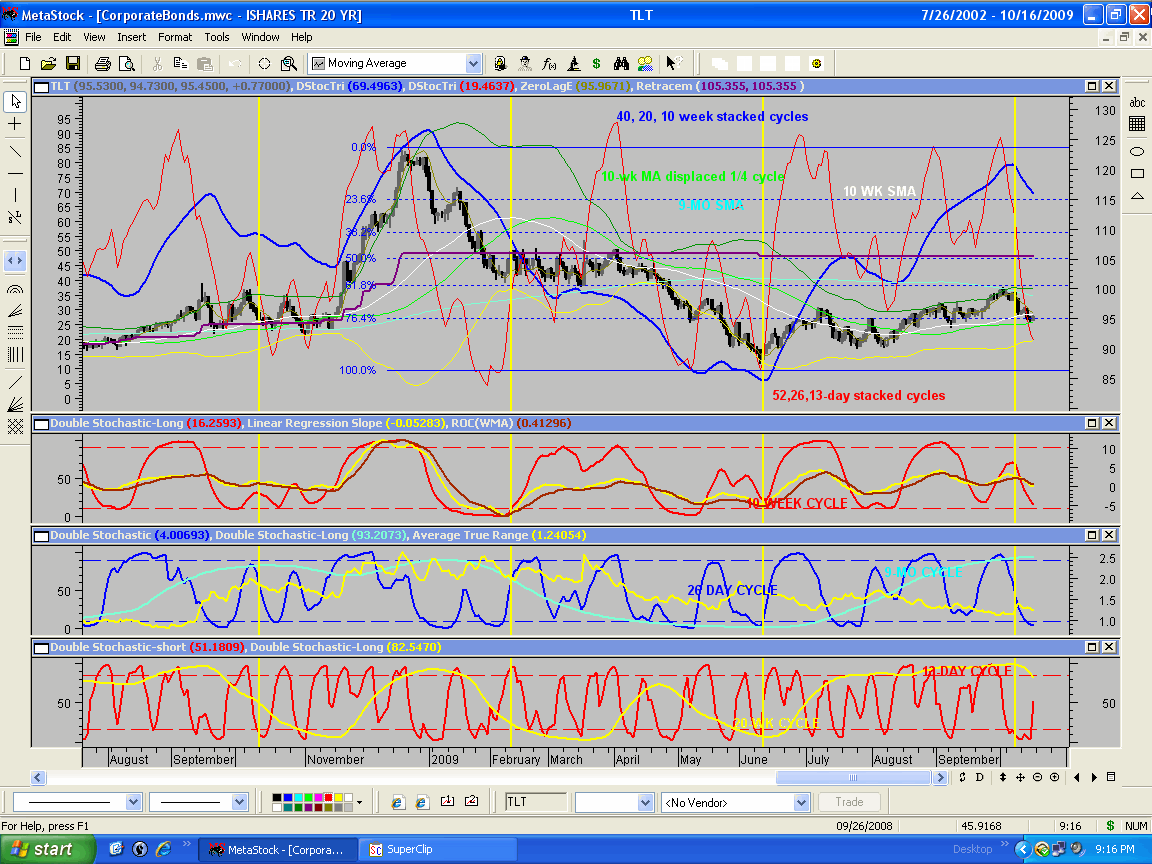
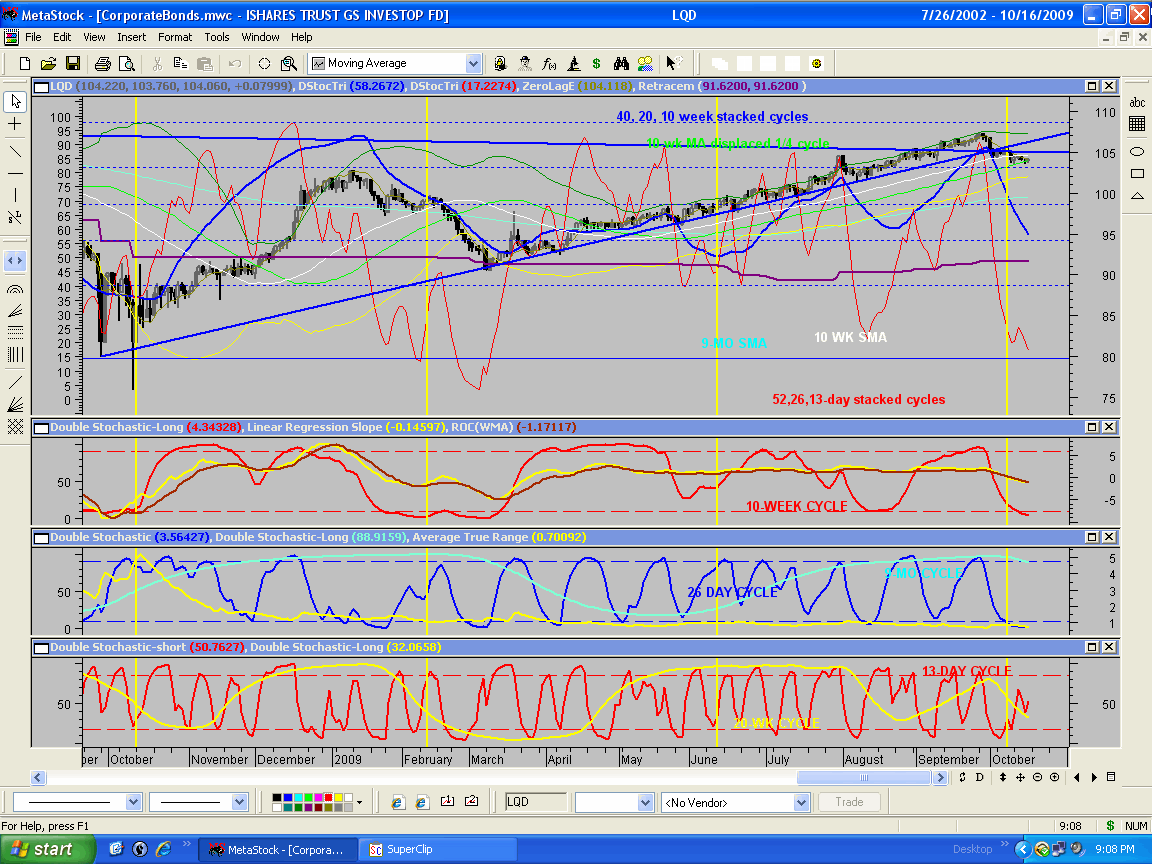
Corporate bonds (http://www.geocities.com/petegersb/CorporateBonds.GIF ) were little changed, maintaining position just above the down trending 9-mo and 10-wk moving averages. The short term composite turned down and the 10-wk cycle is extremely overbought, but the 13-day cycle is deeply oversold and the rising 20-wk cycle is only 7 weeks old, so another week with little movement wouldn’t be surprising.
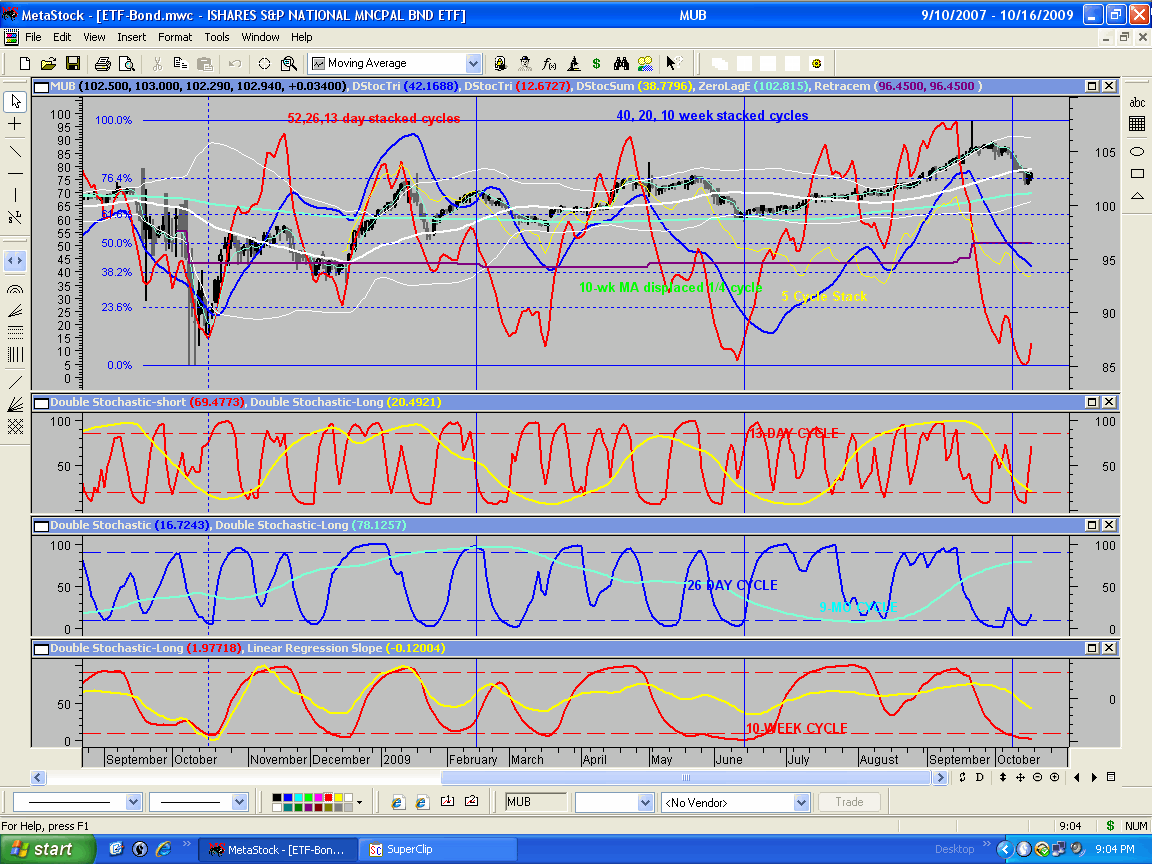
Municipal bonds (http://www.geocities.com/petegersb/MunicipalBonds.GIF ) were strong until the end of the week. Then they declined to close unchanged for the week. The fresh downturn in the short-term composite and the overbought condition of the 26-day and 10-wk cycles should produce a decline this week.
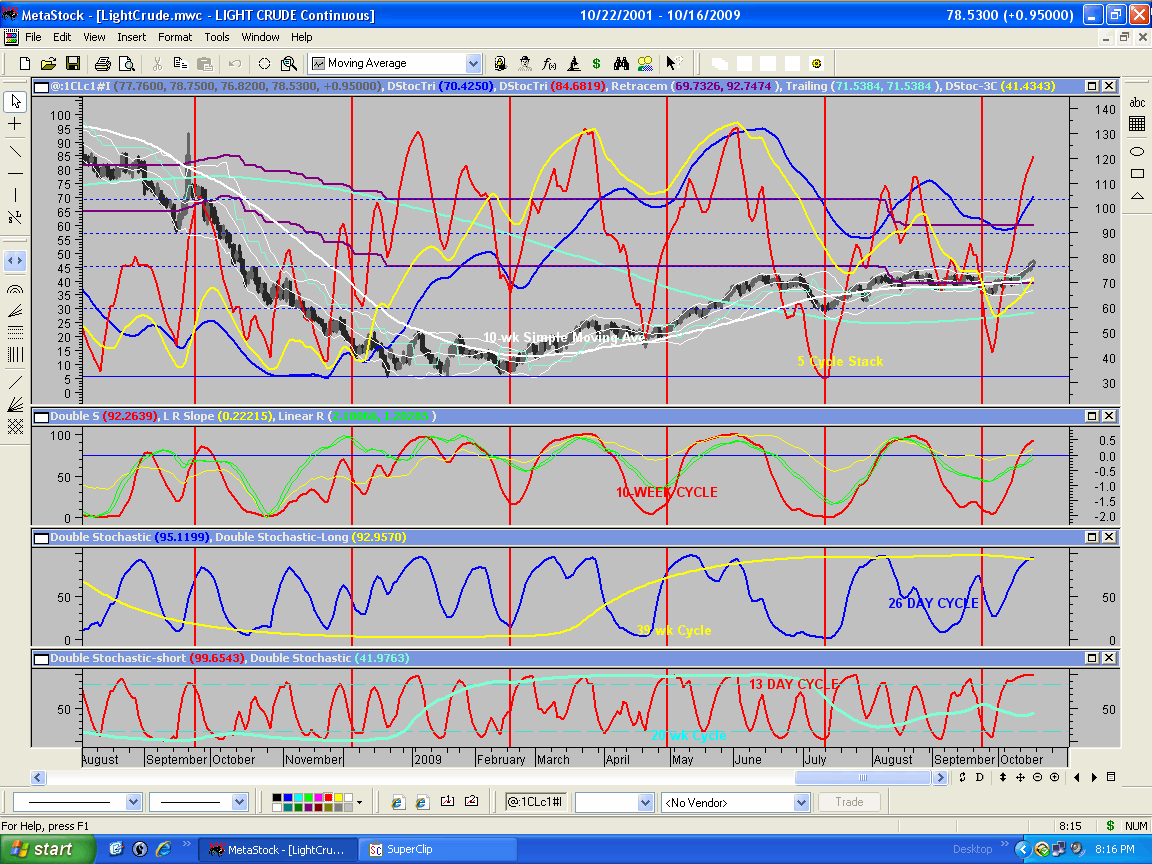
Crude oil (http://www.geocities.com/petegersb/CrudeOil.GIF ) dropped briefly below its rising 10-wk moving average as it established an apparent 10-wk cycle low at age 9 weeks. The advance should continue this week, but the status of the 20-wk cycle is unclear. Either it bottomed at age 17 weeks and is less than a week into a fresh rally, or it’s likely to extend its life to as much as 26 weeks while the 10-wk cycle completes its rise and fall. The DStoc suggests the latter assumption for now. A strong short-term rally would suggest the former; a weak rally the latter.
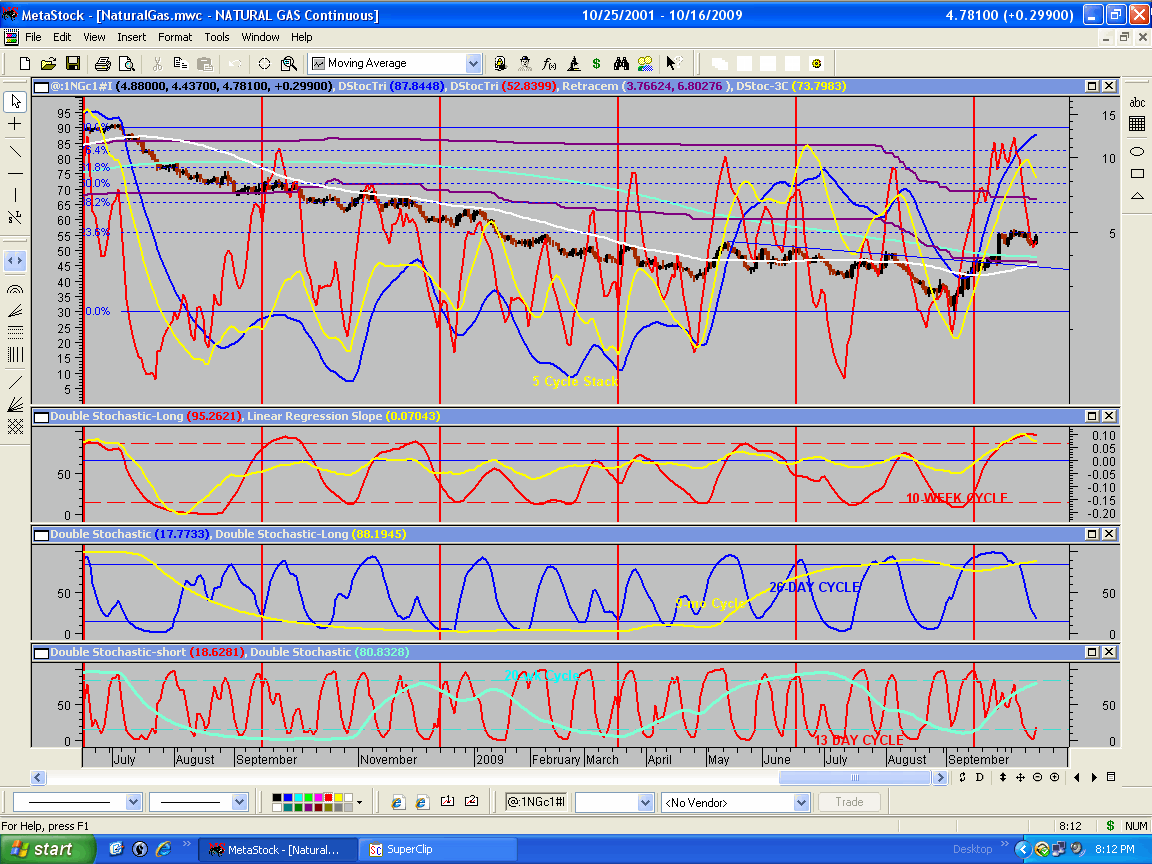
Natural gas (http://www.geocities.com/petegersb/NaturalGas.GIF ) had another bad week, moving to yet another new low. The short-term composite is now moderately oversold and the 13-day cycle is deeply oversold, so we can expect another short-term rally attempt this week, but there is no indication that an intermediate low is imminent.
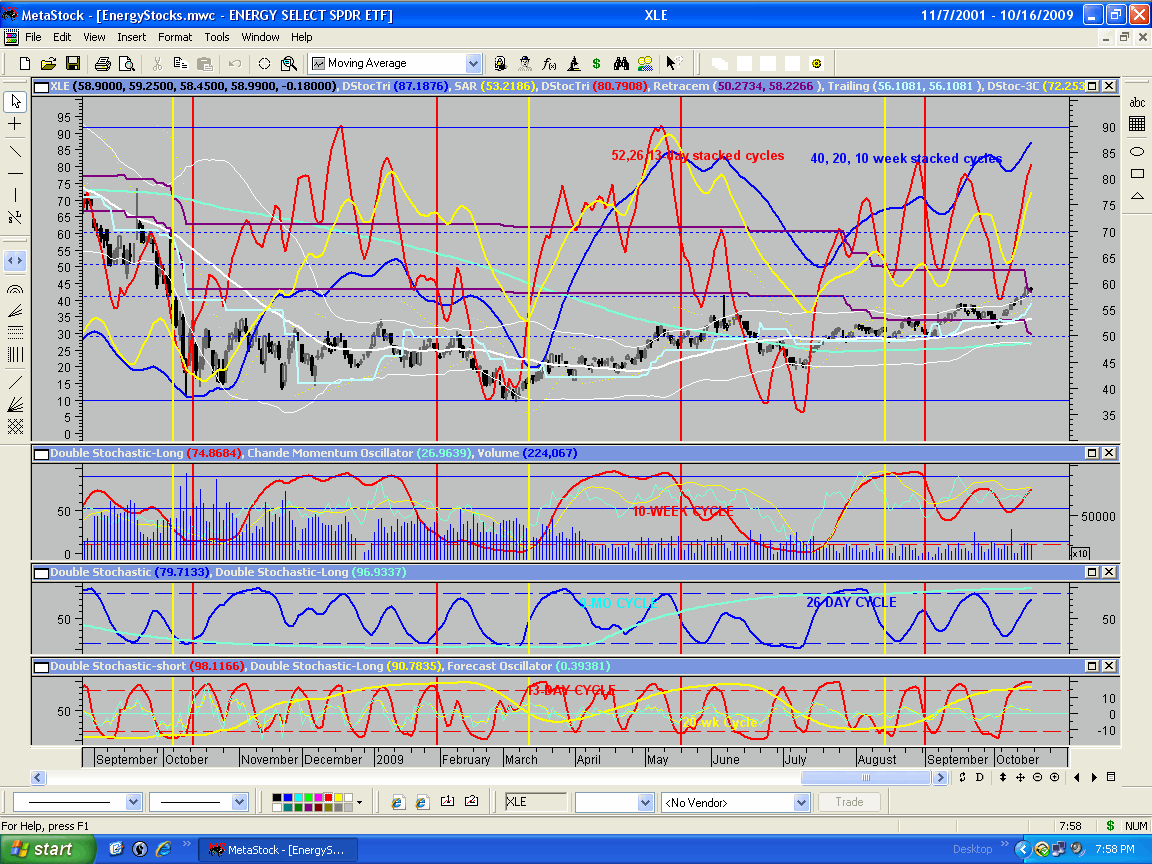
Energy stocks (http://www.geocities.com/petegersb/EnergySPDR.GIF) held their 10-wk moving average as the 13-day cycle corrected, and it’s now testing the 26-day cycle high that occurred in March. The only cyclic impediment to higher prices this week is the down-trending 10-wk cycle that is 7 weeks old, overbought, and trending downward. The other cycles are supportive of a continuing rally. The top of the 6-month-old trading range will soon coincide with the down-trending 9-mo moving average, and that level would likely provide formidable resistance. I would expect a continuation of the short-term rally this week that falls short of that resistance. A mild 10-wk cycle correction should follow that holds the 10-wk moving average. Then the rising 20-wk cycle should test the 9-mo moving average.
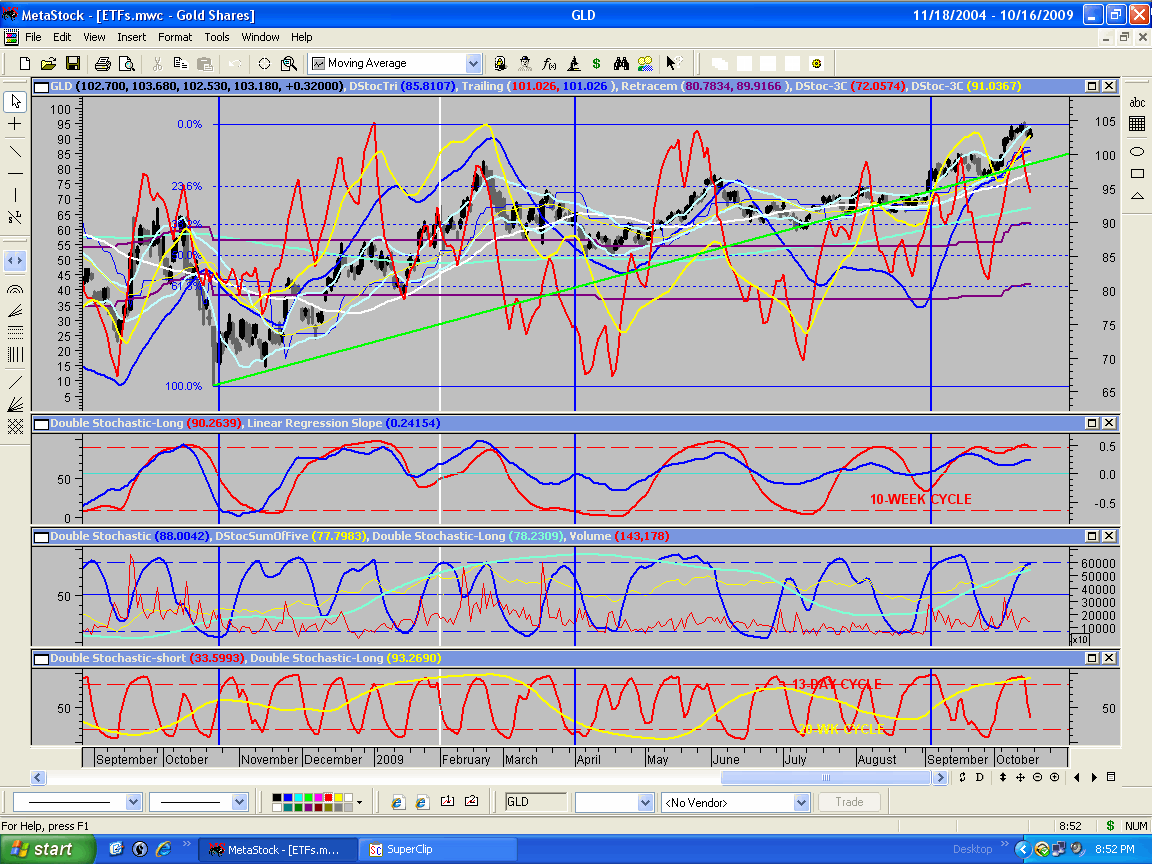
Gold (http://www.geocities.com/petegersb/GoldBullion.GIF) rallied strongly off of its 9-mo moving average as the
10-wk and shorter cycles turned positive. It’s also likely that gold has begun
its 2nd 20-wk cycle rally of the current 9-month cycle.
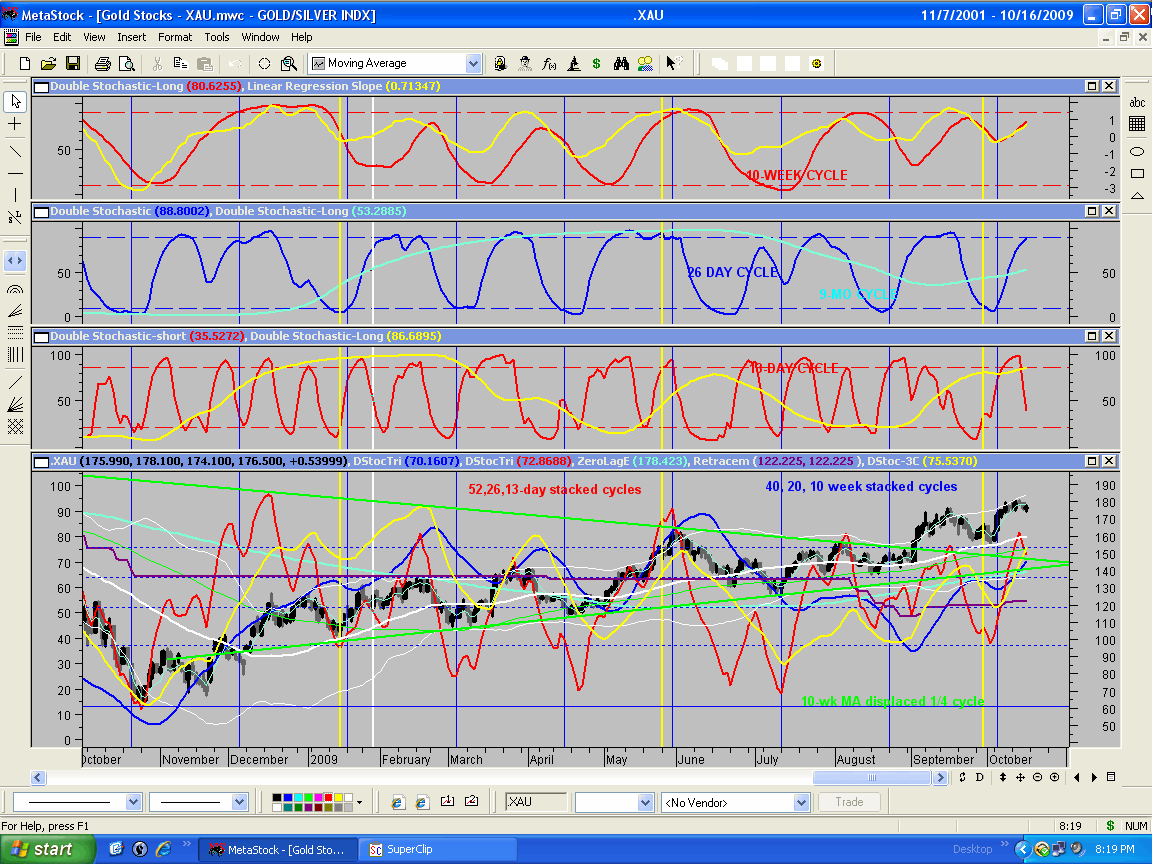
Gold Stocks (http://www.geocities.com/petegersb/GoldStocks.GIF
) also rallied, but not enough to turn the 10-wk cycle DStoc upward. While the
13 and 26-day cycles should sustain the rally this week, the longer cycles are
not favorable. The commodity is a better bet than the stocks.
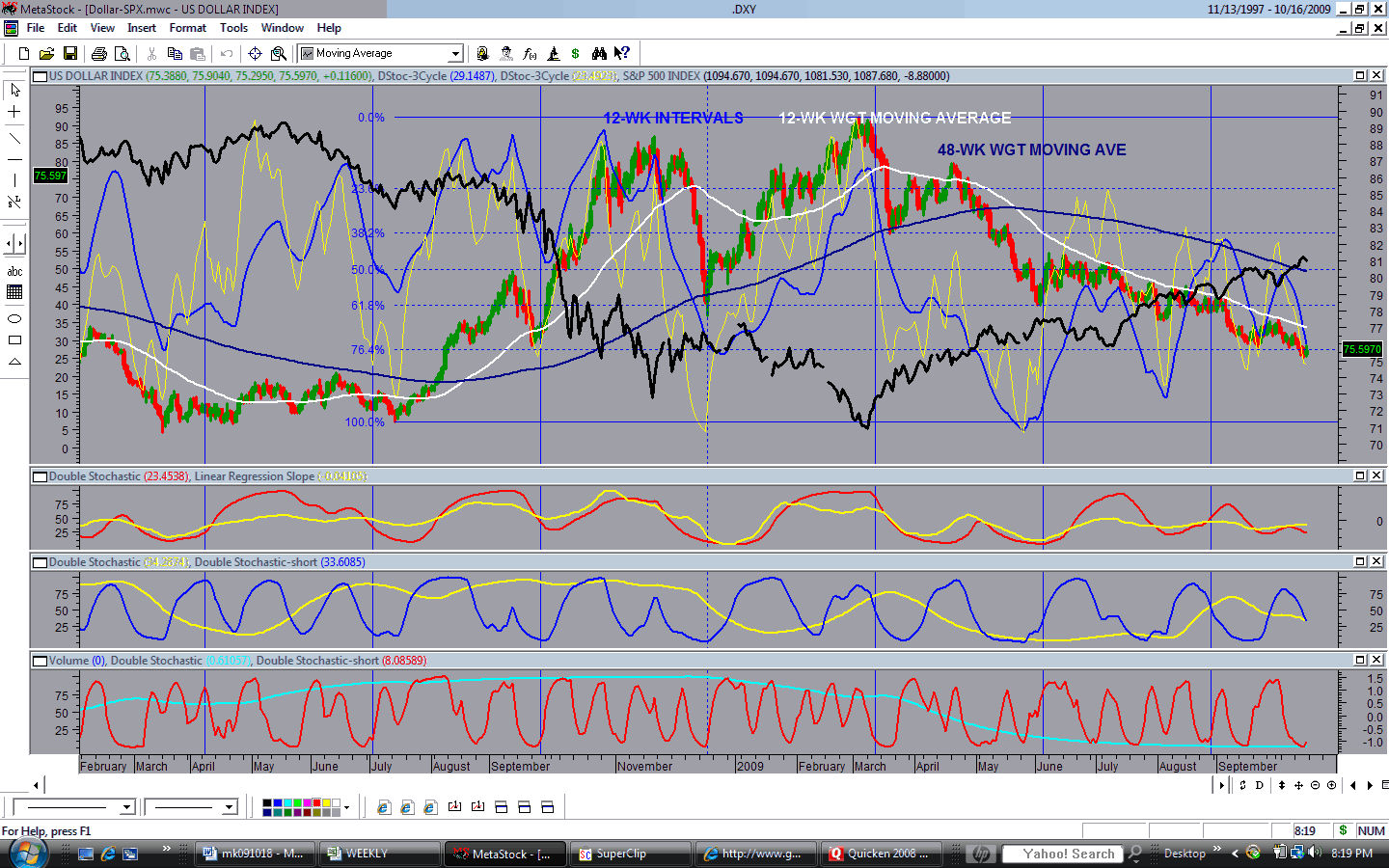
The Dollar (http://www.geocities.com/petegersb/Dollar.GIF) briefly moved marginally above its 10-wk moving average as the 10-wk and shorter cycles completed their rally phases. Then it plunged to its uptrend line. With all of the cycles now declining and only one oversold, it appears likely that the trend will not hold, and the dollar will decline over the next few weeks. That would be supportive of the expected rally in gold.