4/19/09
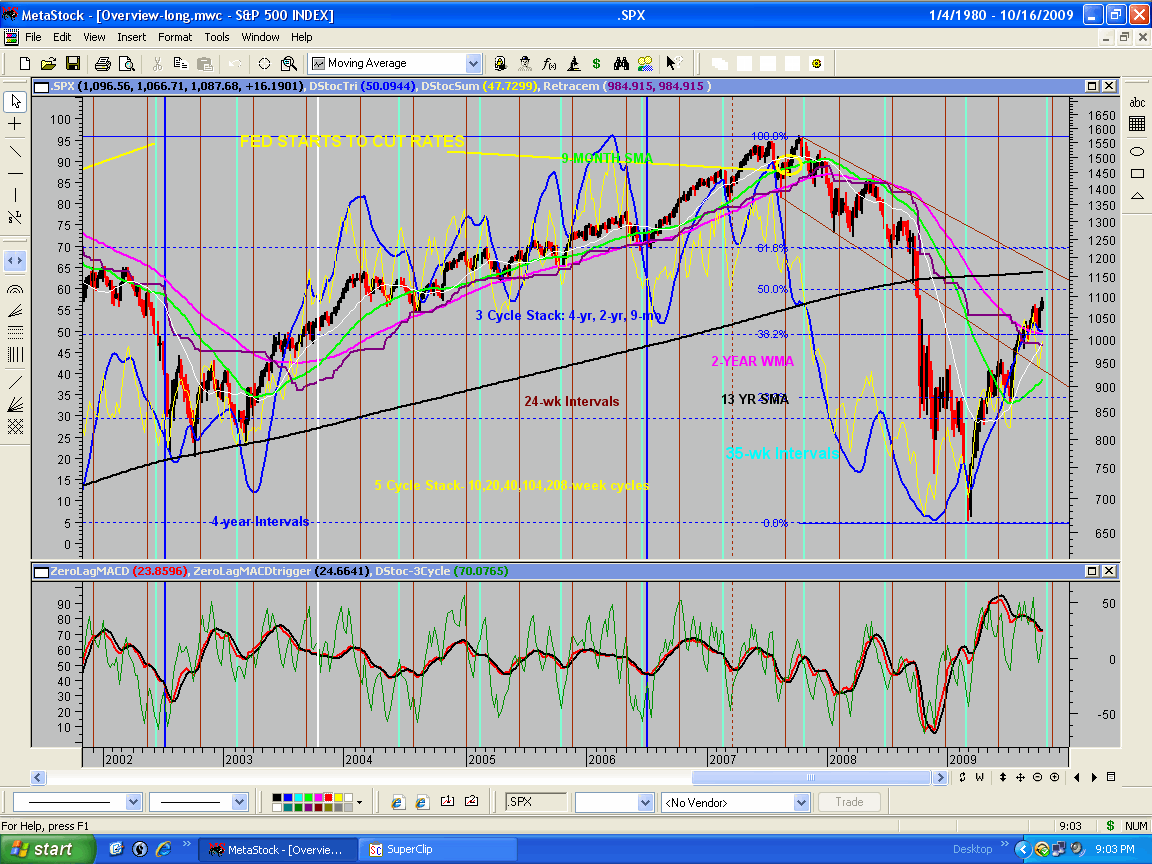
As Wall Street pundits liked to say during the great bull market, “the trend is your friend”. You don’t hear that repeated so often today, and even then, they generally neglected to state the remainder of the truism: “until it ends”. That’s what cycle analysis is all about – attempting to identify the cyclic turns that mark the end of trends. Six weeks ago it was obvious to the most casual observer that the longer term trends measured in months or years as well as the shorter trends measured in days or weeks were negative. Today it’s equally obvious that the short-term trend has been positive for the last 6 weeks, but we don’t yet have a sufficient amount of hindsight to determine if the longer trend has turned as well. The SPX will have to advance another 100 points or endure a lengthy basing period before my long-term trend indicators start turning positive (http://www.geocities.com/petegersb/Overview-long.GIF ). (If we want to avoid the whipsaws, we must accept the fact that these indicators will be late – especially at bottoms which tend to develop more quickly than tops.) Nevertheless, there are some promising signs. There are also some indications that the positive short-term trend is close to a downturn.
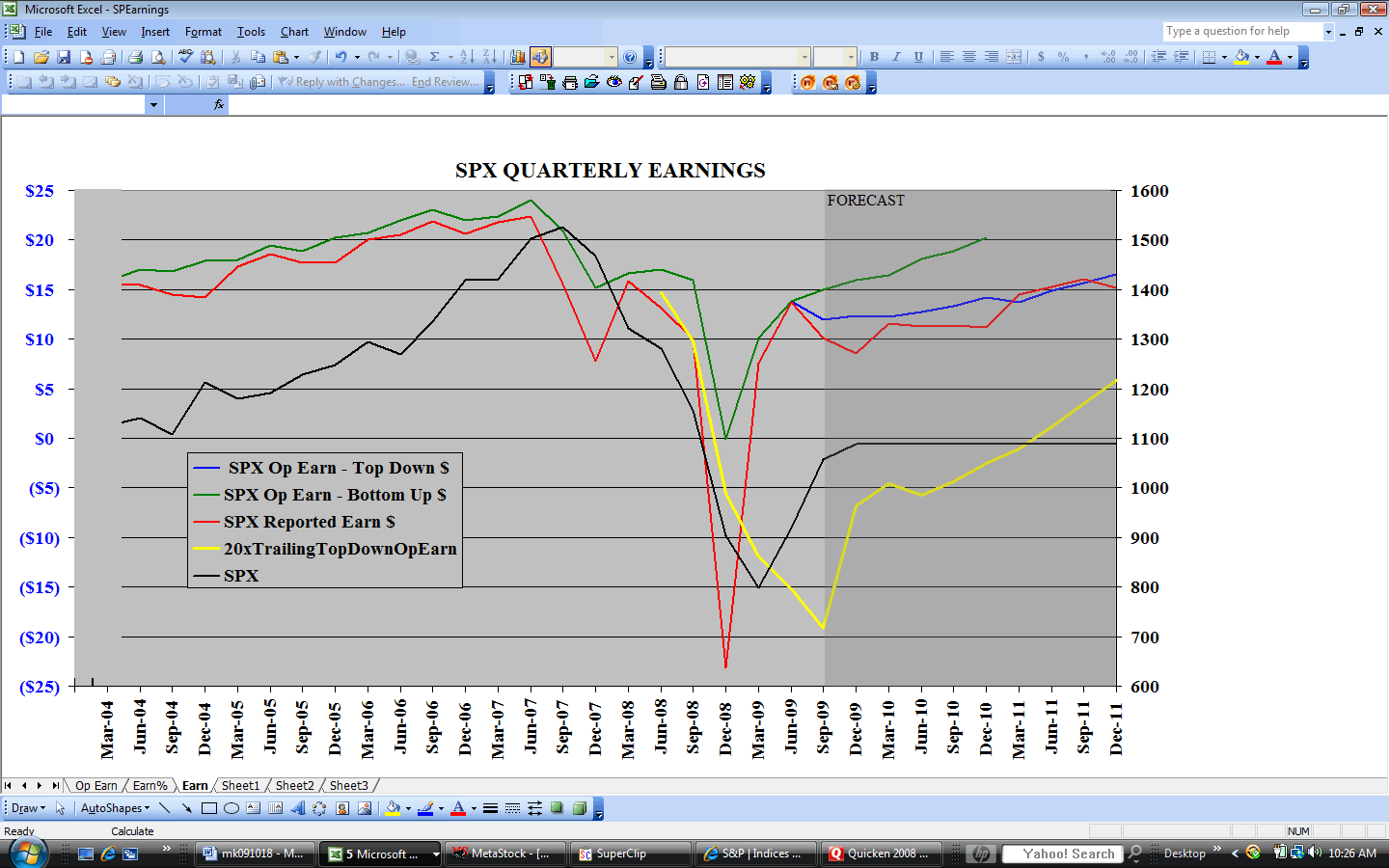
Last week corporate
Many technical indicators have reached levels that significantly weaken bear market credentials, but in many cases also suggest the proximity of a peak in the 6-week-old 10-wk cycle:
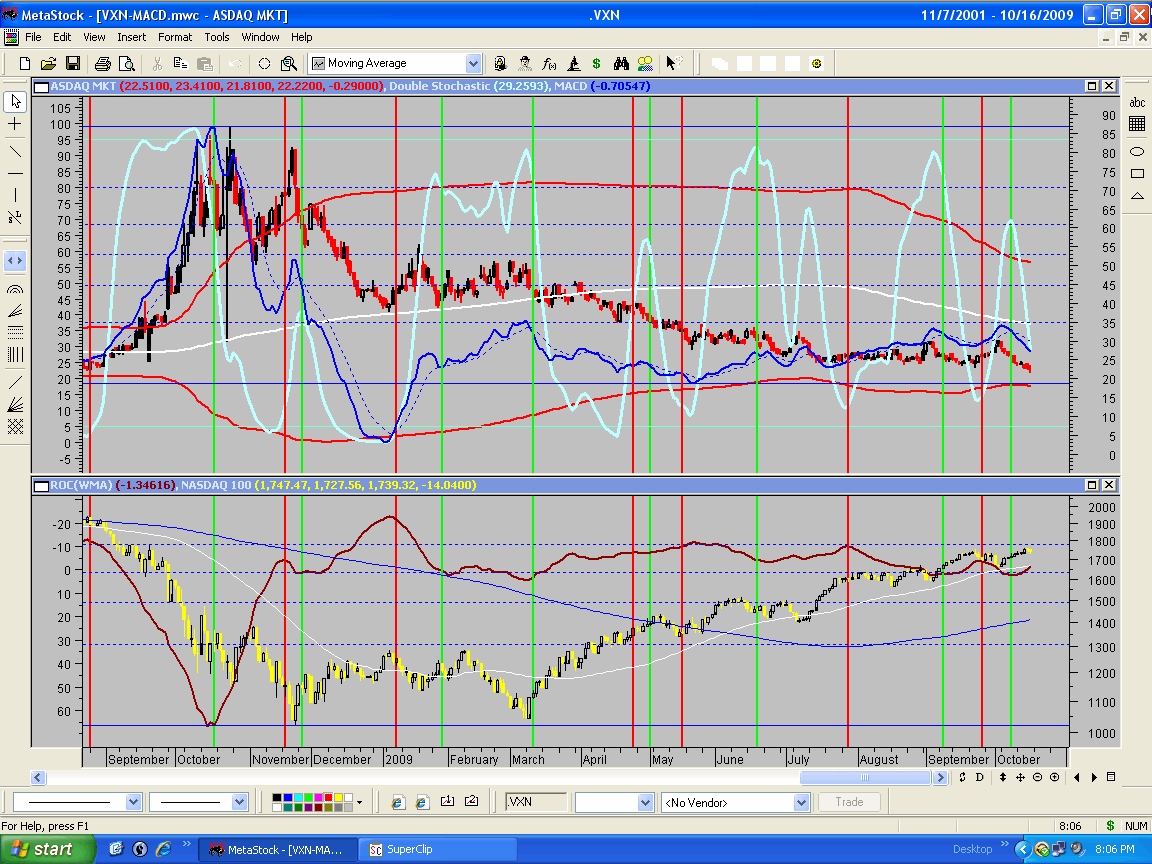
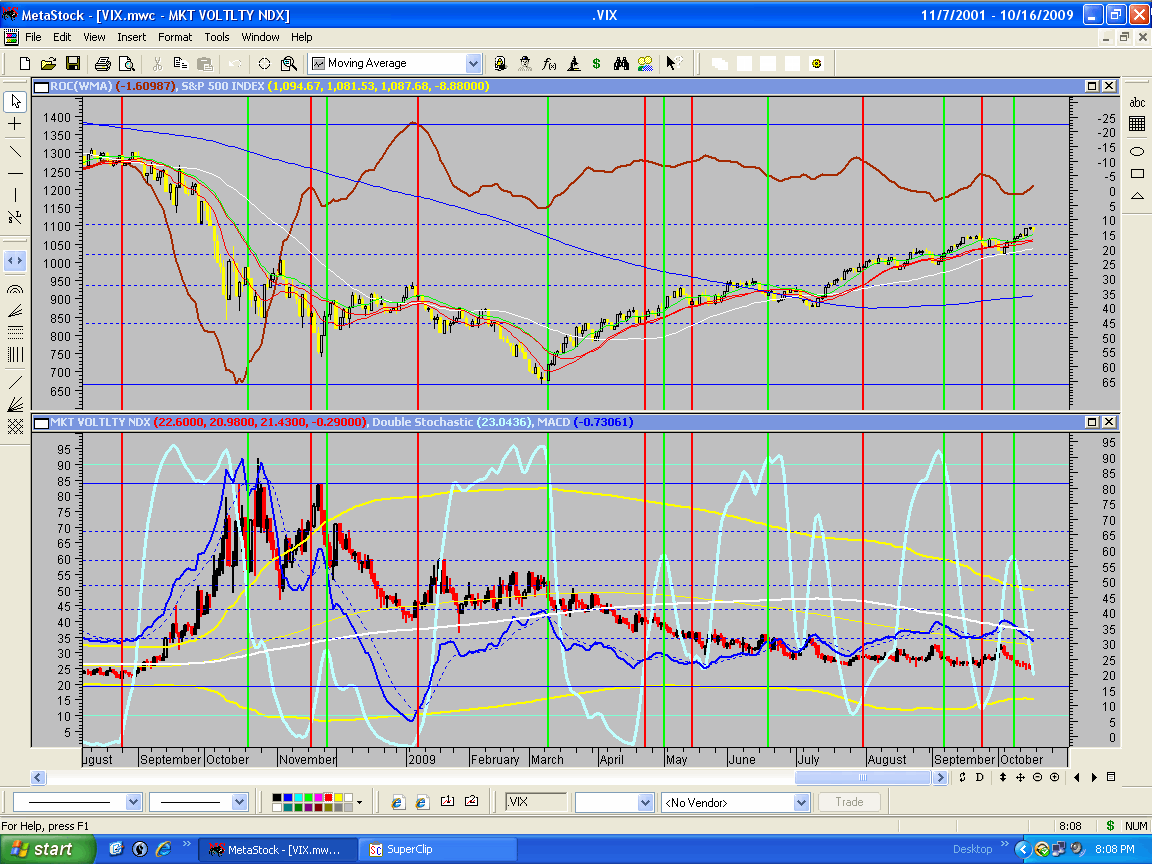
1) The daily VIX and VXN (http://www.geocities.com/petegersb/VXN.GIF , http://www.geocities.com/petegersb/VIX.GIF ) moved significantly below their 10-wk moving averages after flirting with it for the last 3 months. To many technicians, it suggests that the longer term trends may have turned down for the VIX and VXN – an indication of a corresponding uptrend in stock prices. However, that also happened a year ago when the MACD was at a similar level, the DStocs were just as oversold, and stocks were very close to a 10-wk cycle peak that led to lower lows.
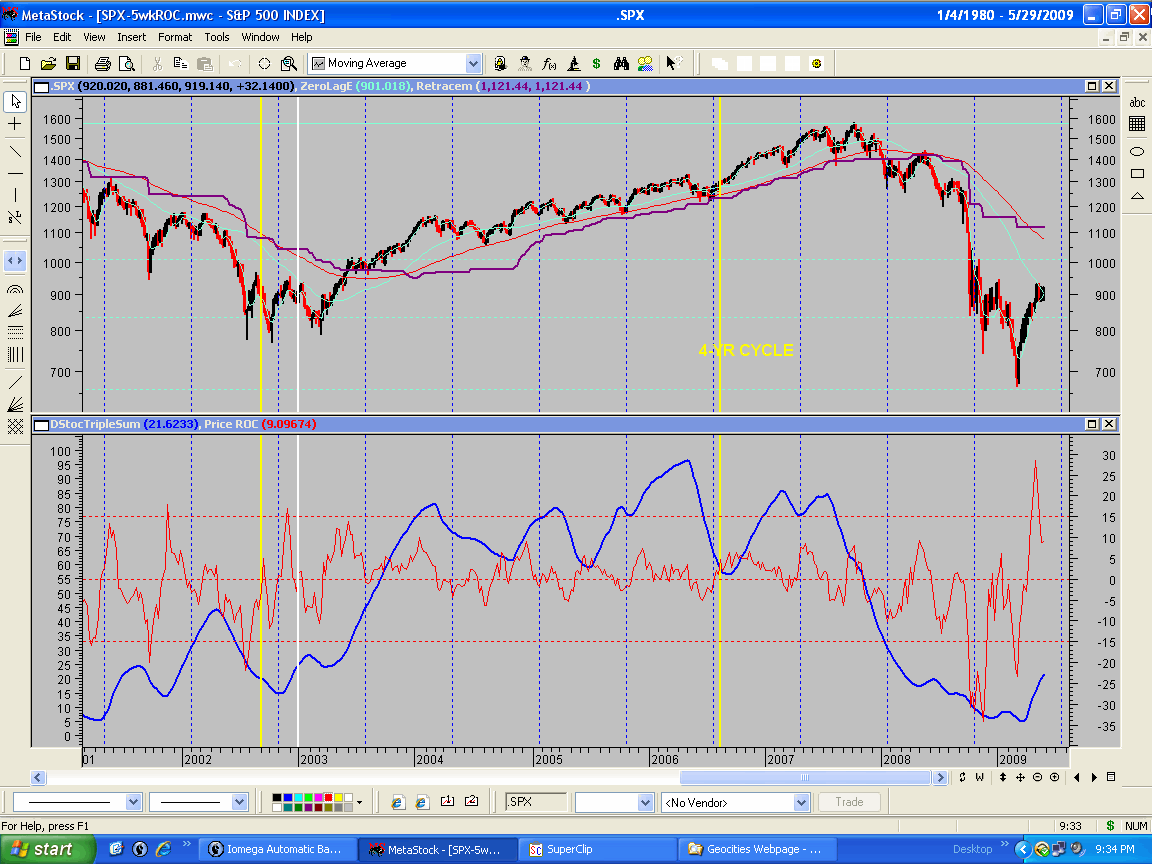
2) The 5-wk rate-of-change (http://www.geocities.com/petegersb/5-wkSPX_ROC.GIF ) peaked a week ago. It’s worth noting that during the 00-02 bear market this indicator peaked not on liftoff in the new bull market but on a 9-mo cycle rally peak little more than half-way through the bear market, and two more substantial bear market rallies would follow from lower levels. Furthermore, the Composite DStoc (blue line in lower panel), which has now turned up from an 8-year low, in the last bear market required a series of higher lows from similar levels before a new bull market began nearly 2 years later.
3) The SPX (http://www.geocities.com/petegersb/Overview-long.GIF ) moved above the downtrend line from the October rally peak, and decisively above its 20-wk moving average. That’s a necessary condition for a bull market, but not necessarily sufficient.
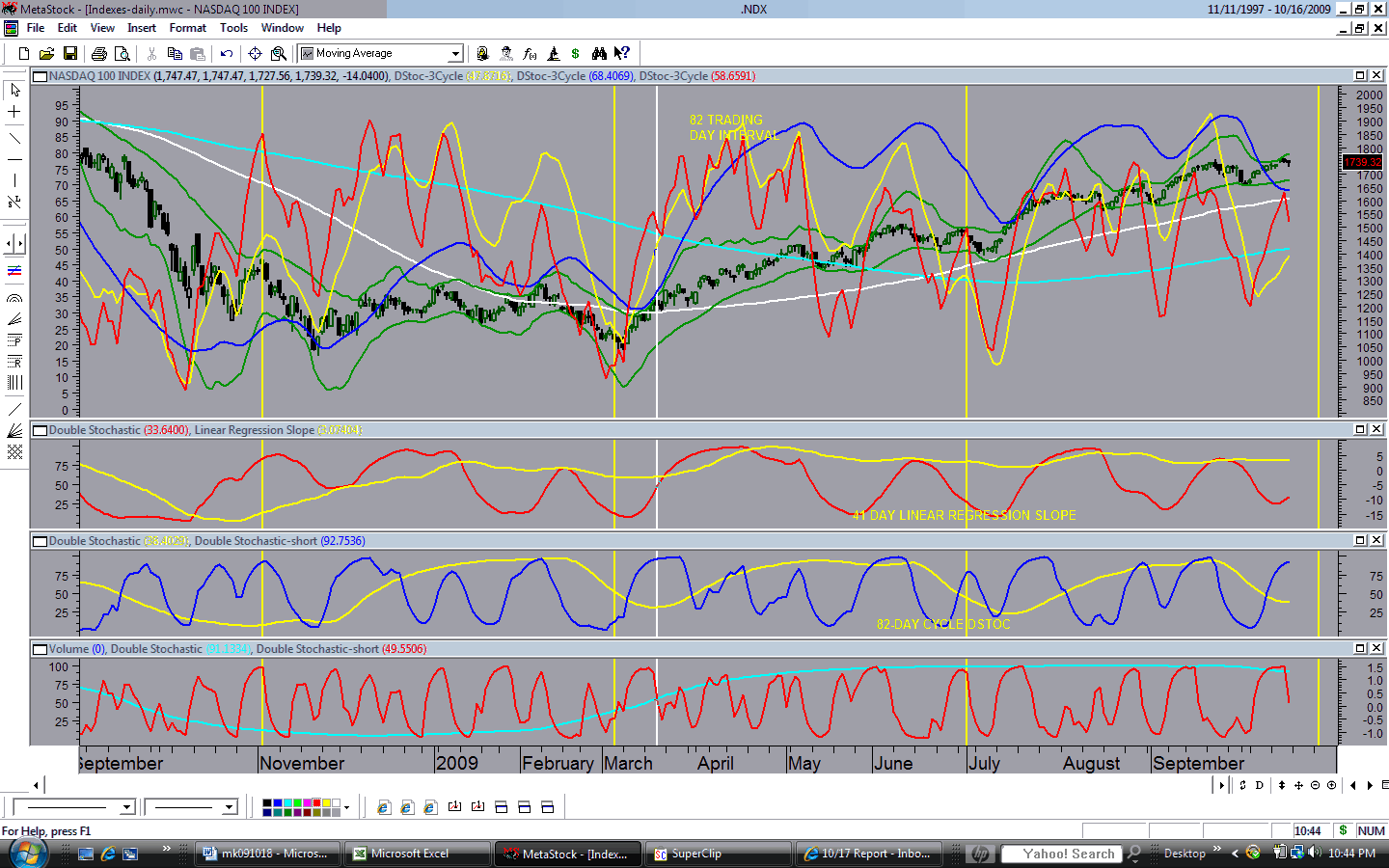
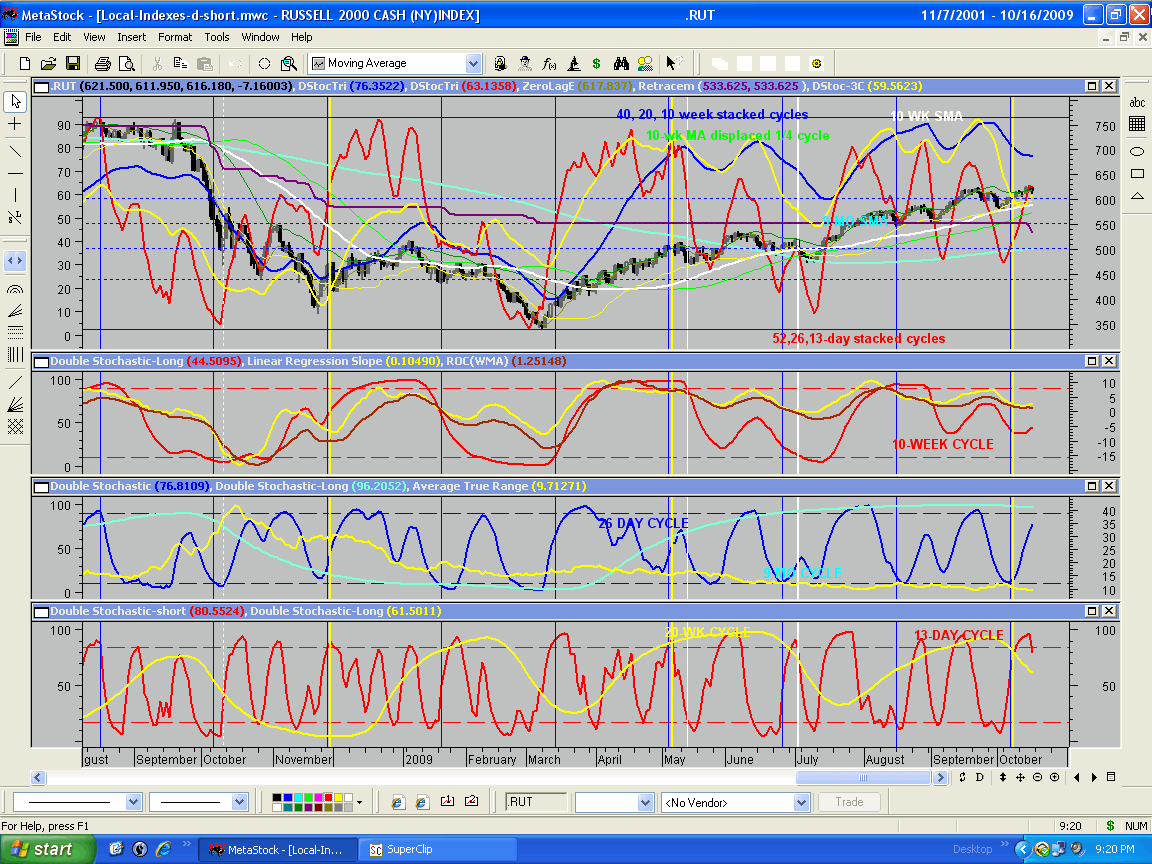
4) The SPX (http://www.geocities.com/petegersb/SP500.GIF ) reached its first major Fibonacci resistance at the 23.6% retracement of the decline from the October 07 peak. And the NDX (http://www.geocities.com/petegersb/NDX.GIF) small cap Russell 2000 index (http://www.geocities.com/petegersb/Russell2000.GIF ) moved above that retracement level. The strength in the latter indexes is particularly encouraging, but if the SPX can’t follow it would signal caution.
5) Higher 10-week cycle highs are now assured for all of the major indexes. It’s the first time that’s happened since last May. It confirms that market has been in a rally of at least 20-wk cycle proportions, but last May was not a good time to be buying stocks.
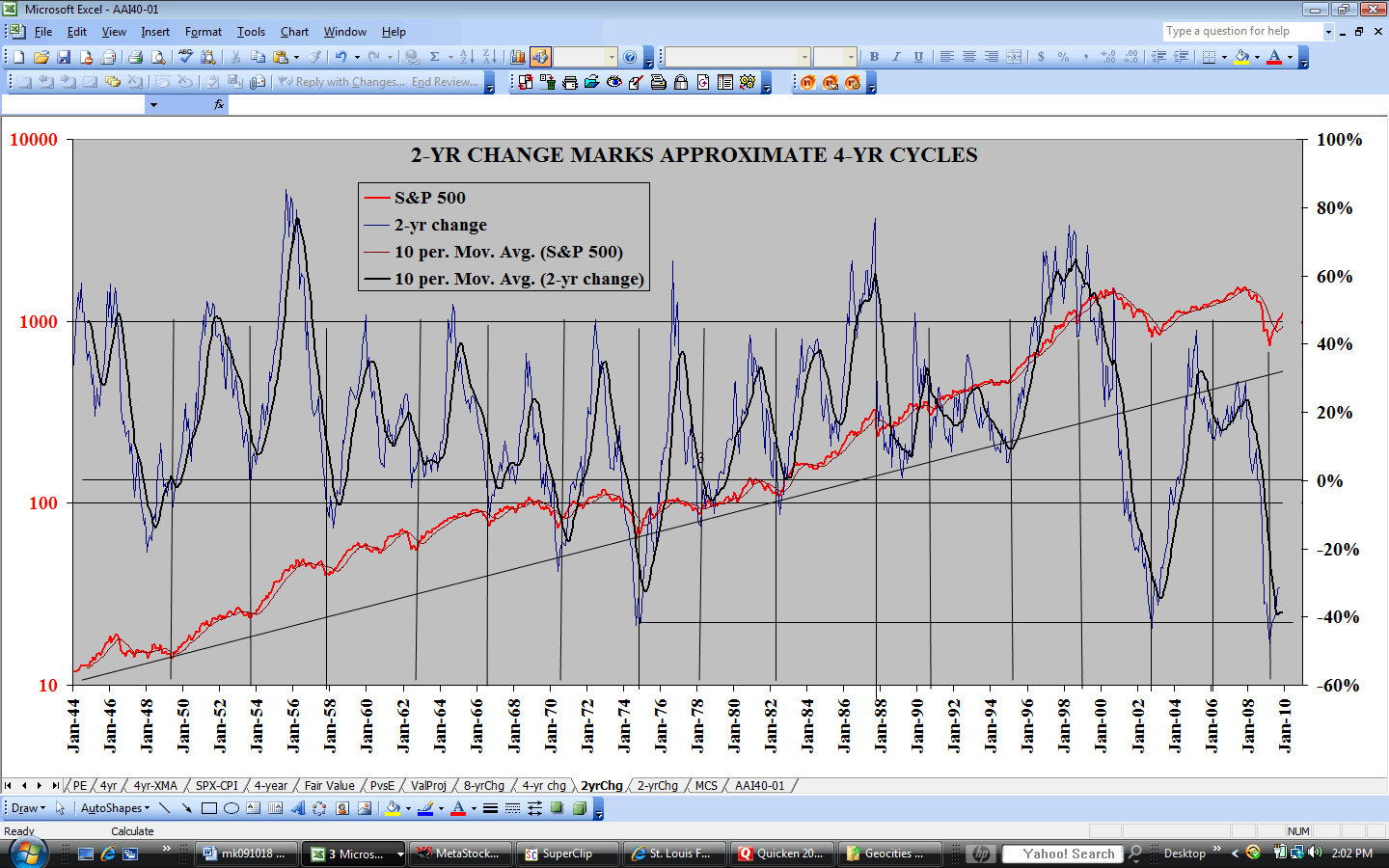
6) The two-year change (http://www.geocities.com/petegersb/2-YrChange.GIF ) that tends to mark 4-yr cycle turns has turned up. That’s a positive and necessary first step, but it’s still well below the 10-wk moving average that filters out the short-term cycles.
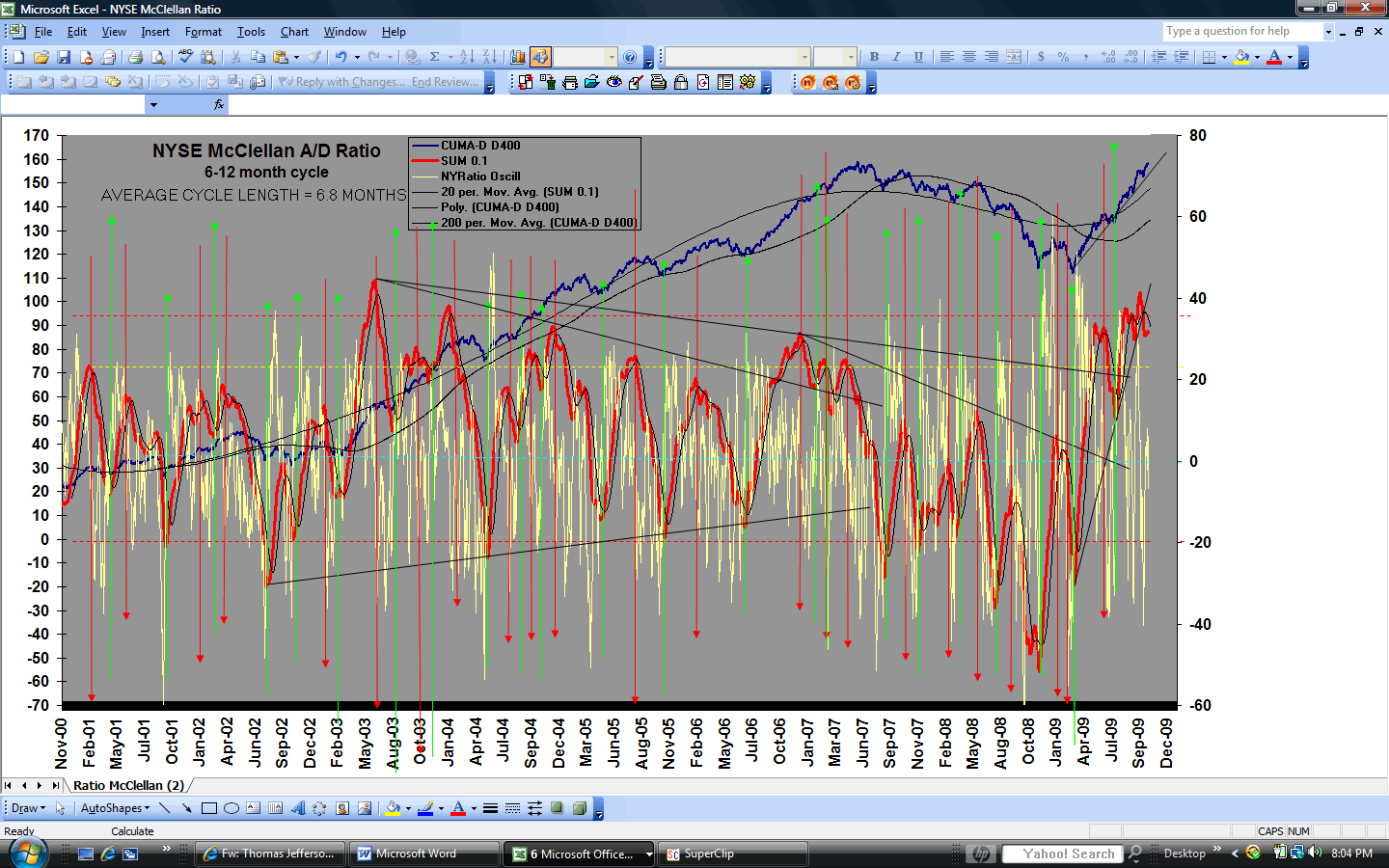
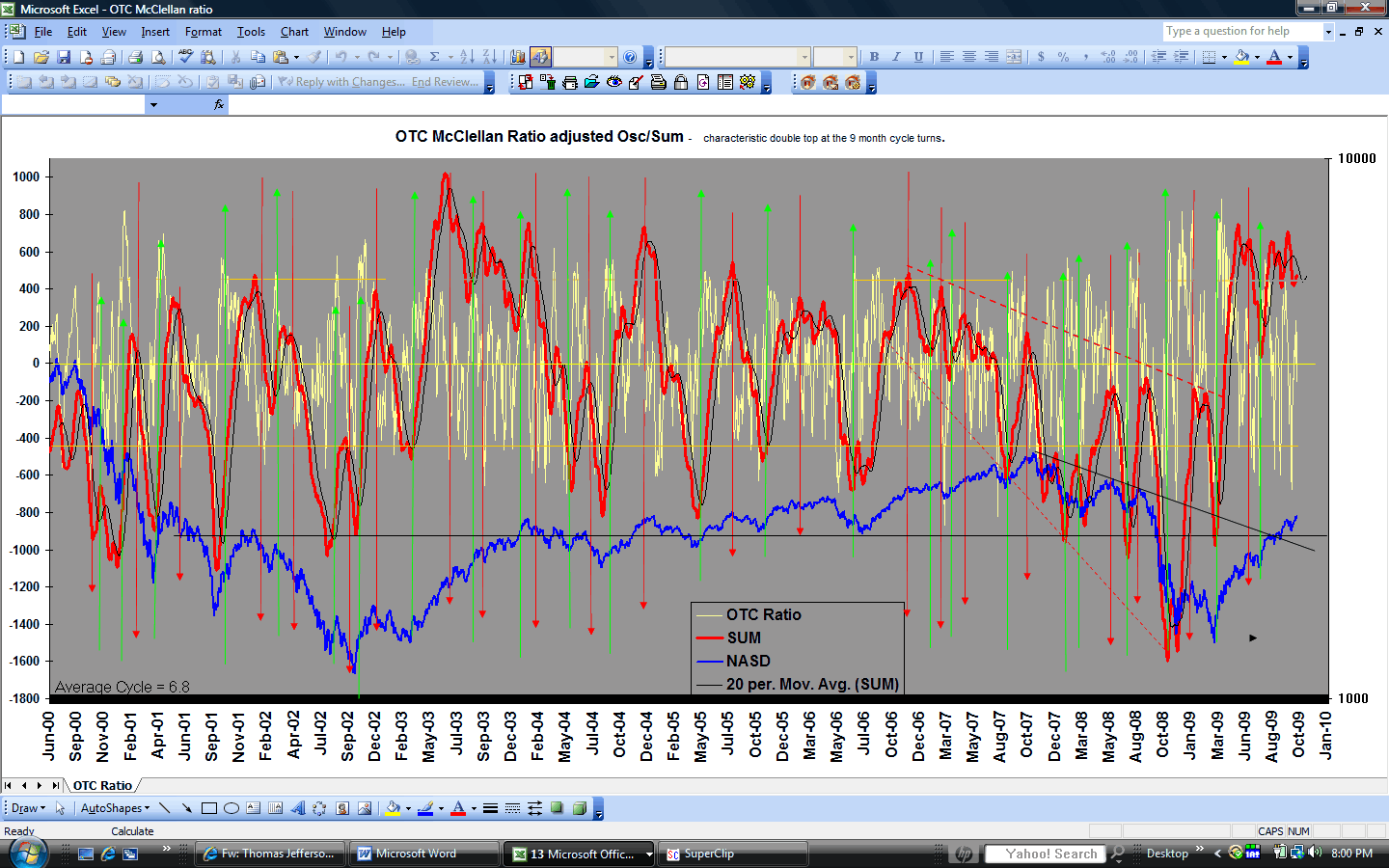
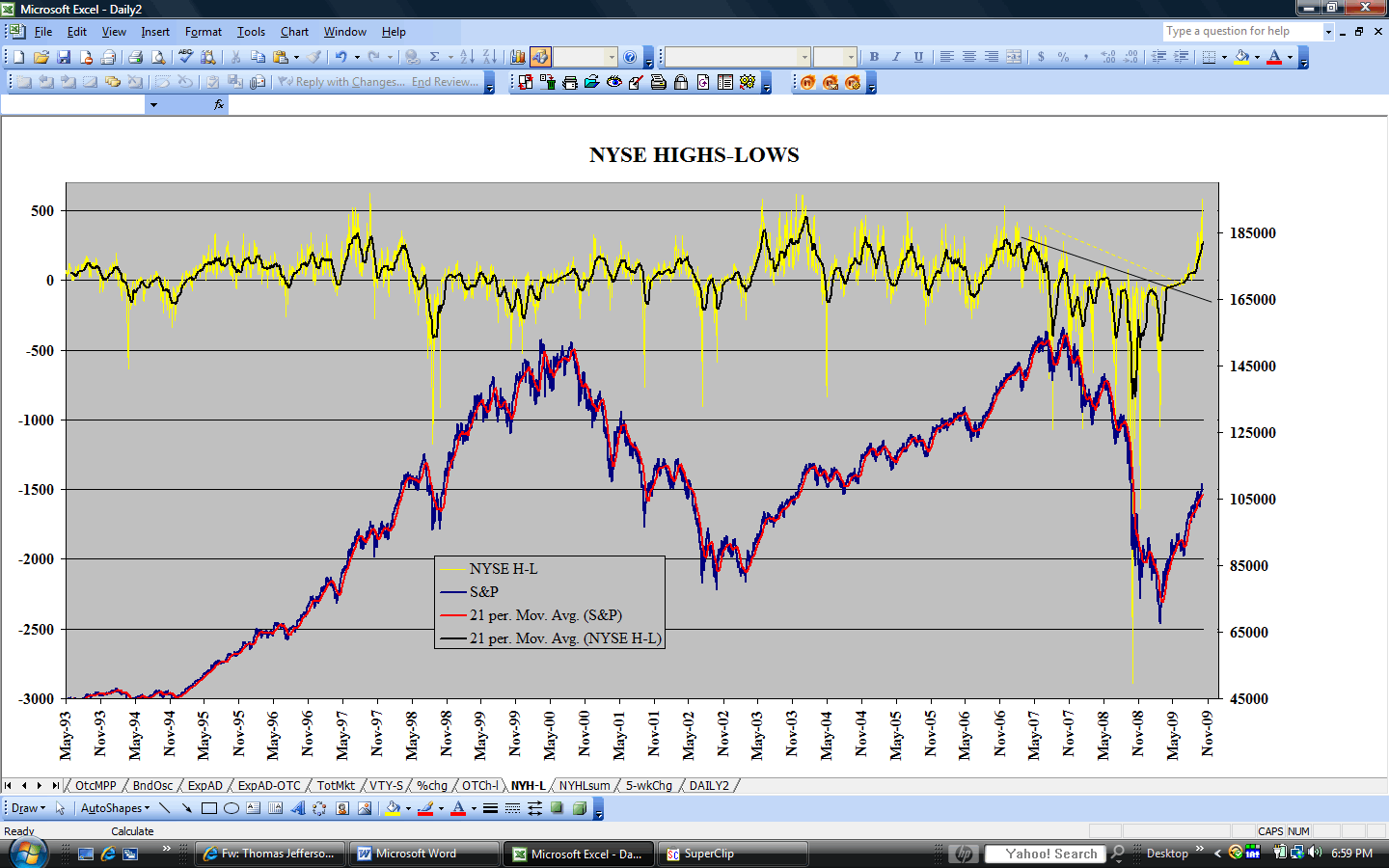
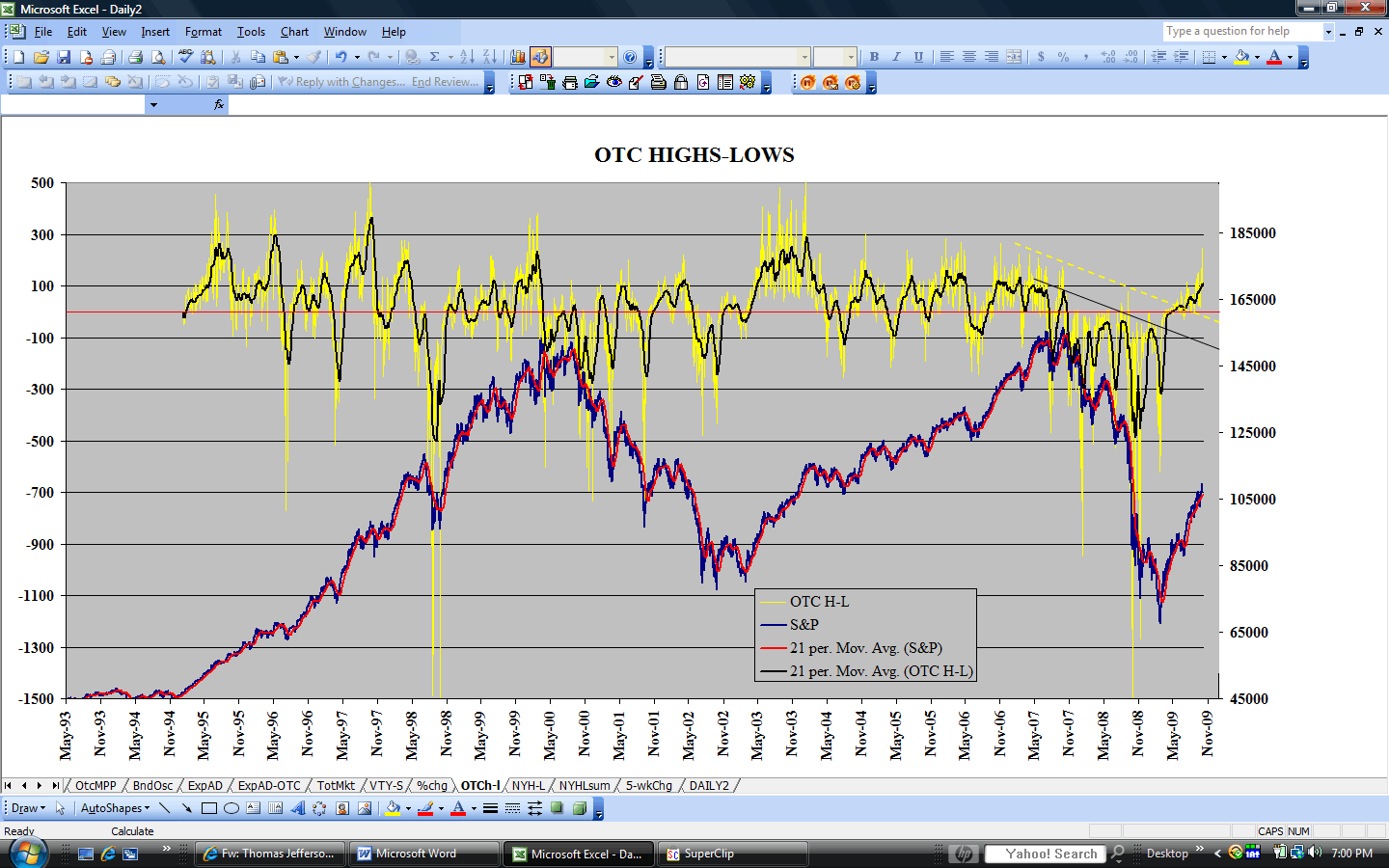
7) The breadth oscillators (http://www.geocities.com/petegersb/A-Dsummation-NYSE.GIF , http://www.geocities.com/petegersb/A-Dsummation-OTC.GIF , http://www.geocities.com/petegersb/HighLowNYSE.GIF , http://www.geocities.com/petegersb/HighLowOTC.GIF ) have had a strong rally, diverged positively from the price action, and broken above their downtrend lines. That’s positive for the longer term, but it leaves these indicators in an overbought condition and vulnerable to a correction
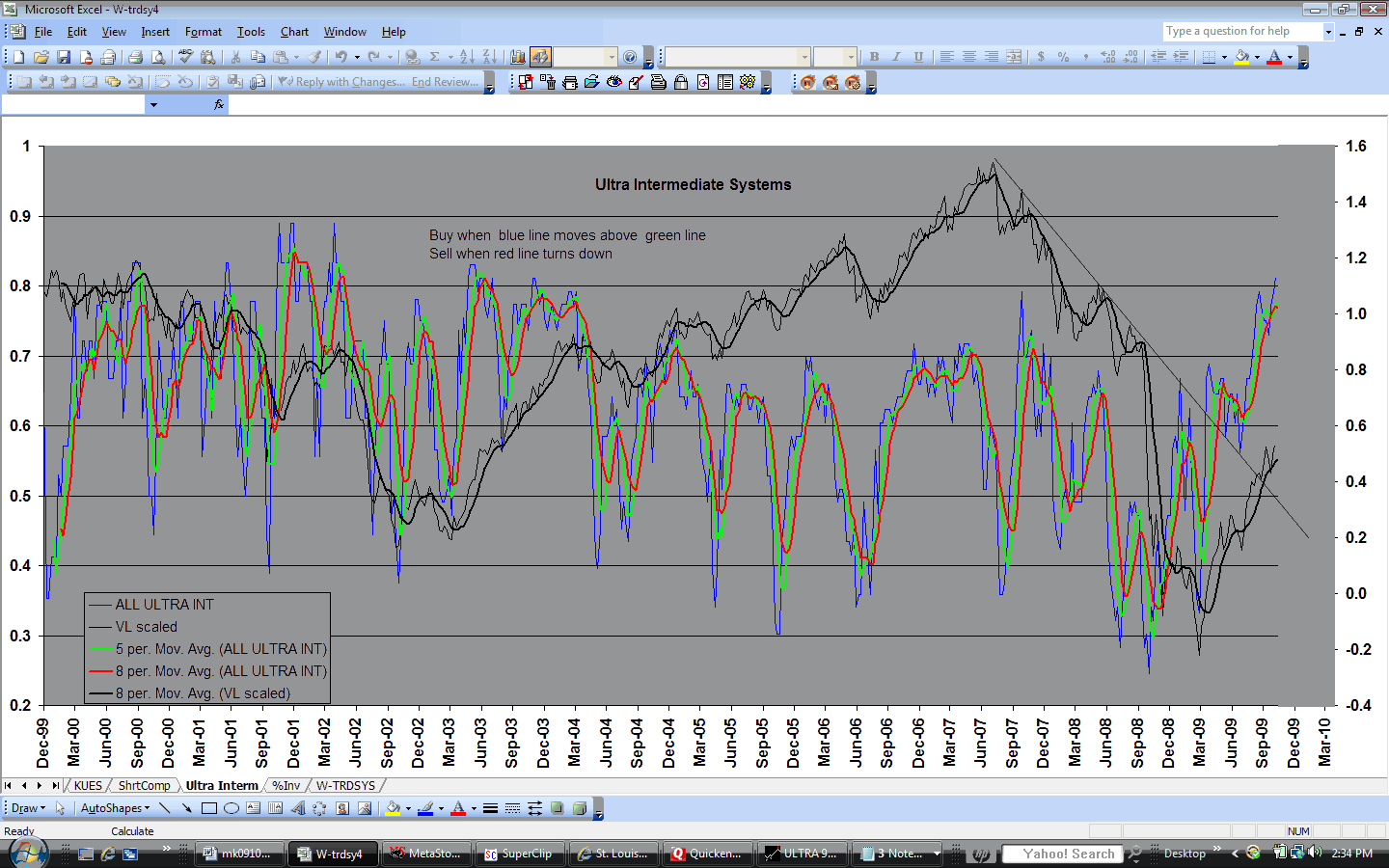
8) The Ultra Intermediate timing systems (http://www.geocities.com/petegersb/UltraIntermediate.GIF ) have started to shift from buy to sell – not enough yet to produce an intermediate sell signal, but getting close.
In summary, it still looks like a bear-market rally with the potential to turn into something better if the coming 10-wk cycle correction and the subsequent 20-wk cycle correction can hold above the March lows. But the 9-month and 4-year cycles continue to argue against such an outcome.
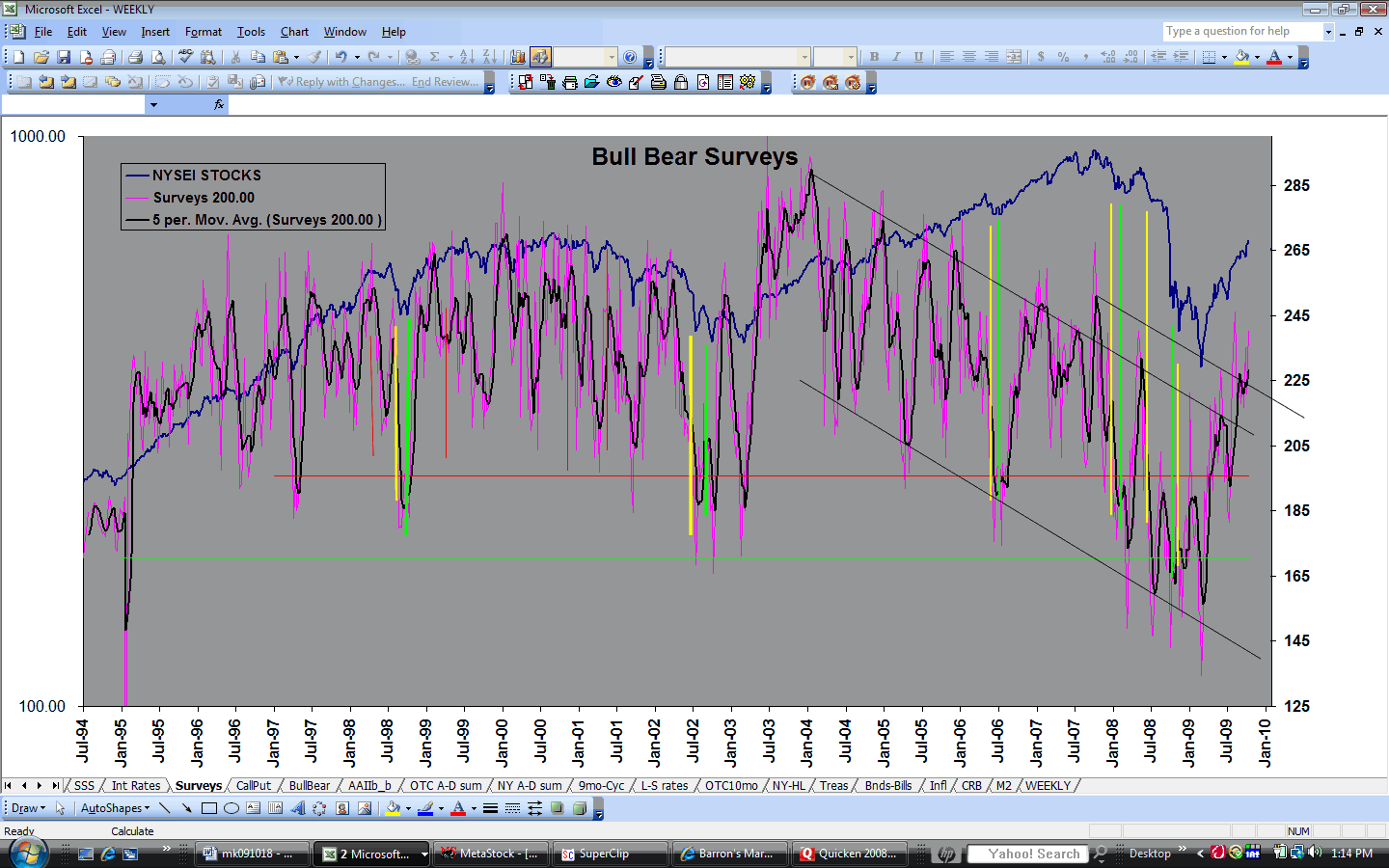
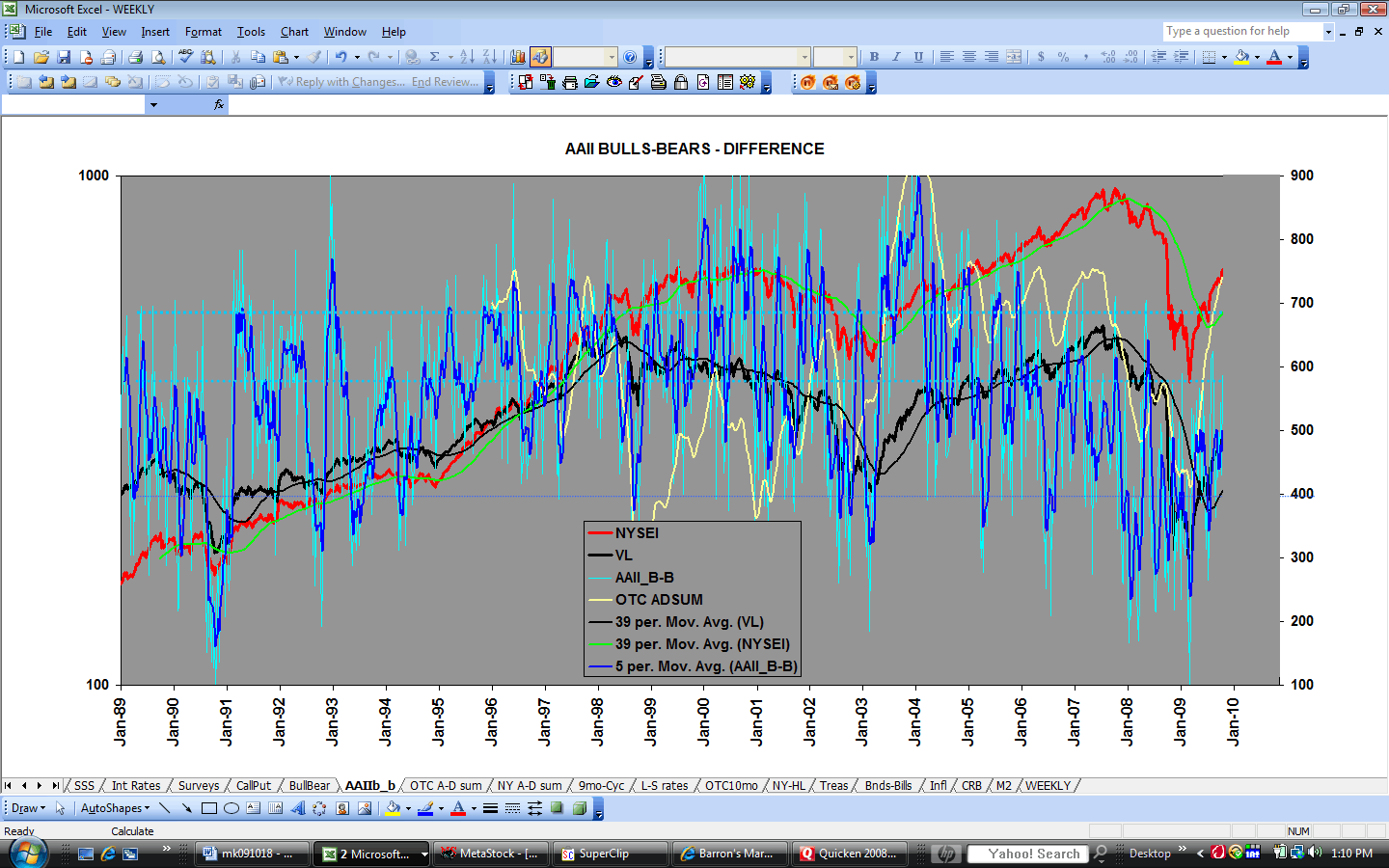
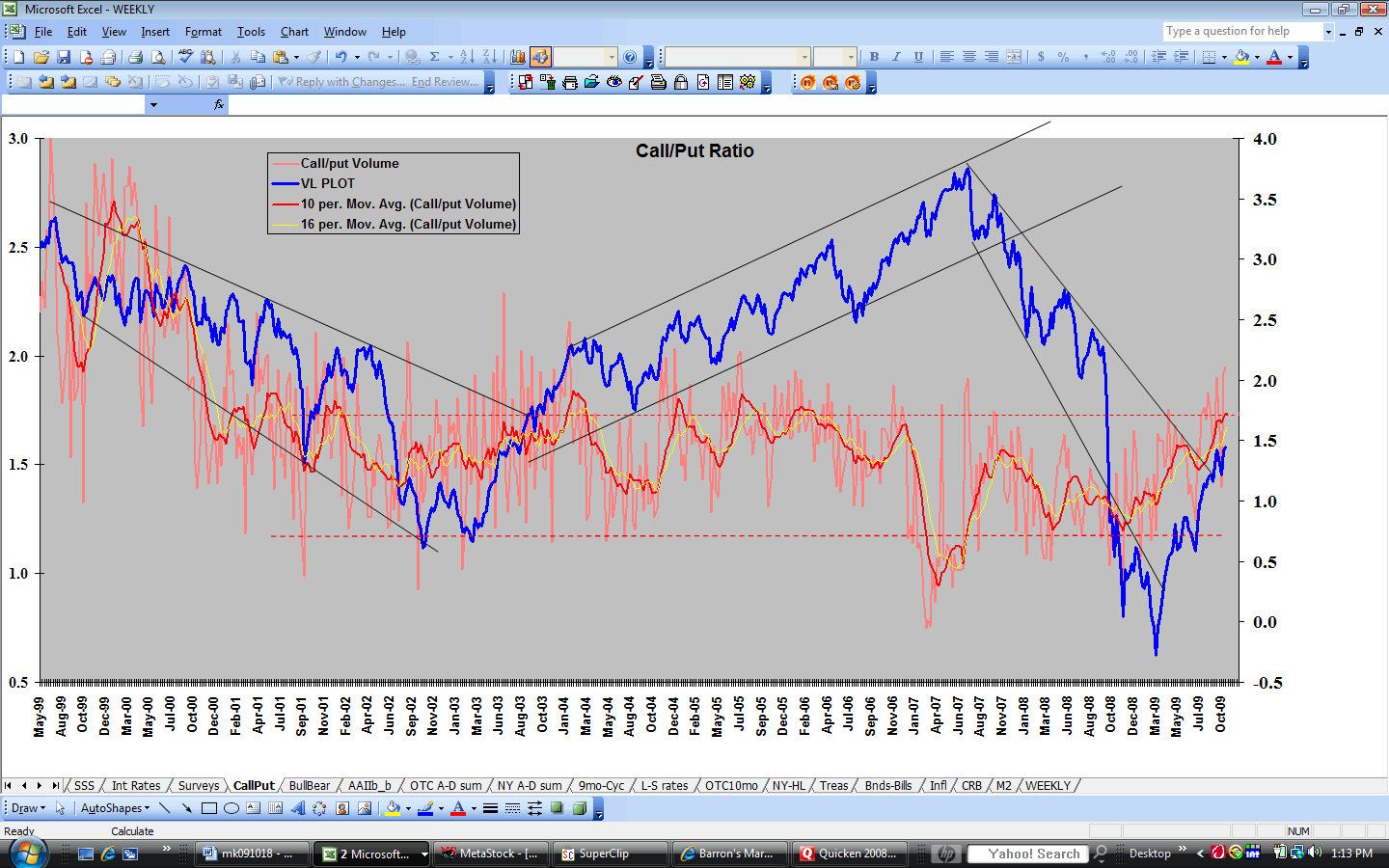
Sentiment: All of the traditionally wrong groups are now at least moderately optimistic. Advisors (http://www.geocities.com/petegersb/InvestorsIntelligence.GIF ) are as optimistic as they were at the January peak of the last bear market rally, and, due to the lag in reporting, it’s likely that it will reach the bear market rally peak seen last May. AAII optimism (http://www.geocities.com/petegersb/AAIIsentiment.GIF ) is close to the January peak level, and its 5-wk moving average is above its January level. The ratio of calls to puts (http://www.geocities.com/petegersb/Call_Put.GIF ) last week reached its highest level since the small cap bull market peak in July 2007. These are not levels of enthusiasm normally seen a major market peaks, but they are consistent with typical bear-market rally peaks. With substantially fewer investors now available to convert from bears to bulls than to convert from bulls to bears, the market is more likely to correct to replenish the pool of potential buyers and deplete the now larger pool of potential sellers.
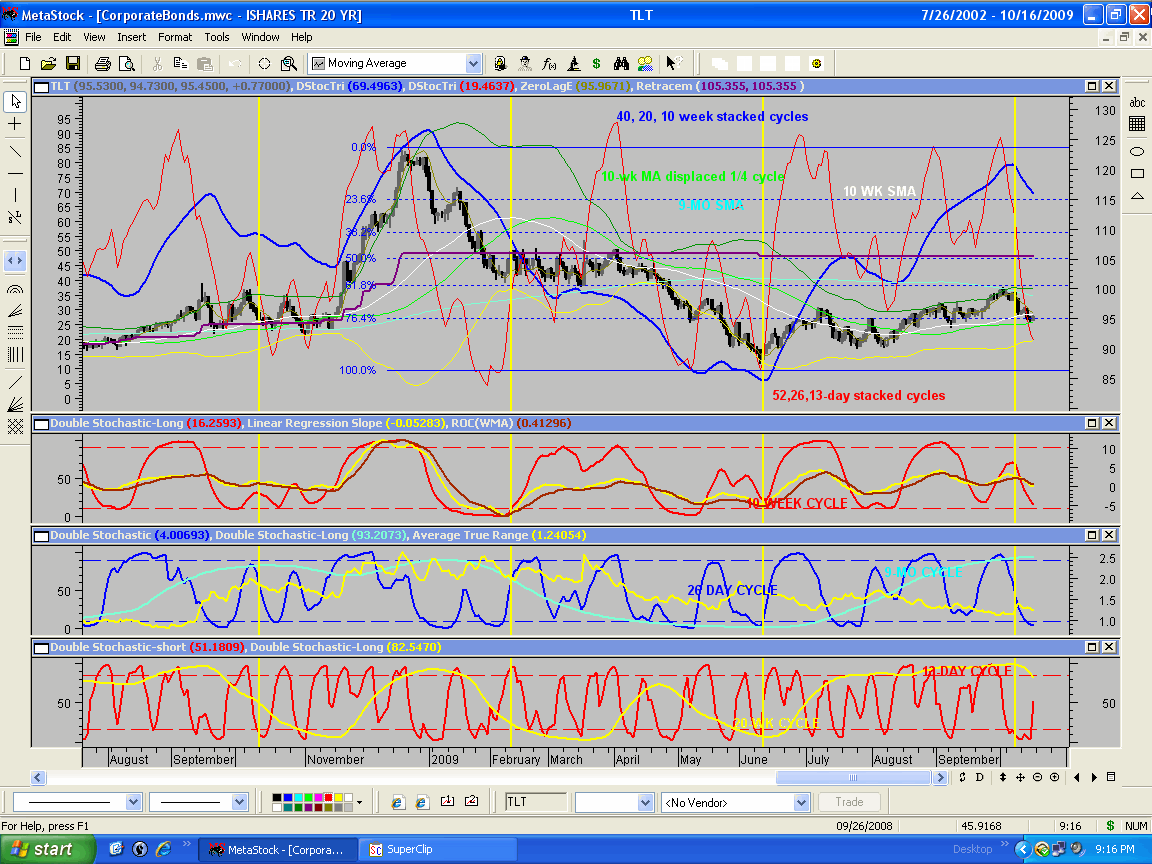
Treasury bonds (http://www.geocities.com/petegersb/Treasury-20yr.GIF ) declined to test the 9-mo moving average as expected last week. Declining short and intermediate composites suggest that support will be broken this week. Next support comes in just a little lower at the September-October highs.
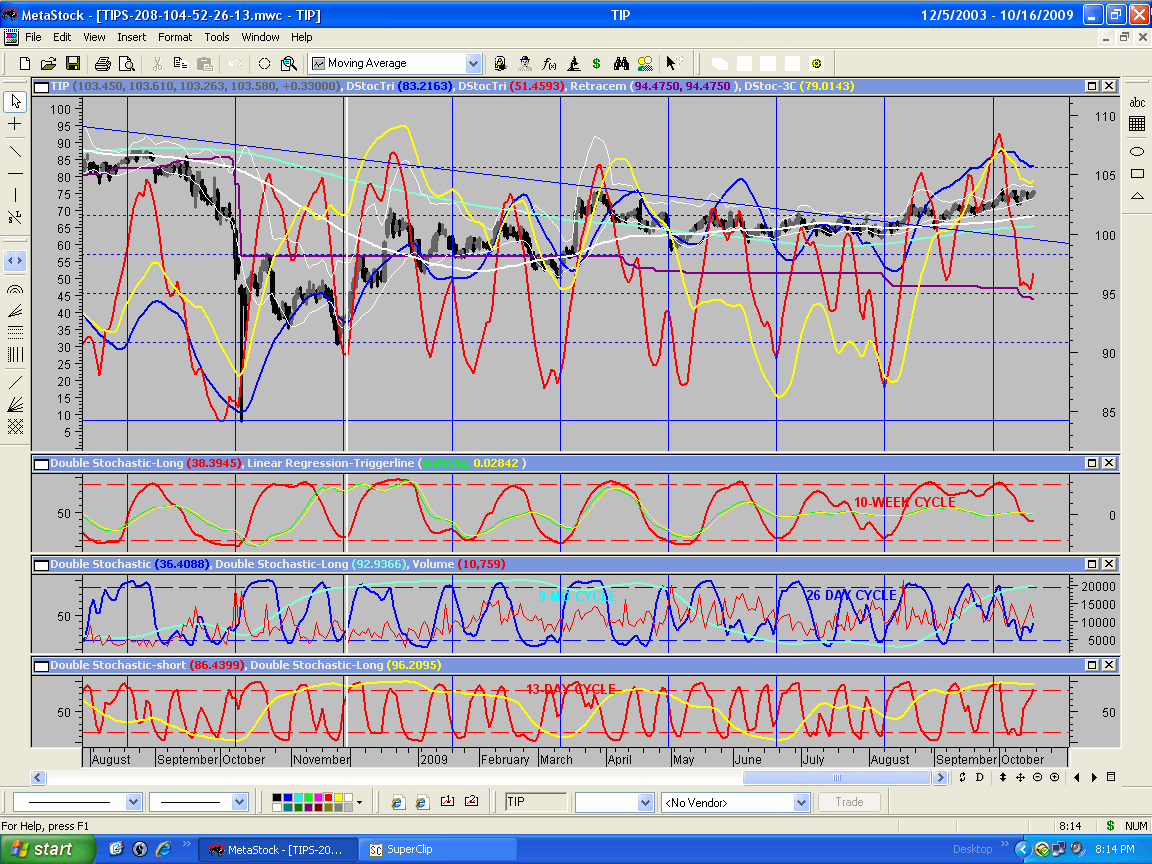
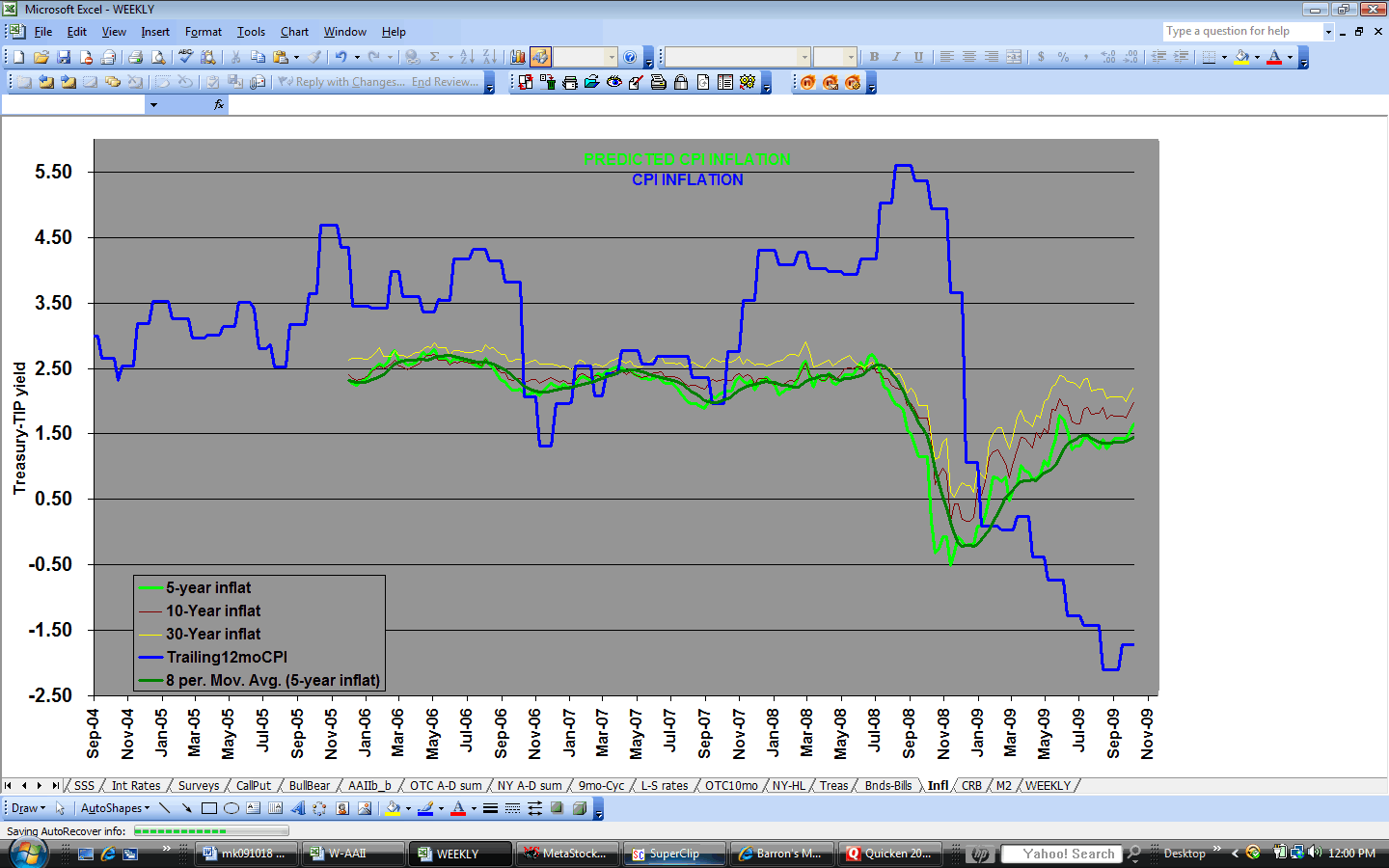
Inflation Protected Treasuries (http://www.geocities.com/petegersb/TIPs.GIF) didn’t move much for most of the week, but plunged on Friday as a downturn in the 13-day cycle reinforced the downtrend in the 6-wk-old 10-wk cycle. The price broke a little below the down trending 9-mo moving average, and both short and intermediate composites turned down. The decline is likely to last for a few more weeks – perhaps until the next CPI report. The latest report (http://www.geocities.com/petegersb/CPI.GIF ) published on Thursday morning didn’t appear to have much impact. Perhaps that’s because the TIPS predicted last November that the year-over-year CPI comparison would drop to about the current level, so it wasn’t a surprise to bond investors. The report showed a 0.24% price increase in March, but a 0.38% decline over the last year. Excluding Energy, however, prices rose a moderate 2.2% over last year. So except in Energy, inflation is alive and well. Year over year numbers include: Food and Beverages up 4.3%; Medical care up 2.8%; Education up 5.6%. Oil is now at the same price that it was last November, so energy will likely depress the CPI for a few more months. But when the economy starts to recover, oil and gas will rise, perhaps swiftly, and the CPI will surge.
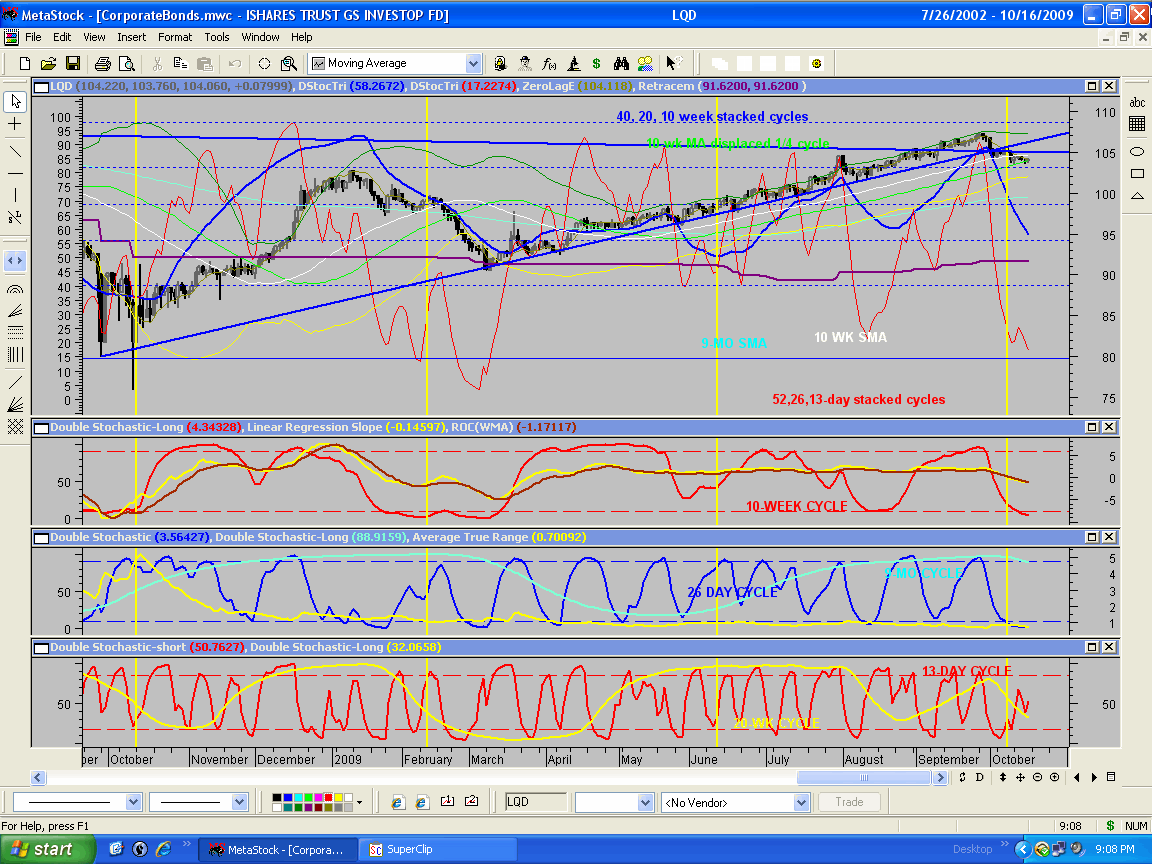
Corporate bonds (http://www.geocities.com/petegersb/CorporateBonds.GIF ) had a good week breaking above both the down trending 9-mo and 10-wk moving averages as they extended the short-term rally within the rising 20-wk cycle. The short-term composite is now extremely overbought and the 10-wk cycle is 6 weeks old. It should correct this week, but a continued rise in the 20-wk cycle should prevent much damage.
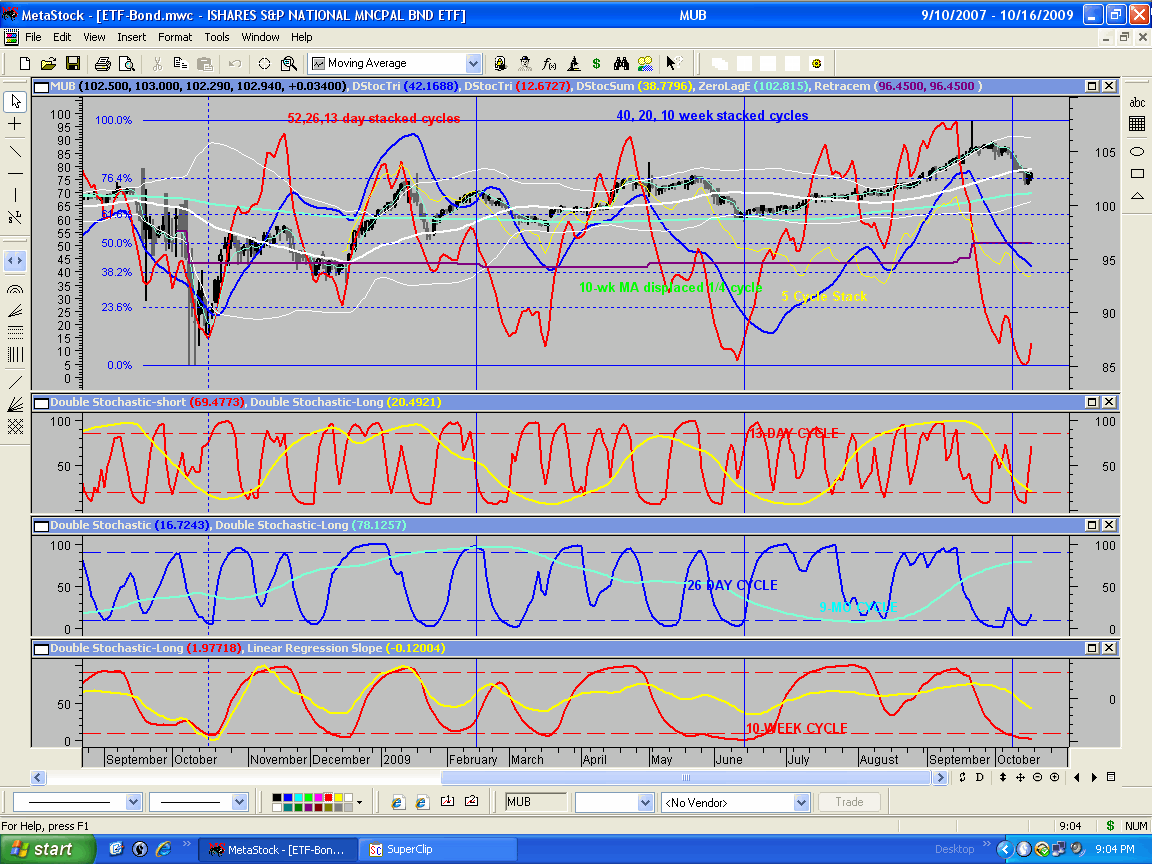
Municipal bonds (http://www.geocities.com/petegersb/MunicipalBonds.GIF ) unexpectedly had a strong gain last week as the 13-day cycle turned up prematurely, the overbought 10-wk cycle failed to turn down, and the rising 26-day and 20-wk cycles dominated. The 20-week cycle peaks in May, September and January all occurred near current levels, so it’s likely that we will soon see at least a 10-wk cycle peak. But this second 20-wk cycle rally within the current 9-mo cycle is only 5 weeks old, so it should mitigate any 10-wk cycle downturn. Municipals appear to be the sweet spot in the bond market as they correct their undervaluation relative to treasuries.
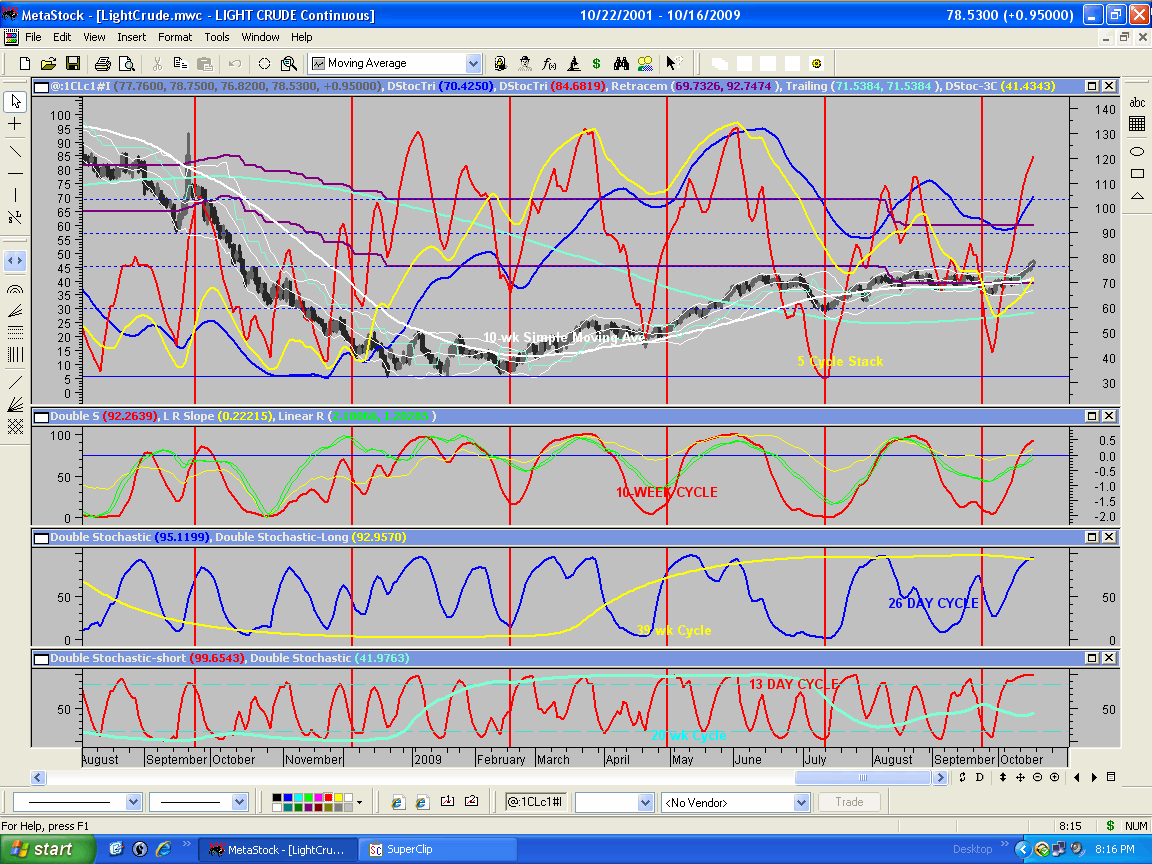
Crude oil (http://www.geocities.com/petegersb/CrudeOil.GIF ) was little changed again last week. Despite the lack of any significant decline in the last few weeks, the 10-wk cycle is nearly ready for a bottom. Soon it should be reinforcing the rising 9-mo cycle which is 4 months old, but a good rally probably will have to wait for a bottom in the declining 20-wk cycle that is 17 weeks old.
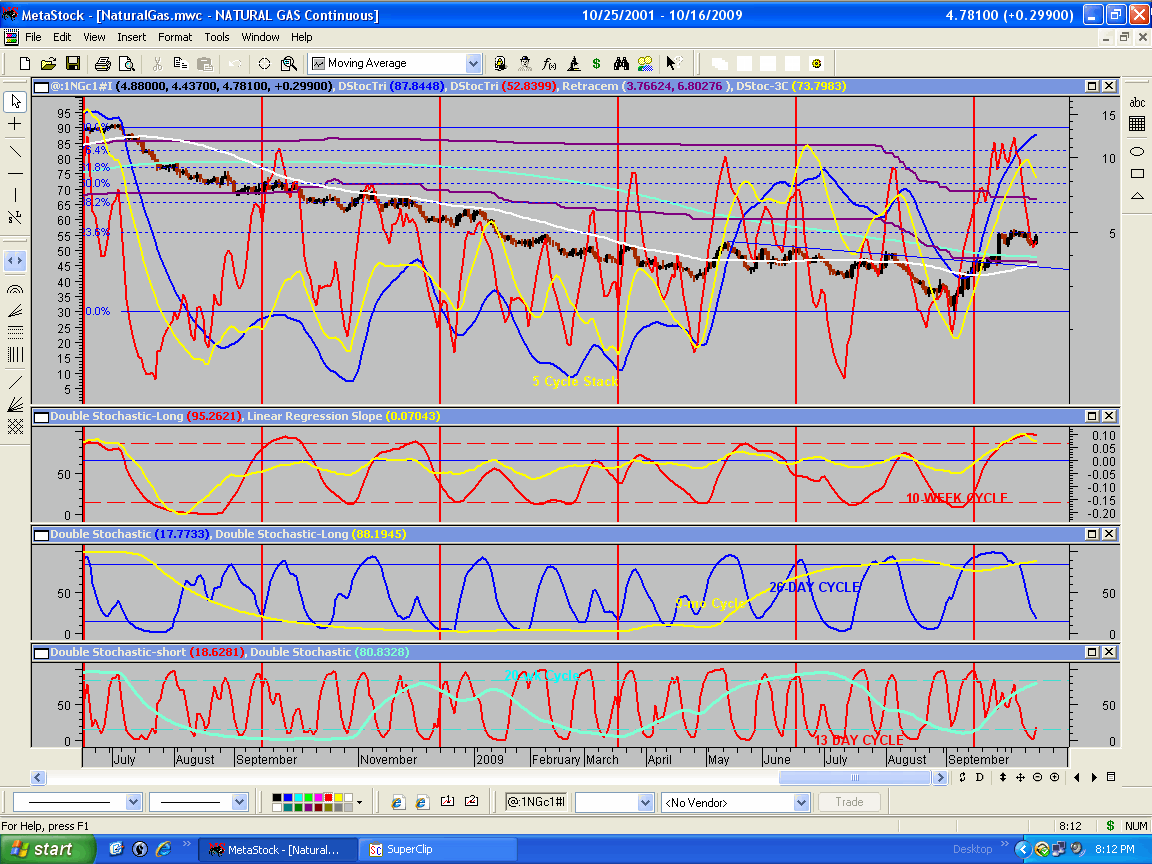
Natural gas (http://www.geocities.com/petegersb/NaturalGas.GIF ) made its usual lower low last week, but then turned up to finish the week with a slight gain. With rising short and intermediate composites, it appears likely to extend the gain this week, but it will quickly meet resistance at the 10-wk moving average.
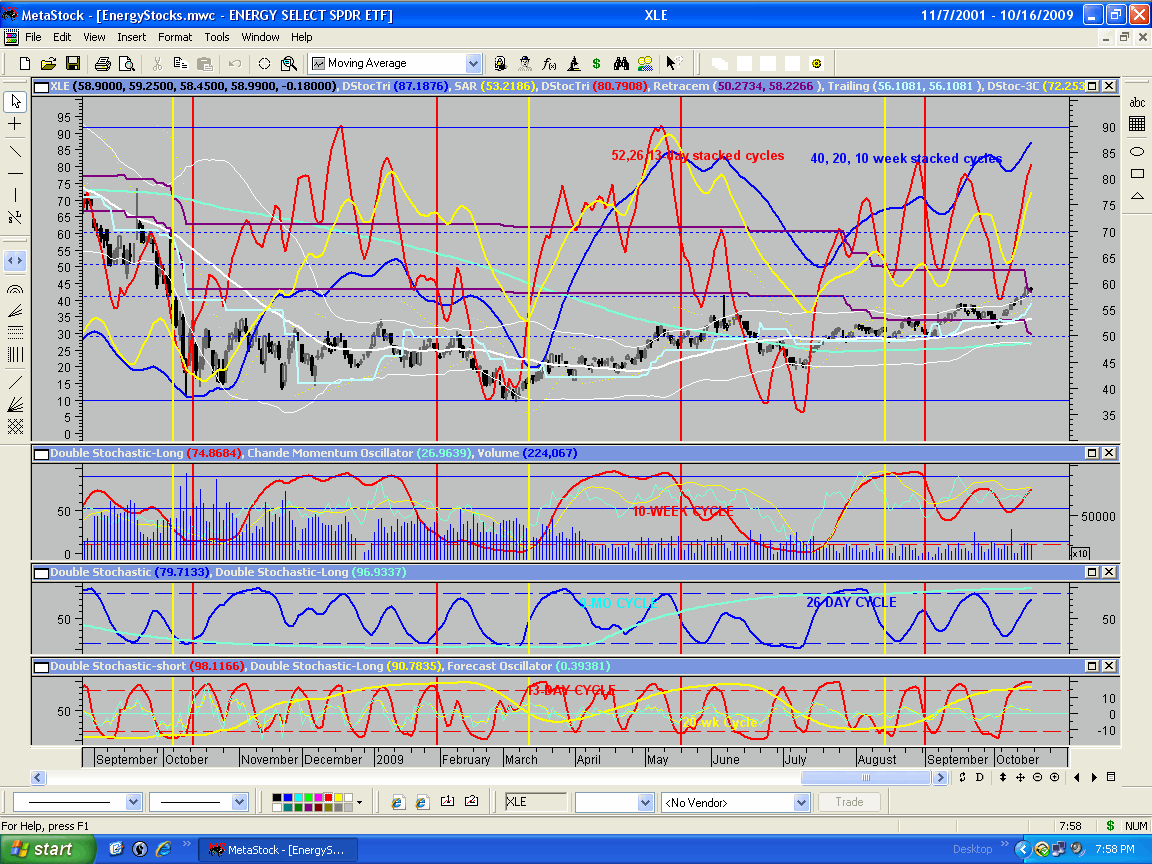
Energy stocks (http://www.geocities.com/petegersb/EnergySPDR.GIF) again followed the oil pattern with little change for the week. Most of the cycles are favorable but the 10-wk and 13-day cycles are overbought, and the price has not been able to capitalize on the recent favorable trend in these cycles. This sector doesn’t yet appear ready to move out of the trading range.
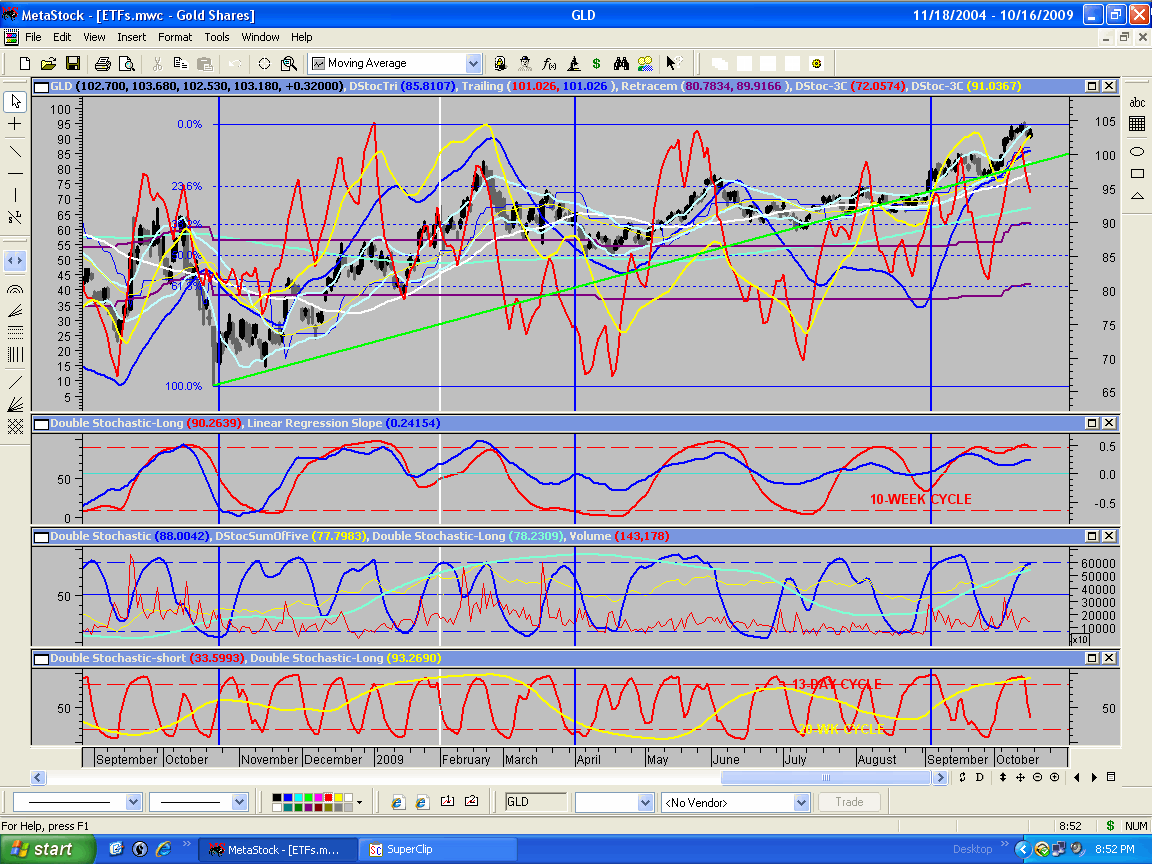
Gold (http://www.geocities.com/petegersb/GoldBullion.GIF) unexpectedly again declined to its 9-mo moving average.
The 10 and 20-week cycles remain oversold and so is the short-term composite.
So gold appears likely to succeed in holding this test of its recent low and
beginning its next 20-wk cycle rally.
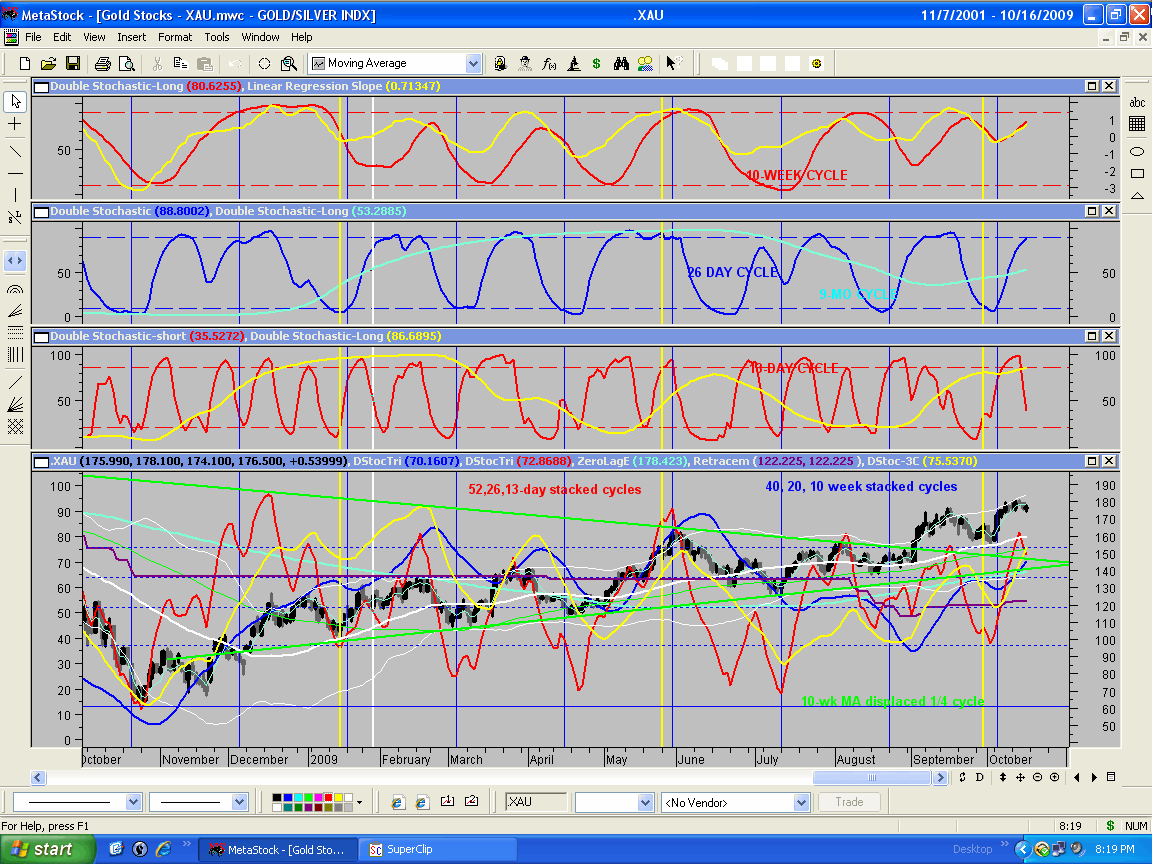
Gold Stocks (http://www.geocities.com/petegersb/GoldStocks.GIF
) moved farther below the 9-mo and 10-wk moving averages after a brief 13-day
cycle rally attempt failed at that level. On the basis of elapsed time it
should also be ready for a 20-wk cycle bottom, but the indicators suggest only
a 26-day rally attempt in the near future.
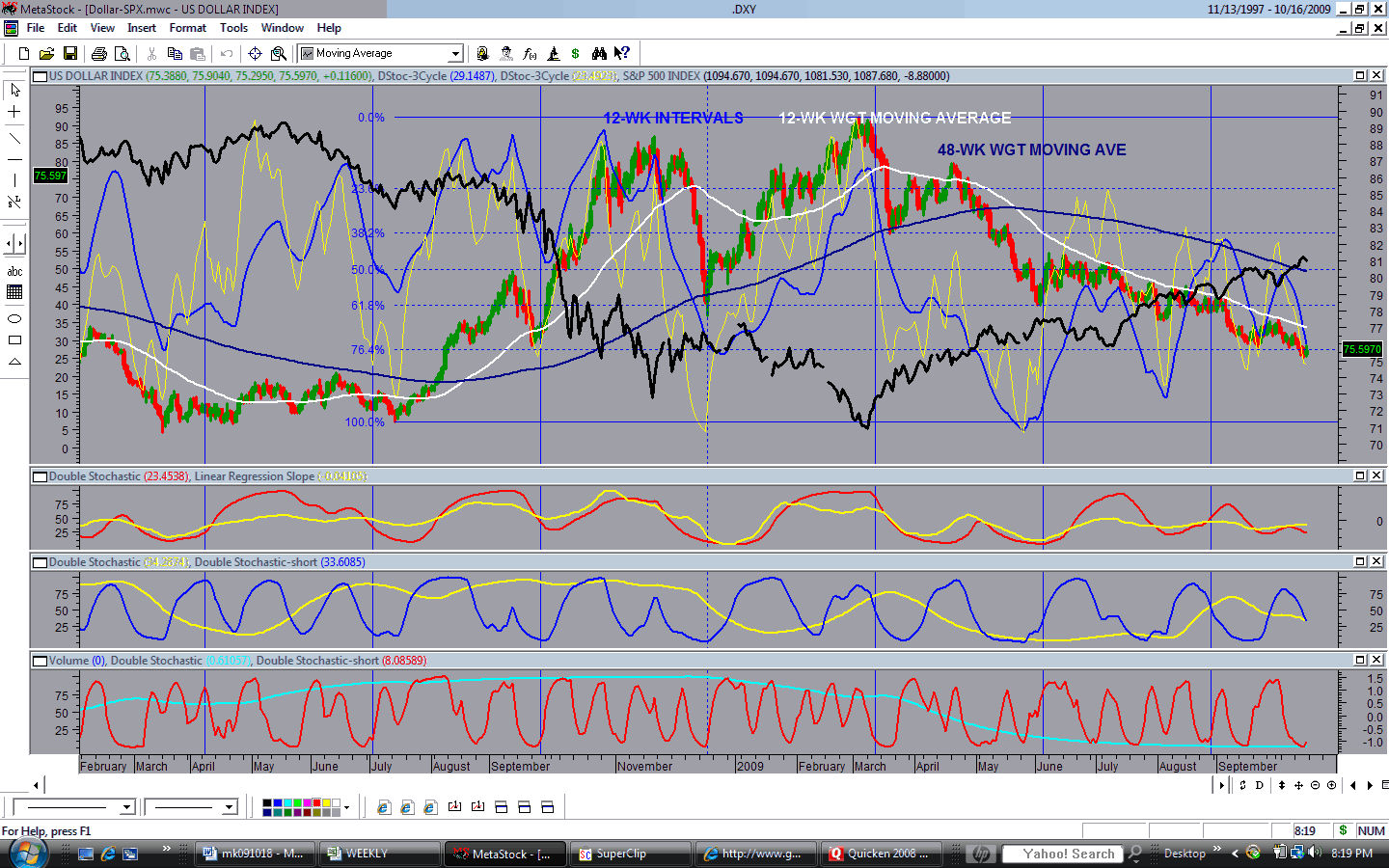
The Dollar (http://www.geocities.com/petegersb/Dollar.GIF) rallied for a 3rd test of its 10-wk moving average in as many weeks. Rising short and intermediate composites, as well as an oversold 20-wk cycle suggest a likely breakthrough this time. If so, I will probably be wrong on gold. They don’t often rally together.