3/29/09
Charts from the West Coast Cycles Club briefing scheduled for 3/31/09 will not be posted on the web. If you’d like a copy by email, drop me a note at [email protected] .
Geithner went from goat to hero when he announced the details of the Treasury’s approach to getting troubled assets off of the bank’s books. The indexes tacked on another 6 or 7% on Monday, generally moving about as far above the 10-wk moving average as at the last 20-week cycle peak in early January. They closed the week very close to Monday’s high after making a 26-day cycle peak and a potential 10-wk cycle peak on Thursday.
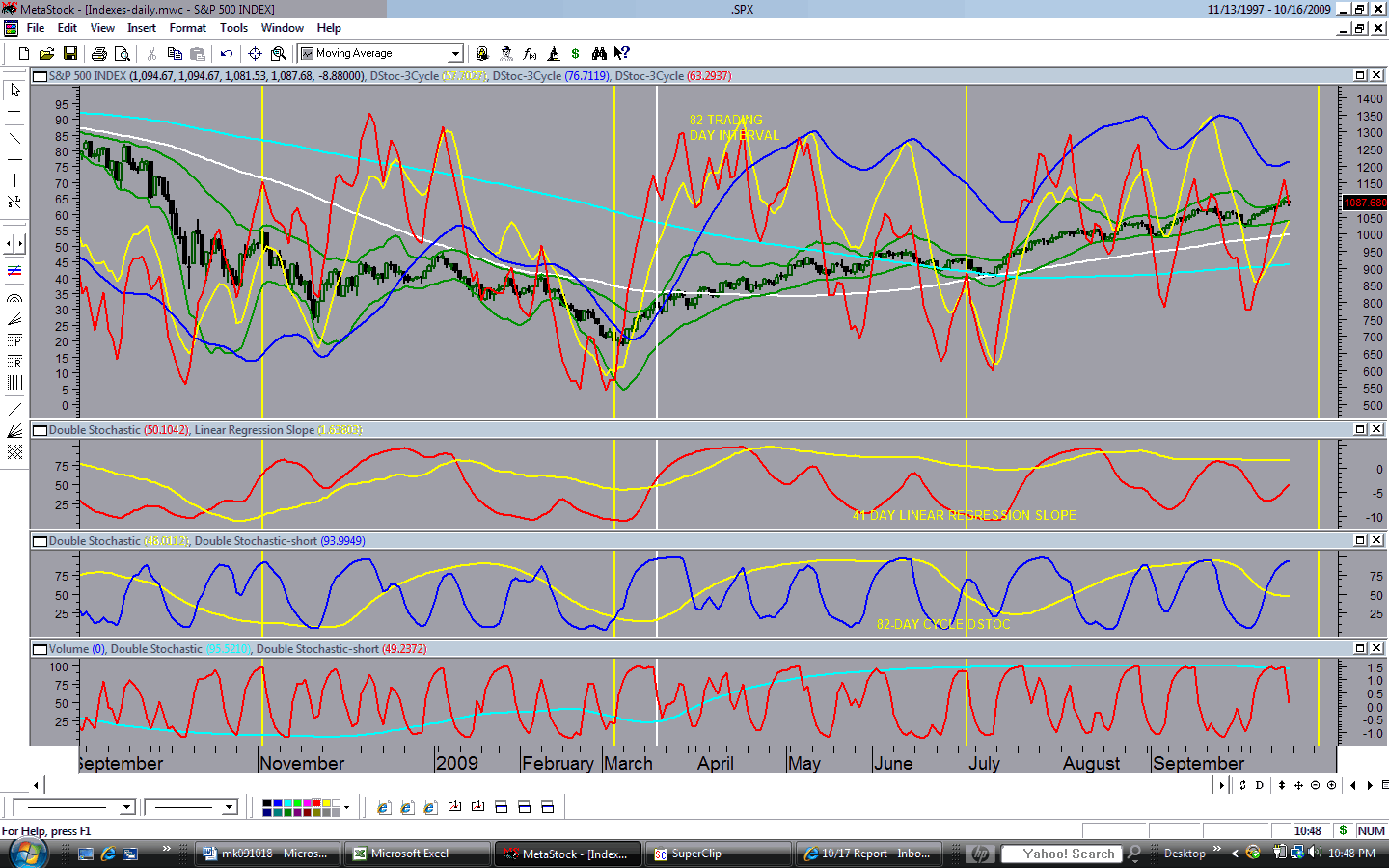
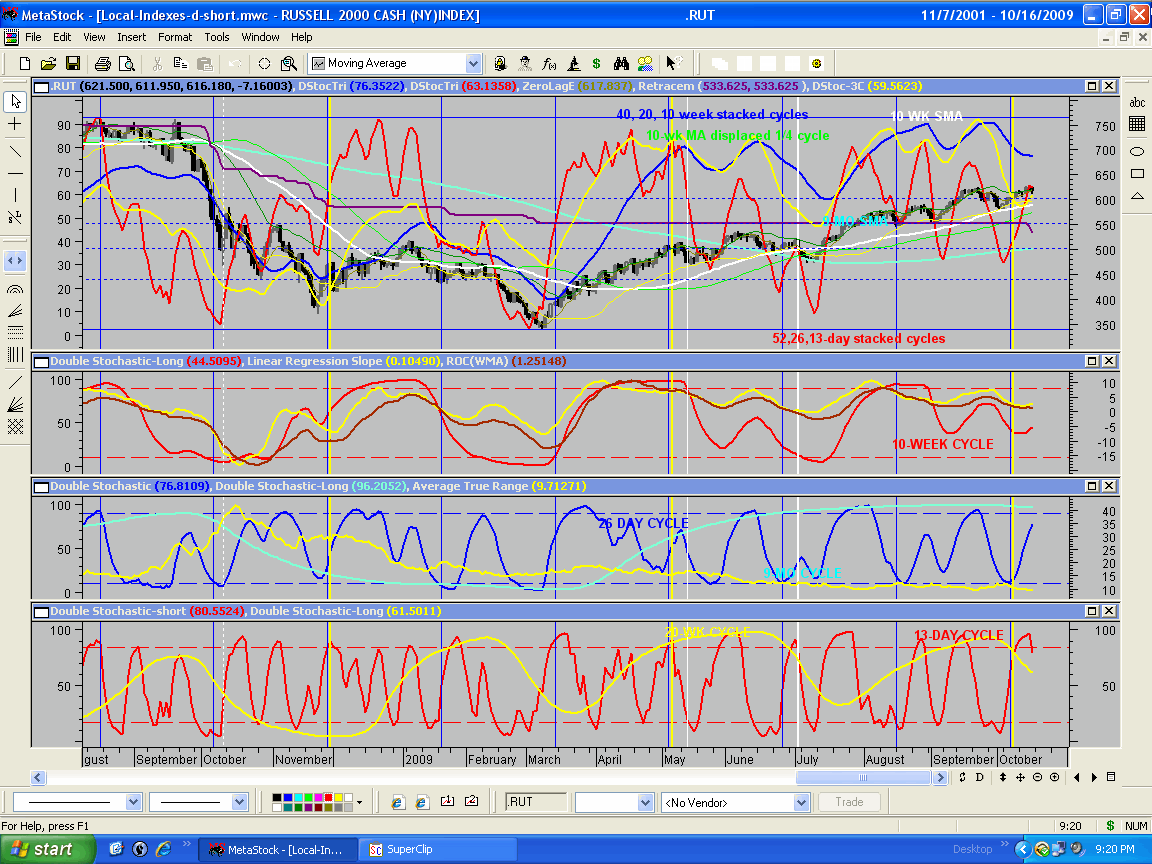
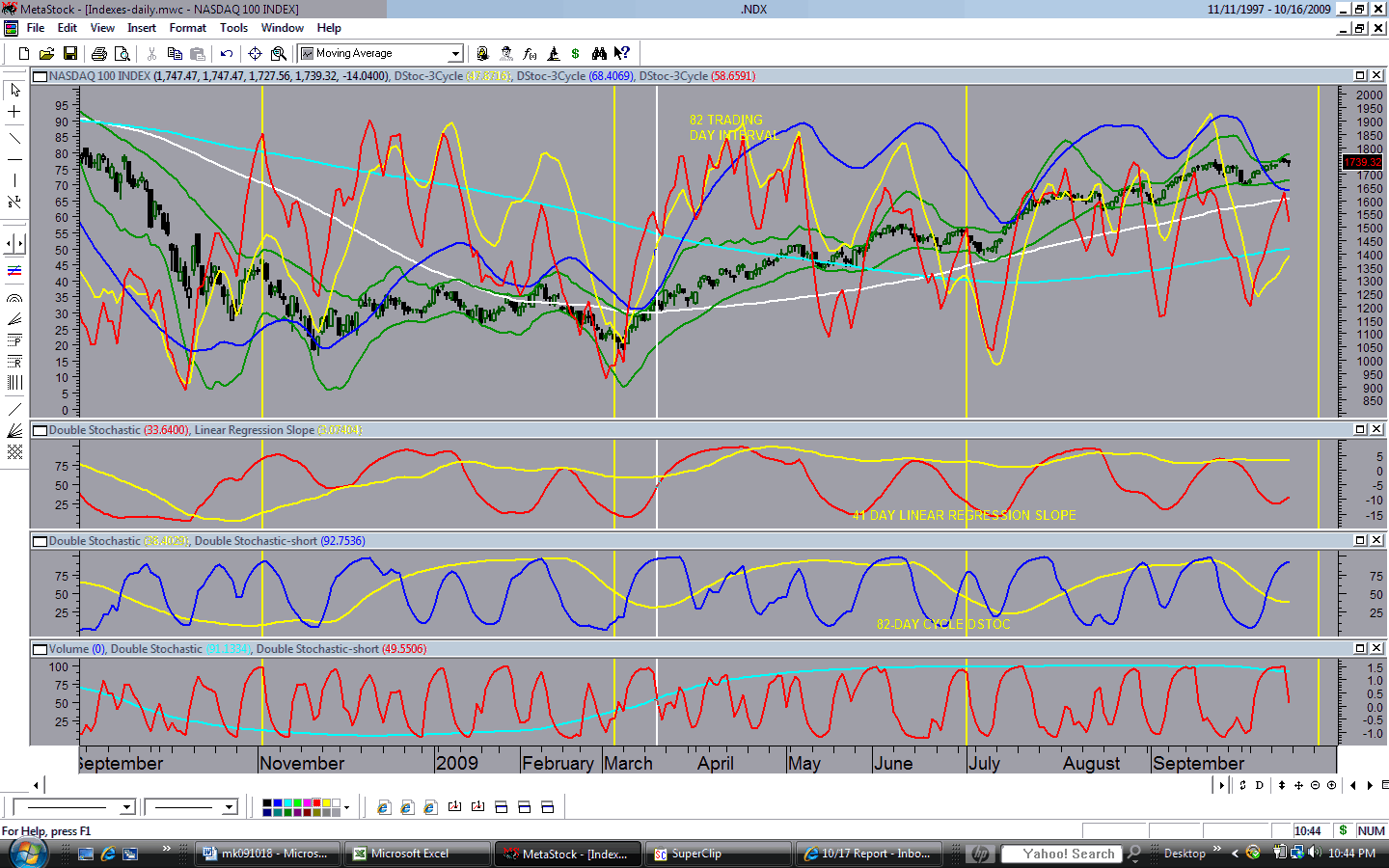
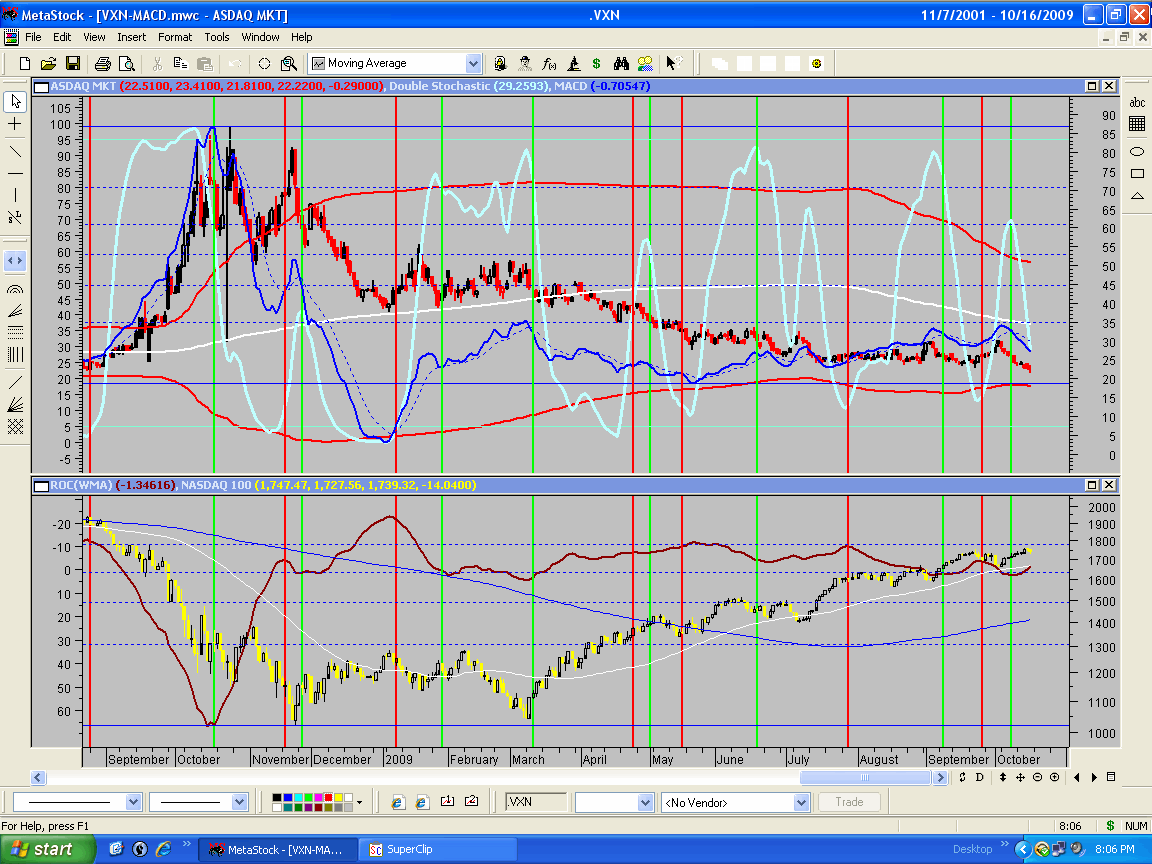
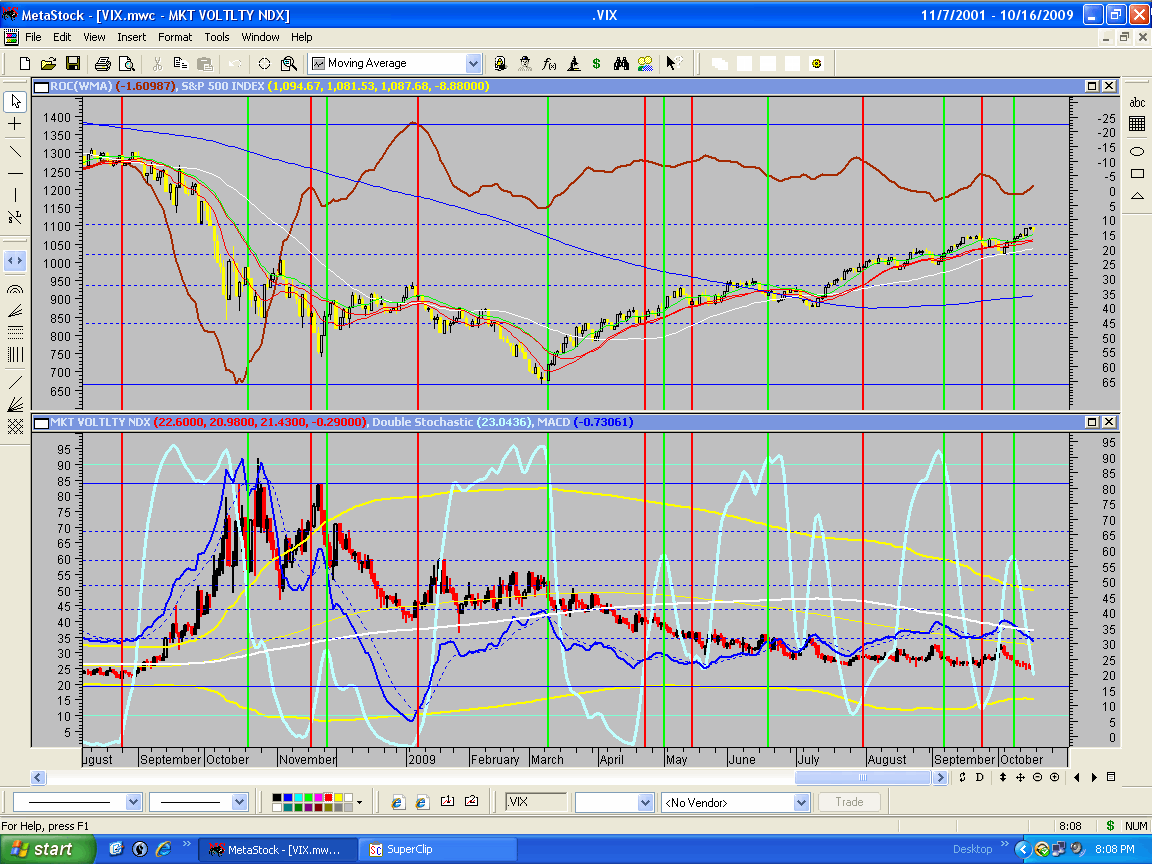
The pattern of the indicators continues to follow the pattern preceding the selloff that began in August (http://www.geocities.com/petegersb/SP500.GIF, http://www.geocities.com/petegersb/Russell2000.GIF ), and for the most part, the pattern of lower short-term highs and lows has been preserved. The Nasdaq 100 (http://www.geocities.com/petegersb/NDX.GIF) is the exception, having made a marginally higher low in early March and now challenging the January and February peaks. All the indexes have rallied much more strongly than during July-August rally, but the VIX and VXN (http://www.geocities.com/petegersb/VXN.GIF , http://www.geocities.com/petegersb/VIX.GIF ) aren’t reflecting that short-term strength. They remain stalled at the 10-wk moving average, and their DStocs have moved into position for a potential 10-wk cycle downturn. The inability of the VIX and VXN to drop normally instead of hugging the 10-wk moving average during the strong rally of the last 3 weeks is not an encouraging sign. It suggests a high likelihood of another surge in option premiums ahead, and that happens only in declining markets.
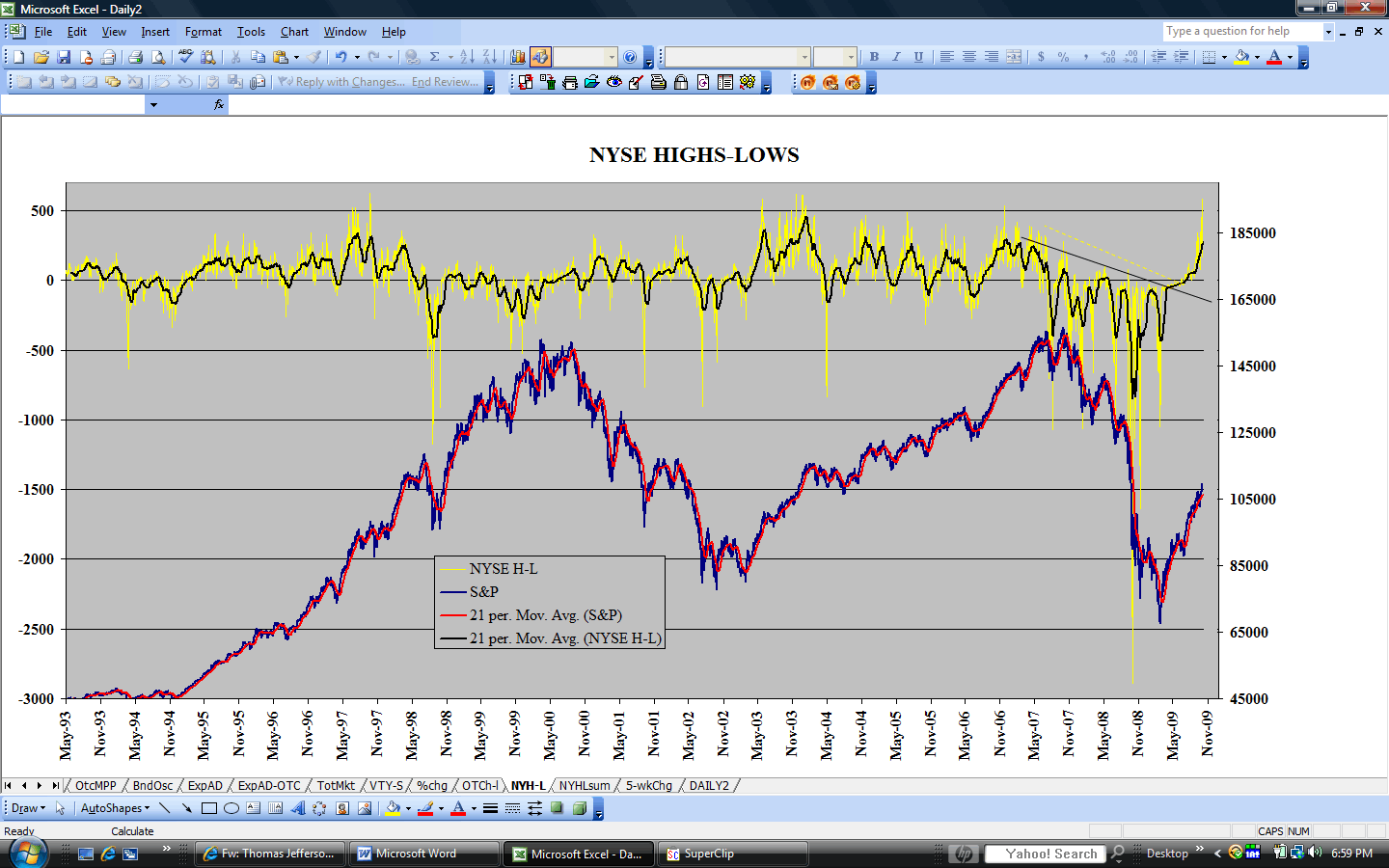
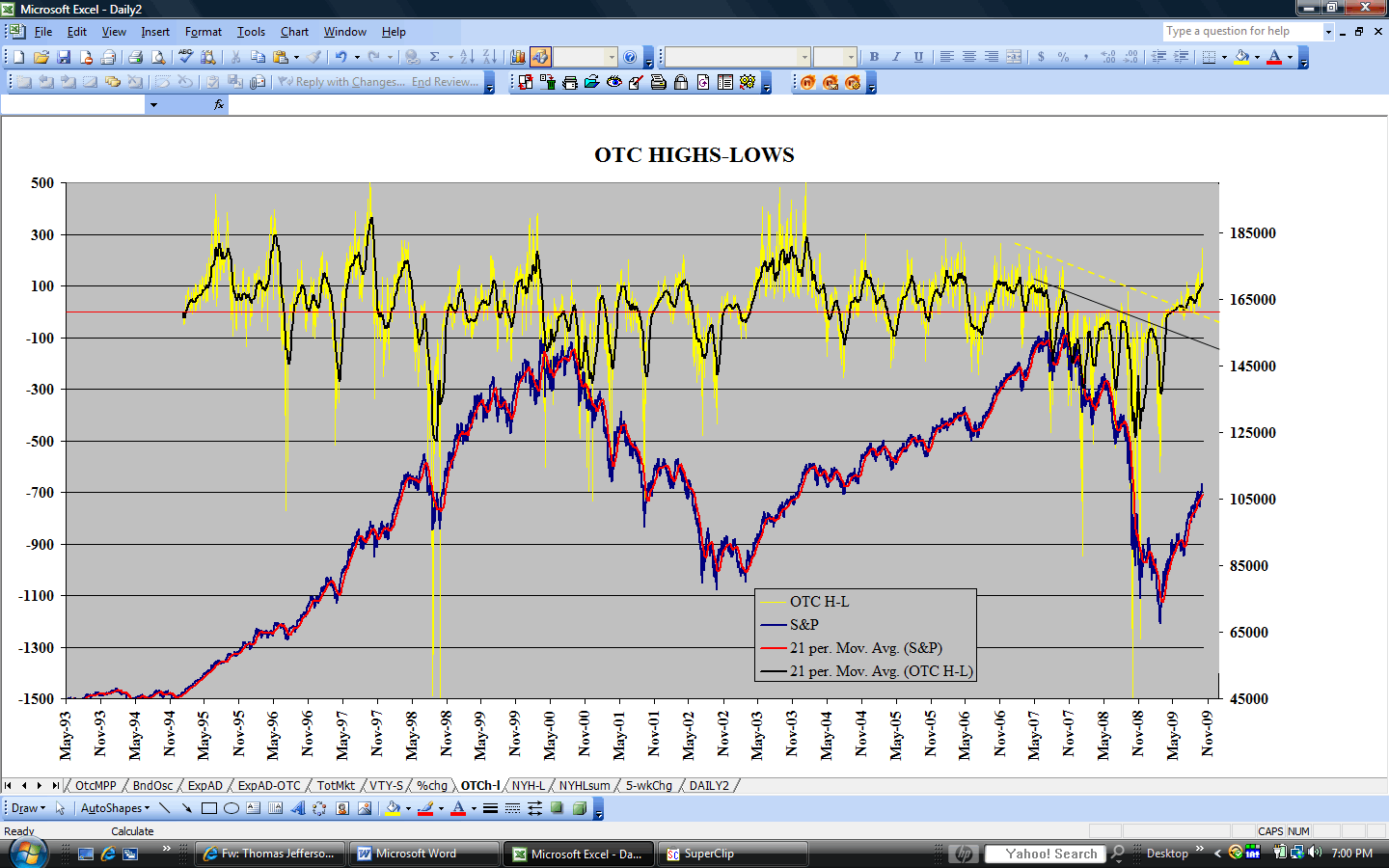
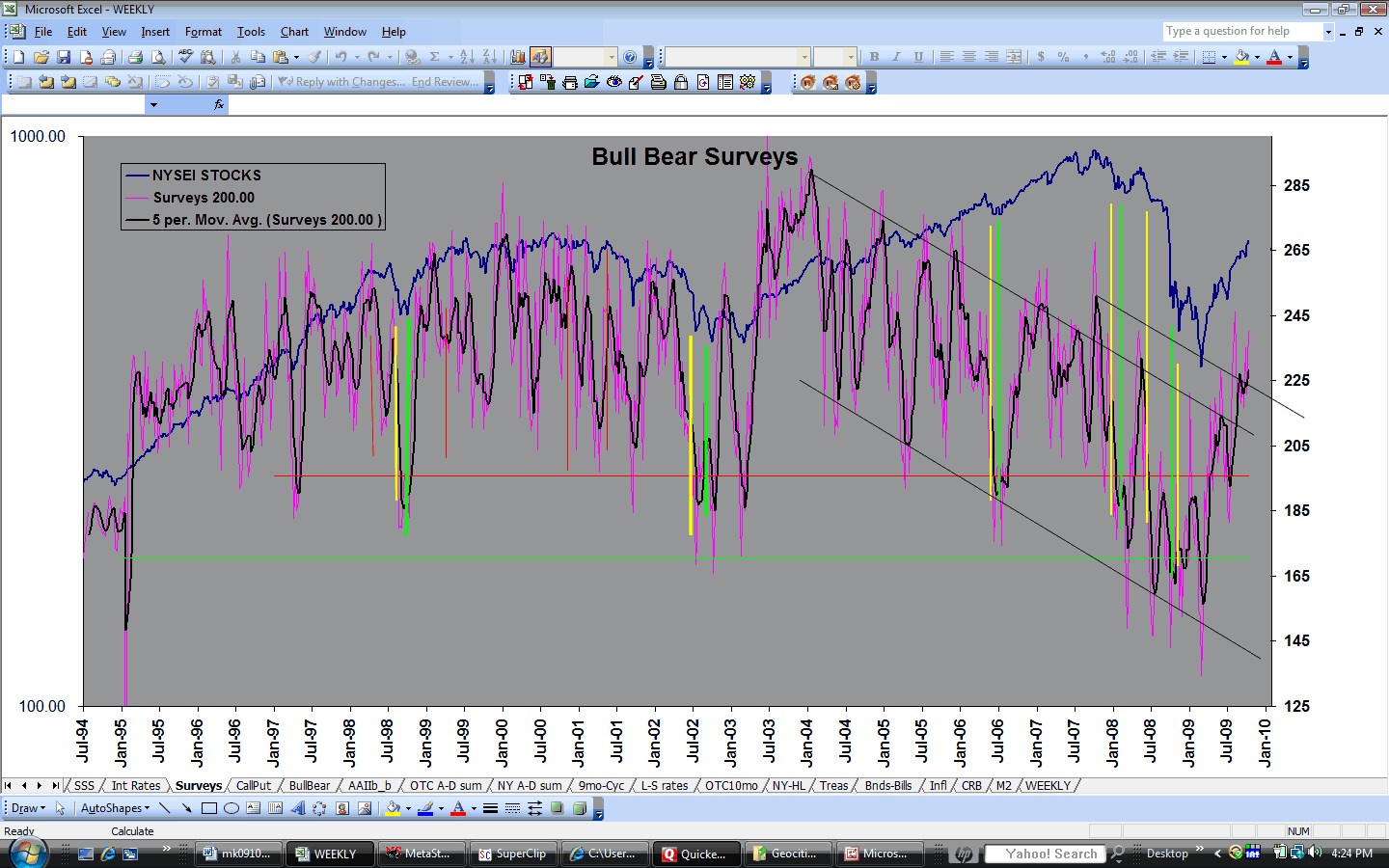
New lows practically disappeared last week and almost equaled new highs, just as they did 11 weeks ago (http://www.geocities.com/petegersb/HighLowNYSE.GIF , http://www.geocities.com/petegersb/HighLowOTC.GIF ). Many commentators are encouraged by this development, and it is a necessary condition after a lasting bottom. But as early January demonstrated, it is not a sufficient condition and it is consistent with a 10-wk cycle peak. One thing is quite different from 11 weeks ago. There were about 10% fewer skeptics at that time (http://www.geocities.com/petegersb/SurveysCombined.GIF ) and the indicator may have formed a triple bottom as it did in 2002-03. When too many people share my skepticism, I worry that I should be more optimistic. And there is reason for somewhat more intermediate-term optimism now. The 20-week cycle is only 3 weeks old. 11 weeks ago the prior 20-wk cycle was 7 weeks old.
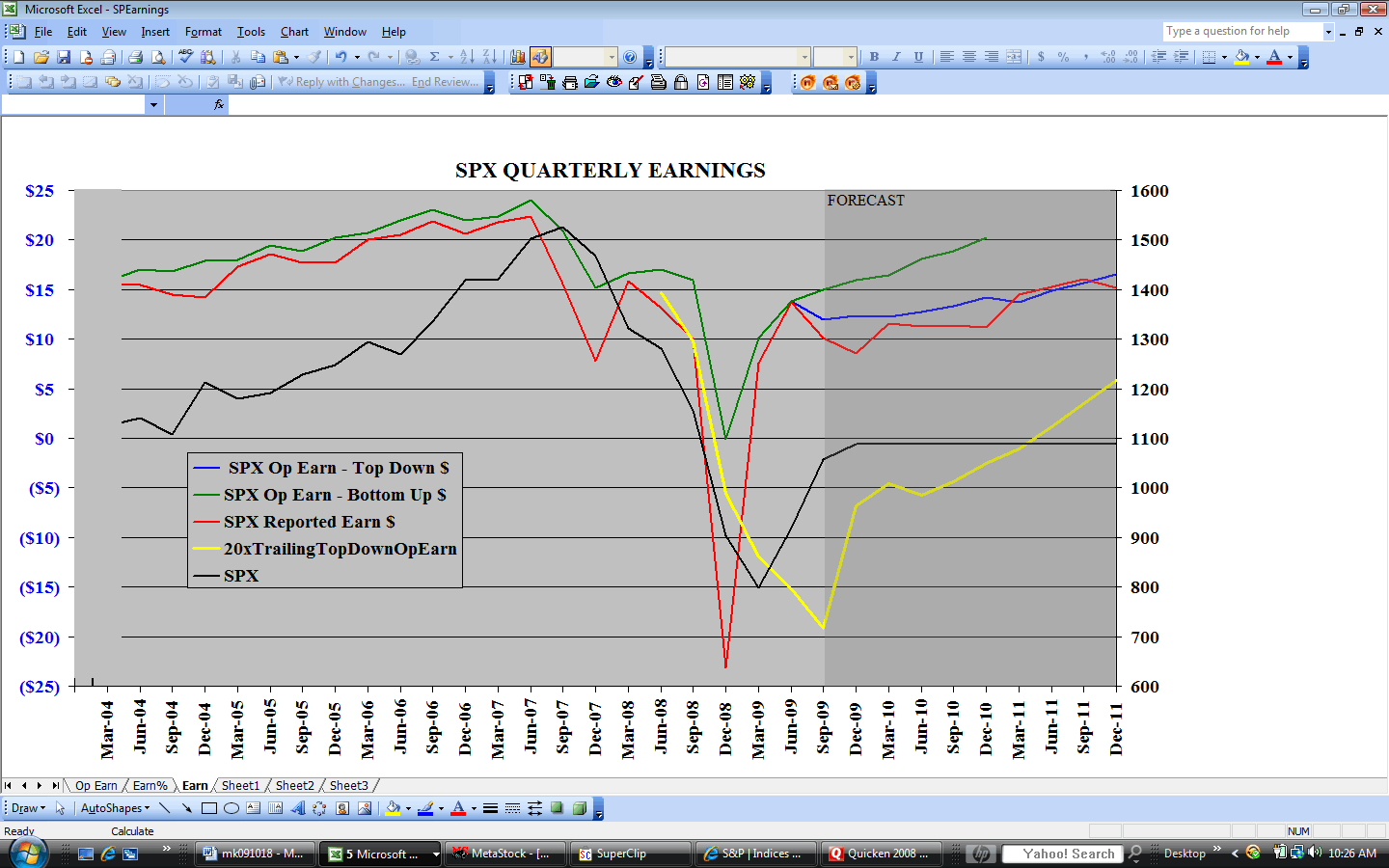
The depth of the short-term decline that probably began on Friday may depend heavily on investors’ reaction to 1st quarter earnings reports. If Standard & Poor’s estimates (http://www.geocities.com/petegersb/EarnY-Y.GIF ) are in the right ballpark for a change, earnings will generally show a marked improvement over the last quarter, but continue to show a large decline over the like year-ago quarter (-22% for operating earnings and -45% for reported earnings). Also if they are right in their top-down estimates operating earnings will remain essentially flat at a low level through 2010. Today’s price then puts the SPX operating P/E at 16.6 on 2009 earnings and 16.8 on 2010 earnings – hardly bargain levels. But an apt description for operating earnings is: “earnings without the bad stuff”. If you include much of the bad stuff, as reported earnings do, the multiples rise to a bubble-like 23.5 for 2009 and 19.7 for 2010 expectations. A rational investor has to expect decent earnings growth to justify a mere 5% earnings yield and 3% dividend yield when safer corporate bonds (LQD) yield close to 6%. I conclude that you have to be an even more wild-eyed optimist than Standard & Poor’s to be a bull based on the fundamentals.
Based on the technicals, the 20-week cycle makes an intermediate bull case, but the shorter cycles make a short-term bear case and the longer cycles make a continuing bear case for about the next year.
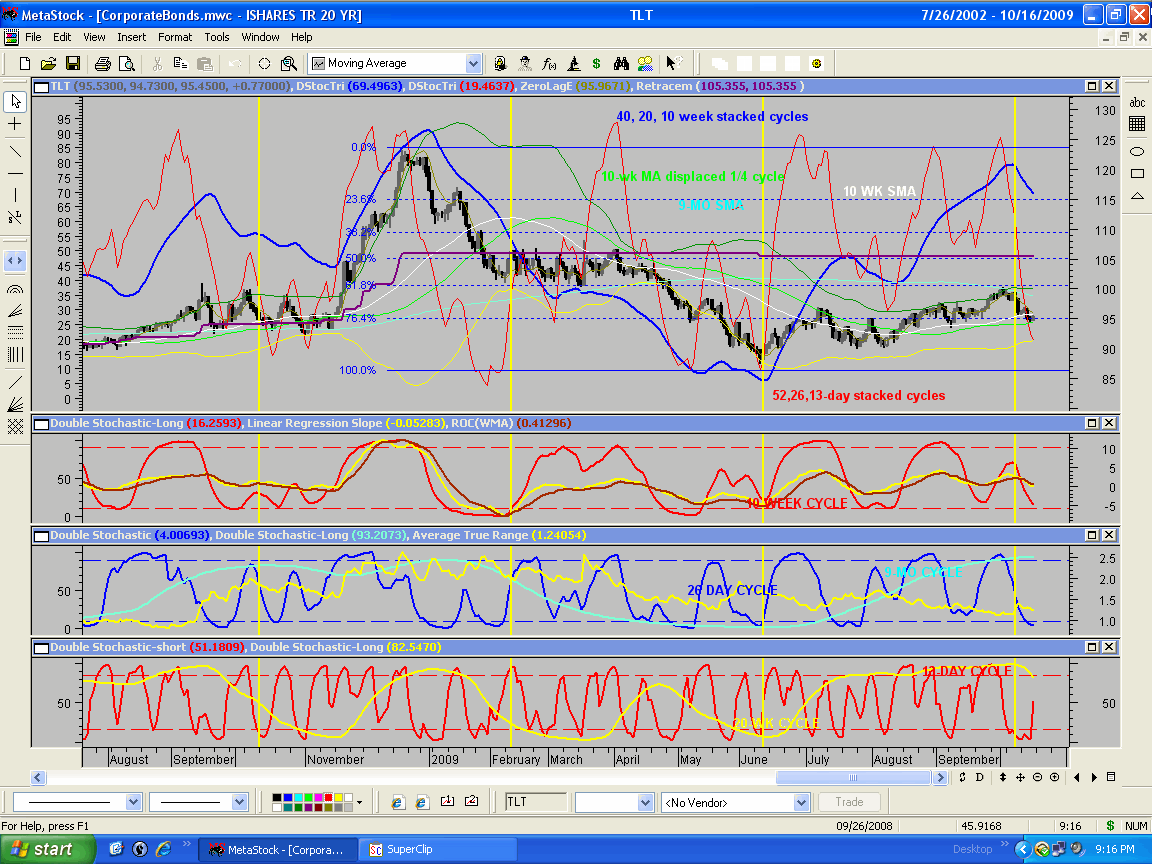
Treasury bonds (http://www.geocities.com/petegersb/Treasury-20yr.GIF ) held just below the 10-wk moving average. The overbought short-term composite suggests that prices will again back down before launching a 20-wk cycle rally.
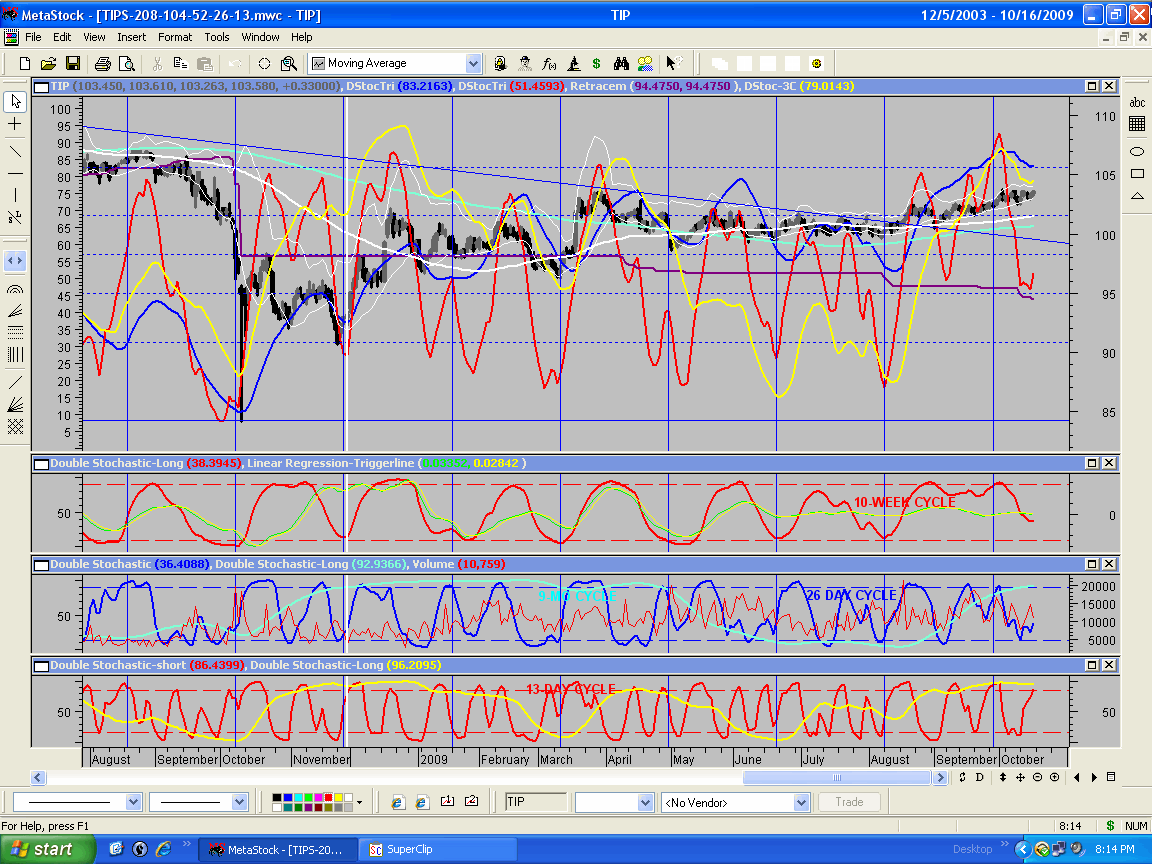
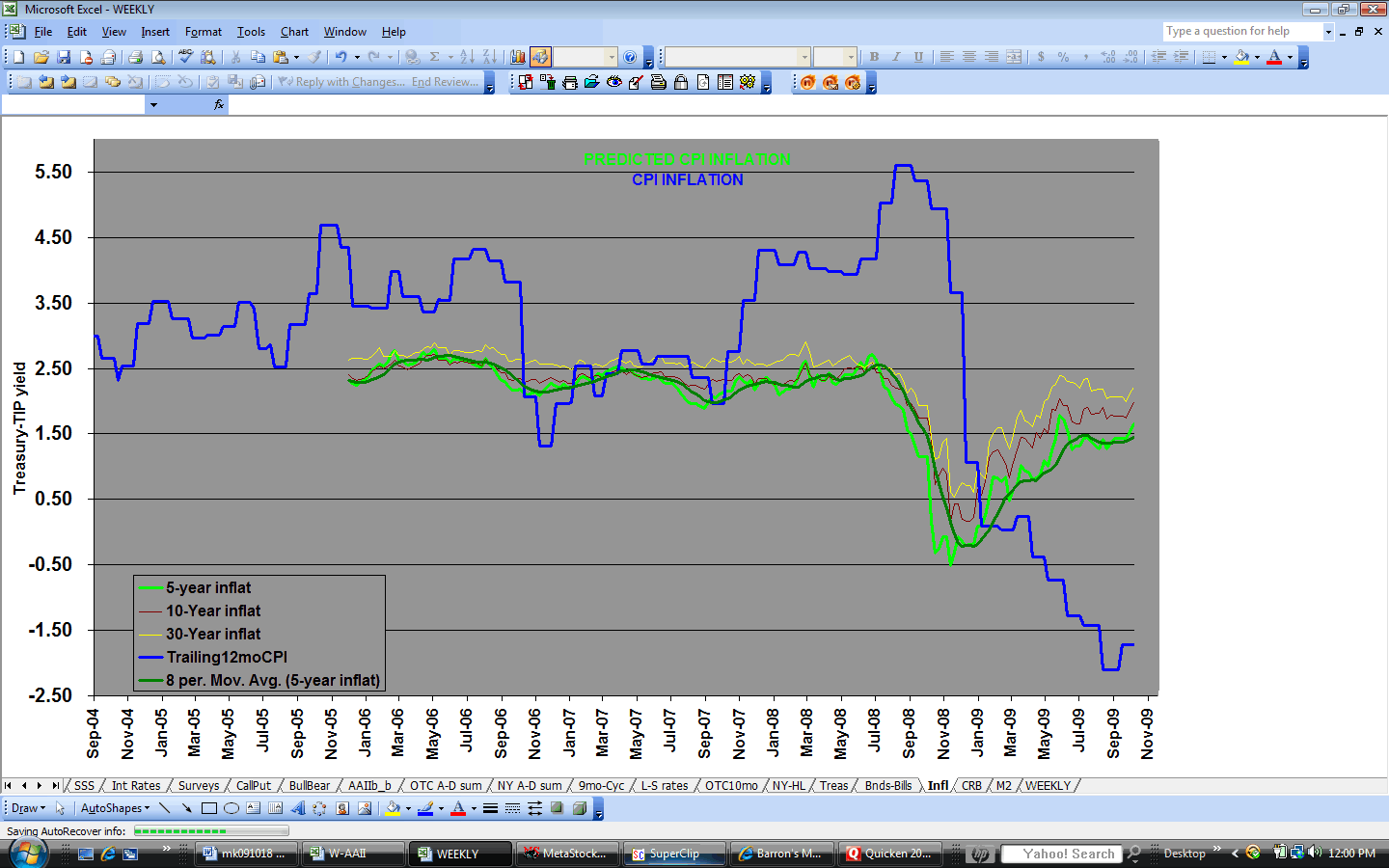
Inflation Protected Treasuries (http://www.geocities.com/petegersb/TIPs.GIF) had another good week to produce an overbought short-term composite. Any correction will have to contend with a rising 20-wk cycle that is only 3 weeks old. Once again, TIPs significantly outperformed conventional treasuries as bond investors forecast higher CPI inflation (http://www.geocities.com/petegersb/CPI.GIF ).
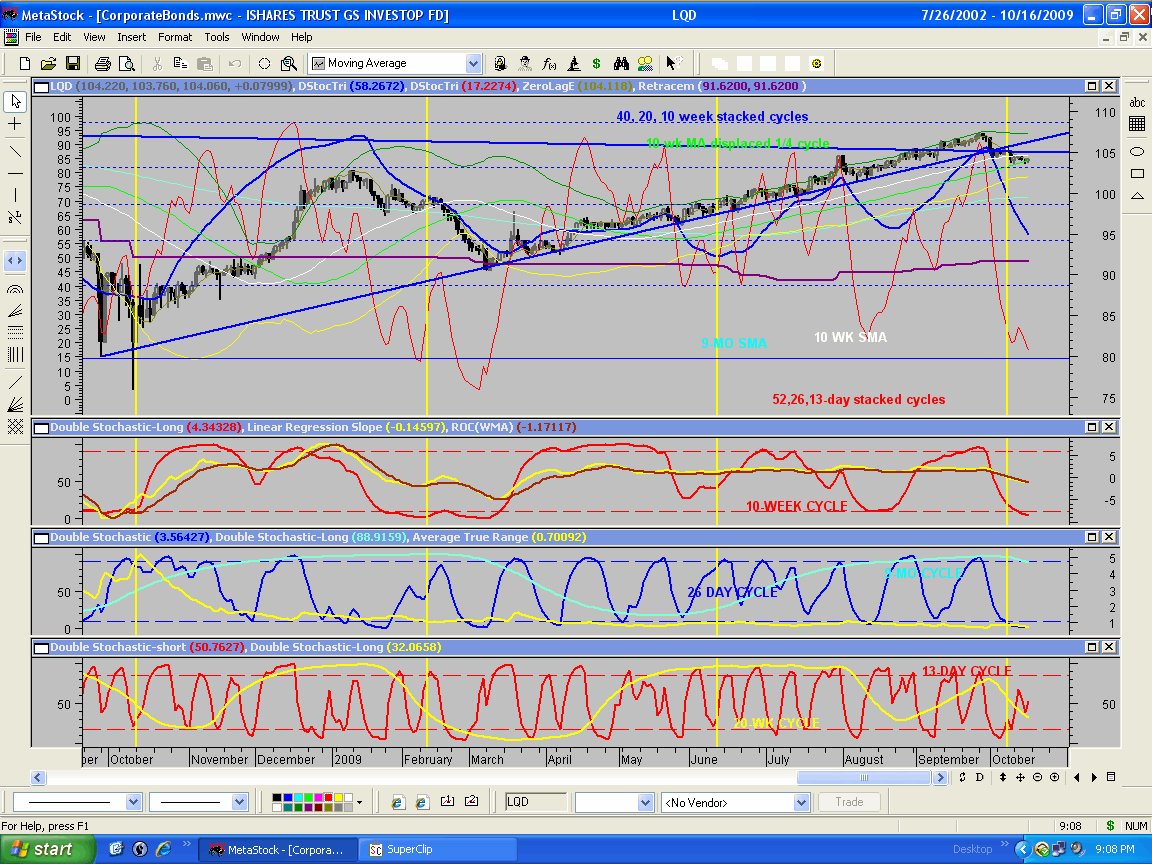
Corporate bonds (http://www.geocities.com/petegersb/CorporateBonds.GIF) lost a little ground last week as the short cycles corrected. But the 13-day cycle turned up on Friday, and the 20-wk cycle appears to have bottomed on March 9.
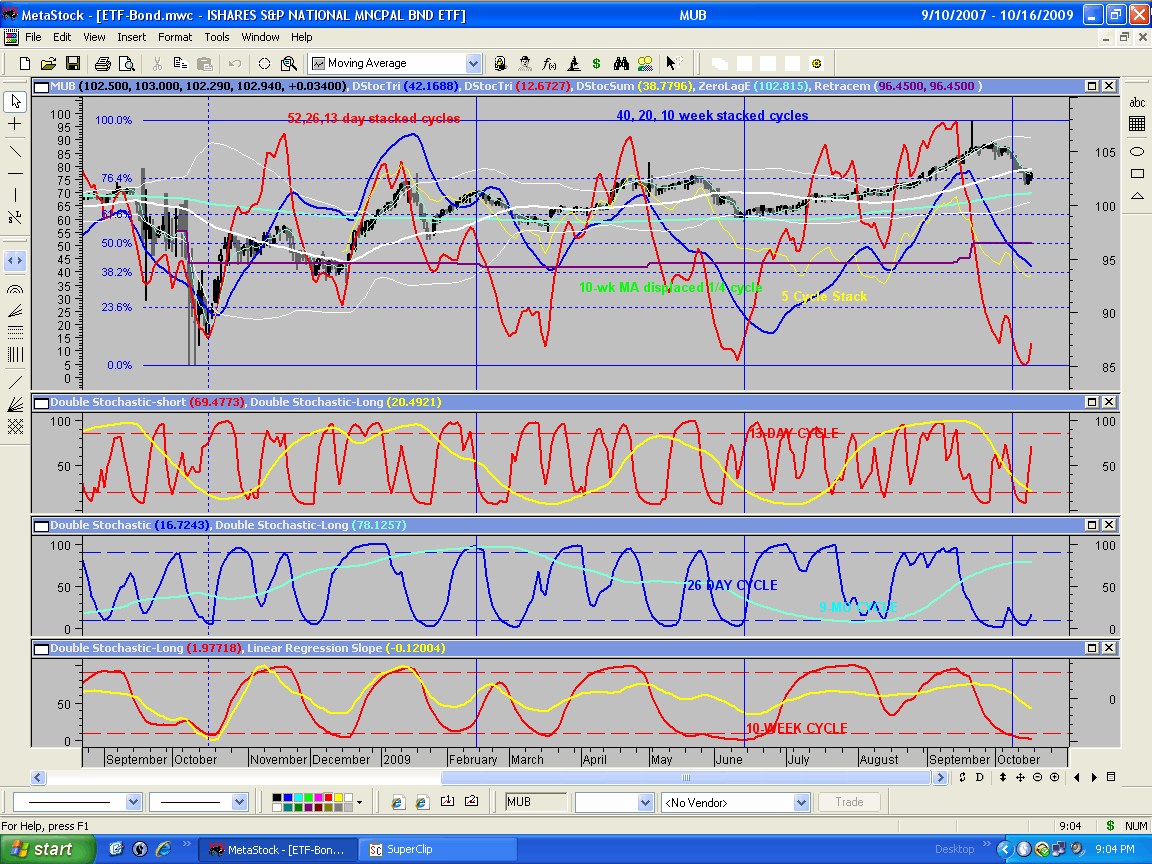
Municipal bonds (http://www.geocities.com/petegersb/MunicipalBonds.GIF ) stalled at the 10-wk moving average, but the 20-wk cycle indicators are now in a young uptrend. Muni’s have earned their coupon over the last year making them superior to corporate bonds and TIPs, but inferior over that span to conventional treasuries, which benefited from a bubble-like flight to safety. Going forward they are likely to outperform treasuries.
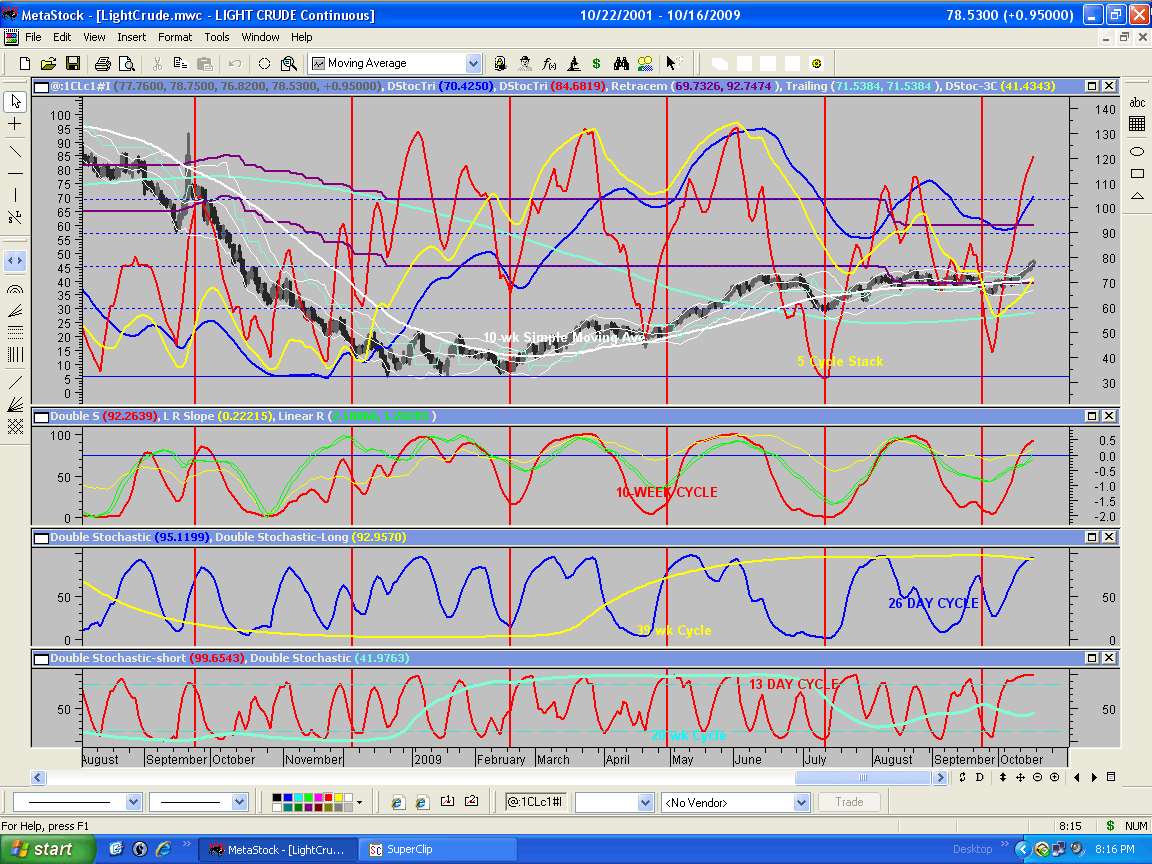
Crude oil (http://www.geocities.com/petegersb/CrudeOil.GIF ) delayed its short-term correction until Friday when the short-term composite and all of the short cycles turned down. Only the 9-mo cycle remains favorable. We’re probably looking at the beginning of a 20-wk cycle correction.
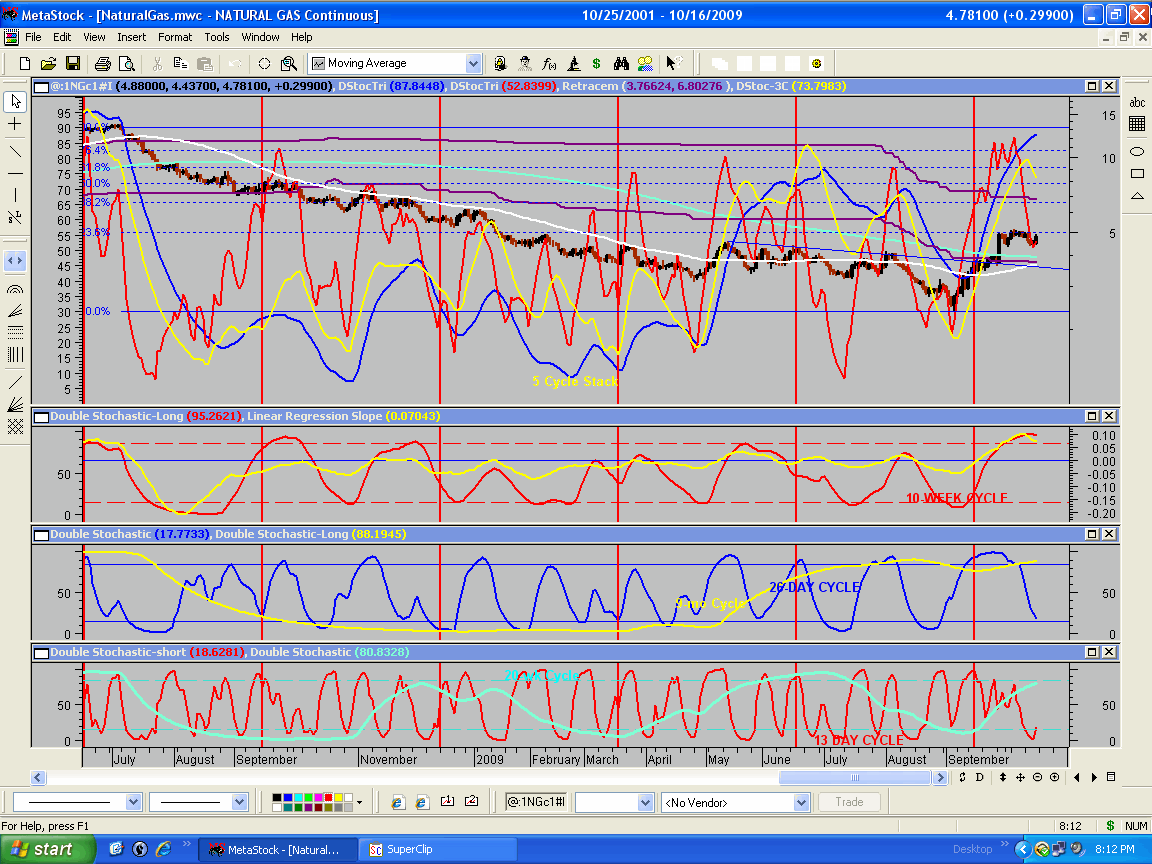
Natural gas (http://www.geocities.com/petegersb/NaturalGas.GIF ) not only failed to penetrate the 10-wk moving average, it sold off sharply the last two days to another new low. With the downturn in the short-term composite, it appears that more new lows are in store despite rising 20-wk and 9-mo indicators.
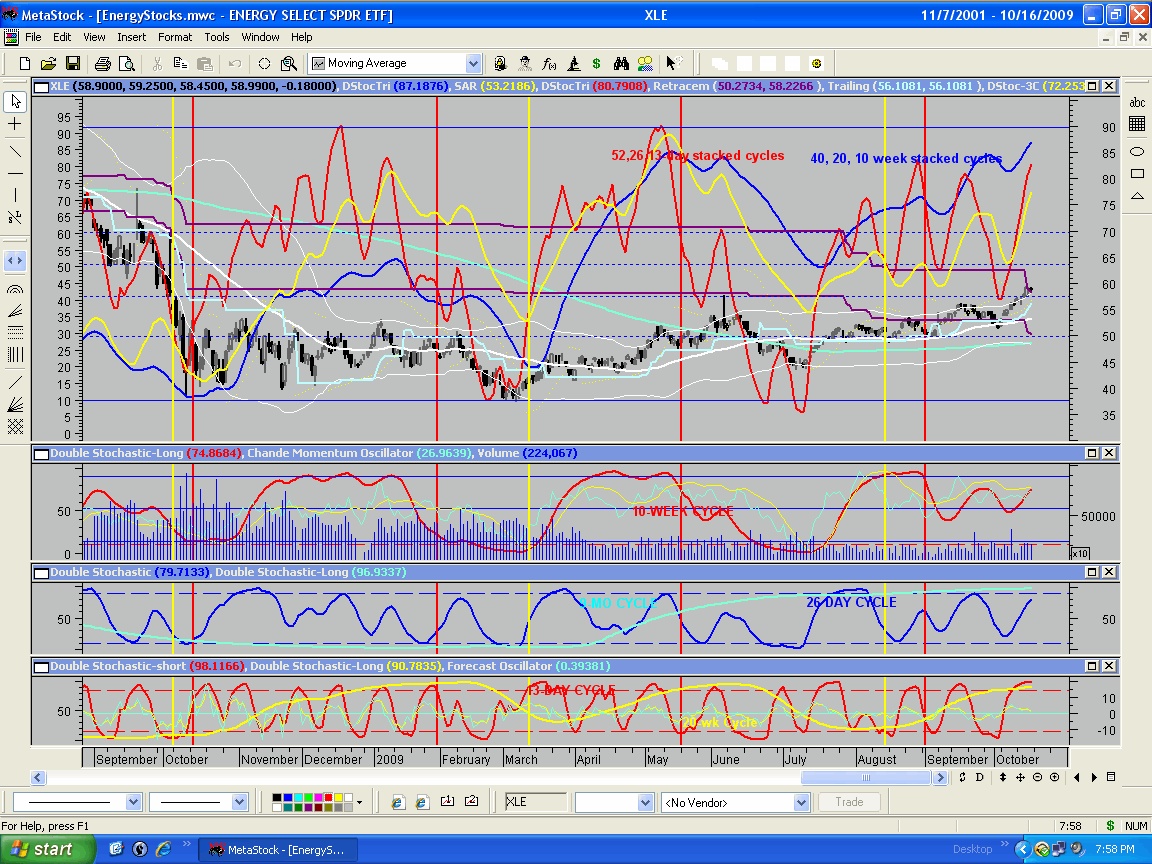
Energy stocks (http://www.geocities.com/petegersb/EnergySPDR.GIF) rose a little for the week but underperformed the indexes. The short-term composite turned down on Friday, suggesting another move below the 10-wk moving average and a likely test of bottom of the 5-month trading range.
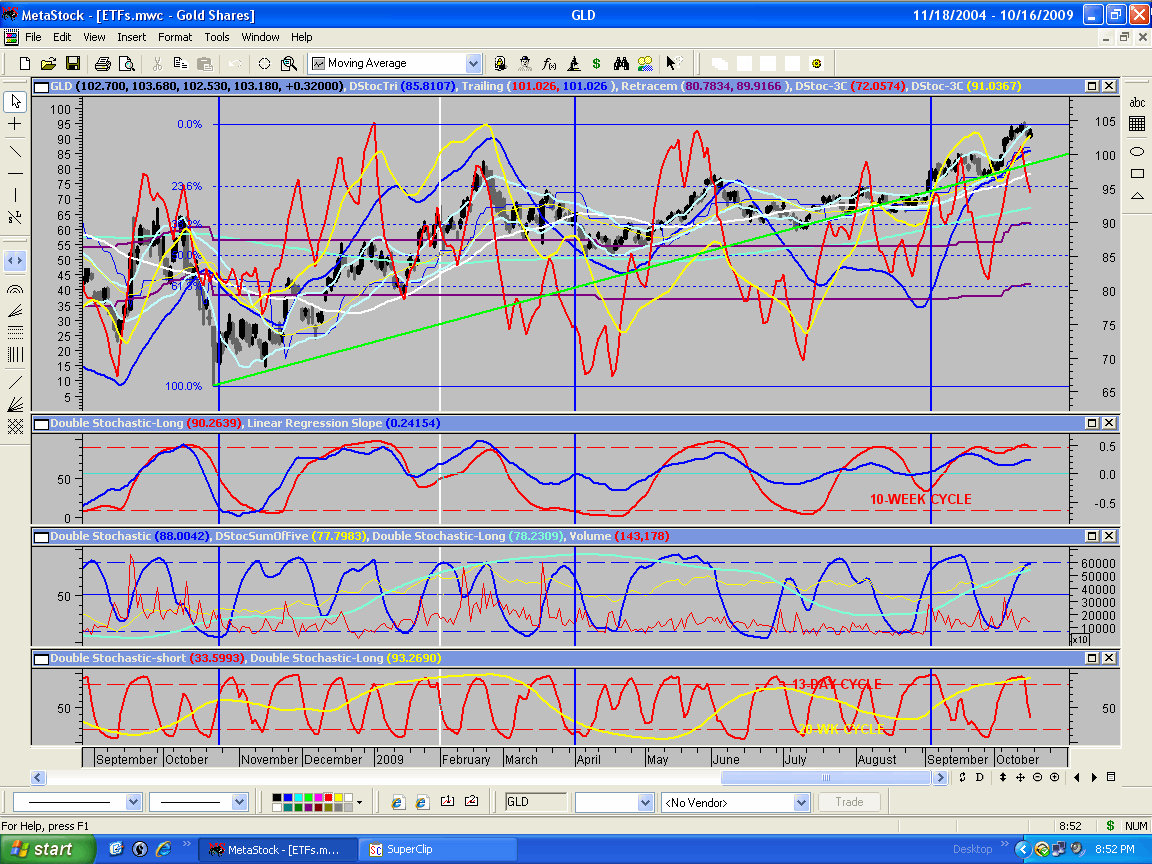
Gold (http://www.geocities.com/petegersb/GoldBullion.GIF) gave back some of the prior week’s big gains. It seems
that the intermediate correction had not been completed and a new short-term
correction began. Both appear to have farther to go, but the 20-wk cycle should
soon provide support – hopefully above the March low.
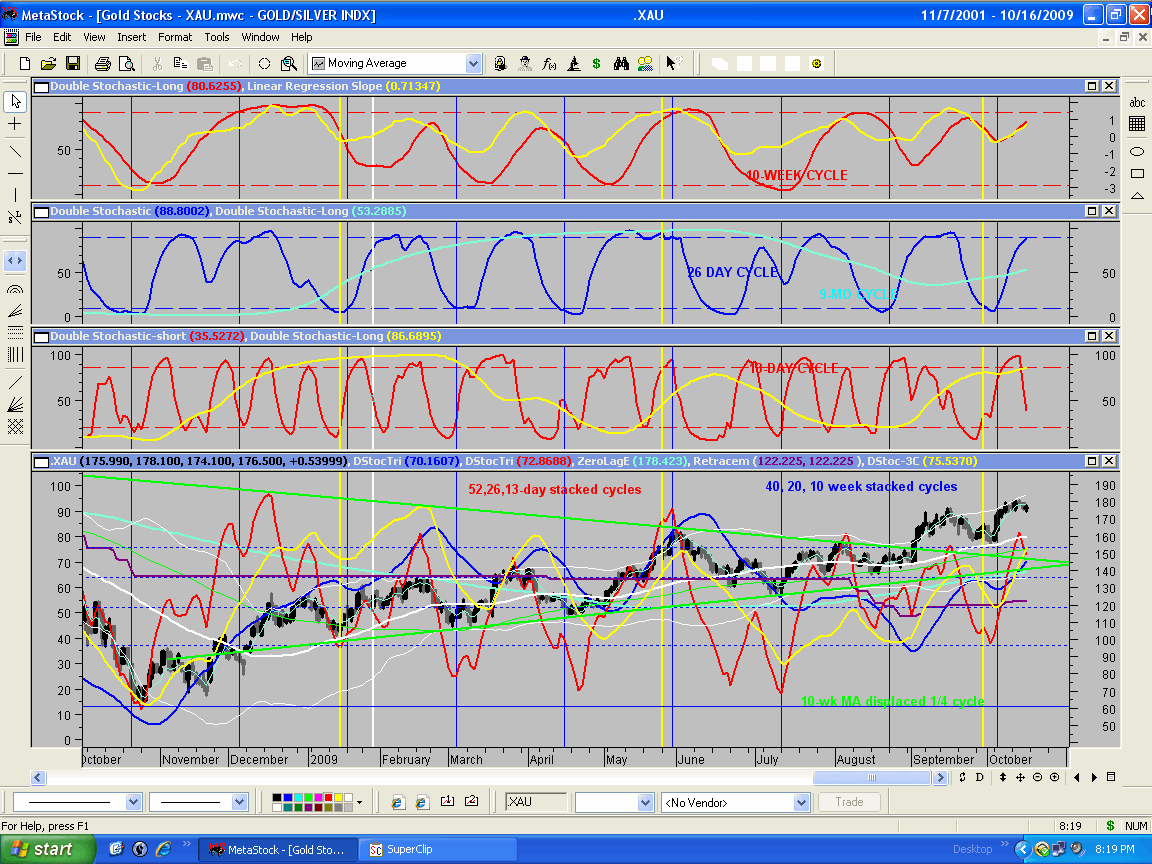
Gold Stocks (http://www.geocities.com/petegersb/GoldStocks.GIF
) were flat for the week – failing to participate in both the stock rally and
the metal decline. The intermediate uptrend is intact with both 10 and 20-wk
cycles rising, but the short-term composite turned down on Friday suggesting
another test of the 10-wk and 9-mo moving averages.
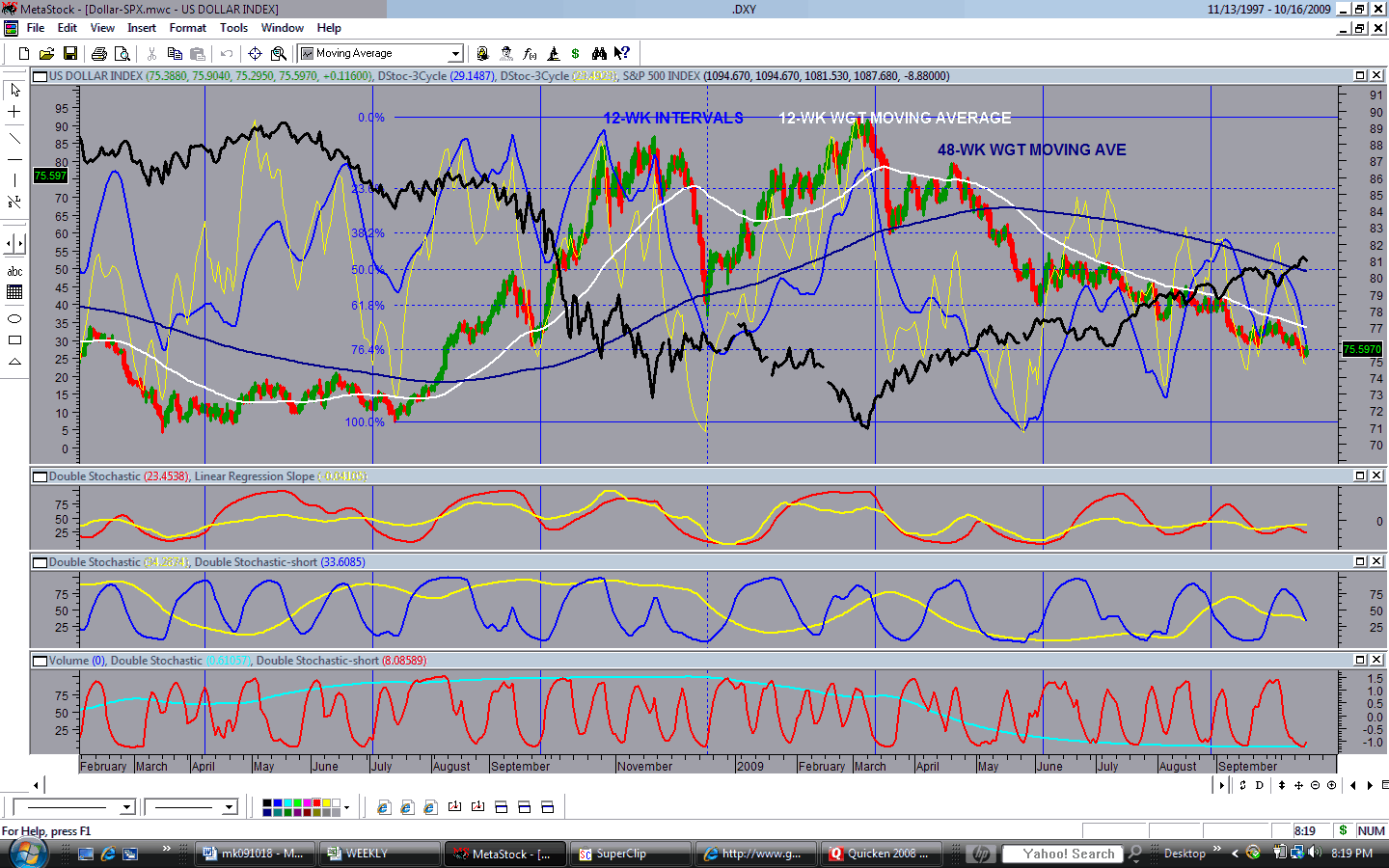
The dollar (http://www.geocities.com/petegersb/Dollar.GIF) marked time while stocks were rallying, but spurted higher on Friday. The indicators suggest this is a short-term rally in a continuing intermediate decline. The short-term rally will likely meet resistance at the 10-wk moving average and the intermediate decline will likely find support at the 9-mo moving average.