3/15/09
Bear Market rallies are steep and brief. We got the steep part last week as all of the short cycles capitalized on their advancing phases. Liftoffs from major bottoms are also steep, but protracted. How do we recognize the difference before too much of a new bull market gain is history? Obviously there are no sure ways, but I believe cycle analysis provides the best chance of getting it right.
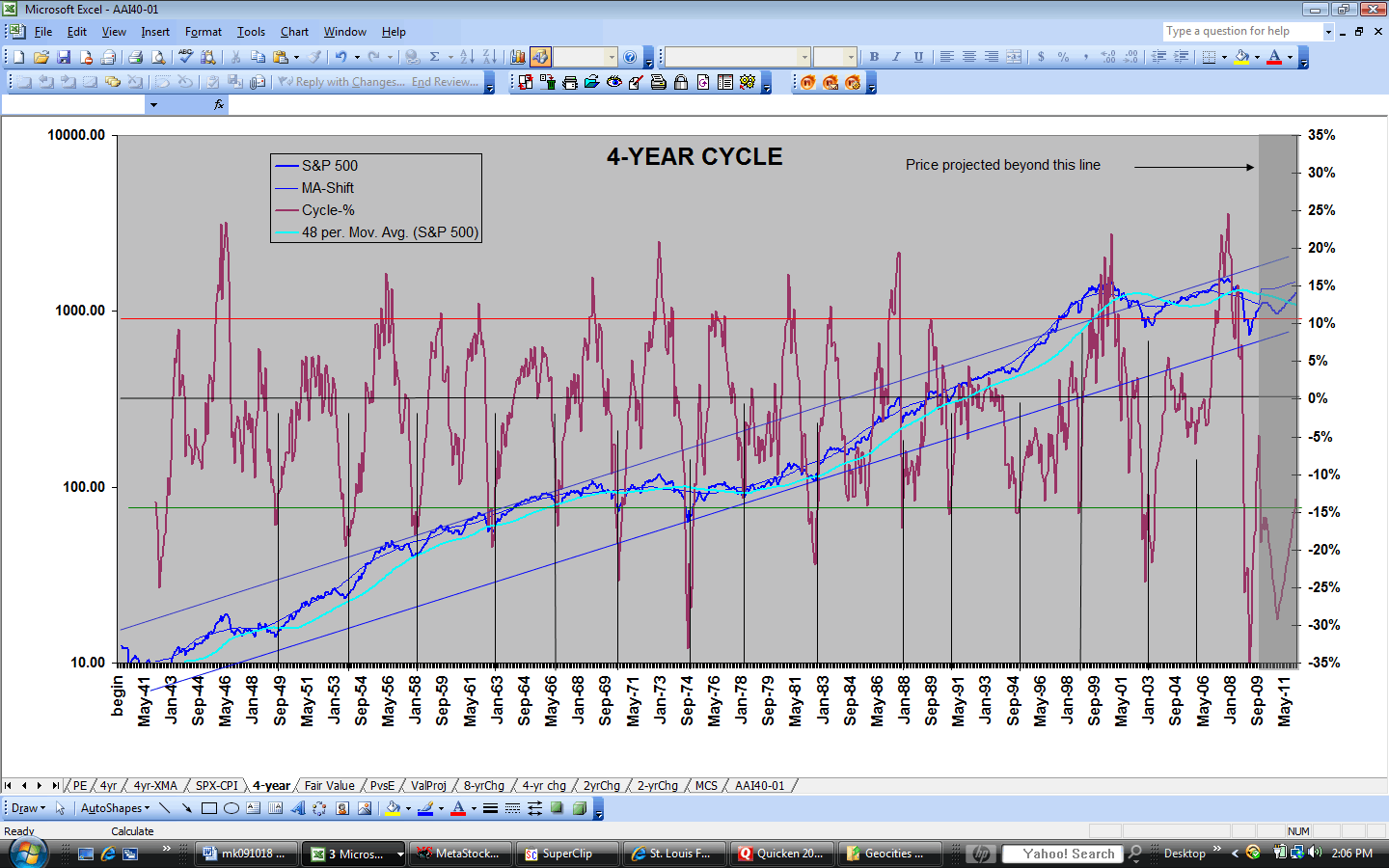
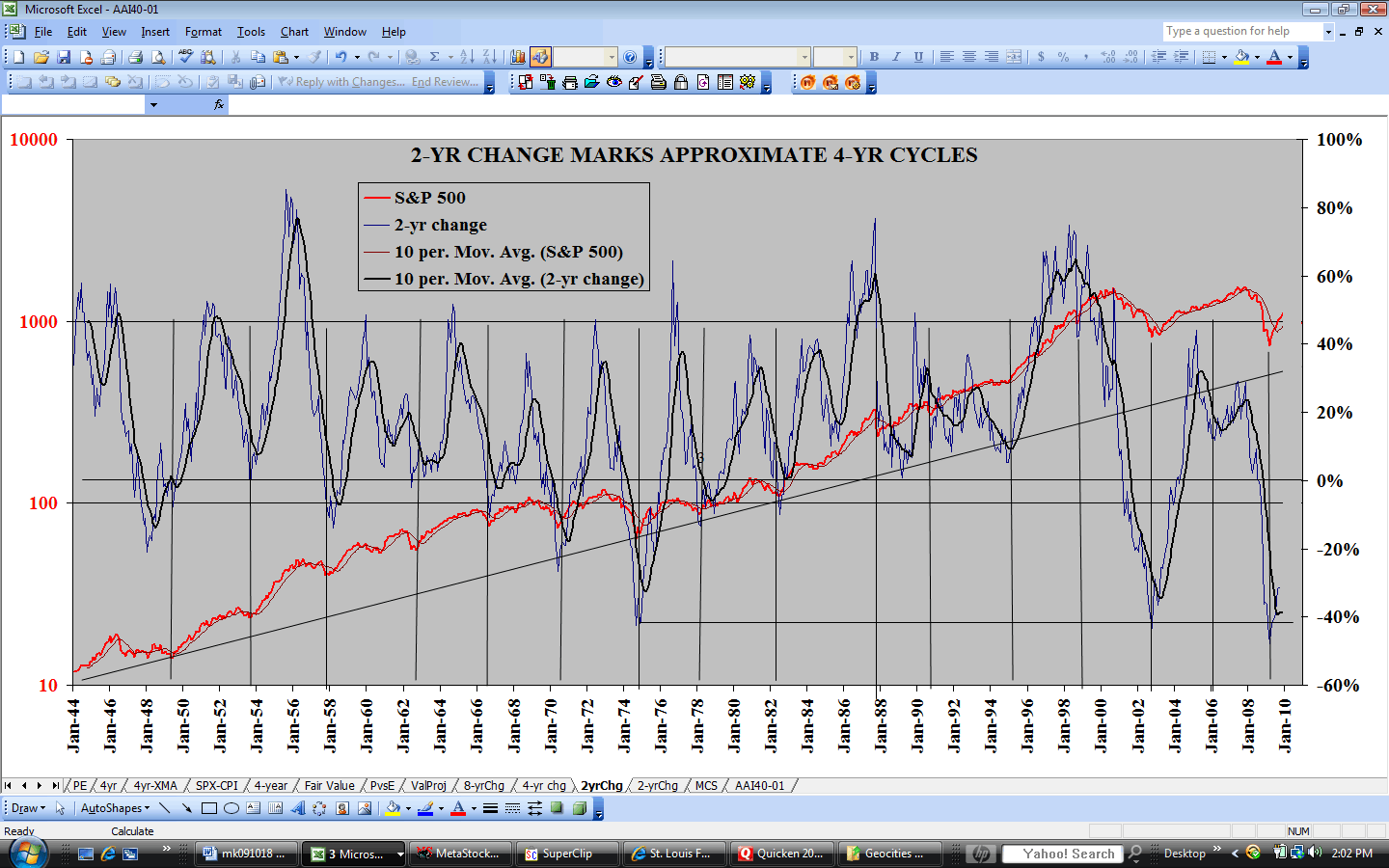
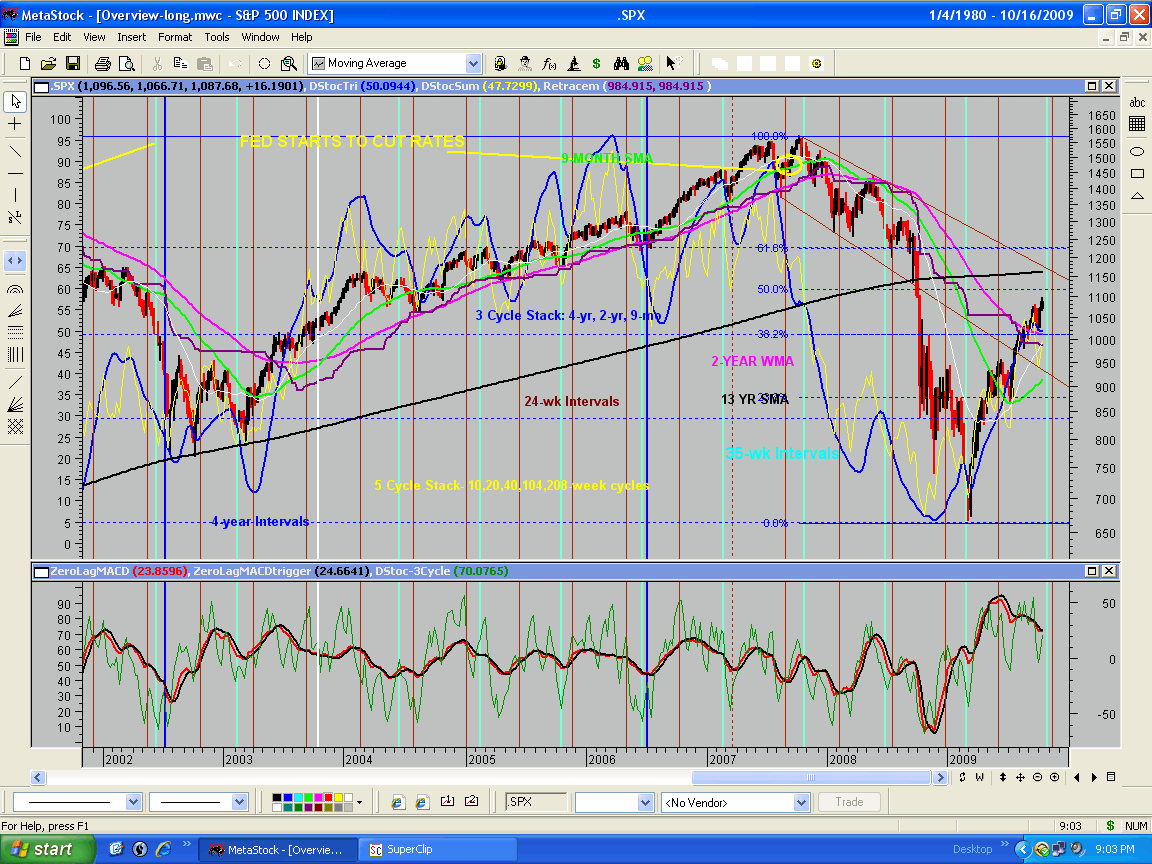
It’s early for a four year cycle low (http://www.geocities.com/petegersb/4YearCycle.GIF, http://www.geocities.com/petegersb/2-YrChange.GIF ), but at age 33 months (http://www.geocities.com/petegersb/Overview-long.GIF ) it’s not out of the question. Minimum cycle age is generally 2/3 of the standard longevity, so 32 months would marginally qualify. Furthermore, we have one precedent for such a short 4-year cycle – the interval between the 1987 and 1990 lows was 36 months. That instance was compensation for the extended prior cycle that lasted for 5 years. It restored the cycle to its normal condition. A repeat this time would produce a somewhat abnormal condition, but not one that is inconsistent with normal time tolerances. Pessimism is certainly deep enough for a major bottom, but that has been true for quite a while. Last week’s action provided no evidence of a 4-year cycle low, but it argues that we have to keep our mind open to the possibility.
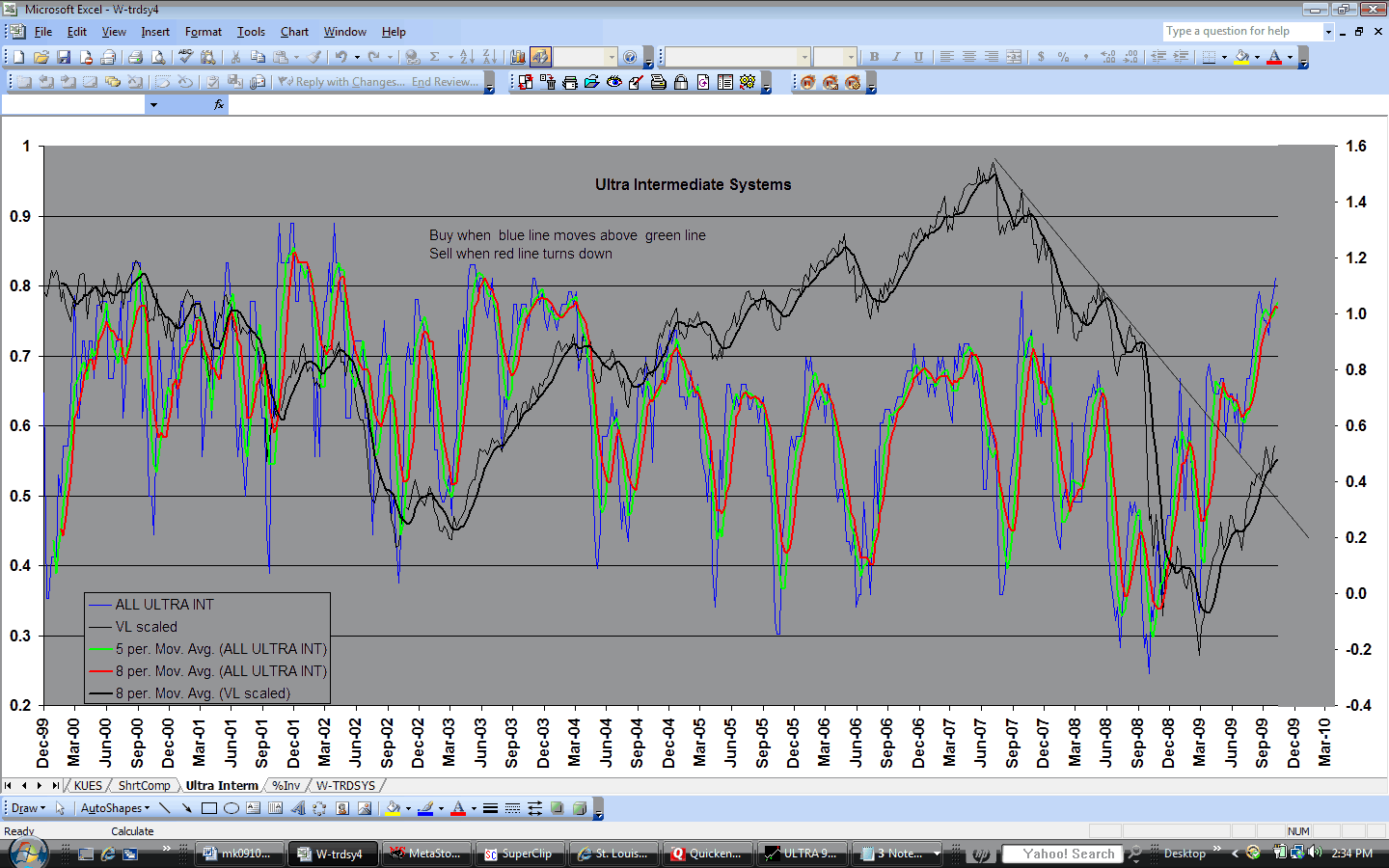
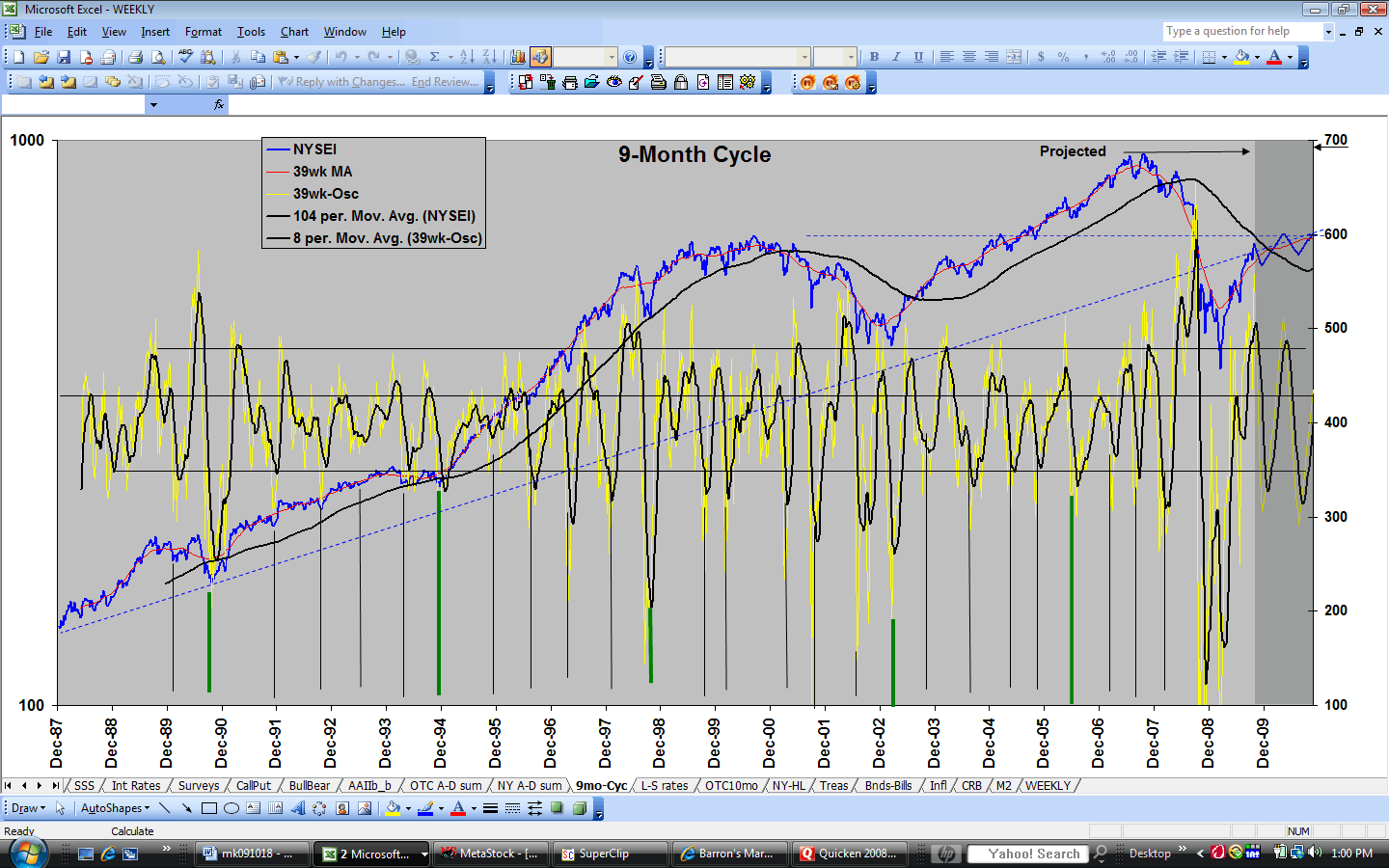
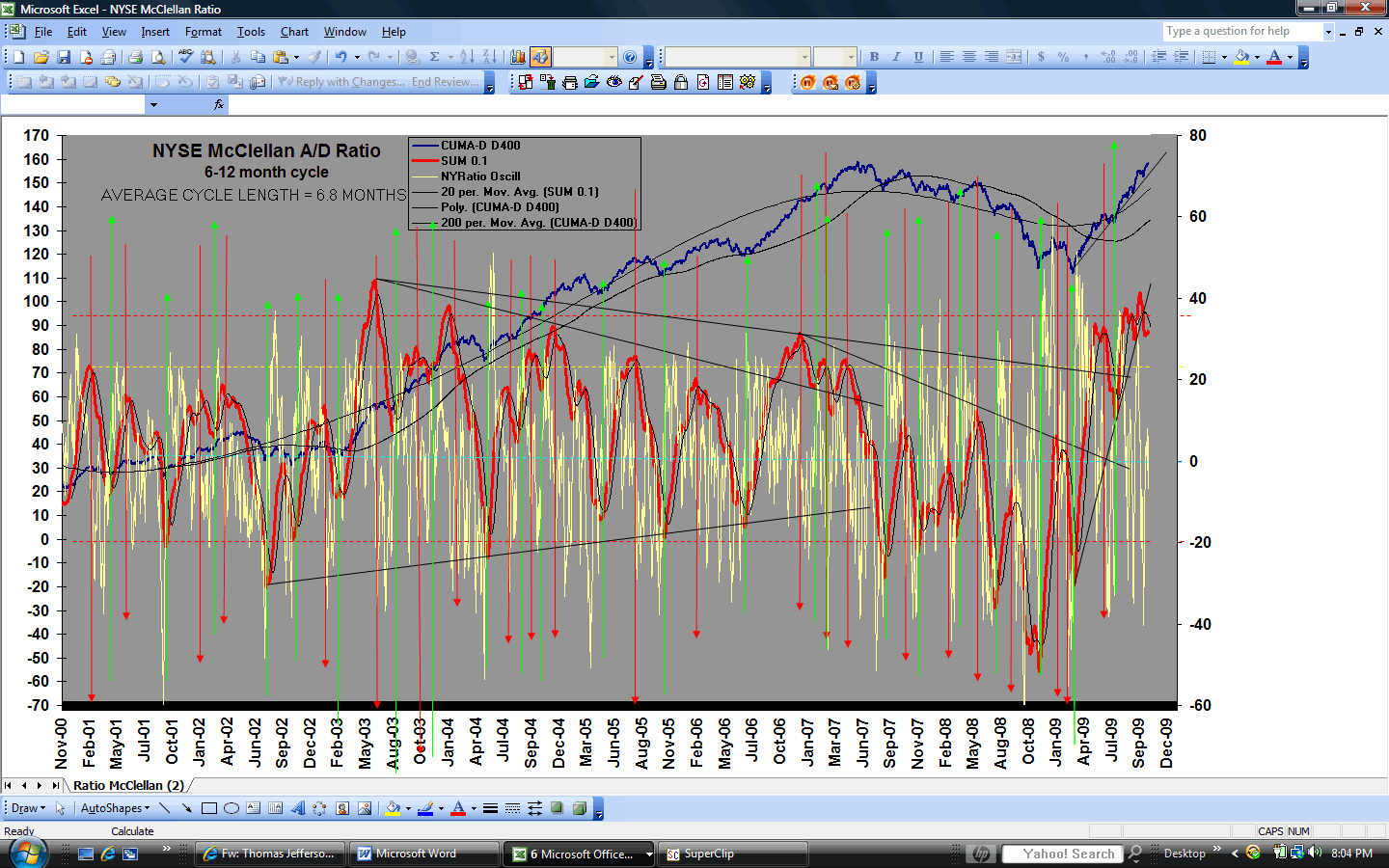
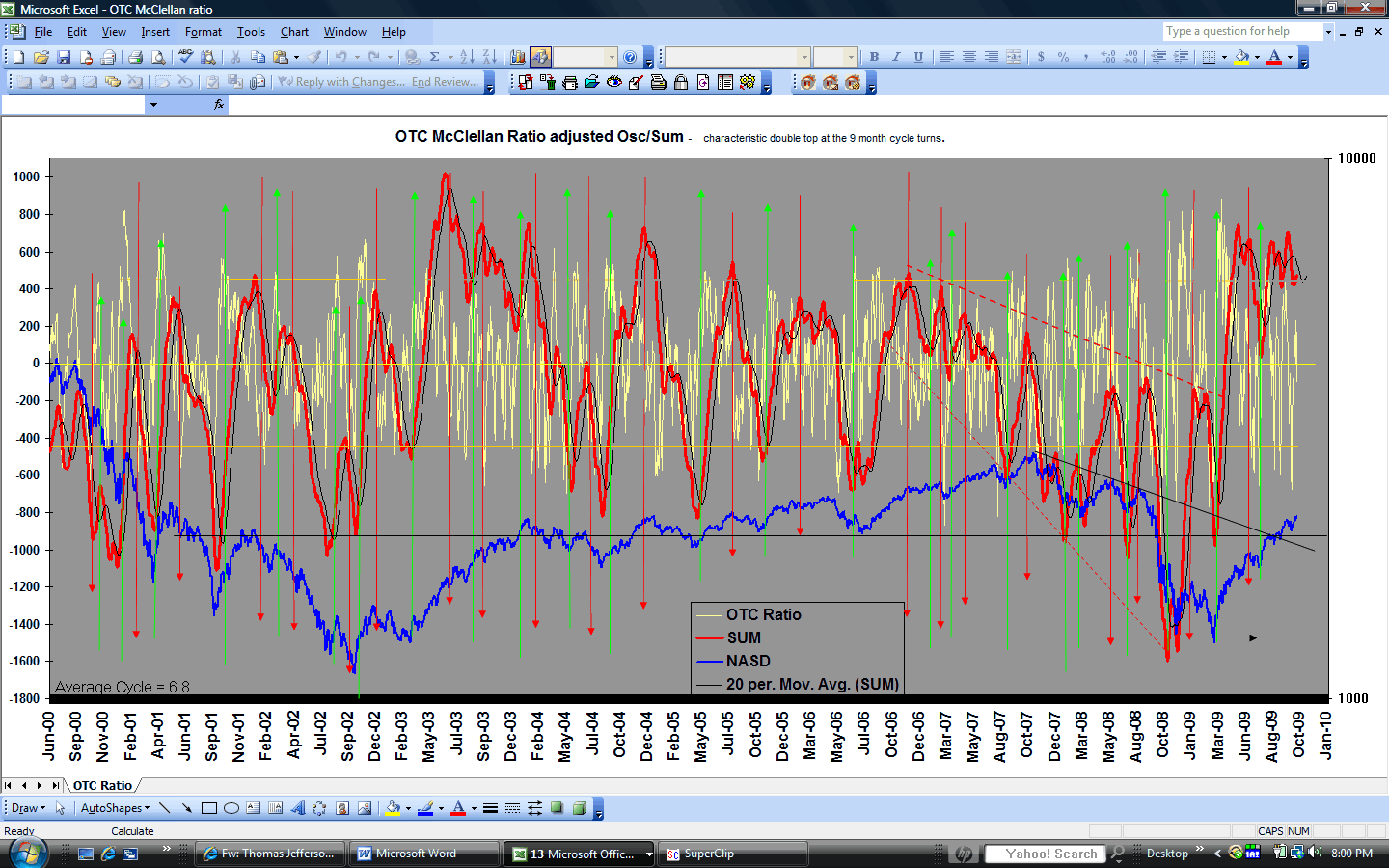
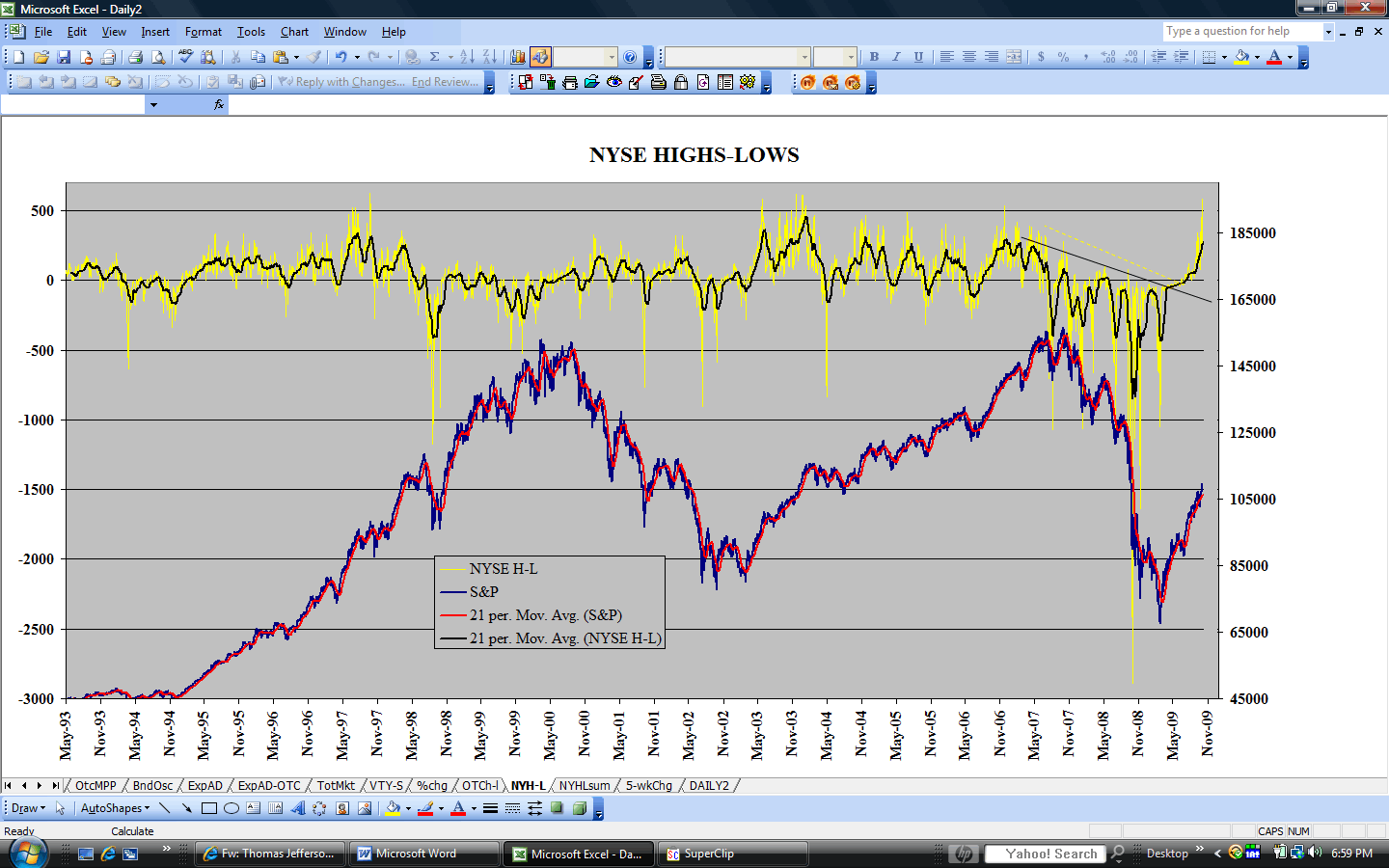
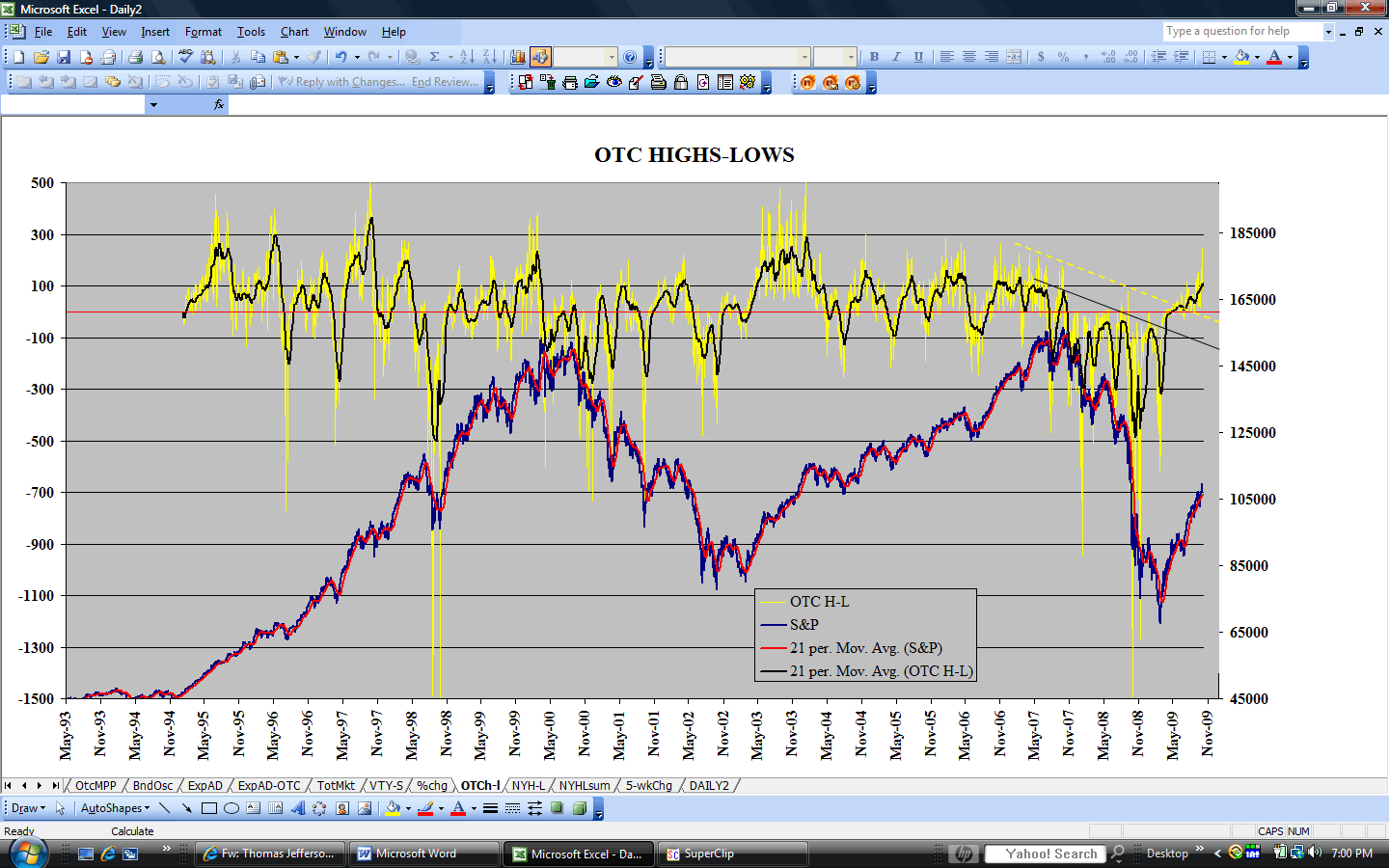
The 9-month cycle (http://www.geocities.com/petegersb/UltraIntermediate.GIF, http://www.geocities.com/petegersb/9moNYA.GIF ) was probably only 15 weeks old when the rally began (http://www.geocities.com/petegersb/Overview-med.GIF ), and that doesn’t meet the minimum 26 week duration criterion. Based on time, we can conclude with reasonable confidence that last week did not constitute a 9-month cycle bottom. Since cycle lows tend to nest at major bottoms, we can also conclude that the 4-year cycle probably did not reach its bottom last week either. The breadth indicators (http://www.geocities.com/petegersb/A-Dsummation-NYSE.GIF , http://www.geocities.com/petegersb/A-Dsummation-OTC.GIF http://www.geocities.com/petegersb/HighLowNYSE.GIF , http://www.geocities.com/petegersb/HighLowOTC.GIF ) are consistent with a 9-month cycle low, but also consistent with a mere 20-wk cycle low.
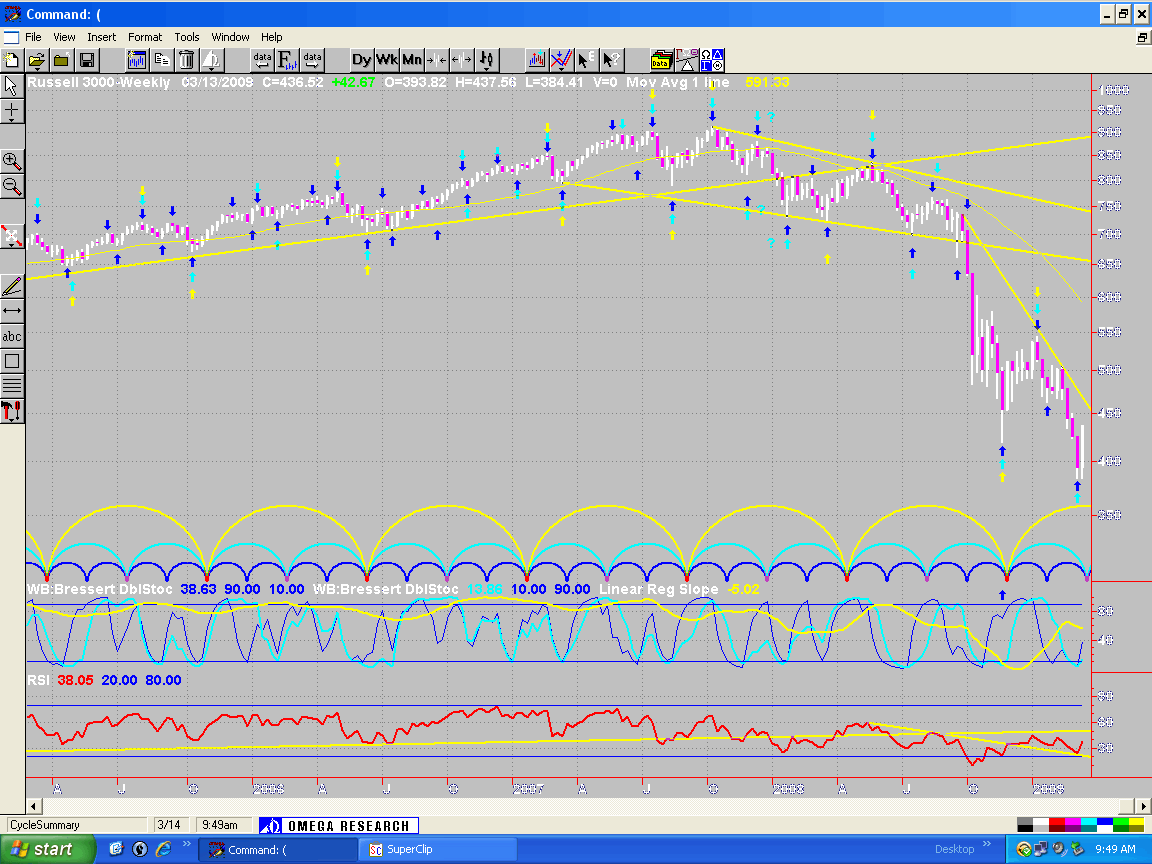
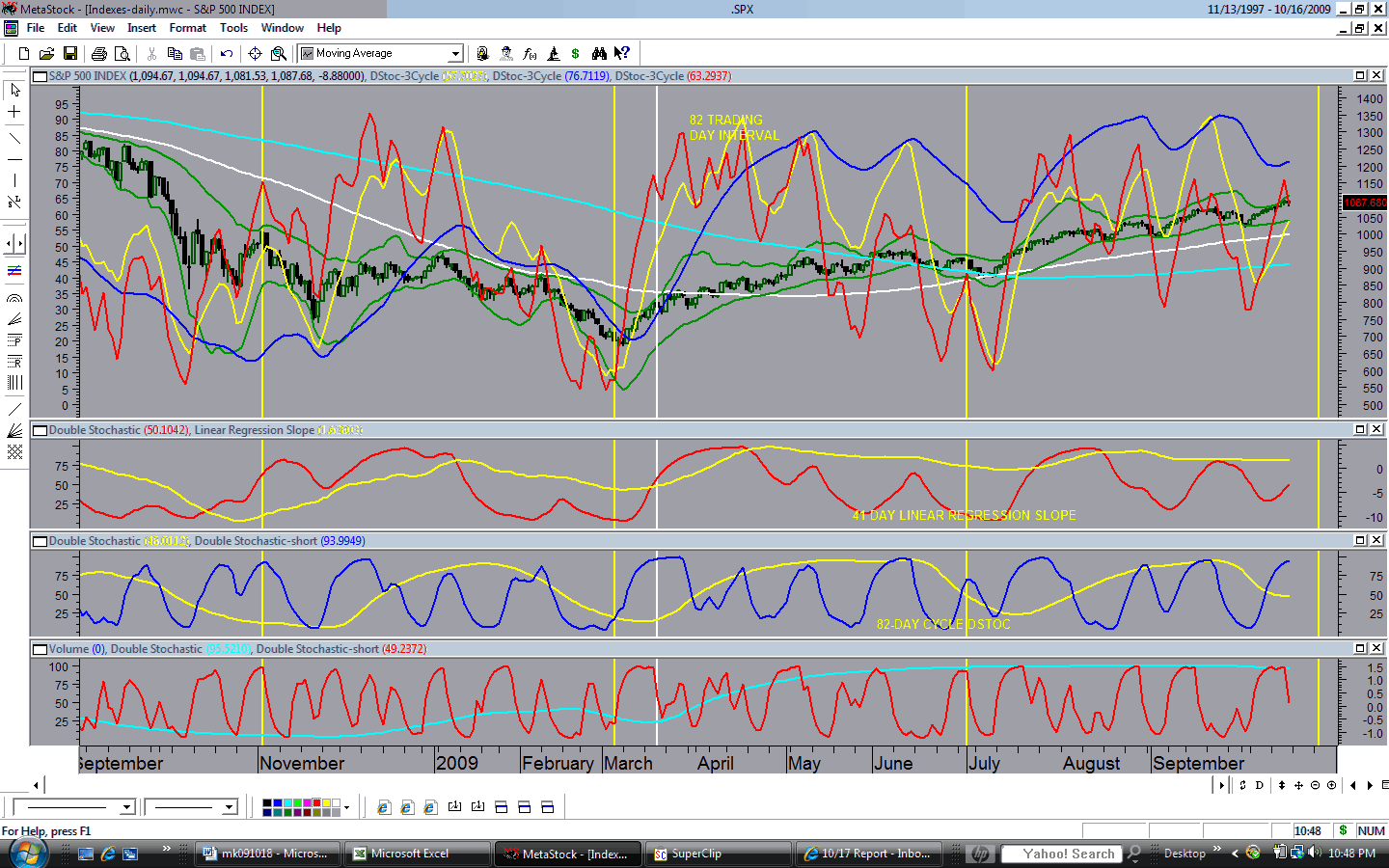
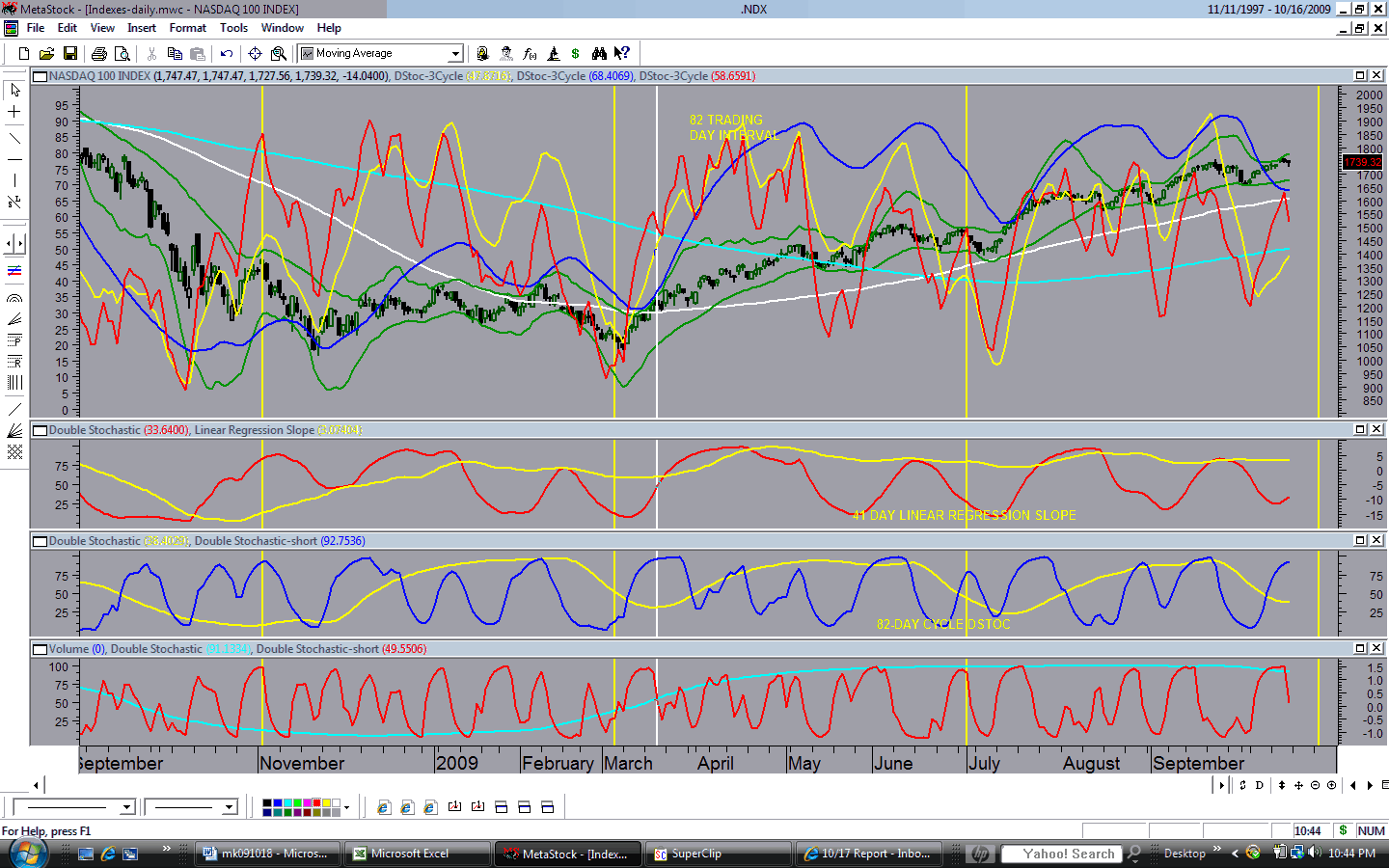
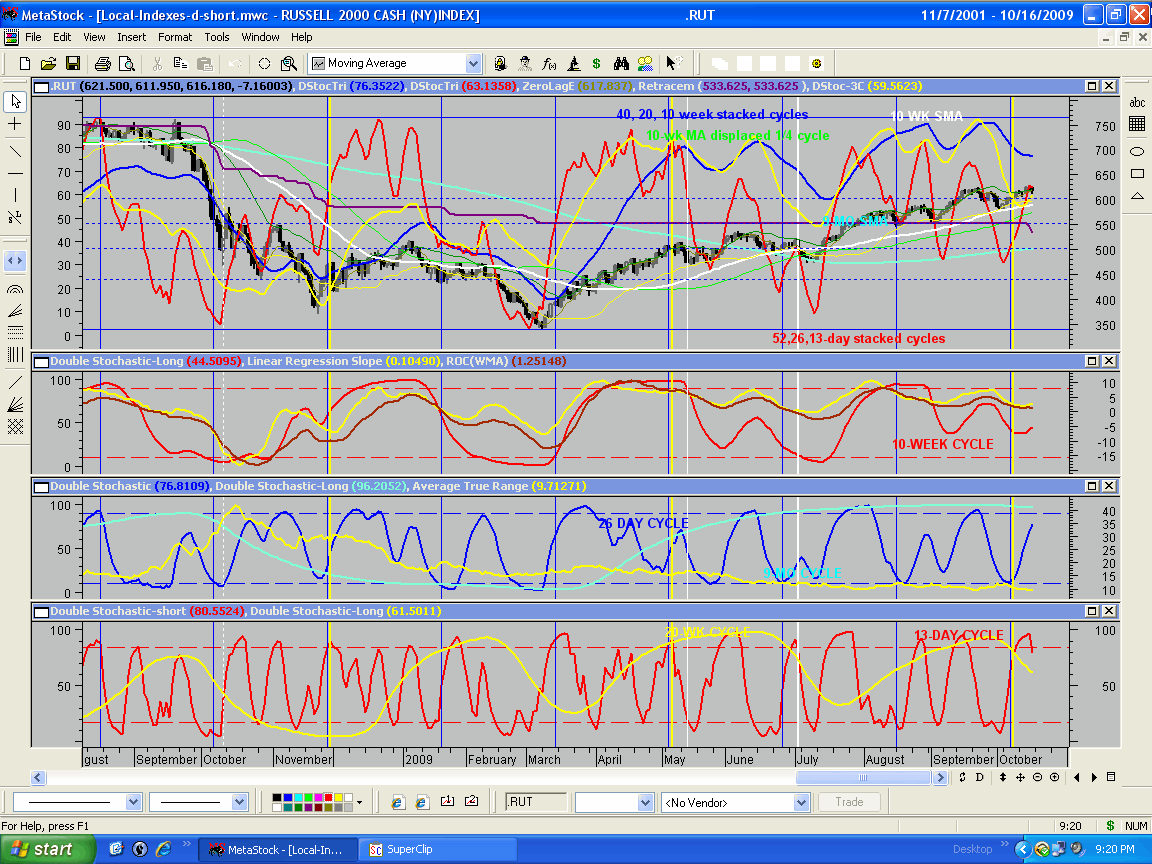
The 20-wk cycle on all of the indexes (SPX (http://www.geocities.com/petegersb/SP500.GIF), NDX (http://www.geocities.com/petegersb/NDX.GIF), and Russell small cap index (http://www.geocities.com/petegersb/Russell2000.GIF )) provides more than adequate explanation for the strong rally that we saw last week. The DStocs turned up for the 20-wk and shorter cycles – the 20-wk and 10-wk quite early at age 15 and 7 weeks respectively, the 26-day cycle quite late at age 32 days, and the 13 day quite early at age 10 days. While none of the durations were nominal, all were within the normal variation. Consequently the upturns in the DStocs for all of these cycles probably are accurate. Enjoy the 20-wk cycle rally while it lasts.
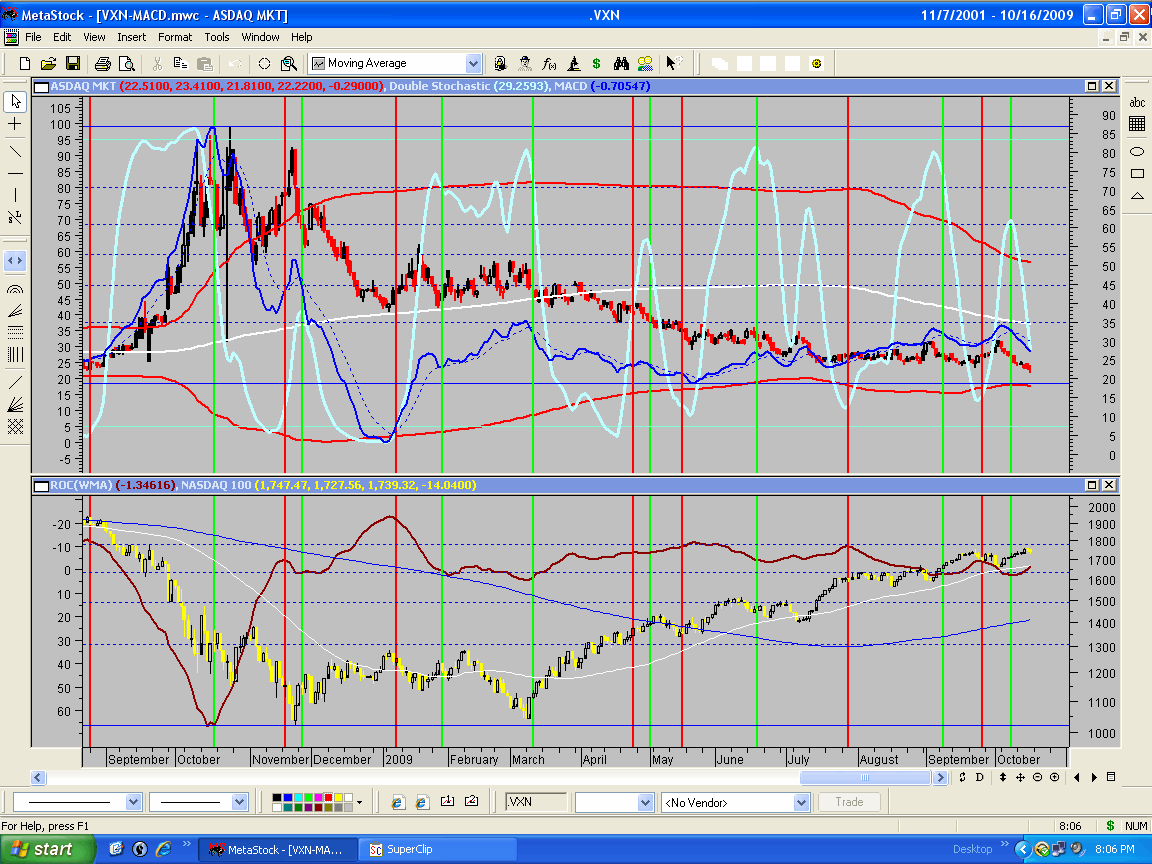
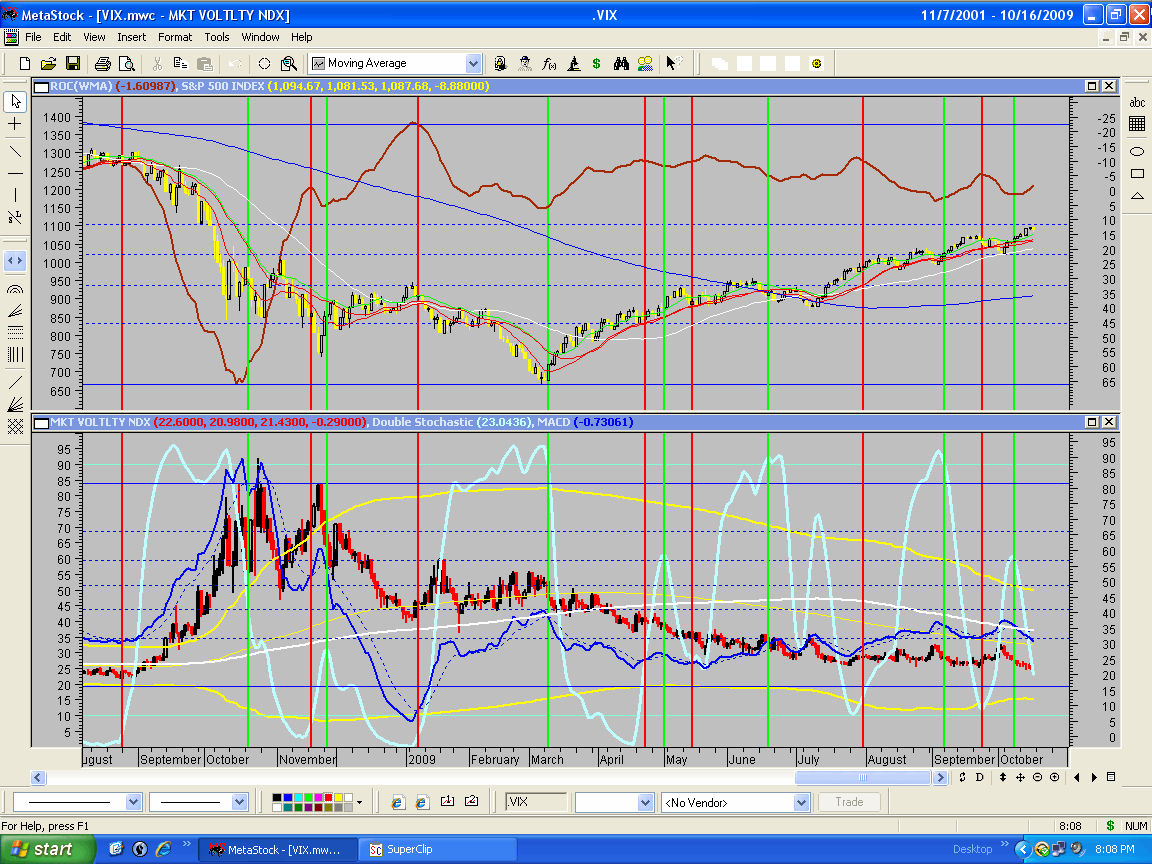
The daily VIX and VXN (http://www.geocities.com/petegersb/VXN.GIF , http://www.geocities.com/petegersb/VIX.GIF ), which last week were suggesting the proximity of a 10-wk cycle low, have now confirmed that low. But they are not behaving in the fashion that they normally would at a 9-mo cycle low. Rather than spiking higher when approaching the March low, they remained in the same narrow range just above the 10-wk moving average that has prevailed throughout the substantial decline in the averages this year. While these indicators did confirm a 10-wk cycle low, their odd behavior suggests caution.
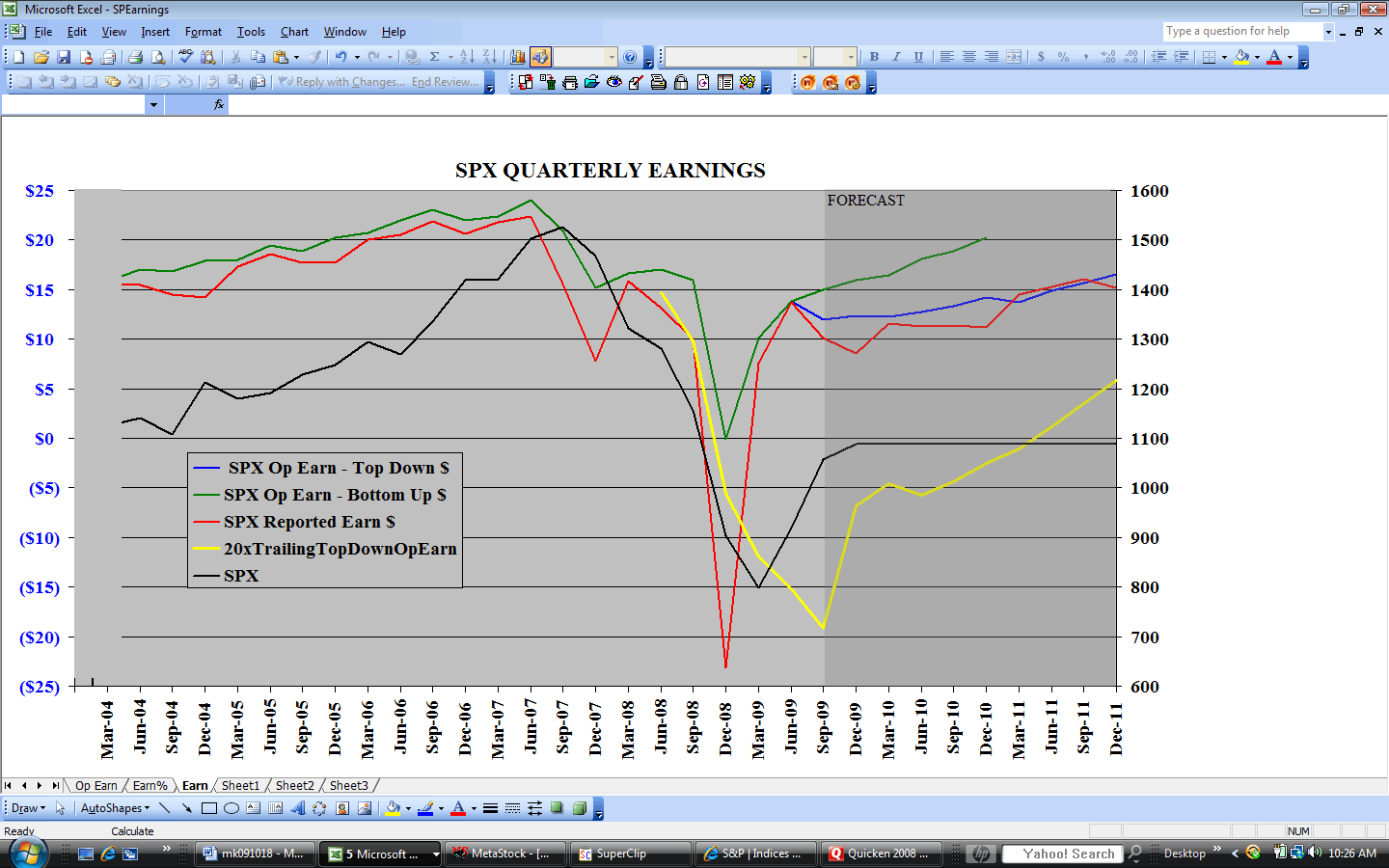
How long will the rally last? Cycle tops are harder to predict than bottoms, but a reasonable expectation is less than 20 weeks from the last 20-wk cycle peak on January 6 (May or sooner). That would preserve the left-translated top characteristic of the longer term bear market. If the similarity of the cycles to those of last July persists we can expect the rally to last another 3 or 4 weeks, but not gain much more ground from here. The rally will probably encounter significant resistance in that time frame around 804 on the SPX. That’s the last 10-wk cycle low and it’s about the level that the 10-wk moving average can be expected to reach in the next few weeks. At about that time we will start seeing 1st quarter earnings. If S&P’s current prediction (http://www.geocities.com/petegersb/EarnY-Y.GIF ) for operating earnings of $11.66 to $13.31 is on target, we will see a decline from the $16.62 earned in the 1st quarter of 2008. However, it would represent a huge improvement from the lack of any earnings in the last quarter of 2008. The financial press can be counted upon to focus on the latter comparison, but if the forecasts by S&P and others are once again too optimistic, we can expect the disappointment to initiate the second 20-wk cycle downtrend within the current 9-month cycle.
What about this week. We have overbought conditions in the 13 and 26-day cycles, but they are only 5 days old. In the context of rising 10 and 20-wk cycles, we can expect these overbought conditions to persist at least through the early part of the week as the short-term composite continues its advance. But the SPX (http://www.geocities.com/petegersb/SP500.GIF) should now encounter some resistance at the November low and the 6 month old downtrend line. The Russell small cap index (http://www.geocities.com/petegersb/Russell2000.GIF ) is in a similar situation. The stronger NDX (http://www.geocities.com/petegersb/NDX.GIF) is up against resistance at the 10-wk moving average. So I expect that the rally will stall this week while the 13-day cycle corrects.
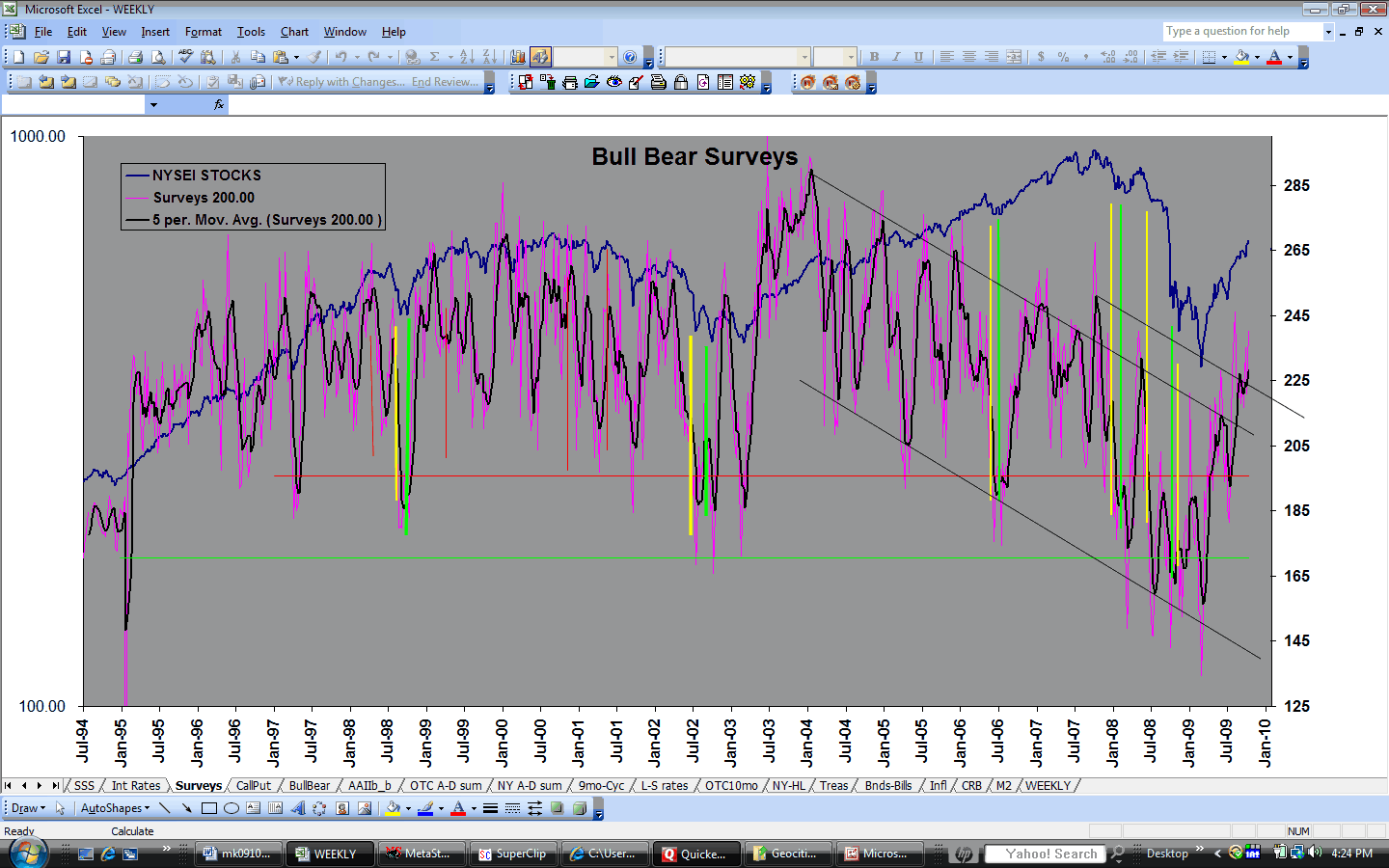
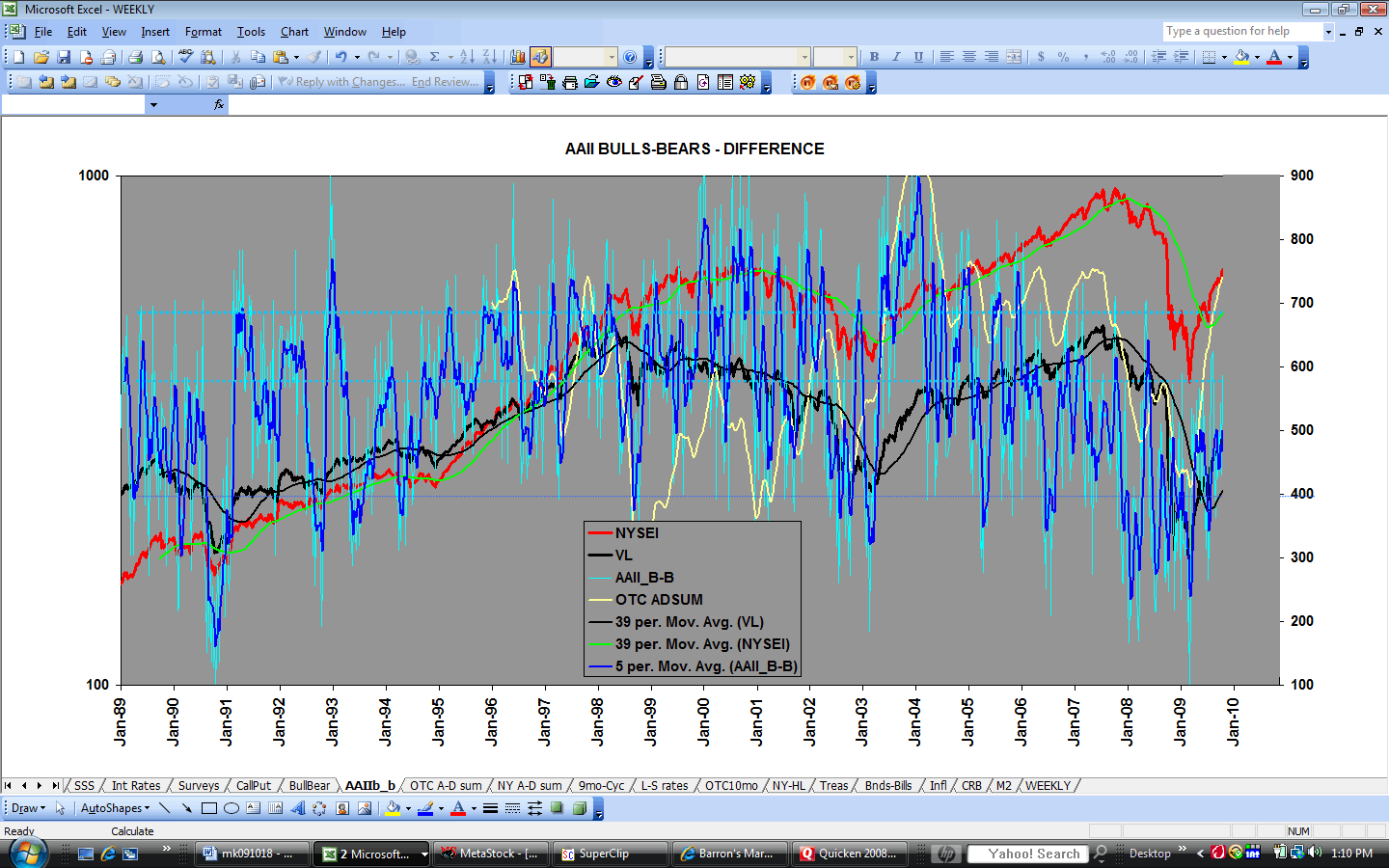
Sentiment (http://www.geocities.com/petegersb/SurveysCombined.GIF ) very likely will emerge from the extremes seen a week ago as soon as the rally is reflected in the lagging survey data. The more responsive AAII (http://www.geocities.com/petegersb/AAIIsentiment.GIF ) opinion already is turning less pessimistic. But we’ve seen bottom calls by this indicator at each 20-week cycle low during the protracted decline, only to see more new lows subsequently.
Treasury bonds (http://www.geocities.com/petegersb/Treasury-20yr.GIF
) have been correcting their oversold condition by generally moving sideways
for the last few weeks. With
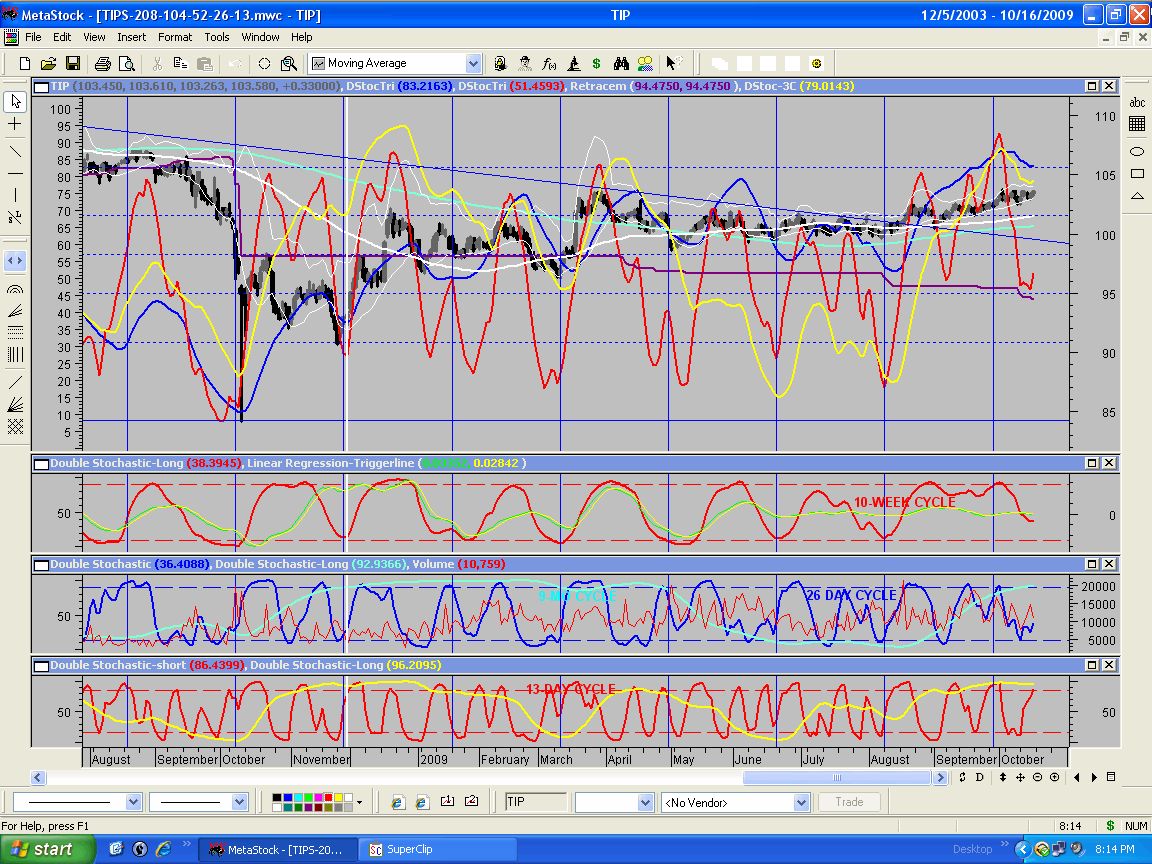
Inflation Protected Treasuries (http://www.geocities.com/petegersb/TIPs.GIF) outperformed conventional treasuries last week. Favorable short cycles prevailed against an intermediate downtrend that may have reached a 20-wk cycle low.
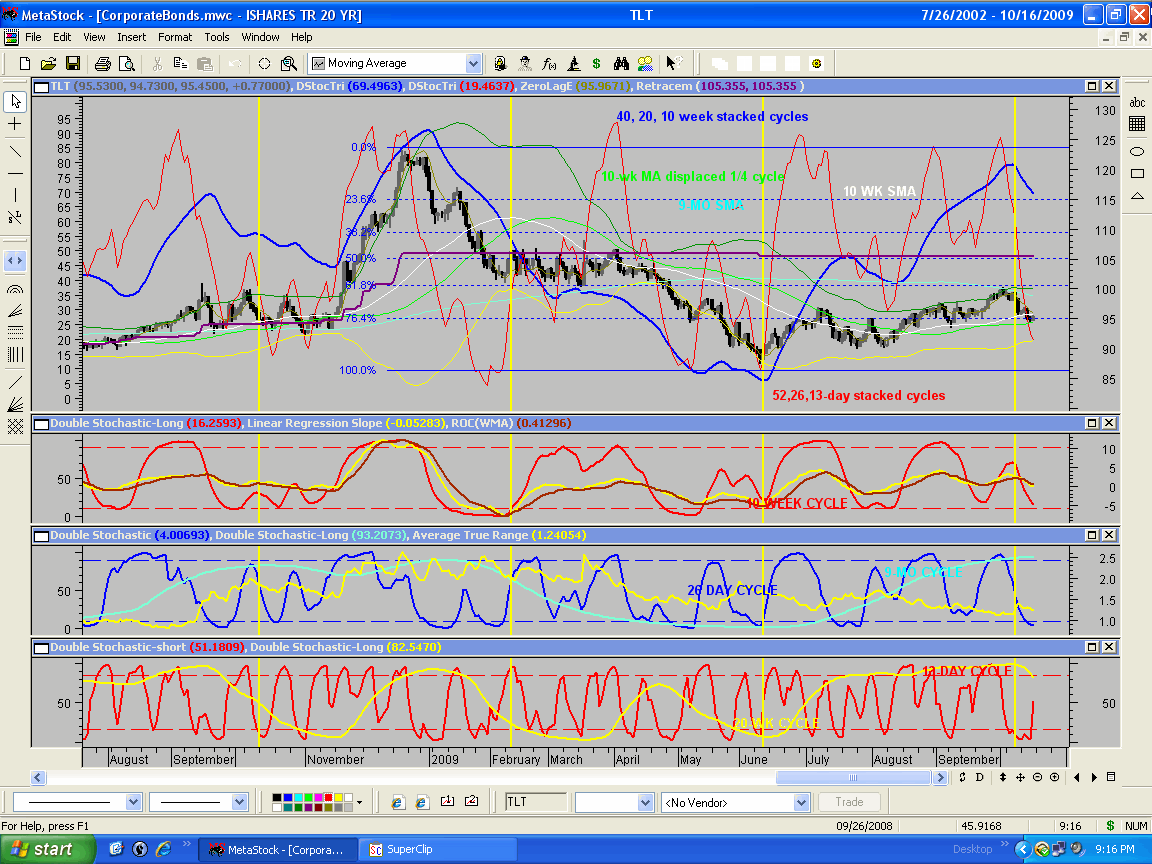
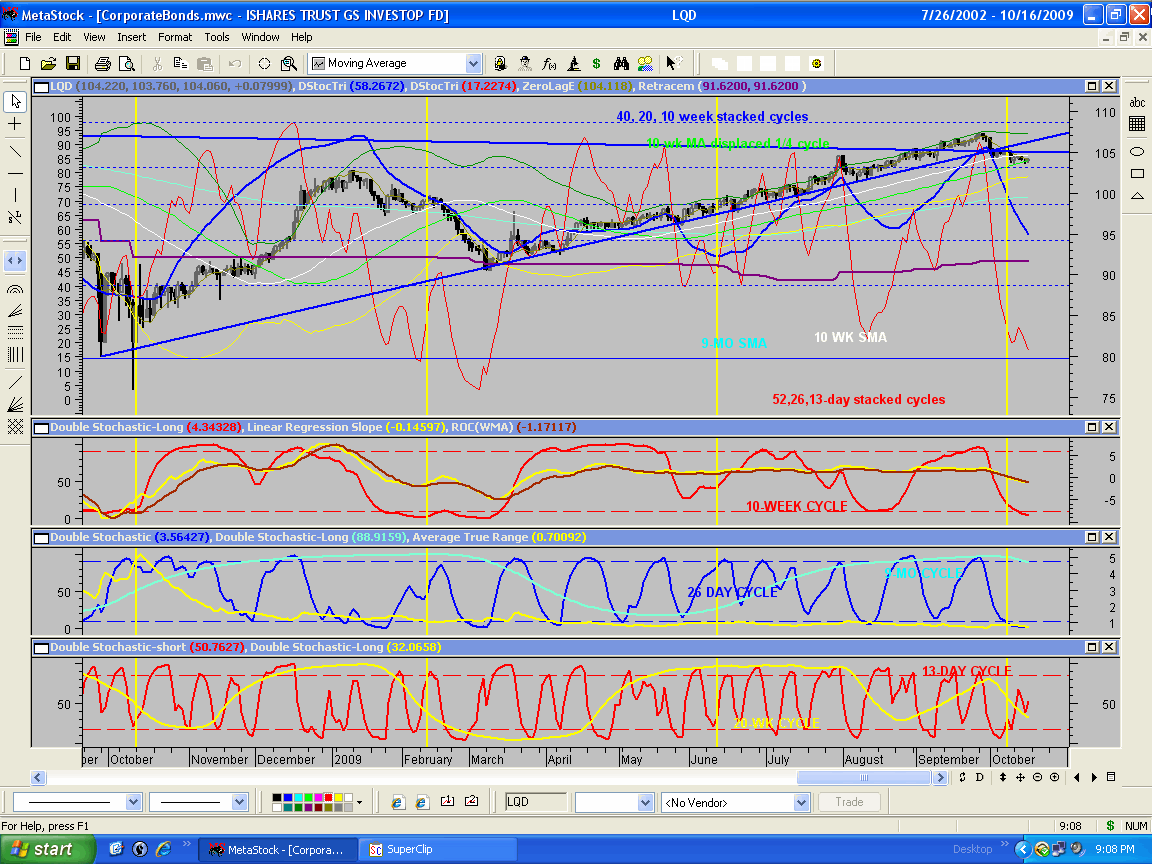
Corporate bonds (http://www.geocities.com/petegersb/CorporateBonds.GIF) declined for the week, but found support at the 50% rally retracement as the short cycles bottomed. Corporates remain ripe for a 20-week cycle rally, but the declining 9-mo cycle should keep any rally in check.
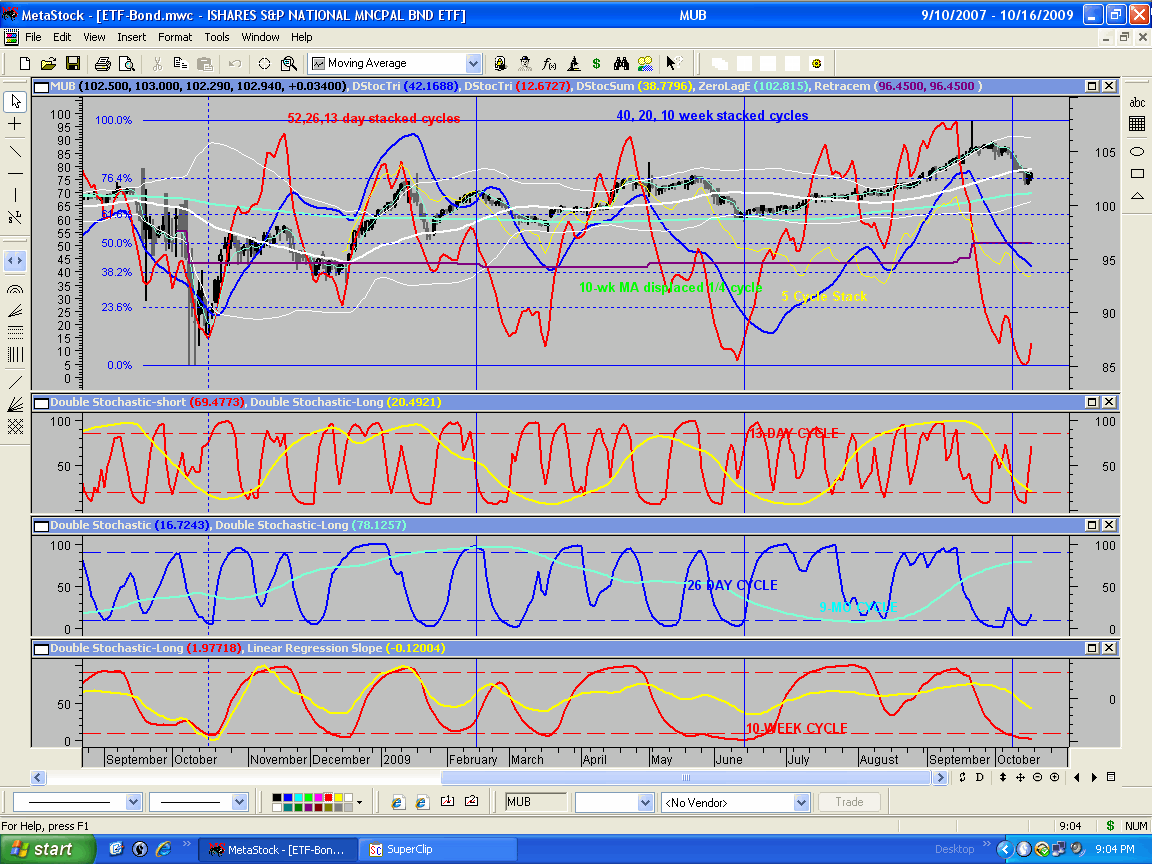
Municipal bonds (http://www.geocities.com/petegersb/MunicipalBonds.GIF ) were flat last week as down trending 9-mo cycle inhibited a rally attempt by the short cycles.
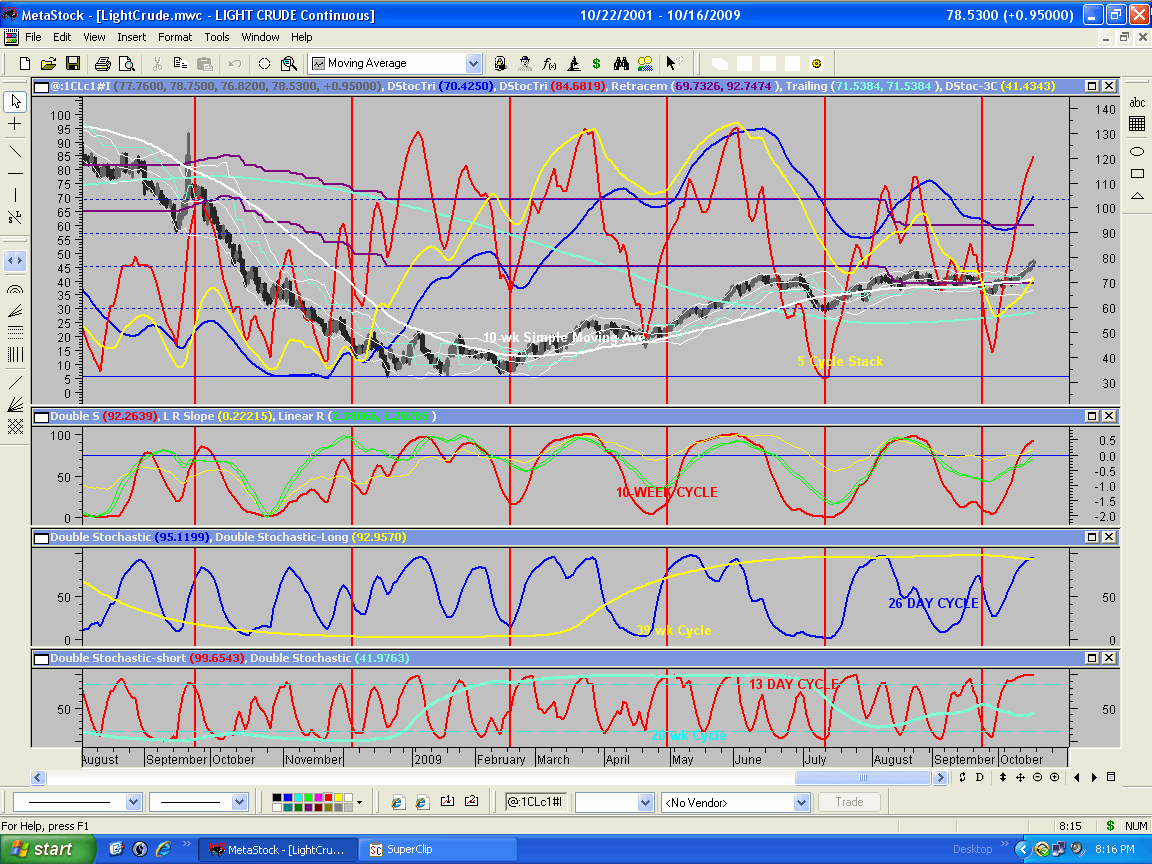
Crude oil (http://www.geocities.com/petegersb/CrudeOil.GIF ) corrected to again test the 10-wk moving average, and bounced to close slightly higher for the week. The intermediate uptrend is intact, but down trending short cycles are likely to produce another test of the 10-wk moving average this week. Overbought 10 and 20-wk cycles are then likely to produce another test of the bottom of the trading range between $32 and $50.
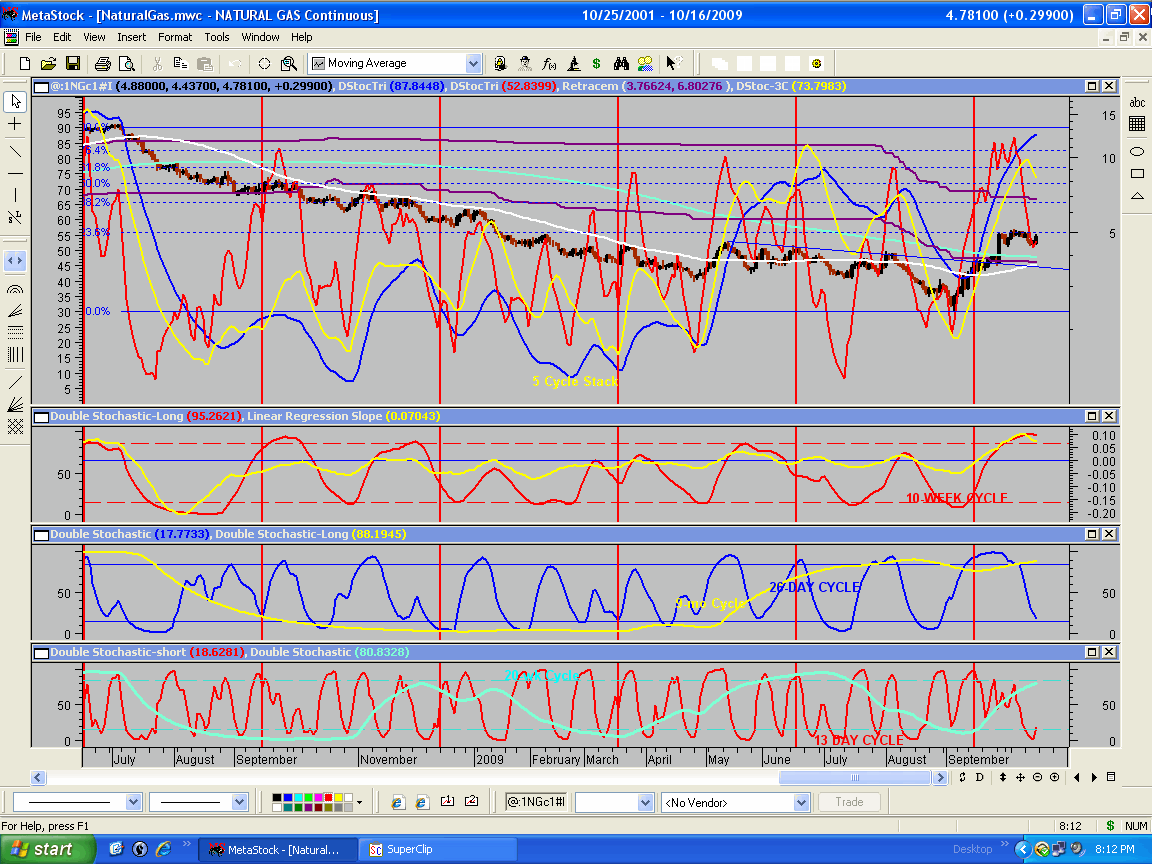
Natural gas (http://www.geocities.com/petegersb/NaturalGas.GIF ) established another new low before initiating a short-term rally to close little changed for the week. NG has a shot at an upturn in the oversold 20-wk and 9-mo cycles soon, but so far successive new lows in the shorter cycles have followed each rally attempt. The first order of business is for the current short-term rally to move above the last one.
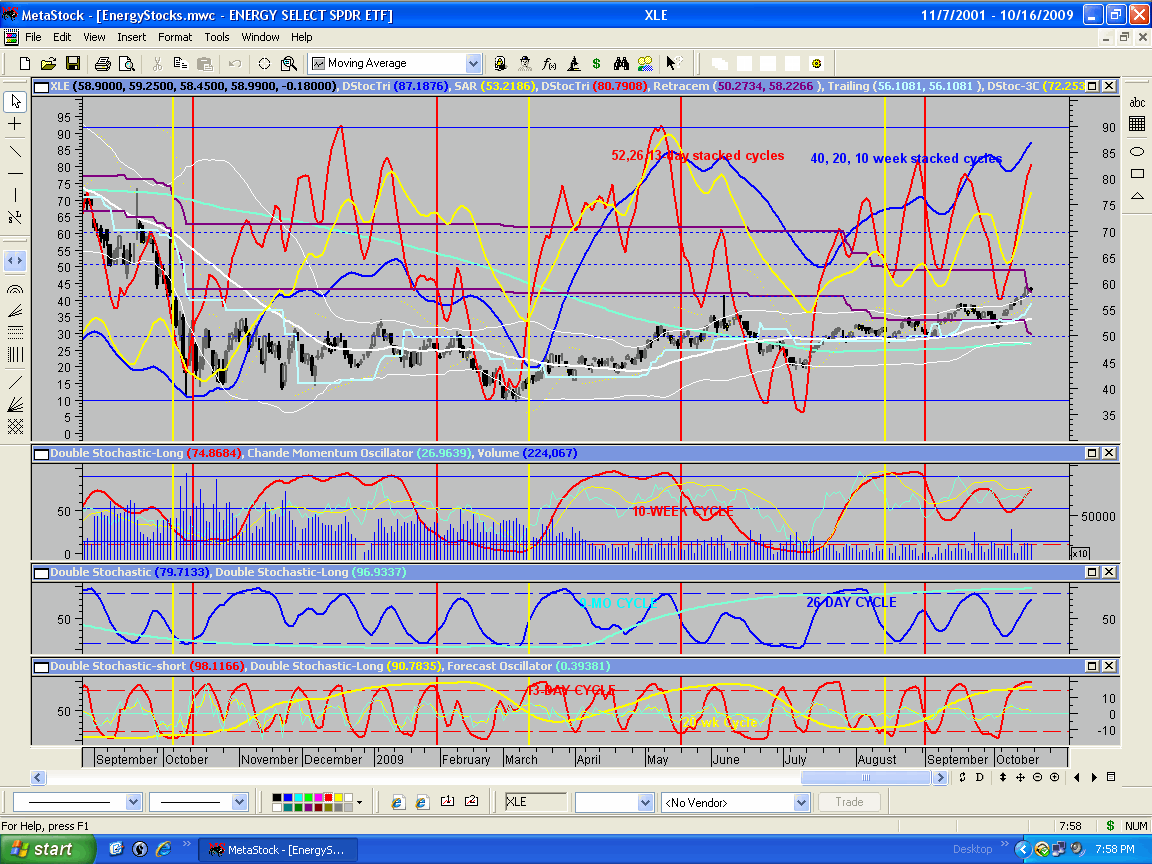
Energy stocks (http://www.geocities.com/petegersb/EnergySPDR.GIF) made a marginal new low before initiating a short-term rally. The rally was not as strong as it was for most stocks last week. There is no indication yet of a 20-wk cycle bottom, but the 10-wk cycle did turn up. If it picks up strength, it should turn the longer cycles higher as well
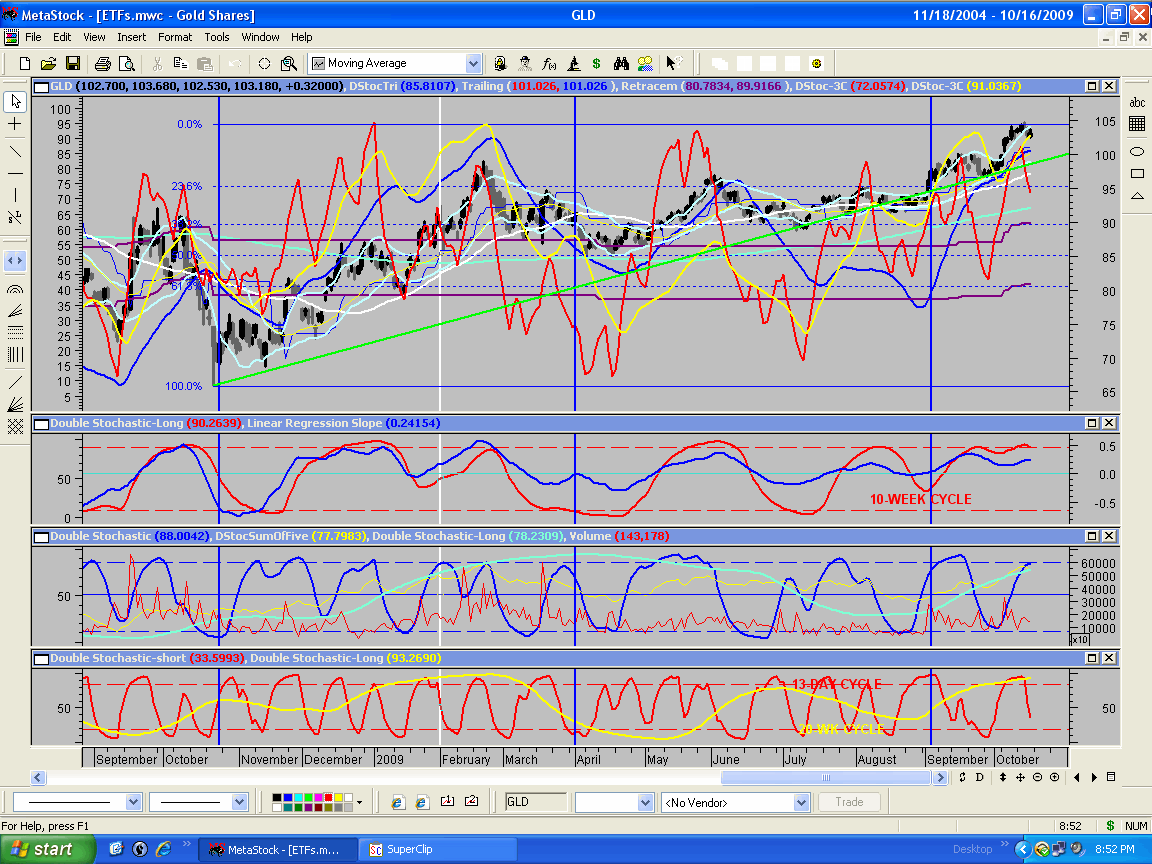
Gold (http://www.geocities.com/petegersb/GoldBullion.GIF) plunged early in the week to successfully test the 38%
retracement. Then it rallied back to close only slightly lower for the week. It
may have established a 10-wk cycle low, but the overbought 13-day cycle may
first produce one more test. Then another test of the highs appears likely.
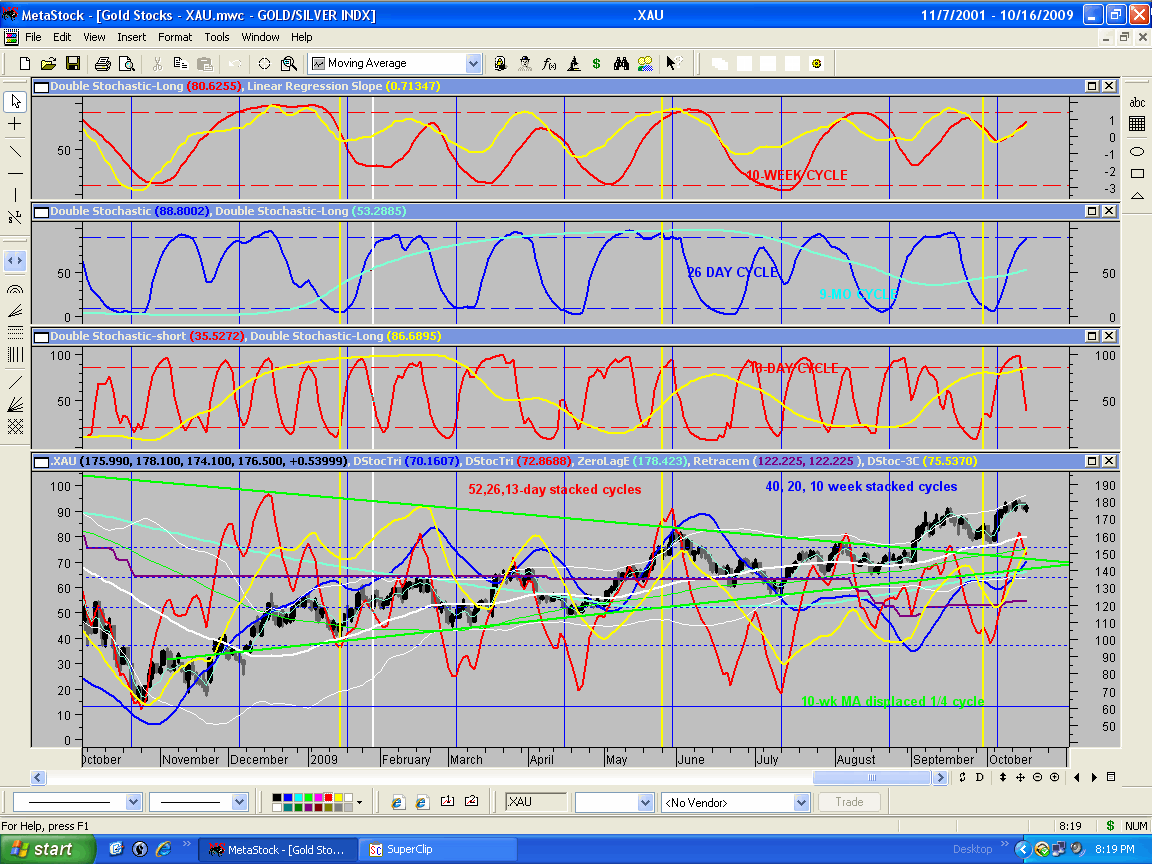
Gold Stocks (http://www.geocities.com/petegersb/GoldStocks.GIF
) gained a little – the first out-performance of the metal for quite some time.
But it still is struggling with the 10-wk moving average, and the 13-day cycle
is overbought. This week should see a battle between the short-term uptrend and
the intermediate downtrend. If the short-term prevails, it probably will
encounter stiff resistance at the downtrending
9-month moving average.
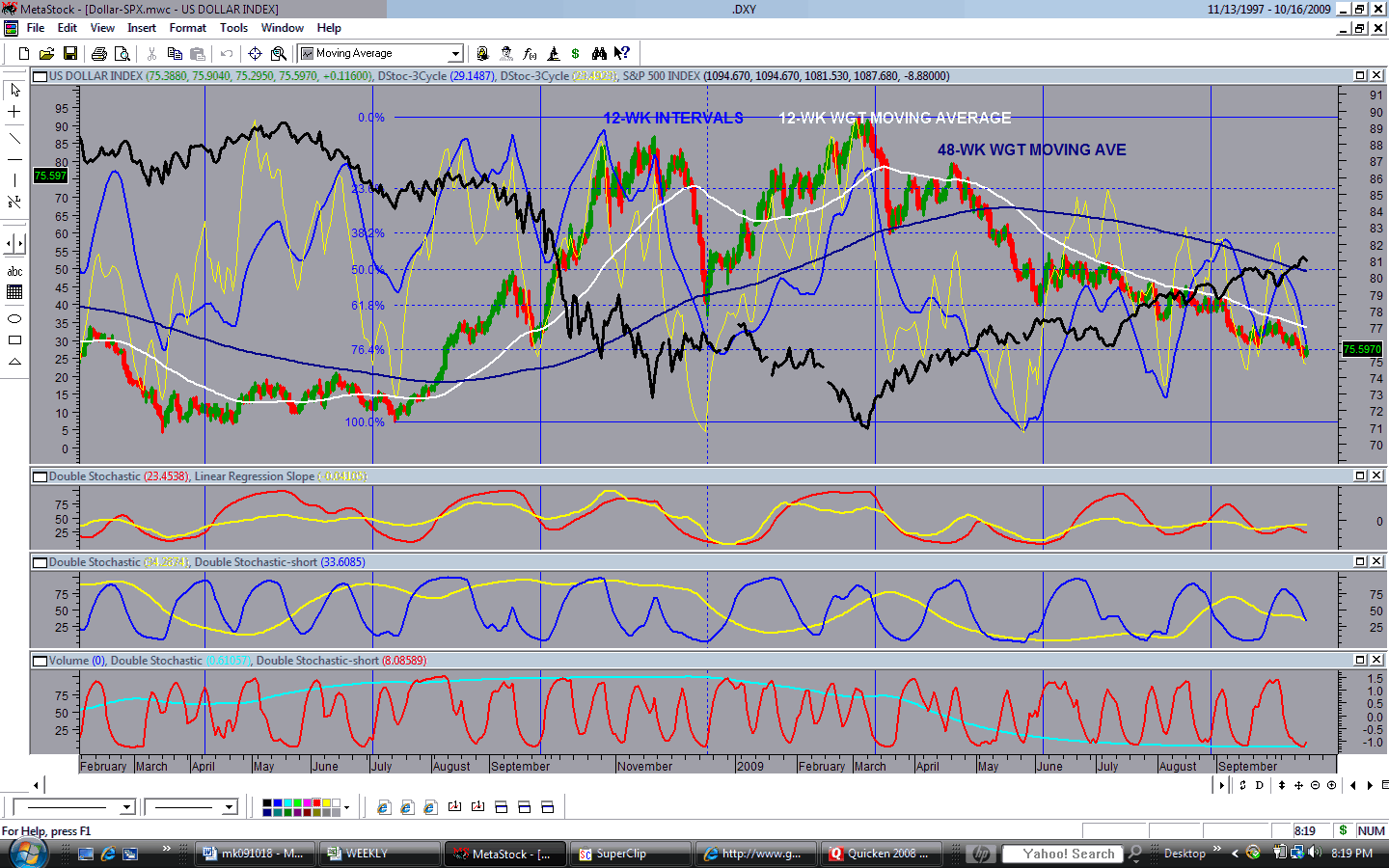
The dollar (http://www.geocities.com/petegersb/Dollar.GIF) began the intermediate decline that I anticipated last week. Both short and intermediate composites are declining, and neither is oversold, so the dollar should continue lower.