No report will be published during the next weeks. Look for the next report on 2/24/09
2/8/09
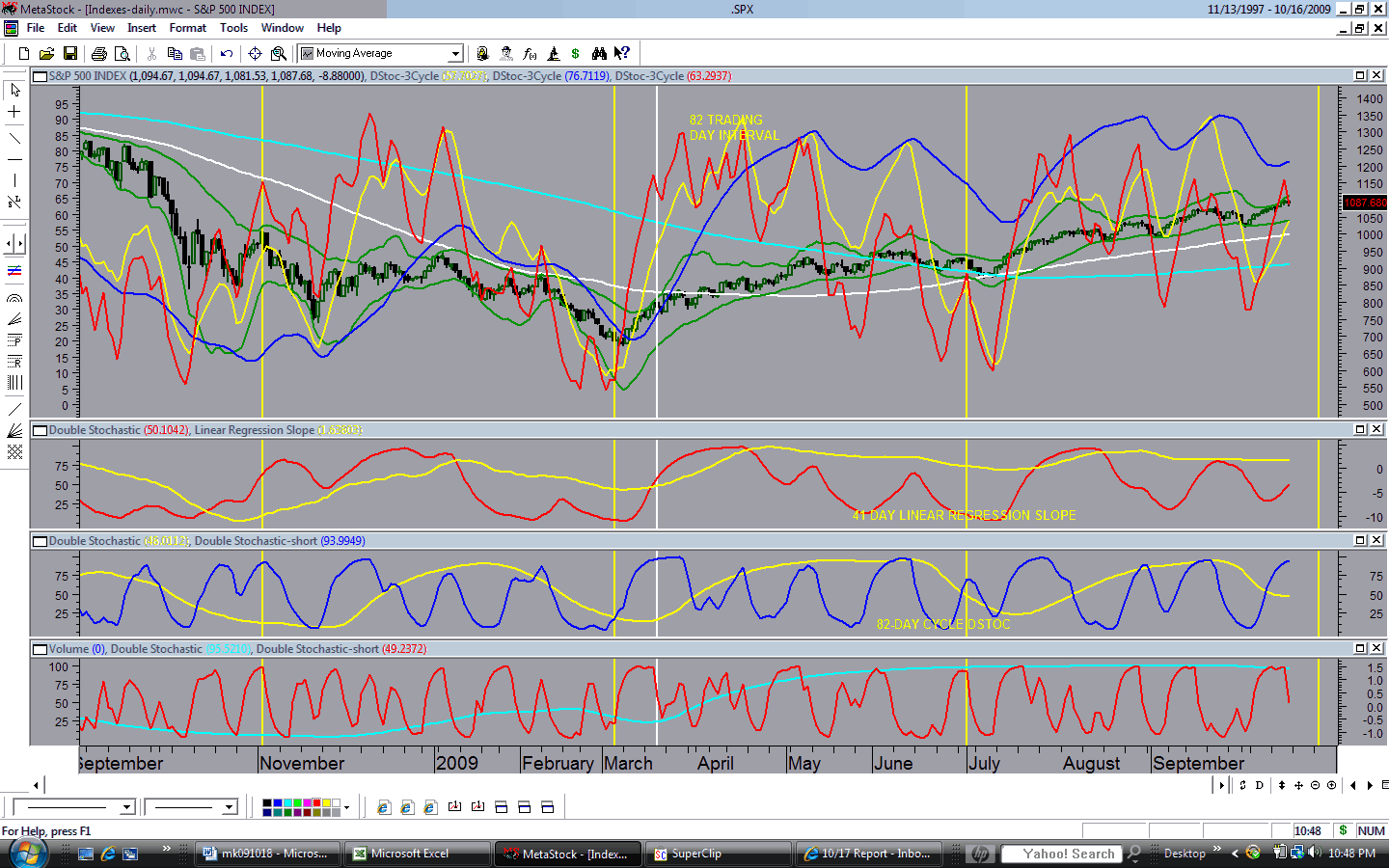
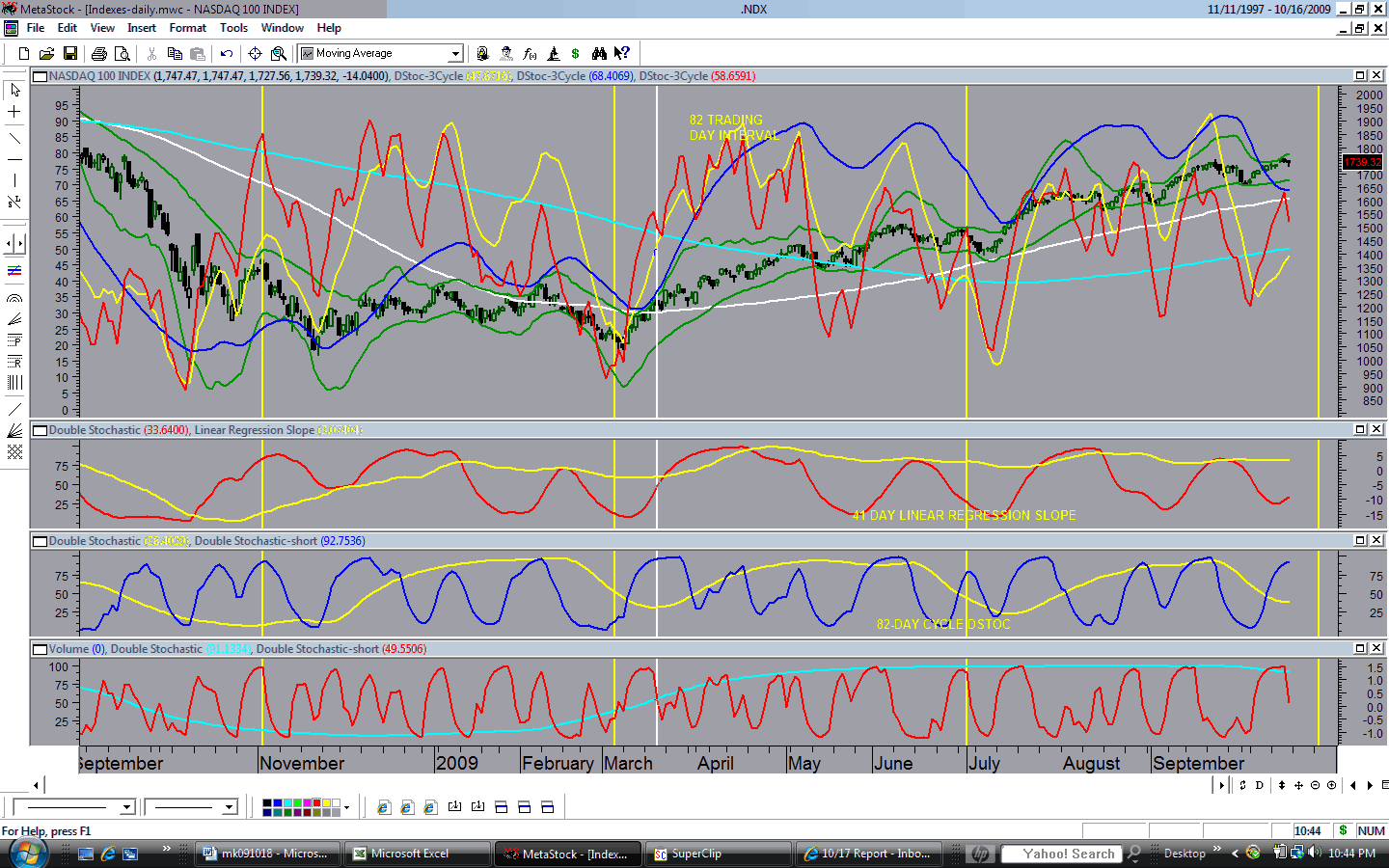
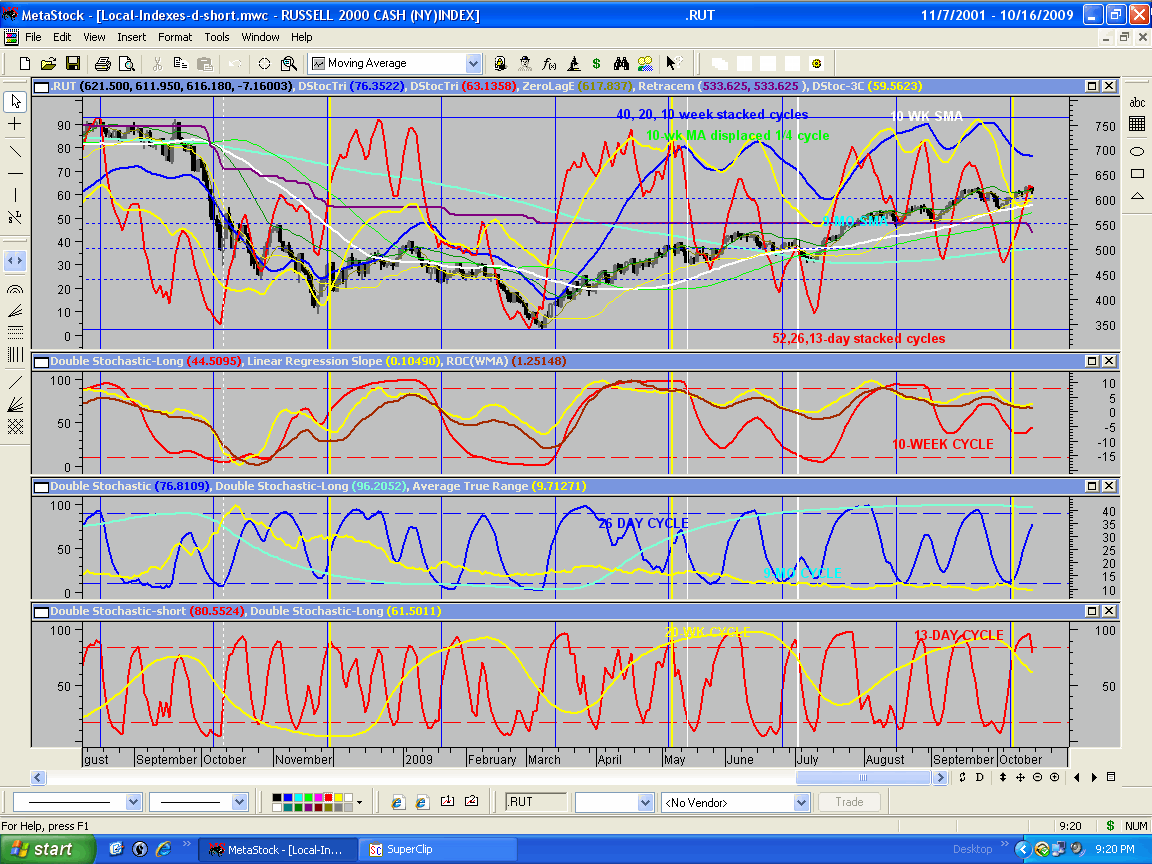
Despite more awful employment news (worst 3-mo job loss since 1945) and more delays in enacting the stimulus bill, stocks followed the script nicely last week. The 10-week cycle rally began in mid-week as expected (SPX (http://www.geocities.com/petegersb/SP500.GIF), NDX (http://www.geocities.com/petegersb/NDX.GIF), Russell small cap index (http://www.geocities.com/petegersb/Russell2000.GIF )). It’s mildly encouraging that the rally began at a higher level than the last 10-week cycle bottom, but that’s what you would expect at the midpoint of the 20-week cycle. The real test will come at the top of this cycle. In a new bull market, we would expect a higher price level than at the prior 10-wk cycle peak in early January. A lower peak would provide confirmation of left-translated 20-wk cycle peak associated with an on-going bear market. Another 8.7% rally would be required to reach the SPX peak, and a 10.3% rally would reach the Russell 2000 peak. But only a 4.7 % rally is required to reach the Nasdaq Composite peak and the NDX is already at the prior 10-wk cycle peak. So the hurdles aren’t especially high. If the market can’t clear them, look out below.
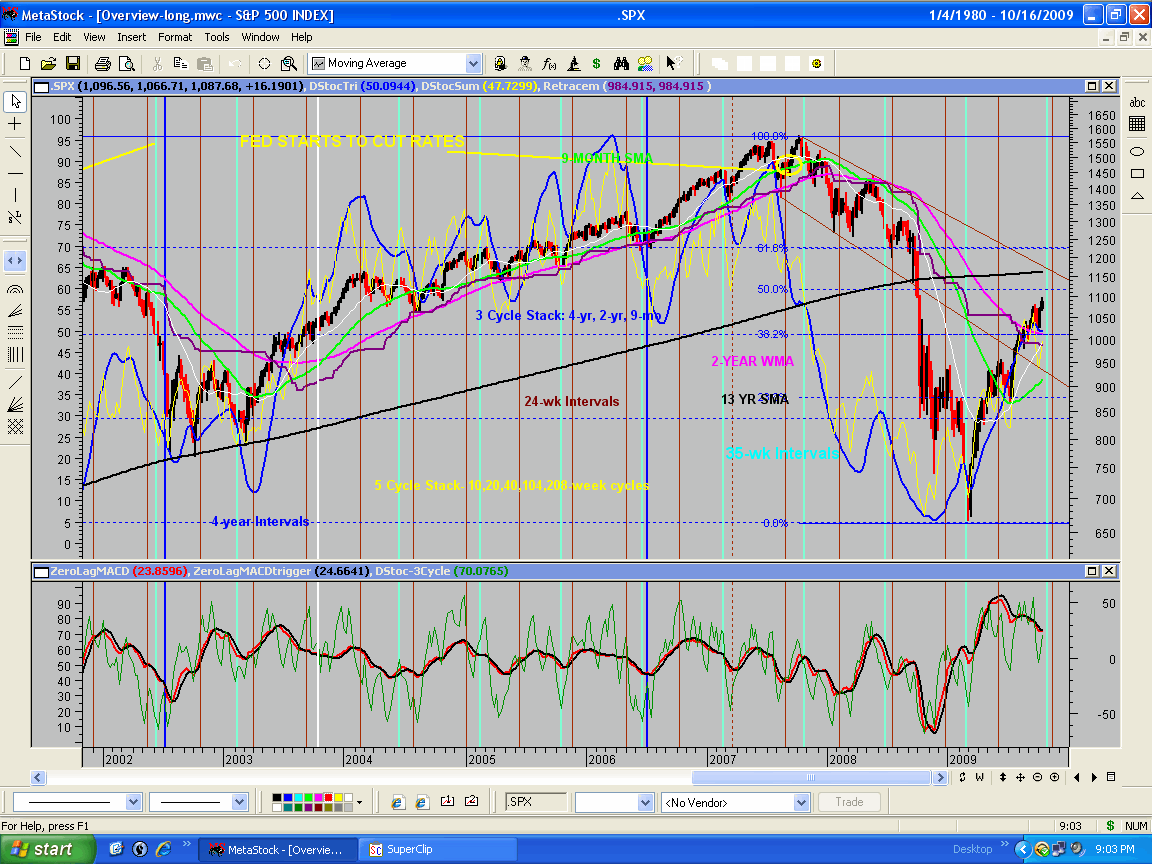
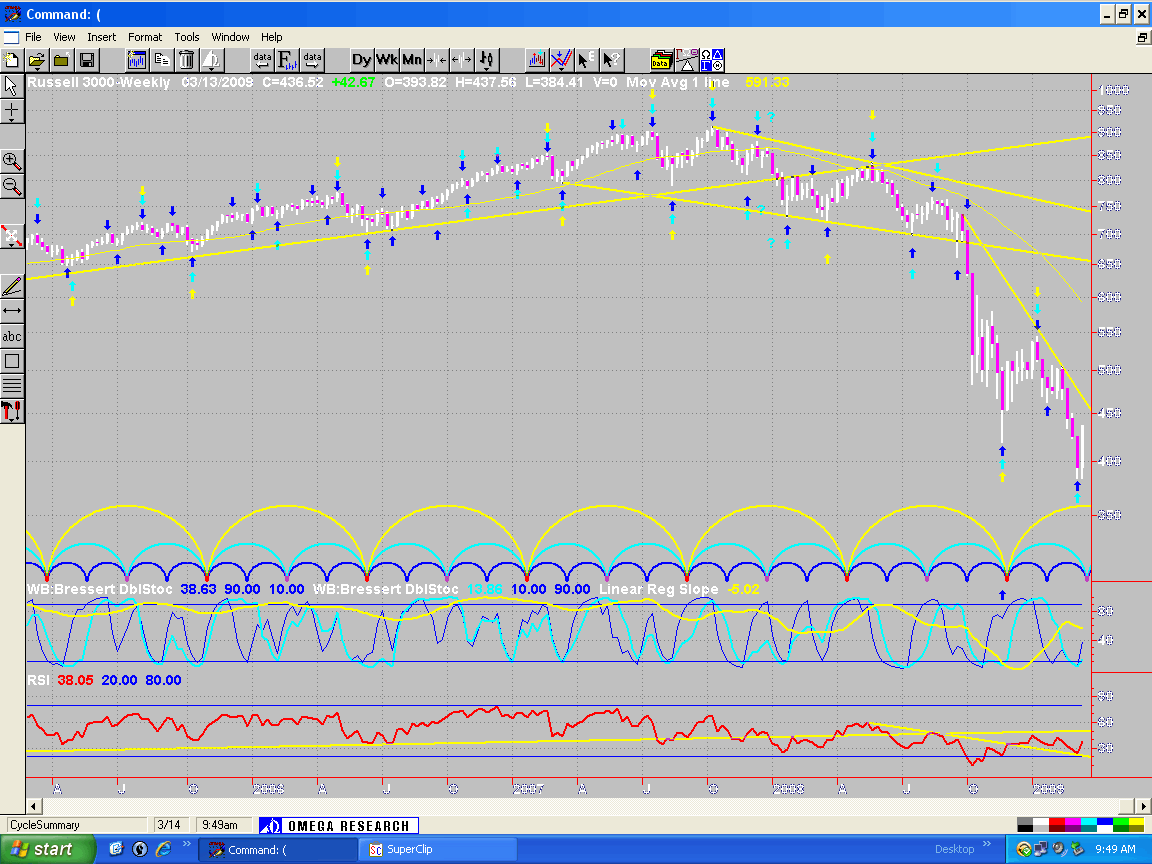
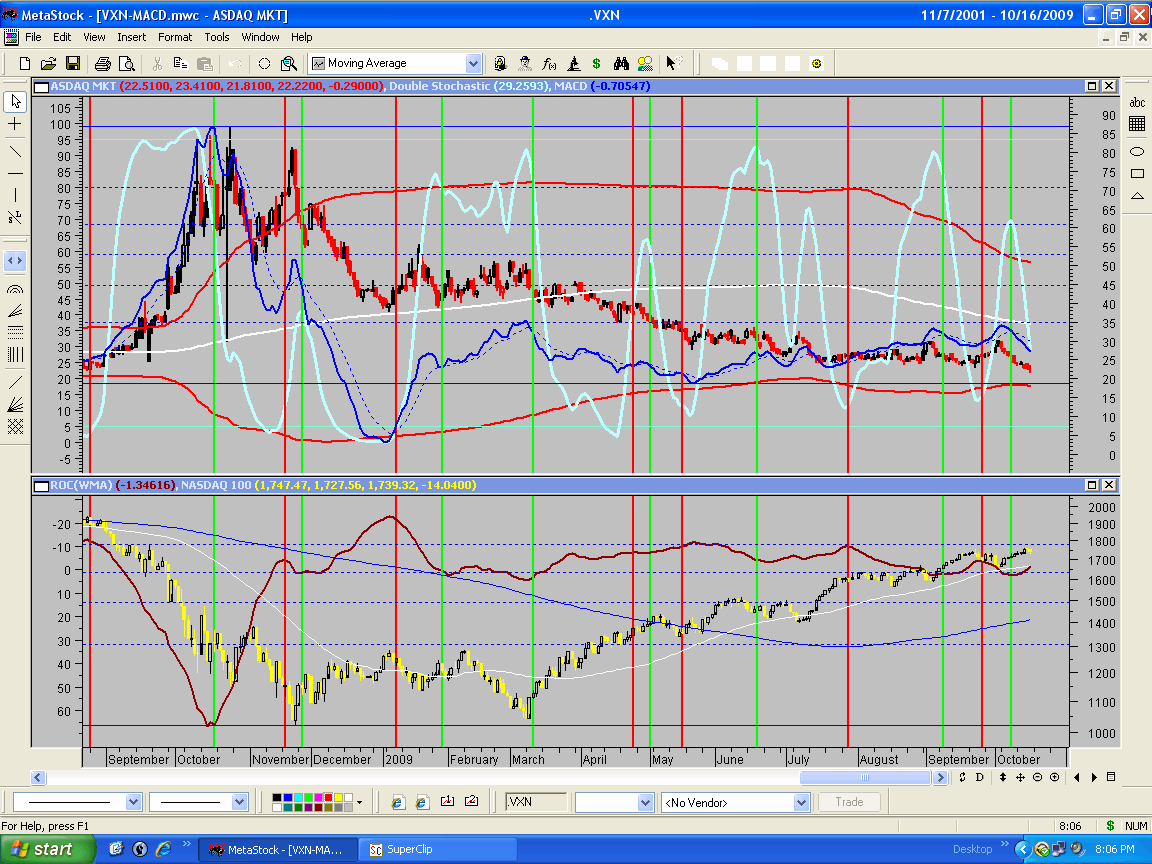
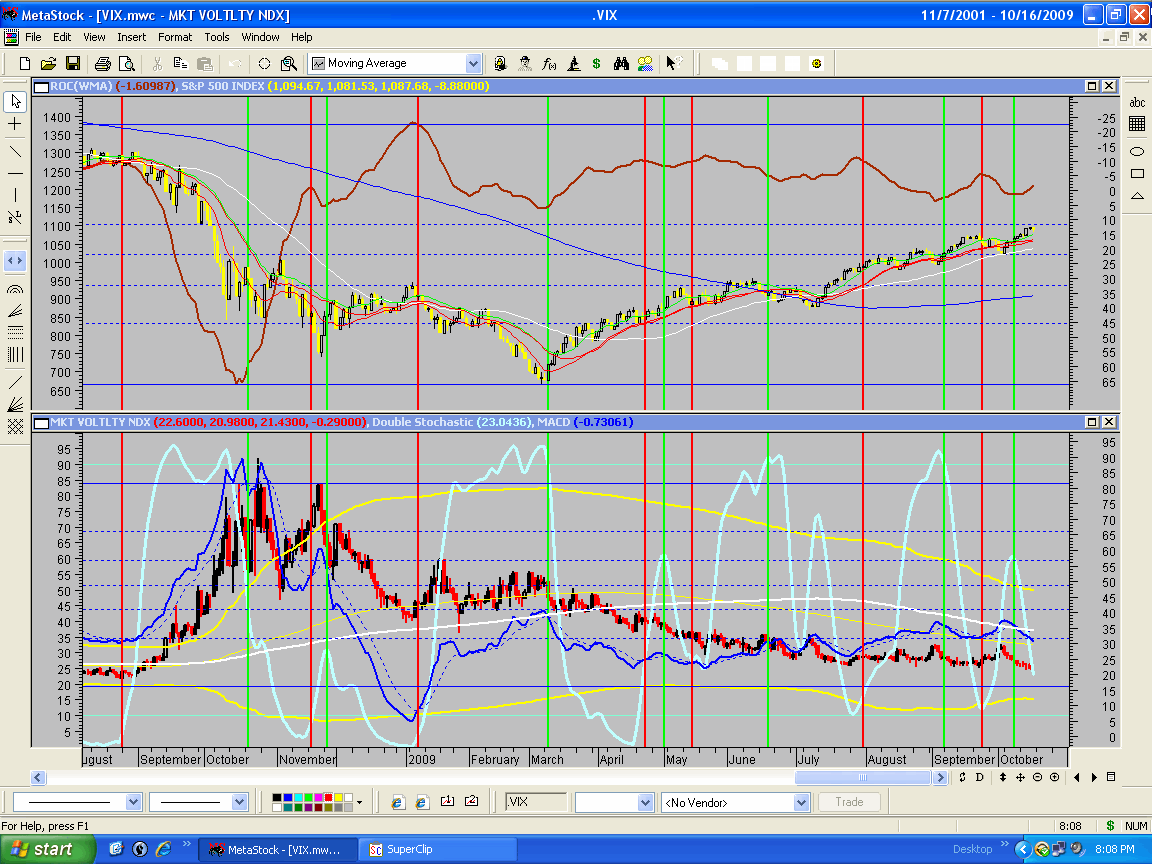
The 10-wk cycle turn has already been confirmed on the weekly charts (http://www.geocities.com/petegersb/Overview-long.GIF , http://www.geocities.com/petegersb/Overview-med.GIF ) and by the daily VXN (http://www.geocities.com/petegersb/VXN.GIF), but the daily VIX (http://www.geocities.com/petegersb/VIX.GIF ) hasn’t yet made the turn. Follow-through, that should materialize this week, will be required.
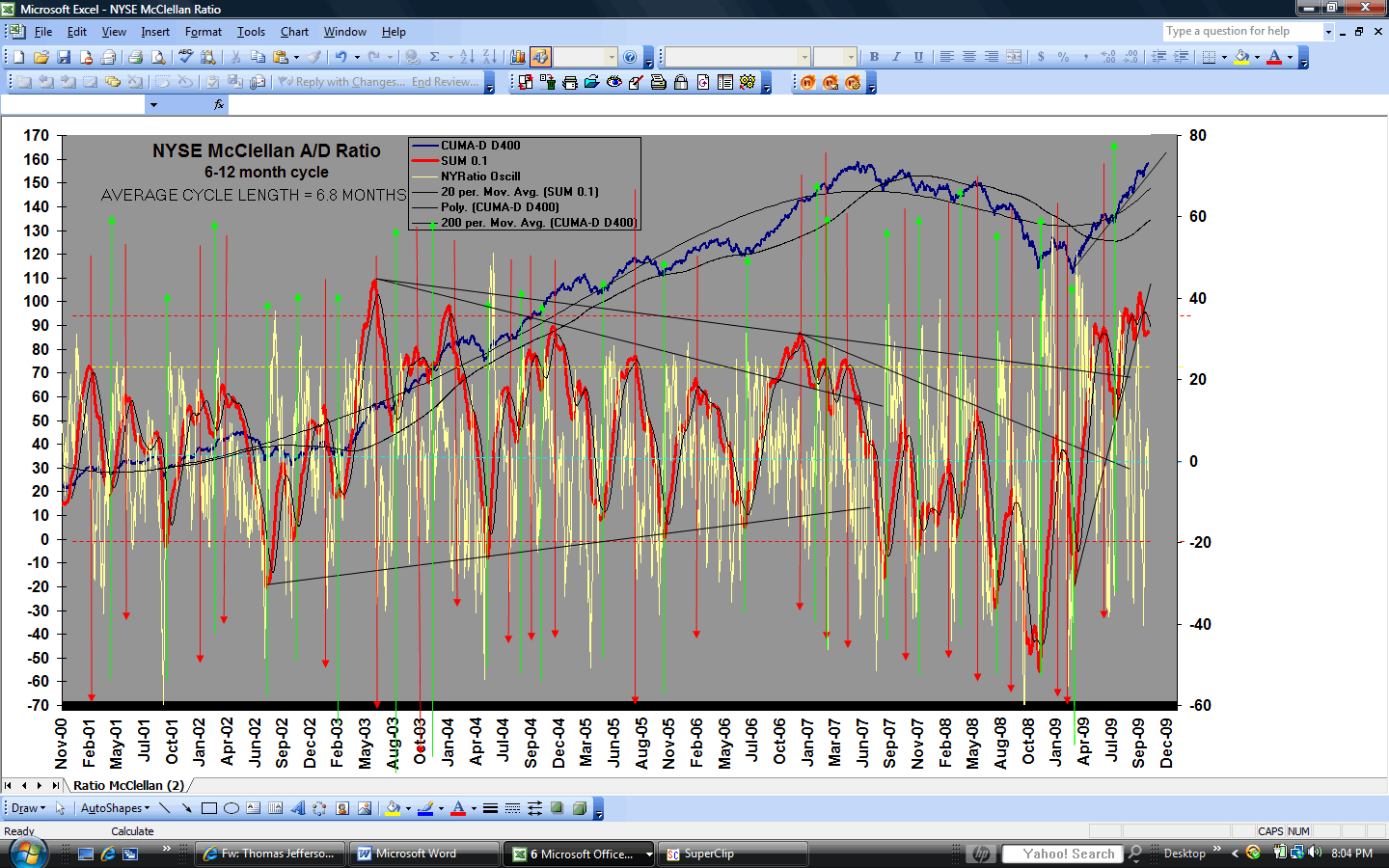
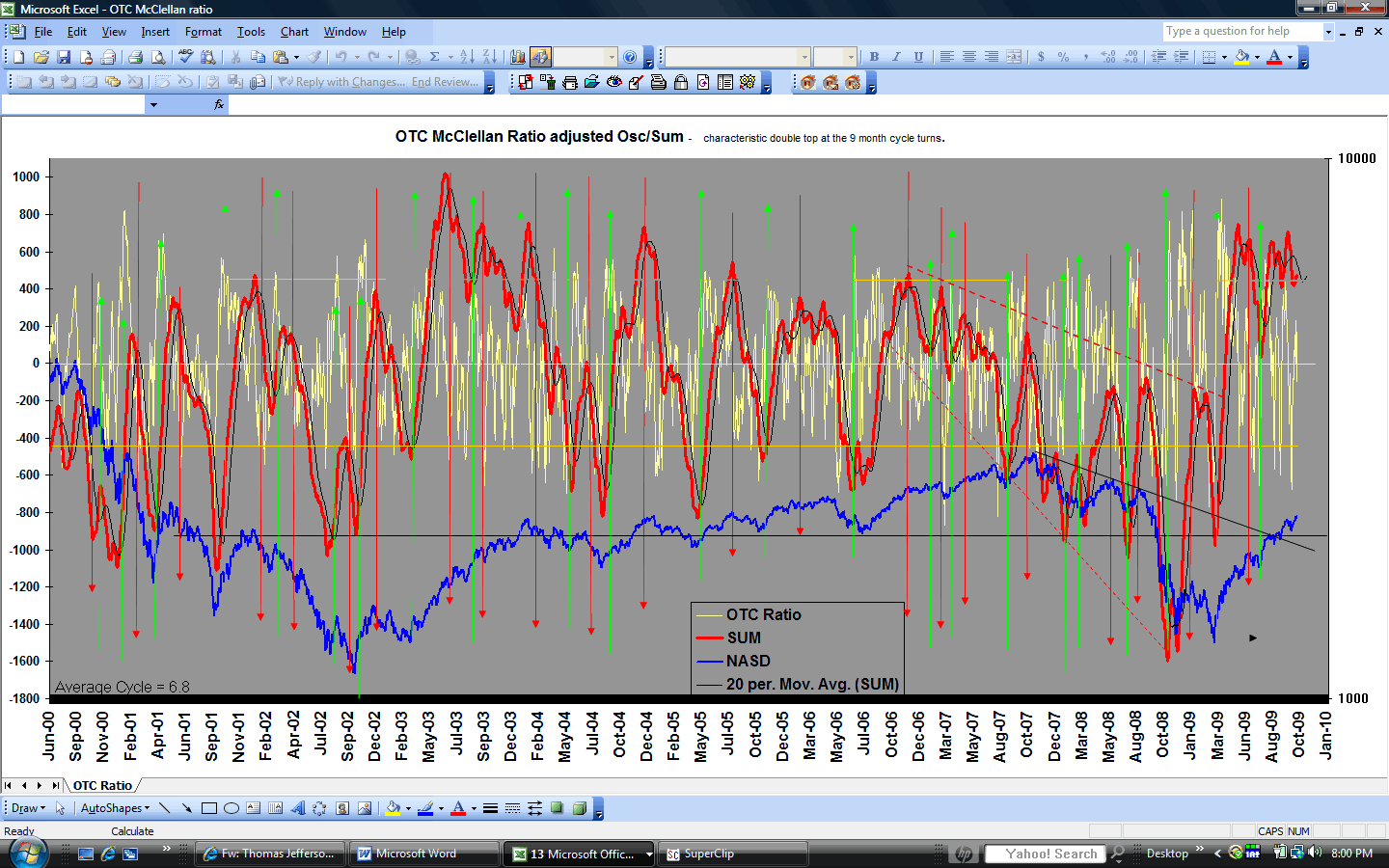
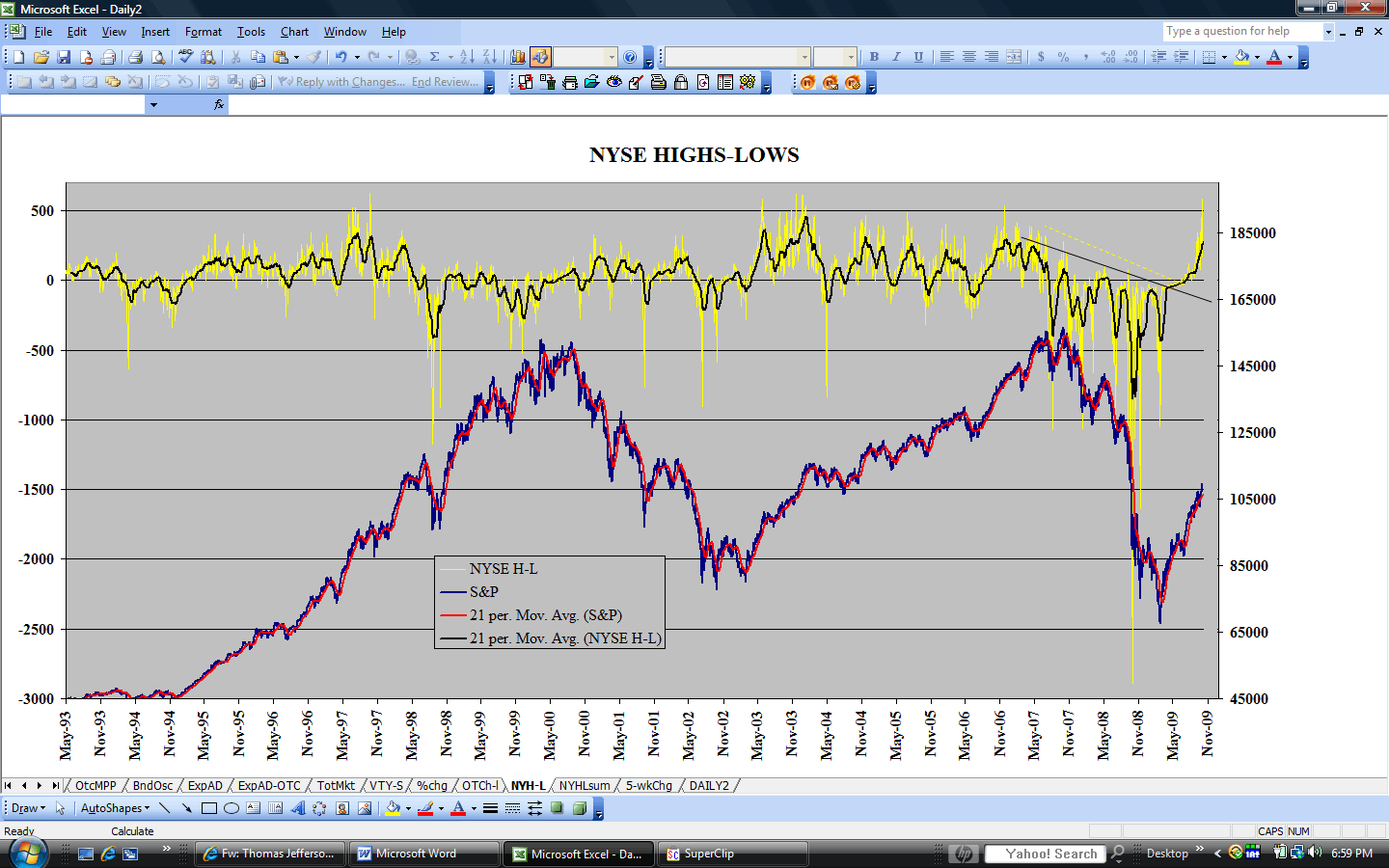
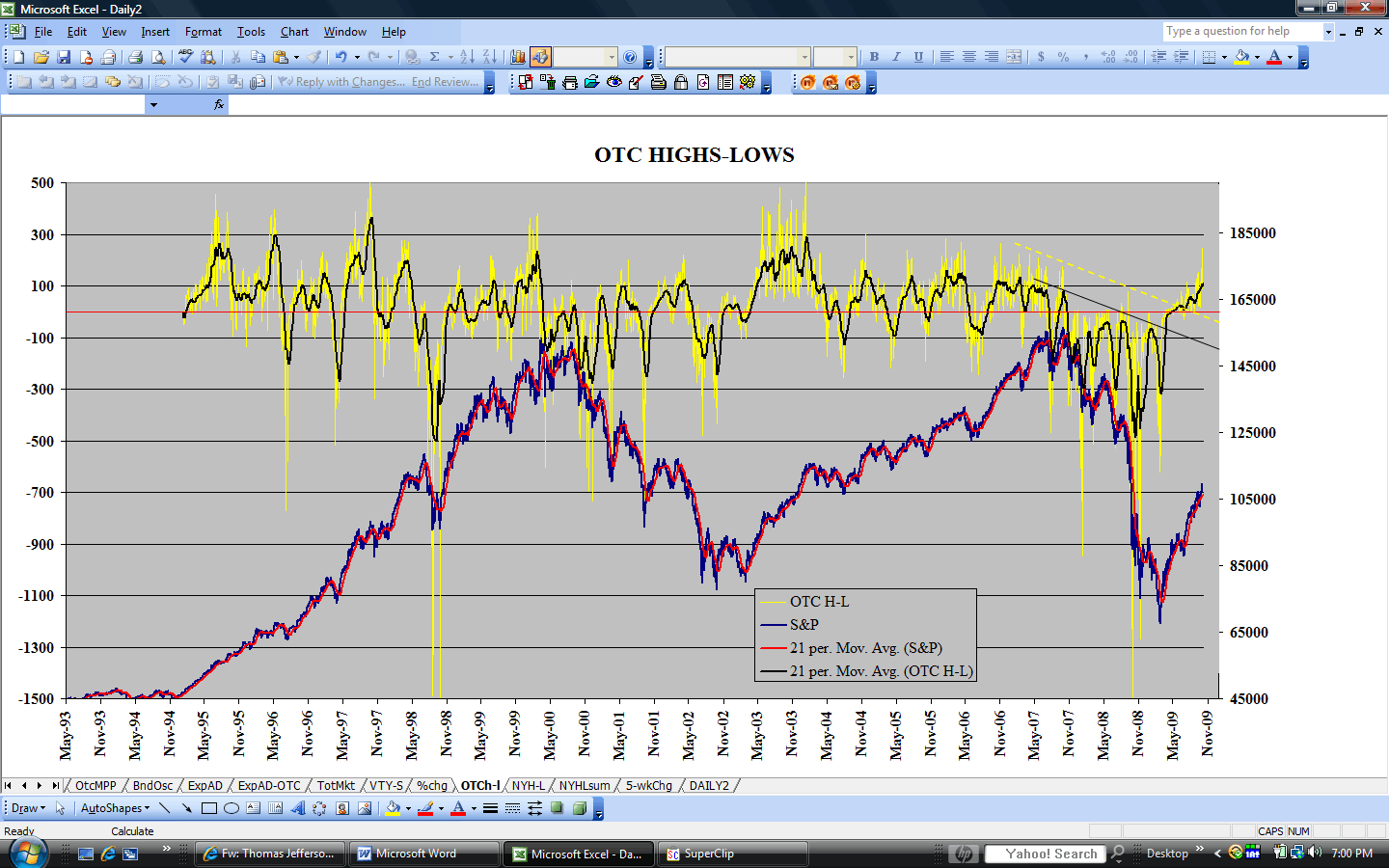
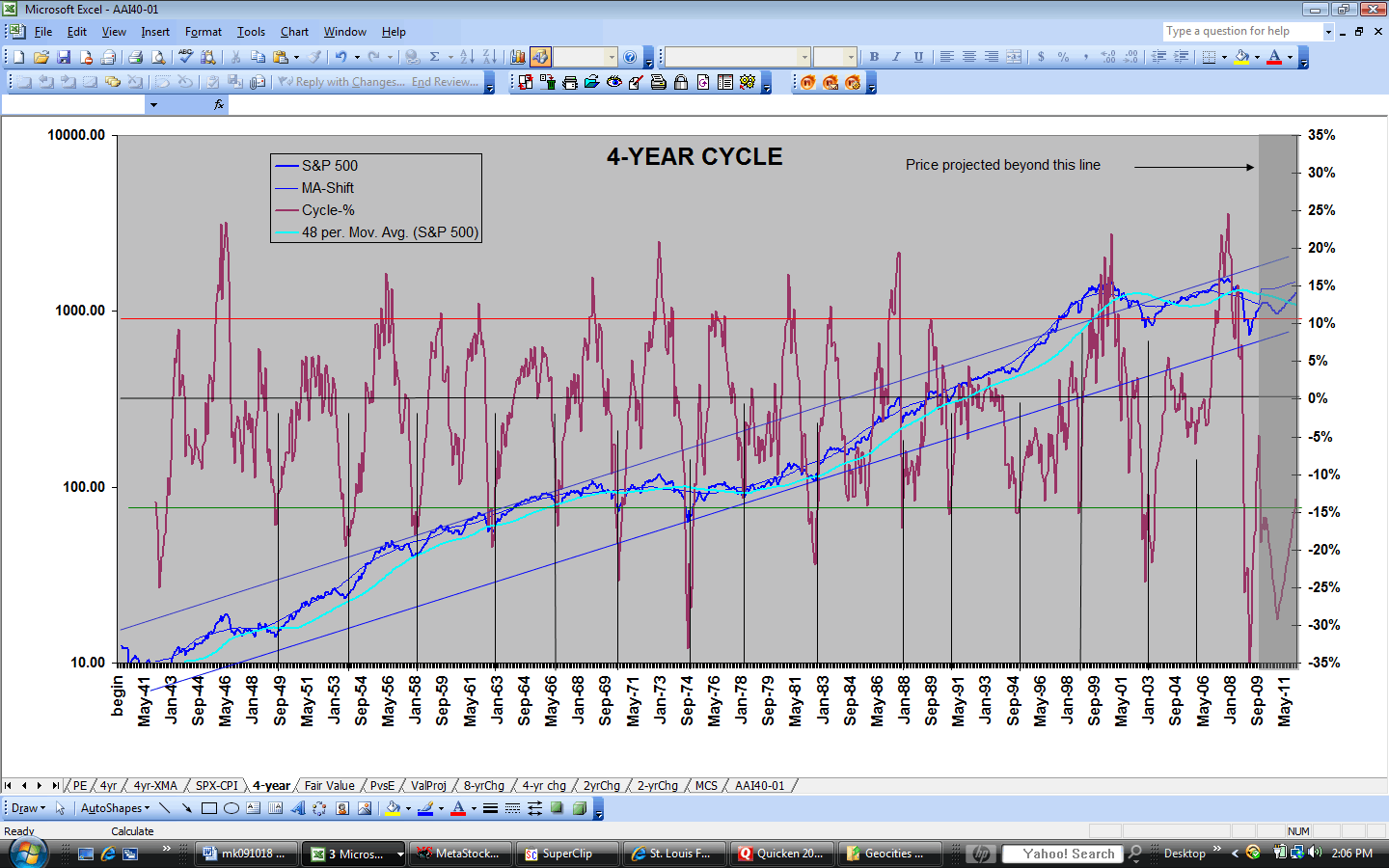
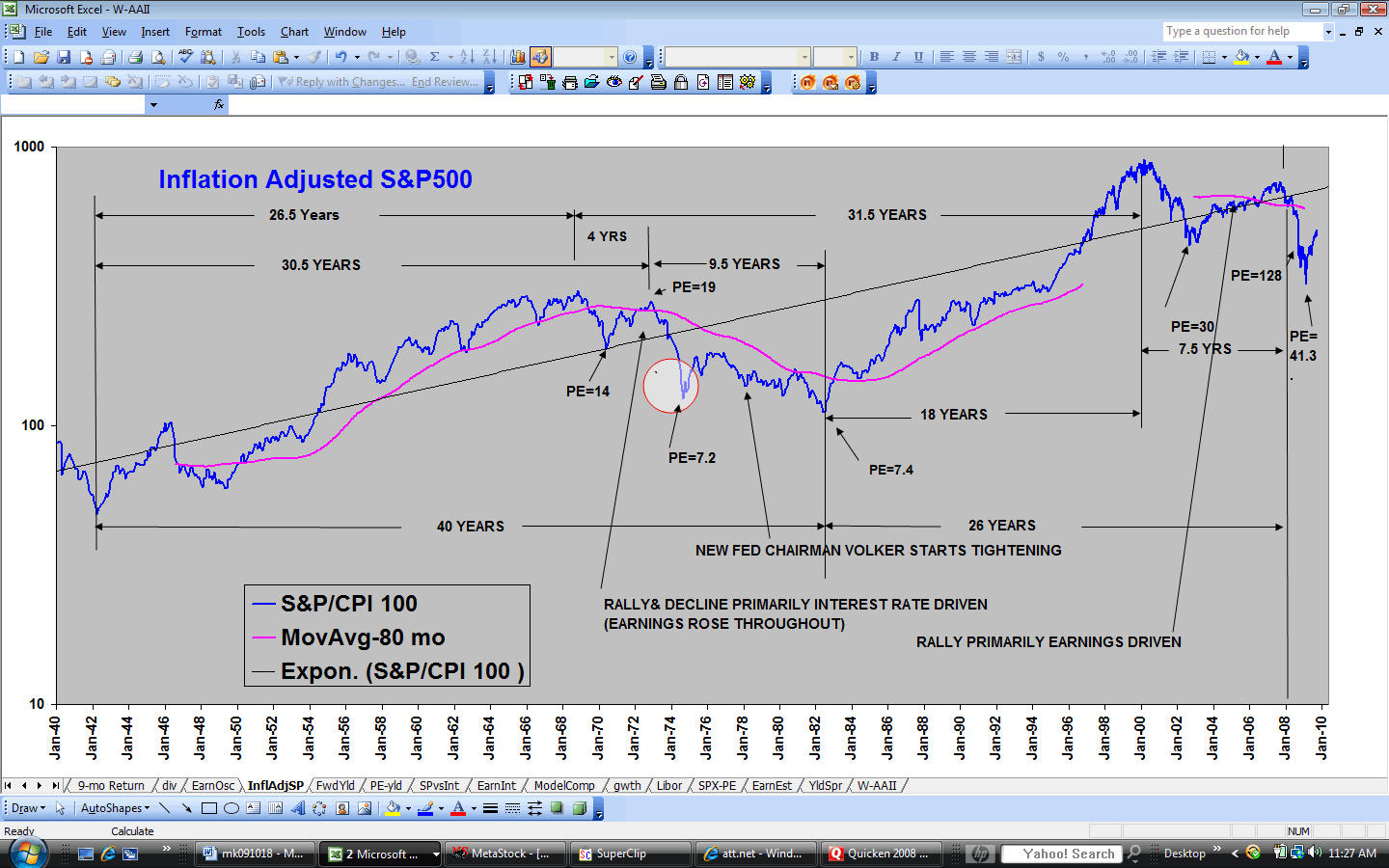
While February looks somewhat promising for stocks, I don’t want to be mistaken for an optimist. The outlook going into late summer is not good as 9-month cycle indicators continue to exhibit topping action (McClellan Summation Indexes (http://www.geocities.com/petegersb/A-Dsummation-NYSE.GIF , http://www.geocities.com/petegersb/A-Dsummation-OTC.GIF ) , High-Low spreads (http://www.geocities.com/petegersb/HighLowNYSE.GIF , http://www.geocities.com/petegersb/HighLowOTC.GIF ). The outlook into the scheduled 4-year cycle bottom in late 2010 is even worse (http://www.geocities.com/petegersb/4YearCycle.GIF ). And the decade beyond doesn’t look promising either. If you look at the inflation-adjusted SPX (http://www.geocities.com/petegersb/SPX-InflationAdjusted.GIF ), its price pattern of the last 9 years is similar to that between 1968 and 1974. A strong rally began in 1974, but inflation-adjusted prices were lower 10 years later. Inflation and interest rates were rising in 1974 as they are beginning to do today. But there are a couple of ominous differences between then and now. 1974 was a scheduled 4-year cycle bottom and the trailing P/E on reported earnings was only 7.2. The comparable P/E today is 24.2 and the 4-year cycle bottom isn’t scheduled for almost two more years. If stocks again sport a 7.2 trailing P/E in 2010, I will no longer be a bear. How would we get to such a low P/E in 2010? Coming inflation and a modest economic recovery should help earnings somewhat. If S&P is right for a change, earnings could increase to about $50 in 2010. Then a 7.2 P/E would put the SPX at 360. In other words it would take nearly another 60% plunge in prices to get there. Maybe earnings will increase more than expected and maybe the P/E won’t fall into single digits as it did in the prior high inflation era, but buy and hold probably won’t work well for a long time.
Earnings (http://www.geocities.com/petegersb/EarnY-Y.GIF
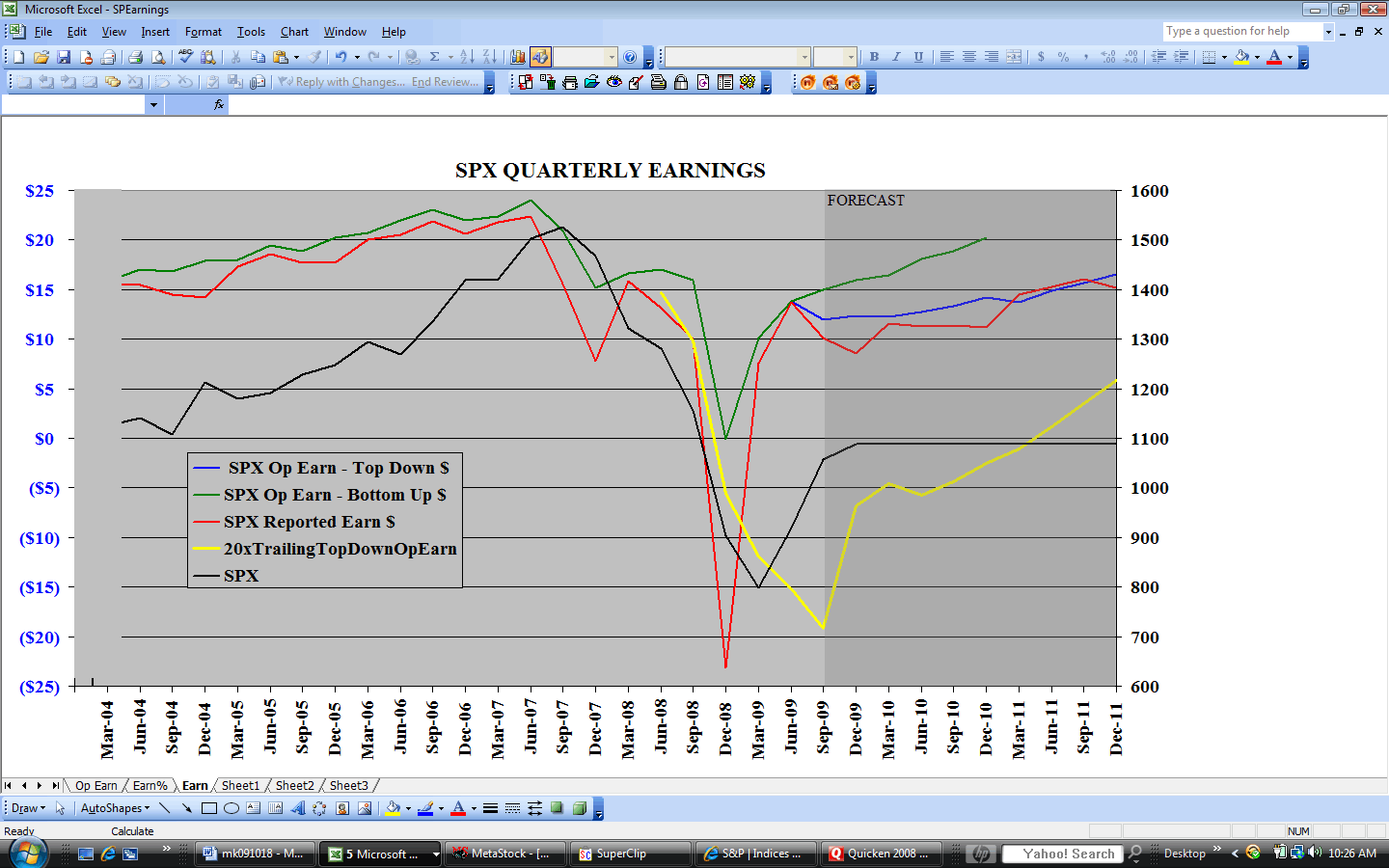
): With 66% of companies reporting, Standard
& Poor’s has revised its earnings estimates drastically downward for the
fourth quarter – Operating earnings down 46% from a year ago and reported
earnings to a $3.14 loss. That puts the trailing P/E on reported earnings of $35.89
at a very uncomfortable 24.2. S&P also cut its ridiculously high bottom up 2009
operating estimate by another $3.34. Its forward projections have been
consistently too optimistic all the way down, and 2009 probably will be no
exception. Current top down estimates for 2009 come in at $41.88 for reported
earnings and $54.70 for operating earnings (those omitting most of the bad
stuff). So The SPX now has a forward P/E
of 20.7 or 15.9 depending on which of S&P’s usually optimistic numbers you
prefer to use. Both numbers are historically high. They are reasonable if
interest rates remain this low, but they are likely to decline if interest
rates continue to rise.
Treasury bonds (http://www.geocities.com/petegersb/Treasury-20yr.GIF ) continued their steep decline last week. The short cycles are attempting to establish a bottom with little success so far. Currently they are finding a little support at the 62% Fibonacci retracement of the Nov-Dec rally. A short-term rally from this level appears unlikely to reverse the intermediate downtrend.
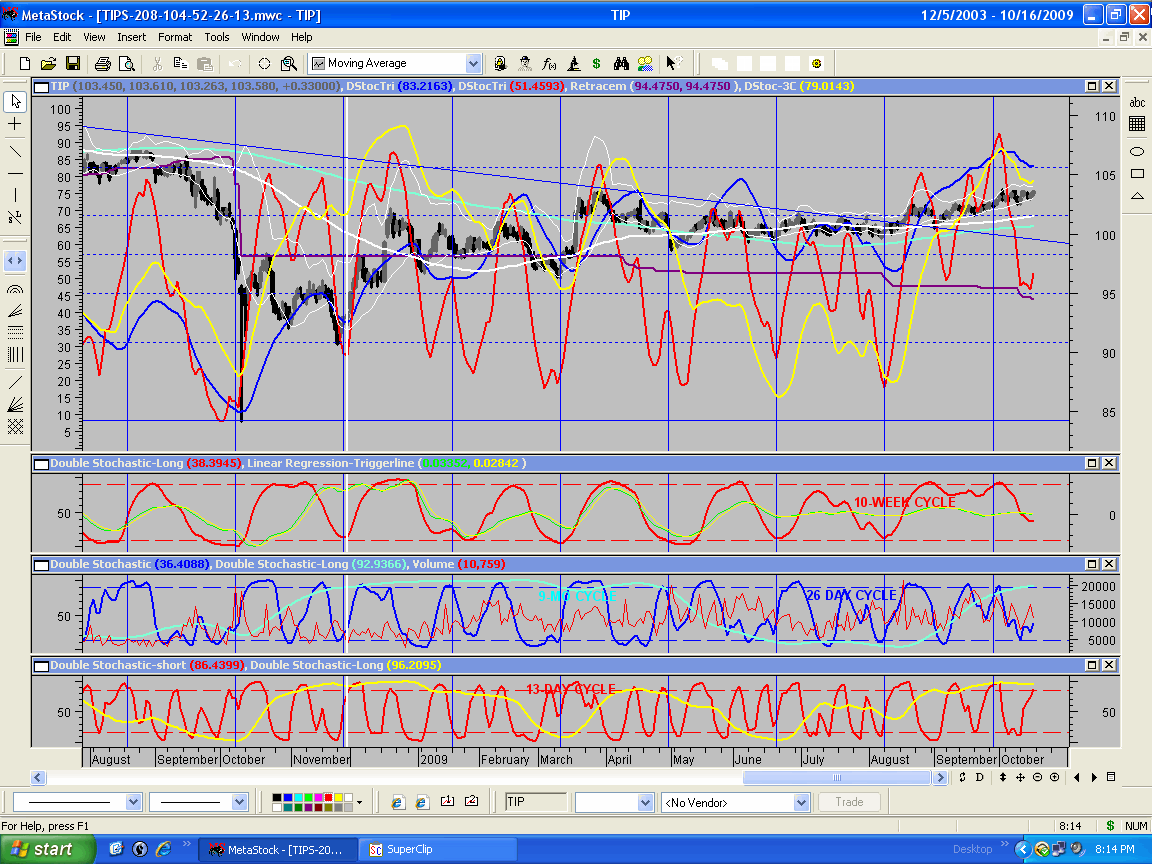
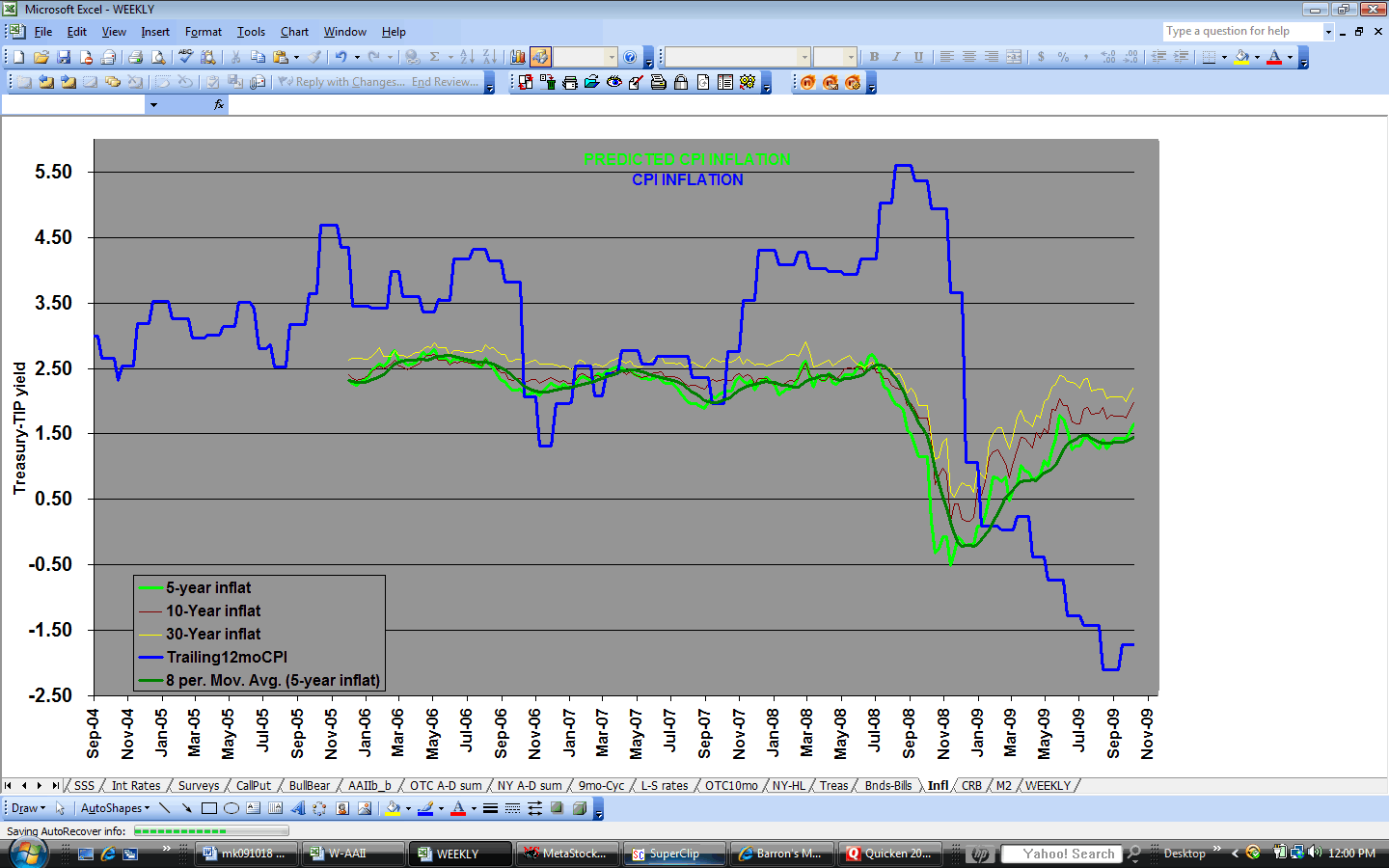
Inflation Protected Treasuries (http://www.geocities.com/petegersb/TIPs.GIF) gained a little more ground last week under the influence of a favorable 10-wk cycle and rising inflation expectations. A week ago, TIPs were predicting an average of a half a percent per year CPI inflation over the next 5 years (http://www.geocities.com/petegersb/CPI.GIF ). Now they are predicting a CPI inflation rate of 0.8% percent over that period. That’s still a very low level, but inflation expectations are accelerating rapidly. While TIPs are in a young 10-wk cycle rally, declining longer cycles are likely to continue to limit the gains.
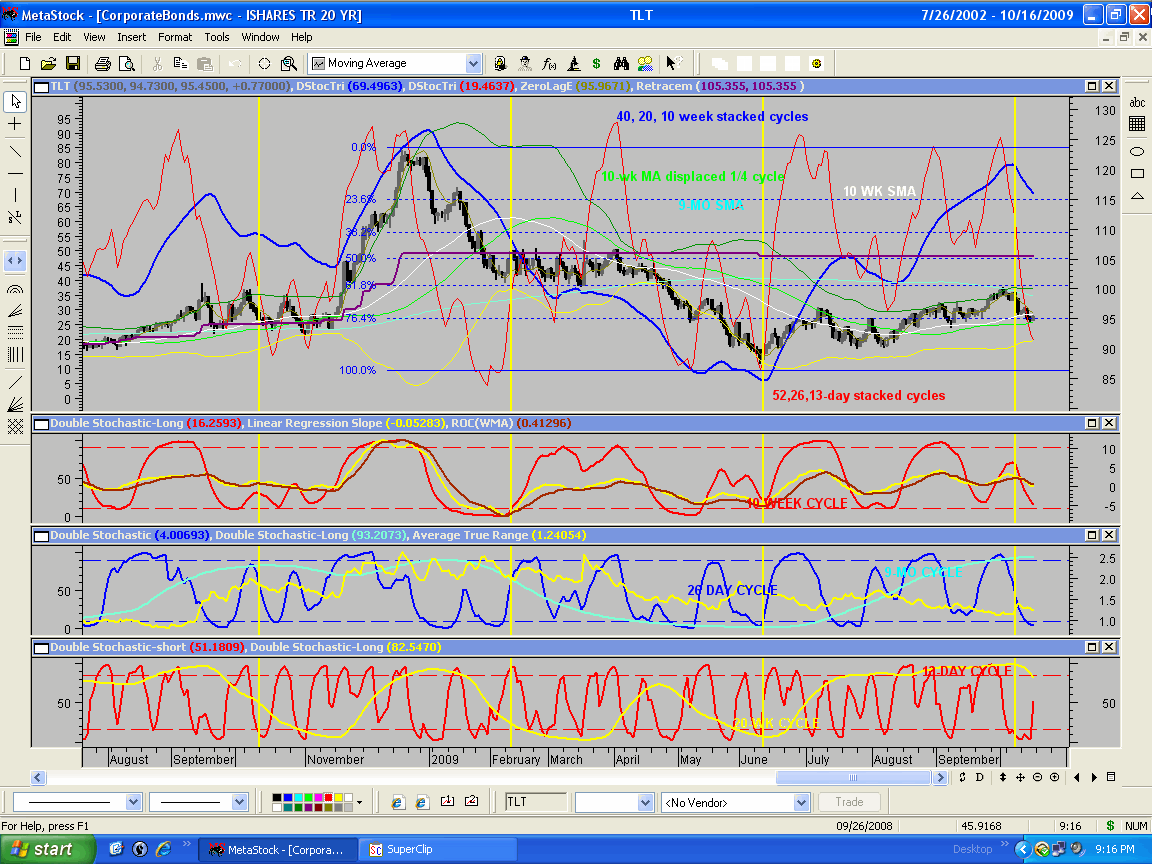
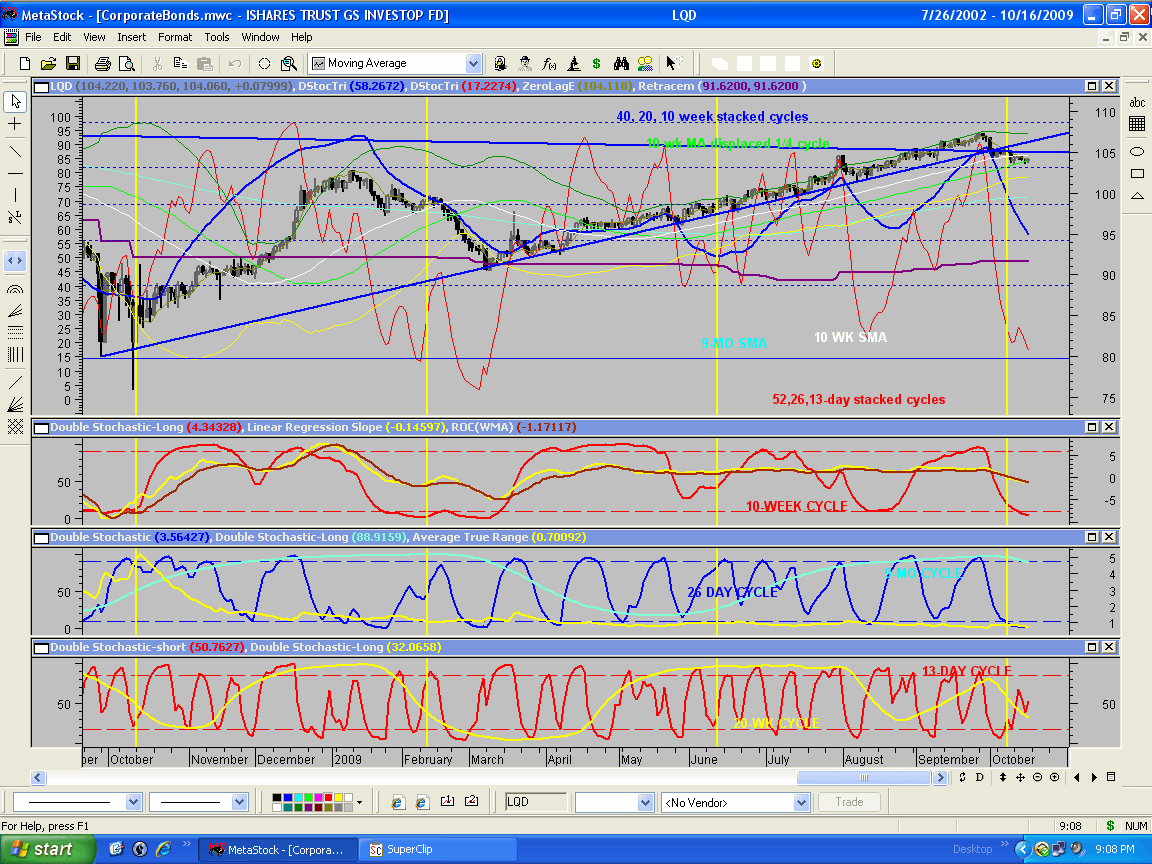
Corporate bonds (http://www.geocities.com/petegersb/CorporateBonds.GIF) declined from a 13-day cycle peak last week, and are now testing the 9-month and 10-wk moving averages. The longer cycles remain unfavorable, but the short cycles favor a temporary bounce off of the moving average support.
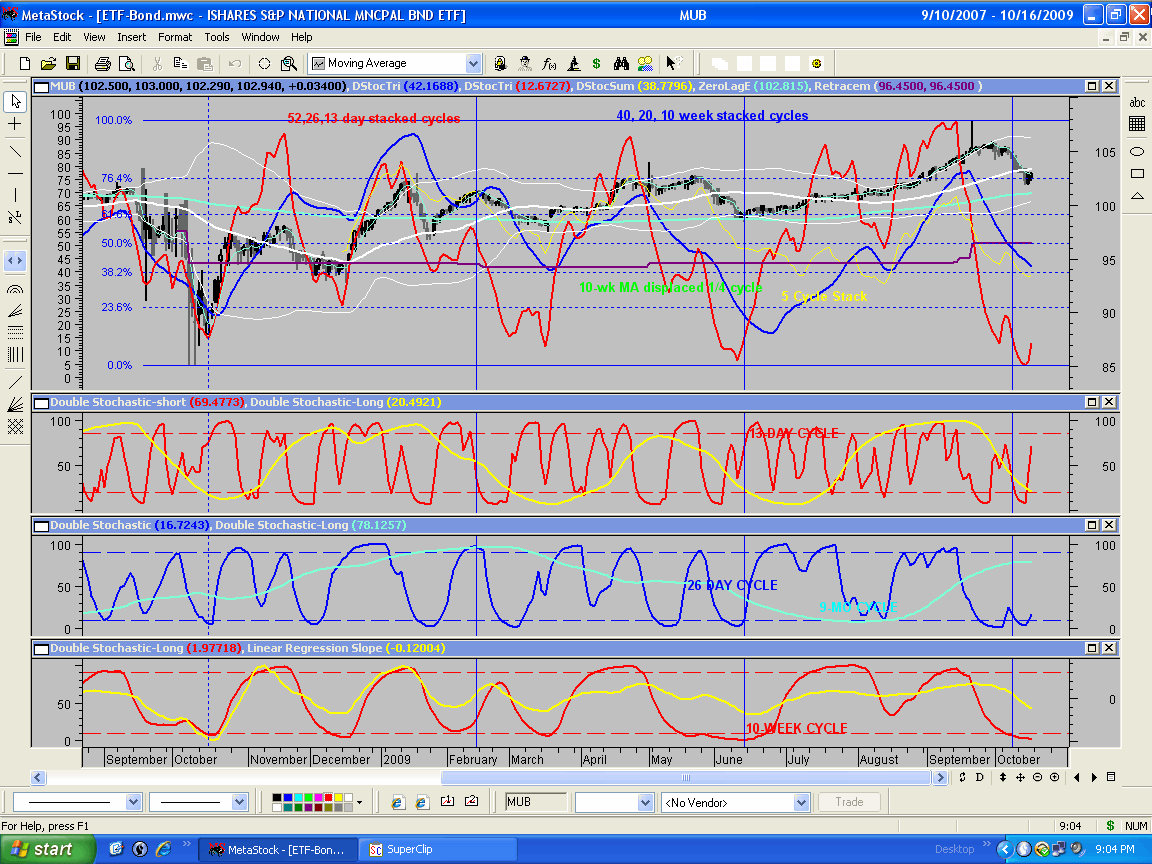
Municipal bonds (http://www.geocities.com/petegersb/MunicipalBonds.GIF ) continued the short-term rally that began two weeks ago. The intermediate downtrend remains intact and the shortest cycle is turning down. We can expect a minor correction this week.
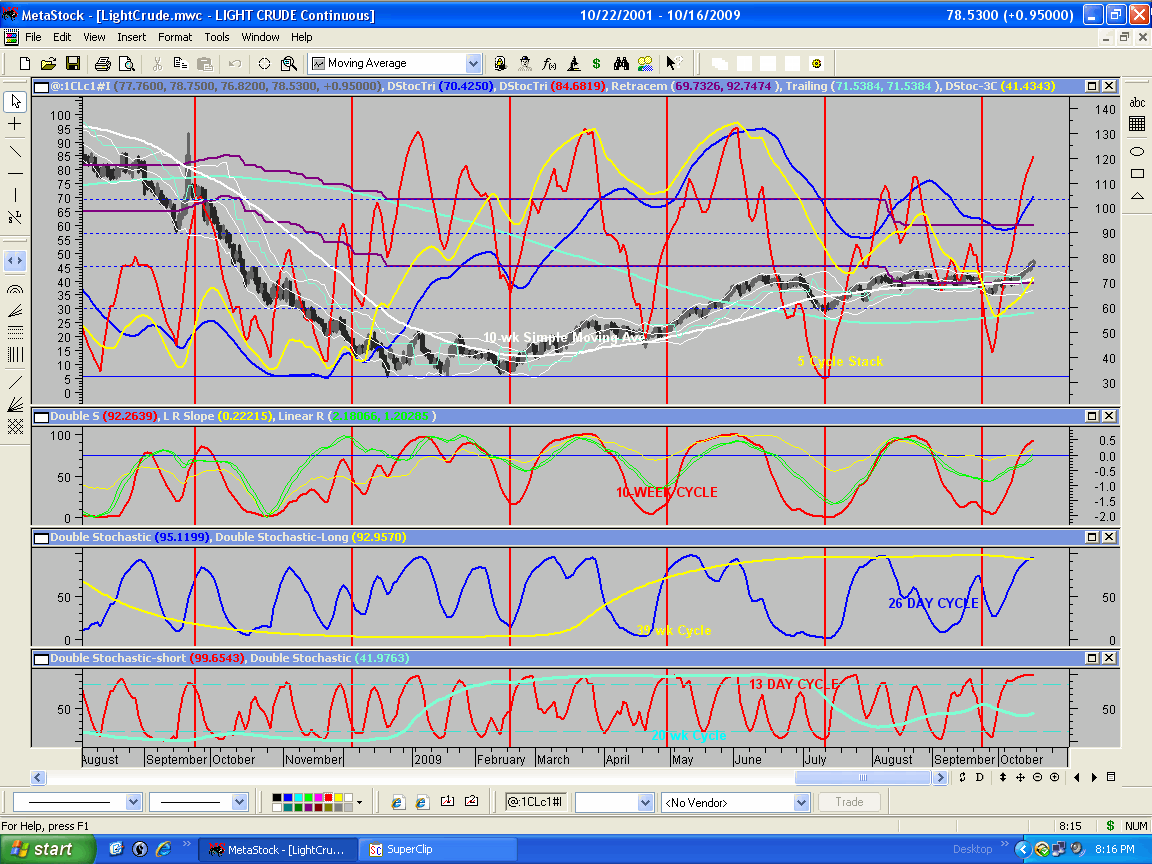
Crude oil (http://www.geocities.com/petegersb/CrudeOil.GIF ) walked down along its 10-week moving average as the short-term composite continued its downtrend. A rising 13-day cycle should mitigate any continuation of the decline this week, but the short-term correction appears far from finished, and the intermediate composite is in danger of rolling over to the downside. Continued fluctuations between the December-January lows and highs appear likely.
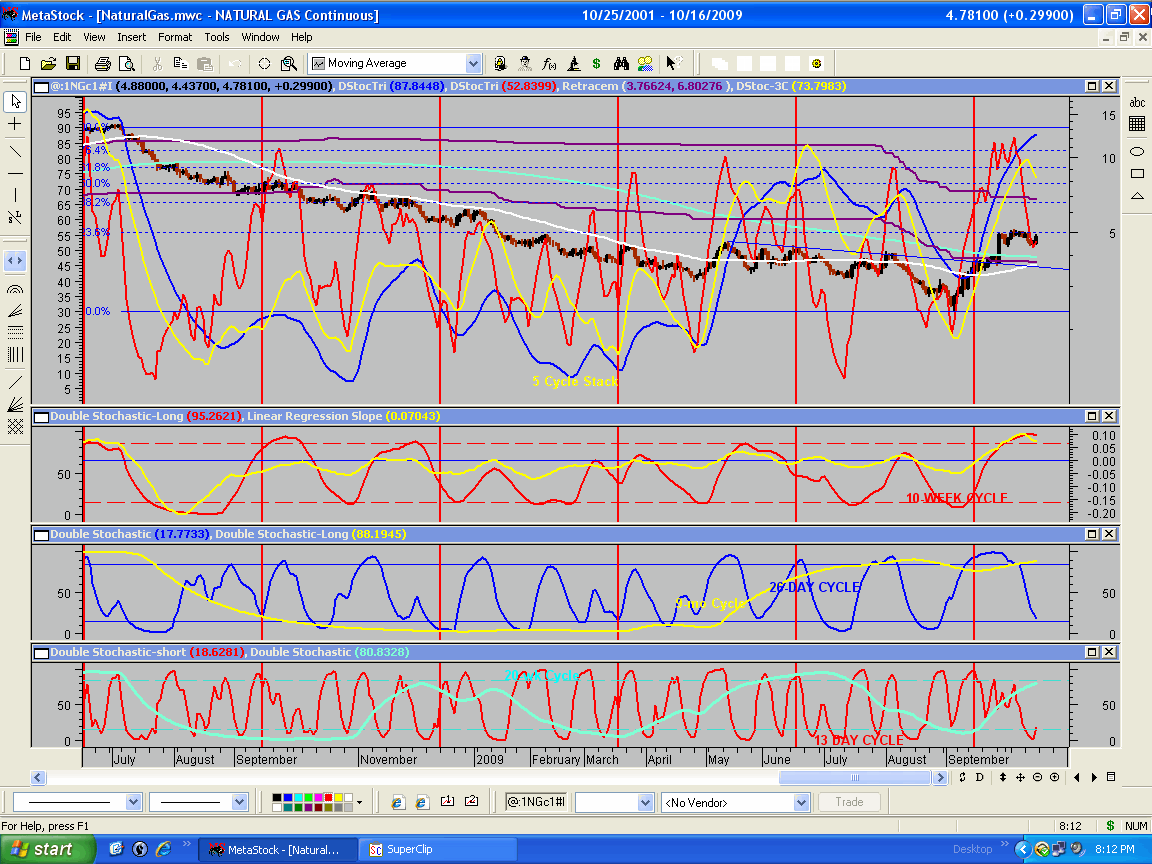
Natural gas (http://www.geocities.com/petegersb/NaturalGas.GIF ) had an 8% short-term rally last week that hardly shows up on a 1-year chart. It may be the start of an intermediate rally, but there’s no indication of that yet, and conflicting cycles make it difficult to predict this week’s direction. If the rally does continue it will probably encounter stiff resistance in the $5.50 area.
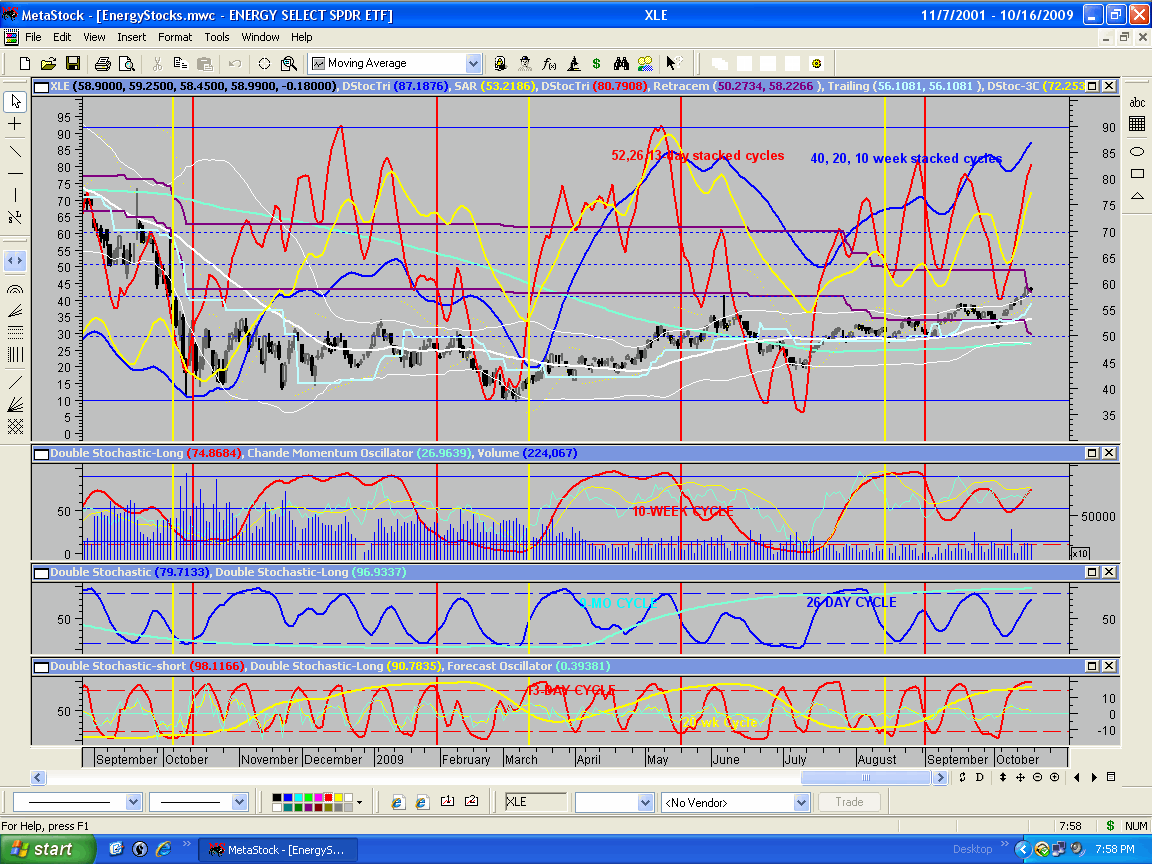
Energy stocks (http://www.geocities.com/petegersb/EnergySPDR.GIF) rallied with other stocks last week, but remained within a very narrow trading range that has persisted for 4 months. They appear likely to participate in the 10-week cycle rally by the broader market, but they face a 20-wk cycle peak soon.
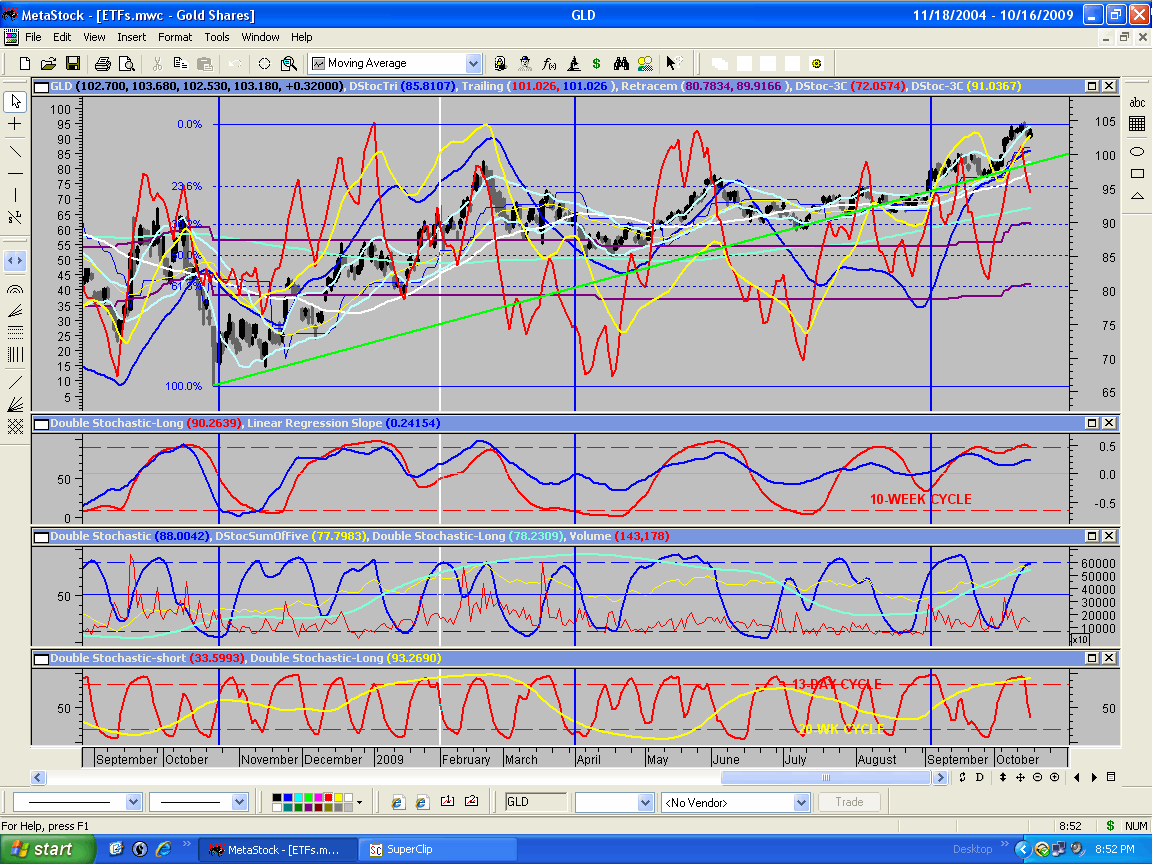
Gold (http://www.geocities.com/petegersb/GoldBullion.GIF) pulled back slightly after moving marginally above its
late September 20-wk cycle peak. The intermediate composite remains in an
uptrend, but overbought 20-wk and 9-mo cycles put that trend at risk. This
week, I expect another attempt to reach the July peak before an
intermediate-term downturn.
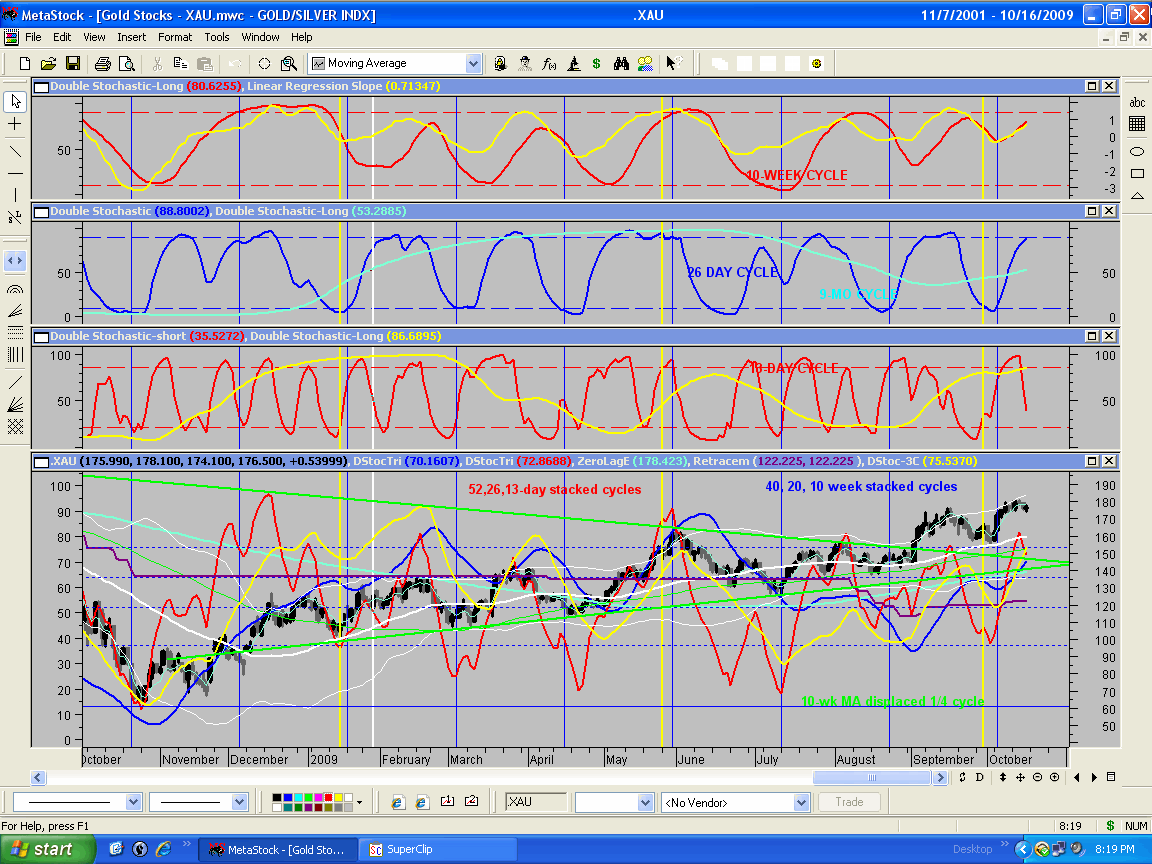
Gold Stocks (http://www.geocities.com/petegersb/GoldStocks.GIF
) rallied with other stocks despite gold’s decline. They are in position to
participate in a 10-wk cycle rally by the broad market, but also are threatened
by overbought longer cycles when the 10-wk cycle peaks. They are likely to
encounter stiff resistance at the 50% retracement of the July-Oct decline – a level
that coincides with the 9-mo moving average.
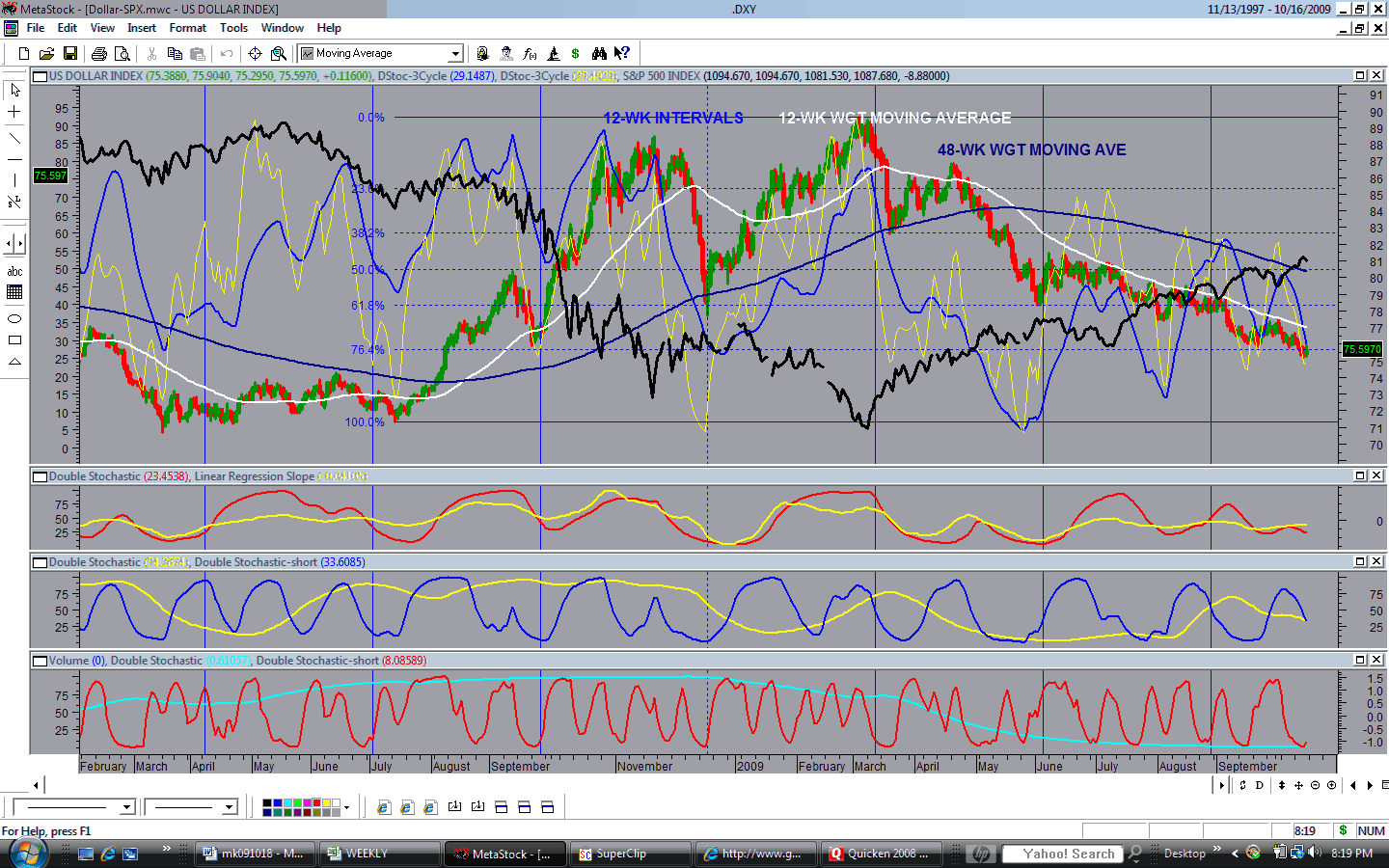
The dollar (http://www.geocities.com/petegersb/Dollar.GIF) again had substantial moves in both directions last week, but ended just a little lower as the short-term composite turned down and the 10-week cycle resumed its decline. The 10-wk cycle should be ready for a bottom in about 2 weeks. Longer cycles are favorable.