2/1/09
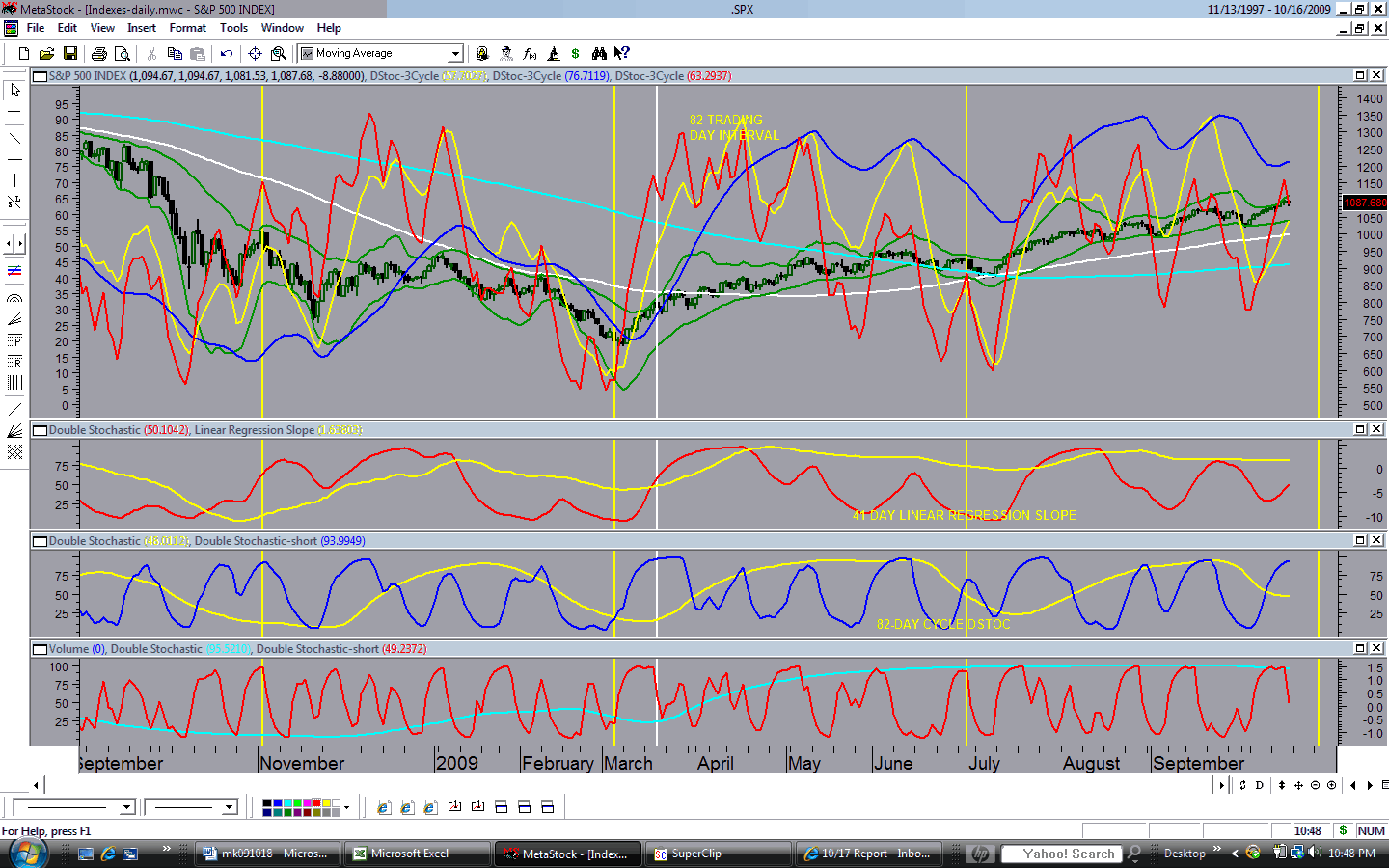
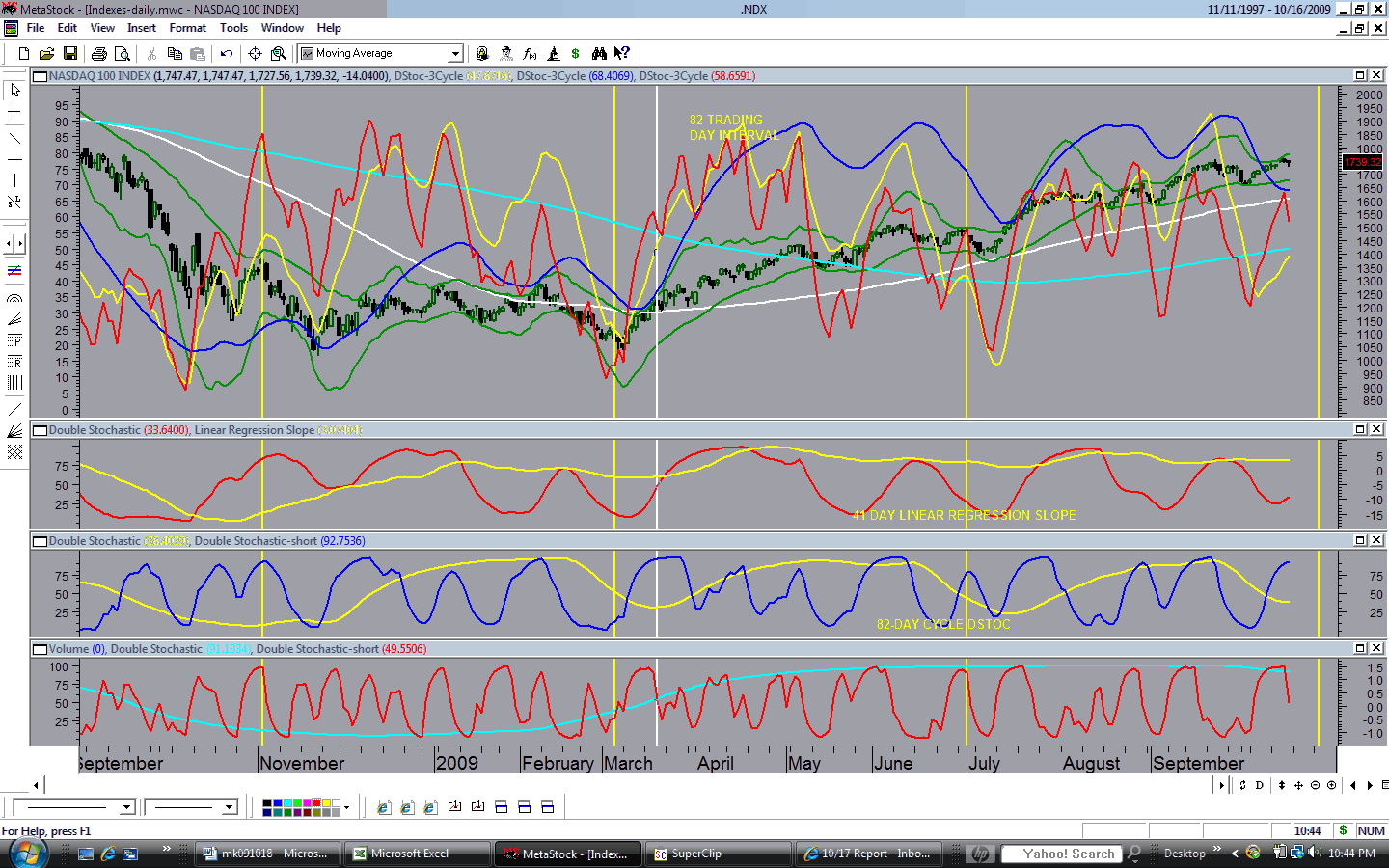
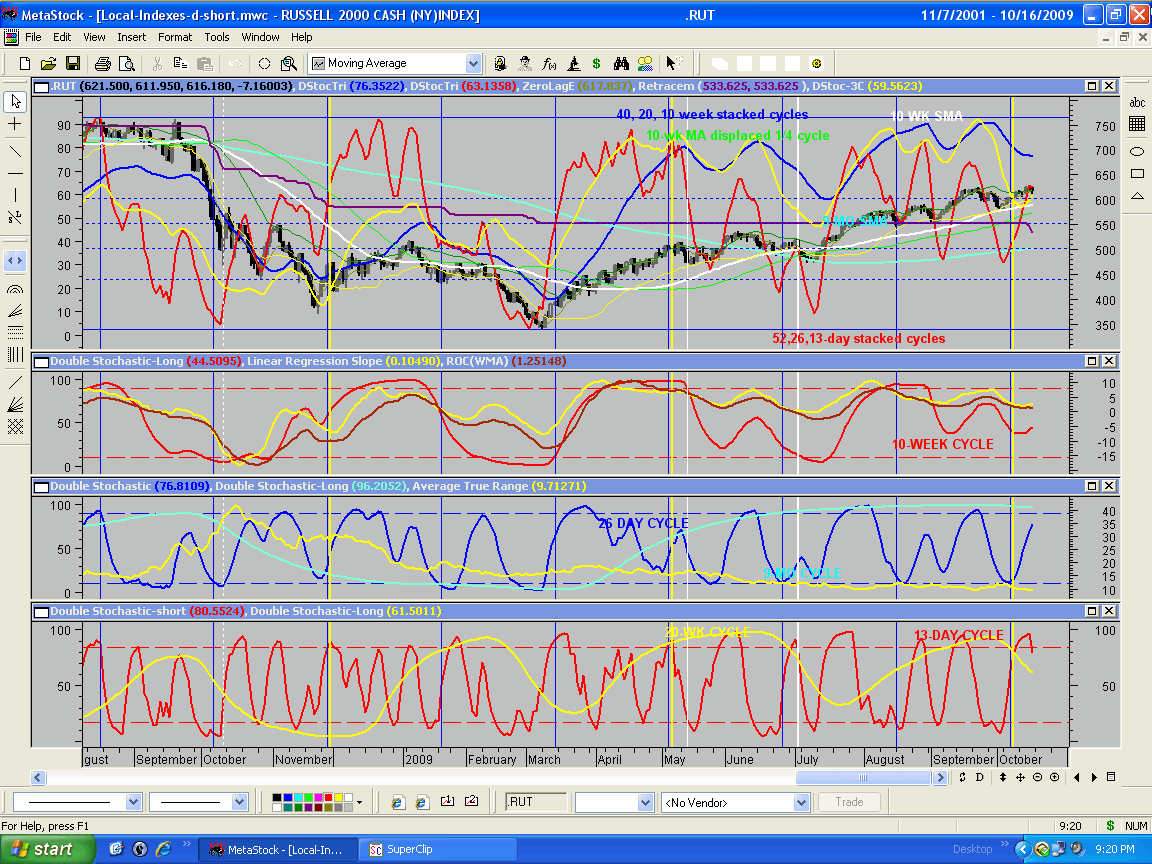
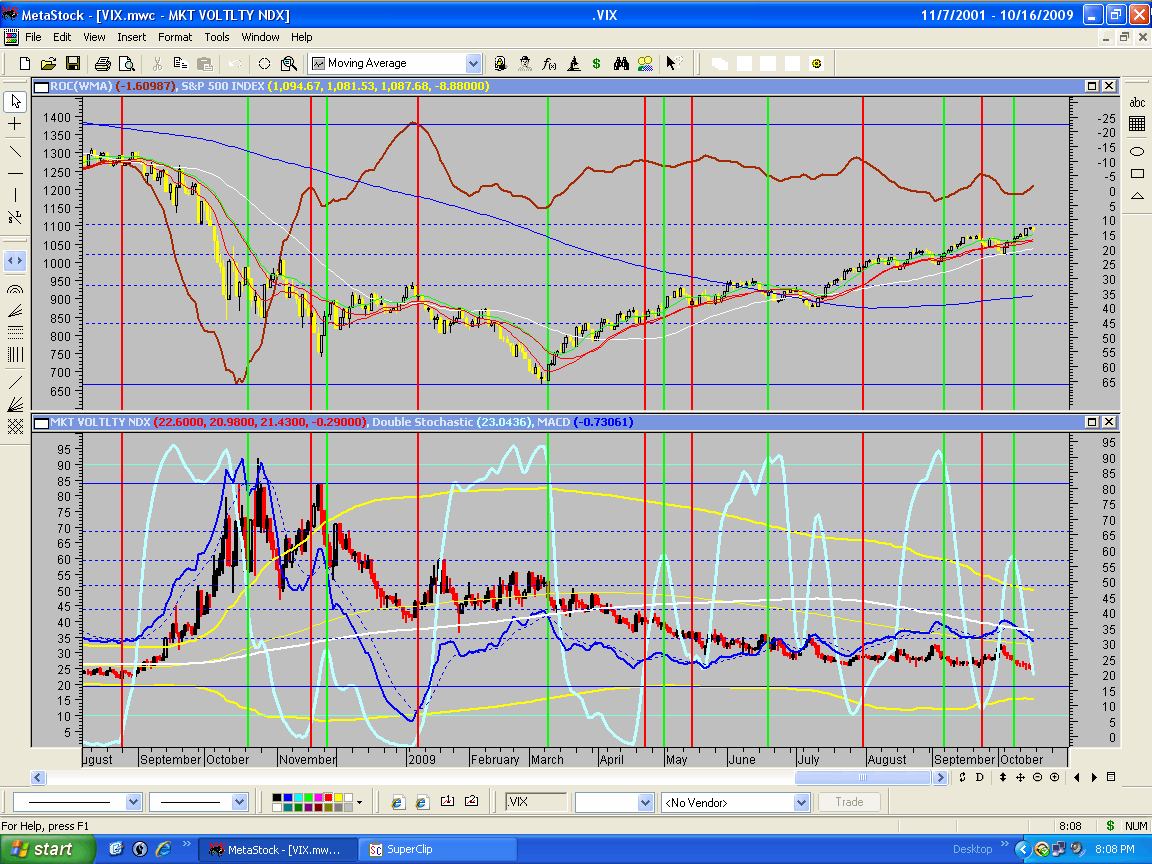
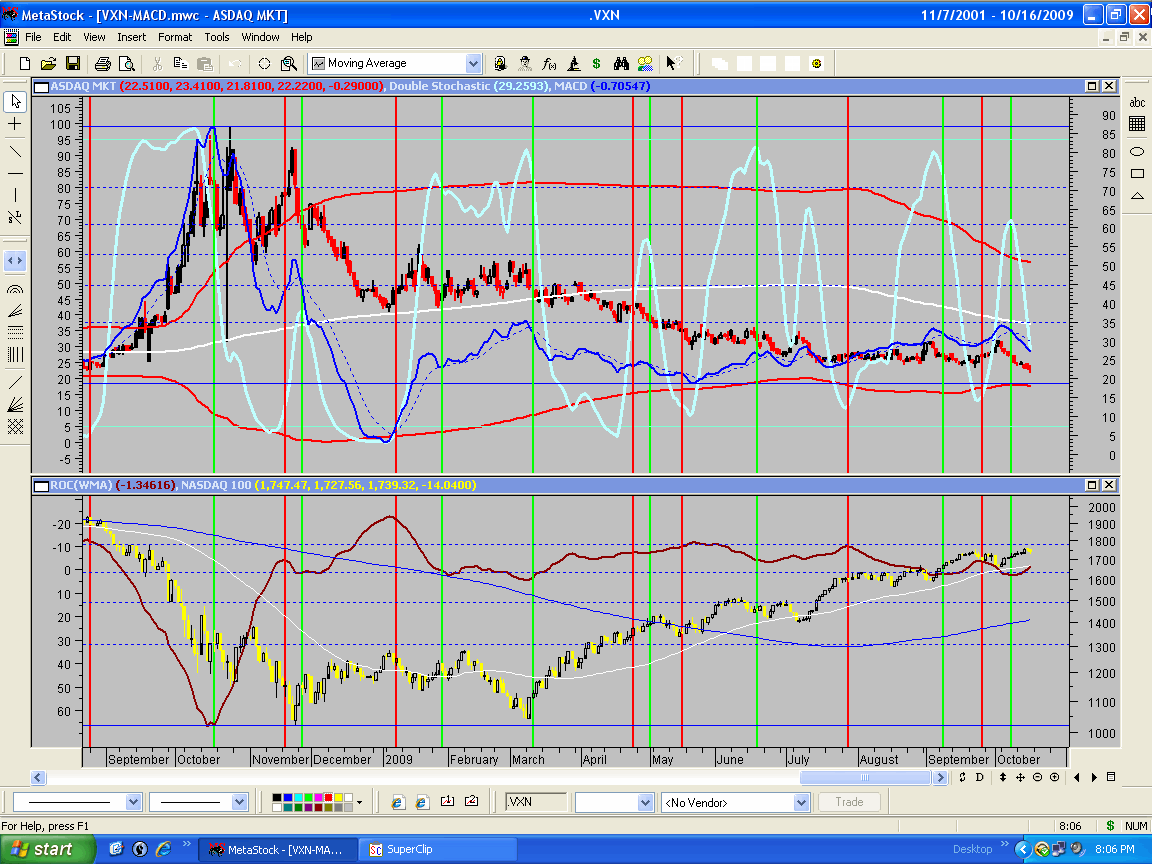
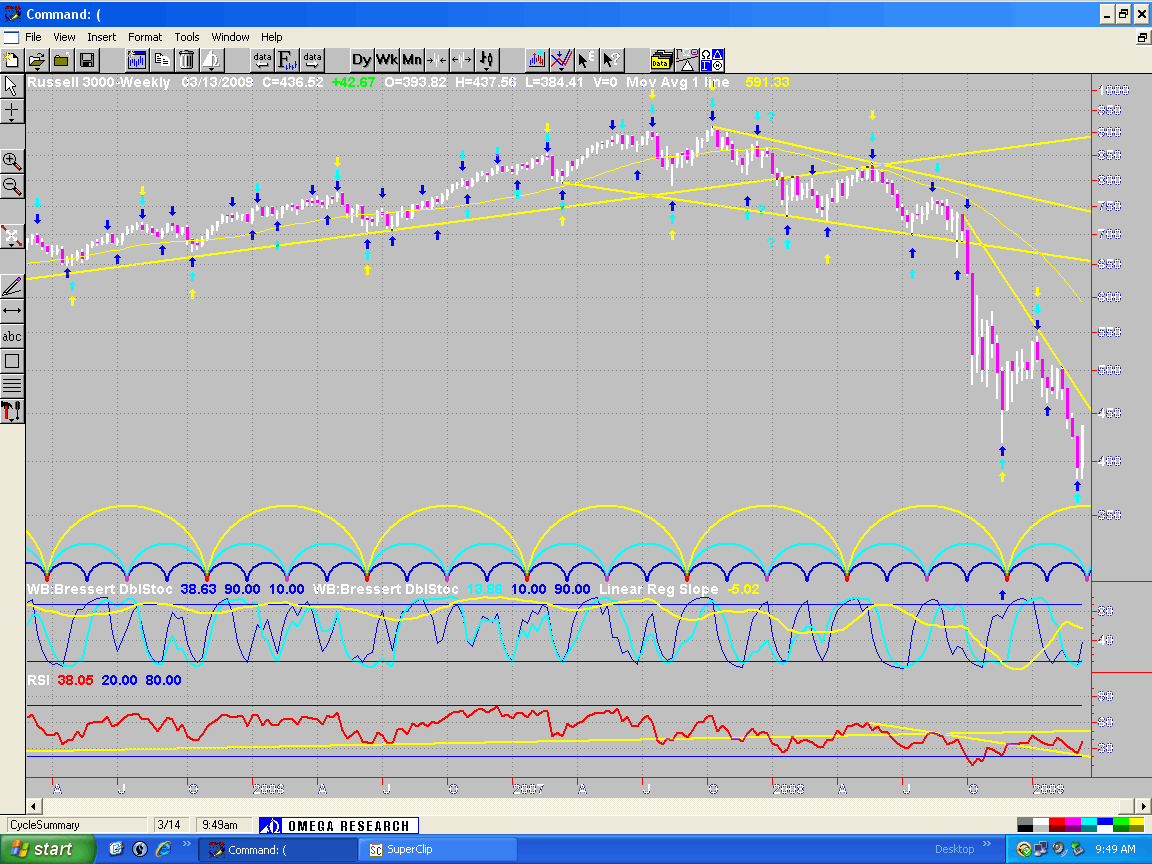
Stocks ended essentially flat for the week despite my expectation of a decline. However, as expected, the 13-day cycle rally peaked at mid-week (day 8), well below the last 13-day cycle peak on January 6 (SPX (http://www.geocities.com/petegersb/SP500.GIF), NDX (http://www.geocities.com/petegersb/NDX.GIF), Russell small cap index (http://www.geocities.com/petegersb/Russell2000.GIF )). Now, 10 days into the 13-day cycle, 22 days into the 26-day cycle, and 10 weeks into the 10-week cycle (which averages 52 trading days), the cycles are nearly aligned for a short-term bottom. Ideally they will first decline for another 3 or 4 days, but you have to allow for a 3 day tolerance on either side of February 4. The next upturn in the short-term composite should signal the onset of a 10-wk cycle rally. The VIX and VXN (http://www.geocities.com/petegersb/VIX.GIF, http://www.geocities.com/petegersb/VXN.GIF) are in position for such a rally.
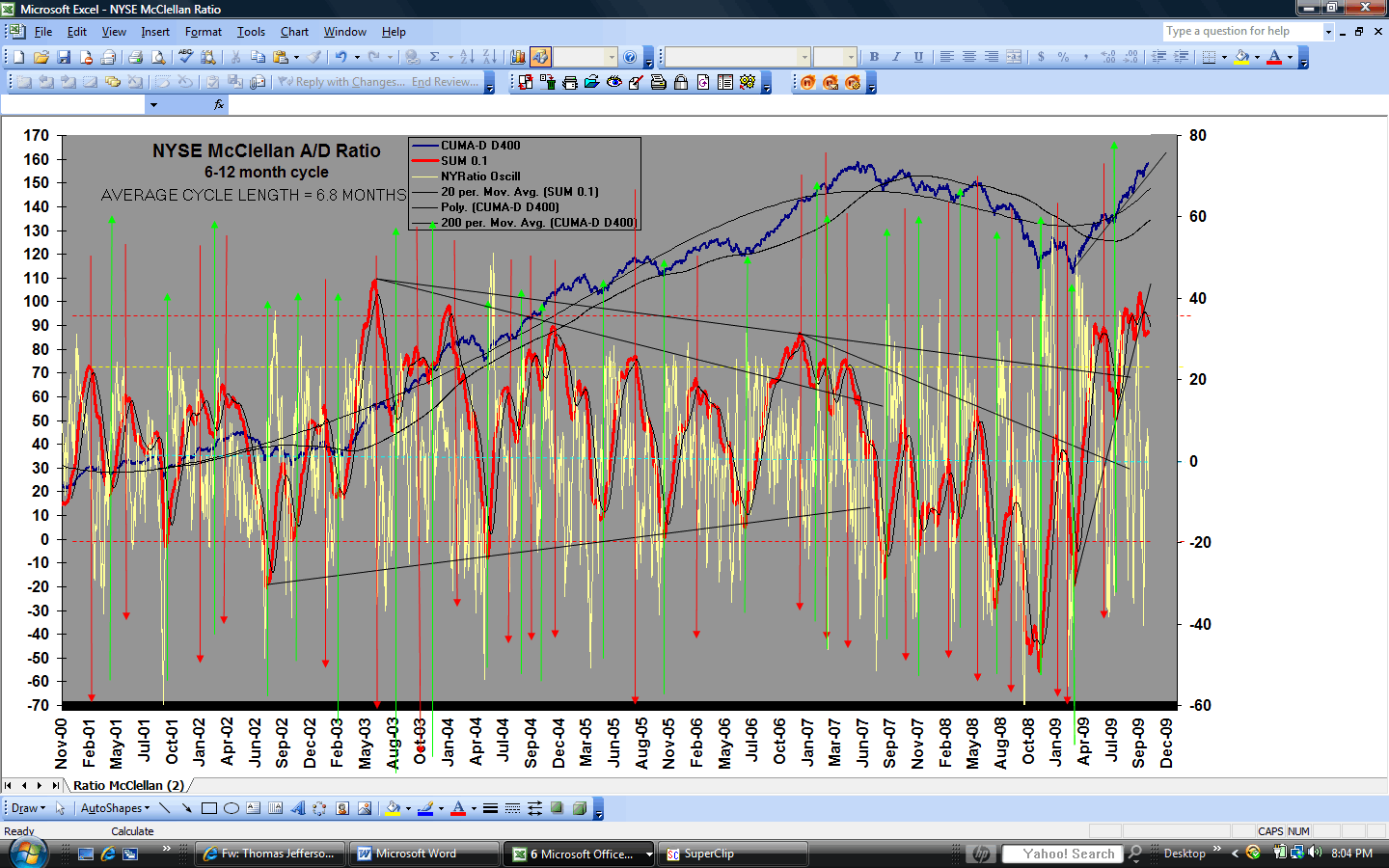
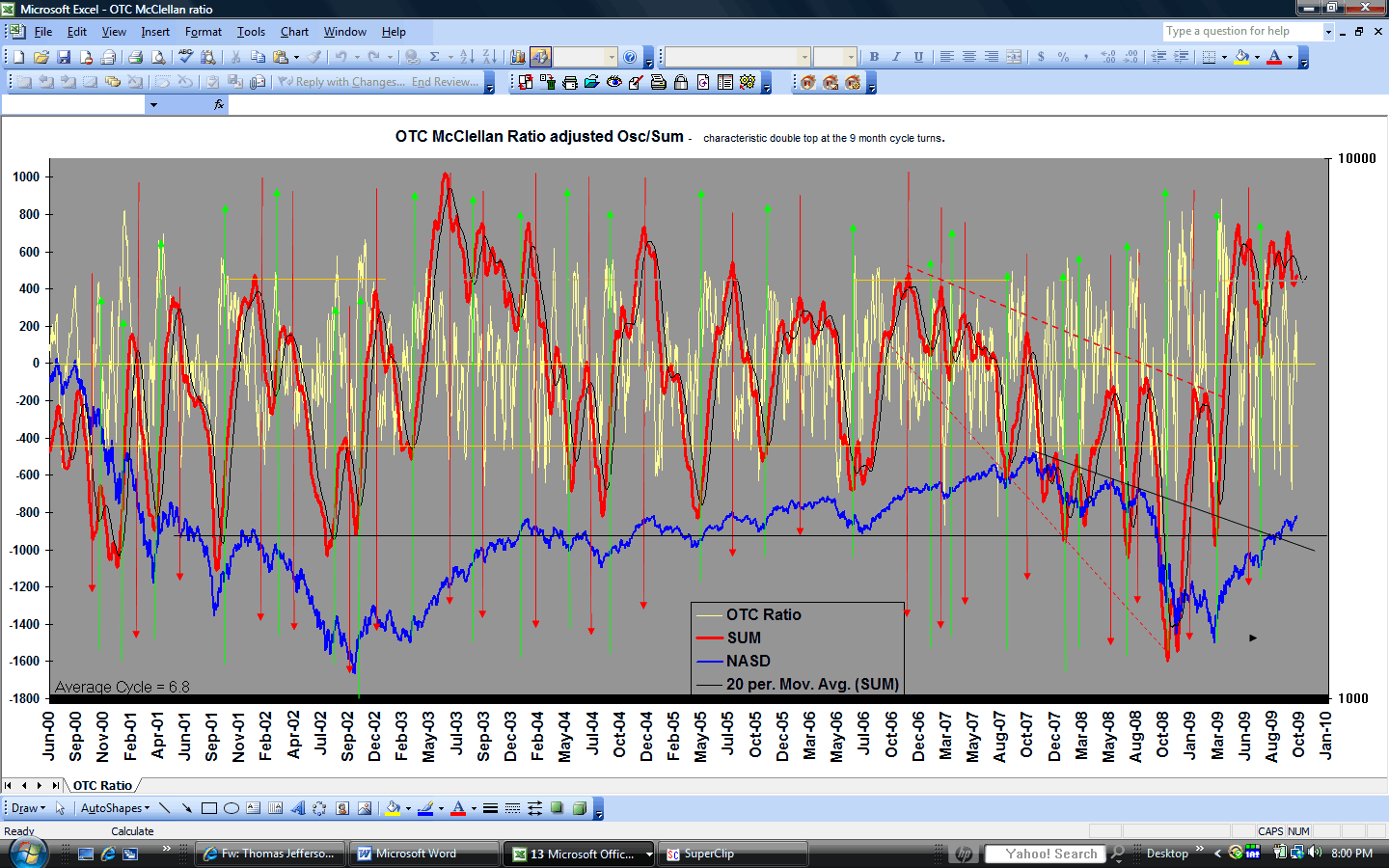
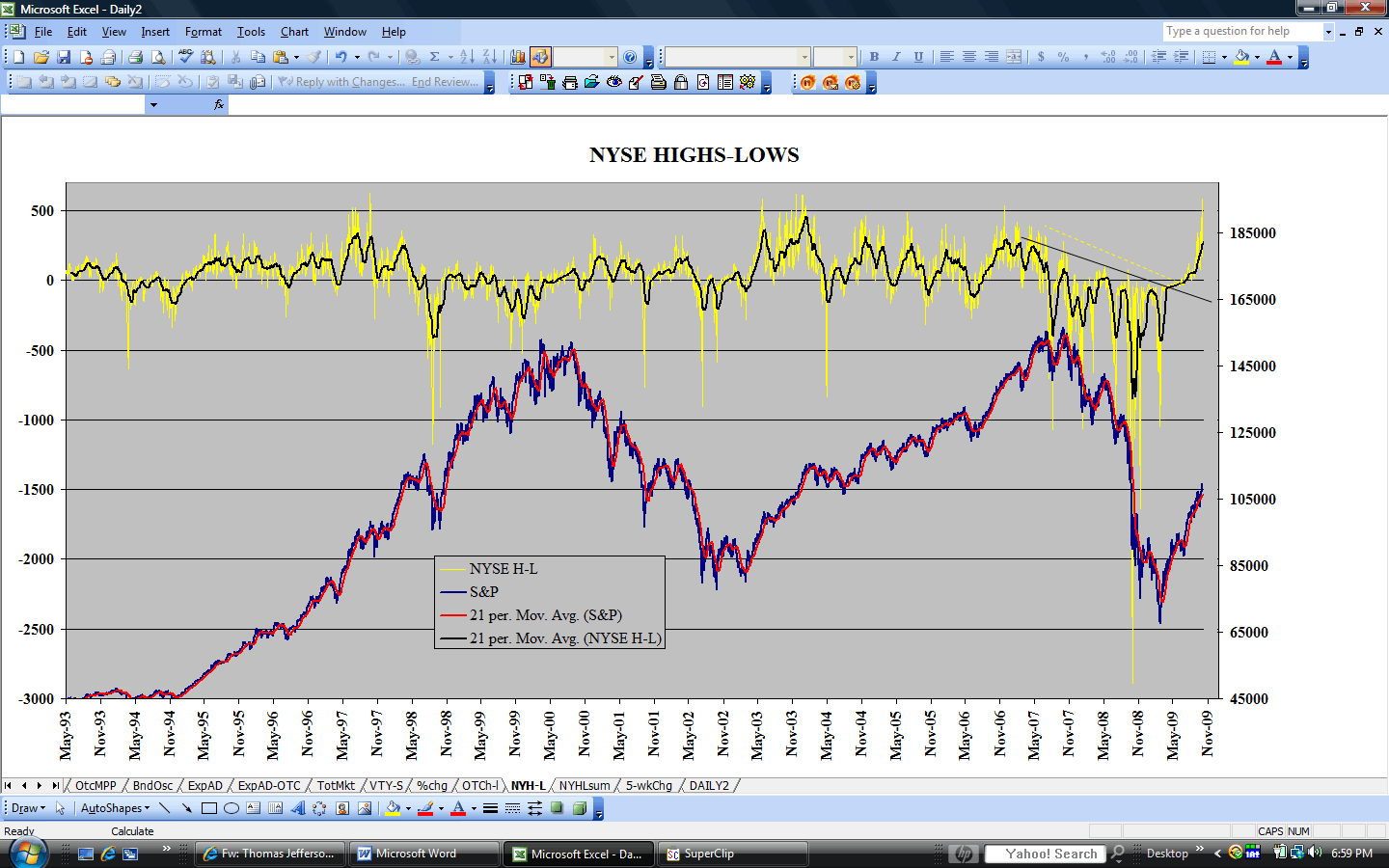
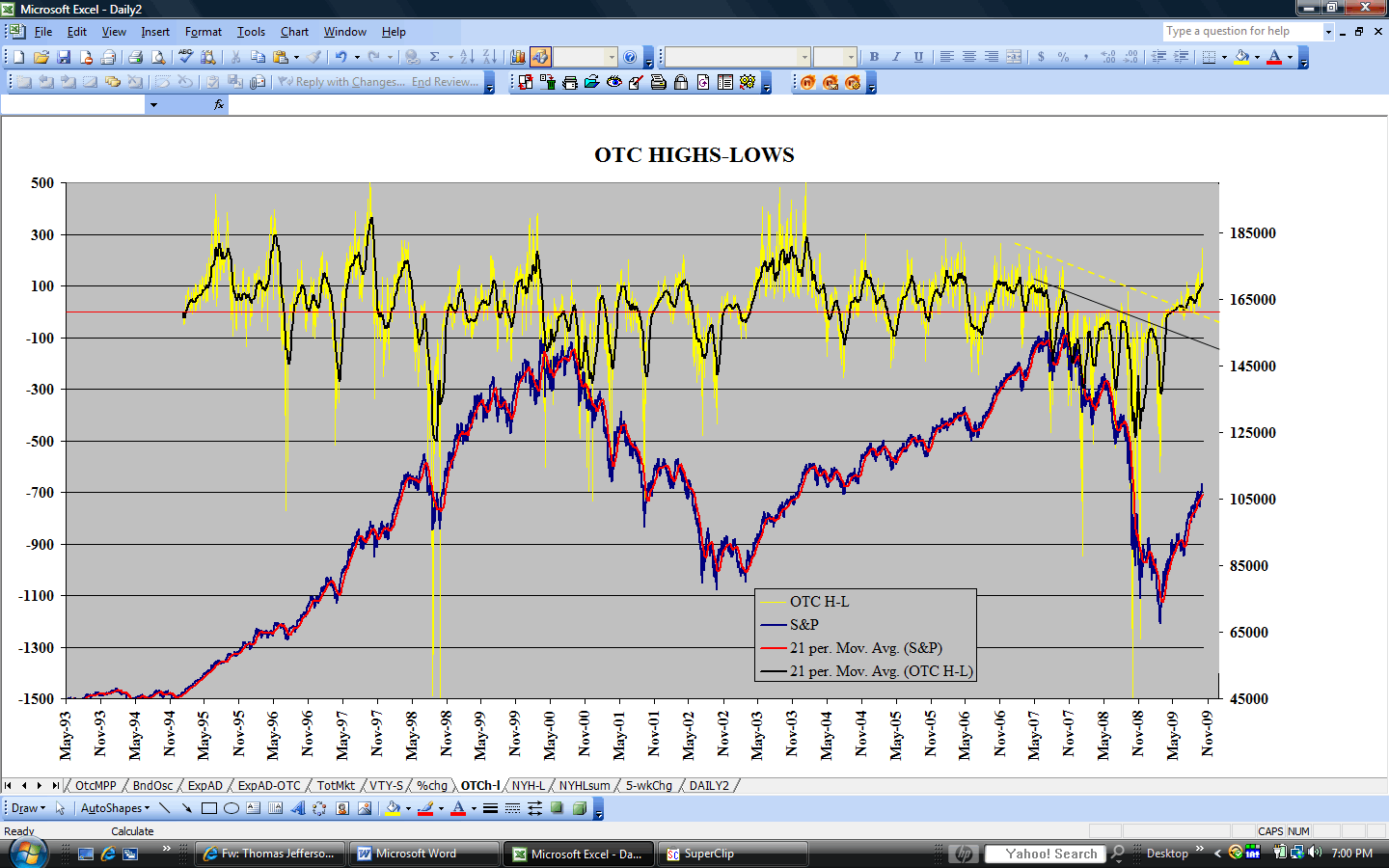
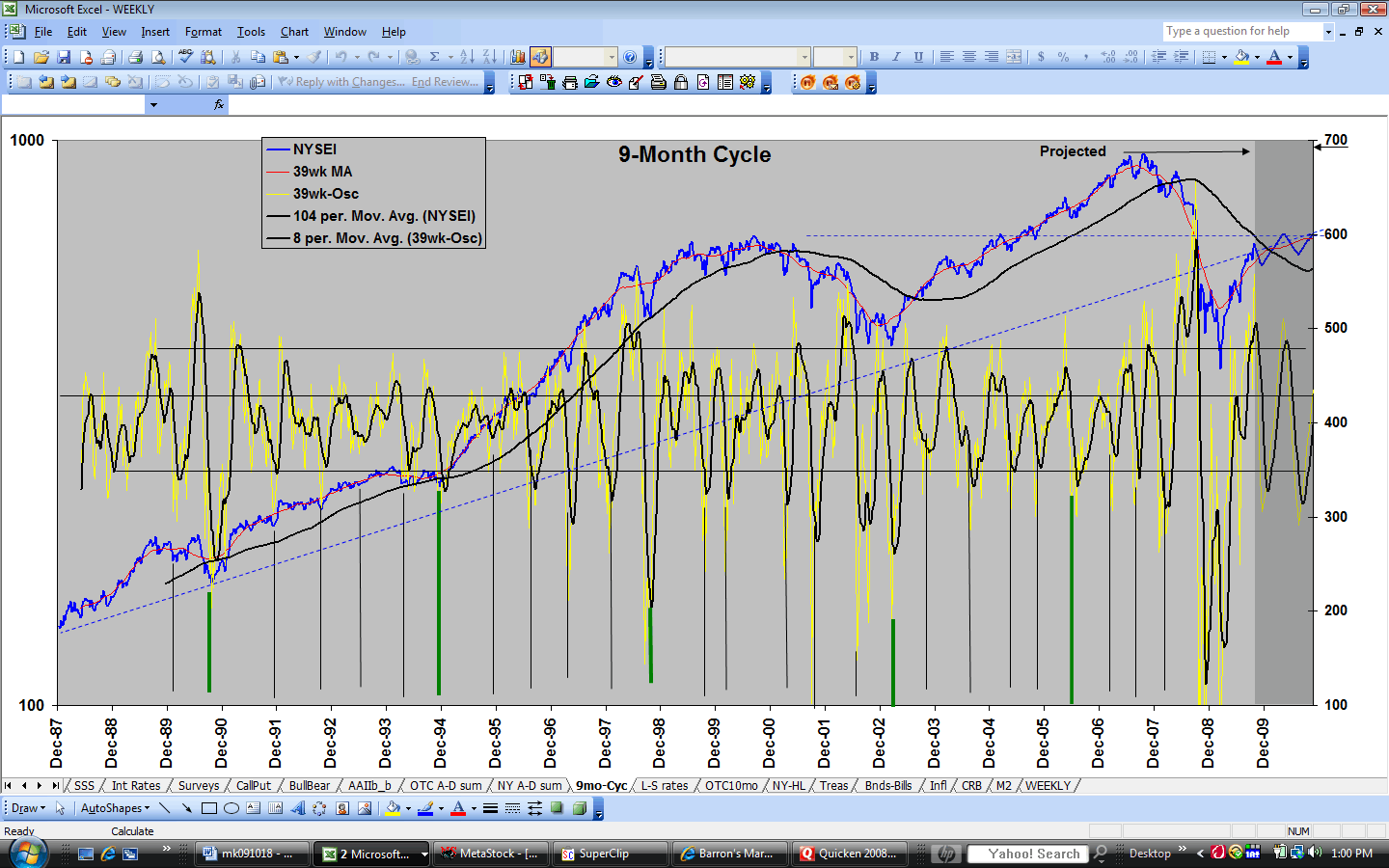
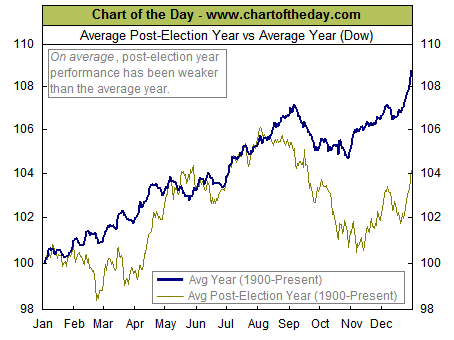
That’s the good news. The bad news is that any rally attempt from the worst January in history will be struggling against longer cycles that appear to be declining from left-translated peaks (McClellan Summation Indexes (http://www.geocities.com/petegersb/A-Dsummation-NYSE.GIF , http://www.geocities.com/petegersb/A-Dsummation-OTC.GIF ) , High-Low spreads (http://www.geocities.com/petegersb/HighLowNYSE.GIF , http://www.geocities.com/petegersb/HighLowOTC.GIF ). The coming 10-week cycle rally (http://www.geocities.com/petegersb/Overview-med.GIF ) would have to be strong enough to move prices above the early January peak to prove that hypothesis wrong. I see nothing in the technicals or the fundamentals that would suggest such a strong rally. Furthermore, the longer cycles remain on track for a bad first half culminating in a 9-month cycle low in the third quarter (http://www.geocities.com/petegersb/9moNYA.GIF ). February tends to be among the worst months of the year, especially in a post election year ((http://www.geocities.com/petegersb/PostElectionDow.gif ), so stocks are not likely to get much help from the calendar.
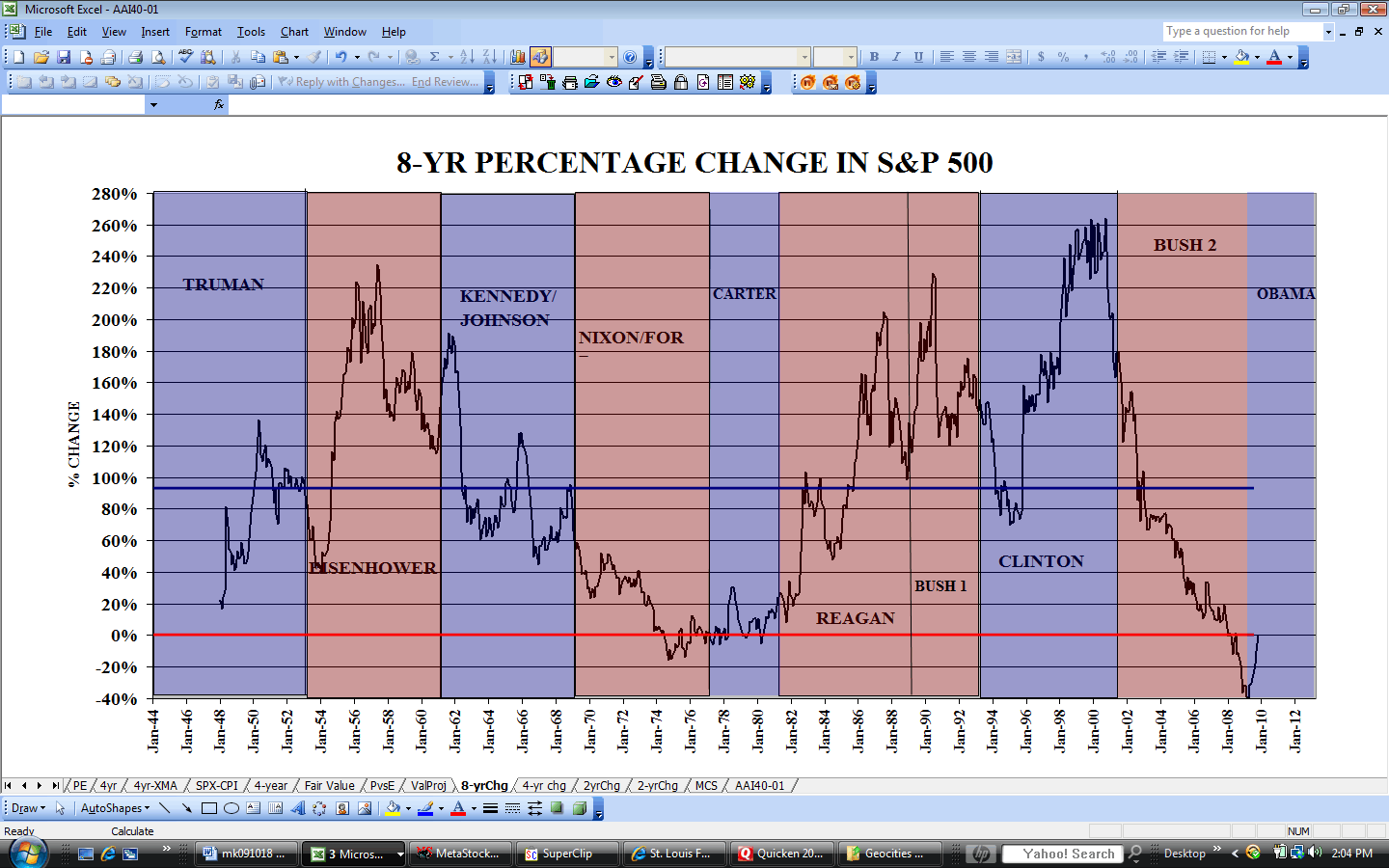
Perhaps passage of the economic recovery plan next week will launch the next rally. The free marketeers argue that the government should keep its hands off when things are going well, but they look for government handouts when they are not, and celebrate when they get them. Stocks responded favorably, at least temporarily, to the bailouts during the Bush administration, and they are likely to do so again during the Obama administration. The Republicans will not be able to obstruct passage because it doesn’t weight tax cuts as heavily as they would like. It’s almost comical to watch them continue to pontificate about how only tax cuts will revive the economy. They’ve been singing the same song for years, and they got their way during the Bush administration. But they never got the results they predicted. The recovery from the first Bush recession was sub-par by almost any measure. Job growth was weak, wage growth was non-existent, we had the worst 8-year stock market performance in modern history ( http://www.geocities.com/petegersb/8-yrChange.GIF ), and now we are facing the worst recession since the 30’s. You’ve got wonder why anyone would think this crowd of tax cutters under any conditions has any credibility.
Moody’s recently added to the tax cutters credibility problems. It concluded that a dollar of direct government purchase of goods and services produces about a 1.7 multiplier in economic activity while tax cuts for individuals produce a 1.03 multiplier and tax cuts for business produce a 0.3 multiplier. Now Moody’s may not have much credibility either, given its past A ratings of toxic debt, but at least it has no ulterior vote soliciting motive as congressmen do. The point is that even the experts can’t agree on the most effective course of action, and our politicians have their ideological blinders on or are simply pandering to their political base, so no one should be confident of the effectiveness of any one stimulus strategy. But, given our dire circumstances, we had better try several of those that appeal to common sense.
Corporate tax cuts may make them more competitive in the trade arena but probably do little to stimulate domestic consumption. Even in the trade arena, it probably would be more effective to relieve corporations of the employee health care burden by spending some tax dollars on a national health care system. When corporations can’t project a positive return on investment, they aren’t going to make that investment just because of a lower tax rate on corporate profits. When they can’t project a profit because consumers can’t afford to buy their products, the tax rate is immaterial. They aren’t going to invest and hire people in those current circumstances, regardless of the tax rate. Corporations will invest when they can anticipate a market for their products - customers that are solvent enough to have the ability as well as the desire to purchase them.
For most corporations that market consists of the vast middle class – not the wealthy who already have as many yachts and vacation homes as they can use. More tax cuts targeted at the wealthy won’t stimulate much consumption. Those individuals still wealthy enough to consume all they want are more likely to save and invest their tax cuts rather than buy more adult toys. To the extent that they are invested, it would be beneficial in the long run, but they are unlikely to make investments if they can’t rely on the mass consumption required to make the investments profitable. Conversely, the vast majority of low and moderate income consumers are strapped to buy the groceries and pay the mortgage. They are far more likely to spend any tax cuts and unemployment checks they get than are the wealthy, simply because they have far more unfulfilled needs and wants. Probably they will spend, but maybe they will remain too scared to do so. That’s why it’s important to have the government make direct purchases for things that keep people working and enhance our long run productivity. We should repair the infrastructure that is crumbling like our roads and bridges, modernize that which is inadequate such as the electrical grid and air traffic control system, invest in energy efficiency by providing incentives to insulate homes and replace inefficient appliances and automobiles, and shift tax incentives for oil drilling to tax incentives to invest in alternative energies to replace the fossil fuels that sap our capital and foul our planet.
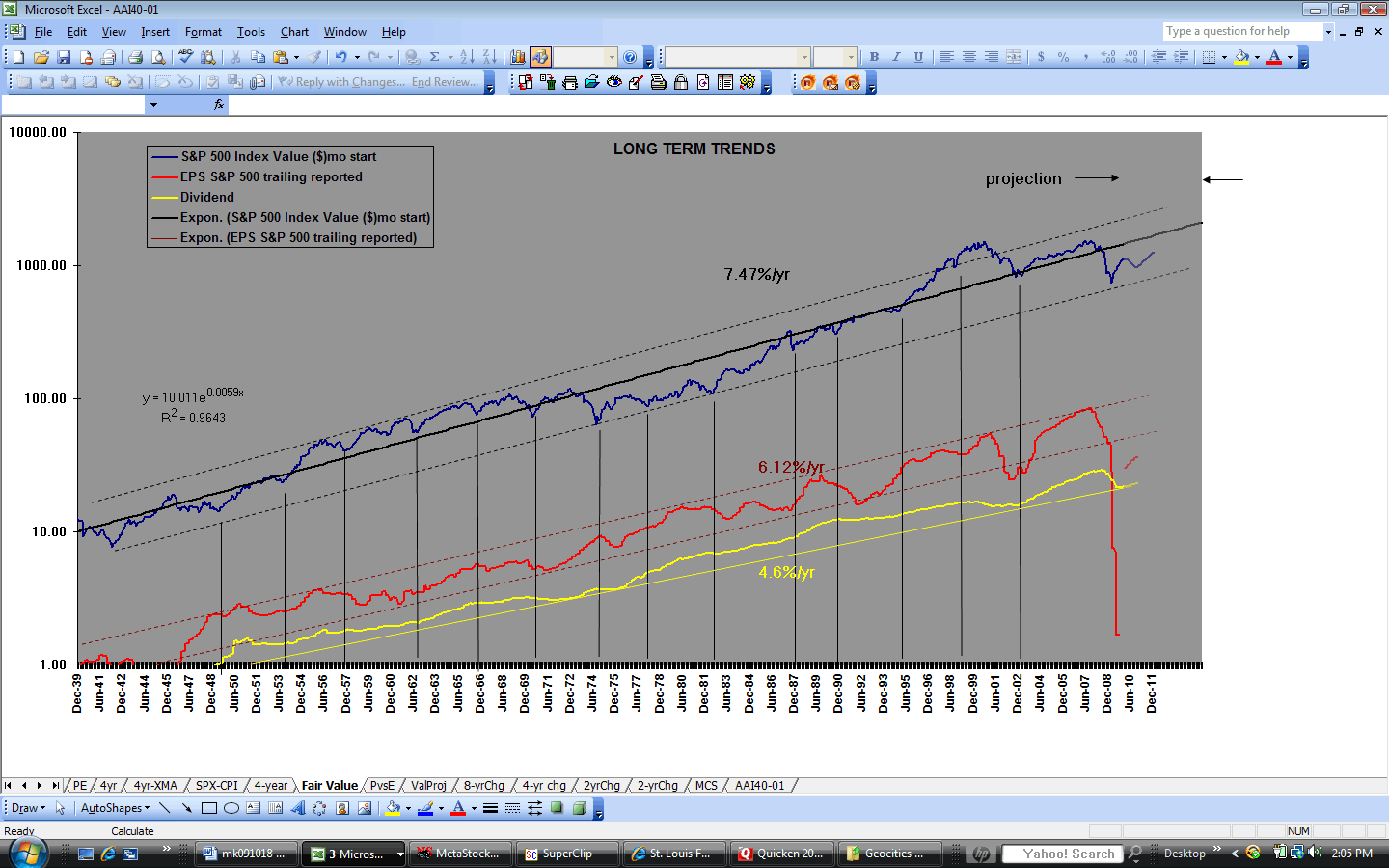
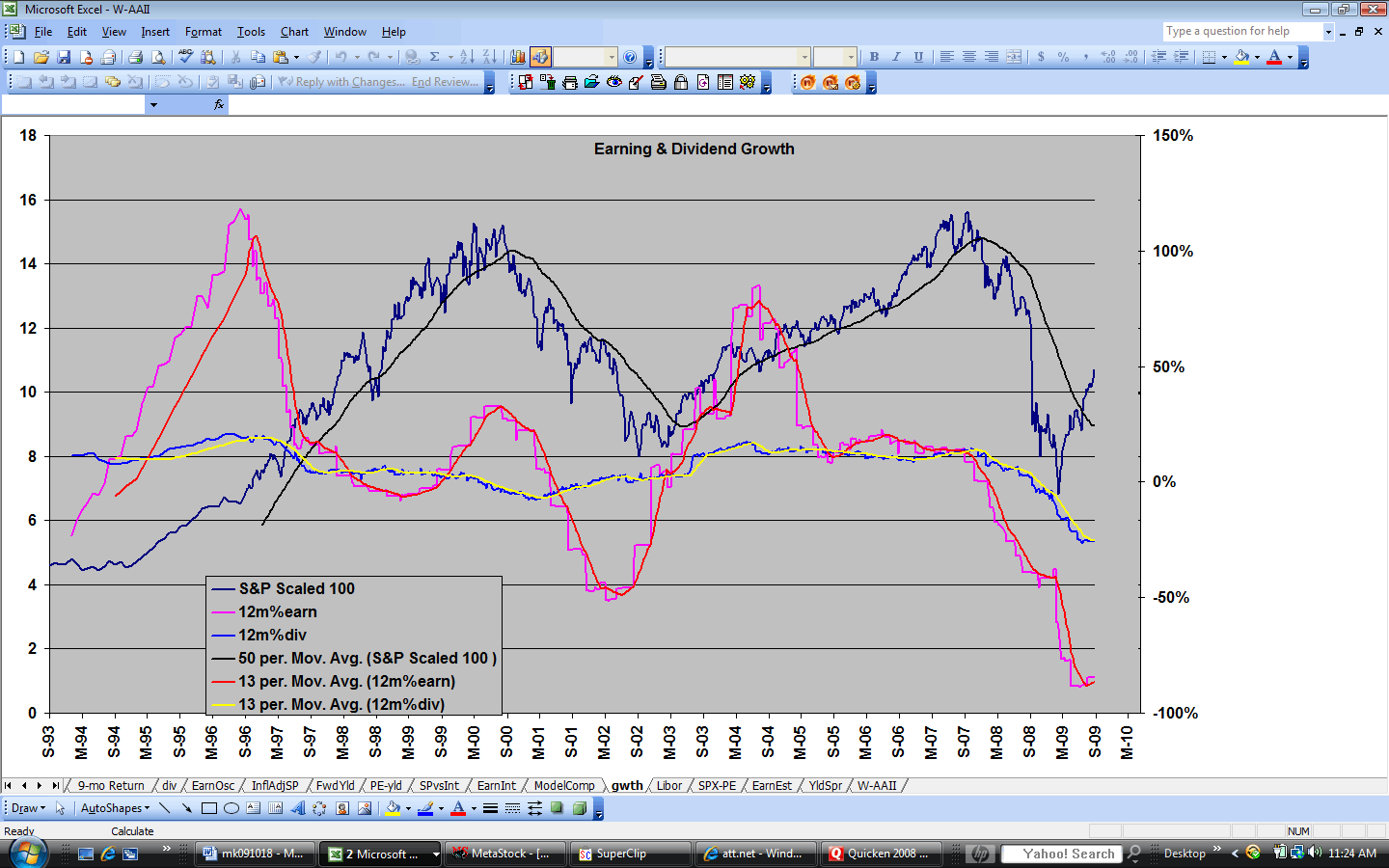
Dividends (http://www.geocities.com/petegersb/SP60yr.GIF ): The news reports the earnings declines, but you seldom hear about the dividends. Dividends paid by the S&P 500 stocks have declined by 6.6% during the last 3 months. Despite the nearly 15% price drop during that period, the dividend yield remains a paltry 3%. While that’s slightly better than the current yield on a 10-year treasury, it’s still historically on the low side. Better yields should be available for both stocks and bonds after another 6 months or so. Note that the year-over-year percentage change in both dividends and earnings hit bottom well before stocks bottomed in 2002 (http://www.geocities.com/petegersb/Earn_Div_ROC.GIF ). We’ll have to wait a least another quarter to see if either one has hit bottom, and that should be plenty of time to catch the bottom in stocks.
Treasury bonds (http://www.geocities.com/petegersb/Treasury-20yr.GIF ) fell steeply again last week as the short-term composite moved to its deepest oversold position in two years and prices broke below the 50% retracement level of the Nov-Dec rally. T-bonds should get a short-term bounce very soon, but the intermediate downtrend is still young and the fundamentals are awful. The stimulus package will simultaneously stimulate inflation fears and enormously increase the supply of these bonds. Meanwhile demand is declining as our trading partners, who have been funding most of our debt, have fewer dollars to recycle. It’s surprising that anyone would lock in a 3% yield under these circumstances.
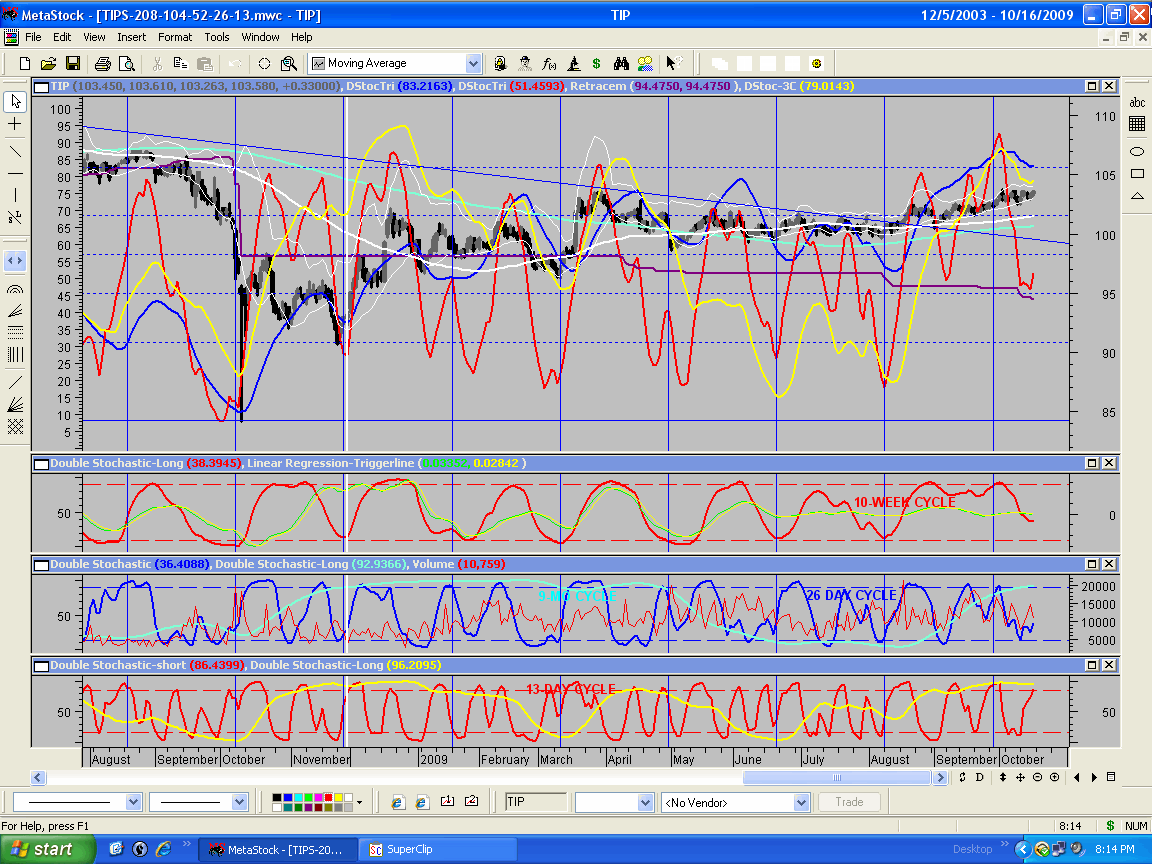
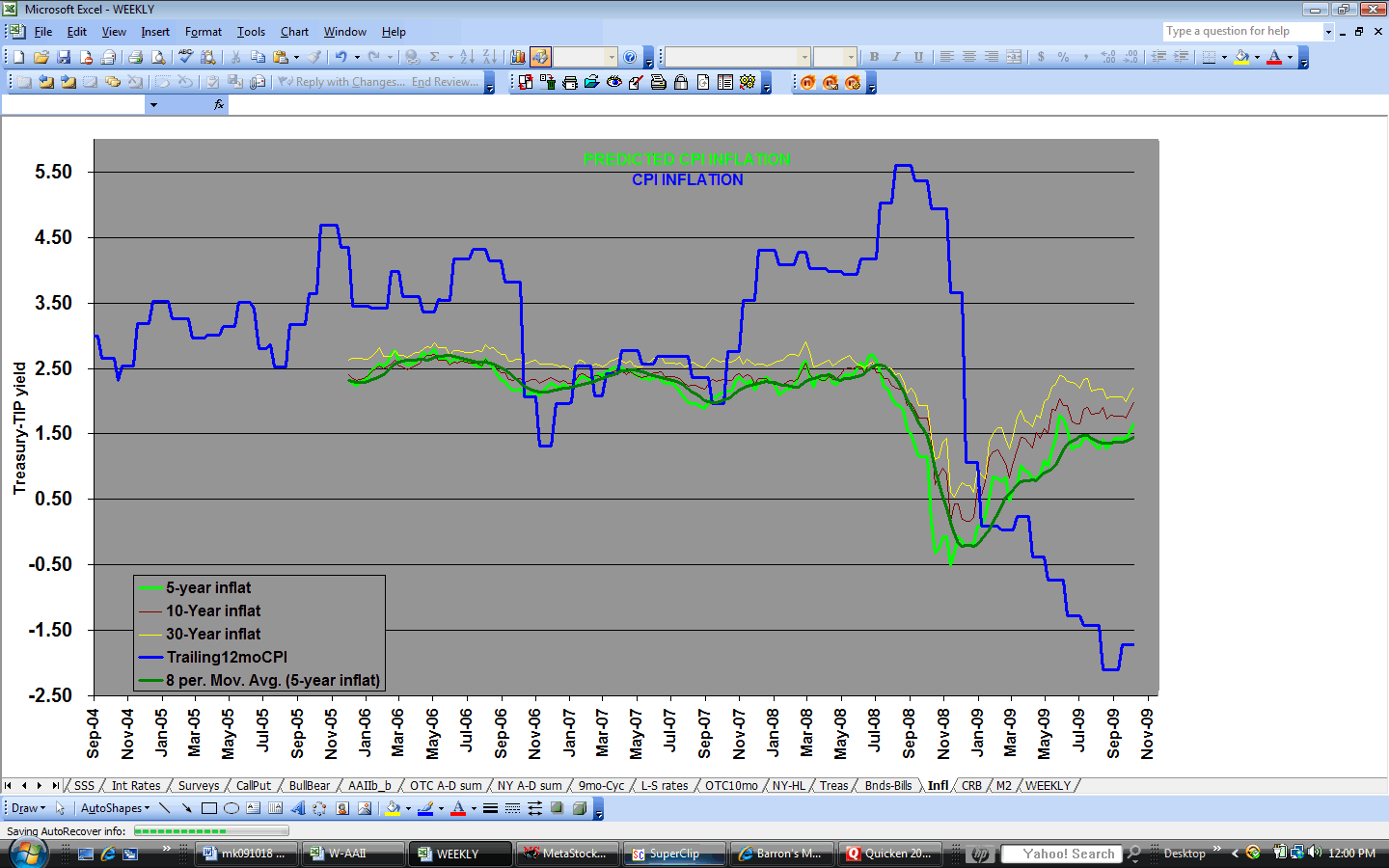
Inflation Protected Treasuries (http://www.geocities.com/petegersb/TIPs.GIF) gained a little ground last week under the influence of a favorable 13-day cycle and rising inflation expectations. Ten weeks ago when stocks last bottomed, TIPs were predicting an average of a half a percent per year CPI deflation over the next 5 years (http://www.geocities.com/petegersb/CPI.GIF ). Now they have reversed polarity and are predicting a CPI inflation rate of a half percent over that period. That’s still a very low level, but the rate at which the bond market is changing its expectations is just as unusual as the rate at which it started to move toward a deflationary scenario about 6 months ago. Bond Investors seem to believe that the stimulus package will succeed. If it succeeds while maintaining such a low rate of inflation, it will have been successful beyond my wildest dreams. TIPs probably established a 10-wk cycle low a week ago, but any rally will be hindered by declining longer cycles and it will encounter resistance at the declining 9-mo moving average at the level of the December peak.
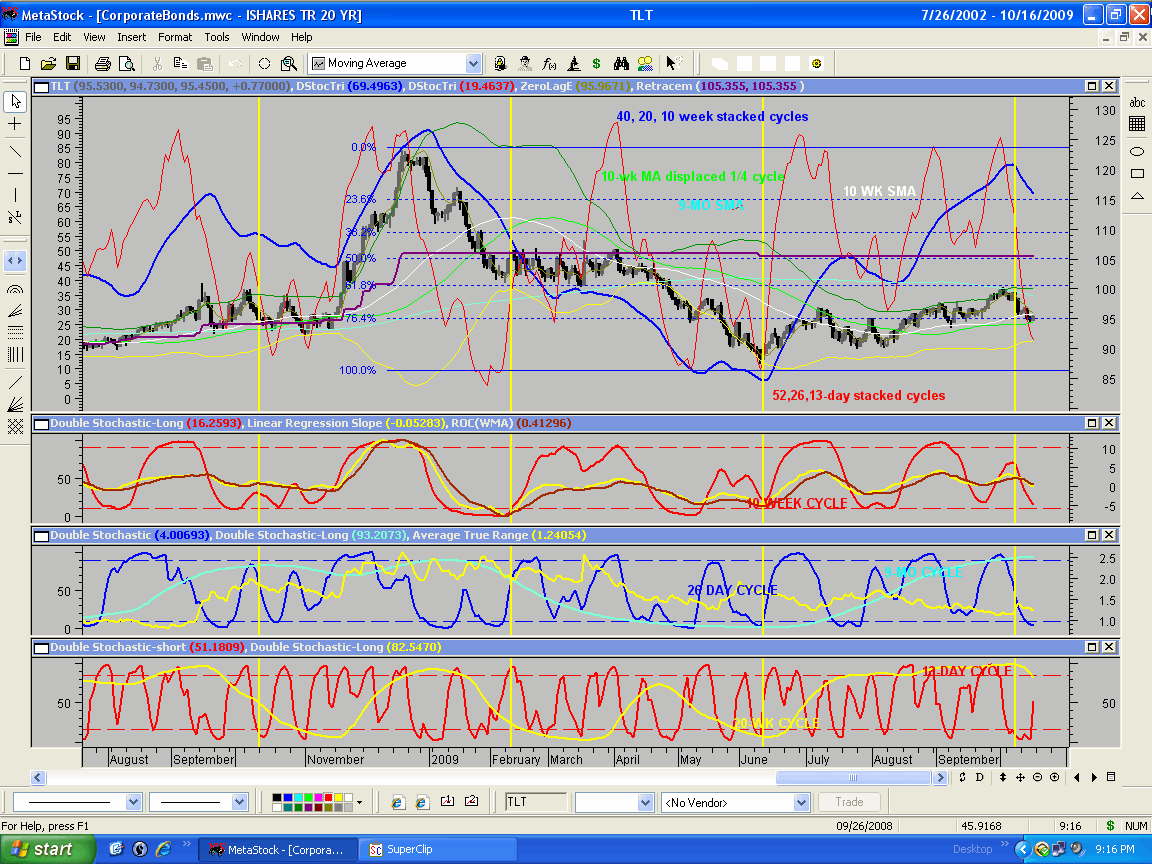
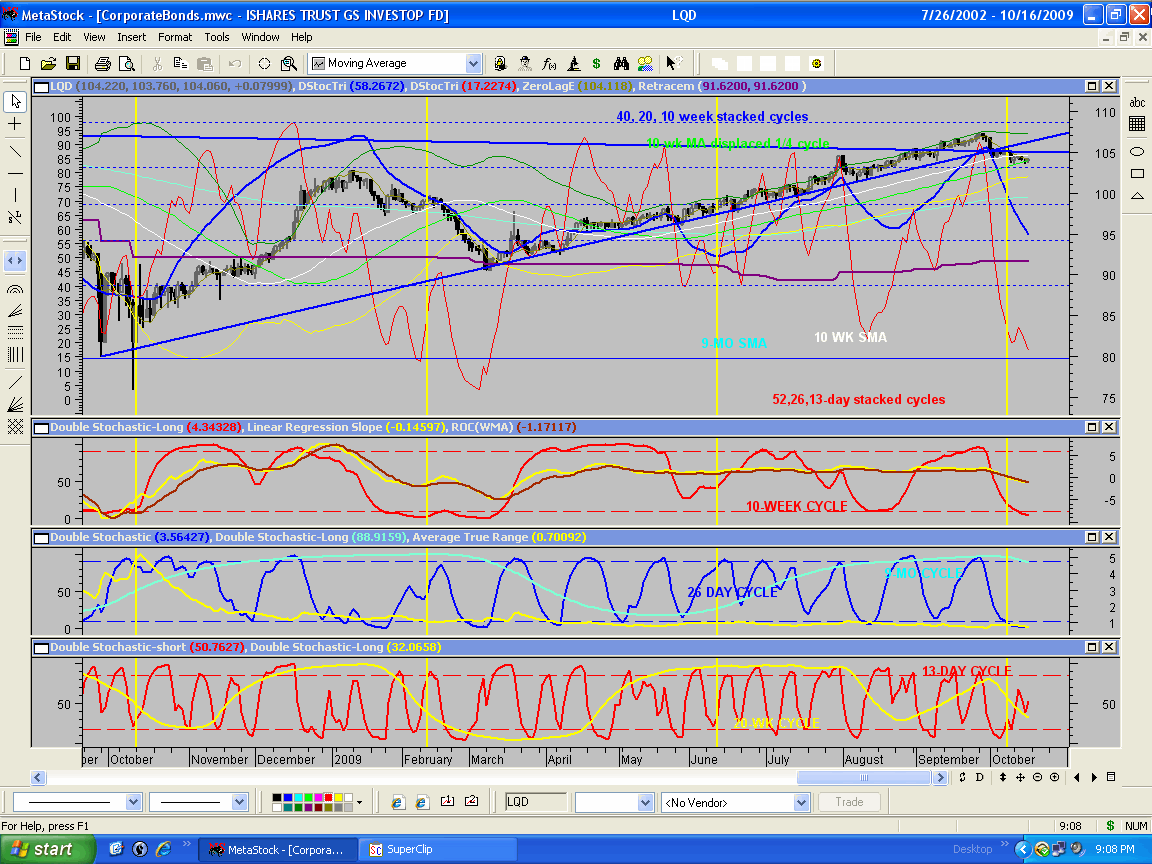
Corporate bonds (http://www.geocities.com/petegersb/CorporateBonds.GIF) followed the script last week. They bounced off of the 9-mo moving average as the short cycles rallied. That rally will encounter a 13-day cycle peak this week, but the 26-day and 10-wk cycles remain favorable. After they peak, we’ll probably see a move that breaks below both the 9-month and 10-wk moving averages. The longer cycles remain unfavorable. Corporate bonds aren’t as unattractive as Treasuries, but they are unattractive.
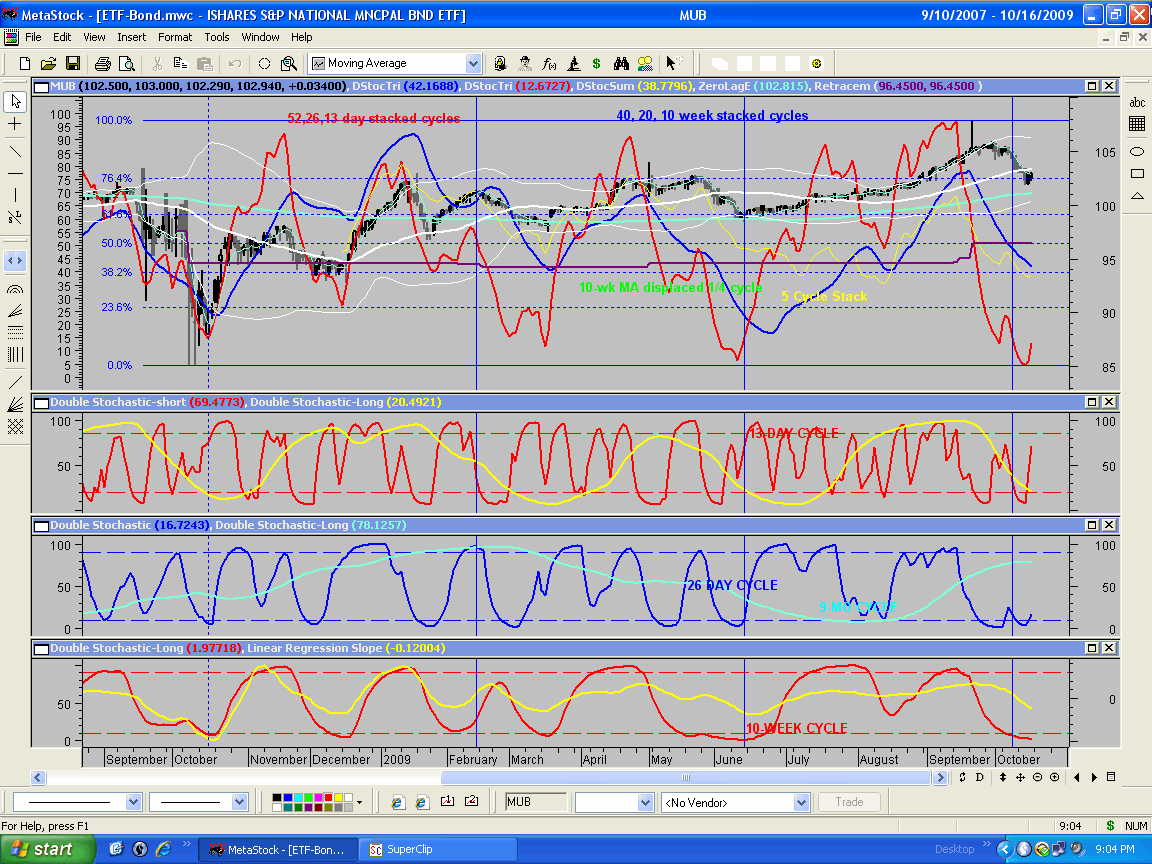
Municipal bonds (http://www.geocities.com/petegersb/MunicipalBonds.GIF ) also rallied off of a short-term bottom in a continuing intermediate downtrend. Municipal bonds offer by far the best after-tax yields and they should be helped by coming federal handouts. They are probably the most attractive bond sector, but the cycles suggest this is not the time to buy them.
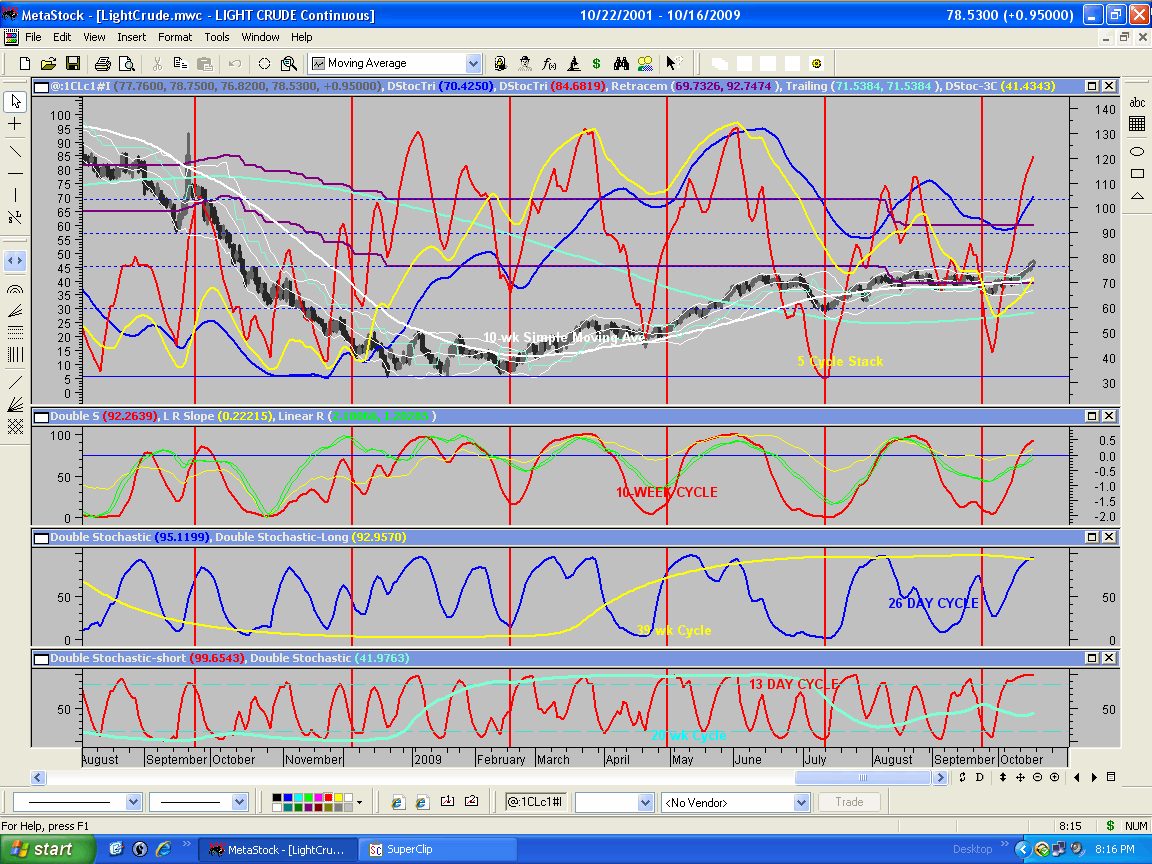
Crude oil (http://www.geocities.com/petegersb/CrudeOil.GIF ) moved back below its 10-week moving average after the short-term composite peaked on Monday. The price at the short-term peak couldn’t quite match the early January peak, so it appears more basing will be required before oil can mount a sustained rally. The recent double bottom may turn into a triple bottom.
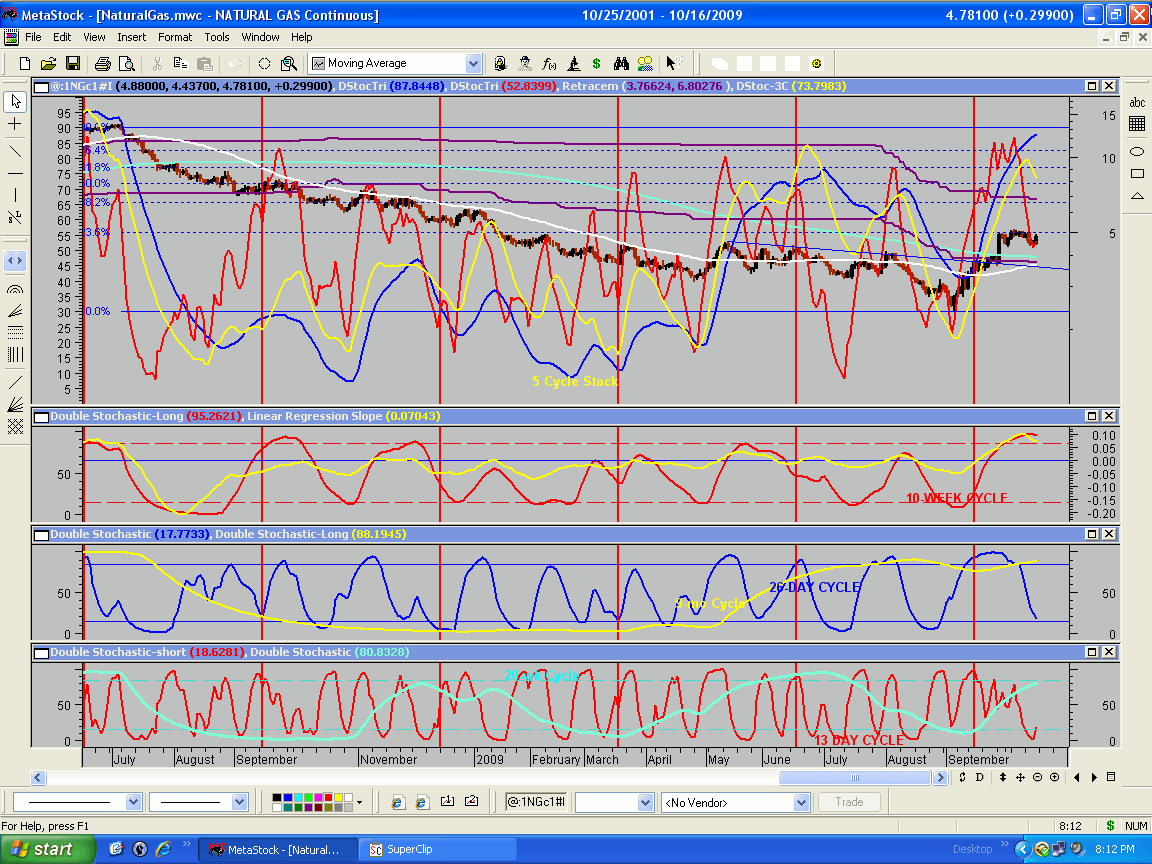
Natural gas (http://www.geocities.com/petegersb/NaturalGas.GIF ) held the 2006 low last week as the 13-day cycle countered downtrends in the longer cycles. When that same 13-day cycle bottoms, perhaps this week, natural gas may finally have found its bottom.
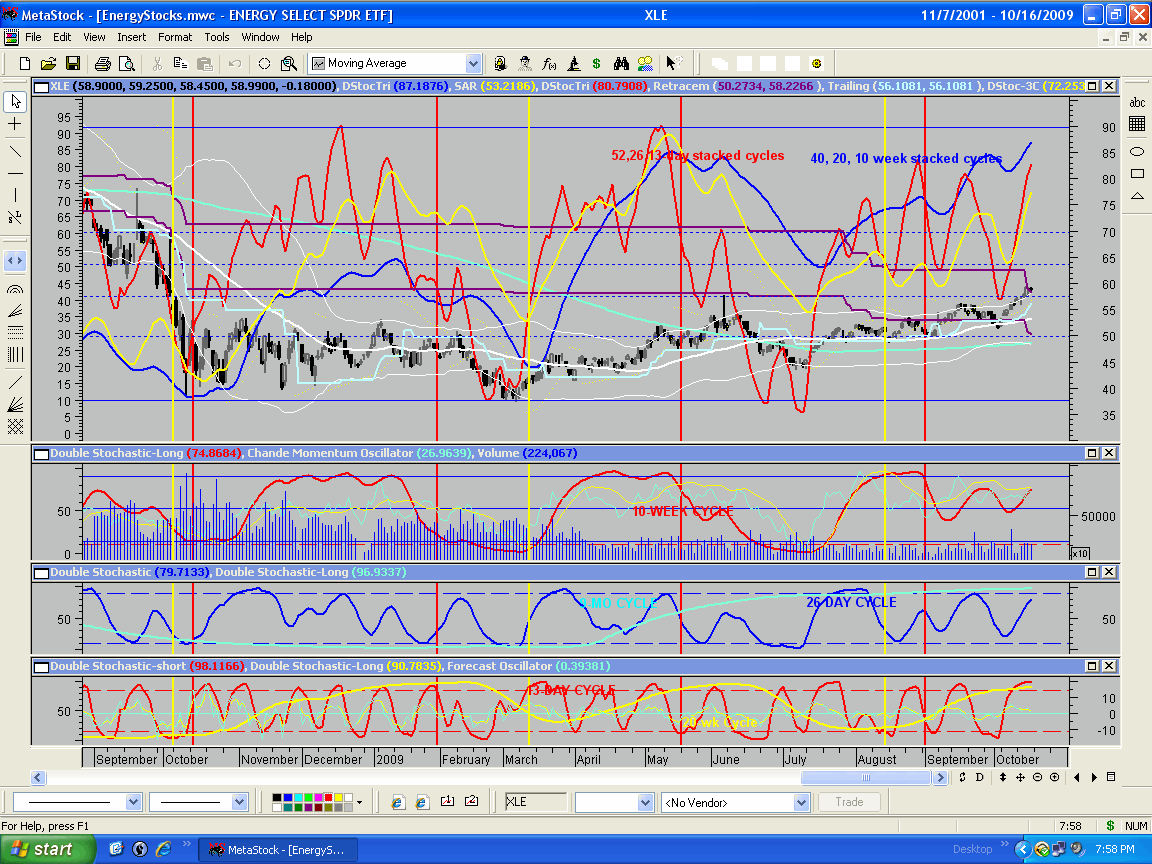
Energy stocks (http://www.geocities.com/petegersb/EnergySPDR.GIF) were flat last week as they held at the 10-wk moving average. Conflicting cycle trends appear likely to maintain the 4 month old trading range a while longer.
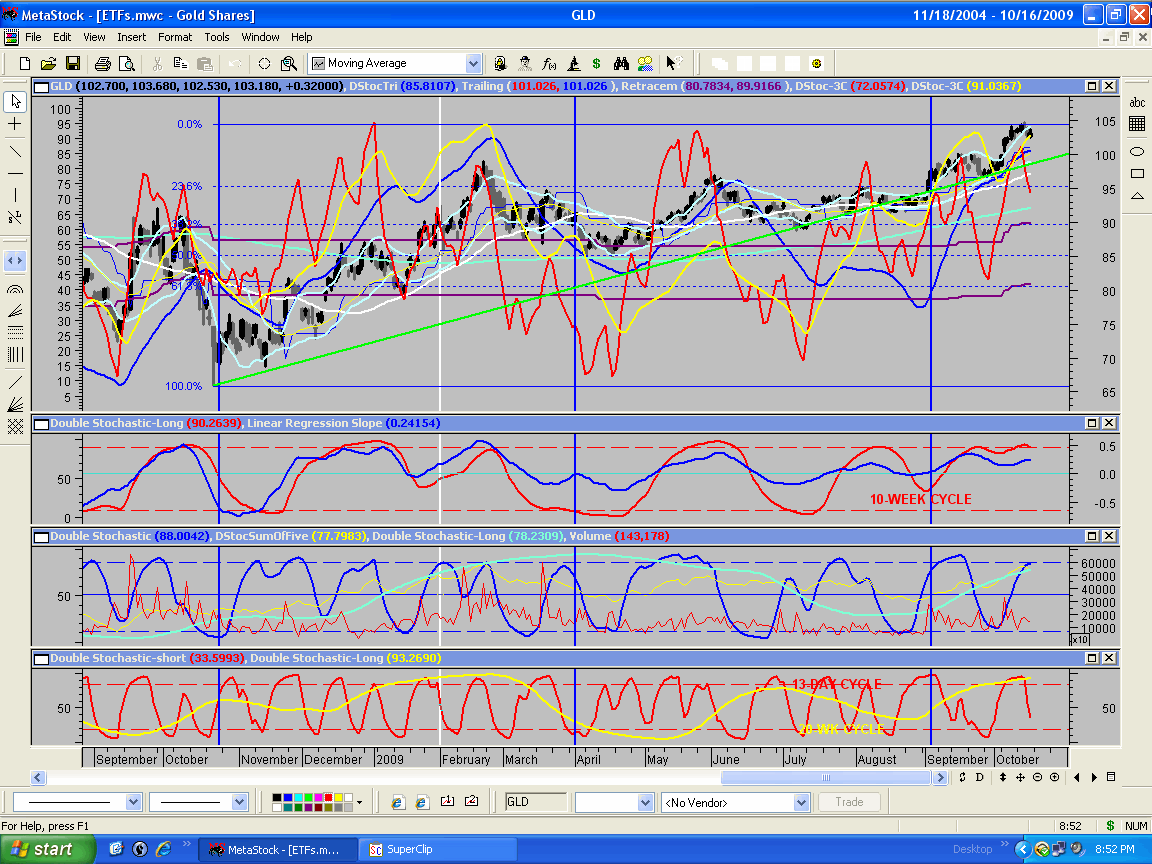
Gold (http://www.geocities.com/petegersb/GoldBullion.GIF) was again the bright spot in an otherwise dismal
landscape as it moved up to its September high. If it breaks that level, its
next visible challenge is the all-time high established last July. With all the
cycles and composites trending upward, it has a chance to meet that challenge. But
3 of 5 cycles are overbought. When the 2-week-old 10-wk cycle peaks, gold
appears likely to begin an intermediate-term downtrend.
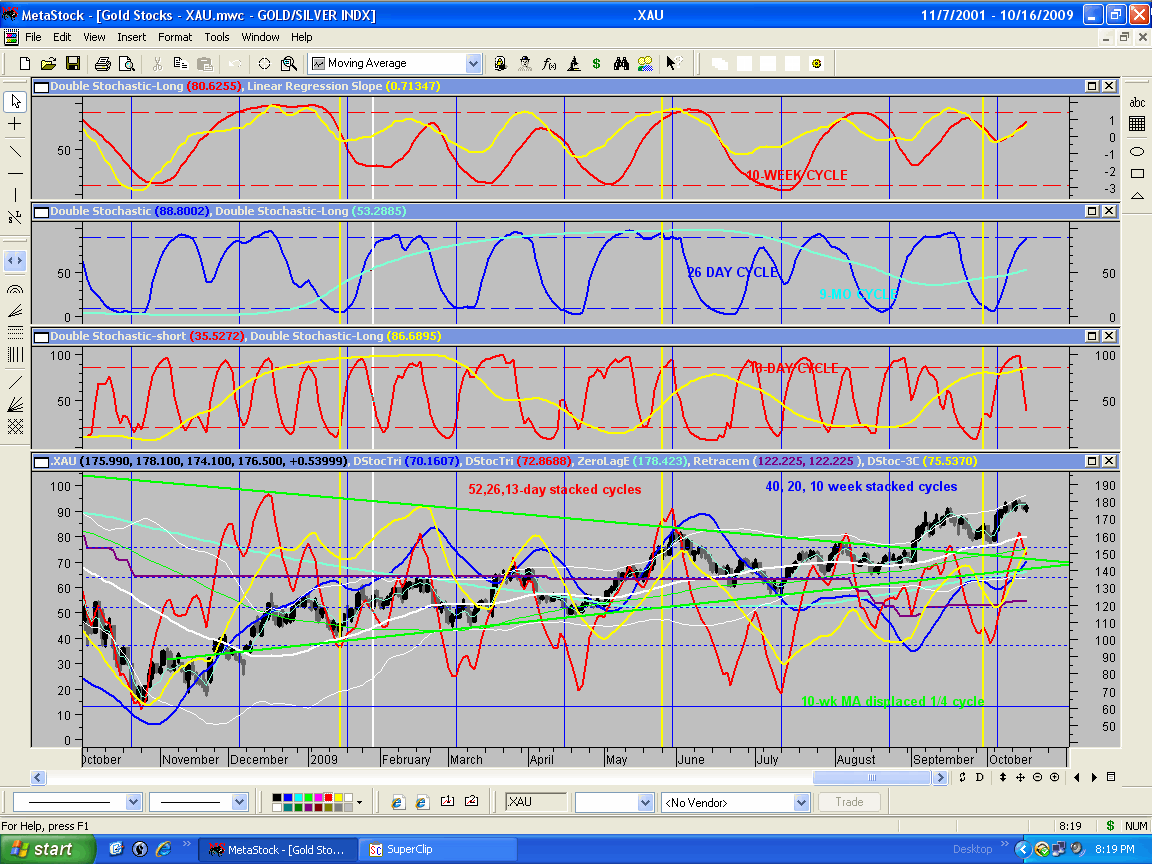
Gold Stocks (http://www.geocities.com/petegersb/GoldStocks.GIF
) didn’t follow gold’s lead. They declined slightly, but not enough to turn the
intermediate composite downward. Conflicting
cycles appear likely to prevent any large moves again this week, but
ultimately, the break should be to the downside.
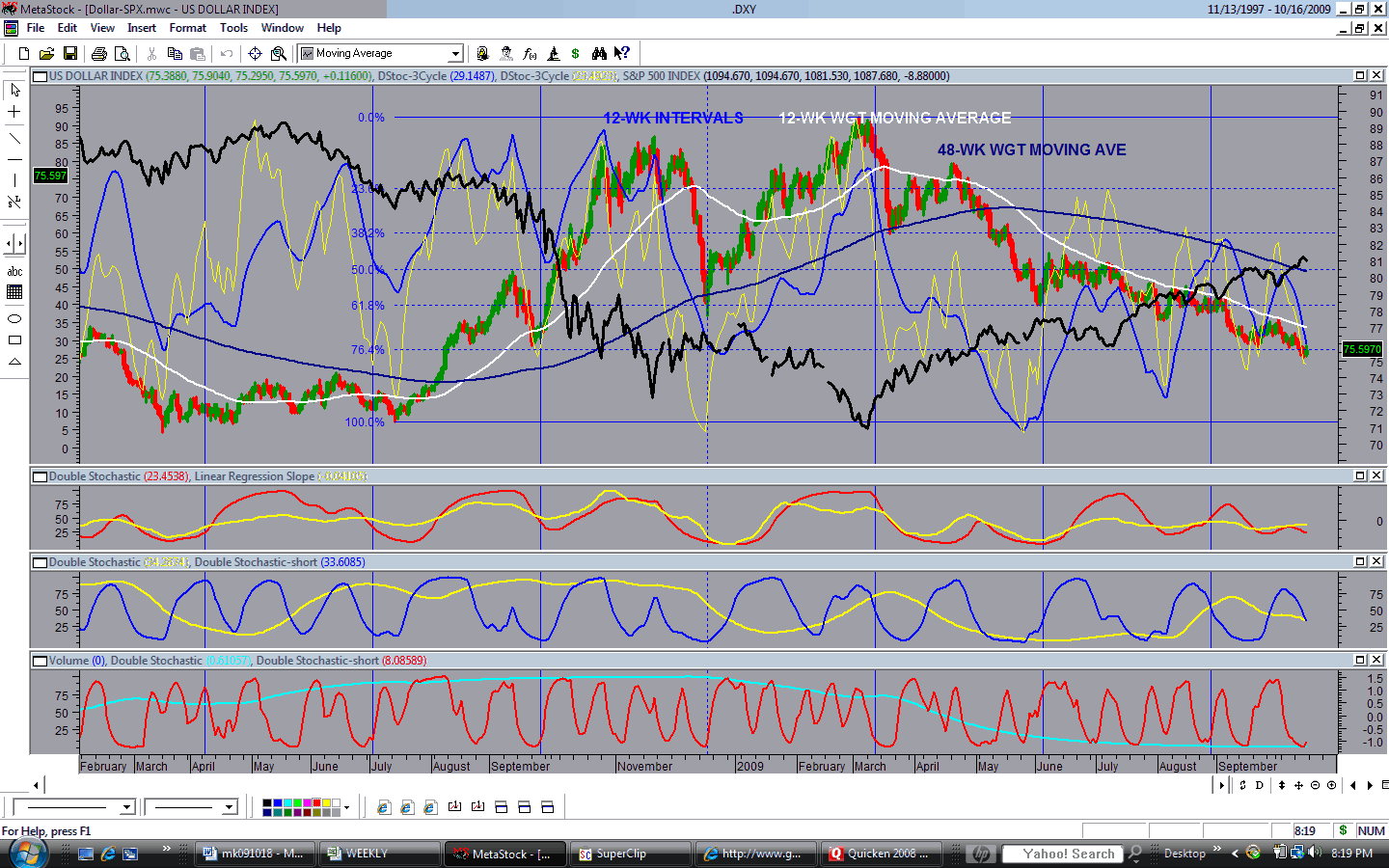
The dollar (http://www.geocities.com/petegersb/Dollar.GIF) had substantial moves in both directions last week, but ended little changed. Both short and intermediate composites ended in uptrends, so another assault on recent highs appears likely this week.