1/25/09
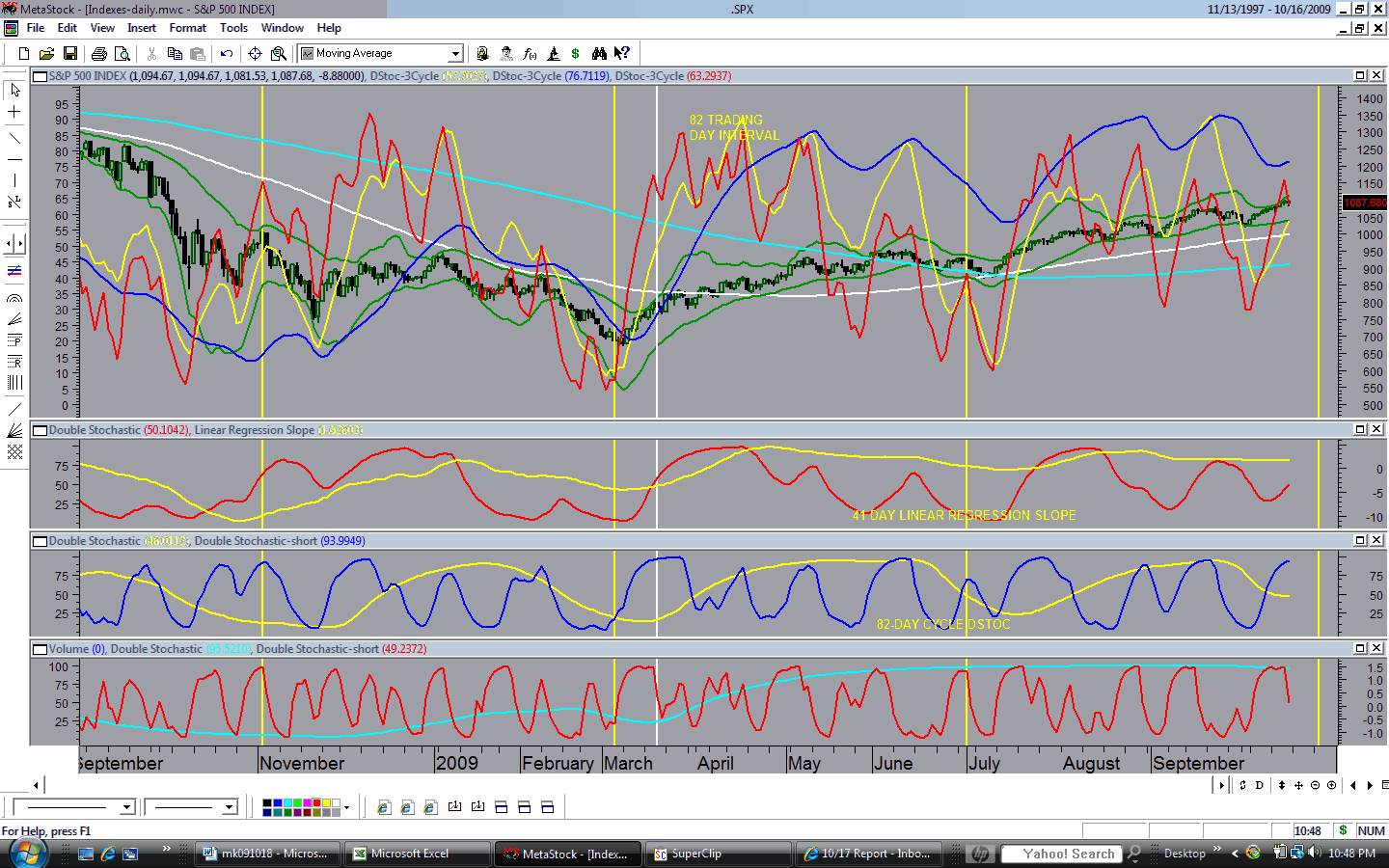
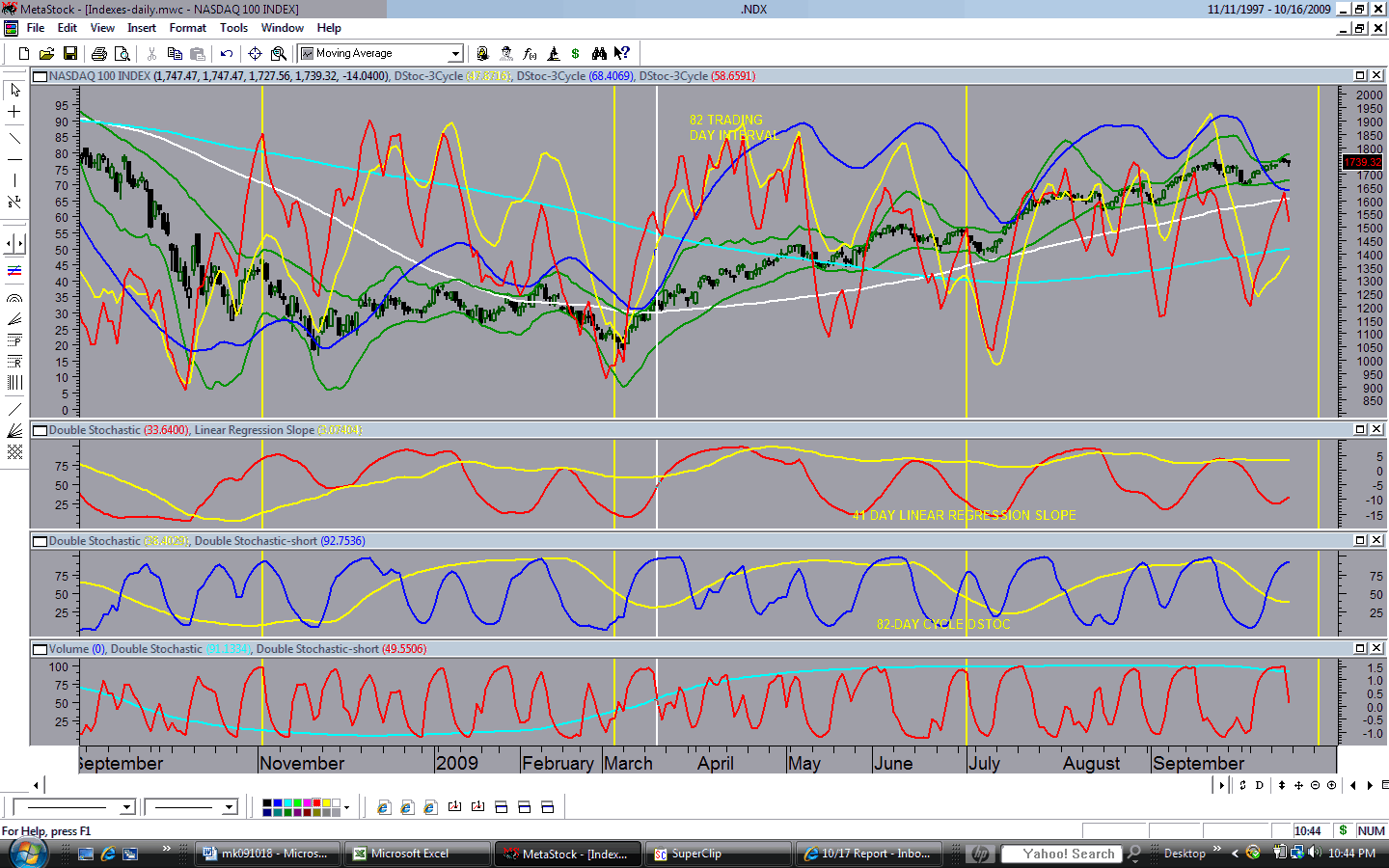
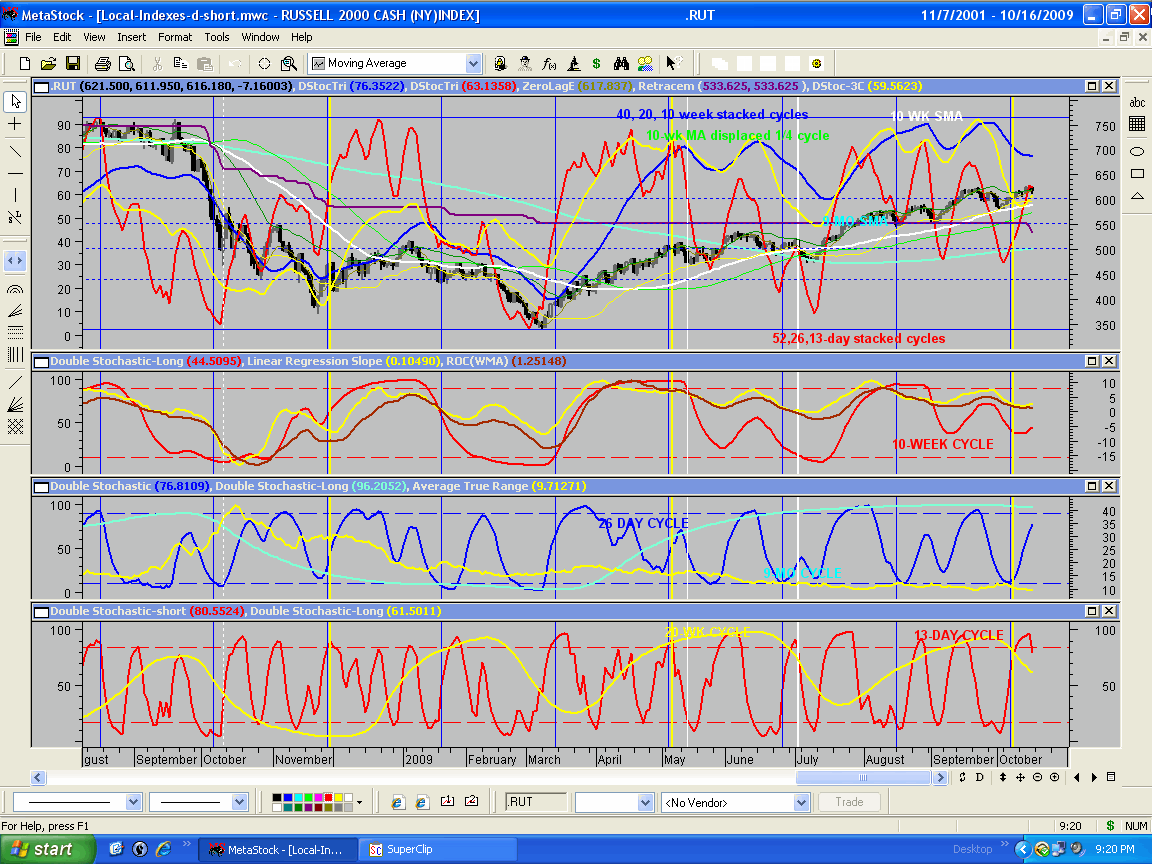
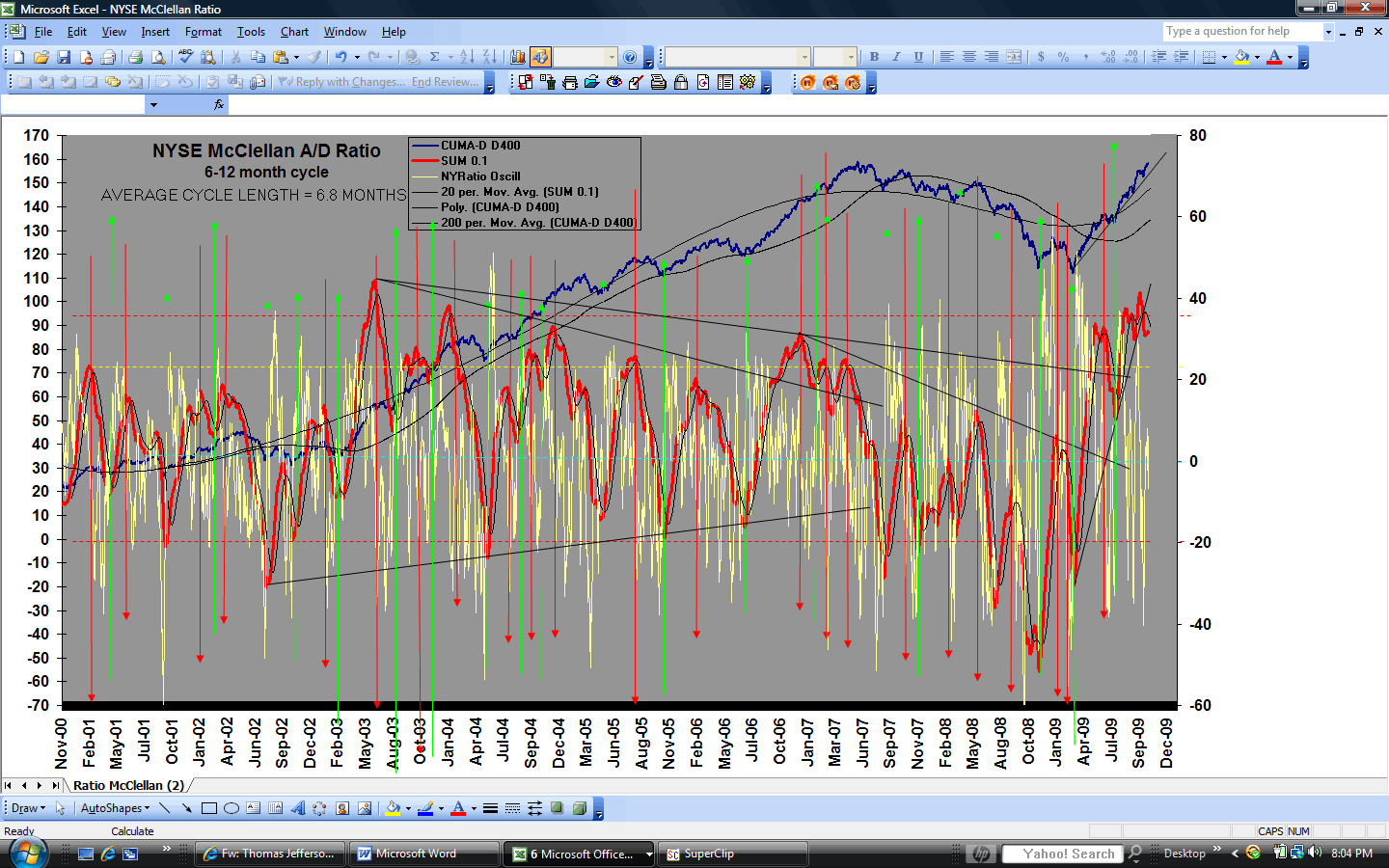
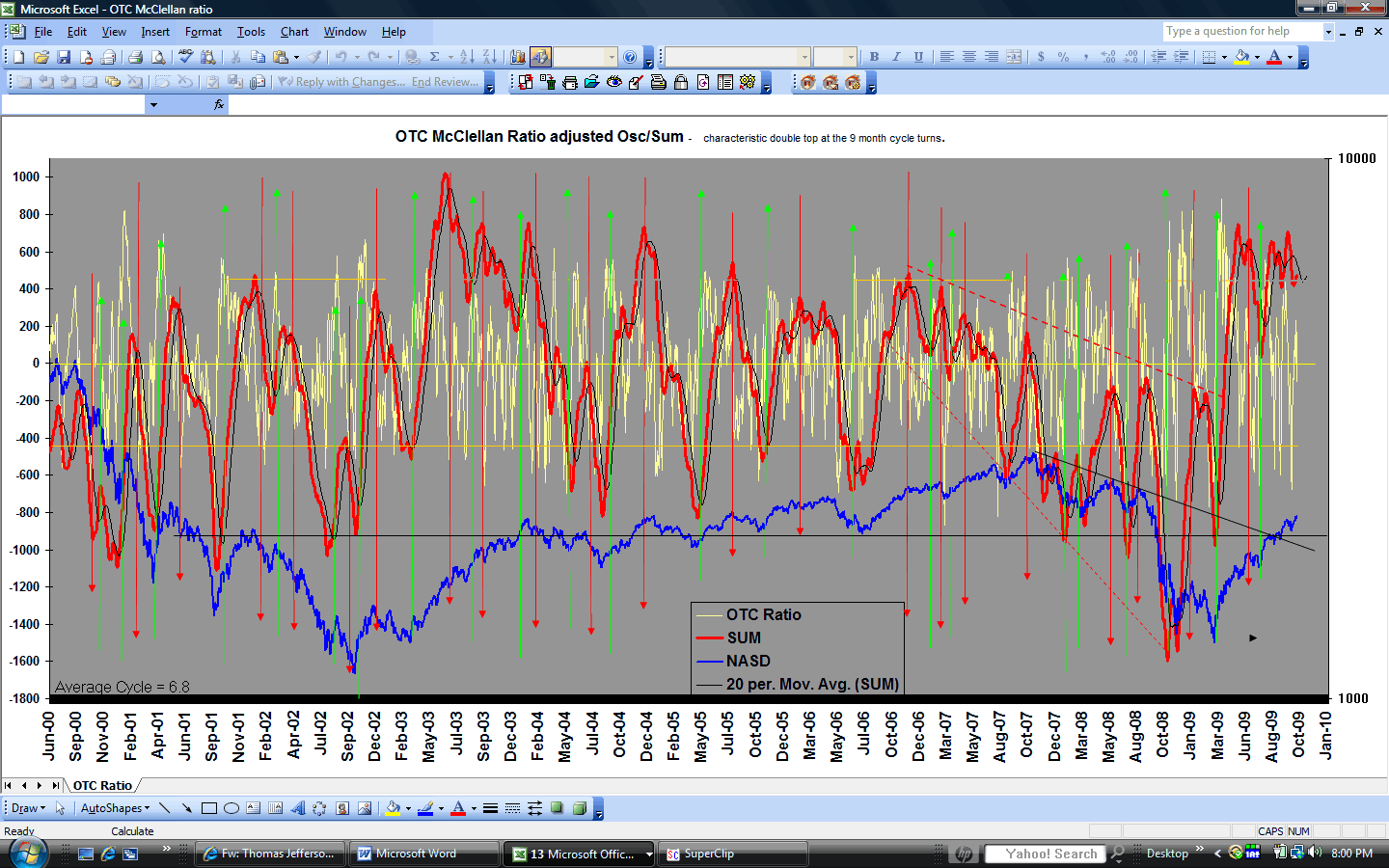
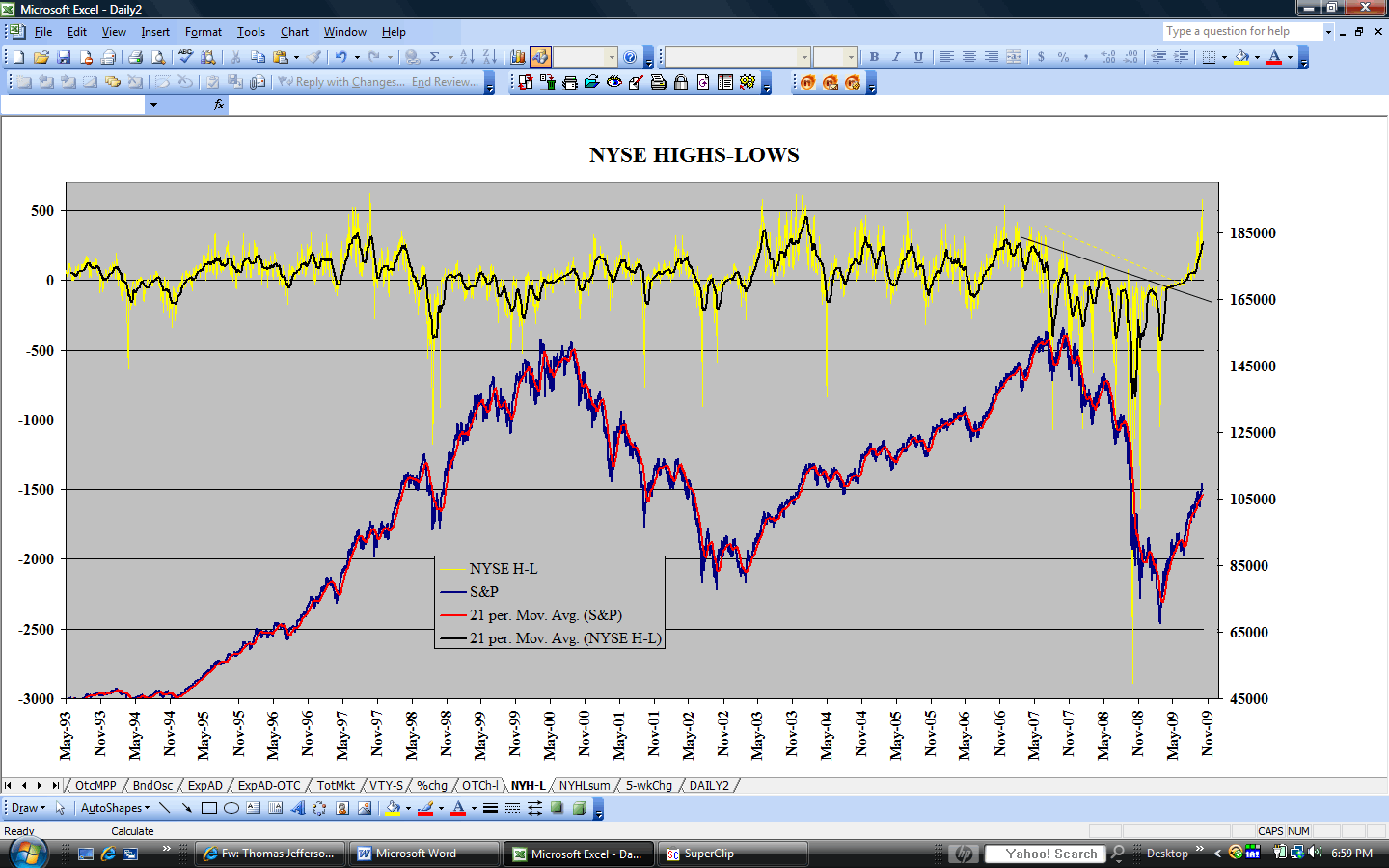
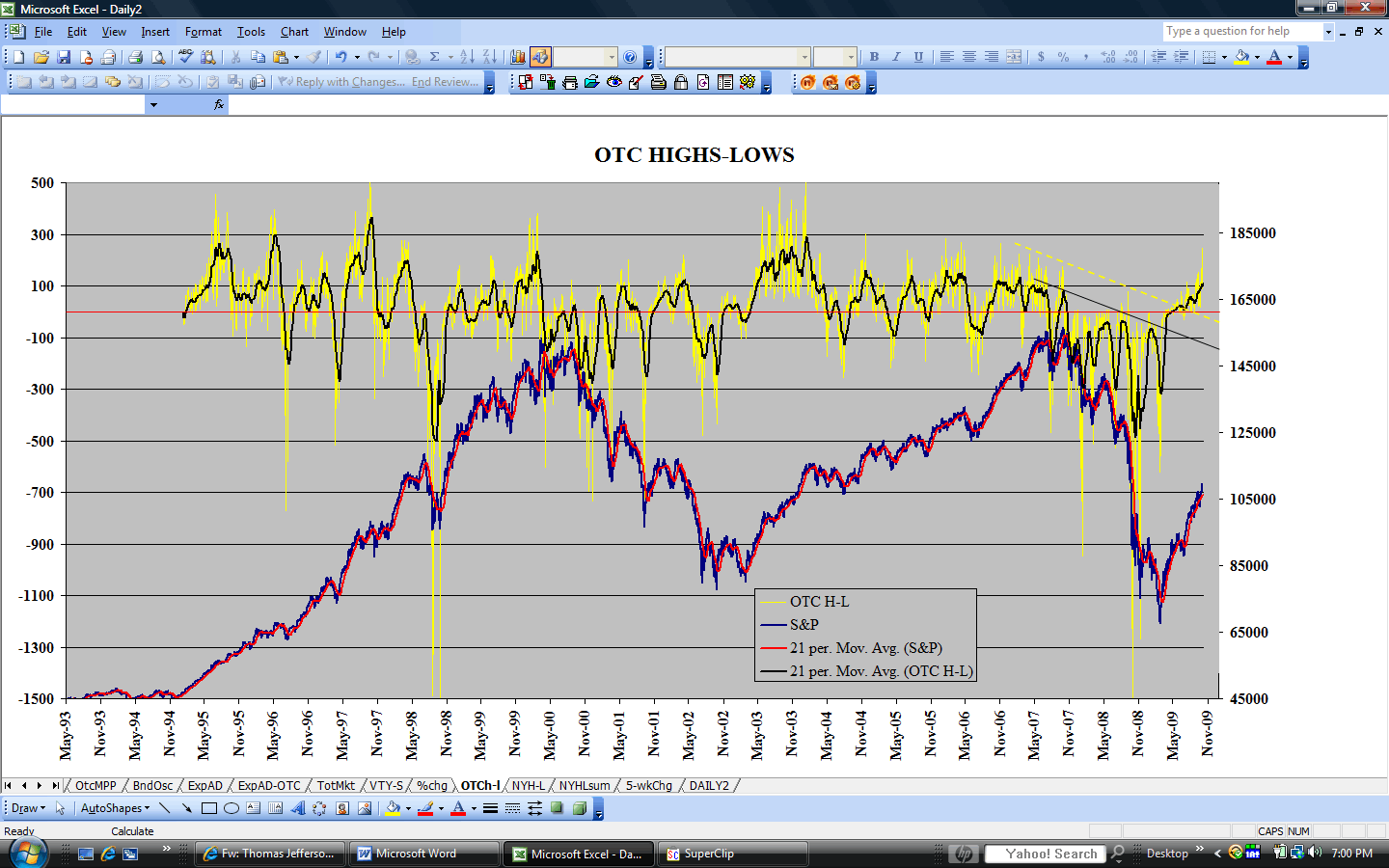
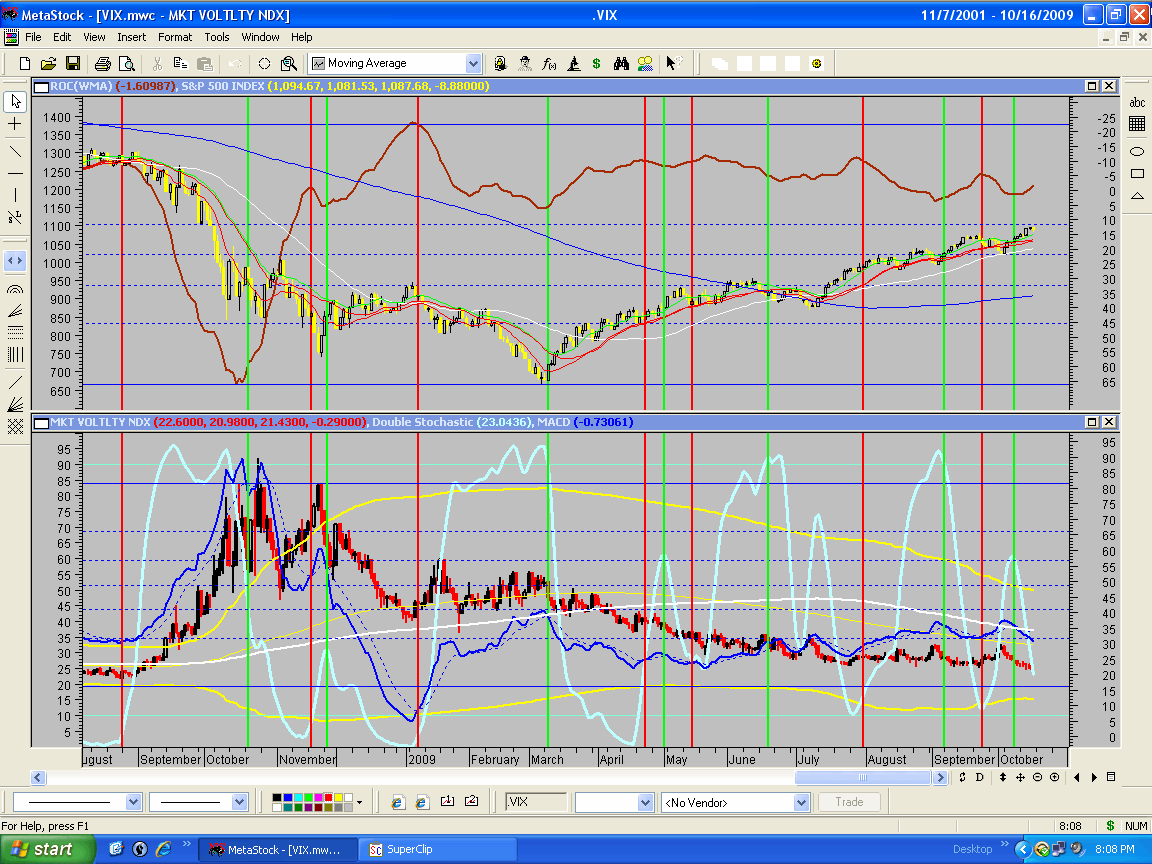
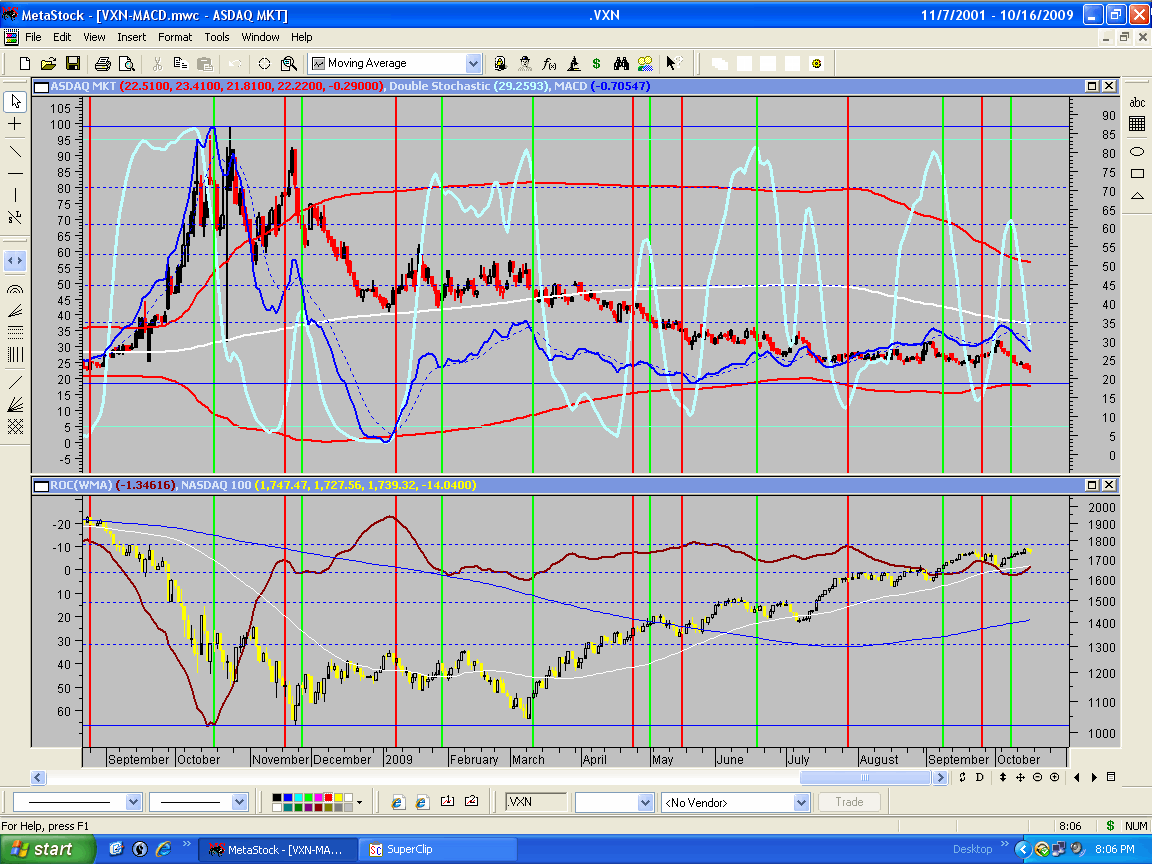
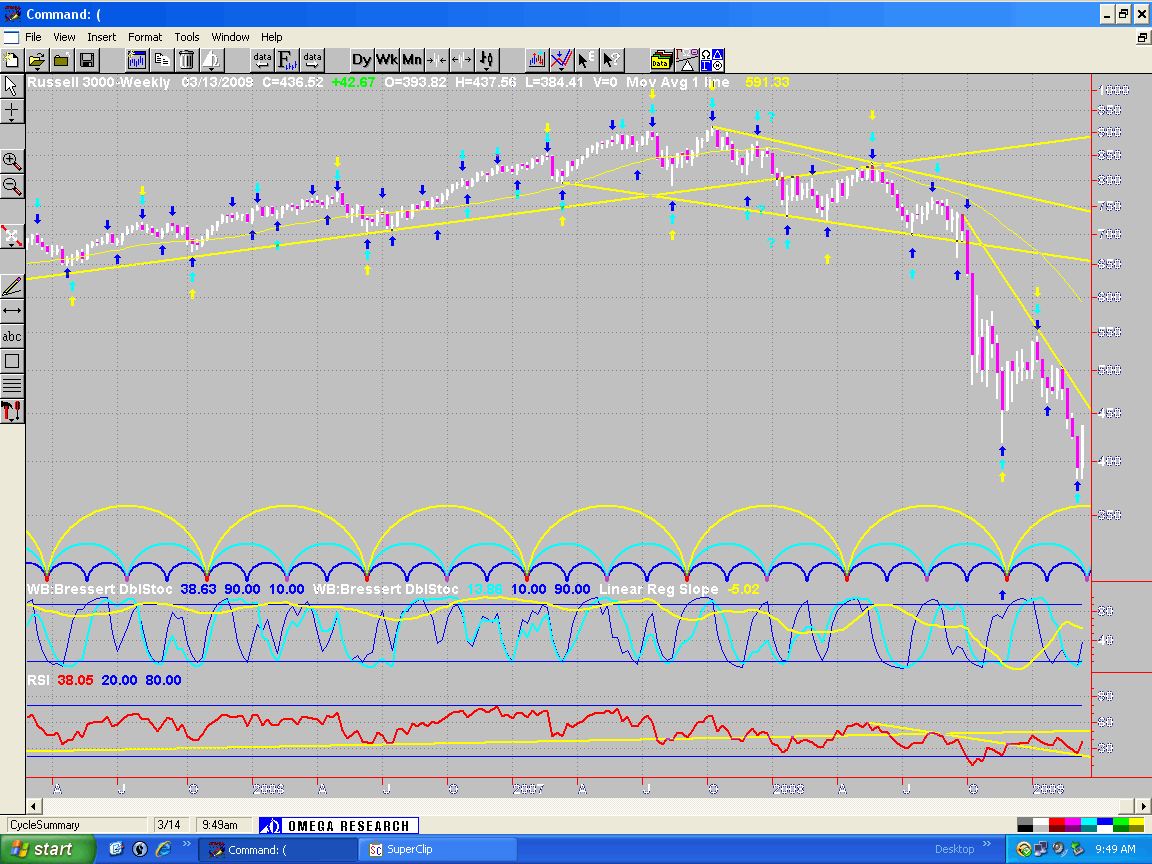
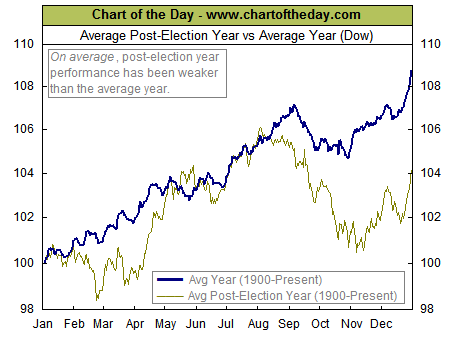
Last week, I expected to “see some relief from the decline this week”. We did, but not until late in the week, and it took the rest of the week to struggle back to a modest loss for the week. Each succeeding day the SPX (http://www.geocities.com/petegersb/SP500.GIF) attempted to reach the prior week’s close but failed about 2% below that level. The other indexes (NDX (http://www.geocities.com/petegersb/NDX.GIF), , Russell small cap index (http://www.geocities.com/petegersb/Russell2000.GIF )) had similar failures. Now the rally phase of the 13-day cycle has about run its course, and none of the other cycles shorter than 9 months appear poised to take up the slack. Given the downturns in the McClellan Summation Indexes (http://www.geocities.com/petegersb/A-Dsummation-NYSE.GIF , http://www.geocities.com/petegersb/A-Dsummation-OTC.GIF ) and of the High-Low spreads from below the zero line (http://www.geocities.com/petegersb/HighLowNYSE.GIF , http://www.geocities.com/petegersb/HighLowOTC.GIF ), any significant support from the still young 9-month cycle is also doubtful. Consequently, I expect the decline to pick up speed this week. By the end of this week/month, the 13-day cycle will be 10 days old, the 26-day cycle will be 22 days old, and the 10-week cycle will be 10 weeks old (http://www.geocities.com/petegersb/VIX.GIF, http://www.geocities.com/petegersb/VXN.GIF) – all ripe for a bottom. So we should see a short-term bottom early in February and perhaps a successful test of the November low. That’s the good news. The bad news is that the 20-week cycle has reached middle age and some of its indicators have turned downward (http://www.geocities.com/petegersb/Overview-med.GIF ). It probably will offer considerable resistance to any short-term rally in February. After the next 10-week cycle peaks, we can probably anticipate a bleak March despite the post-election pattern that shows strength beginning in late February (http://www.geocities.com/petegersb/PostElectionDow.gif ). The market didn’t follow the election pattern last year, and it probably won’t do so in the first half of this year either.
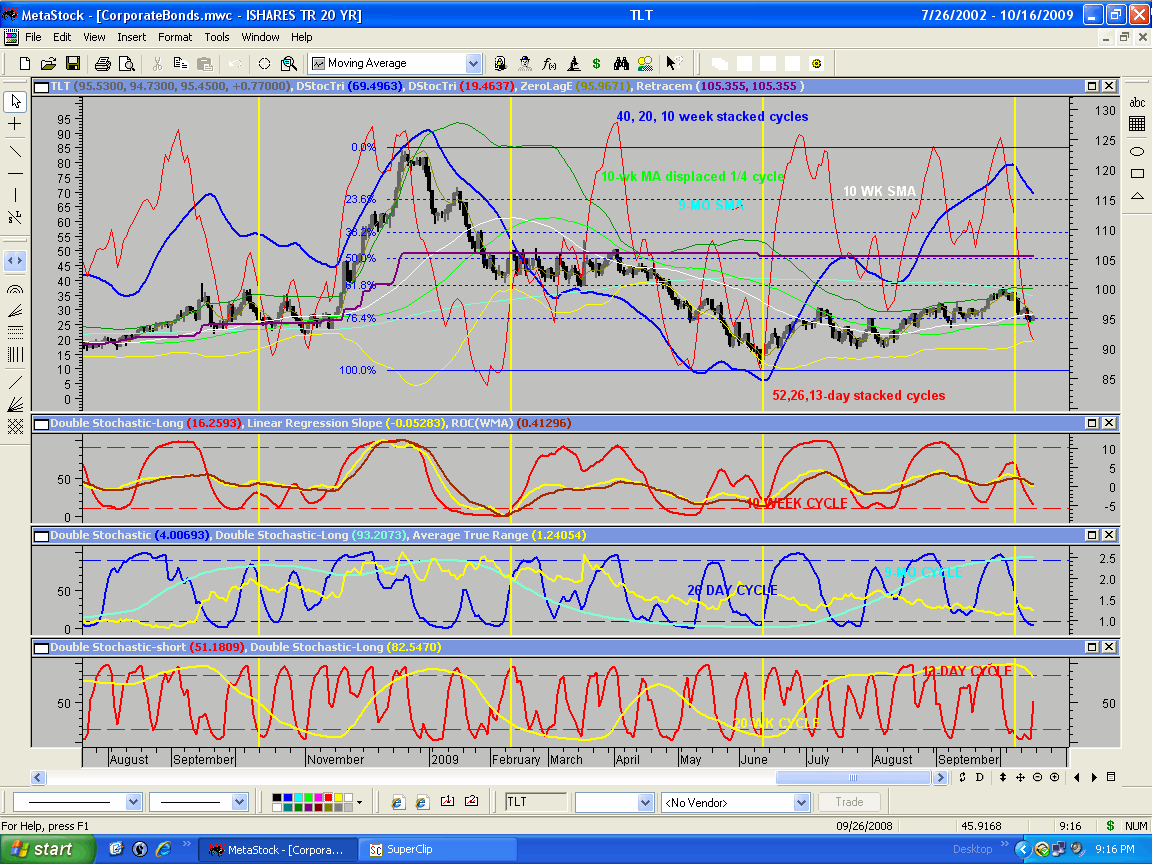
Treasury bonds (http://www.geocities.com/petegersb/Treasury-20yr.GIF ) fell steeply last week as the short-term composite moved to a deeply oversold position in a young intermediate downtrend. They probably will find support at the 50% retracement level this week, but the longer cycles should subsequently cause that support to be broken.
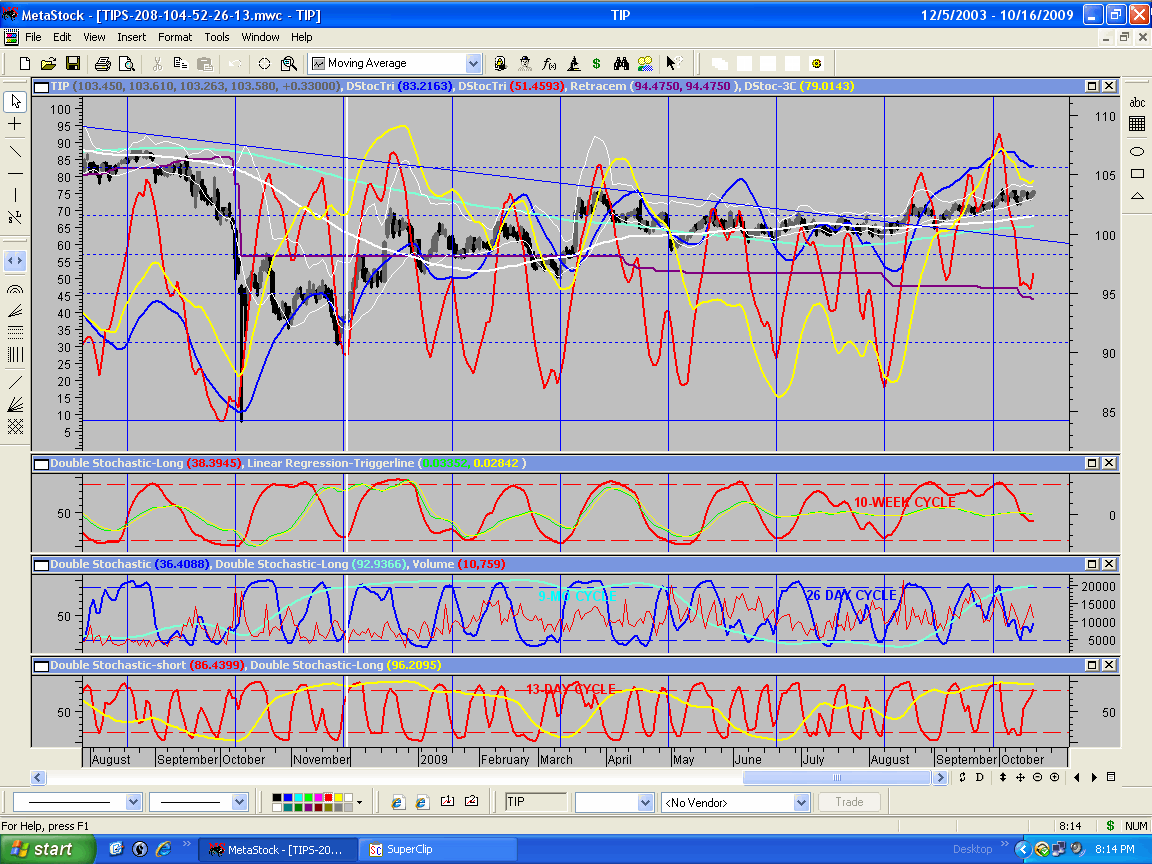
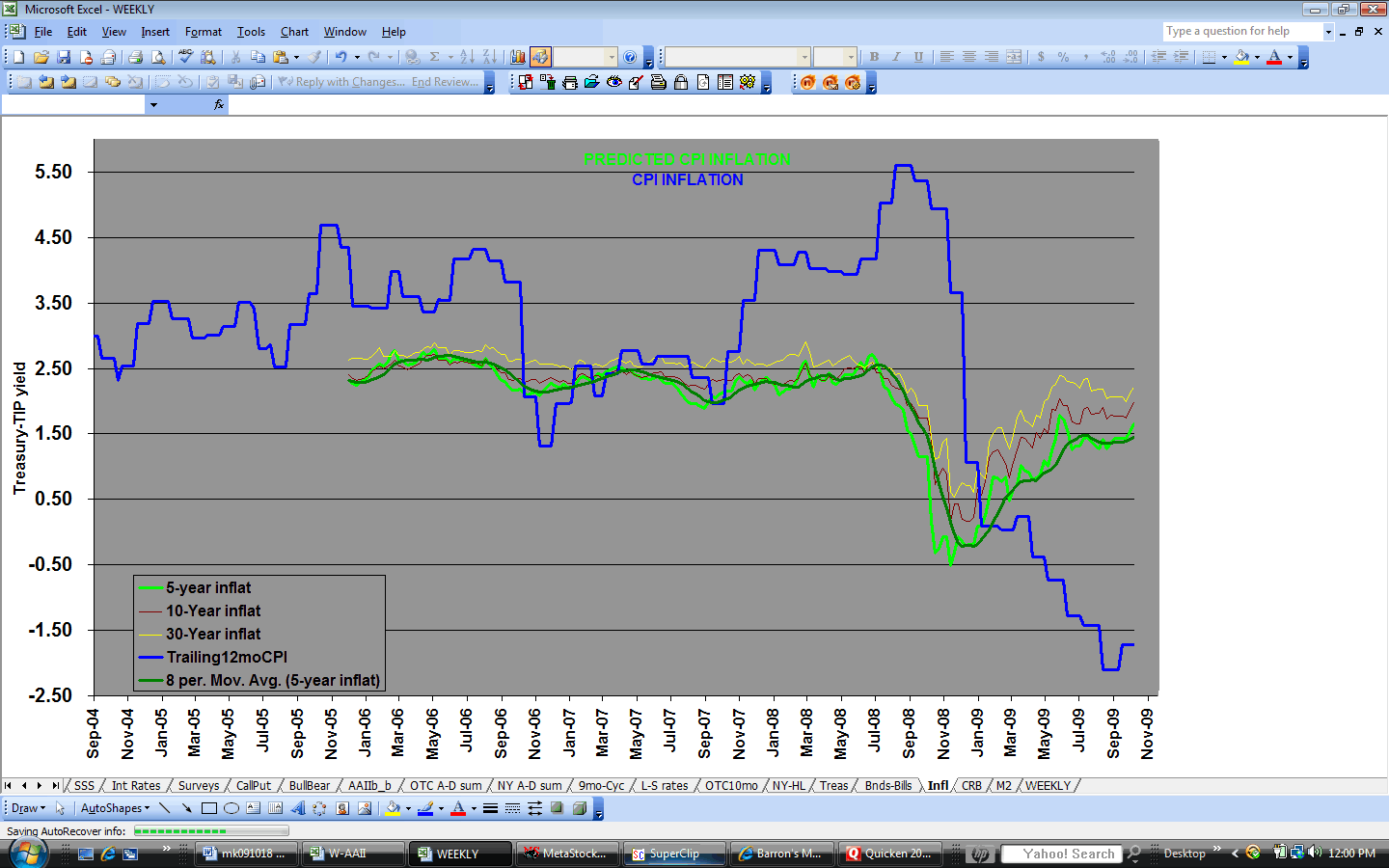
Inflation Protected Treasuries (http://www.geocities.com/petegersb/TIPs.GIF) experienced a much milder decline that, unlike conventional Treasuries, held above the early January low. The discrepancy between these types of Treasuries reflects a heightened fear of inflation (http://www.geocities.com/petegersb/CPI.GIF ) as the printing presses crank up to spit out greenbacks.
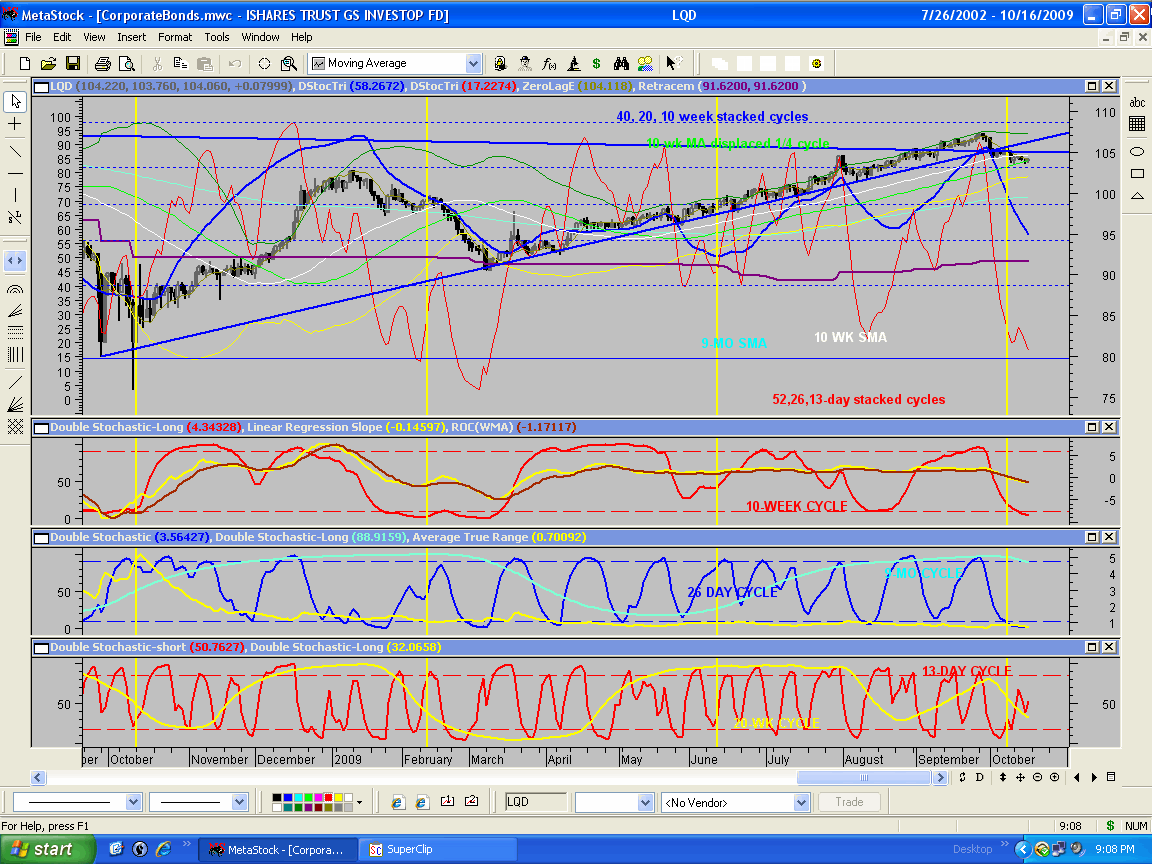
Corporate bonds (http://www.geocities.com/petegersb/CorporateBonds.GIF) accelerated both intermediate and short-term downtrends last week, reaching the first support target at the 9-month moving average. The short cycles should produce a rally attempt this week, to be followed by a move down to next support at the 10-week moving average.
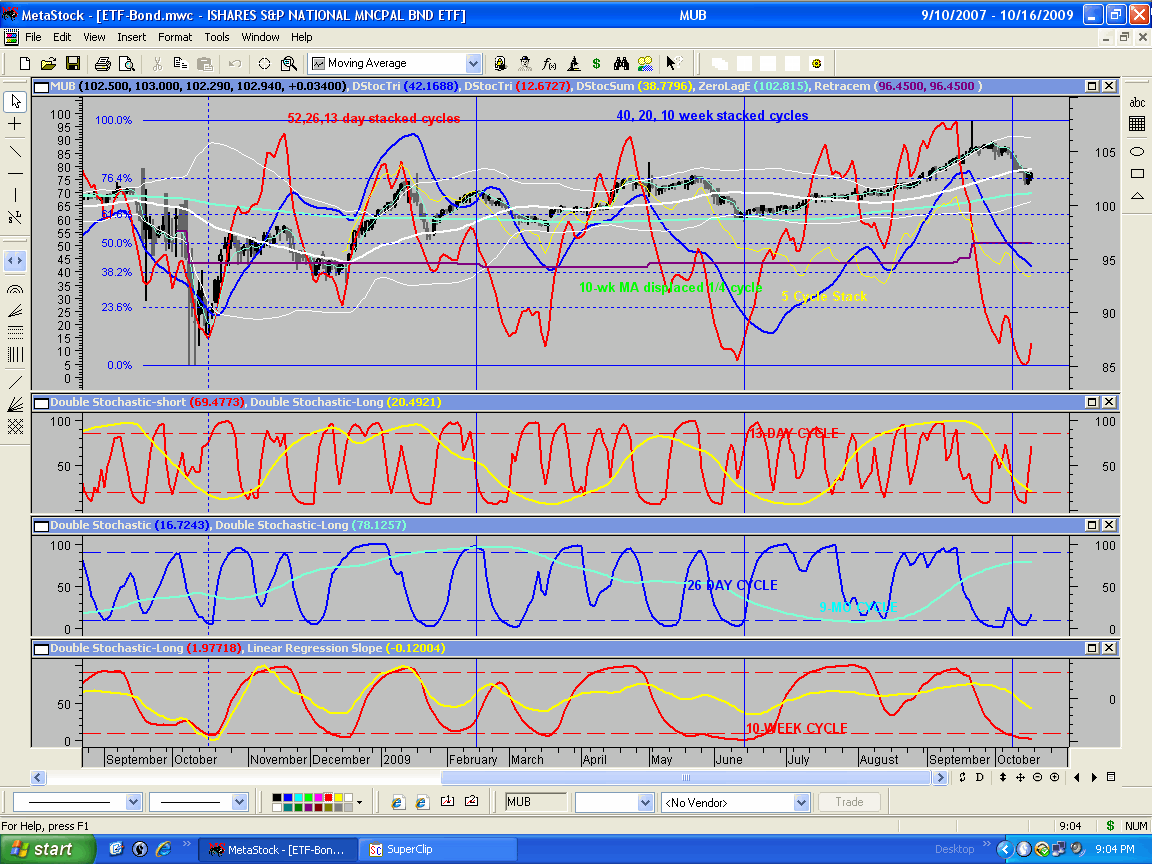
Municipal bonds (http://www.geocities.com/petegersb/MunicipalBonds.GIF
) dropped steeply enough during last week to turn the intermediate trend
downward as I anticipated. I suppose there is a fear that some states, such as
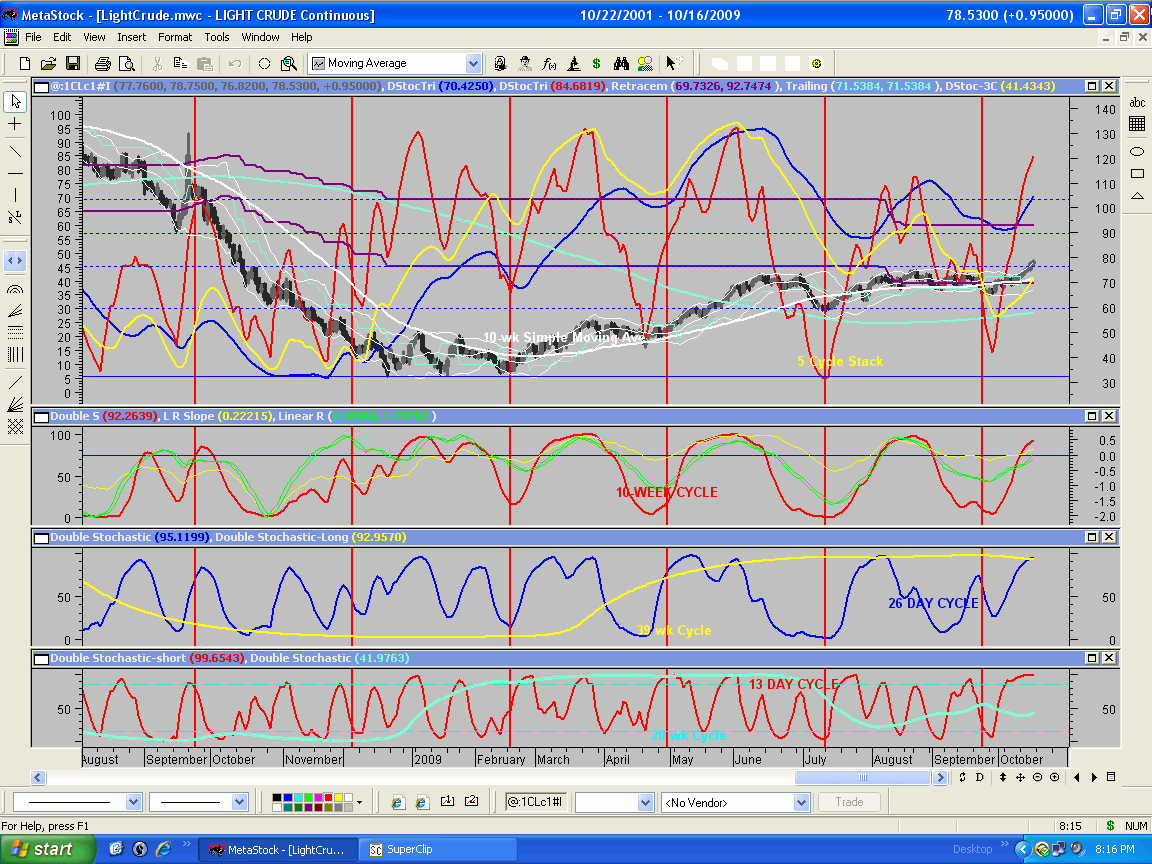
Crude oil (http://www.geocities.com/petegersb/CrudeOil.GIF ) moved up sharply off of its test of the December low, and managed a close slightly above its 10-week moving average. If it can continue a little higher, as both short and intermediate composites suggest, it will exhibit higher short-term highs and lows for the first time since July. It looks like crude has completed a 9-month cycle double bottom.
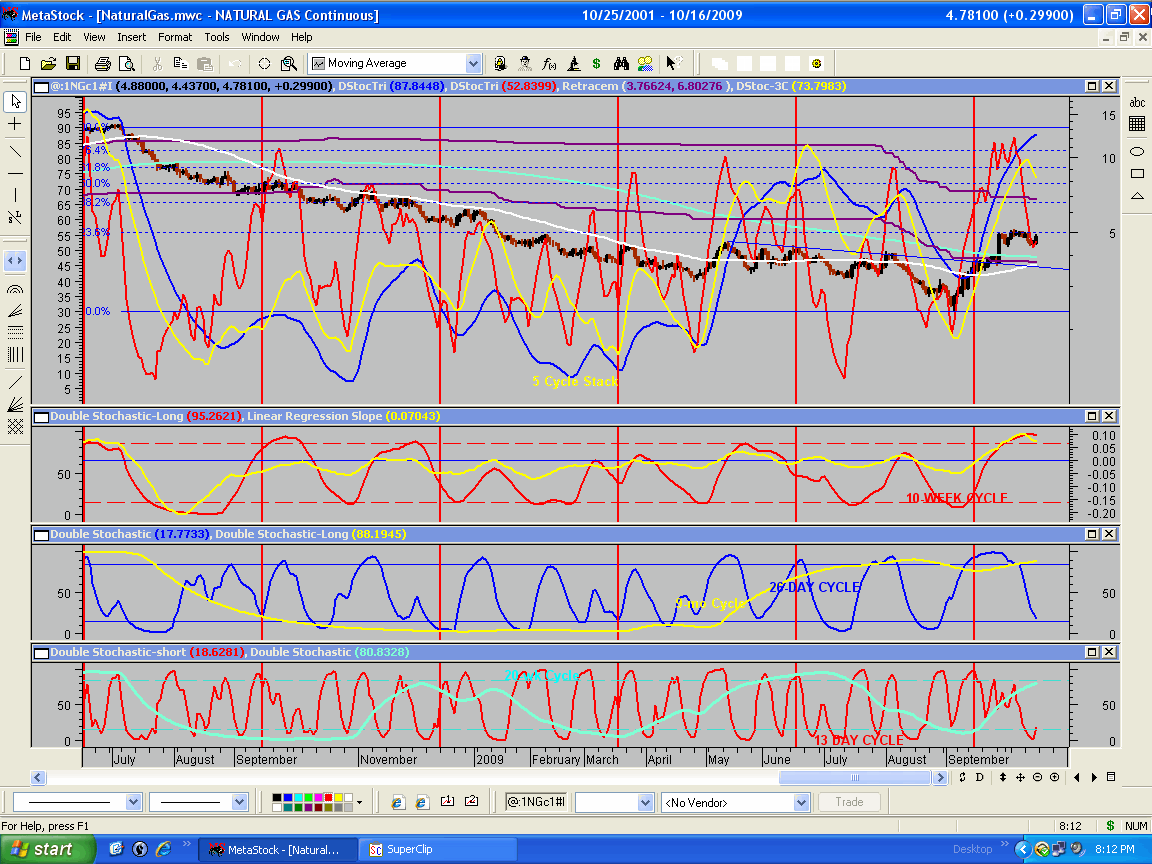
Natural gas (http://www.geocities.com/petegersb/NaturalGas.GIF ) went the other direction, as expected. It’s now challenging the 2006 low, where it too may be able form a 9-month bottom. At best it will take time.
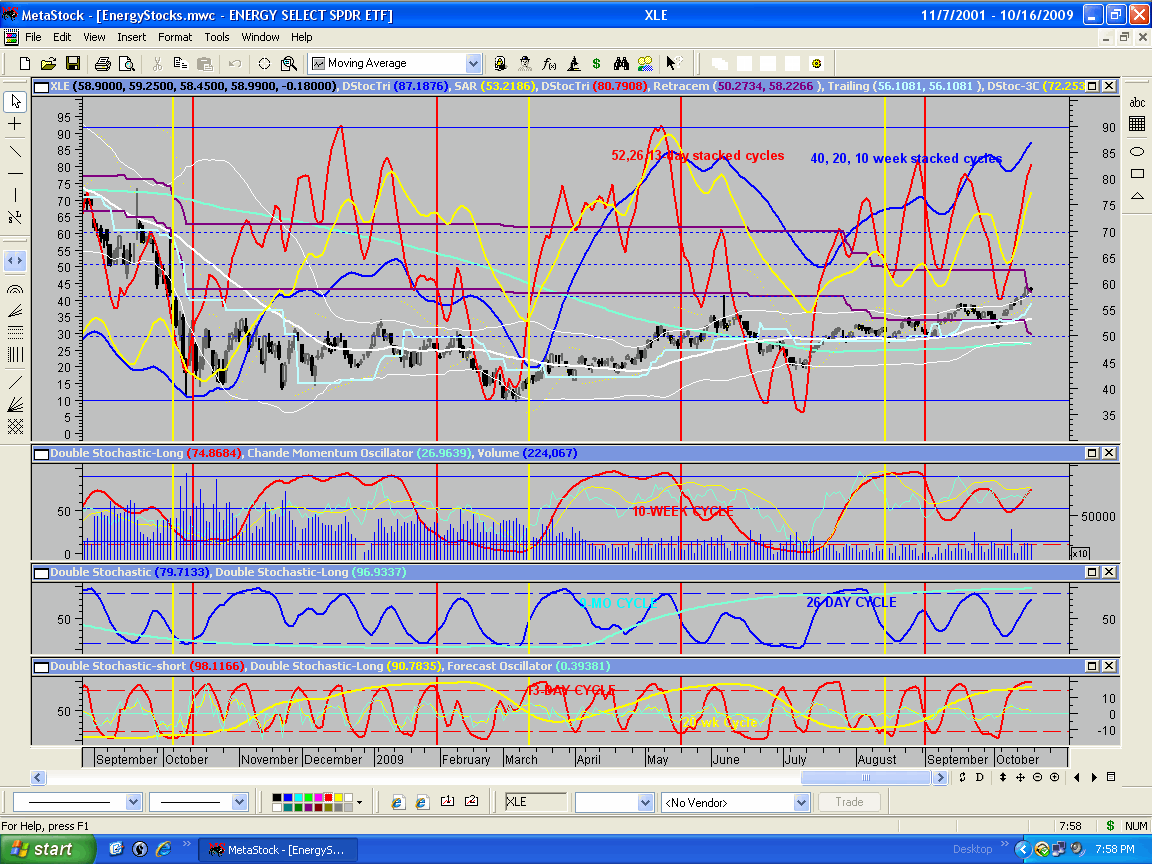
Energy stocks (http://www.geocities.com/petegersb/EnergySPDR.GIF) were one of two winning sectors last week, but not by much. They closed right on their 10-week moving average, and show promise of moving a little higher next week. But a break above the early January high appears doubtful in the short term.
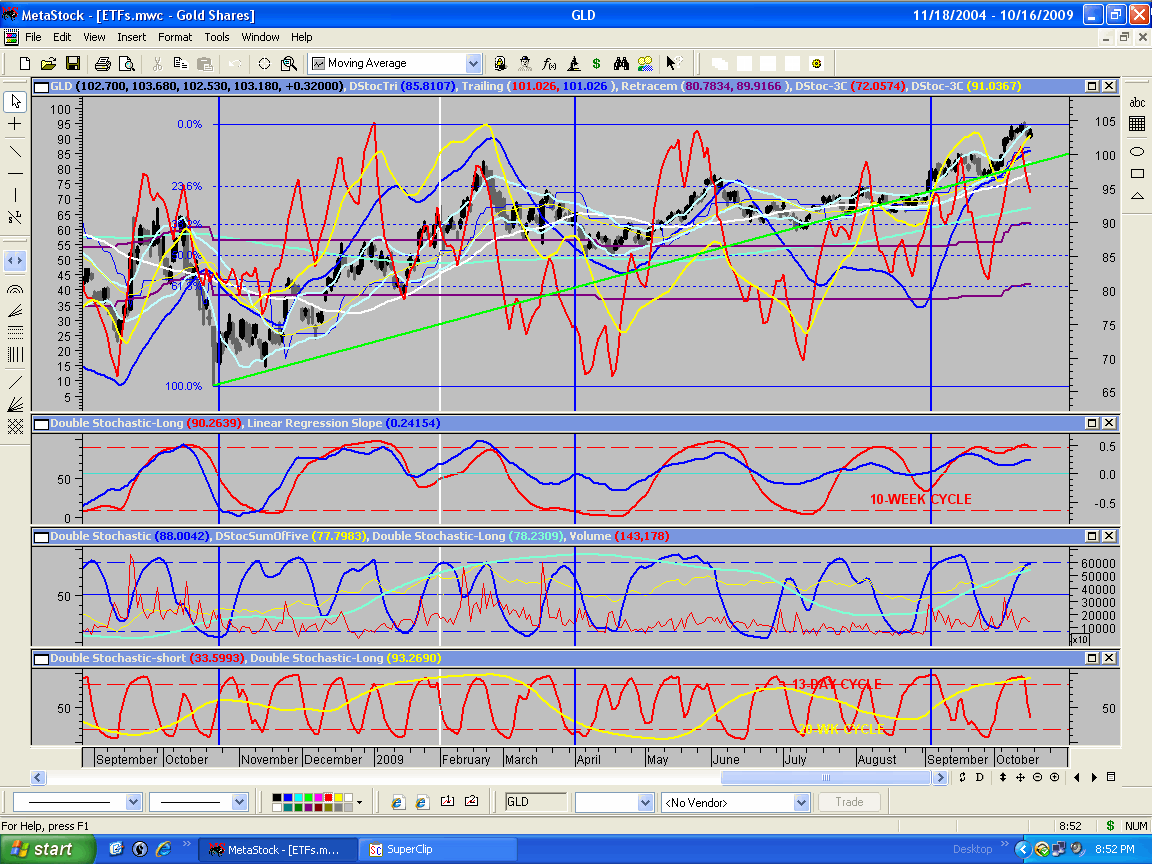
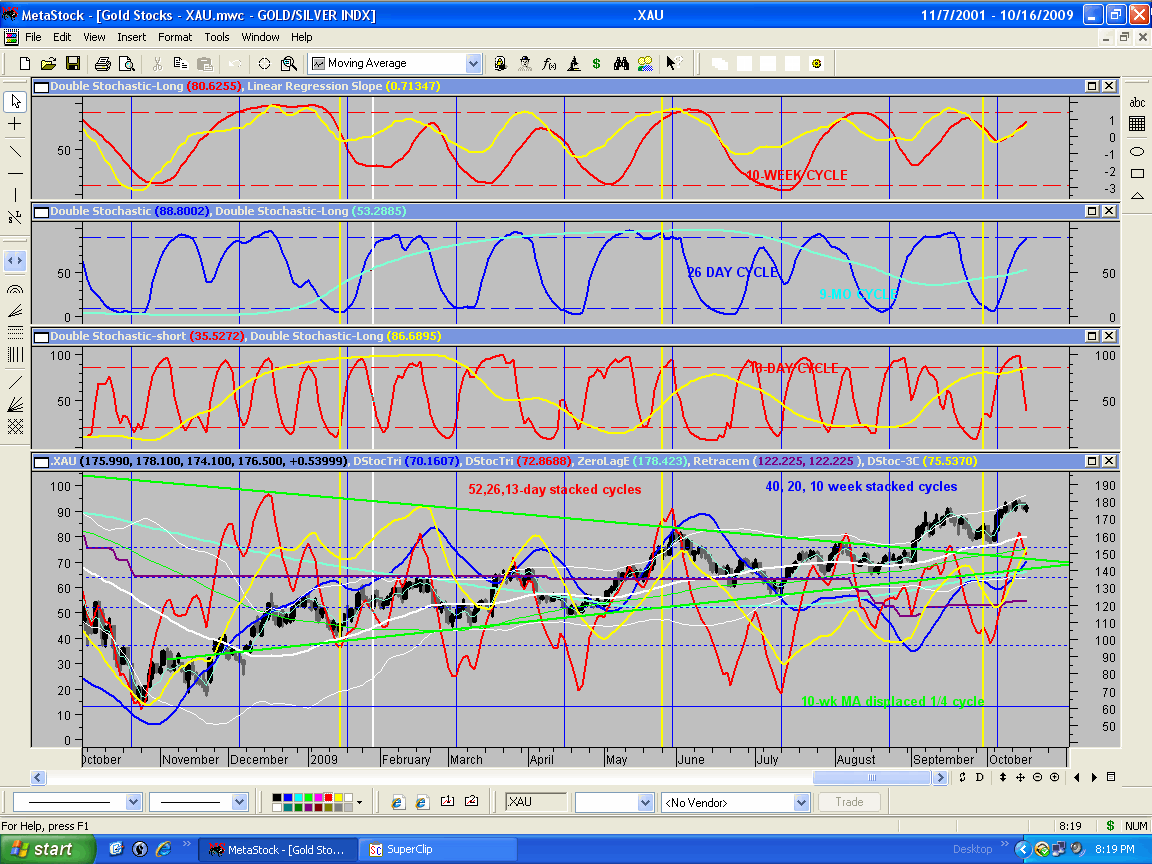
Gold (http://www.geocities.com/petegersb/GoldBullion.GIF) was the stellar performer last week, tacking on $60 to
move to its highest level in nearly 4 months. The 10-wk cycle favors a
continuing rally as the world debases its paper currencies, but the other
cycles do not. I suspect the rally will stall this week at the Sept-Oct highs.
Gold Stocks (http://www.geocities.com/petegersb/GoldStocks.GIF
) followed the same pattern, and they face the same obstacle - plus a declining
9-month moving average slightly above current levels. The rally will probably
stall this week.
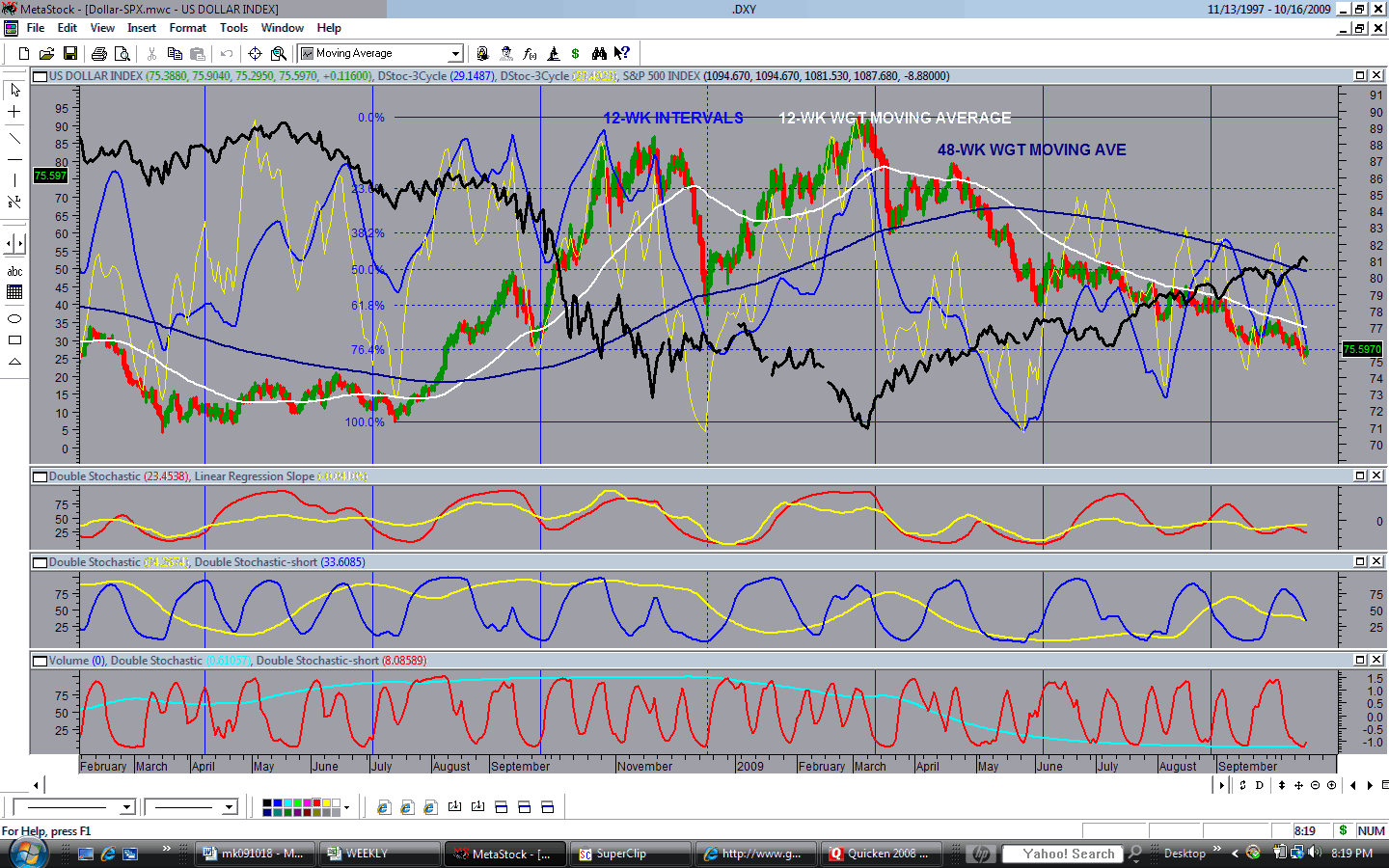
The dollar (http://www.geocities.com/petegersb/Dollar.GIF) ignored downtrends in short cycles to extend the intermediate rally. It’s now testing the November high. If it breaks that level, it will reach a three year high and I may have to concede that it’s in a bull market. But so far it’s not much different than the year-long rally we saw in 2005 that was only a respite in a continuing bear market. The simultaneous strength in gold and the dollar last week is quite unusual. It suggests that one of them is near a turning point. In the short term gold looks more promising, but in the intermediate term, the dollar appears to have the edge.