1/11/08
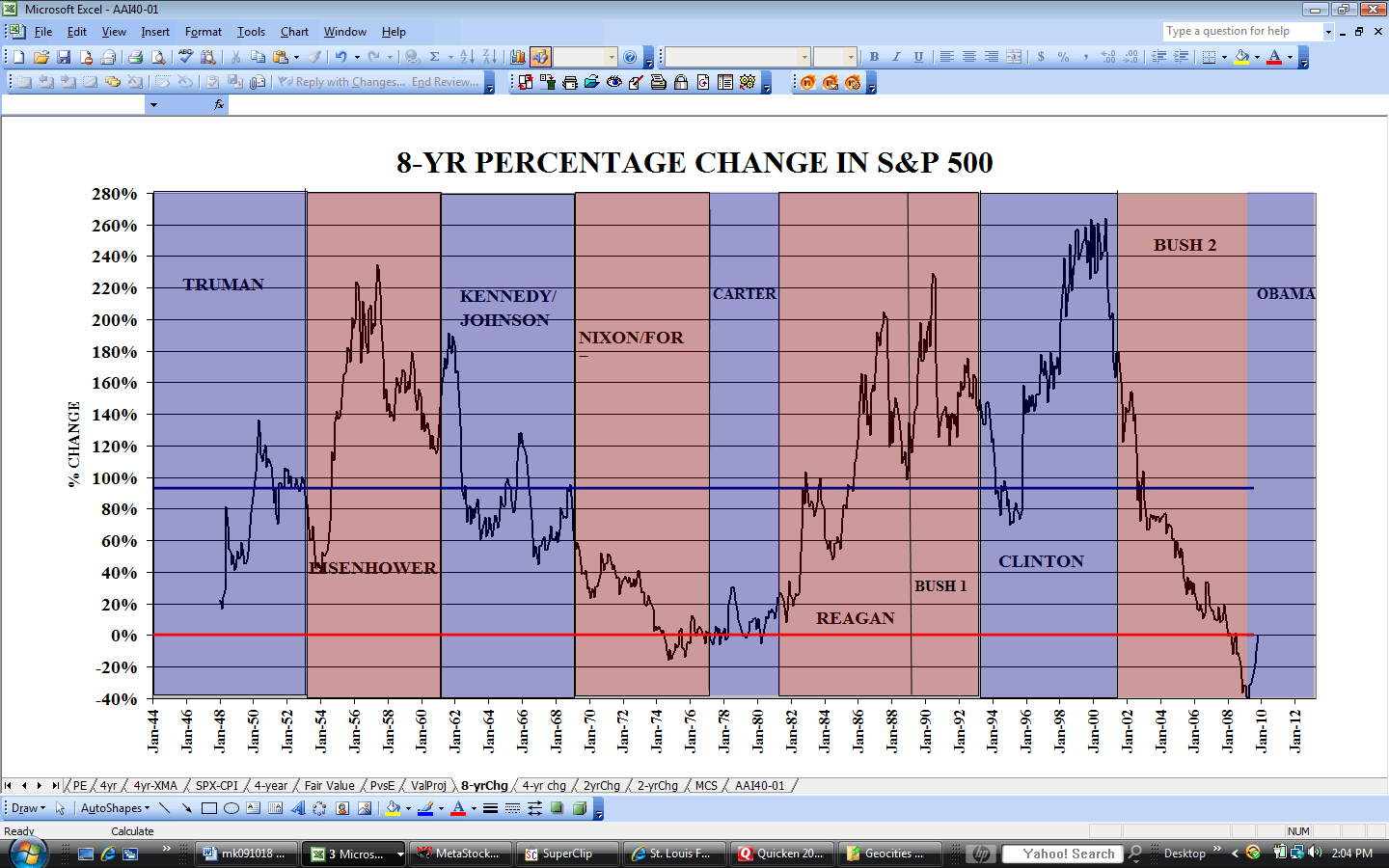
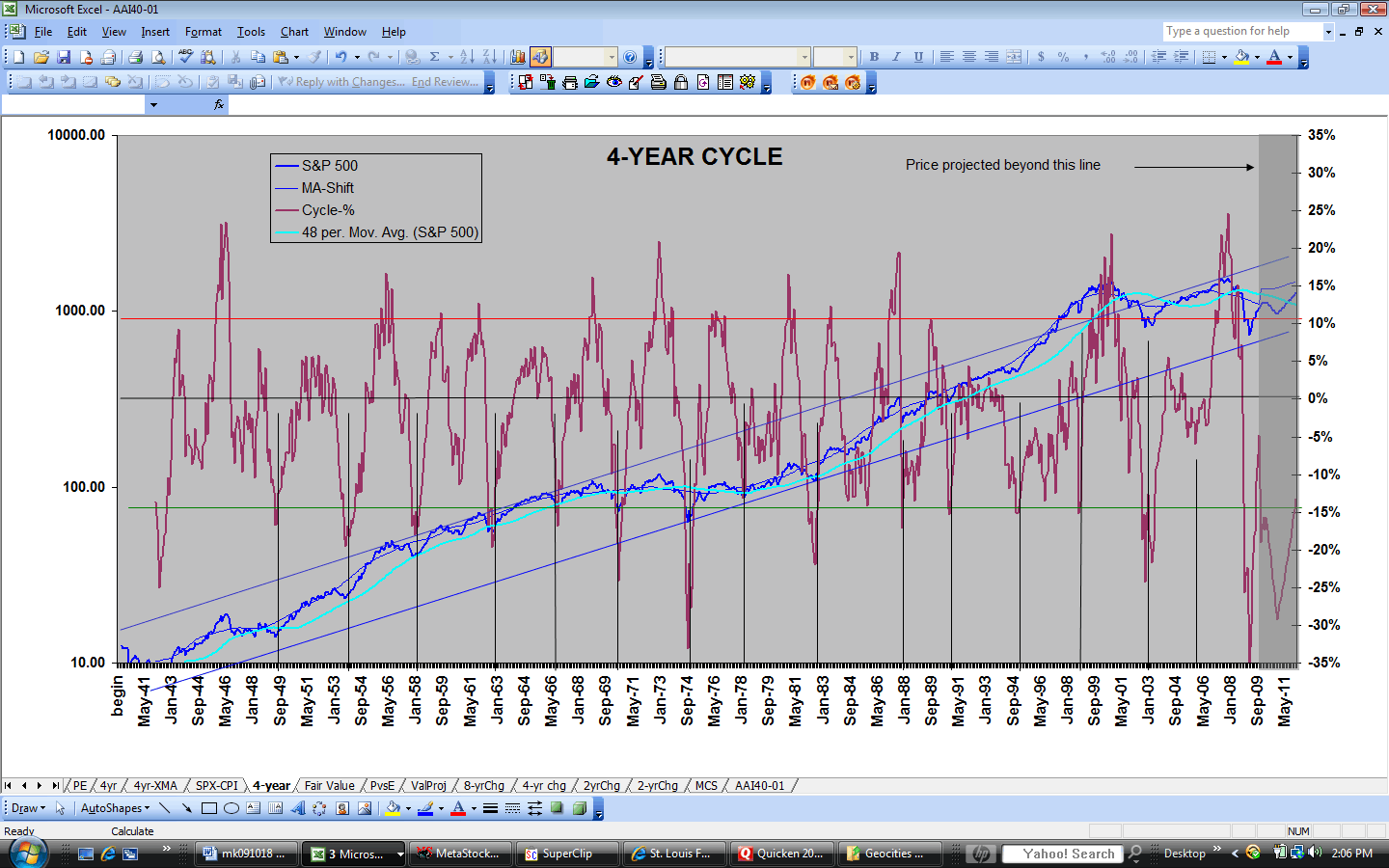
Friday’s seasonally adjusted employment report was better than expected (the unadjusted number was close to million jobs lost in December) but still capped the worst annual job loss since the end of WWII. I suppose it’s a fitting end to the Bush era that also produced the worst 8-year stock market performance in post WWII history (http://www.geocities.com/petegersb/8-yrChange.GIF ). Apparently all the prosperity that was supposed to materialize from trickle-down economics was just a figment of the right-wing imagination, as were the budget surpluses that were projected by those arguing for the poorly designed Bush tax cuts. Only during the Nixon-Ford era did eight-year S&P 500 performance previously dip into negative territory, and even Ford ended with essentially a zero change. By contrast the average eight-year period has produced about a 95% gain while the Bush era will end with about a 35% loss over his eight abysmal years. Thank goodness only 9 days are left in that era, but the pain will linger – probably for another two years while stocks complete the normal 3-year decline following a financial panic and reach the 4-yr cycle bottom (http://www.geocities.com/petegersb/4YearCycle.GIF ) on schedule.
Stocks’ short-term rally extended into last week as expected, but only until Tuesday afternoon when the 10-wk and shorter cycles peaked. The evidence of a peak is pretty compelling. The DStocs for the 10-wk cycles turned down on the weekly charts (http://www.geocities.com/petegersb/Overview-long.GIF, http://www.geocities.com/petegersb/Overview-med.GIF ) and on the daily charts of all of the indexes as did the short-term composites (NDX (http://www.geocities.com/petegersb/NDX.GIF), SPX (http://www.geocities.com/petegersb/SP500.GIF), Russell small cap index (http://www.geocities.com/petegersb/Russell2000.GIF )). The turn was confirmed by corresponding upturns of the indicators on the daily VIX (http://www.geocities.com/petegersb/VIX.GIF) and VXN (http://www.geocities.com/petegersb/VXN.GIF). A normal lifespan would produce a low for the 10-wk cycle in early February, but seasonal tendencies for the year following a presidential election suggest a more extended decline into late February.
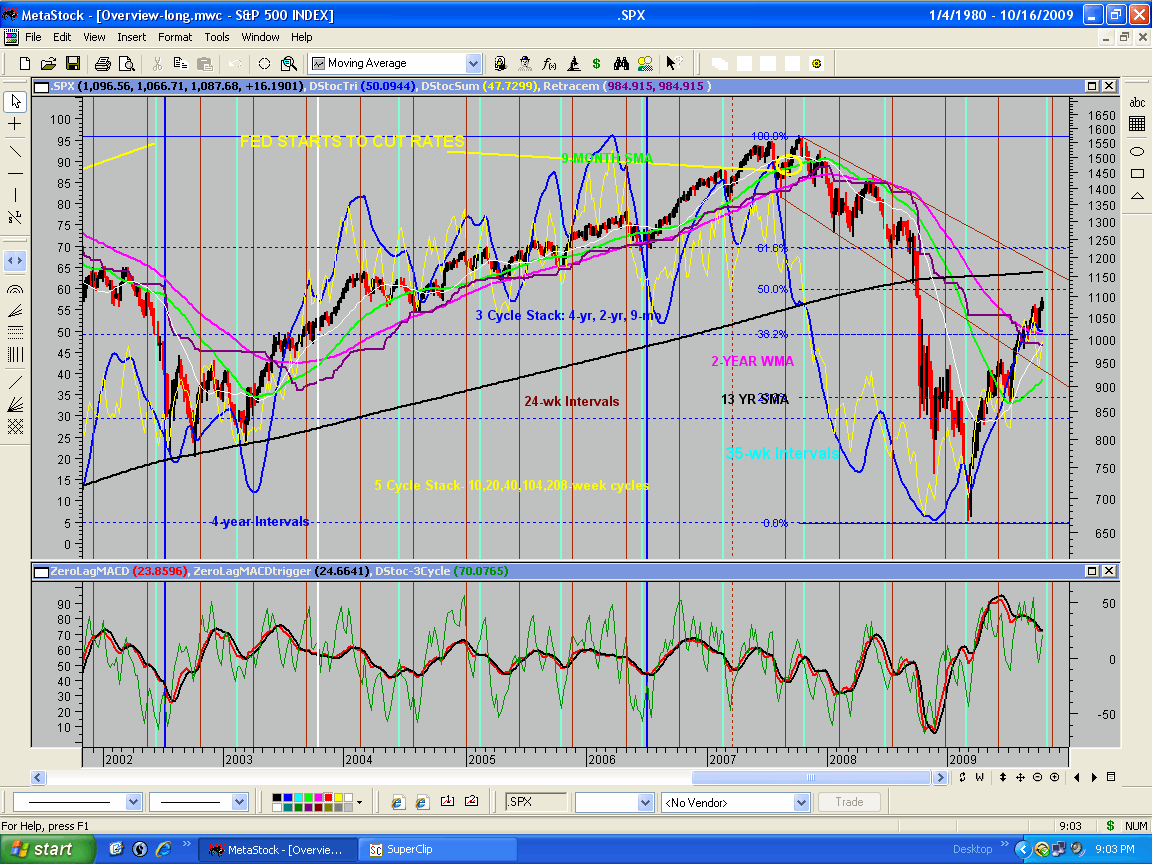
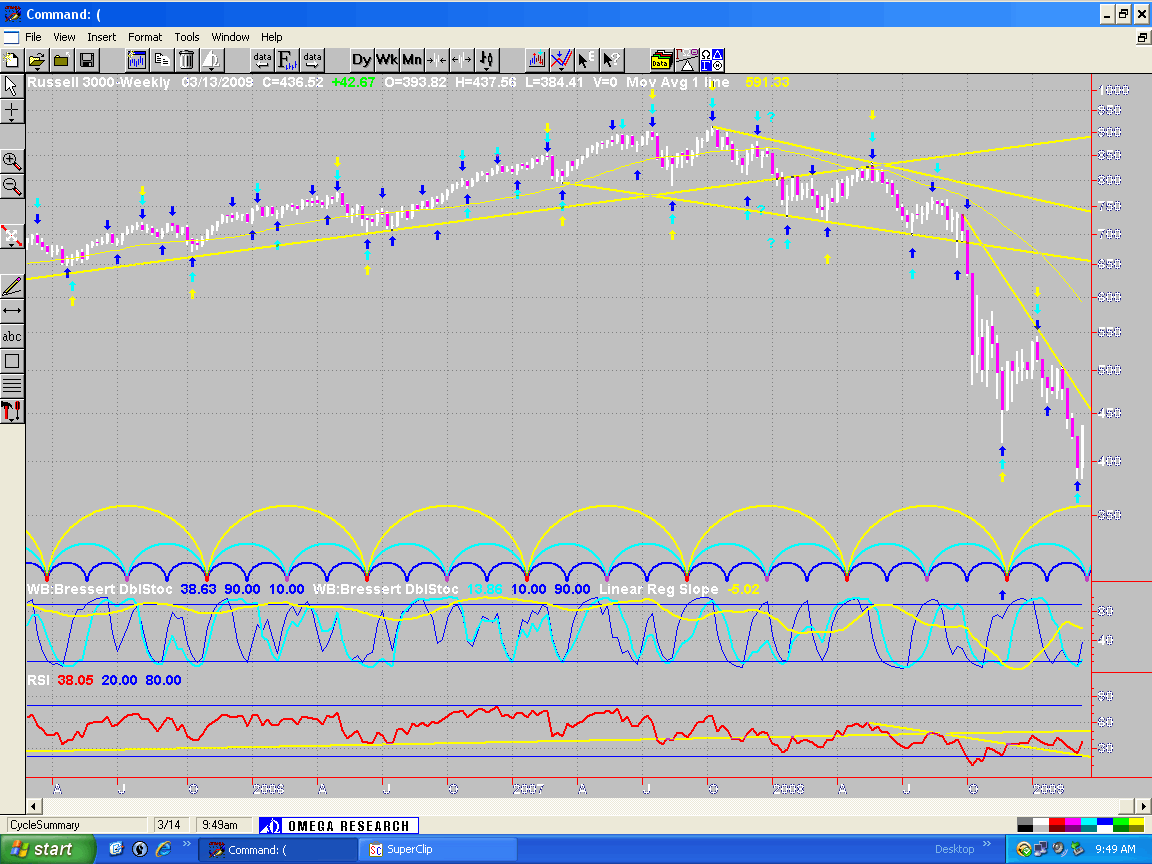
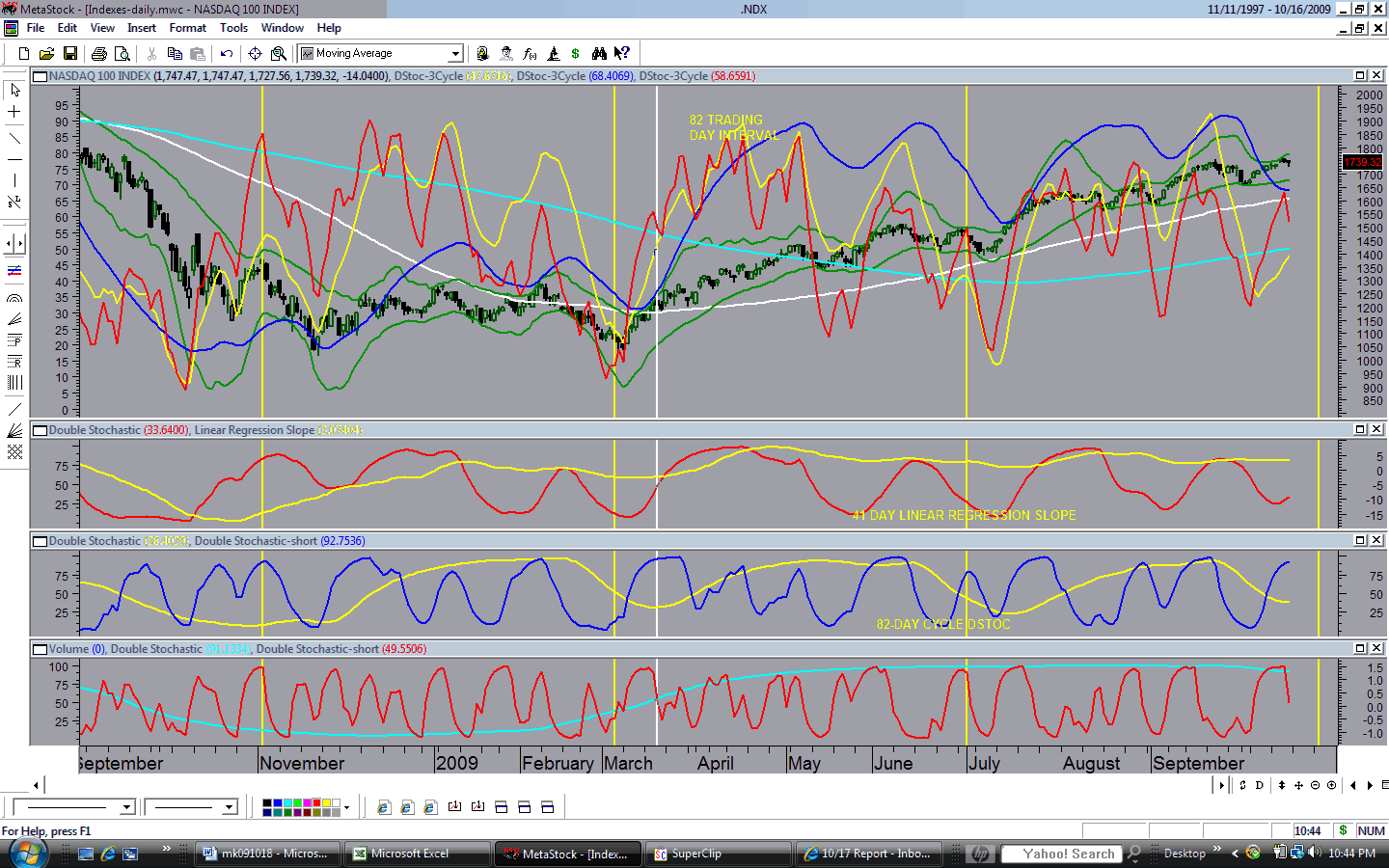
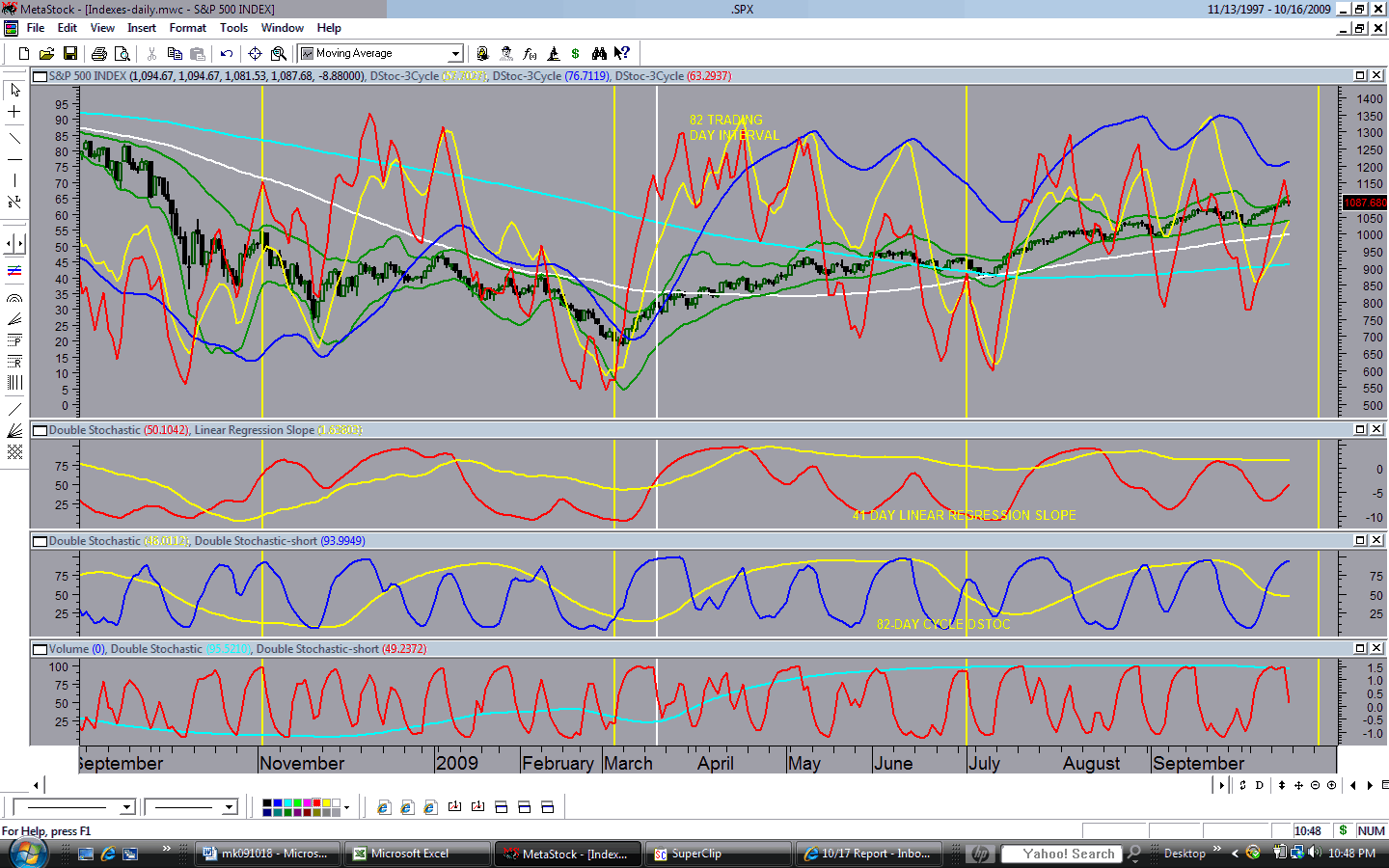
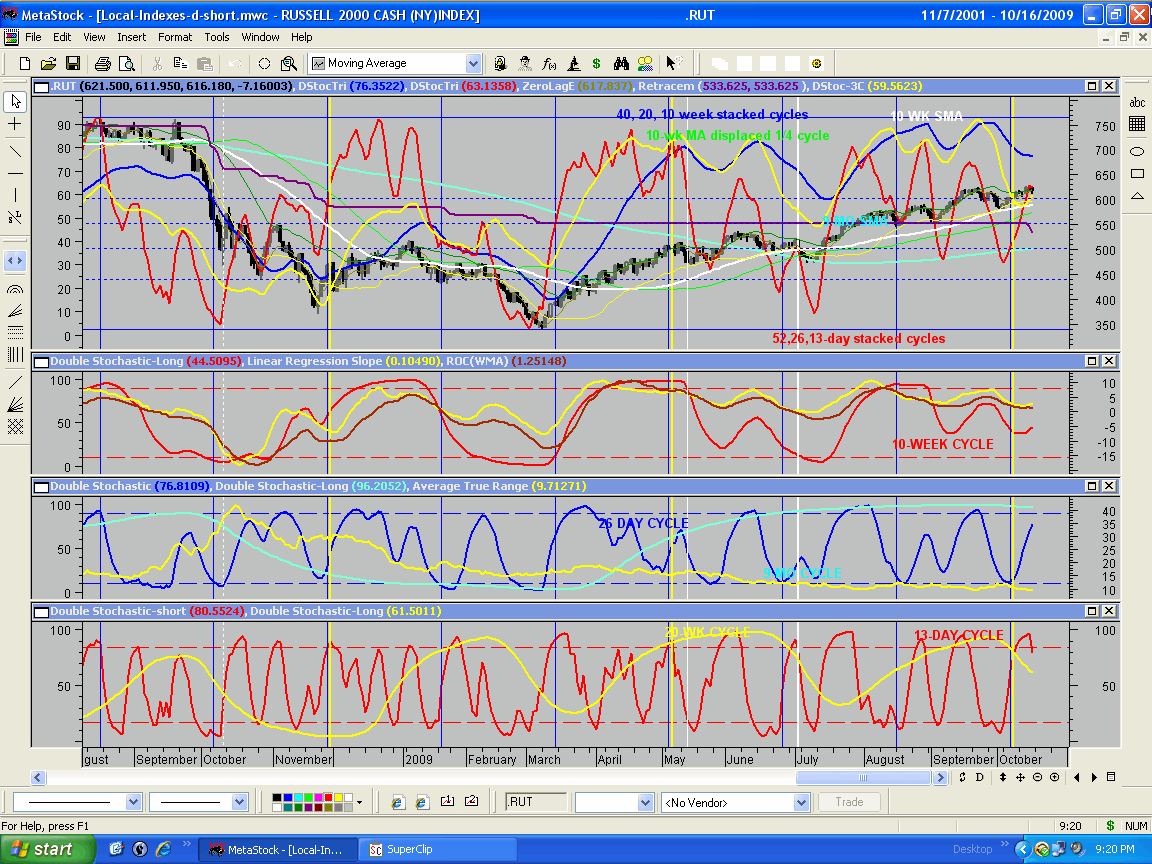
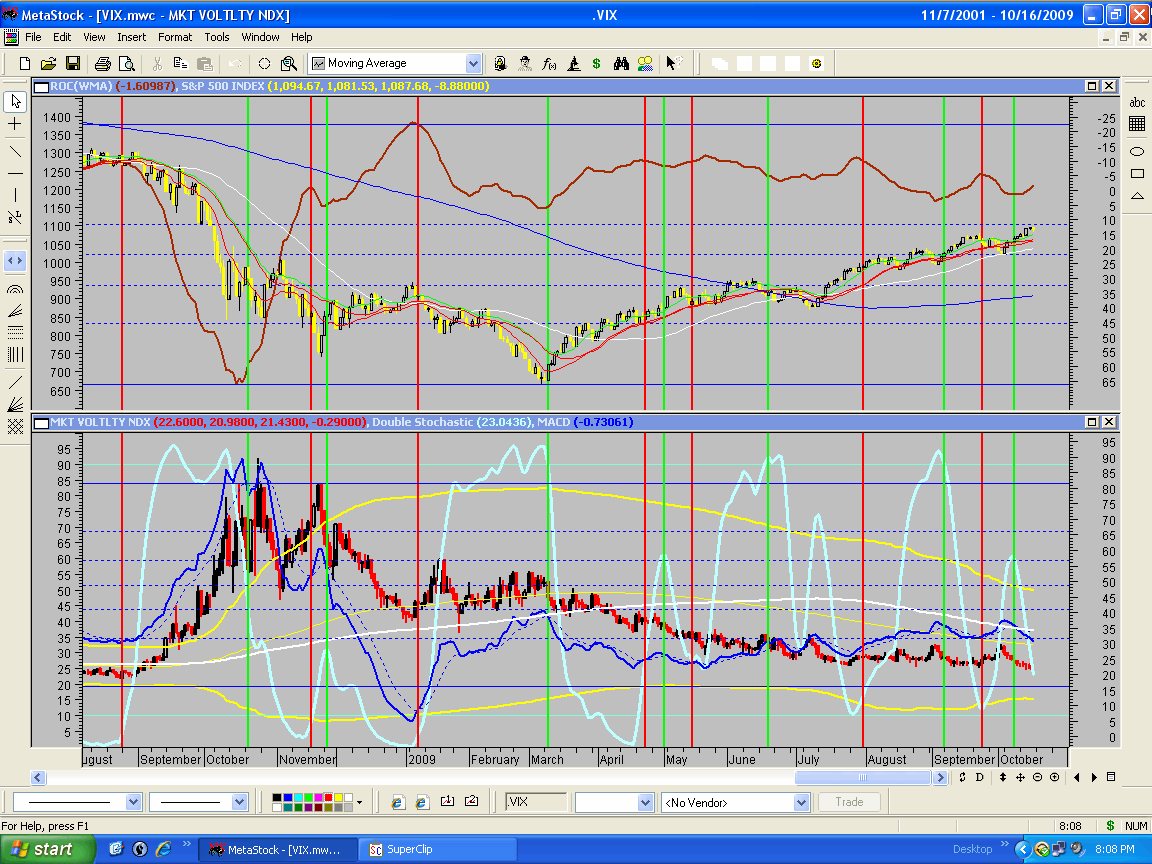
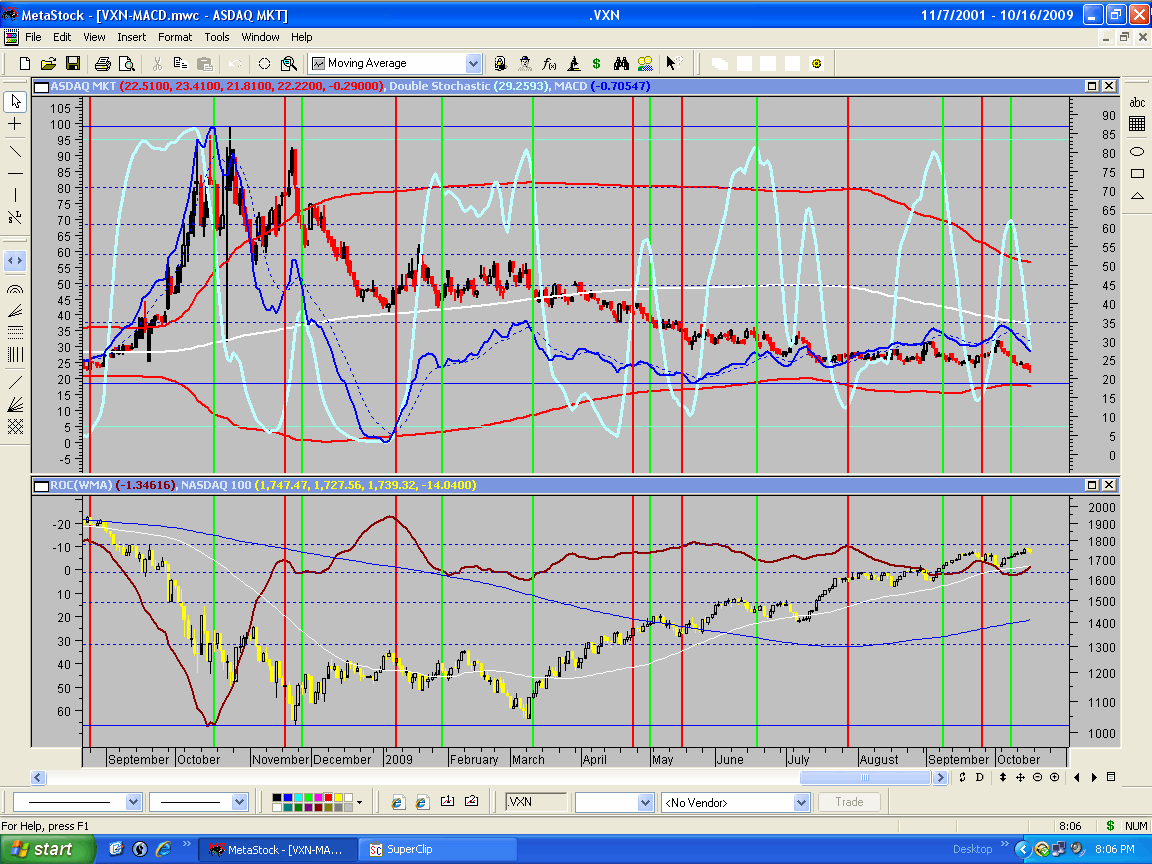

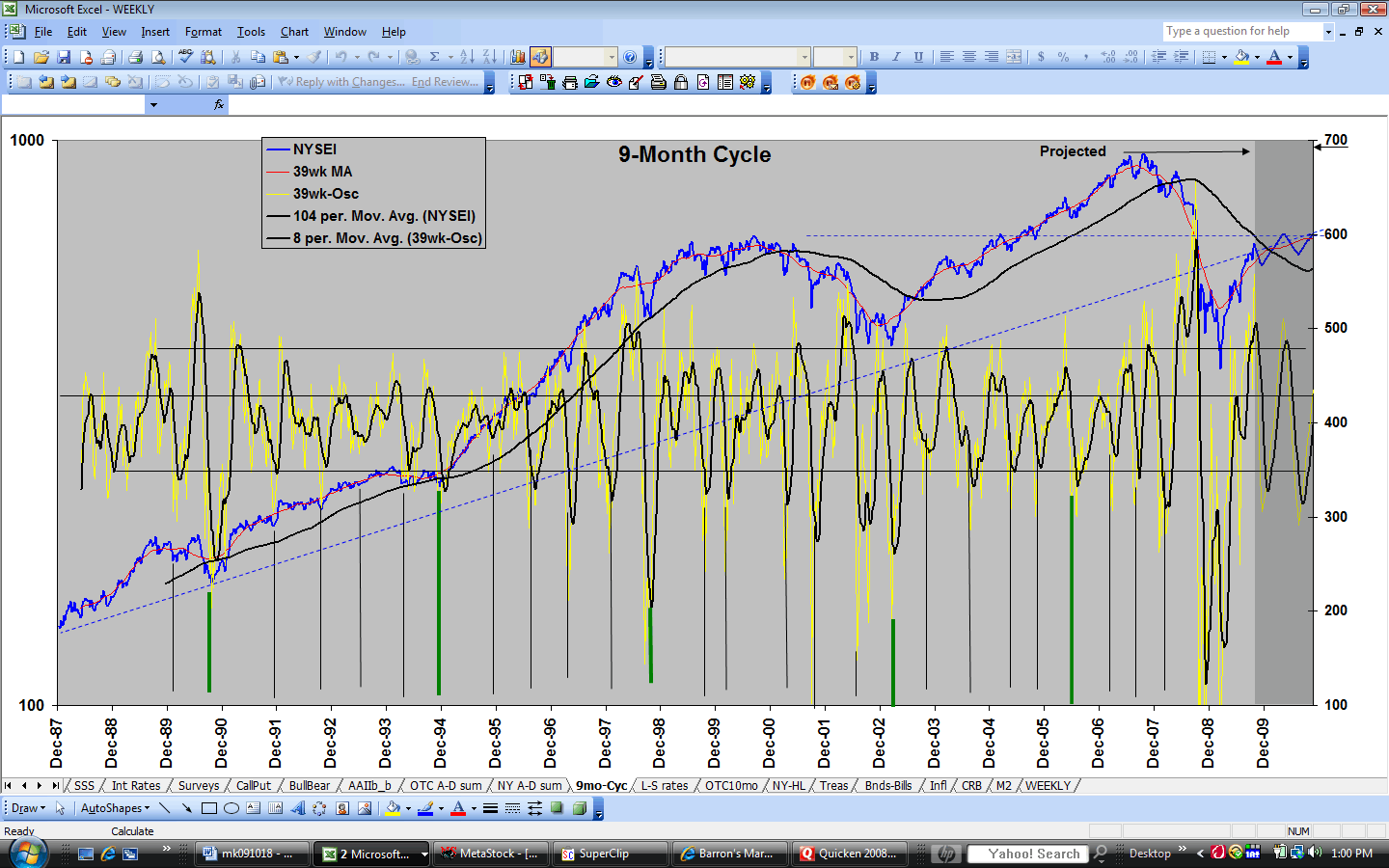
When the 10-week cycle bottoms, whether that be in early or late February, the 20-wk cycle will likely be starting to add to the downward pressure about that time. Consequently, it appears doubtful that the next 10-wk cycle rally would carry into late May as suggested by the post-election year pattern, or produce such a good gain. If the 9-month cycle (http://www.geocities.com/petegersb/9moNYA.GIF ) extends to its maximum it would be consistent with the post election pattern of another decline into early November.
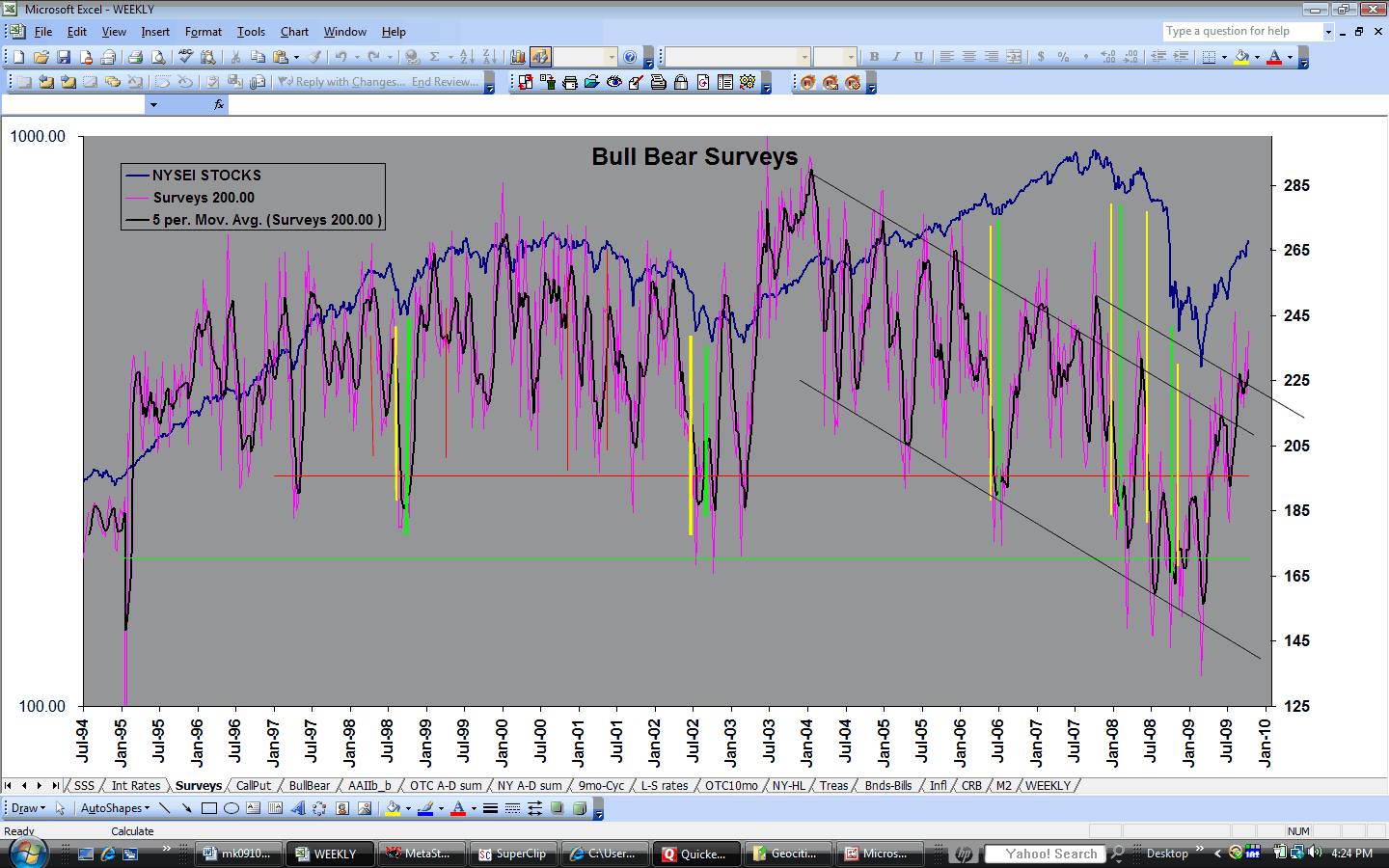
The bear-market rally that probably ended on
Tuesday corrected the deep pessimism that investors exhibited at the November
bottom. While rising optimism at still moderate
levels provides a rare bullish indicator (http://www.geocities.com/petegersb/SurveysCombined.GIF
), it has now risen to a level midway between the peaks of May and August of
2008 – both times when it would have been prudent to sell most stocks. Go with
the DStocs rather than waiting for the sentiment indicators to catch up.
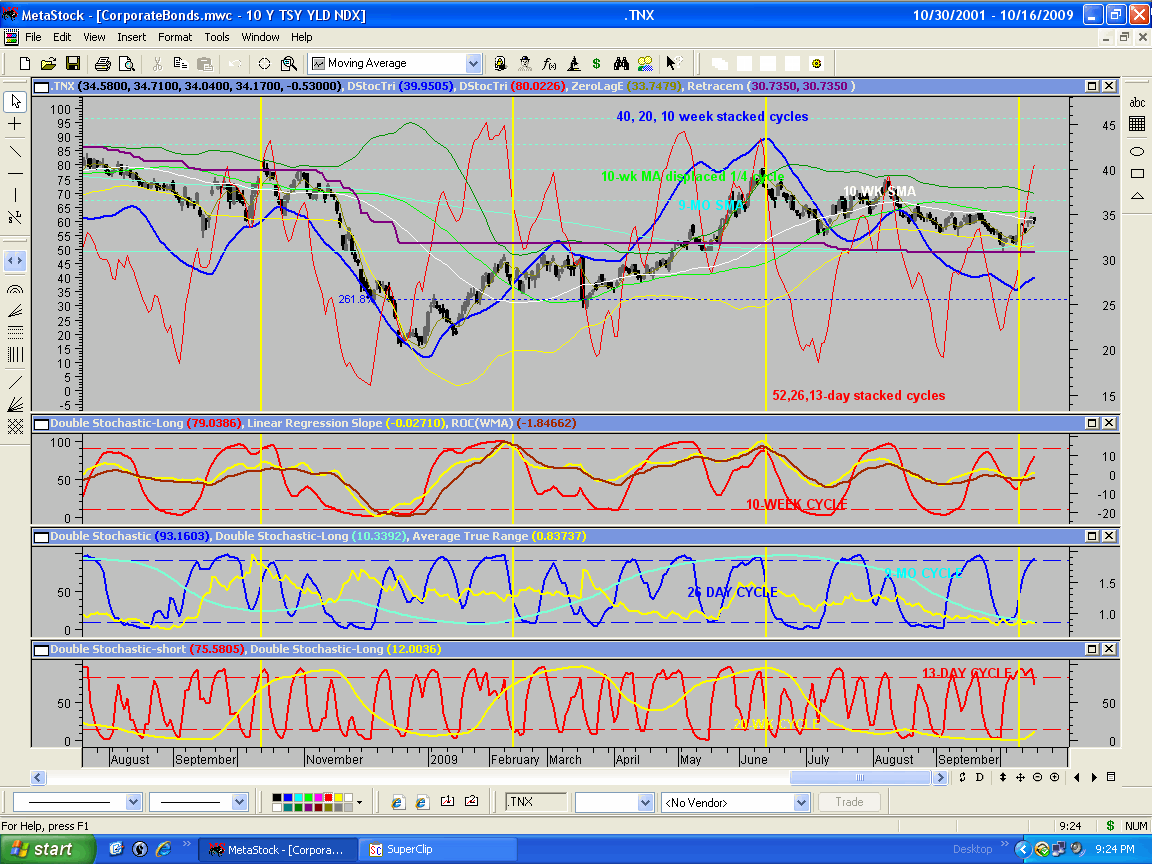
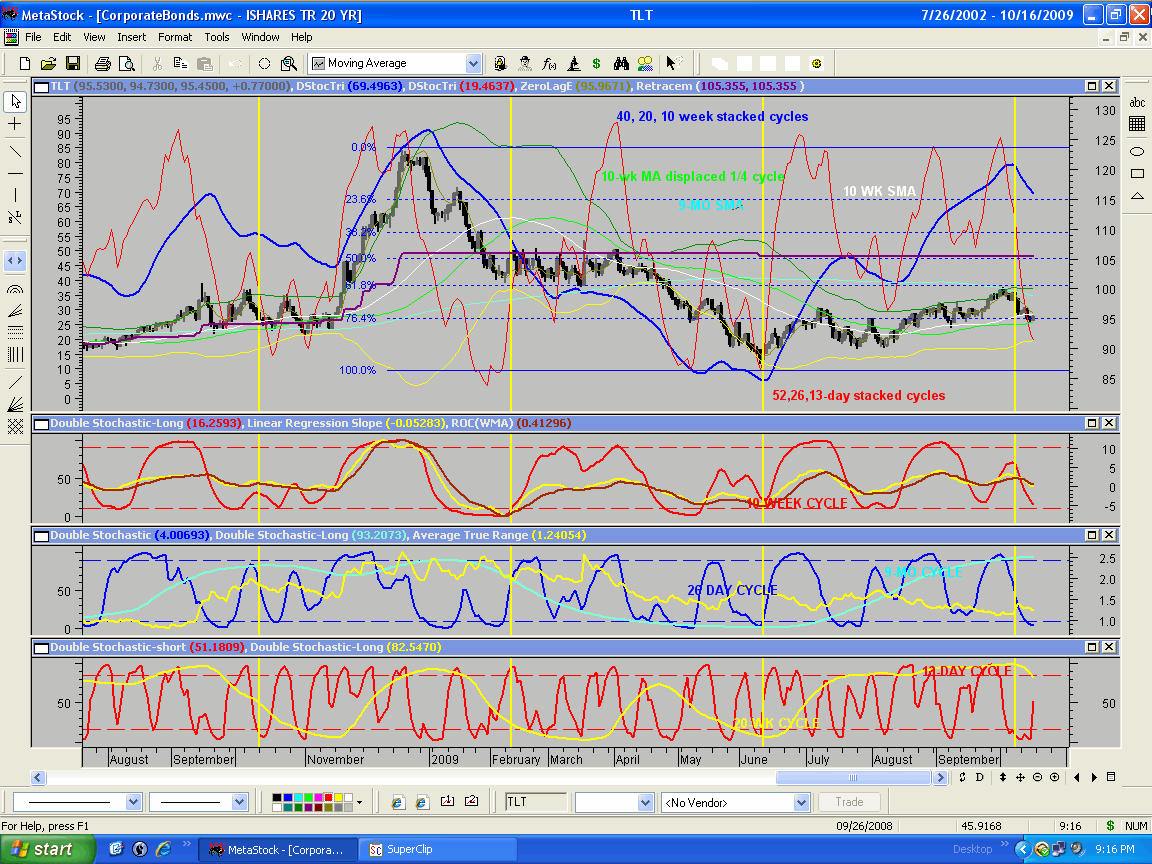
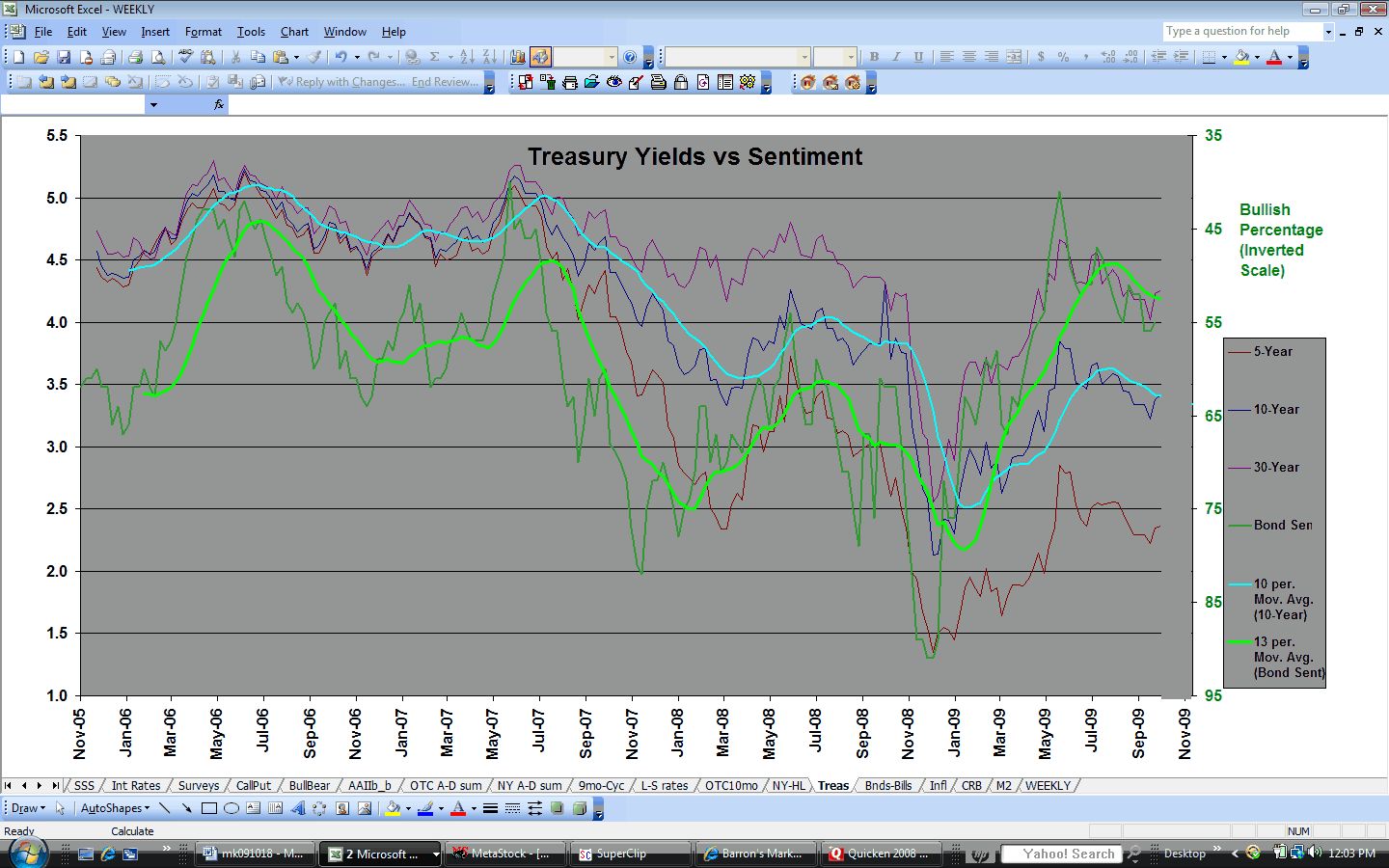
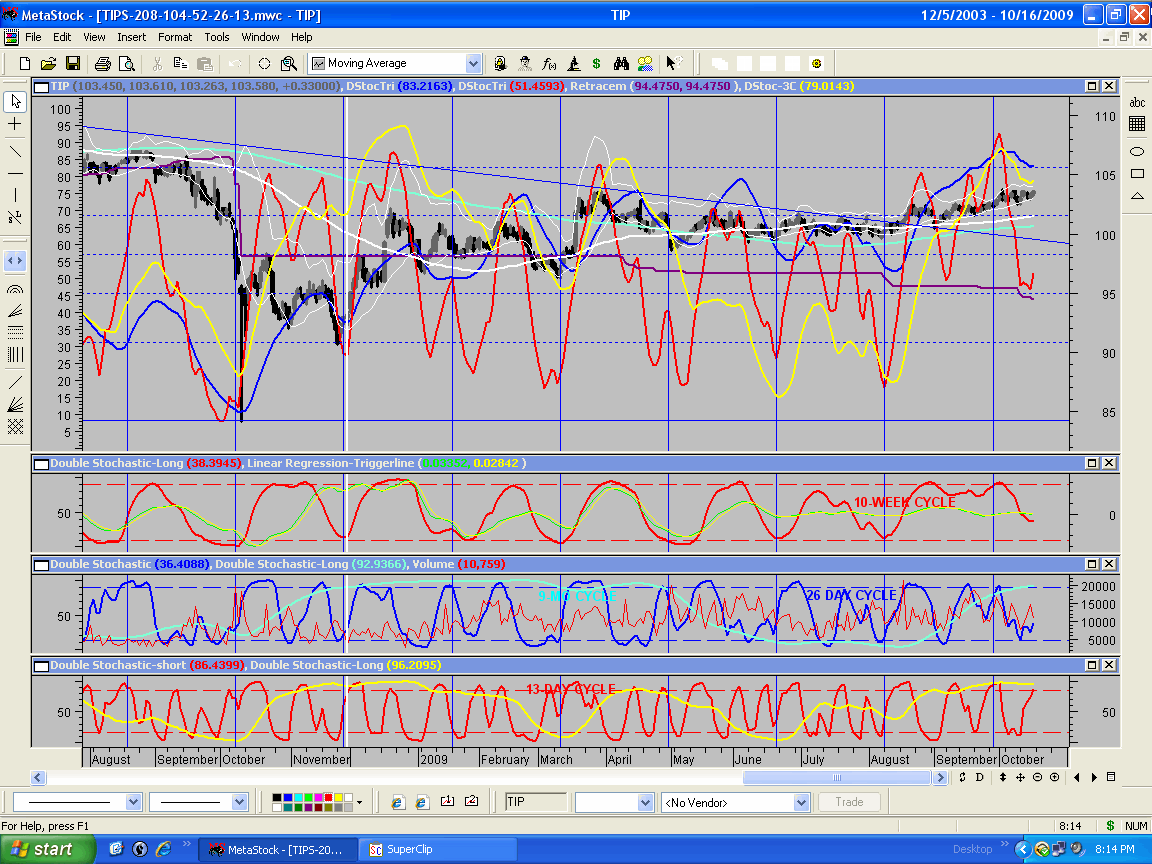
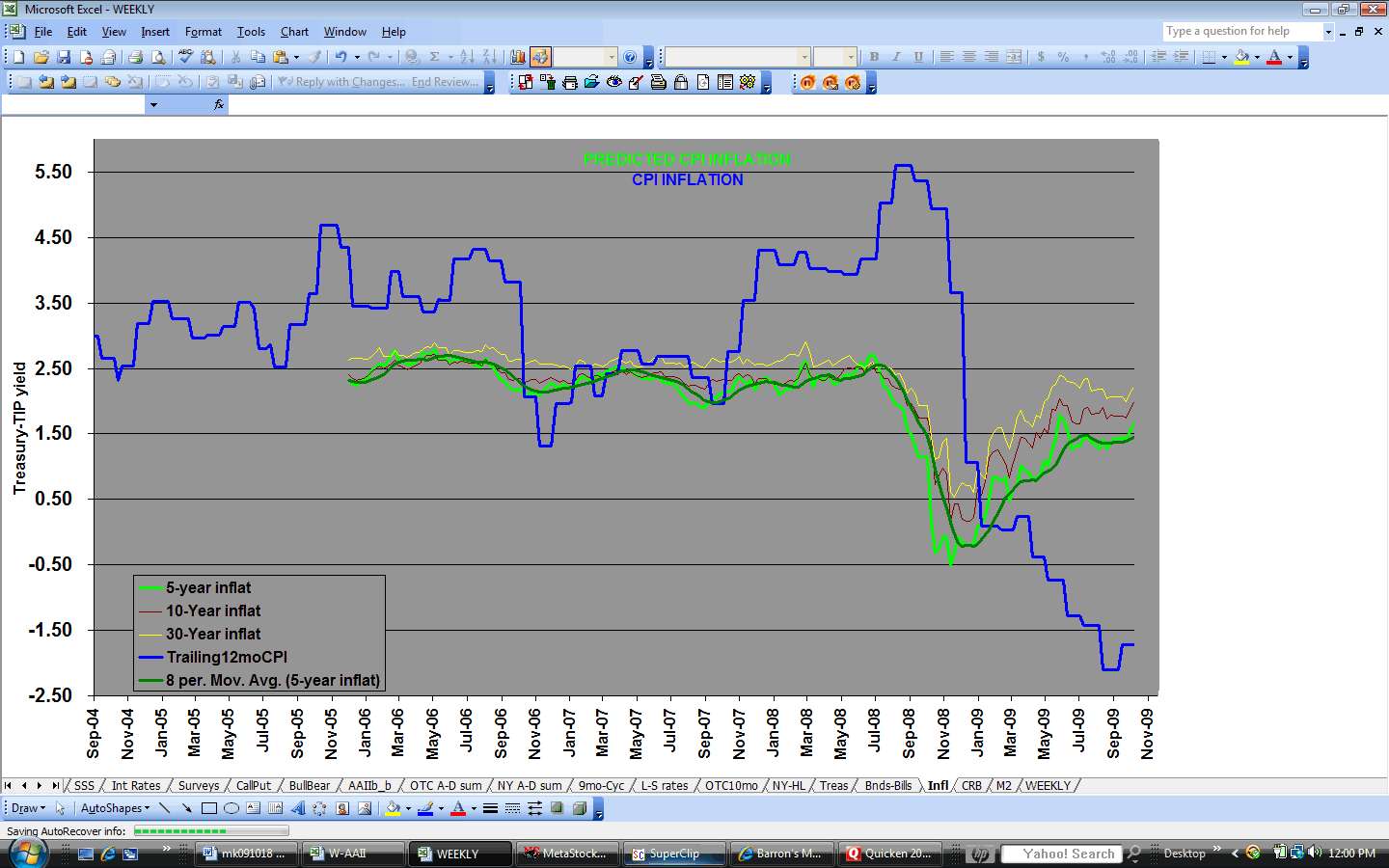
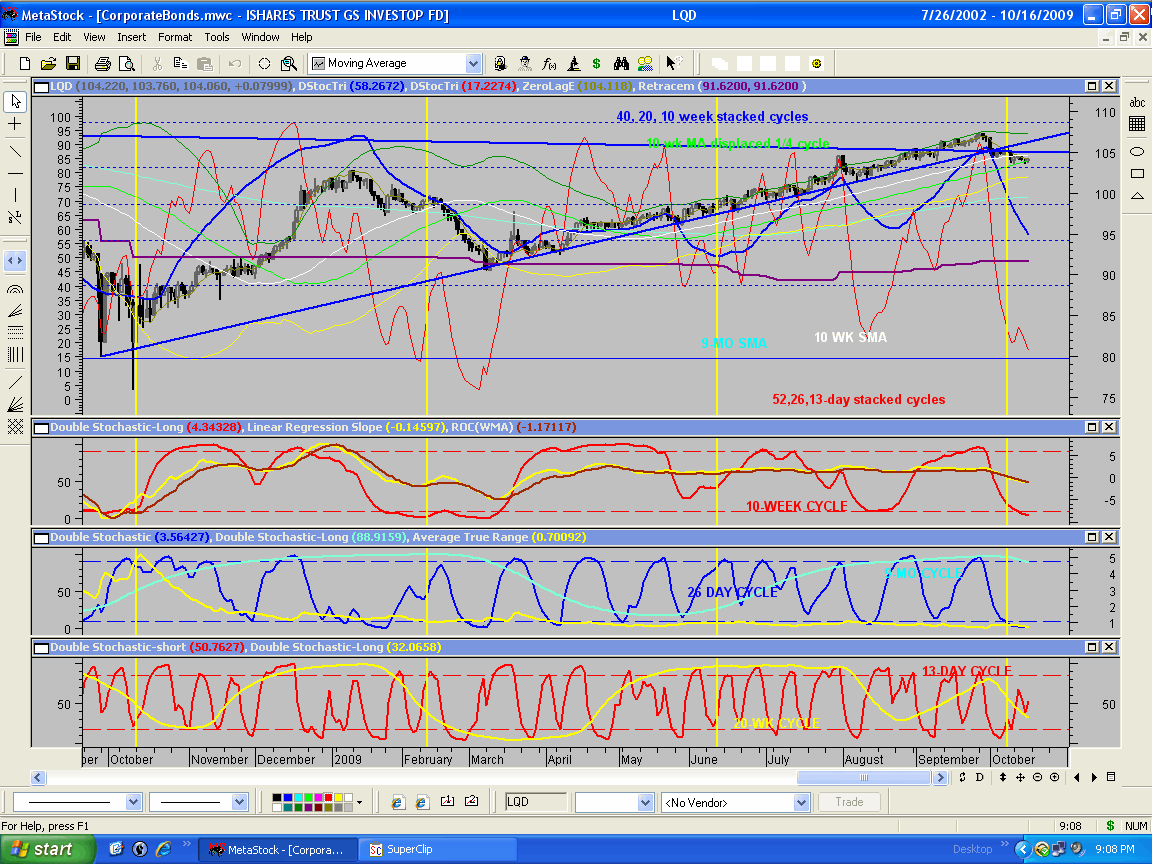
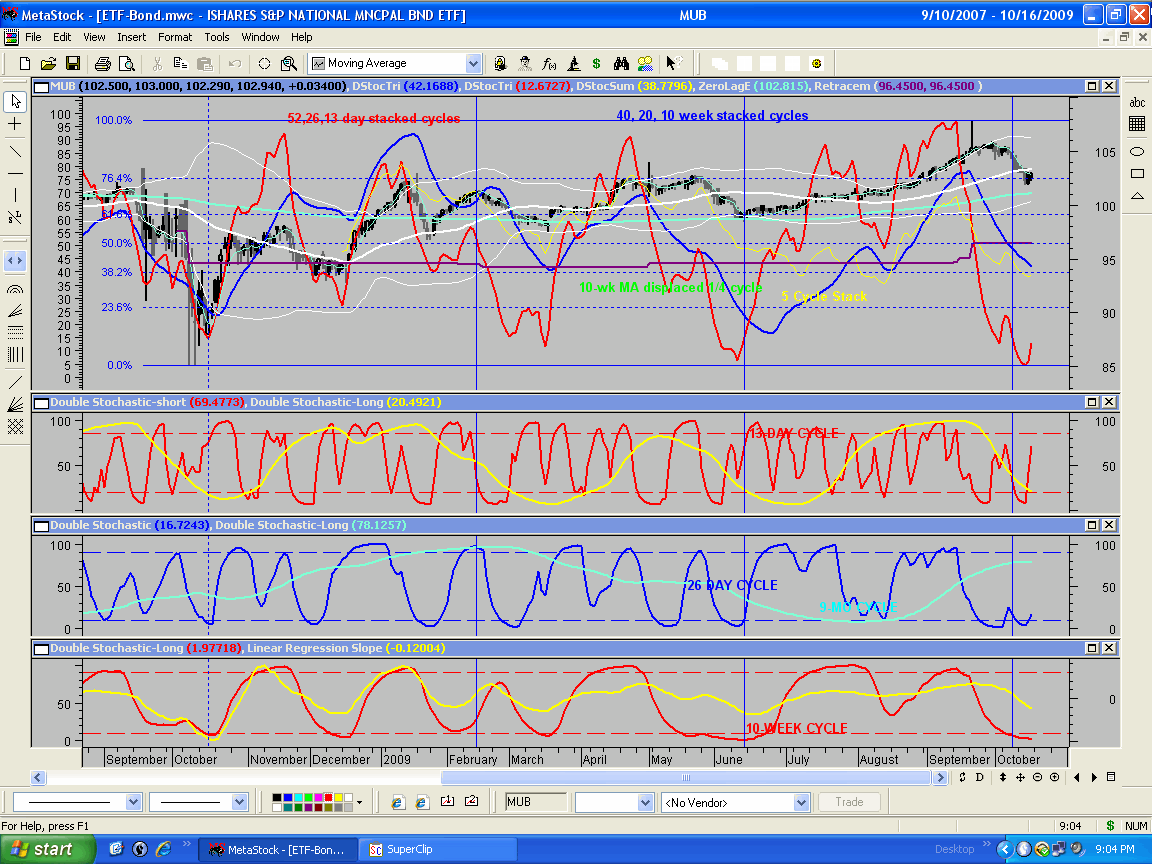
Treasury rates (http://www.geocities.com/petegersb/TreasuryYield-10yr.GIF) were flat last week, but the intermediate composite has now confirmed an intermediate uptrend as expected. The short-term composite is not yet overbought, but there are some indications of a possible short-term peak last Tuesday – simultaneous with the peak in stocks. Treasury bonds’ (http://www.geocities.com/petegersb/Treasury-20yr.GIF ) intermediate composite last week appeared to be rolling over to the downside, and so it did. The decline stabilized after hitting a potential short term bottom on Tuesday. Any short-term rally will be challenged to make any progress against the down trending longer cycles. Bond optimism (http://www.geocities.com/petegersb/BondSentiment.GIF ) plunged from an extreme 89% to 72% last week, confirming the intermediate peak in treasury bonds. Inflation Protected Treasuries (http://www.geocities.com/petegersb/TIPs.GIF) are also in a young intermediate downtrend, but they significantly outperformed conventional treasuries last week. The short-term composite turned up as TIPs found support at the 10-wk moving average. The additional massive fiscal stimulus proposed last week finally seems to finally be inspiring some inflation fears (http://www.geocities.com/petegersb/CPI.GIF ). Those fears will probably subside temporarily with this week’s PPI and CPI announcements, but you can bet they will surge as soon we get some evidence that the worldwide stimulus is working. Corporate bonds (http://www.geocities.com/petegersb/CorporateBonds.GIF) remain in an intermediate uptrend, and they appear to have begun a fresh short-term uptrend after a very minor correction. Nevertheless, the longer cycles and the intermediate composite are very overbought. As soon as the shorter cycles peak, corporate bonds are likely to follow stocks downward. Despite the likelihood of further tax cuts early in an Obama administration, municipal bonds (http://www.geocities.com/petegersb/MunicipalBonds.GIF ) continued strong last week. They are intermediate-term overbought, but still a screaming bargain compared to Treasuries – especially if a chunk of the stimulus package goes to the states.
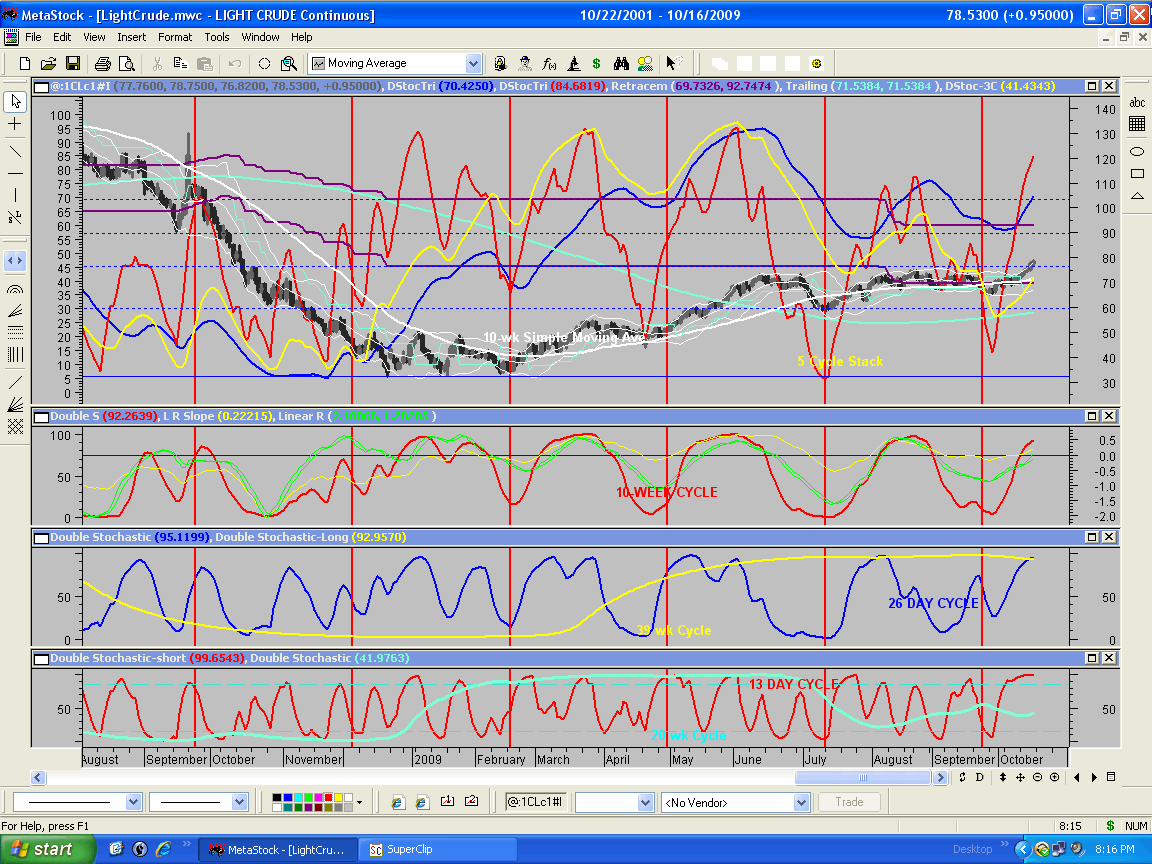
Crude oil (http://www.geocities.com/petegersb/CrudeOil.GIF ) backed off from the 10-wk moving average as the overbought short-term composite peaked. The intermediate uptrend remains intact, but oil appears likely to correct with stocks in the near-term.
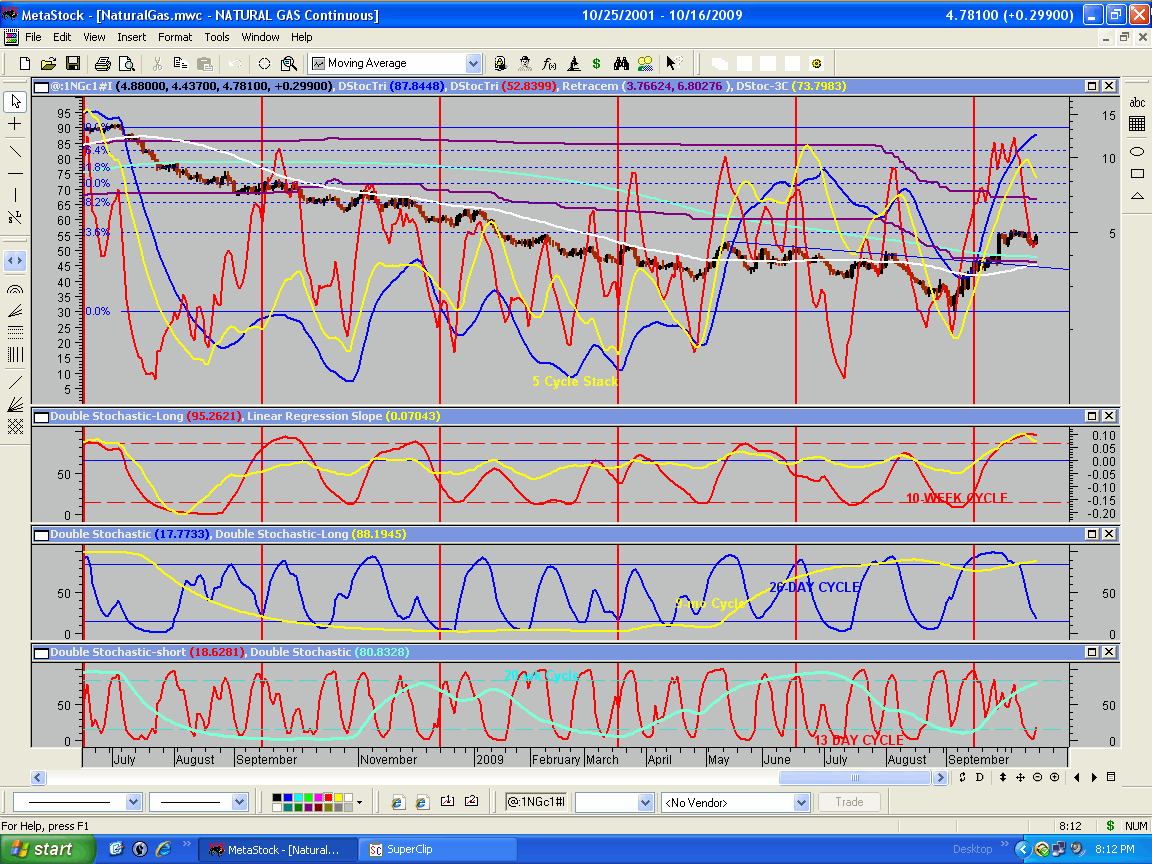
Natural gas (http://www.geocities.com/petegersb/NaturalGas.GIF ) also backed of from a second attempt in as many weeks to breach its 10-week moving average. Its short term composite turned down, but the uptrend in the intermediate composite remains intact. The 9-mo cycle’s bottoming action appears likely to continue a little longer while the declining 13 and 26-day cycle buck the rising 10 and 20-week cycles.
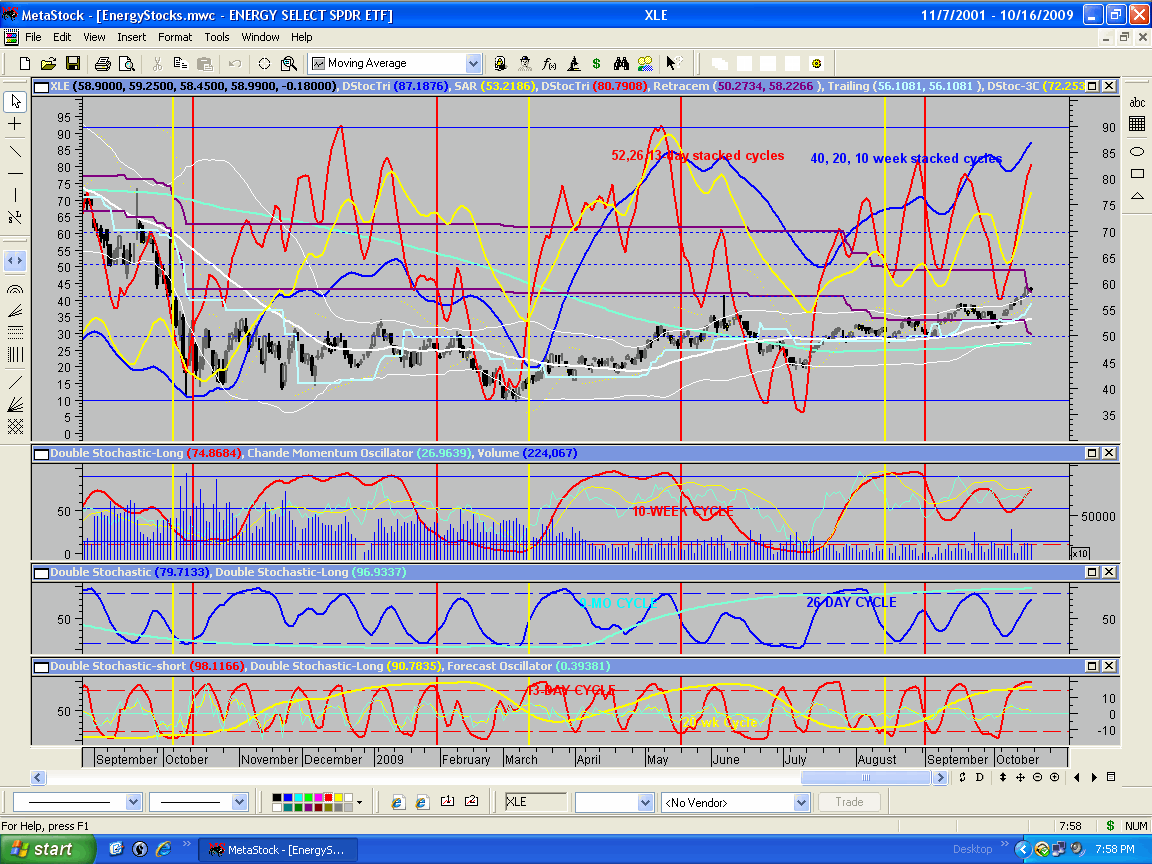
Energy stocks (http://www.geocities.com/petegersb/EnergySPDR.GIF) remained above their 10-wk moving average last week after posting a second higher 13-day cycle peak at the November peak. While that is a somewhat encouraging price pattern, the 10 and 20-wk cycles are overbought and the short-term composite turned down last week after a negative divergence from the price pattern. It no longer looks likely that the XLE can break out above its 3-month range in the near term. Energy stocks probably will not buck the downtrend in the broader market.
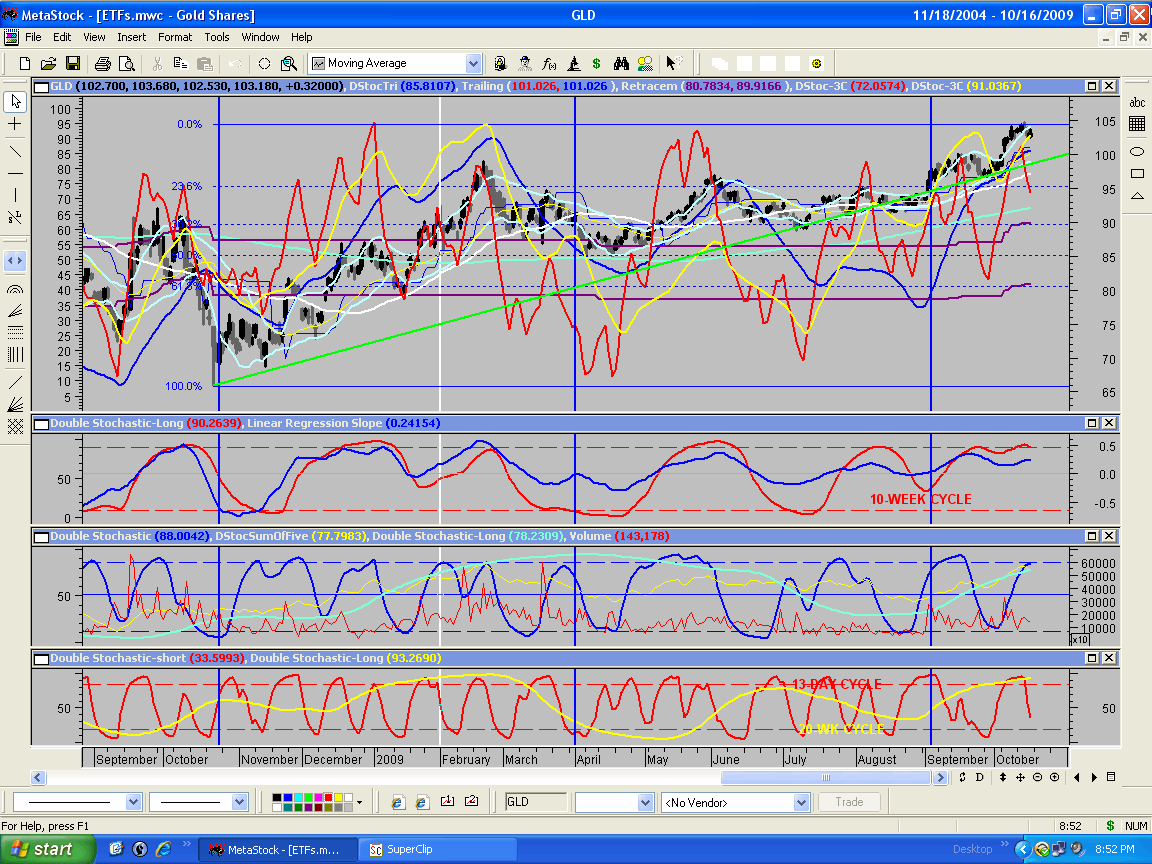
Gold (http://www.geocities.com/petegersb/GoldBullion.GIF) corrected its short-term overbought condition, but moved
back below its 9-mo moving average in the process. The shortest cycles appear
ready to rally again this week, but the 10-week cycle has turned down from a
right-translated peak, and the longer cycles are overbought. Gold may continue
to out-perform stocks, but it doesn’t look like a safe haven during the coming
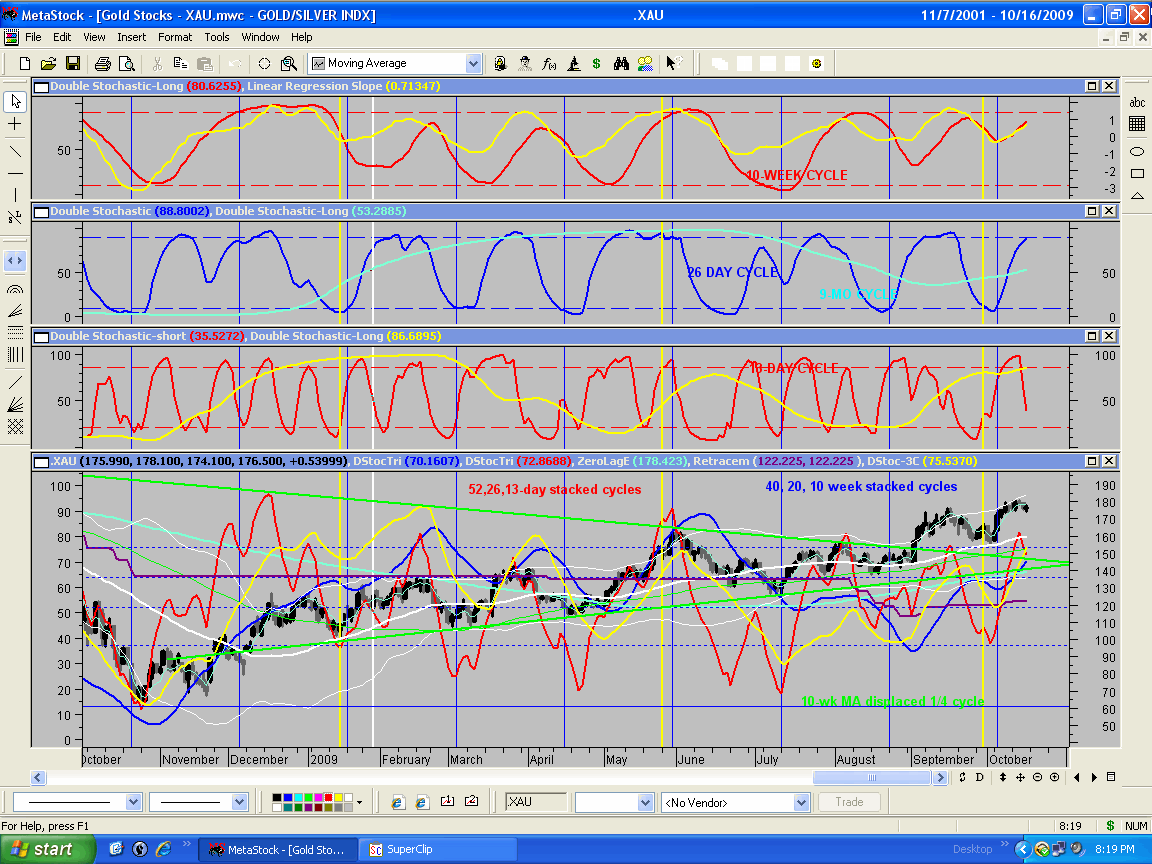
further decline of most asset classes. Gold Stocks (http://www.geocities.com/petegersb/GoldStocks.GIF
) have held up well while the short cycles corrected, but the 10-week cycle has
now turned down and the 20-wk cycle appears to have completed its double top.
We may see another attempt to breach the December peak this week, but it
appears destined to fail. If so, the intermediate composite will join the
downtrend.
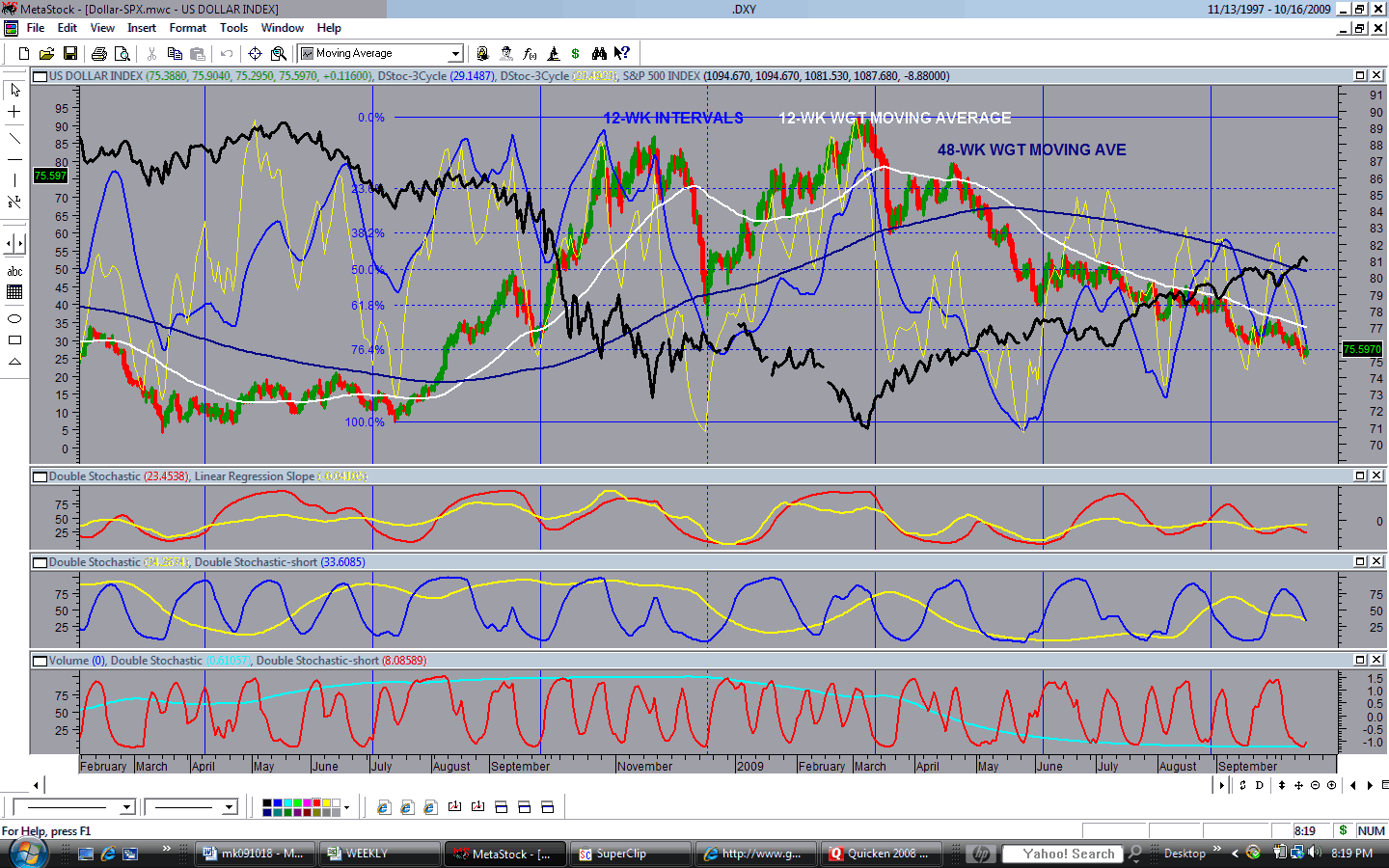
The dollar (http://www.geocities.com/petegersb/Dollar.GIF) established a short-term peak at the declining 10-wk moving average on Tuesday. Conflicting cycle trends should prevent any large move this week. The short-term composite favors a correction down to support at about 80, and a test of the December low if 80 doesn’t hold. The long cycles suggest that such a test is likely to hold.