1/4/08
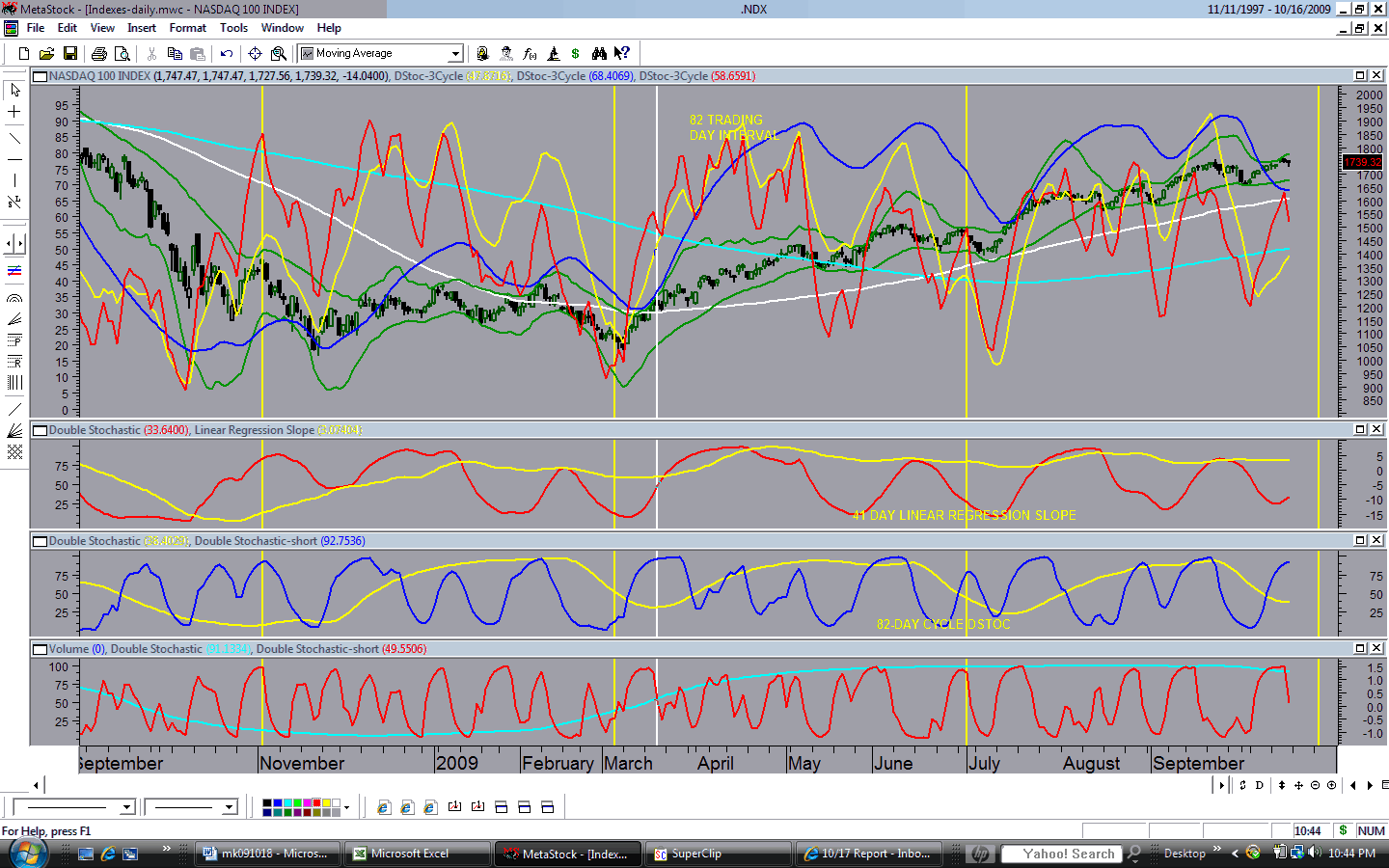
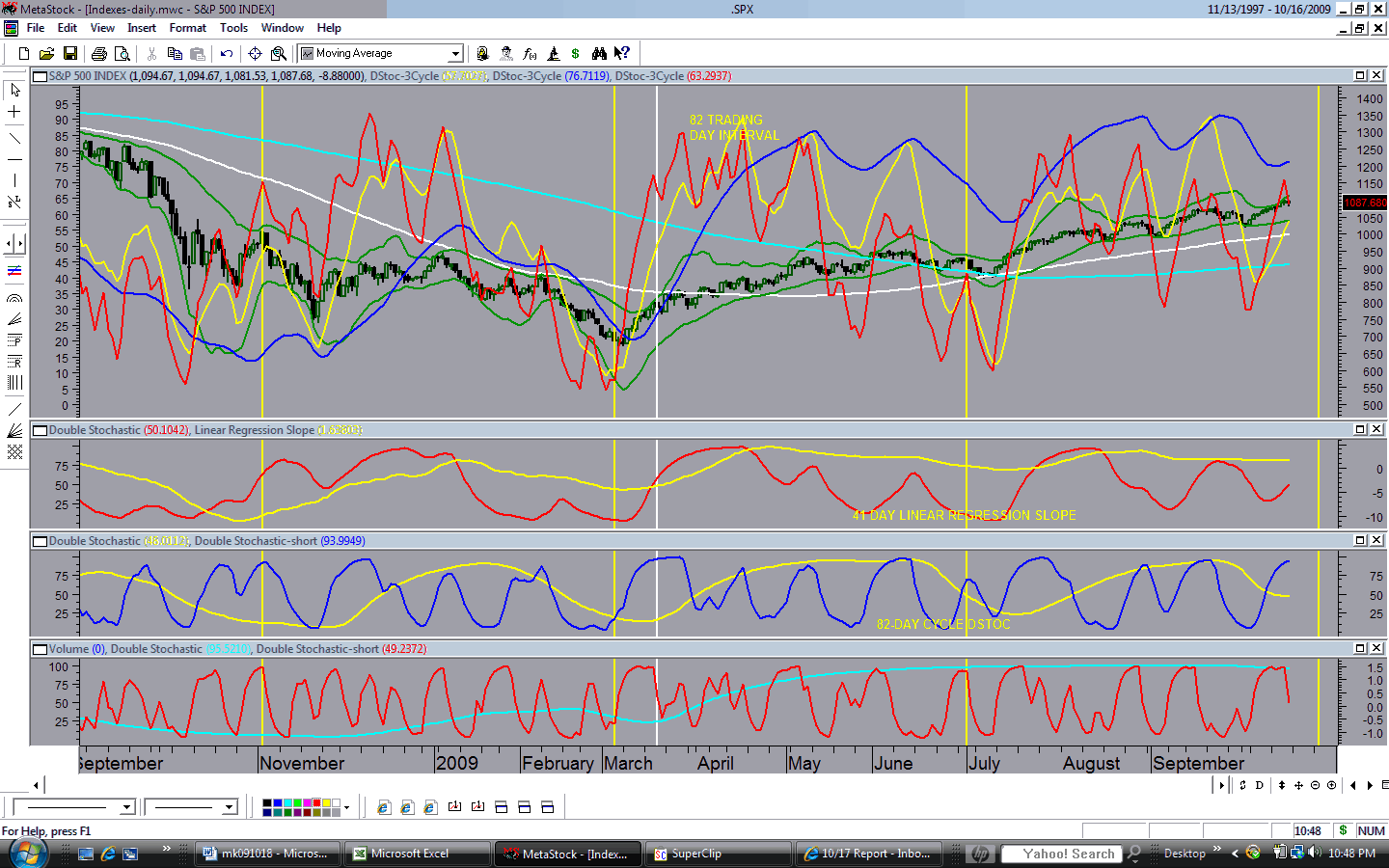
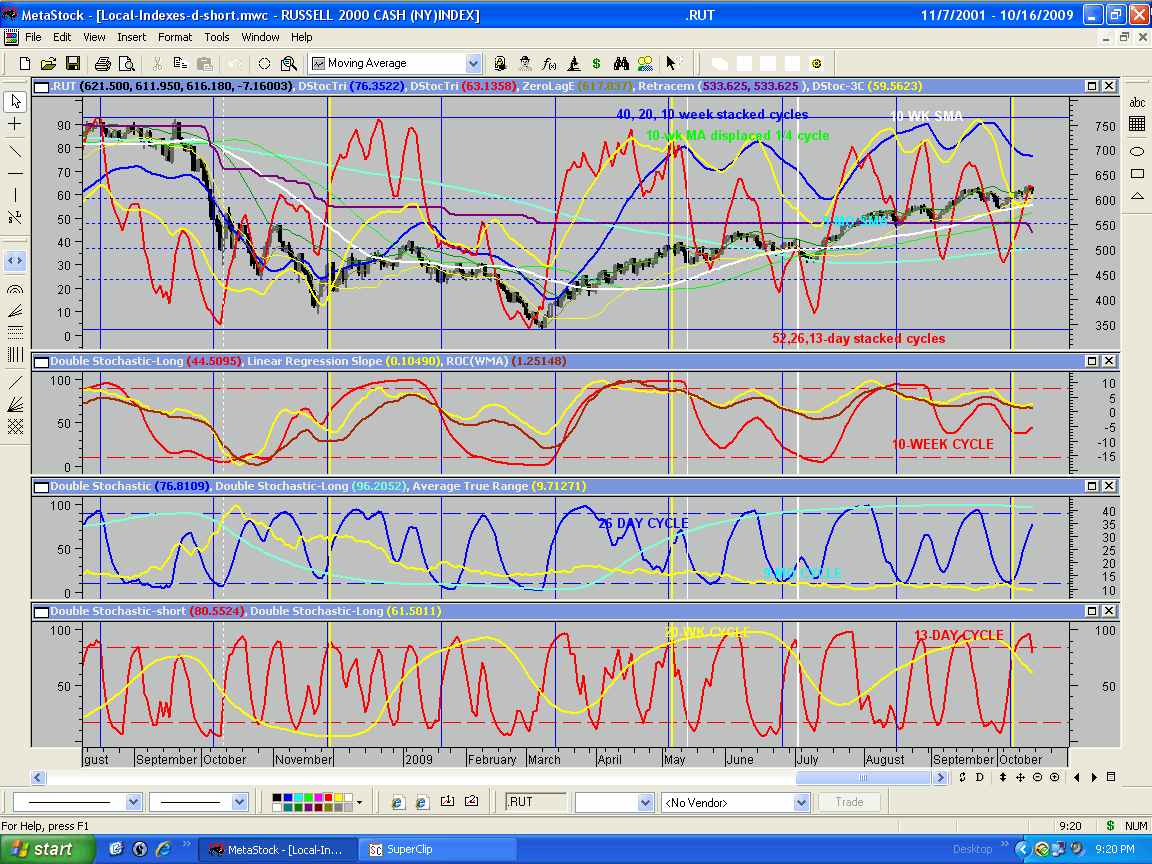
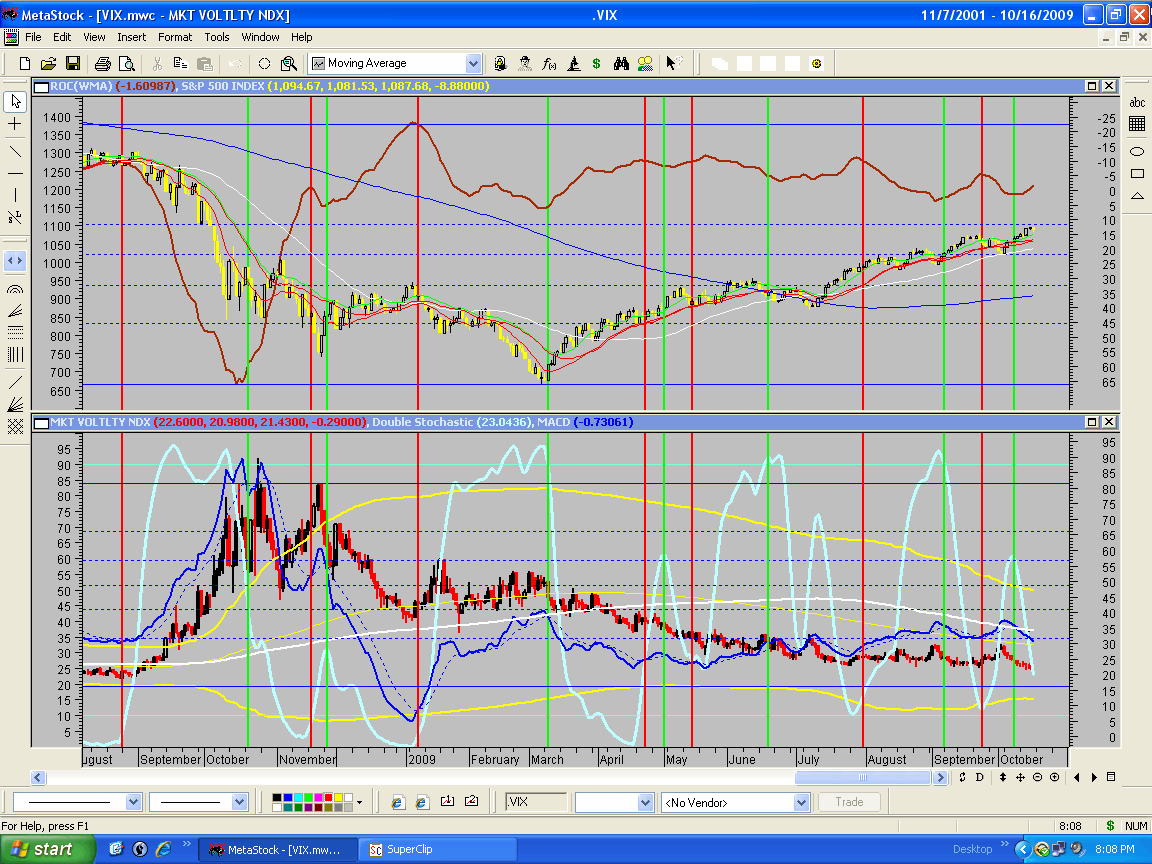
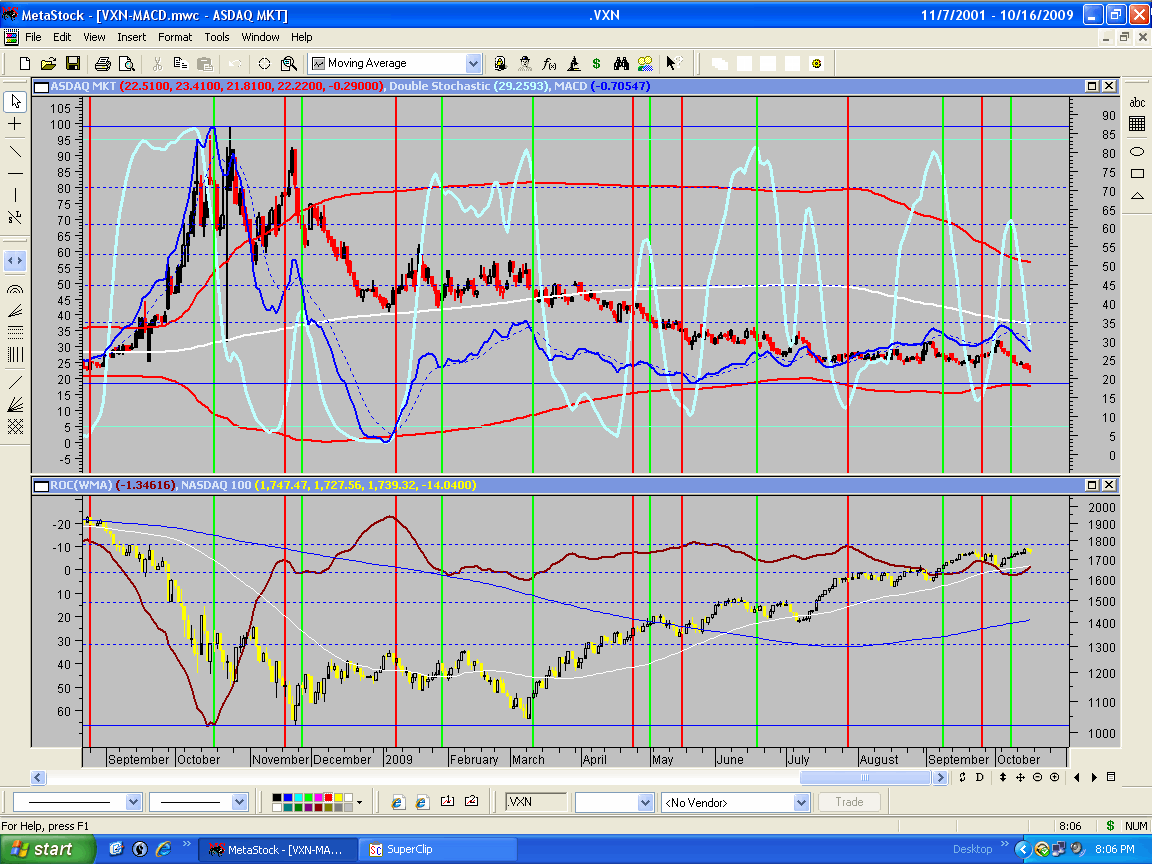
Rising 9-mo and 20-wk cycles got an assist from an upturn in the 13 and 26-day cycles on Monday to produce a strong rally that probably averted another left peak in the 6-wk-old 10-wk cycle. On Friday, prices moved significantly above their 10-wk moving averages and above their December short-term peaks on all of the indexes (NDX (http://www.geocities.com/petegersb/NDX.GIF), SPX (http://www.geocities.com/petegersb/SP500.GIF), Russell small cap index (http://www.geocities.com/petegersb/Russell2000.GIF )). The short-term rally should extend into this week and challenge the early November peak. If it succeeds in breaching that peak, it will establish a higher 10-wk cycle high for the first time since mid-May. Although the other cycles overwhelmed it last week, the 10-week cycle continues to be the primary impediment to a strong rally going forward. It’s been 6 weeks since the last bottom and 9 weeks since the last peak. Furthermore, the DStocs on the daily VIX (http://www.geocities.com/petegersb/VIX.GIF) and VXN (http://www.geocities.com/petegersb/VXN.GIF) are extremely oversold. While the 10-wk cycle is ripe for a peak, the week old 13 and 26-day cycles will probably require a little more time to exhaust their rising phases. When they do, the middle-aged and overbought 20-week cycle will probably have peaked as well. If the 20-wk cycle rally fizzles below 1000 on the SPX, the market will be ready to launch its next major downtrend. That’s my expectation.
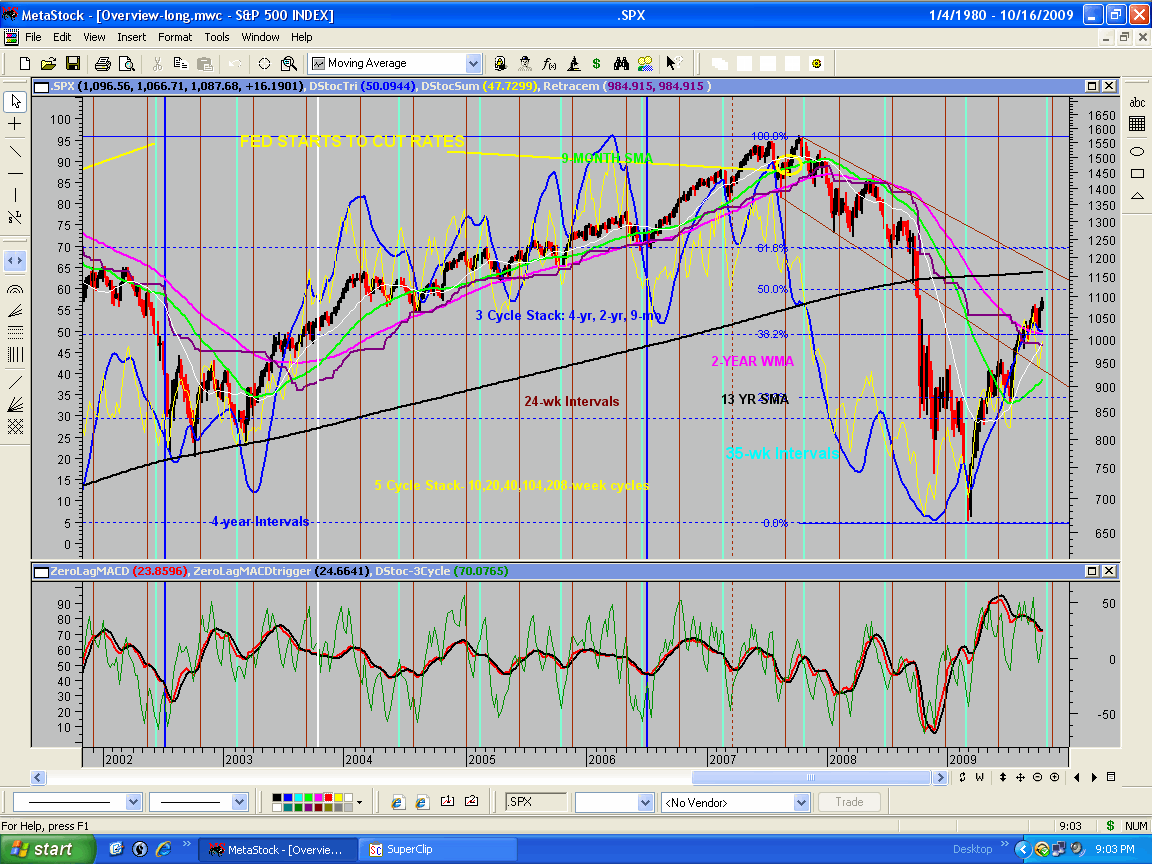
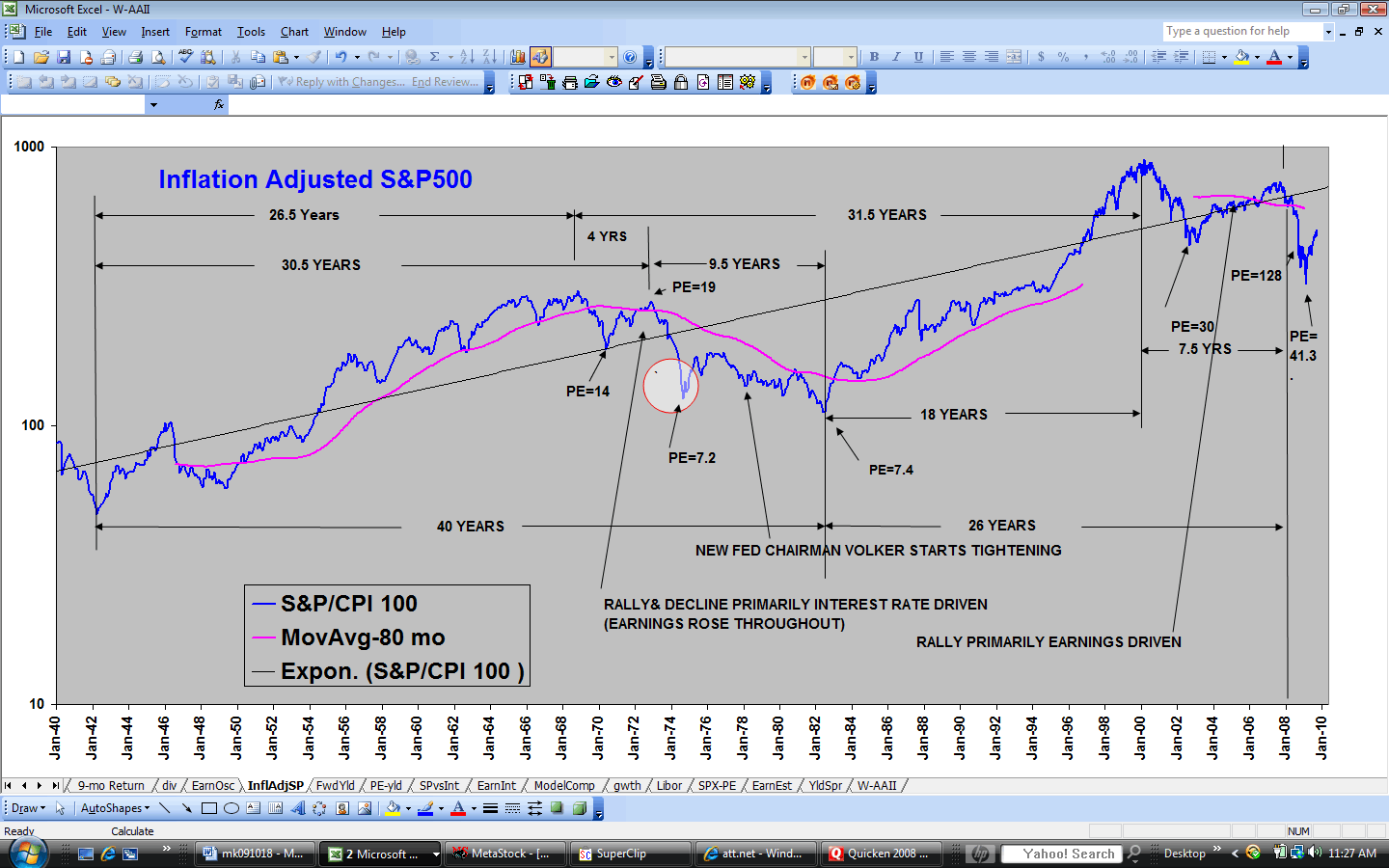
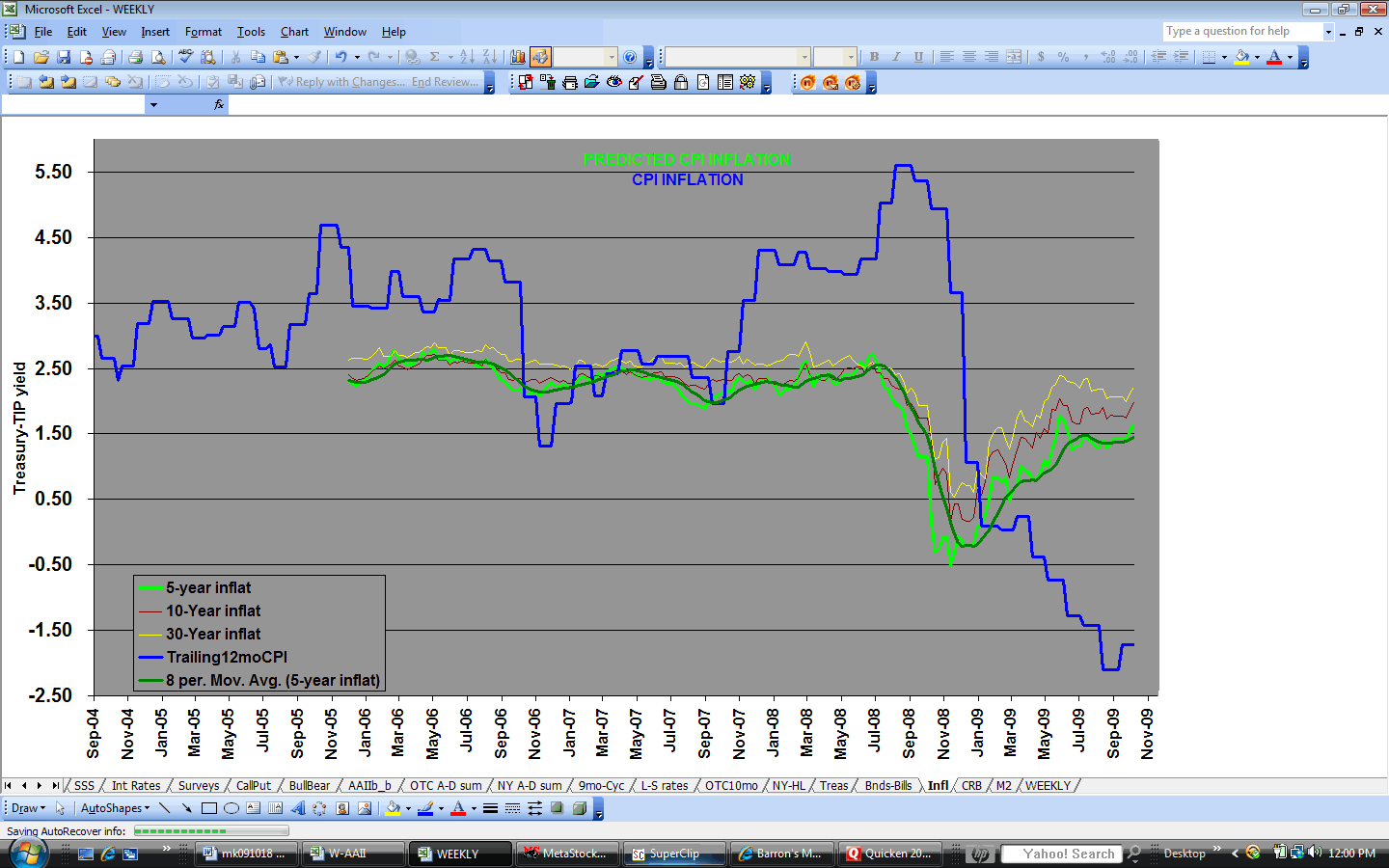
However, a case can be made for a much stronger rally before the bear again dominates. The cycles continue to mimic the pattern of last April that led into the last left-translated 9-mo cycle peak. If the pattern continues to track that period, January should remain strong as the 20-wk and 9-mo cycles approach their apex. At the corresponding point in April, the SPX had risen 7% from the low in what would ultimately become 13% rally. The current rally has already tacked 25% on to the SPX. If it were to reach a normal 38% retracement of the decline, that would put it at about 1170 – a 58% rally from the November low and 25% above its current level. I would be extremely surprised by such a buying panic during January, but bear market rallies are steep and short, so I can’t discount the possibility. I believe it’s far more likely that the rally will stall near the 1000 level, just slightly below the early November 10-wk cycle peak. Either way, the rally appears likely to continue into at the early part of this week. Whether it ends in a week or a month, the 2001 analogy (http://www.geocities.com/petegersb/Overview-long.GIF) and the early 70’s analogy (http://www.geocities.com/petegersb/SPX-InflationAdjusted.GIF ) both urge caution for the longer term. And if you suspect, as I do, that the economy and corporate earnings will remain in the doldrums until home prices bottom, I suggest you read this month’s market observations from Contrary Investor (http://www.contraryinvestor.com/mo.htm ). Home inventory and vacancy rates remain at twice normal levels and 150% of prior peaks. The ratio of median home price to median income has declined only to the level of the prior peak in 1988. Reversion to the mean demands that home prices deflate further. If they do, most consumers will continue to constrain their spending as they did during the 4th quarter, and the recession will deepen. Perhaps government spending will compensate. If so we can look forward to inflationary times and high interest rates ahead, even if the bond market doesn’t expect it (http://www.geocities.com/petegersb/CPI.GIF ). That wouldn’t be good for stocks or bonds, but it would make real estate and commodities more attractive.
Another worthwhile read that should give the
bulls pause is John Mauldin’s commentary (http://www.frontlinethoughts.com/gateway.asp
). Here is an excerpt: "... Broadly speaking, financial crises are protracted
affairs. More often than not, the aftermath of severe financial crises share
three characteristics. First, asset market collapses are deep and
prolonged. Real housing price declines average 35 percent stretched out over
six years, while equity price collapses average 55 percent over a downturn of
about three and a half years. Second, the aftermath of banking
crises is associated with profound declines in output and employment. The
unemployment rate rises an average of 7 percentage
points over the down phase of the cycle, which lasts on average over four
years. Output falls (from peak to trough) an average of over 9 percent,
although the duration of the downturn, averaging roughly two years, is
considerably shorter than for unemployment. Third, the real value
of government debt tends to explode, rising an average of 86 percent in the
major post-World War II episodes…” So if this financial crisis were to produce average
results, a further double digit percentage decline in housing over the next 4
years is likely. So is another double digit percentage decline in stocks over
the next two years. And the worst of the recession should unfold during the
next year while federal debt zooms about another $8 Trillion. Of course,
this one will be a little different than the norm, but it’s not prudent to bet
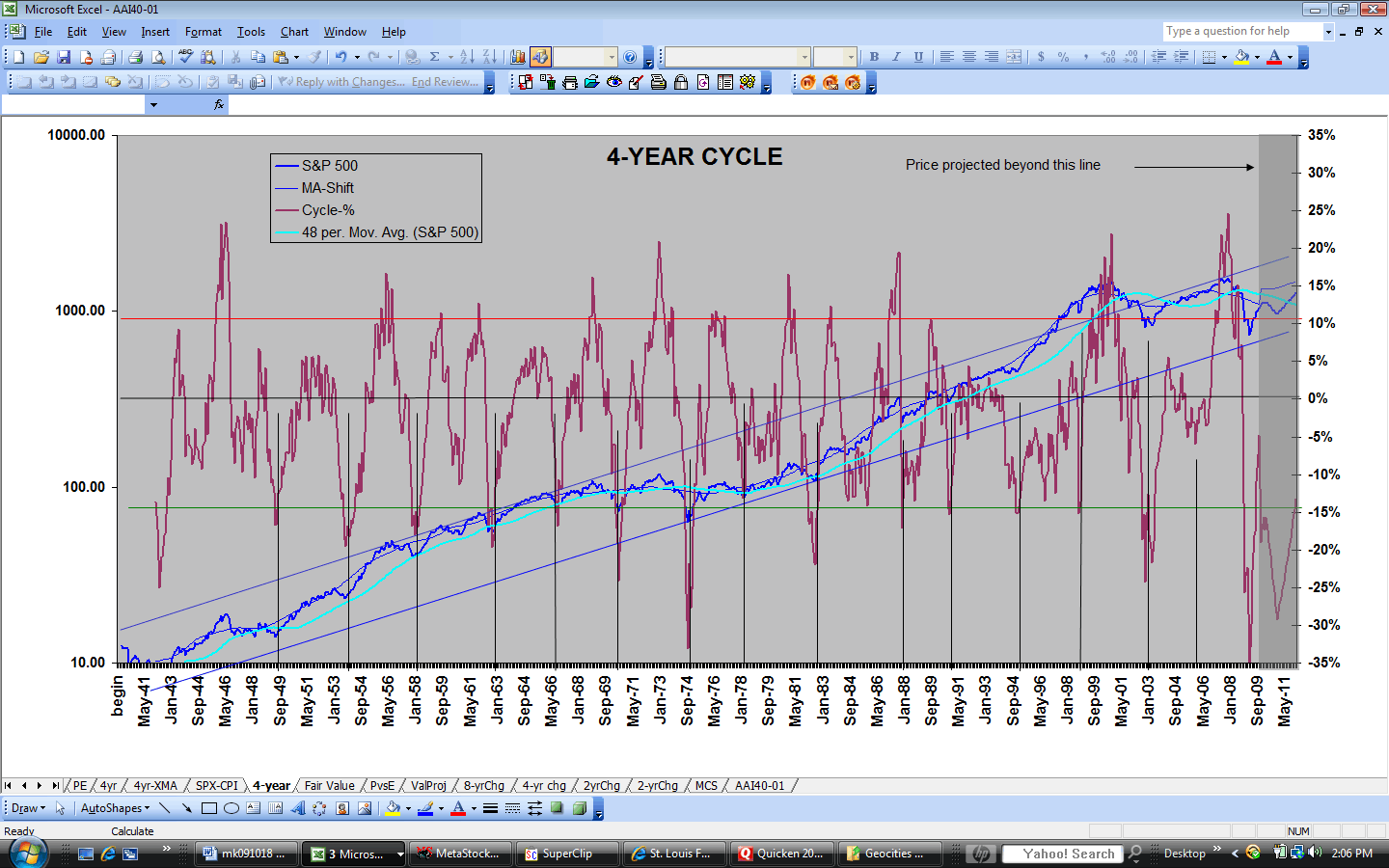
on much difference. The norm for stocks following a financial crisis fits well
with the 4-year cycle (http://www.geocities.com/petegersb/4YearCycle.GIF
), which is due to bottom in late 2010 – a three year
bear market rather than the normal three and a half following a financial
crisis.
One indicator that
doesn’t fit with the recent 25% rally off of the bottom is investor sentiment.
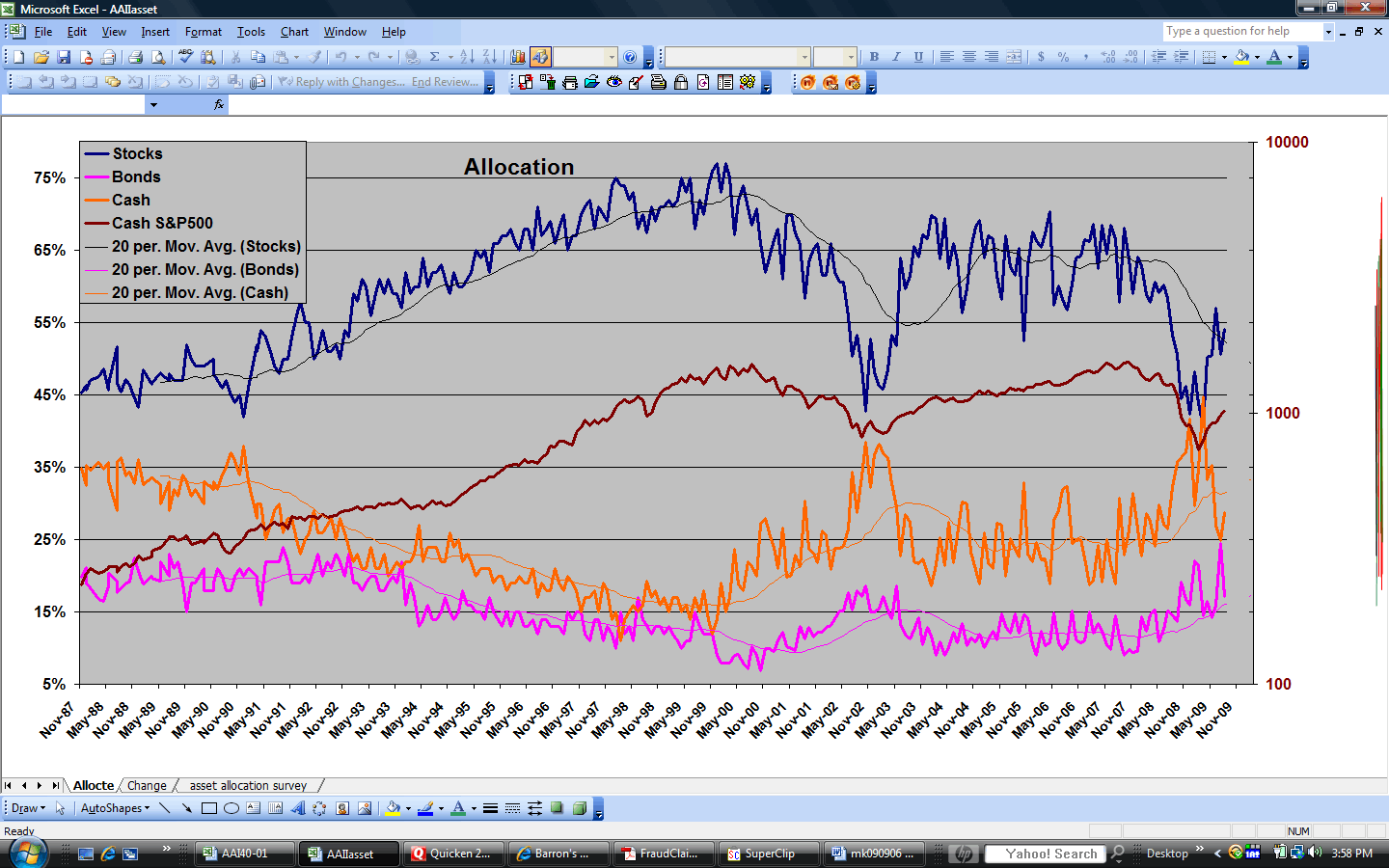
The AAII asset allocation figures for December (http://www.geocities.com/petegersb/AAIIassets.GIF
) show the highest cash allocation in AAII’s recorded history and a stock
allocation equal to the low at the 2002 bottom. Such pessimism is consistent
with a bottom in stocks, but very abnormal after a 25% rally. Of course, it’s
extremely rare for a 25% rally to leave stocks 40% below their peak, and that
probably explains the pessimistic attitude. A couple rallies in 2002 came
close, but you probably have to go back to the great depression to find another
case. In any case, until sentiment turns around we have no indication that it
has reached the extreme for this cycle. So we’ll have to wait at least another
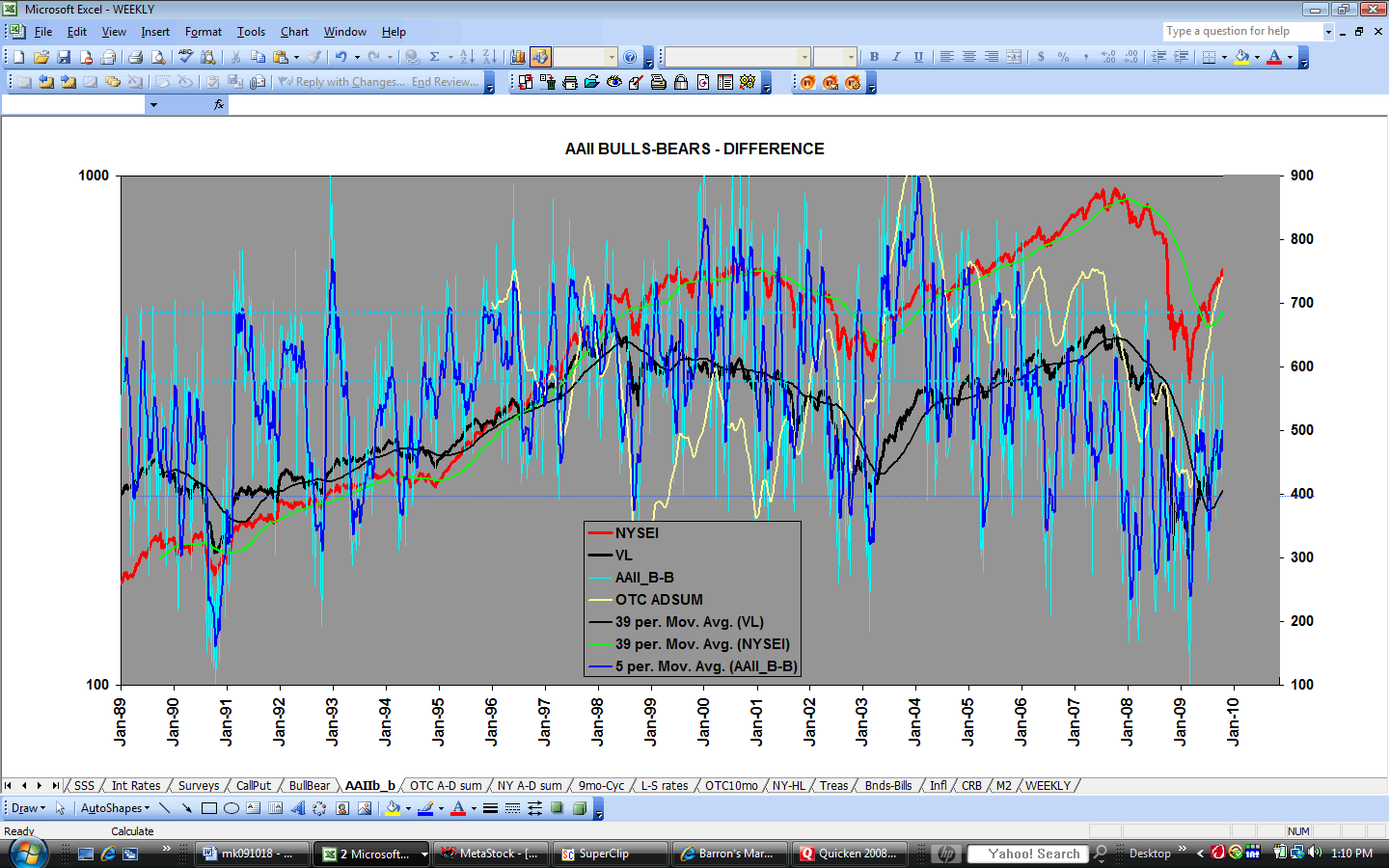
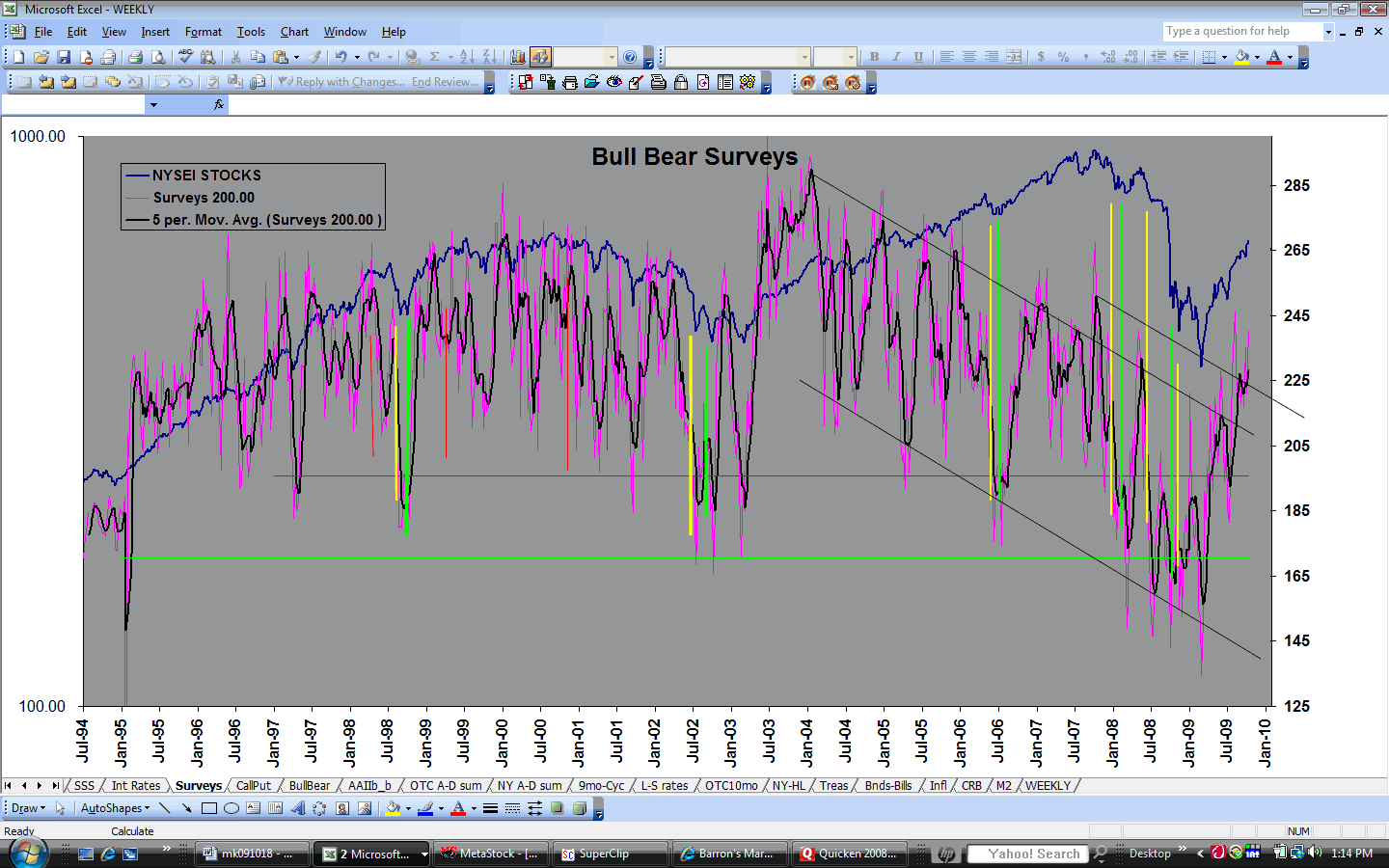
month for this indicator to turn bullish. The weekly sentiment survey shows
AAII members still bearish by more than a 2-1 ratio and becoming more bearish,
so this generally timelier indicator offers no indication of a turnaround in
sentiment (http://www.geocities.com/petegersb/AAIIsentiment.GIF
). The “pros” who write newsletters, however, offer a little brighter picture.
The Investor’s Intelligence survey (http://www.geocities.com/petegersb/InvestorsIntelligence.GIF
) shows them now evenly split between bulls and bears after having reached a
historic pessimistic extreme in October. Of course, they had similar surges of
optimism after reaching pessimistic extremes at the March and July lows in the 20-week
cycle. The latest increase in optimism has about equaled those prior two bear
market surges and also comes off a 20-week cycle low.
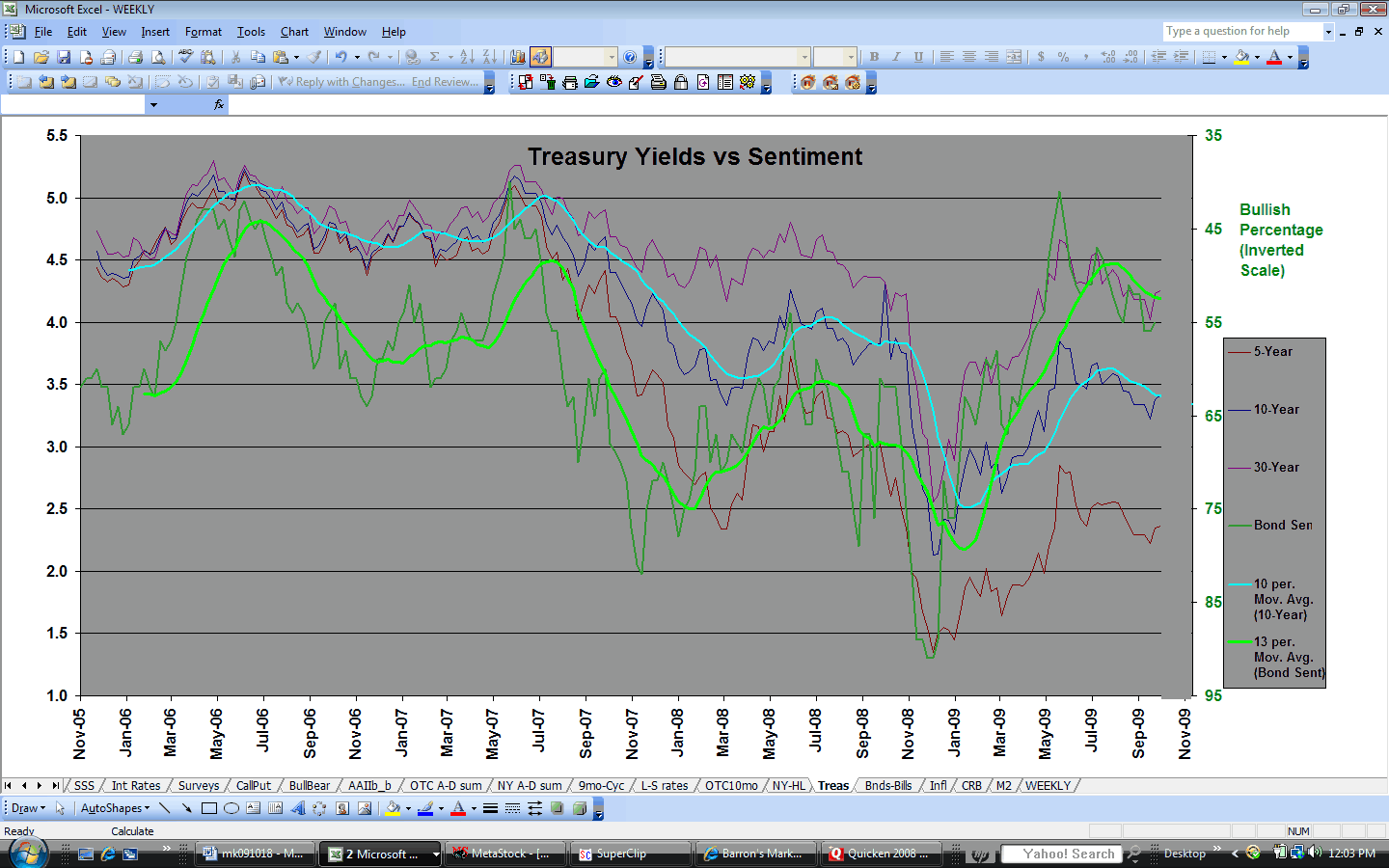
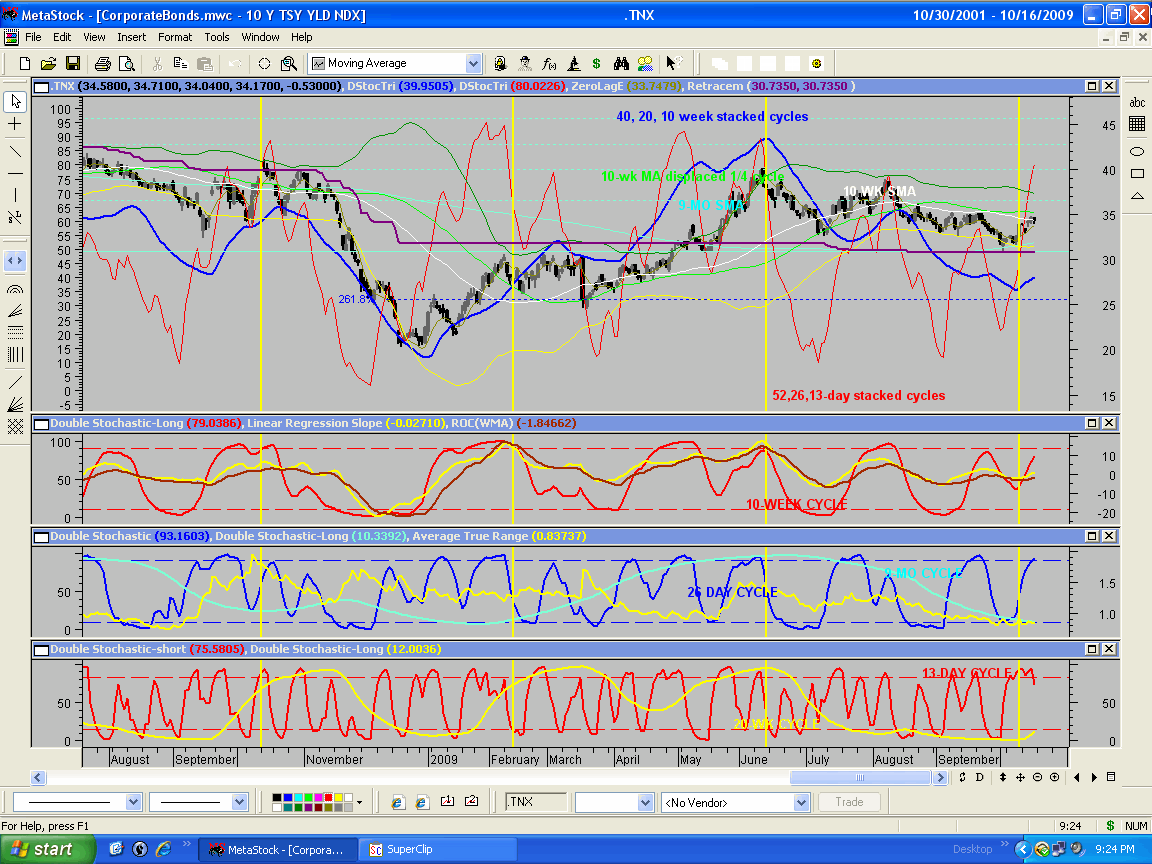
Treasury rates (http://www.geocities.com/petegersb/TreasuryYield-10yr.GIF)
established a 10-wk cycle double bottom last week, and rose steeply during the
last two trading days. Although, we have no signal yet for a longer term
bottom, the indicators point strongly in that direction. Longer Treasury bond
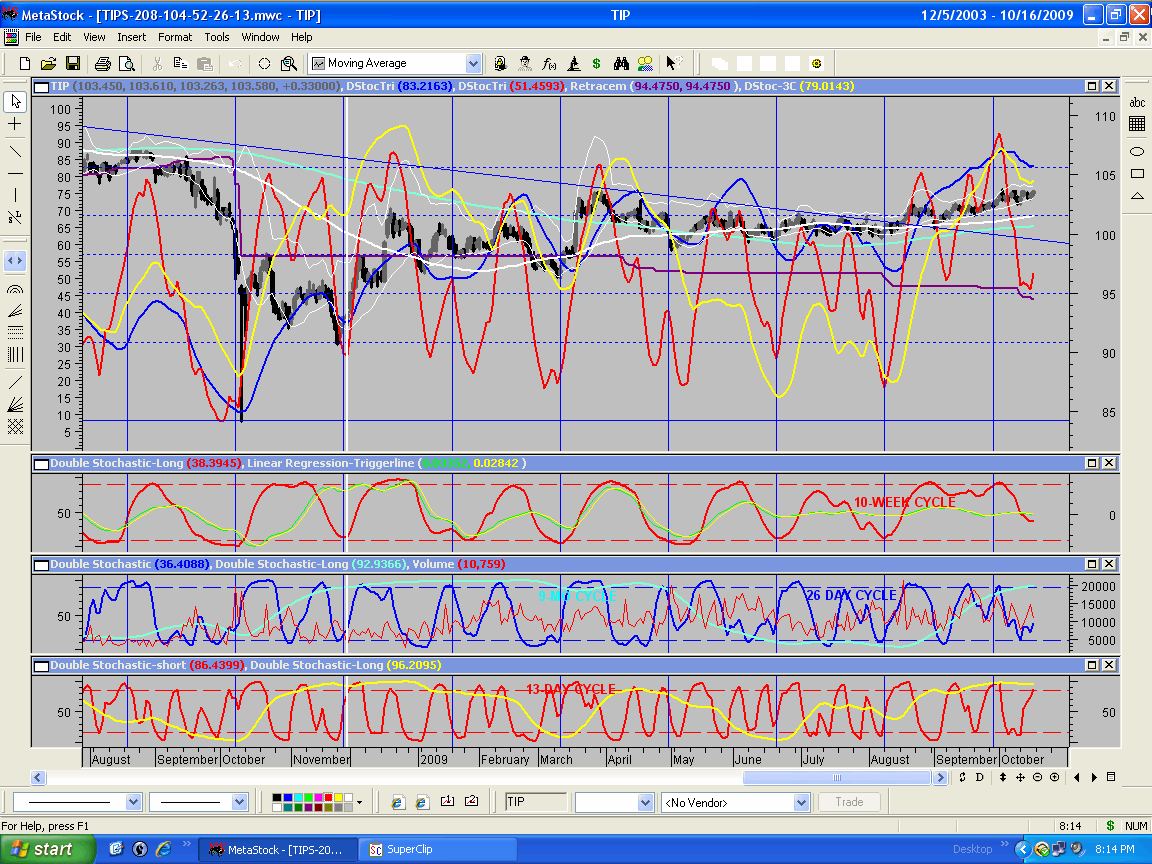
cycles (Inflation Protected Treasuries
(http://www.geocities.com/petegersb/TIPs.GIF),
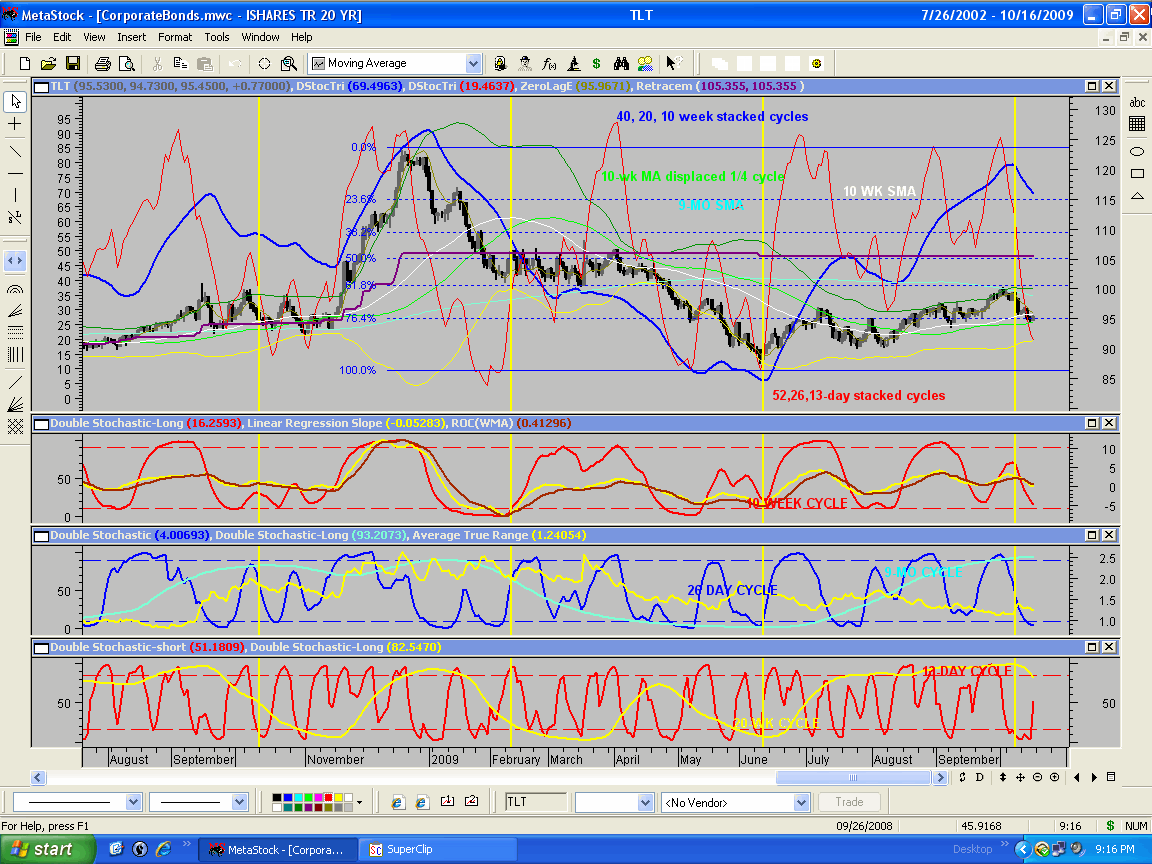
Treasury bonds (http://www.geocities.com/petegersb/Treasury-20yr.GIF
)) are overbought and close to the normal life expectancy of the rally phase. The
overbought intermediate composite appears to be rolling over to the downside. Only Corporate bonds (http://www.geocities.com/petegersb/CorporateBonds.GIF))
escaped a sharp selloff last week. It seems that the flight from stocks and
corporate bonds to the safety of treasuries has ended, at least for the
short-term. I’m pessimistic on Treasuries for the longer term as well, but I
may have to re-evaluate after reading Barron’s headline this week. Its featured
article is entitled “Get out Now”, referring to Treasuries. It didn’t make a
similar announcement at the top of the stock market a little over a year ago,
and the magazine headlines are generally a good contrary indicator. Bond
optimism (http://www.geocities.com/petegersb/BondSentiment.GIF
) declined slightly from an extreme 91% to 89% last week, lending credence to
the possibility of a major top in bonds. If there is an exception, it’s likely
to be in municipal bonds where rates are abnormally high compared to Treasury
rates. They could benefit from a Federal bailout of the states, many of which
have been almost as irresponsible as
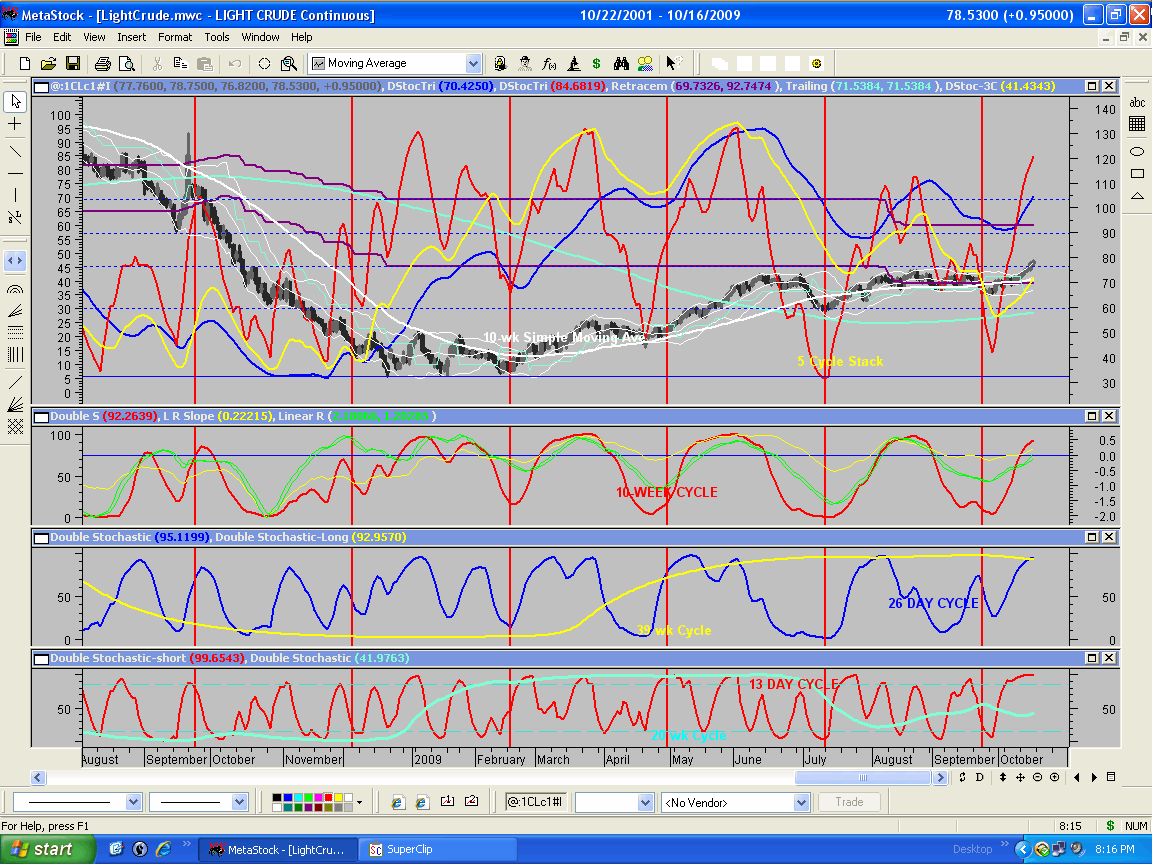
Crude oil (http://www.geocities.com/petegersb/CrudeOil.GIF ) last week lived up to the promise of its rising short and intermediate composites. The short-term composite is now extremely overbought, so we can expect a short-term correction to materialize sometime this week. The rally can be expected to encounter resistance near the 10-wk moving average at the $50 level where it peaked in December. However, the intermediate rally is young and shows no hint of a peak. Based on Fibonacci support and resistance levels, I continue to expect $60 oil sometime during the first half.
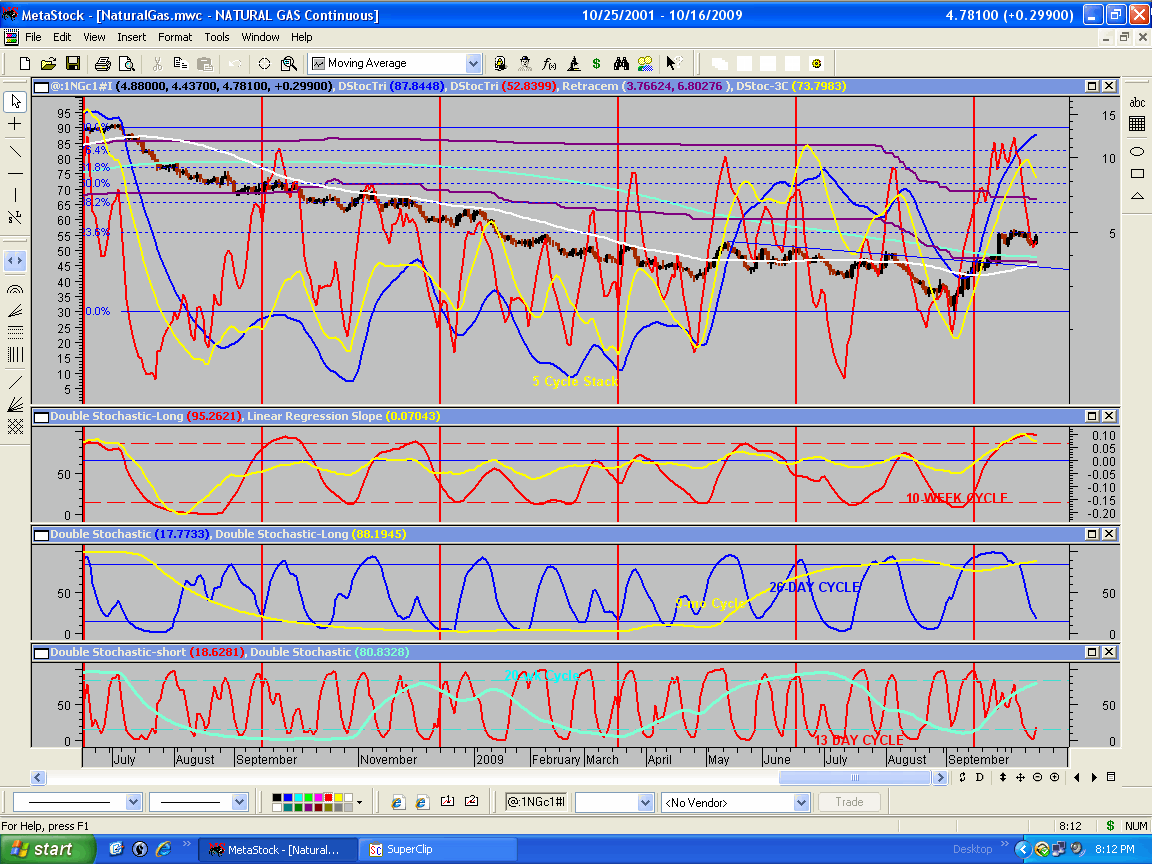
Natural gas (http://www.geocities.com/petegersb/NaturalGas.GIF ) reached its 10-week moving average as expected last week, but it then backed off to again test its recent low. Friday’s surge off of the low and the earlier upturn in the 10-wk cycle DStoc suggests that the low will hold while the shorter cycles correct again this week. If so, we should see at least $7.40 gas on this intermediate rally.
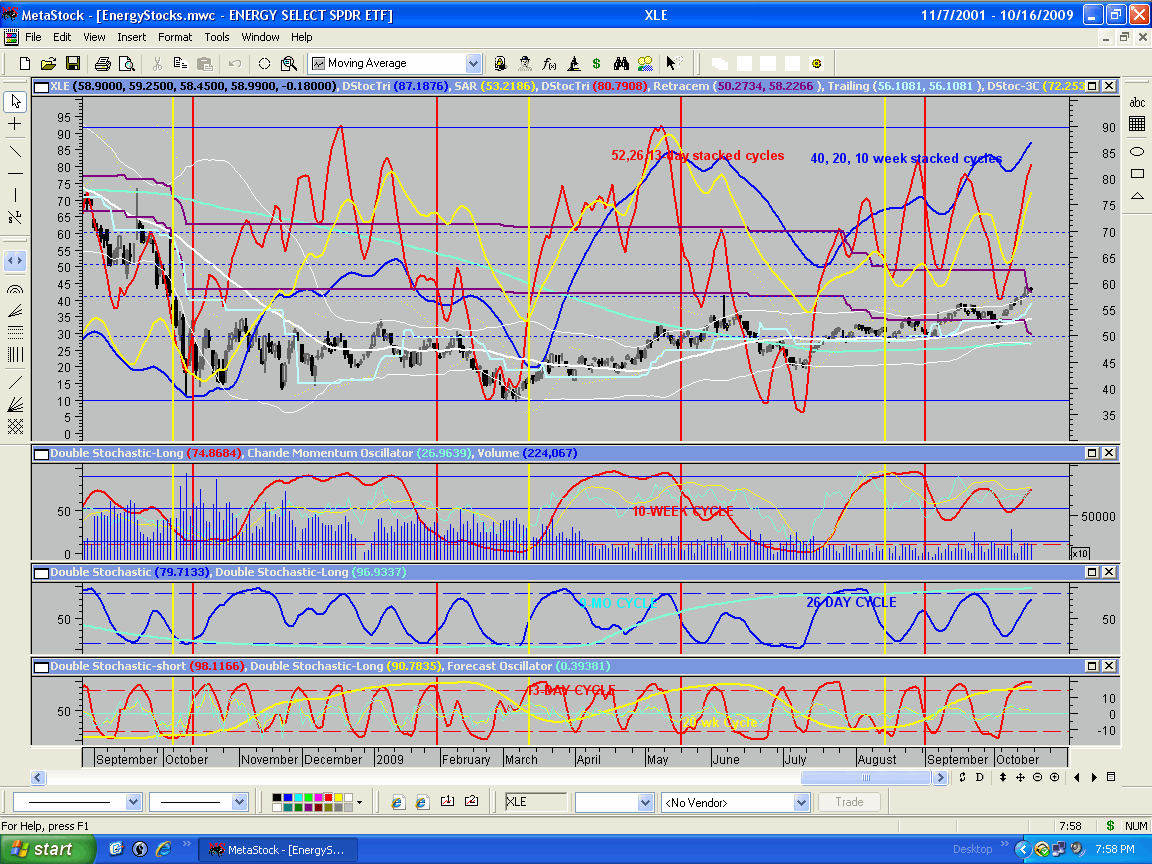
Energy stocks (http://www.geocities.com/petegersb/EnergySPDR.GIF) broke above their 10-wk moving average as they began fresh 13 and 26-day cycle rallies. The XLE stands a very good chance of breaking above its 3-month trading range this week. If so, it’s unlikely to encounter significant resistance until it reaches $59. At that level it’s likely to form a 20-week cycle peak about the same time that most of the broader stock indexes reach their 20-wk cycle peaks.
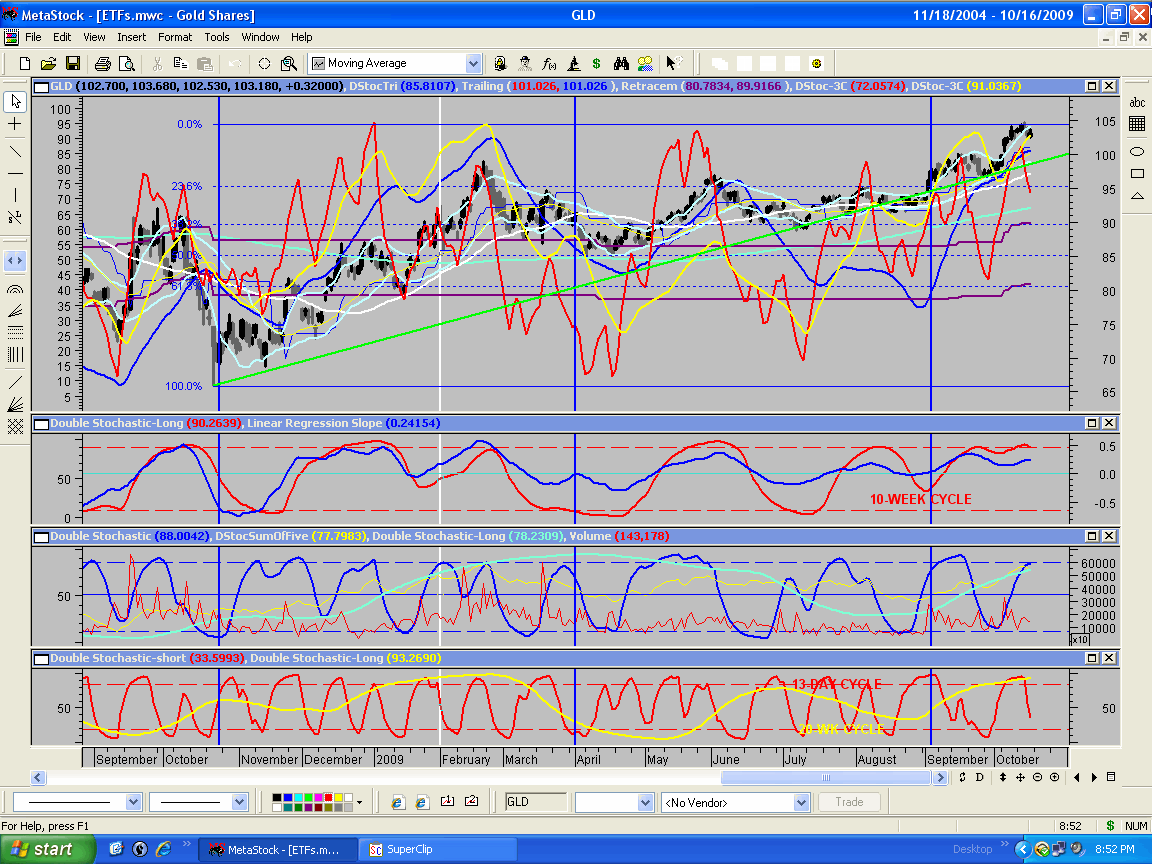
Gold (http://www.geocities.com/petegersb/GoldBullion.GIF) used a favorable 13-day cycle to move above its 9-mo
moving average and marginally above its last short-term peak. It’s extremely
short-term overbought, so it’s unlikely to pierce the strong resistance at $870
in the near term. But the strong intermediate rally may have enough remaining
life to push it above that level and challenge the September peak in a little
longer time frame. One favorable omen is that it looks like a right-translated
10-wk cycle peak is a done deed.
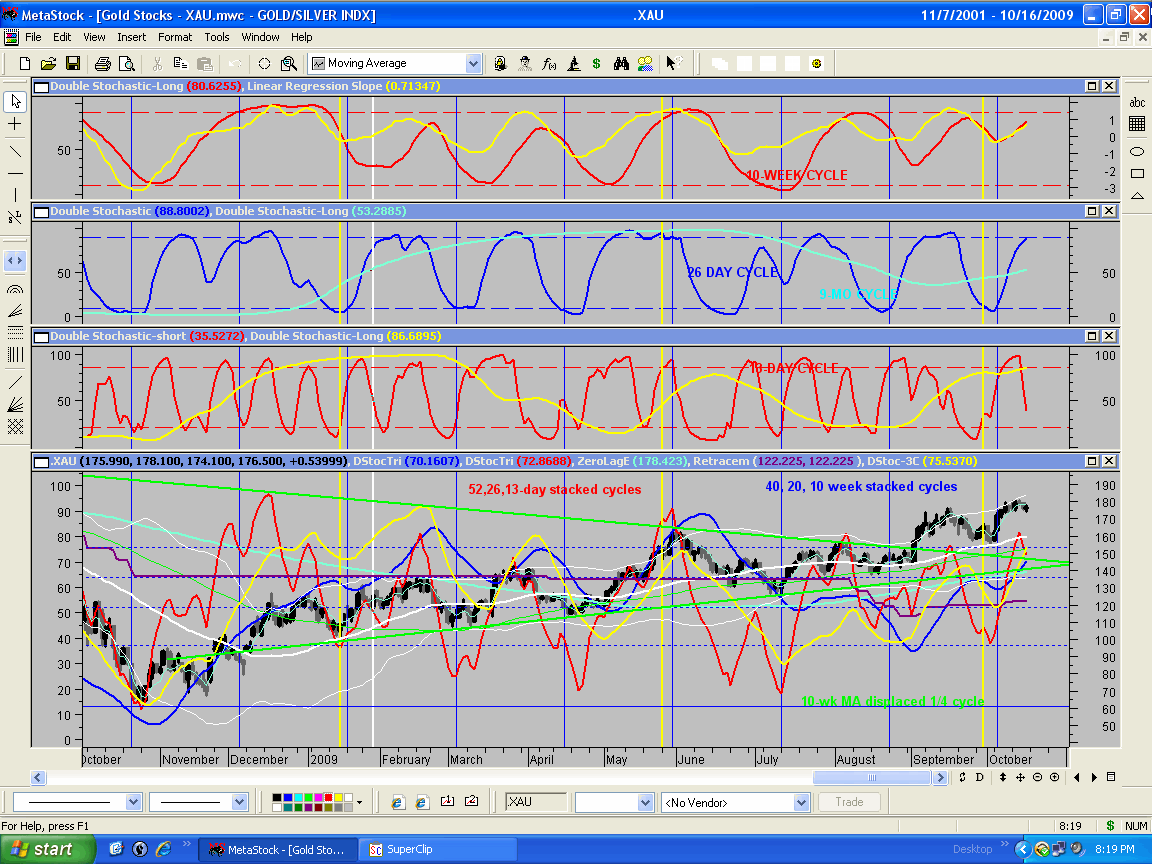
Gold Stocks (http://www.geocities.com/petegersb/GoldStocks.GIF
) also used a favorable 13-day cycle to move marginally above the last
short-term peak. However the XAU remains well below its 9-mo moving average.
It’s likely forming a double top in the 20-wk cycle, but it’s only 2 months
into the 9-month cycle and the downtrend from the July peak has been decisively
broken. If the XAU can hold the 10-week moving average on a pullback, it will
look attractive.
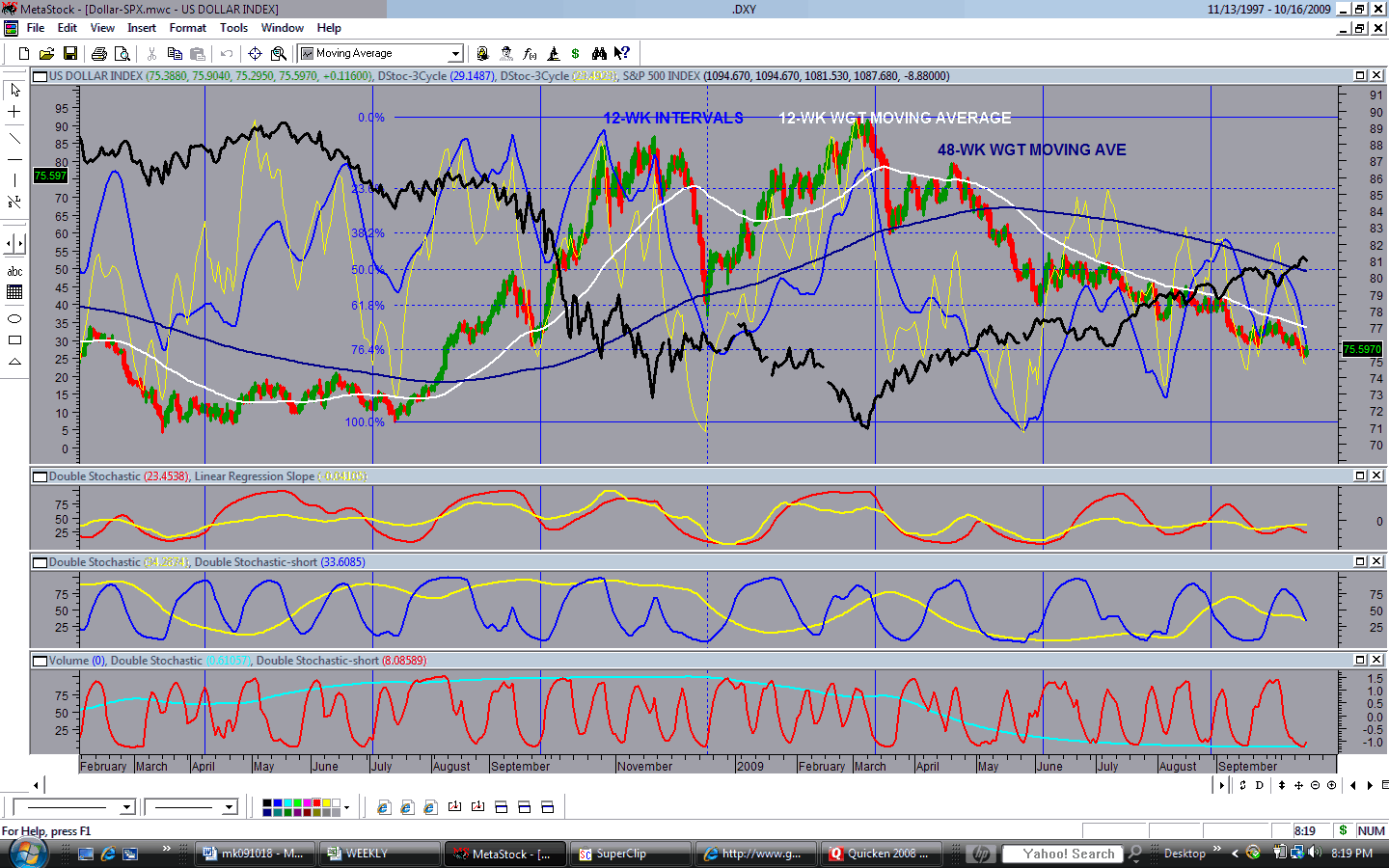
The dollar (http://www.geocities.com/petegersb/Dollar.GIF) moved slightly higher last week despite a correction in the 13-day cycle. If it can show the same resistance this week to an overbought 26-day cycle, it’s likely that the intermediate composite will turn up.
)