12/21/08
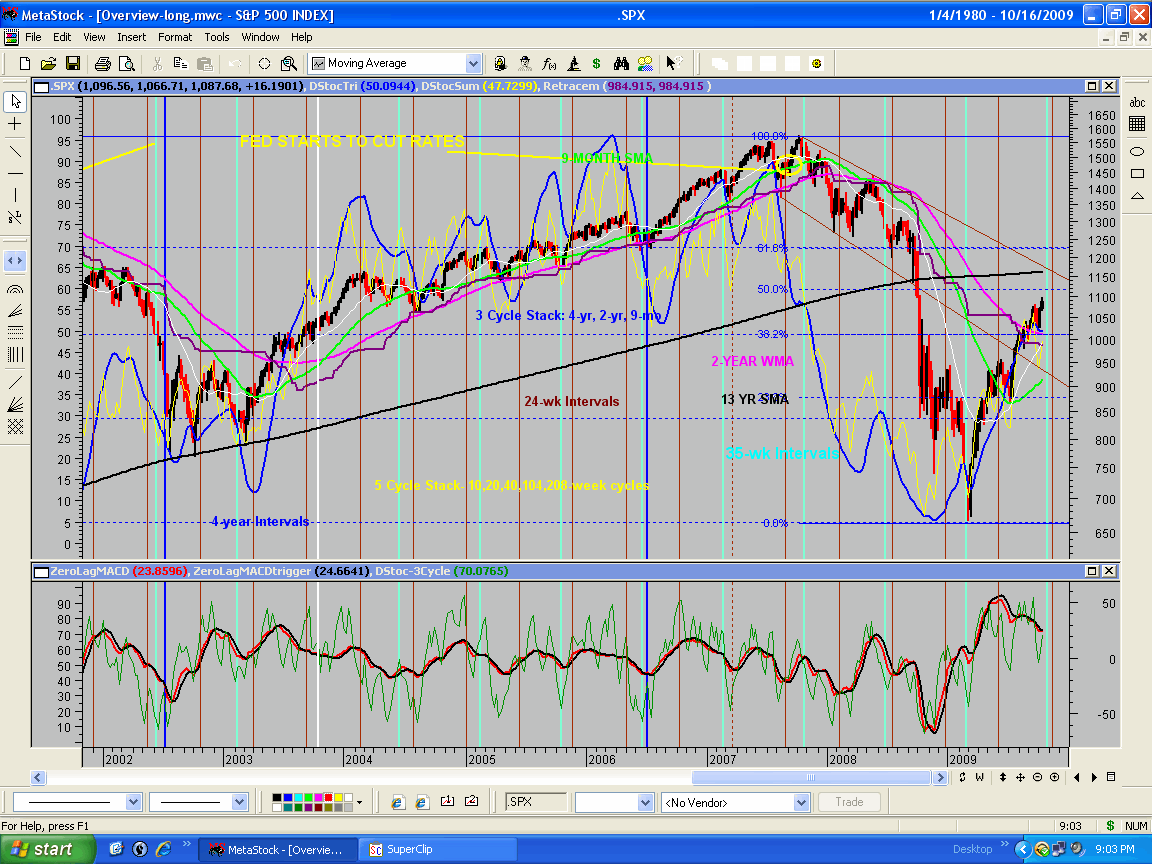
Merry Christmas to all, and a happier New Year – especially to those who may have lost their job in this second Bush recession or lost a large chunk of their retirement savings in this second Bush bear market (http://www.geocities.com/petegersb/Overview-long.GIF).
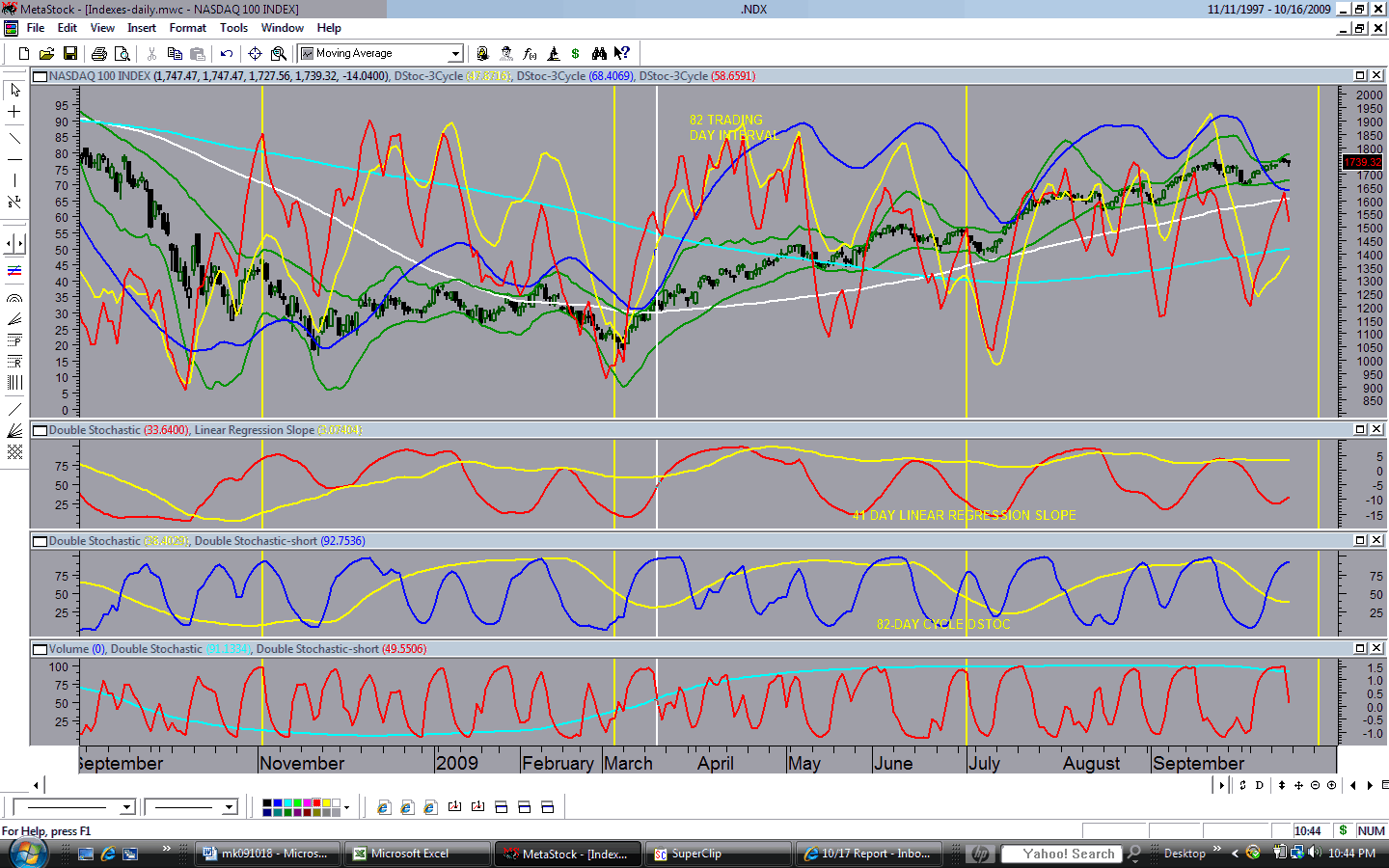
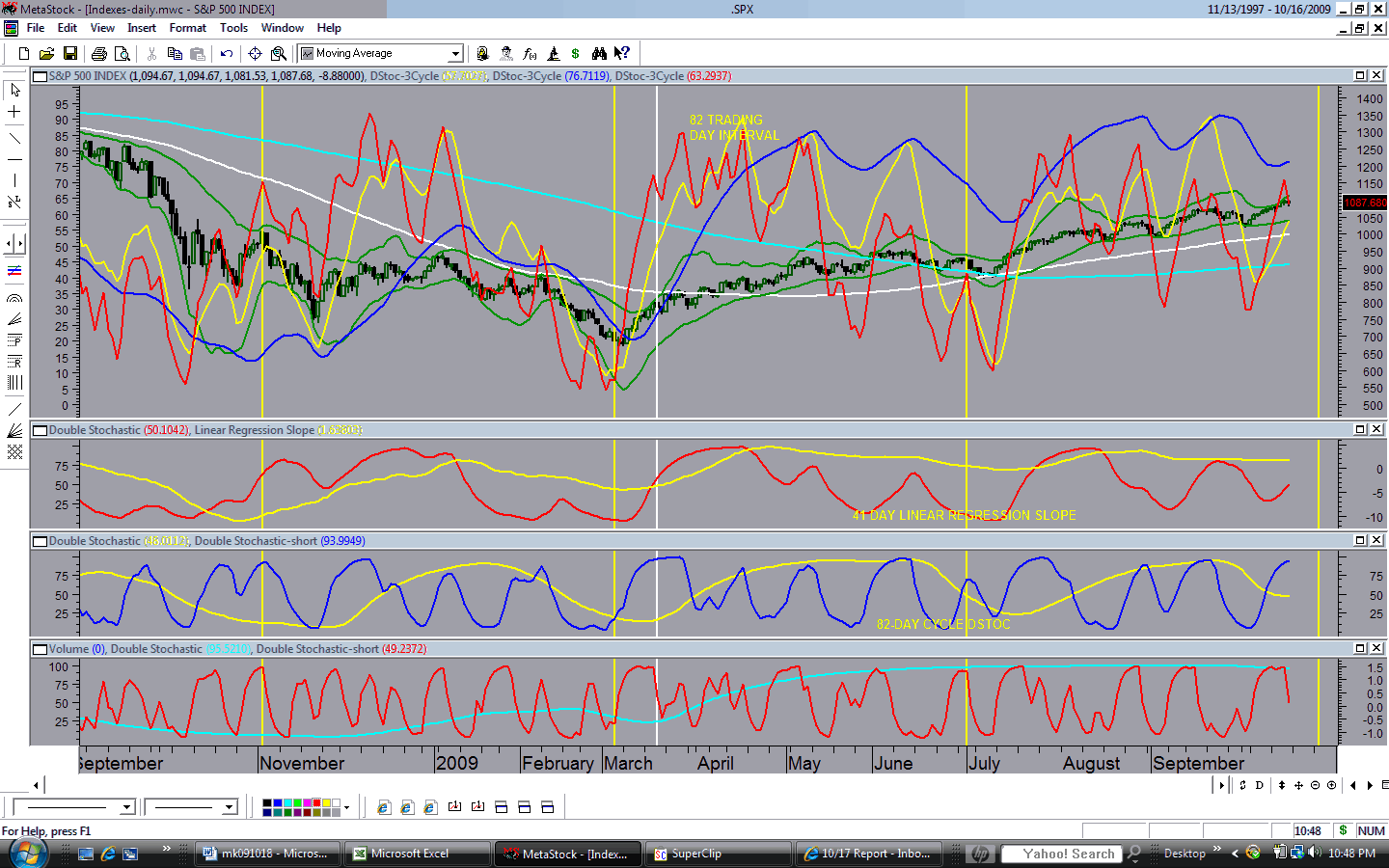
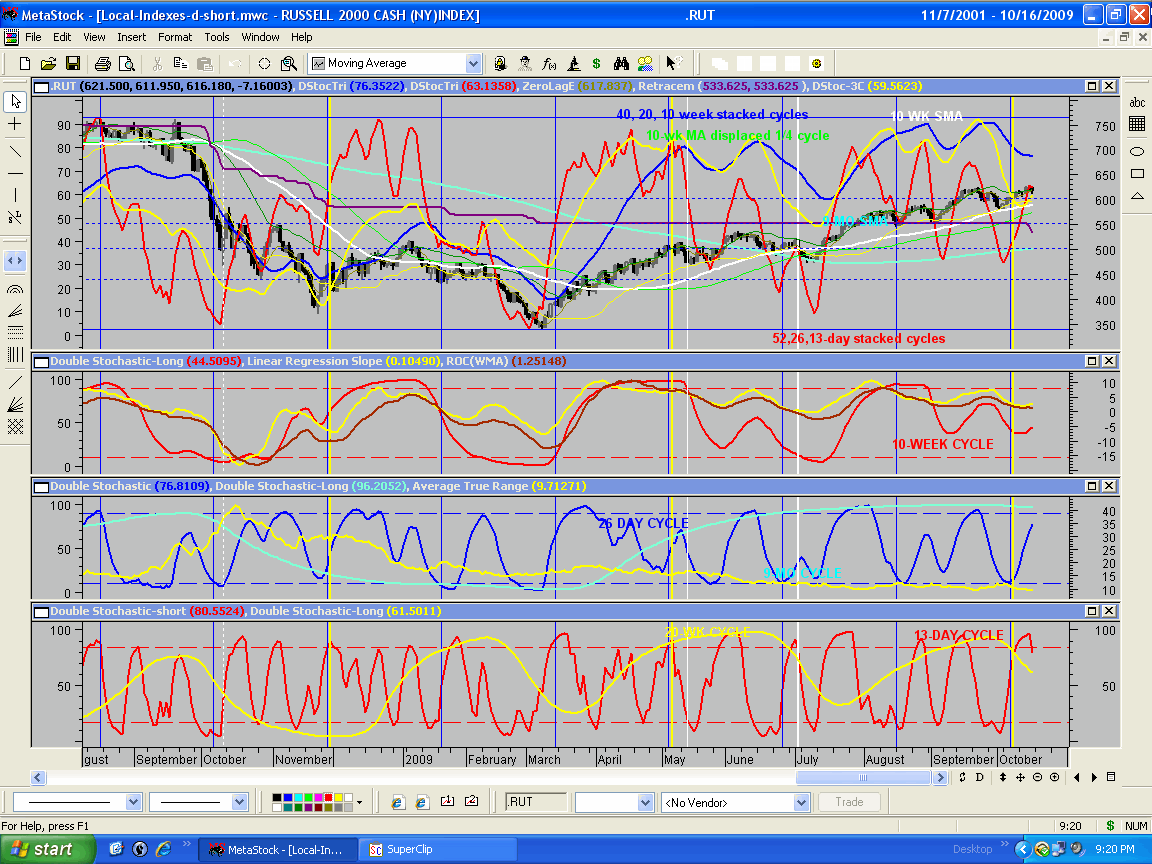
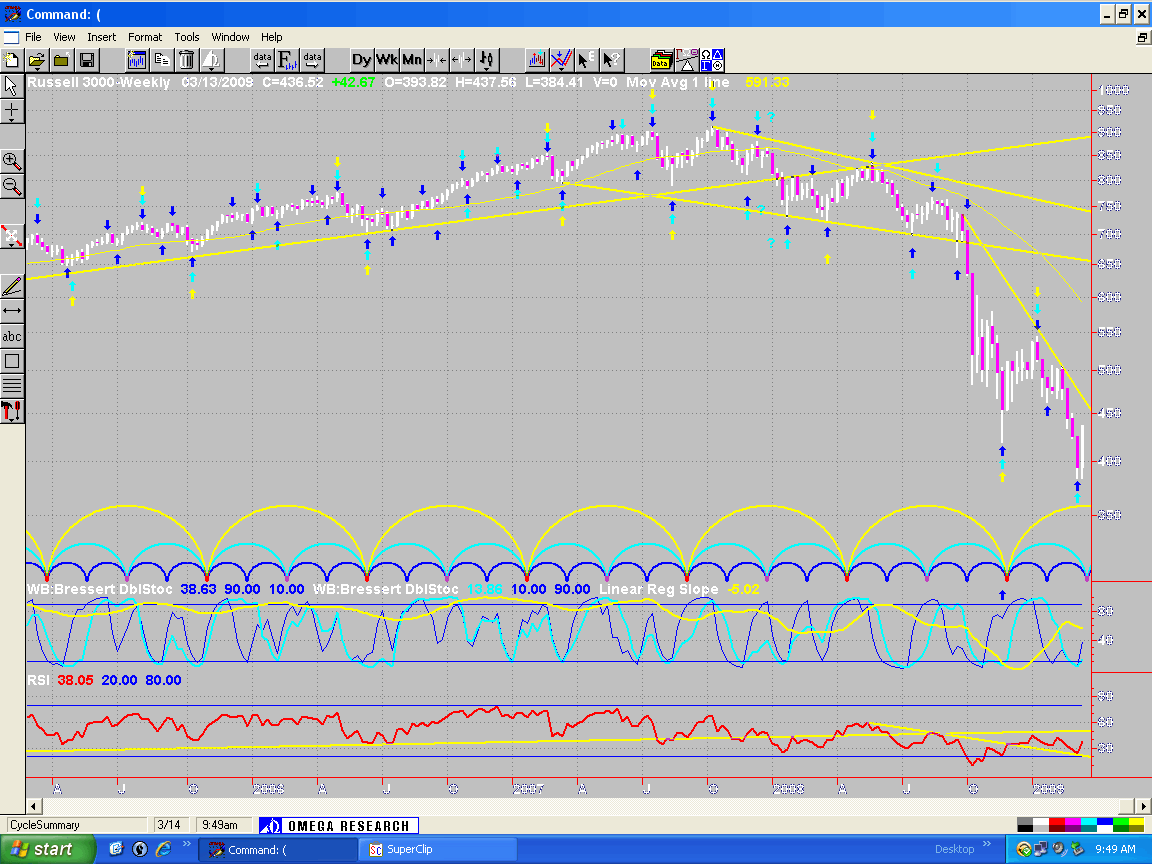
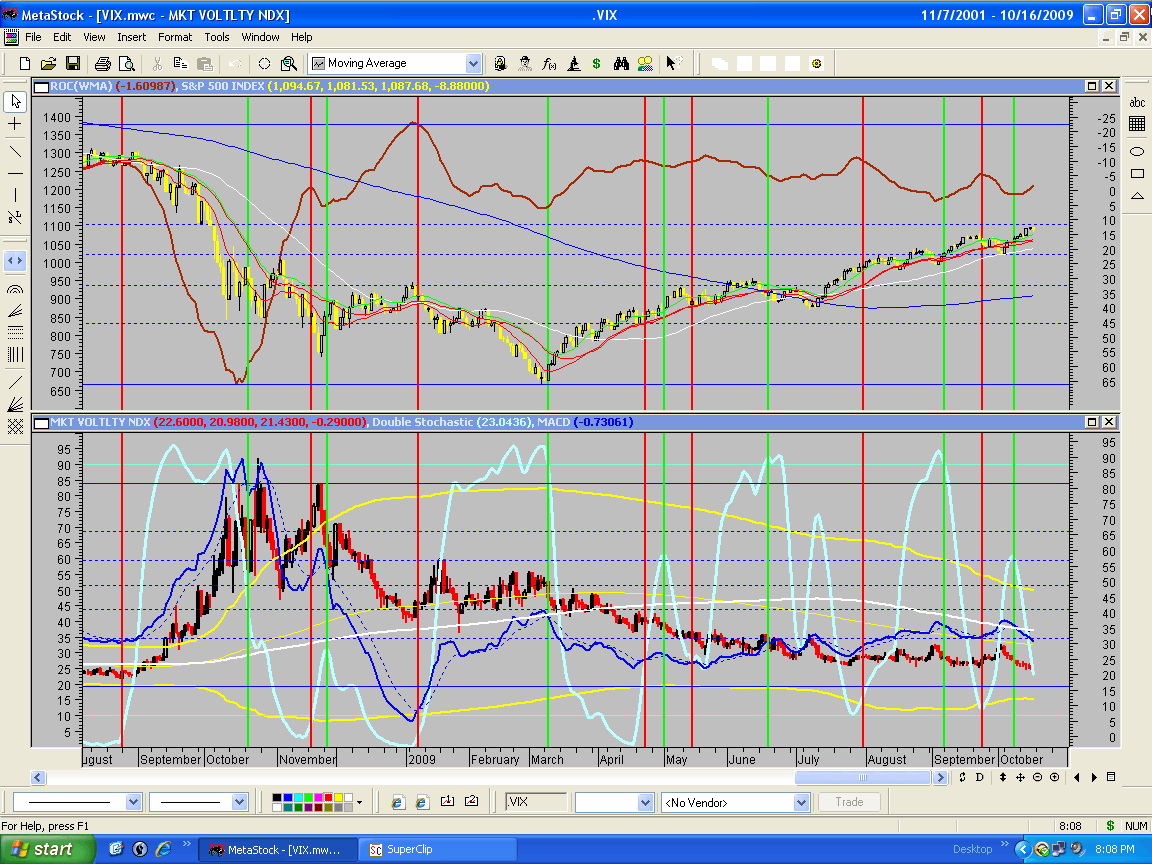
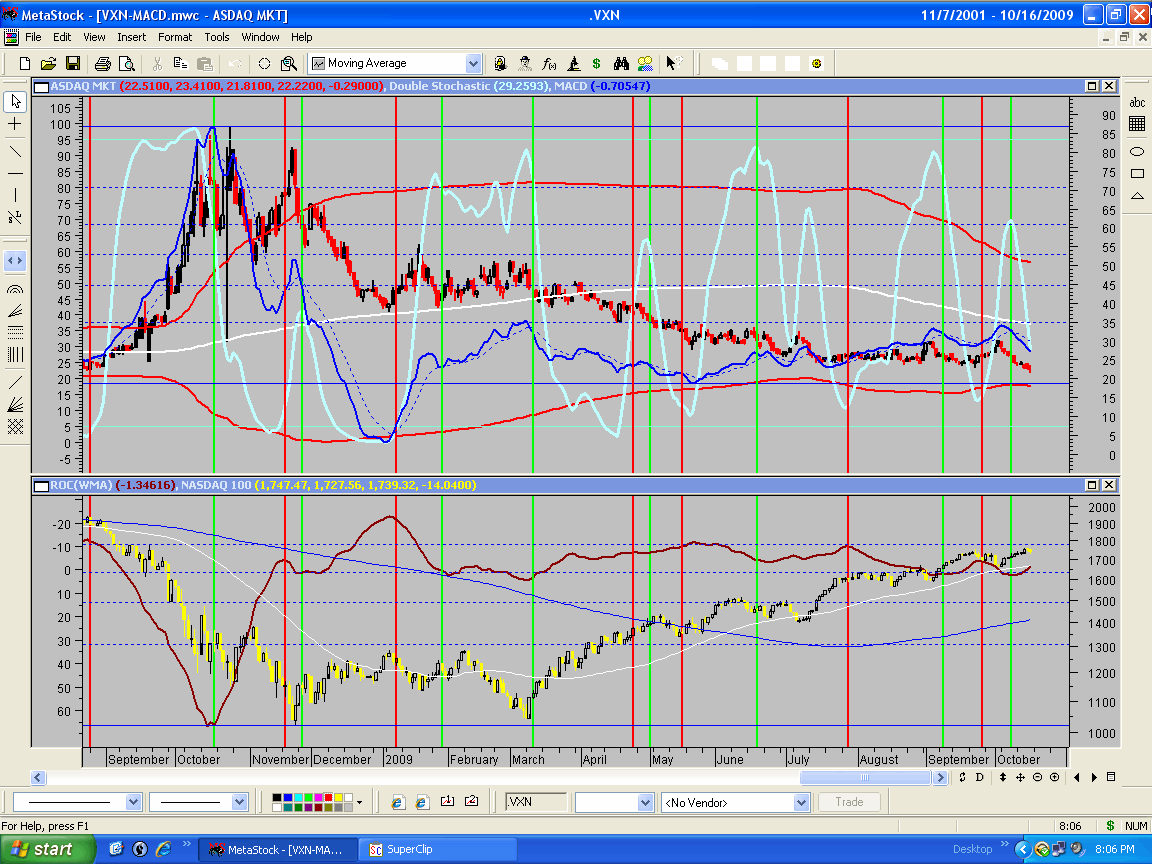
Last week was essentially flat with the large cap indexes (DJIA and Nasdaq 100 (NDX (http://www.geocities.com/petegersb/NDX.GIF)) down slightly and the broader indexes (SPX (http://www.geocities.com/petegersb/SP500.GIF)) up slightly on seasonal relative strength for the small caps (Russell small cap index (http://www.geocities.com/petegersb/Russell2000.GIF )). It was a standoff between declining short cycles and rising long cycles. The short cycles should continue downward and the long cycles upward this week. None are at an extreme except the middle-aged 10-week cycle, which is extremely overbought. All of the indexes closed the week slightly below their 10-week moving averages except the Russell small cap index (http://www.geocities.com/petegersb/Russell2000.GIF ), which has not yet been hindered by declining short cycles. It’s not a favorable omen for the next few weeks when prices have been unable to decisively penetrate the down-trending 10-week moving average at a time when the 10-wk cycle is middle aged and extremely overbought (http://www.geocities.com/petegersb/Overview-med.GIF ), and the DStocs on the daily VIX (http://www.geocities.com/petegersb/VIX.GIF) and VXN (http://www.geocities.com/petegersb/VXN.GIF) are extremely oversold.
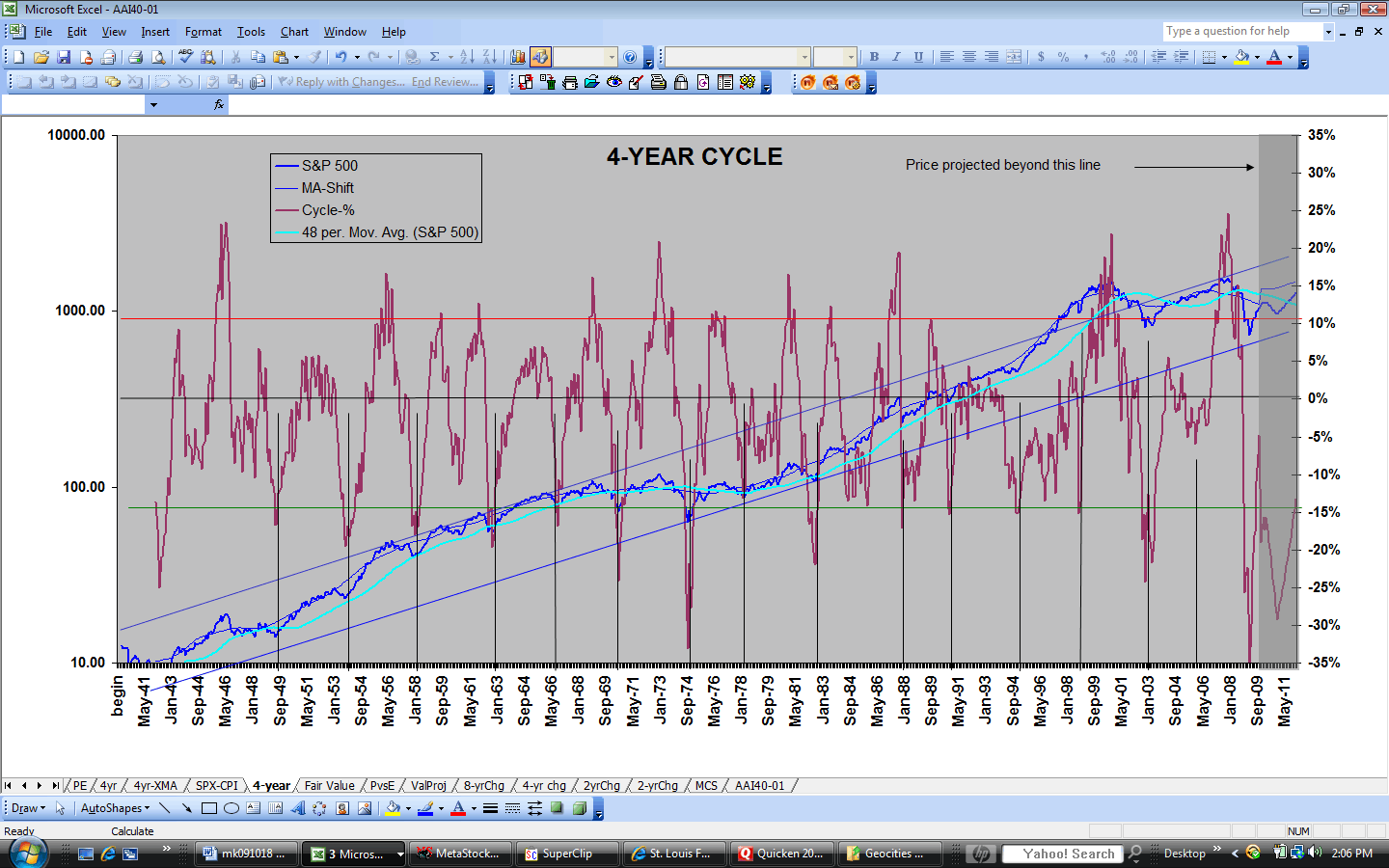
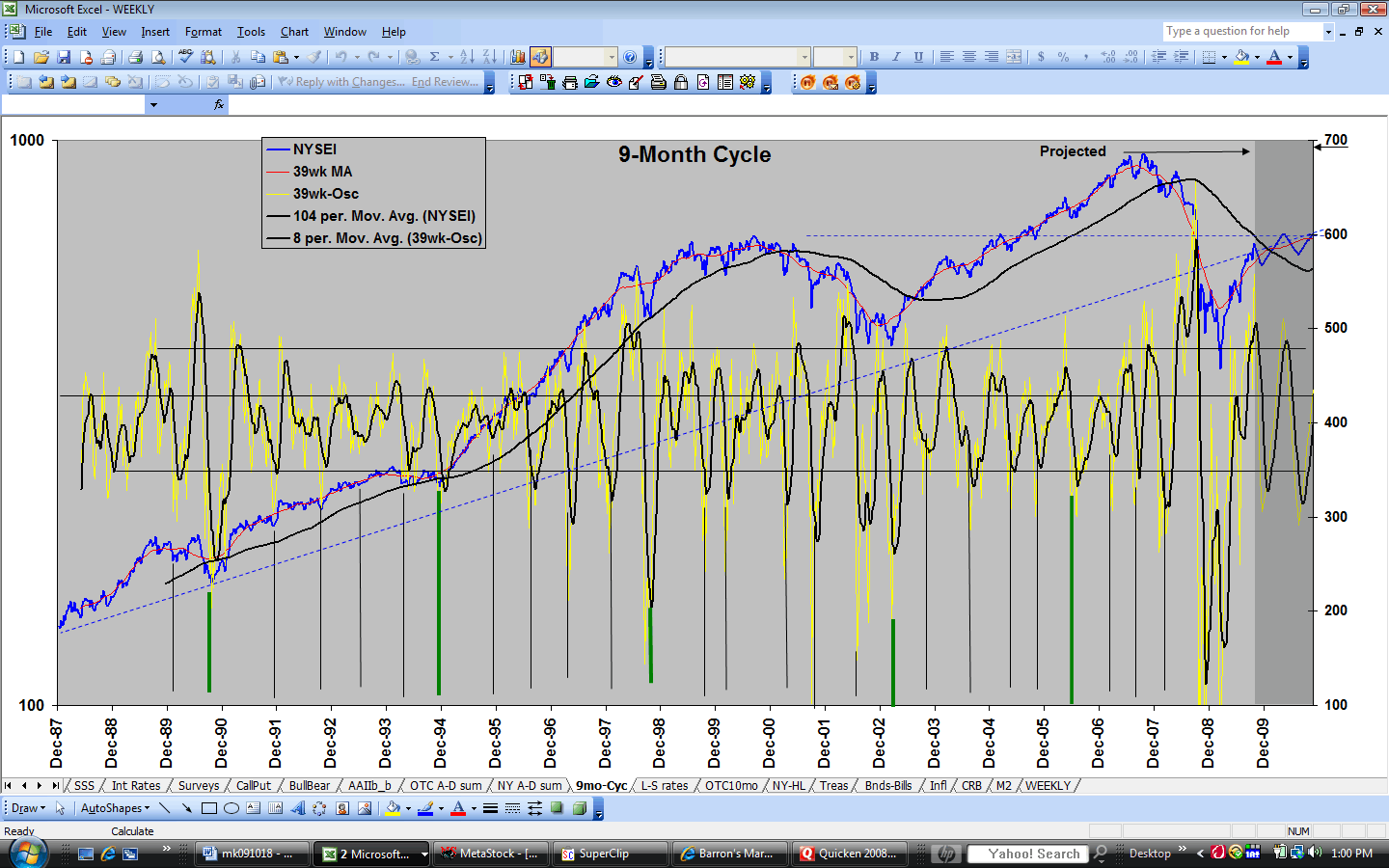
On the other hand, stocks have been extremely reluctant to produce the test of the November low that I have been expecting before the intermediate rally resumes. And the apparent avoidance of another severely left-translated peak in the 10-week cycle enhances the probability that such a test will hold – at least on the next 10-week cycle low. Longer-term, the market must still contend with that nasty downtrend in the 4-year cycle (http://www.geocities.com/petegersb/4YearCycle.GIF ). So I expect the next 9-month cycle low (http://www.geocities.com/petegersb/9moNYA.GIF ), now due next August, to be lower than the November low, and the one after that, which is due with the 4-year cycle low in 2010, to be lower still.
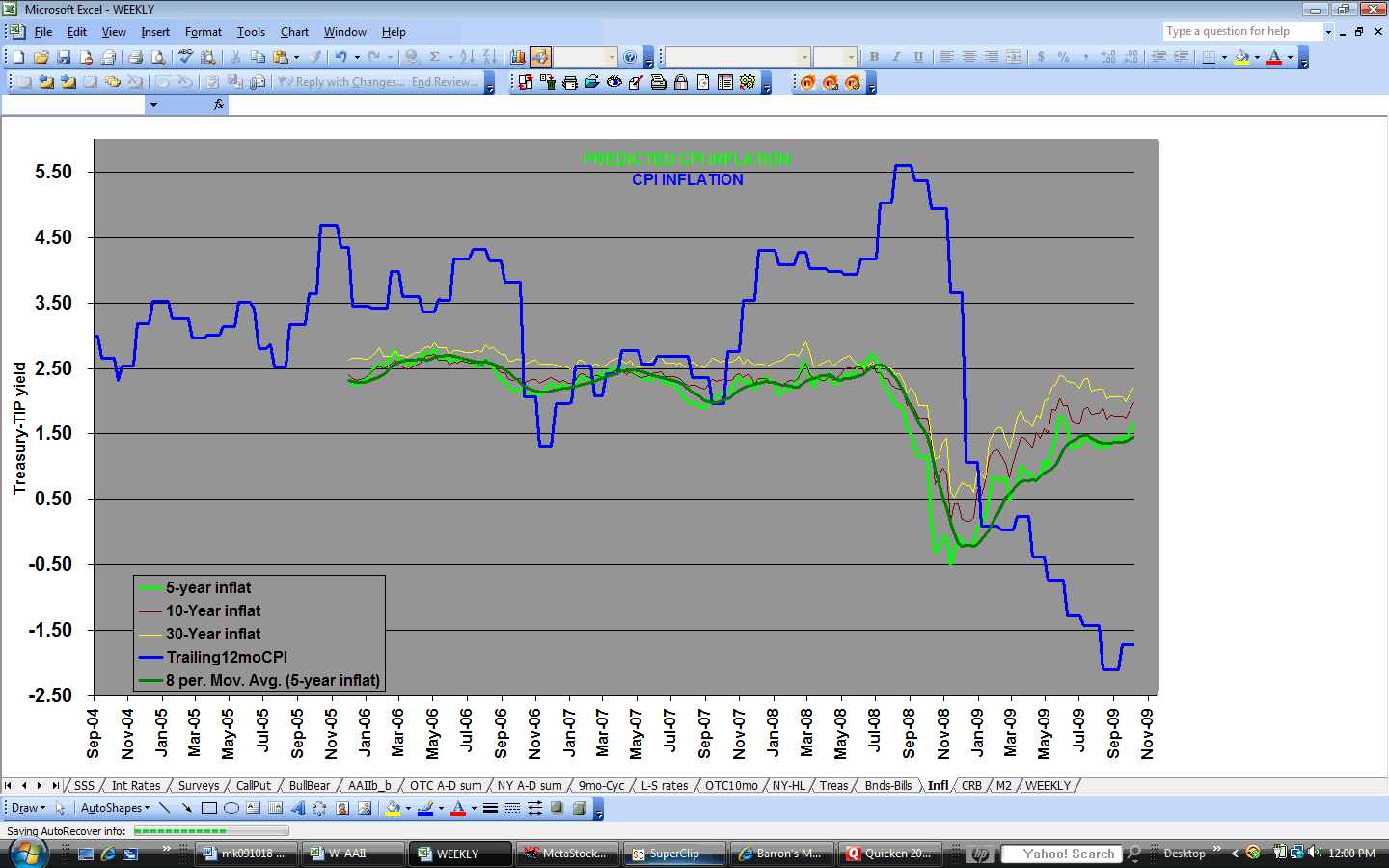
Three events conspired last week to delay the short-term correction: Dubya’s reversal on the auto bailout, a record drop in the Consumer Price Index (http://www.geocities.com/petegersb/CPI.GIF ), and the Feds dramatic larger than expected cut in short-term rates to near zero coupled with more promises to do whatever is necessary to arrest the economic decline. Neither the Fed nor the bond market is yet worried about the impact on our inflationary future. Arresting the deflation of our recent asset bubble is the primary concern. But, regardless of the Fed’s talk of draining excess liquidity at some distant future date, it’s a pretty safe bet that it will again be behind the curve, and prices will be surging by the time it recognizes the problem. To get ahead of the curve, watch the TIP yield spread (http://www.geocities.com/petegersb/CPI.GIF ). It’s been leading the acceleration or deceleration of inflation by one or two months. The US Treasury has now added $2.51 Trillion of debt in the last year alone and the rate of increase is accelerating. Even when that unprecedented stimulation ends, our unfunded pension and Medicare liabilities virtually assure that the debt will continue to increase at a much faster rate than our GDP. Ultimately our politicians will accept high inflation in order to make our accumulated debt less burdensome. We will ultimately pay our taxes, if not by check, then through the inflation tax.
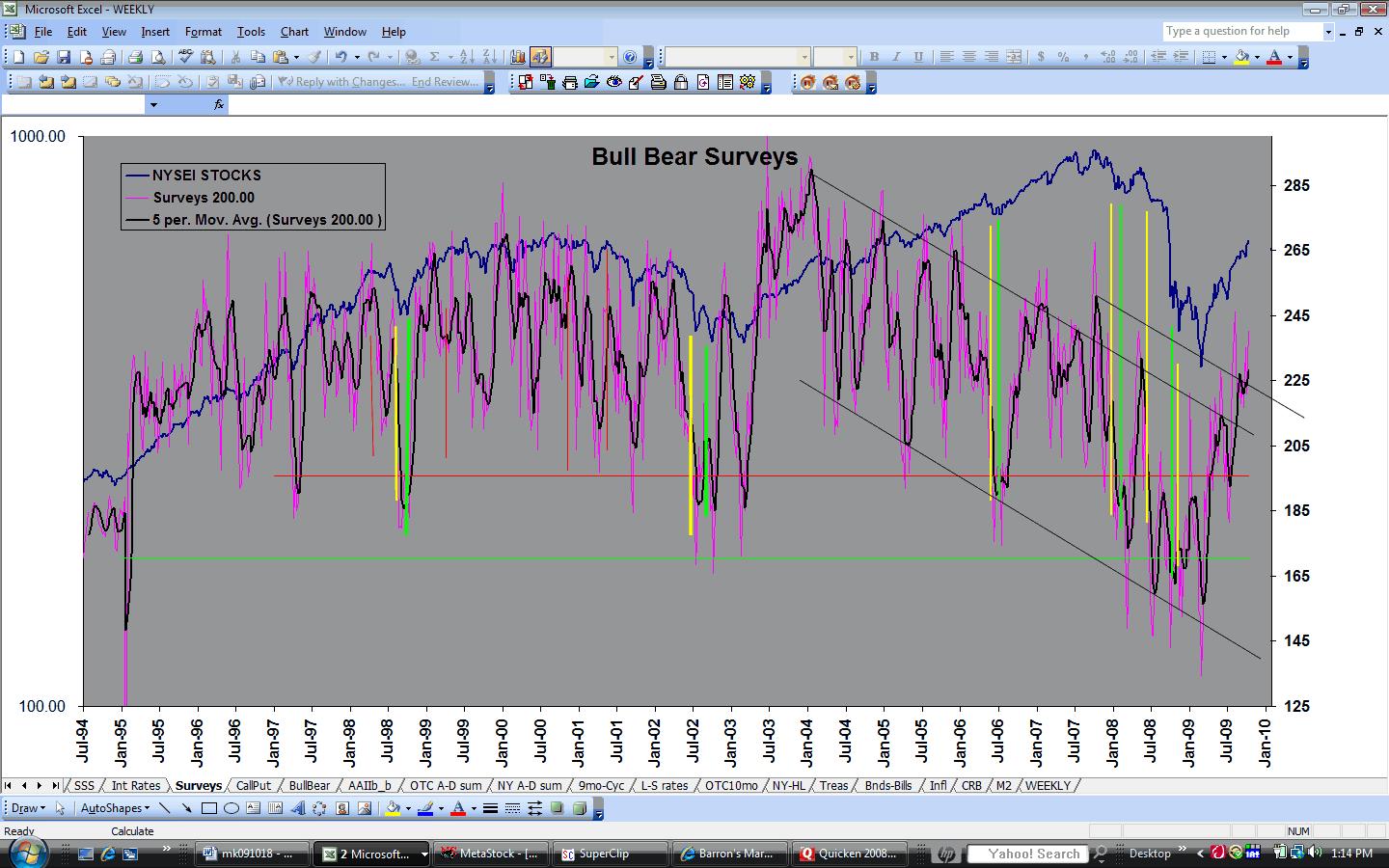
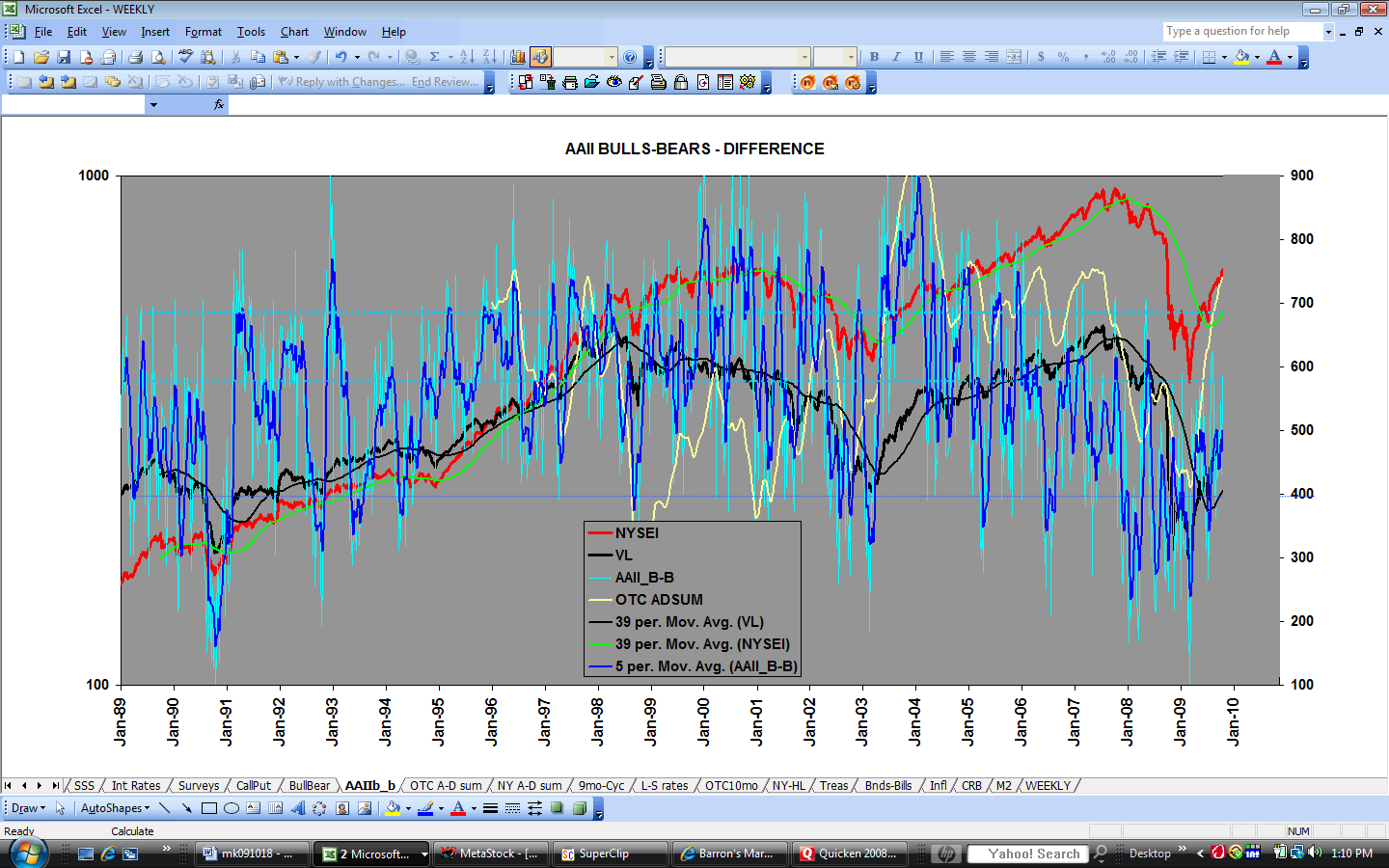
In any case, all that government stimulation plus the stimulation of lower energy prices hasn’t had much impact on investor optimism. Bears still outnumber bulls by a wide margin among advisory services (http://www.geocities.com/petegersb/InvestorsIntelligence.GIF ), and they are nearly equal among AAII members (http://www.geocities.com/petegersb/AAIIsentiment.GIF ). The persistence of such skepticism after a nearly 20% rally off of the low is highly unusual. The last time we saw anything similar was between the triple bottoms in 2002-03. Optimism surged quickly after the last of those bottoms in 2003.
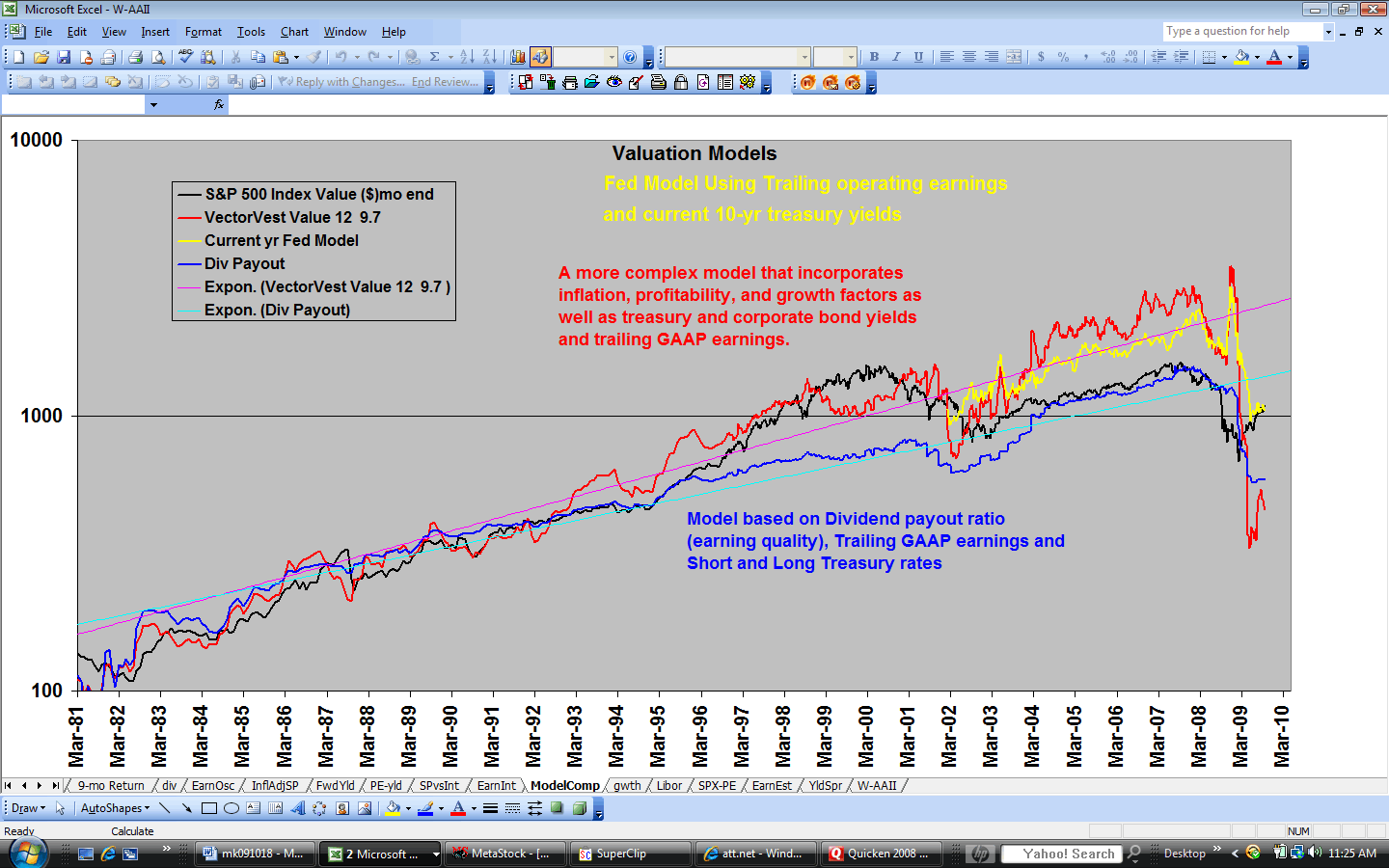
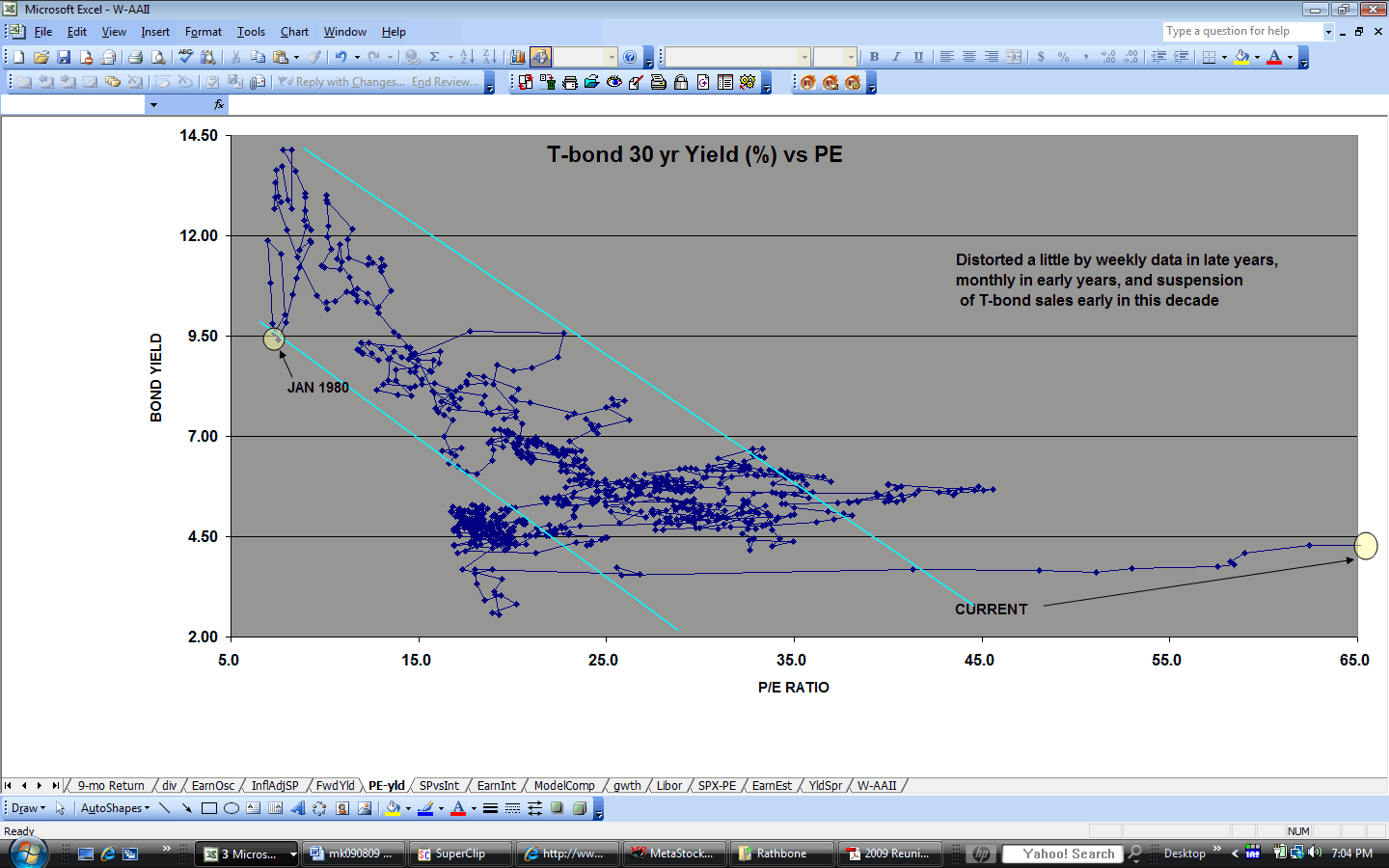
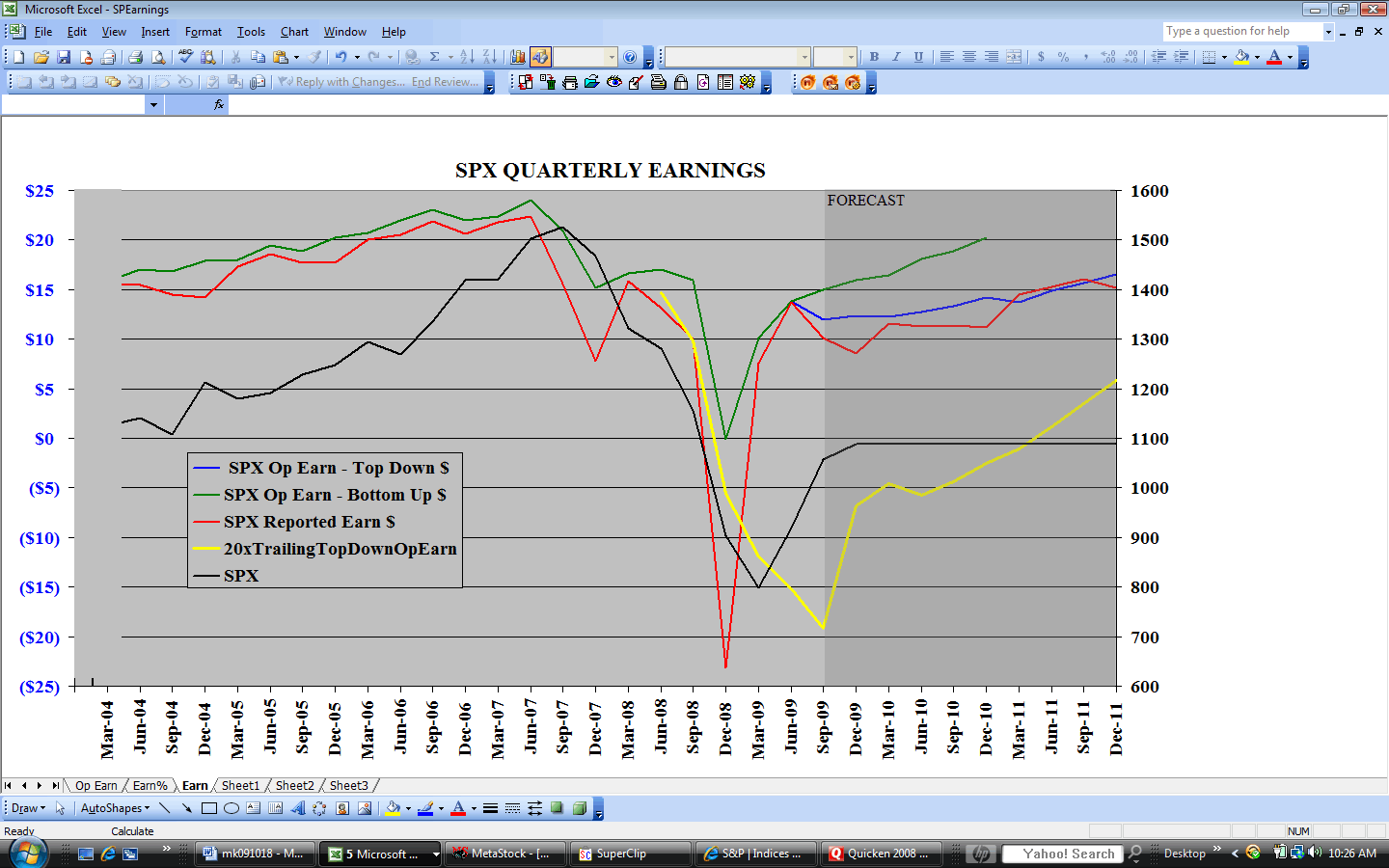
As treasury rates (http://www.geocities.com/petegersb/TreasuryYield-10yr.GIF) move deeper into previously uncharted territory, valuation models (http://www.geocities.com/petegersb/ValuationModels.GIF ) that use those Treasury interest rates (e.g. the Fed Model) become increasingly incredible. Based on historical relationships (http://www.geocities.com/petegersb/PEvsBond.GIF ), today’s P/E should be closer to 30 rather than under 20. It’s pretty clear that, at a P/E of 19 based on expected 2008 reported earnings, the market is still bracing for further earnings declines (http://www.geocities.com/petegersb/EarningsEstimates.GIF ). According to Standard & Poor’s estimates (http://www.geocities.com/petegersb/EarnY-Y.GIF ), quarterly reported and operating earnings (top down estimates) will reach their lows in the 2nd and 3rd quarters of 2009 respectively – about in time for the next 9-month cycle low. However, because reported earnings were so dismal in the 4th quarter of 2007, this quarter’s reports will look good by comparison ($9.92 vs. $7.82). But S&P’s top down estimate for operating earnings this quarter ($12.78 vs. $15.22) will not be a cause for celebration. If those estimates are close to the mark, the financial press will have a dilemma on how to spin it. Reported earnings will show better comparisons but will produce much higher P/E ratios than operating earnings (those that ignore much of the bad stuff).
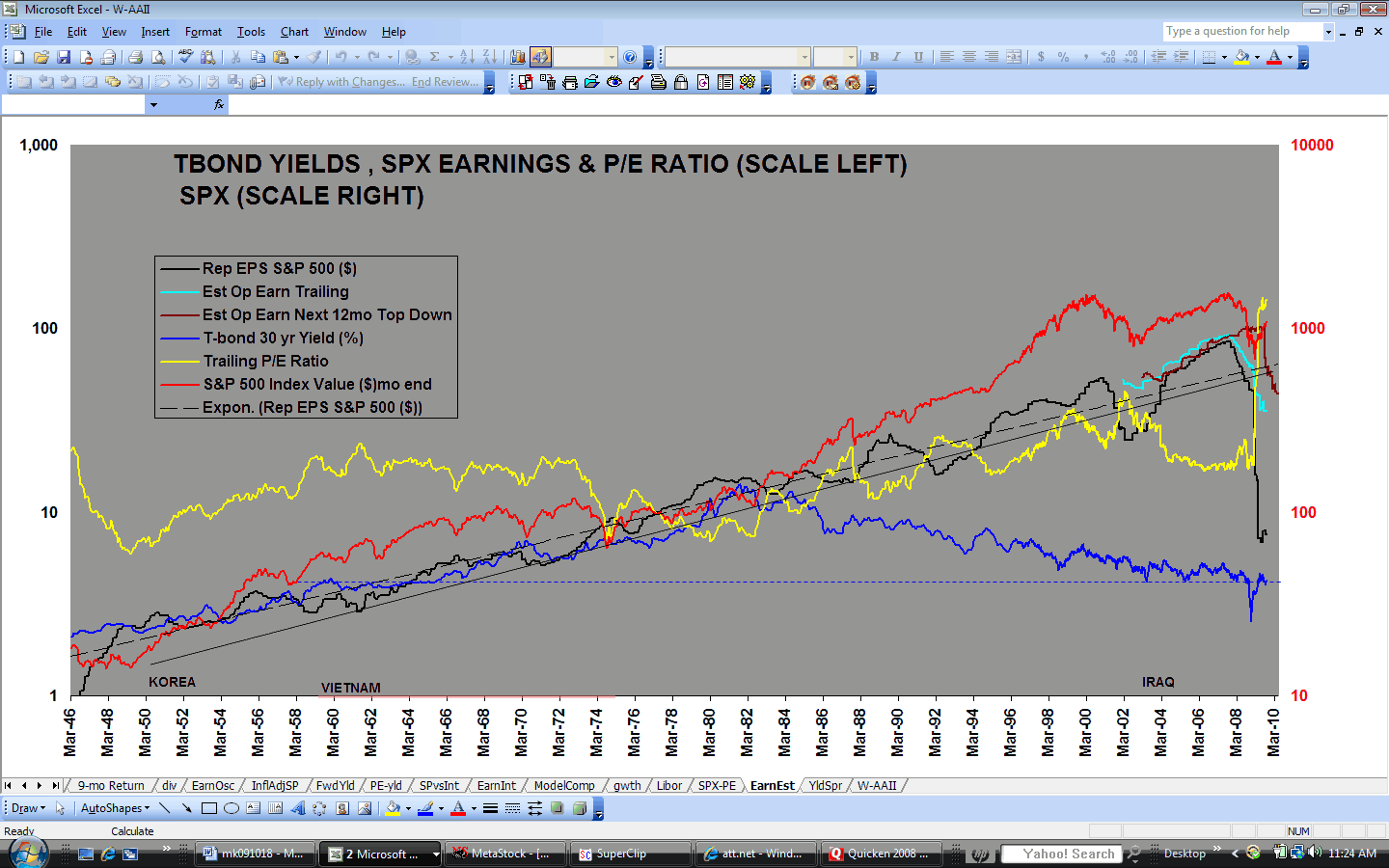
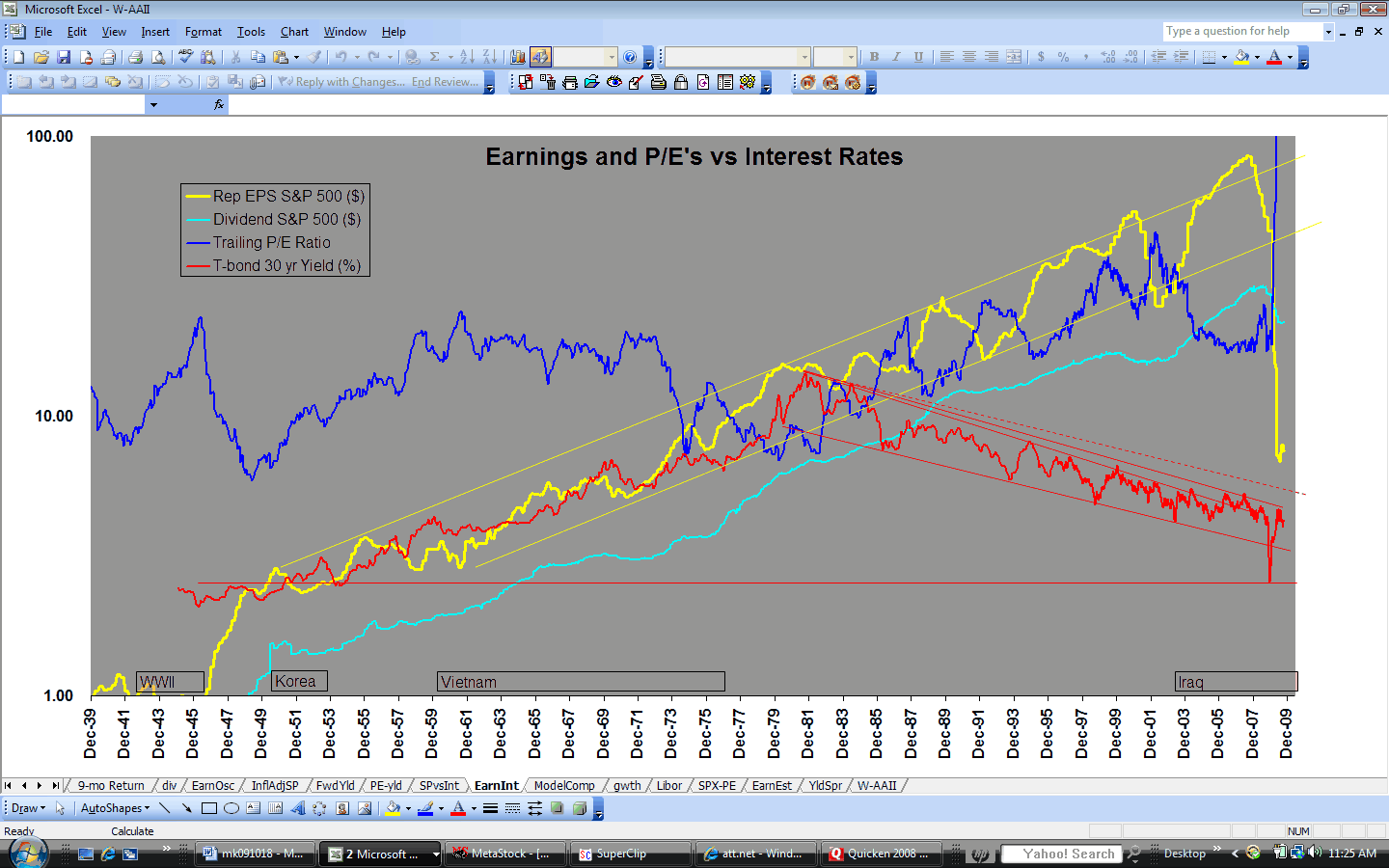
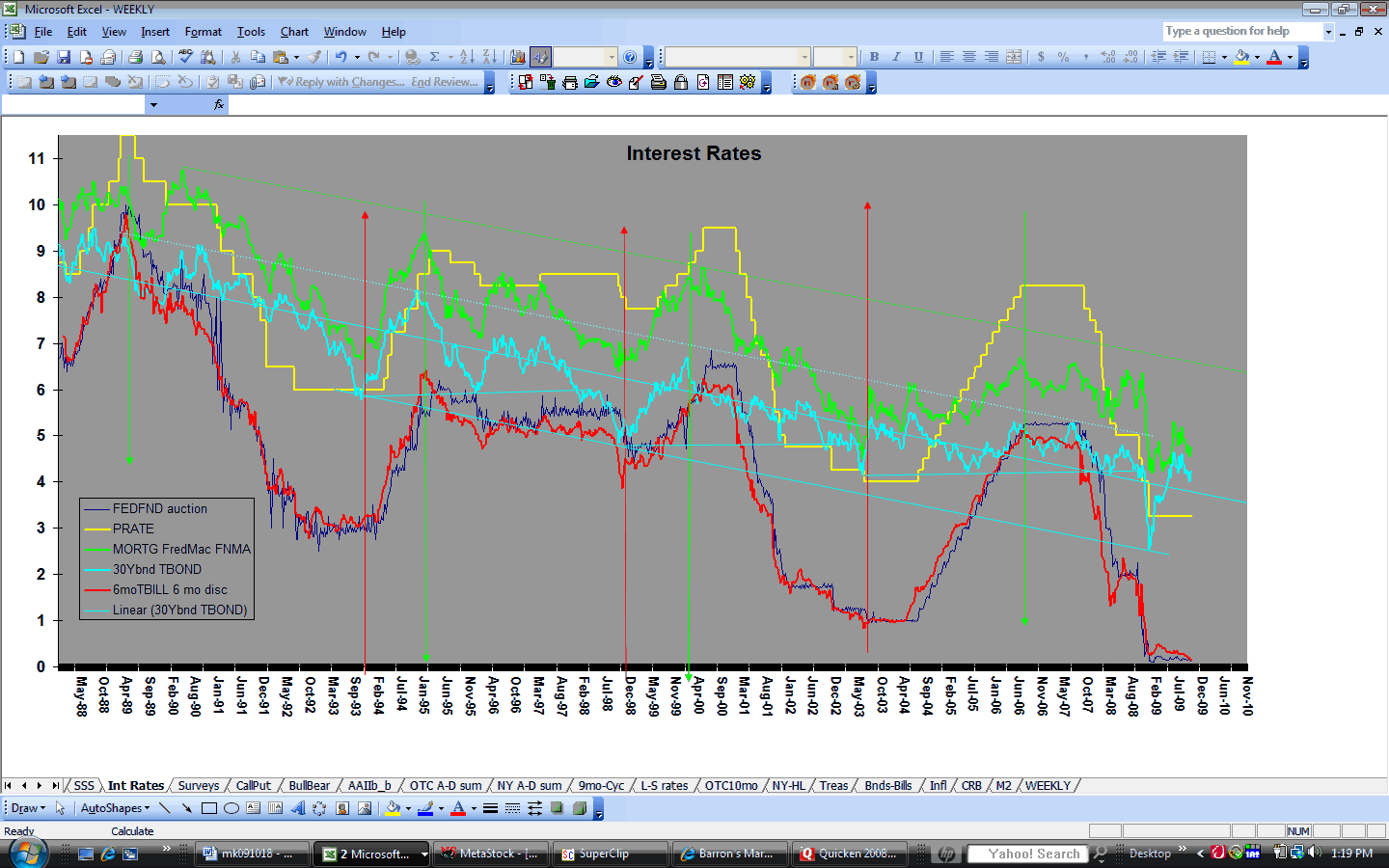
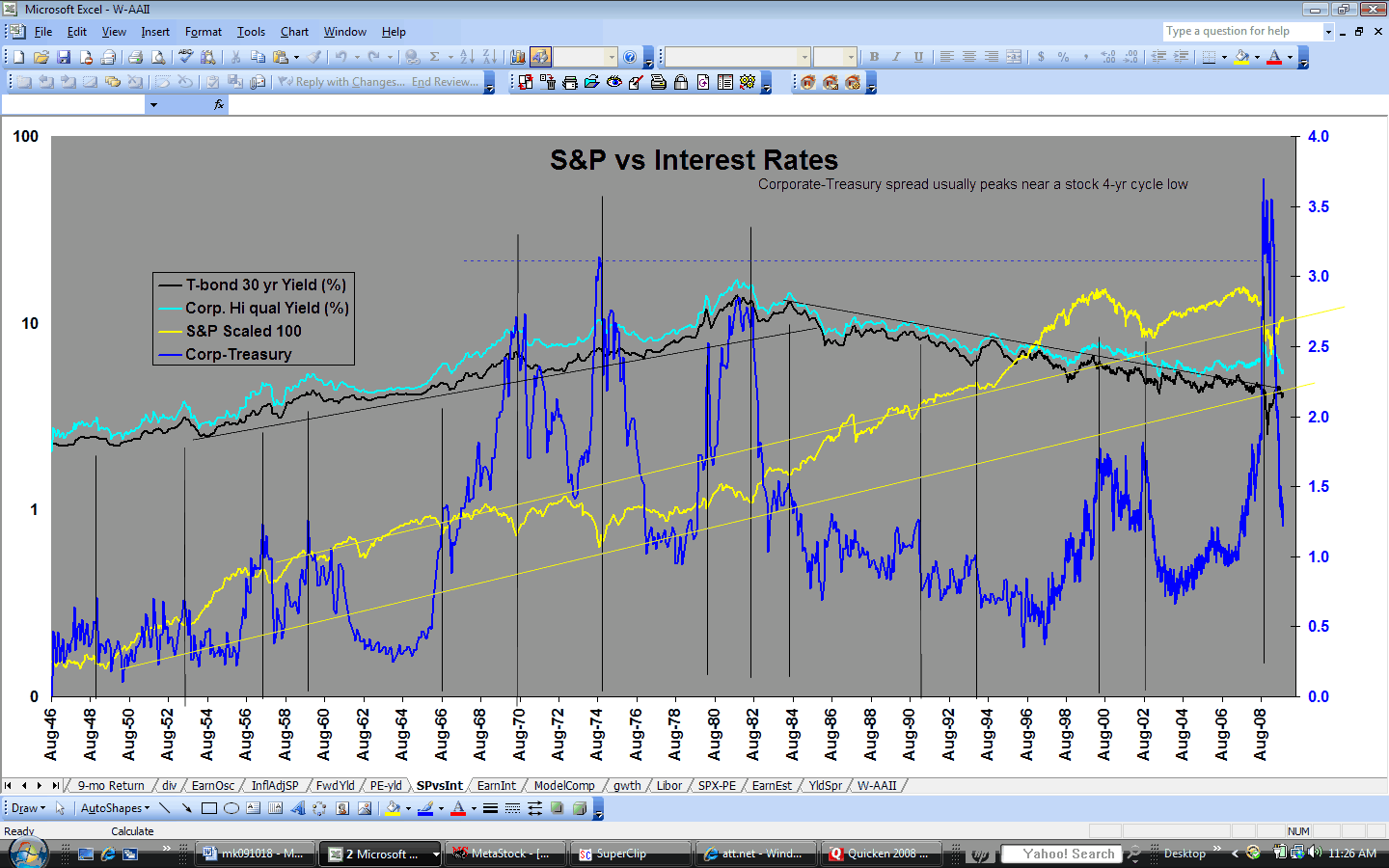
The yield on Treasury Bonds (http://www.geocities.com/petegersb/Earnings-InterestRates.GIF ) has now plunged well below the bottom of its 3-decade trend channel. The last time yields were this low in the early 50’s, the P/E of the SPX was in single digits. There may similar bargains now in individual stocks if you can figure out which ones will survive, but the universe of stocks is about twice as expensive now. The push to lower mortgage rates (http://www.geocities.com/petegersb/InterestRates.GIF ) to 1950’s levels as well seems to be having good success. They dropped a little below 5% last week for a zero point 30-year loan if you have a pristine credit score. The trouble is that most of loan applications are for refinancing rather than purchases, so the impact on dropping home prices is muted. The people who really need those low interest loans to prevent foreclosure generally can’t qualify.
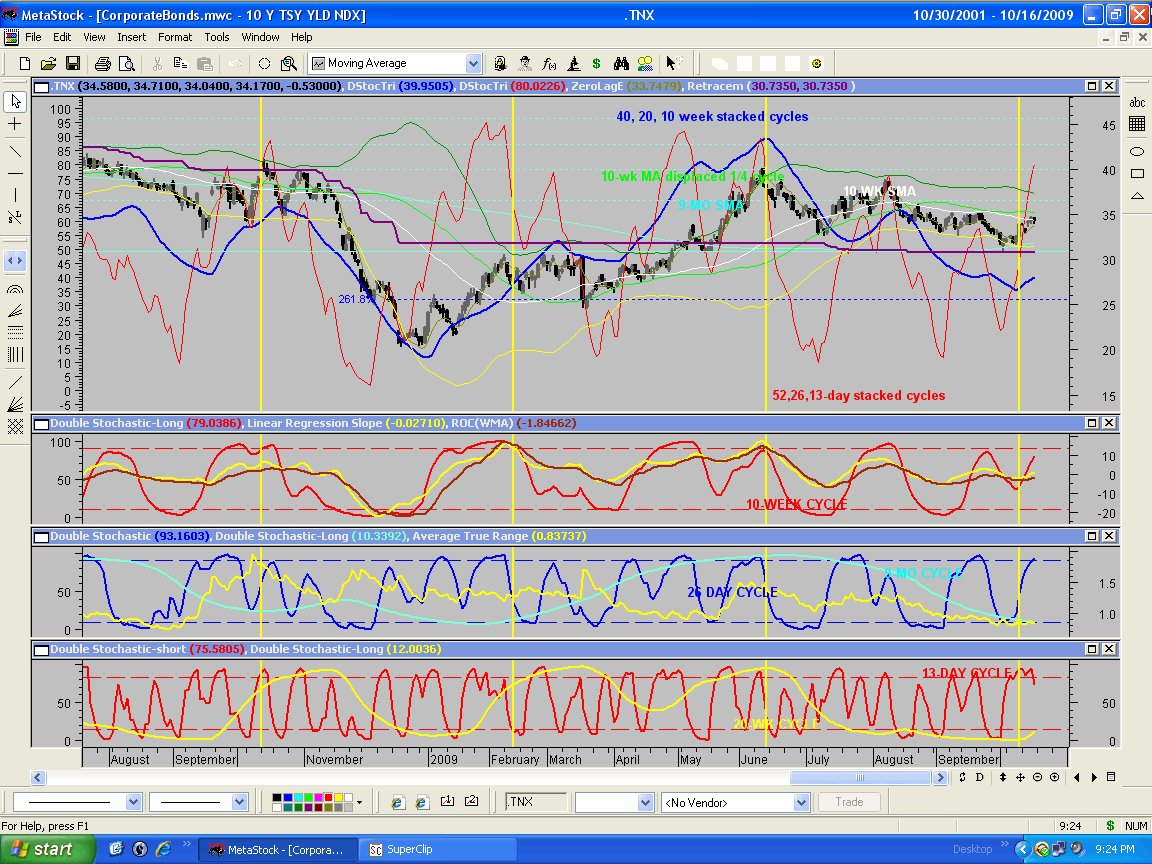
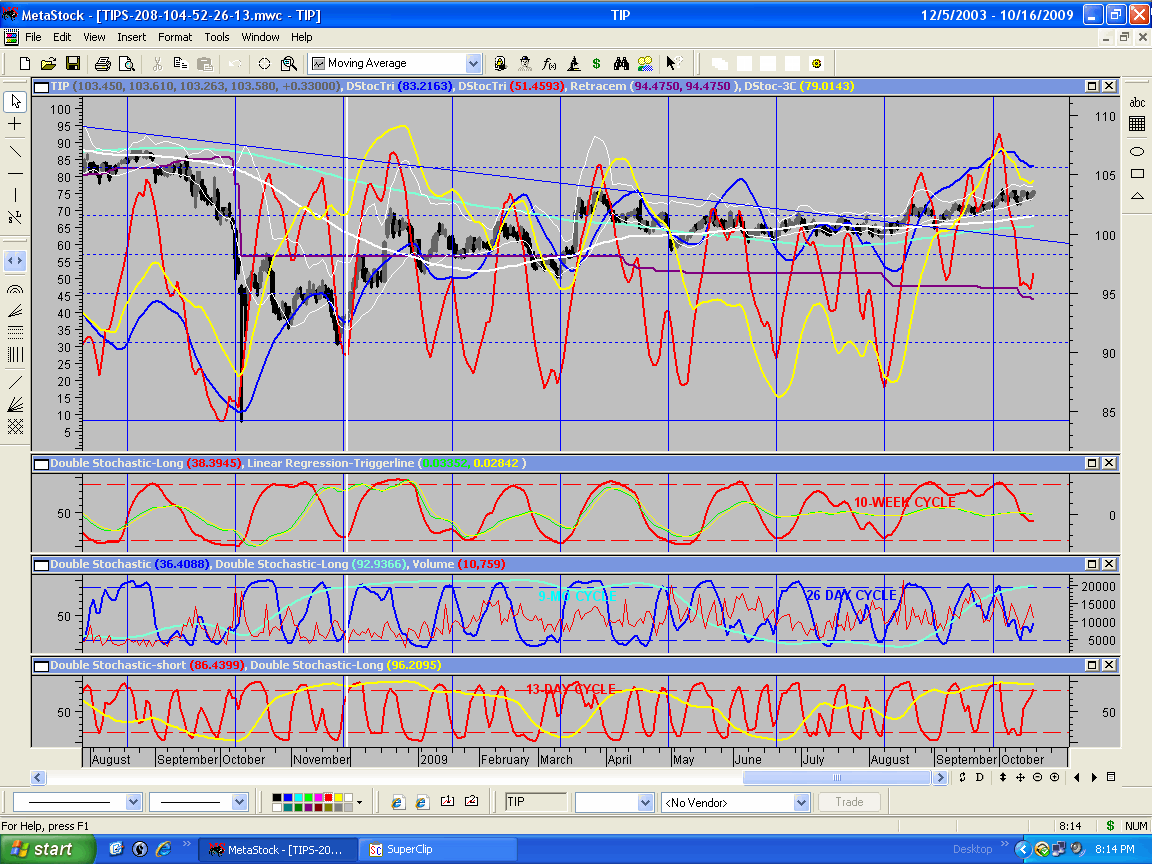
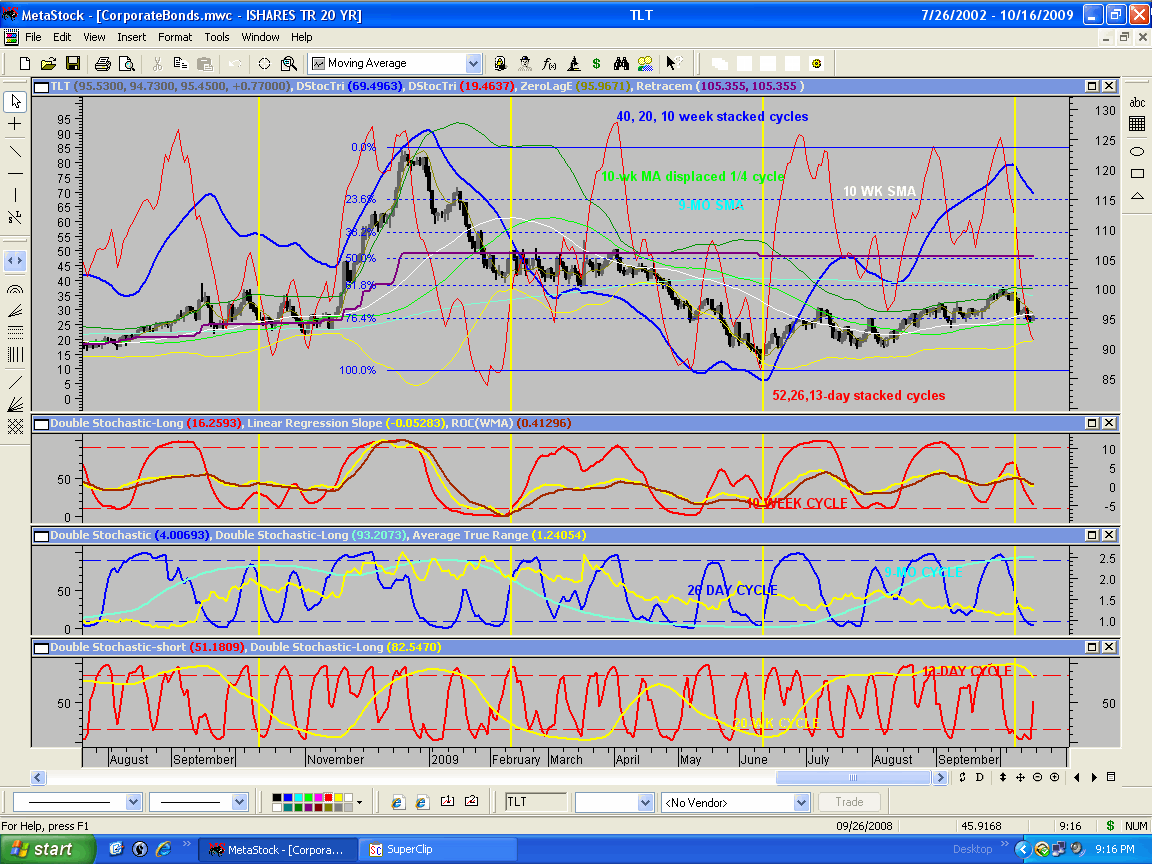
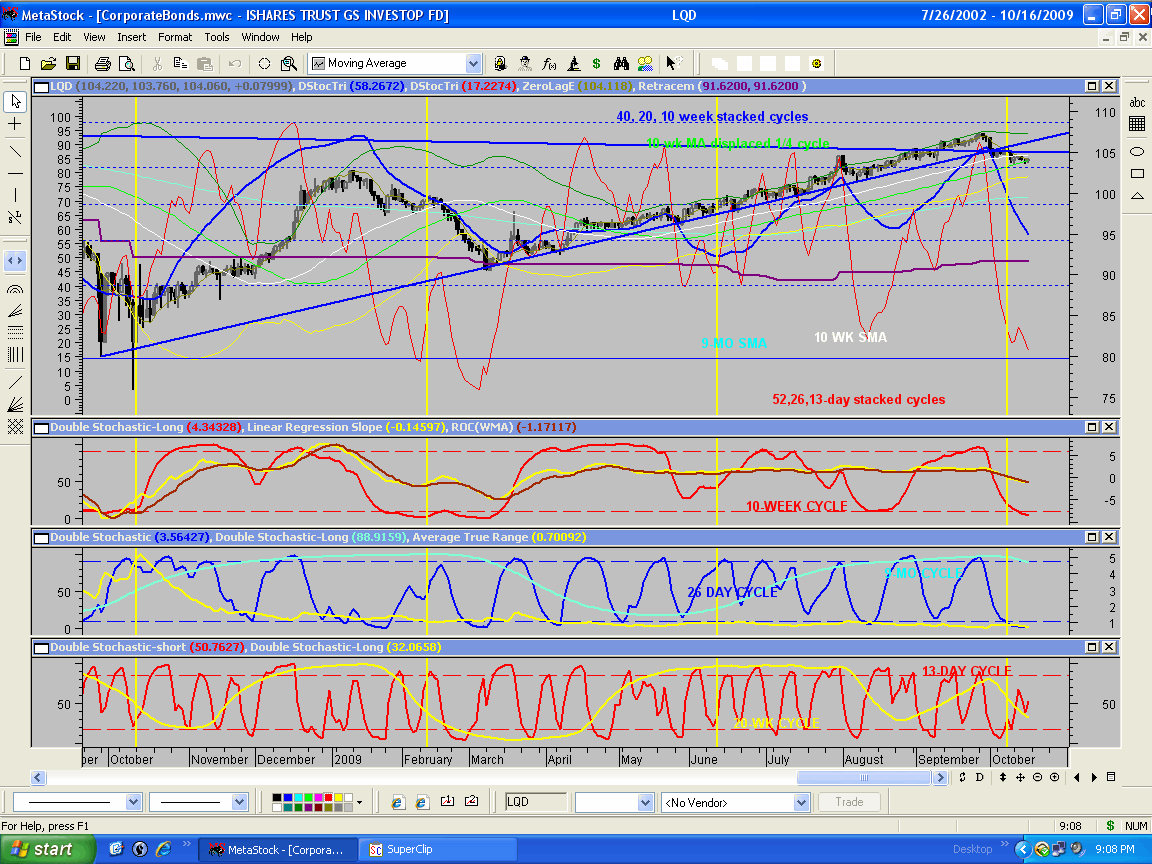
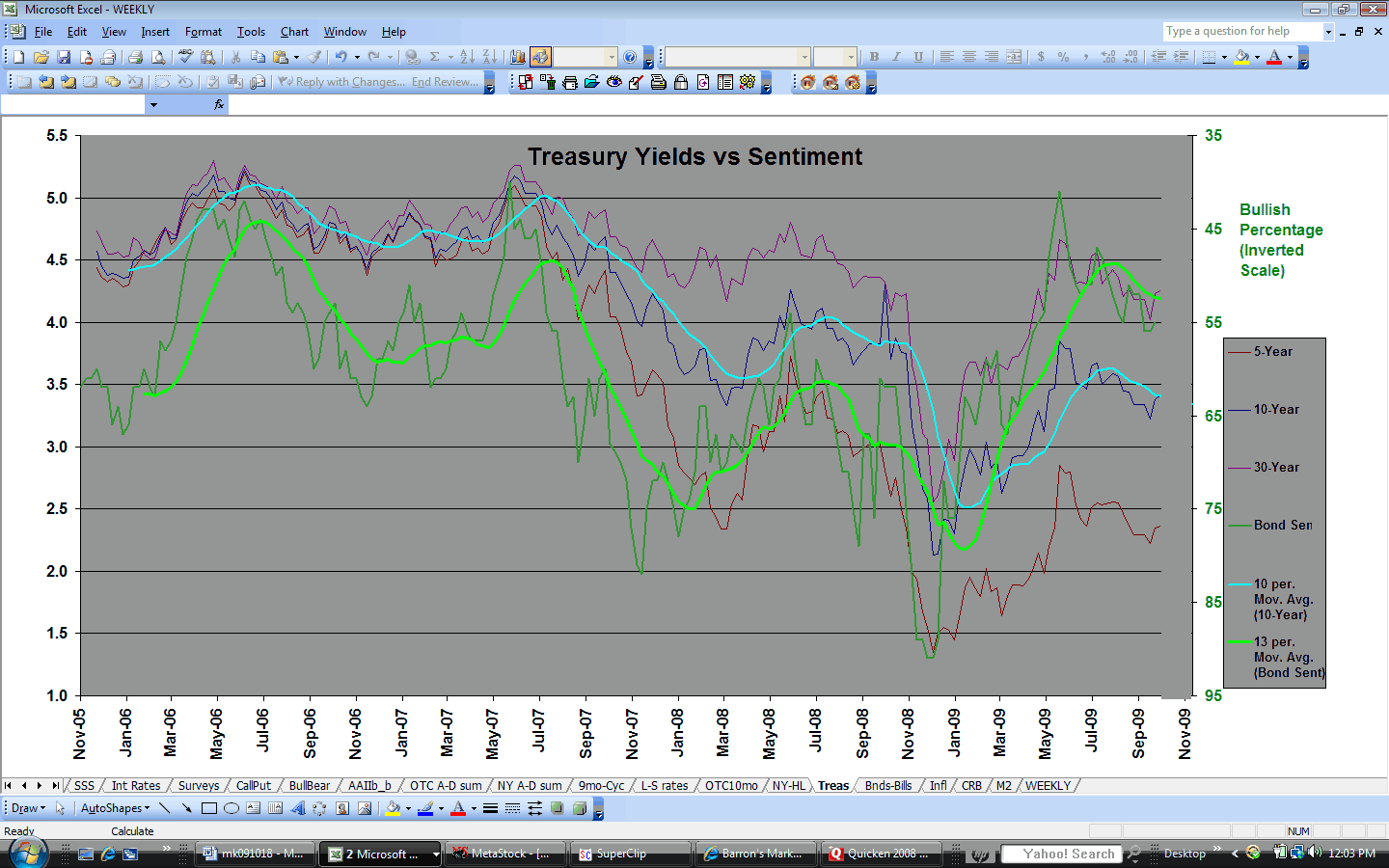
Bonds of all types surged last week with the help of the Fed and the CPI (http://www.geocities.com/petegersb/CPI.GIF ). Even Inflation Protected Treasuries (http://www.geocities.com/petegersb/TIPs.GIF) broke above resistance and rose sharply after Tuesday’s Fed announcement. But they again under-performed conventional Treasury bonds (http://www.geocities.com/petegersb/Treasury-20yr.GIF ) as the negative CPI caused inflation expectations to drop further. Treasuries of both varieties are extremely overbought on both a short and intermediate-term basis. The short-term composite turned down on Friday for the TIPS but not yet for conventional T-bonds. Corporate bonds (http://www.geocities.com/petegersb/CorporateBonds.GIF) joined the fun last week and moved above the 9-month moving average before turning down on Friday from an extreme overbought condition. The spread between High-Grade Corporate and Treasury yields (http://www.geocities.com/petegersb/Stocks-InterestRates.GIF ) plunged last week as bond investors searched for a yield that is higher than inflation. Bond optimism (http://www.geocities.com/petegersb/BondSentiment.GIF ) ticked up to 91% - fitting for the current blow-off in the bond bubble when all of the cycles are overbought.
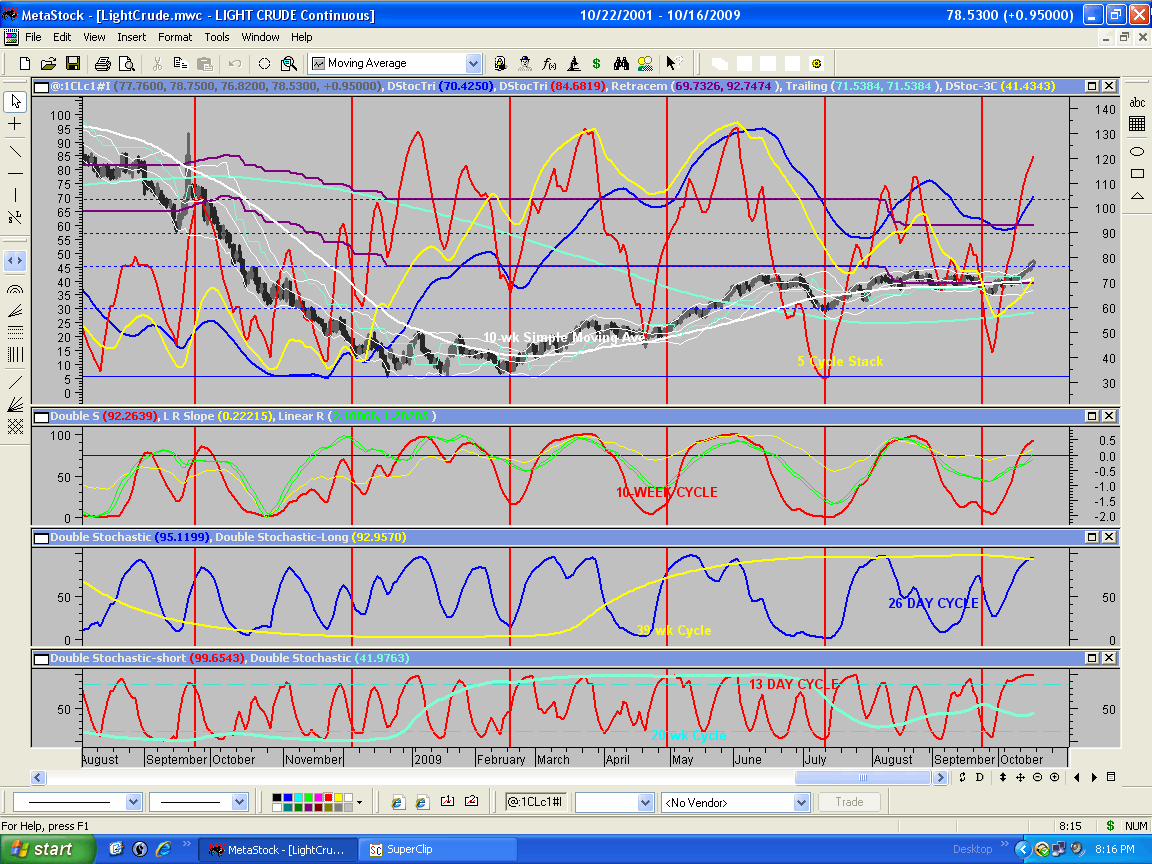
Crude oil (http://www.geocities.com/petegersb/CrudeOil.GIF ) plunged to a level I thought we would never see again as the promised OPEC production cuts were not deep enough to compensate for declining consumption. Although the longer cycles remain oversold, the 13-day cycle is only 10 days old and the short-term composite is trending downward and far from oversold. It looks like Christmas travelers will see a further fuel price reduction, and December heating bills will also help next month’s CPI.
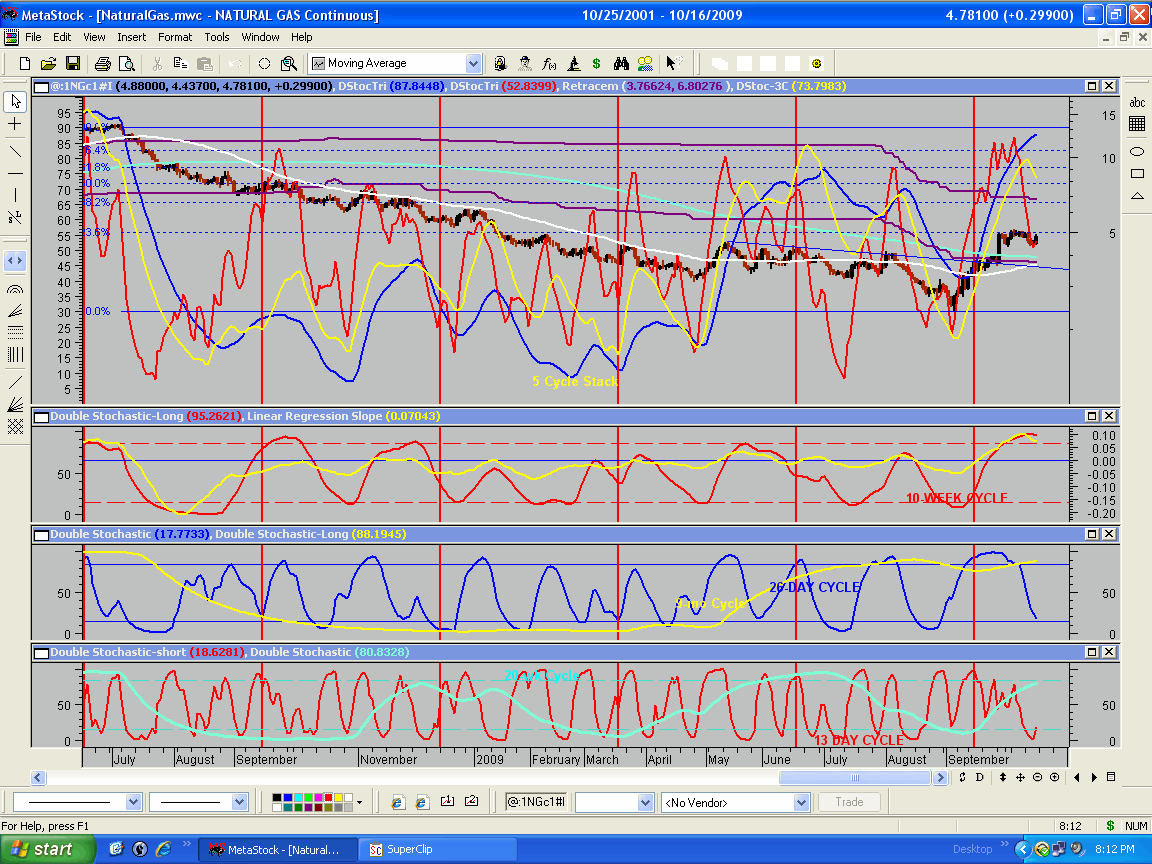
Natural gas (http://www.geocities.com/petegersb/NaturalGas.GIF ) dropped to its lows of August 2007. While a few cycles are now oversold, it appears that the 2006 low of $4.05 will be tested.
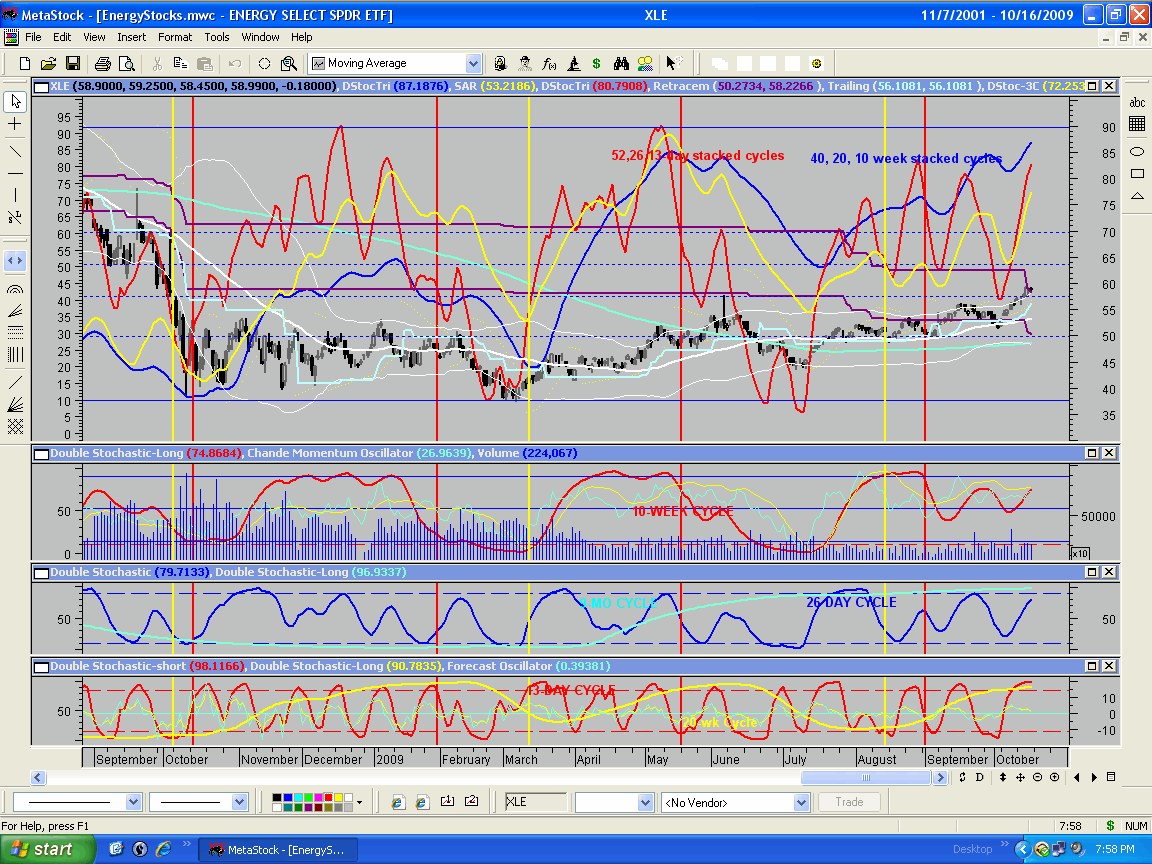
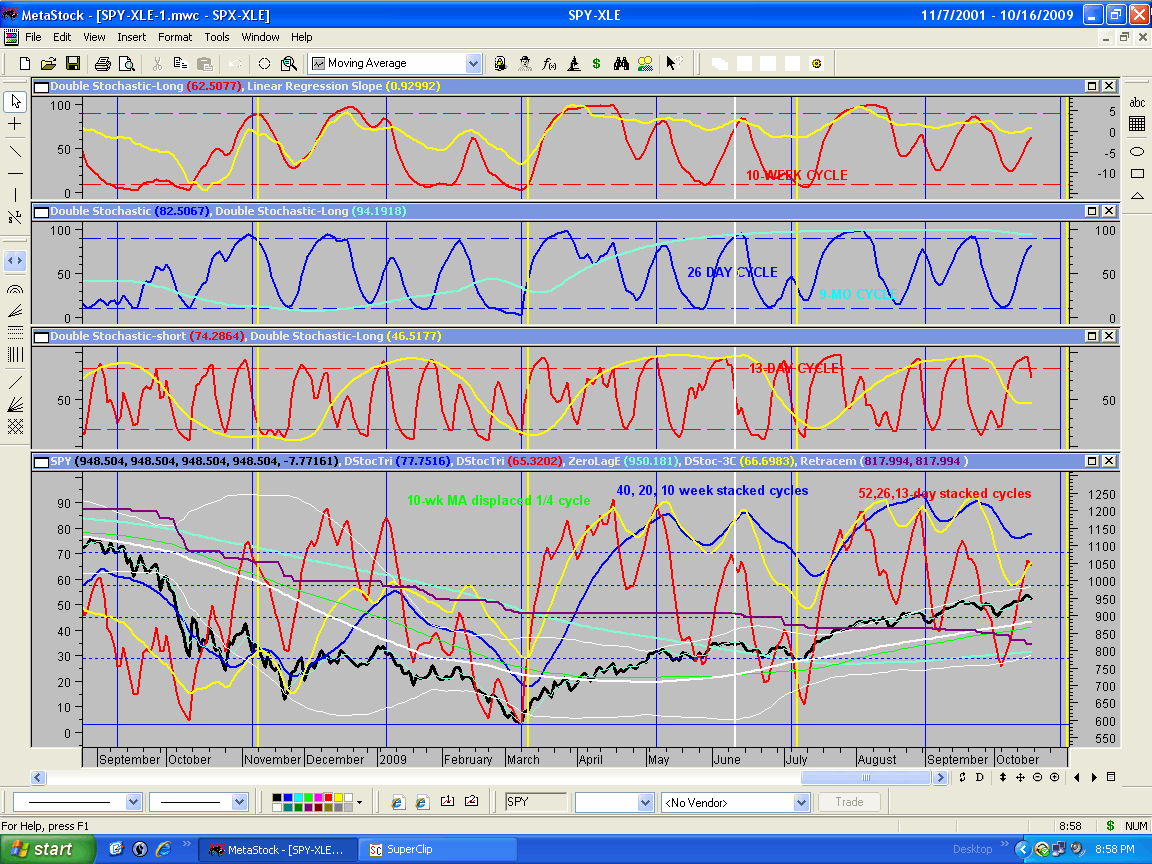
Energy stocks (http://www.geocities.com/petegersb/EnergySPDR.GIF) were the poorest performing sector last week, but they held up much better than the underlying commodities. Why not, at current fossil fuel prices, the alternative energy competition will soon be out of business. The XLE has not been able to make any significant upward progress since the October 10 low despite favorable intermediate cycles. Now the short cycles have turned down from overbought levels. So it looks like that October low will be tested. Interestingly, despite the recent drag from energy stocks, the SPY ex-energy (http://www.geocities.com/petegersb/SPY-XLE.GIF ) again closed below its 10-week moving average last week.
Gold (http://www.geocities.com/petegersb/GoldBullion.GIF) surged above its 9-mo moving average and above its November
peak early in the week (probably on the inflationary implications of the Fed
action). But it made a short-term peak
at the 5-month old downtrend line on Wednesday and declined for the remainder
of the week. The short-term correction
within a continuing intermediate uptrend should be able to hold above the 10-wk
moving average. Although the bond market doesn’t seem concerned about the
inflationary implications of the massive stimulus, the gold market seems to
recognize it. It’s up 25% from its October low. Despite that good gain,
however, it appears to have established yet another lower 10-week cycle peak. Gold Stocks (http://www.geocities.com/petegersb/GoldStocks.GIF
) also established a short-term peak on Wednesday within an intermediate
uptrend. Unlike the underlying metal
they bear the additional burden of an overbought 20-week cycle. If the XAU can’t
find support above the 10-wk moving average, the intermediate uptrend is in
jeopardy.
The dollar (http://www.geocities.com/petegersb/Dollar.GIF) had a second successive very bad week until it surged on Friday. It established a short-term low at the 50% retracement of the 2008 rally on Wednesday, and quite likely an intermediate low as well. If so, it should be able to challenge its 10-week moving average near the 85 level before resuming its long-term downtrend.