11/30/08
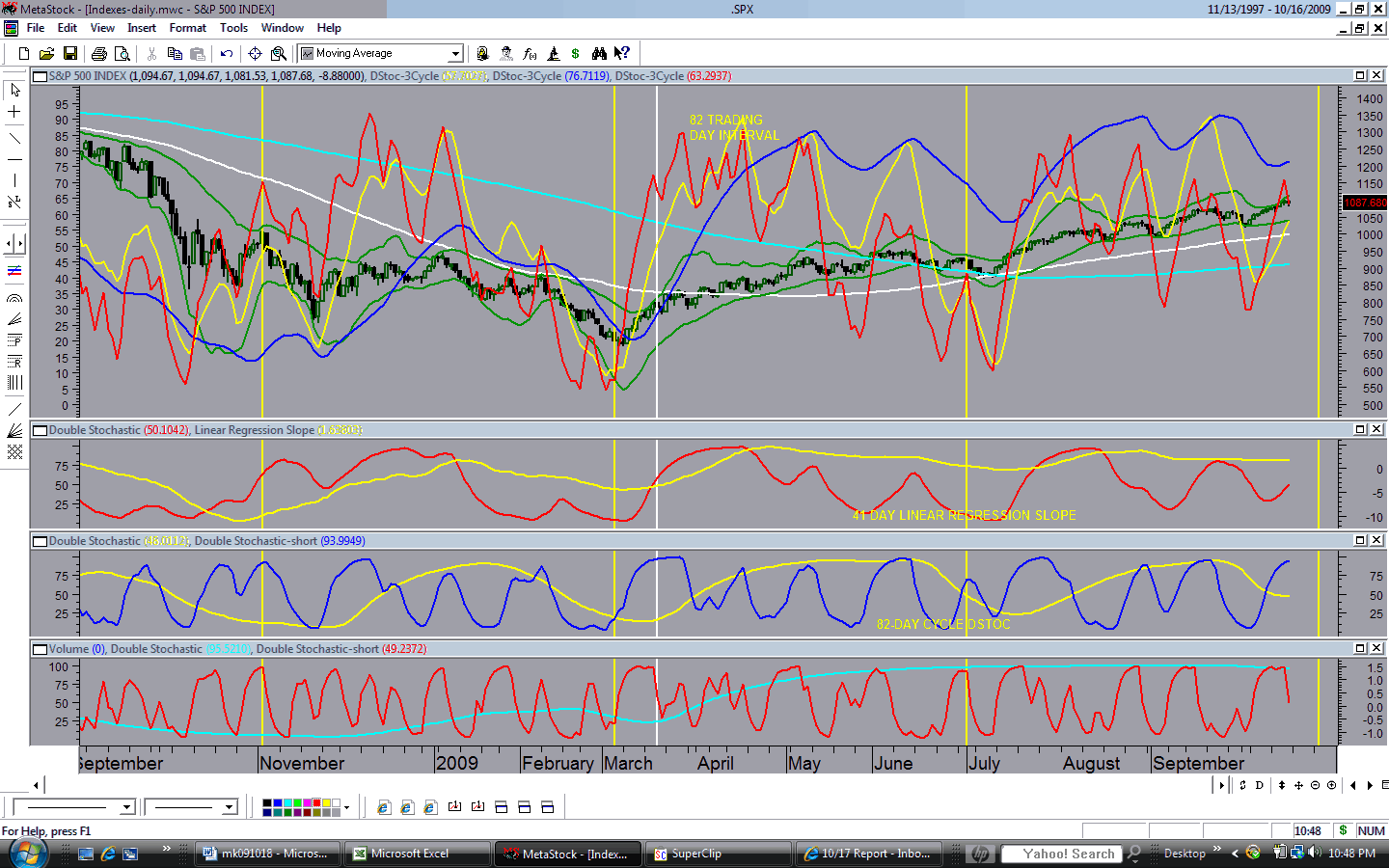
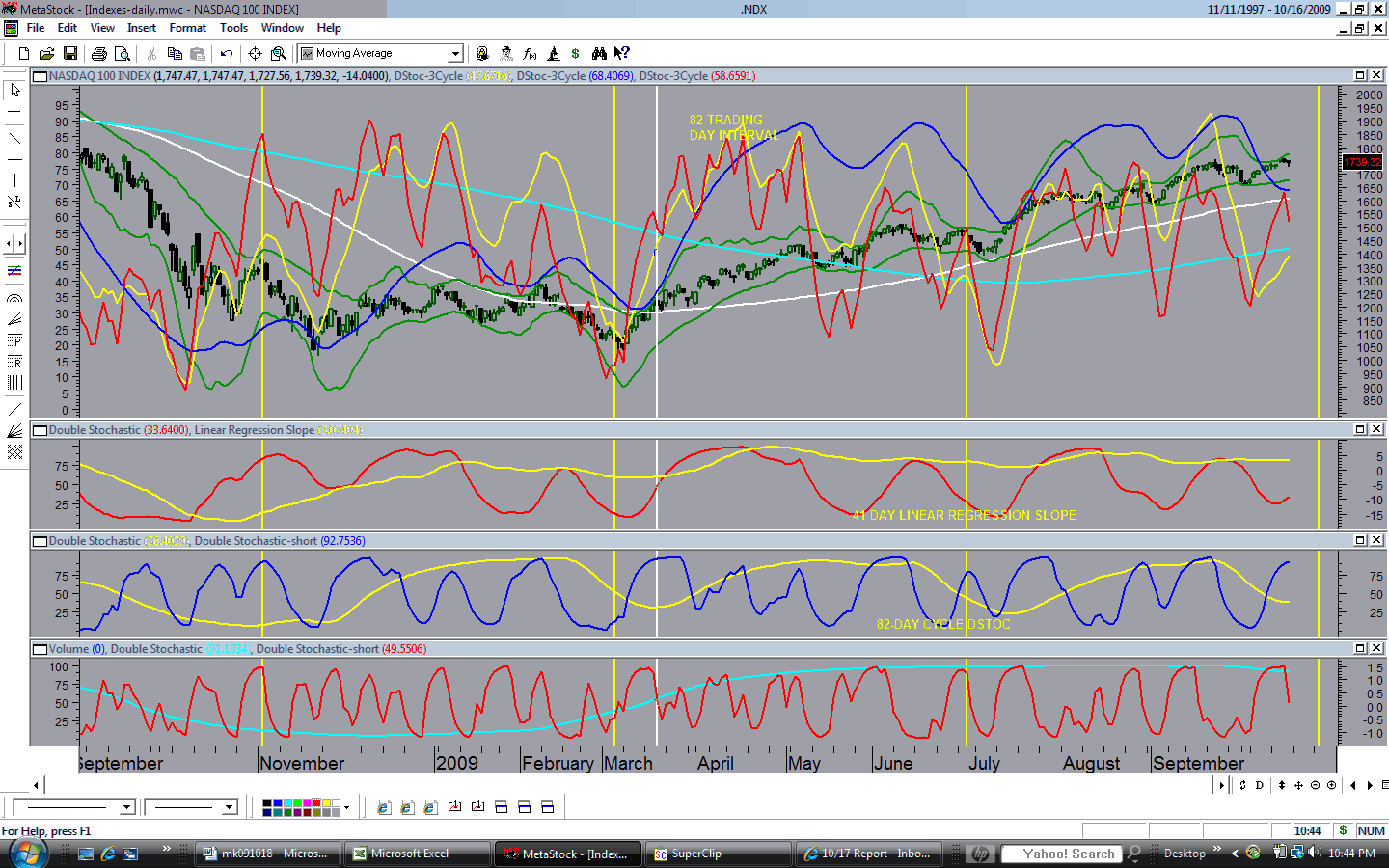
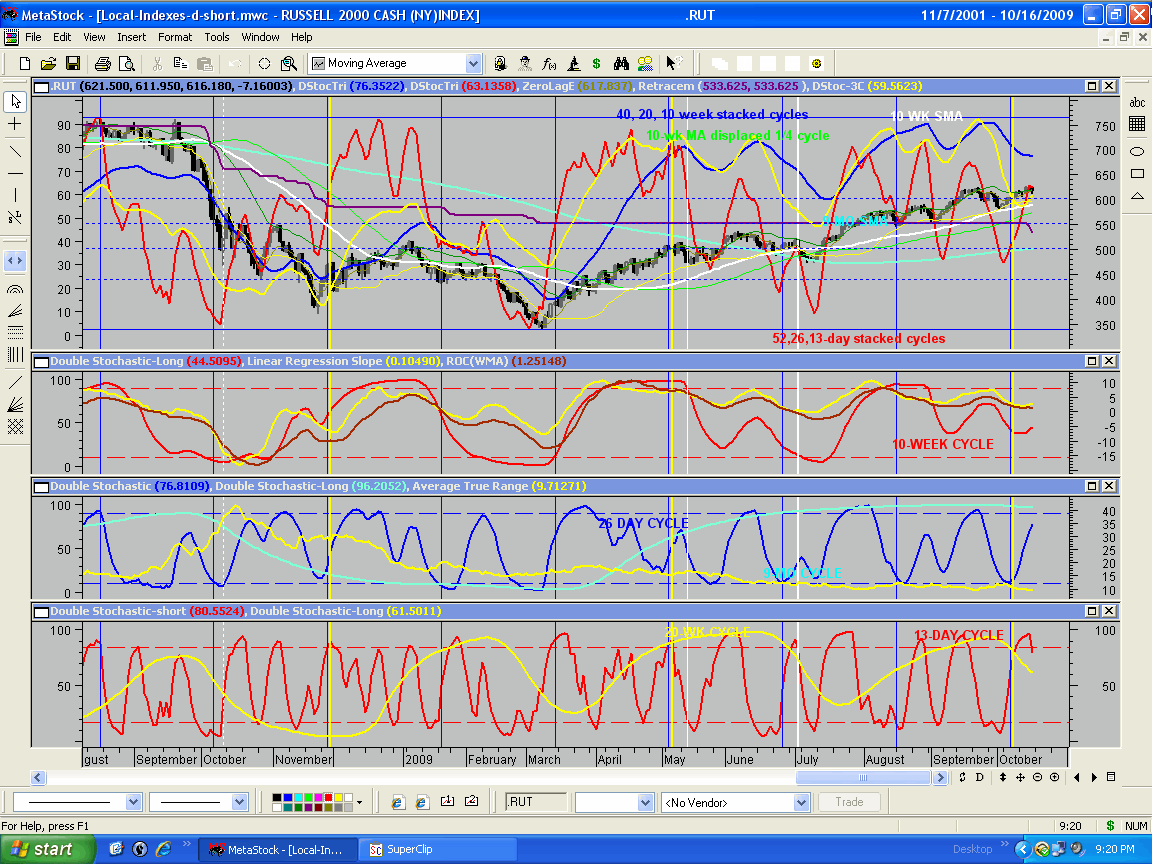
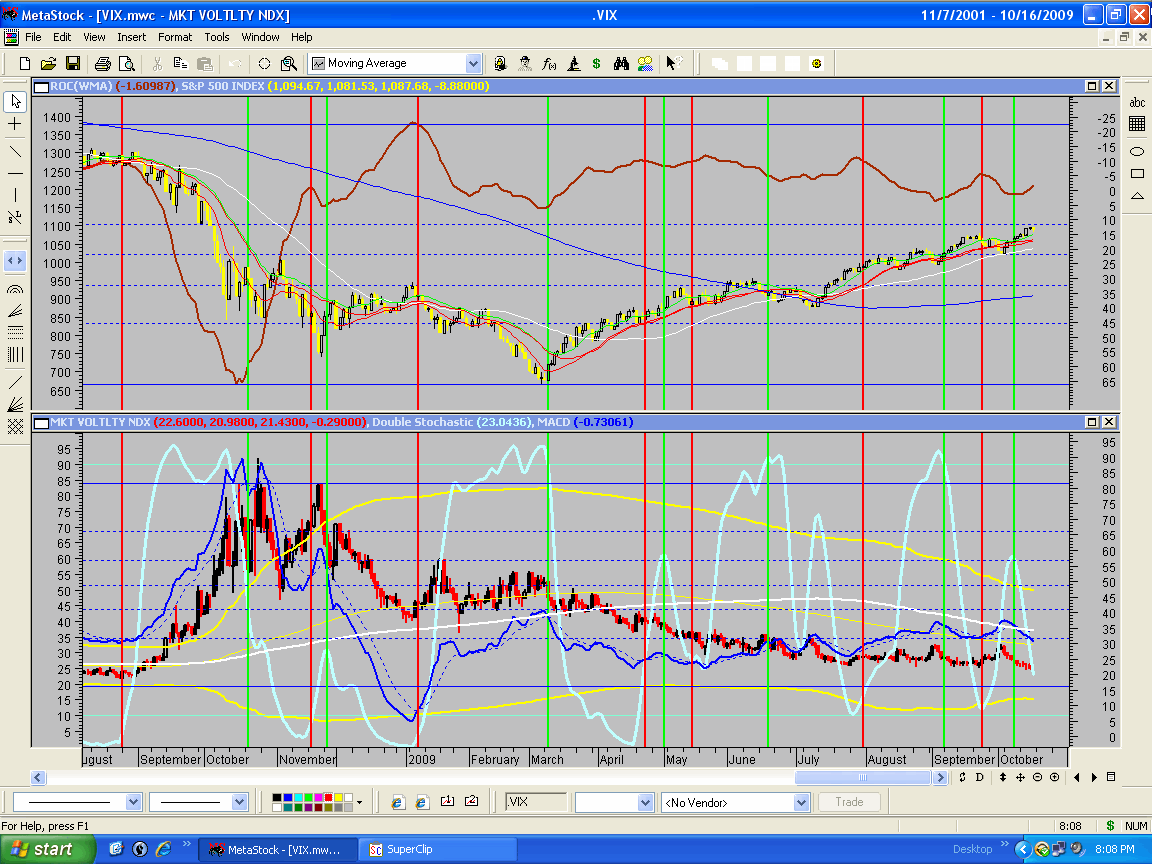
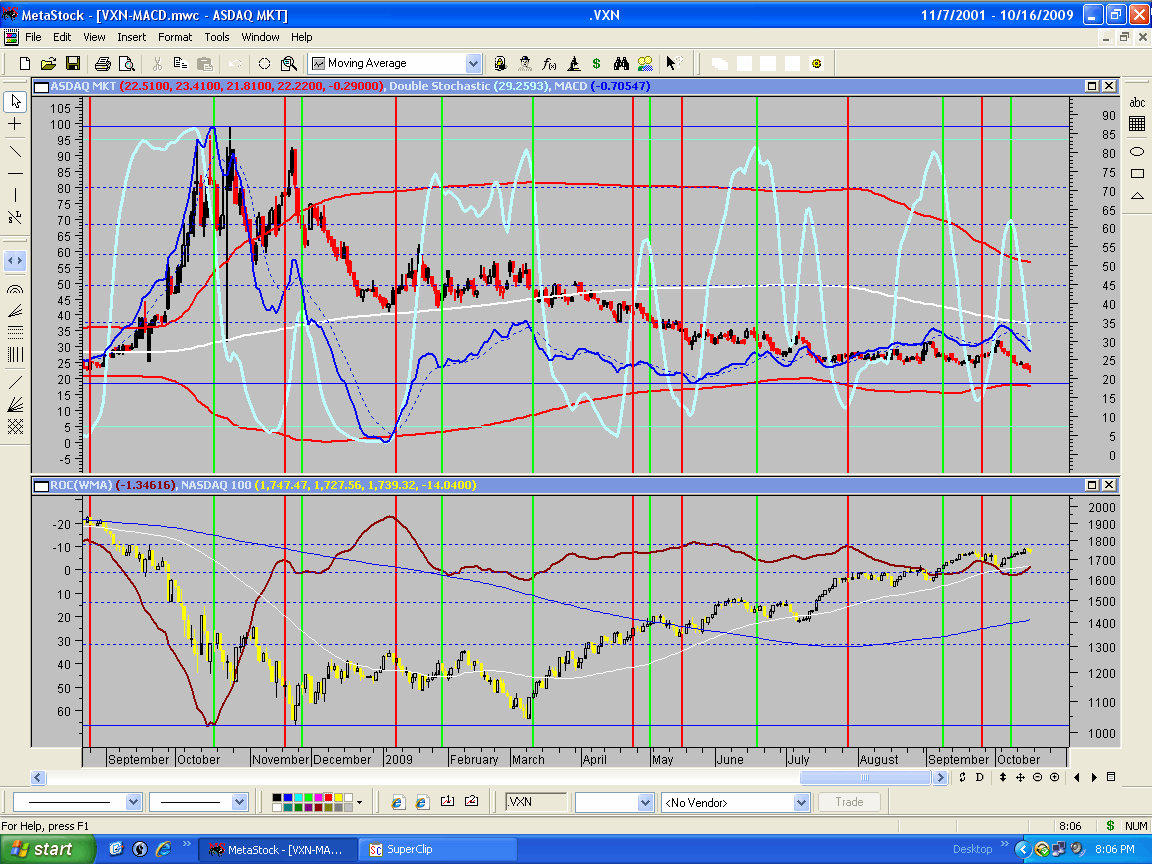
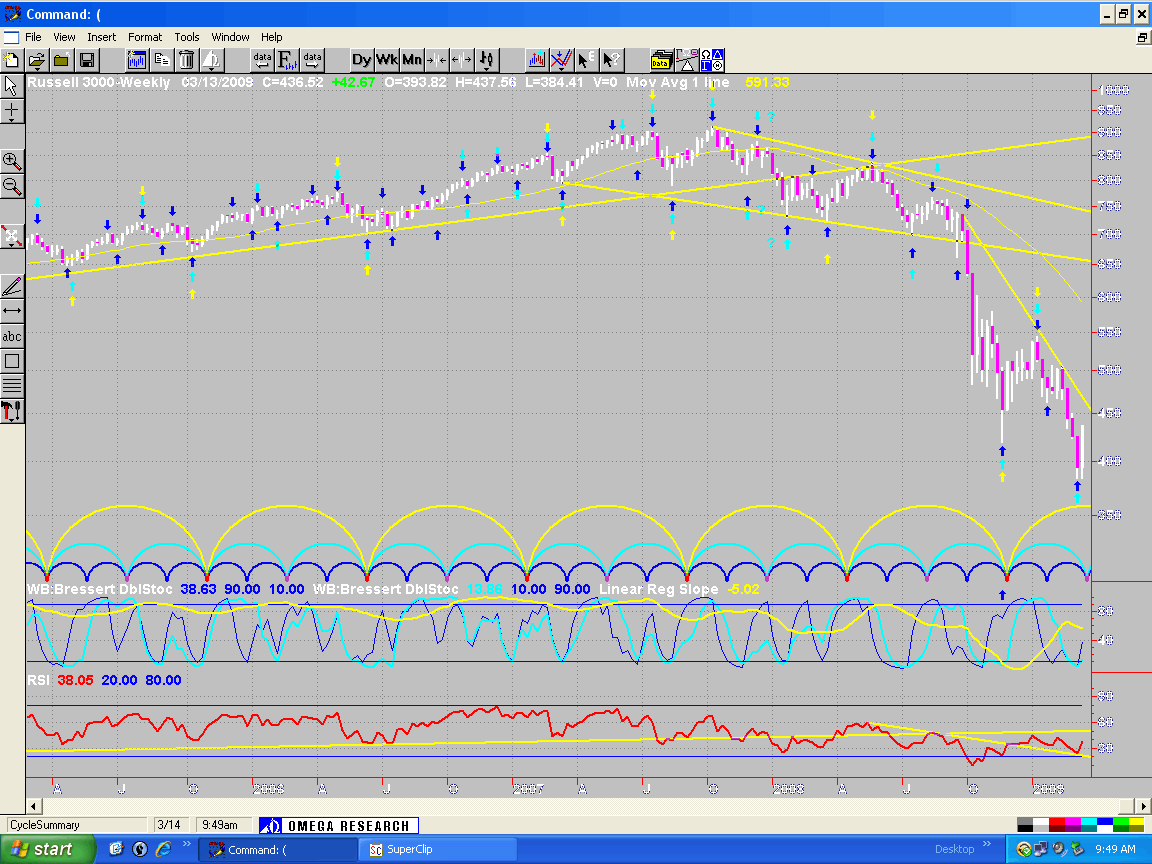
Last week I thought that the 200 bar moving average on the hourly chart that marked the peak of the last two big rallies on 11/4 and 11/28 stood a good chance of being broken to the upside on this latest attempt. It did break through on Monday, but that proved to be the high for the week. It was then stymied by the steeply declining 10-week moving average on all of the indexes (SPX (http://www.geocities.com/petegersb/SP500.GIF), NDX (http://www.geocities.com/petegersb/NDX.GIF), Russell small cap index (http://www.geocities.com/petegersb/Russell2000.GIF )). Now the short-term composite has turned down from an extreme overbought level last seen in August and May – both just prior to substantial declines. The 15-day-old 26-day cycle, which has lately been the most reliable short-term indicator, is now in a well defined downtrend that began 24 days after its prior peak. Although the 10-week cycle indicators have not yet issued a sell signal, the DStocs are very overbought on the price charts and oversold on the daily VIX (http://www.geocities.com/petegersb/VIX.GIF) and VXN (http://www.geocities.com/petegersb/VXN.GIF) – all suggesting a high probability that the 10-week cycle peaked early last week.
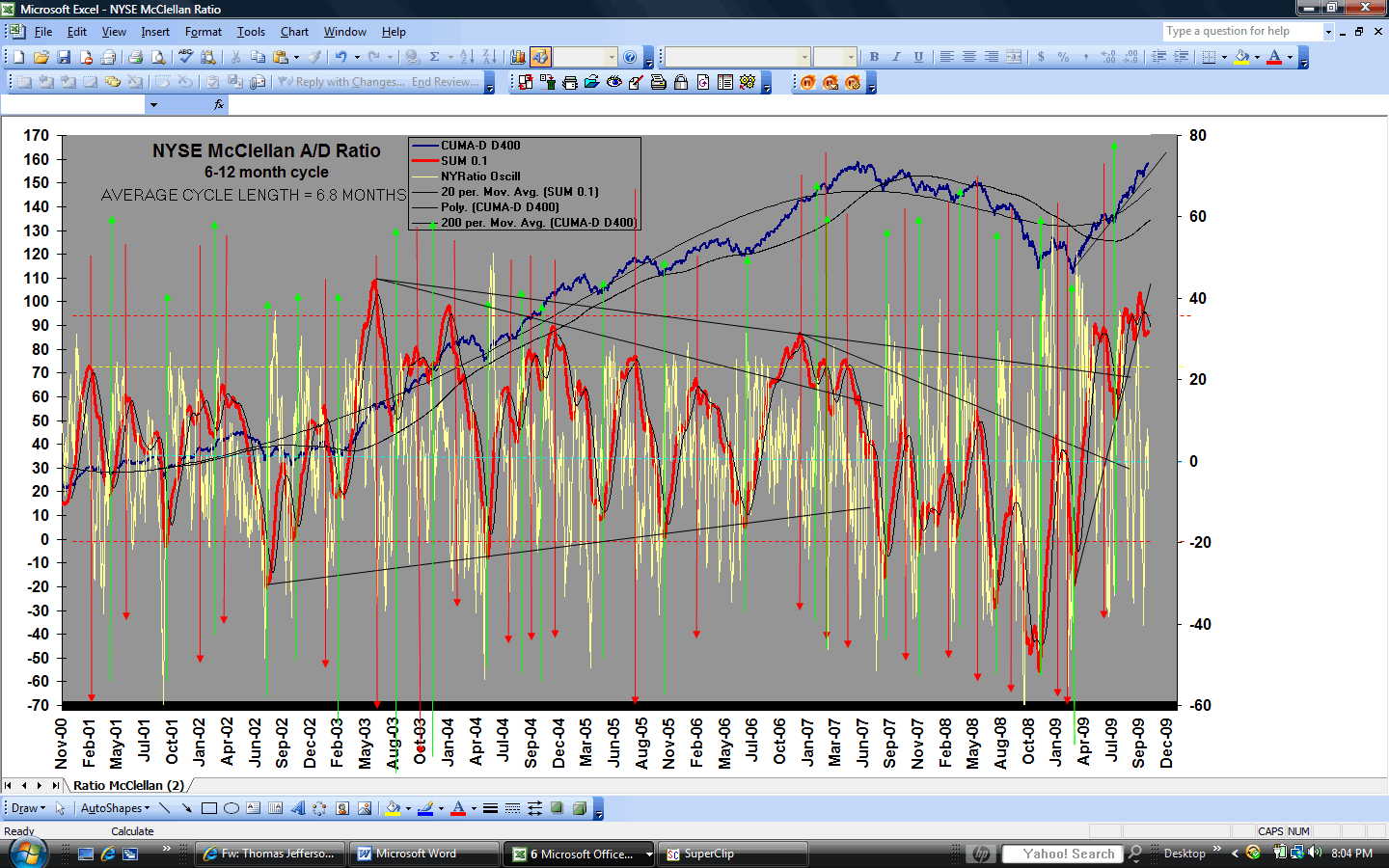
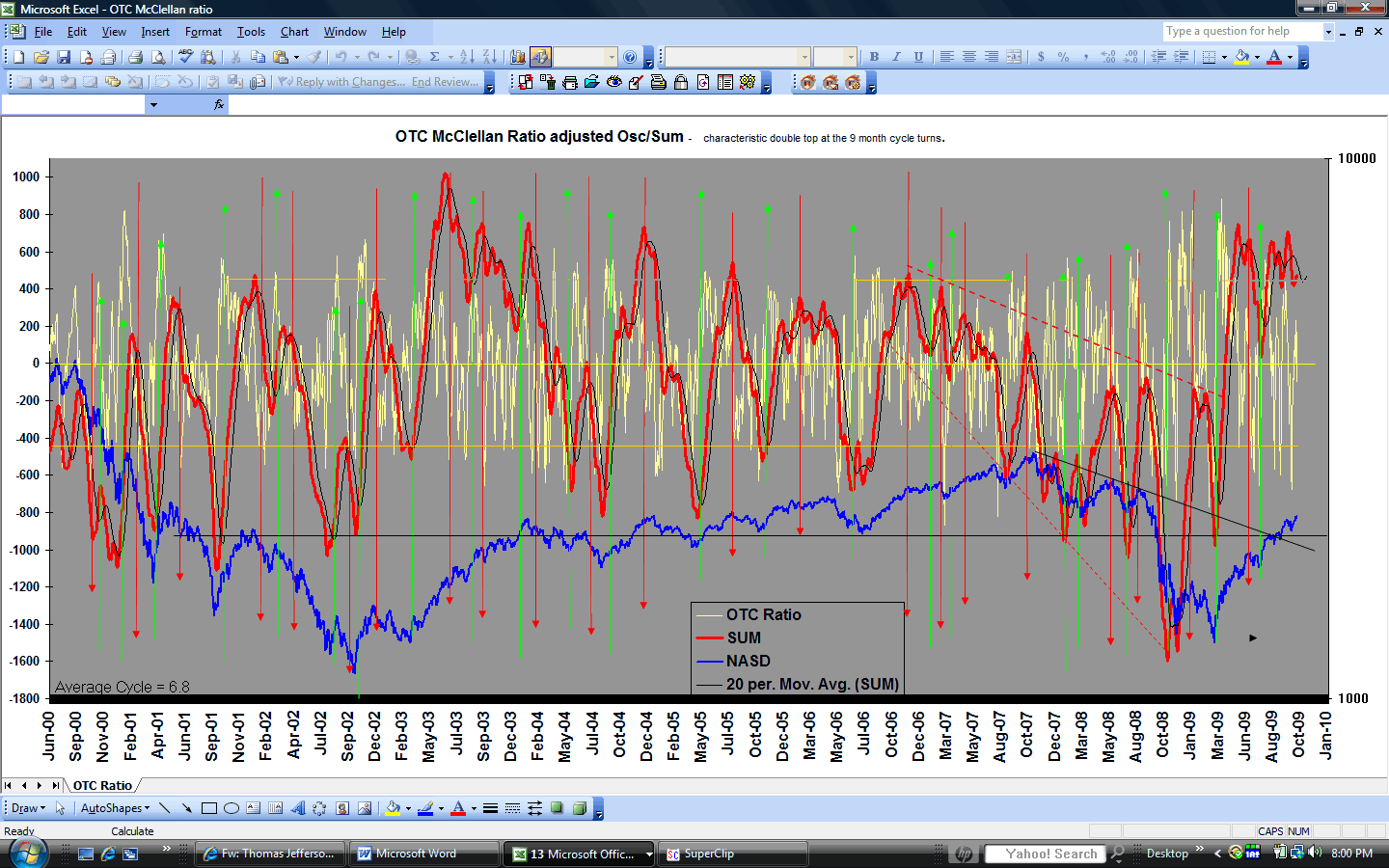
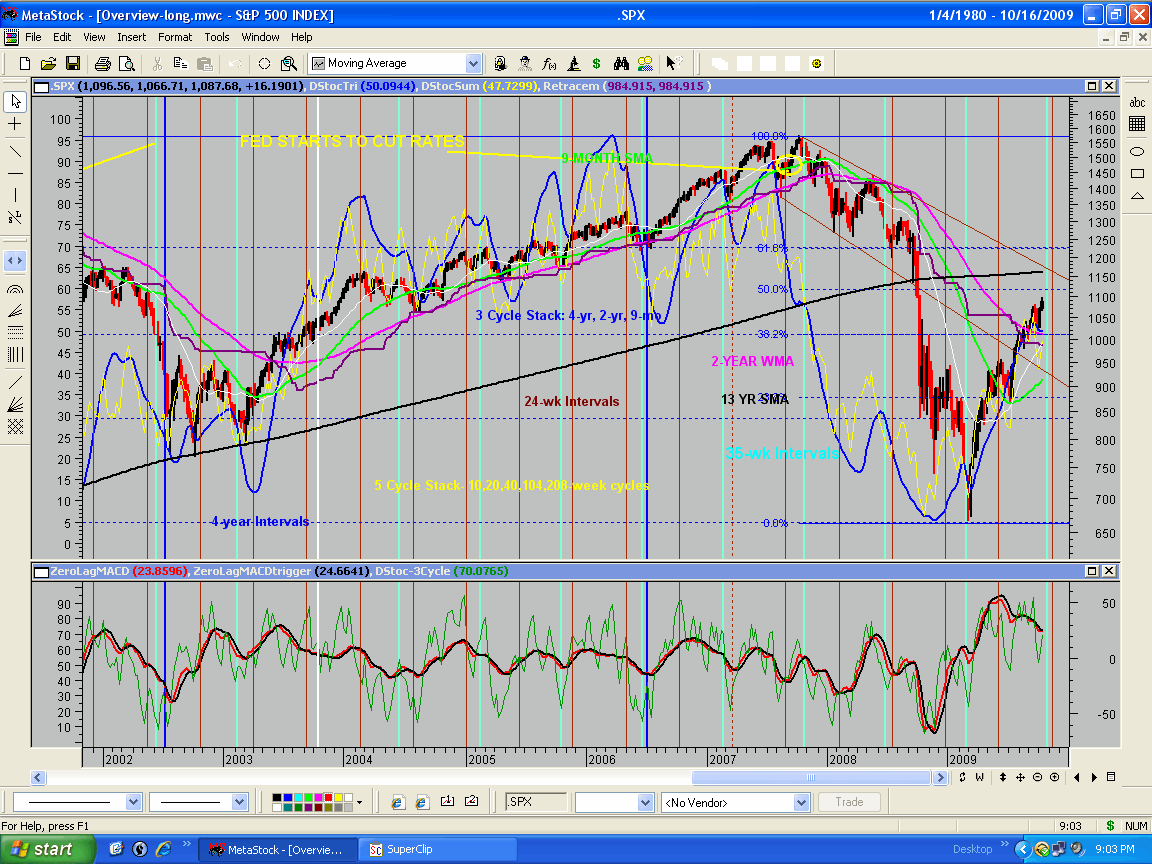
While I expect the short-term downtrend to produce a test of the November low, I also expect that test to be successful. The intermediate composite and the 9-month and 20-wk cycle DStocs are trending upward on all of the daily price charts. So are the McClellan Summation Indexes (http://www.geocities.com/petegersb/A-Dsummation-NYSE.GIF , http://www.geocities.com/petegersb/A-Dsummation-OTC.GIF ). On the weekly charts, most 9-month cycle indicators have turned upward (http://www.geocities.com/petegersb/Overview-long.GIF) and so have the 20-week cycle indicators (http://www.geocities.com/petegersb/Overview-med.GIF ). The DStocs are falling on the Weekly chart of the VIX and VXN (http://www.geocities.com/petegersb/VIX-weekly.GIF , http://www.geocities.com/petegersb/VXN-weekly.GIF ) to confirm an intermediate uptrend for stocks. Similar conditions in early April preceded the late May peak by six weeks. So another week or two of correction that holds the November lows should be followed by another rally in January. After that it probably depends on whether the trillion or so dollars that the administration and congress have thrown at the Financial sector is serving its intended purpose. If senate Republicans succeed in their fight to avoid lending even 2 - 3% of that amount to the automakers, a few million more unemployed workers and retirees with reduced pensions won’t be able to buy the money manipulator’s services, or much of anything else. And the taxpayer will pay anyway in unemployment benefits and in shoring up the Pension Benefit Guarantee Corp that doesn’t have the money to honor the guarantees. It’s no wonder that stocks rose and fell last week in sync with prospects for an auto bailout.
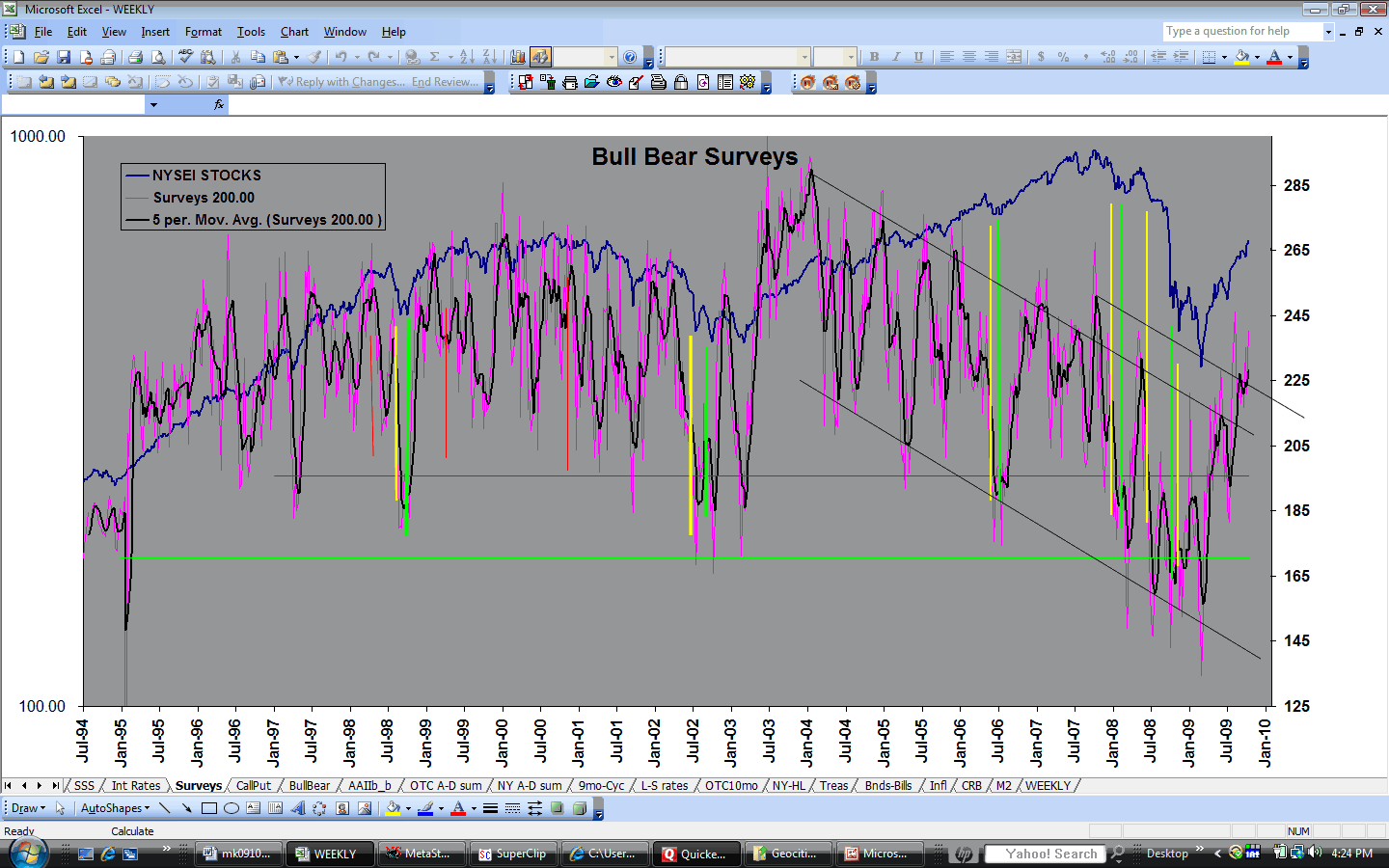
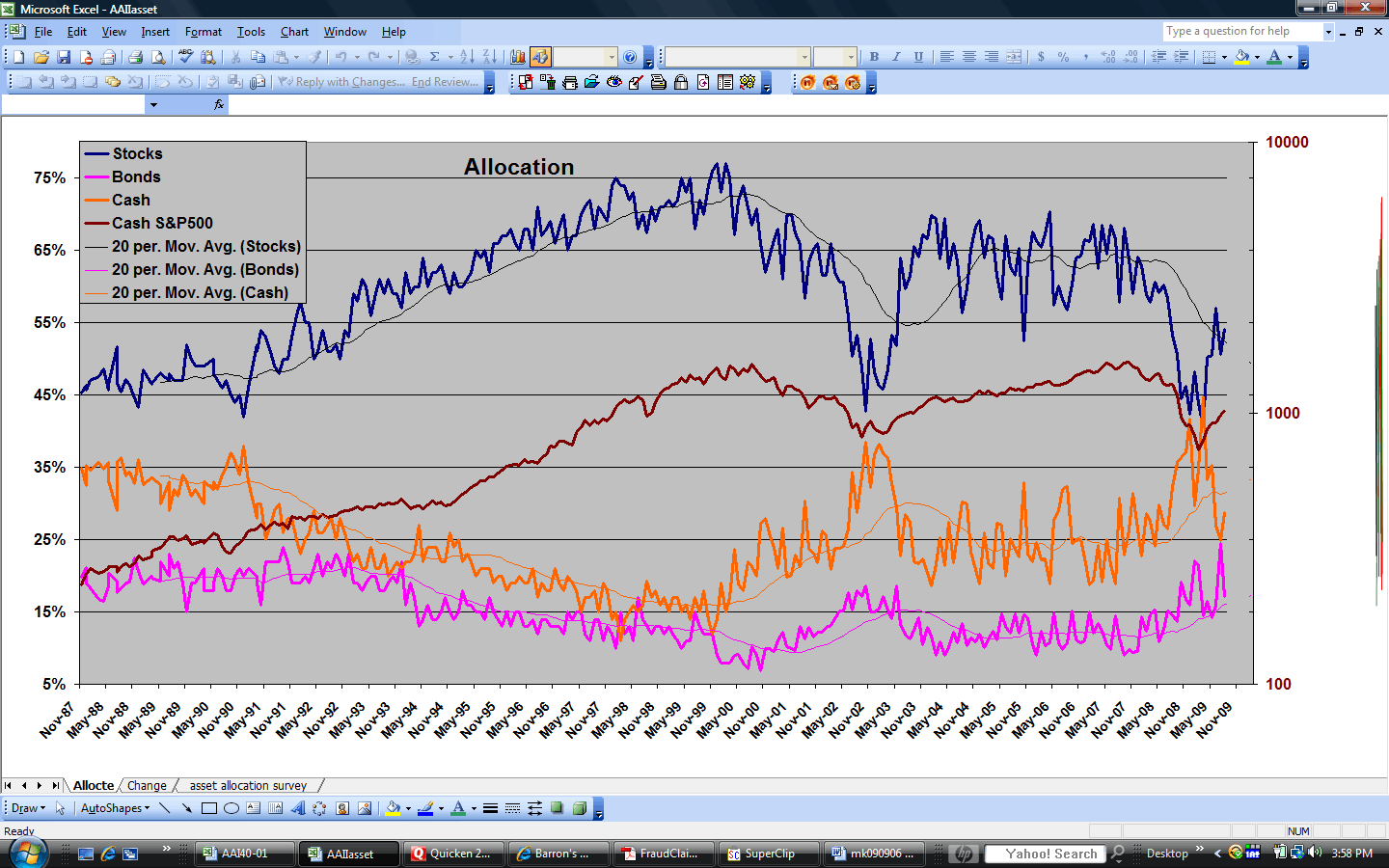
Although optimism (http://www.geocities.com/petegersb/SurveysCombined.GIF ) rose a little last week, the more important moving average continued to decline as it attempts to form a triple bottom at its 14 year extreme. The negative sentiment is favorable for stocks, but its premature buy signal won’t be reinstated until it starts turning more positive. The November AAII asset allocation (http://www.geocities.com/petegersb/AAIIassets.GIF ) suggests that the public has been putting its money where its mouth is – in cash. The cash and stock percentages of their portfolios reached about the same extreme levels that they did at the October 2002 bottom, and the stock percentage turned up a little. That’s an encouraging sign for equities. The bond allocation turned down a little from its highest level since the early 90’s – suggesting a possible peak for bonds..
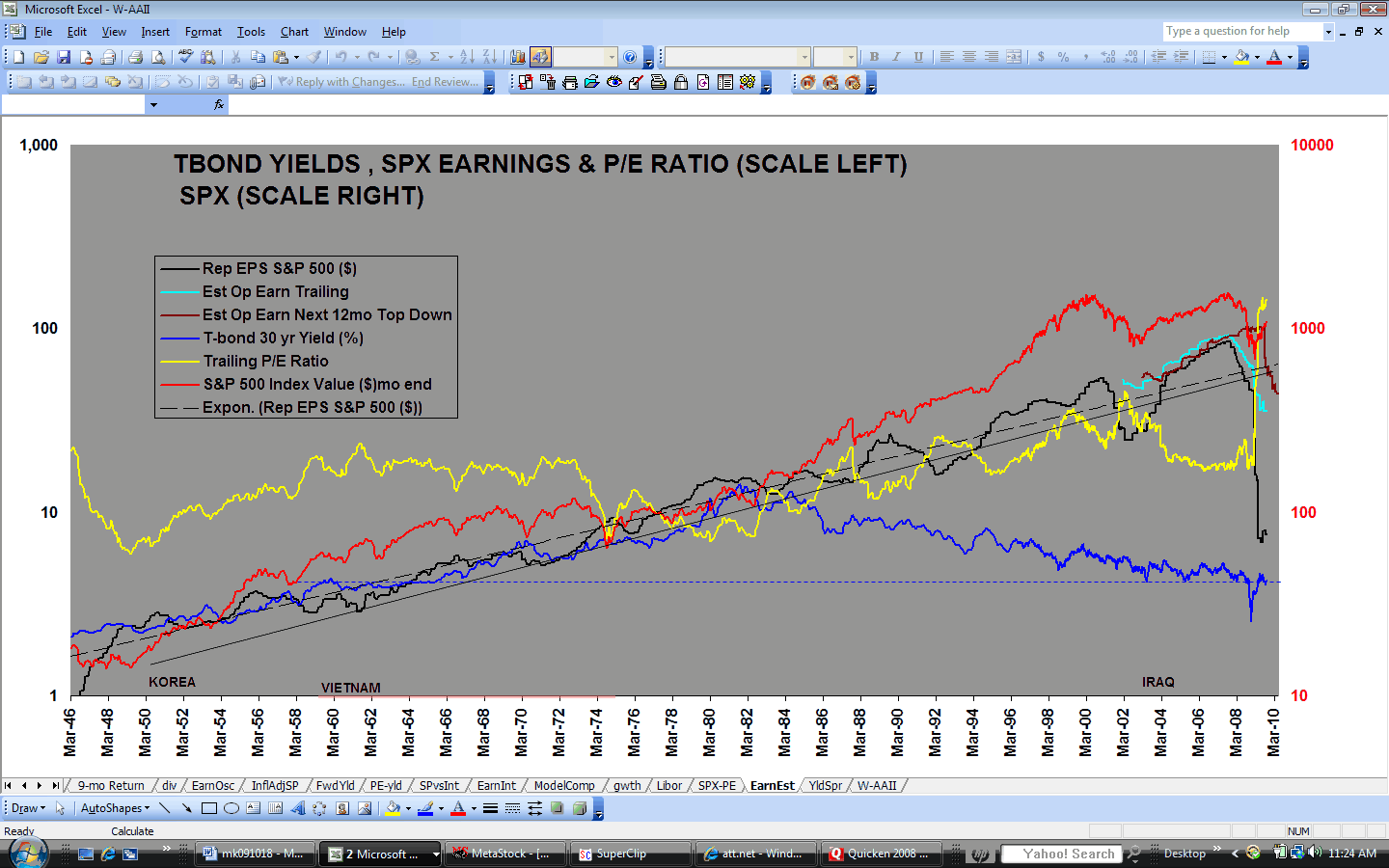
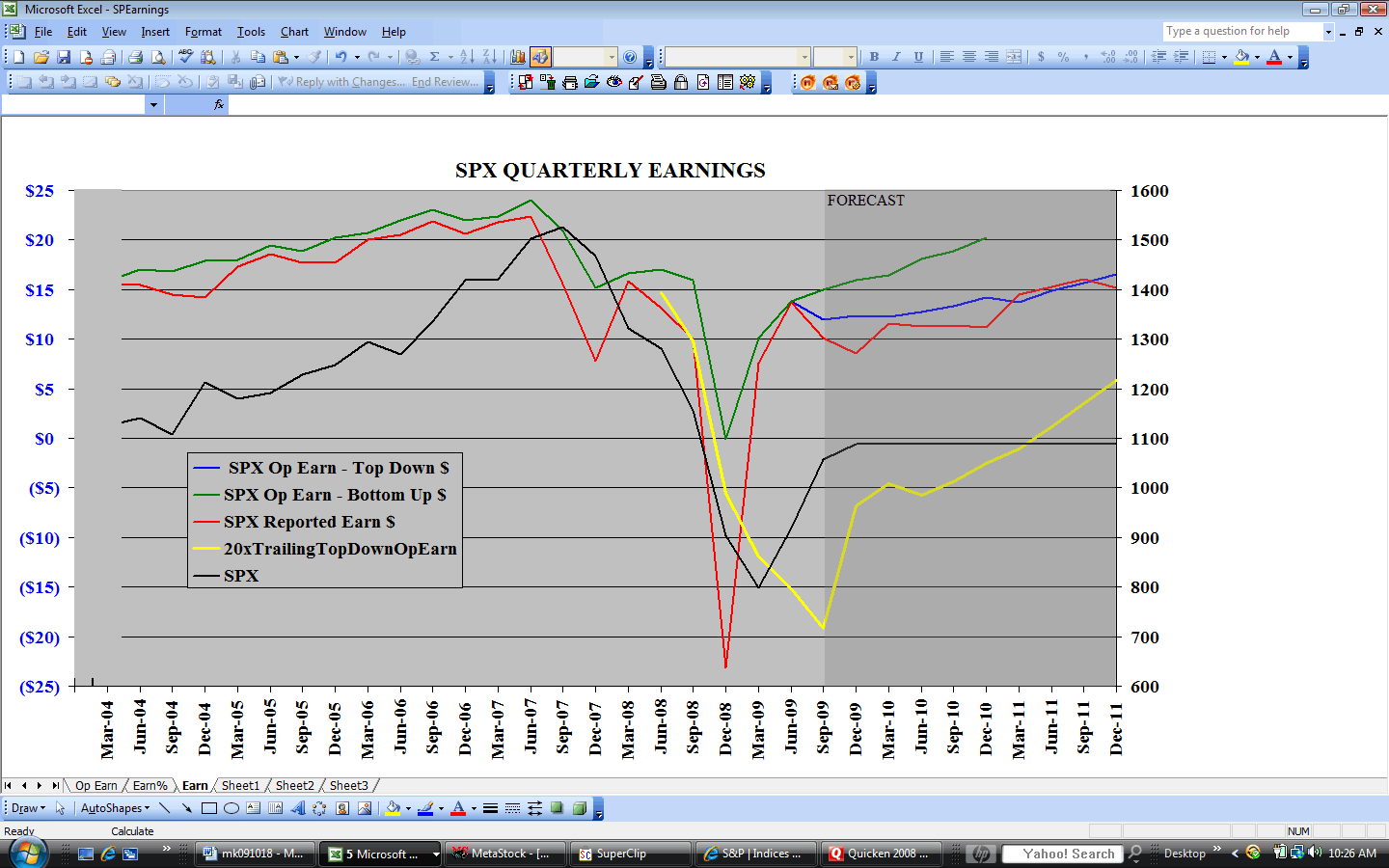
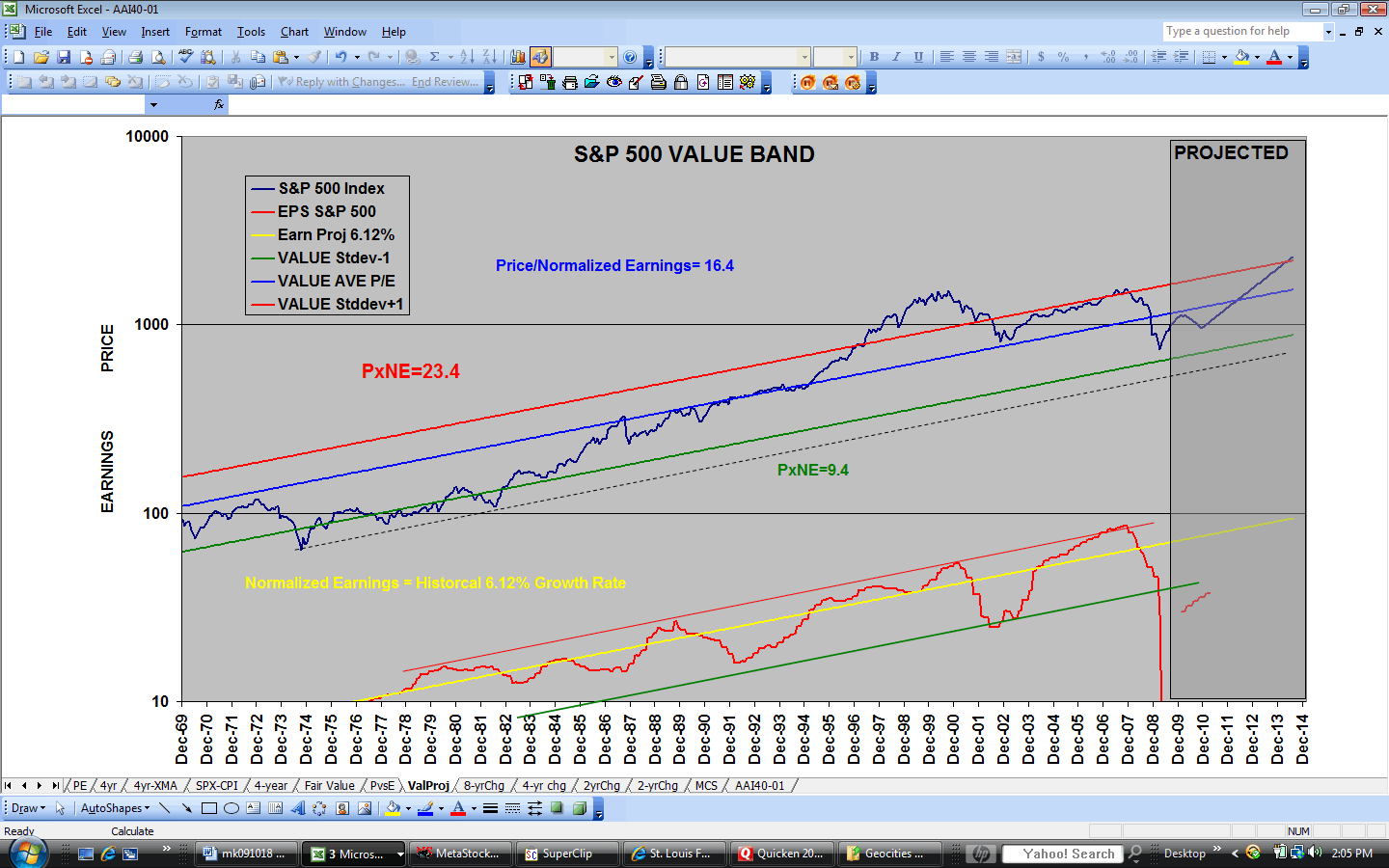
Earnings (http://www.geocities.com/petegersb/EarningsEstimates.GIF ) continue to trend downward, and S&P’s bottom up operating earnings estimates (http://www.geocities.com/petegersb/EarnY-Y.GIF ) for 2009 returned to their recent $2 per week rate of decline. The S&P 500 P/E continues to hover near its historic norm (http://www.geocities.com/petegersb/ValueBand.GIF ). It’s that high only because earnings expectations haven’t yet caught up with the reality of declining earnings and because the recent and expected return on most alternative investments is so dismal. The economy as measured by most statistics is in the worst shape since the great depression. According to Randall Forsyth writing in this week’s Barron’s, household net worth has plunged by 15.3% during the last year in inflation adjusted terms, significantly exceeding the 10.9% drop in the 2001 dot-com bust and the 13.8% drop during the 1974 bear market. And it’s estimated that the rate of decline accelerated to an annual rate of 18% during the current quarter. For the first time in recorded history (1952 in this case) household borrowing declined during the third quarter, while federal debt soared at an annual rate of 39.2% during the same period. Nevertheless, owner’s equity in residential real estate fell to a record low of 44.7% from roughly 60% only 9 years ago, and many of those owners are losing their jobs – three quarters of a million jobs disappeared during the last three months. Consequently, initial claims for unemployment reached a 26-year high in the latest report, and the number receiving jobless benefits reached a 34-year high. In this economic environment, it’s a wonder that retail sales declined only 7.4% in real terms during the last 12 months. Believing the still rampant forecasts that operating earnings will increase at double digit percentage rates in 2009 requires a large leap of faith.
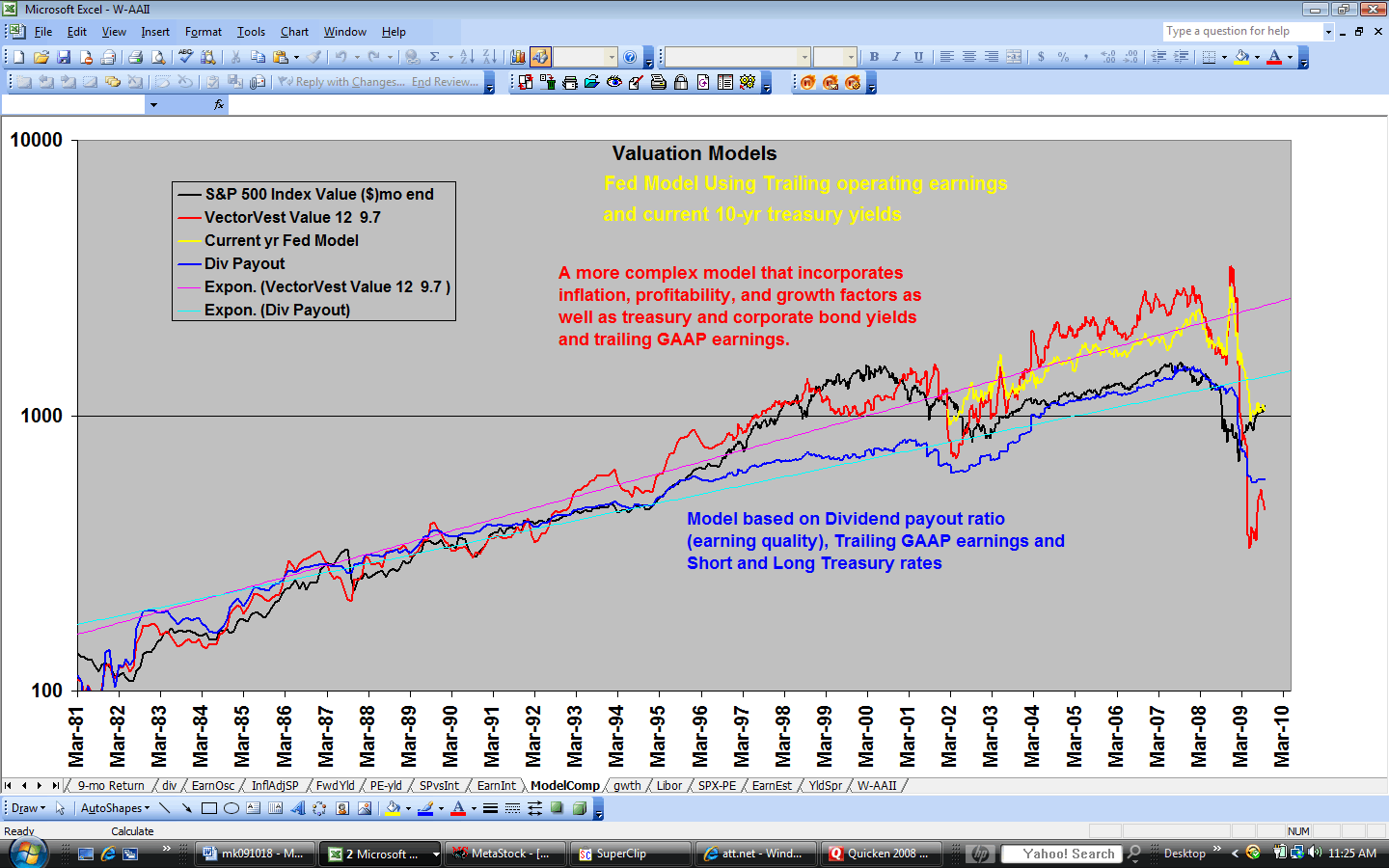
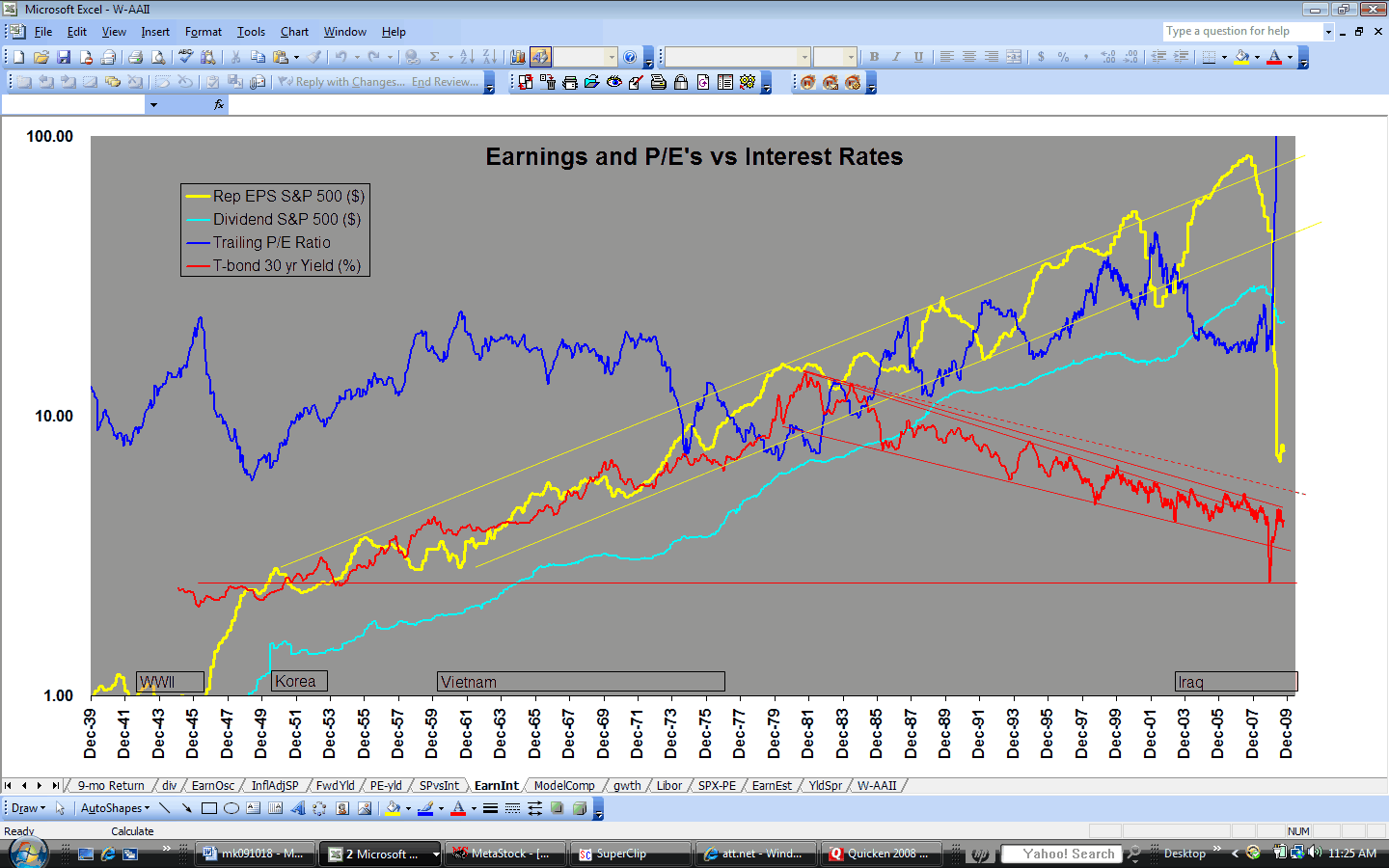
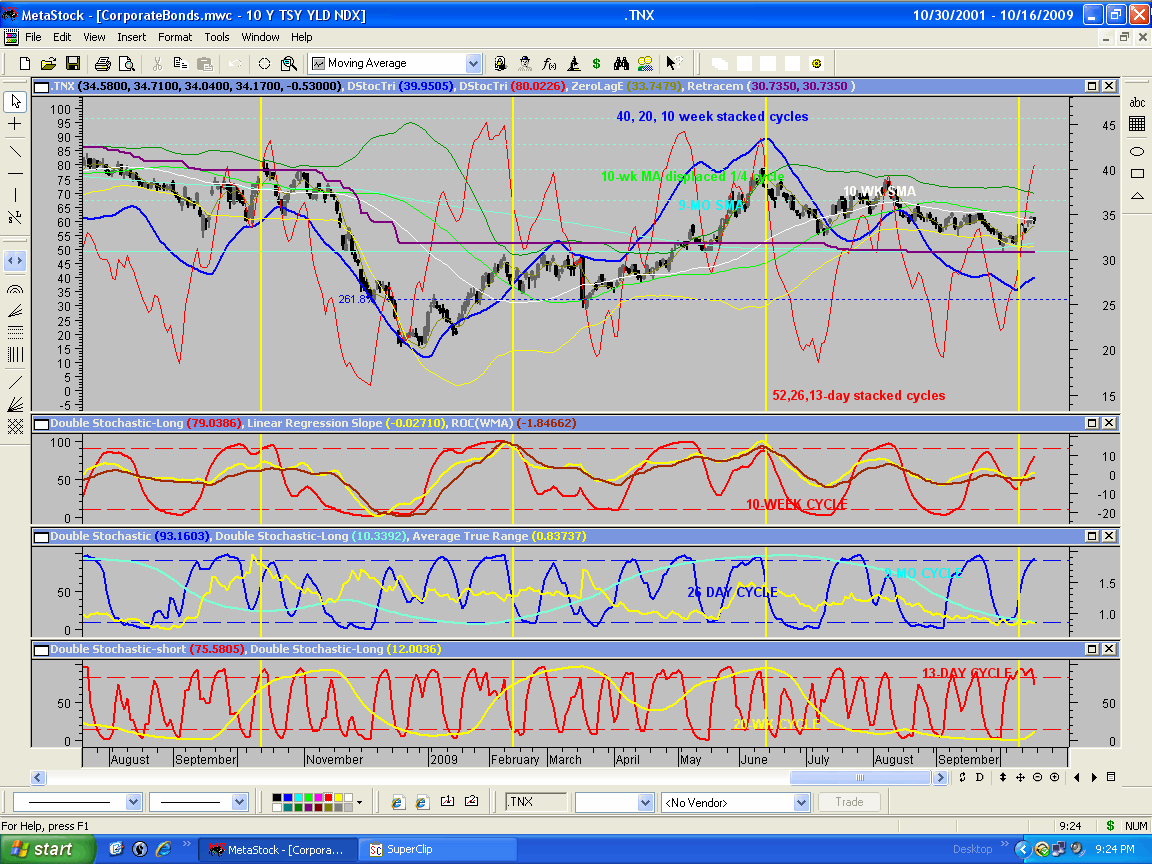
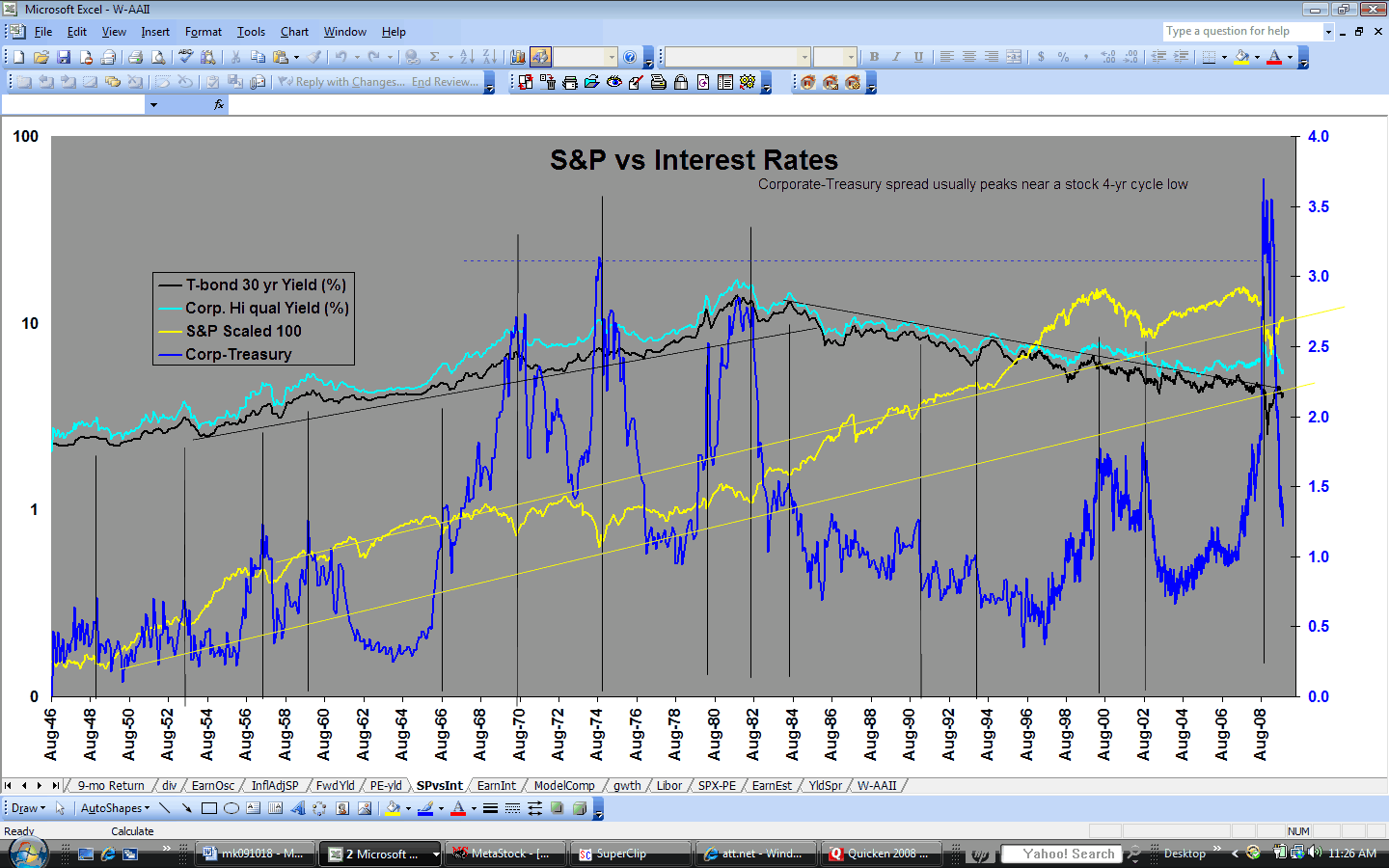
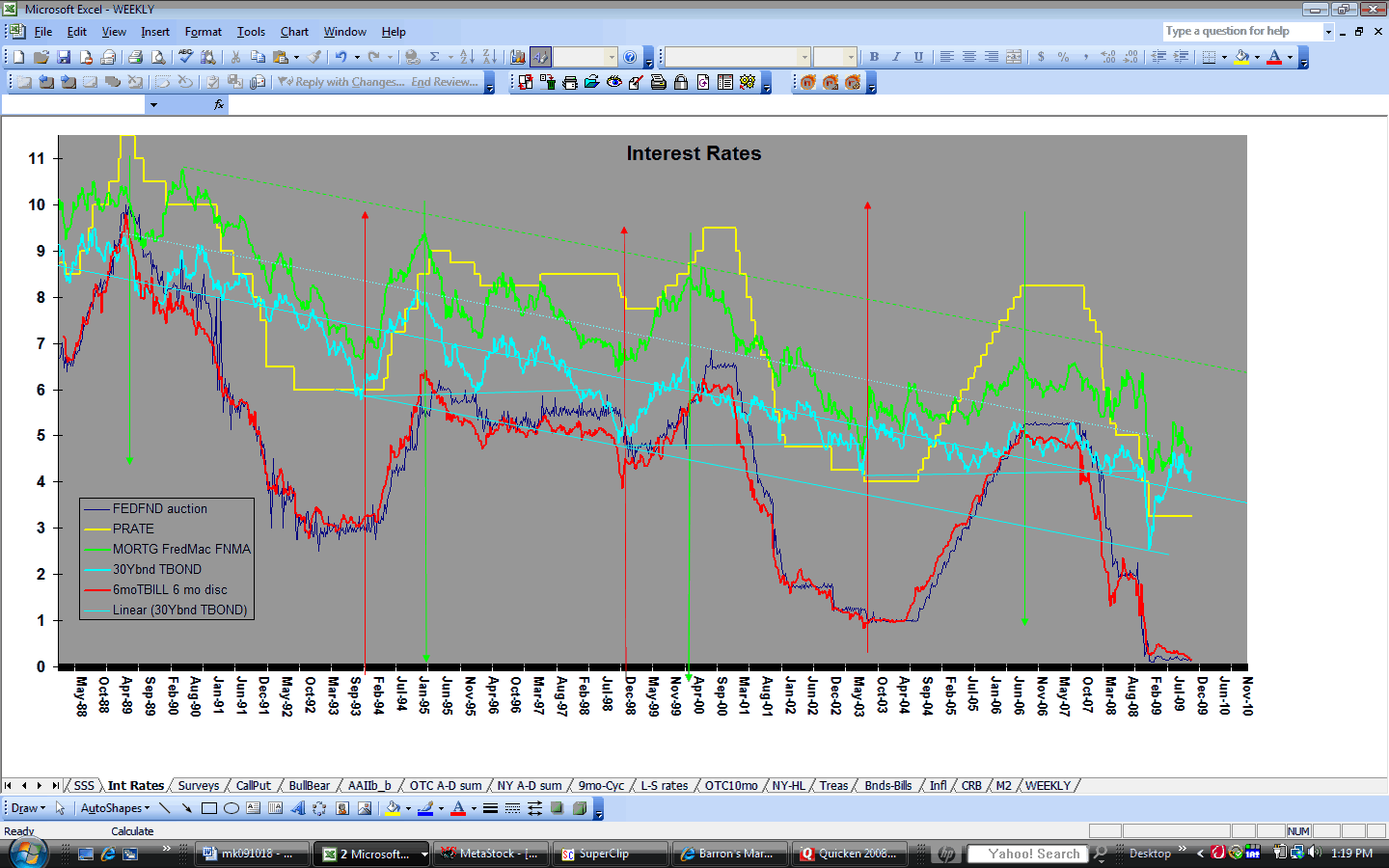
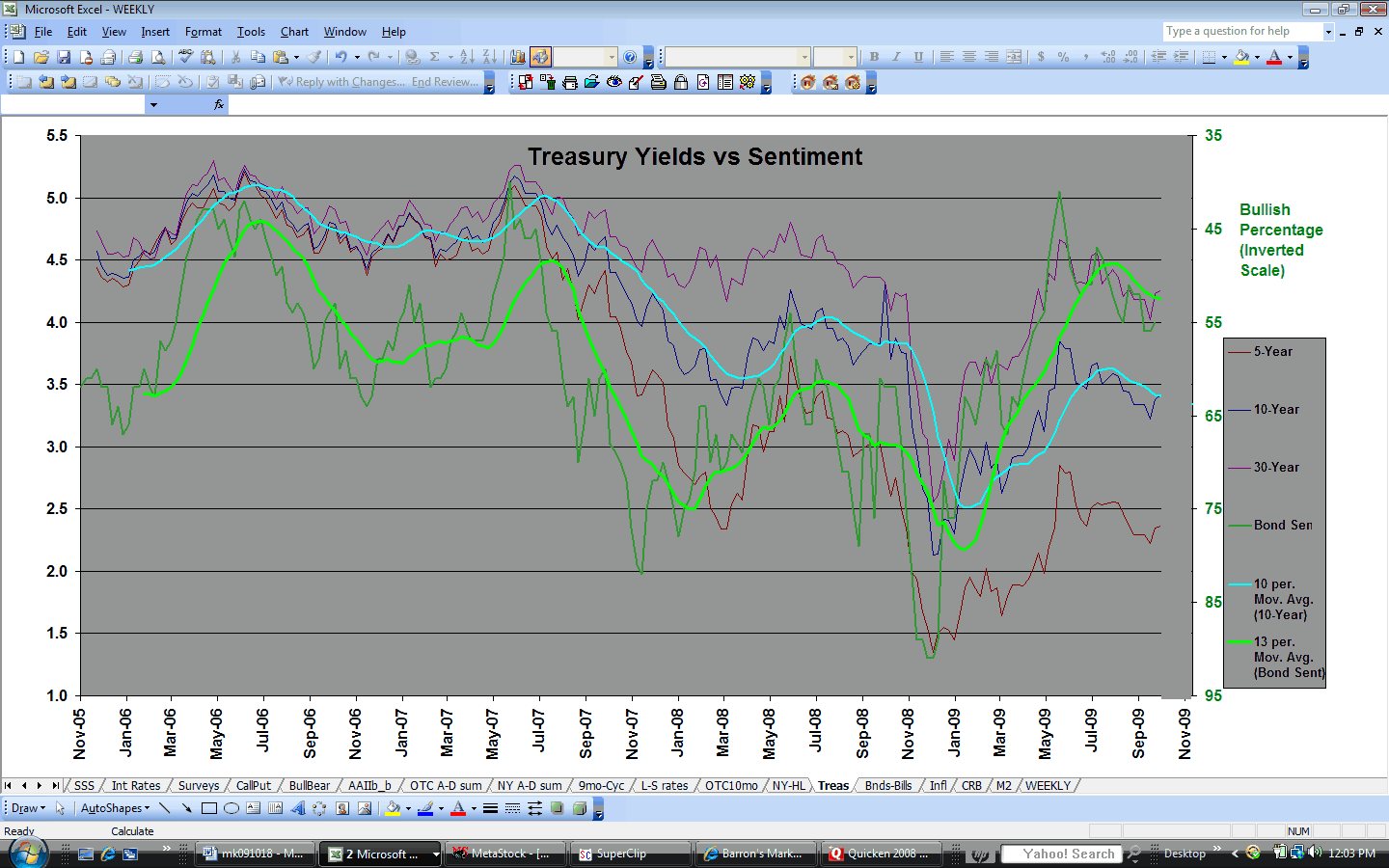
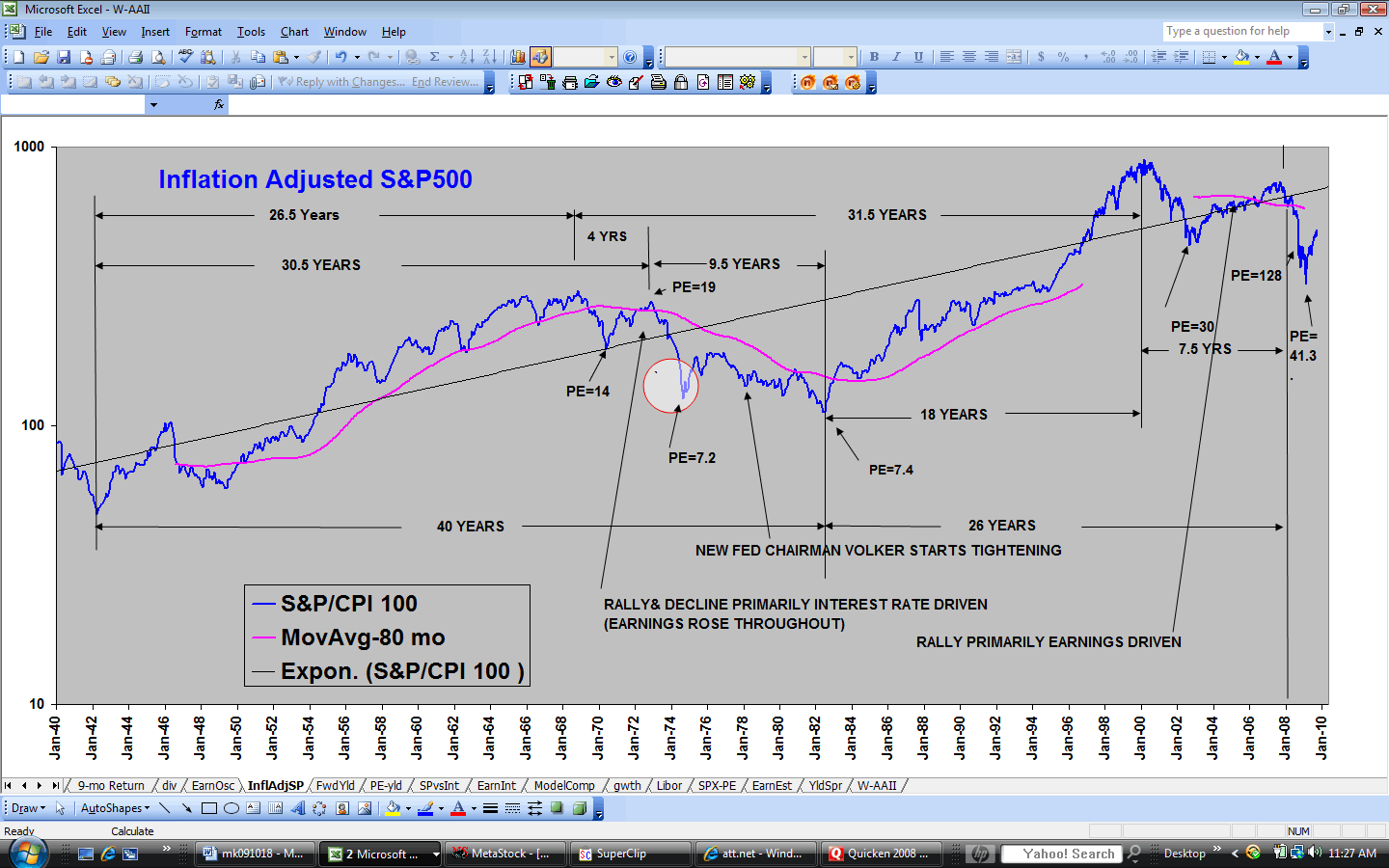
What are stocks worth in an economy mired in recession and teetering on the brink of depression? Valuation models that use Treasury interest rates (http://www.geocities.com/petegersb/ValuationModels.GIF ) continue to indicate that stocks are underpriced only because Treasury interest rates are dropping even more rapidly than earnings (http://www.geocities.com/petegersb/Earnings-InterestRates.GIF ). But how much lower can Treasury rates go? The government now borrows interest free on 3-month T-bills and pays only 3% to borrow for 30 years. Those lenders will eventually regret having loaned at a rate that essentially ensures a decline in the purchasing power of their principal – at least if the bailouts are successful. But at those low rates the taxpayer is well served by taking advantage of the bond buyer’s largesse and re-lending the money to preserve jobs and keeping the corresponding income tax revenues rolling in. The yield on Treasury Bonds (http://www.geocities.com/petegersb/Earnings-InterestRates.GIF ) is at a 60-year low and near the bottom of its 3-decade trend channel. The 10-year Treasury yield (http://www.geocities.com/petegersb/TreasuryYield-10yr.GIF) dropped further last week despite rising trends in the short-term cycles that only slowed the rate of descent. The spread between High-Grade Corporate and Treasury yields (http://www.geocities.com/petegersb/Stocks-InterestRates.GIF ) remains near the historic peak of four weeks ago. But with talk of the government driving mortgage rates down to 4 ½%, conforming 30-year mortgage rates (http://www.geocities.com/petegersb/InterestRates.GIF ) dropped steeply last week to below the multi-decade low established in the summer of 2003 - shortly after stocks bottomed. When will it end? Well, it’s axiomatic that a trend cannot persist for long when almost everyone believes it will continue, and bond optimism, at 89% (http://www.geocities.com/petegersb/BondSentiment.GIF ), is at an extreme not seen during the 3 years that I have been tracking it. Obviously the bond community expects the deflationary depression scenario. I am more optimistic. Now that Bushonomics has been relegated to mere rhetoric, and the administration has resorted to Keynesian economics in an attempt to prevent disaster, I expect instead a slow economic recovery accompanied by much higher inflation that will make life tough for bondholders and most retirees. You don’t want to be a bond holder in such an environment, and you don’t want to be a buy & hold stock investor either. Neither worked in the 70’s (http://www.geocities.com/petegersb/SPX-InflationAdjusted.GIF ), and neither is likely to work during the next decade. Contrary to the prevalent conventional advice, to do well in the stock market you will have to rely on competent market timing or superior stock selection. Both are tough to come by. You can only succeed if you are smarter than the people taking the other side of the trade.
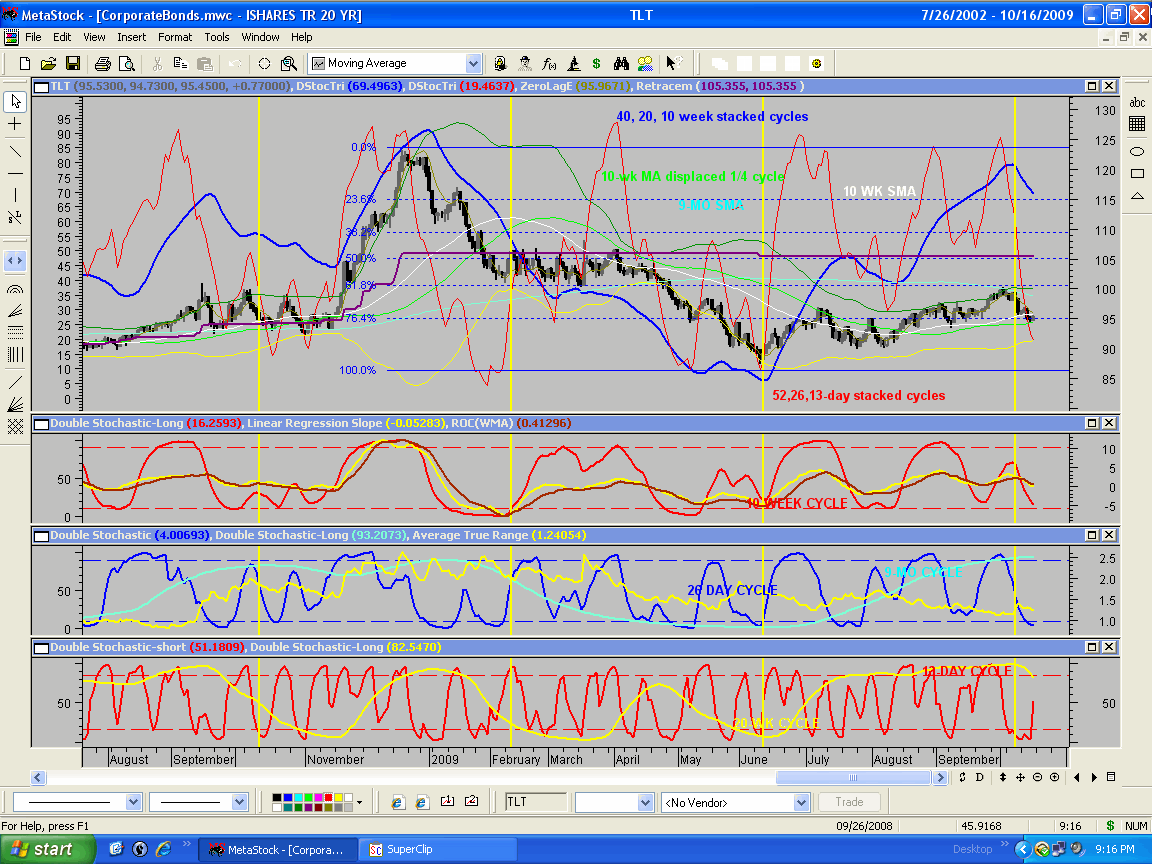
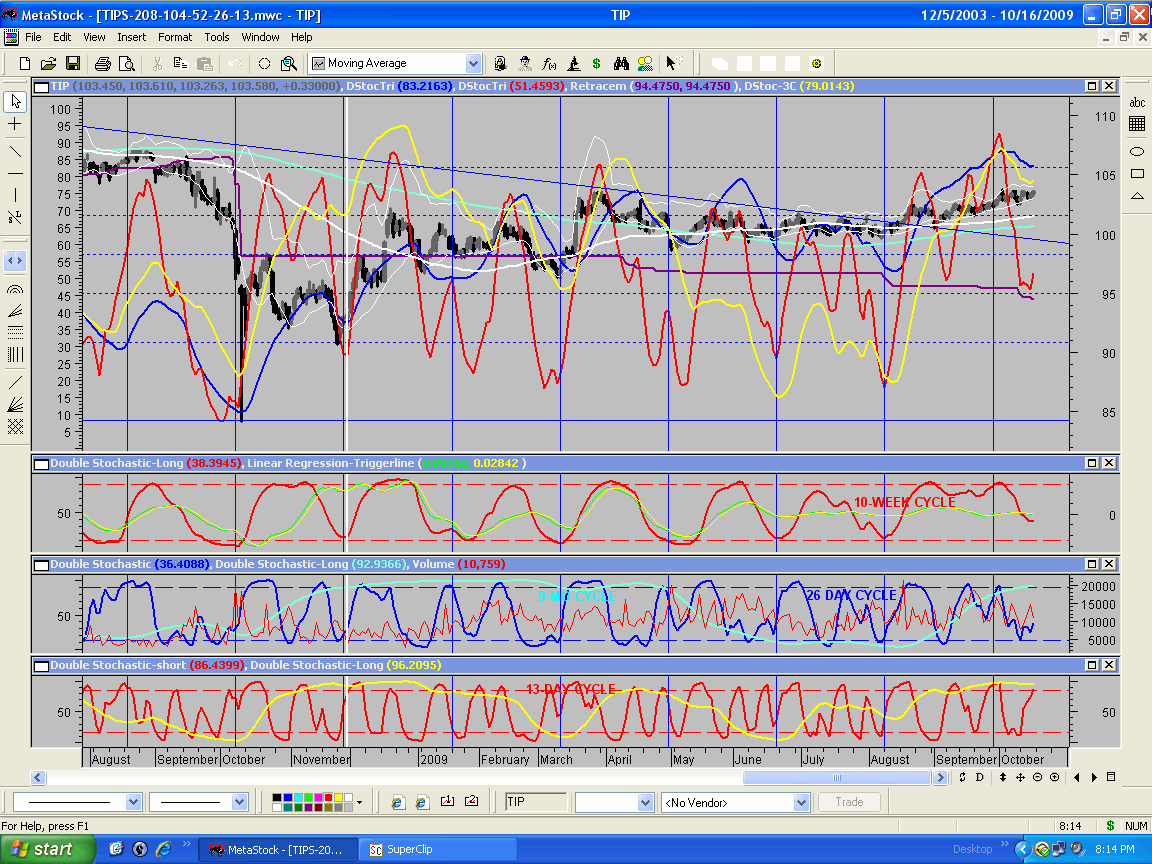
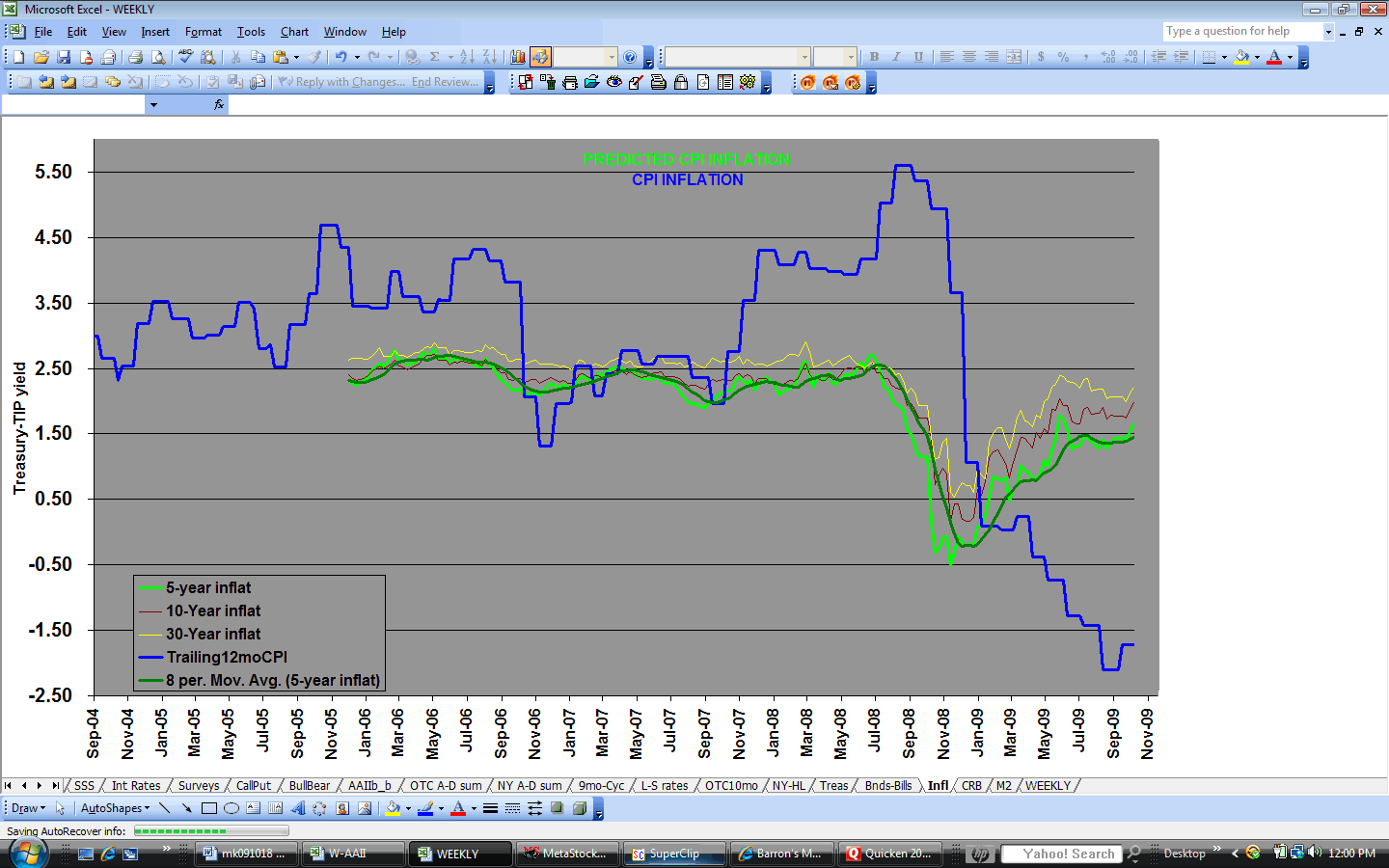
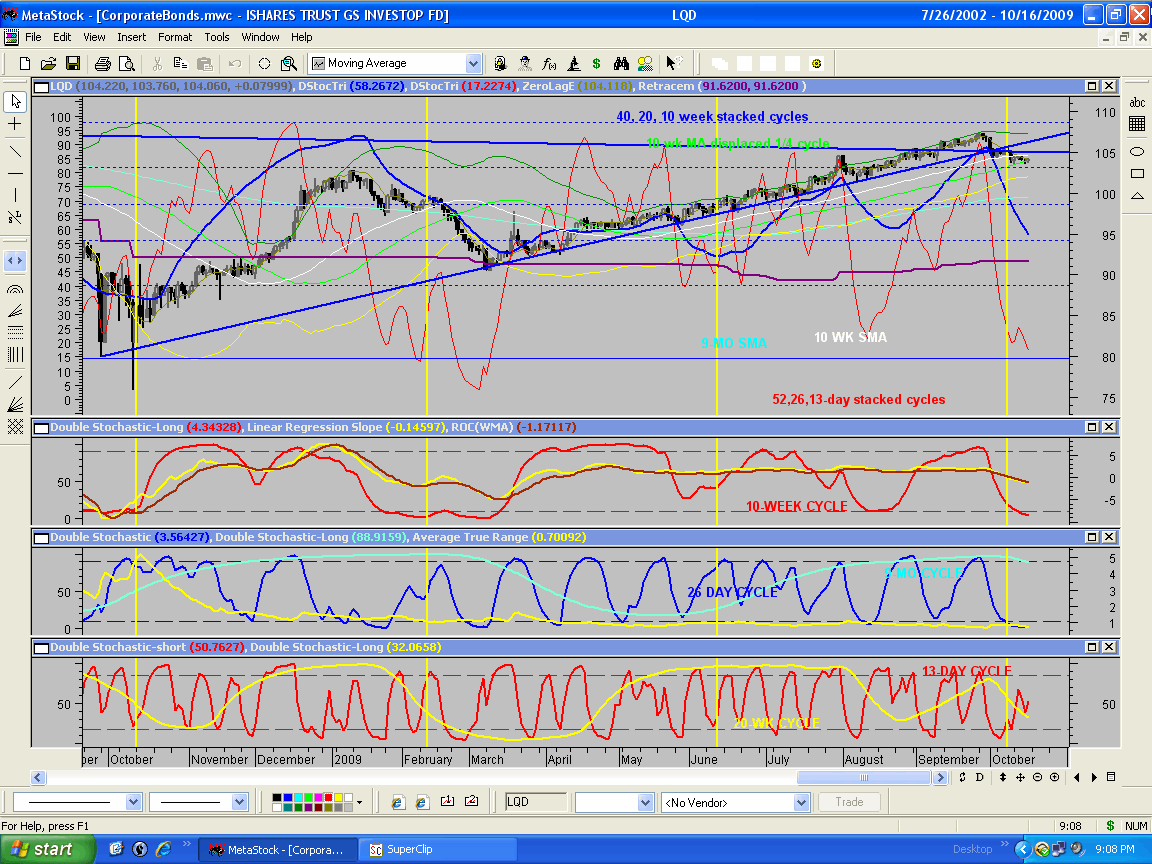
The discrepancy between the performance of conventional Treasury bonds (http://www.geocities.com/petegersb/Treasury-20yr.GIF ) and Inflation Protected Treasuries (http://www.geocities.com/petegersb/TIPs.GIF) widened again last week as TIPS backed off from the 50% retracement of their 2008 crash, and inflation expectations dropped a little (http://www.geocities.com/petegersb/CPI.GIF ). Despite their relative under-performance, the TIPS intermediate cycles are very overbought. I still expect all treasuries to decline in the intermediate term as money temporarily shifts back into stocks. Corporate bonds (http://www.geocities.com/petegersb/CorporateBonds.GIF) moved above the 50% retracement of their 2008 debacle, but all cycles and composites are extremely overbought. I expect them to decline along with treasuries.
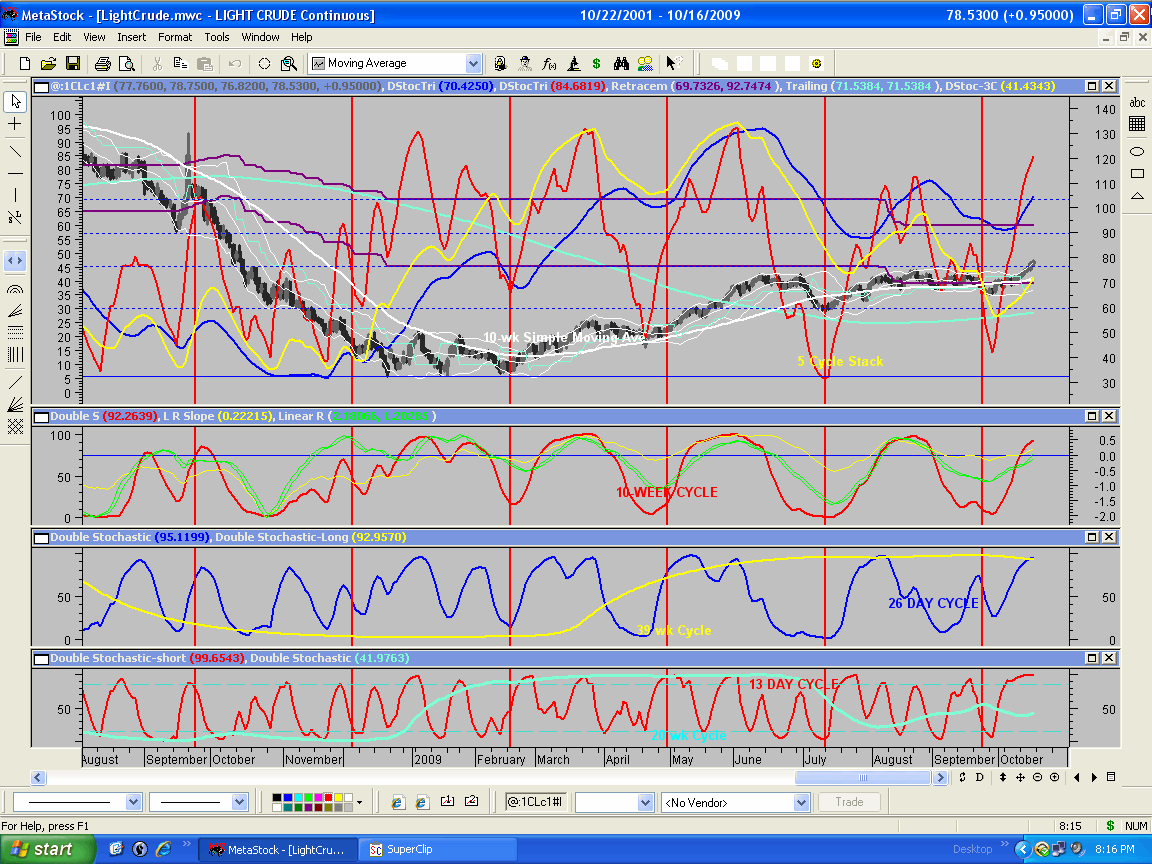
Crude oil (http://www.geocities.com/petegersb/CrudeOil.GIF ) has not yet been able to break above the downtrend line from $100, but its cycles are now favorable. OPEC is probably motivated to give it a boost at its meeting on Wednesday.
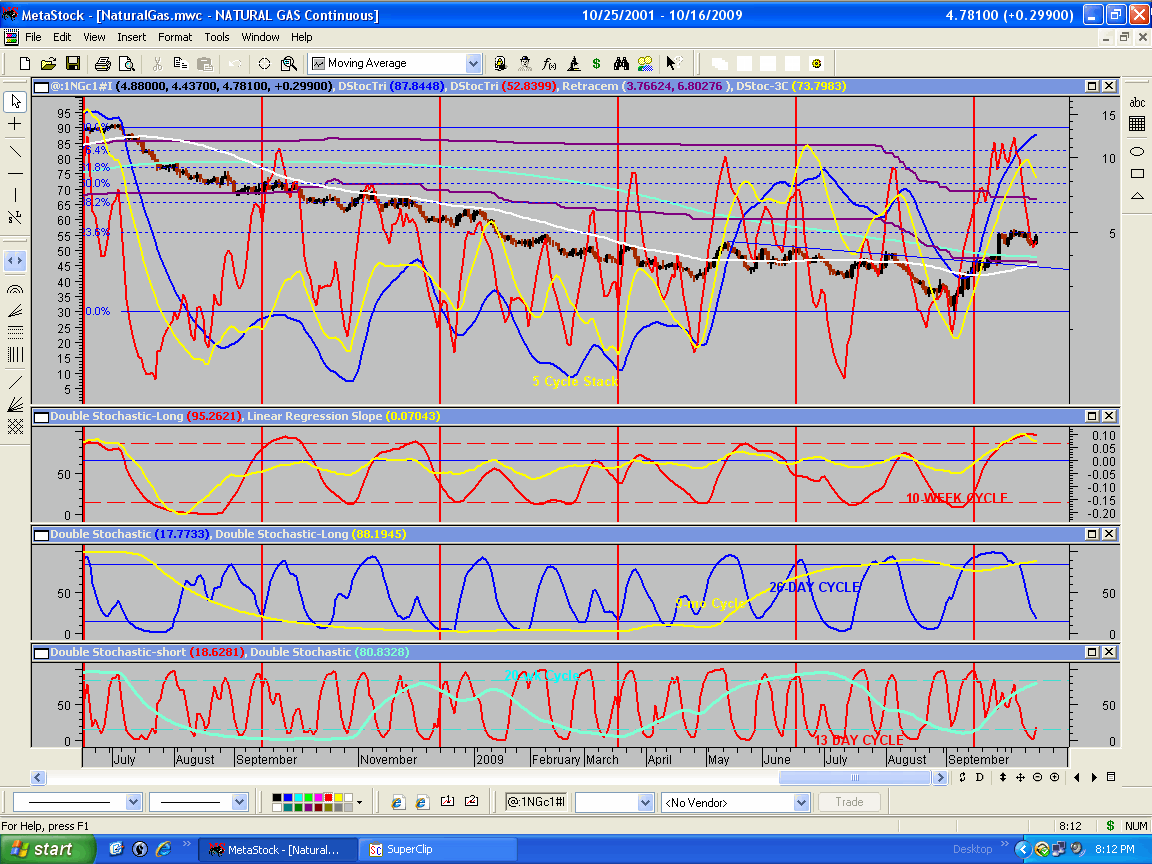
Natural gas (http://www.geocities.com/petegersb/NaturalGas.GIF ) dropped a little more last week, and it is now testing its lows of August 2007. Neither the cycles nor the trends are favorable. It looks like it’s headed still lower despite the cold weather.
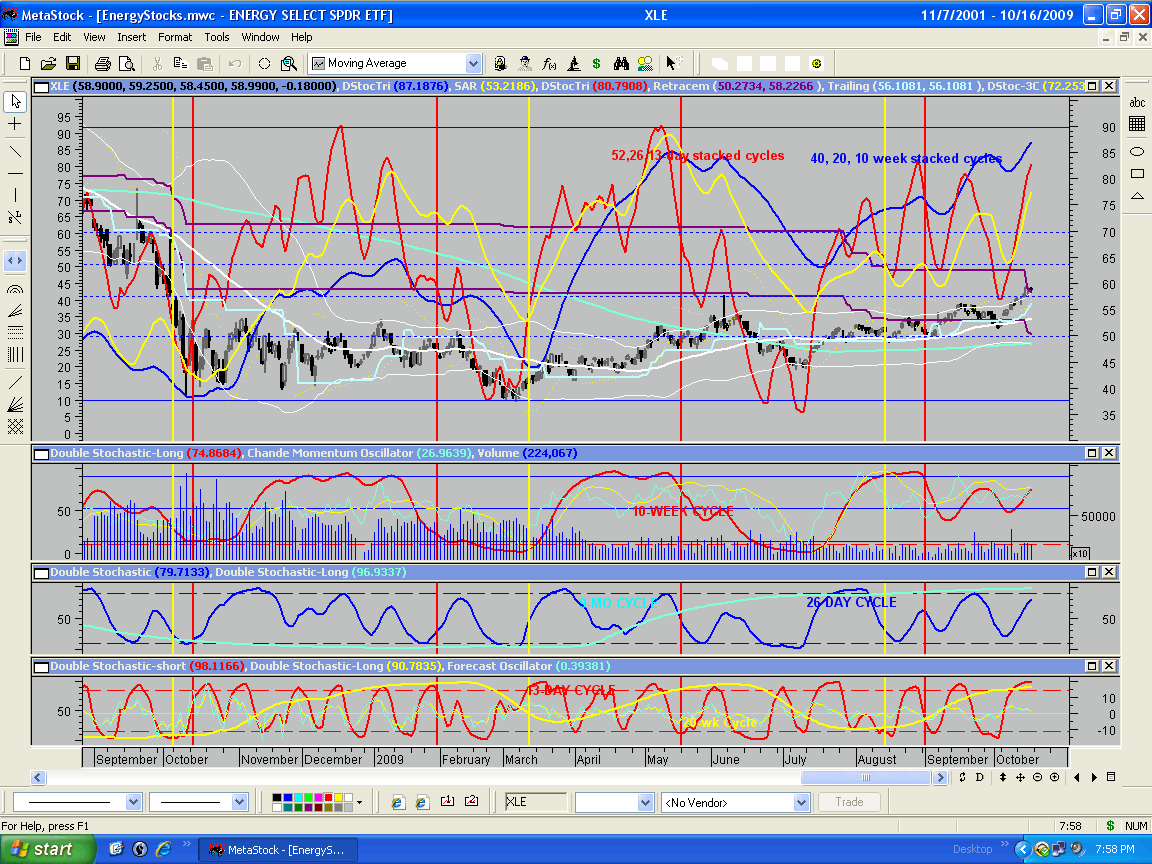
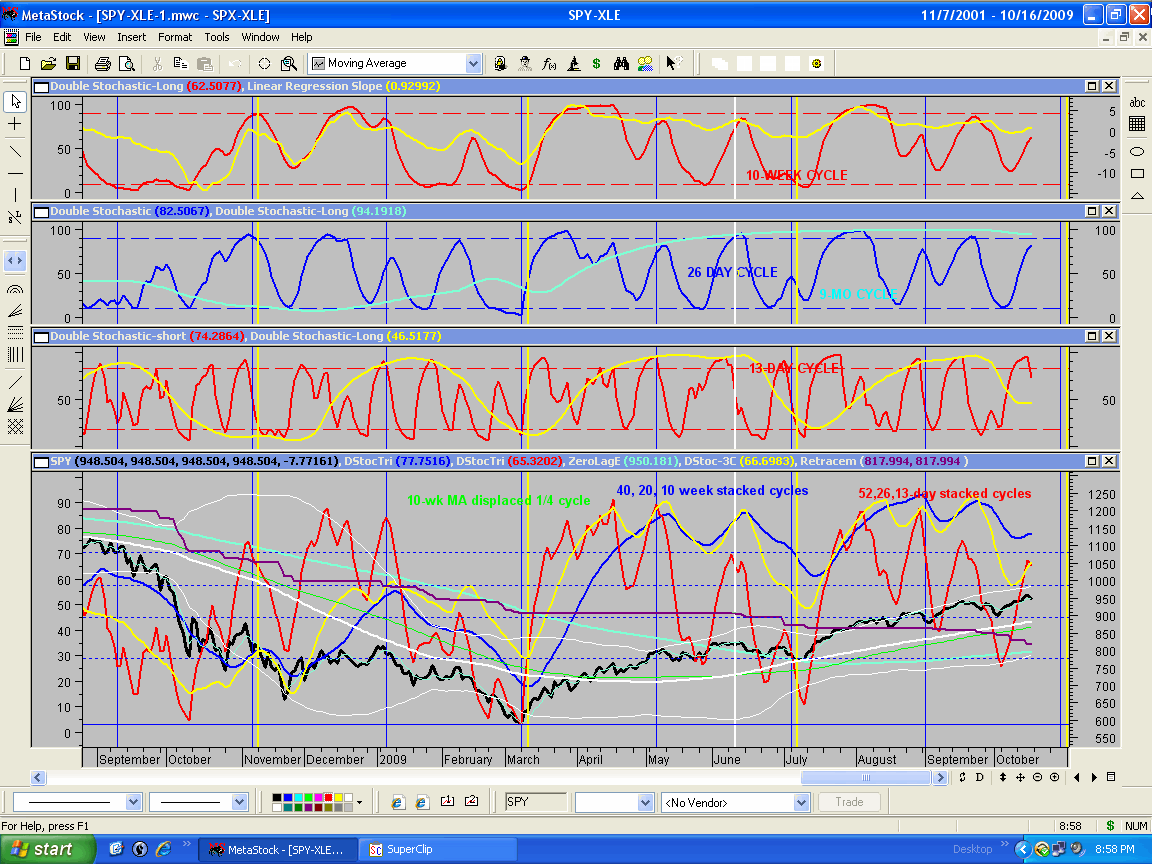
Energy stocks (http://www.geocities.com/petegersb/EnergySPDR.GIF) have held in a trading range since early October and they outperformed last week. The XLE broke slightly above its 10-week moving average last week before pulling back to close on it. In the short-term it’s moderately overbought, so another test of the bottom of the range is probably in store. Unlike the energy stocks alone, the SPY ex-energy (http://www.geocities.com/petegersb/SPY-XLE.GIF ) was unable to break above its 10-week moving average last week.
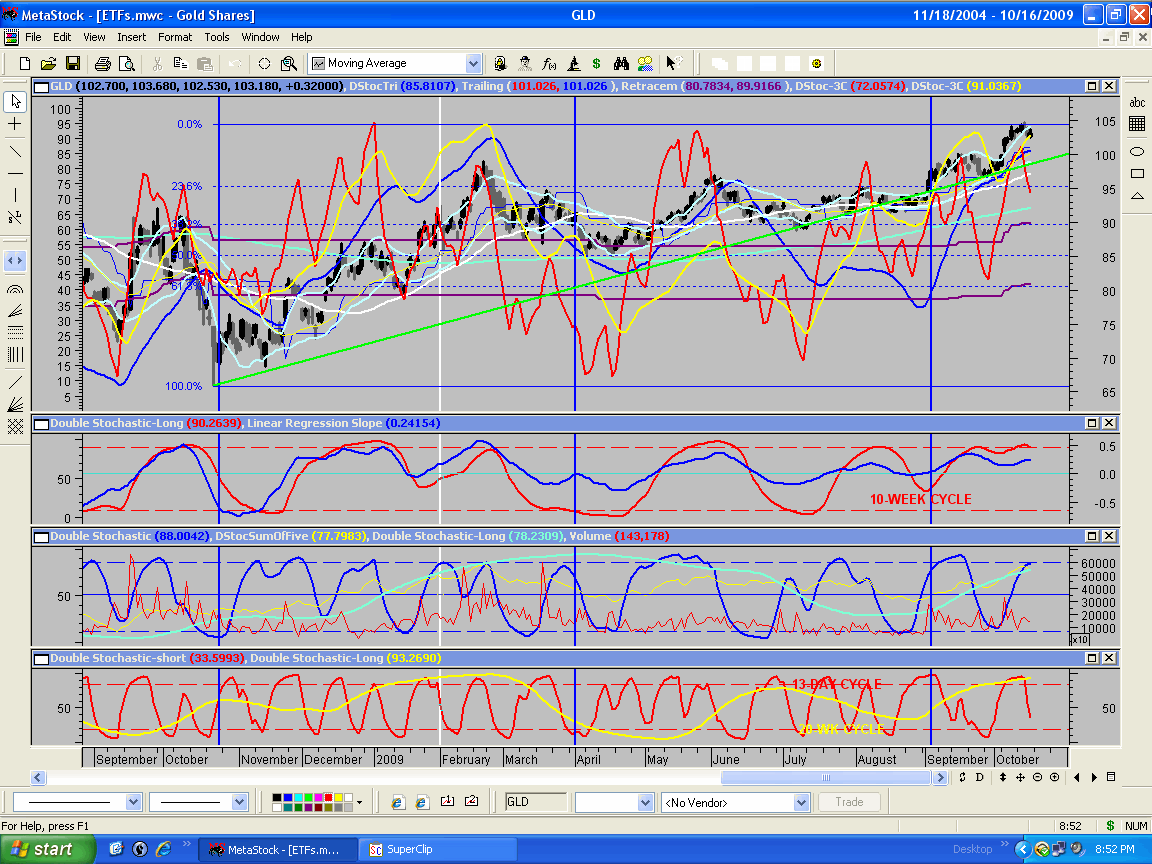
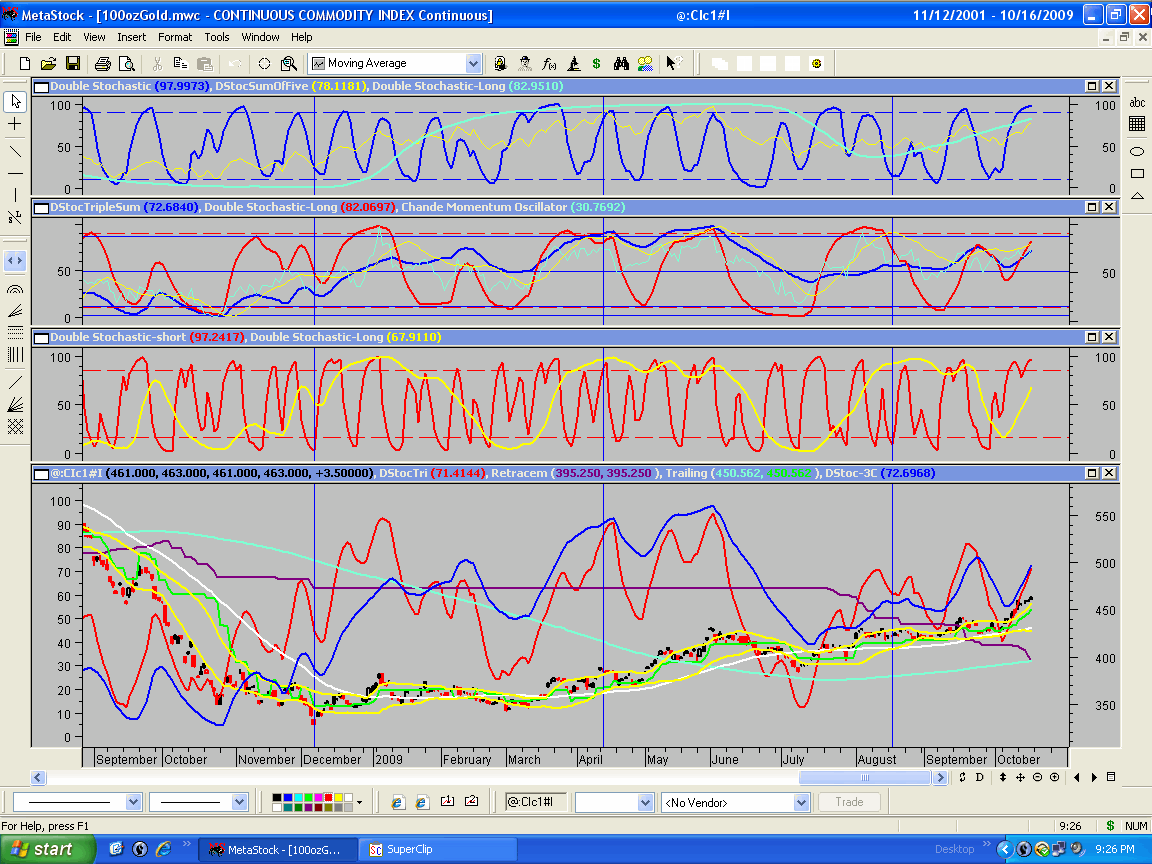
Gold (http://www.geocities.com/petegersb/GoldBullion.GIF) had a good week along with most commodities (http://www.geocities.com/petegersb/CommoditiesIndex.GIF
). It’s now challenging its November peak with a reasonable prospect of
surpassing it. Both short and intermediate composites are rising and neither is
overbought. If it does break out to a higher short-term high, it will soon face
more formidable challenges at its down trending 9-month moving average. If it
can’t break that level on this intermediate uptrend, the pattern of lower
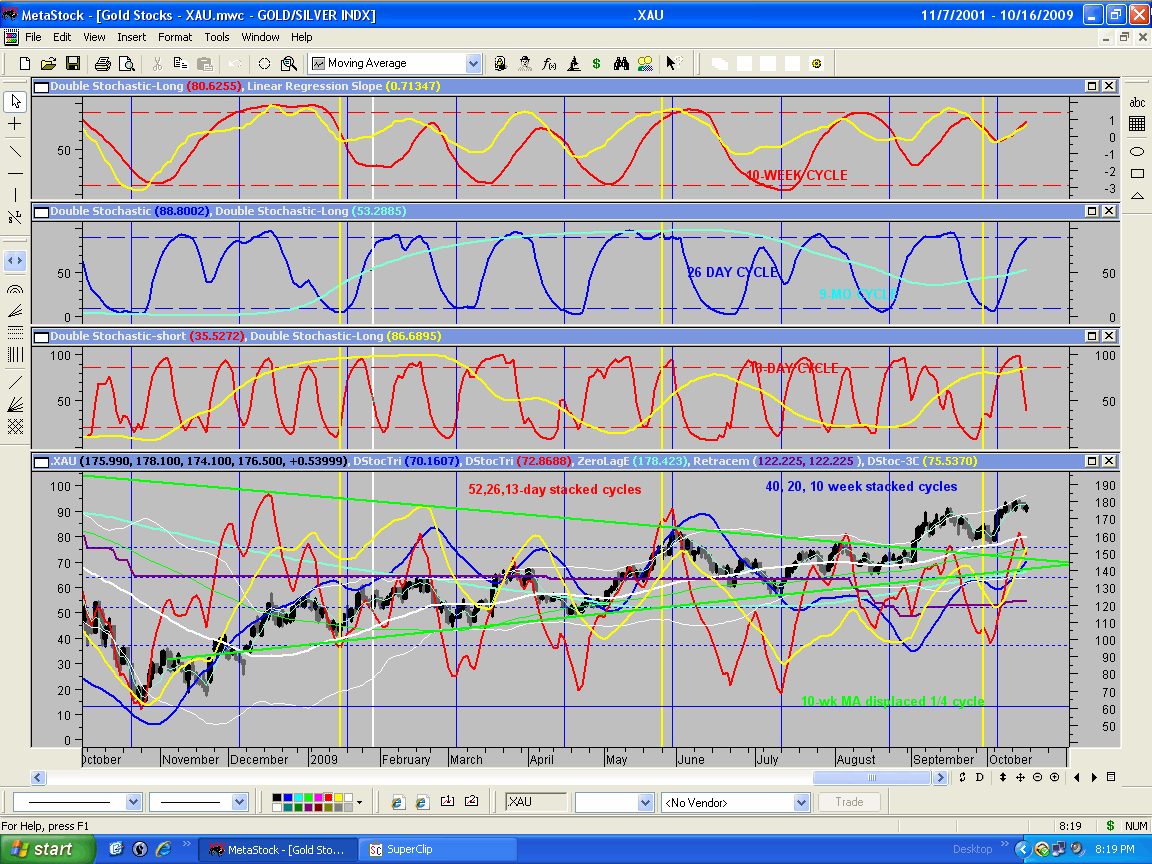
intermediate highs and lows will remain intact. Gold
Stocks (http://www.geocities.com/petegersb/GoldStocks.GIF
) have already succeeded in besting their November highs, and are now
comfortably above their 10-week moving average, but their uptrend is threatened
by overbought conditions in all of the cycles except
the 9-month. A short-term correction appears likely this week.
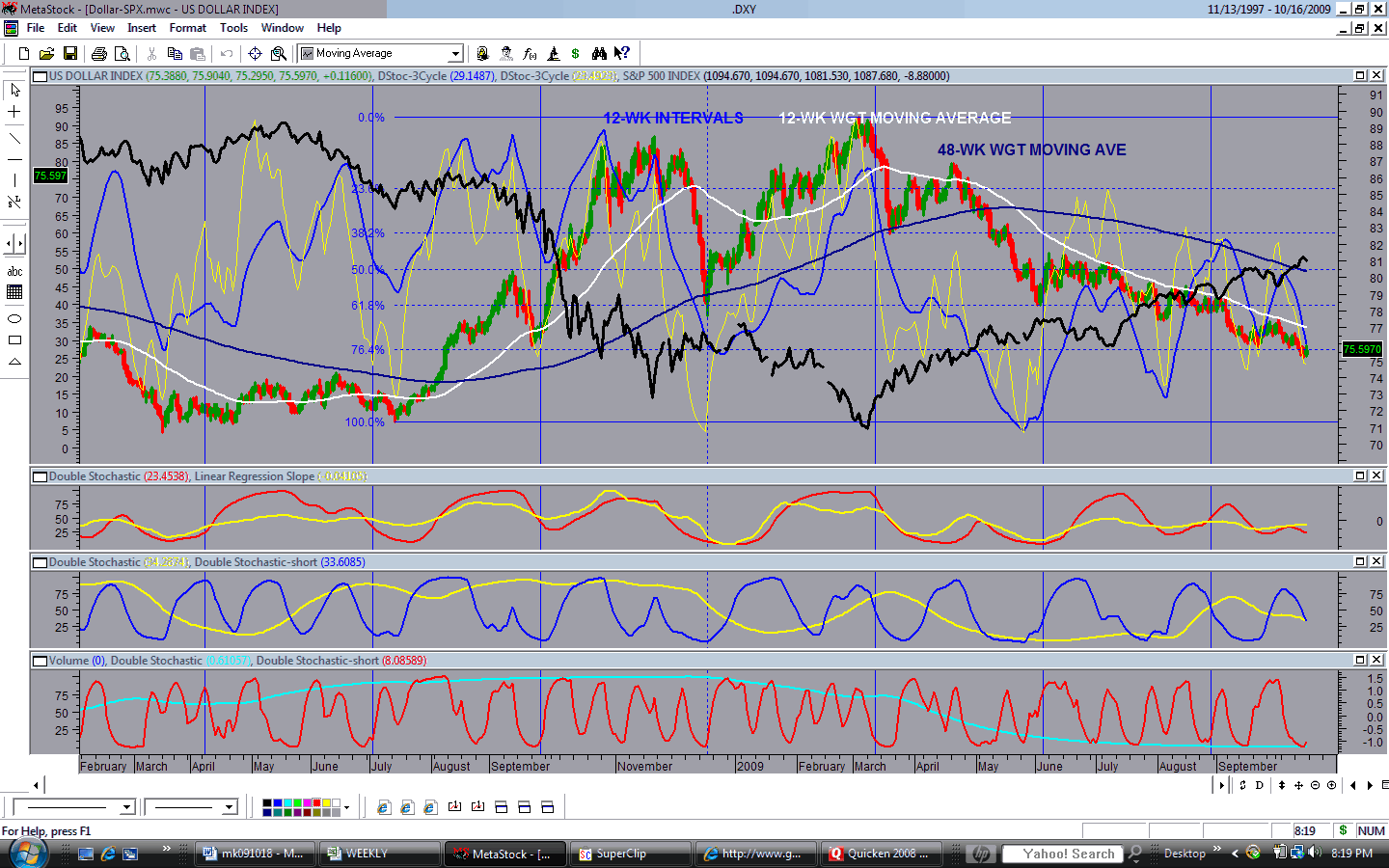
The dollar (http://www.geocities.com/petegersb/Dollar.GIF) had a bad week, as might be expected when both oil and gold were strong. It’s very oversold in the short term, so a bounce this week appears likely. The intermediate downtrend should easily withstand a short-term rally.