11/30/08
Last week I wrote that stocks were ripe for a downturn, but I didn’t expect it all to happen in one day. After Monday’s big plunge that erased half of the prior week’s record advance, the market ignored more worse-than-expected economic news for the rest of the week and closed Friday just below the 200 bar moving average on the hourly chart that marked the peak of the last two big rallies on 11/4 and 11/28. But this one appears to have a much better chance of breaking through to the upside for several reasons.
First, the low between those prior short-term peaks was much lower than the prior low. In contrast, last weeks low on Monday retraced only half of the prior rally, and Friday’s low appears to have been a successful test of Monday’s low. If the rally extends into this week, a higher short-term high will also at long last be in place.
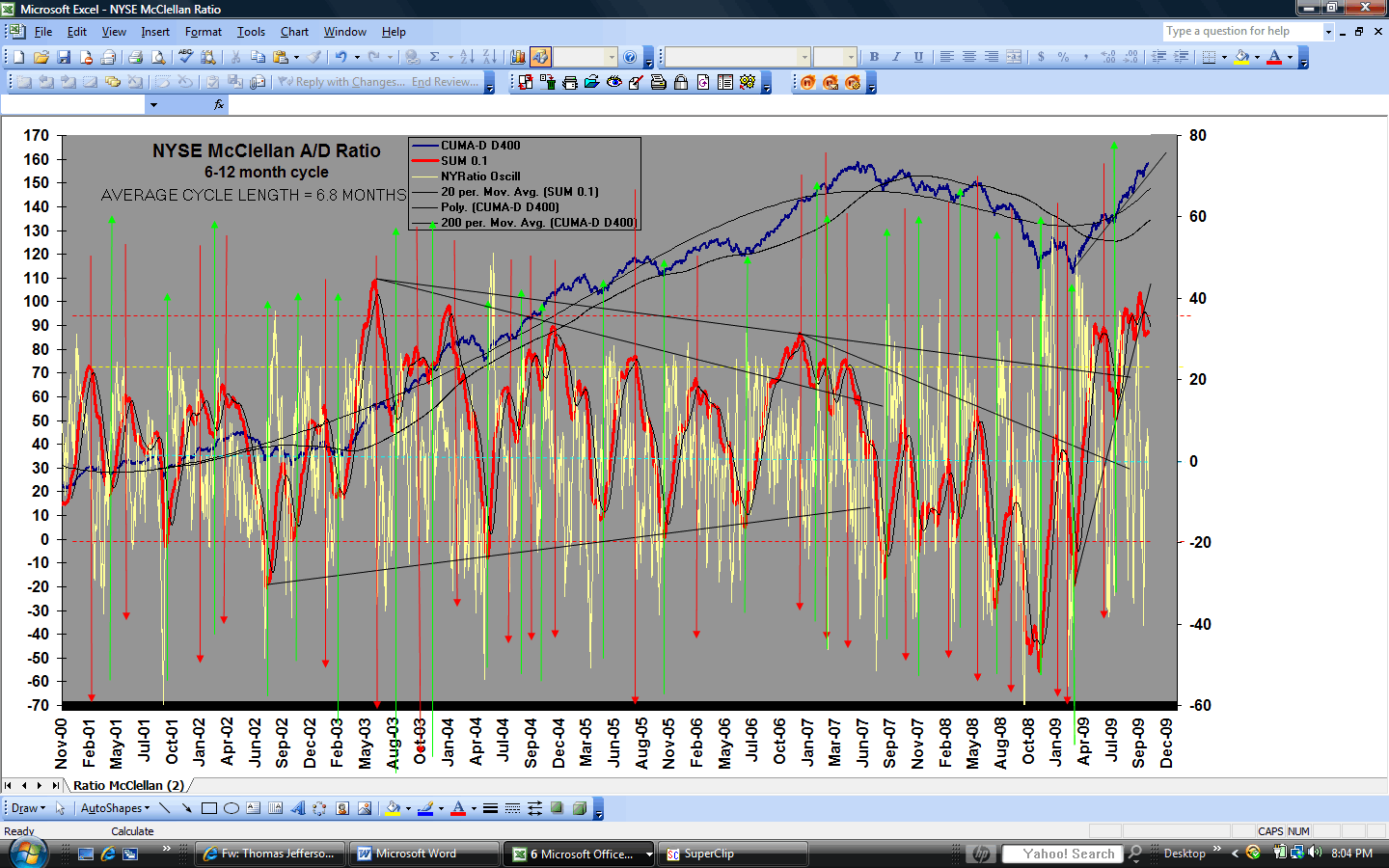
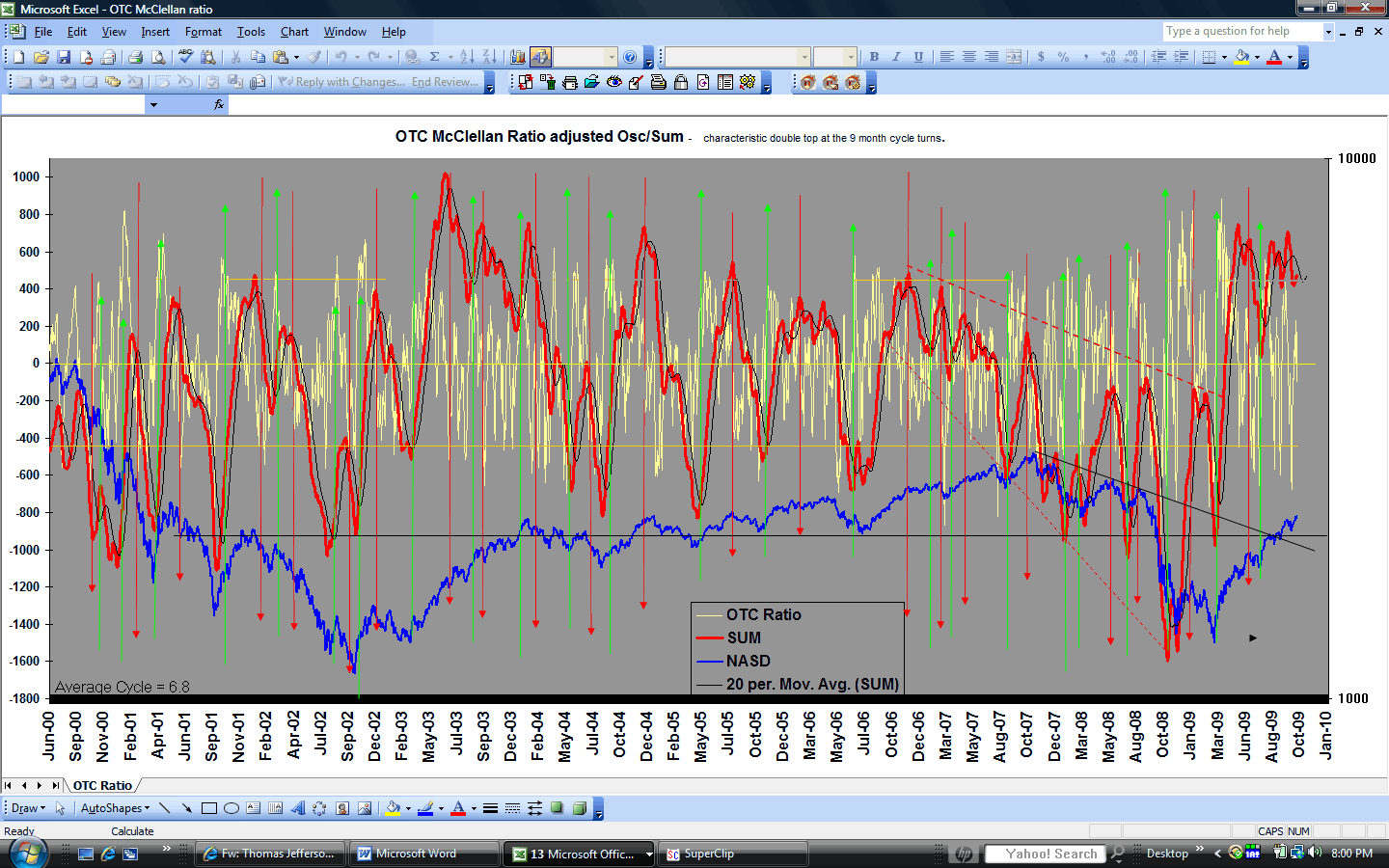
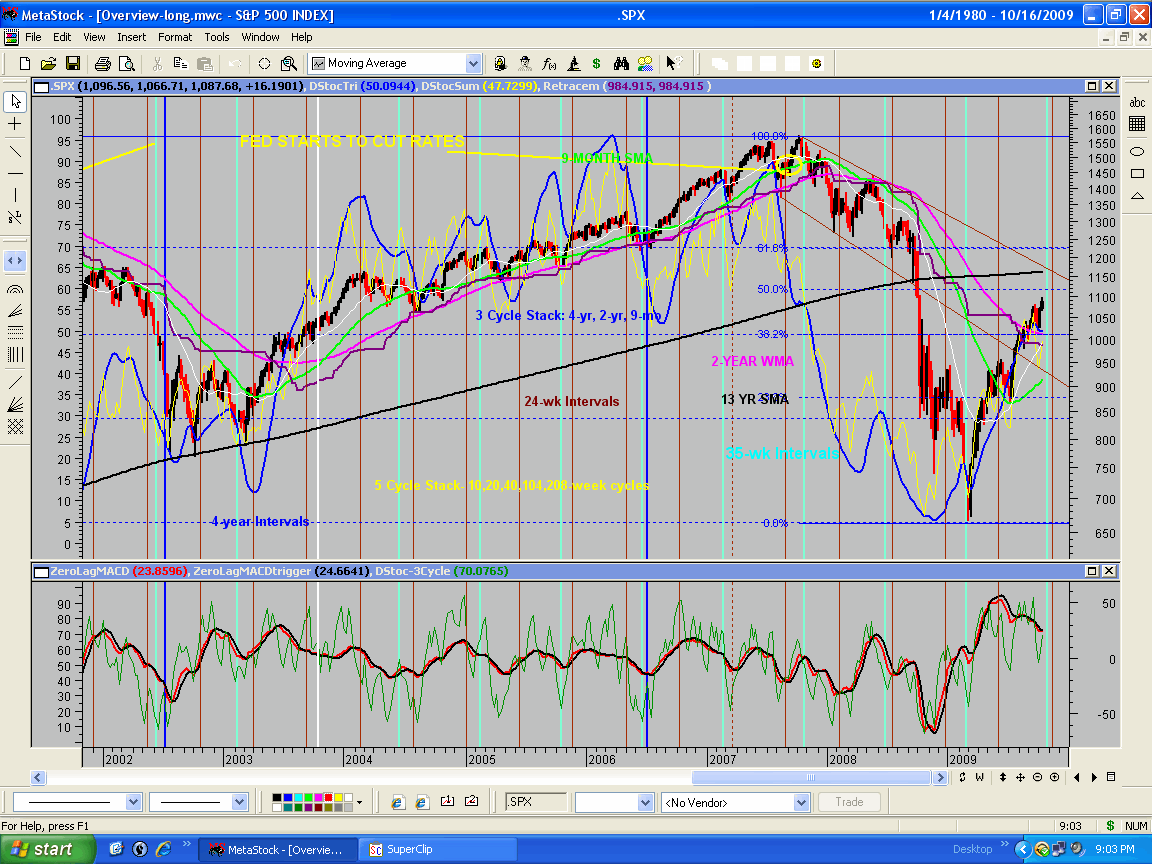
Second, for the first time since January on the NYSE and since March on the NASDAQ, roughly 9-months ago, the McClellan Summation Indexes (http://www.geocities.com/petegersb/A-Dsummation-NYSE.GIF , http://www.geocities.com/petegersb/A-Dsummation-OTC.GIF ) have made a higher high while remaining oversold. On the NASDAQ it has also made a higher low. Furthermore, the long term composite (blue line) on the weekly chart ( http://www.geocities.com/petegersb/Overview-long.GIF) turned up last week for the first time since April. True, the rally subsequent to that event in April didn’t amount to much, and it may not this time either, but these indicators provide more evidence that the 9-month cycle has bottomed. I fully expect stocks to be lower 9 months from now, but it appears that we now have an intermediate-term uptrend that should last weeks or months rather than days.
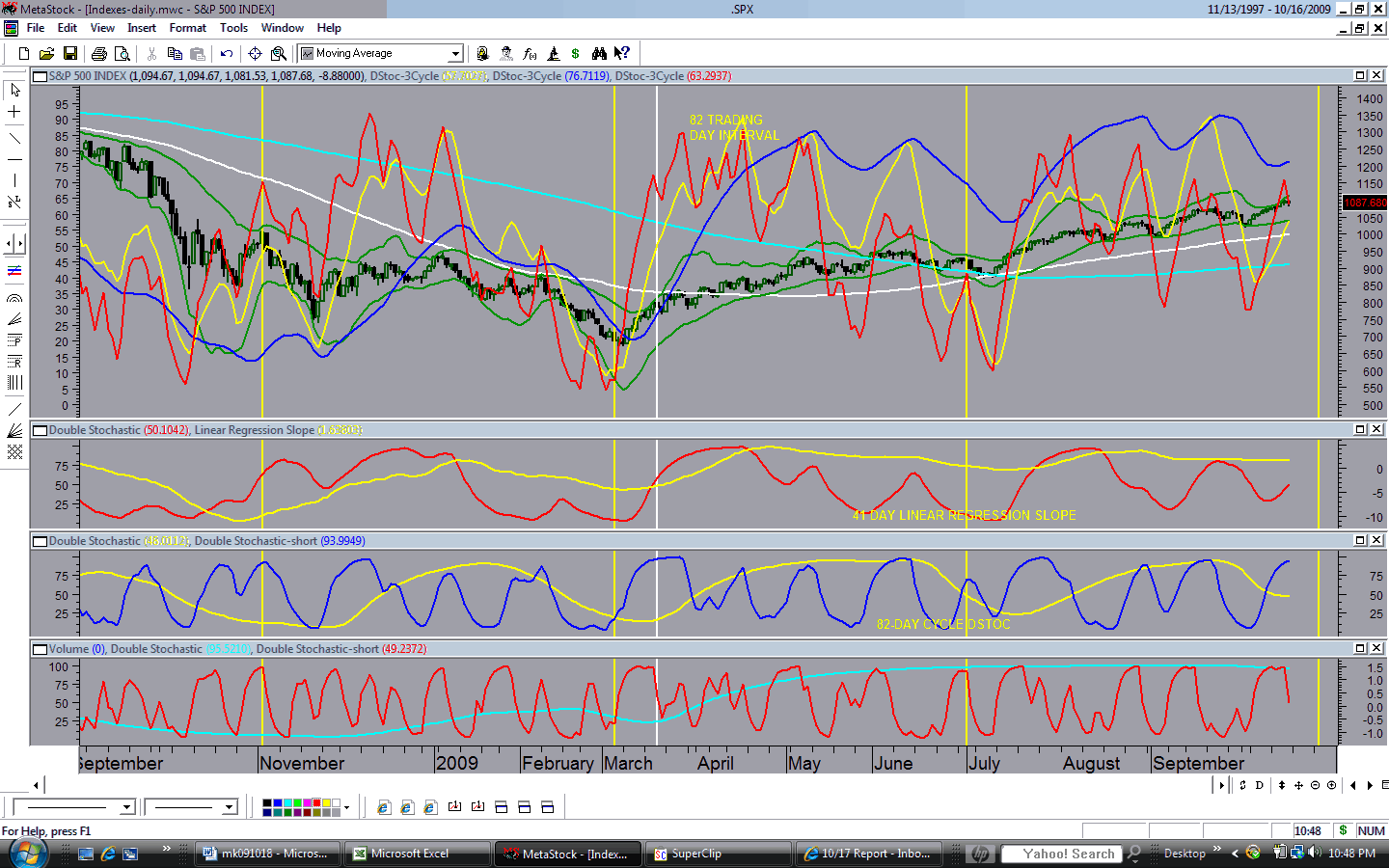
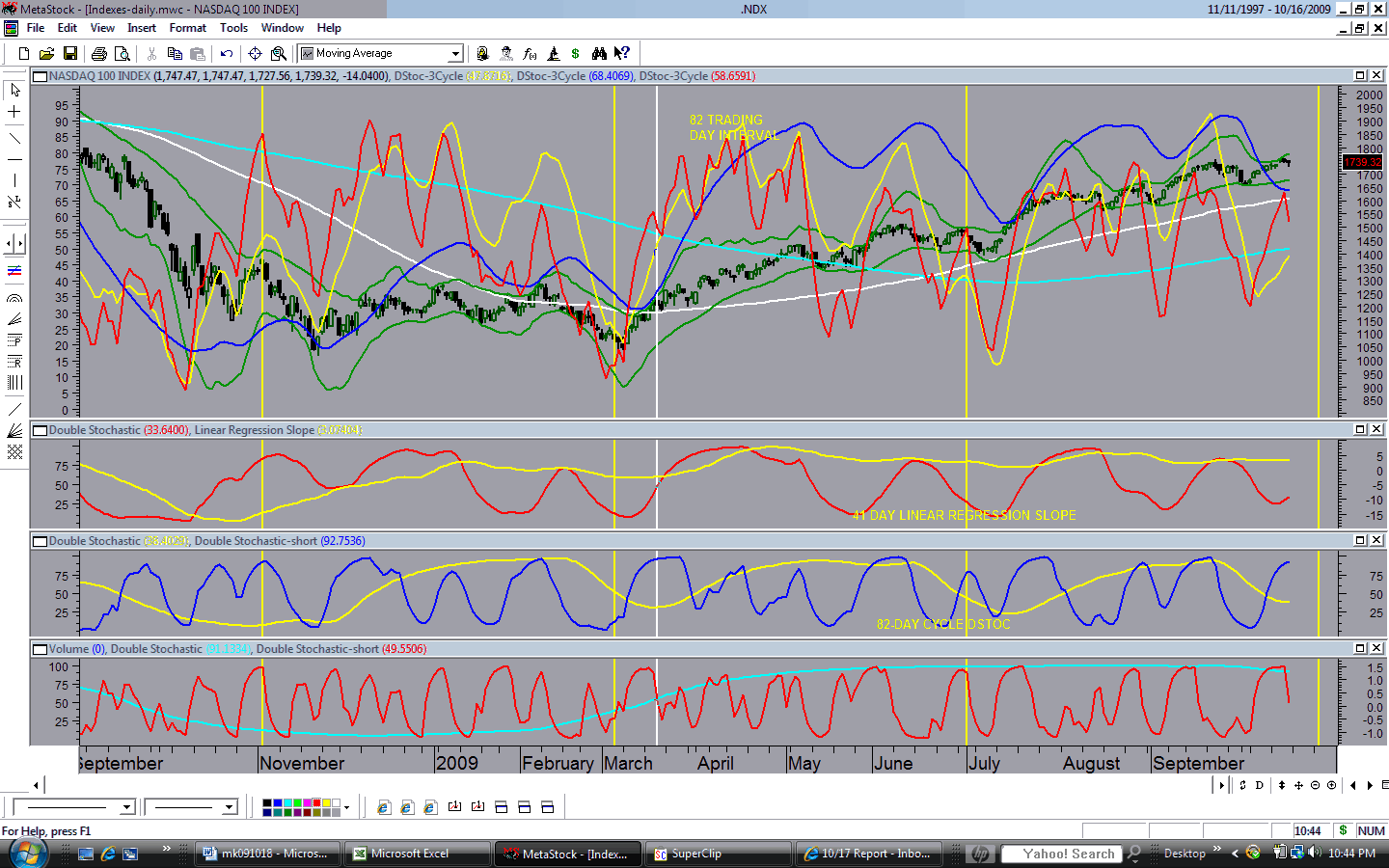
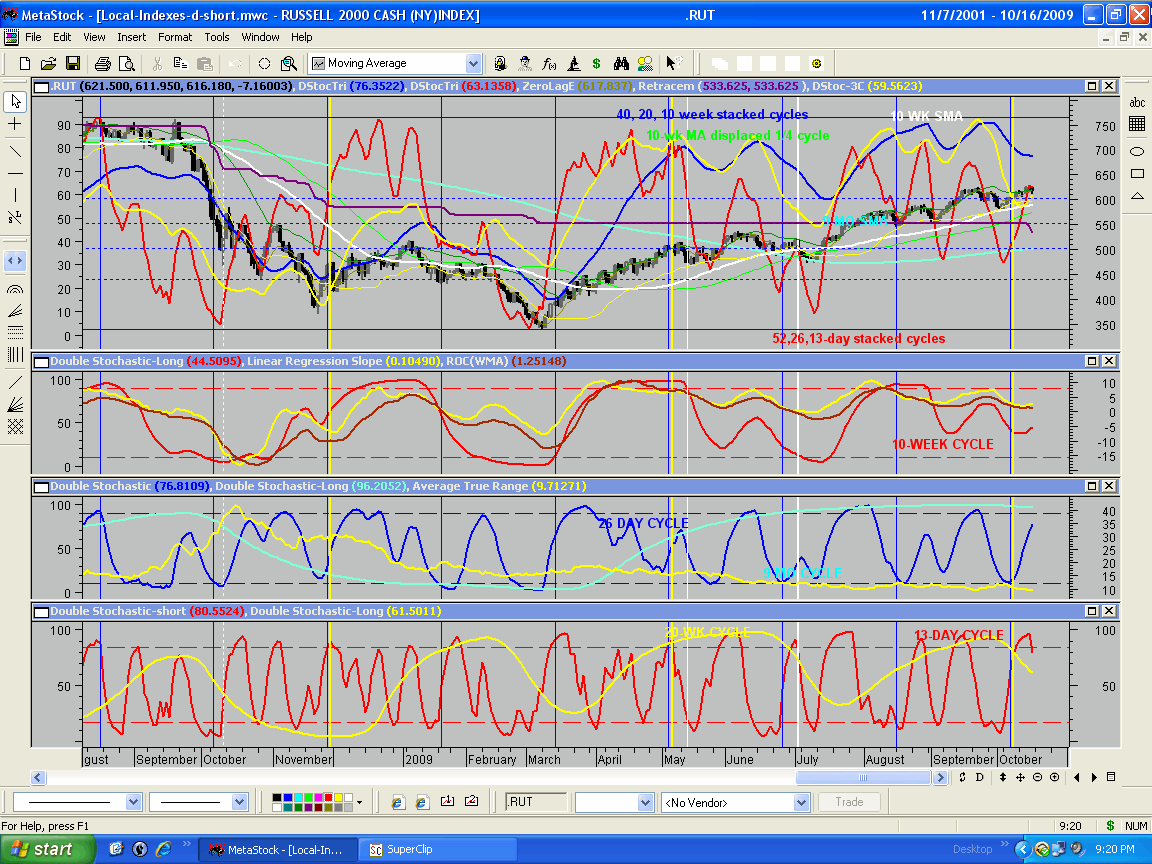
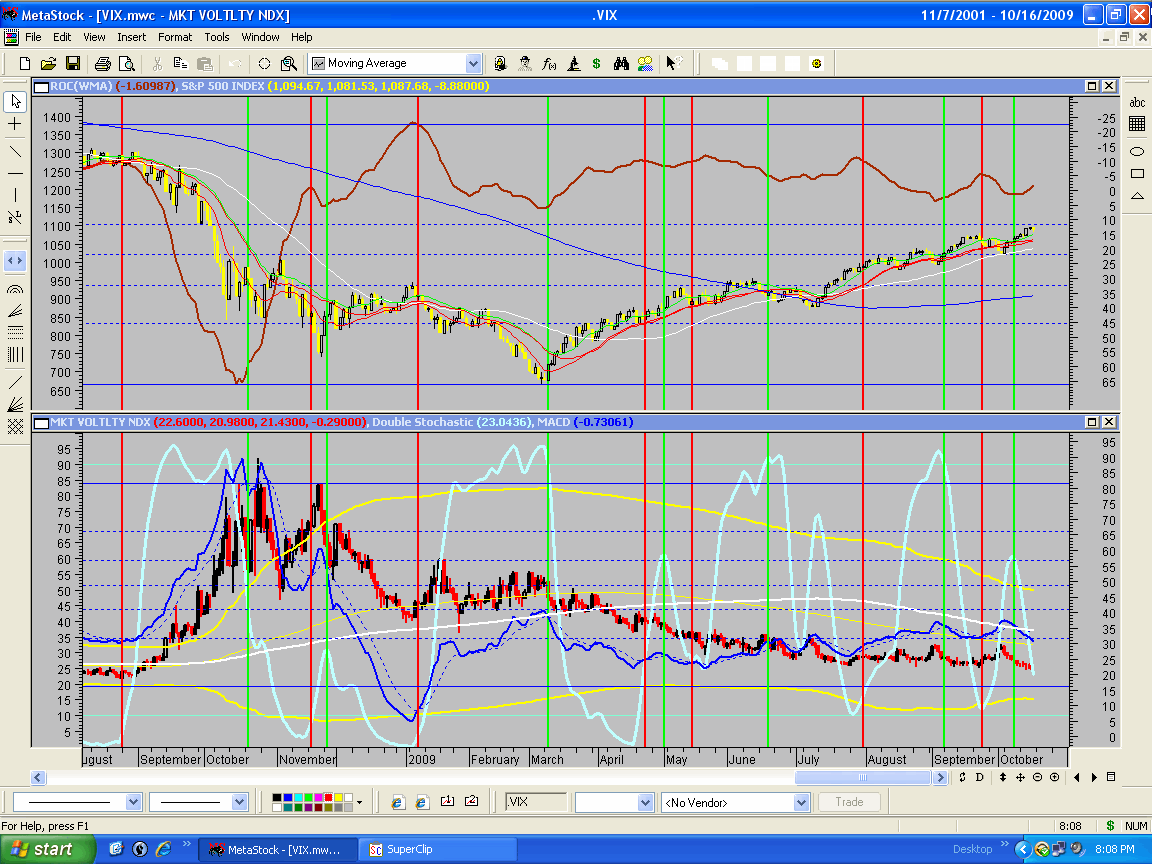
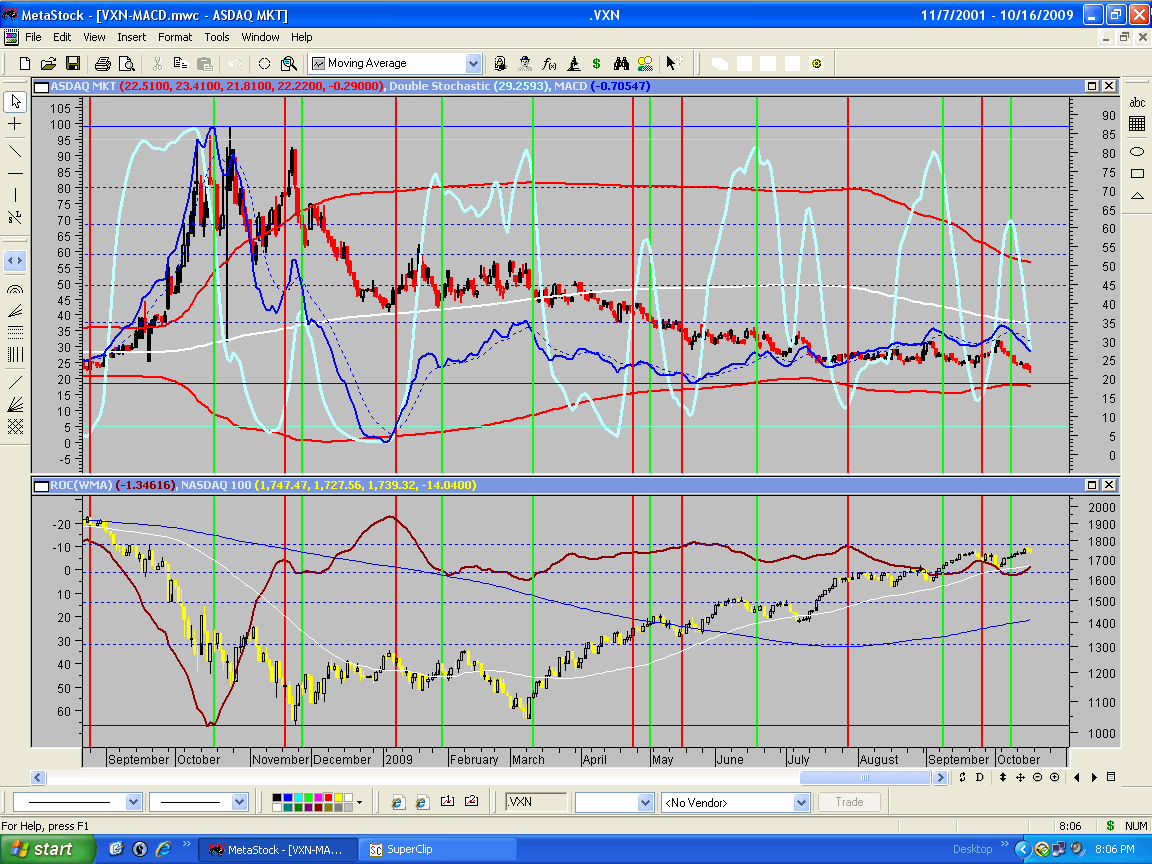
Third, on the daily charts (SPX (http://www.geocities.com/petegersb/SP500.GIF), NDX (http://www.geocities.com/petegersb/NDX.GIF), Russell small cap index (http://www.geocities.com/petegersb/Russell2000.GIF )), the 9-month and 20-week cycle indicators have turned up from deeply oversold conditions, and so has the intermediate composite. The 20-week cycle DStoc on the weekly chart (http://www.geocities.com/petegersb/Overview-med.GIF ) is rising, and it’s falling on the Weekly chart of the VIX and VXN (http://www.geocities.com/petegersb/VIX-weekly.GIF , http://www.geocities.com/petegersb/VXN-weekly.GIF ). Combined that’s strong evidence of an intermediate uptrend.
However, the short term doesn’t look as good. The 10-day-old 13-day cycle DStoc remains in a downtrend on all of the indexes. The short-term composites turned down on Thursday from an overbought condition. The 26-day cycle and 10-wk cycle DStocs are overbought. The daily VIX (http://www.geocities.com/petegersb/VIX.GIF) and VXN (http://www.geocities.com/petegersb/VXN.GIF) are vacillating at a level that suggests a possible near-term peak in 10-week cycle. Consequently, there is good reason for concern about a further short-term pullback this week. But a 9-month cycle that is only 2 weeks old usually isn’t much bothered by the short-cycle pullbacks.
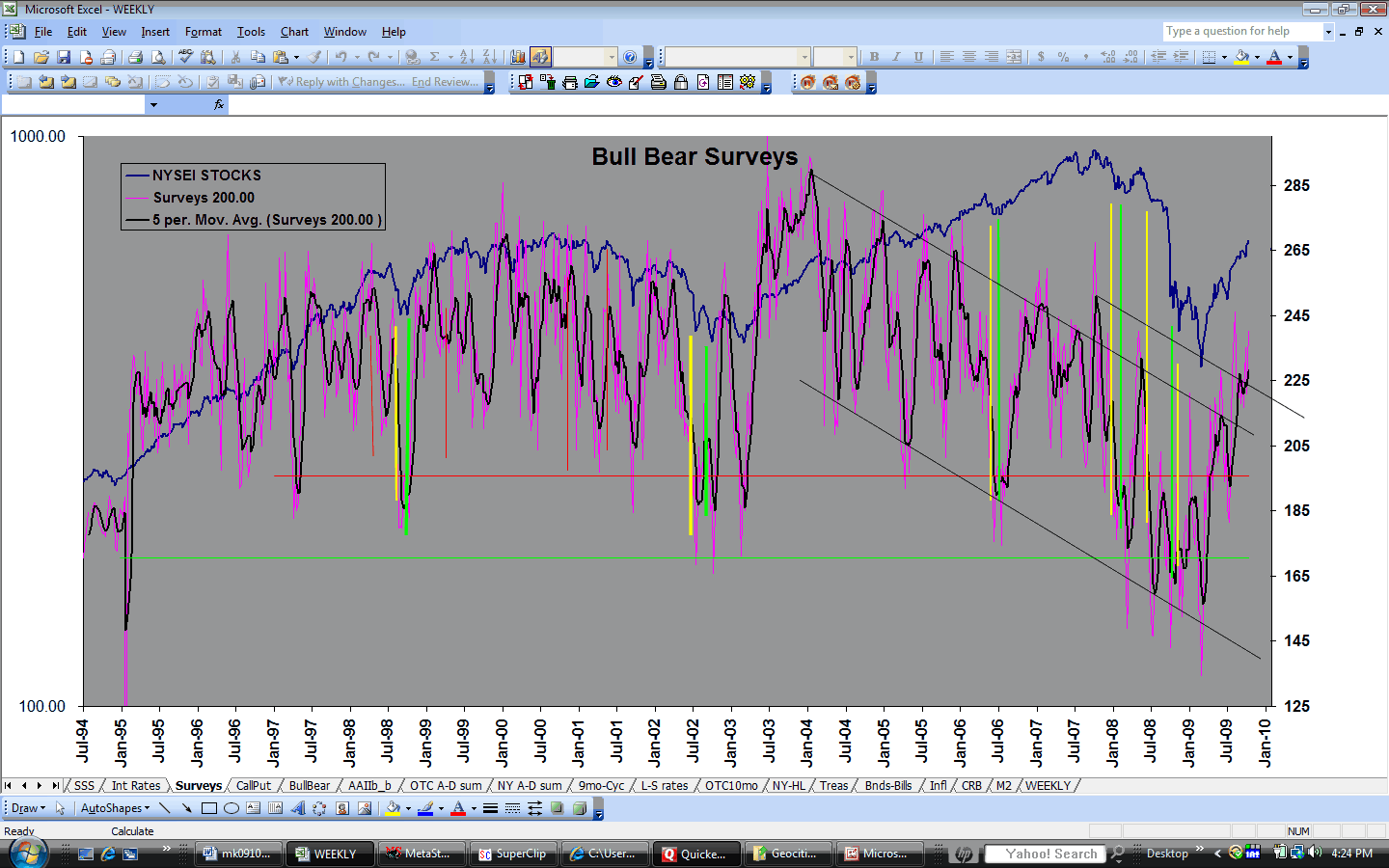
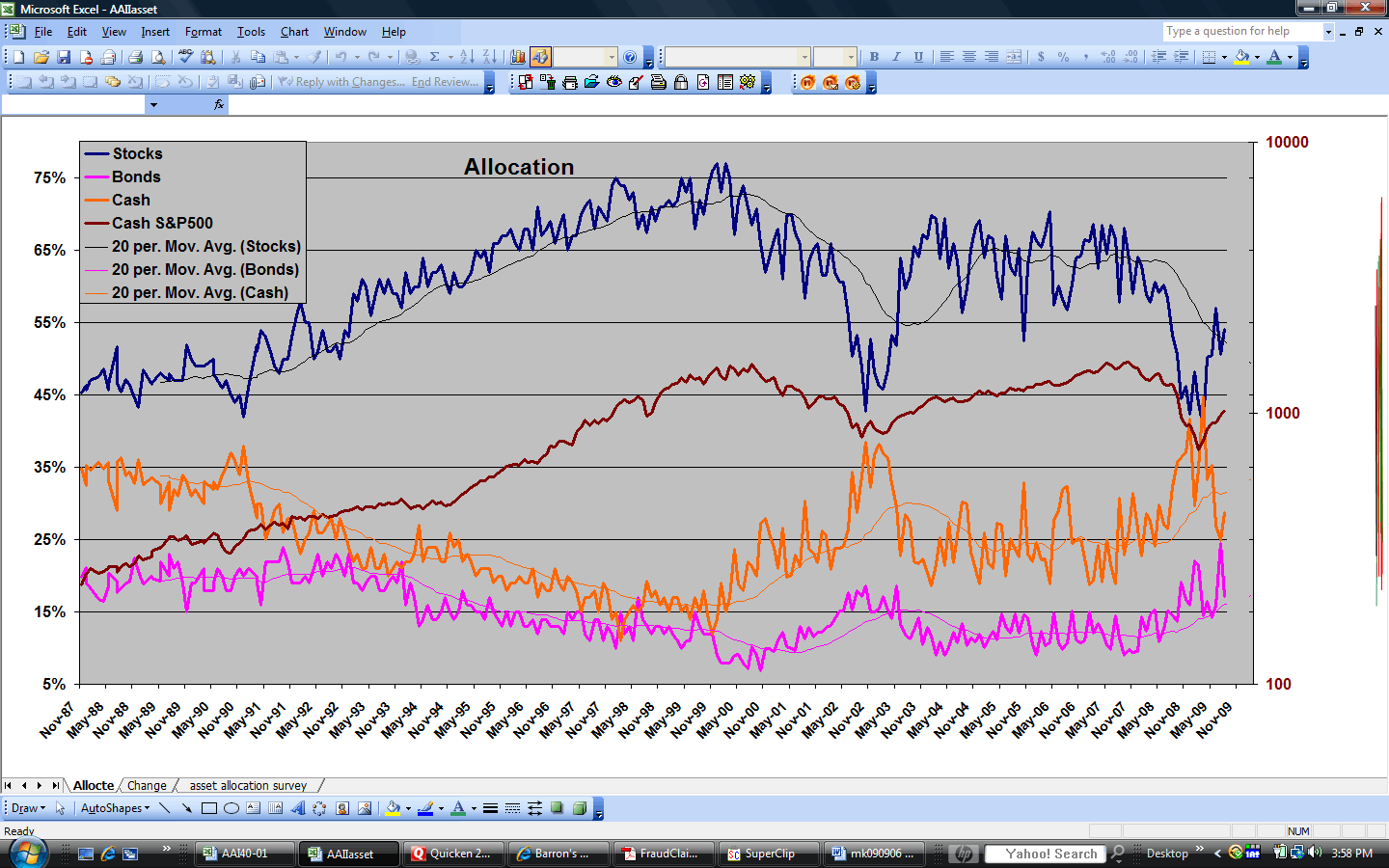
Pessimism (http://www.geocities.com/petegersb/SurveysCombined.GIF ) is either forming a triple bottom or is on its way to surpass the 14 year extreme that currently exists. The negative sentiment is favorable for stocks, but its premature buy signal won’t be reinstated until it starts turning more positive. The November AAII asset allocation (http://www.geocities.com/petegersb/AAIIassets.GIF ) suggests that the public has been putting its money where its mouth is – in cash. The cash and stock percentages of their portfolios reached about the same extreme levels that they did at the October 2002 bottom, and the stock percentage turned up a little. That’s an encouraging sign for equities. The bond allocation turned down a little from its highest level since the early 90’s – suggesting a possible peak for bonds..
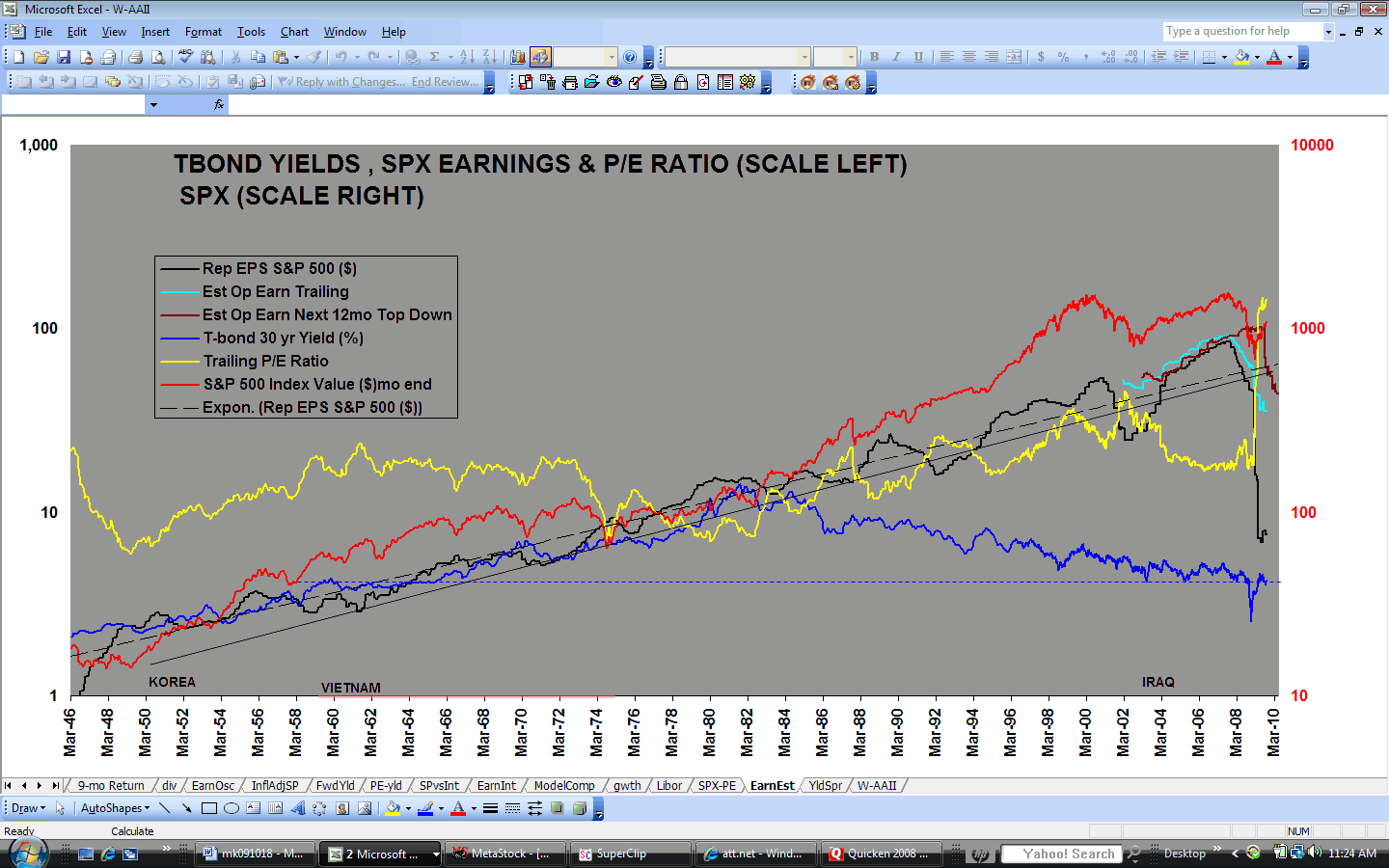
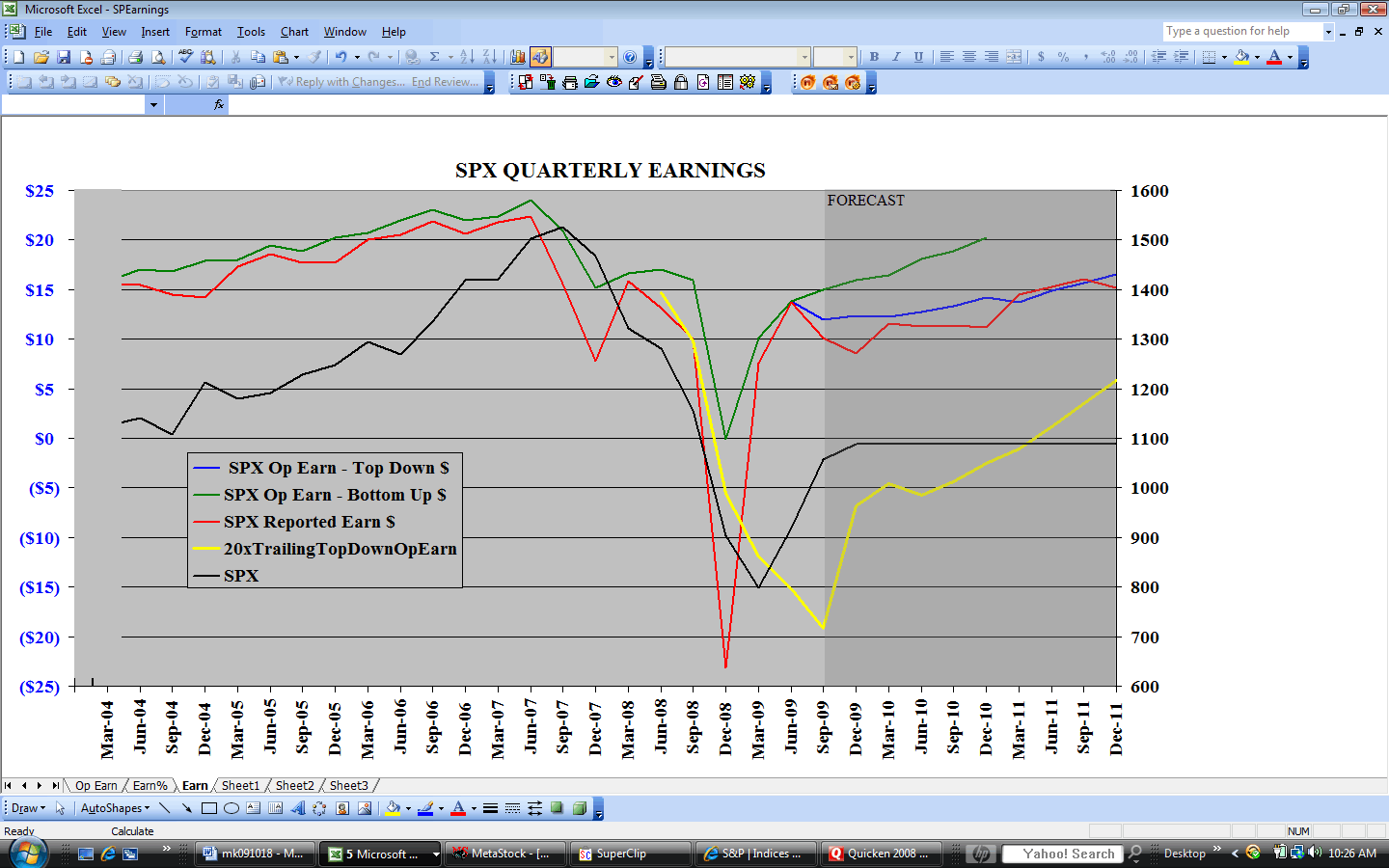
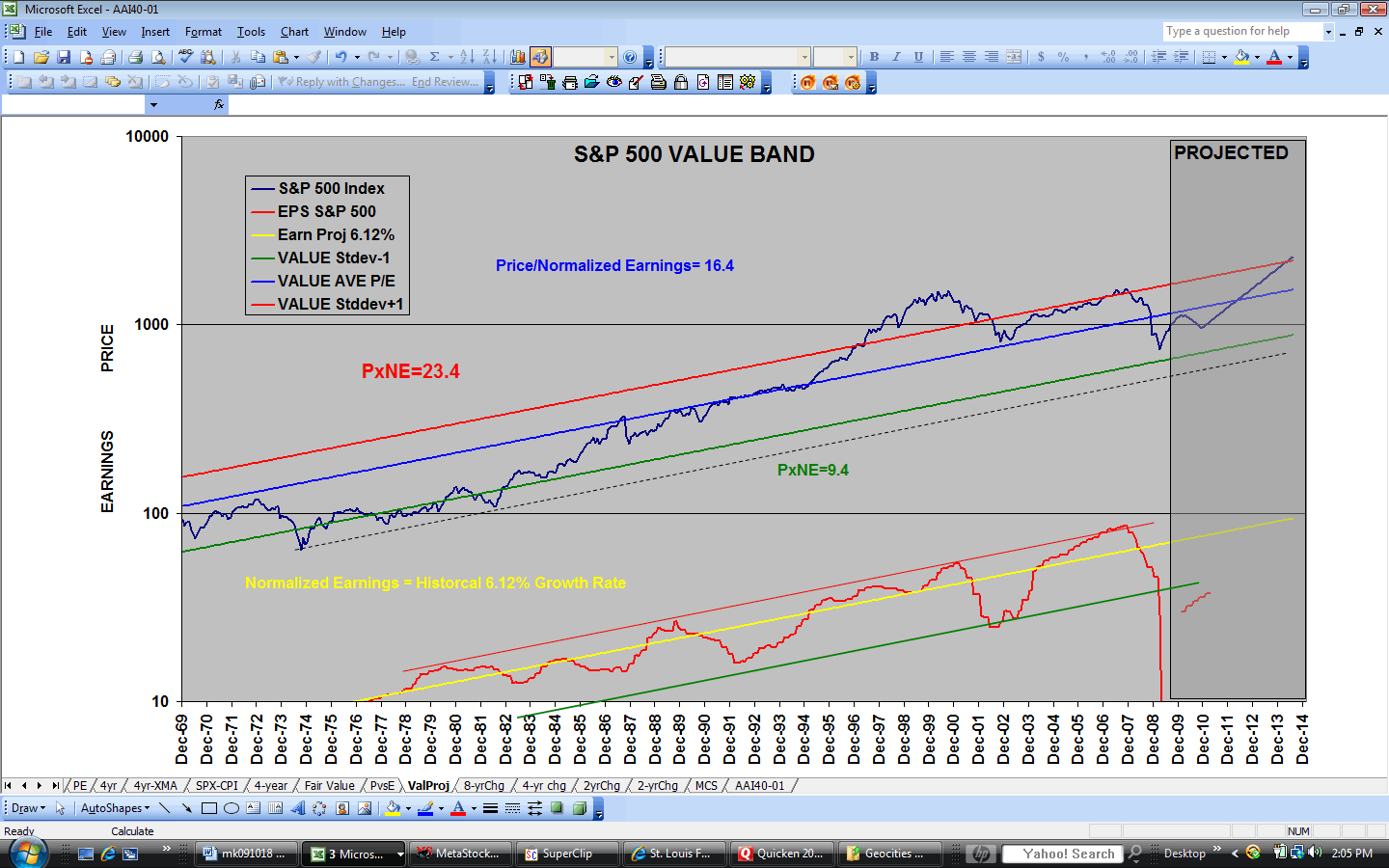
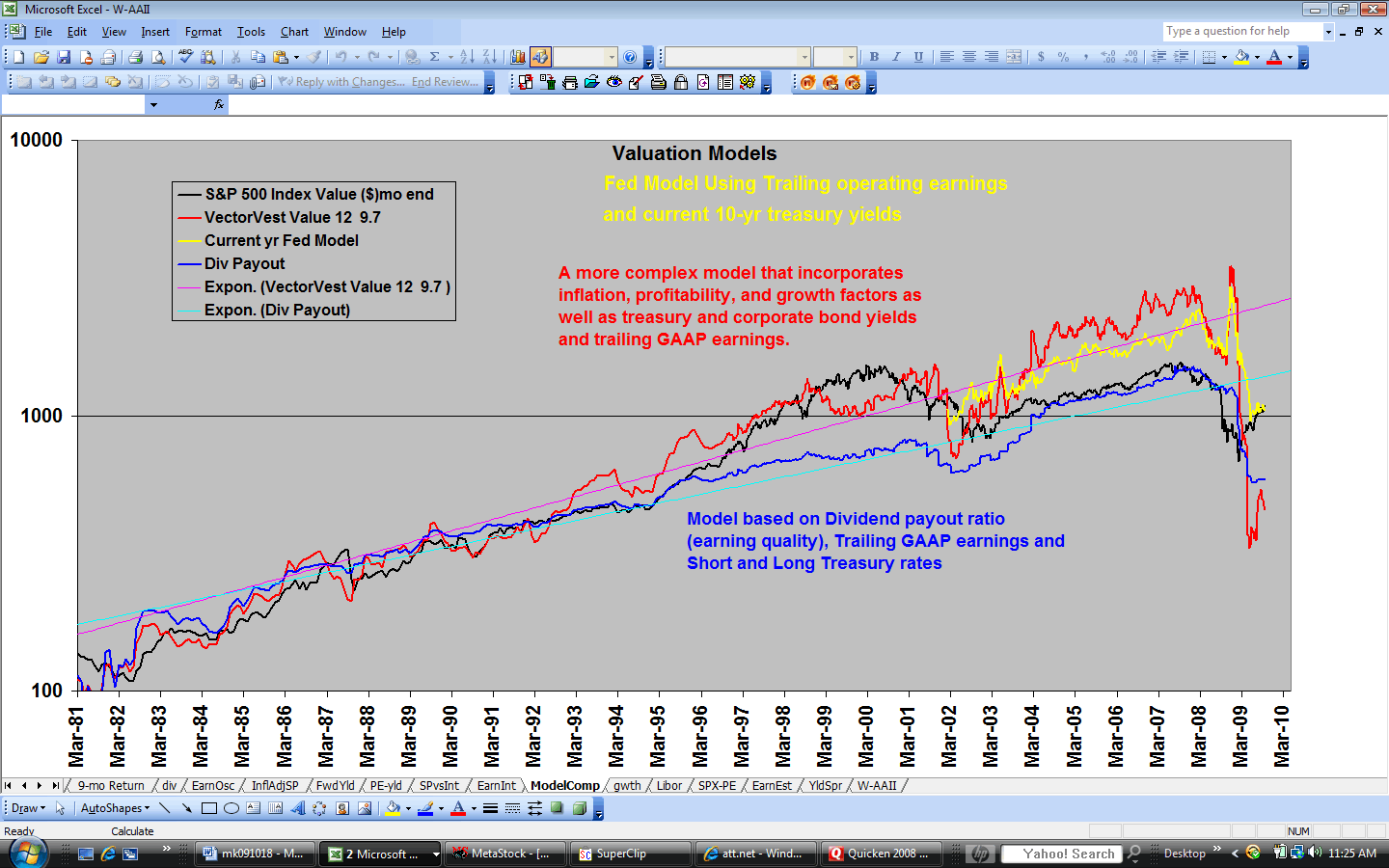
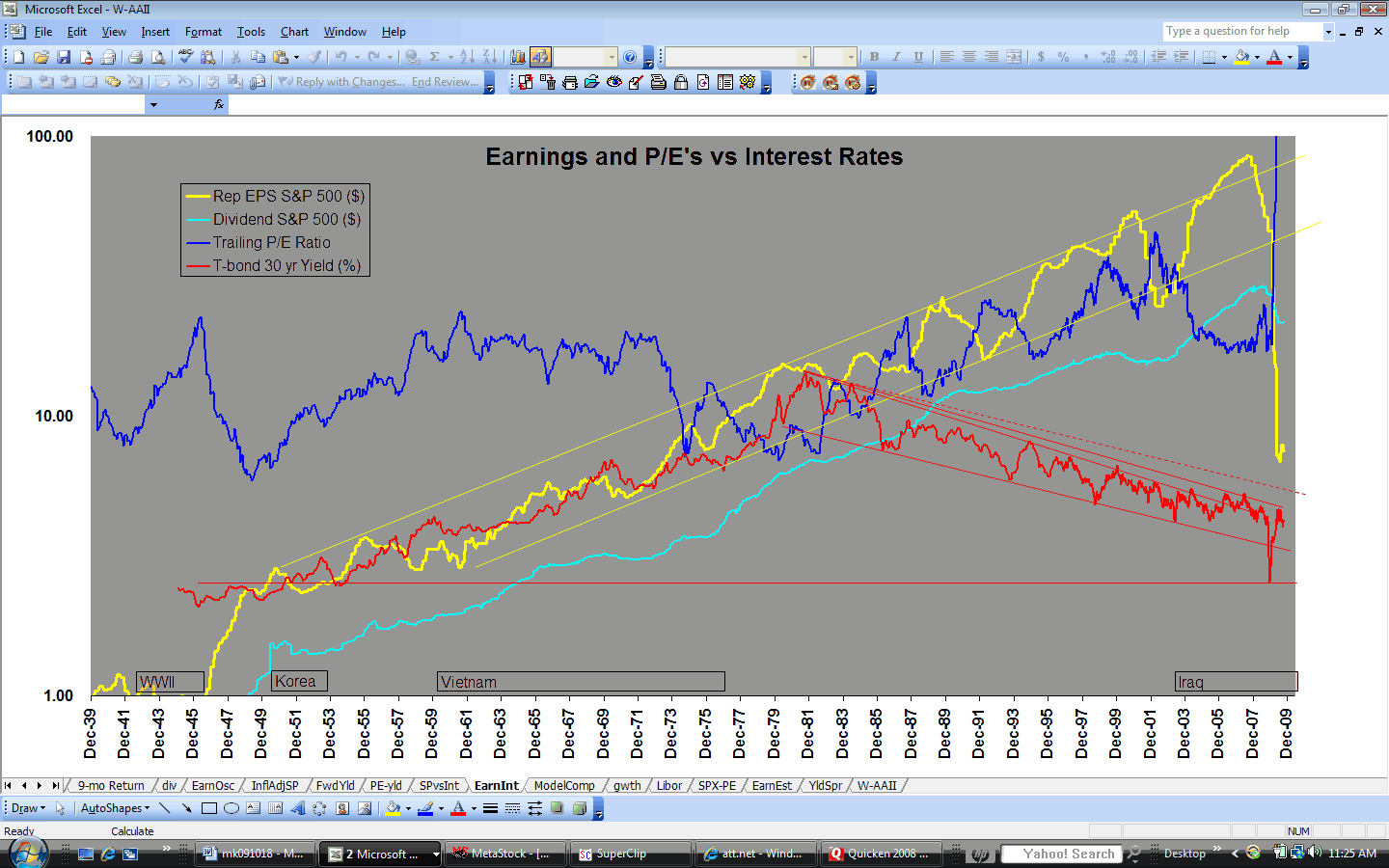
Earnings (http://www.geocities.com/petegersb/EarningsEstimates.GIF ) continue to trend downward, but S&P’s bottom up operating earnings estimates (http://www.geocities.com/petegersb/EarnY-Y.GIF ) for the future dropped a little more slowly last week – about a dollar compared to the $2 weekly rate of decline in recent weeks. The S&P 500 P/E continues to hover near its historic norm (http://www.geocities.com/petegersb/ValueBand.GIF ). It’s being held up by persistent declines in the ratio’s denominator. Irrational exuberance still persists when it comes to earnings expectations, but you have to worry about what will happen to the numerator when investors decide they don’t want to continue paying normal P/E’s for declining earnings. I suspect the rose colored glasses will come off when interest rates start rising. Valuation models that use interest rates (http://www.geocities.com/petegersb/ValuationModels.GIF ) continue to indicate that stocks are underpriced only because interest rates are dropping even more rapidly than earnings (http://www.geocities.com/petegersb/Earnings-InterestRates.GIF ).
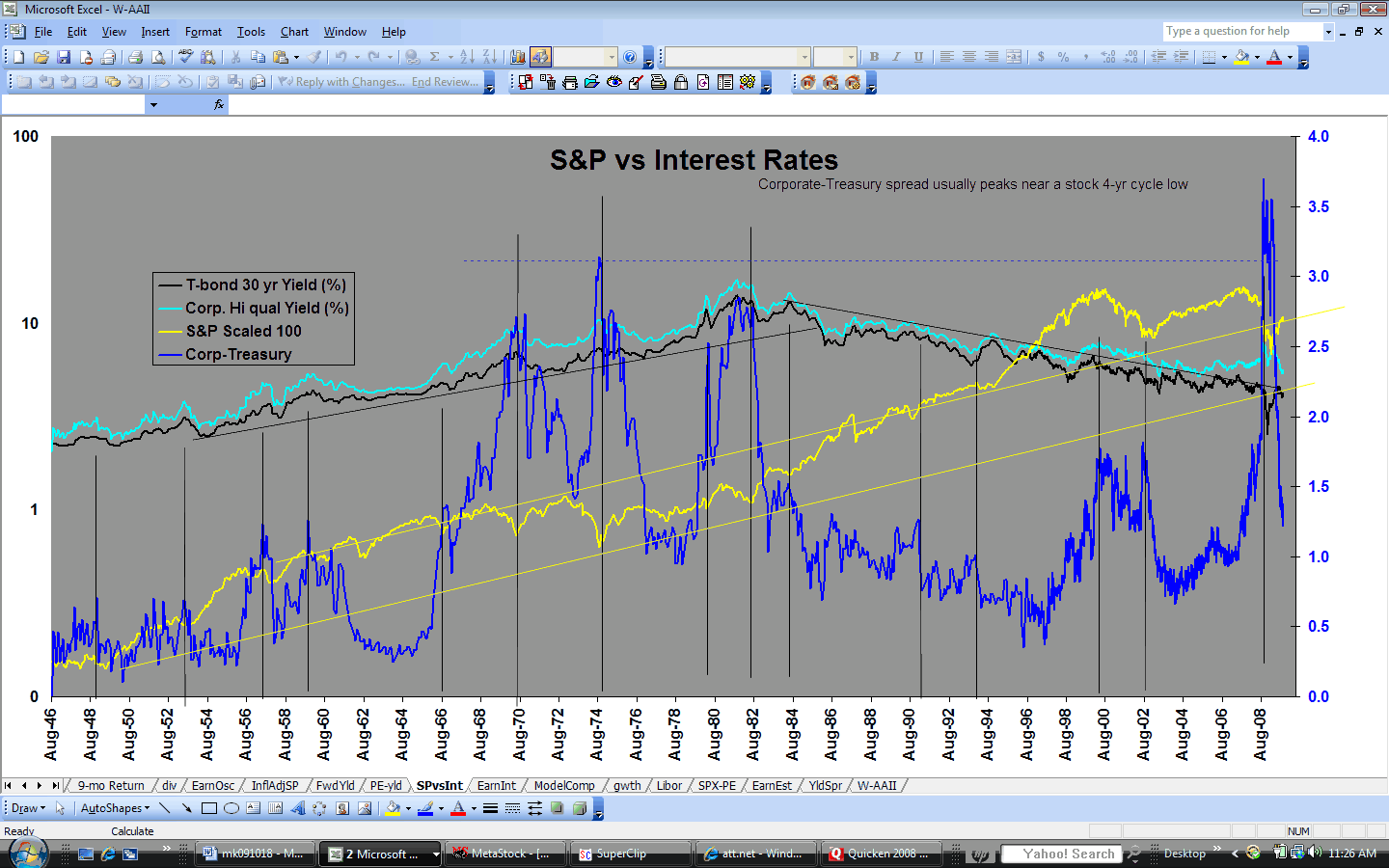
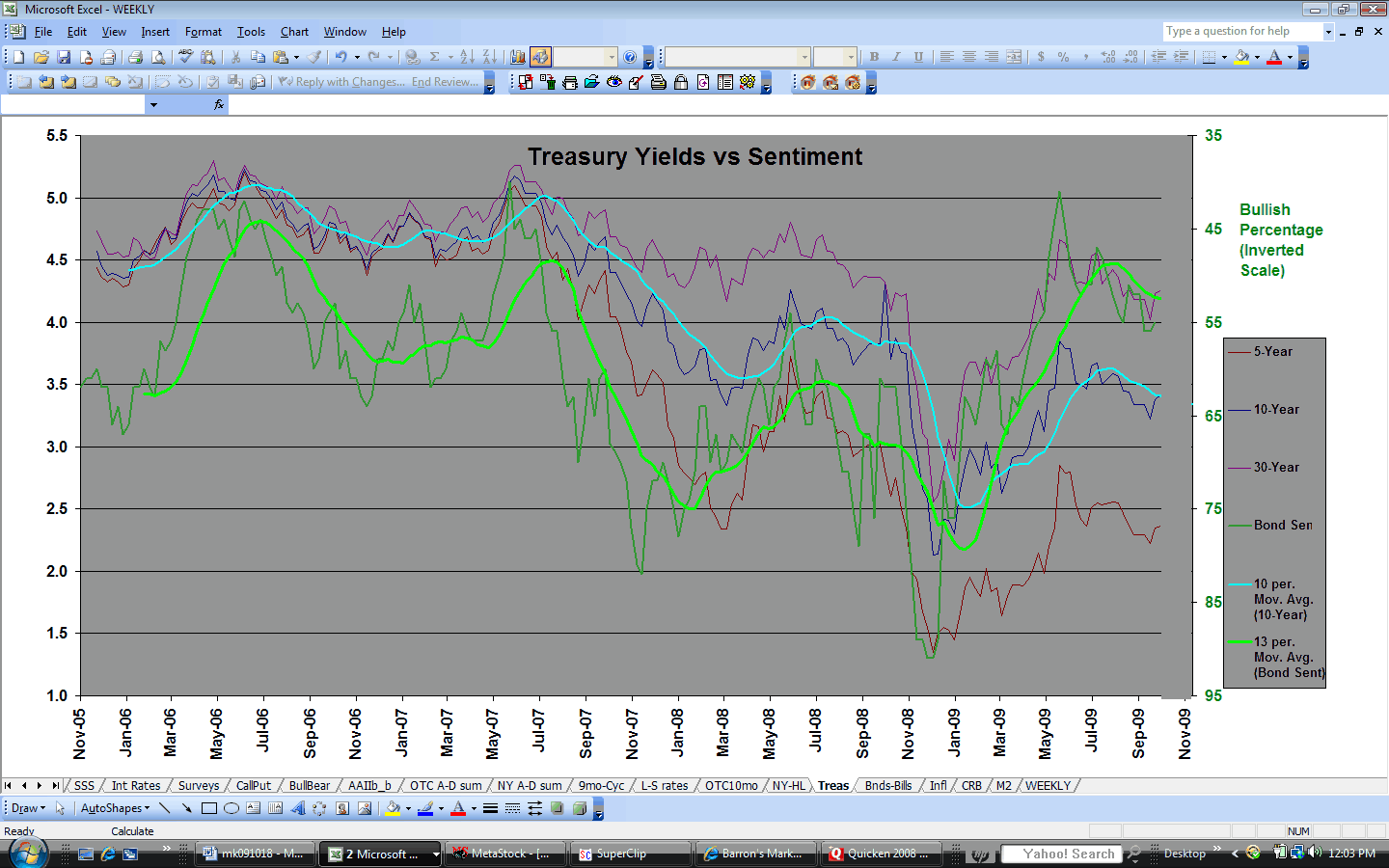
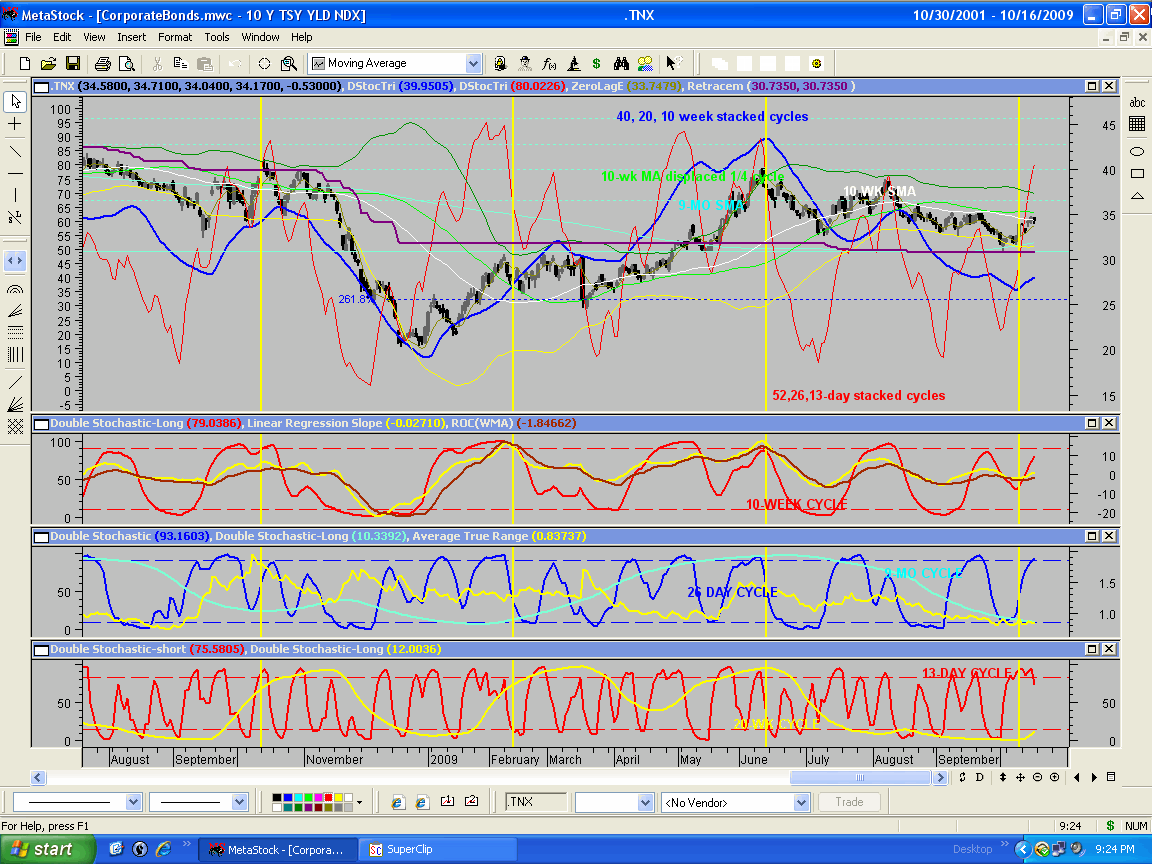
How much lower can Treasury rates go? We already have depression era interest rates. The yield on Treasury Bonds (http://www.geocities.com/petegersb/Earnings-InterestRates.GIF ) is at a 60-year low and near the bottom of its 3-decade trend channel. The spread between High-Grade Corporate and Treasury yields (http://www.geocities.com/petegersb/Stocks-InterestRates.GIF ) remains near the historic peak of three weeks ago. Bond optimism at 90% (http://www.geocities.com/petegersb/BondSentiment.GIF ) is at an extreme not seen during the 3 years that I have been tracking it. It’s an indication that interest rates are near a low. While there is no evidence of an intermediate upturn yet, the short-term composite on the 10-year Treasury yields (http://www.geocities.com/petegersb/TreasuryYield-10yr.GIF) turned up on Friday, indicating a 10-week cycle low.
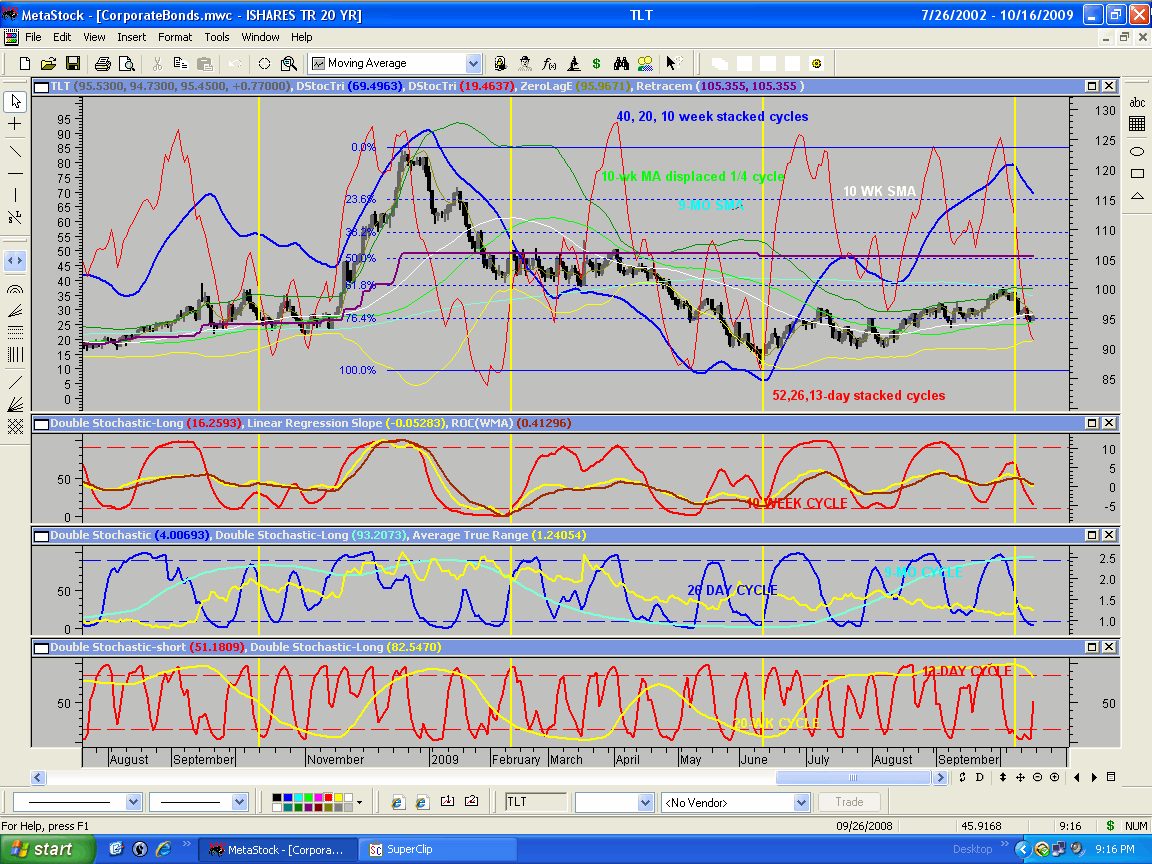
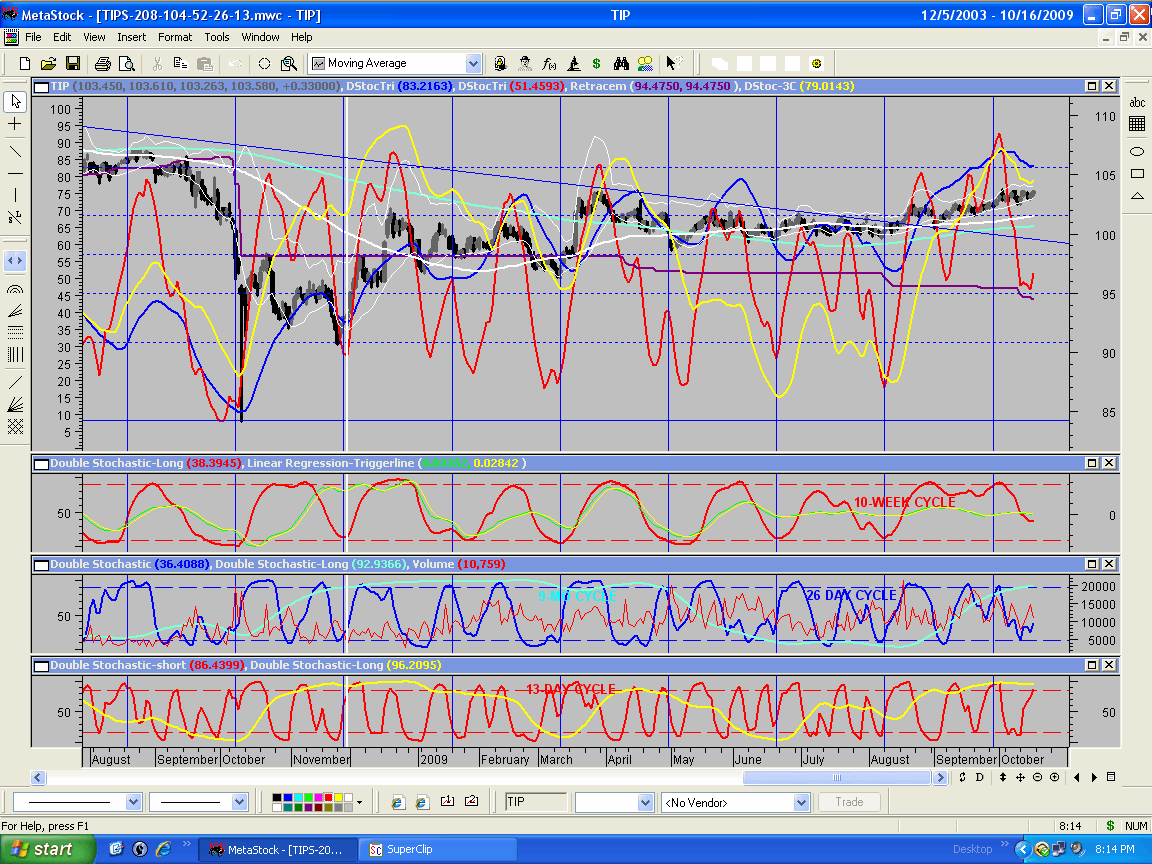
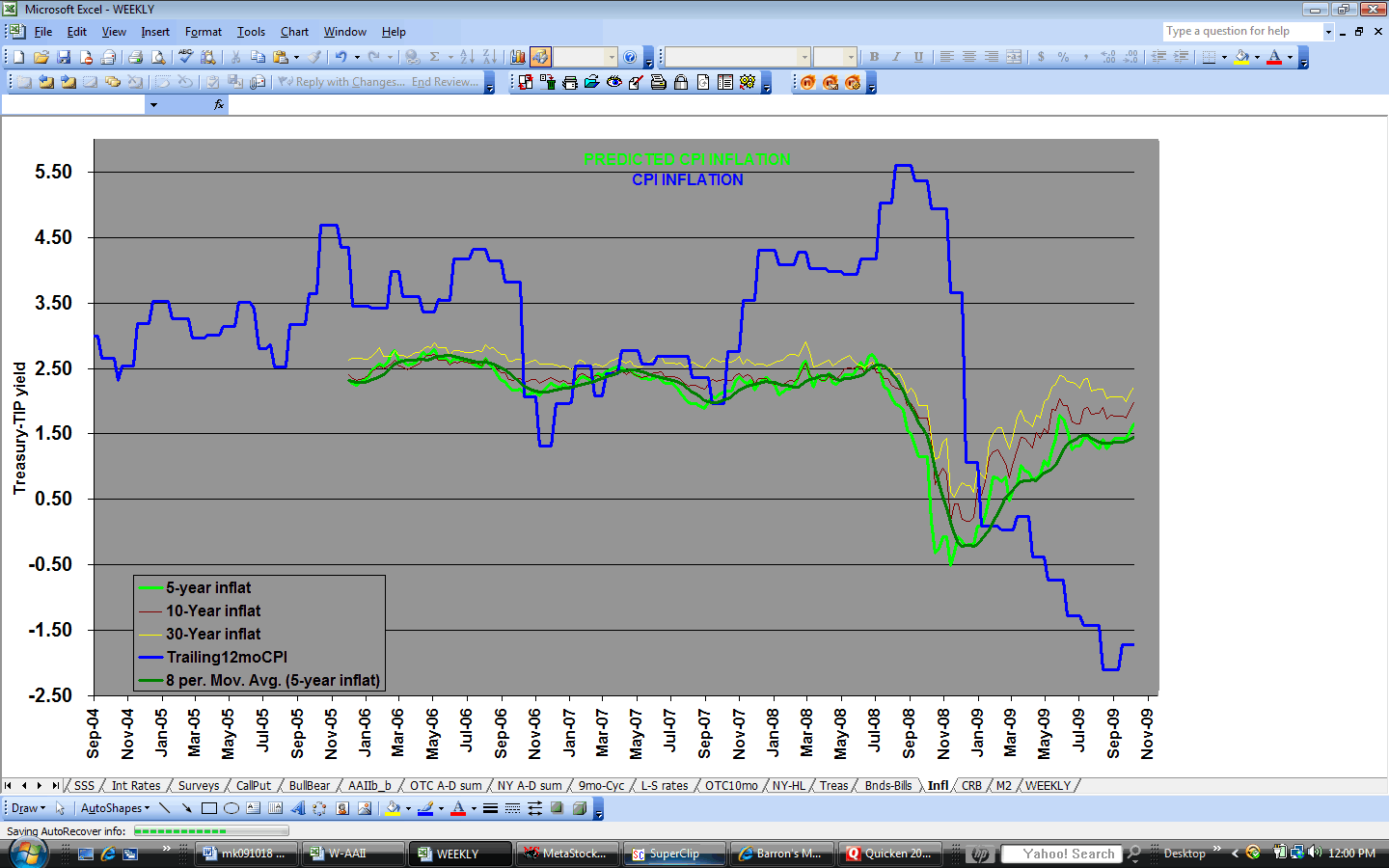
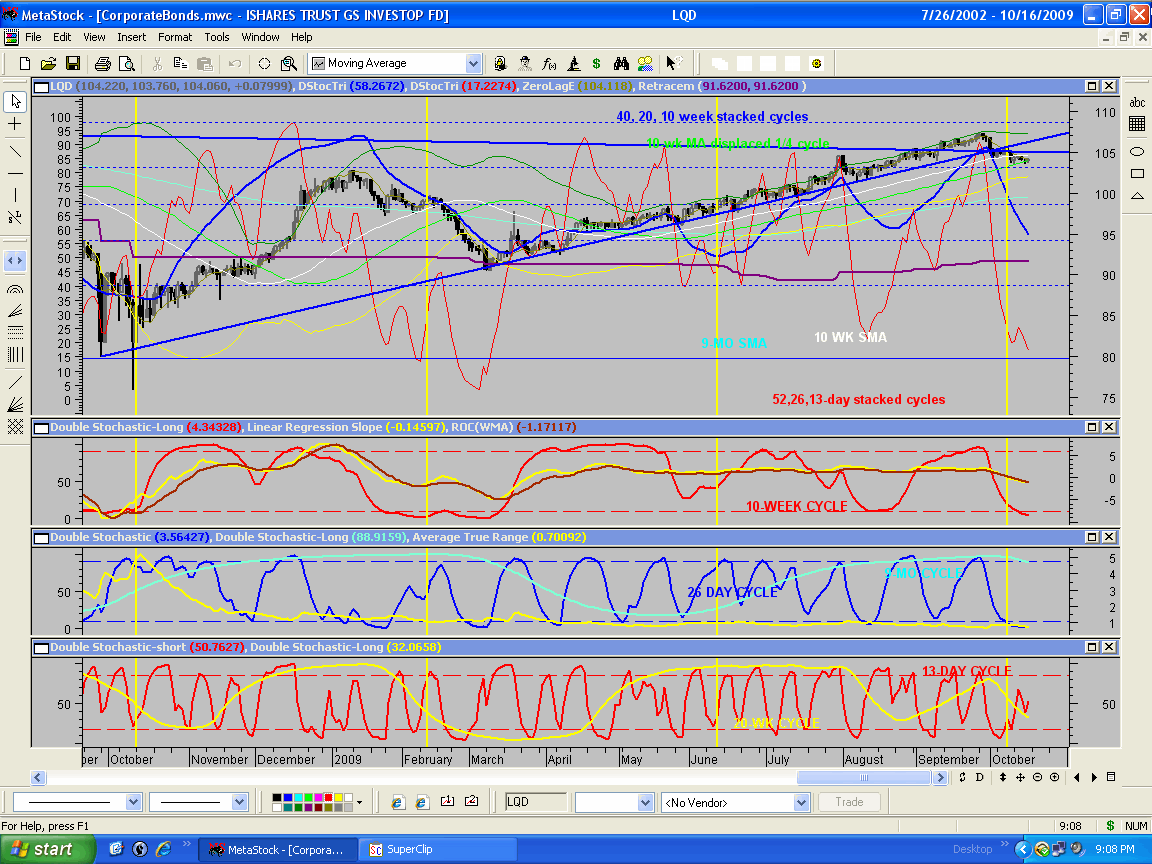
The discrepancy during the last 2 months between the performance of conventional Treasury bonds (http://www.geocities.com/petegersb/Treasury-20yr.GIF ) and Inflation Protected Treasuries (http://www.geocities.com/petegersb/TIPs.GIF) persists, but inflation expectations rose a little (http://www.geocities.com/petegersb/CPI.GIF ) for the second successive week. TIPS are bumping against the 50% retracement of their 2008 crash and all except the 10-week cycle are overbought. I expect all treasuries to decline in the intermediate term as money temporarily shifts back into stocks. Corporate bonds (http://www.geocities.com/petegersb/CorporateBonds.GIF) are also bumping against the 50% retracement of their 2008 debacle. The short-term and long-term composites are overbought. I expect them to decline along with treasuries.
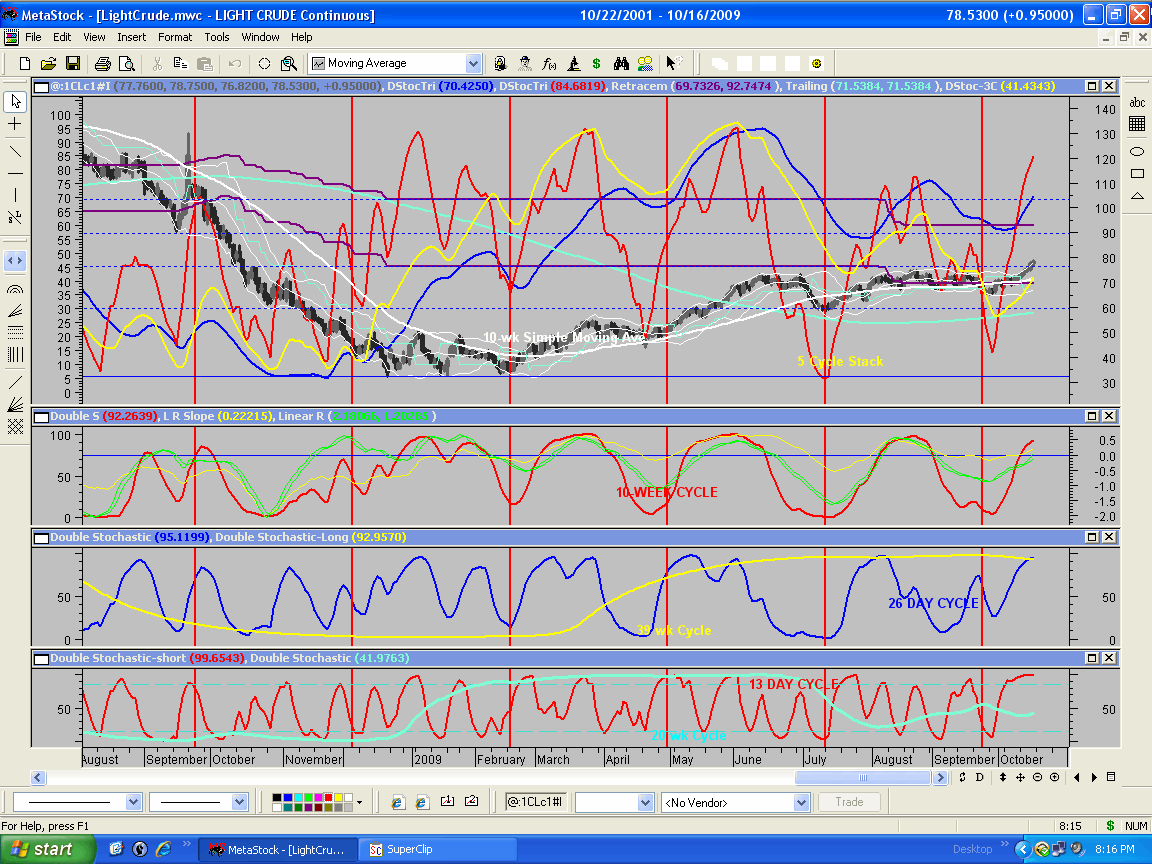
Crude oil (http://www.geocities.com/petegersb/CrudeOil.GIF ) plunged dramatically again last week and is now threatening $40 after its 70%+ decline since July. Its long cycles are deeply oversold as they have been for months, but the short cycles are not. The short-term composite is again trending downward as the 10 week and 26-day cycles head toward a likely bottom in about 3 weeks. The price drop should help the economy significantly in the short-term, but it will be a long-term disaster for our energy independence and its long-term cost. Business Week’s Dec 8 issue juxtaposed two article that show why. Oil companies are slashing capital spending plans dramatically and cancelling projects to develop the oil sands and shale fields where most of our domestic reserves reside. Alternative energy developers are cancelling projects because they can’t compete with $50 oil. Meanwhile on the demand side, BW reports that the SUV is already rising from the dead. We’ll be paying for this in a few years when the world economies recover and demand surges. The supply won’t be there.
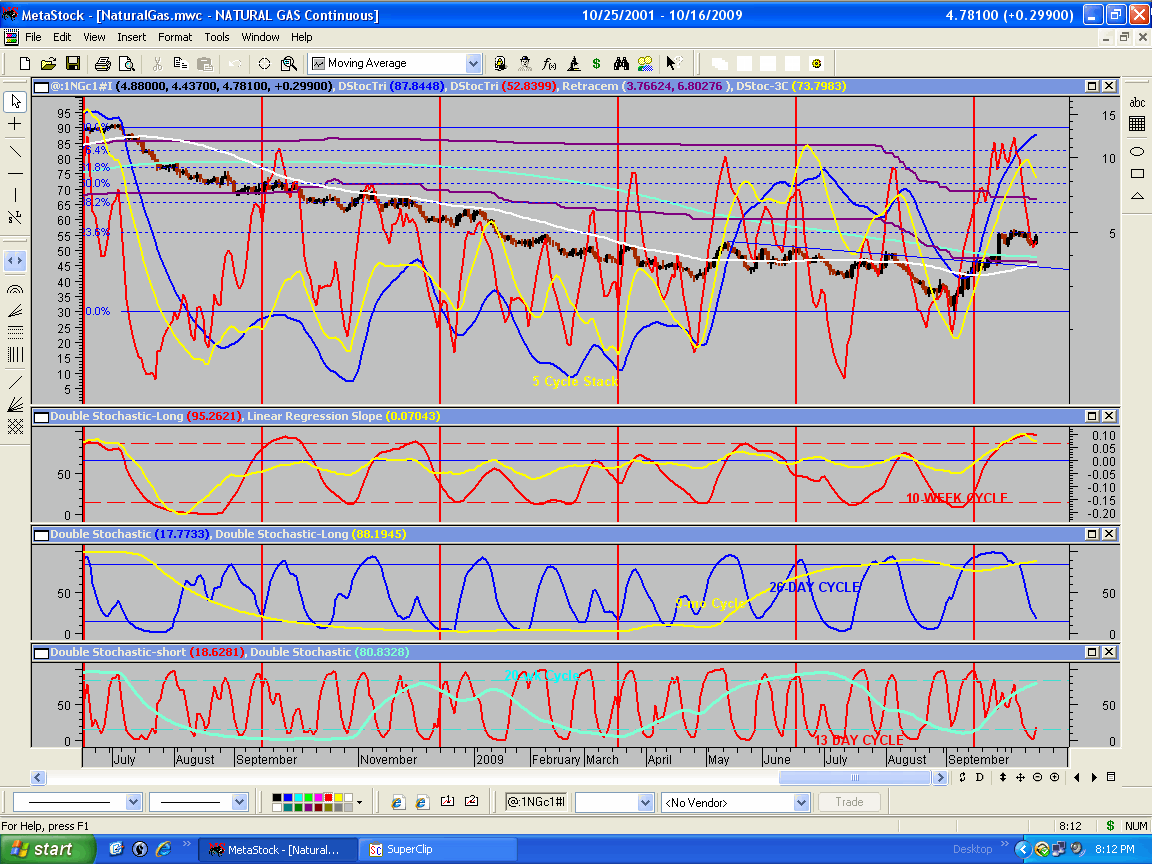
Natural gas (http://www.geocities.com/petegersb/NaturalGas.GIF ) has plunged “only” 58% since July. It broke its recent $6 support level last week and it appears destined to go lower while the 6-week-old 10-week cycle completes its downtrend.
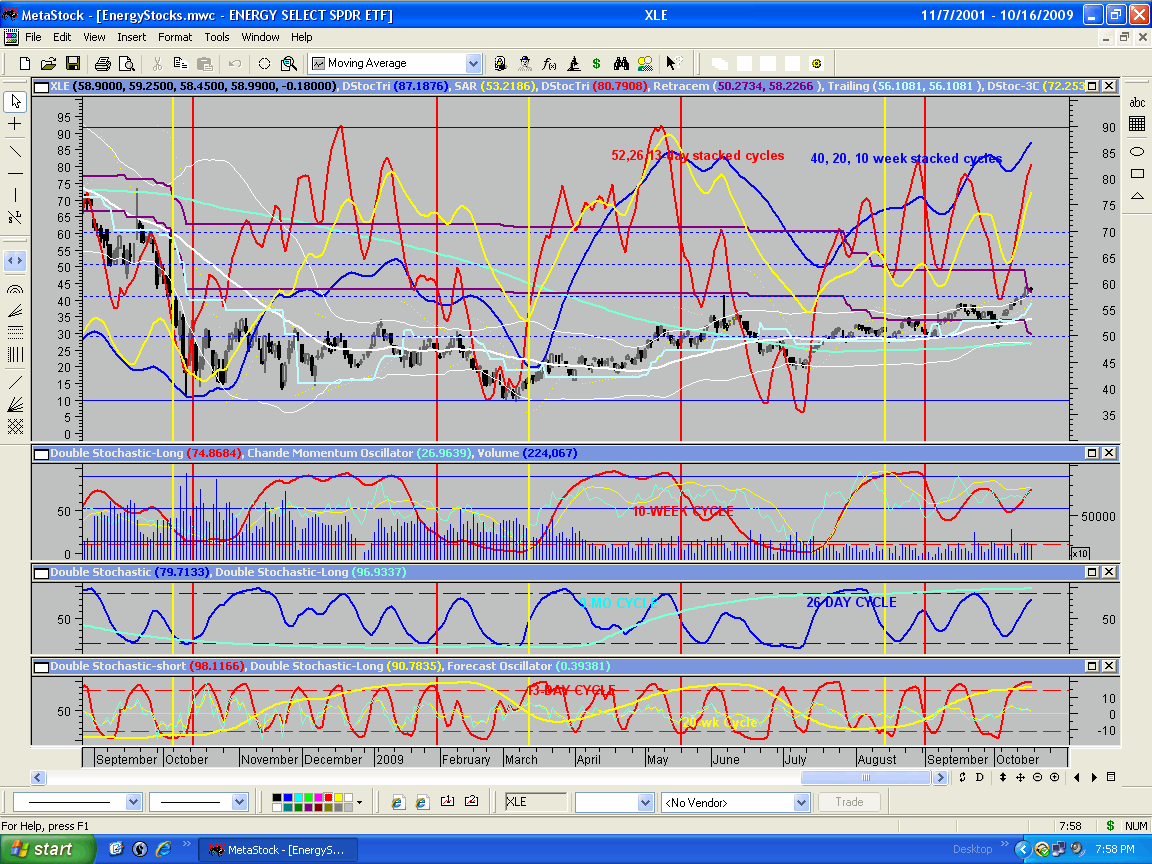
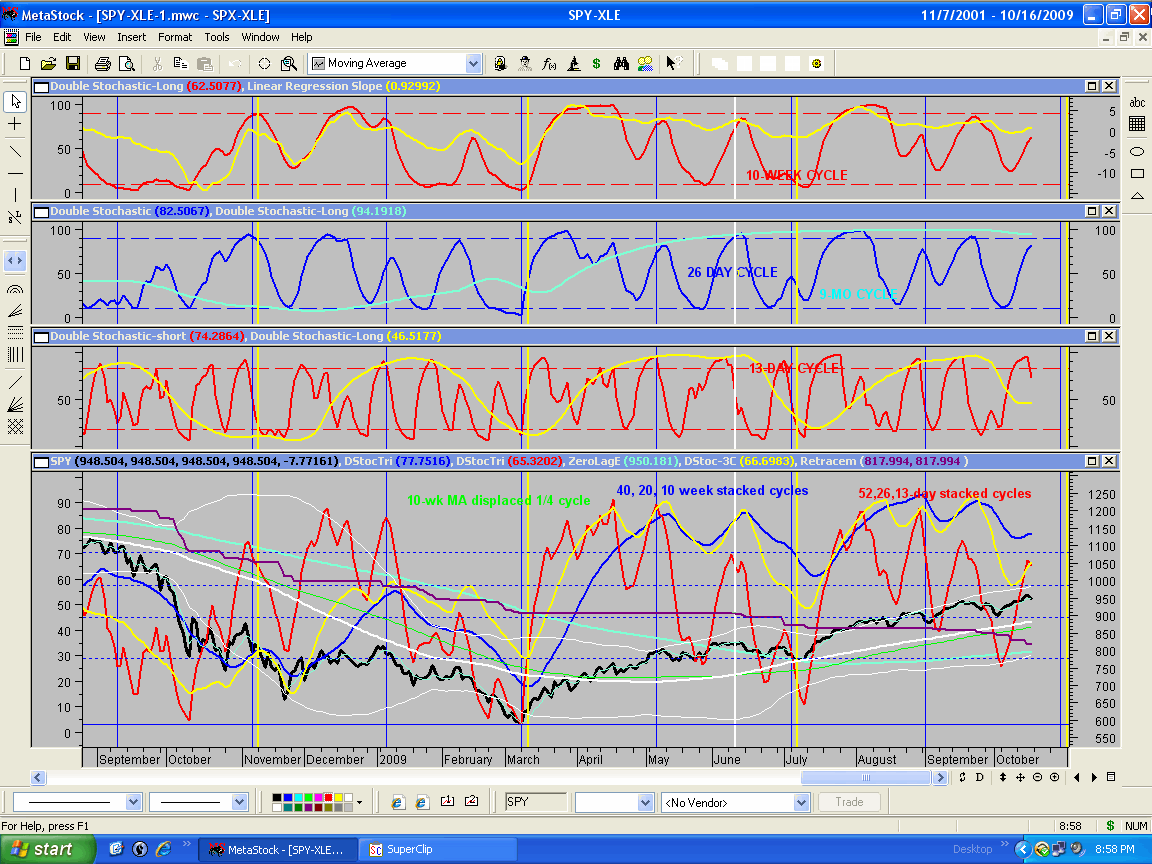
Energy stocks (http://www.geocities.com/petegersb/EnergySPDR.GIF) have outperformed during the downtrend. They are down only 51% from their July peak. Furthermore, the XLE has so far held its 2-month old support level near $40. But it’s now in serious jeopardy. Both short and long-term composites rolled over to the downside last week. The outcome will probably be heavily influenced by the action in the broader market, but energy stocks are now dragging the broader averages downward as evidenced by the ability the SPY ex-energy (http://www.geocities.com/petegersb/SPY-XLE.GIF ) to break above its intermediate downtrend line last week.
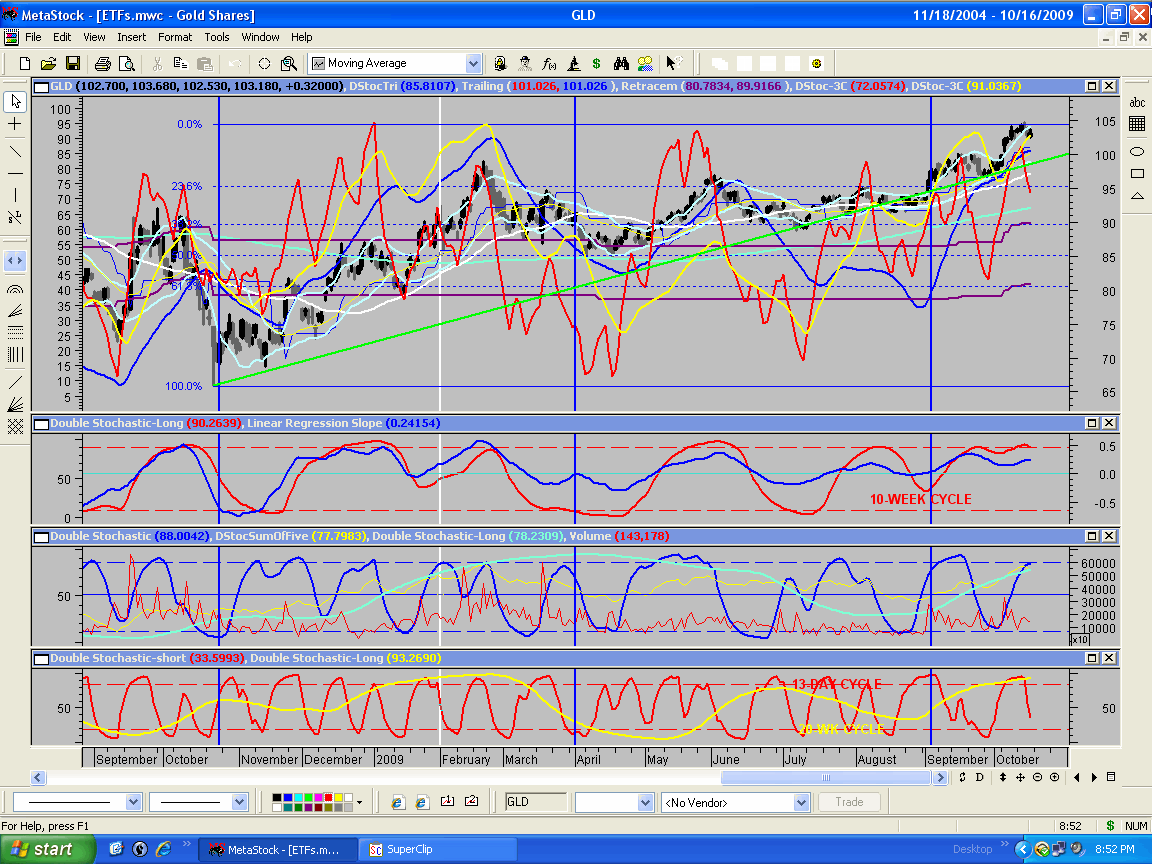
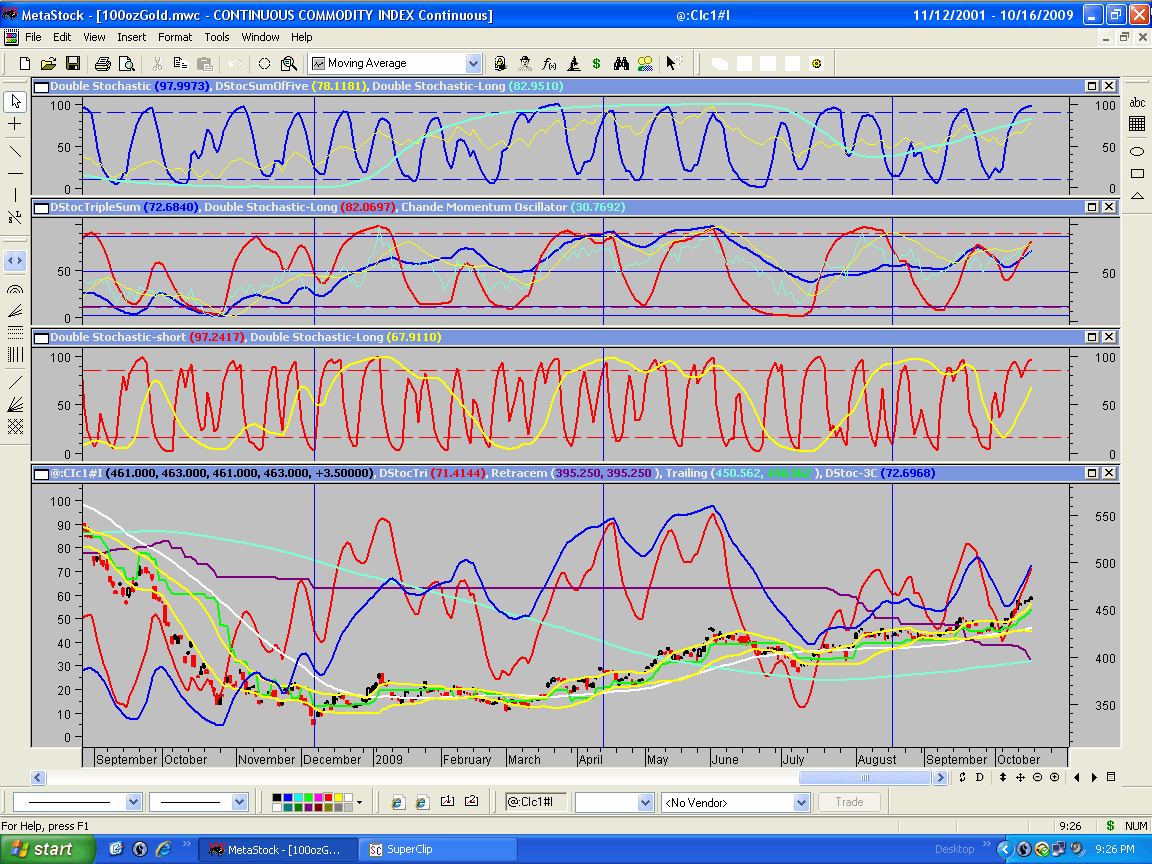
Gold (http://www.geocities.com/petegersb/GoldBullion.GIF) had a bad week along with most commodities (http://www.geocities.com/petegersb/CommoditiesIndex.GIF
). While it’s down only about 25% from its $1000 peak, and a recent pattern of
higher short-term highs and lows is intact, it’s
pattern of lower intermediate-term highs and lows persists. Based on the down
trending short-term composite and indications that the intermediate trend is
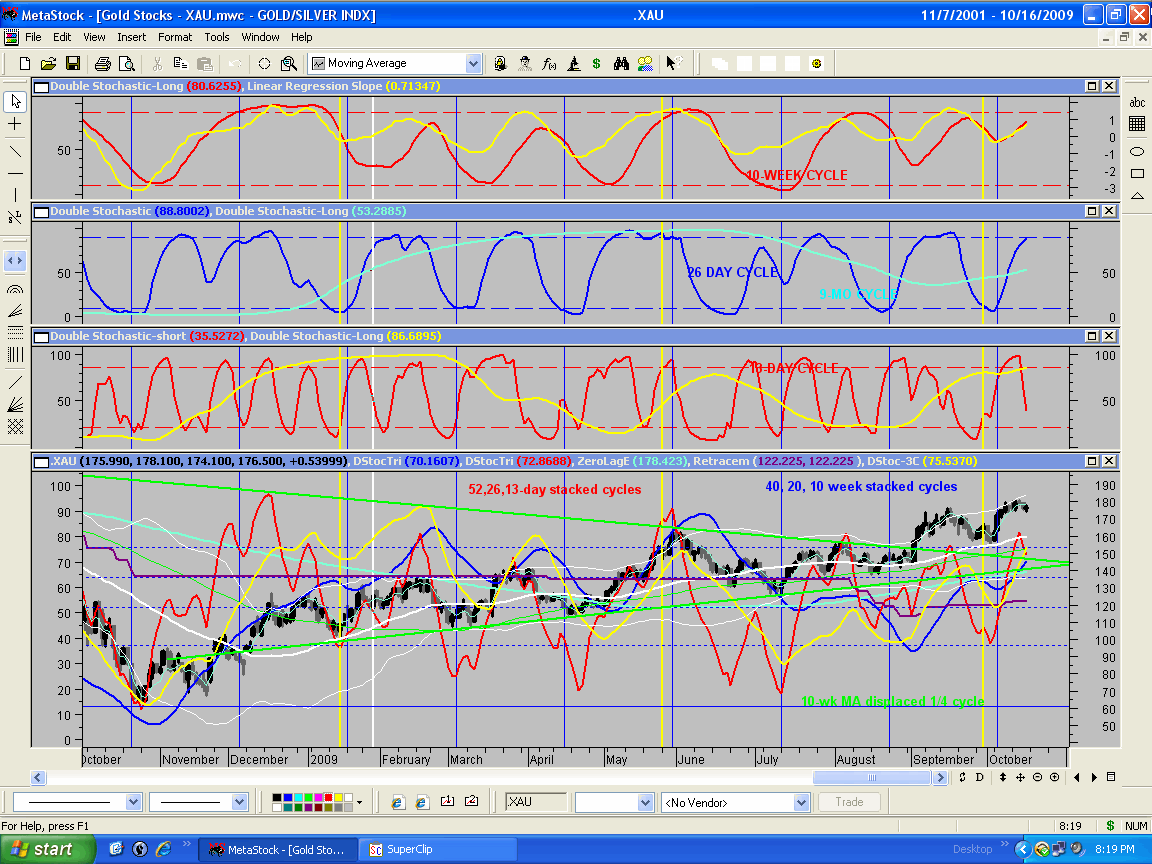
rolling to the downside, it looks like the October low will be tested again. Gold Stocks (http://www.geocities.com/petegersb/GoldStocks.GIF
) appear to have a very similar short-term problem. The intermediate composite
is stronger but its uptrend is threatened by overbought 10 and 20 week cycles.
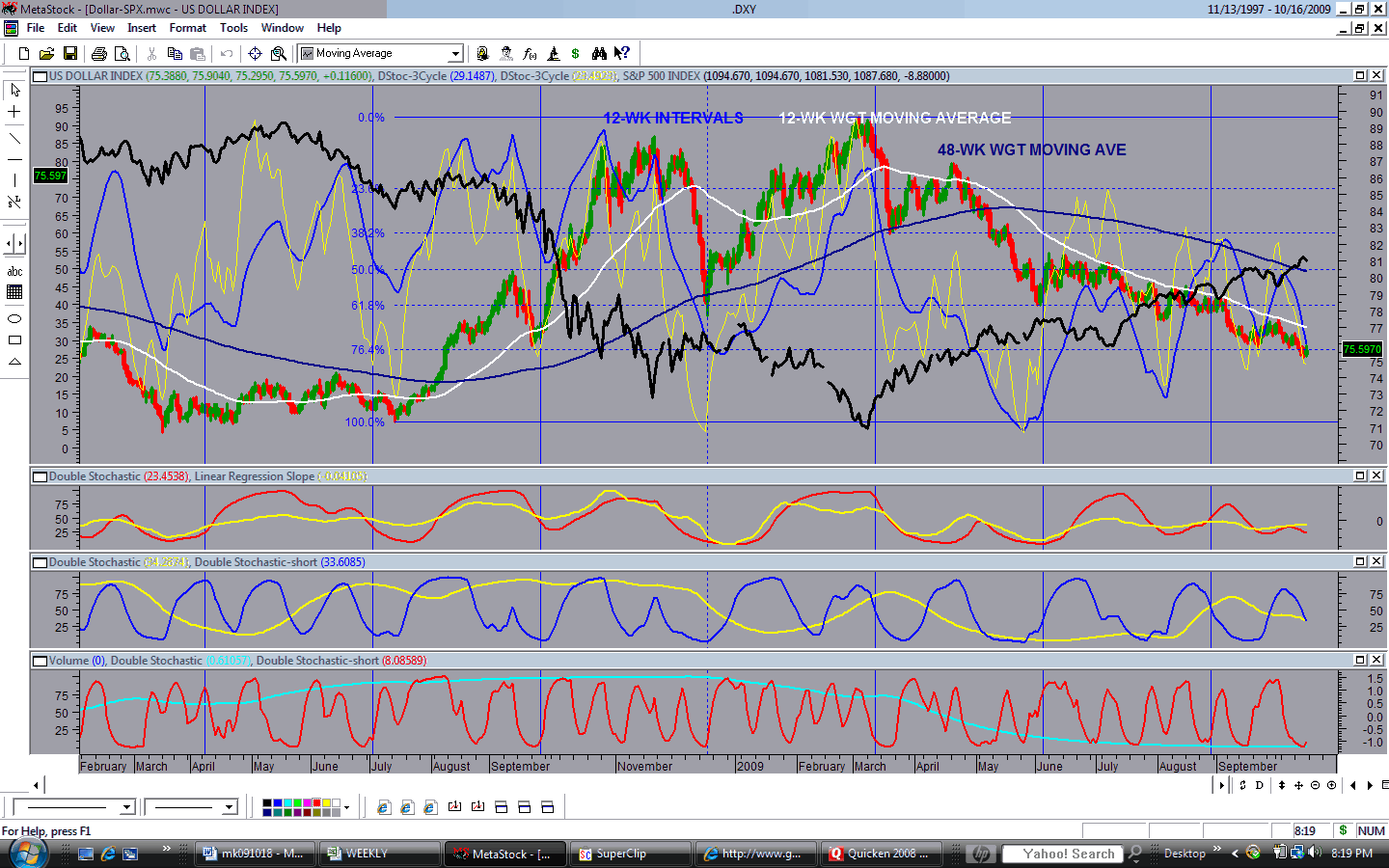
The dollar (http://www.geocities.com/petegersb/Dollar.GIF) is struggling to maintain a short-term uptrend within an intermediate downtrend. The struggle appears likely to persist this week, but ultimately the intermediate downtrend should prevail.