11/30/08
Last week I wrote that I expected “a little follow-through” to the prior Friday’s big rally. It turned out to be a very big follow-through that lasted all week and tacked 12% on to the SPX – its best week in decades. Simultaneously, the government bond market concluded its best month in decades. Does that mean that we have seen a rare V bottom in stocks?
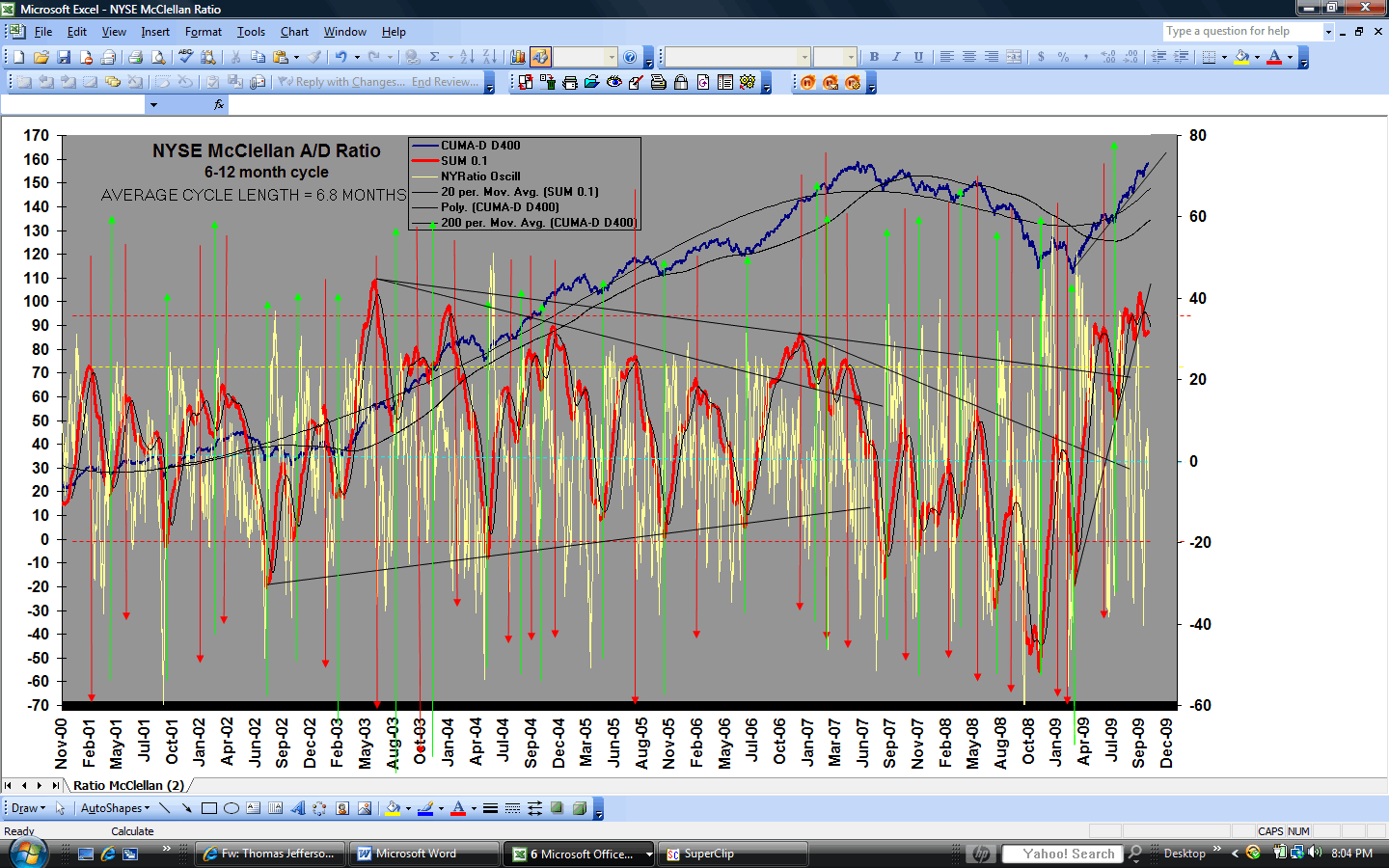
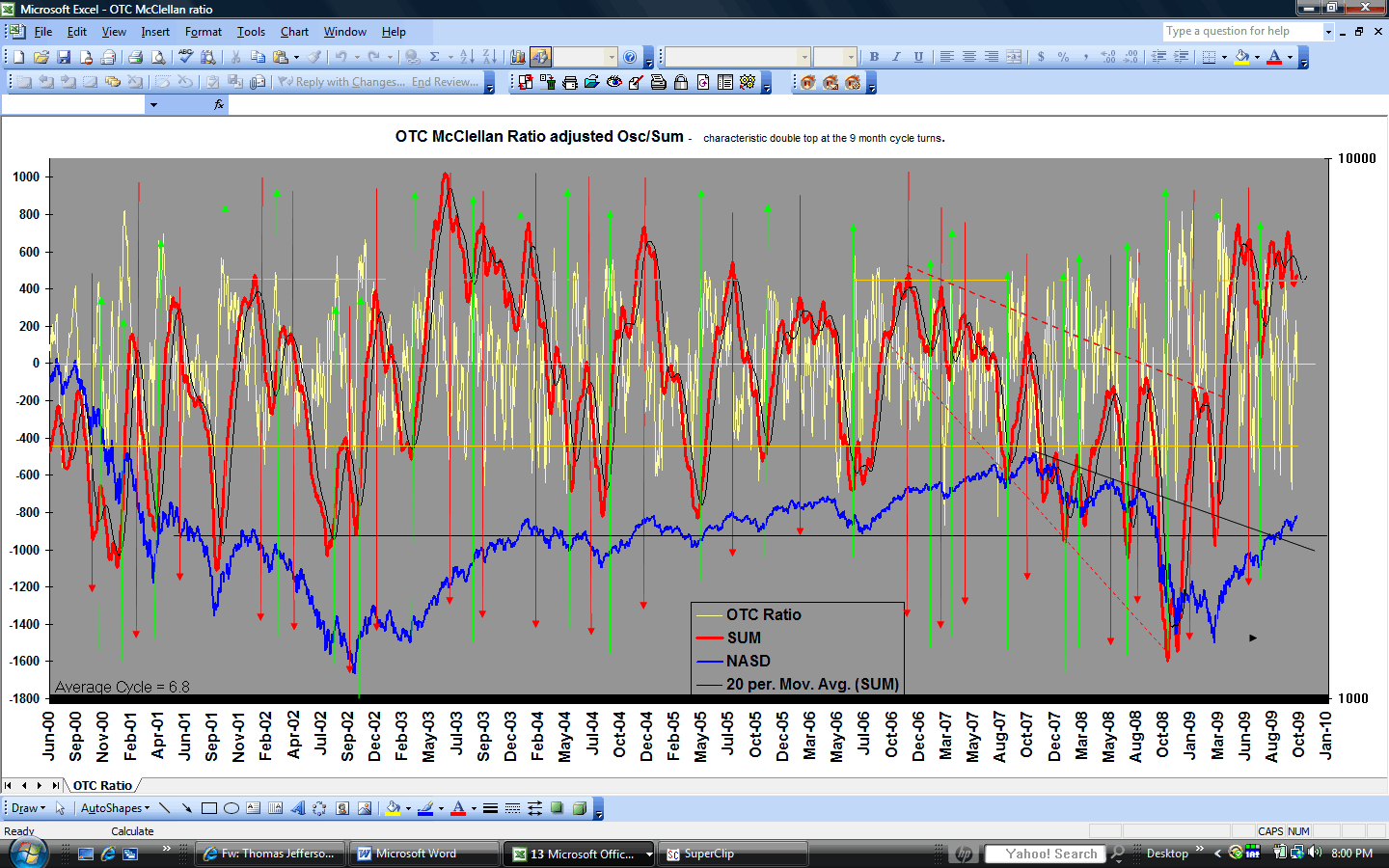
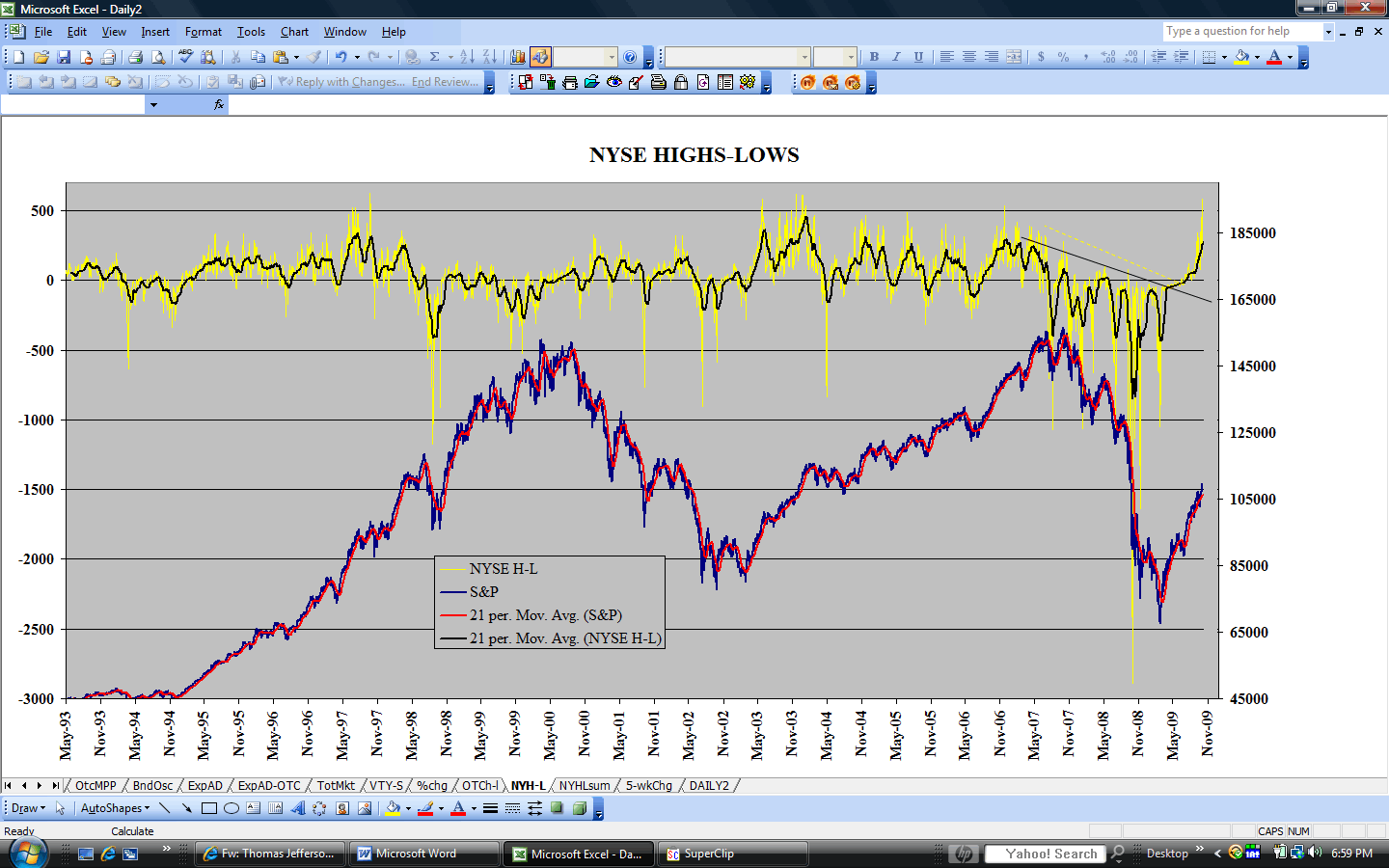
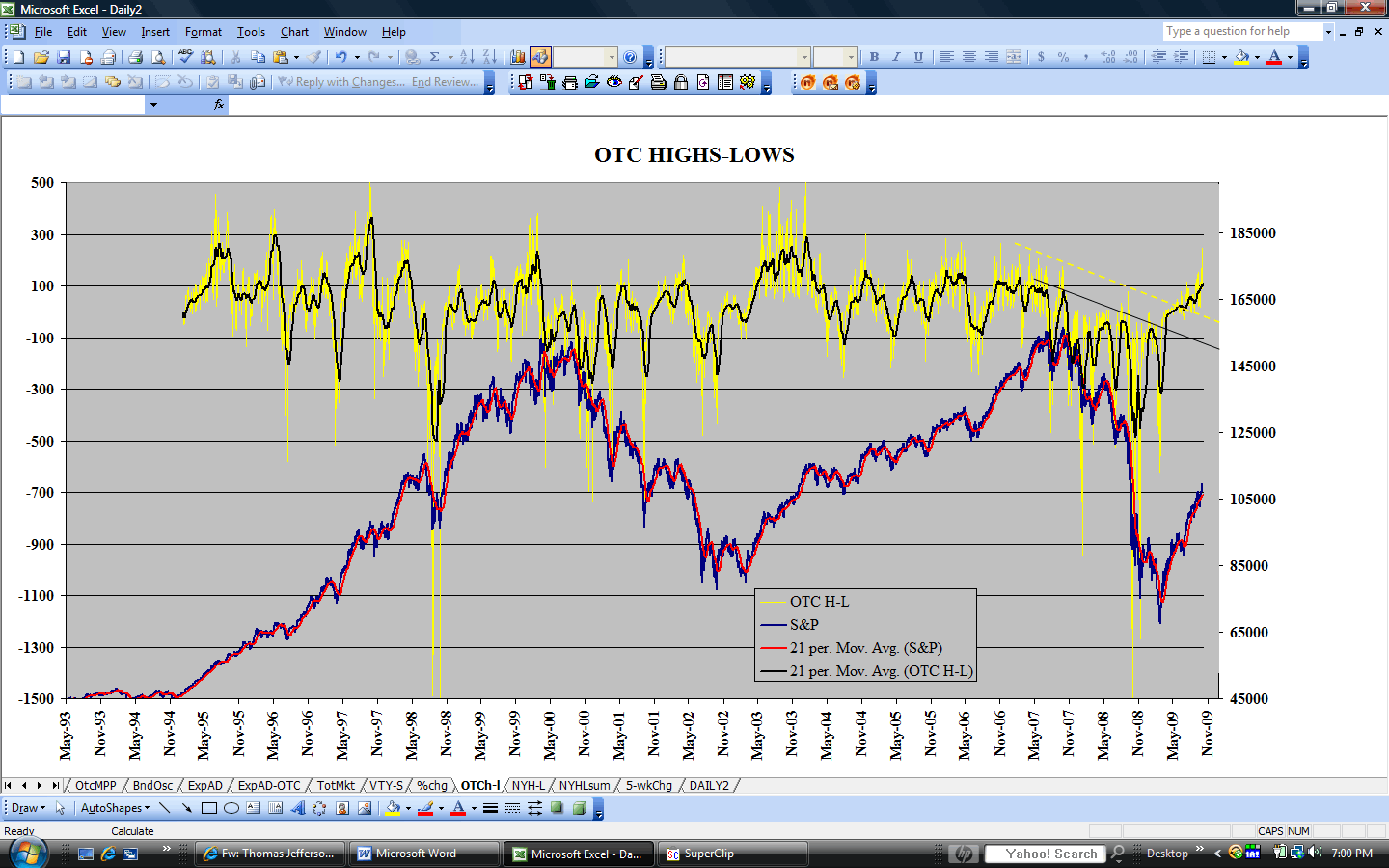
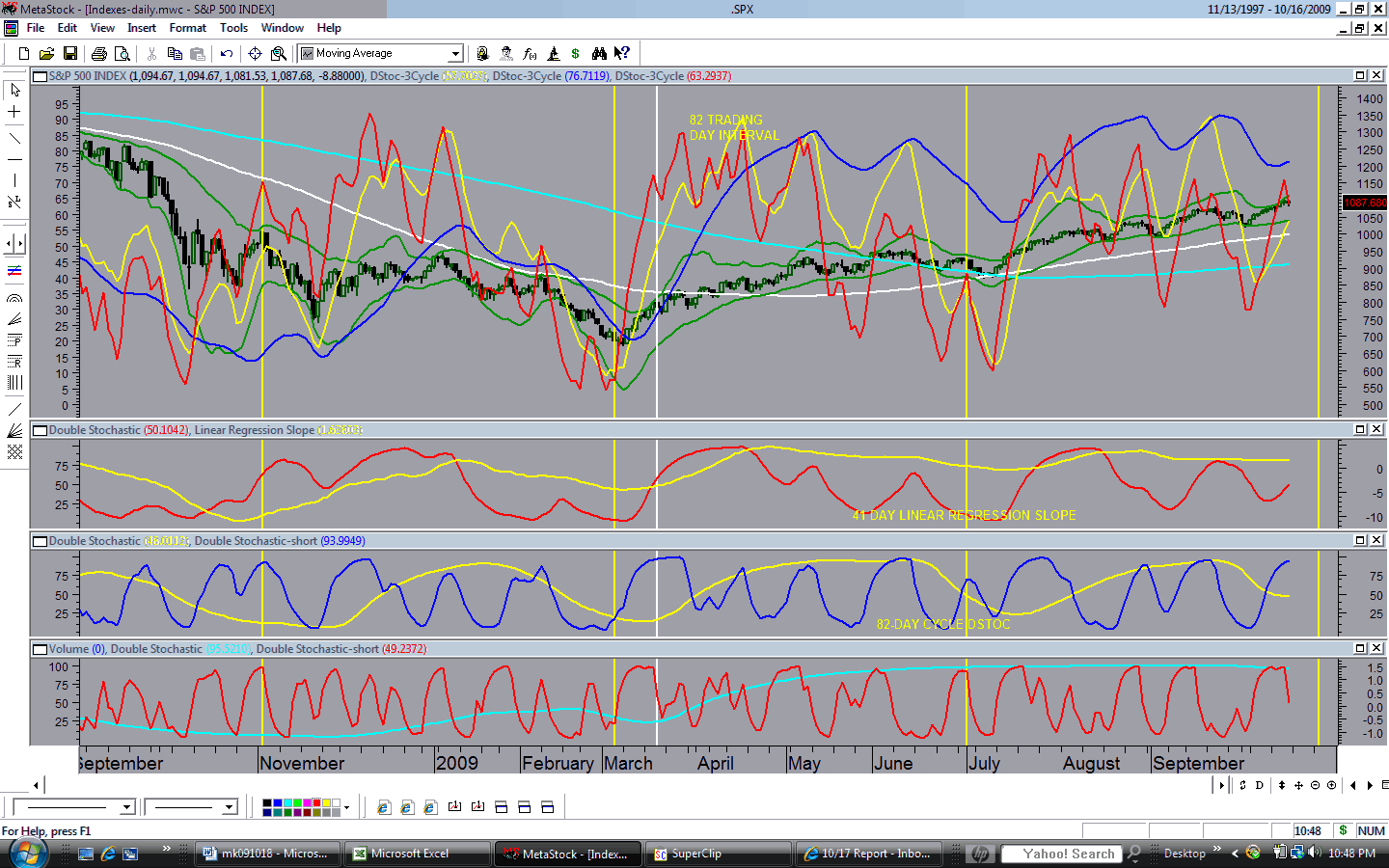
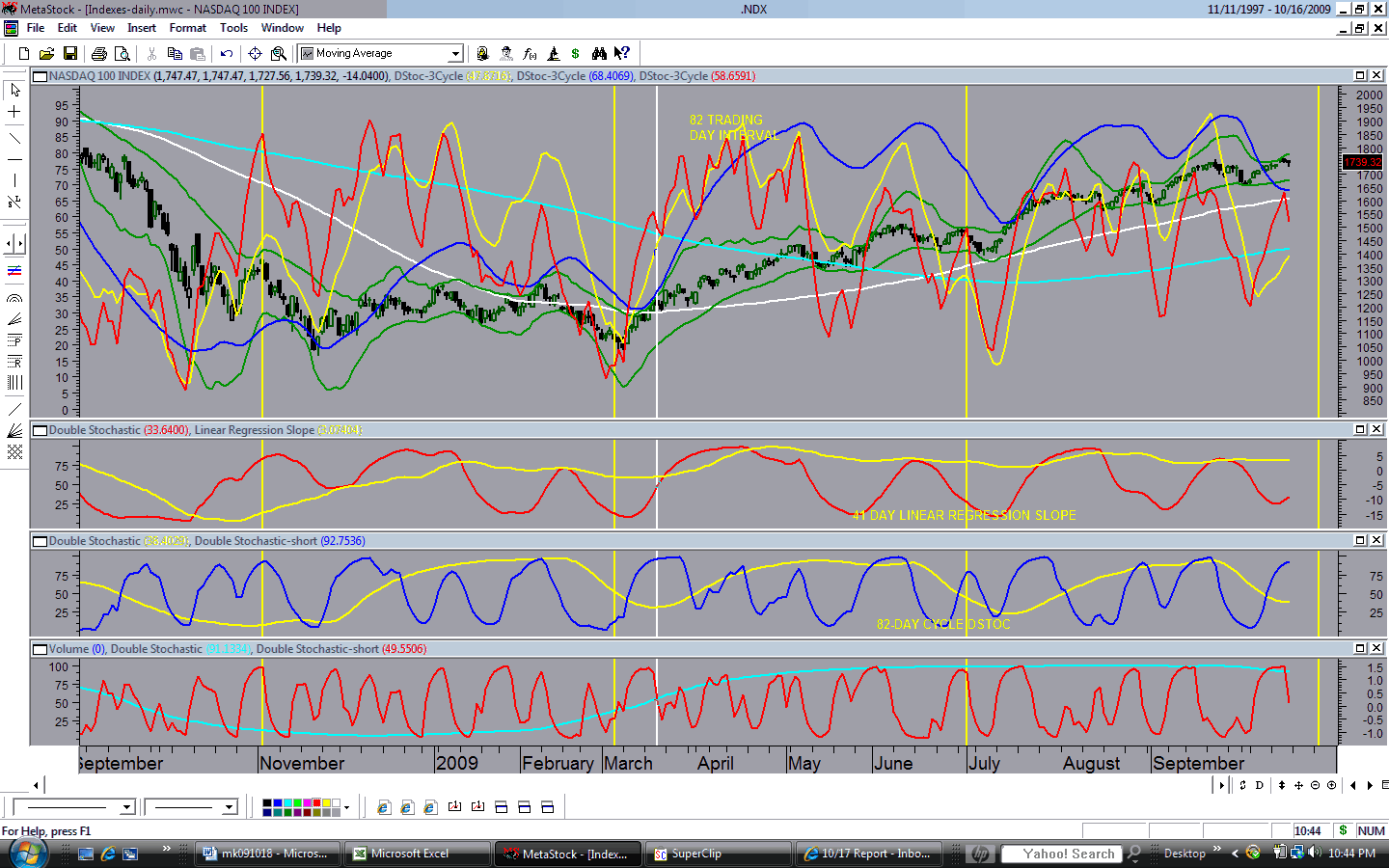
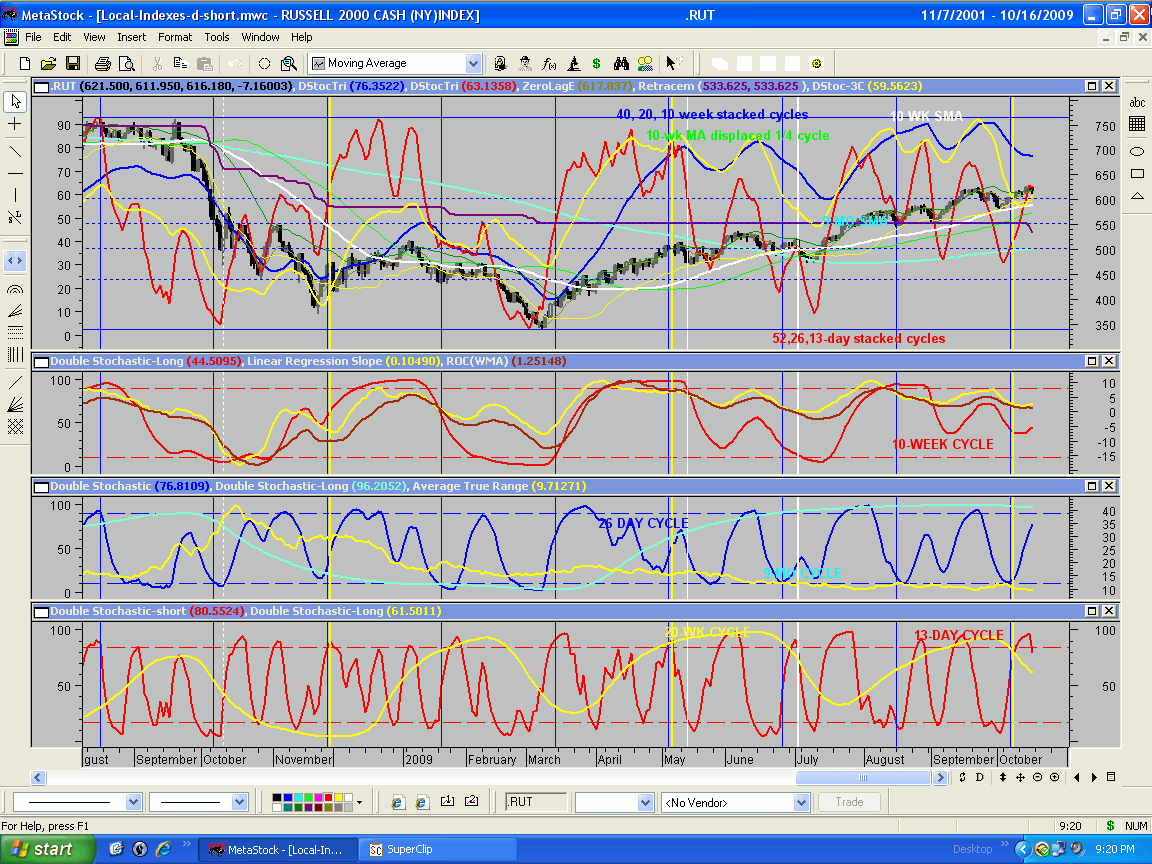
Well, the S&P 500 has only made it back up to the down-trending 50 bar moving average on the hourly chart. So the big gain in stocks so far has been nothing more than a normal rebound from the dismal prior performance during the last few months. So far, the evidence of a trend reversal is spotty. It’s pretty much the same evidence that we saw at the beginning of November after a similarly strong 6-day rally, which promptly aborted and led to new lows – an upturn in the McClellan Summation Indexes (http://www.geocities.com/petegersb/A-Dsummation-NYSE.GIF , http://www.geocities.com/petegersb/A-Dsummation-OTC.GIF ), a sharp contraction in new lows (http://www.geocities.com/petegersb/HighLowNYSE.GIF , http://www.geocities.com/petegersb/HighLowOTC.GIF ), and overbought short-term indicators (SPX (http://www.geocities.com/petegersb/SP500.GIF), NDX (http://www.geocities.com/petegersb/NDX.GIF), Russell small cap index (http://www.geocities.com/petegersb/Russell2000.GIF )) . The SPX last touched its hourly 50 bar moving average 17- trading days ago, and its 13-day cycle is overbought and 5 days old, so this is a likely point for a 13-day cycle peak. After 5 successive advancing days to a 10-week downtrend line as well as the 50-bar moving average, it’s ripe for a downturn this week.
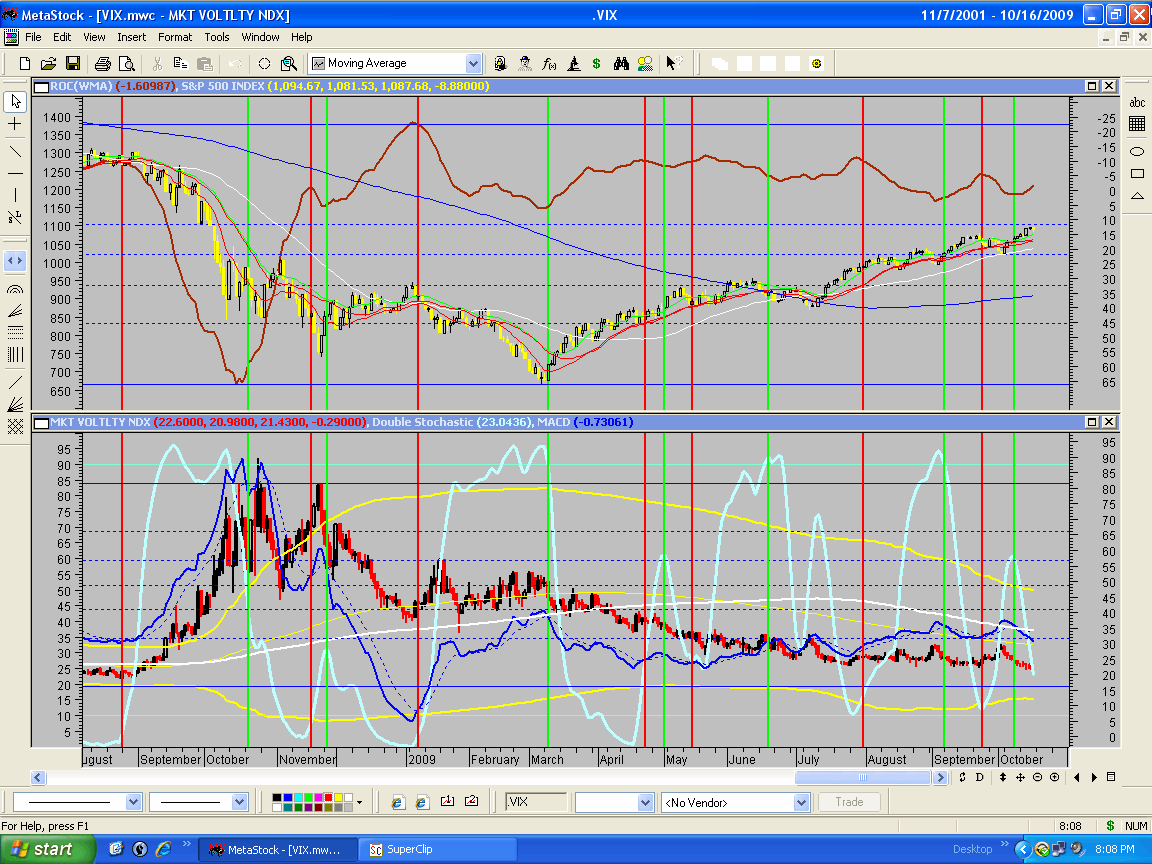
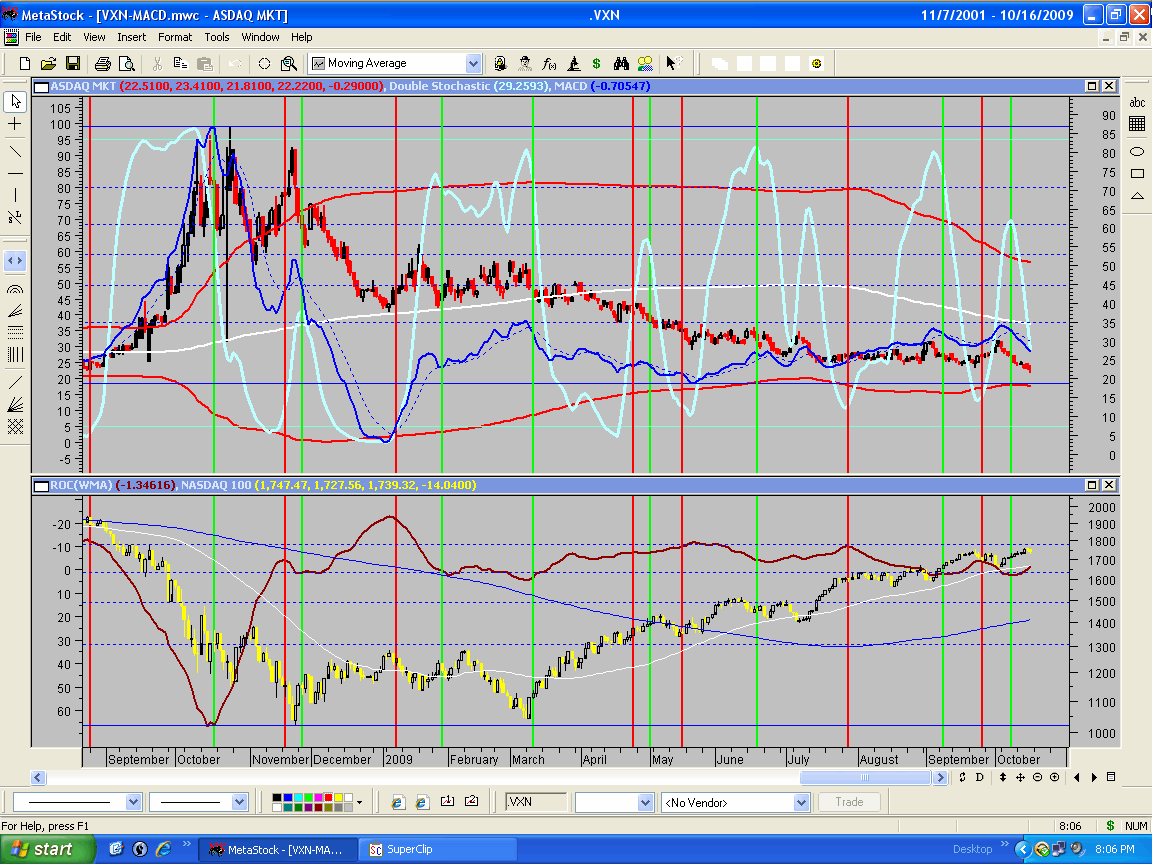
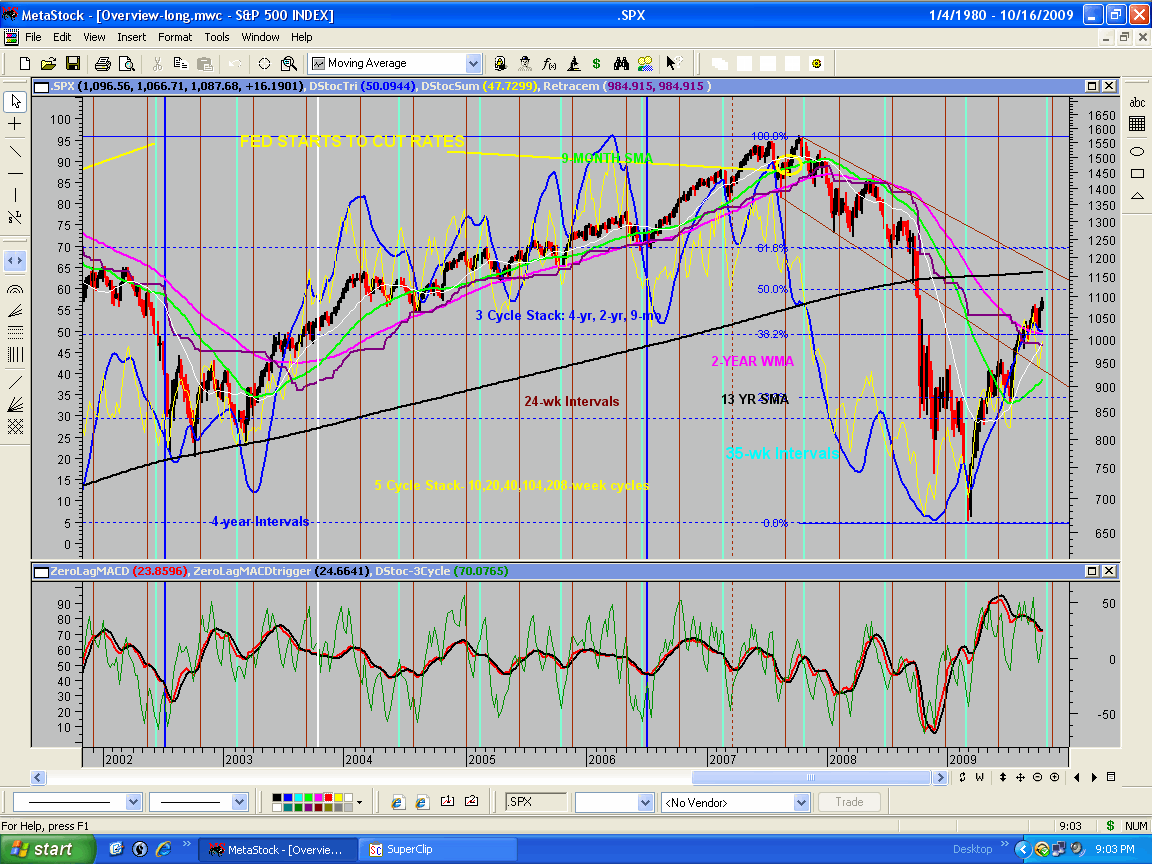
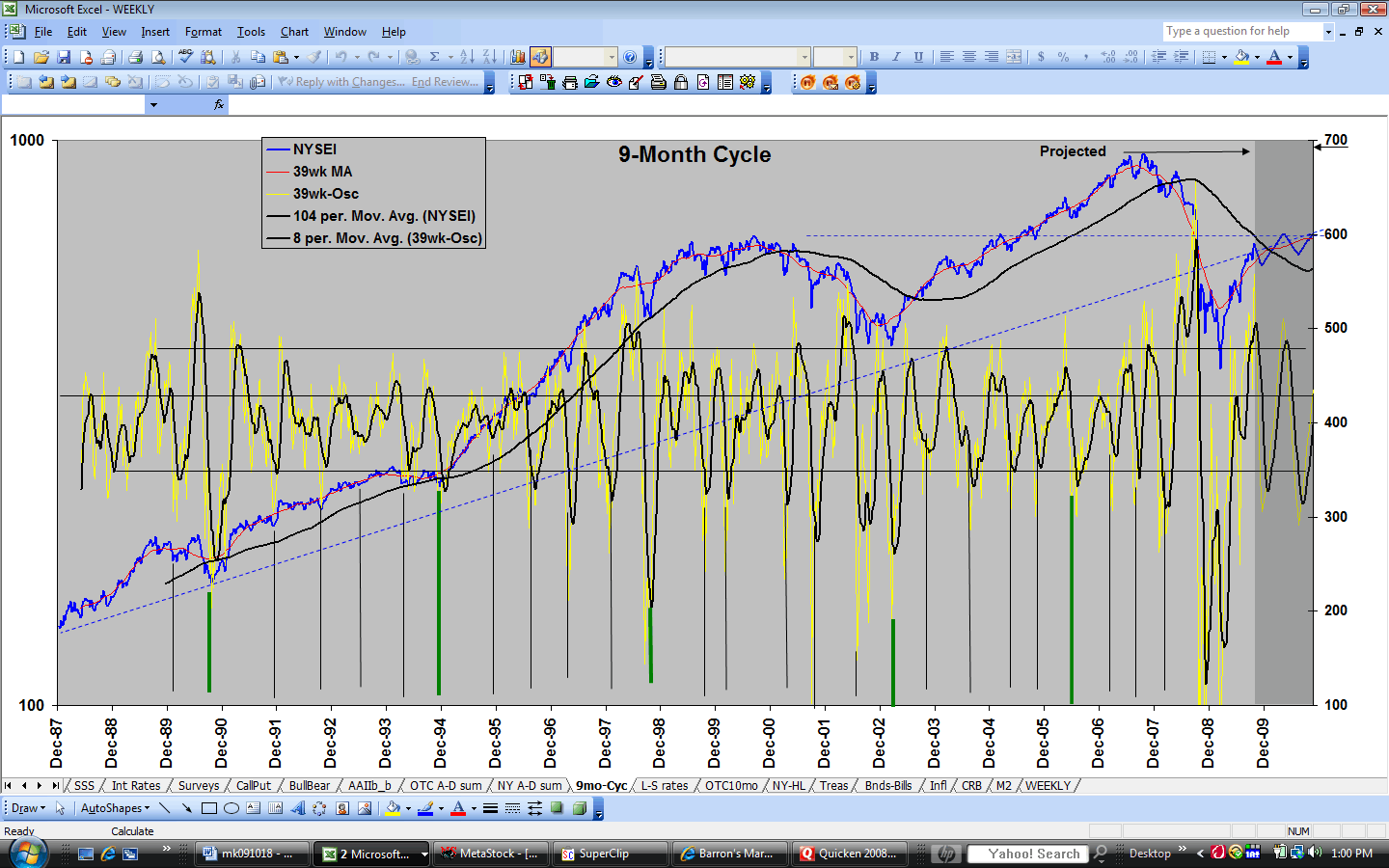
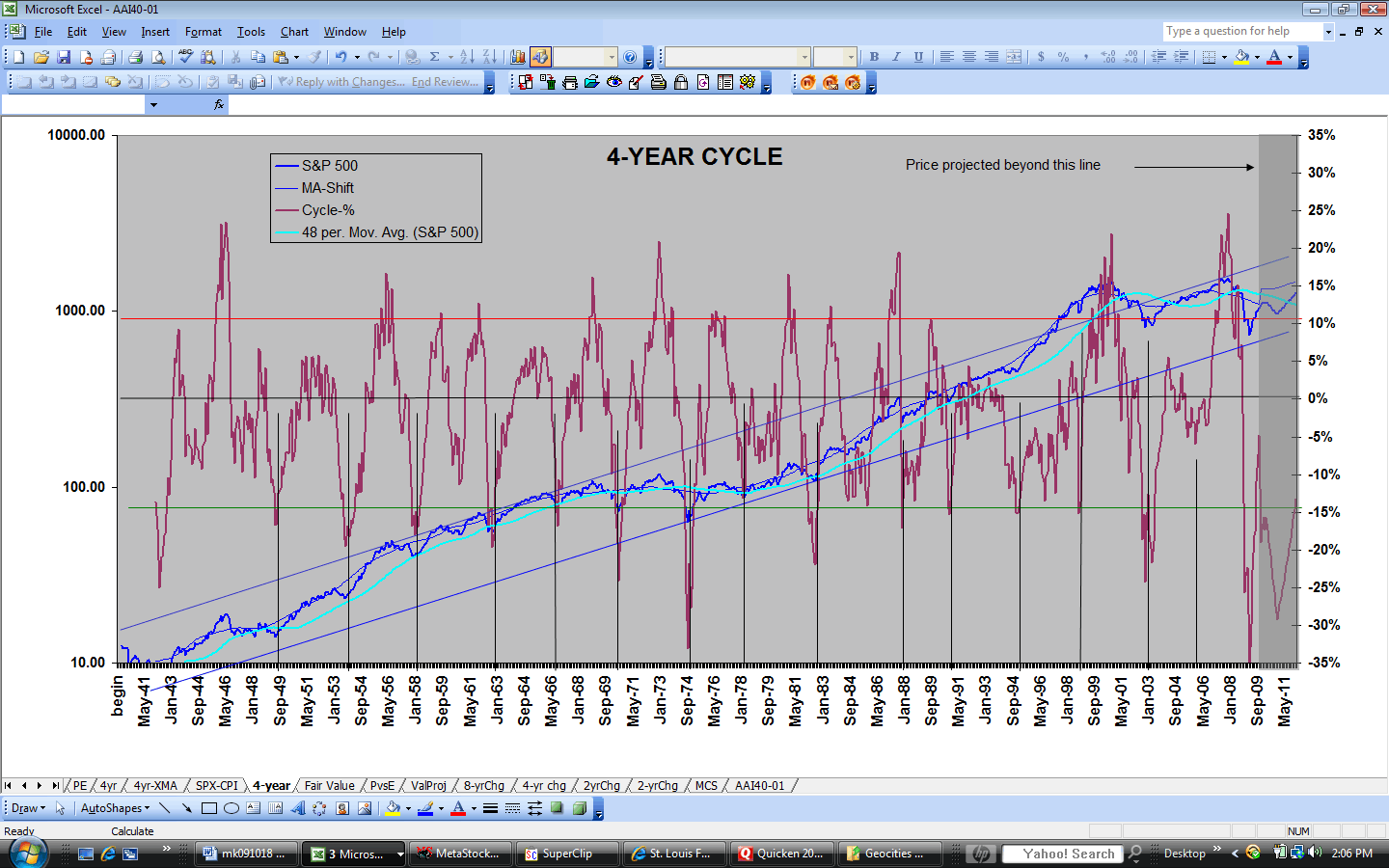
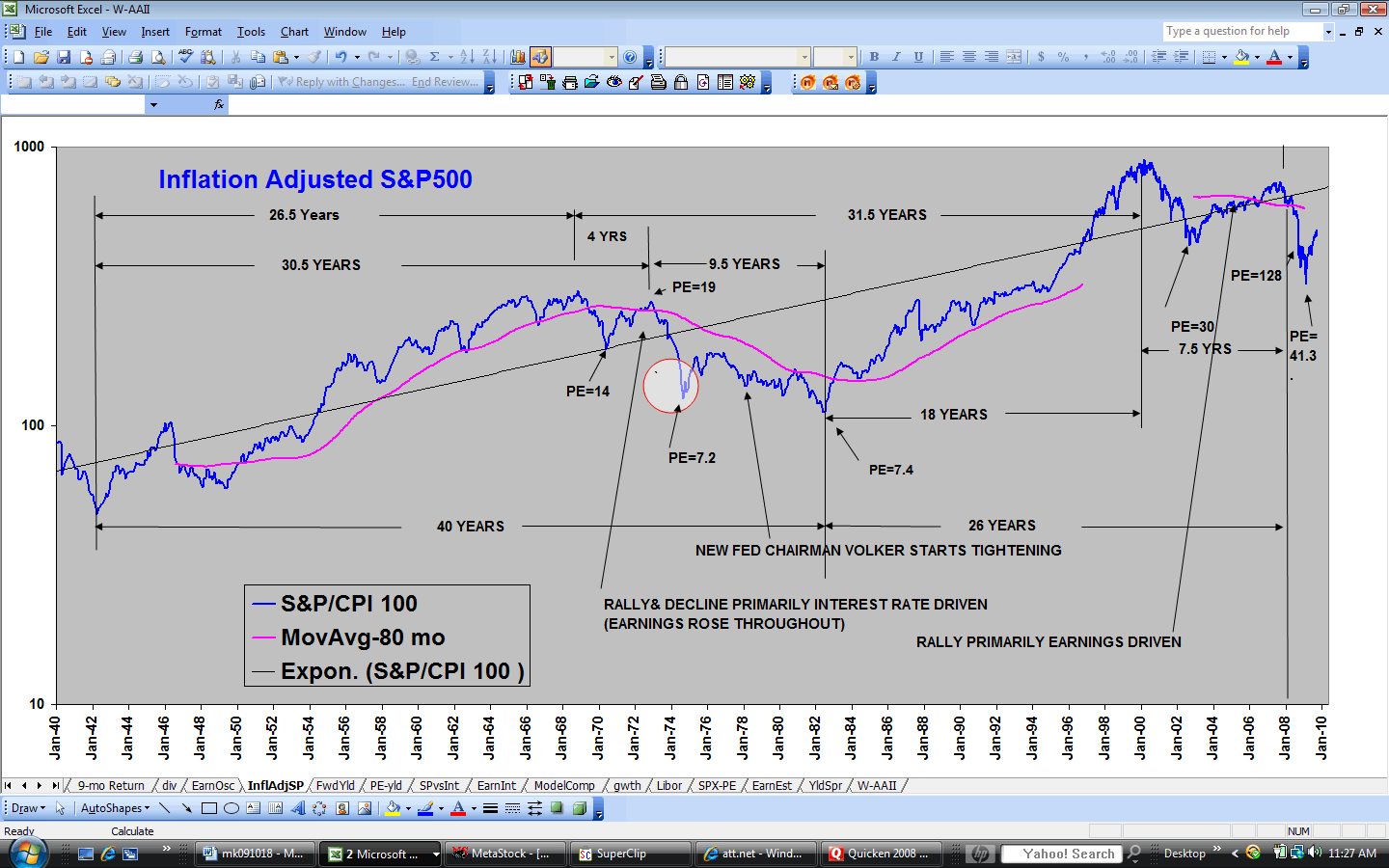
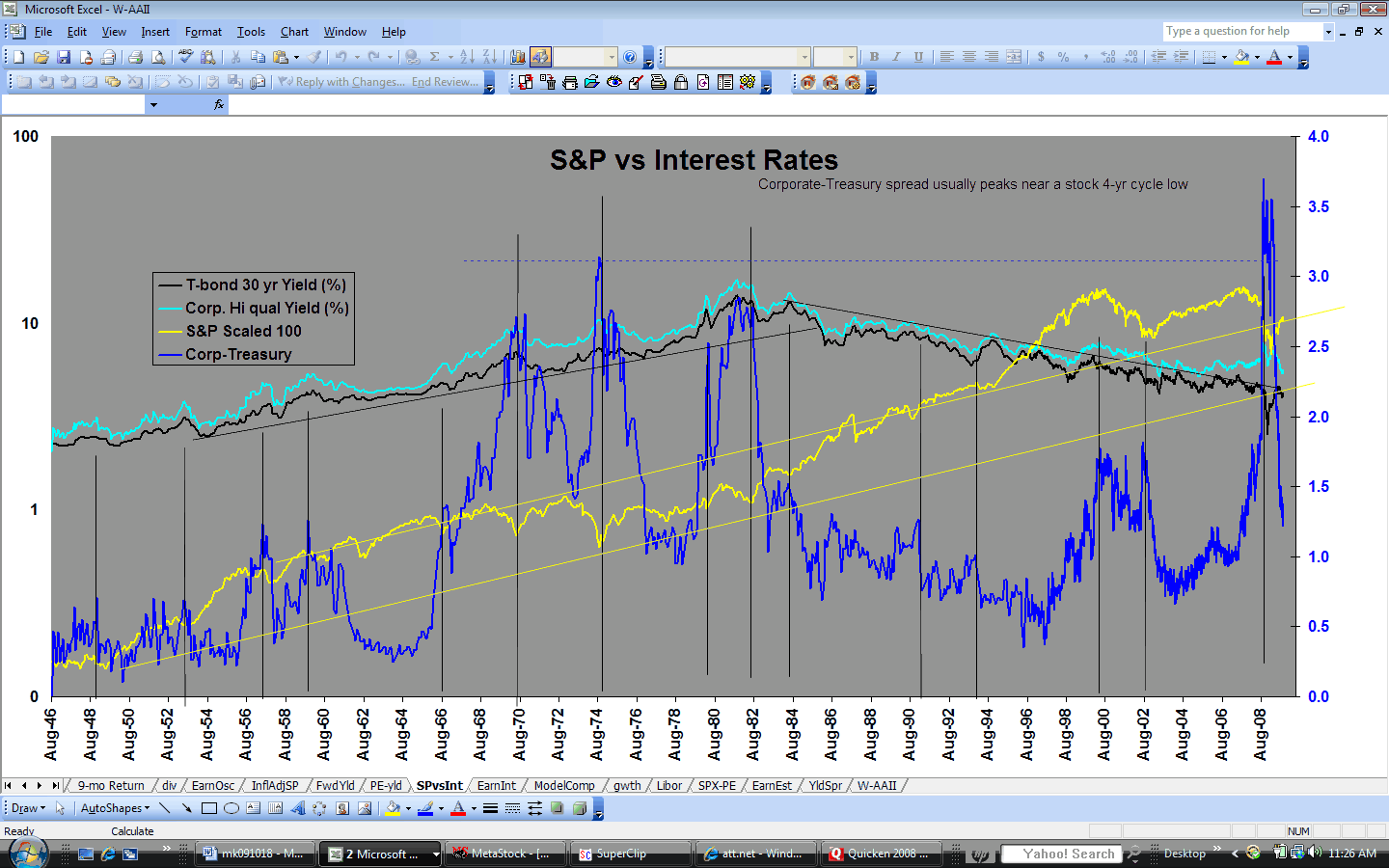
But this 13-day cycle correction should not produce new lows. While the 26-day cycle is already mildly overbought, it also is only 5 days old so it should be providing support during any near-term correction. The 10-wk cycle appears to be in a precarious uptrend based on the daily VIX (http://www.geocities.com/petegersb/VIX.GIF) and VXN (http://www.geocities.com/petegersb/VXN.GIF). The 20-week cycle indicators have turned up at age 18 weeks from a deeply oversold condition (http://www.geocities.com/petegersb/Overview-med.GIF, and the weekly VIX and VXN (http://www.geocities.com/petegersb/VIX-weekly.GIF , http://www.geocities.com/petegersb/VXN-weekly.GIF ) supports that conclusion. Some 9-month cycle indicators have turned up 8 months after the March bottom and 10 months after the January bottom ( http://www.geocities.com/petegersb/Overview-long.GIF). Both short and intermediate composites are rising from recent deeply oversold conditions. Given that array of bottom indicators, the coming 13-day cycle correction should be used to buy stocks to hold during the 9-month cycle rally (http://www.geocities.com/petegersb/9moNYA.GIF) - provided stocks remain above their Novembber low during the next two weeks. But bear in mind that the rally will probably be only a counter-trend rally in an ongoing 4-year cycle downtrend (http://www.geocities.com/petegersb/4YearCycle.GIF ), and perhaps a much longer secular downtrend. The disturbing 1970s analogy (http://www.geocities.com/petegersb/SPX-InflationAdjusted.GIF ) shows a strong rally off of the 1974 low during an inflationary environment, but a lower inflation-adjusted low followed in 1982 for stocks after bonds had lost most of their value in the lead up to double-digit interest rates (http://www.geocities.com/petegersb/Stocks-InterestRates.GIF ).
Last week’s return of confidence may be attributable to Wall Street’s apparently favorable opinion of the economic team that Obama has appointed, or by the latest trillion dollar government bailout. Of course, the massive bailouts have spurred similar dramatic rallies in recent months that had no staying power, and this one, whatever the short-term merits, has even more disturbing long-term implications. Most of the earlier bailouts by the US Treasury were accomplished by issuing new treasury debt. It has already risen by $1.528 trillion in the last year – about triple the already record increases in most of the Bush years. Only the world-wide flight to perceived safety has allowed the new debt to be financed at low interest rates. With the latest bailout by the Federal Reserve, our government has now resorted to the last refuge of incompetent politicians – running the printing presses to churn out new money. Without a corresponding increase in economic output, that can only result in long-term inflation. The lenders eventually will find that return of principal does not compensate for the coming loss of purchasing power when the economy recovers and inflation soars. Maybe they think they can dump government bonds before that happens, but when they do interest rates will soar.
Perhaps fairness demands an inflationary approach. Inflation tends to hurt us old folks the most, whereas running up the Treasury’s debt, as we have done big time during the Reagan and Bush administrations, hurts mostly the young folks who eventually must pay it back. But whether young or old, the prospect of high inflation to come argues for investing primarily in equities and commodities, and restricting bond investments to the inflation protected kind. The experience of the 70’s also argues for playing the cycles. Buy and Hold didn’t work from 1968 to 1982, or since 1999, and it’s unlikely to work for at least the next two years.
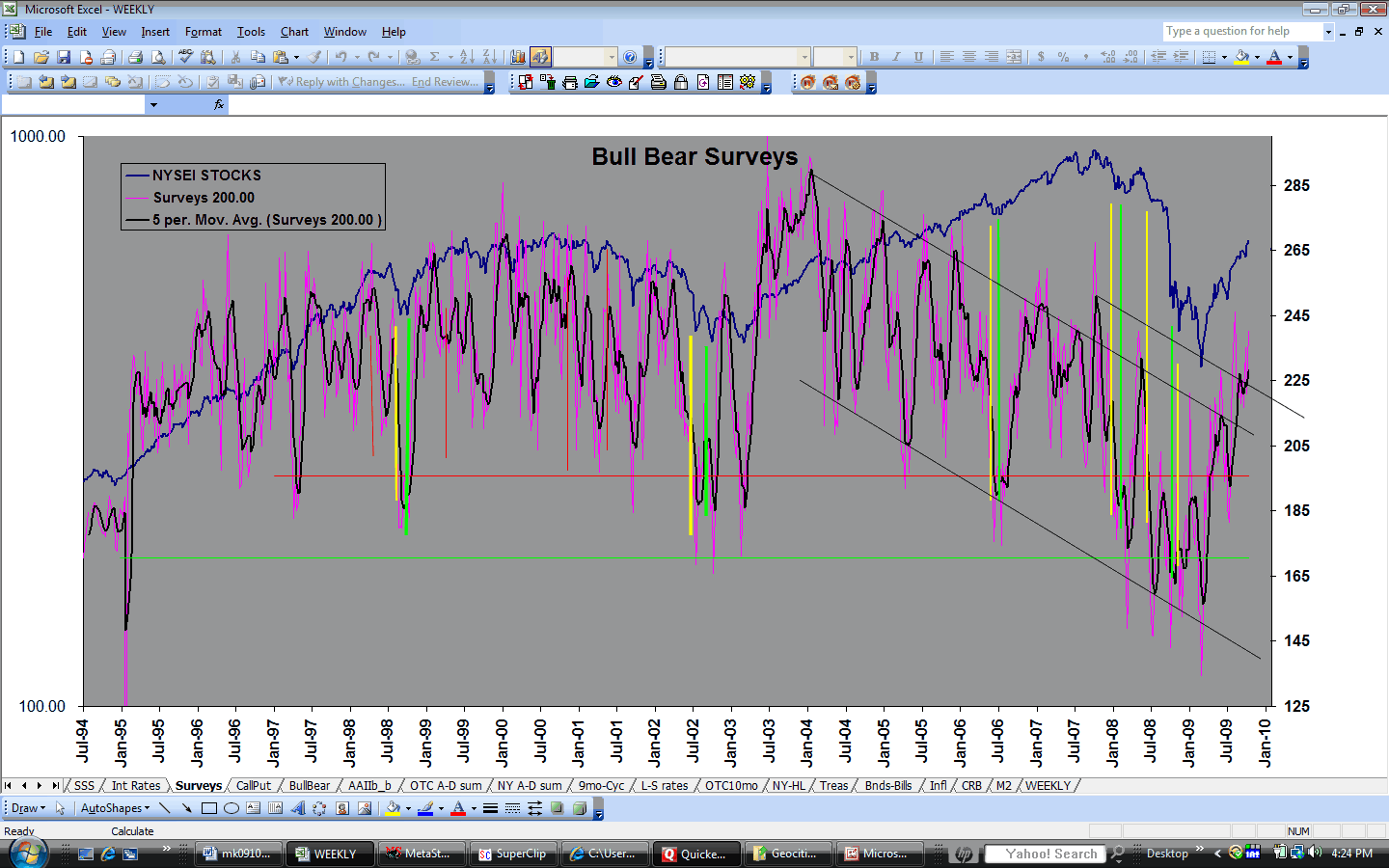
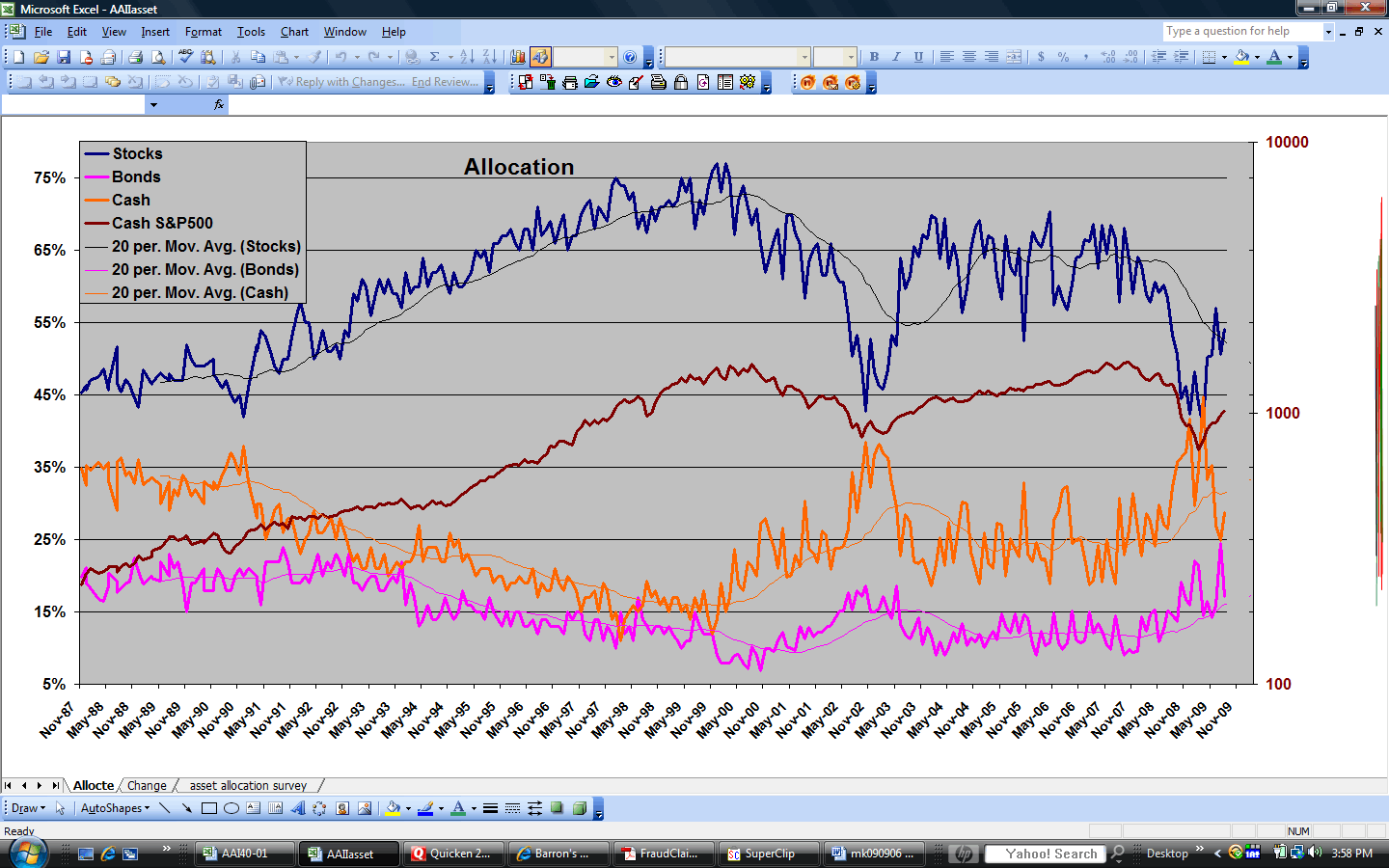
Sentiment (http://www.geocities.com/petegersb/SurveysCombined.GIF ) remains favorable for an intermediate rally in stocks, although its buy signal was premature. The characteristic double dip at major bottoms appears to have been completed. Optimism is improving, but with a great deal of hesitation. We may yet see a triple dip. October AAII asset allocation (http://www.geocities.com/petegersb/AAIIassets.GIF ) also supports the likelihood of a significant bottom soon, and I suspect that the November data will support it even more strongly when it becomes available this week.
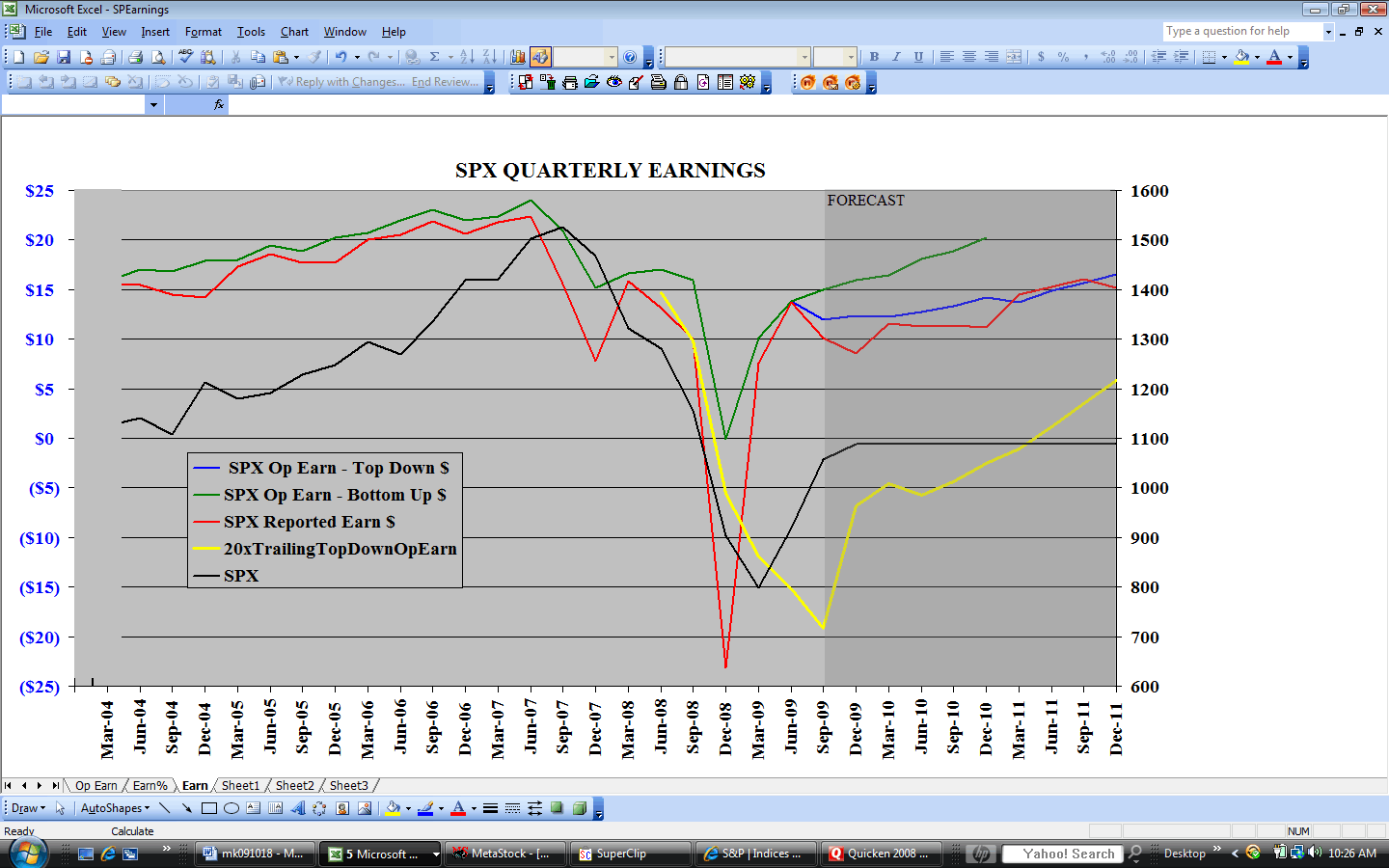
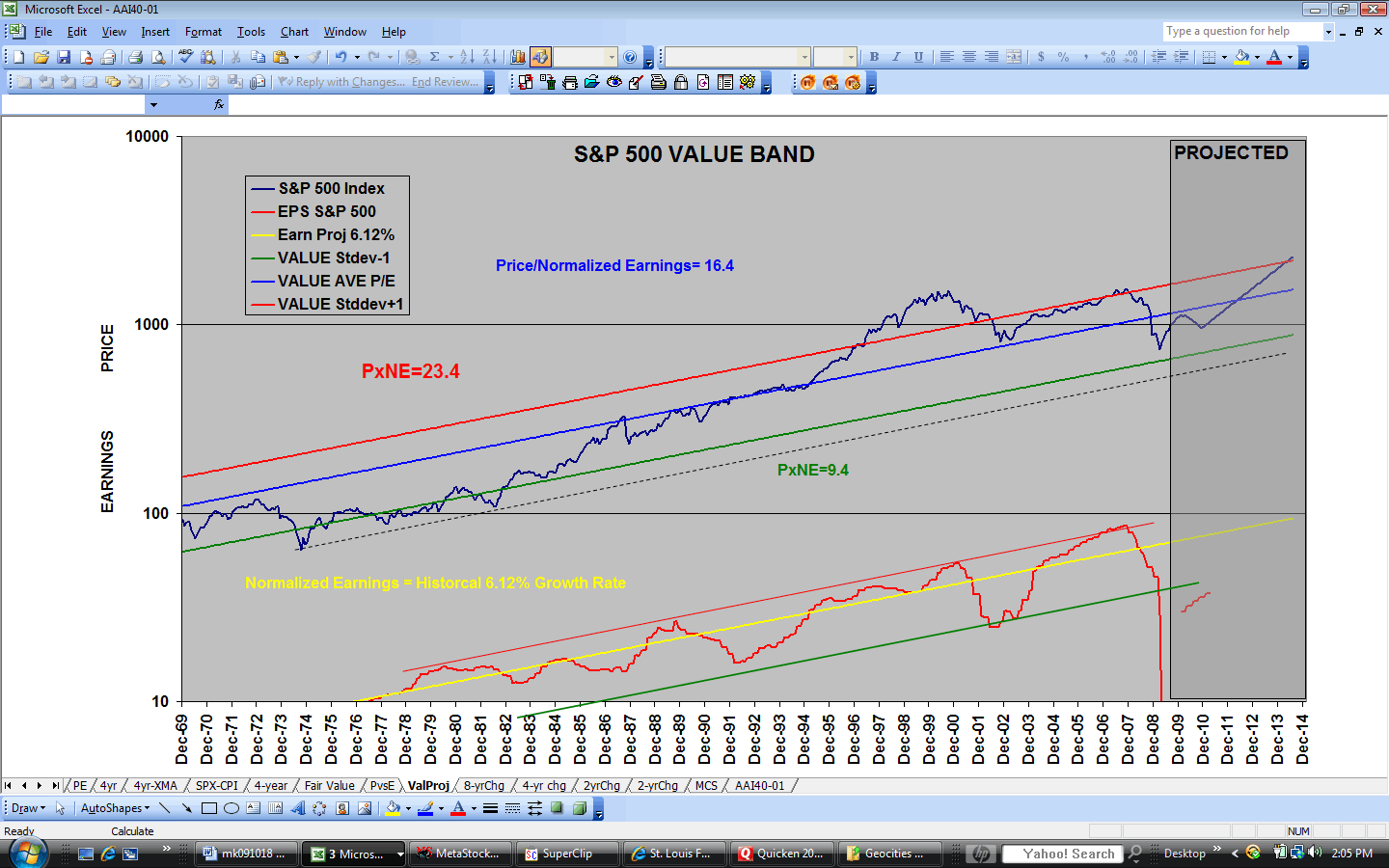
Earnings (http://www.geocities.com/petegersb/EarningsEstimates.GIF ) are likely to trend in the wrong directions for a while longer, and S&P’s bottom up operating earnings estimates (http://www.geocities.com/petegersb/EarnY-Y.GIF ) continue to deteriorate as they become more realistic. The rally has lifted trialing P/E’s back up near their historic norm (http://www.geocities.com/petegersb/ValueBand.GIF ), even as operating earnings estimates for next year continue to decline a few dollars each week.
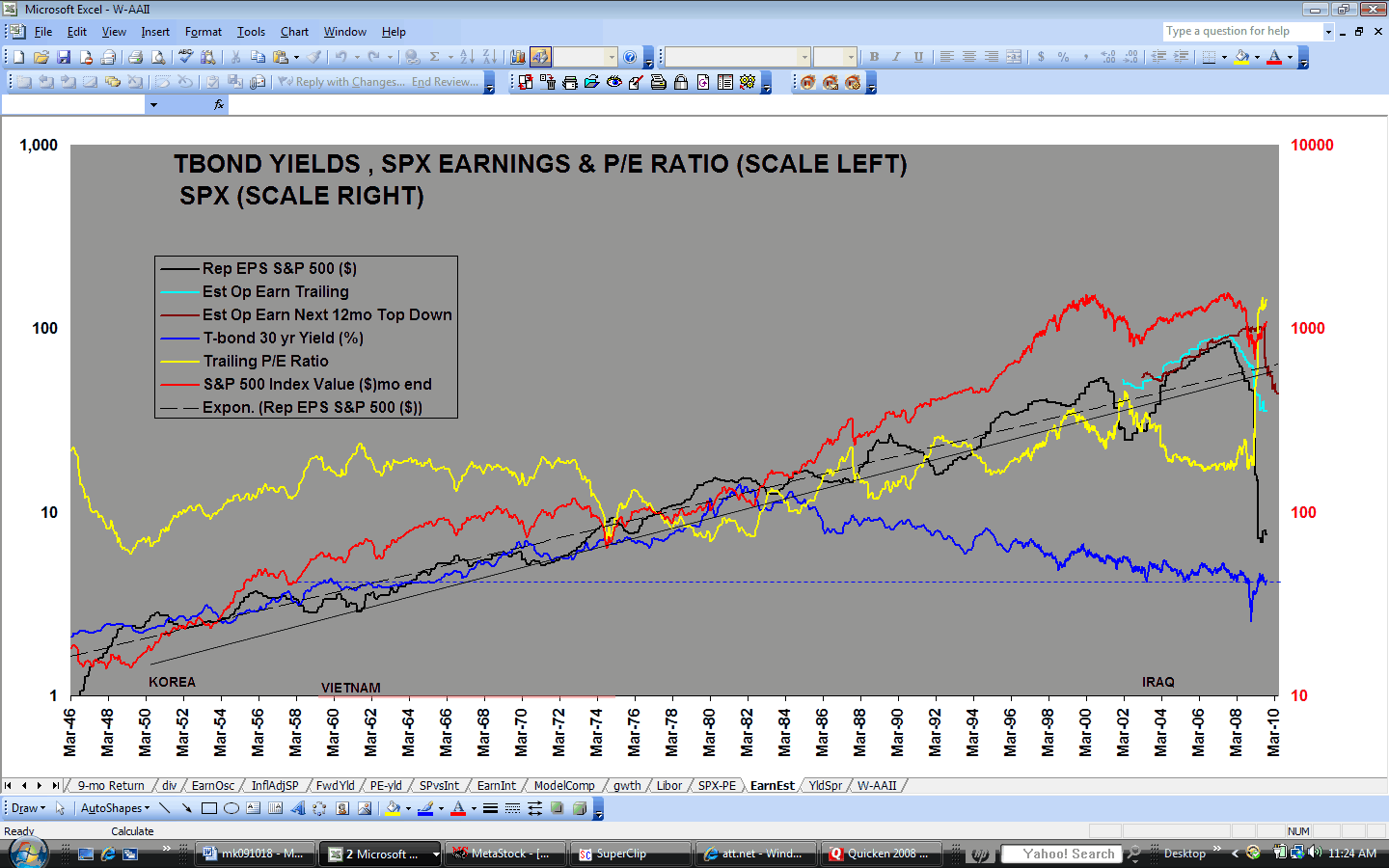
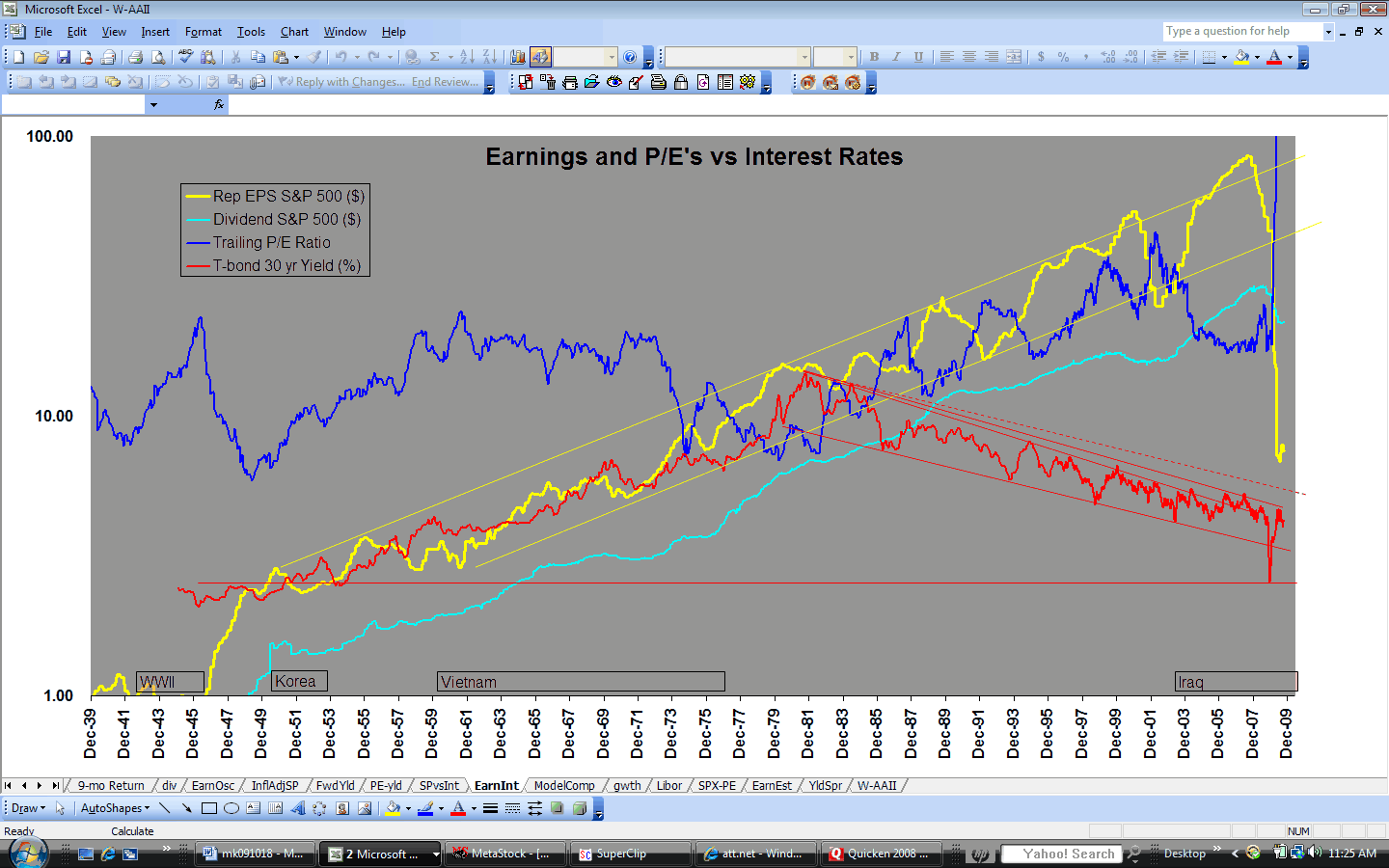
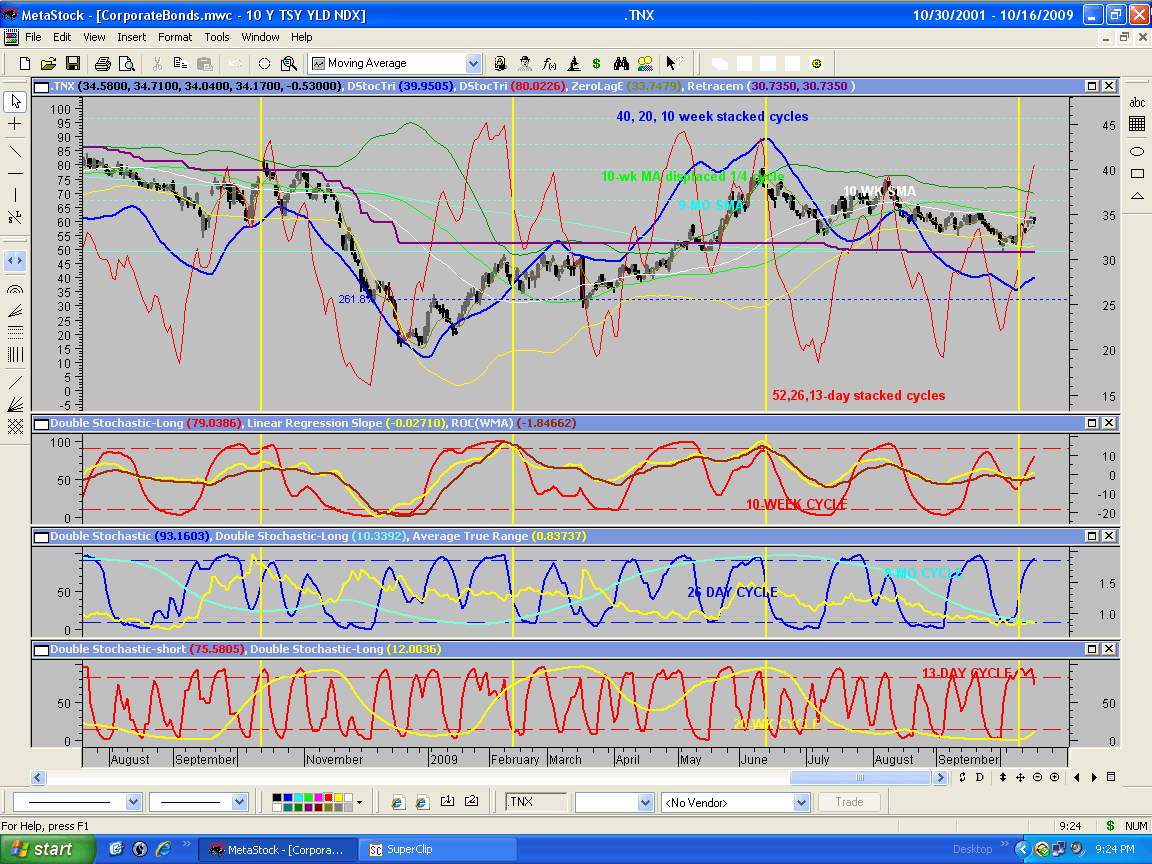
The yield on Treasury Bonds (http://www.geocities.com/petegersb/Earnings-InterestRates.GIF ) last week plunged to the bottom of its 3-decade trend channel. The spread between High-Grade Corporate and Treasury yields (http://www.geocities.com/petegersb/Stocks-InterestRates.GIF ) expanded again last week, although not to the peak of two weeks ago. High-level peaks in this spread tend to occur in the vicinity of major bottoms in stocks. It’s not a very precise indicator, but an ability to hold below the recent peak would be encouraging. As they did last week, 10-year Treasury yields (http://www.geocities.com/petegersb/TreasuryYield-10yr.GIF) look ripe for a short-term bottom. This week, the declining intermediate cycles are less likely to prevail.
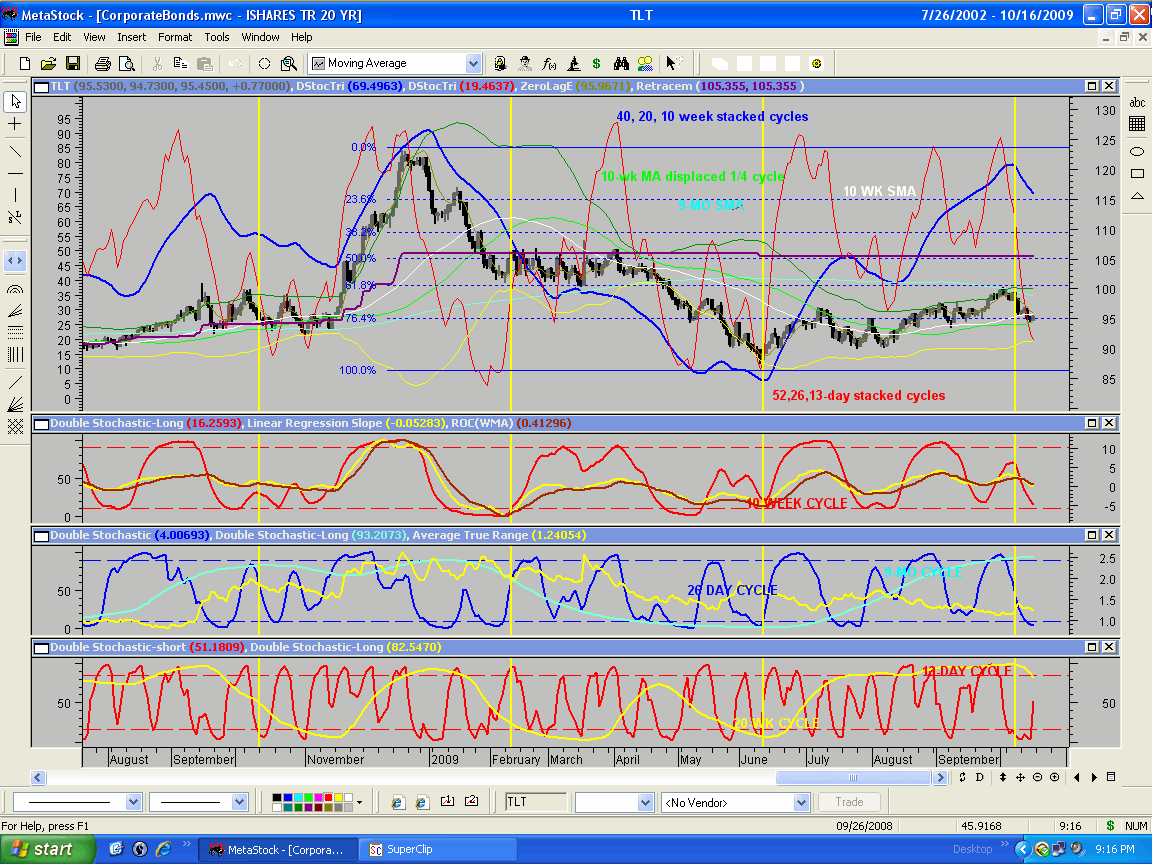
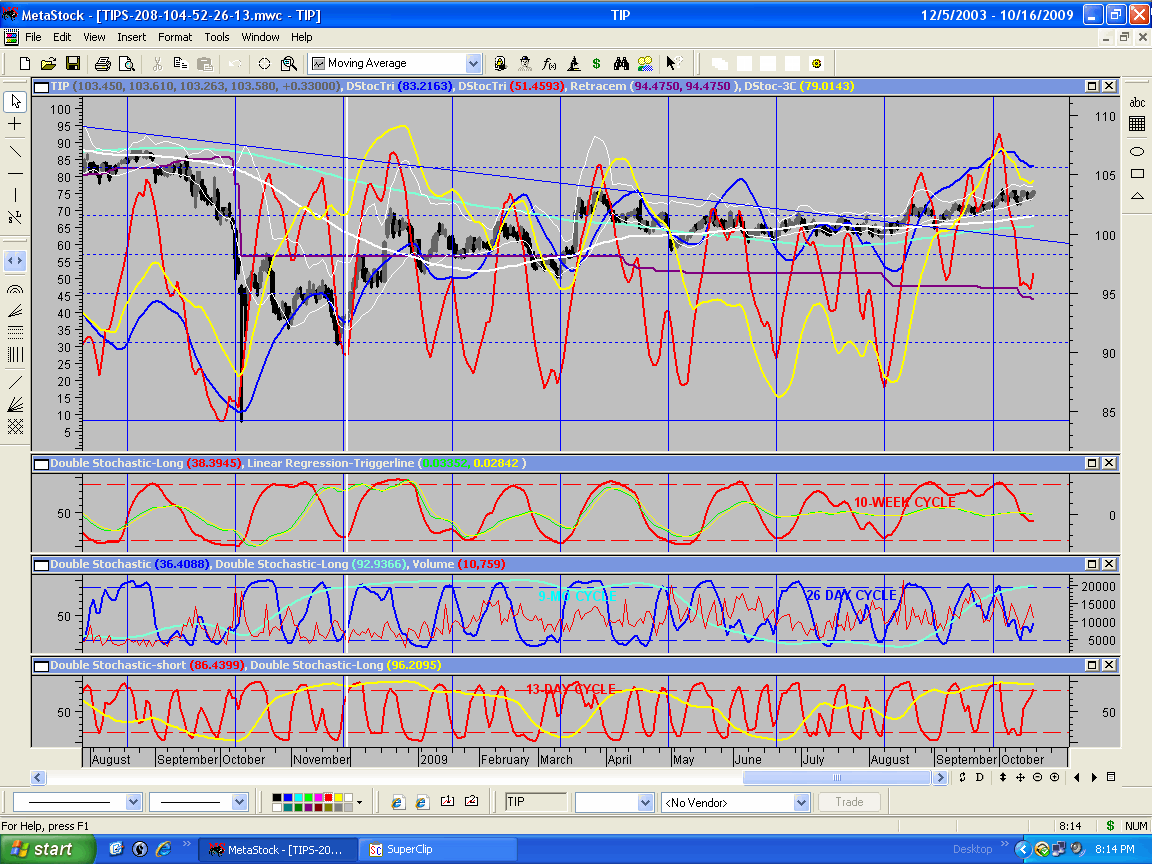
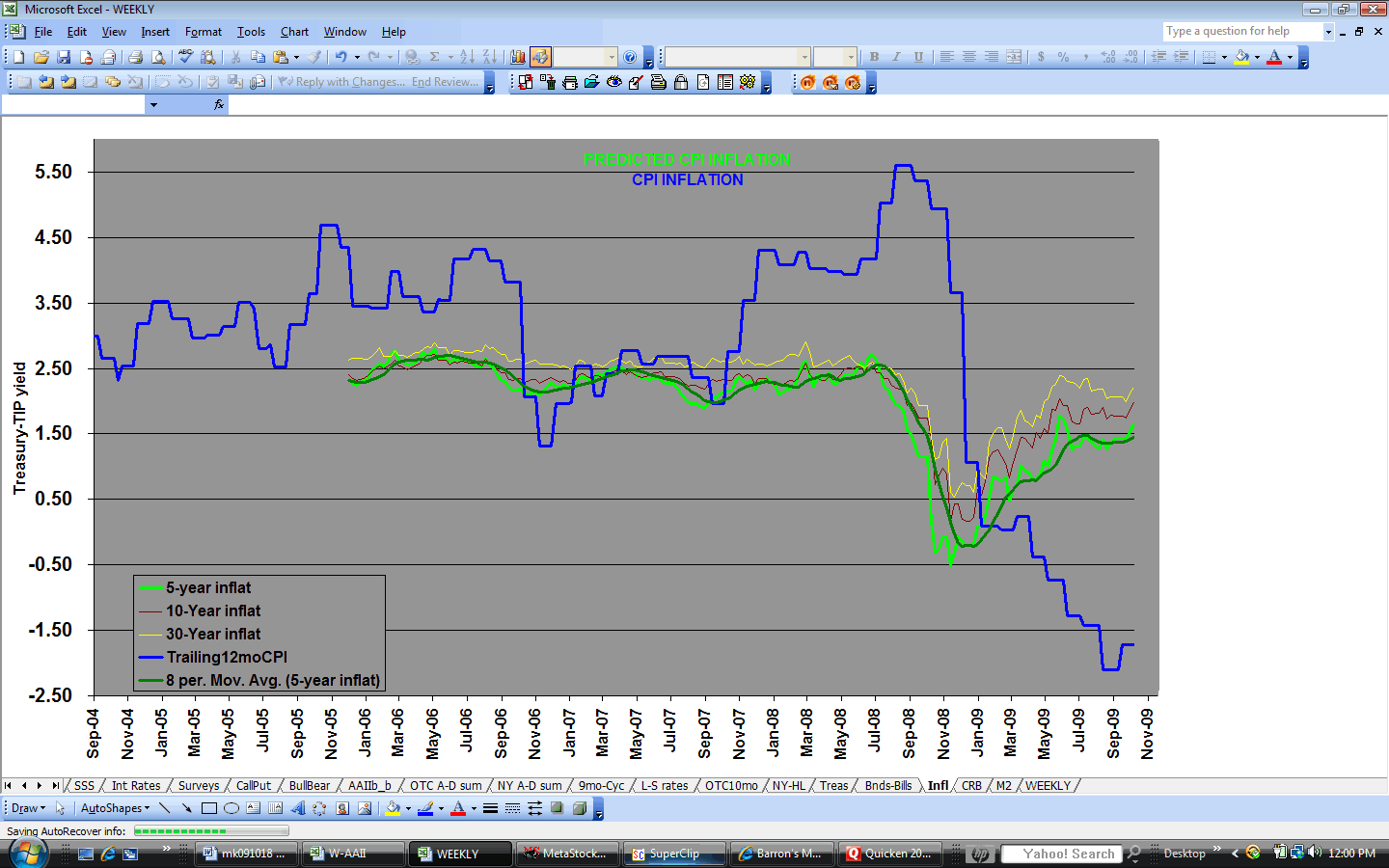
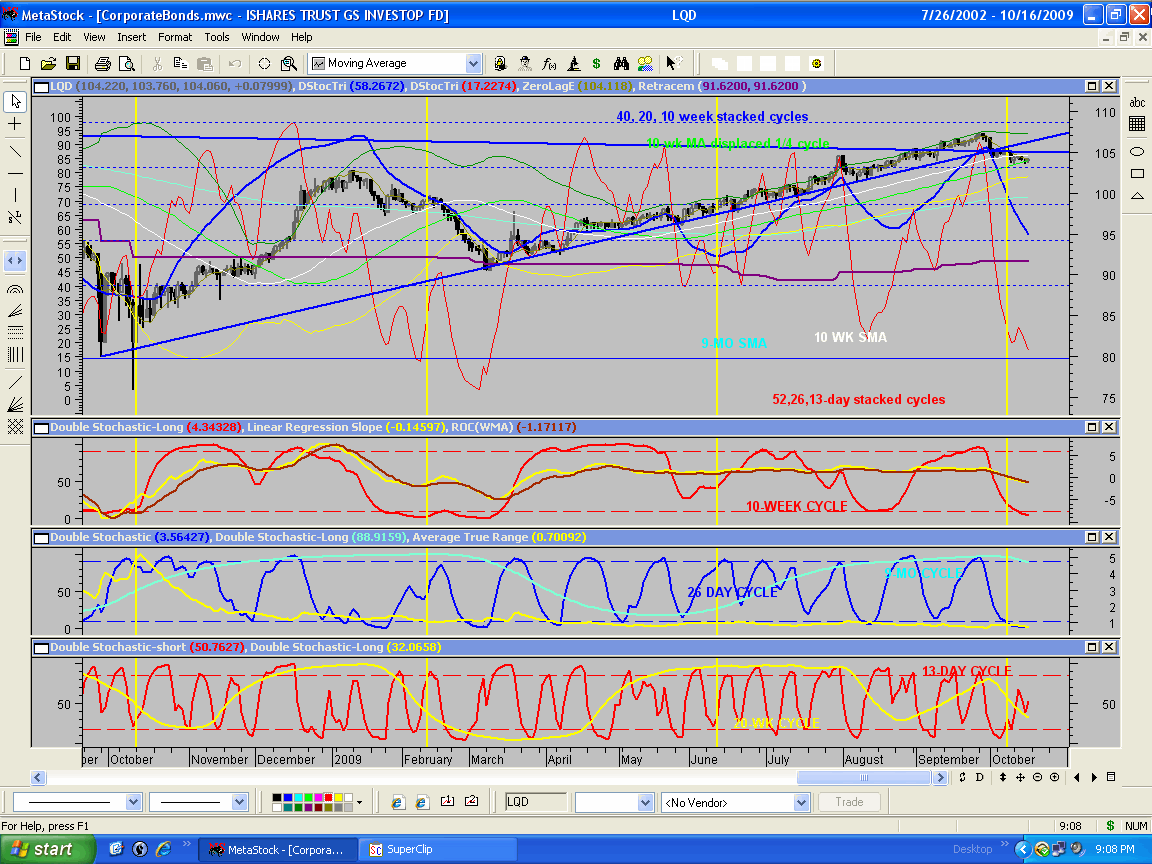
The discrepancy during the last 2 months between the performance of conventional Treasury bonds (http://www.geocities.com/petegersb/Treasury-20yr.GIF ) and Inflation Protected Treasuries (http://www.geocities.com/petegersb/TIPs.GIF) persists, but last week inflation expectations rose a little (http://www.geocities.com/petegersb/CPI.GIF ), as you might expect with Helicopter Ben cranking up the printing presses . Corporate bonds (http://www.geocities.com/petegersb/CorporateBonds.GIF) declined a little as expected. The short-term composite appears about half way through its decline, and the rising intermediate trend looks a bit toppy. Expect more decline this week– not a good omen for stocks if it materializes.
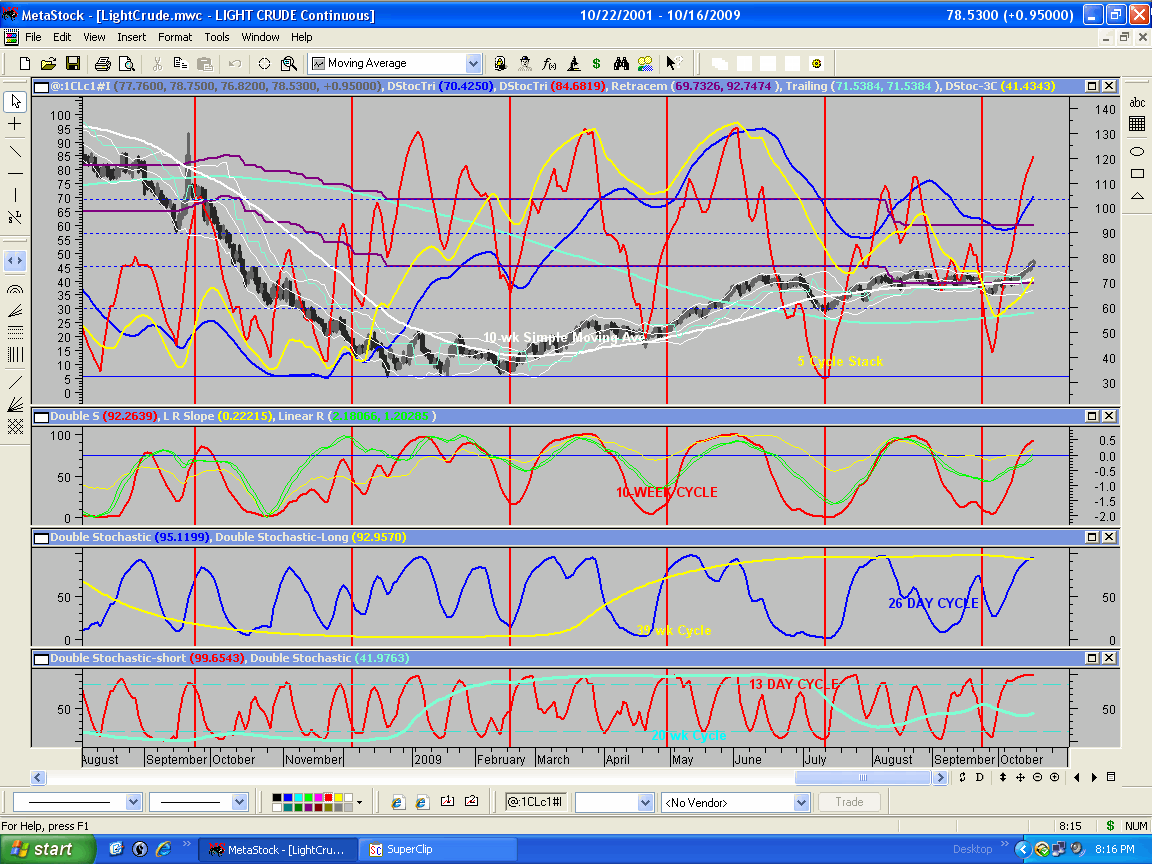
Crude oil (http://www.geocities.com/petegersb/CrudeOil.GIF ) rallied last week as expected. Its cycles are tracking that of stocks quite closely, with both short and intermediate composites rising. Unlike stocks, however, it managed a marginal penetration of its 10-wk-old downtrend line. If it tests last week’s low, it should hold.
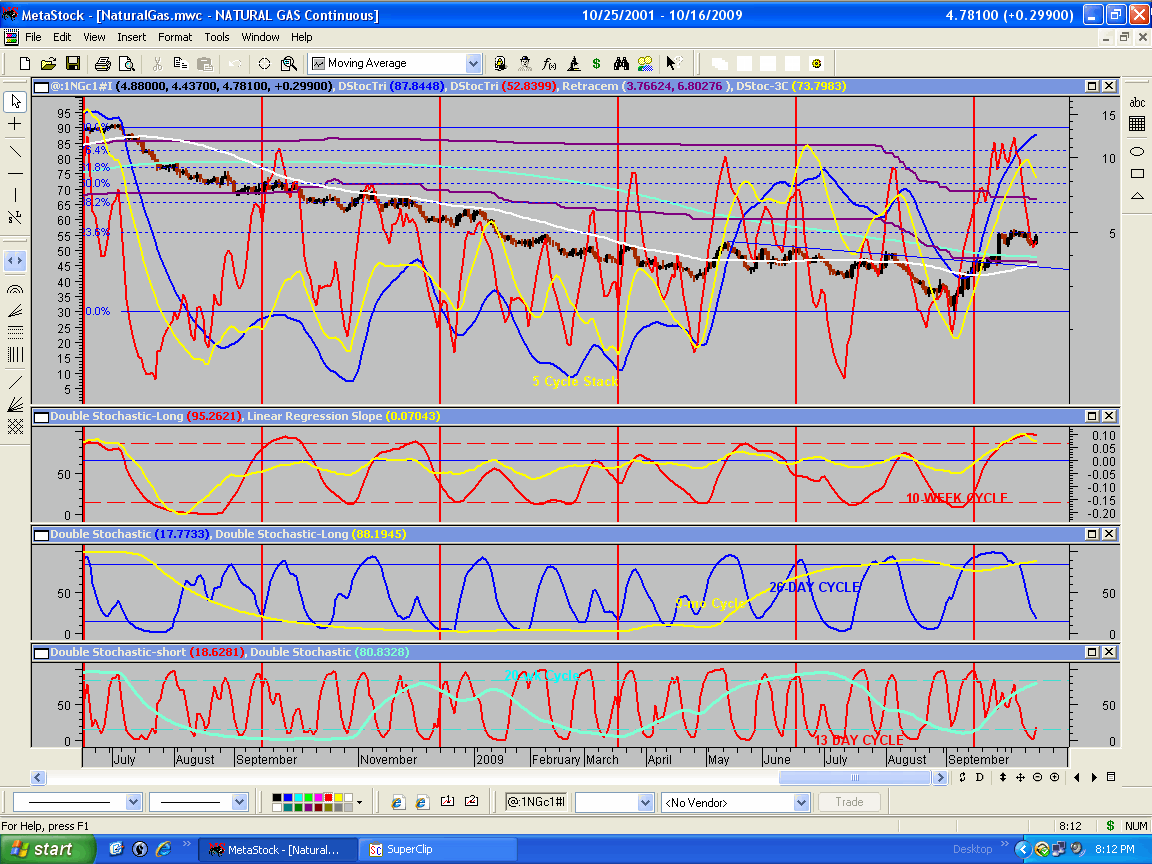
Natural gas (http://www.geocities.com/petegersb/NaturalGas.GIF ) was flat last week as it struggles to form a 9-month cycle bottom and penetrate its 10-wk moving average. Conflicting 13-day and 26-day trends this week should prolong the struggle.
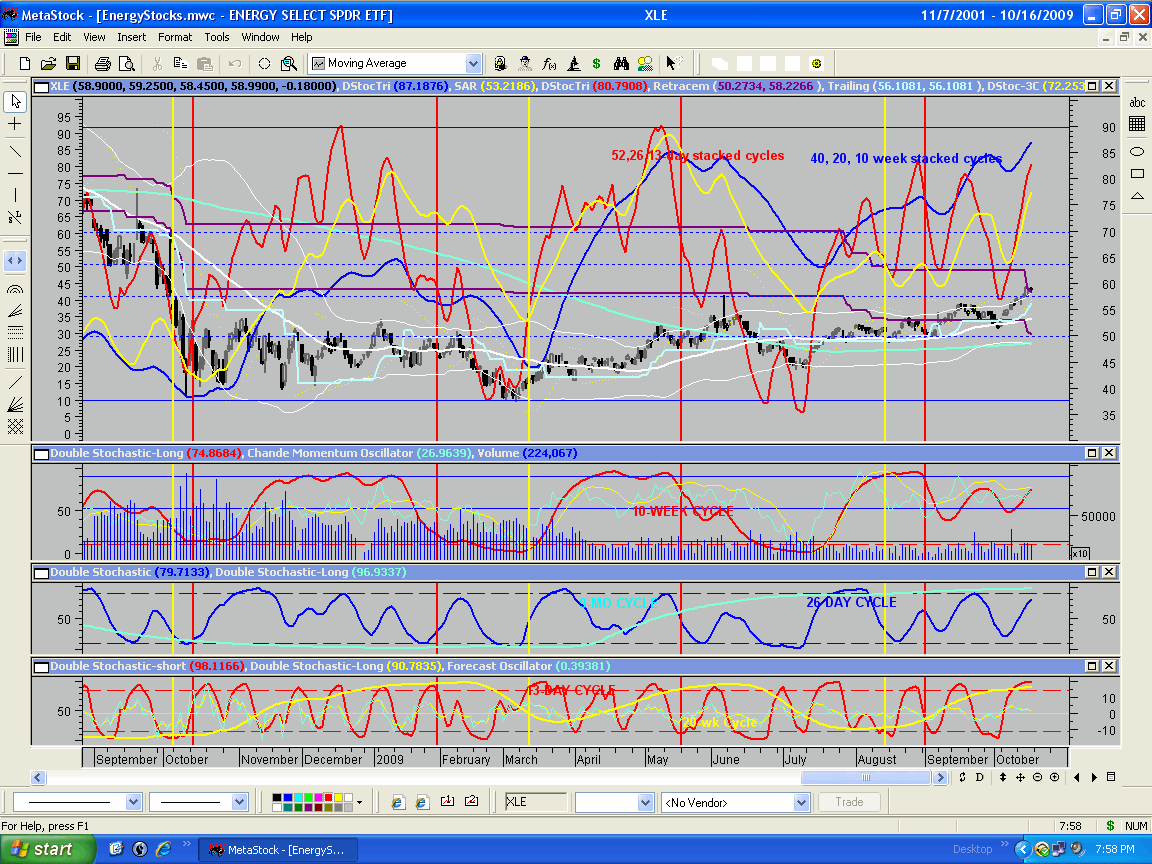
Energy stocks (http://www.geocities.com/petegersb/EnergySPDR.GIF) rallied strongly last week – enough to reinstate the uptrends in the intermediate composite and the in the nearly overbought short-term composite. The XLE is challenging its 10-wk moving average while most other sectors remain well below that level. The overbought 13-day cycle argues against penetrating that level this week, but the fresh 26-day cycle suggests good support while the 13-day cycle declines. Energy stocks probably saw their low in early October.
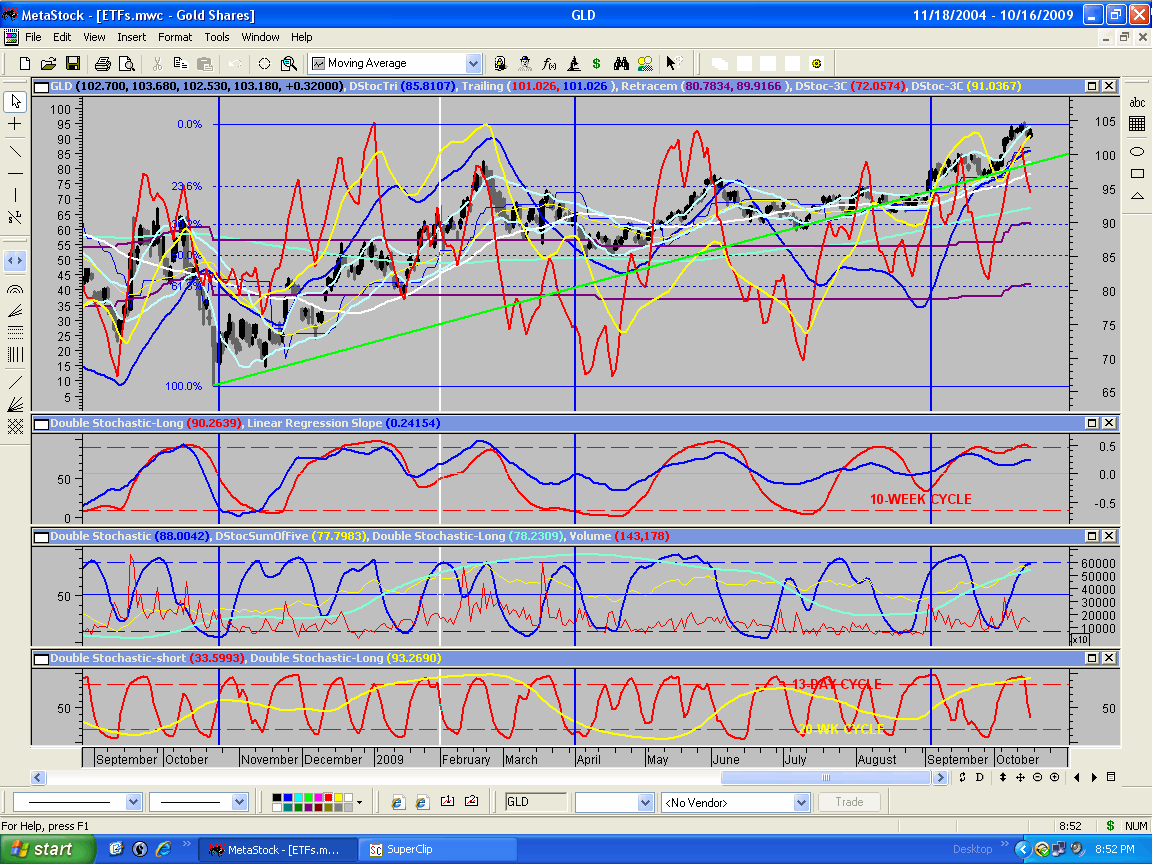
Gold (http://www.geocities.com/petegersb/GoldBullion.GIF) broke above its 10-wk moving average early in the week
before pulling back to it late in the week. Both short and intermediate
composites are rising, and neither is overbought, but both 13 and 26-day cycles
are ripe for a pullback. The longer cycles should sustain their uptrends during
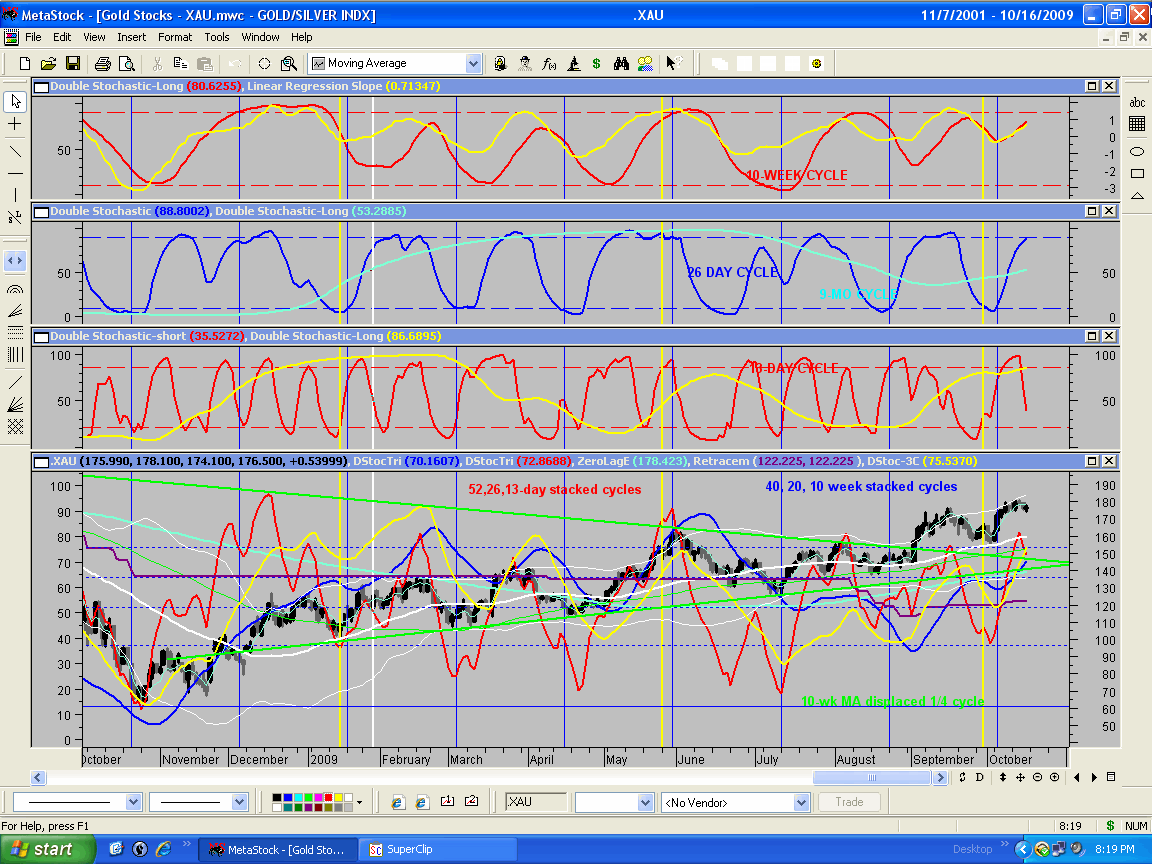
the short-term correction. Gold Stocks (http://www.geocities.com/petegersb/GoldStocks.GIF
) also penetrated the 10-wk moving average, and unlike most stocks, managed to
move well above the early November peak. The higher short cycle lows and highs are
consistent with rising intermediate cycles. But the short-term composite is now
overbought, so expect some hesitation here.
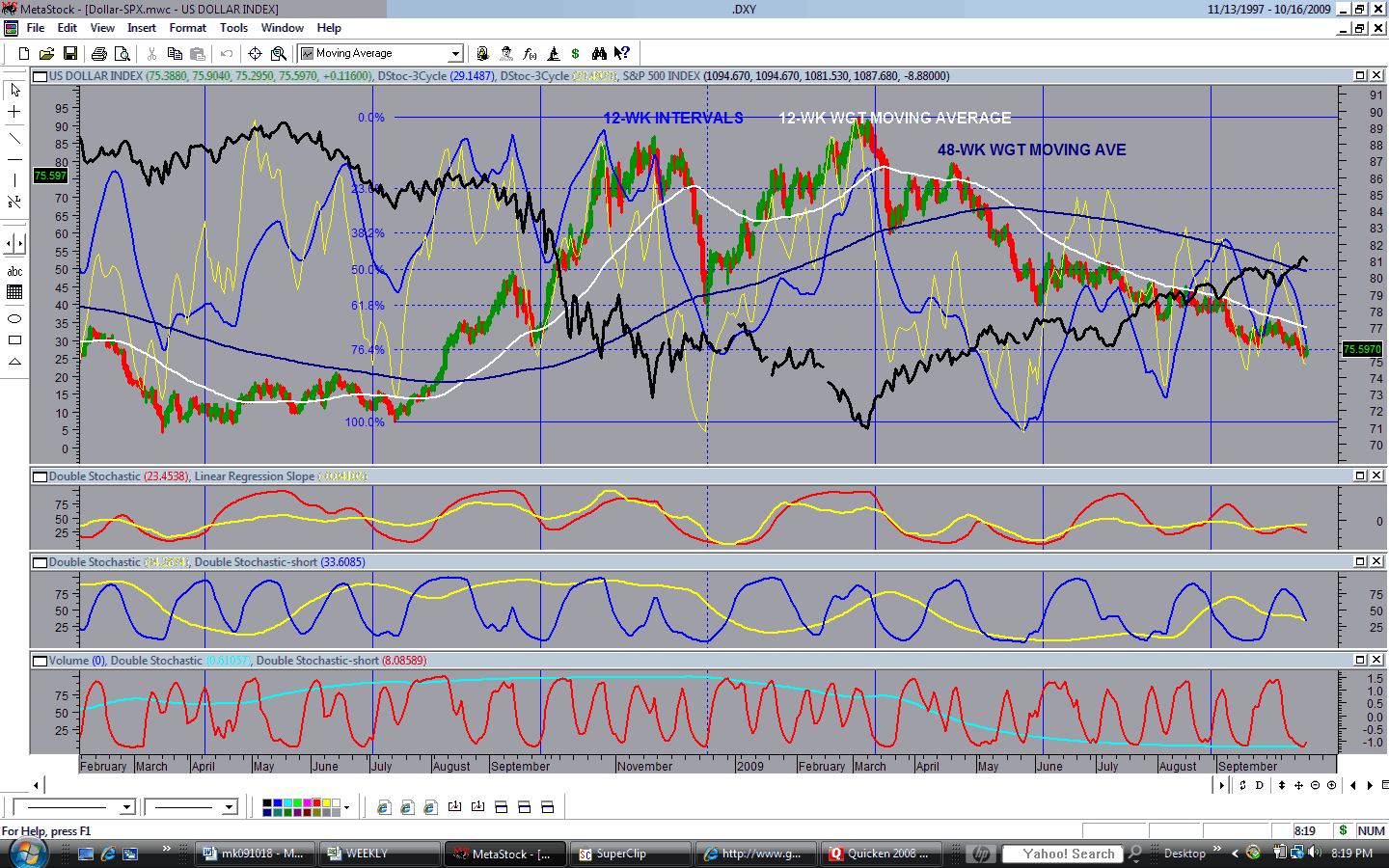
The dollar (http://www.geocities.com/petegersb/Dollar.GIF) tends to take a hit when gold rallies, and so it was last week. But a short-term bottom in a continuing intermediate downtrend appears to be in place. The dollar may test its November peak this week, but it will likely fail.