11/16/08
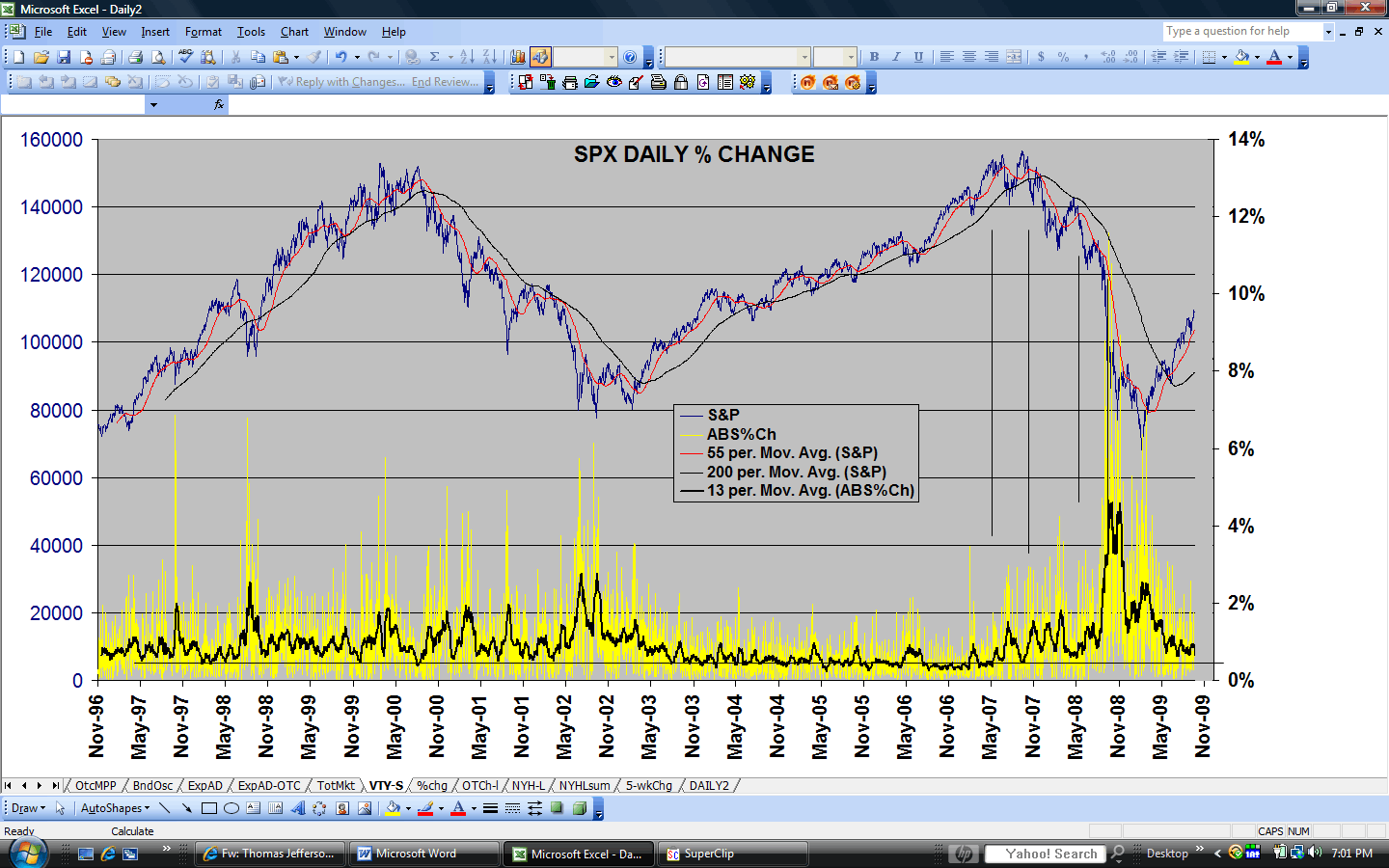
Despite continuing extreme volatility (http://www.geocities.com/petegersb/Volatility.GIF ), stocks ended little changed over the last 3 weeks. When I wrote my last letter 15 trading days ago, the 13-day cycle was 10-days old. It bottomed two trading days later, nearly on schedule. Then another big bear market rally ensued that added 19% in only 6 trading days and instigated a lot of bottom calls. But during the next 7 trading days, the market gave back all of the gains, and the 13-day cycle reached bottom on 11/13 as scheduled. It promptly gained back almost 12% in a furious 4-hour short covering rally. That rally triggered a seasonal buy signal on the semiannual system for the close on 11/14 (http://www.geocities.com/petegersb/SemiAnnualSystem.GIF ). Should we believe that signal from a system that has had a phenomenal year due to two timely short sales? Its last two buy signals have been moderate losers, so perhaps we should be more skeptical of the buy signals than the short sale signals in this dismal economic environment that must endure 2 more months of incompetent government.

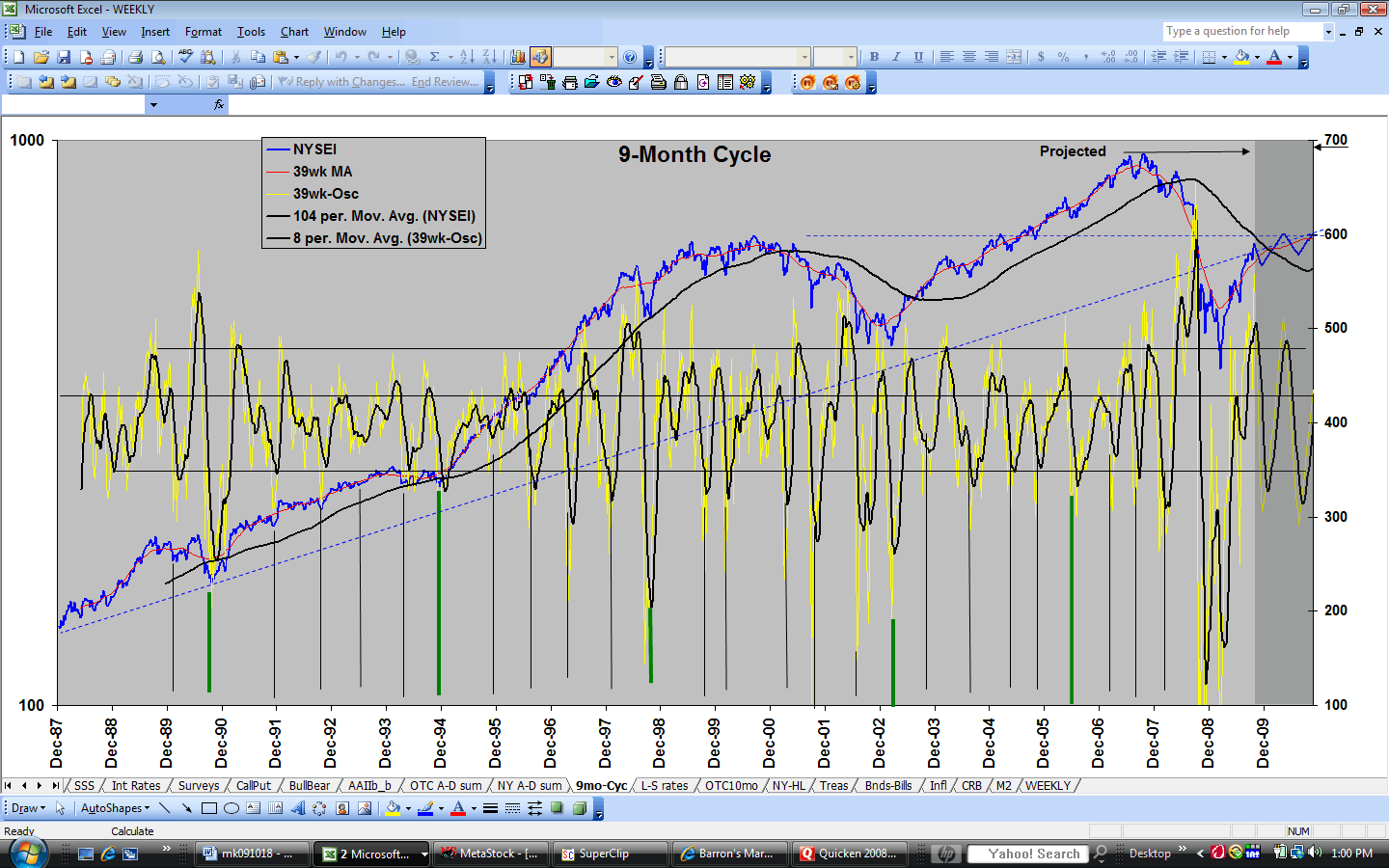
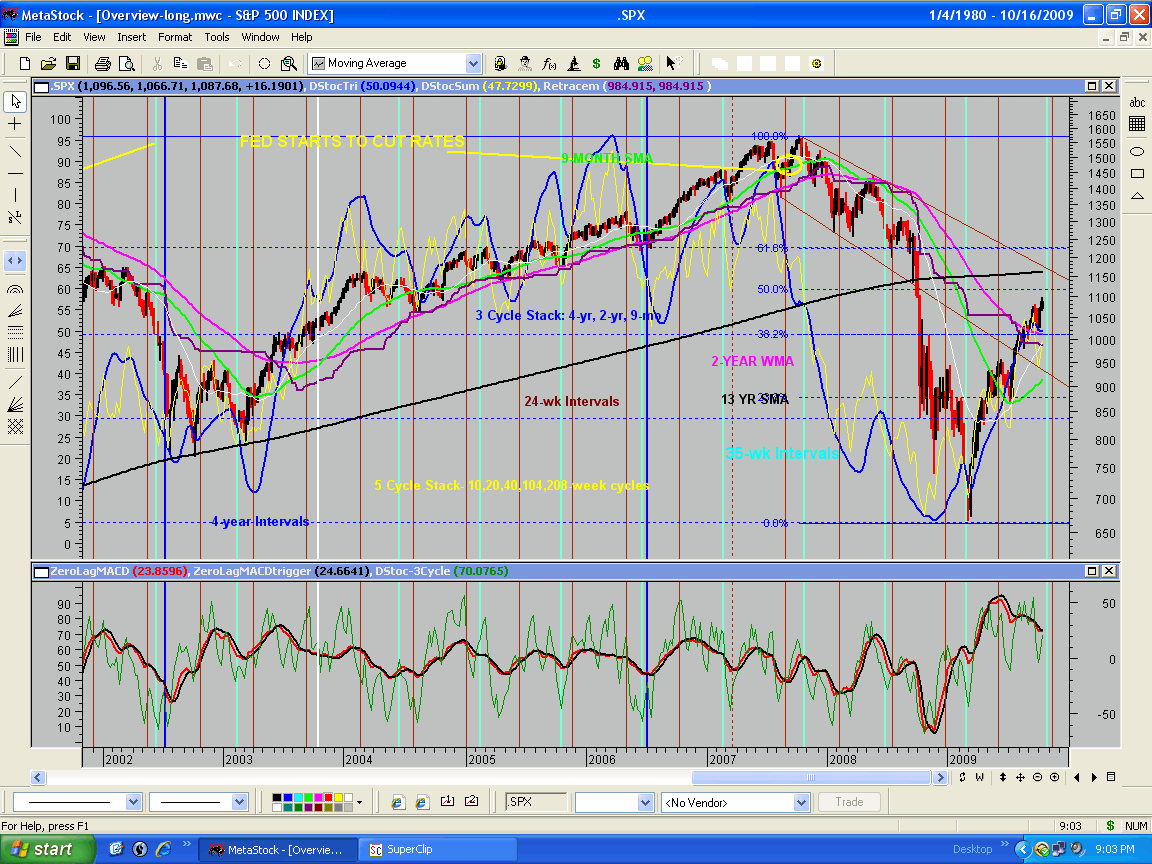
The 5th successful test of the low 800 level in as many weeks has nevertheless not broken the bear pattern of slightly lower lows and mostly lower highs. It’s very close to the “most likely” bottom date of 11/26 that I projected in my last report, so maybe this will be the rally that breaks the bear pattern. But I’m skeptical for several reasons. The 26 day cycle was 24 days old at the latest bottom, but it was not oversold. The 20-wk cycle (http://www.geocities.com/petegersb/Overview-med.GIF ) was 17 weeks old and only marginally oversold, and the 9-month cycle (http://www.geocities.com/petegersb/9moNYA.GIF , http://www.geocities.com/petegersb/Overview-long.GIF) was either 8 or 10 months old and deeply oversold. The one cycle that doesn’t seem to fit a near-term bottom hypothesis is the 10-wk cycle. It was either 5 or 8 weeks old (http://www.geocities.com/petegersb/Overview-med.GIF ), and closer to overbought than oversold (SPX (http://www.geocities.com/petegersb/SP500.GIF), NDX (http://www.geocities.com/petegersb/NDX.GIF), Russell small cap index (http://www.geocities.com/petegersb/Russell2000.GIF )). Furthermore, the daily VIX (http://www.geocities.com/petegersb/VIX.GIF) and VXN (http://www.geocities.com/petegersb/VXN.GIF) suggest that the 10-wk cycle is near a peak. The DStocs have given a preliminary sell signal but the MACDs have not yet confirmed. Expect confirmation if stocks decline again this week.
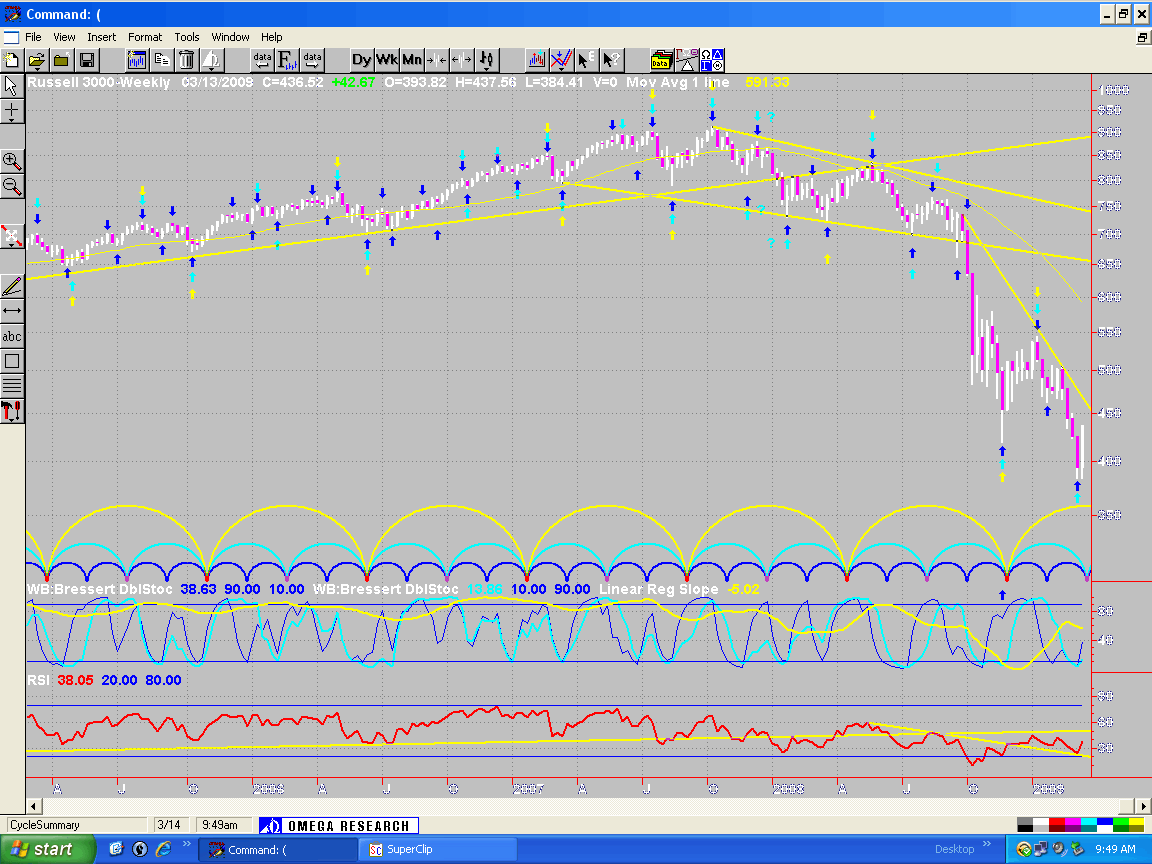
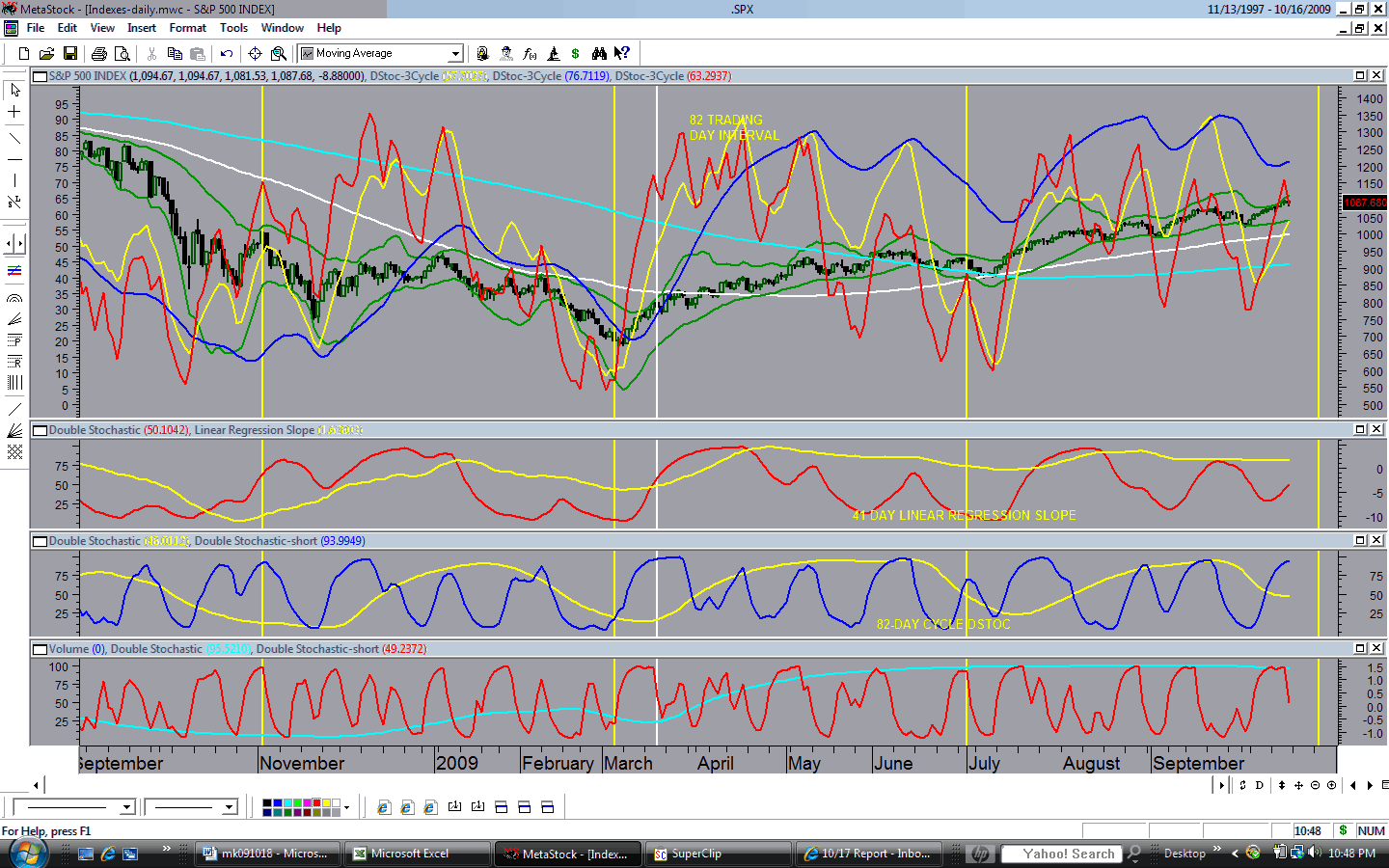
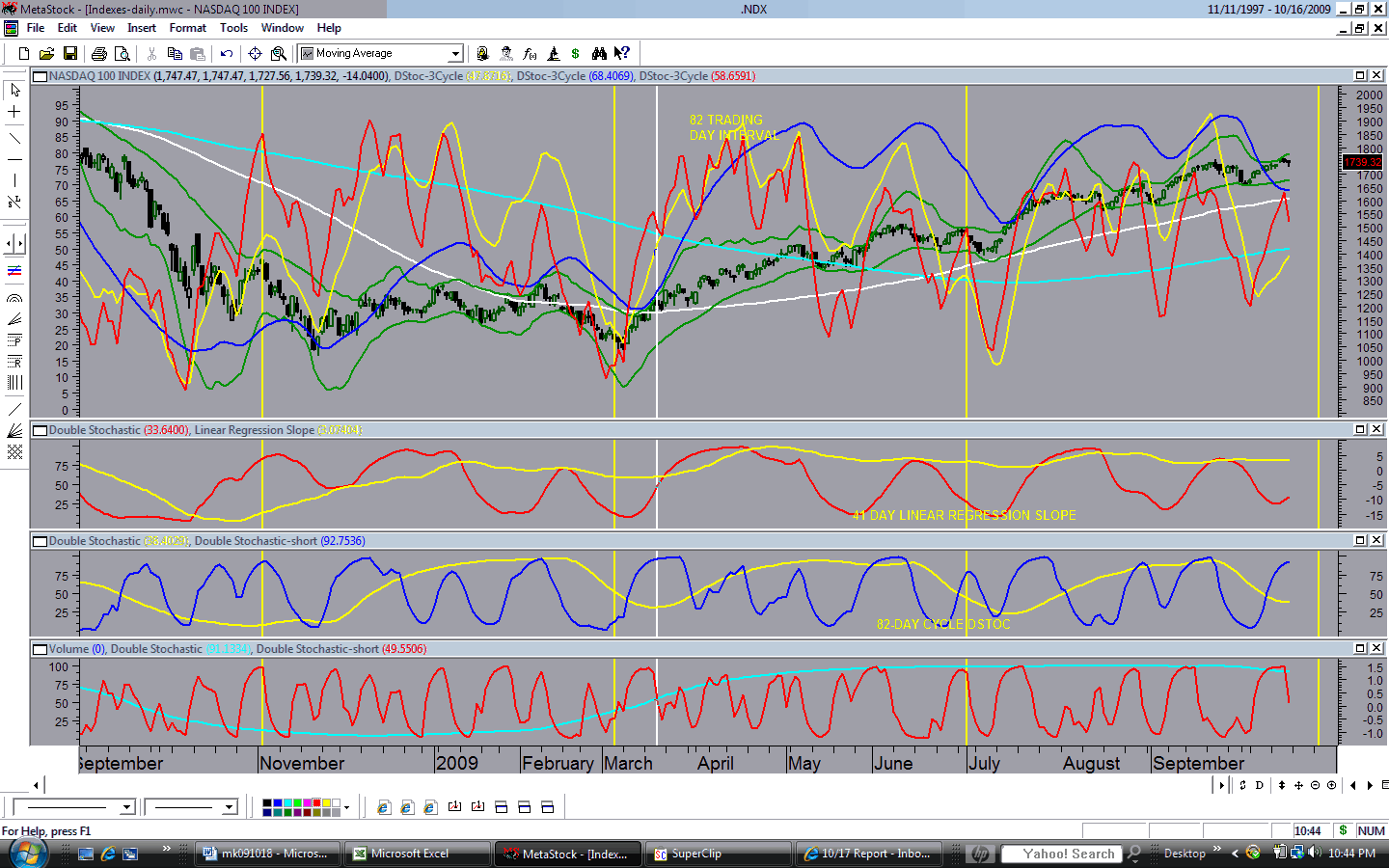
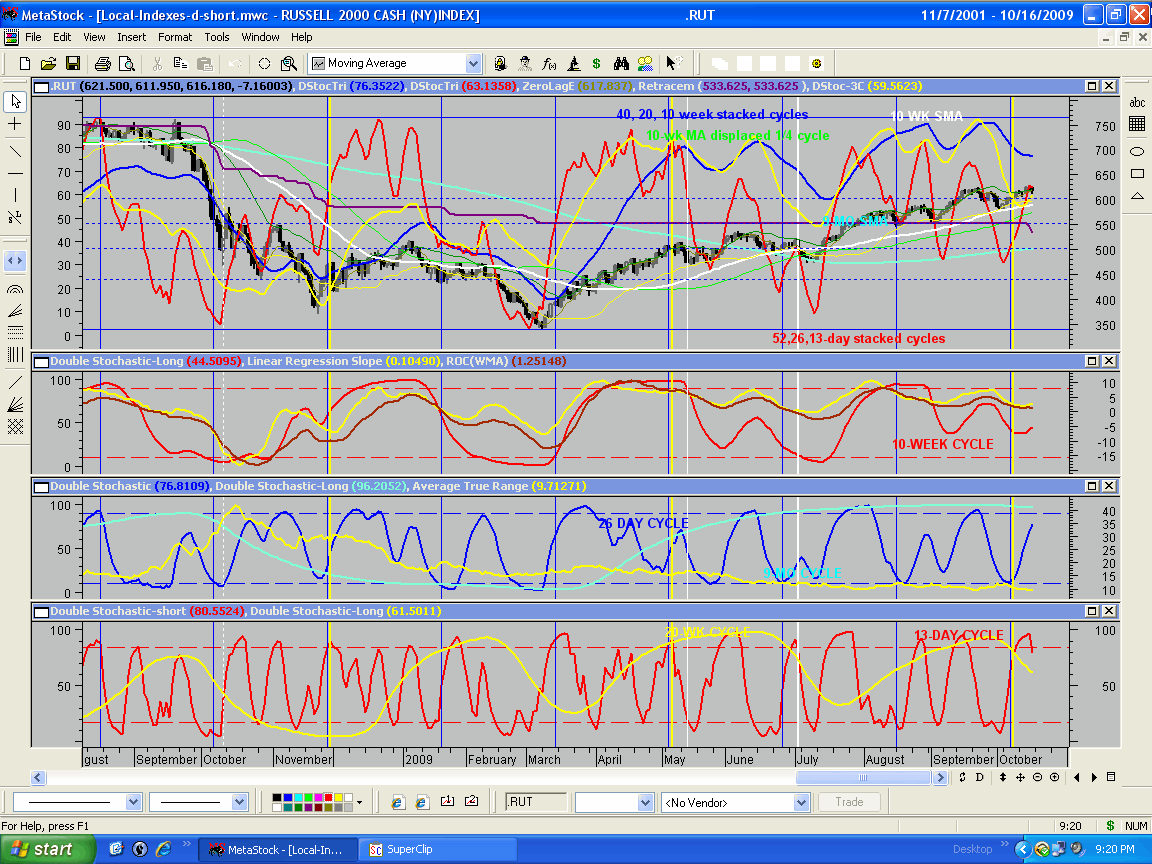
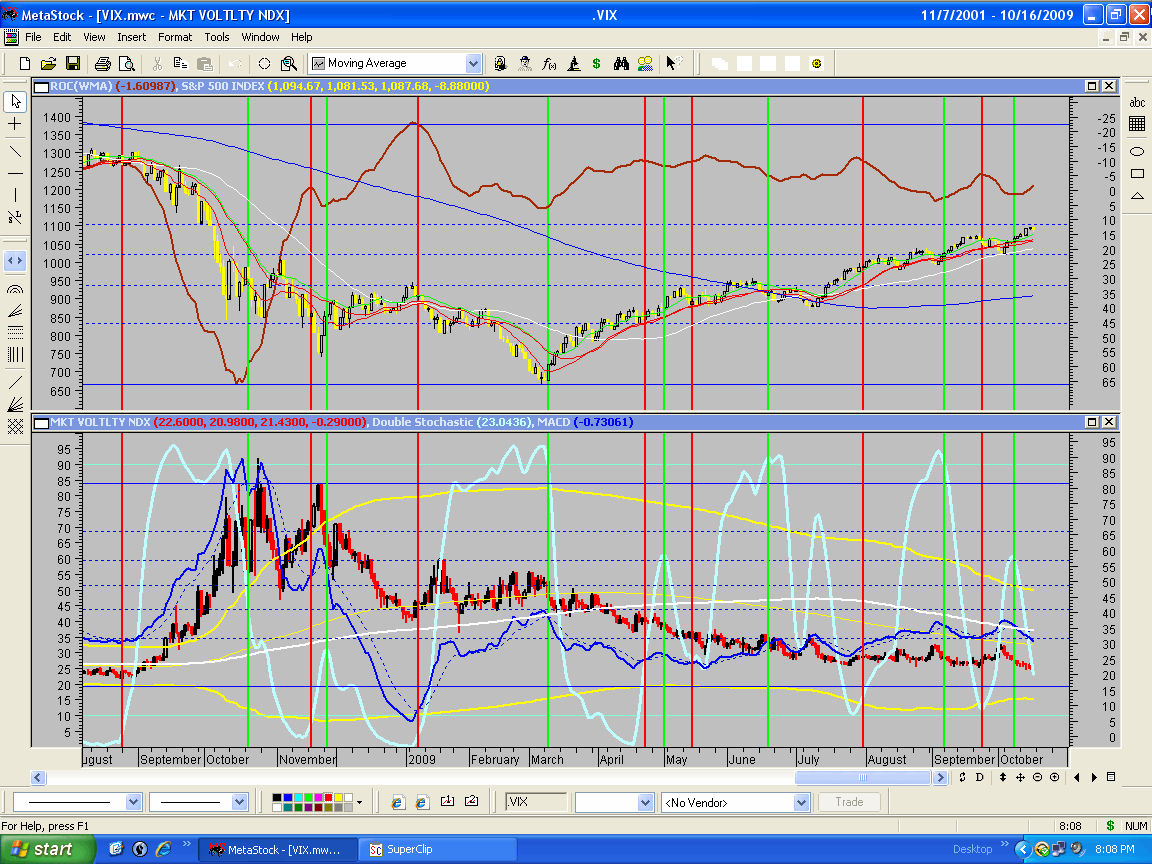
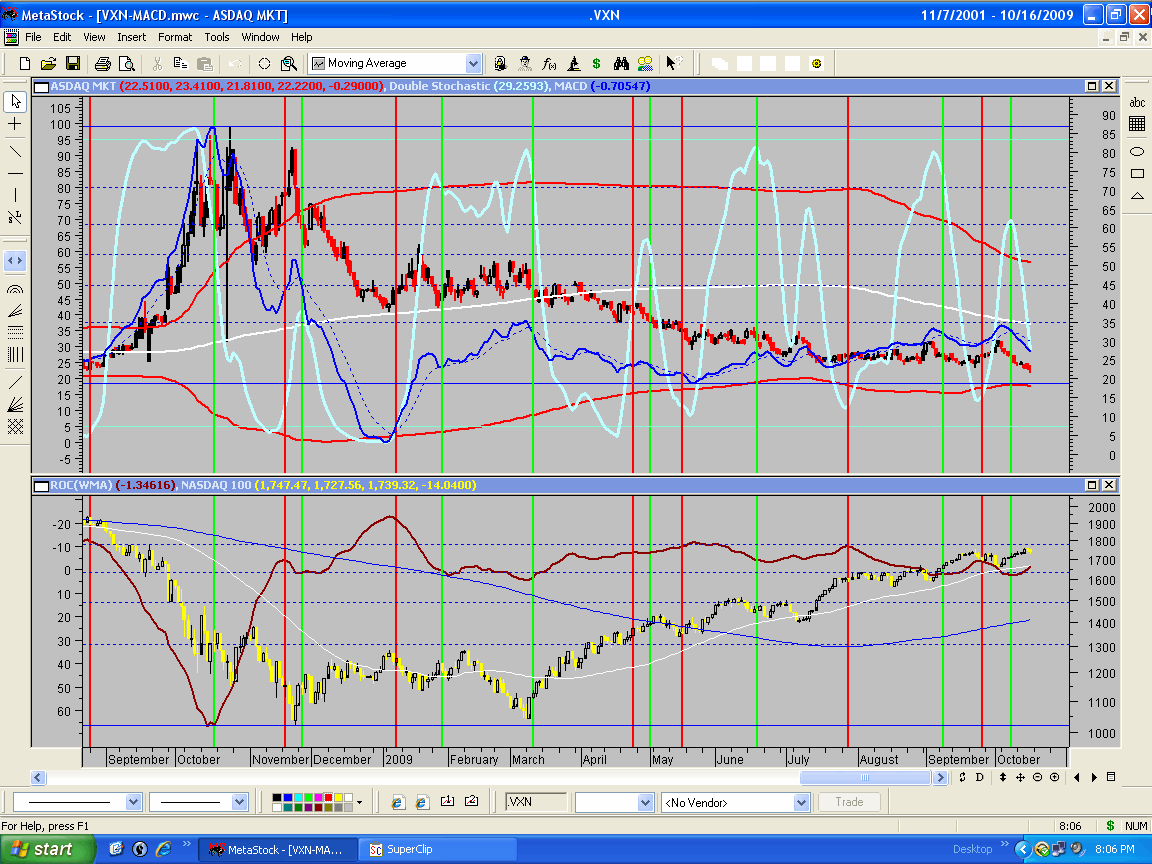
I conclude that stocks will be in a slightly more likely bottoming time frame after the current 13-day cycle reaches its life expectancy on December 3. Friday’s lack of follow-through produced the shortest rally of the five from the low 800’s, so a little more patience is probably prudent.
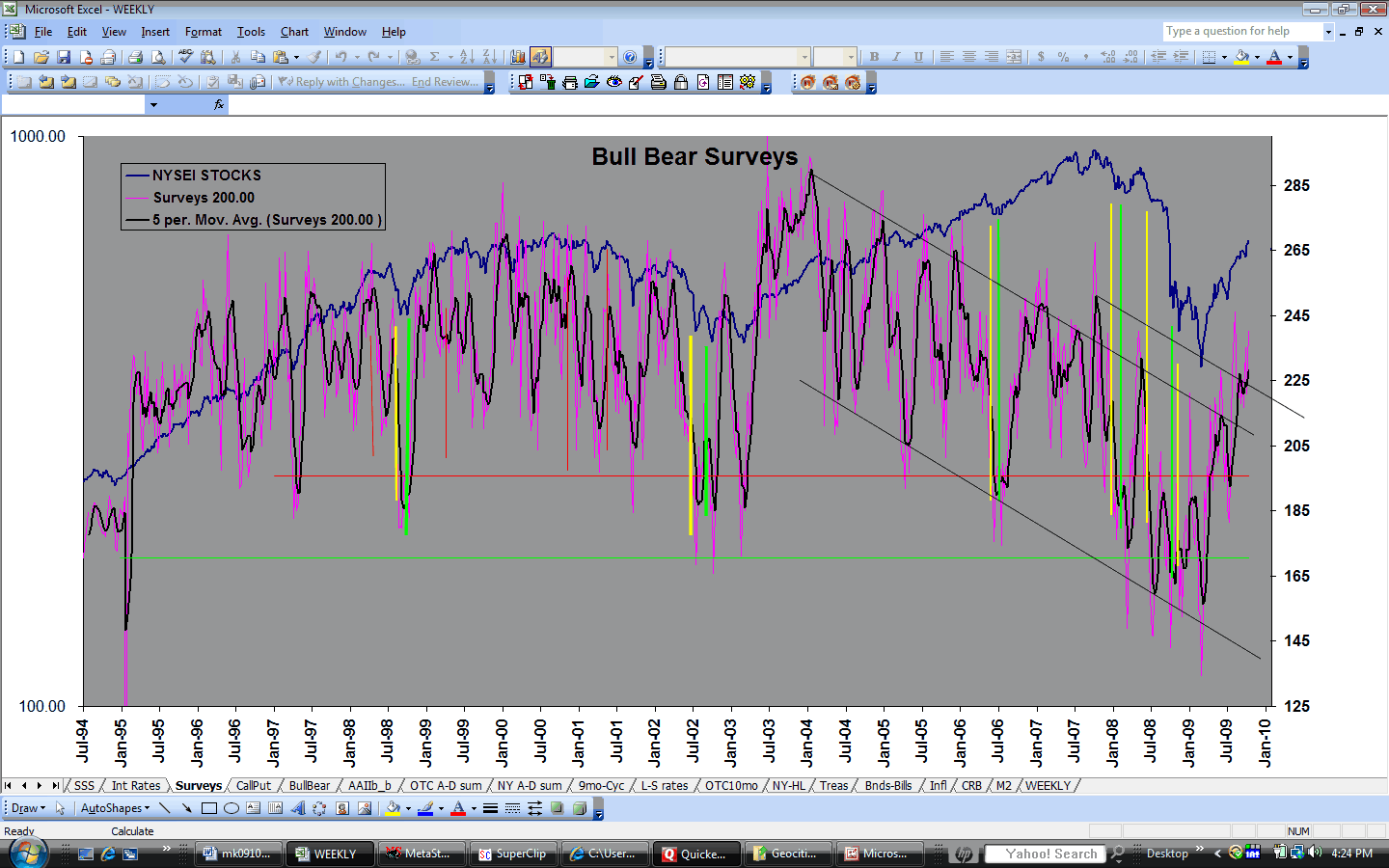
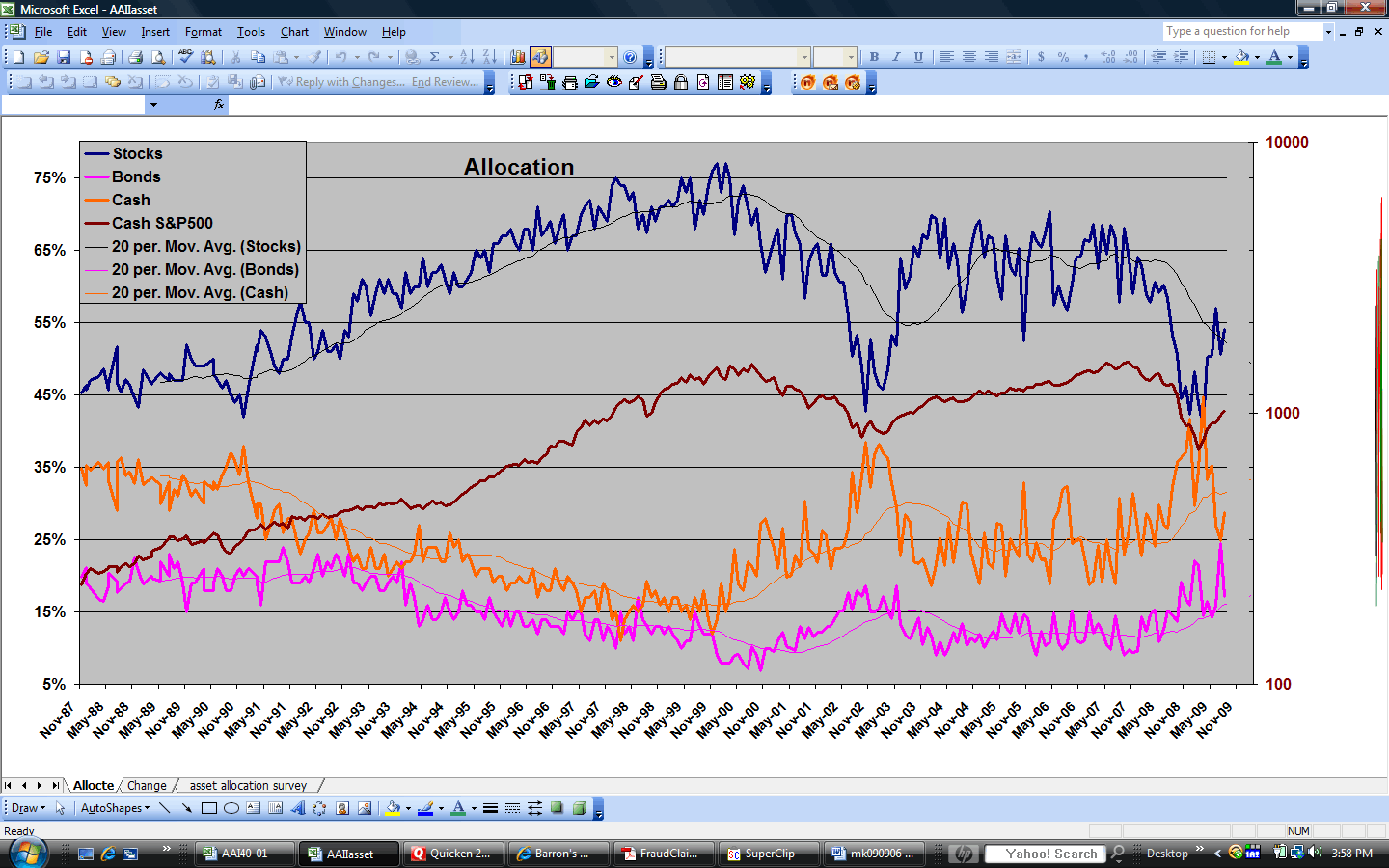
Sentiment, however, has given an unambiguous buy signal (http://www.geocities.com/petegersb/SurveysCombined.GIF ). The characteristic double dip at major bottoms has been completed and optimism is improving. Of course, this market has produced many extremes that we haven’t seen before, so a triple dip wouldn’t surprise me. AAII asset allocation (http://www.geocities.com/petegersb/AAIIassets.GIF ) also supports the likelihood of a significant bottom soon. During October, the allocation to stocks almost reached the extreme low reached at the bottom in October of 2002, and the allocation to bonds and cash almost reached the corresponding peaks. There will be no buy signal until the trend away from stocks reverses, but this indicator is clearly in position to issue such a signal soon.
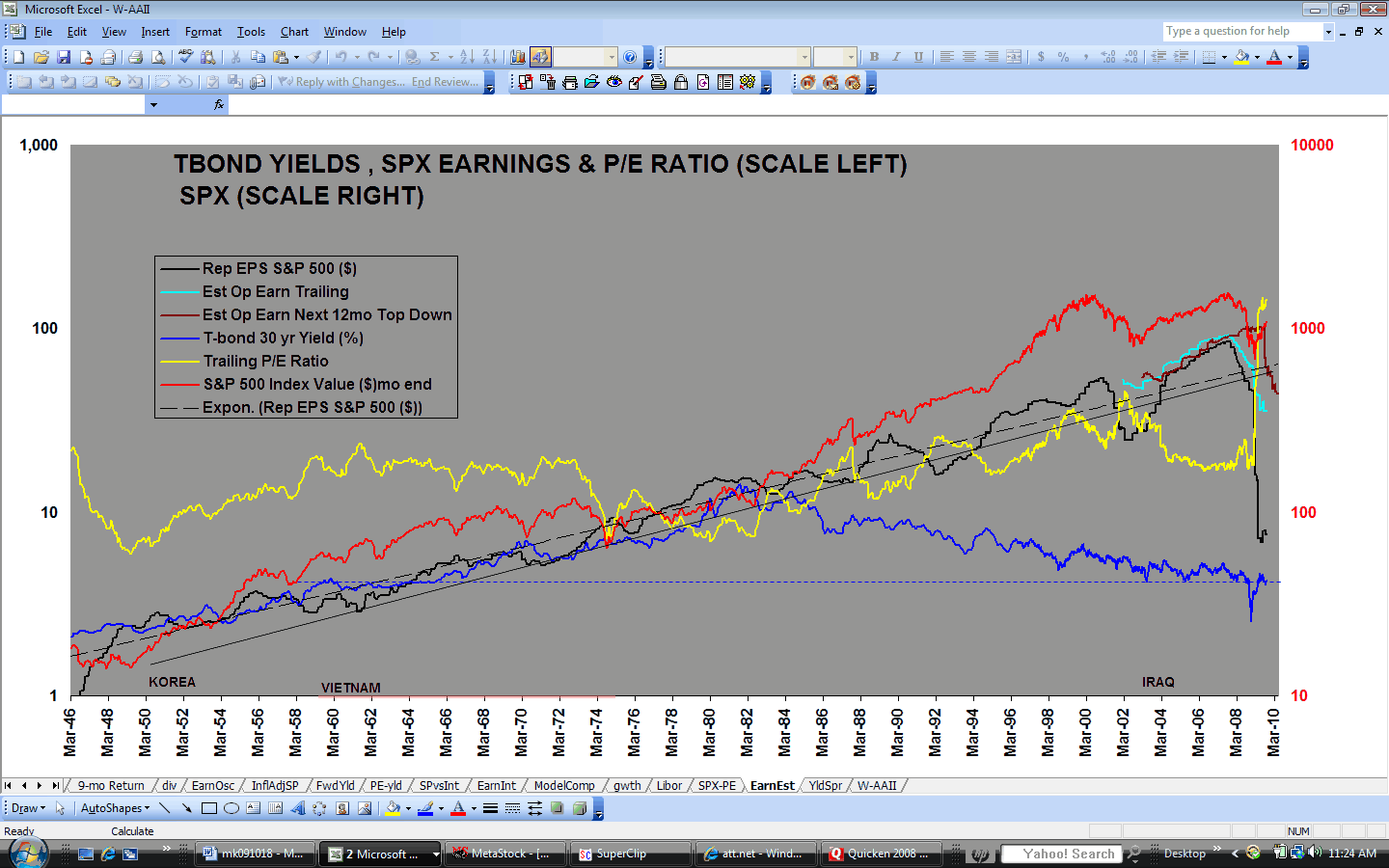
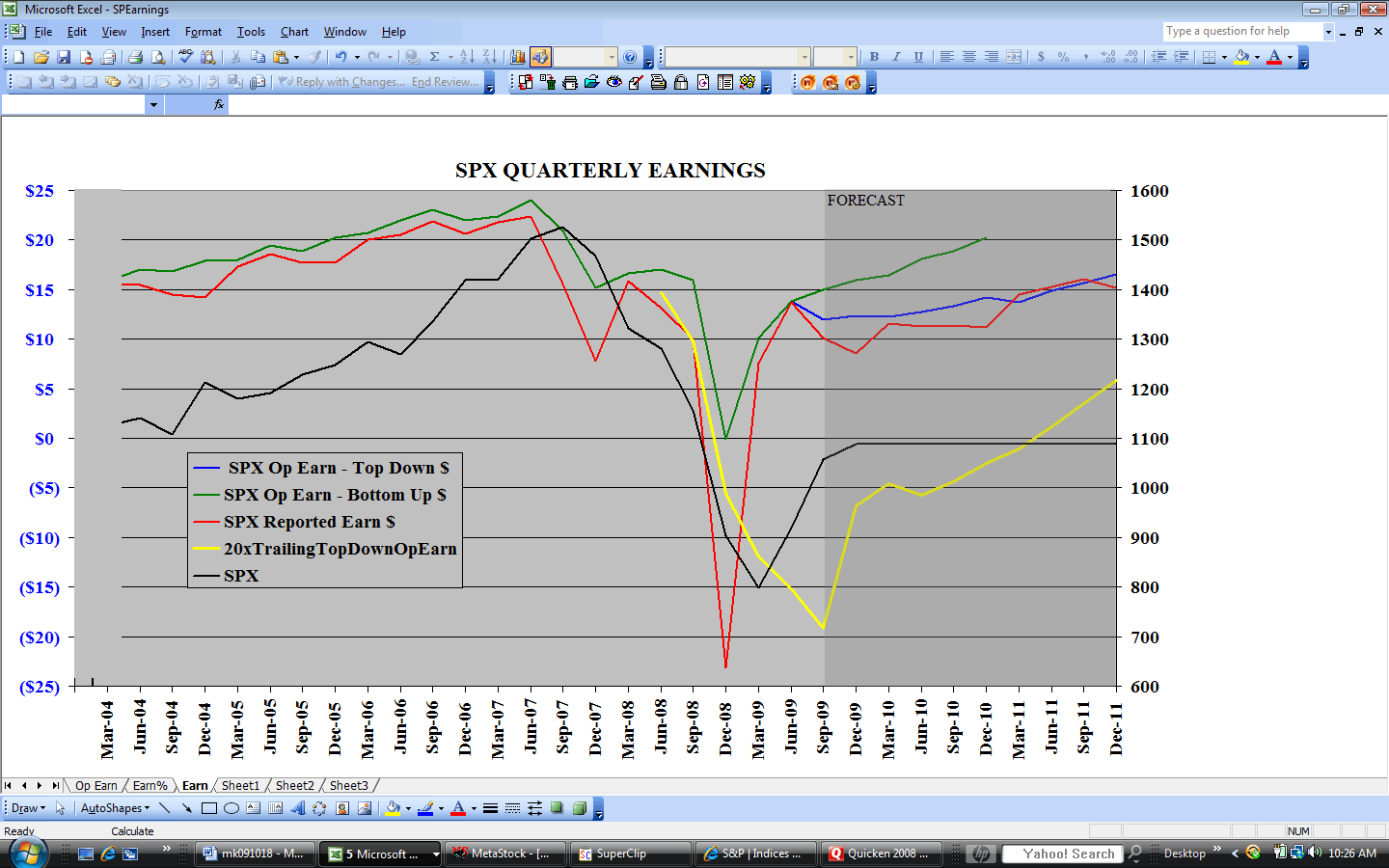
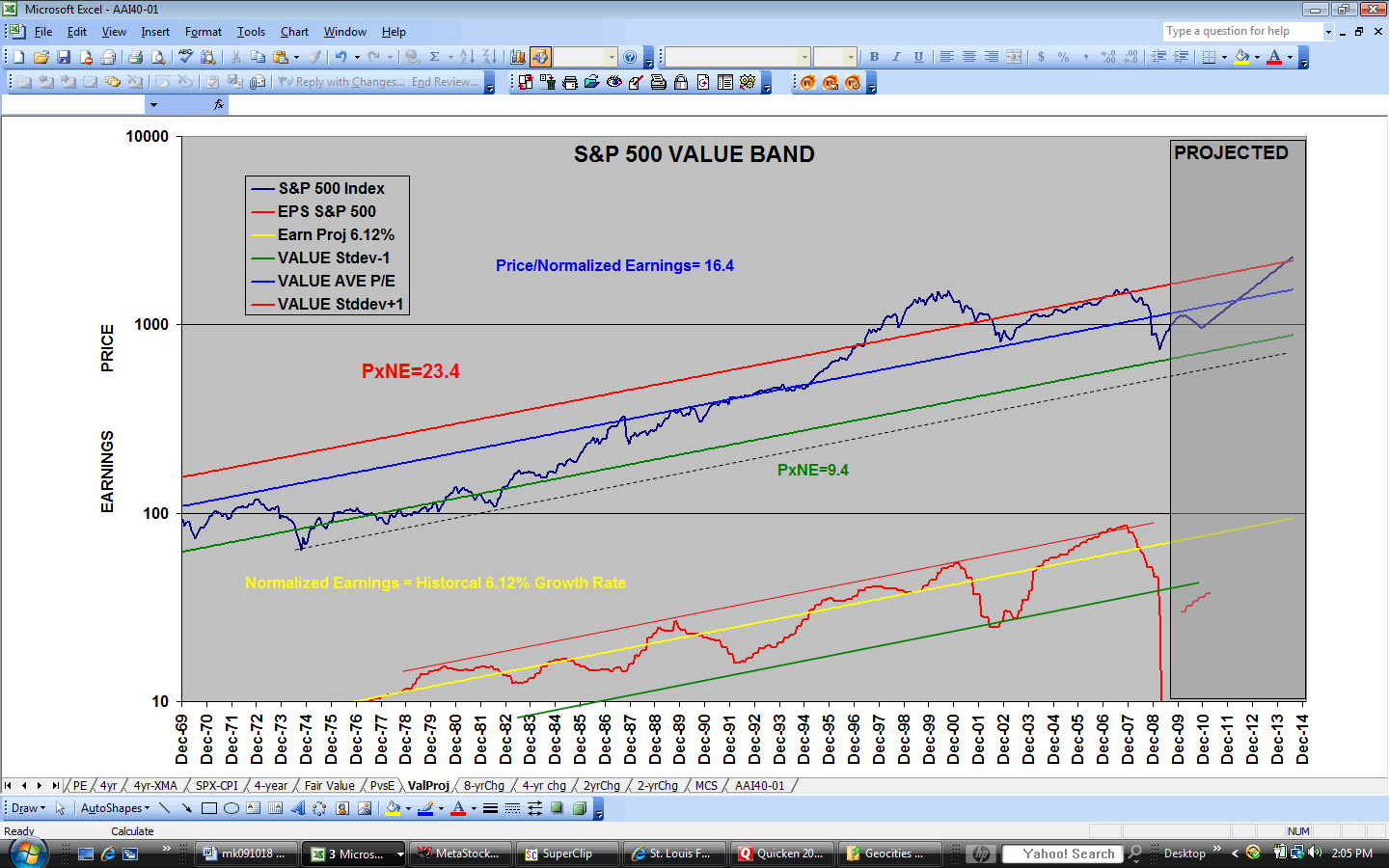
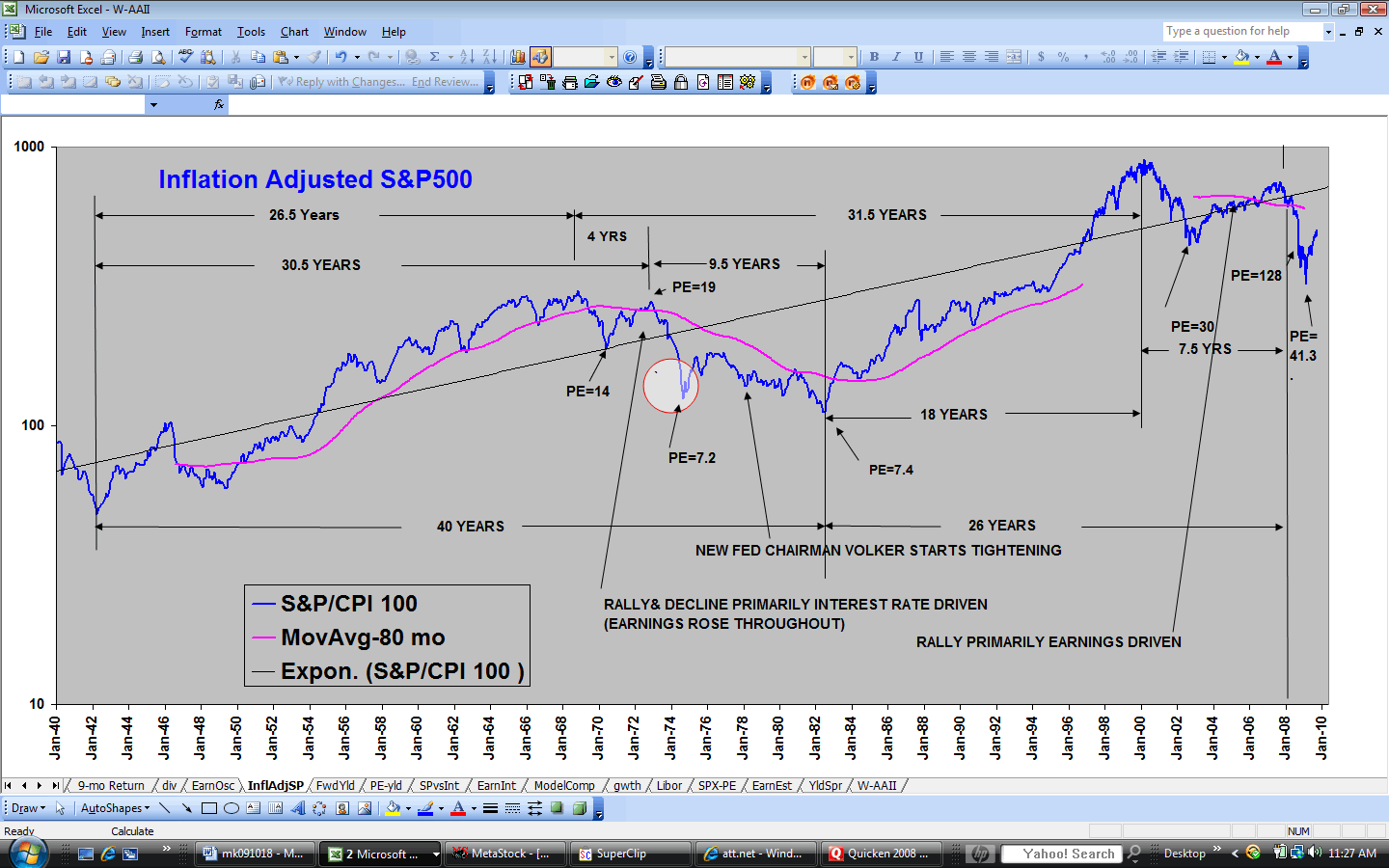
Are stocks cheap enough relative to prospective earnings to make them attractive? Although both have been dropping rapidly (http://www.geocities.com/petegersb/EarningsEstimates.GIF ), the huge discrepancy between S&P’s bottom up and top down earnings estimates persists (http://www.geocities.com/petegersb/EarnY-Y.GIF ). For 2009, the commonly reported bottom up estimate for operating earnings has dropped from $97.31 to $91.85, but the recently more accurate top down estimate has dropped all the way down to $55.67. At Friday’s close of 873.29 the latter still produces a slightly high P/E of 15.7 on forward operating earnings. If you use the reported earnings estimate (those with less of the imaginative stuff), of $49.15 for 2009 (up slightly from September’s trailing 12 month earnings of $46.10) you get a forward P/E of 17.8. These P/E’s are a little above the historic norm (http://www.geocities.com/petegersb/ValueBand.GIF ) – certainly not screaming bargains – and there’s a high risk that forward estimates are still too optimistic as this recession deepens. So far there is no evidence that the administration’s inconsistent, and sometimes counterproductive, policy initiatives are arresting the decline. The current dividend yield of 3.15%, while up from a low of 1.07% eight years ago, is not great either. It looks decent in a deflationary environment, but it may be all that the buy & hold investor gets over the next few years if the pattern of 3 decades ago persists, as it has during the last 8 years (http://www.geocities.com/petegersb/SPX-InflationAdjusted.GIF ).
Treasury yields (http://www.geocities.com/petegersb/TreasuryYield-10yr.GIF)
have remained very low despite the alarming rate of increase in treasury debt.
Until a few months ago, the Bush administration had been adding about a half a
trillion dollars a year to treasury debt, but in the last 12 months, it added
$1.5 trillion. With our near zero savings rate, that money has to be borrowed
from the foreigners, shifted from other investments, or created on the printing
presses. Probably a good many of the proceeds from stock sales has shifted into
bonds, but that is a zero-sum game. For every seller who raises
cash by selling stocks there is a buyer who must raise an equal amount of cash
either by transferring it from savings or borrowing it. Margin debt peaked in
mid-2007, so stocks haven’t been the source of funds to buy bonds. Foreigners
now own over half of our treasury debt, and contrary to their behavior during
the last recession, they have been buying Treasuries at an accelerating rate
while selling US stocks and Agency and Corporate bonds (http://www.contraryinvestor.com/2008archives/mooct08.htm
). Their continued willingness to buy is keeping interest rates low, but their
overall purchase of US Financial Assets is already in steep decline. 
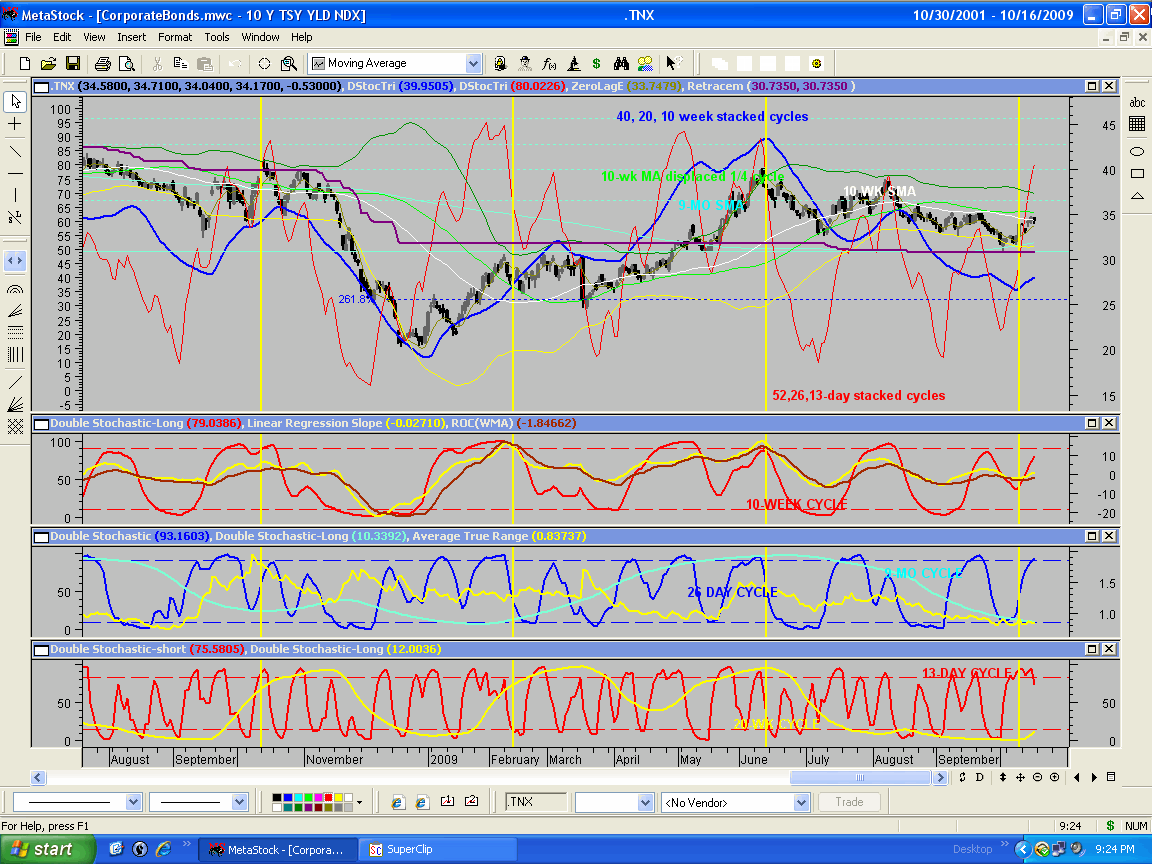
With the decline in our trade deficit as oil prices drop, foreigners will have fewer dollars to buy the huge offerings of our treasury debt. Rates will have to rise, perhaps precipitously, to entice additional buyers, but the cycles suggest that time is not yet imminent. Conflicting cycle trends suggest that rates are not yet ready to escape their 2008 trading range.
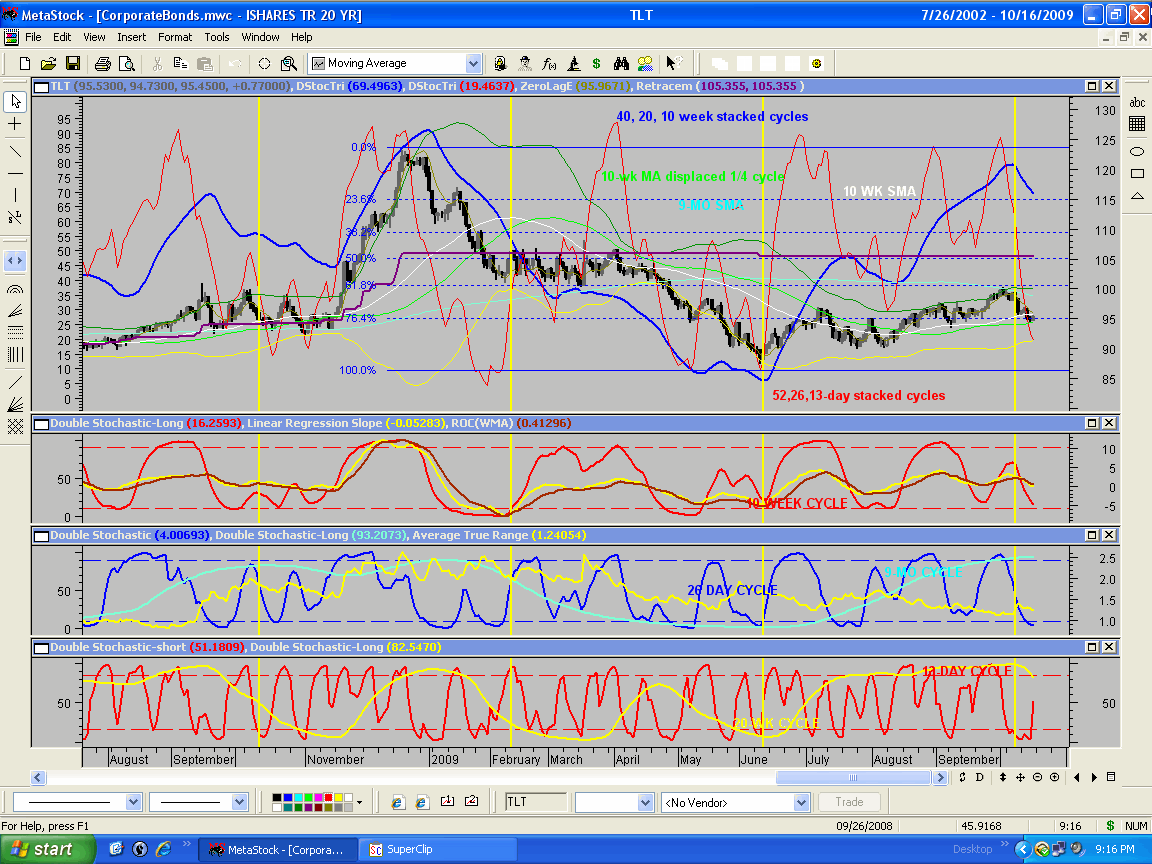
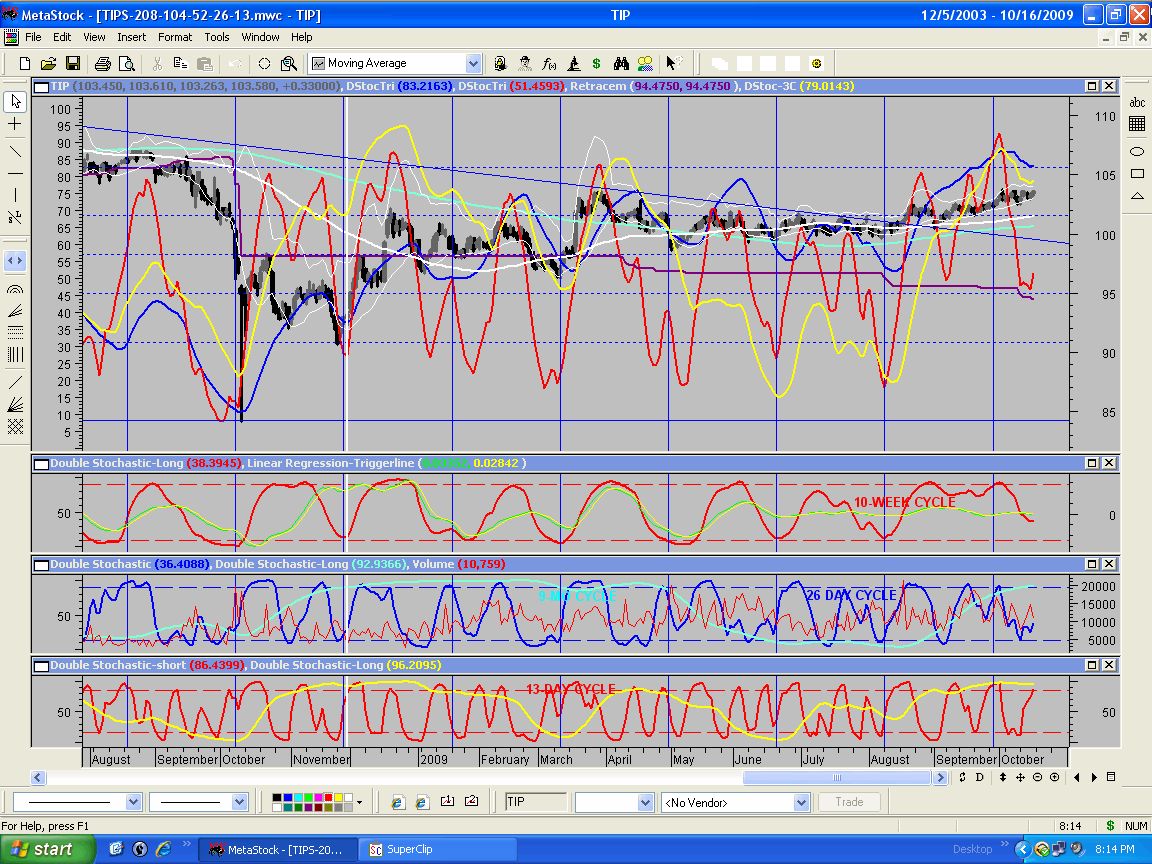
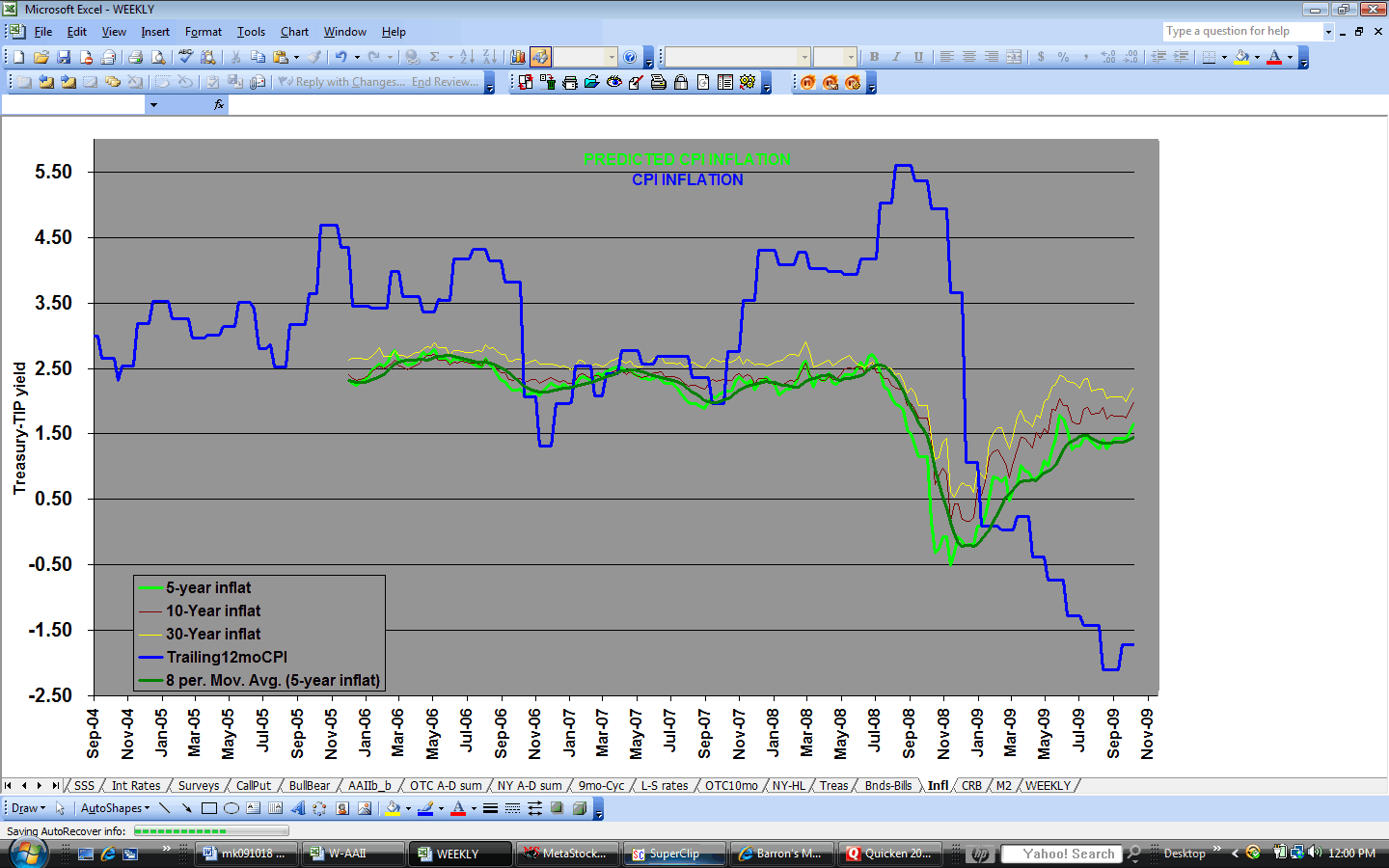
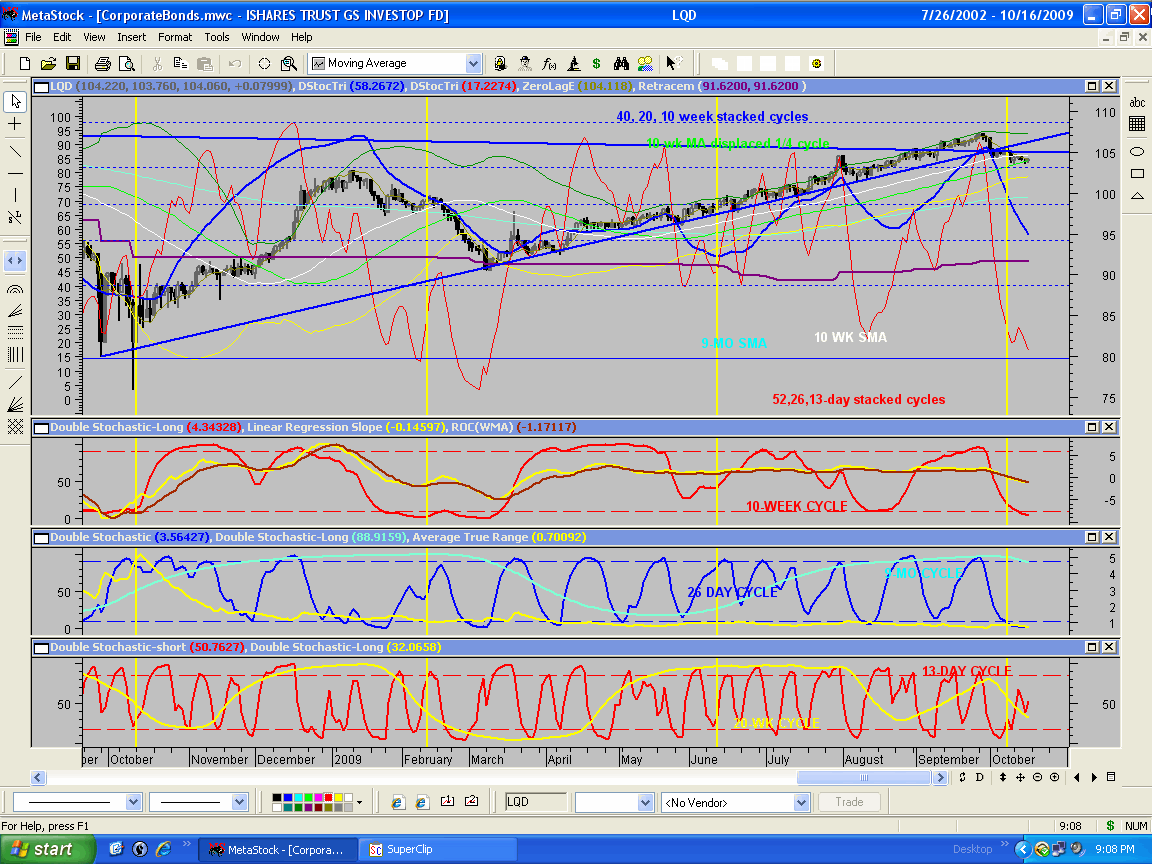
The discrepancy during the last 2 months between the performance of conventional Treasury bonds (http://www.geocities.com/petegersb/Treasury-20yr.GIF ) and Inflation Protected Treasuries (http://www.geocities.com/petegersb/TIPs.GIF) continues to point to expectations of CPI (http://www.geocities.com/petegersb/CPI.GIF ) deflation during the next few years. There is no other way to rationalize the nearly identical yields on their five-year maturities. If we have deflation during the next 5 years despite the record fiscal and monetary stimulus during last few years and even greater stimulus now in the works, this economy must be in very big trouble. Corporate bonds (http://www.geocities.com/petegersb/CorporateBonds.GIF) have performed better than Treasuries during the last month, but it appears that they began at least a short-term downtrend on Veterans Day. I suspect that they will be testing their October low about the time that stocks bottom.
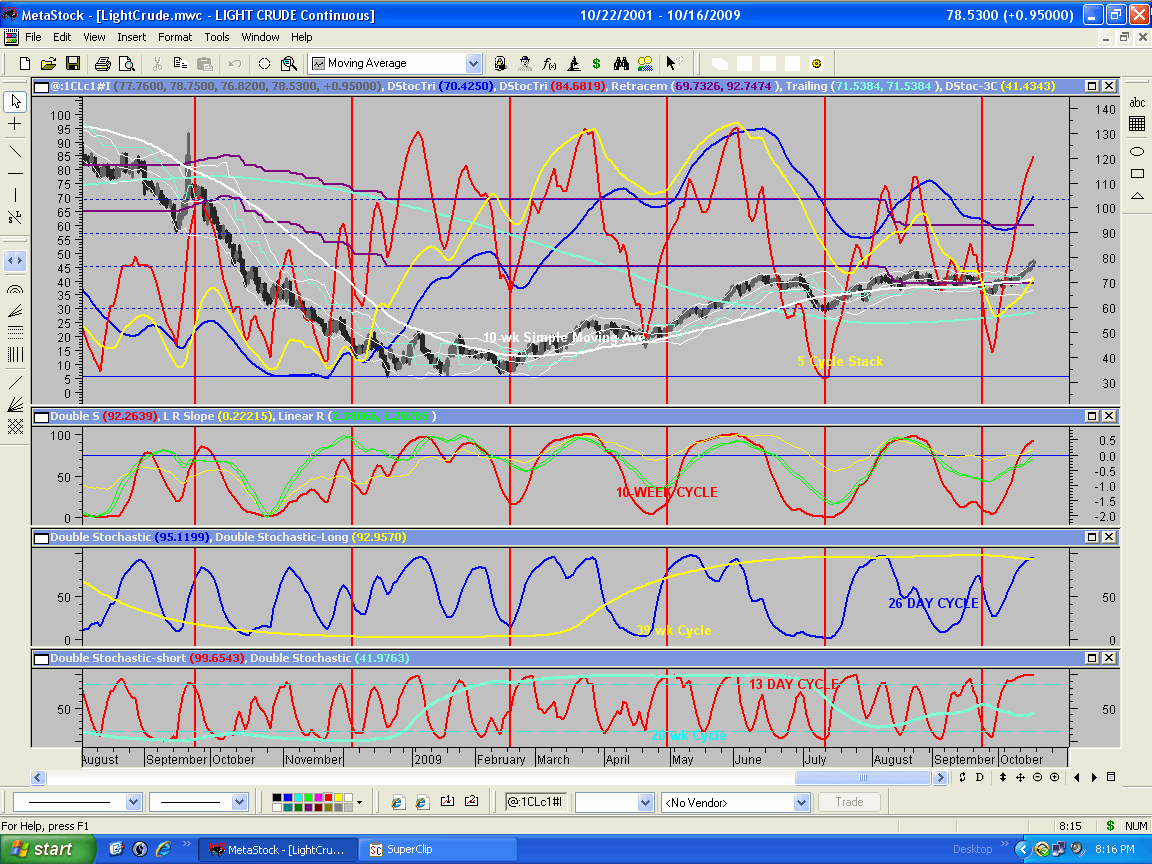
As Crude oil
(http://www.geocities.com/petegersb/CrudeOil.GIF
) struggles to find a bottom,
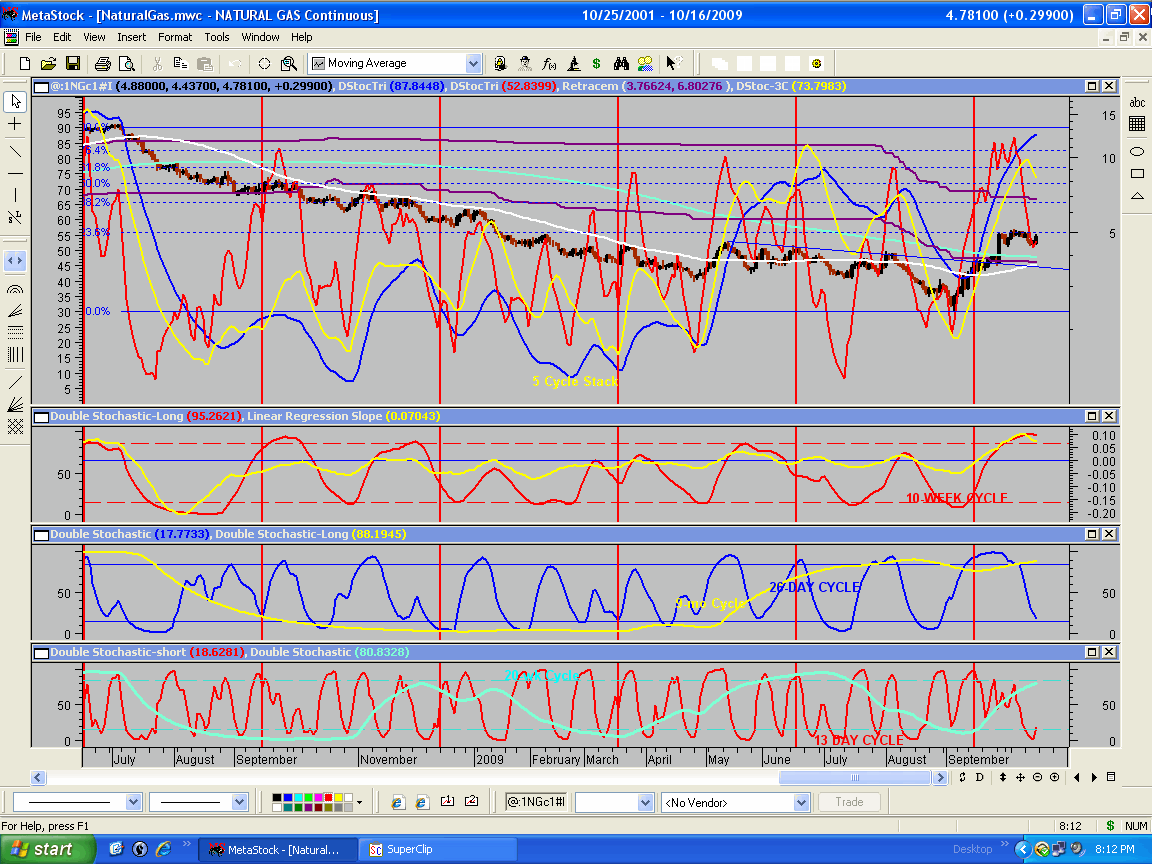
Natural gas (http://www.geocities.com/petegersb/NaturalGas.GIF ) is in a short-term downtrend that is testing its October lows despite uptrends in the intermediate cycles. The 13-day cycle is 14 days old and deeply oversold, so we should see a rally attempt this week.
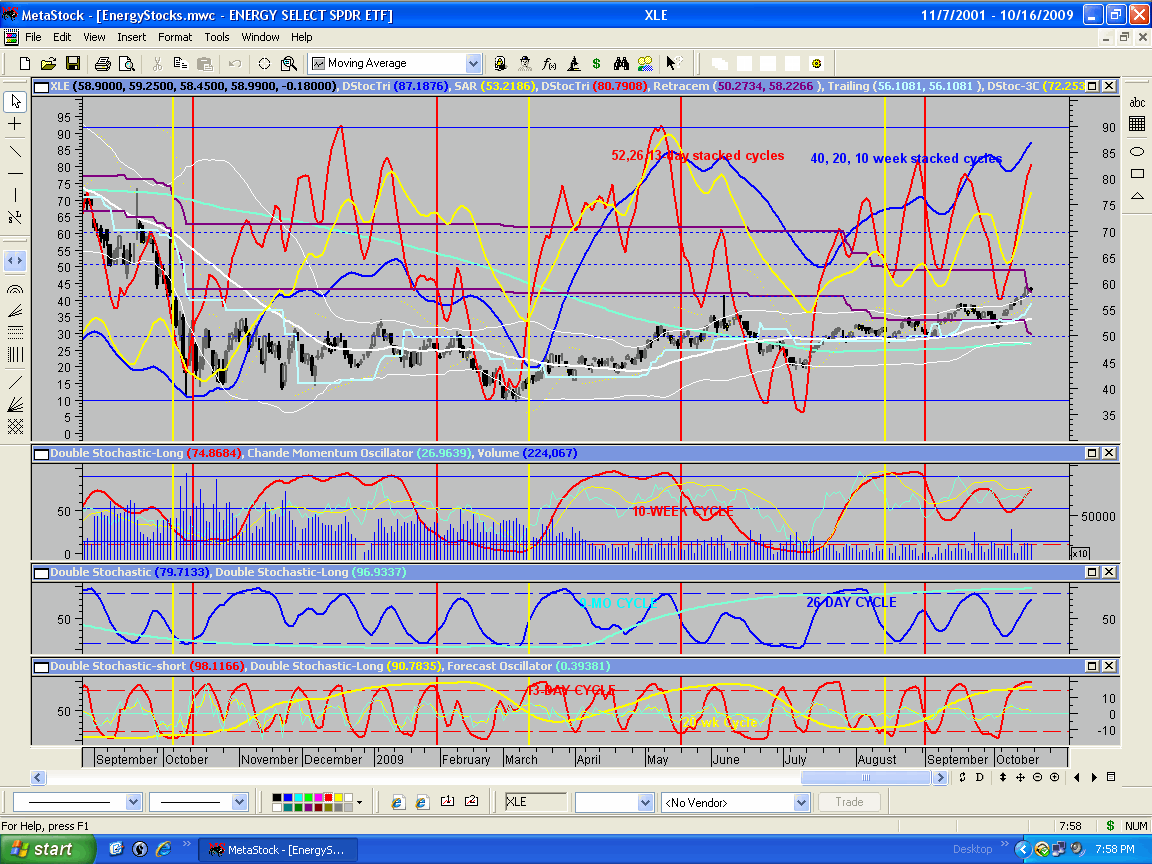
Energy stocks (http://www.geocities.com/petegersb/EnergySPDR.GIF) are slightly stronger than the underlying commodities, and are in both short and intermediate uptrends. The 26-day cycle is in a downtrend that likely will inhibit the uptrends in the other cycles this week.
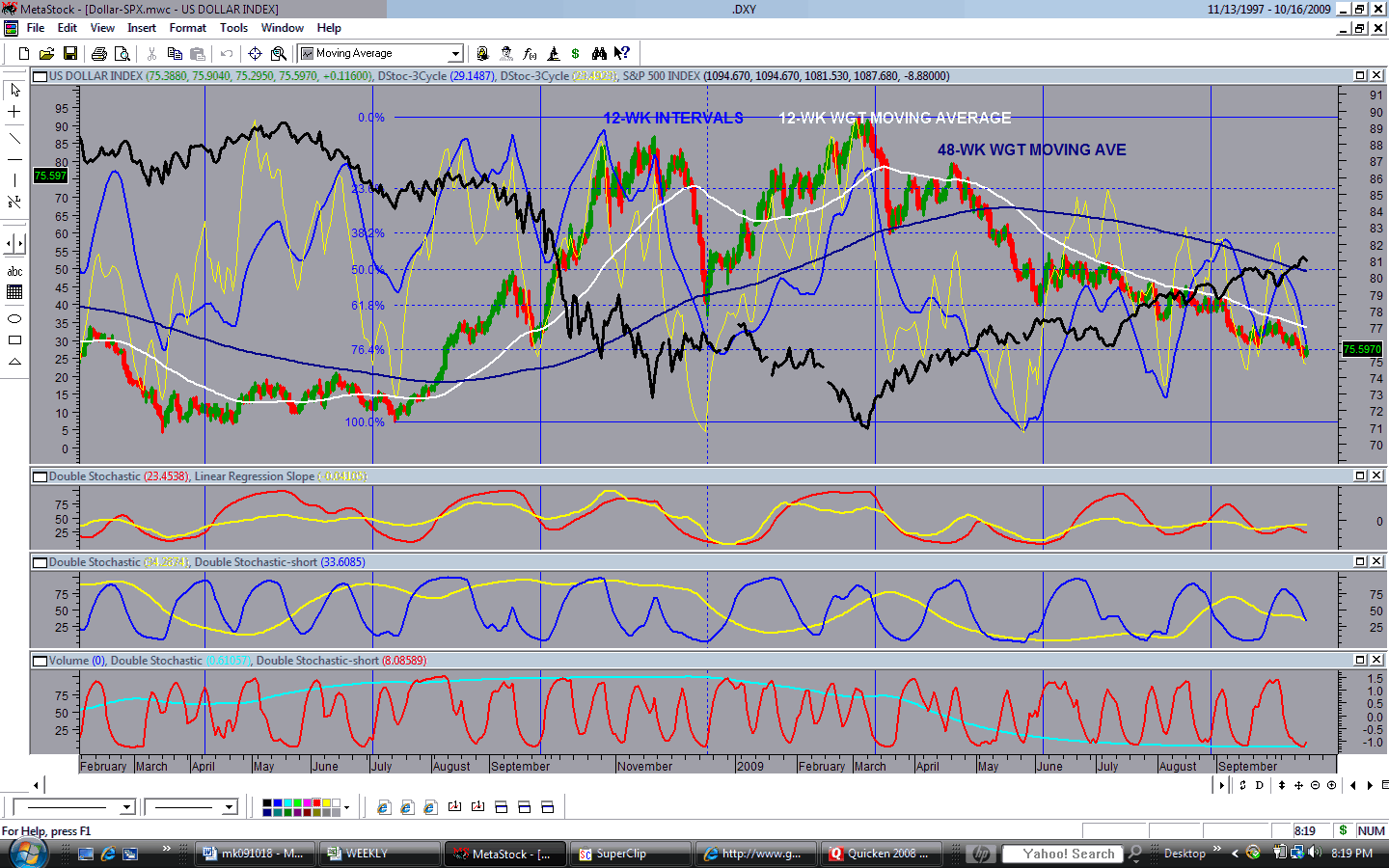
The dollar (http://www.geocities.com/petegersb/Dollar.GIF) is in short and intermediate uptrends, but backed off from a test of the October peak on Friday. It appears likely to correct further this week, and may be forming a double top.
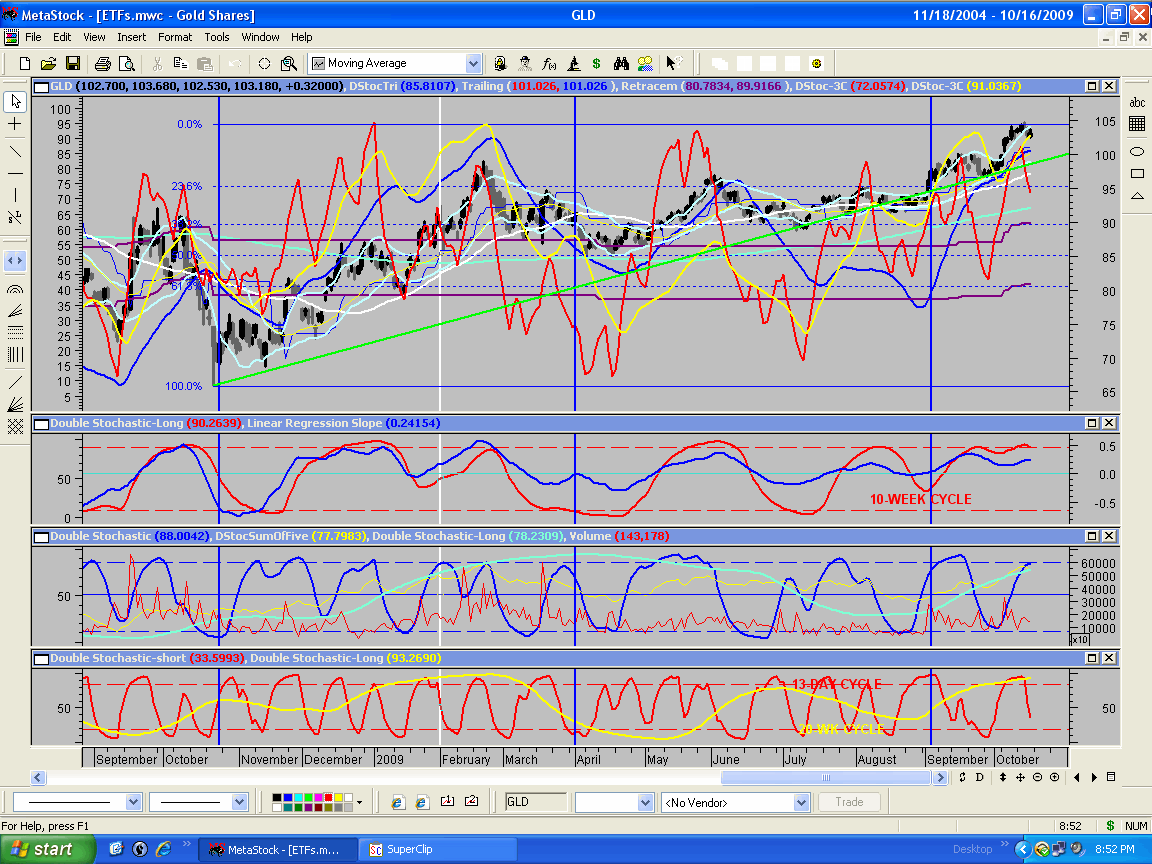
Gold (http://www.geocities.com/petegersb/GoldBullion.GIF) is in a short-term uptrend after an apparently successful
test of the October low. It remains to be seen if the rally can turn the
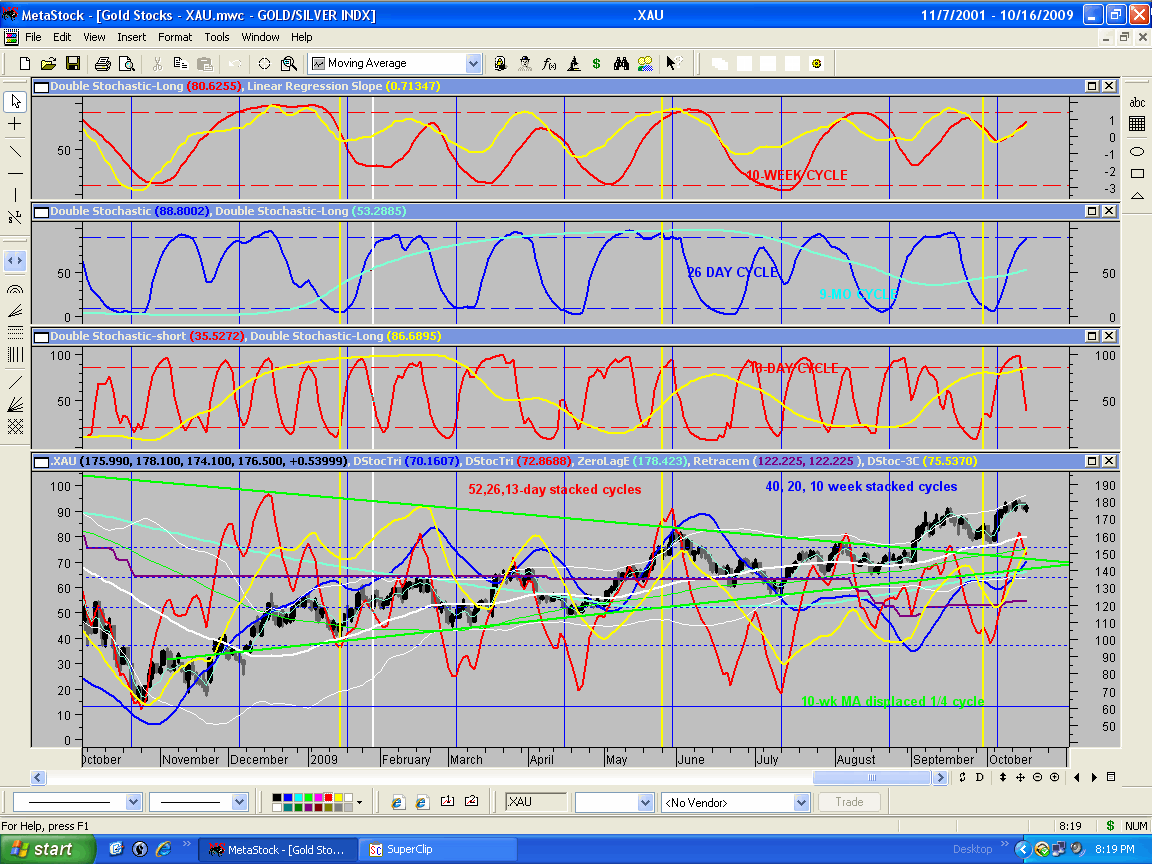
intermediate trend upward. Gold Stocks (http://www.geocities.com/petegersb/GoldStocks.GIF
) show a similar price pattern, but both short and intermediate composites are
trending upward. The uptrend appears likely to continue this week.