9/21/08
A generation ago, a presidential candidate said: “Government
isn’t the solution to our problems, it is the problem”. He got elected with the help of that
oversimplification, and applied that philosophy selectively to start the
It’s more than a little ironic that an administration that has pushed for privatization of the government run Social Security system is now engineering the government takeovers of our largest financial institutions or buying their bad debt in a desperate attempt to prevent our financial system and our economy from collapsing. Lack of adequate government regulation of these institutions enabled their managers to take imprudent risks that led to the current crisis, and John McCain still recites the Republican deregulation mantra as he points with pride to his past “achievements” as a long–standing member of the Senate’s Commerce Committee. Even worse, the hypocrite now promises to fire Chris Cox, the head of the SEC, for inadequately enforcing its weak regulation policies while McCain himself was advocating further deregulation. And astoundingly, he sought to link the problems to Obama because he is supported by the past head of Fannie Mae, while his own campaign is run by a former lobbyist for Fannie and Freddy. Never mind that the problems developed while McCain was in the Senate but Obama was not, and that the Wall Street crowd that securitized mortgages, levered up enormously, and largely support McCain were far more responsible for the problems than were Fannie and Freddy. As John Mauldin (http://www.frontlinethoughts.com/gateway.asp ) points out this week, “Up until 2003, all investment banks were allowed only 12 to 1 leverage. Then in 2004, the SEC basically gave five banks (and only five banks) the ability to lever up 30 or even 40 to 1. Bet you can guess the five banks. Bear, Lehman, Merrill, Morgan and Goldman”. Yes Chris Cox enabled the folly of these investment banks, but he was only following the deregulation ideology that his fellow Republicans, including John McCain, preach. It’s clear that McCain is assuming that the American people are so gullible that they will not demand consistency or logic in policy statements when they step into the voting booth. It’s also clear that McCain is no Harry Truman. For him, the buck stops not in the oval office, but at the desk of an appointed underling.
Taxpayers became the majority owners of Fannie Mae and Freddy Mac a couple of weeks ago, and of AIG last week. When those bailouts failed to halt the implosion of financial assets for more than a day or two, Paulson engineered a massive government purchase of distressed assets that could potentially add another $700 billion to a trillion dollars to the national debt. The treasury doesn’t have the money, so it will have to borrow it or print it. But $700 billion is still an order of magnitude less than the debt Bush added during his term, and this time it’s for a better reason – rescuing our financial system instead of making war and cutting taxes for the wealthy. The Palin/McCain ticket (her ranking, not mine) announced just before the latest the latest rescue package that they opposed more bailouts. That was after flipping on the AIG bailout from opposition to support. He seems to be as confused about where he stands as we are.
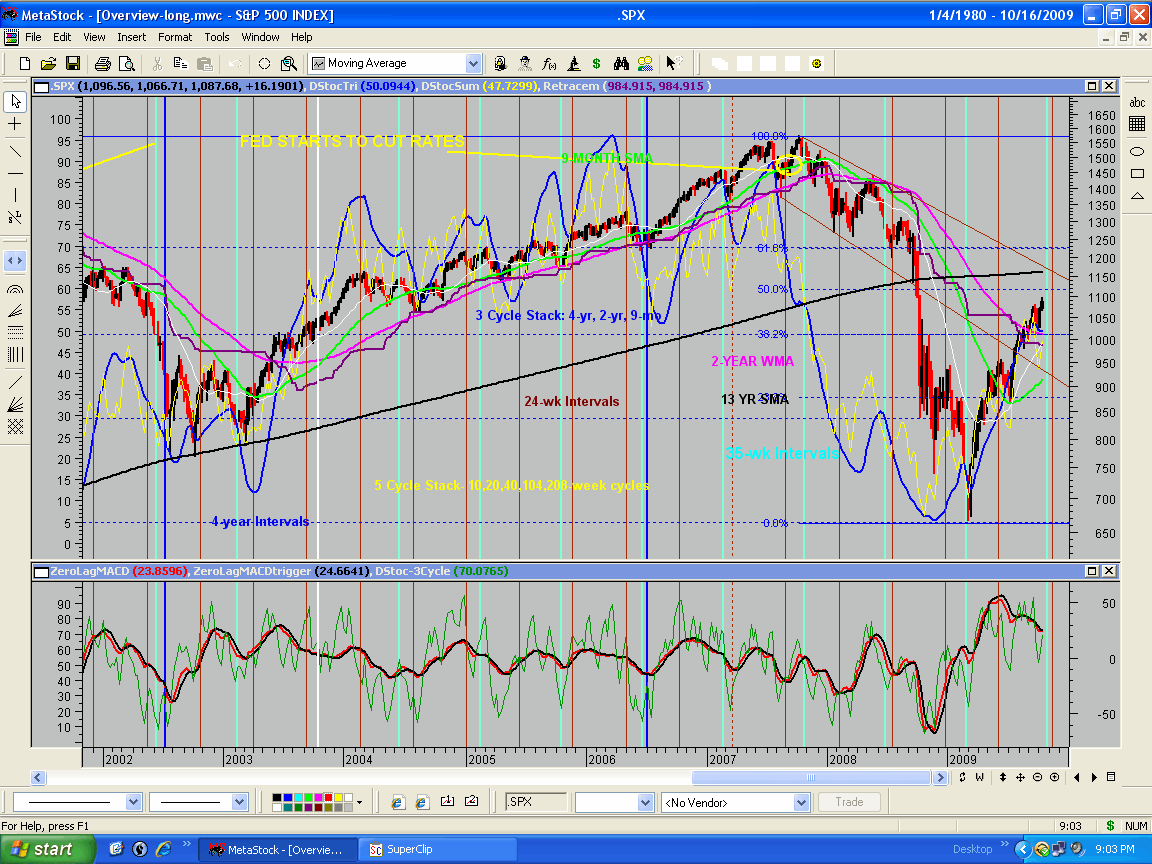
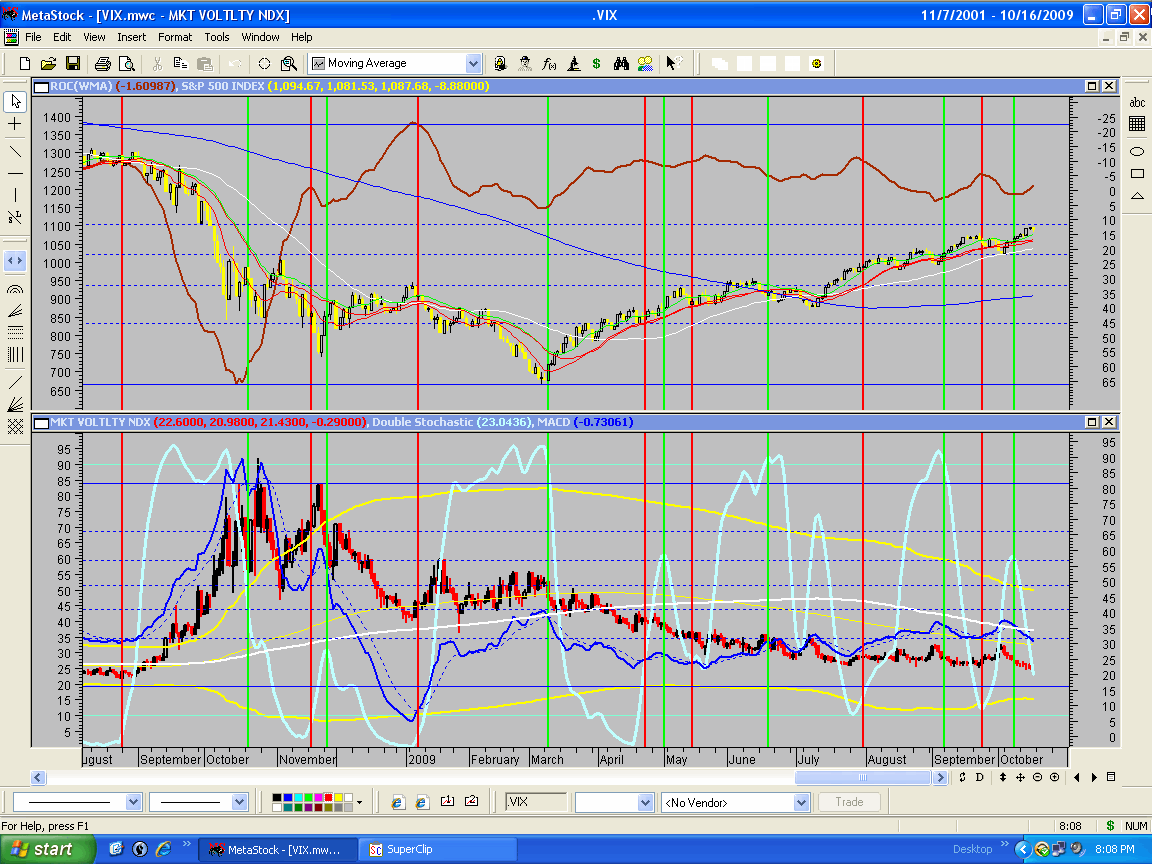
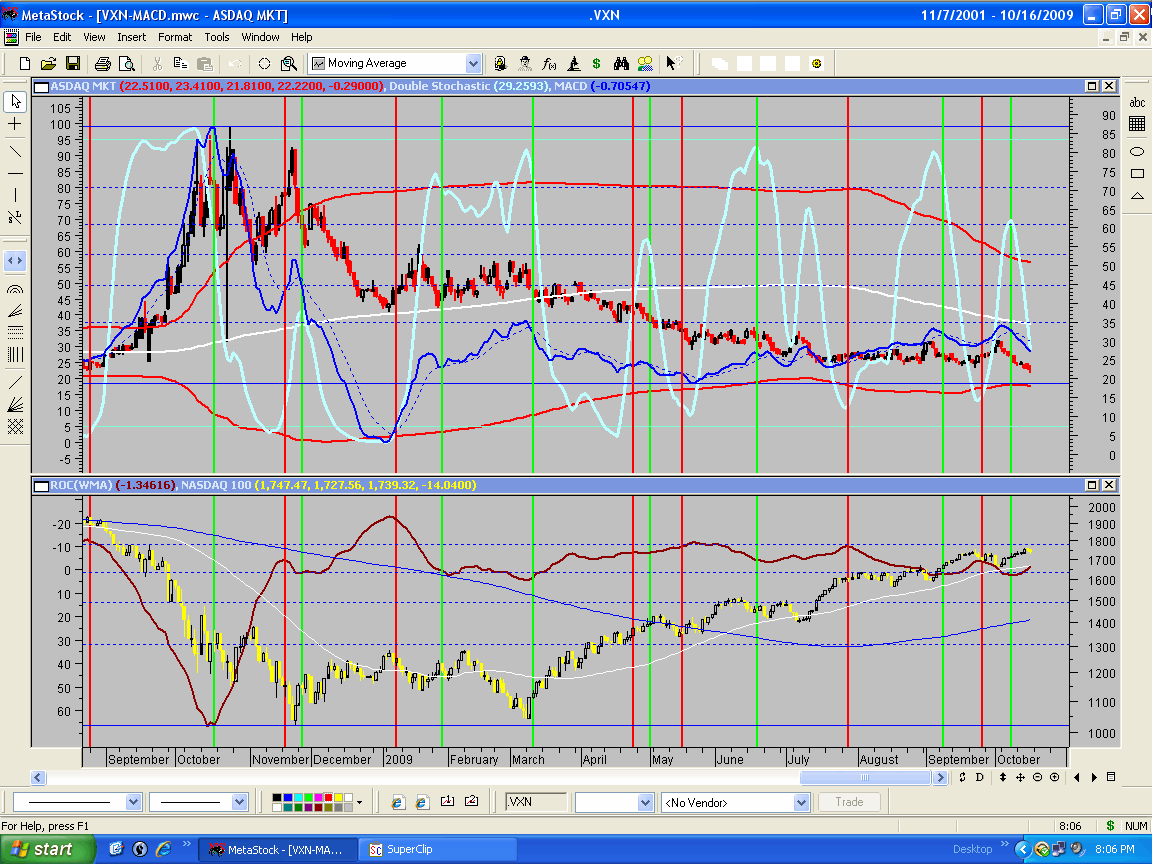
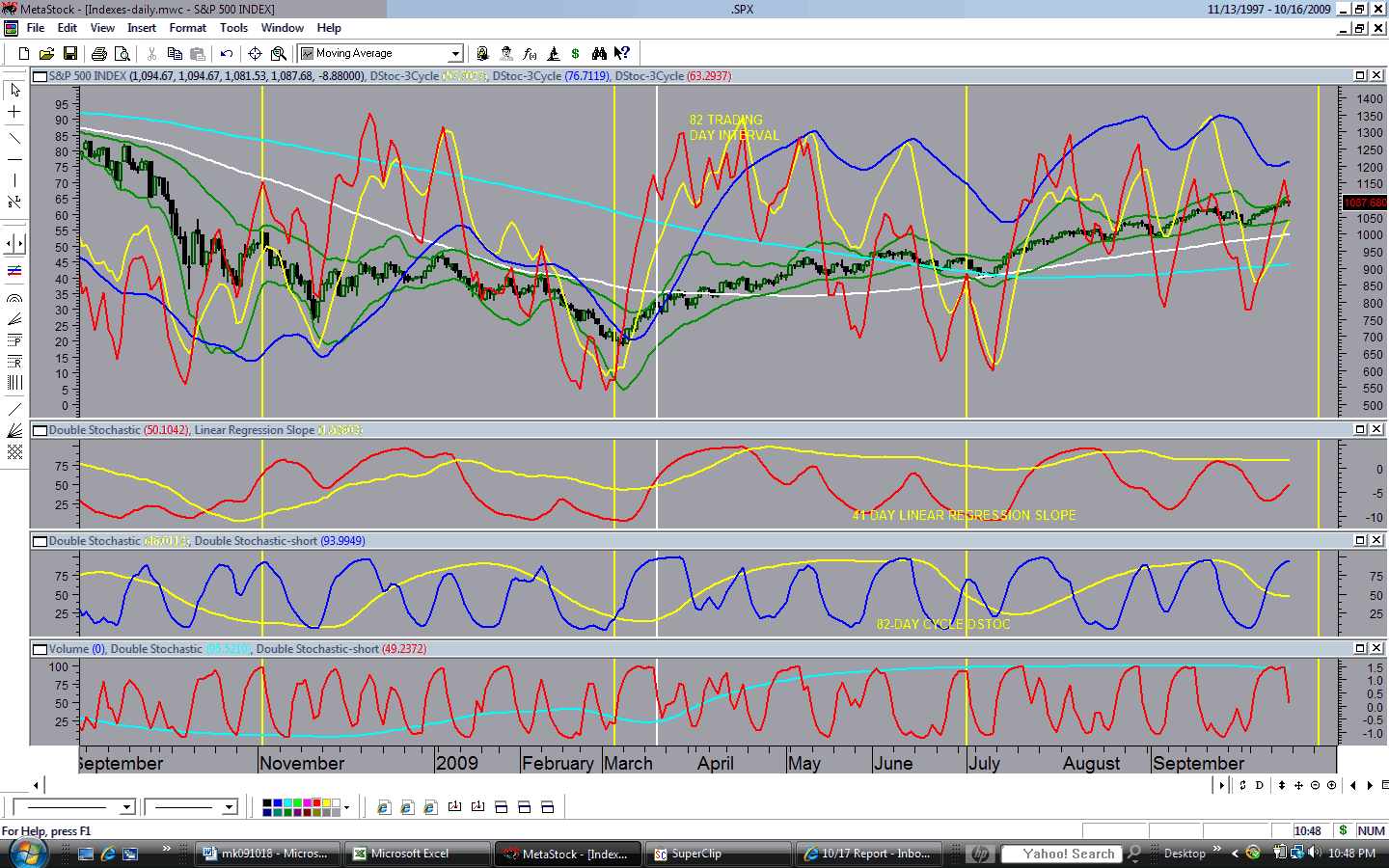
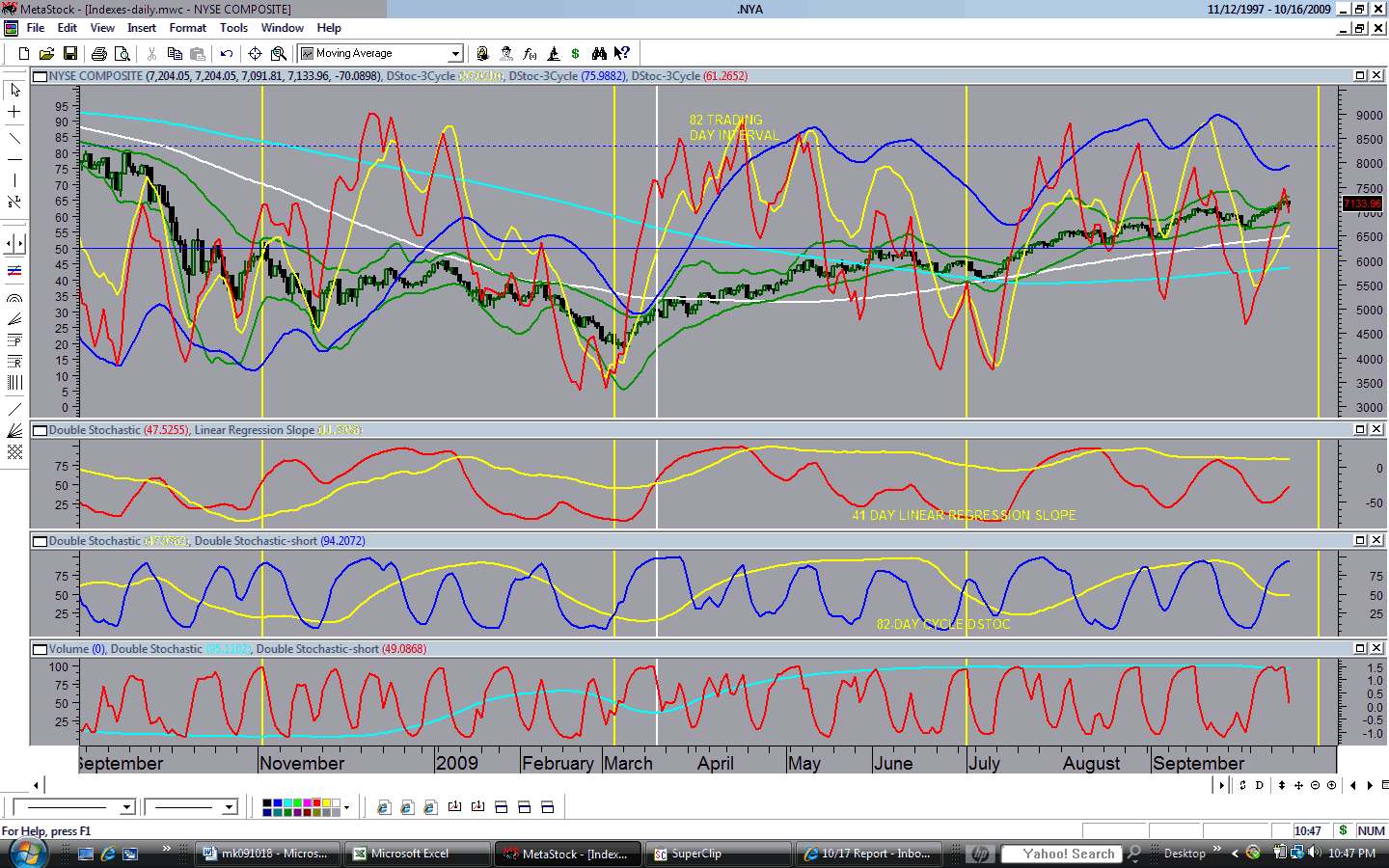
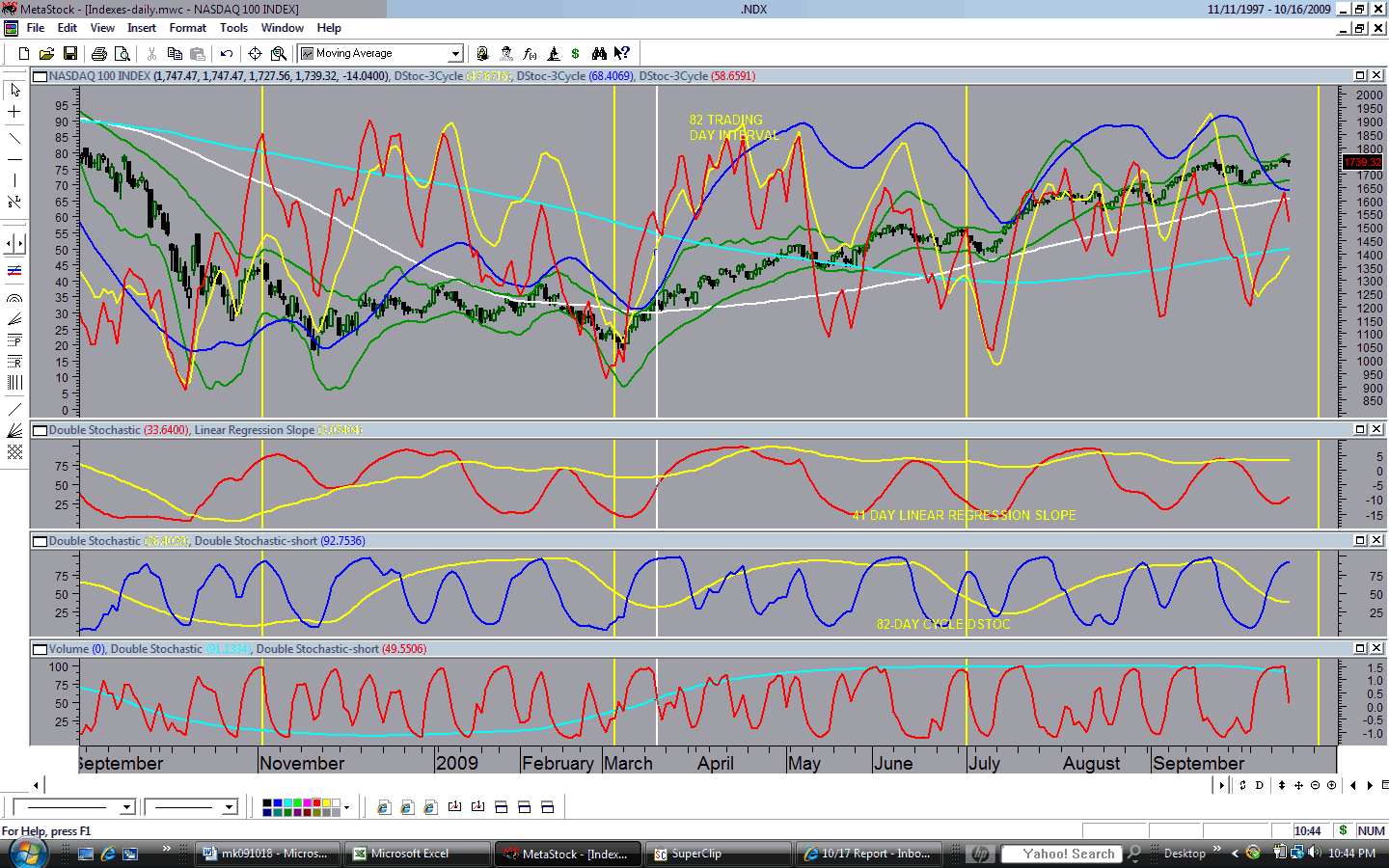
Stock investors concluded that this time the rescue will work, and temporarily it probably will. The indexes put in the 10-week cycle bottom right on schedule on Thursday (http://www.geocities.com/petegersb/Overview-med.GIF , http://www.geocities.com/petegersb/Overview-long.GIF ), just before word of the rescue package leaked. The daily VIX (http://www.geocities.com/petegersb/VIX.GIF) and VXN (http://www.geocities.com/petegersb/VXN.GIF) confirmed that bottom on the DStocs, but not yet on the MACD. It remains to be seen if the financial rescue package will rescue the market, or if the reality of our economic situation depresses stocks again after the 10-wk cycle rally phase runs its course. Even if the financial system has been rescued, the housing implosion is probably only about half finished, and the consumer recession is probably just getting started. Stocks still have a very difficult road ahead.
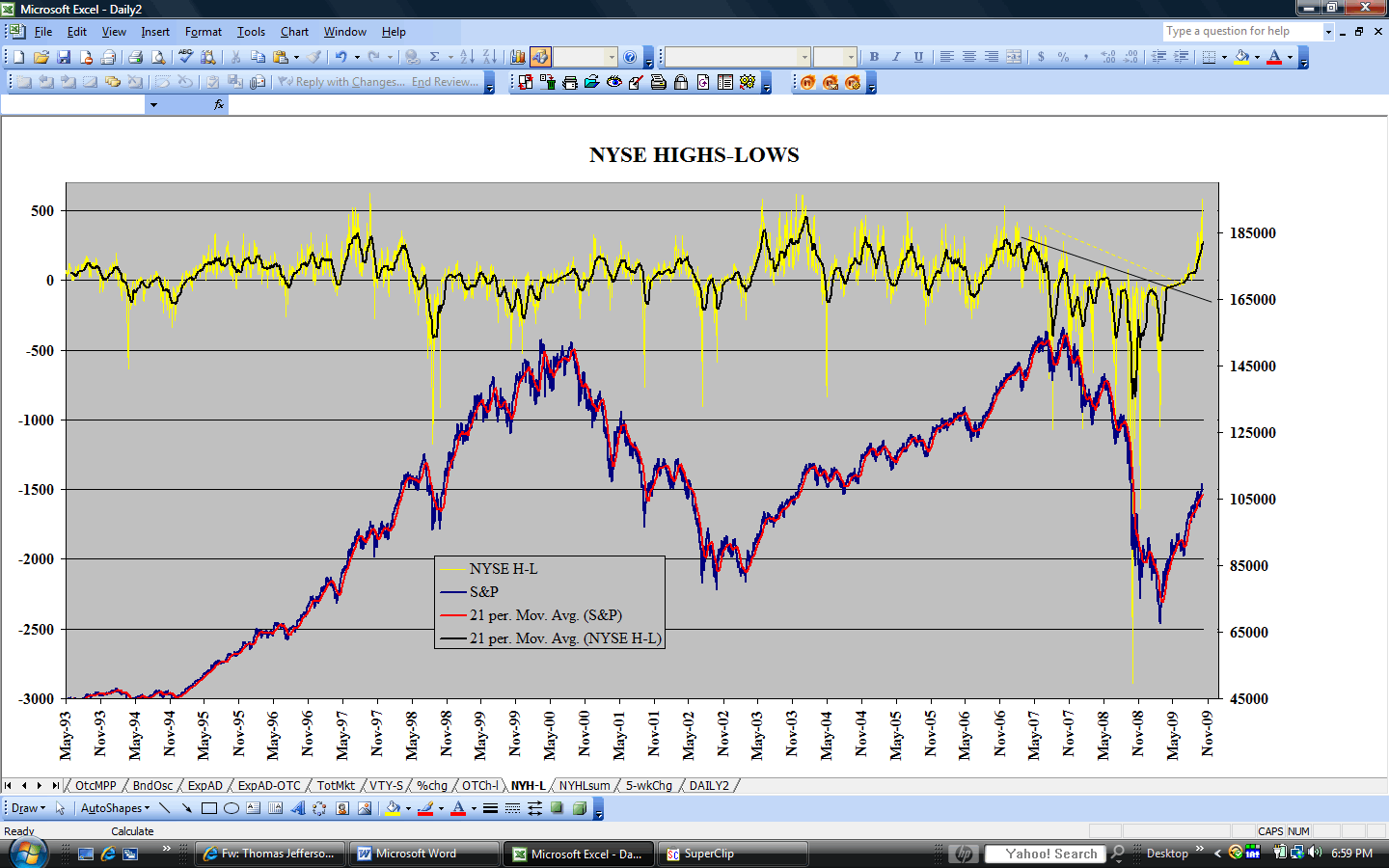
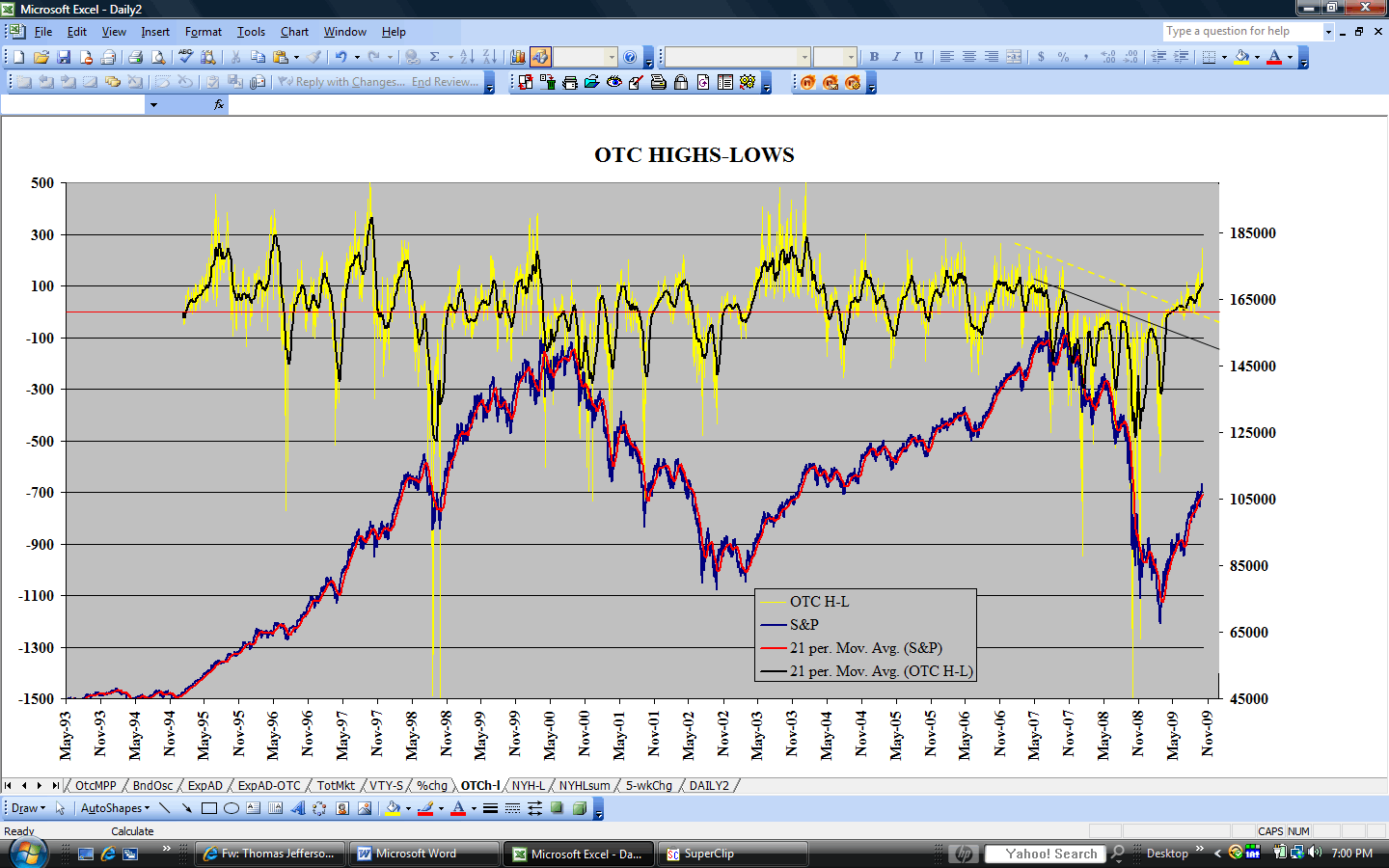
There were enough extremes in evidence on Thursday that one has to at least consider the possibility something more significant than a 10-week cycle bottom in a longer term downtrend. Volume was at a record and new lows (http://www.geocities.com/petegersb/HighLowNYSE.GIF , http://www.geocities.com/petegersb/HighLowOTC.GIF ) were at the levels normally seen at 9-month cycle lows. On the other hand, we’ve seen these extremes 5 previous times since August of 2007, so they’ve been occurring at an average interval of 11.3 weeks. That’s a slightly extended 10-wk cycle. Each of those temporary bottoms after the first came at lower prices than the prior one, and the latest was no exception. So we have no evidence in that data of a longer term trend reversal.
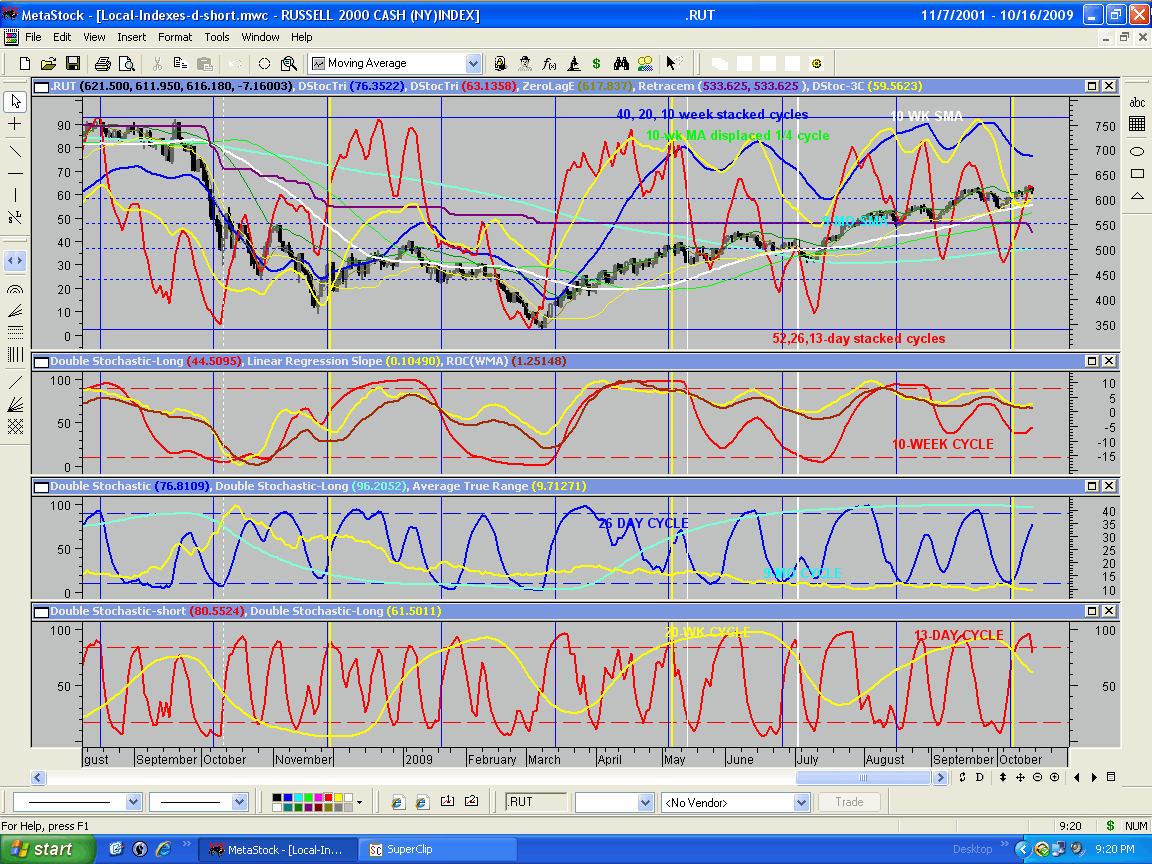
Each of the prior peaks in new lows produced significant rallies, but the SPX (http://www.geocities.com/petegersb/SP500.GIF) is already 10.7% off the low of Thursday and at its 10-wk moving average resistance. The Nasdaq Composite, which is 9.8% above its low, is also up against its 10-wk moving average, and so is the NYA (http://www.geocities.com/petegersb/NYSE.GIF ). But the NDX (http://www.geocities.com/petegersb/NDX.GIF), which is 8.6% off of its low, is only half way back to its 10-wk moving average. The Russell small cap index (http://www.geocities.com/petegersb/Russell2000.GIF ) was again the exceptional performer – 12% off Thursday’s low, above both 10-week and 9-mo moving averages, testing the June and August peaks, and almost even for the year. That one looks like a different market, and it appears destined to make a right-translated peak for its 9-month cycle.
All those very impressive gains were made in a less than three and half hours of trading between mid-day Thursday and early Friday. It smacks of panicky short covering. The financial spider (http://www.geocities.com/petegersb/Financials.GIF ) gained an astounding 42.8% from Thursday’s low to Friday’s high. Short positions now cannot be replaced in 799 financial stocks that are banned from shorting for at least 30 days. That’s about the time when this fresh 10-wk cycle is due to peak. At about that same time, more lousy earnings reports will be hitting the newswires. I suspect the SEC will be extending the ban in an effort to prevent another meltdown.
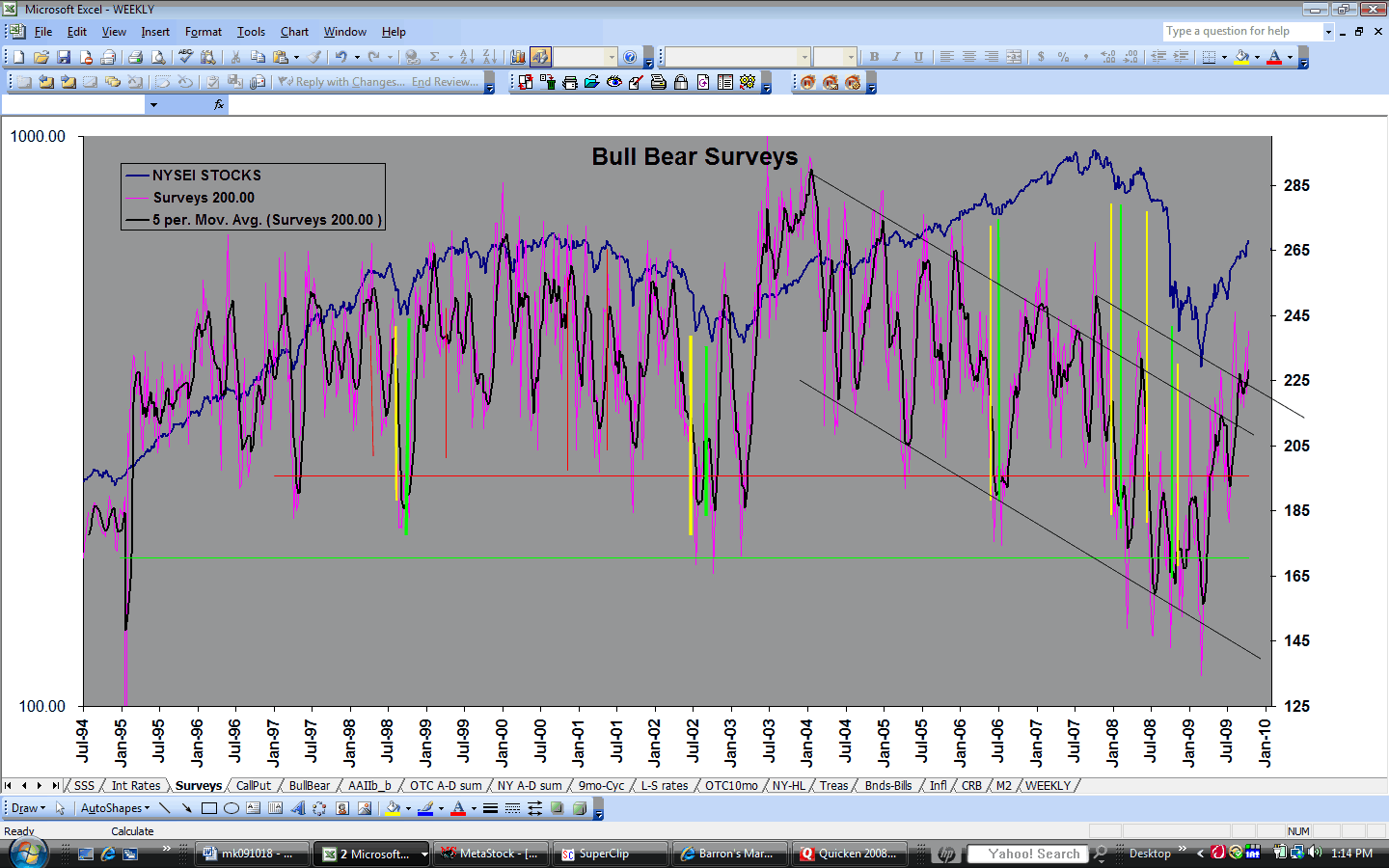
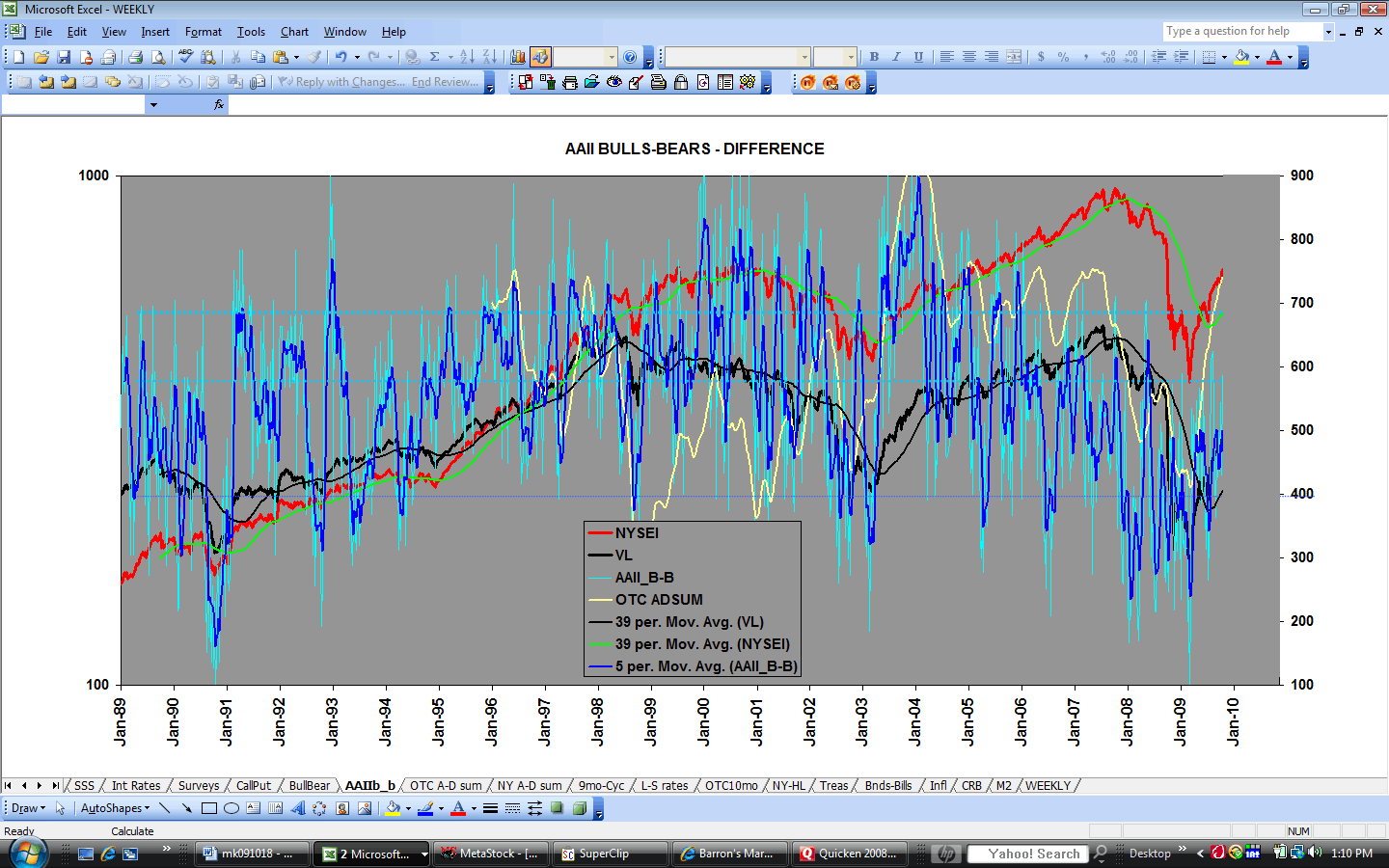
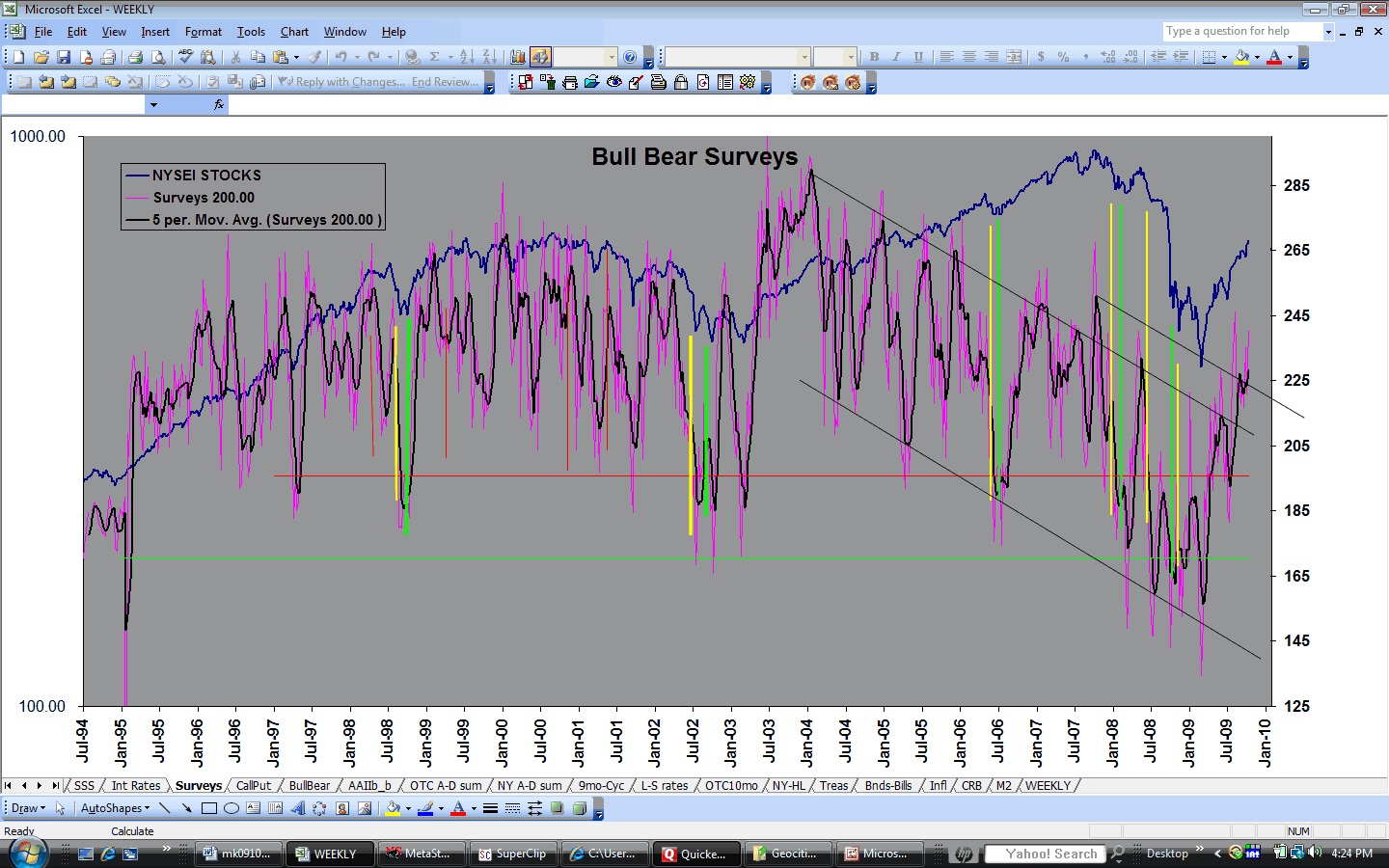
Sentiment indicators are neutral on balance. While both advisory services (http://www.geocities.com/petegersb/InvestorsIntelligence.GIF ) and AAII members (http://www.geocities.com/petegersb/AAIIsentiment.GIF ) are moderately pessimistic, the trend toward greater pessimism (http://www.geocities.com/petegersb/SurveysCombined.GIF ) is unfavorable for the market. Optimism will certainly pick up when last week’s late rally is reflected, but a sustained rise for several weeks will be required to turn this indicator positive.
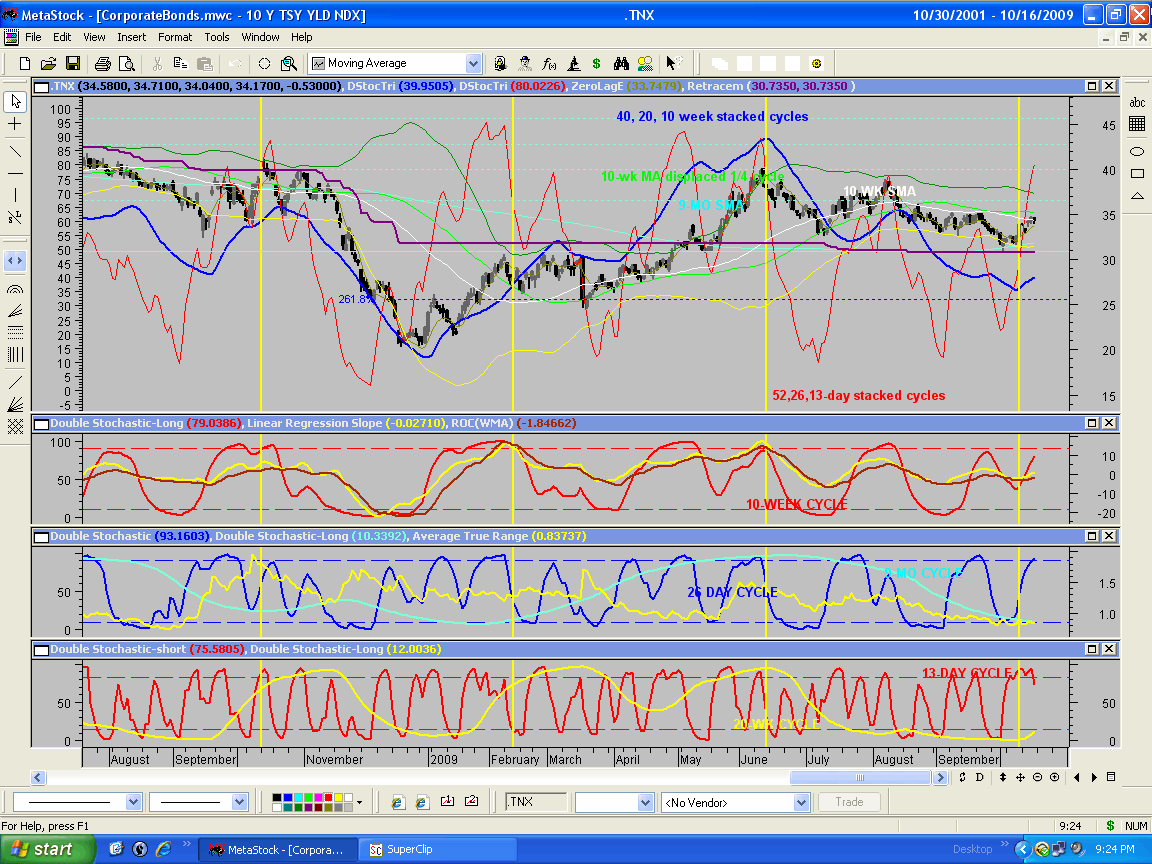
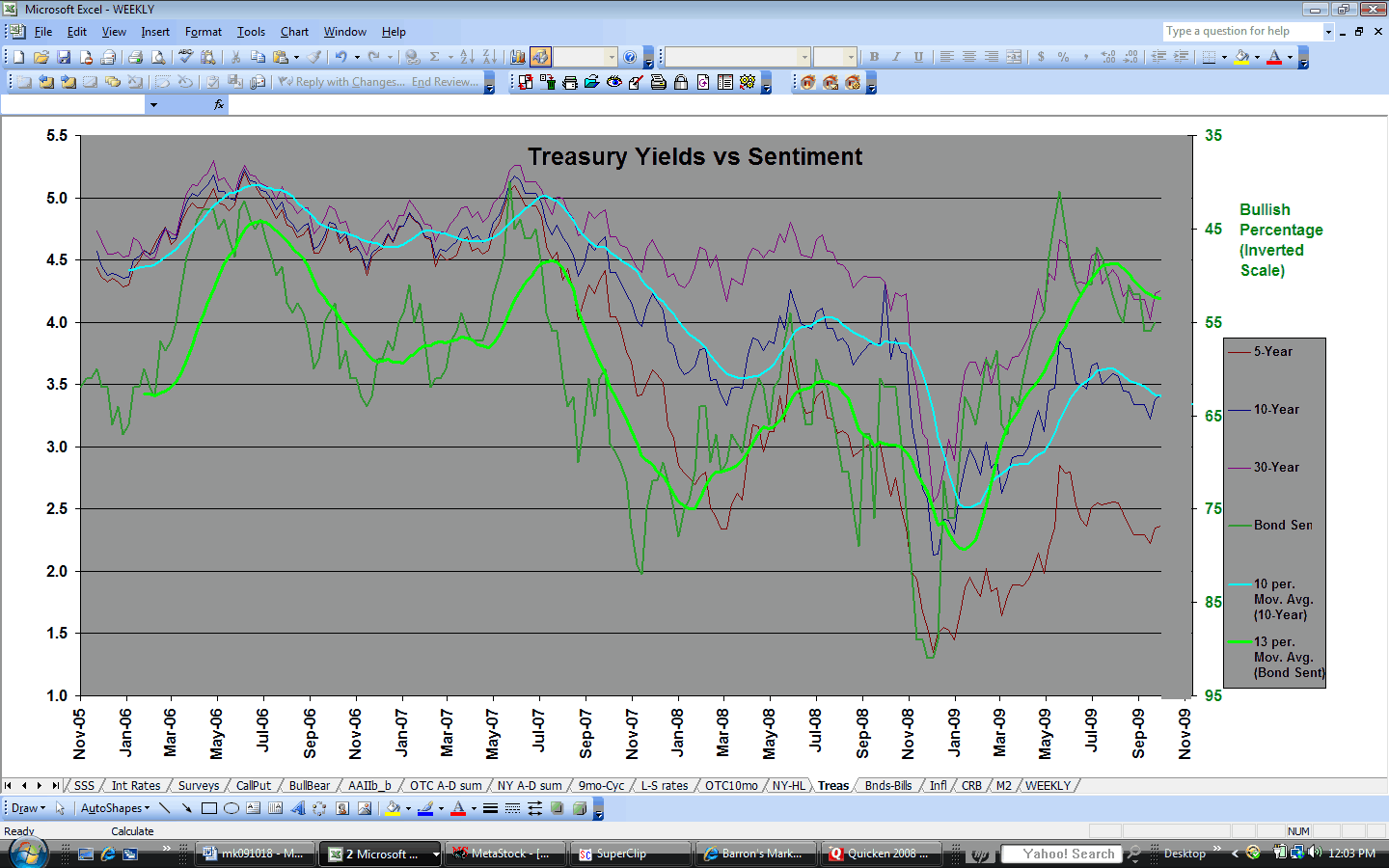
Treasury yields (http://www.geocities.com/petegersb/TreasuryYield-10yr.GIF gapped hugely higher on Friday in reaction to the huge new obligations assumed by the Treasury. Those higher rates will, of course, make borrowing the additional money even more expensive, running our debt still higher in a vicious cycle. Treasury debt has already expanded by $640 billion during the last 12 months, and very soon we will need over a trillion dollars a year to fund our real deficit. Perhaps the Iraqis will lend us a portion of the oil surplus that they have piled up while we continue to pay for the reconstruction of the damage done by the war, but that’s a little less than $100 million. We’ll need more from our Chinese friends. If we buy fewer of their goods during the coming consumer recession, they won’t have as much to lend. And they may demand higher rates to compensate for their likely exchange rate losses as the dollar starts falling again after a brief respite.
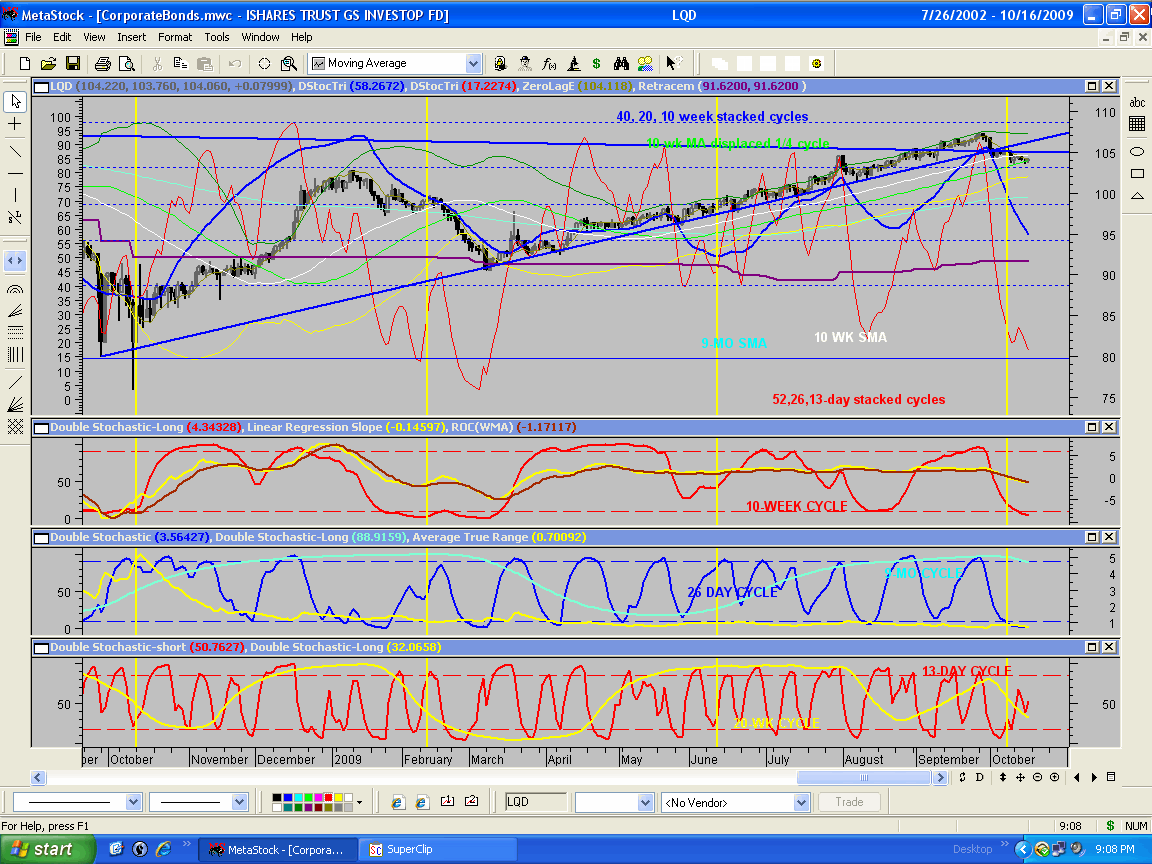
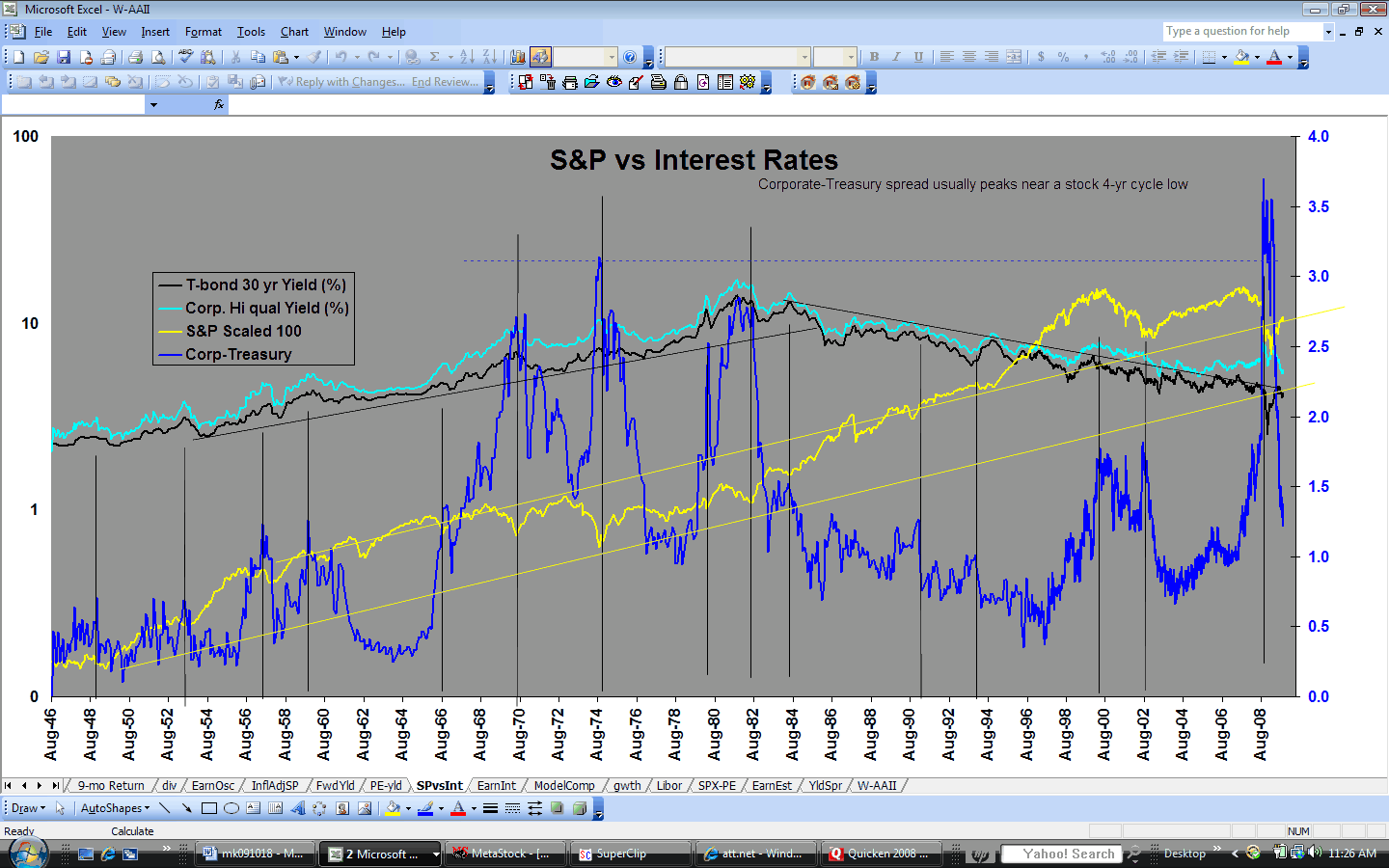
Corporate bonds (http://www.geocities.com/petegersb/CorporateBonds.GIF) crashed early in the week, but recovered some after the Treasury announced its intention to buy the bad stuff. The spread between Corporate and Treasury yields (http://www.geocities.com/petegersb/Stocks-InterestRates.GIF ) spiked much higher last week to levels not seen since the stagflation era (1970, 1974, 1981-82). The spread was even higher early in the week, but on Friday corporate yields dropped while treasury yields spiked much higher. It may mark the peak in the ratio, and that would be a good thing for stocks based on prior experience. Earlier peaks at this level all occurred in the vicinity of major bottoms in stocks. However, one big difference this time is that the trailing P/E for the SPX is at 25. In 1970 it was a little under 20, and in 1974 and in 1982 it got below 8. While it looks like a short-term low for corporate bonds, it also looks like an intermediate downtrend is still in its early stages. If so, the ratio probably hasn’t peaked.
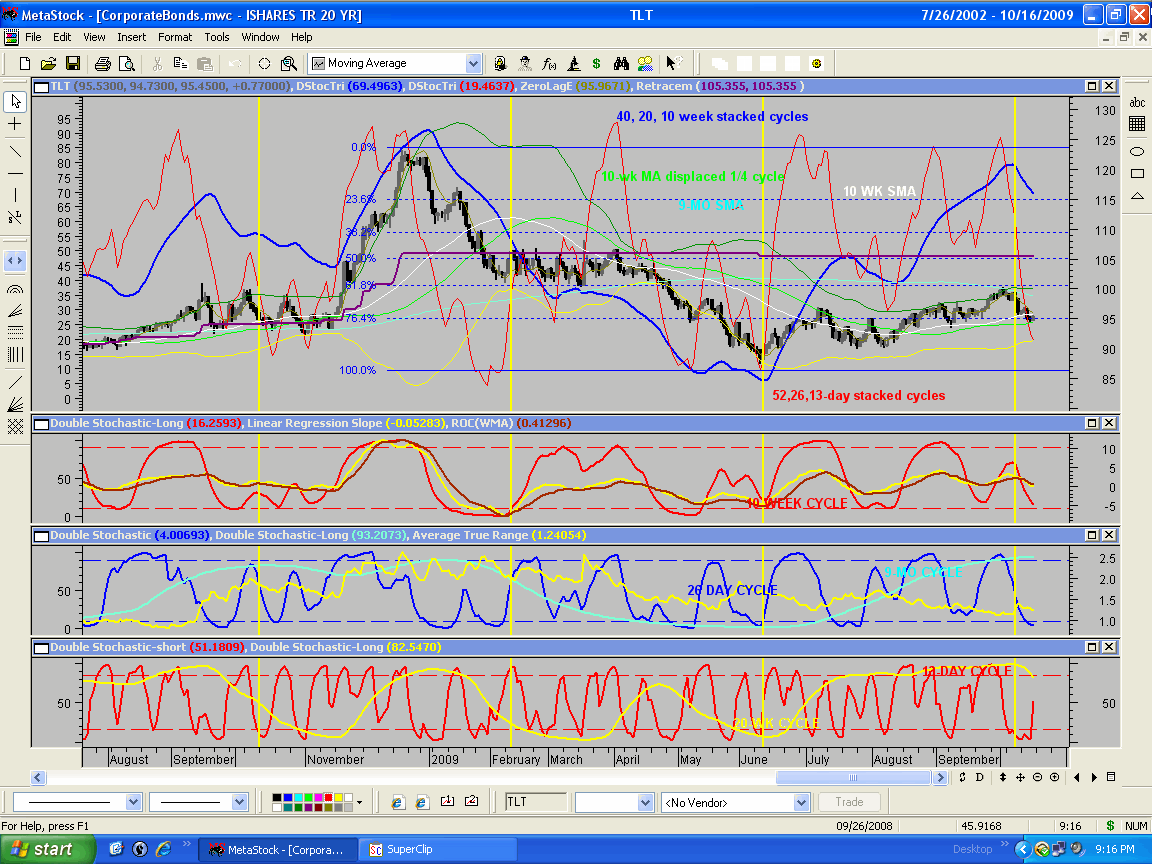
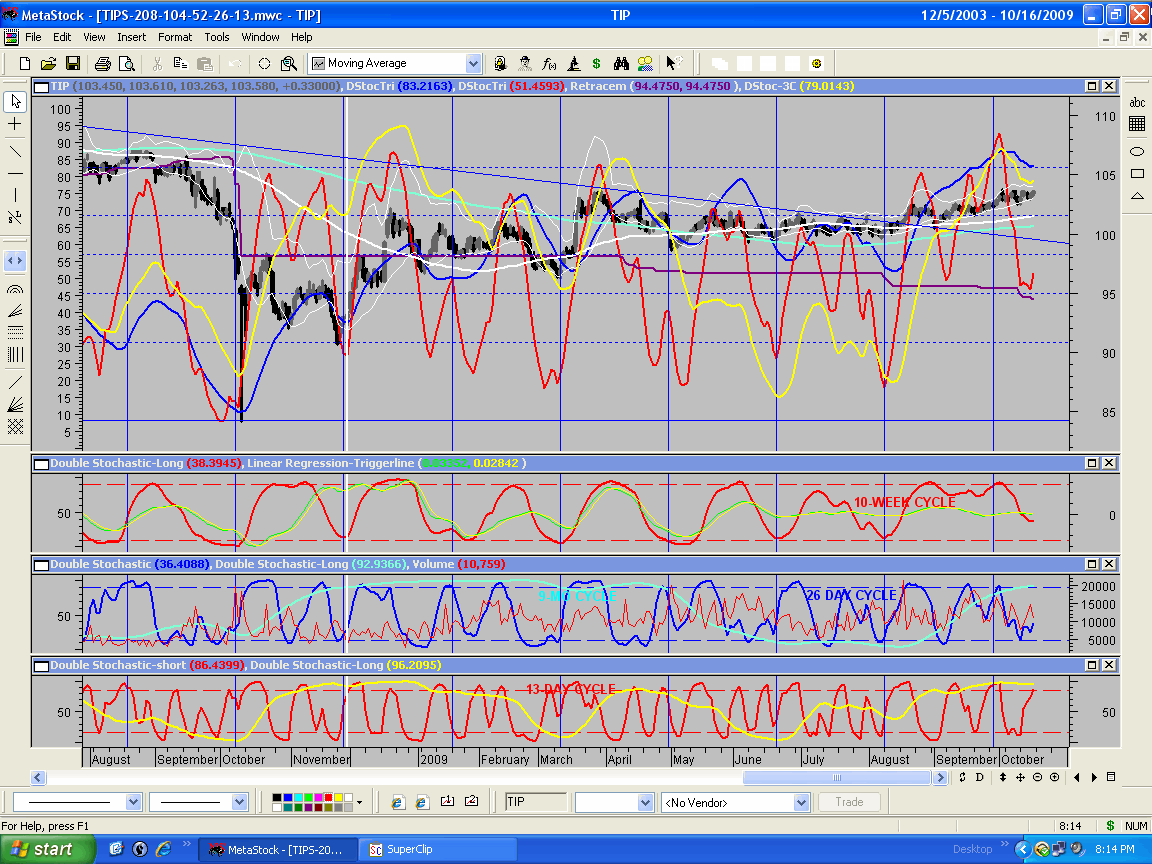
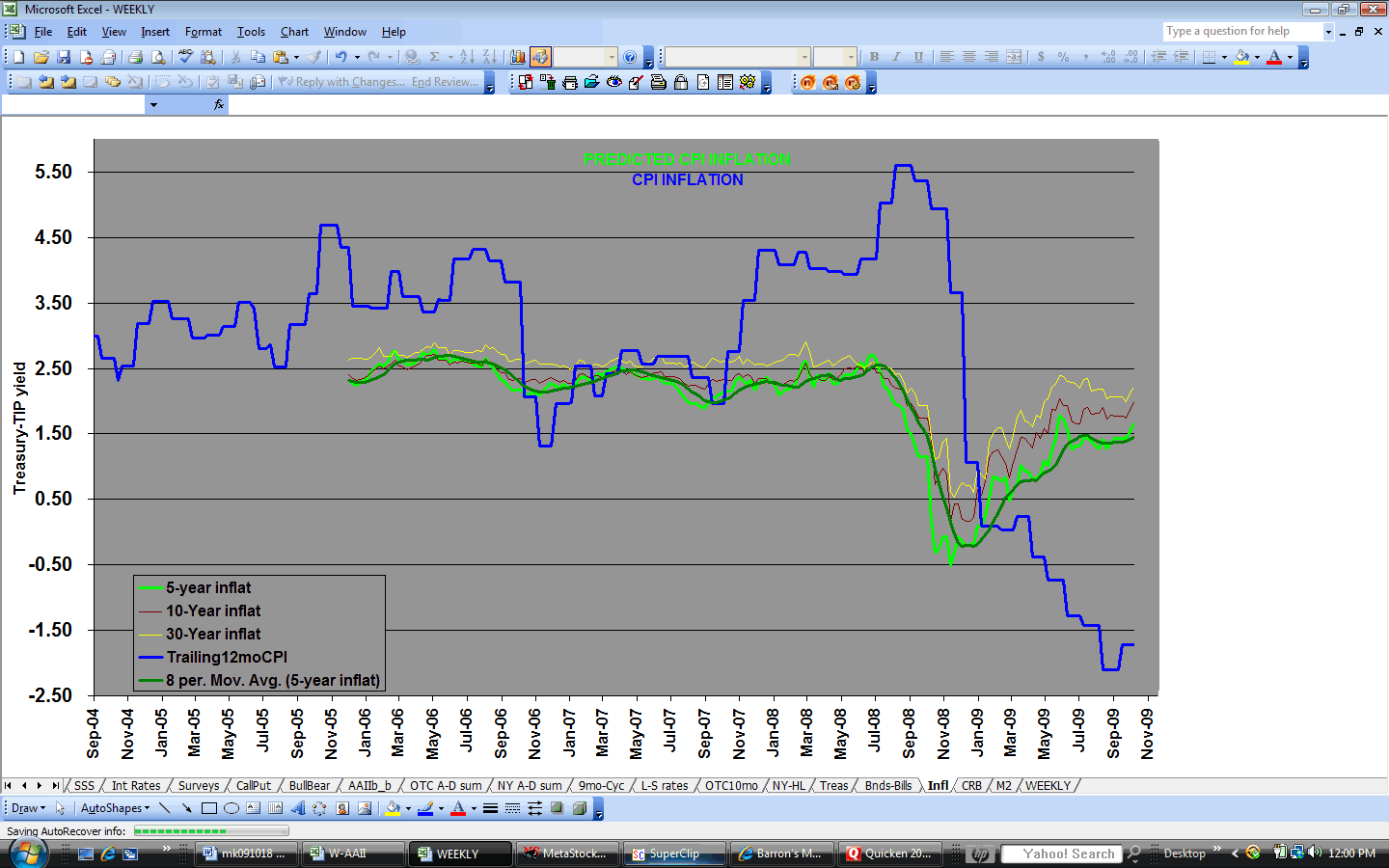
Treasury bonds (http://www.geocities.com/petegersb/Treasury-20yr.GIF ) dropped a little last, but the inflation protected variety dropped a lot (http://www.geocities.com/petegersb/TIPs.GIF). True, the CPI (http://www.geocities.com/petegersb/CPI.GIF ) dipped a little month-over-month as expected, but the year-over-year rate of CPI inflation remained over 5%. The TIP spread, by contrast, dropped steeply last week and is now forecasting a rate of only 1.33% over the next 5 years. That’s consistent with a slow growth or no growth economy, but not with the stagflation that appears more likely as the treasury prints more money to reduce the burden of its debt. The failure of the Fed to make the expected rate cut last week indicates that it shares my concern about inflation. In any case, it looks like Treasuries established a short and intermediate peak on Tuesday, while corporate bonds established a short-term bottom on Wednesday in a continuing intermediate/long-term downtrend. Bond sentiment (http://www.geocities.com/petegersb/BondSentiment.GIF) hasn’t yet confirmed that conclusion, but the latest survey indicates dangerously high exuberance – a condition that usually occurs near a top.
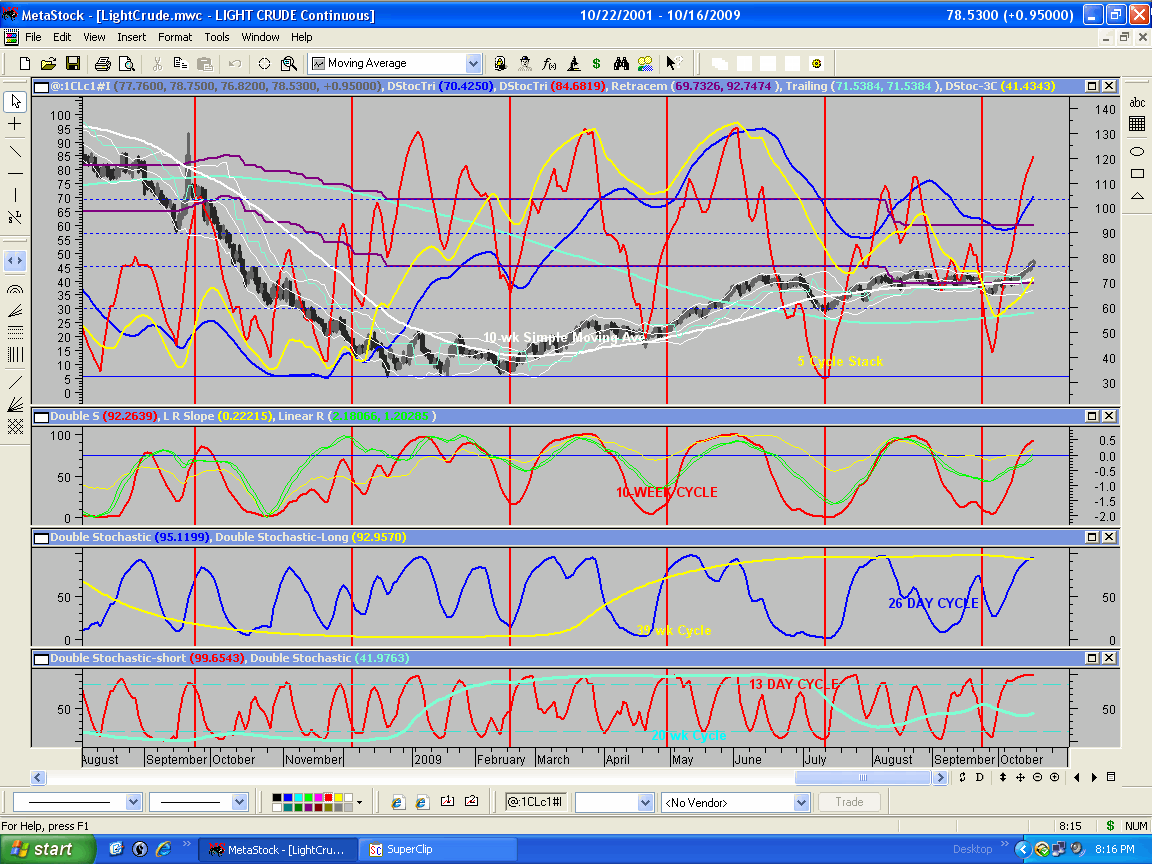
Crude oil (http://www.geocities.com/petegersb/CrudeOil.GIF ) dropped another 10 bucks before hitting bottom on Tuesday. During the next 3 days it bounced $14 off of an intermediate low. The 9-month cycle is only 7 months old, so there is a good chance that oil will test last week’s low before establishing a final bottom, but in the short term it appears likely to first rally back to the $110-$115 level.
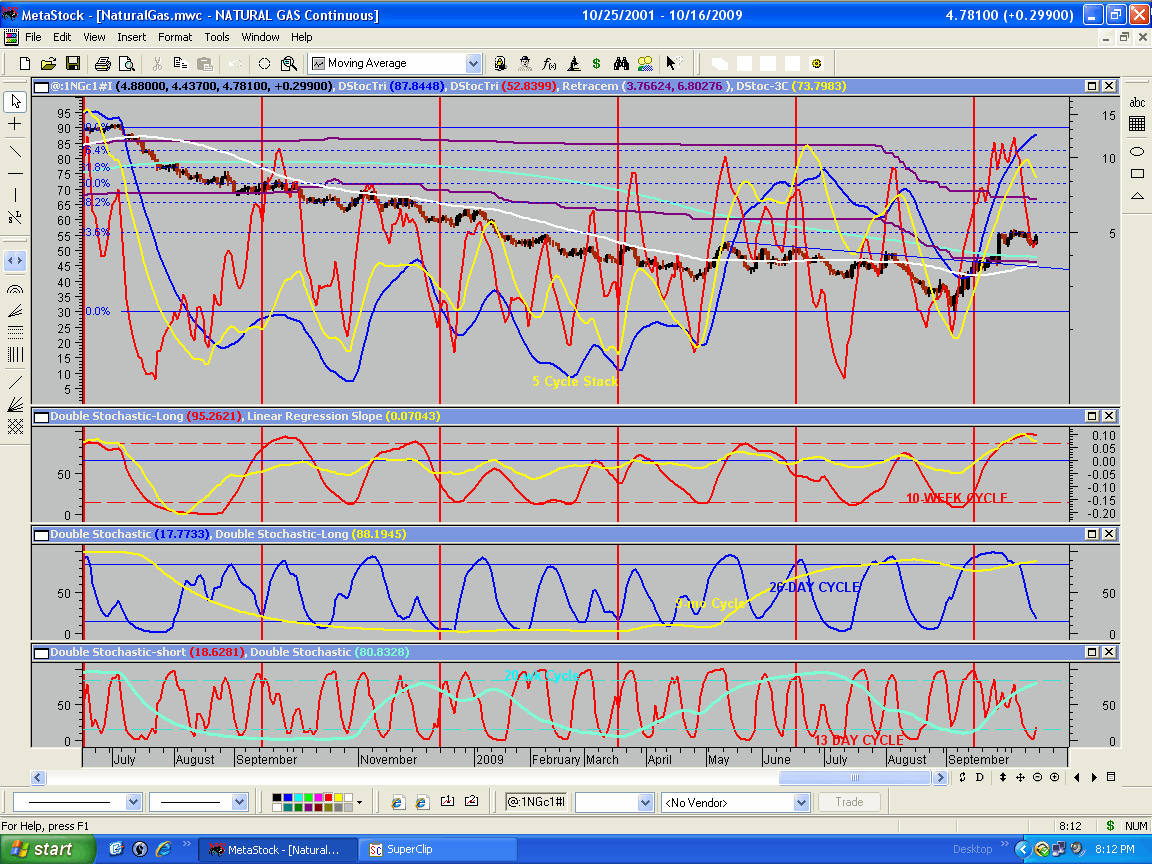
Natural gas (http://www.geocities.com/petegersb/NaturalGas.GIF ) also gained a little last week, but without the steep intervening dip that oil had. The intermediate uptrend is intact, but the 10-wk cycle is overbought, and the 13-day cycle has turned down. A test of recent lows appears likely before the 9-month and 20-wk cycles find bottom. Oil looks better in the near term.
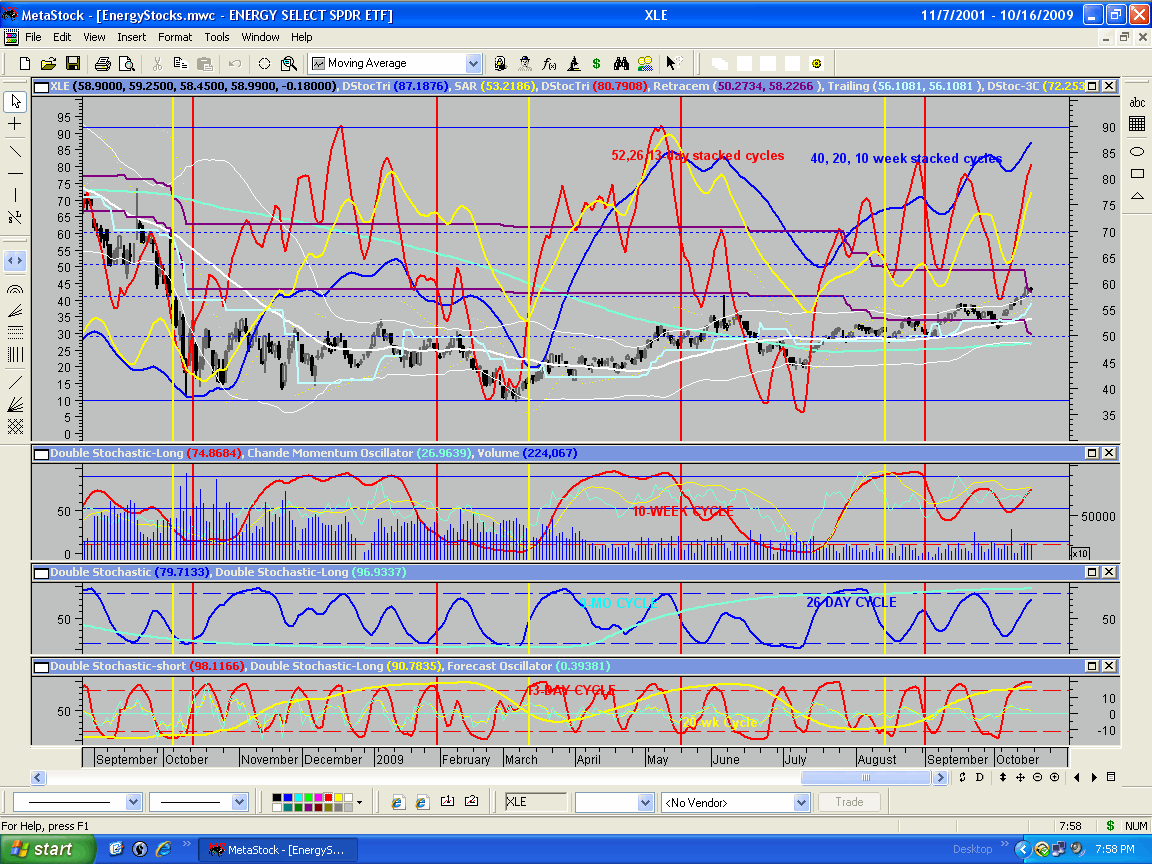
Energy stocks (http://www.geocities.com/petegersb/EnergySPDR.GIF) surged on Friday after briefly breaking below January’s 9-month cycle low on Tuesday. It may have been a 9-month cycle low, but more likely the overbought 13-day cycle will first have to correct.
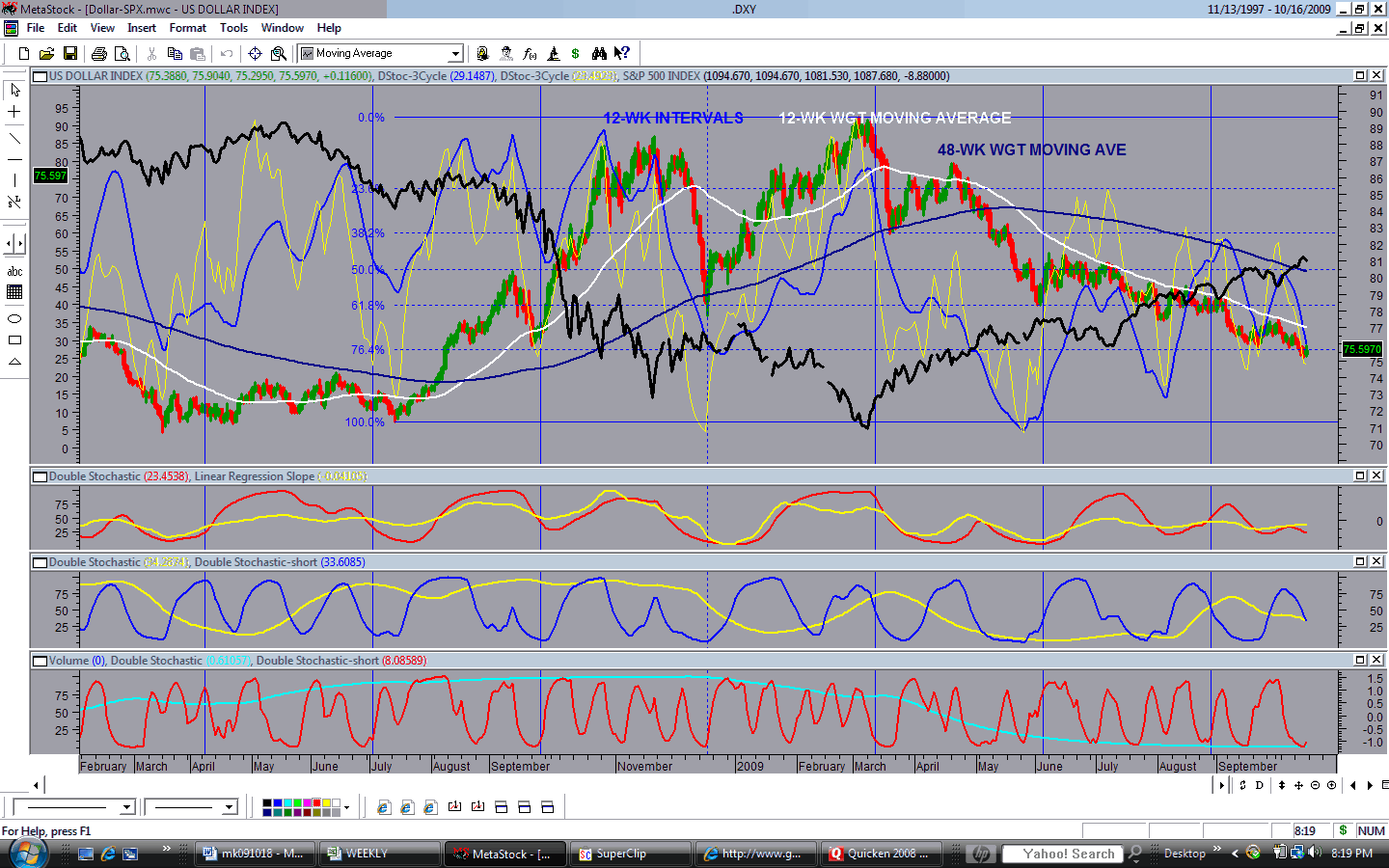
The dollar (http://www.geocities.com/petegersb/Dollar.GIF) continued the intermediate decline that began a little over a week ago. The short-term composite is oversold, as are the short cycles. So a short-term bounce appears likely. But, with the longer cycles still overbought, it shouldn’t threaten the intermediate downtrend any time soon.
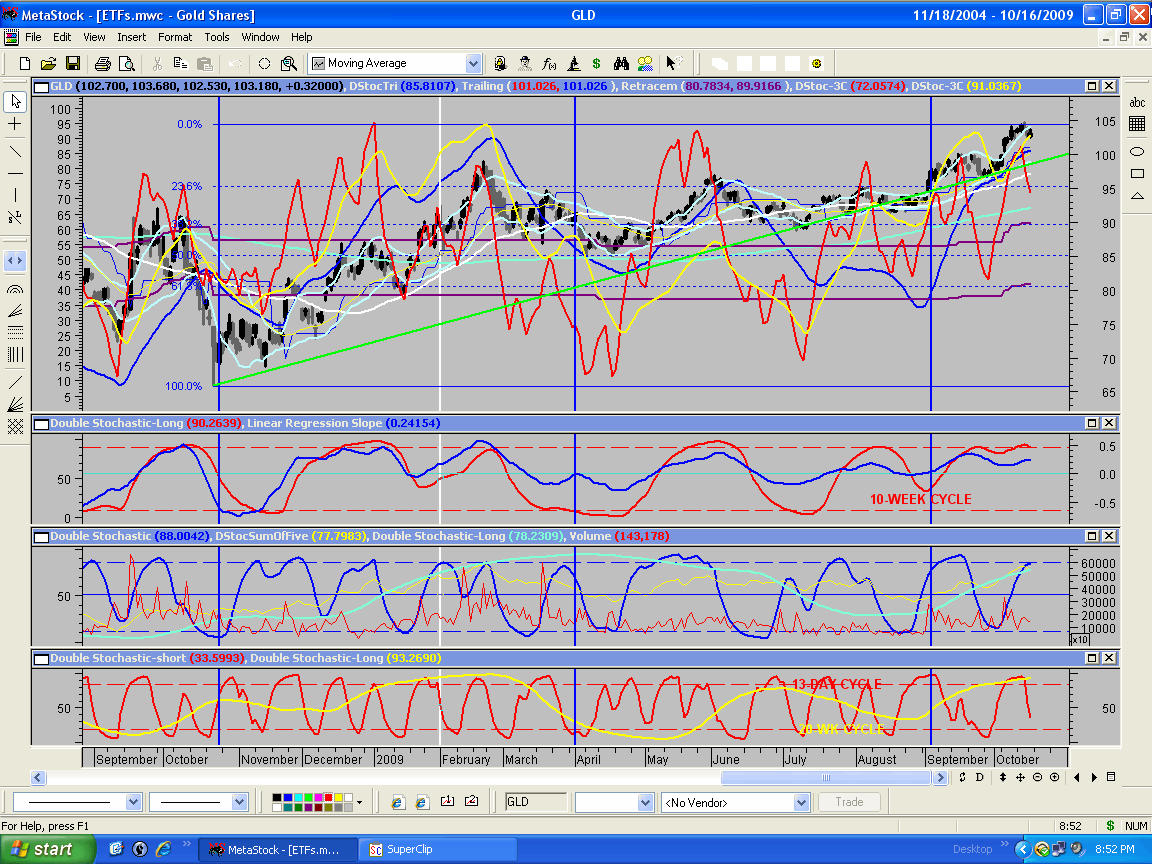
Gold (http://www.geocities.com/petegersb/GoldBullion.GIF) soared from $740 to over $900 from Thursday to Thursday,
before correcting to $860 after the bailout announcement. That’s a very strong
liftoff for the intermediate rally, but this week it’s likely to struggle with
a declining 13-day cycle and resistance at the 9-mo moving average. The rally
began 19 weeks after the last 20-wk cycle bottom, so it’s clearly the beginning
of a new 20-week cycle – the second one of this 9-month cycle. The first one
had a lower high and a lower low, so it will be a challenge to turn the
long-term trend upward again.
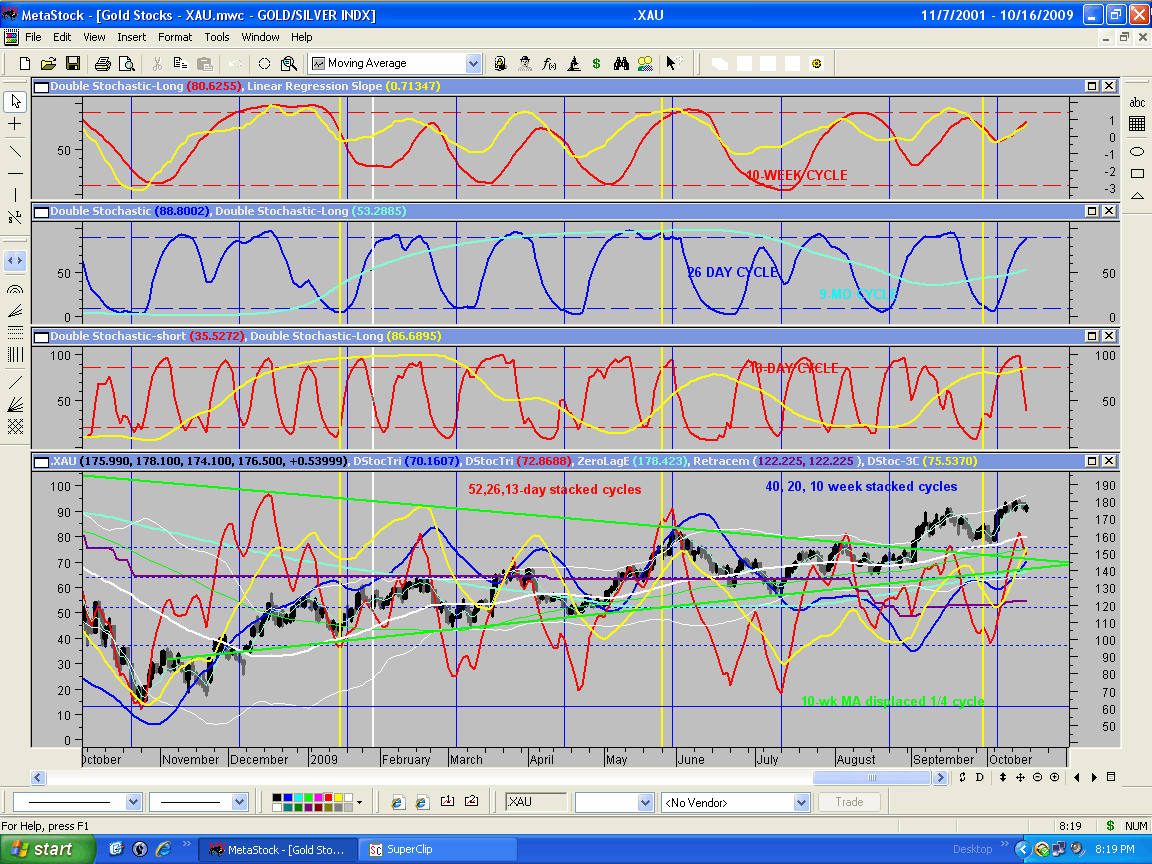
Gold Stocks (http://www.geocities.com/petegersb/GoldStocks.GIF
) also had a strong rally off of the 20-wk cycle low, but not as strong as the
metal. The XAU made it only back to the August low. The rally should carry at
least to the 10-wk moving average and perhaps the 9-mo moving average, but it
looks like nothing more than an intermediate rally in a long-term downtrend. It
still makes sense to confine your disaster protection to the metal rather than
the gold stocks.