8/31/08
Was McCain’s VP pick a reversion to the maverick of 8 years ago who was willing to buck the Republican establishment, or was it just a desperate attempt to gain a few women votes. I suspect the latter. Since his choice destroys the experience argument he has been attempting to make as his main campaign theme, it remains to be seen if the women gains will exceed the experience losses. It’s hard to believe that Hillary supporters would support a woman who is so anti-choice, and so anti-science that she won’t accept the scientific community’s conclusion that global warming is largely man-made and who also wants to teach creationism as science in the schools. I like that she has successfully tackled the corrupt Republican politicians in Alaska, but her fuzzy minded disregard for science is more than a little troubling. So is her and McCain’s inclination to move abortion back to the back-alleys. Some of the hard-core right wing who had doubts about McCain now appear more inclined to support the Republican ticket, but a quite a few appeared outraged that he would pick someone with so little experience. As an illustration, read this rant that Fari Hamzei of Hamzei Analytics sent to Timer Digest on Friday:
“For John McCain who
is 72 years old and has had four bouts with cancer to have chosen someone so completely unqualified as Gov. Sarah Palin to
be a heart beat away to become the CINC, is shockingly
irresponsible. Suddenly, McCain’s age and health become central issues in the
campaign, as does his judgment.
Market should sell
hard as Obama/Biden Victory is all but guaranteed now.
So in effect, as Labor
Day approaches, we are walking into a perfect storm, with Elections outcome (as
discussed above), Financials in disarray, Czar Putin on a
rampage and Hurricane Gustav heading right into the Gulf of
Mexico with elevated water temperatures.
My God save and
protect the
Fari describes
himself as a die-hard Republican.
Time will tell if Sara helps or hurts McCain, but she fits right in with a Republican oriented investment community that continues to have a faith based rather than a data based belief that Republican Presidents are better than Democratic presidents for stocks and the economy. The data refuted that belief 8 years ago, and after nearly 8 years of George Bush the evidence is even more compelling that stocks and the economy tend to perform relatively poorly under Republican Administrations. A chart of the historical 4-year change in the S&P 500 (http://www.geocities.com/petegersb/PolitcalRecord.GIF ) illustrates the point. Note that even the much vilified Carter produced results that were a big improvement from the Nixon/Ford situation that he inherited. The Bush2 era is already the worst in the post WWII era for the S&P. The S&P lost only a fraction of a percent during the eight Nixon/Ford years, but it’s already down nearly 5% since Dubya first took office.


The bottom line here is that, since 1945, the average gain in the S&P 500 from February 1 of the year in which a 4-yr term began was 30.06% during Republican administrations and 44.21% during Democratic administrations – and the gap is widening. The gap was only 6 percentage points in 2001 when Bush took over. So if the direction of stocks is important to you, and you are not a short seller, put an Obama sticker on your car.
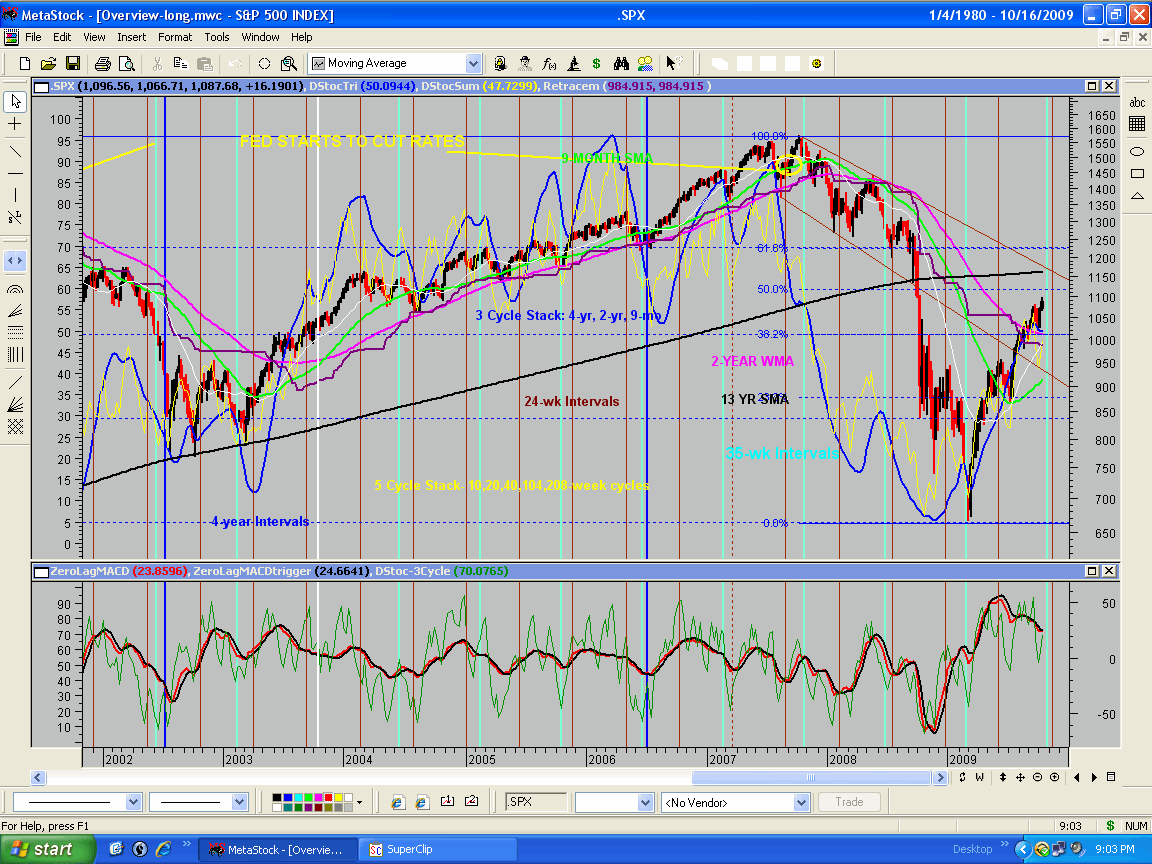
Stocks started weak and ended weak last week. The midweek rally couldn’t compete in a battle of rising 20-wk, 26-day and 13-day cycles and declining 9-month and 10-wk cycles. The August 11 peak held (http://www.geocities.com/petegersb/Overview-long.GIF ). Both sides will field the same lineup early this week, but the 13-day cycle is likely to switch sides quickly if it hasn’t already done so. That should give the downside a considerable boost. Next week’s decline should be greater than last week’s. And if Gustav damages our energy infrastructure, it could be pretty dramatic.
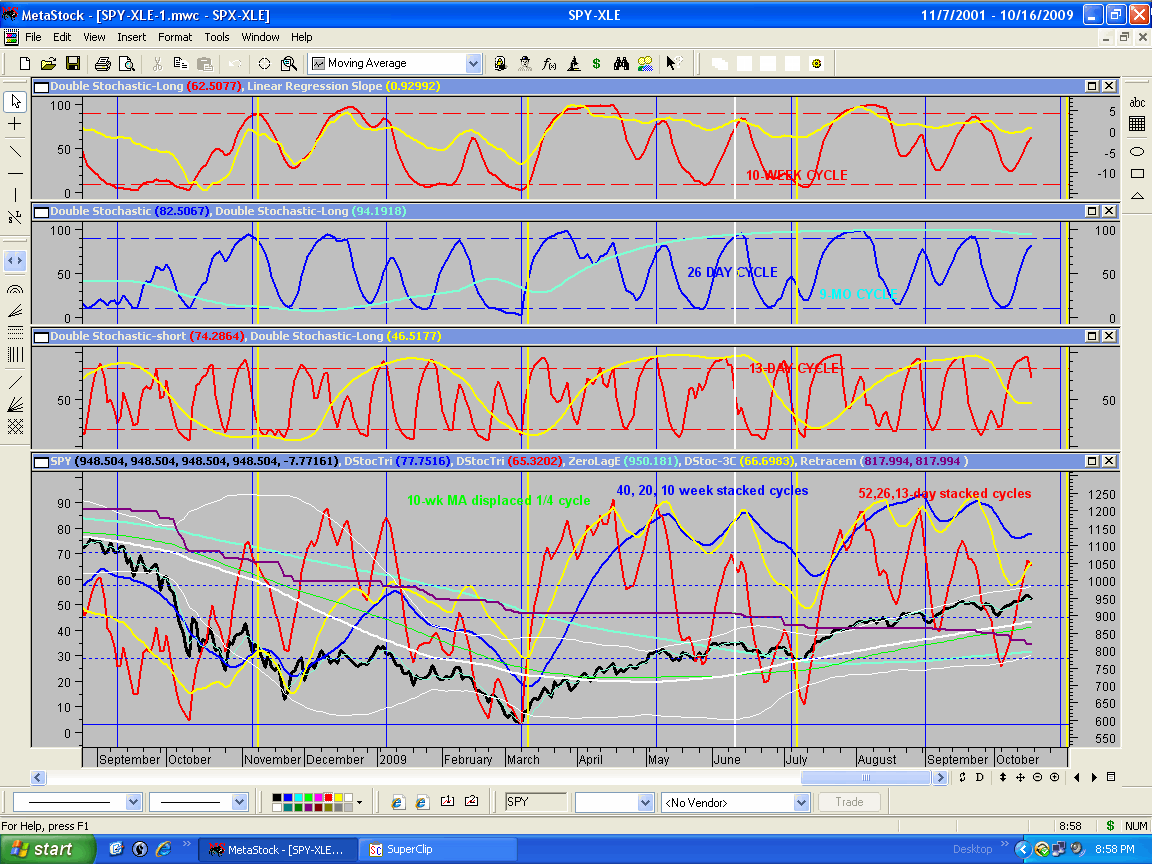
Again let’s look first at stocks excluding the oil stocks, which declined a little last week The midweek 13-day cycle rally on the SPX ex-energy (http://www.geocities.com/petegersb/SPY-XLE.GIF) failed to reach the top of the downtrend channel, or even to reach the mid-August peak. It may make another attempt this week, but those resistance levels will now be co-incident. It’s unlikely that the weak shorter cycles will be able to overcome those resistance levels and the down trending 10-wk cycle.
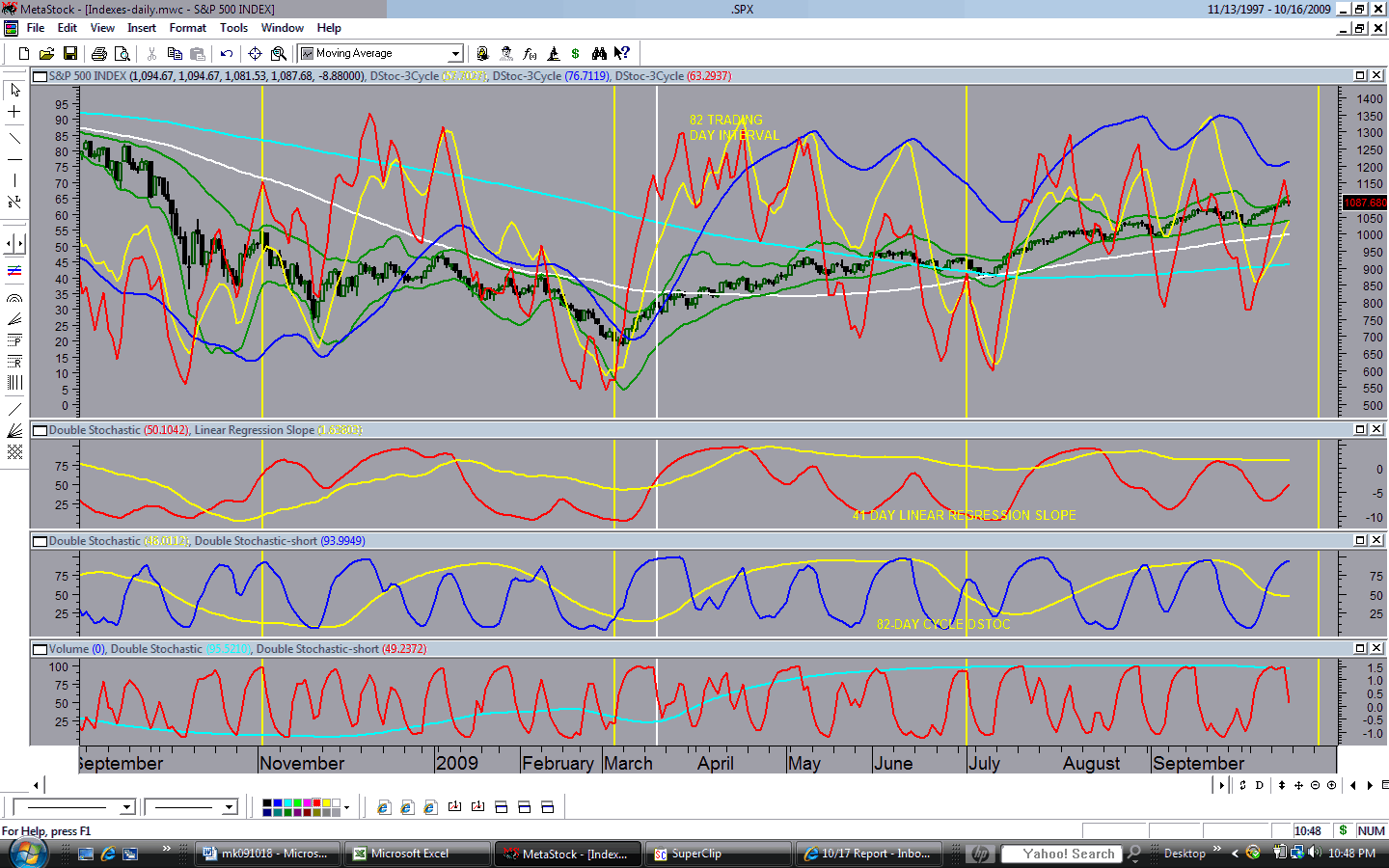
The SPX (http://www.geocities.com/petegersb/SP500.GIF) inclusive of its energy component has been unsuccessful in its attempt to penetrate the 1300 level that acted as support early in the year, but it has moved slightly above its 10-week moving average during the advancing phase of its 10-wk cycle. According to the DStoc on the price chart, that cycle has now turned down. The daily VIX (http://www.geocities.com/petegersb/VIX.GIF) confirmed the downturn last week. A normal cycle life would extend its downtrend through most of September – the weakest month on average.
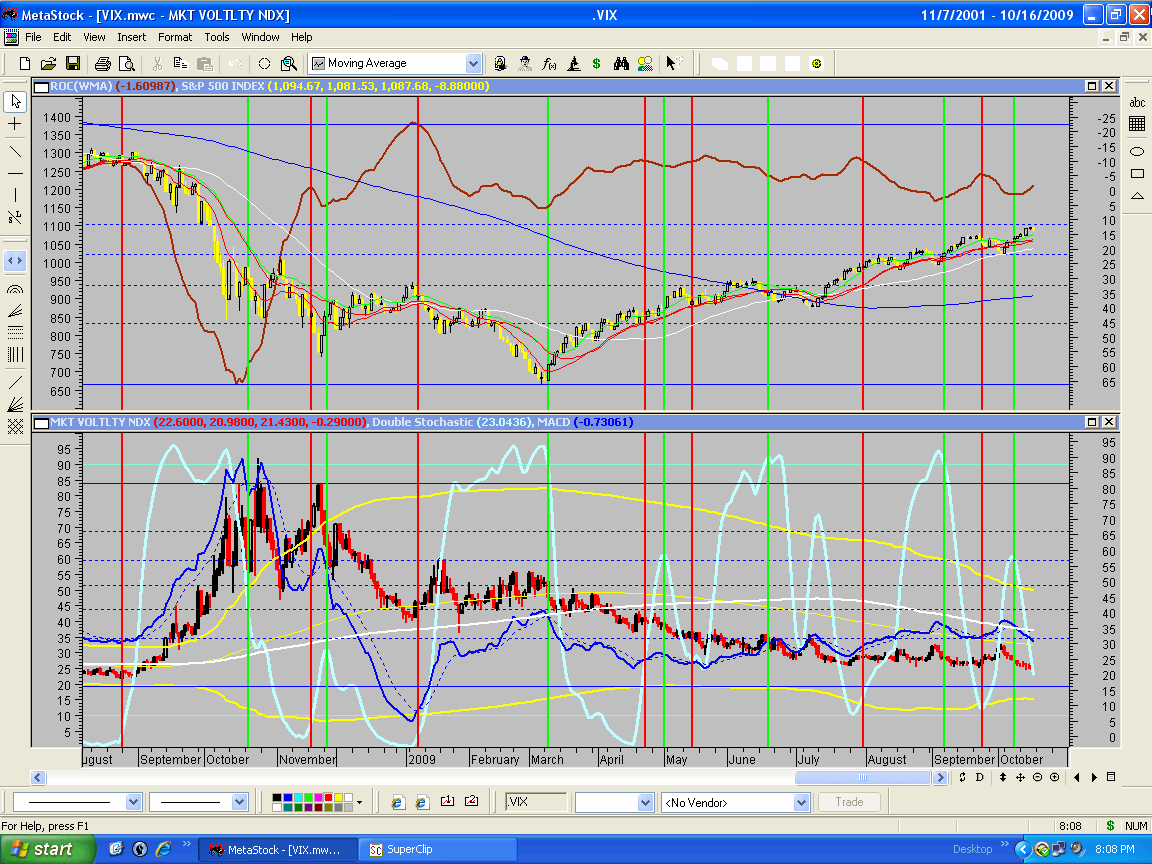
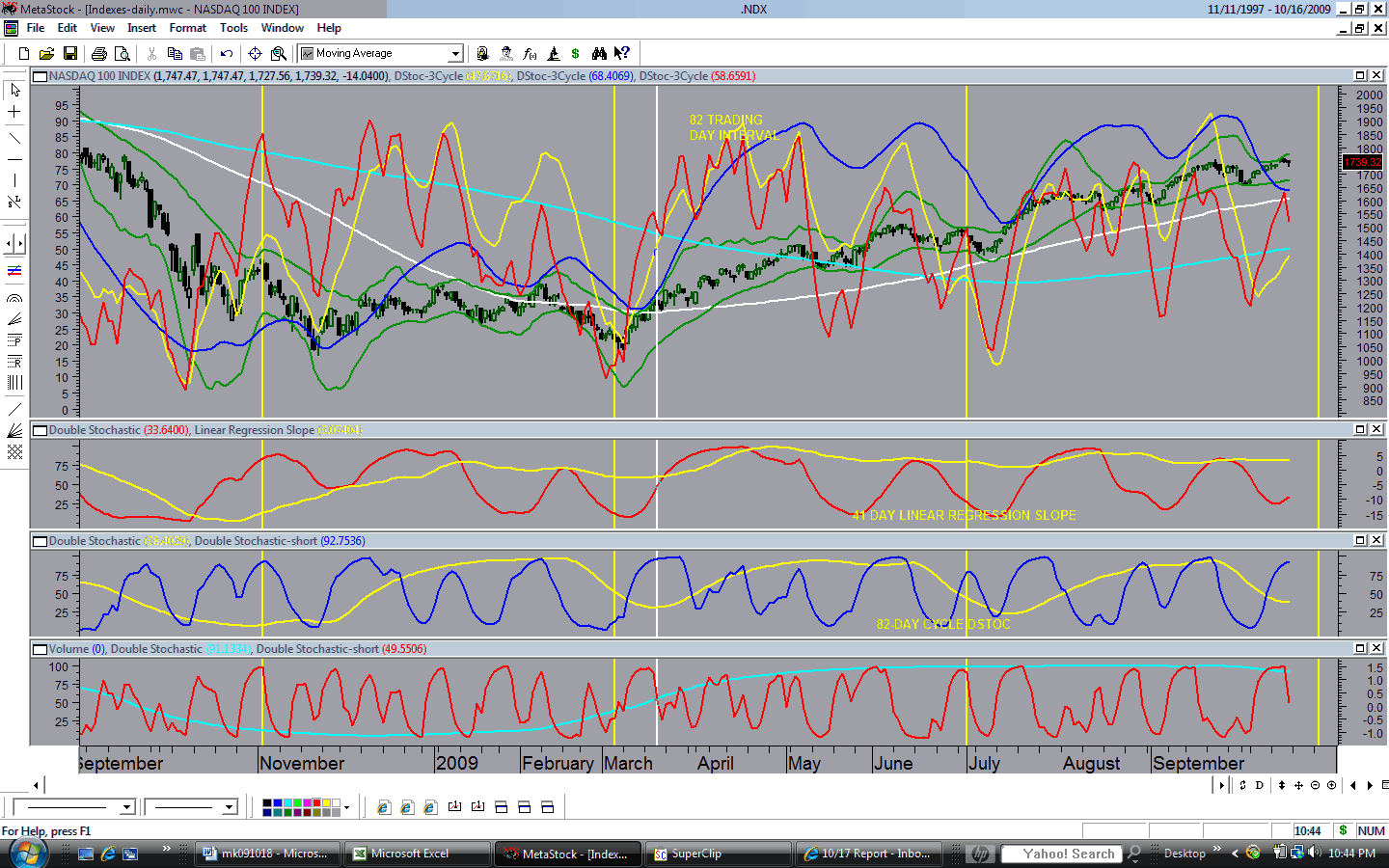
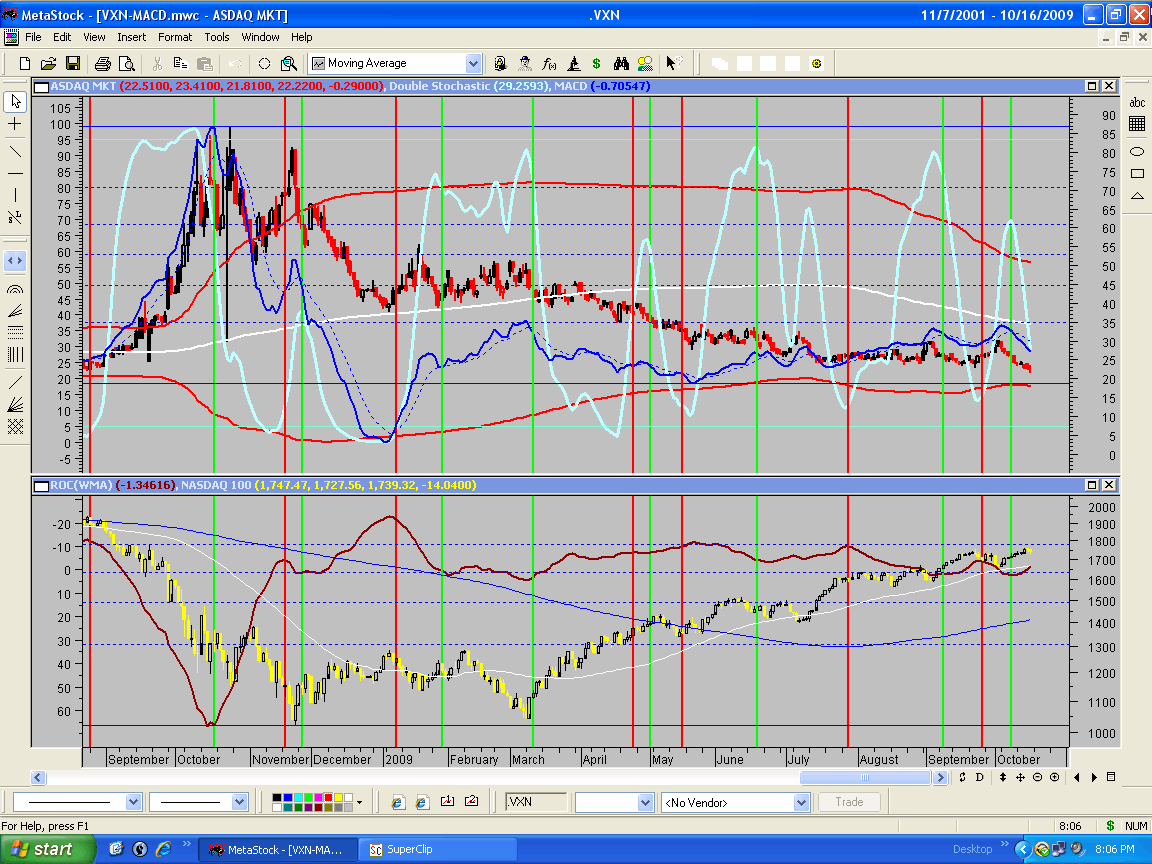
The NDX (http://www.geocities.com/petegersb/NDX.GIF) looks a little worse. The 10-wk cycle position is similar to that of the SPX, but it failed to come close to its mid-month high, and it hit its low for the week on Friday as the shorter cycles turned down with help from bad news from Dell. The daily VXN (http://www.geocities.com/petegersb/VXN.GIF) confirmed the 10-wk cycle downturn for the NDX.
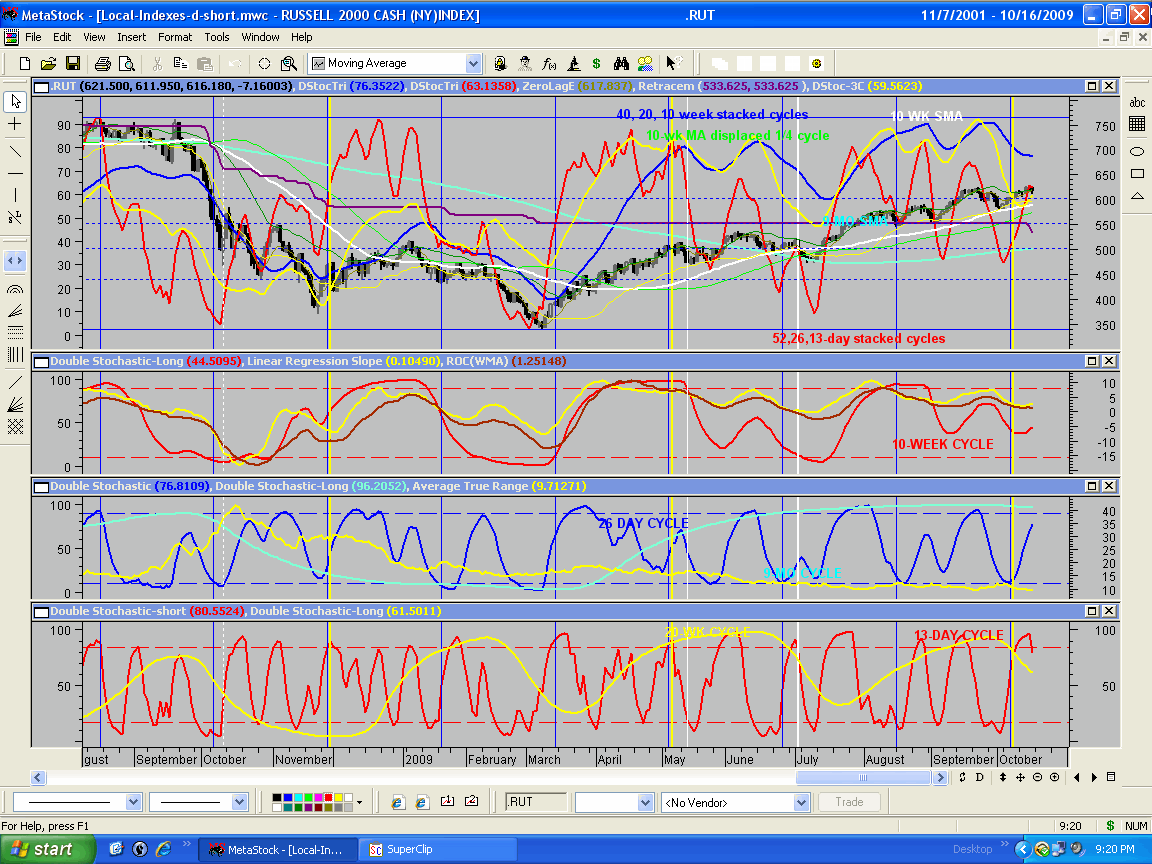
The Russell small cap index (http://www.geocities.com/petegersb/Russell2000.GIF ) has the best looking chart, but it’s still unattractive. It closed well above both the 9-mo and 10-wk moving averages and it should have lingering support from the 26-day cycle. But its 10-wk cycle is also declining and its 13-day cycle is overbought. Its flat intermediate composite will likely turn down if prices decline this week.
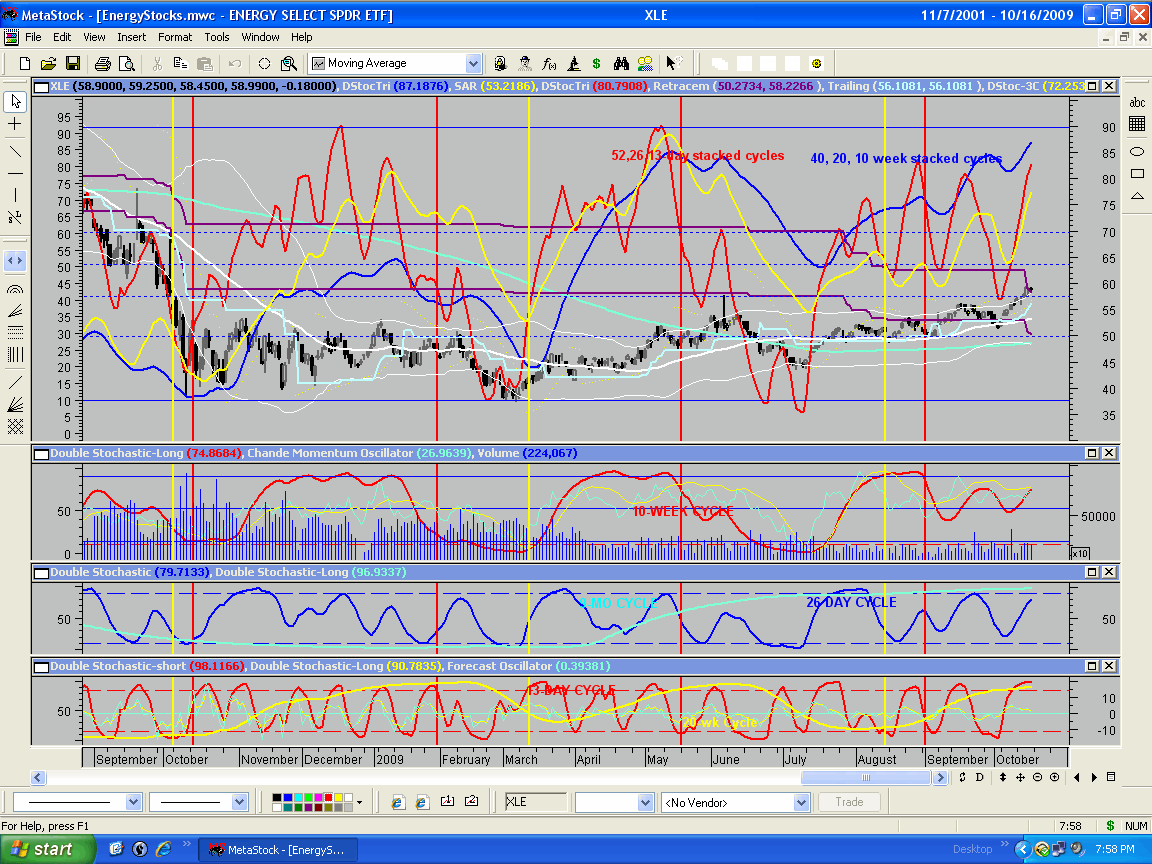
Energy stocks (http://www.geocities.com/petegersb/EnergySPDR.GIF) were practically unchanged for the week. The short-term composite turned down on Friday from resistance at the 50% retracement of the 2008 rally and the intersection of the 9-month and 10-wk moving averages. It’s not an attractive short-term picture but the intermediate uptrend looks healthy. The impact that Gustav has will probably determine the short-term direction. The intermediate picture looks similar to last September when the then-young intermediate rally had several weeks to run.
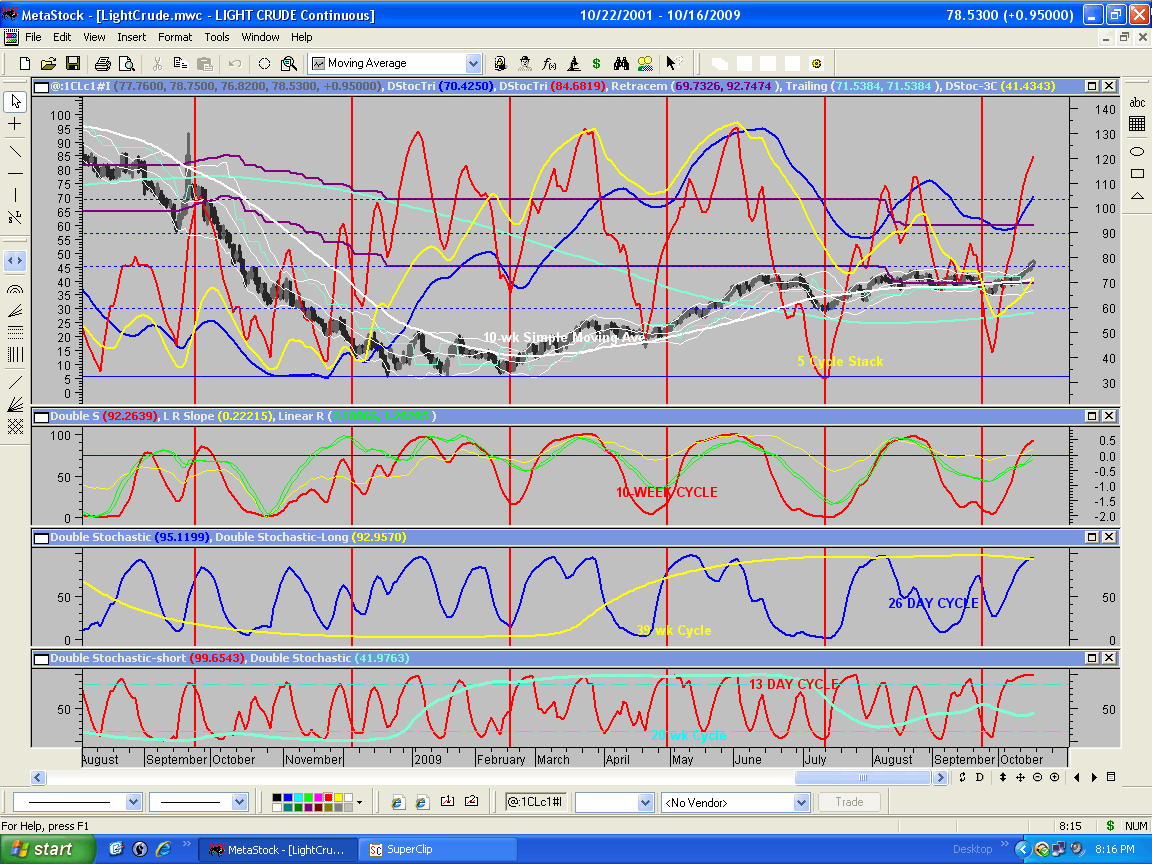
Crude oil (http://www.geocities.com/petegersb/CrudeOil.GIF ) has been walking up along the 9-mo moving average. The short-term composite turned down from mid-range, but the intermediate composite turned up from an oversold condition. Gustav should help the rising intermediate trend win the battle this week. If so, it’s probably the beginning of a fairly large move as the 20-wk and 9-mo cycle turn up.
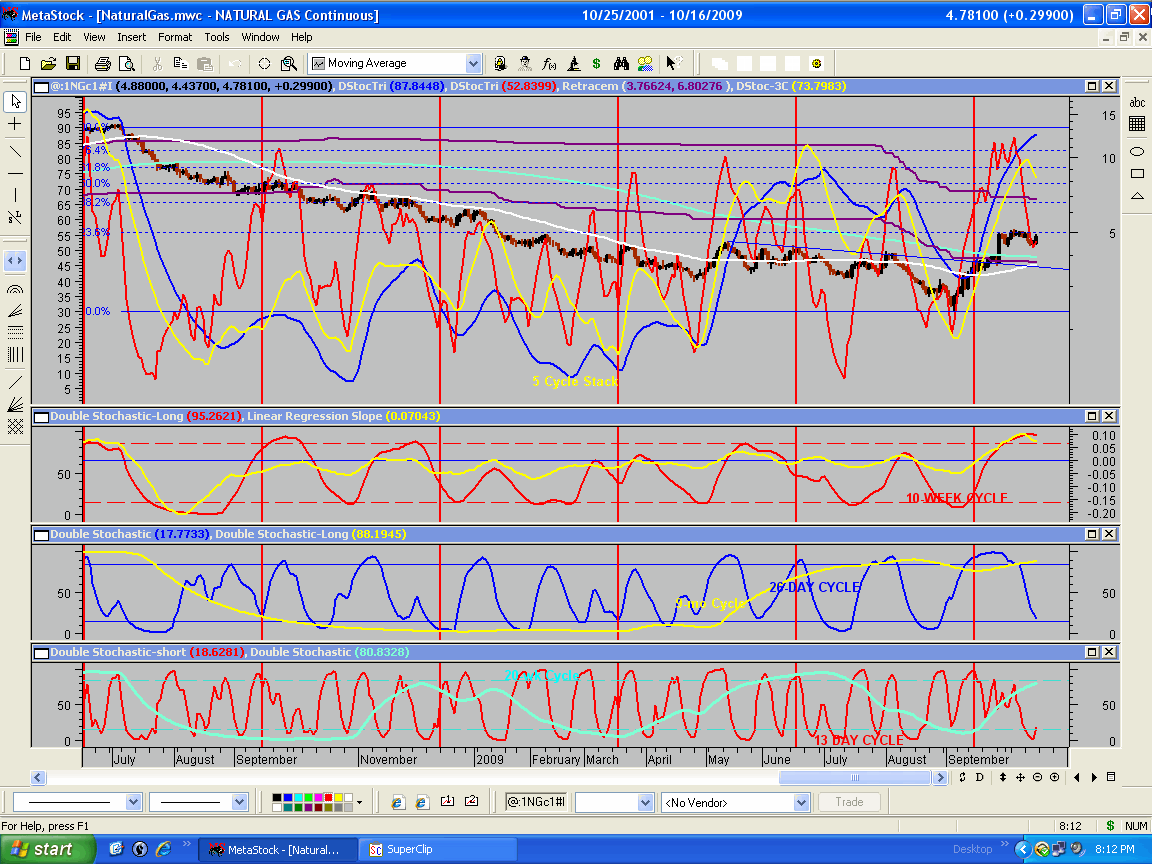
Natural gas (http://www.geocities.com/petegersb/NaturalGas.GIF ) tried to mount a rally last week, but it failed despite the hurricane threat. Nevertheless, its 10-wk cycle turned up and so did the intermediate composite. Its cycle pattern looks suspiciously like it did in August a year ago. It subsequently more than doubled from that level. That may not happen this time, but even if its bull market has ended, I suspect we’ll see a rally at least back up to the 9-mo moving average. That would be a 20% gain.
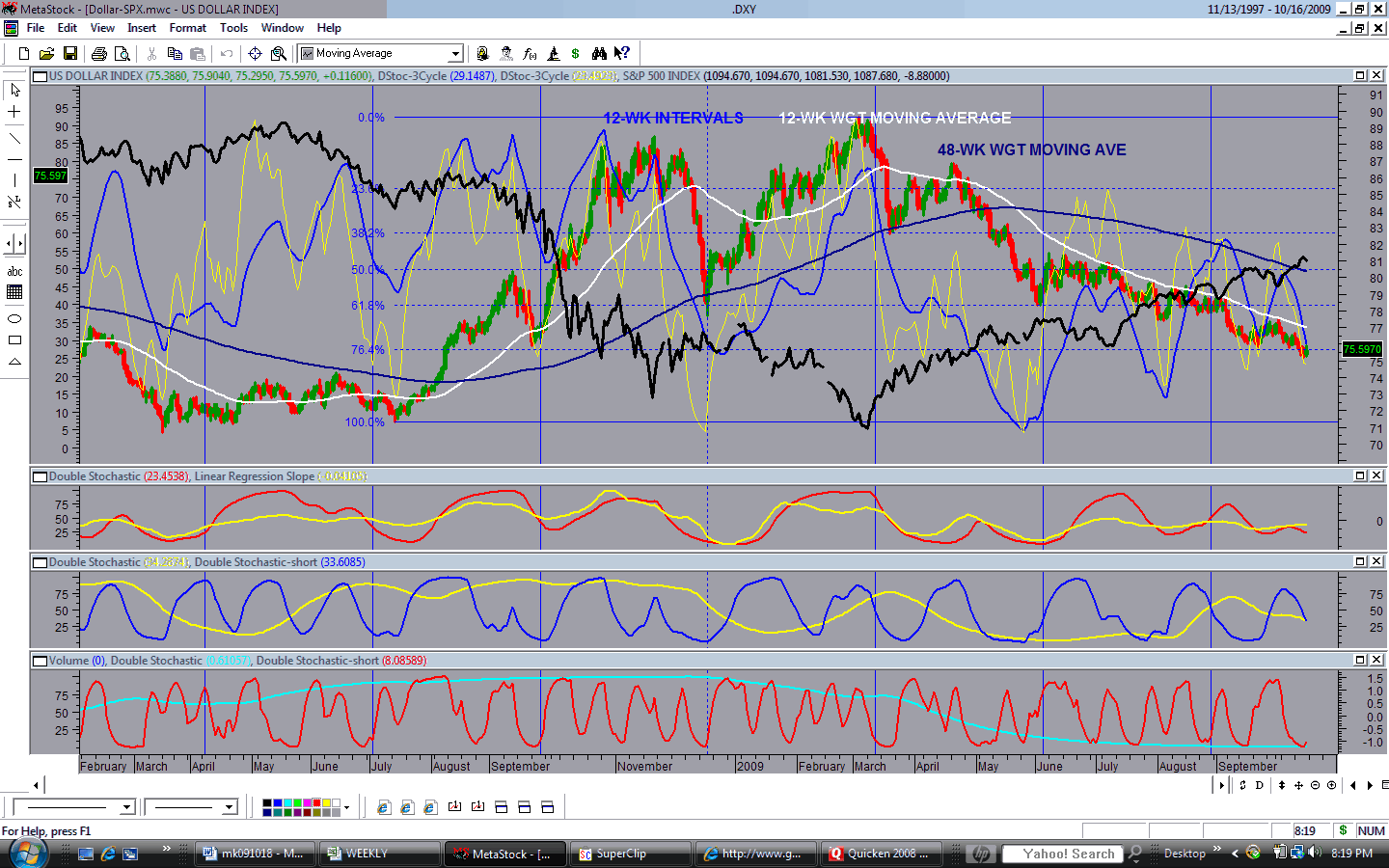
The dollar (http://www.geocities.com/petegersb/Dollar.GIF) rally stalled for a second week. The intermediate composite appears to be rolling over, and four cycles are overbought and one is oversold. September looks likely to produce a pullback – probably to the intersection of the 10-wk and 9-mo moving averages.
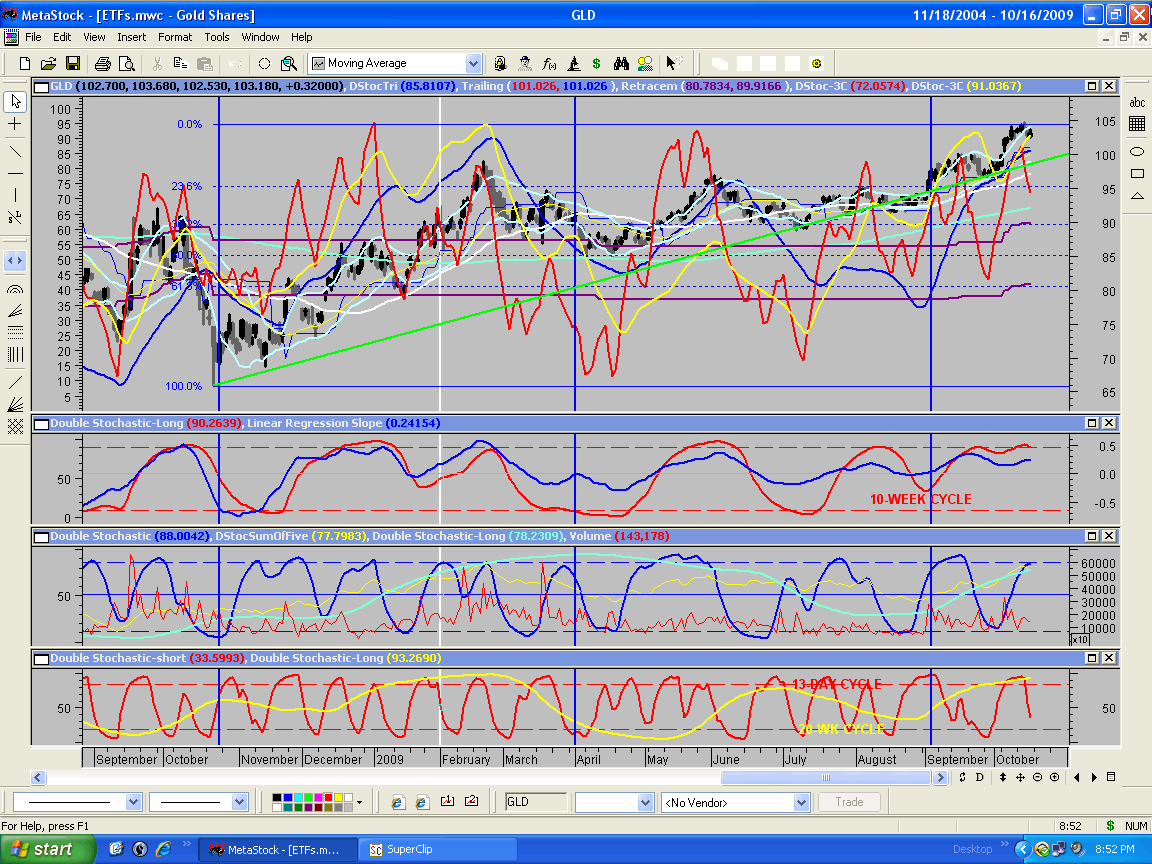
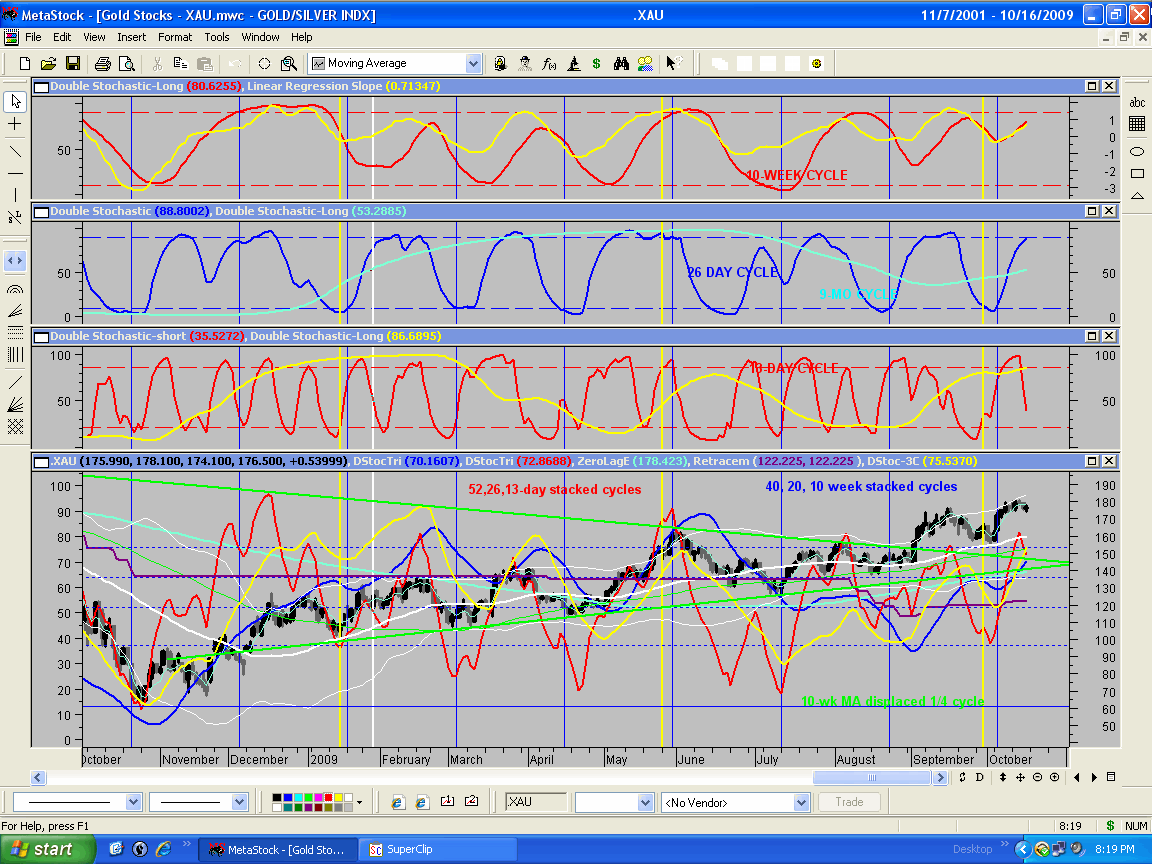
Gold (http://www.geocities.com/petegersb/GoldBullion.GIF) sustained its 10-week cycle rally last week, but it
didn’t make much headway against a declining 13-day cycle. This week it will be
bucking the 26-day cycle downtrend, but when that reaches bottom, gold is in
position for a 20-week cycle rally. Gold
Stocks (http://www.geocities.com/petegersb/GoldStocks.GIF
) are showing a similar pattern, but the 20-week cycle and intermediate
composite have already turned up.
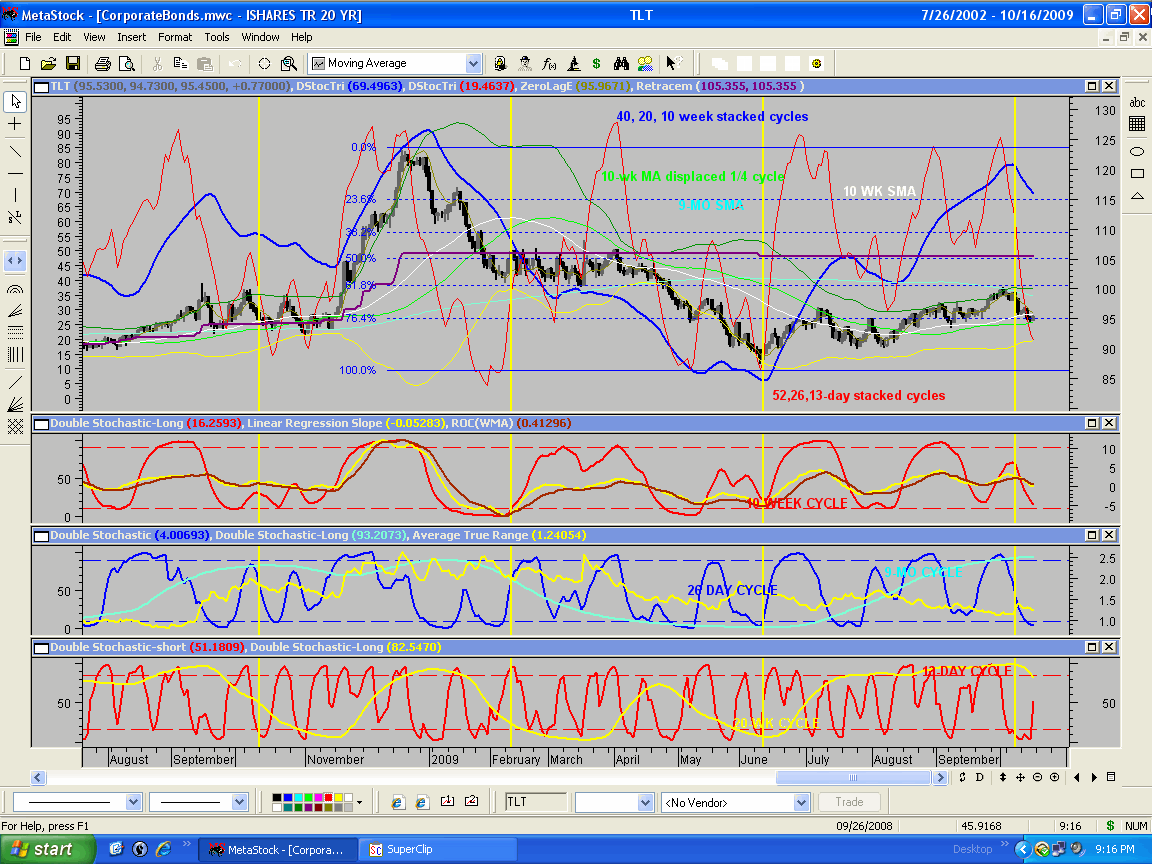
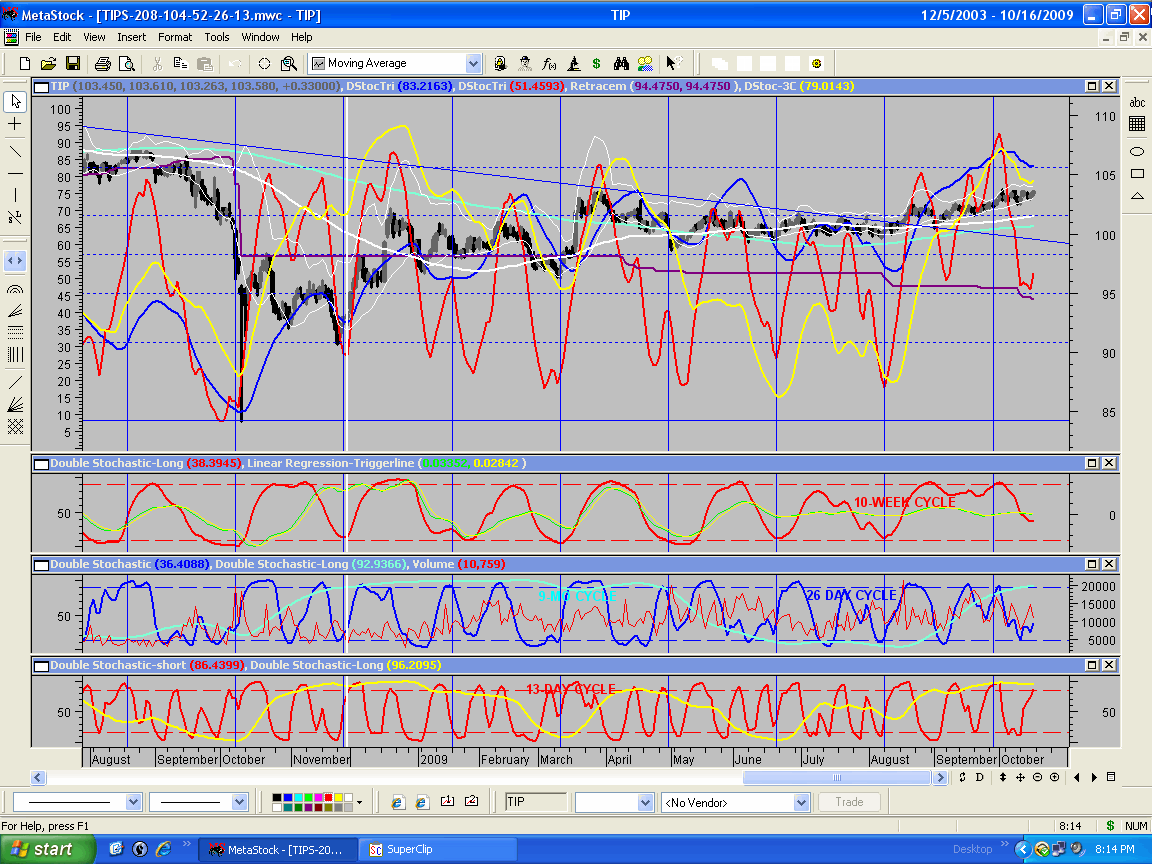
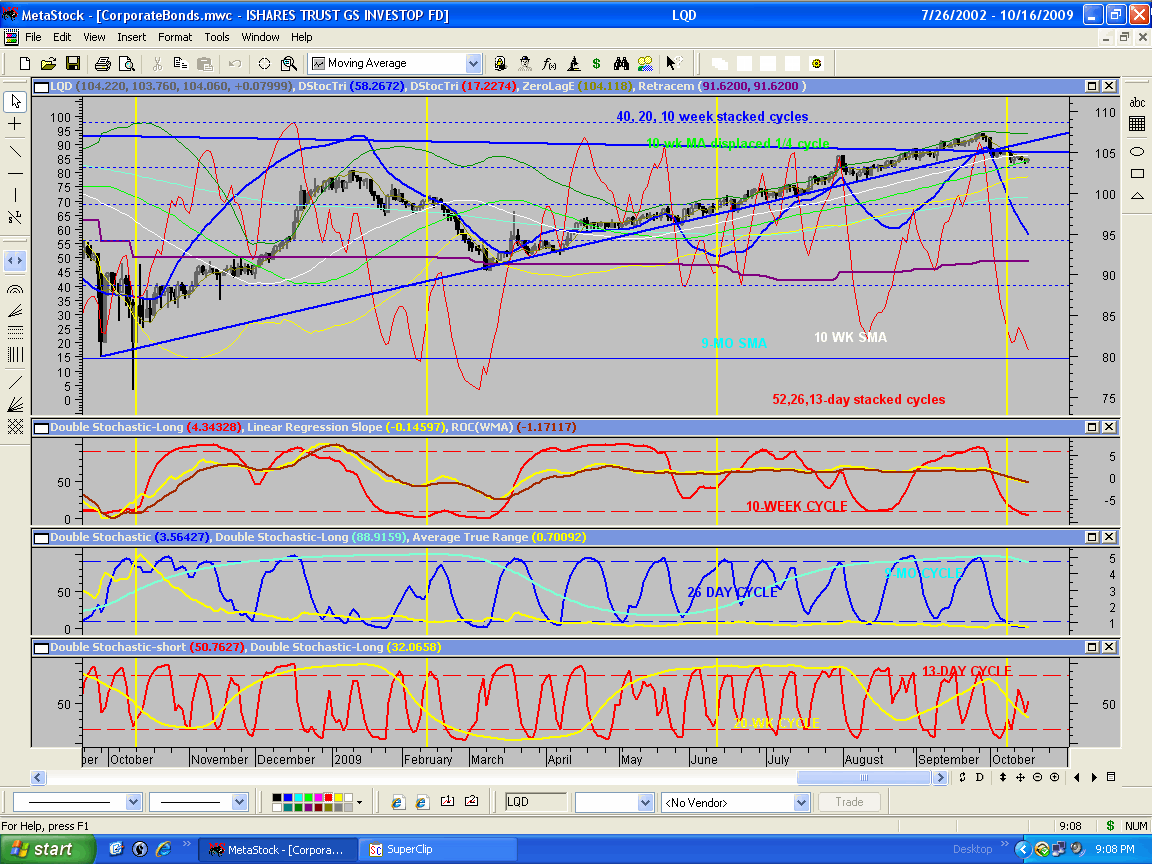
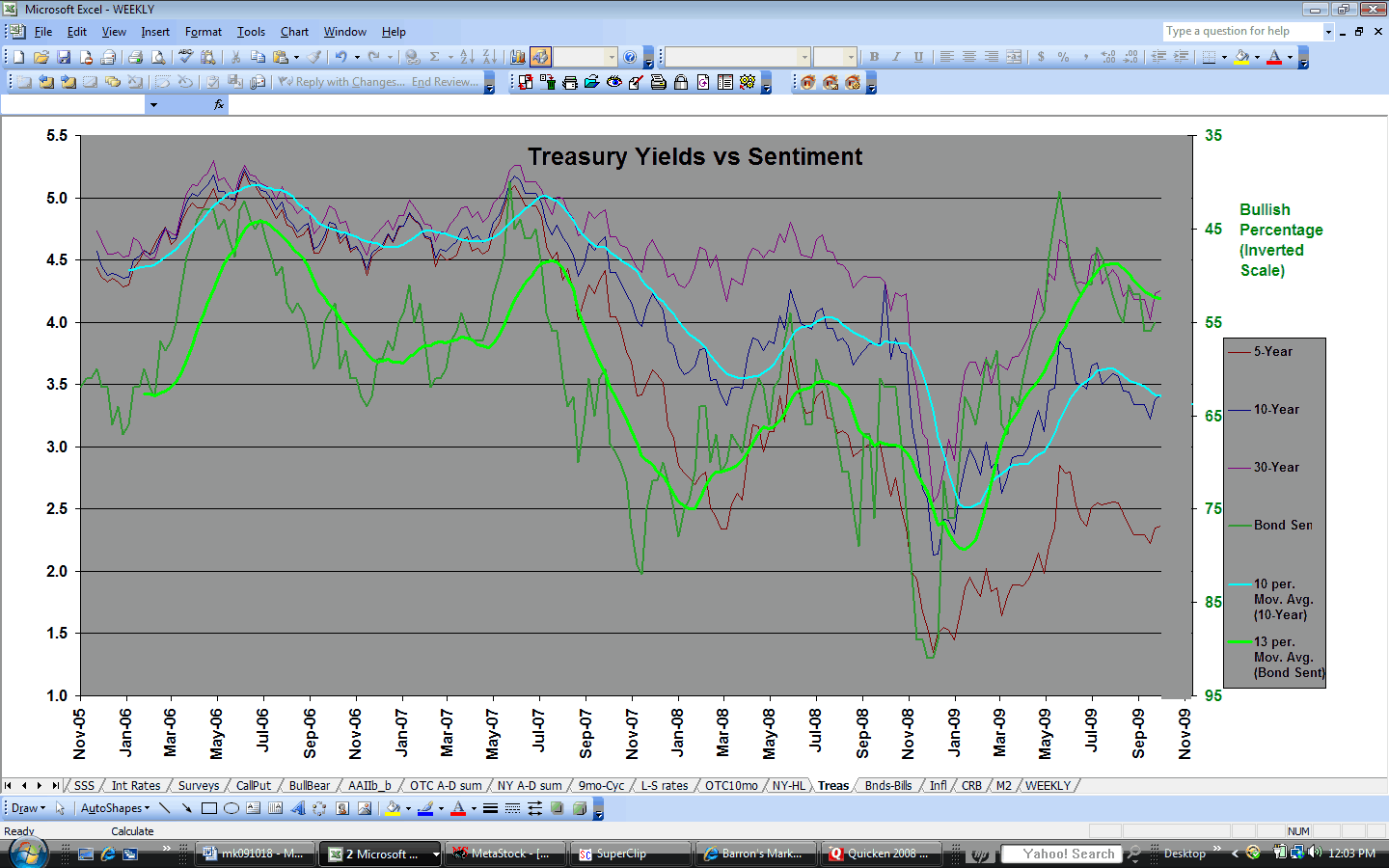
T-bonds (http://www.geocities.com/petegersb/Treasury-20yr.GIF)) continued their 10-wk cycle rally, but again backed off late in the week after producing a higher 10-wk cycle high. The 26-day cycle, 13-day cycle, and the short-term composite have turned down. The 10 and 20-wk cycles are overbought. We should get a short-term correction this week, but likely support just below at the 10-wk and 9-mo moving averages should arrest the decline. If not, it’s probably a 20-wk cycle top. TIPS (http://www.geocities.com/petegersb/TIPs.GIF) show a similar cycle pattern, but are already below the 10-wk and 9-mo moving averages. Whereas treasuries gained corporate bonds (http://www.geocities.com/petegersb/CorporateBonds.GIF) lost ground for the week. The cycle pattern is similar, however. The short-term correction could easily produce a new multi-year low. Bond sentiment (http://www.geocities.com/petegersb/BondSentiment.GIF) continues to become more optimistic, suggesting that bonds will continue to rally.