8/24/08
Just a somewhat abbreviated report today. More comments will be provided in the WCCC briefing to be posted on 7/26.
Last week it appeared that10-week cycle peaks for stocks and the dollar, and corresponding troughs for oil and gold were imminent. Most of the 10-wk cycle indicators obliged by producing the expected turns early in the week, but a few have stubbornly resisted.
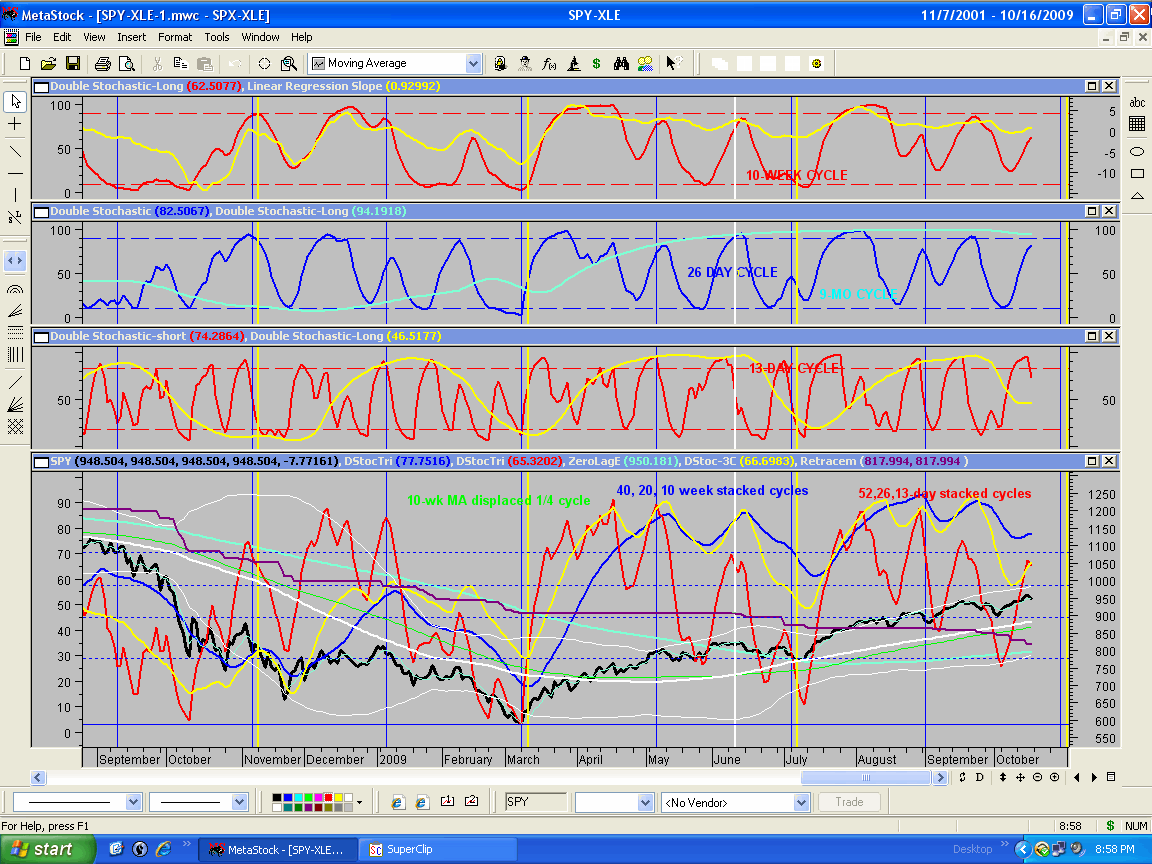
First let’s look at stocks excluding the oil stocks which have recently shown a negative correlation with the broader market. The DStoc for the 10-week cycle on the SPX ex-energy (http://www.geocities.com/petegersb/SPY-XLE.GIF) turned down, but the DStoc for the 13-day cycle reached an extreme oversold condition on Thursday and turned up on Friday. It’s a pretty good bet that the 26-day cycle, which was 26 days old on Wednesday, turned up as well. So next week we can expect the 13-day, 26-day, and 20-week cycles to reinforce the continuing intermediate uptrend with only the 10-wk cycle resisting. Consequently, a test of the upper limits of the downtrend channel appears likely this week.
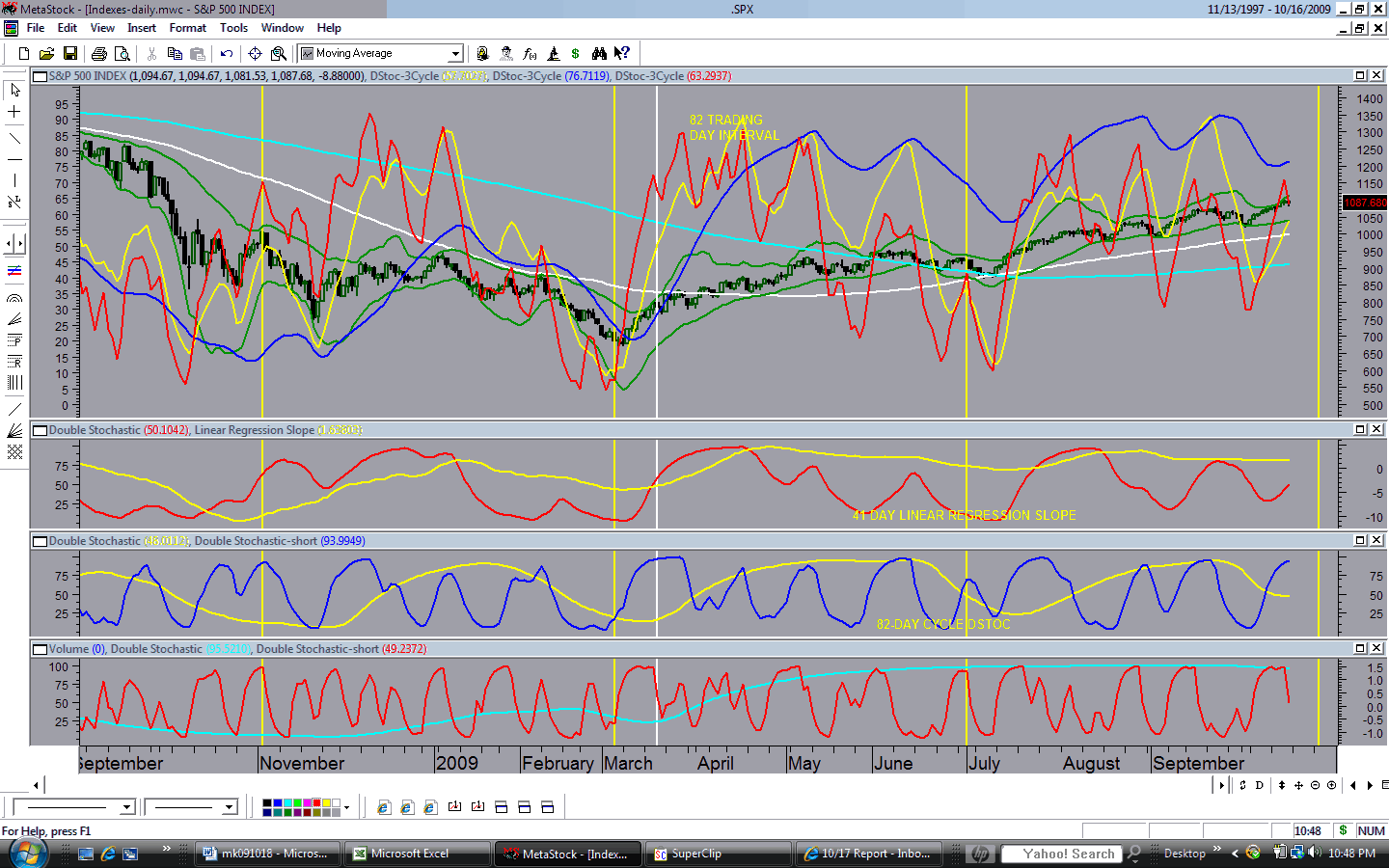
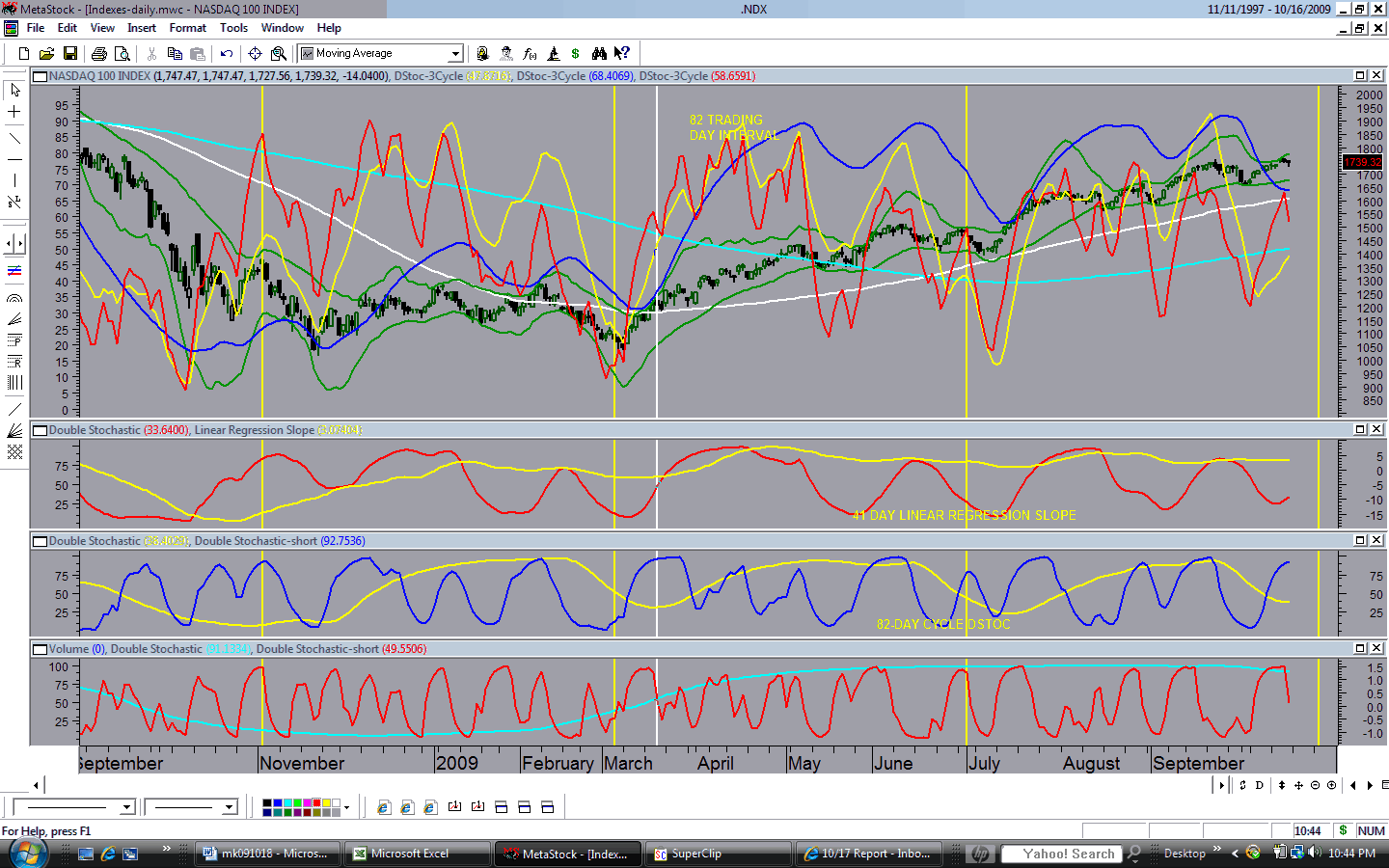
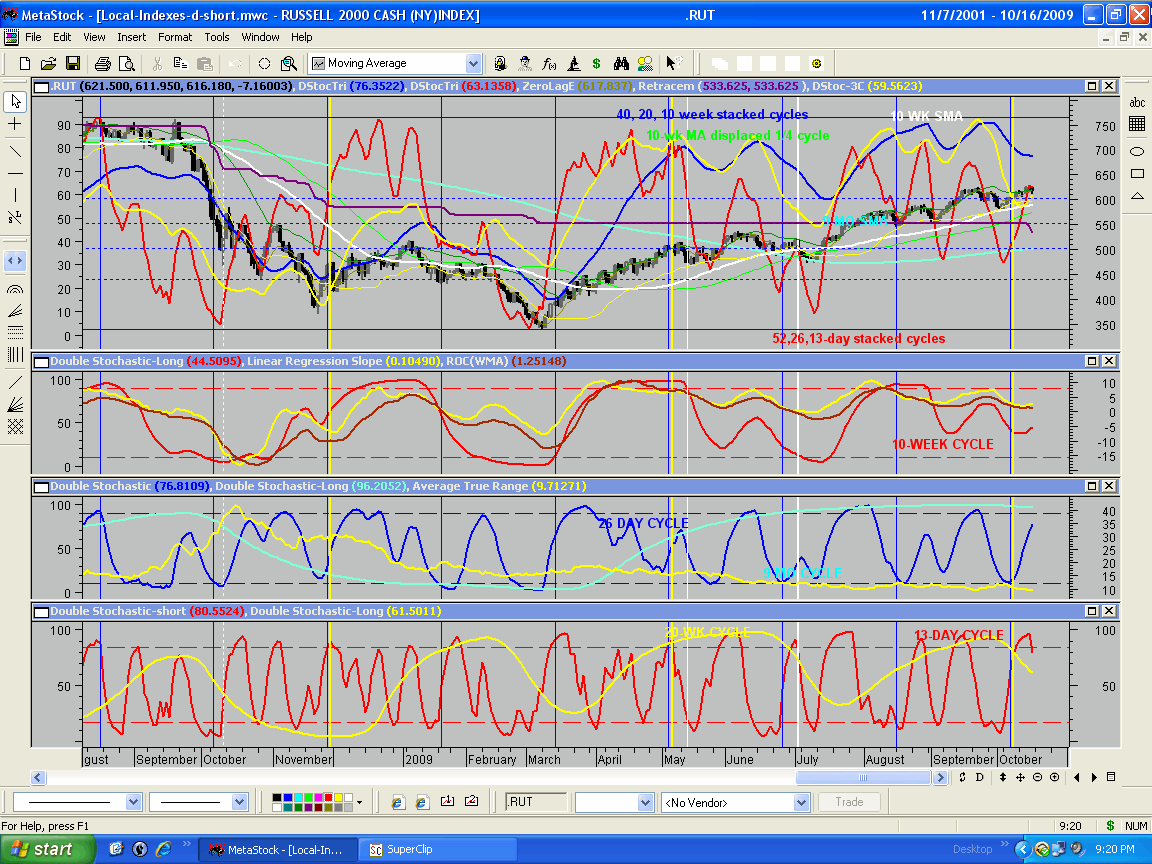
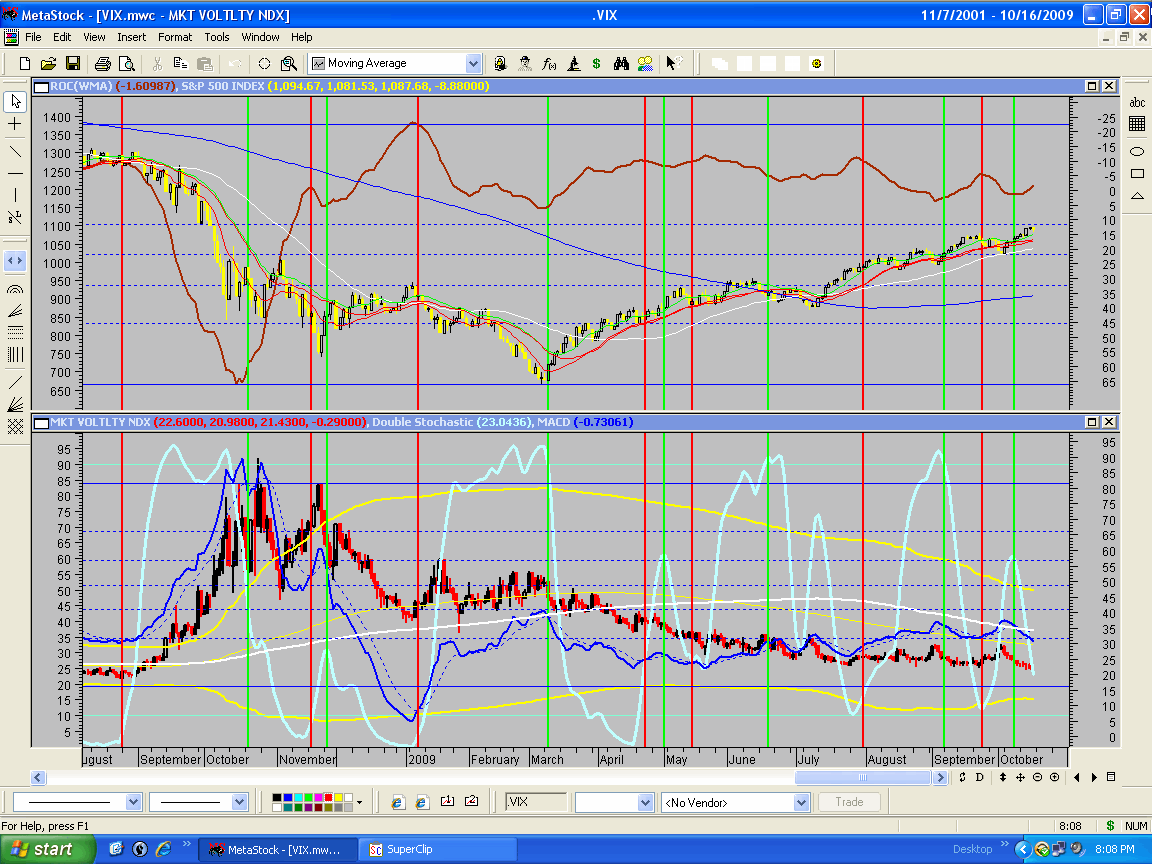
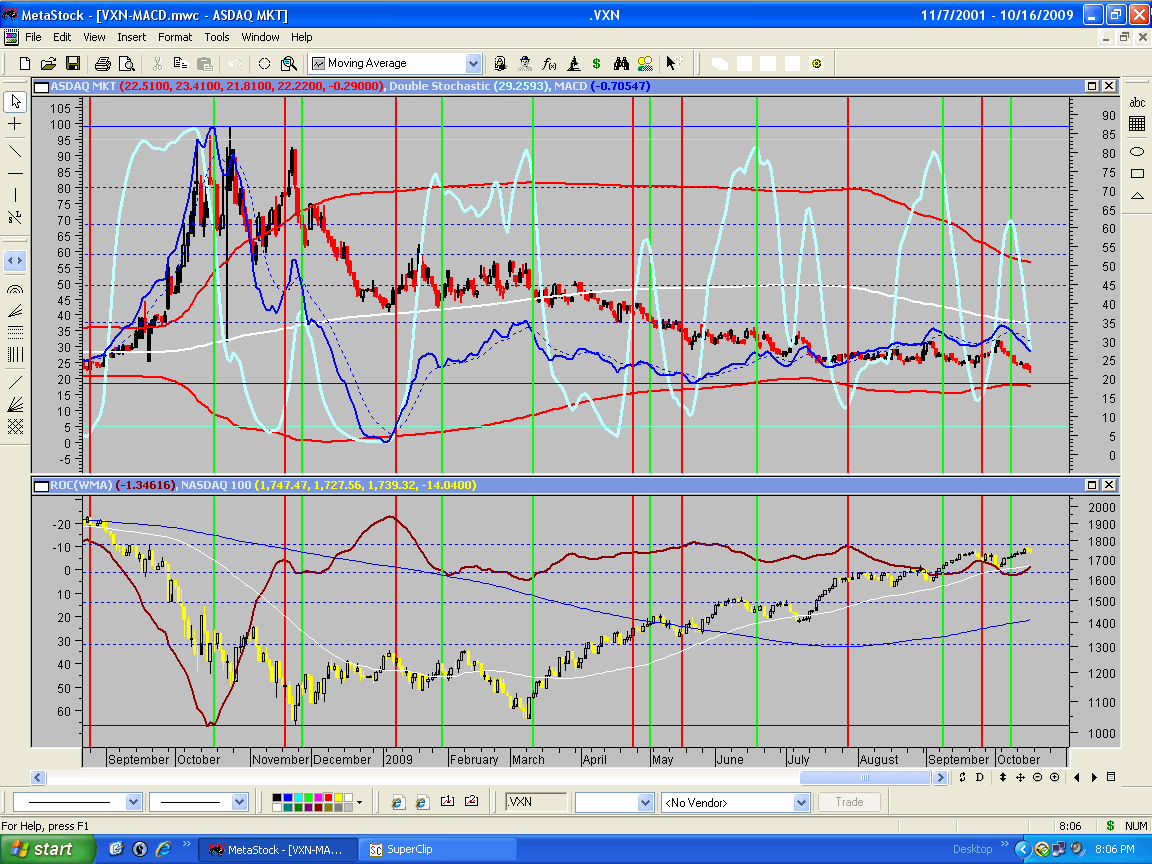
The SPX (http://www.geocities.com/petegersb/SP500.GIF) inclusive of its energy component shows similar cycle patterns, but the upside target is not as clear. The 38% retracement level at 1340 would appear to be the most likely target if it can get above 1313 – the last 26/13-day cycle peak. If it can’t get above the 1313 level, it will look like a repeat of the December-January experience – not a pleasant prospect for those betting on the bull. If you substitute the early June peak as the likely resistance level, the same can be said for the NDX (http://www.geocities.com/petegersb/NDX.GIF) and the Russell small cap index (http://www.geocities.com/petegersb/Russell2000.GIF ). So it looks like a continuation of the short and intermediate rallies early this week. A failure to produce a higher 13-day cycle high this week would confirm a 10-wk cycle peak. The daily VIX (http://www.geocities.com/petegersb/VIX.GIF) and VXN (http://www.geocities.com/petegersb/VXN.GIF) came very close to confirming that 10-week cycle peak when the DStocs turned up temporarily in mid-week, but the MACDs refused to confirm. We saw a similar pattern in May when the indexes had completed the bulk of the advancing phase of the last 10-wk cycle, but hadn’t quite reached their final peaks.
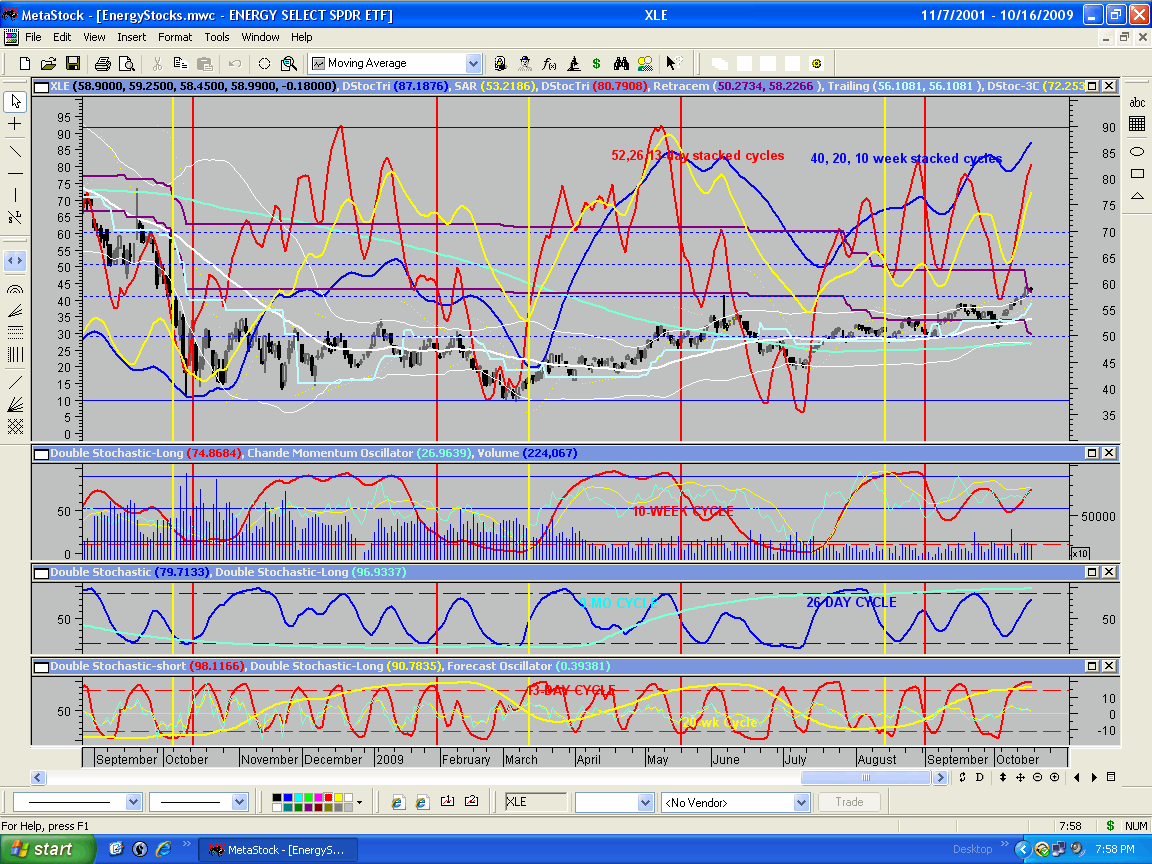
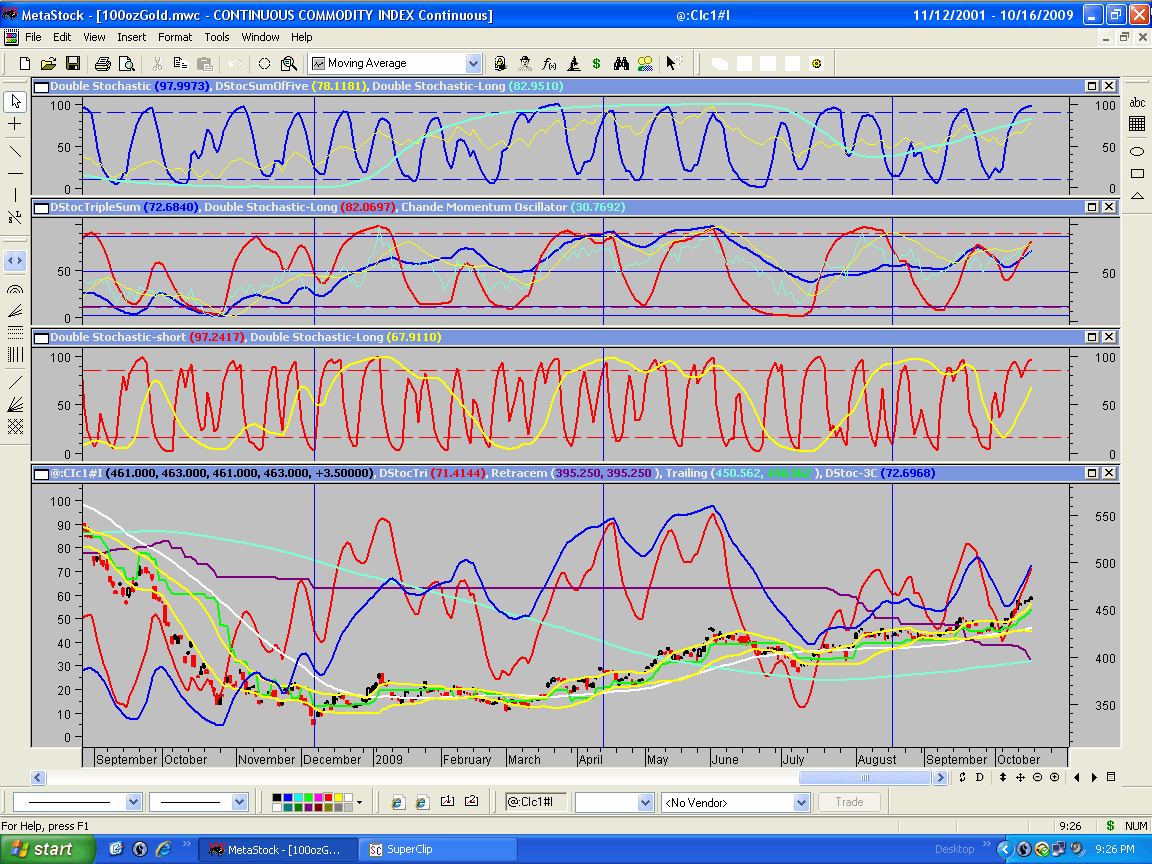
The strength of Friday’ 13/26-day cycle bounce seems to have been inspired largely by two news items that gave the beleaguered financials almost a 4% single-day bounce. Bernanke’s speech verified the Fed’s greater concern for economic weakness than for accelerating inflation, and virtually assured a continuation of stimulative monetary policy for the foreseeable future. The simultaneous give-back of Thursday’s big gain in oil helped Bernanke’s credibility. The other help for the financials came from a rumor that Korea Development Bank was considering buying beleaguered Lehman Bros Holdings. I guess the market is now betting that, where out government doesn’t bail out our financial institutions, foreigners will. Another excellent article by John Mauldin this week (http://www.frontlinethoughts.com/gateway.asp) details the precarious state of our financial system. Of course these problems could have been avoided by reasonable government regulation to prevent the egregious lending excesses that have now brought us to the brink. Now, the same right wing ideologues who for years have argued against any sort of government constraints on unfettered capitalism are now clamoring for the government to rescue the system. It will (hopefully with reforms that prevent a repeat), but as Mauldin points out, the stockholders in many of the failed financial institutions will be wiped out in the process. Their loan loss write-offs are perhaps a quarter to a half completed, and many will be unable to raise sufficient private capital to keep operating. Friday’s irrational exuberance in the Financials still left them as the worst performing sector for the week for good reason. Energy stocks (http://www.geocities.com/petegersb/EnergySPDR.GIF) and Materials were strongest by a wide margin, and commodities (http://www.geocities.com/petegersb/CommoditiesIndex.GIF ) in general were strong until Friday. Both short and intermediate trends are now favorable for commodities.
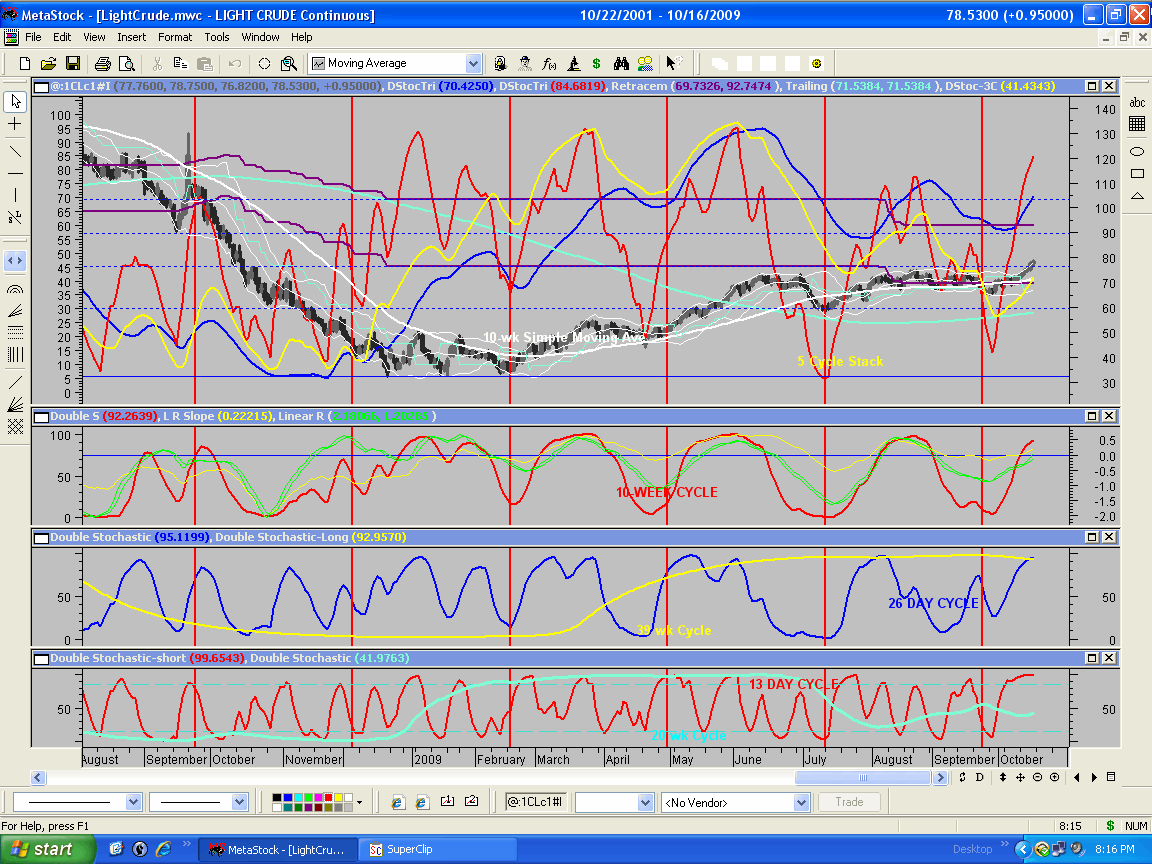
Since the price of Crude oil (http://www.geocities.com/petegersb/CrudeOil.GIF ) seems to currently be the primary driver for moves in the other markets, let’s look at that next. It held above the 9-month moving average and began the expected 10-week cycle rally. But it hit its 13-day cycle peak on Thursday and reacted even more violently than stocks did to such a minor turning point. Thursday’s peak arrived 27 trading days after oil hit its all time high, so I suspect it will prove to be a 26-day cycle peak. If so, the 9-month moving average support is once again in jeopardy. But if it can hold during the likely short-term correction, crude oil will be in position for another major move higher. That would be a major negative for stocks and the dollar.
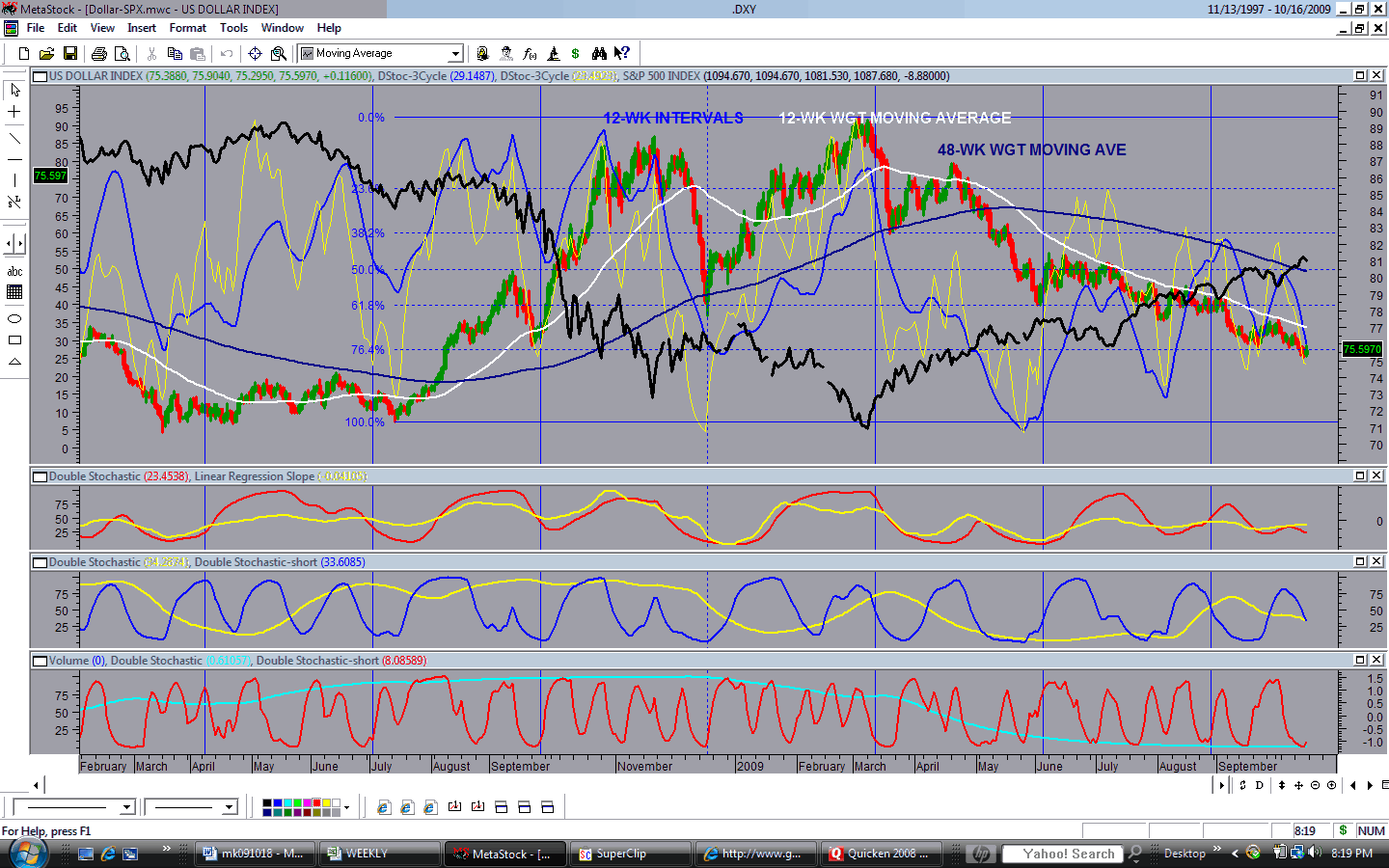
The recent dollar (http://www.geocities.com/petegersb/Dollar.GIF) strength seems to have inspired hope in the hearts of stock market bulls. They conveniently ignore the fact that the dollar just kept getting weaker throughout the 2002- 2007 bull market in stocks. Why the bulls are suddenly thrilled by a stronger dollar escapes me when looking at the long term. The strength in the dollar is due to increasingly weak economies abroad rather than any strength in our own economy. We have been leading the way down, and the market seems to expect that we will hit bottom first. But there is no denying the strong positive correlation between the price of the dollar and the price of stocks during the last six weeks. That was true again last week as the dollar established an apparent 10-wk cycle peak on Tuesday and a 13-day cycle bottom on Thursday. The cycle pattern suggests that the recent strong positive correlation with stocks and negative correlation with oil should persist in the short-term.
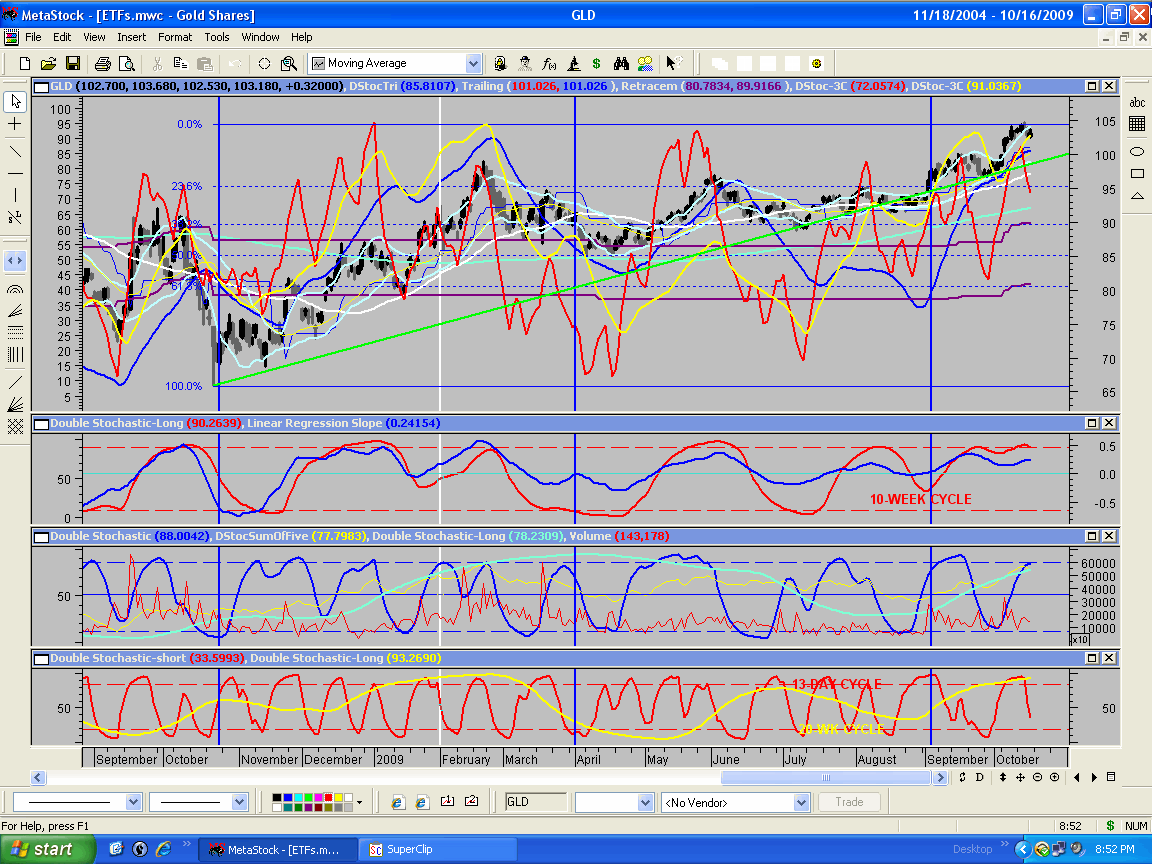
And that brings us to gold, which has been positively correlated with oil and negatively correlated with the dollar for a long time. Gold (http://www.geocities.com/petegersb/GoldBullion.GIF) also made the 10-wk cycle turn last week. But it backed off from a likely 13/26-day cycle peak as it reached resistance at its may low. It probably will test the August low before embarking on a 20-wk cycle rally.
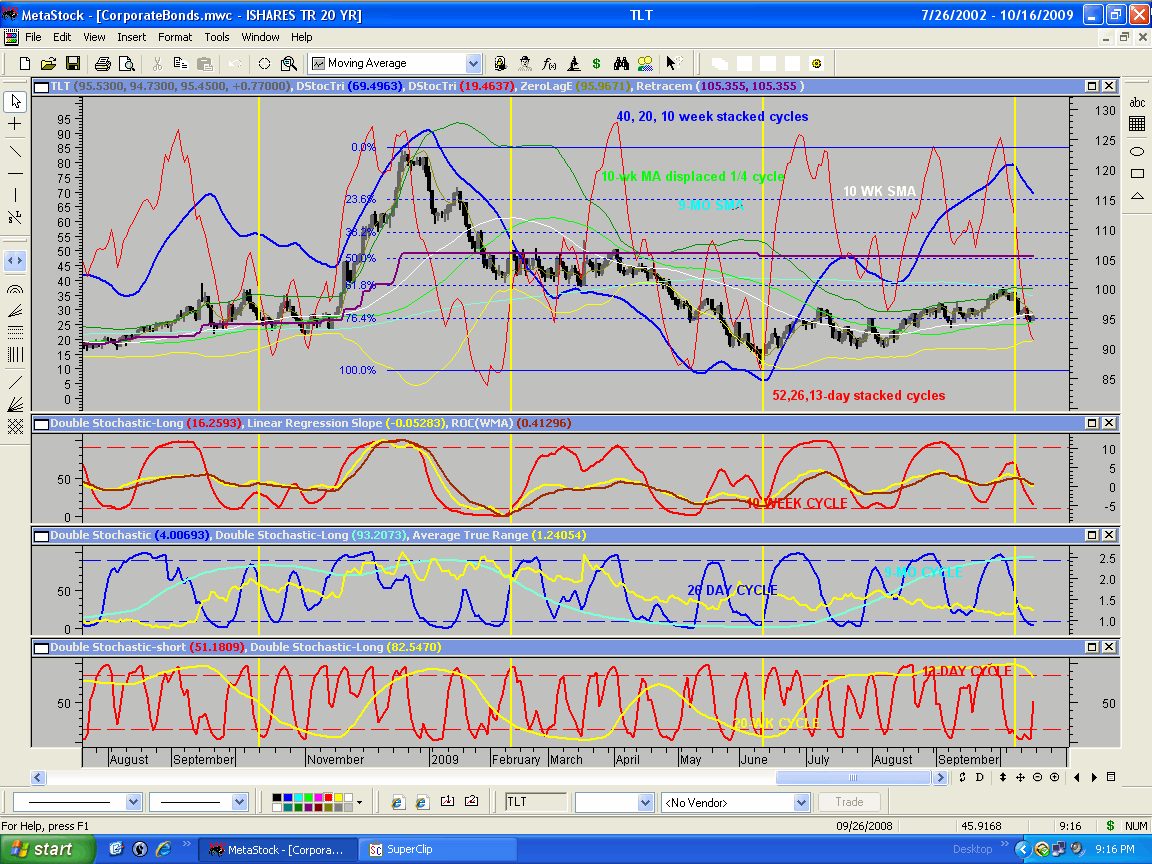
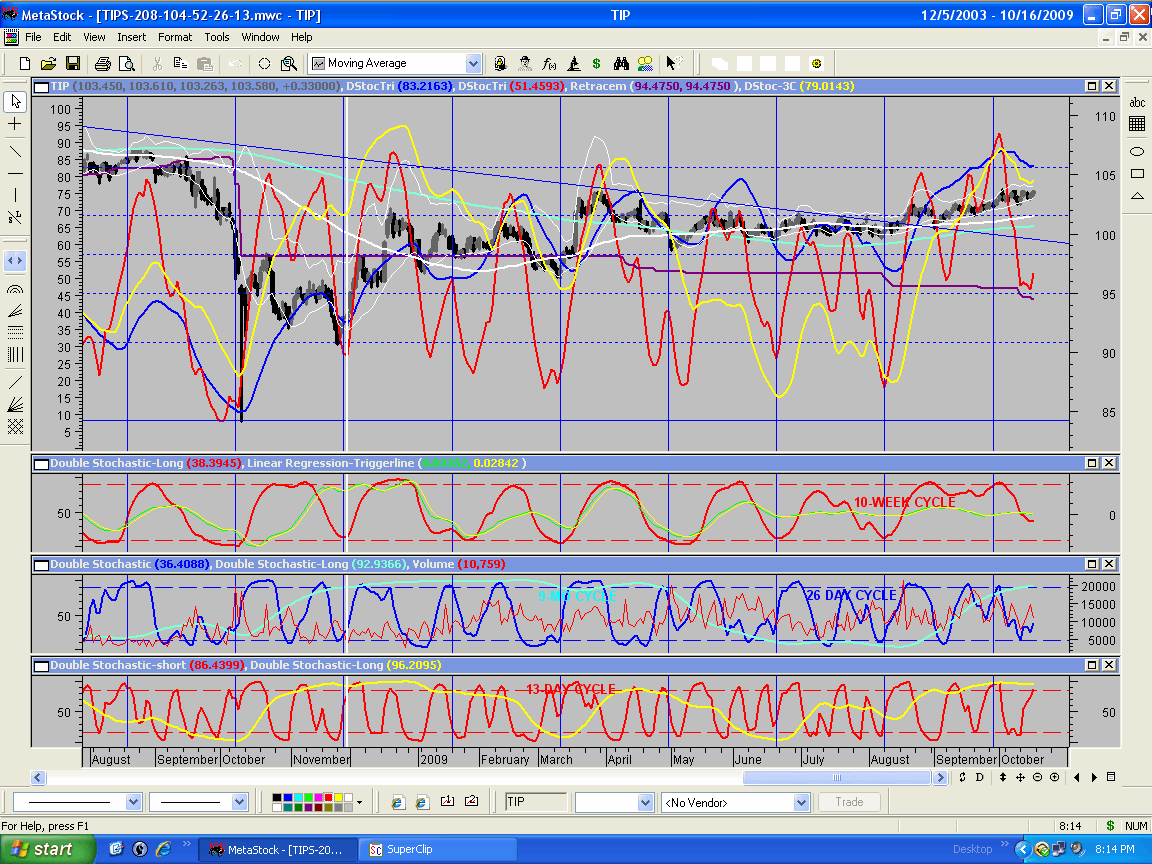
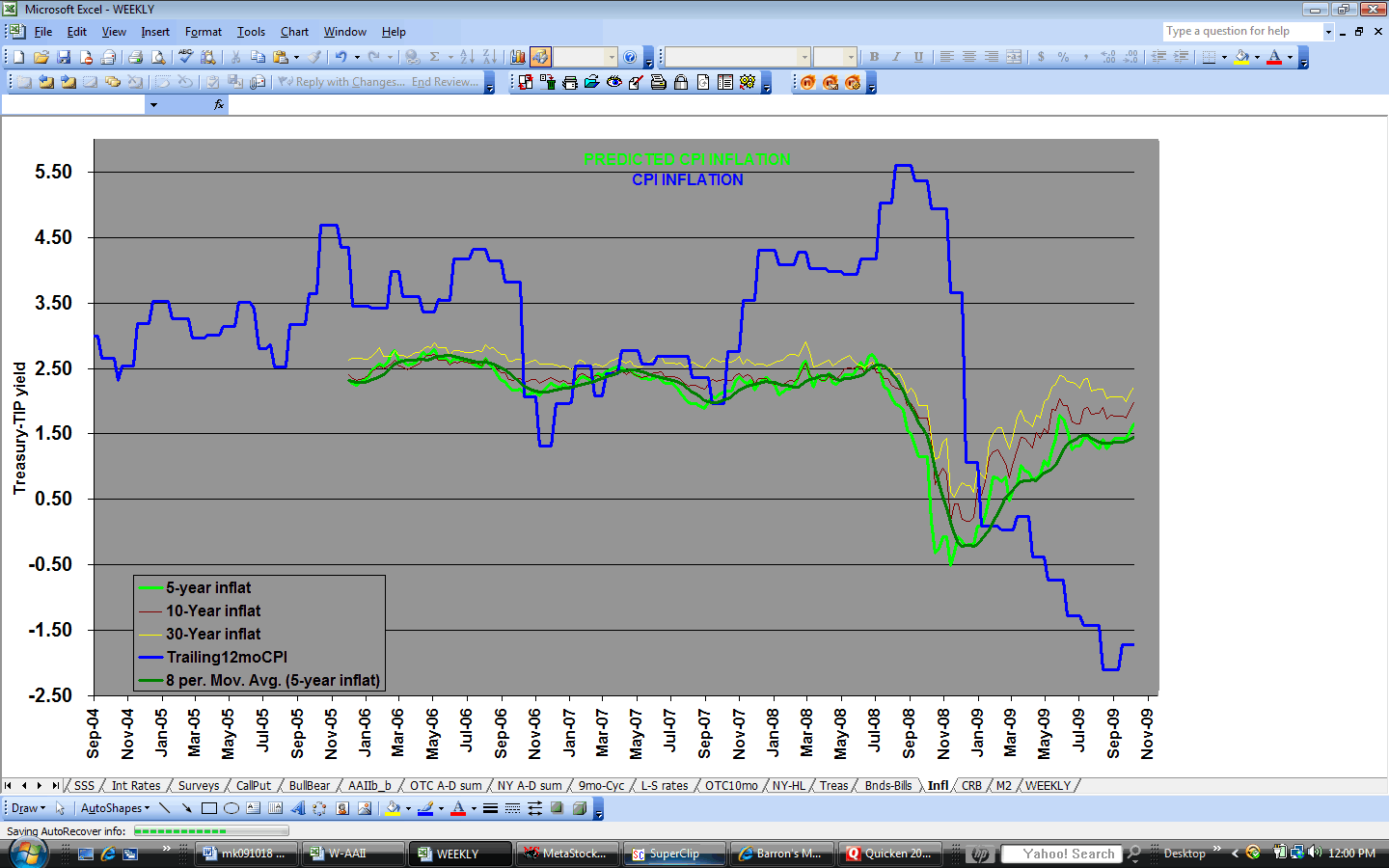
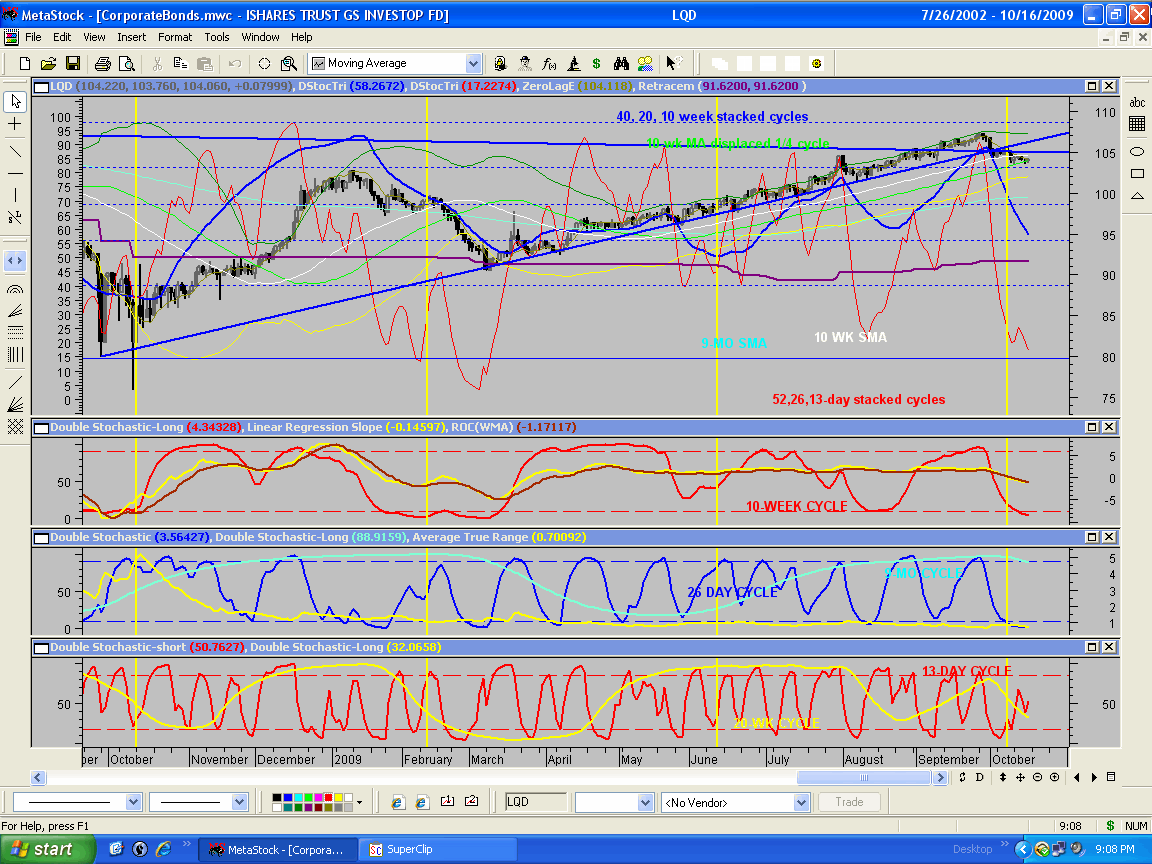
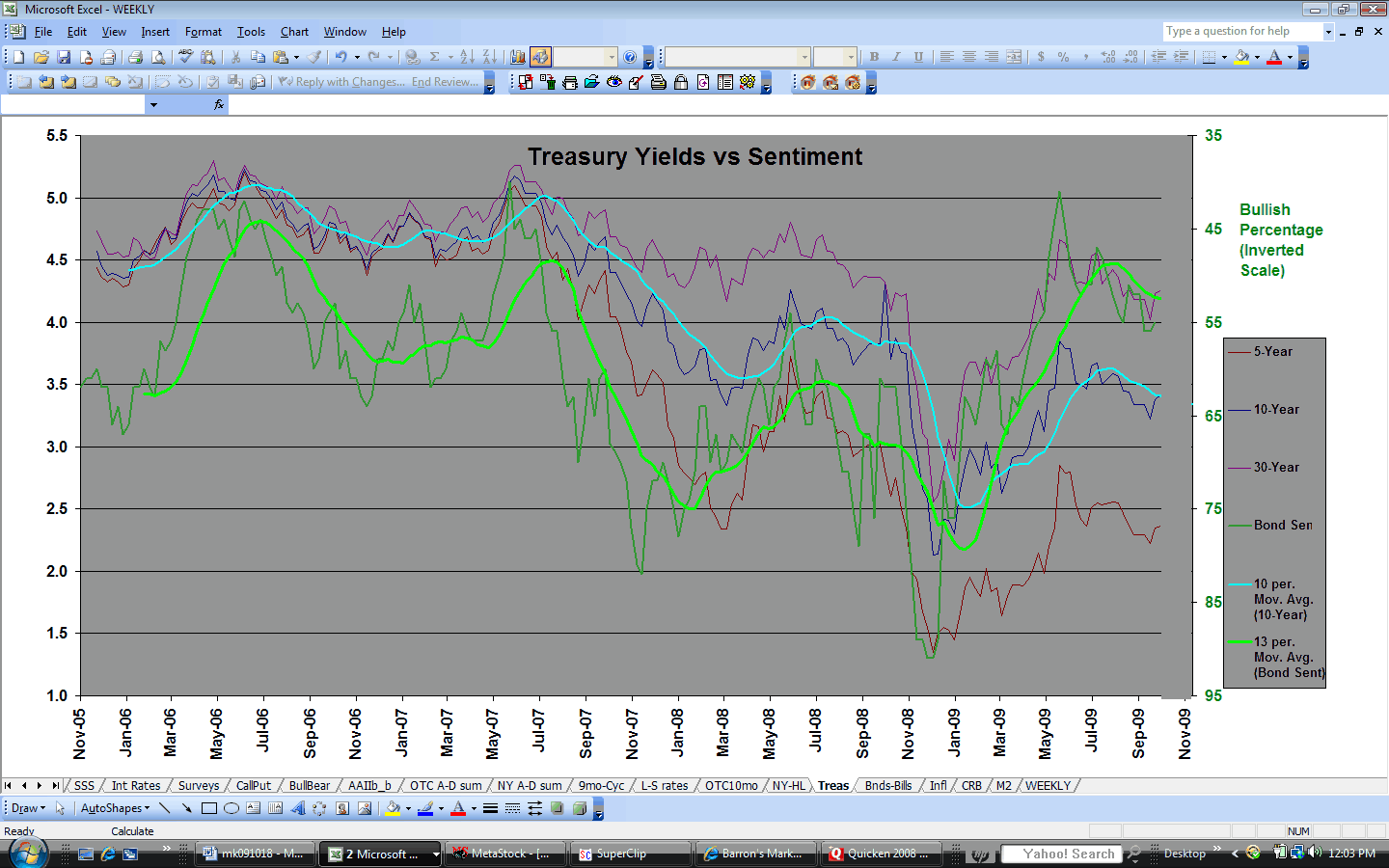
T-bonds (http://www.geocities.com/petegersb/Treasury-20yr.GIF)) continued their 10-wk cycle rally, but backed off late in the week after reaching their July peak. It’s probably a 26-day cycle peak. The longer cycles appear to have the potential to move prices above that peak after the 26-day cycle correction runs its course. TIPS (http://www.geocities.com/petegersb/TIPs.GIF) had a similar pattern, but the rally stalled at the 9-mo moving average – well below the July peak. The bond market continues to expect not only lower inflation, but a big drop in the CPI (http://www.geocities.com/petegersb/CPI.GIF ) to less than half its recent level. Slowing inflation spells recession. So do weaker corporate bonds (http://www.geocities.com/petegersb/CorporateBonds.GIF). Bond sentiment (http://www.geocities.com/petegersb/BondSentiment.GIF) supports the hypothesis that interest rates will drop in the intermediate term – also consistent with recession.