8/10/08
Unsurprisingly, the laws of supply and demand continue to work. High prices bring out added supply and suppress demand. The high price of fossil fuels is making alternative forms of energy increasingly price competitive and inspiring investments in their development. Boone Pickens’ large wind farm investments are one example. At the same time, high prices are suppressing demand. Witness the significant drop in miles driven and gasoline demand as its price hit $4. Over time free markets, would solve our energy problems, but we don’t have free markets. Our energy policy is determined by the powerful oil, gas and agricultural lobbies that prefer the status quo to change that can threaten their profits. Consequently, we subsidize the exploration and production of the fossil fuels that will eventually run out as well the really stupid non-solutions like corn-based ethanol that requires about as much fossil-based energy in its production as it yields. Those subsidies should be redirected to renewable clean energy and to energy efficiency and conservation instead. That would be far more effective in reducing and eventually ending our dependence on foreign oil than would drilling for the small amounts of untapped domestic oil.
Perhaps intelligent tax policy would be even more effective
than redirected subsidies. The reason why our oil companies aren’t drilling on
many of their offshore leases is that they fear prices may not stay high enough
to justify the substantial investments required. They got burned by the plunge
in prices after the spike a generation ago, and are reluctant to risk a repeat.
For the same reason, many technologies that are competitive with $100 oil but
not $70 oil go begging for investment for fear that another plunge in oil
prices would leave the alternatives once again economically uncompetitive.
Business Week’s July 23 cover story (http://www.businessweek.com/magazine/content/08_31/b4094000658012.htm?chan=magazine+channel_top+stories)
suggests an intelligent way to remedy the latter problem. It proposes
that a floor be placed under the price of oil and other fossil fuels using tax
policy. If the world market price were to drop through that floor, a tax would
be applied to maintain the price to the consumer at the floor level. That would
provide assurances to investors in alternative energy and in energy efficiency
technologies that their products would not suddenly become uncompetitive if conservation
and energy efficient technologies again cause the price of fossil fuel to drop
significantly as it did a generation ago. Despite the steep drop in oil and gas during
the last few weeks, I don’t think there is much risk of a repeat of the
generation-ago experience because
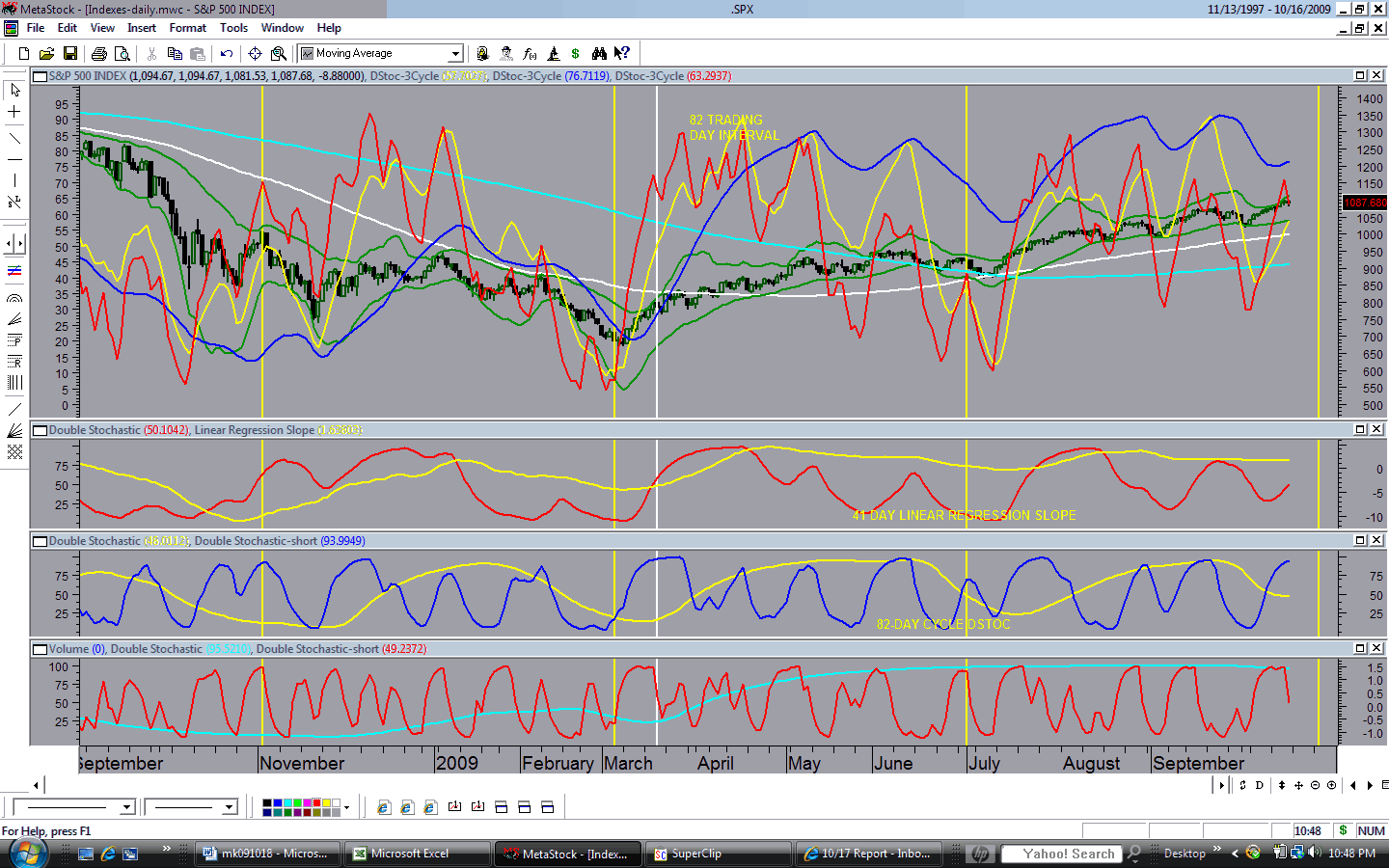
Despite a week that saw more huge losses in Financials, Georgia invade Ossetia, and Russia respond by invading Georgia, stocks had a good week (except for energy and commodity stocks). The rising 13-day, 10-wk and 20-wk cycles overcame downtrends in the other cycles, but the outcome of the struggle at the 23% Fibonacci resistance line was unclear until Friday when another $5 drop in crude oil inspired the rest of the market to punch through on its 4th attempt. The SPX (http://www.geocities.com/petegersb/SP500.GIF) closed Friday at its next resistance (the down trending 10-wk moving average). It may be formidable, because the overbought 10-wk cycle is only 4 weeks old, the 26-day cycle is 18 days old and the 13-day cycle is 9-days old – all in position to start trending downward. It suggests a likely short term pullback from this level.
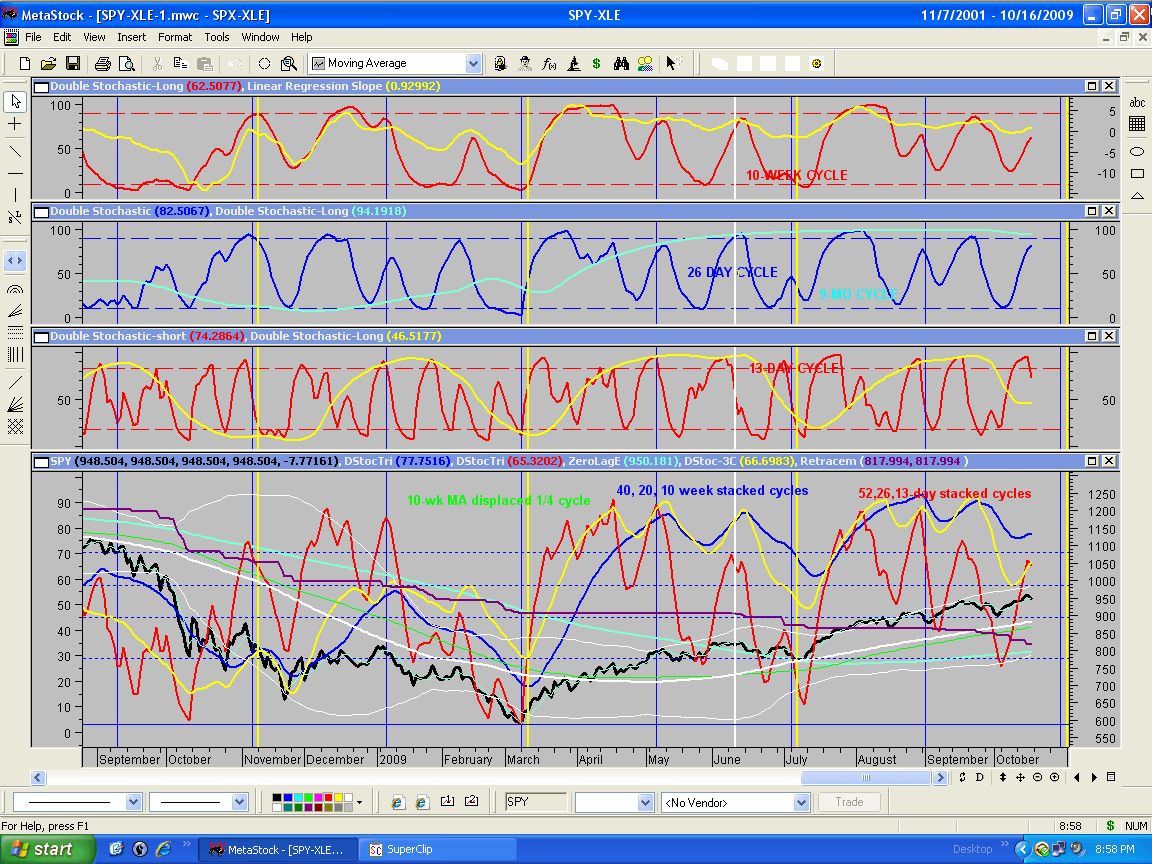
However, the SPX is now being dragged down by the energy stocks that had been supporting it for so long. The SPX ex-energy (http://www.geocities.com/petegersb/SPY-XLE.GIF) has already punched through its 10-wk moving average and appears headed to the 38% retracement at the top of the 10-month-old downtrend channel on this intermediate rally. It too is short-term overbought, so I don’t think it will happen this week.
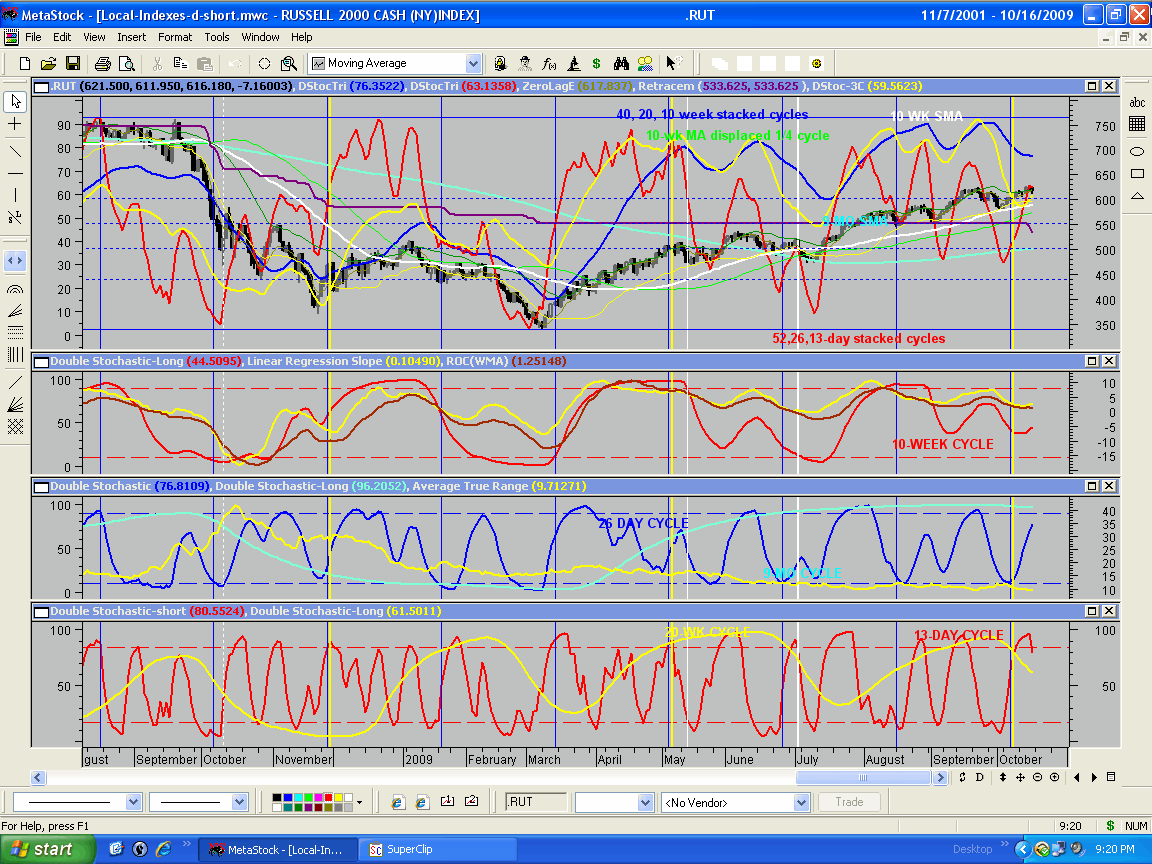
The Russell small cap index (http://www.geocities.com/petegersb/Russell2000.GIF ) is considerably stronger. It has punched through both its 9-mo and 10-wk moving averages and is already challenging its 10-mo downtrend line. Beyond that its next resistances will be the 50% retracement and then the June high. If it succeeds in besting the latter on this 20-wk cycle rally, it will look like a new bull market. But first, it too must contend with an overbought short-term composite and with aging short cycles.
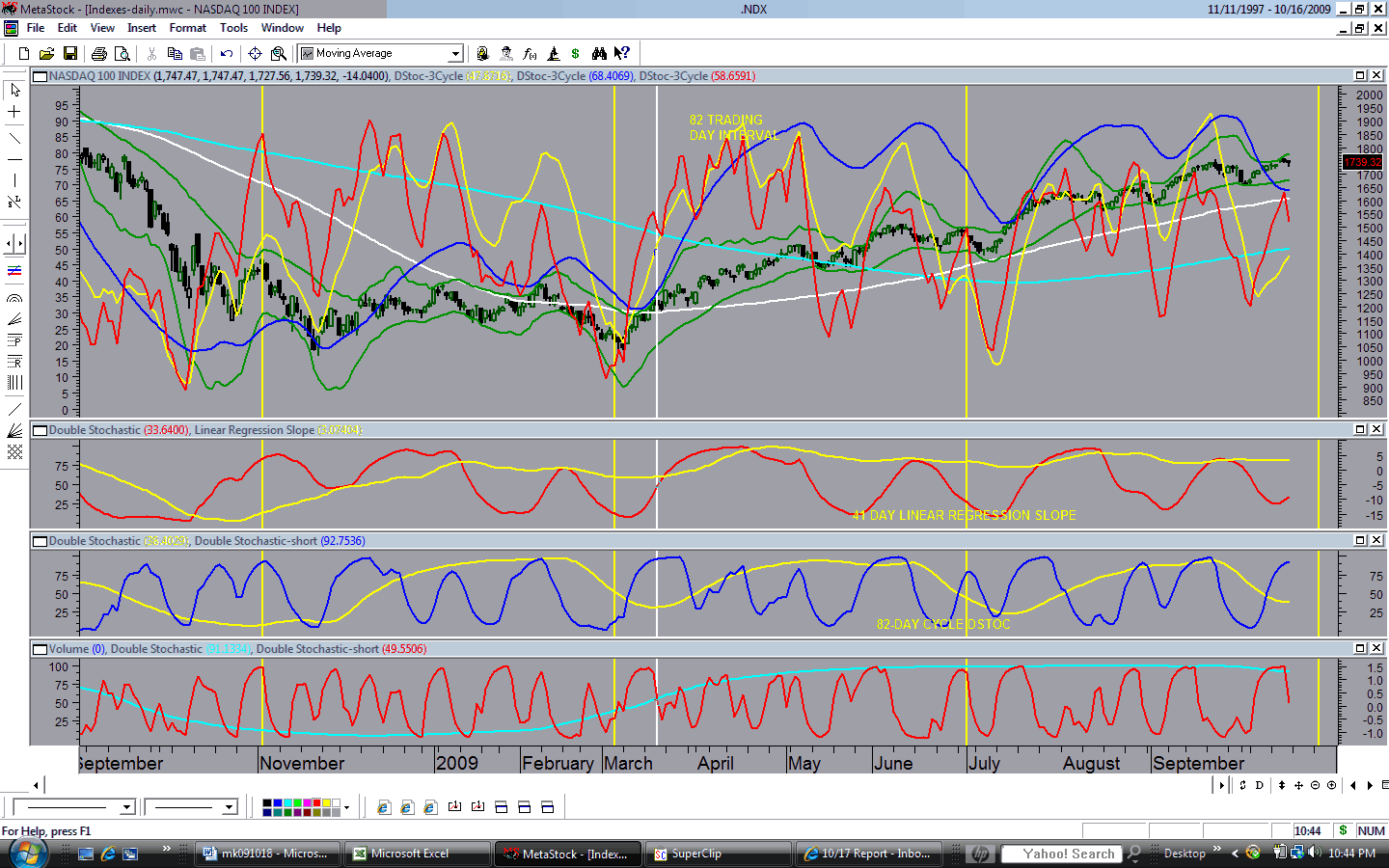
The NDX (http://www.geocities.com/petegersb/NDX.GIF) is stronger than the SPX, but weaker than the small caps. It moved through its 10-wk moving average on Friday and reached its 9-mo MA. It too will encounter more resistance at the 50% retracement, then the 10-month downtrend line, and then the June high. If it gets above the June high on this 20-week cycle it will have established a bullish chart pattern by virtue of a higher high as well as a higher low. This week, like the other indexes, it must first contend with overbought and aging 10-week and shorter cycles. A sharp 10-wk cycle correction would again turn the chart ugly if it were to produce a lower 10-wk cycle low.
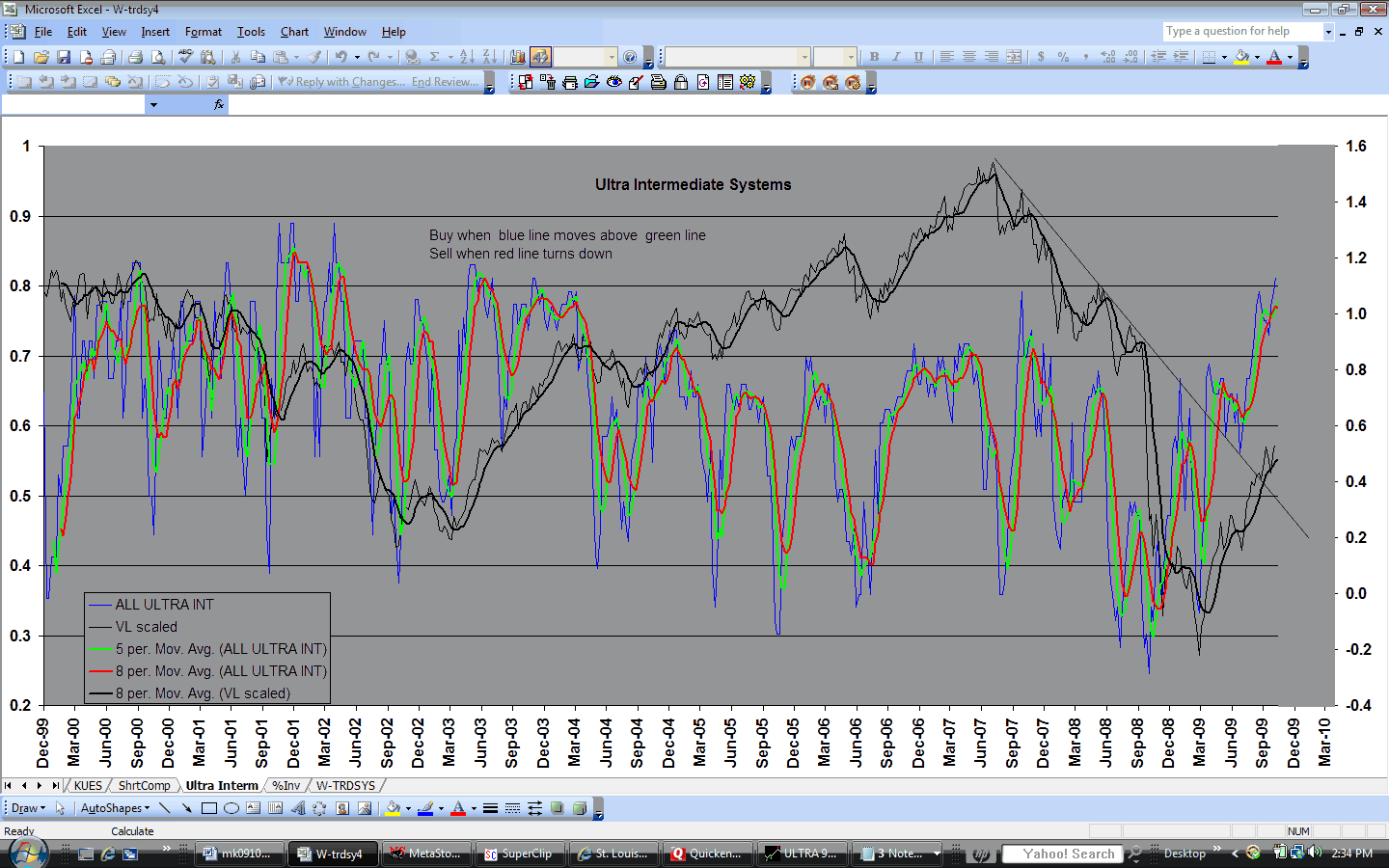
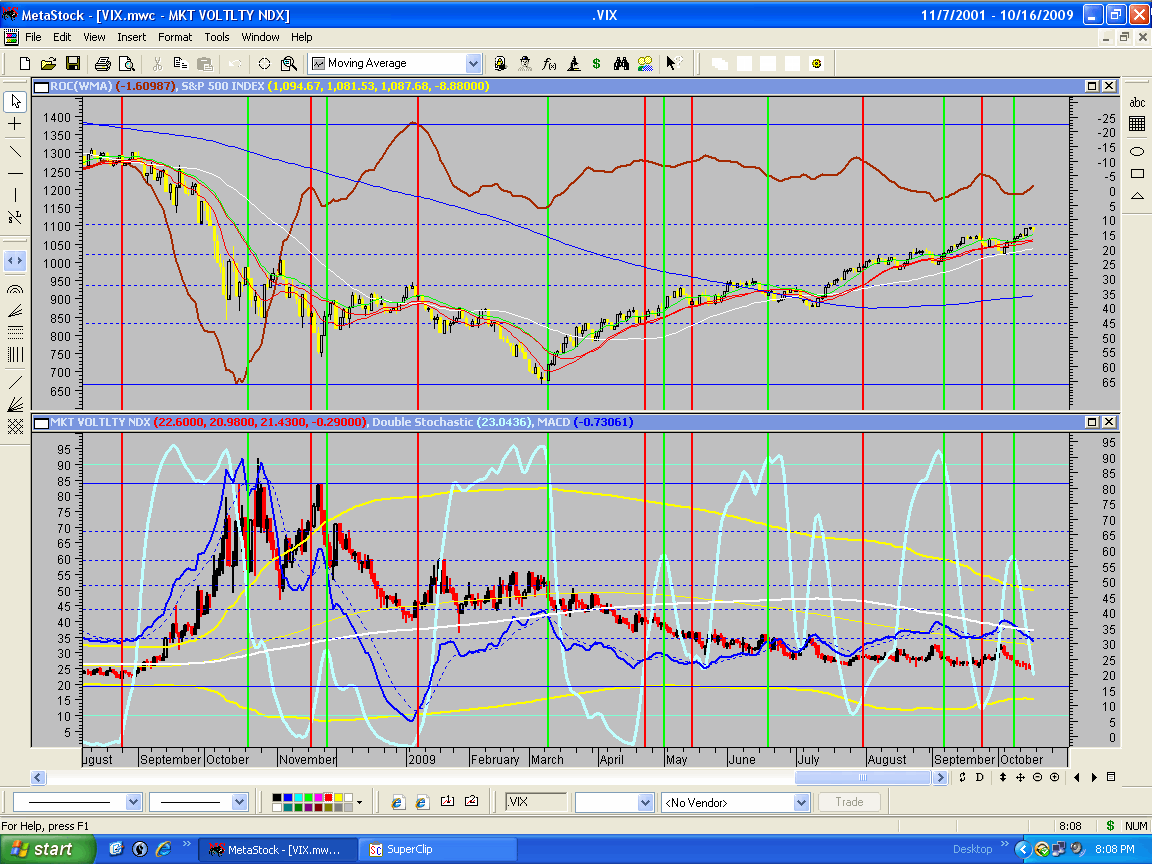
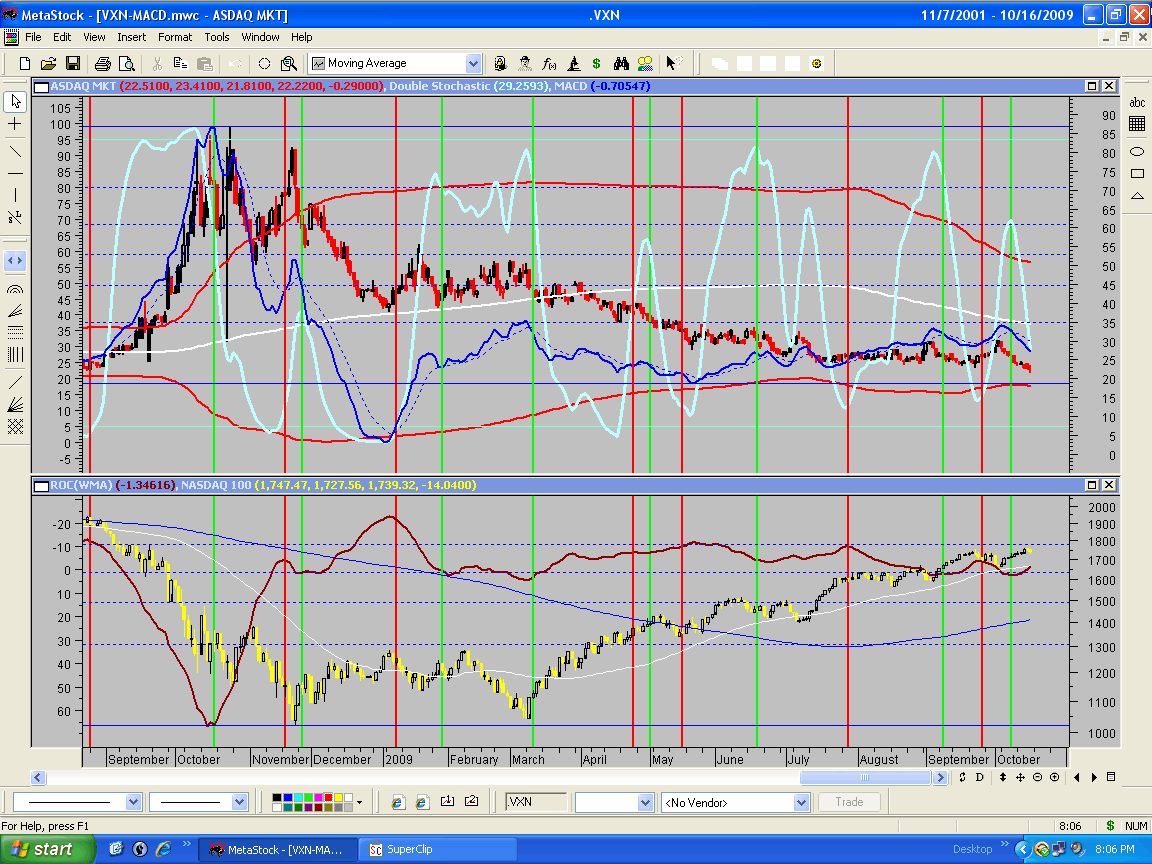
The weekly VIX and VXN (http://www.geocities.com/petegersb/VIX-weekly.GIF, http://www.geocities.com/petegersb/VXN-weekly.GIF) indicate that the 4-wk-old 20-week cycle rally should continue for quite some time. So does the ULTRA trend following system (http://www.geocities.com/petegersb/UltraIntermediate.GIF ). It issued a confirmed intermediate-term buy signal last week. But the DStocs on the daily VIX (http://www.geocities.com/petegersb/VIX.GIF) and VXN (http://www.geocities.com/petegersb/VXN.GIF) are now at extreme lows – a condition that usually produces a 10-week stock cycle decline in short-order when the cycle is middle aged, as it is now.
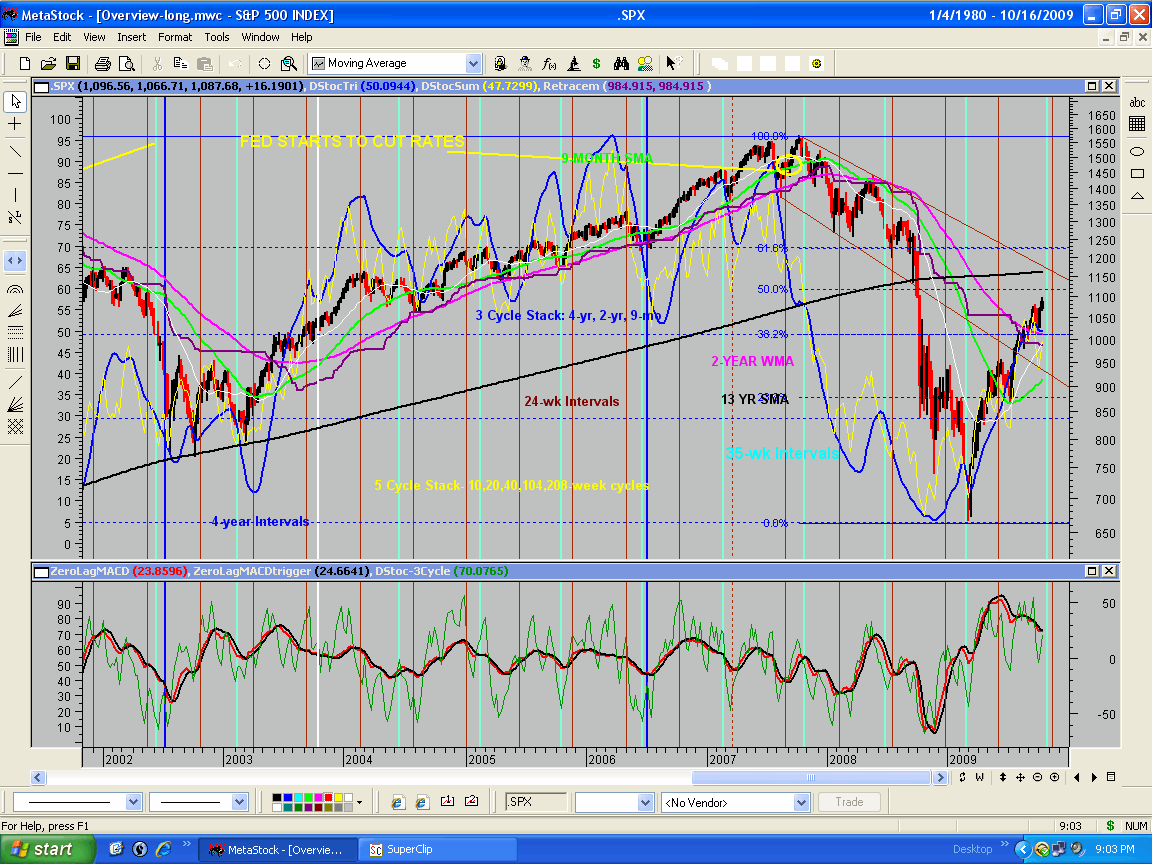
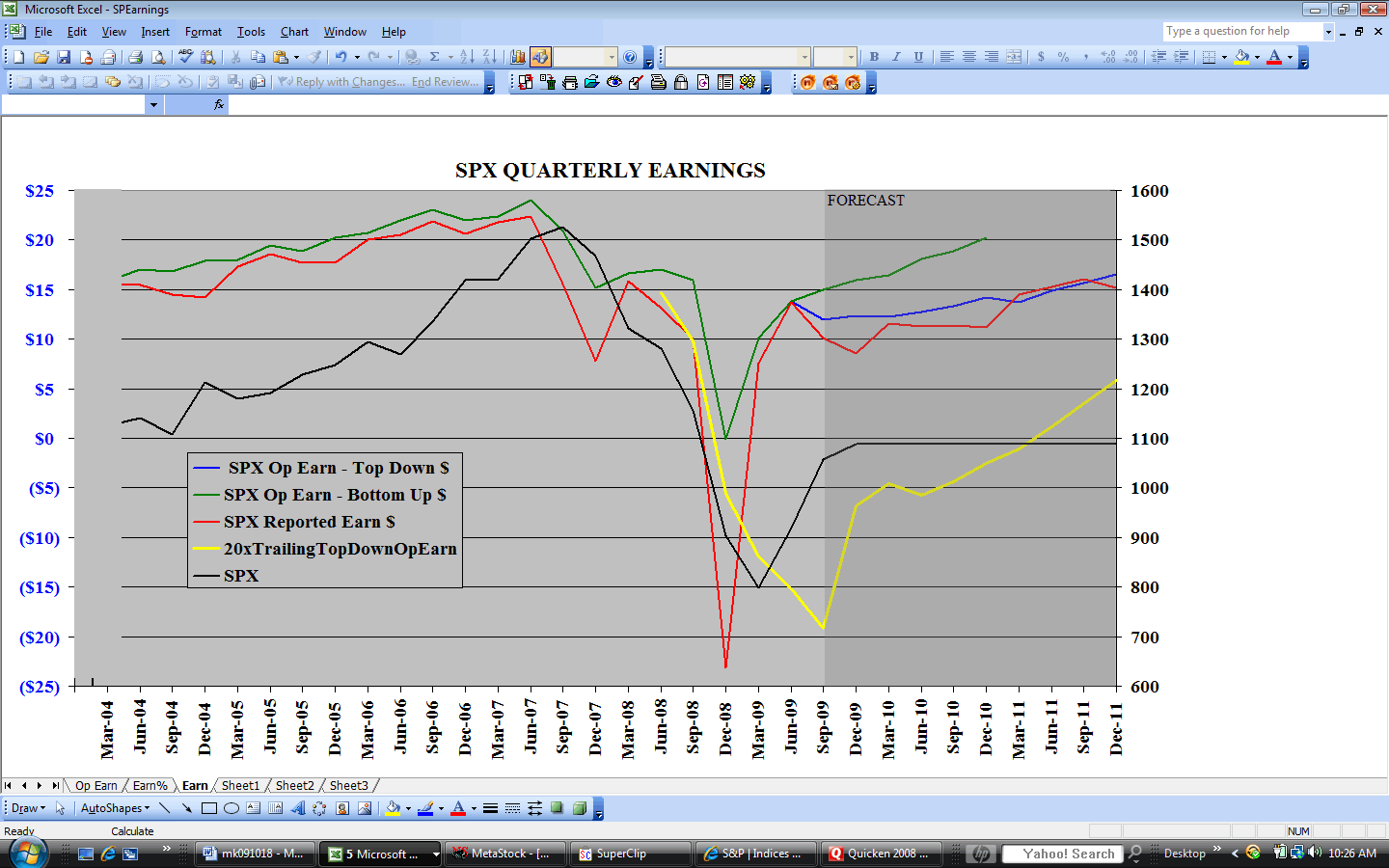
The weekly price charts (http://www.geocities.com/petegersb/Overview-long.GIF, http://www.geocities.com/petegersb/Overview-med.GIF ) indicate that the 9-month cycle remains in a downtrend. A reversal in these indicators coupled with a higher 20-wk cycle high would cause me to reverse my opinion of its trend, but neither has happened yet. So far this still looks like a 20-week cycle countertrend rally in an ongoing bear market, and the continuing deterioration in the fundamentals is likely to support a resumption of the downtrend. With the benefit of some hard data from recent earnings reports, Standard & Poor’s again lowered 2nd quarter operating earnings estimates (http://www.geocities.com/petegersb/EarnY-Y.GIF) – this time by over a dollar from $19.40 to $18.36. They also lowered 3rd quarter estimates by 48 cents, but raised estimates beyond that. Their bottom-up analysts’ myopia continues. However, their top-down analysts’ estimates appear reasonable. They are $5 lower than those of the bottom-up analysts for the 3rd quarter and more than $10 lower for each of the subsequent quarters. The top-down estimates would put the 12-month forward P/E on operating earnings at a worrisome 20 rather than an attractive 13. It’s even more worrisome when you consider that the more perceptive top-down analysts are continuing to drop their estimates.
Sentiment continued
to improve among advisory services (http://www.geocities.com/petegersb/InvestorsIntelligence.GIF)
– enough to turn the 5-week moving average upward and produce a buy signal. It
deteriorated a little among AAII members (http://www.geocities.com/petegersb/AAIIsentiment.GIF),
but its earlier buy signal remains intact.
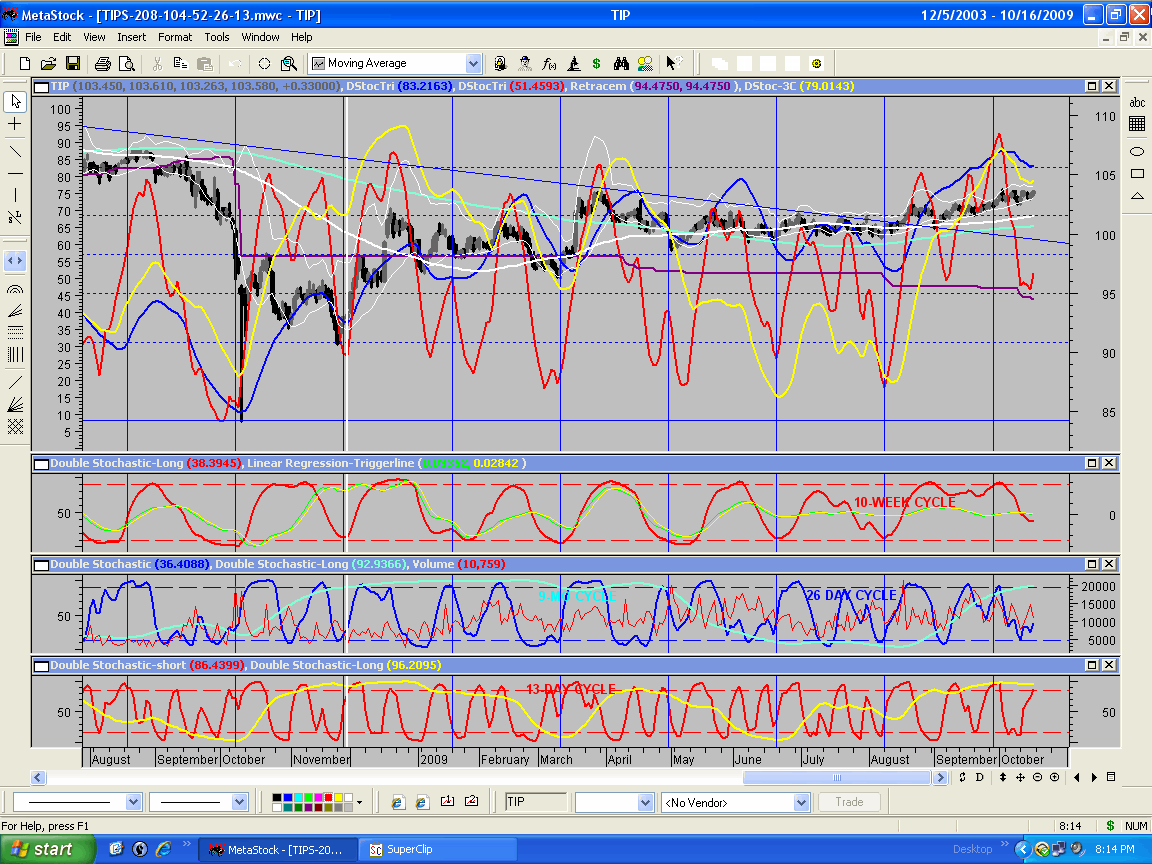
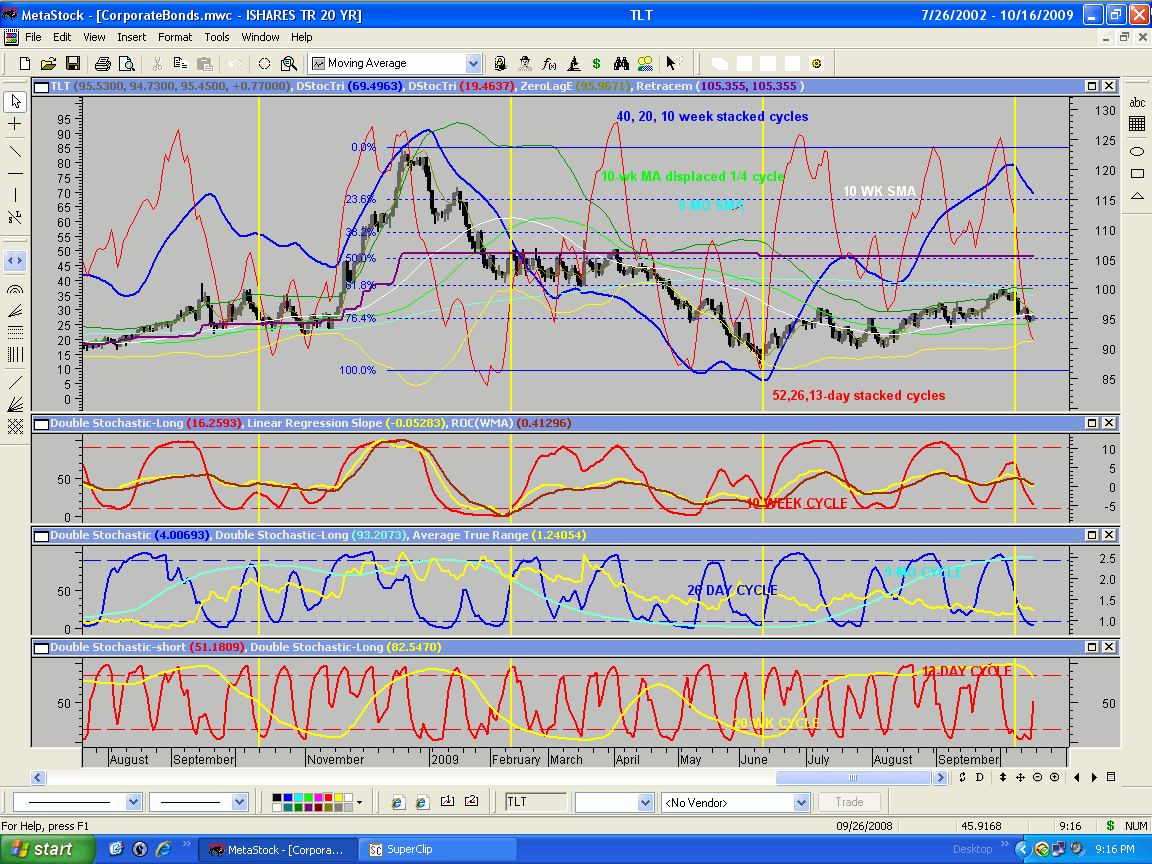
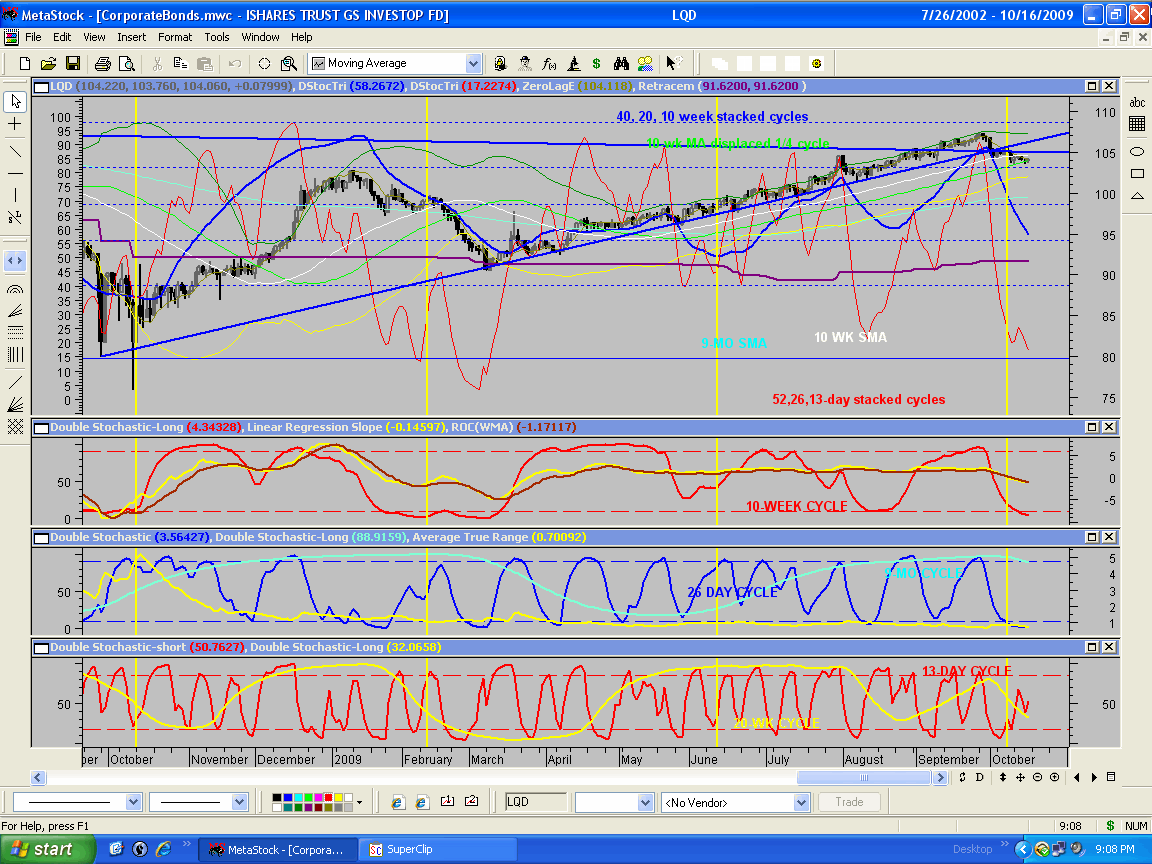
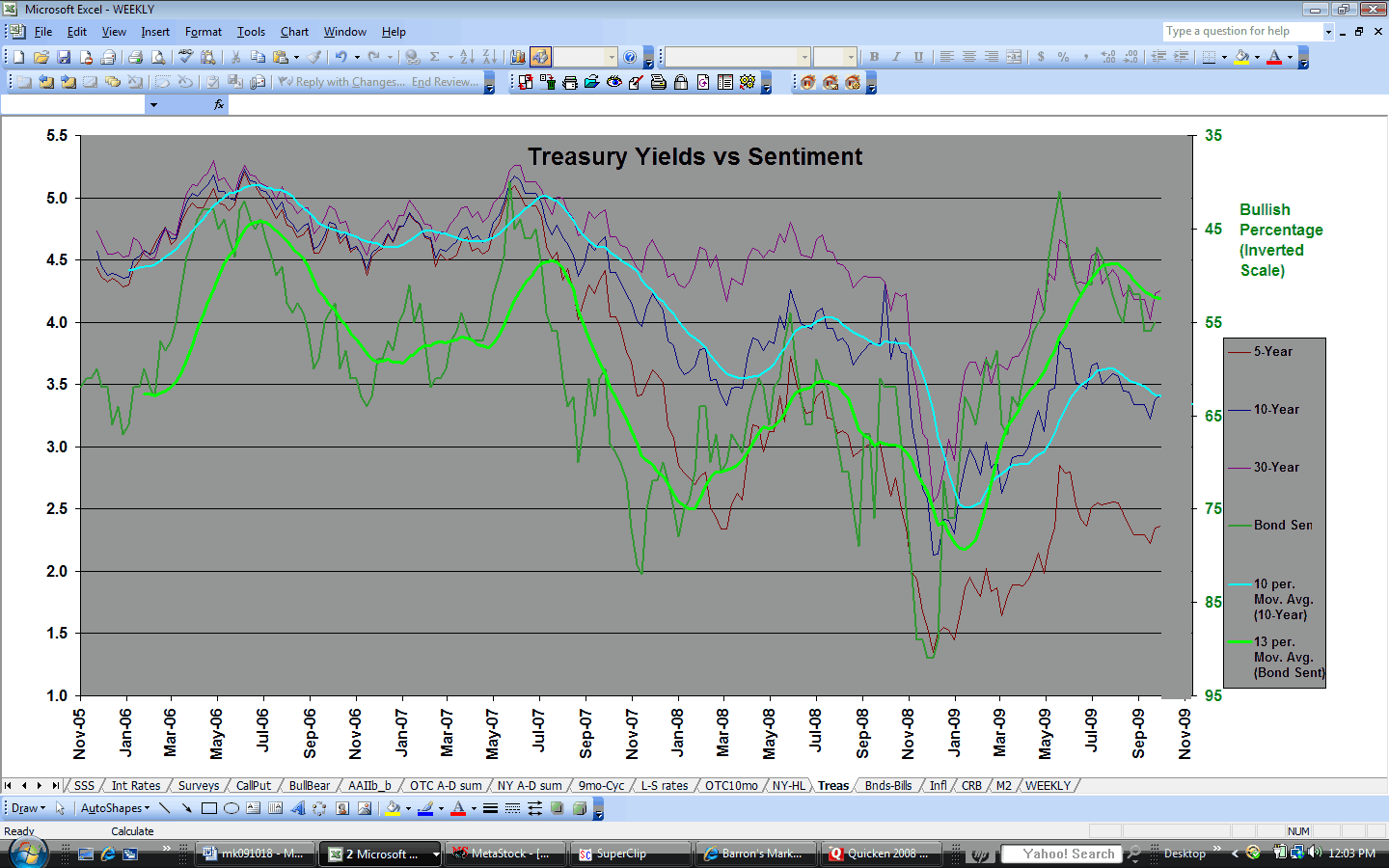
Government Bonds (TIPS (http://www.geocities.com/petegersb/TIPs.GIF) and T-bonds (http://www.geocities.com/petegersb/Treasury-20yr.GIF)) dipped midweek to establish a short-term bottom, then rallied to end little changed. It looks like the beginning of a 10-wk cycle rally. Corporate bonds (http://www.geocities.com/petegersb/CorporateBonds.GIF) followed a similar pattern last week, but they appear to be nearer the end than a beginning of a 10-week cycle rally. The short-term composite is very overbought, and so is the 10-wk cycle DStoc. Weak corporate bonds coupled with strong treasuries would be consistent with more weak economic data that cause investors to seek safety. Bond sentiment (http://www.geocities.com/petegersb/BondSentiment.GIF) is about as neutral as it can get with the moving average flat in the middle of the range.
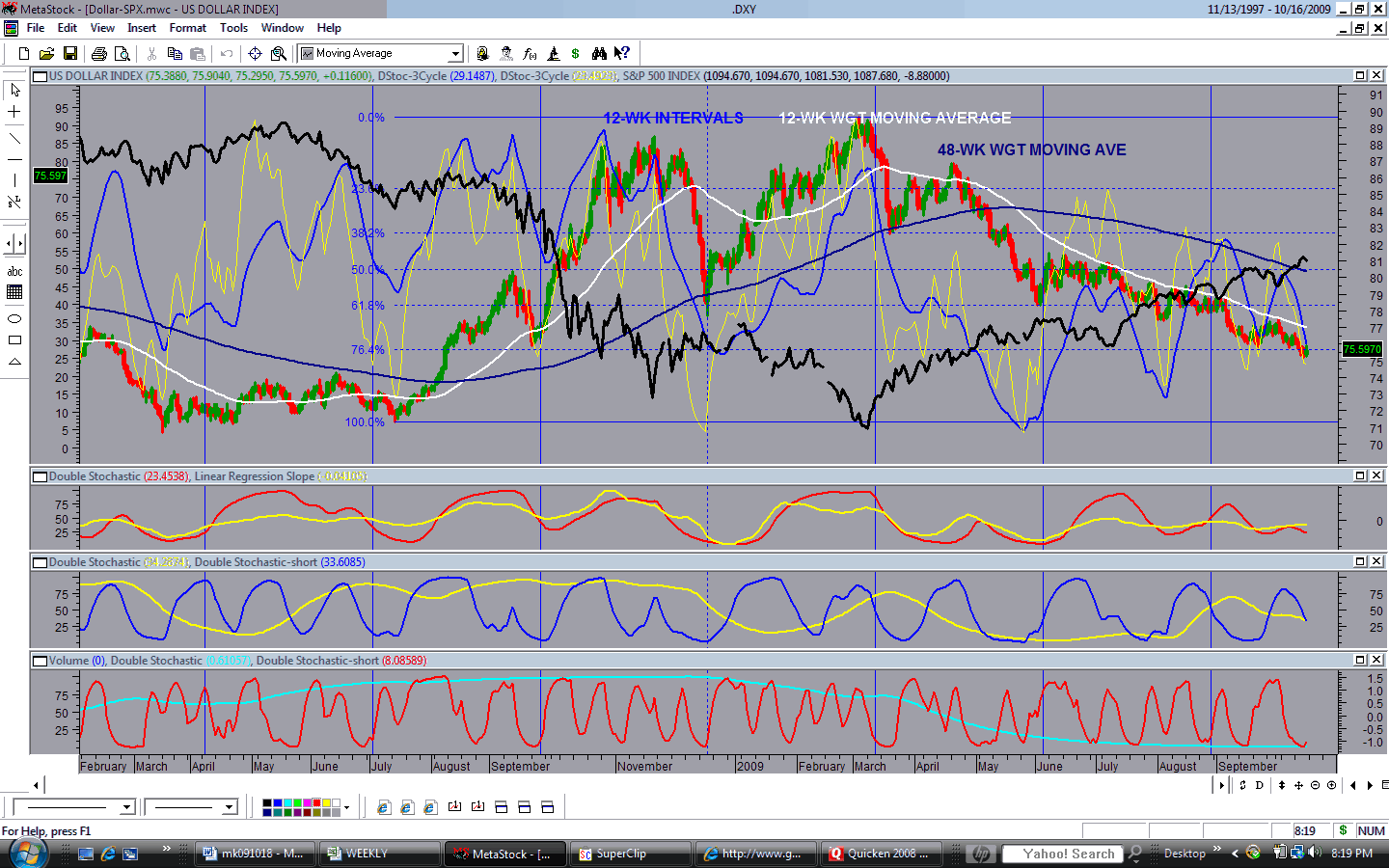
The dollar (http://www.geocities.com/petegersb/Dollar.GIF) starred last week with its best gain in three and a half years. It surged above its down trending 9-month moving average, and has now reached the level that provided support from November to January before breaking down in February. That’s also the 23% Fibonacci retracement of the steady downtrend since late 2005. It should provide some resistance on the way up. The short-term composite is extremely overbought, so the rally is likely to stall this week. However, the 20-week cycle is only 4 weeks old, so higher levels can be expected for the dollar after a short-term correction. Significantly, the 9-month cycle is 5 months old, so a right translated peak is virtually assured for the first time in over 3 years. That suggests a new bull market for the dollar, as so many are proclaiming. Some fundamental developments are also consistent with a dollar bull market. Foreign economies are weakening, putting pressure on their central banks to lower their interest rates, thereby weakening their currencies. Concurrently, US oil demand and prices are dropping, which should reduce our trade deficit and its corresponding downward pressure on the dollar. If the dollar does continue to strengthen, it won’t help the profits of our multinationals, but it would reduce inflation pressures.
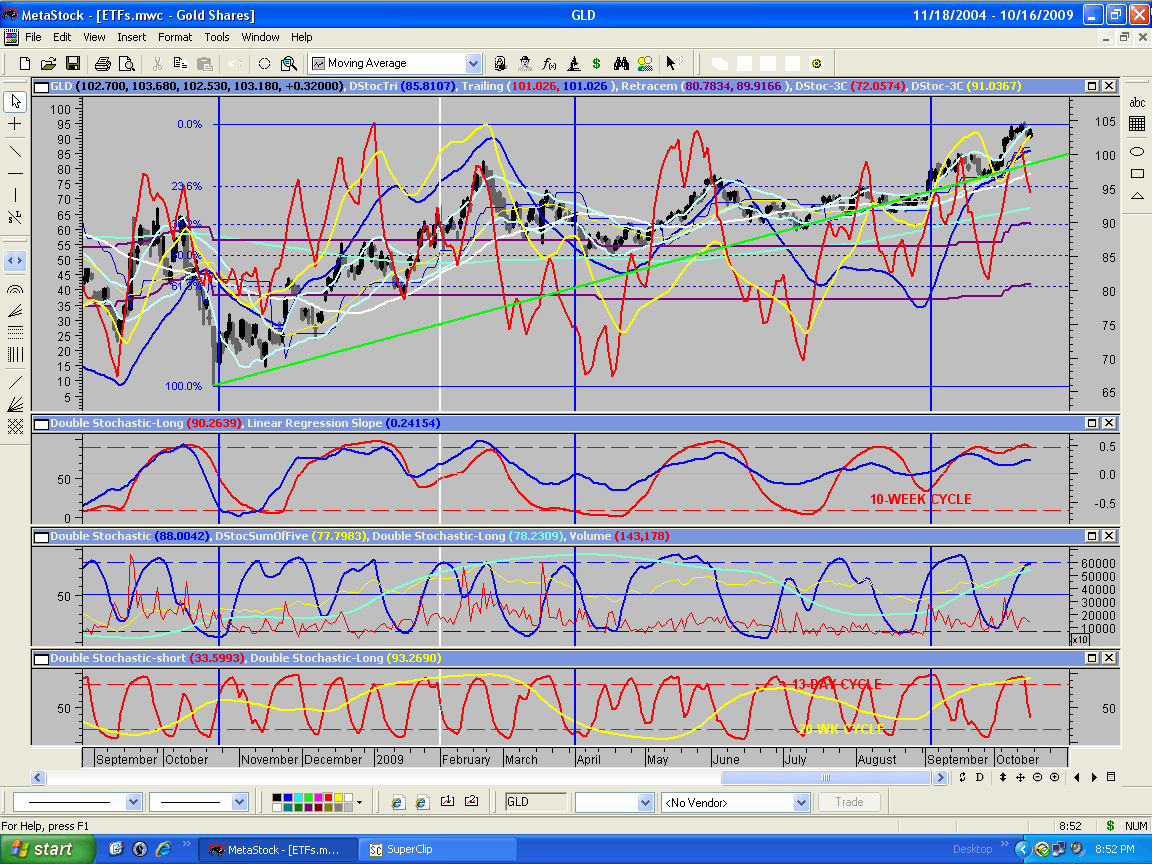
Gold (http://www.geocities.com/petegersb/GoldBullion.GIF) plunged last week as the dollar strengthened. It broke
below the rising 9-month moving average and then below the 38% retracement
level of the rally over the last year, but held slightly above the May low. The
short-term composite is deeply oversold, but the 20-week cycle is only 15-weeks
old and far from oversold. I expect a short-term rally back up to the 9-mo
moving average or the higher 10-wk moving average before another test of the
2008 low while the 20-week cycle completes a more normal life span. Gold
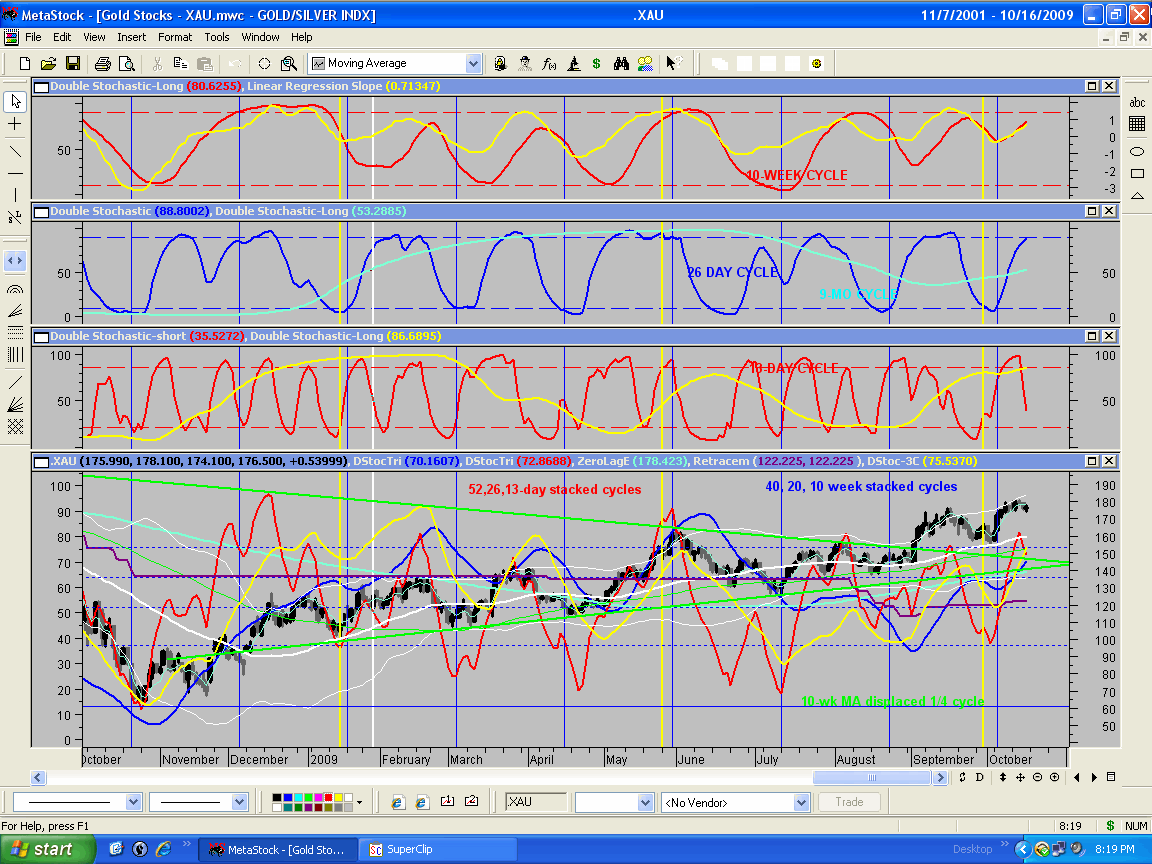
stocks, as represented by the XAU (http://www.geocities.com/petegersb/GoldStocks.GIF), again fared worse than the metal. It broke significantly
below the bottom of the 2008 trading range, and is now threatening the lows of
a year ago. It too is ripe for a short-term rally and subsequent decline before
reaching an intermediate bottom.
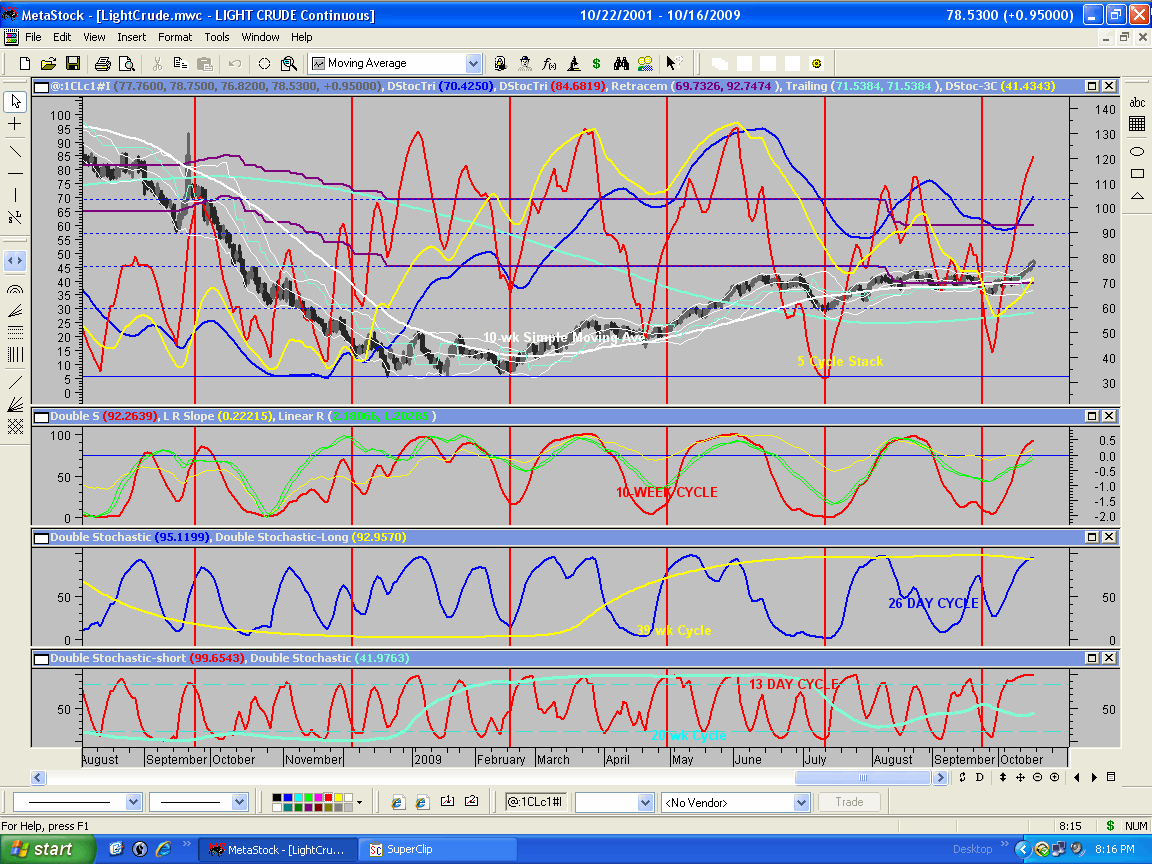
Crude oil (http://www.geocities.com/petegersb/CrudeOil.GIF ) did not establish the anticipated 10-wk cycle low. Instead, it dropped another $10 to assure a lower 10-week cycle low – the first time that has happened since the last time oil was selling for $55 a barrel. It’s the first serious challenge to its bull market credentials. Still, the plunge has taken back only half of the rally phase of the 7-month-old 9-month cycle. The 10 and 20-wk cycles are deeply oversold, and the 10-wk cycle is more than 9-weeks old. I expect a rally attempt this week that should point the way forward. The first hurdle will be the 13-day cycle peak at $128.60 established on August 1. If that level can be penetrated, the 10-week moving average just above $130 will provide the next challenge for the 10-week cycle. Failure to move above $130 on the next intermediate rally will destroy oil’s bull market credentials.
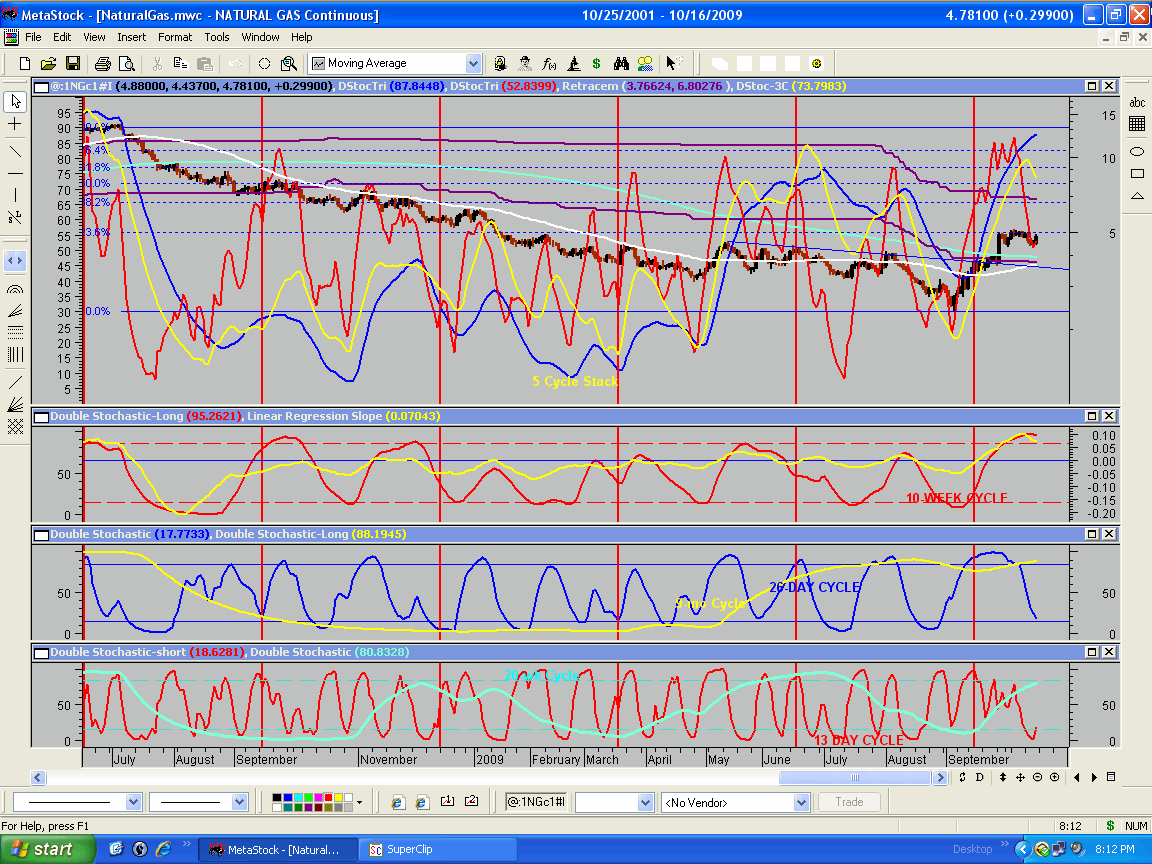
Natural
gas (http://www.geocities.com/petegersb/NaturalGas.GIF) also didn’t live up to expectations last week. It
declined and took the short-term composite with it. While the 10-wk-old 10-wk
cycle is deeply oversold, the shorter cycles threaten a little more downside
before a bottom.
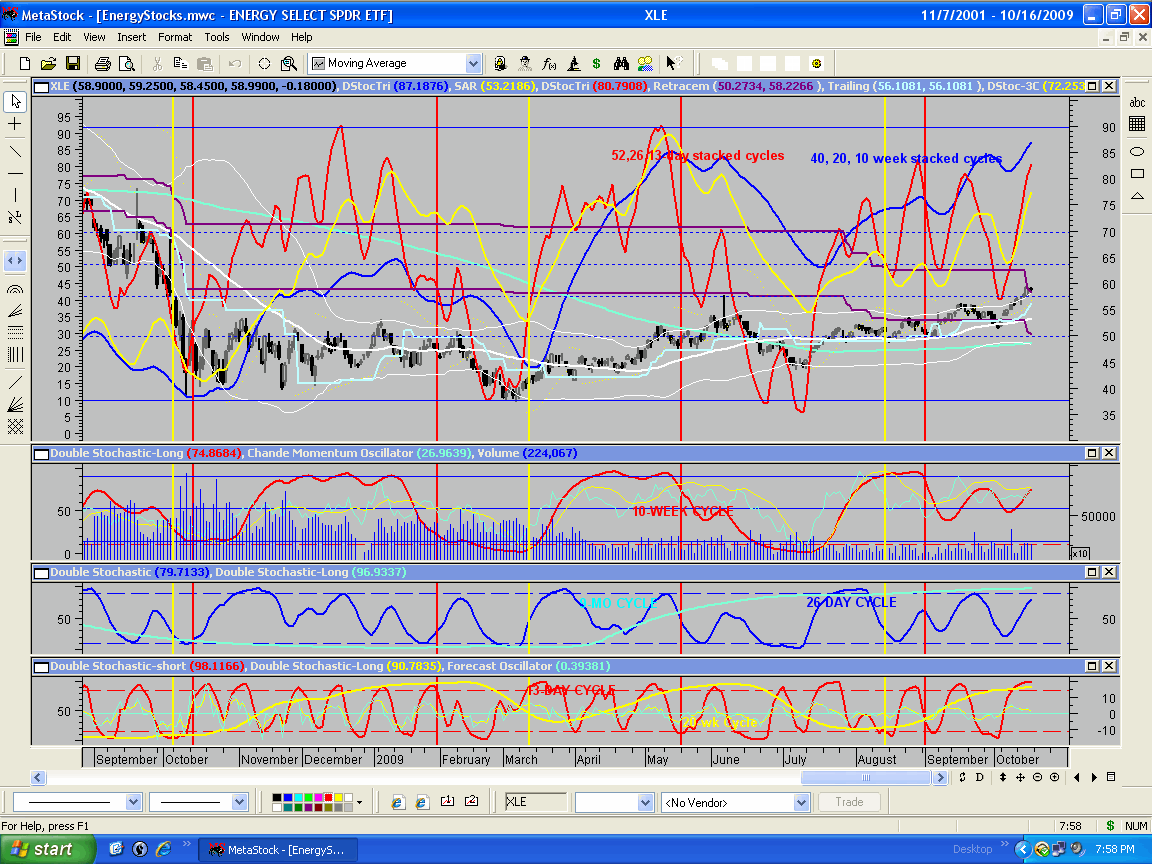
Energy
stocks (http://www.geocities.com/petegersb/EnergySPDR.GIF) also had a bad week that appears likely to continue into
this week. However, 10 and 20-week cycles are deeply oversold and ripe for a
bottom. When the short cycles reach bottom, the intermediate cycles should do
so as well.