7/27/08
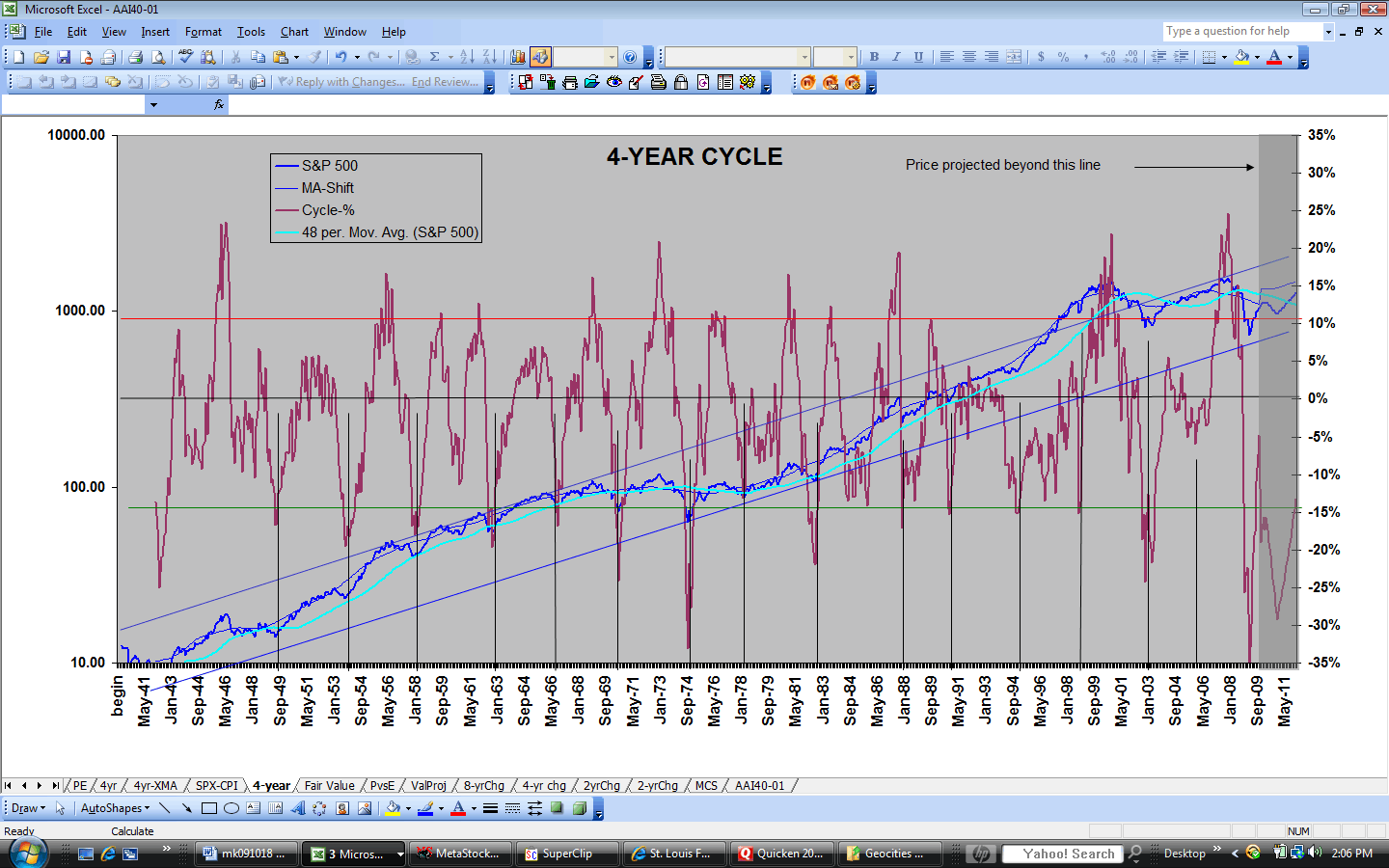
Since my last report 3 weeks ago we’ve seen a lot of action but little net change in most markets – commodities excepted. Many stock indexes broke below their March lows (the bad news) and established a likely 20-week cycle low on July 15 (the good news, if true). The implications of the lower low are not pretty. It probably means that those who maintained that the 4-year cycle low (http://www.geocities.com/petegersb/4YearCycle.GIF ) arrived on schedule in 2006 (despite the lack of the usual extremes) were right and I was wrong. If so, it virtually assures that stocks are on the 4-year cycle down-slope from a left translated peak in 2007, with a couple years minimum left in the bear market. The lower low for the 20-week cycle near the probable midpoint of the 9-month cycle also serves to bolster the bear market credentials. It suggests a much lower low at the end on this 9-month cycle late this year.
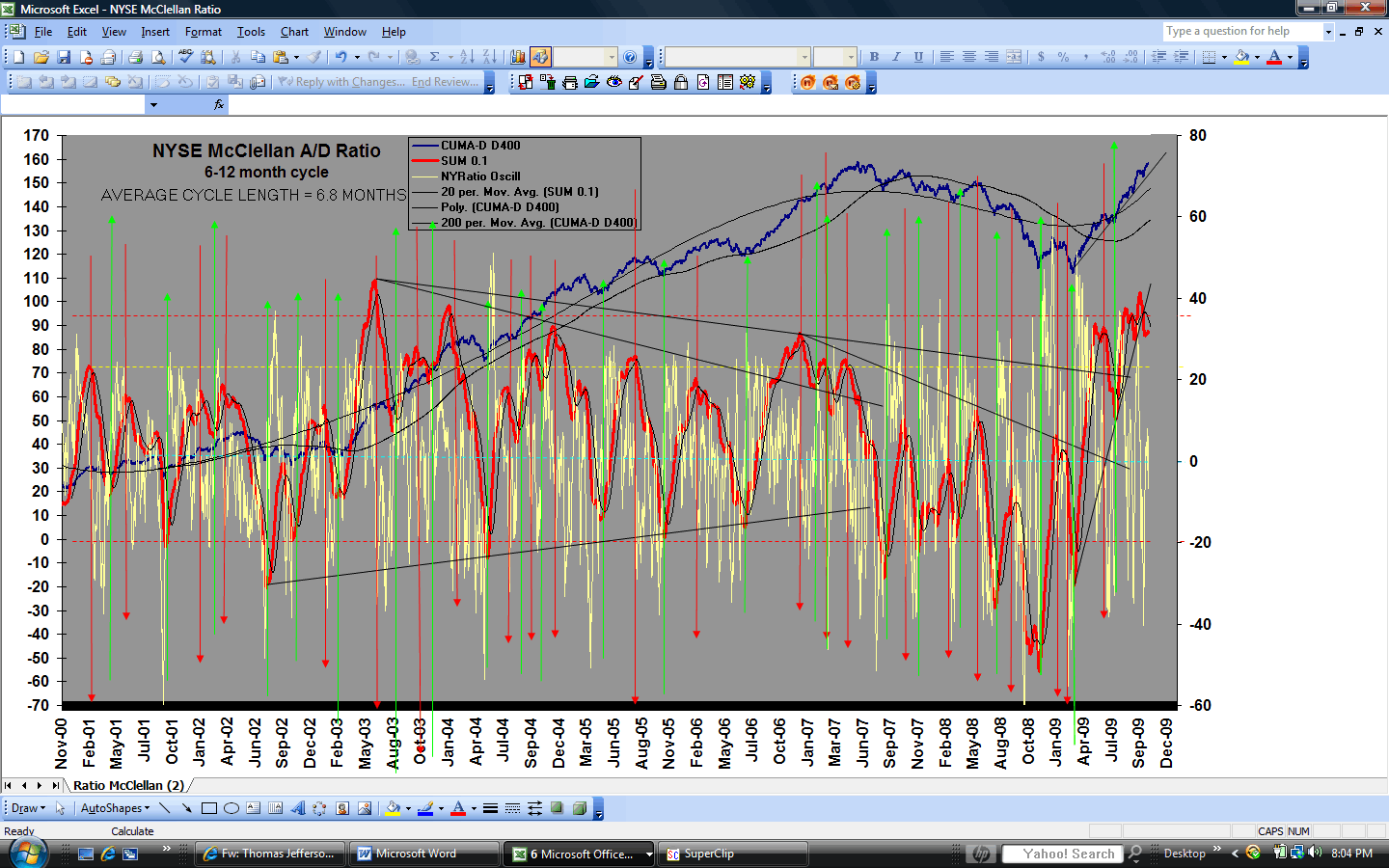
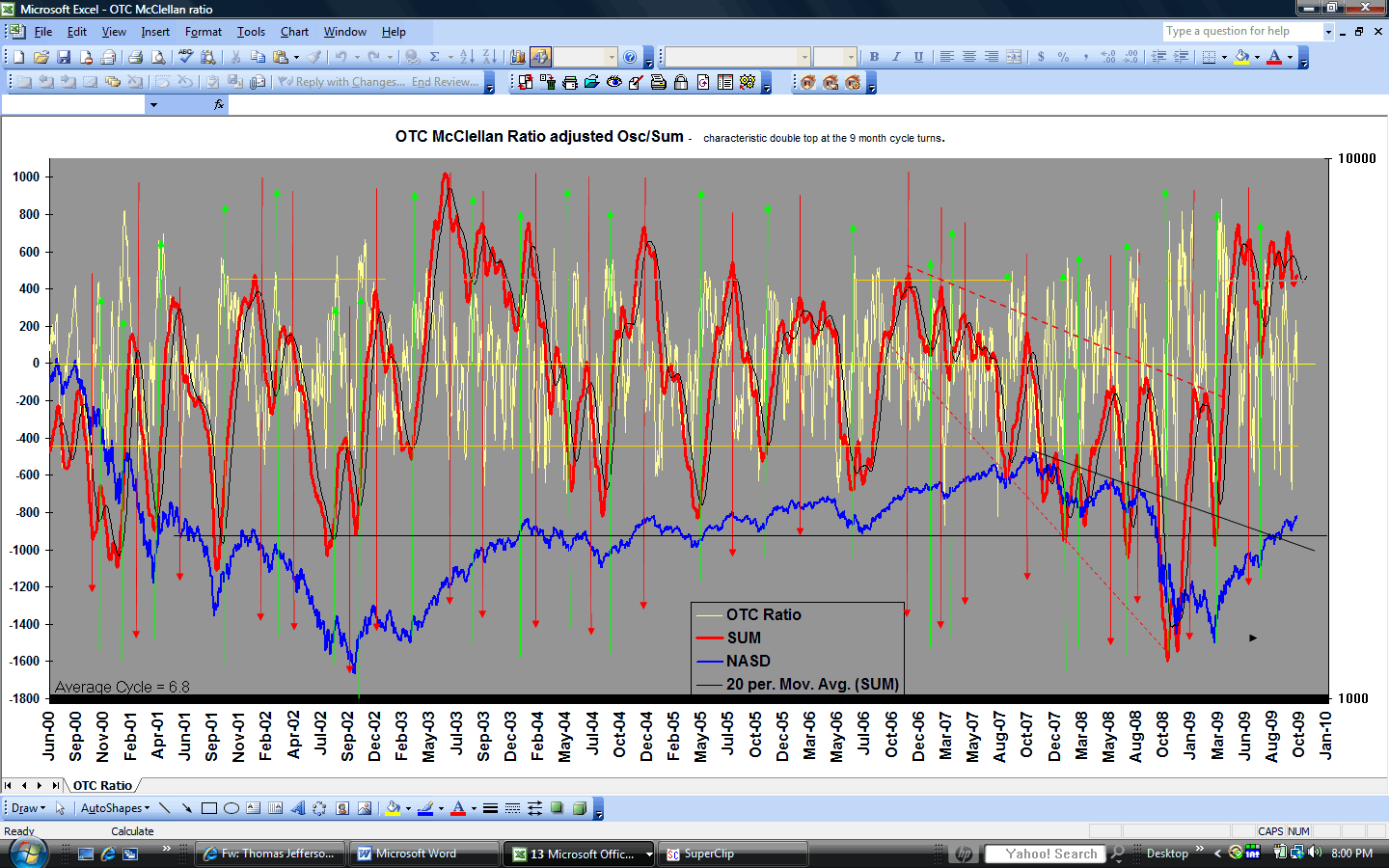
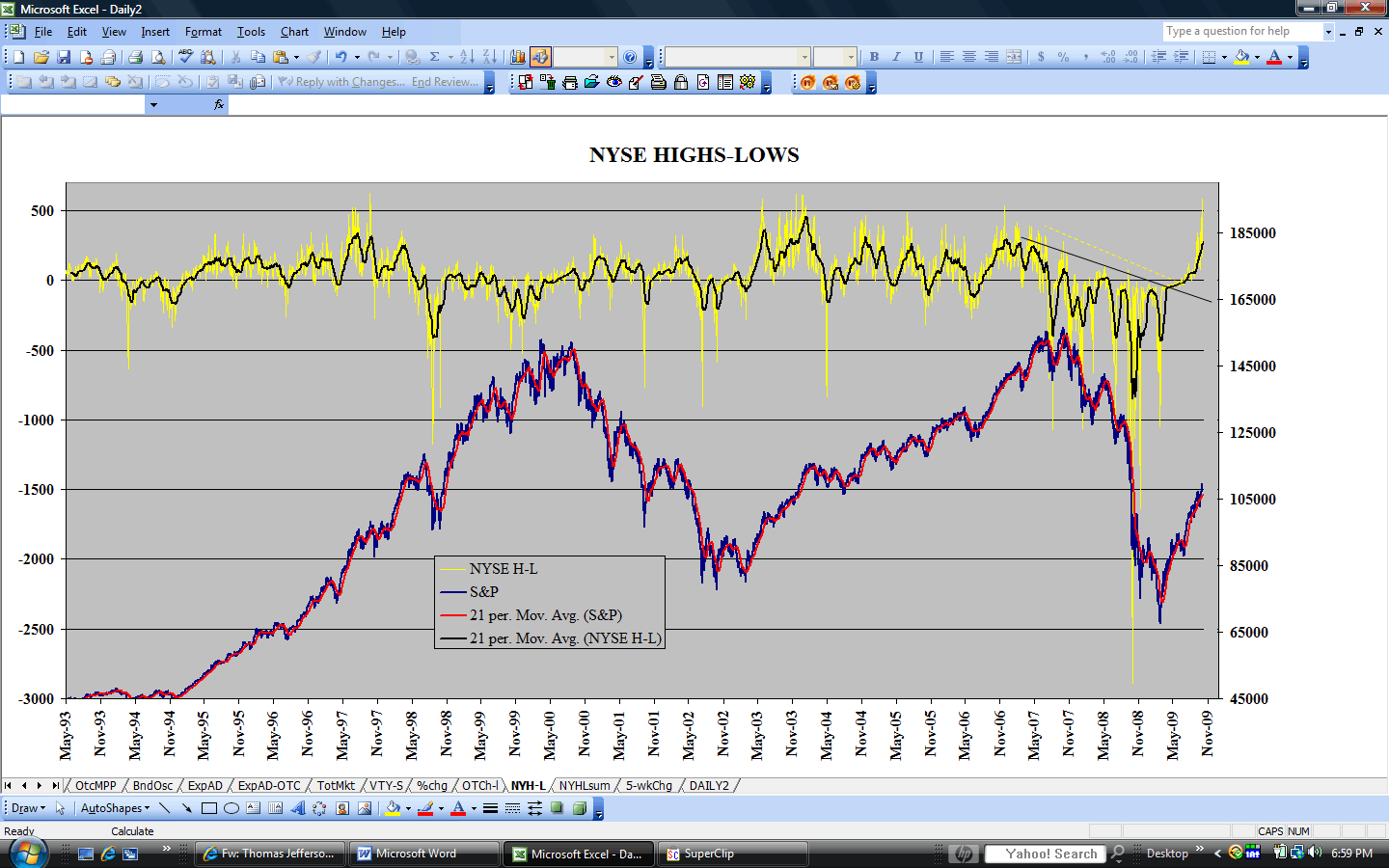
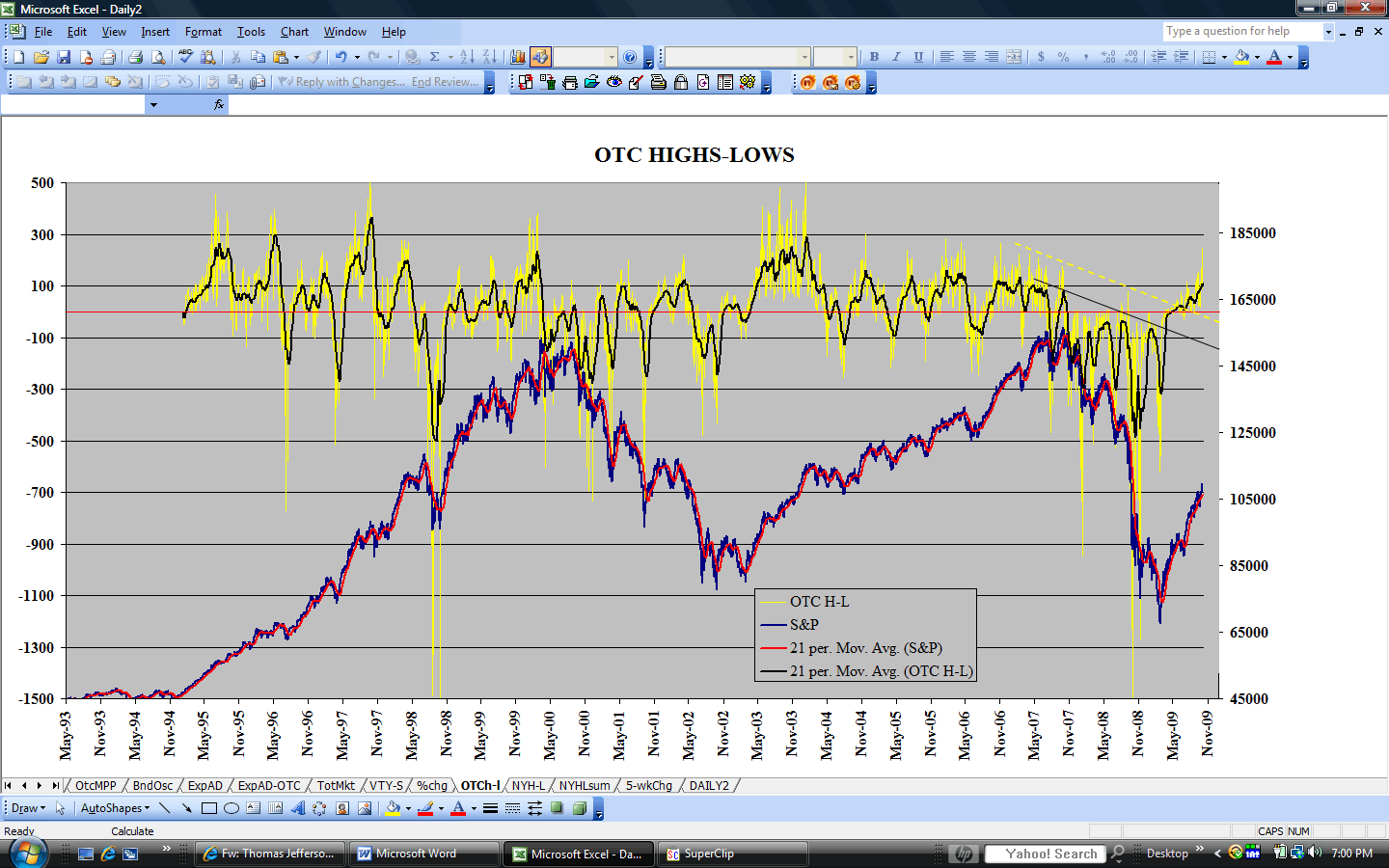
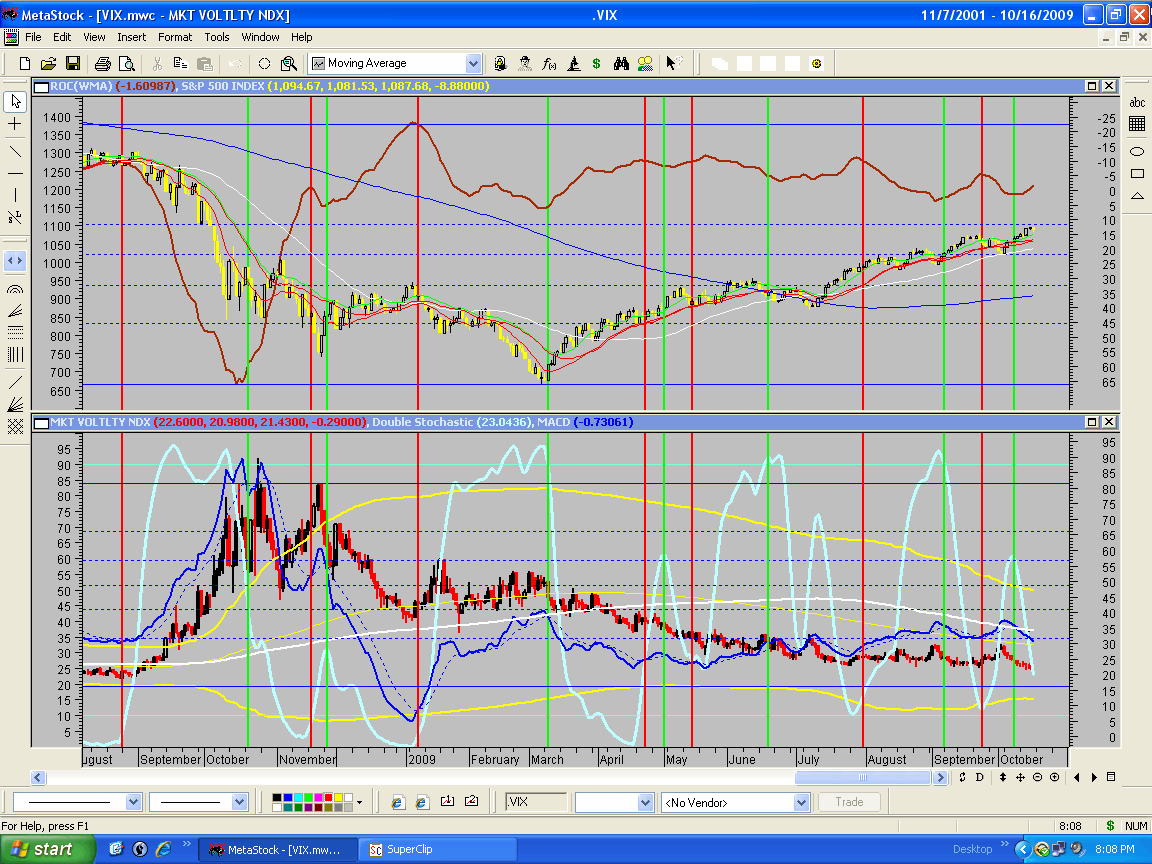
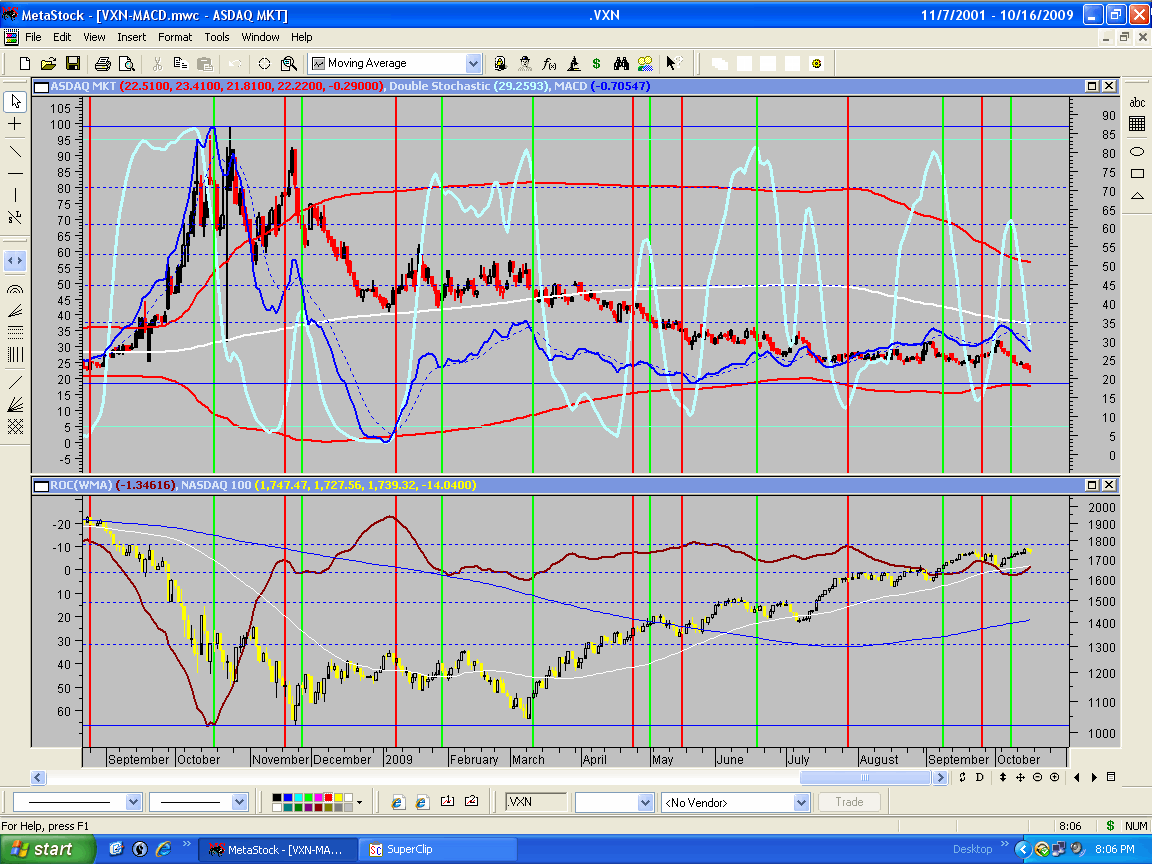
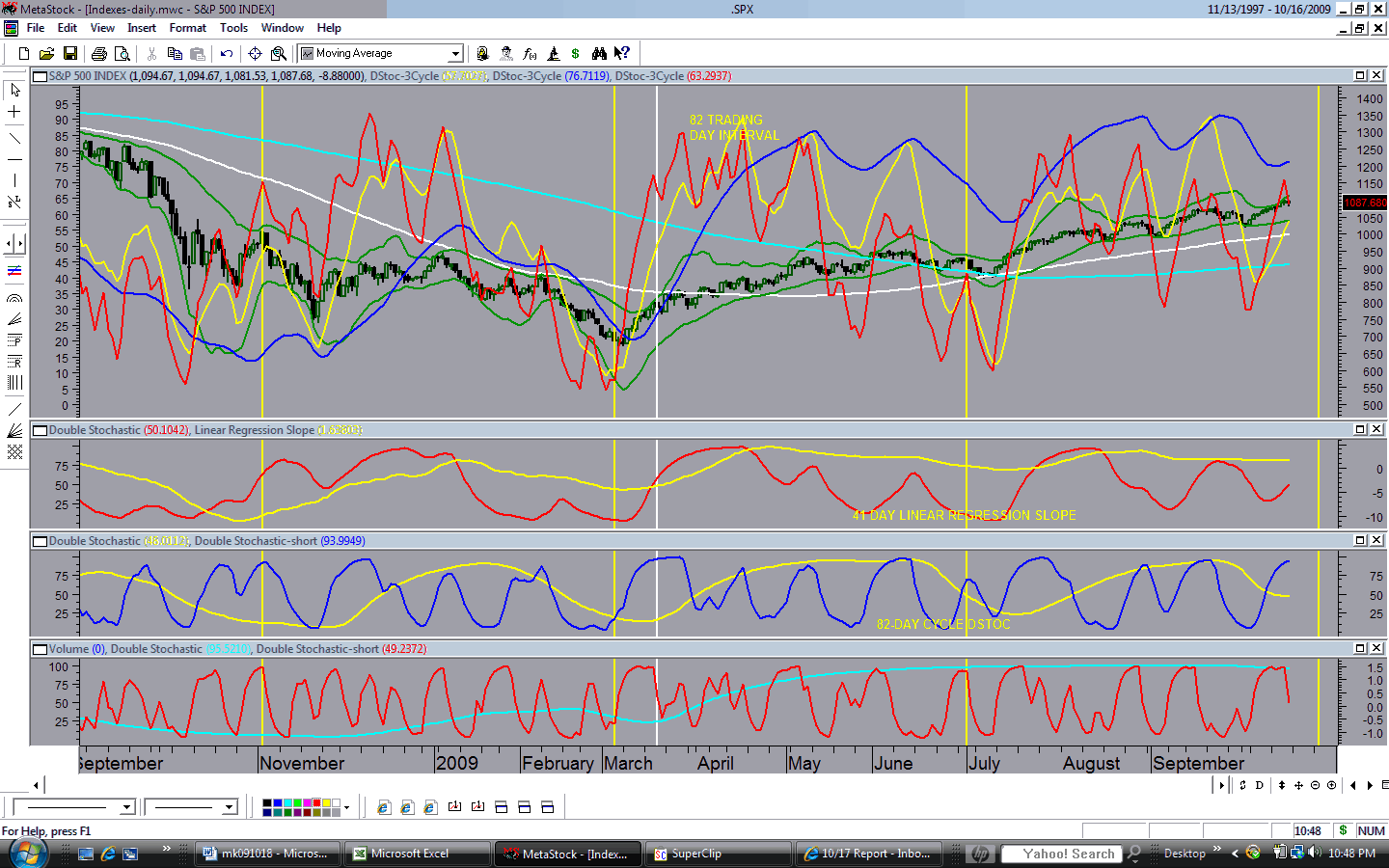
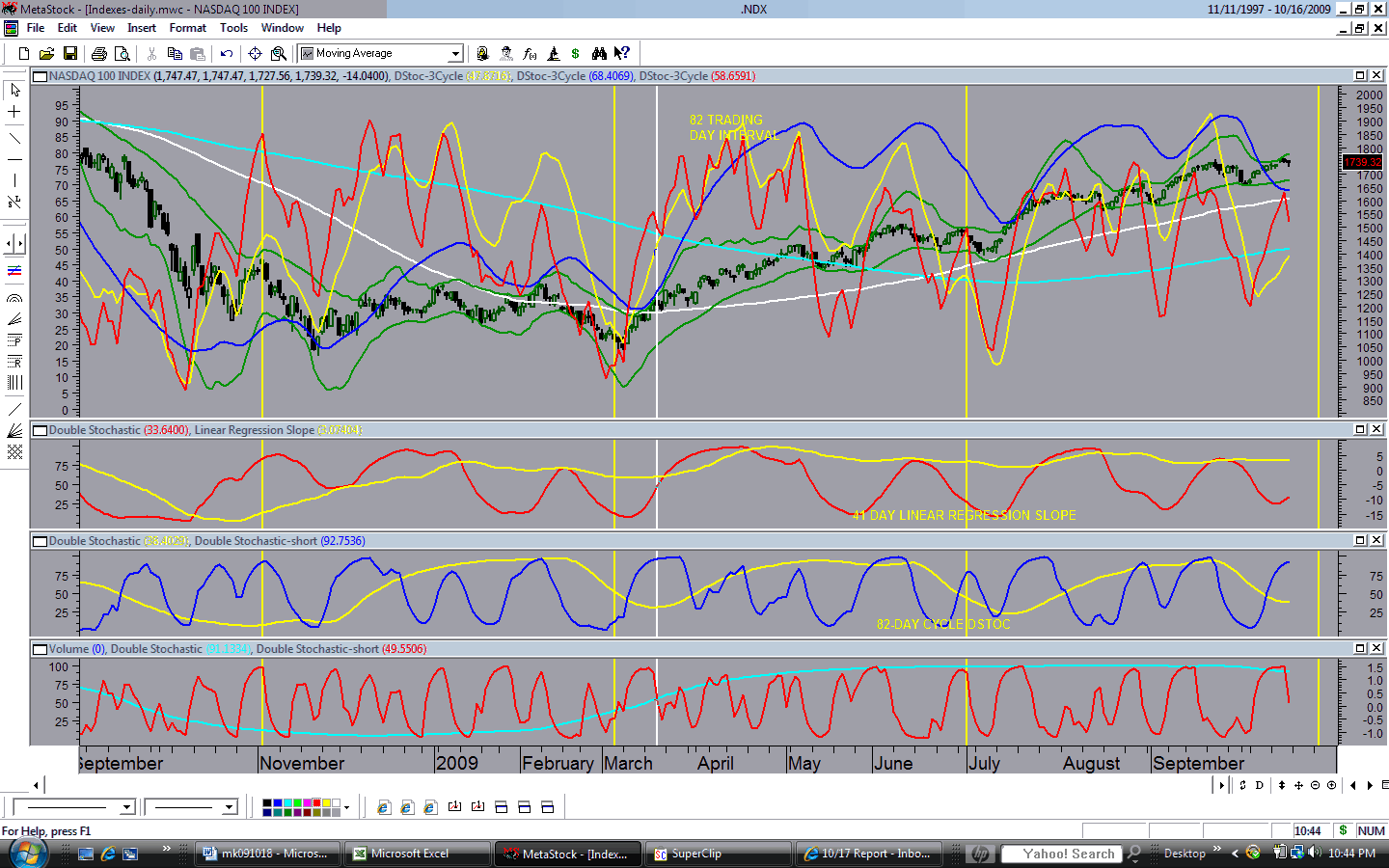
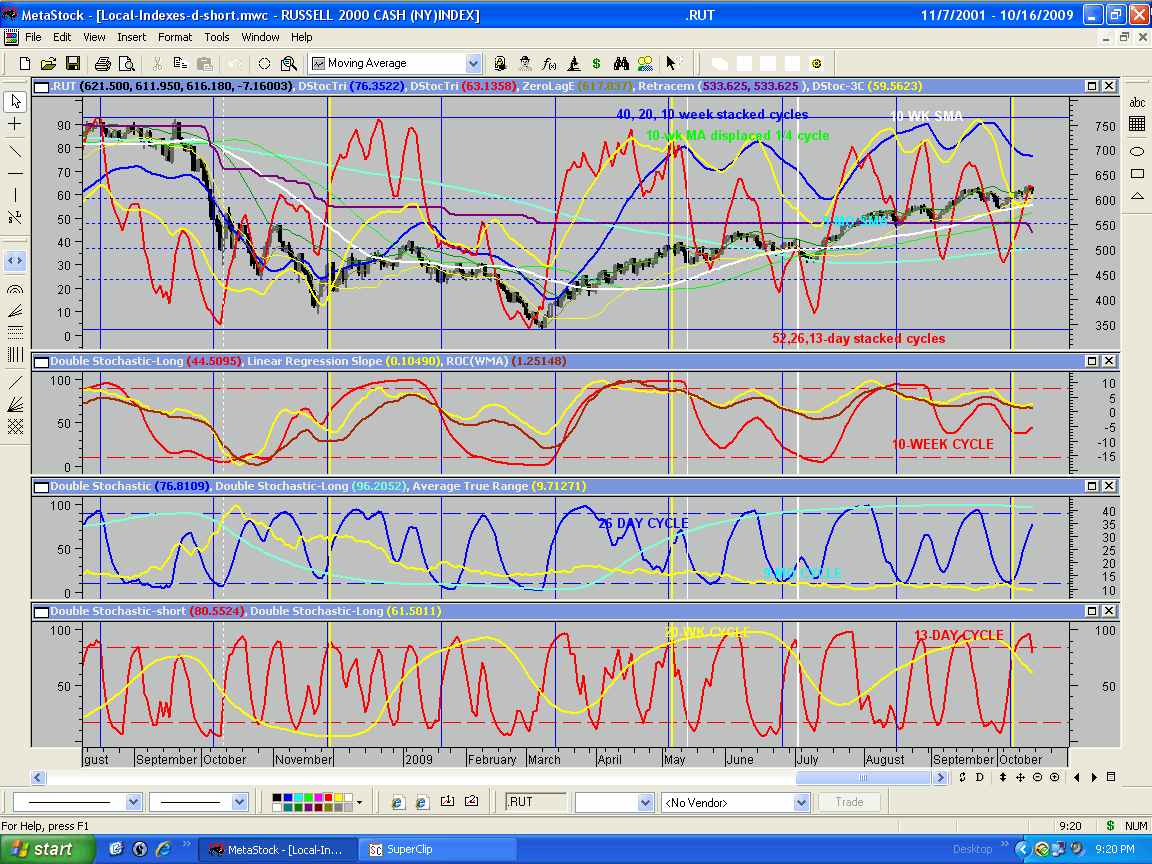
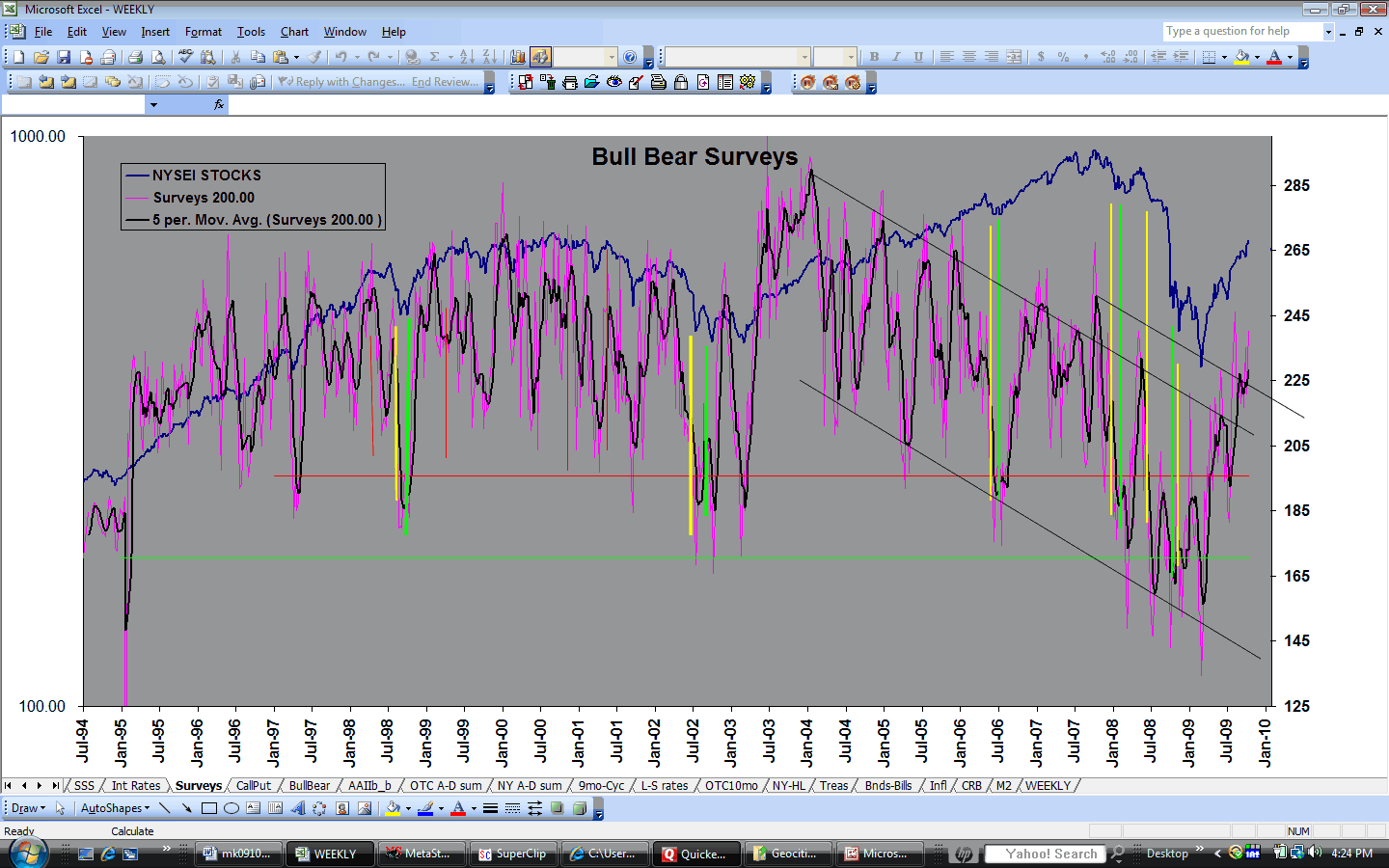
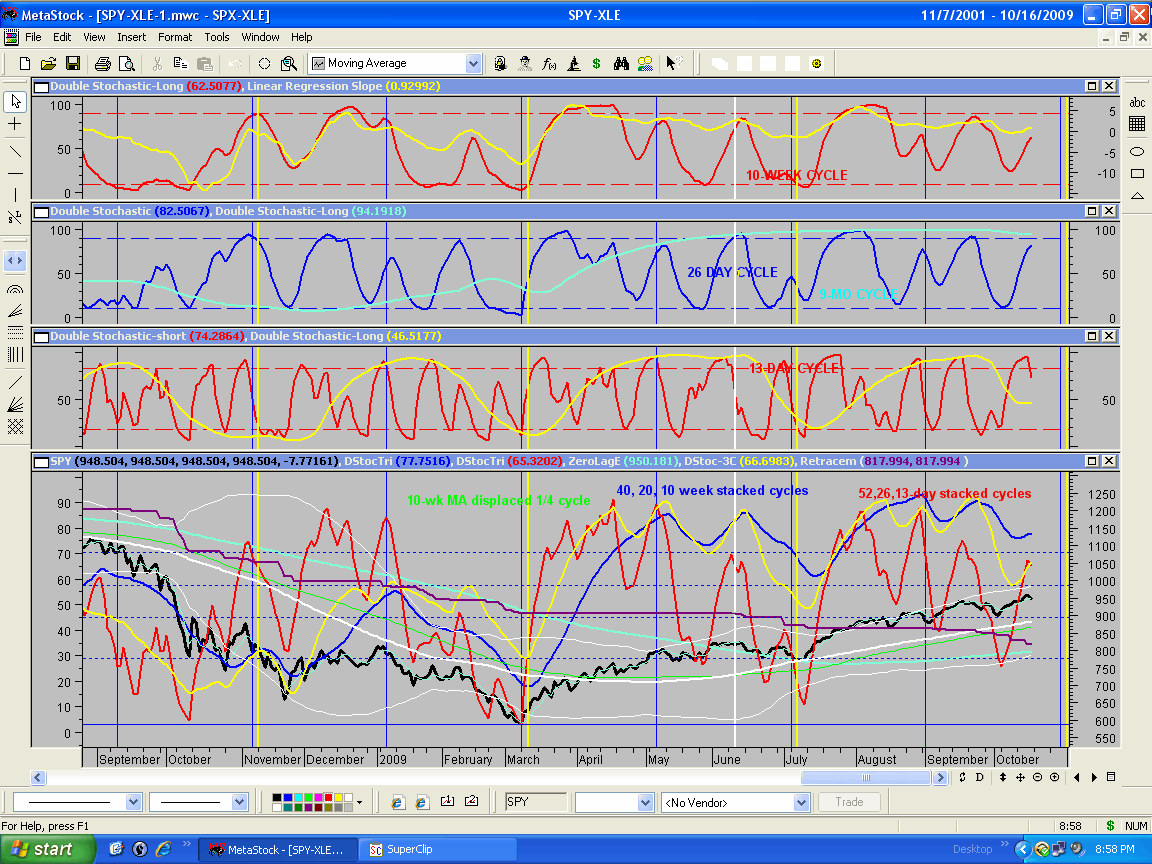
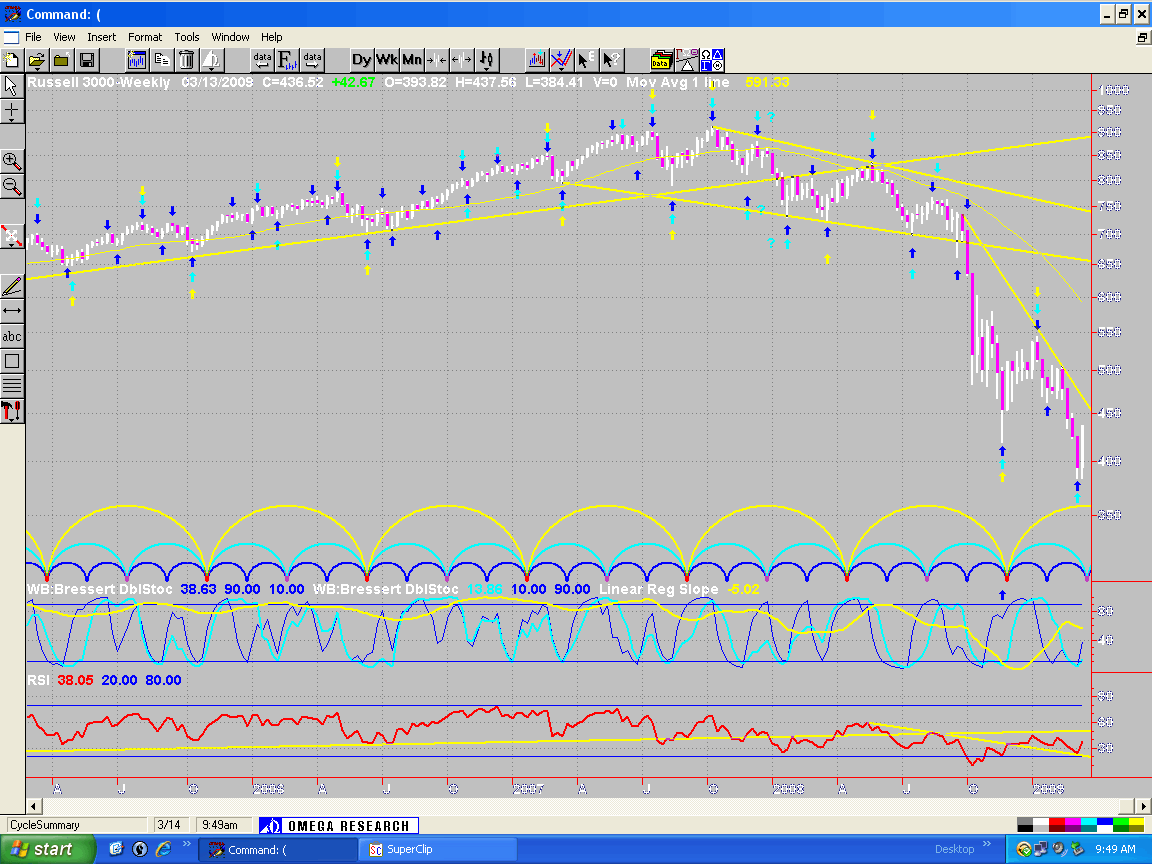
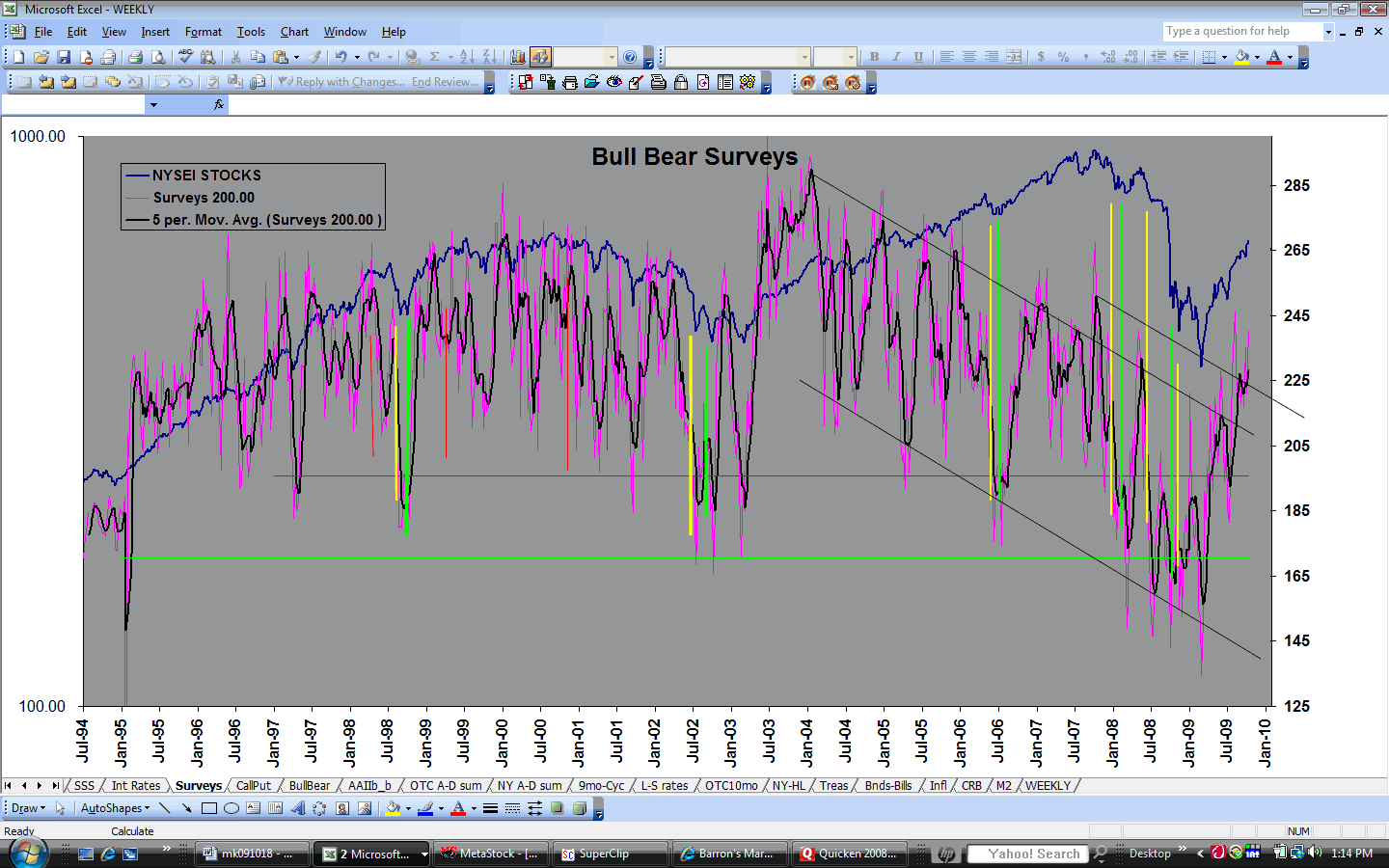
Keeping in mind the bleak long term picture, what are the intermediate term prospects? July 15 exhibited the earmarks of a significant low – high volume, upturns from extreme negative breadth (http://www.geocities.com/petegersb/A-Dsummation-NYSE.GIF, http://www.geocities.com/petegersb/A-Dsummation-OTC.GIF, http://www.geocities.com/petegersb/HighLowNYSE.GIF, http://www.geocities.com/petegersb/HighLowOTC.GIF ), VIX (http://www.geocities.com/petegersb/VIX.GIF) and VXN (http://www.geocities.com/petegersb/VXN.GIF) downturns from high levels, extreme oversold conditions in the 10-week cycle indicators (http://www.geocities.com/petegersb/SP500.GIF, http://www.geocities.com/petegersb/NDX.GIF, http://www.geocities.com/petegersb/Russell2000.GIF ), the most pessimistic sentiment readings (http://www.geocities.com/petegersb/SurveysCombined.GIF) in 13 years, and price levels at the bottom of several trend channels (http://www.geocities.com/petegersb/SPY-XLE.GIF). The main reasons why I think it was a 20-week cycle low are the downturn in the weekly VIX and VXN DStocs (http://www.geocities.com/petegersb/VIX-weekly.GIF, http://www.geocities.com/petegersb/VXN-weekly.GIF), the upturn in the Bressert DStoc on the weekly chart (http://www.geocities.com/petegersb/Overview-med.GIF), and the 17-wk elapsed time from the March low and 25-wk elapsed time since the January low. Neither interval fits with a mere 10-wk cycle low, but both are within normal tolerances for a 20-week cycle low. Unless the 13 and 26-day cycles now quickly drive prices below the July low, I think we can chalk up a 20-week cycle low.
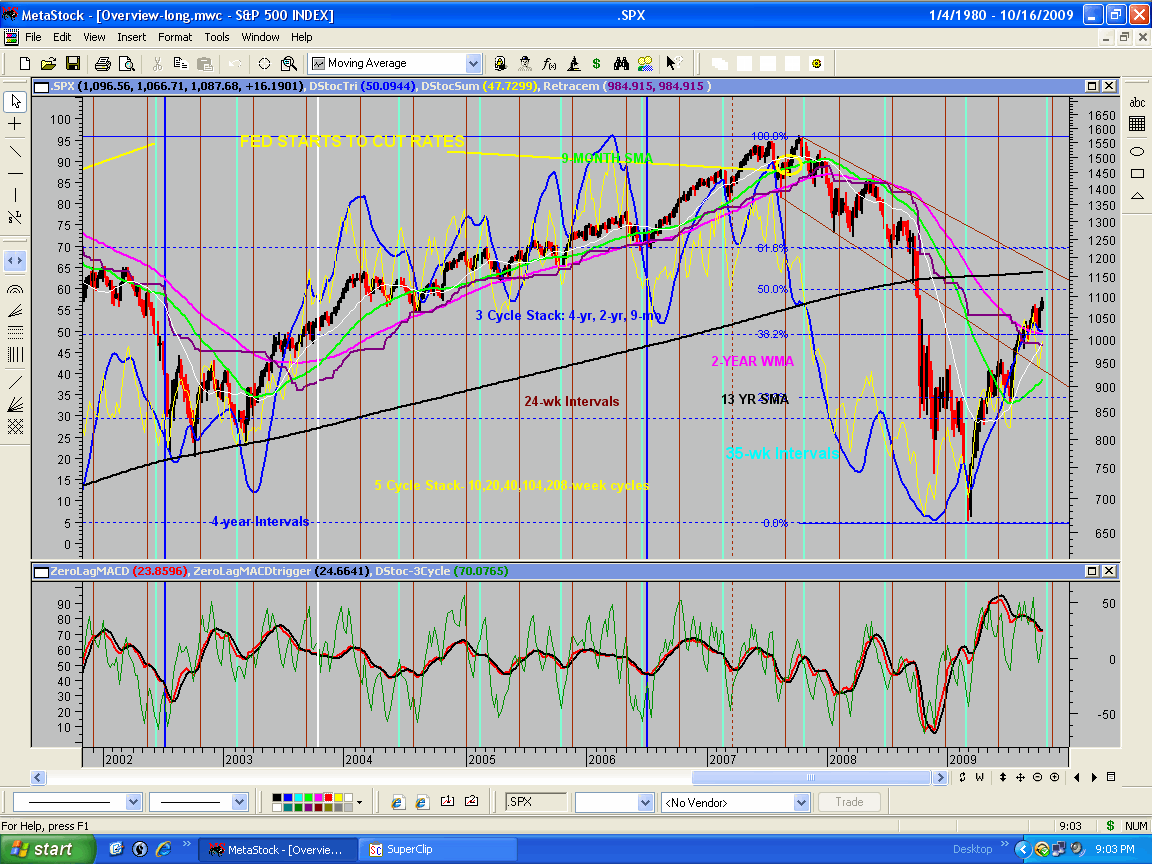
We have to consider the possibility that mid-July brought a 9-month cycle low as well. If you look at 35 week intervals going back to July of 2002 (the first of a major triple bottom), all 9 line up within a very few weeks of significant market lows (http://www.geocities.com/petegersb/Overview-long.GIF), all of which had 9-month low characteristics except one (11/03). That argues that July 15 was a 9-month cycle low as well. But you then have to accept that the prior low occurred in November rather than March. November’s lows had far fewer 9-month cycle low characteristics than did those in March, and therein lies the dilemma. If instead of relying on these regular time intervals and look at the cycle indicators instead, you have to conclude that the pattern of 35 week intervals persisted only until March 2007. In the subsequent 69 weeks, we saw 3 bottoms at 24 week intervals (http://www.geocities.com/petegersb/24-wk_Interval.GIF ) that appear to be the significant bottoms as measured by the MACD and DStoc indicators. The most recent of these arrived in July - provided that these indicators now turn up. That tells me that the 20-wk cycle has been the dominant cycle for the last year, and that we should expect a decent bear market rally here – perhaps to the top of the downtrend channel that corresponds roughly to a normal 50% Fibonacci retracement if it happens quickly, or a 38% retracement if it happens more slowly.
This week will be critical to validating the above conclusion. The 20-wk cycle DStocs have not yet turned up, the short-term composite has turned down on most of the indexes, and the 13 and 26-day cycle indicators have turned down from overbought conditions (http://www.geocities.com/petegersb/SP500.GIF, http://www.geocities.com/petegersb/NDX.GIF, http://www.geocities.com/petegersb/Russell2000.GIF ). The 13-day cycle is 8 days old, so it should continue to exert downward pressure this week. It may provide a good entry point for the 20-wk cycle, or it may force a further delay in an upturn for the 20-wk cycle indicators. The rally off of the lows appears to have been driven largely by short covering in the Financials (http://www.geocities.com/petegersb/Financials.GIF). If the short sellers decide that the latest round of government bailouts doesn’t stop the bleeding in the financials, stocks could drop as quickly as they bounced.
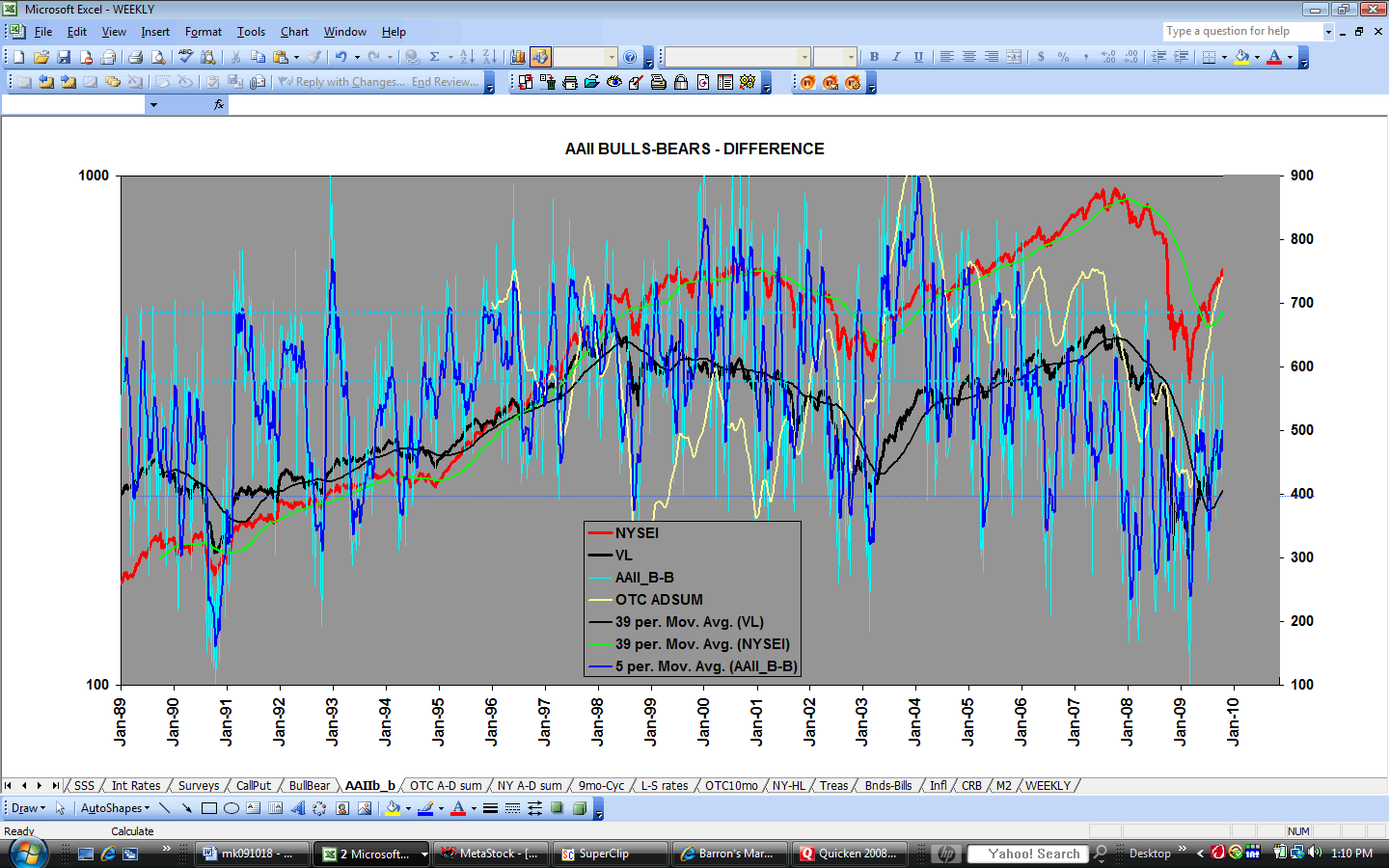
Sentiment has
become much less pessimistic among AAII members (http://www.geocities.com/petegersb/AAIIsentiment.GIF), and I suspect next week’s reading will show
the same trend for advisory services (http://www.geocities.com/petegersb/InvestorsIntelligence.GIF). But
until the 5-week moving average turns up as well, there is no buy signal.
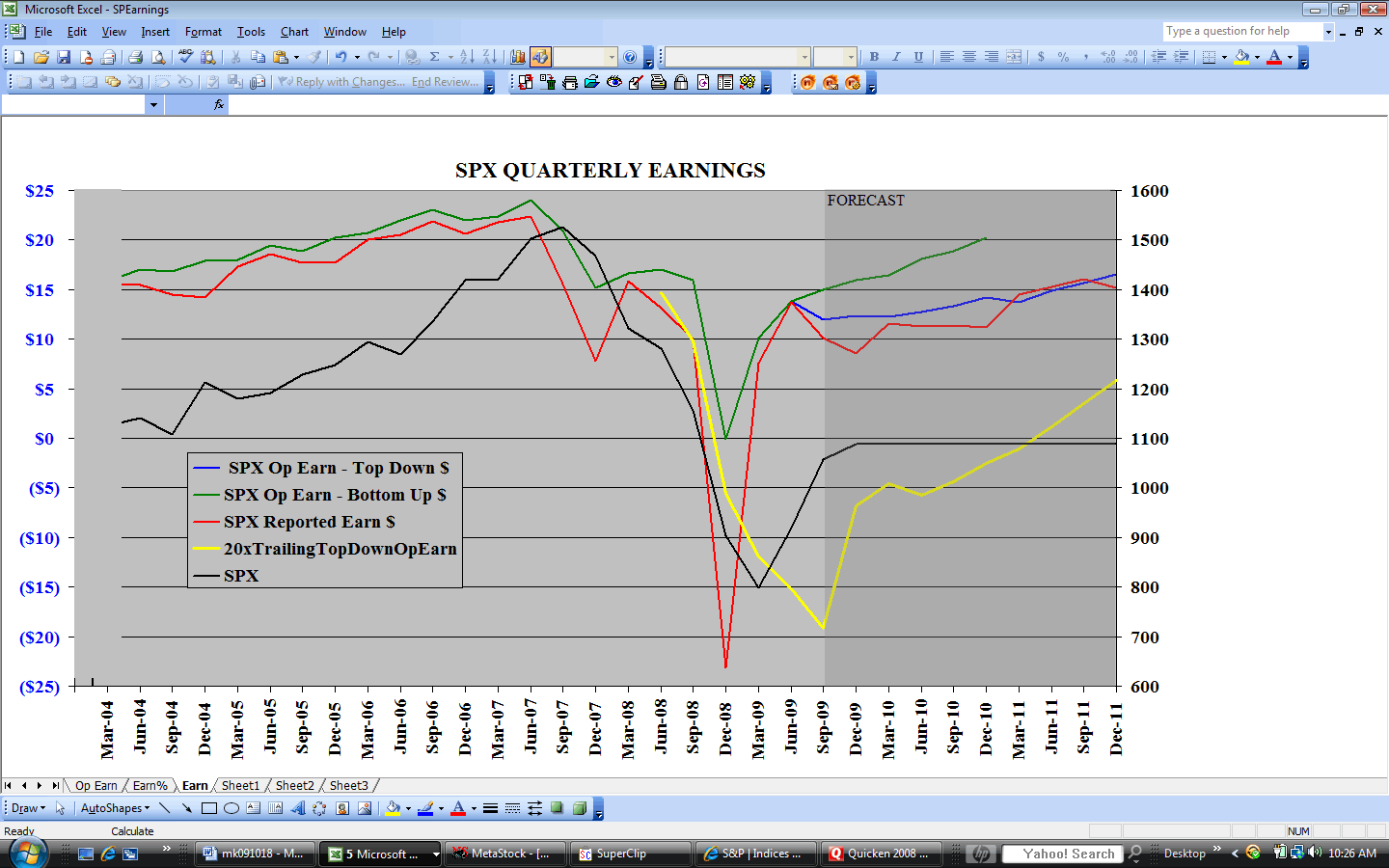
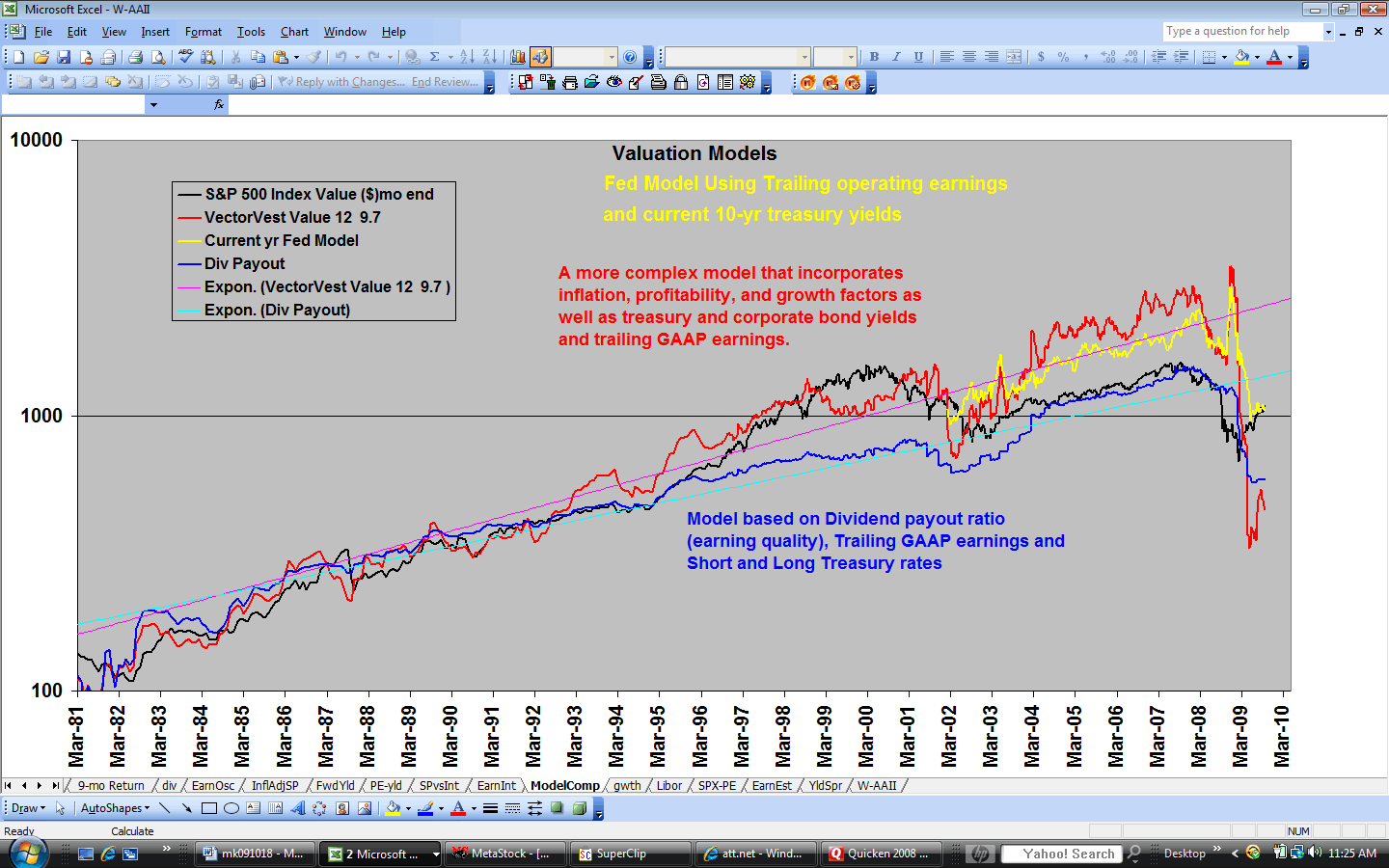
Bottom-up Earnings estimates (http://www.geocities.com/petegersb/EarnY-Y.GIF) are continuing to be revised downward to better conform to the flat top-down estimates. During the last 3 weeks, Standard & Poor’s adjusted its bottom-up operating earnings estimates for 2008 downward by another $4, but lowered the 2009 estimate only another 21 cents. The gap between these bottom-up estimates and the lower top-down estimates has narrowed to $4.41for 2008, but for the full year 2009 it has widened to an astronomical $32.54. The valuation models (http://www.geocities.com/petegersb/ValuationModels.GIF ) that use those bottom-up earnings projections should be viewed with great skepticism. The trend in those models appears to have some value, however, and the current trend clearly remains very negative. If earnings were to continue declining, stocks would have to decline much more drastically to once again produce normal P/E ratios.
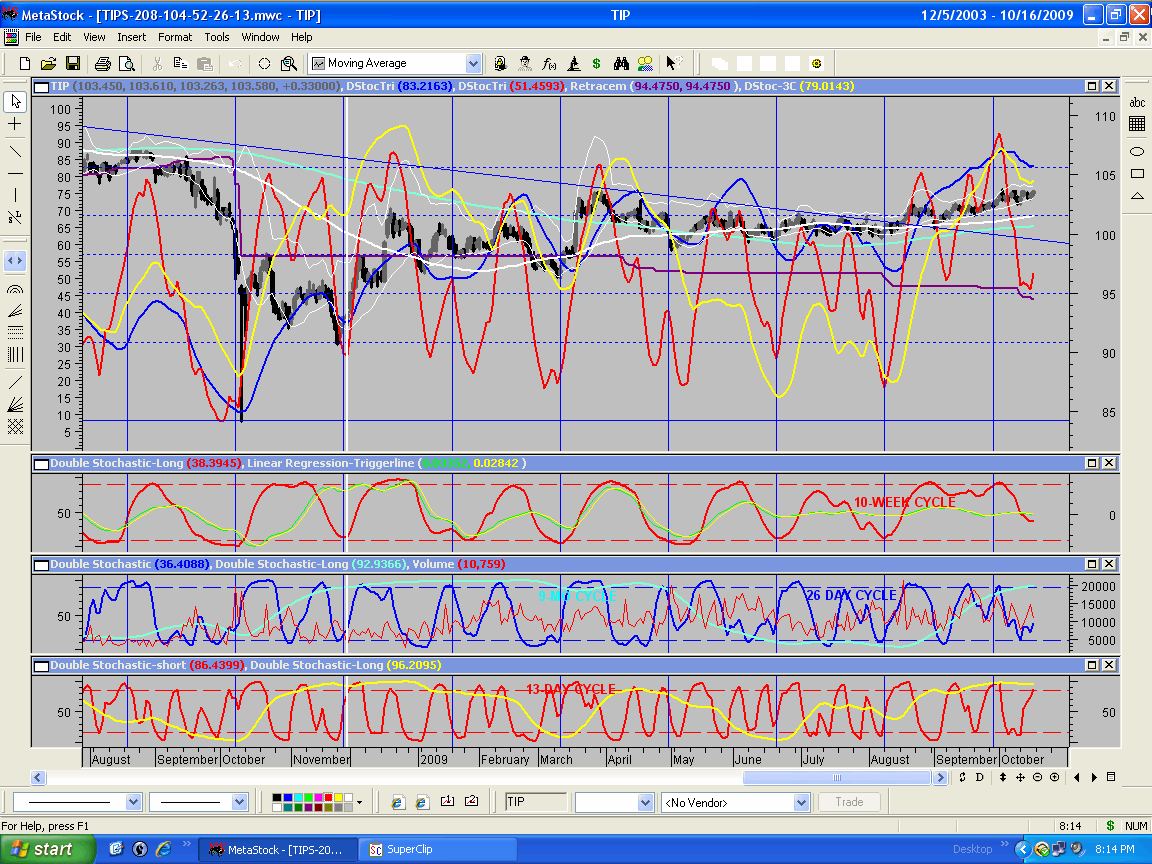
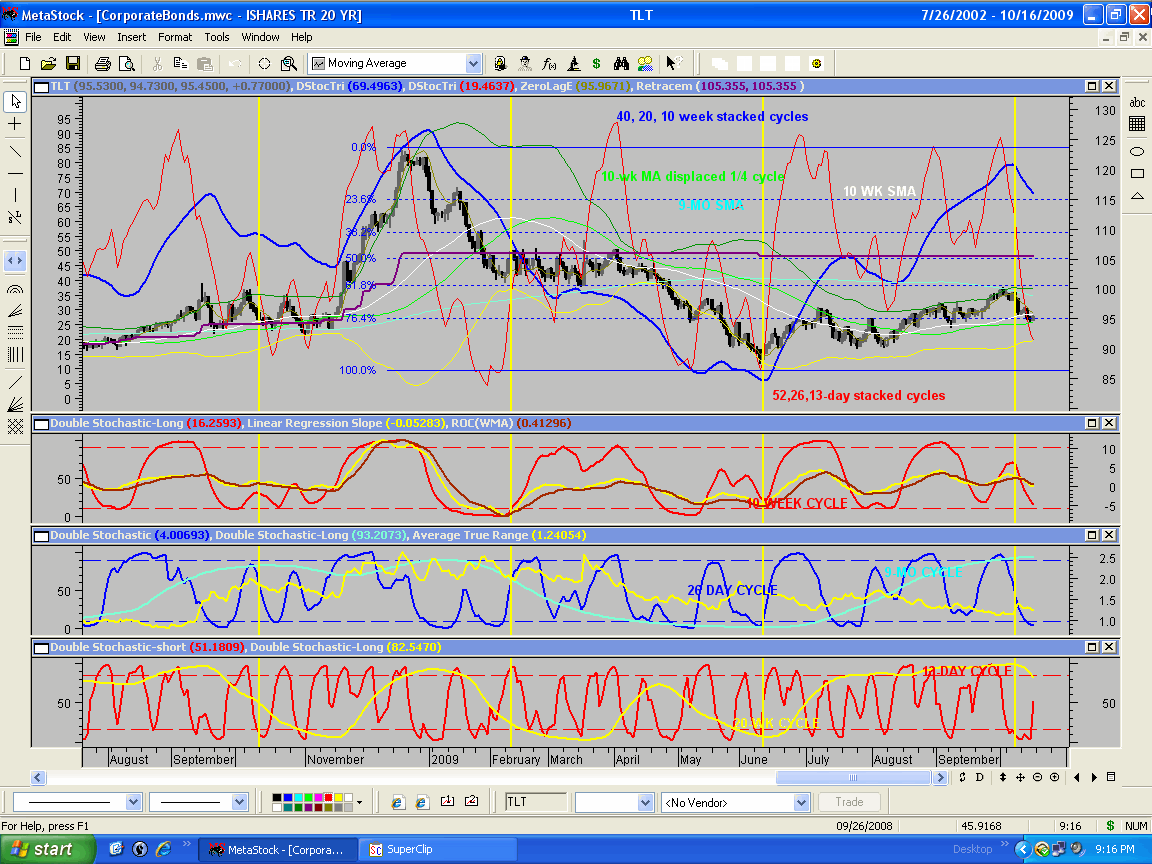
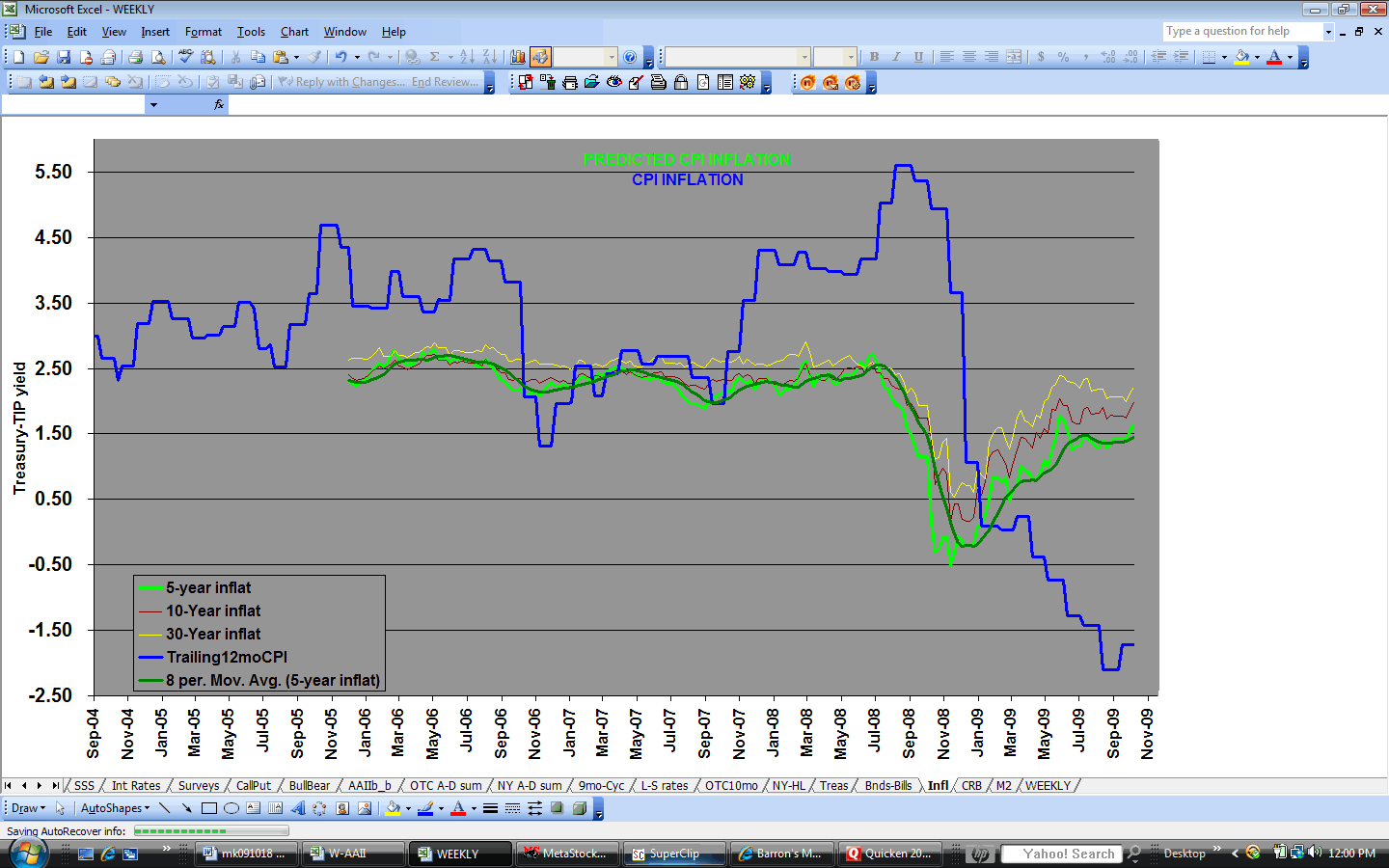
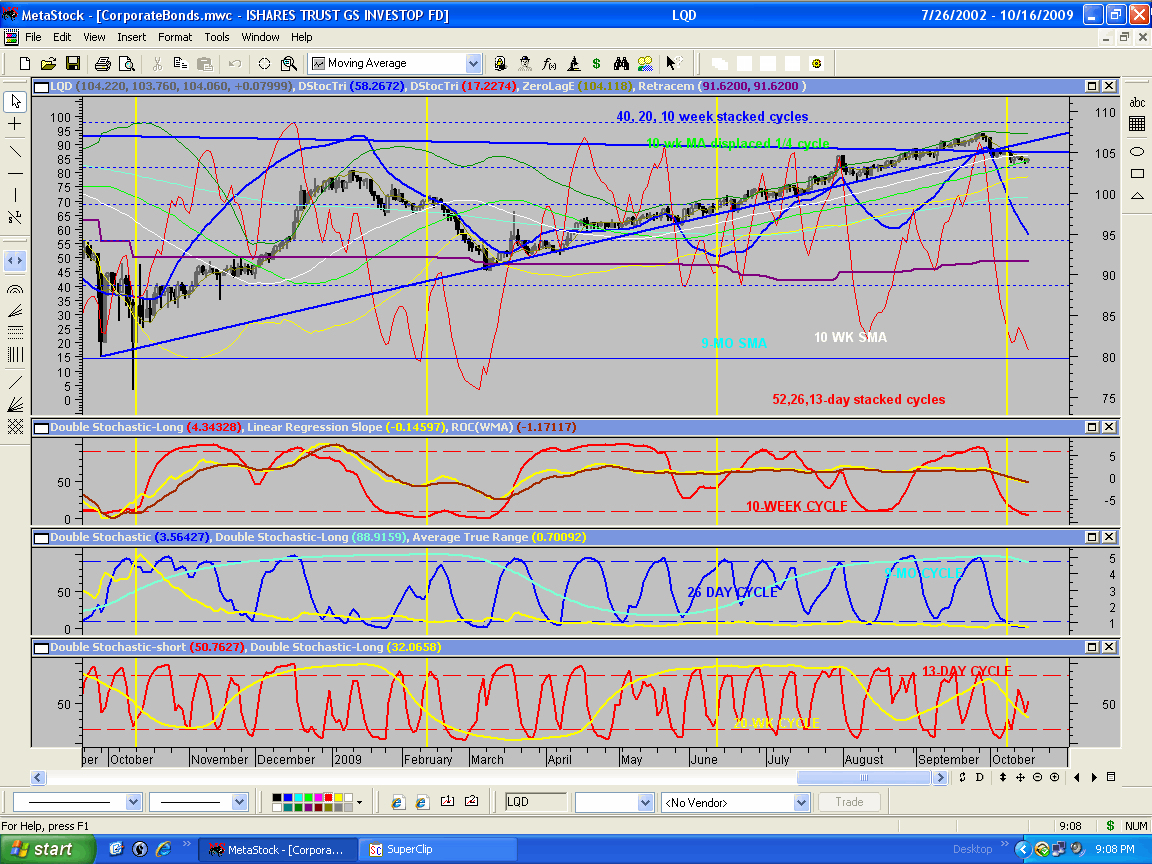
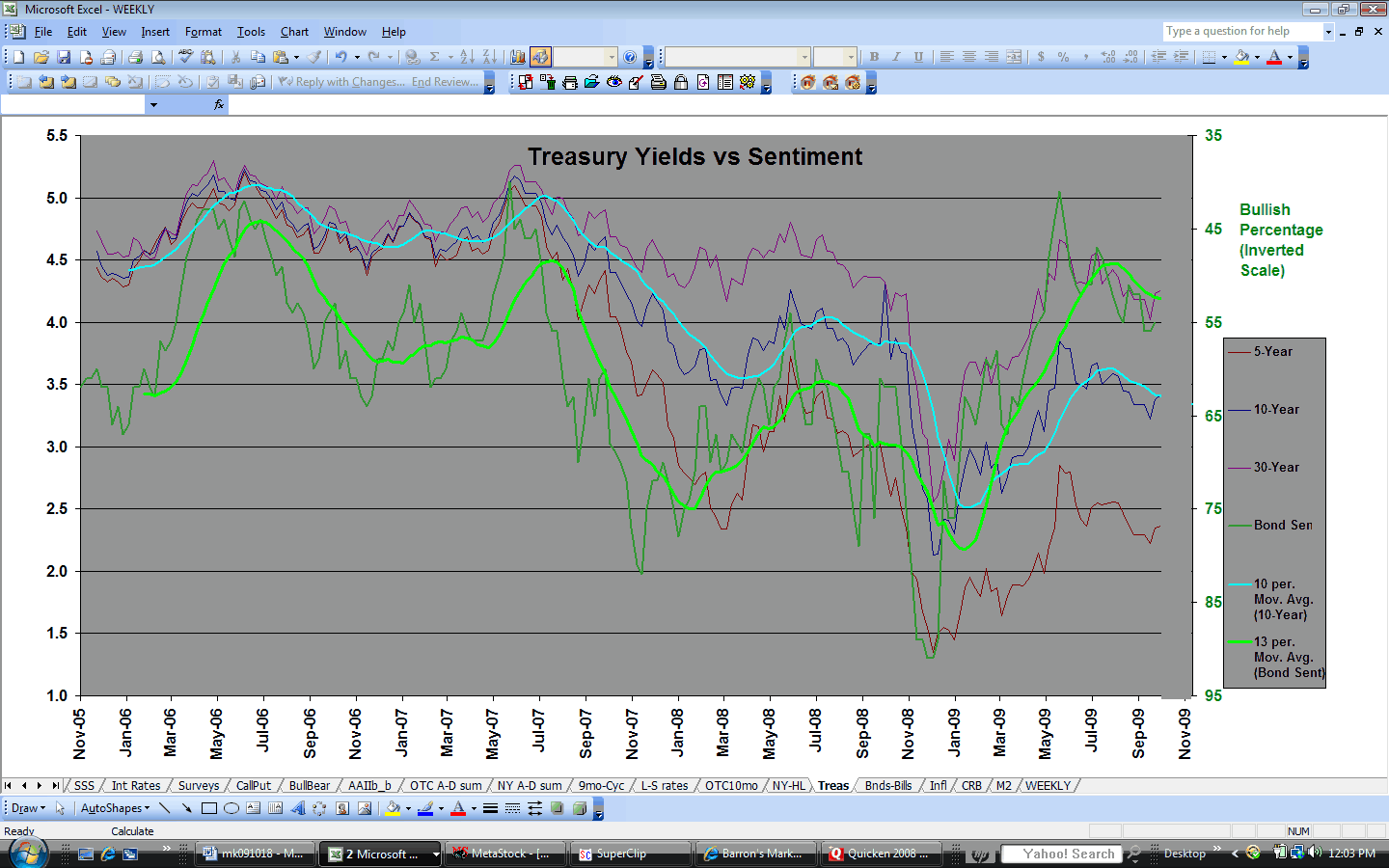
Government Bonds (TIPS (http://www.geocities.com/petegersb/TIPs.GIF) and T-bonds (http://www.geocities.com/petegersb/Treasury-20yr.GIF)) peaked a couple of days before stocks bottomed. The intermediate composites have turned down, but so far prices have not penetrated their June lows. I expect an attempt to hold above those lows this week as the shorter cycles attempt to rally against a down trending 10-wk cycle. Curiously, TIPS are now underperforming conventional Treasuries despite an increase in year-over-rear CPI inflation from 4% to 5% in the latest report (http://www.geocities.com/petegersb/CPI.GIF ). Corporate bonds (http://www.geocities.com/petegersb/CorporateBonds.GIF) did not participate in the early July bond rally. Instead they plunged to another new multi-year low as corporate balance sheets continue to deteriorate. Bond optimism (http://www.geocities.com/petegersb/BondSentiment.GIF) resumed its decline as bonds fell. It isn’t yet near attractive reversal levels.
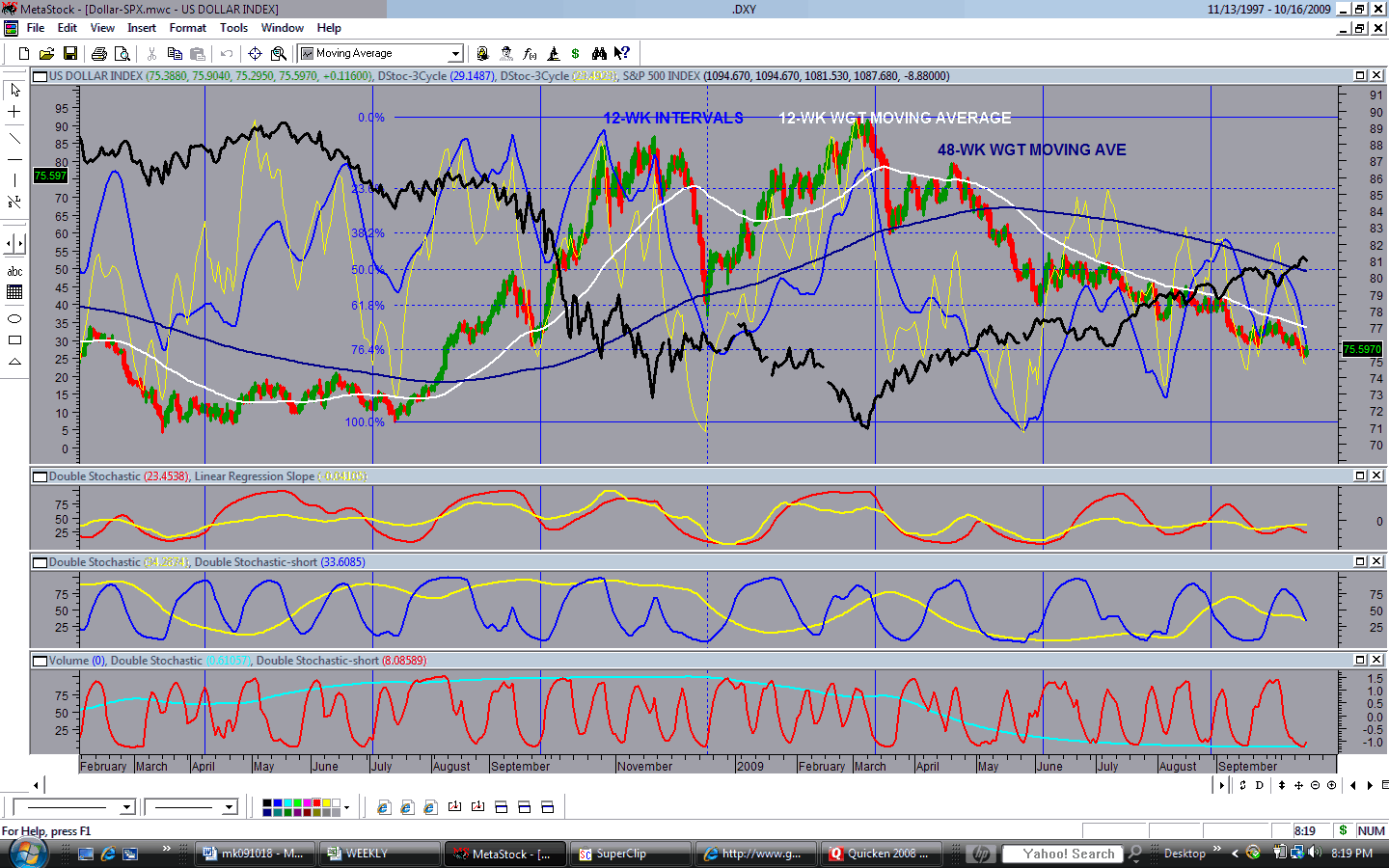
The dollar (http://www.geocities.com/petegersb/Dollar.GIF) established a likely 20-wk cycle low at the same time as stocks. The rally stalled last week at the 10-week moving average as the shorter cycles reached an overbought condition. This week should be another difficult one for the dollar. The dollar has made very little progress since its 9-month cycle low in March. If the current rally cannot reach the June high, look for subsequent new lows.
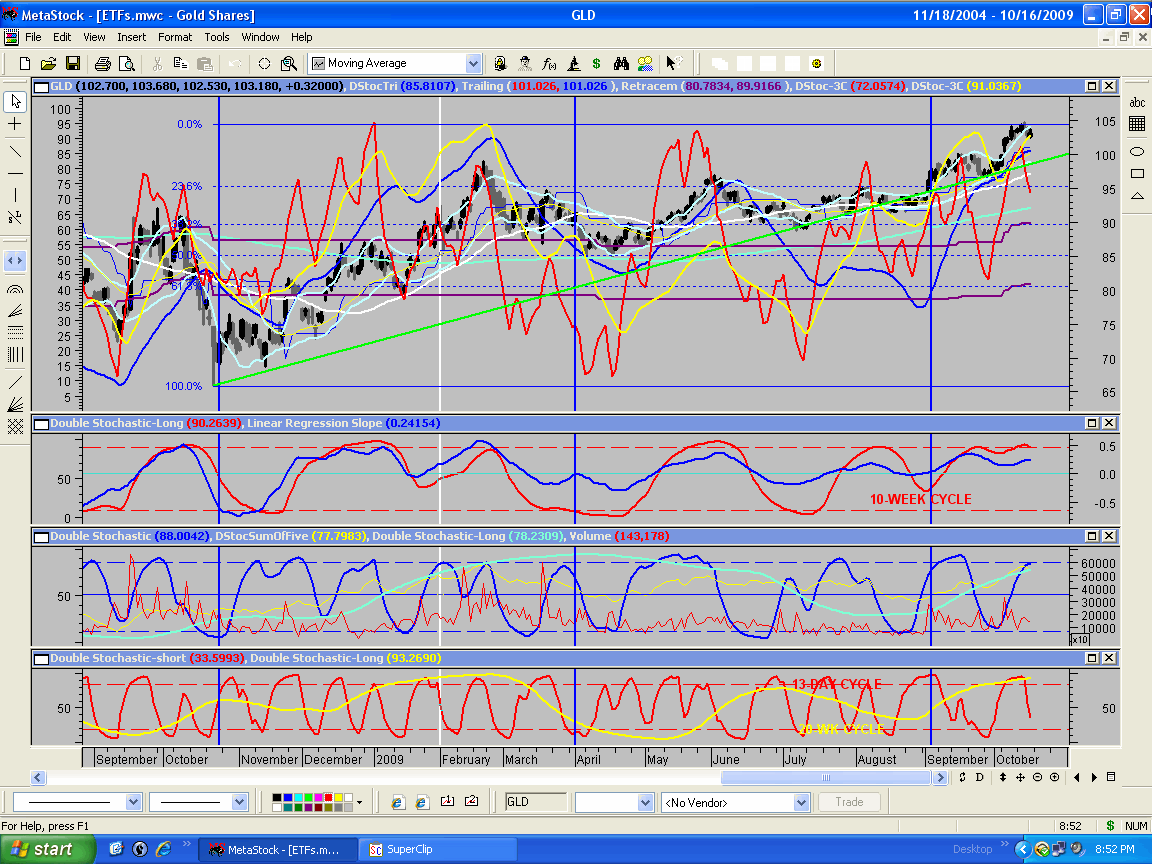
Gold (http://www.geocities.com/petegersb/GoldBullion.GIF) established a 10-wk cycle peak, and perhaps a 20-wk cycle
peak, as stocks hit their low. It has now pulled back to support at the 10-wk
moving average and the short-term composite turned up on Friday. I expect a
rally this week. The pattern of higher highs and lows since the last 20-wk
cycle low 13 weeks ago remains intact, but a failure to reach new highs on the
next attempt would establish a lower 20-wk cycle high. That would destroy the
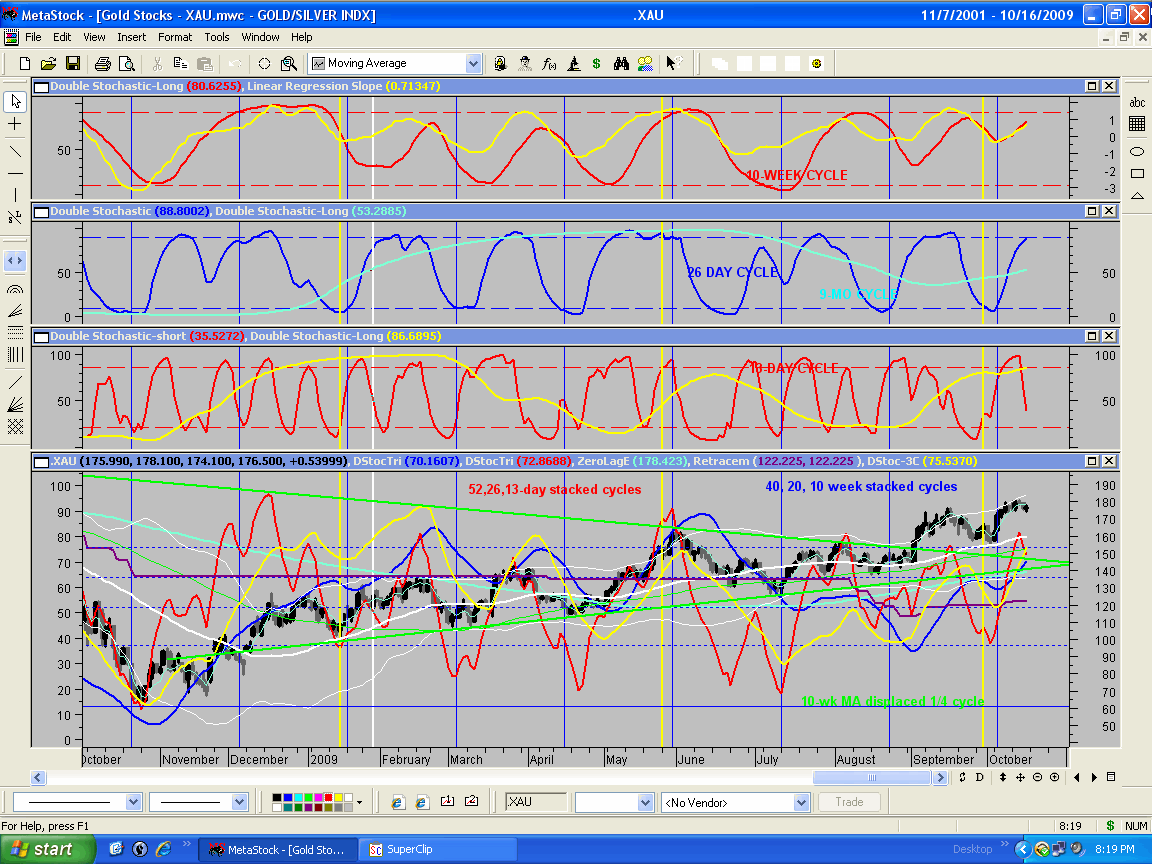
still bullish pattern and produce a reason to sell. Gold stocks, as
represented by the XAU (http://www.geocities.com/petegersb/GoldStocks.GIF), broke below both 10-wk and 9-month moving averages, and
are threatening the bottom of 2008 trading range. 10 and 20-wk cycles are in
downtrends, but the shorter cycles are oversold. I expect a bounce along with
the metals this week, but the gold stocks look unattractive here.
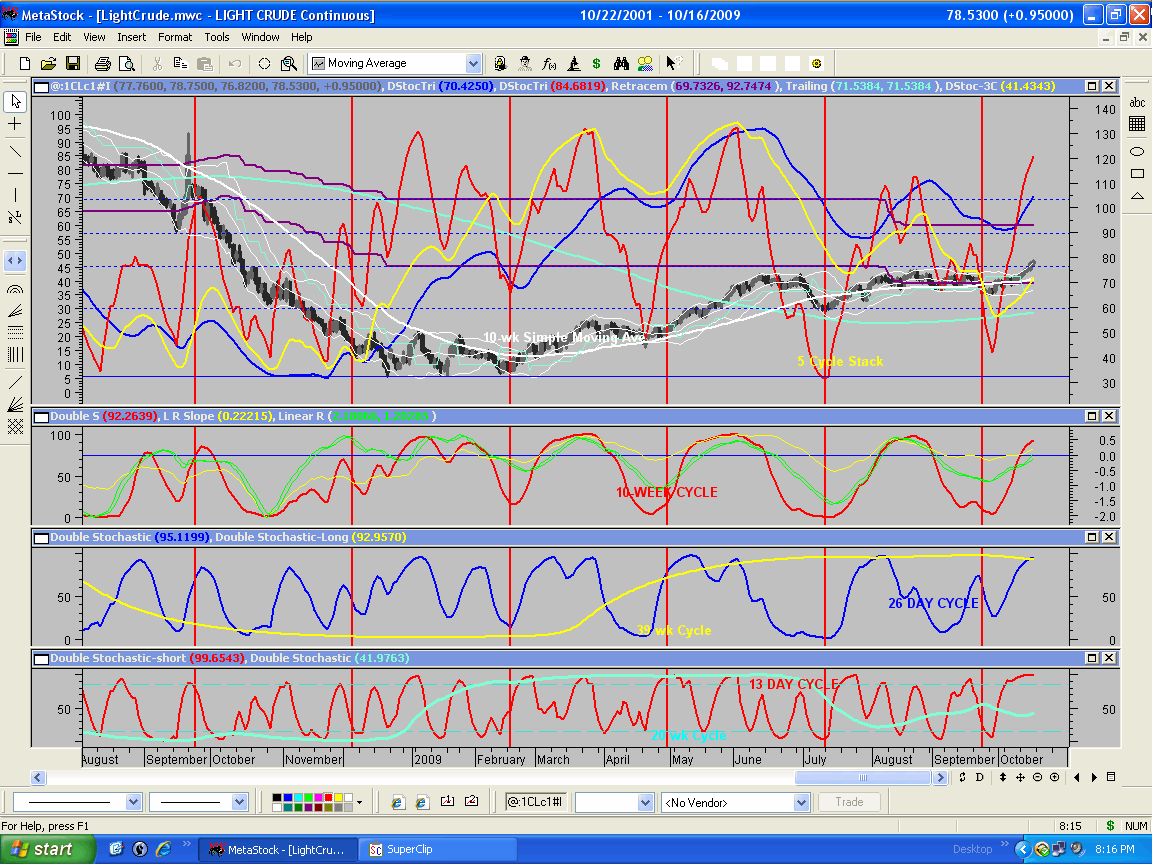
Crude oil (http://www.geocities.com/petegersb/CrudeOil.GIF
) peaked just ahead of stocks in mid July.
The subsequent steep selloff has produced extreme oversold conditions for
the 10-wk and shorter cycles and in the short-term composite. It also has
produced a moderate oversold condition in the 25-wk-old 20-wk cycle. Consequently,
I expect an imminent 20-week cycle low. High prices and the recession are finally
producing the expected decline in
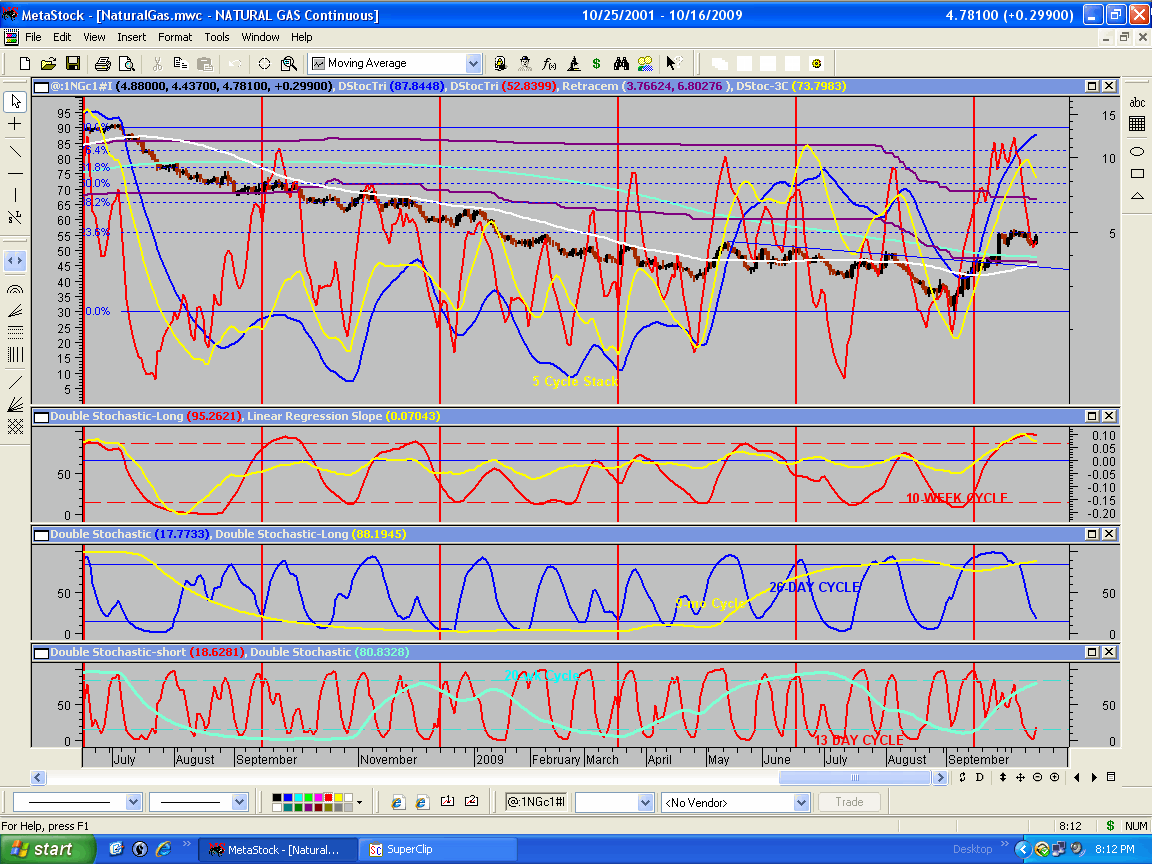
Natural gas (http://www.geocities.com/petegersb/NaturalGas.GIF) broke even more sharply during the last few weeks than did oil, breaking below even the 9-month moving average. In my last report I wrote: “One of these weeks we’ll see a break below the narrow trend channel that has characterized this move for the last 16 weeks. That will probably signal an extreme right-translated peak for the 20-week and 9-month cycles. For now, Natural Gas remains a hold.” It wasn’t a hold for long. It should have been sold by a protective stop – perhaps at the break of the trend channel or the 10-wk moving average. Now however the short-term composite has bounced from an extreme oversold condition, the price is near support at the Oct-Jan highs, and the 20-wk cycle is 19-wks old. I expect a bounce soon that initiates a 20-week cycle rally.
Energy
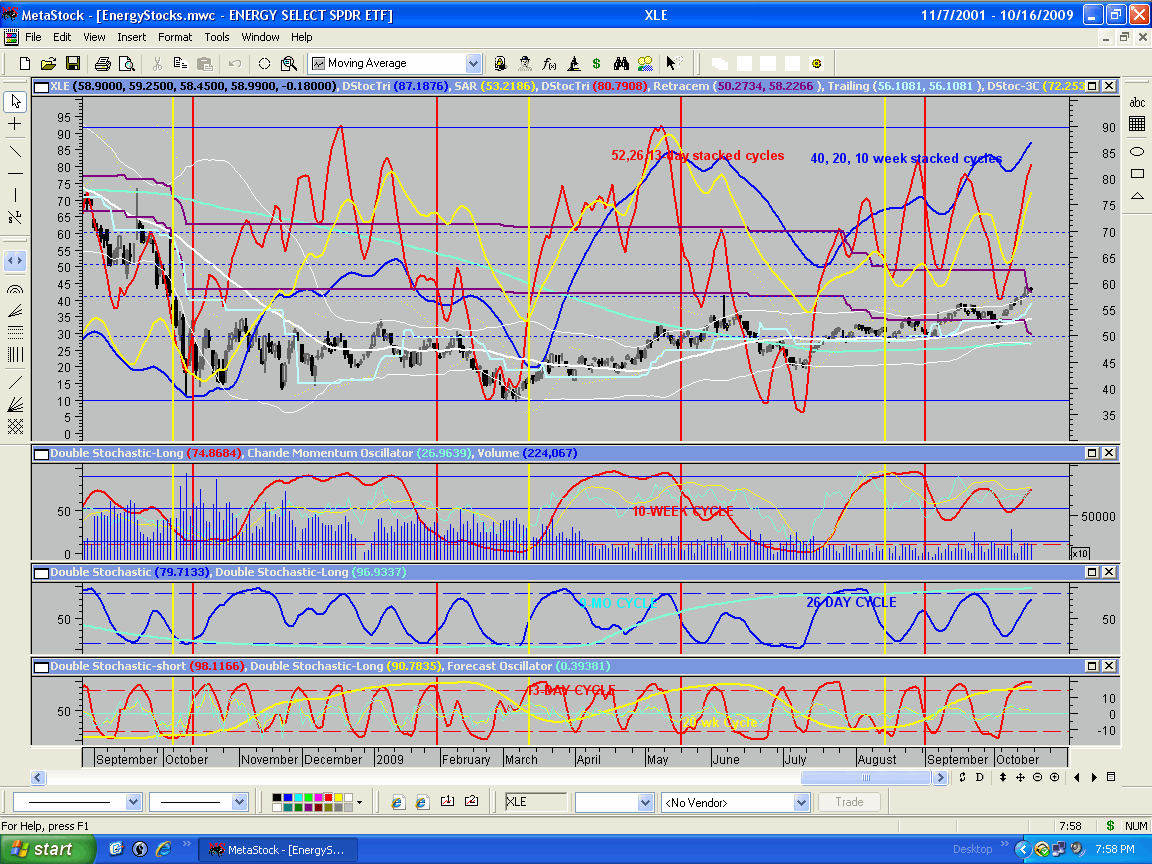
stocks (http://www.geocities.com/petegersb/EnergySPDR.GIF) matched the poor performance of the underlying commodities.
During July they retraced 62% of their 2008 rally. That still leaves them well ahead
of most sectors for the year, but we need a rally soon if a lower 20-wk cycle
low is to be avoided. Prospects look promising with the 20-wk cycle modestly
oversold and the 10-wk and 26-day cycles deeply oversold.