4/20/08
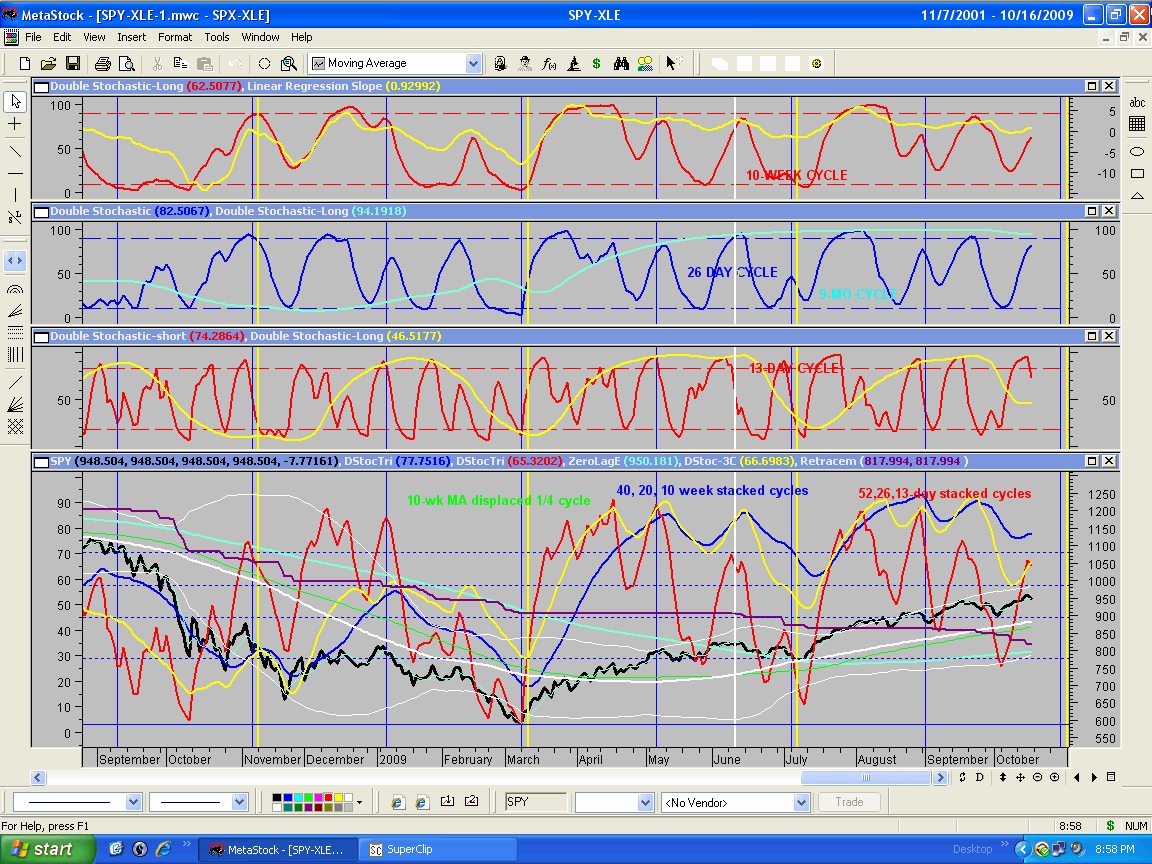
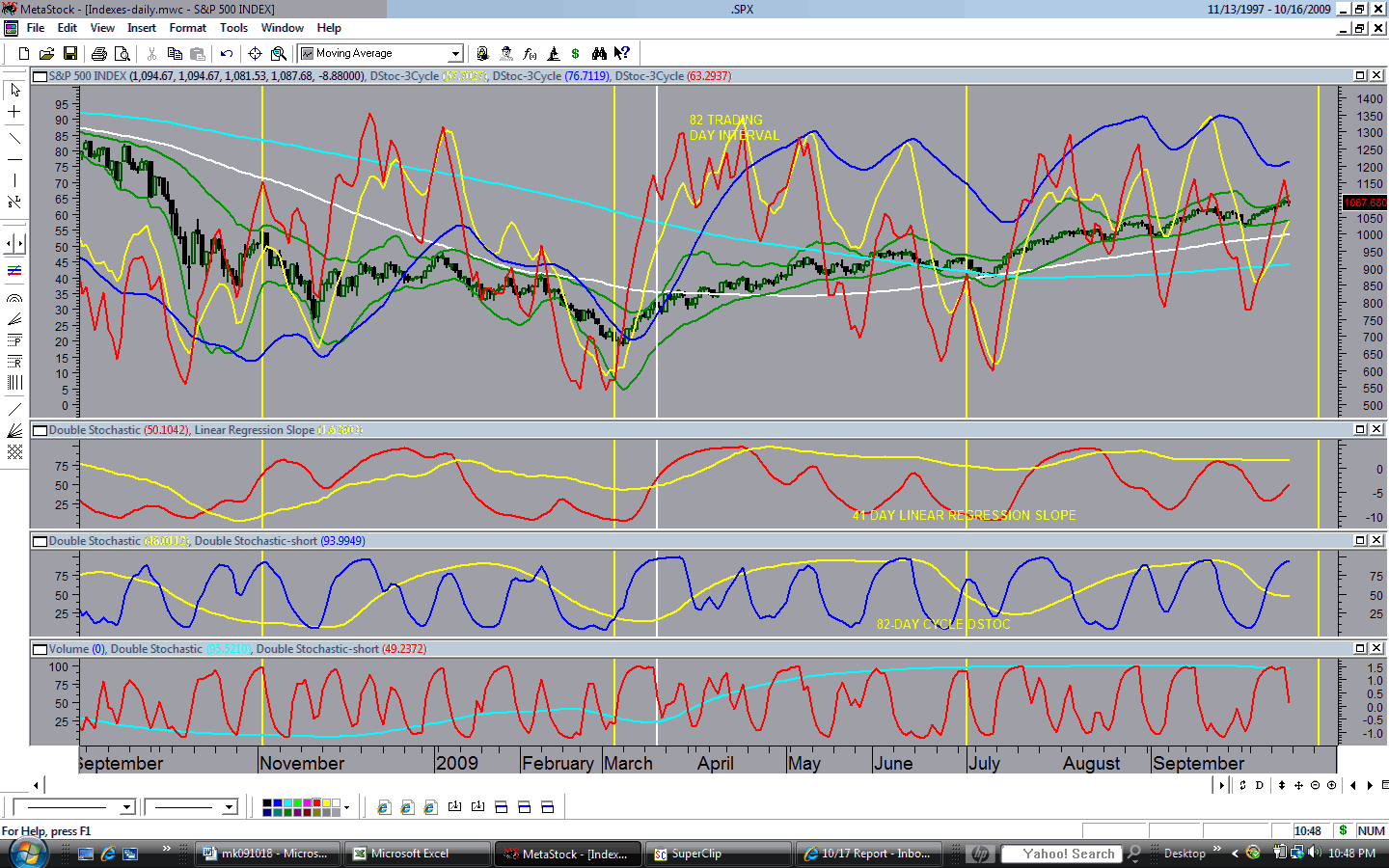
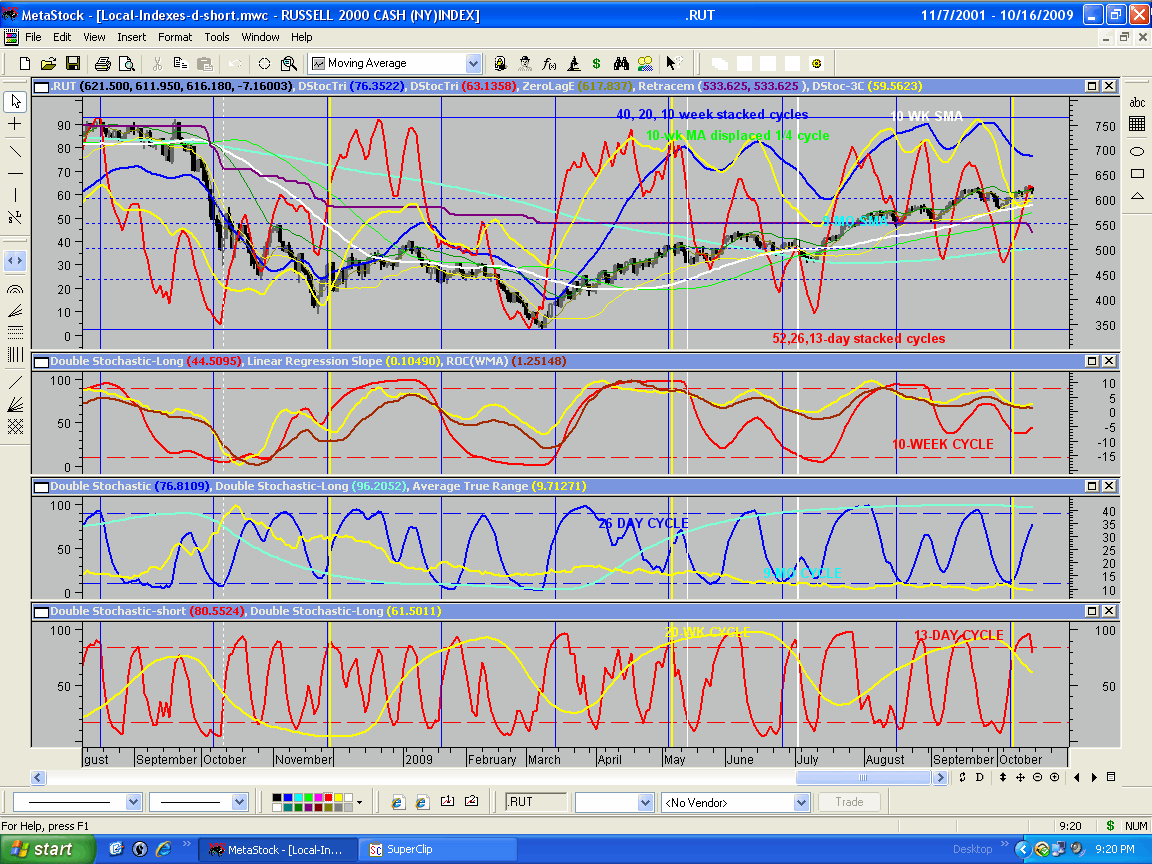
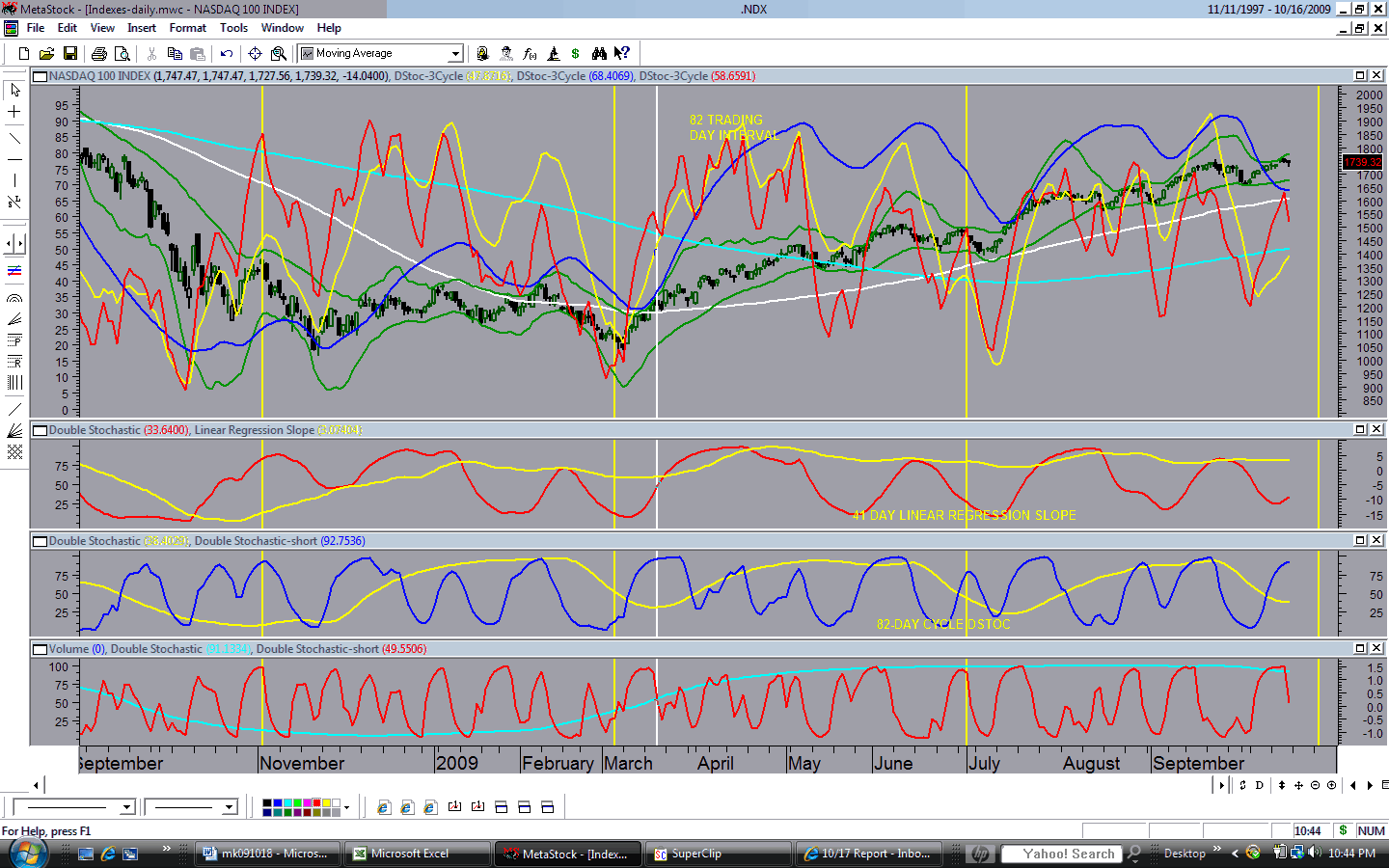
Anticipating cycle turns ahead of the indicator turns is generally bad policy. That was confirmed last week, when the market decisively demonstrated that my anticipation of a bearish left-translated lower peak for the 10-week cycle was not only premature; it was clearly wrong unless energy stocks are excluded (http://www.geocities.com/petegersb/SPY-XLE.GIF). Friday’s big rally assured that the 5-week-old 10-week cycle will reach a peak above its prior peak that was established on 2/27, and makes it highly likely that it will be a bullish right-translated peak. In retrospect, it’s clear that the April 7 peak was nothing more than a 13/26-day cycle peak, as indicated by the DStocs on all of the indexes (http://www.geocities.com/petegersb/SP500.GIF, http://www.geocities.com/petegersb/Russell2000.GIF, http://www.geocities.com/petegersb/NDX.GIF). That 13-day cycle bottomed on Tuesday, and we now have a fresh 4-day-old 13-day cycle. Its rally phase should last a few more days.
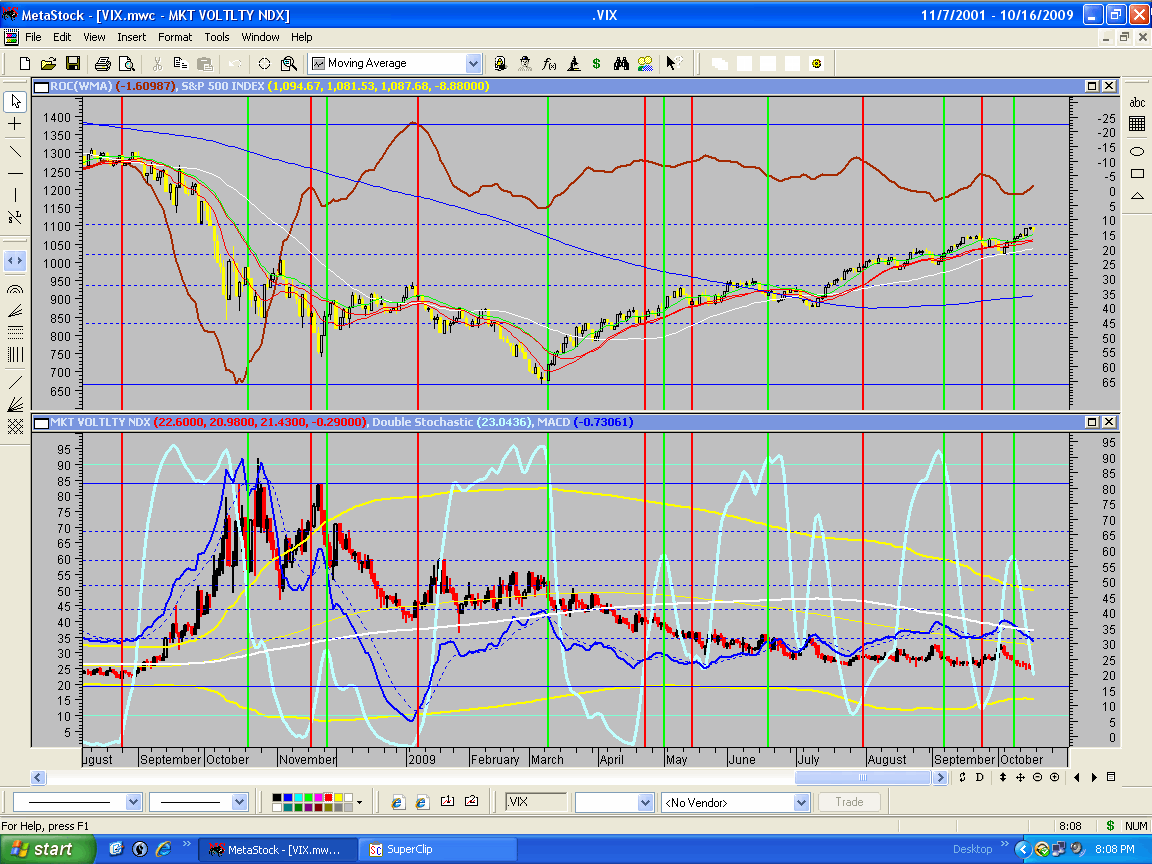
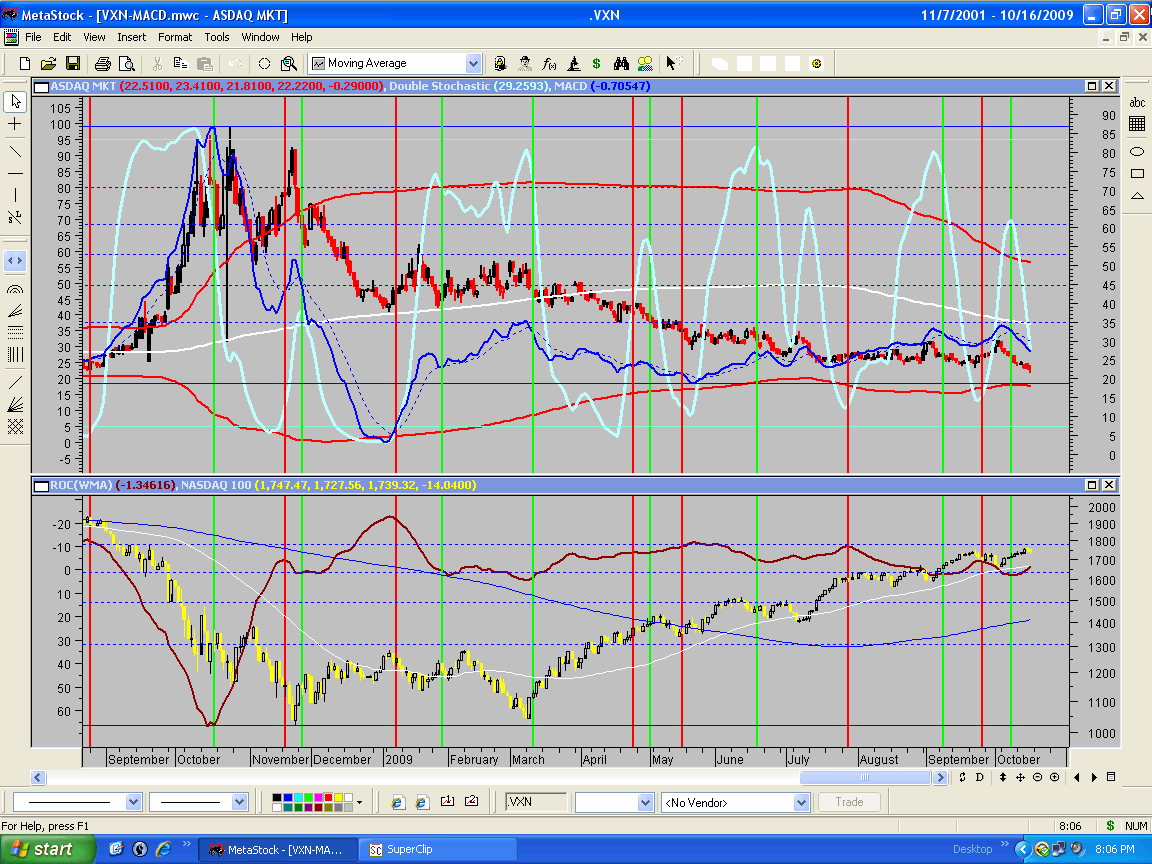
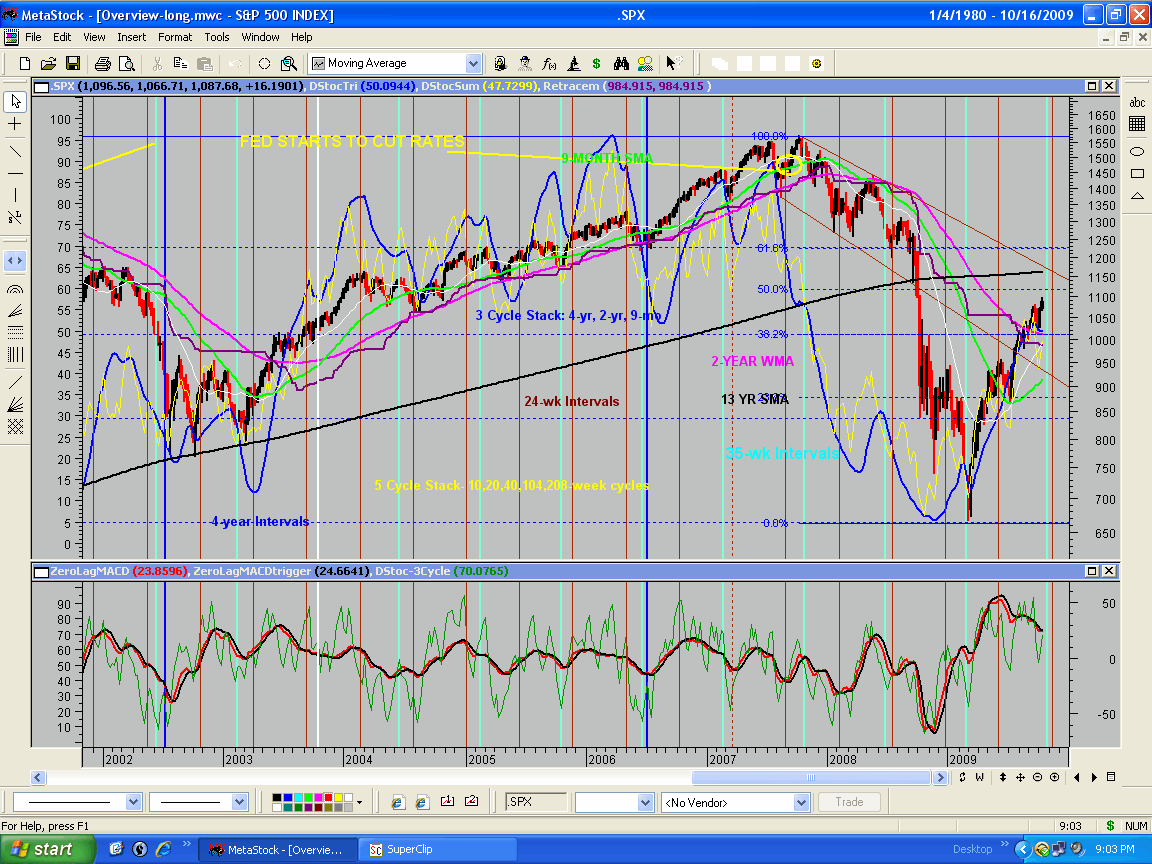
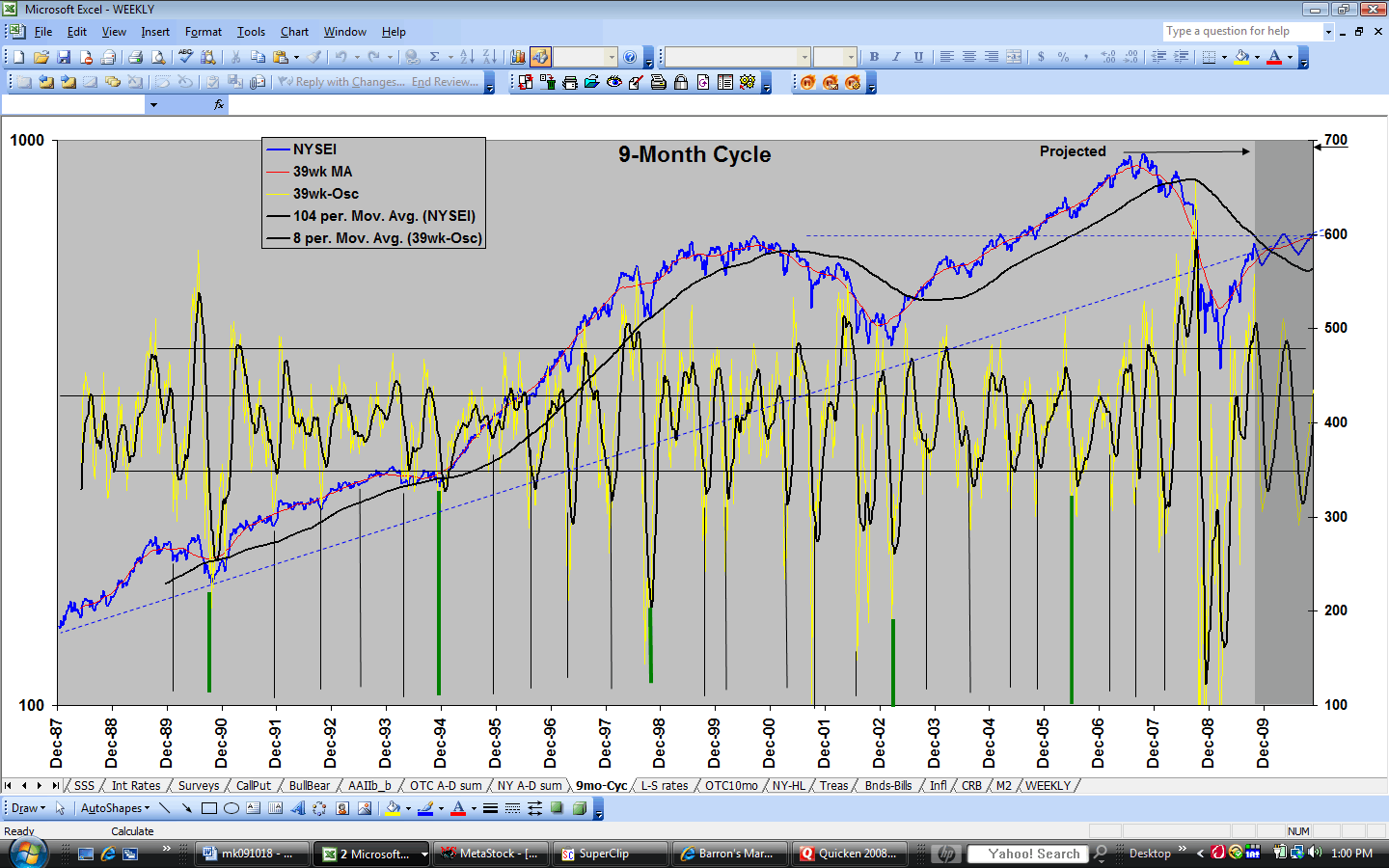
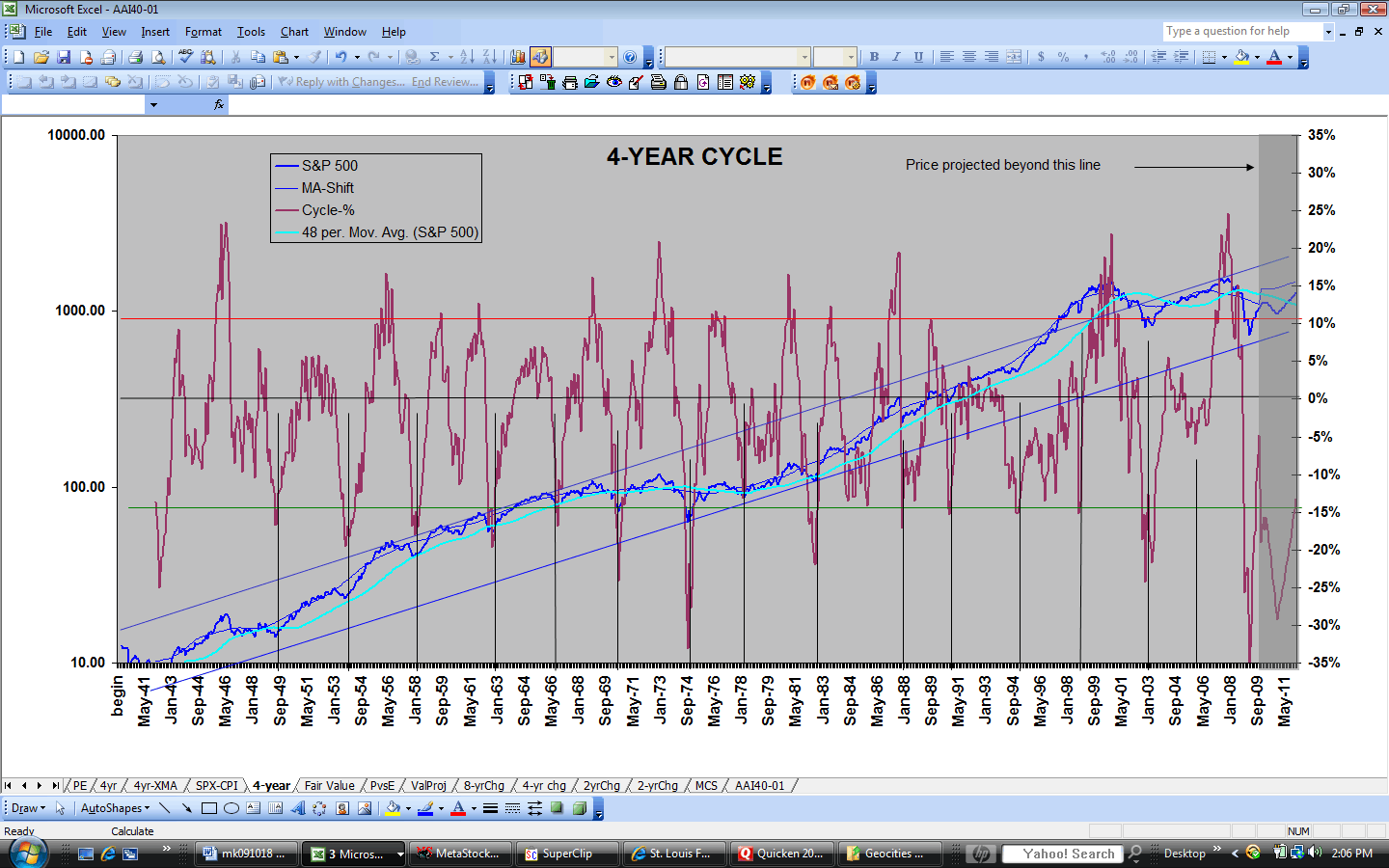
So when will that middle-aged 10-week cycle peak. Most of the 10-wk cycle indicators are now extremely overbought, and so are many of the indicators for the 13-week-old 20-wk cycle. The Bressert DStocs on the weekly chart (http://www.geocities.com/petegersb/Overview-med.GIF) are extremely overbought for both of these cycles. The weekly VIX and VXN (http://www.geocities.com/petegersb/VIX-weekly.GIF, http://www.geocities.com/petegersb/VXN-weekly.GIF) suggest the Nasdaq is close to a 20-week cycle peak, but that the SPX has further to go on the upside. The daily VIX and VXN (http://www.geocities.com/petegersb/VIX.GIF, http://www.geocities.com/petegersb/VXN.GIF) suggest that the 10-week cycle is very close to a peak on both, but in both cases, the VIX and VXN managed to decisively penetrate their 9-month moving averages that had halted all recent 10-week cycle rallies. Overcoming that resistance bodes well for the longer term. So does the apparent bottoming action of the long-term composite DStoc on the weekly chart (http://www.geocities.com/petegersb/Overview-long.GIF). It’s rare that an upturn in this indicator is anything less than a 9-month cycle bottom, but a similar hardly-noticeable upturn occurred on 10/12/07, just as the market peaked. To sustain the uptrend, the SPX will have to overcome the formidable overhead resistance that the SPX will encounter in the next 30 points. Nevertheless, with the bulk of the 9-month cycle indicators having turned bullish, we now have to assume that the 9-month cycle (http://www.geocities.com/petegersb/9moNYA.GIF) and the 4-year cycle (http://www.geocities.com/petegersb/4YearCycle.GIF) bottomed in March.
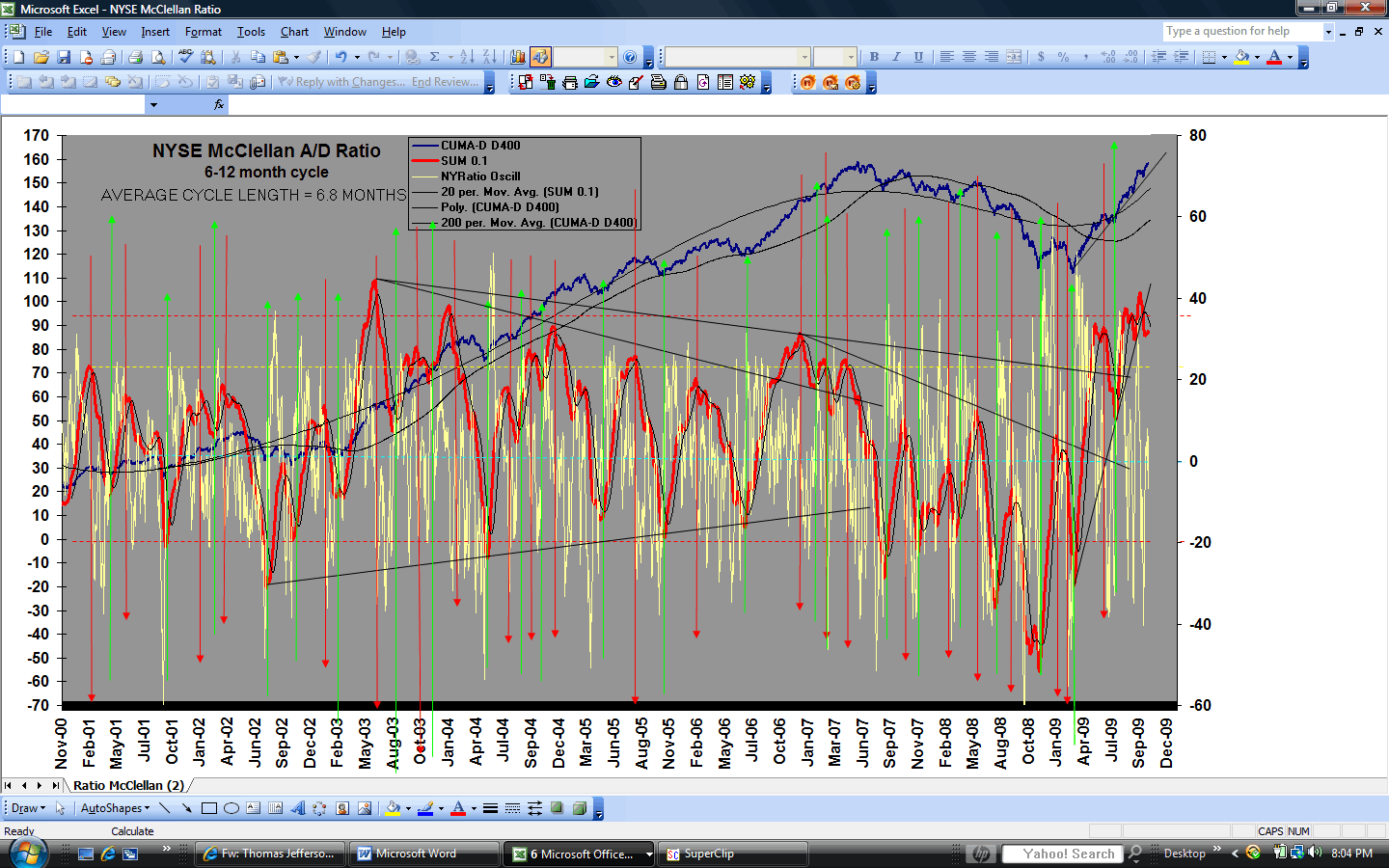
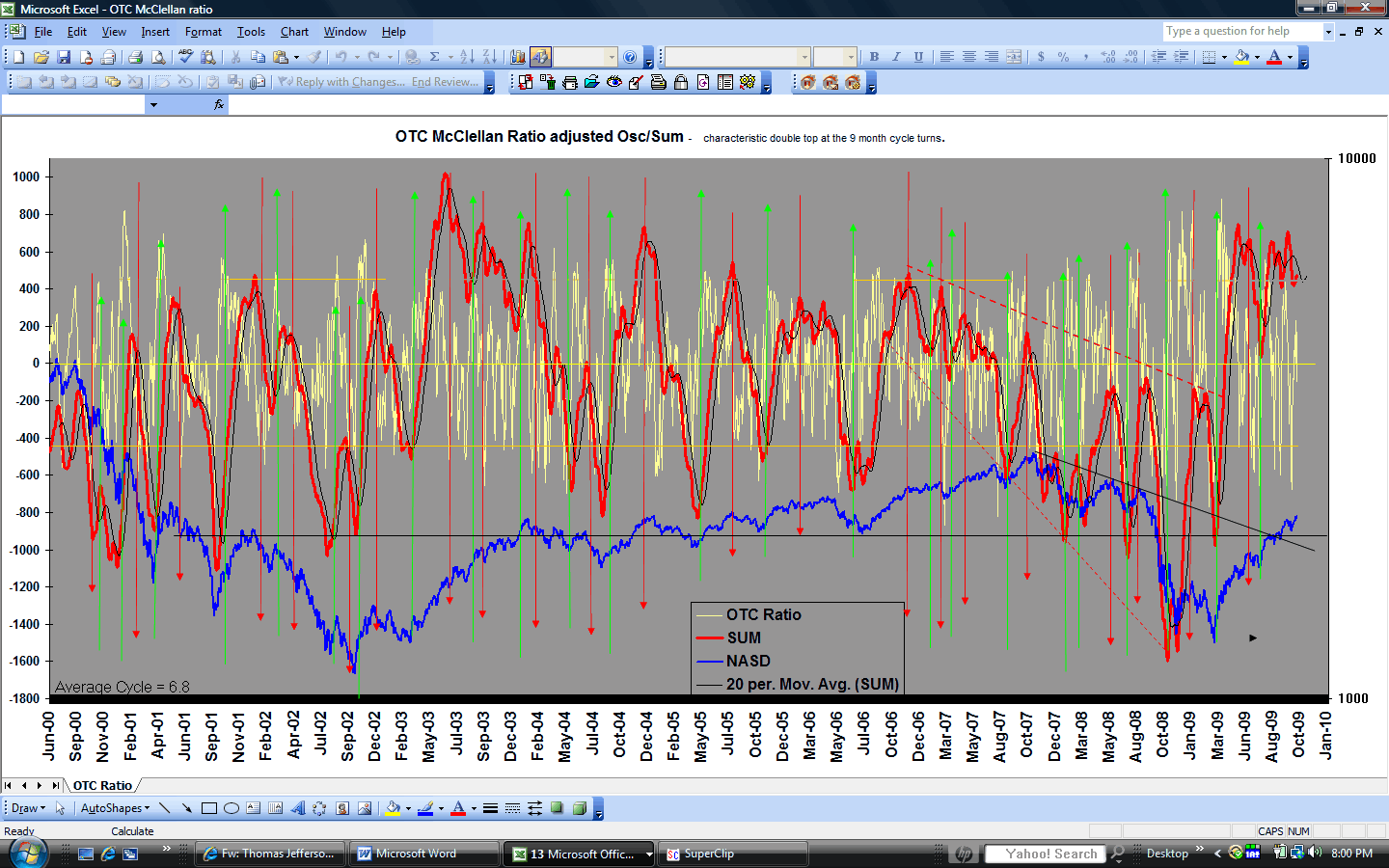
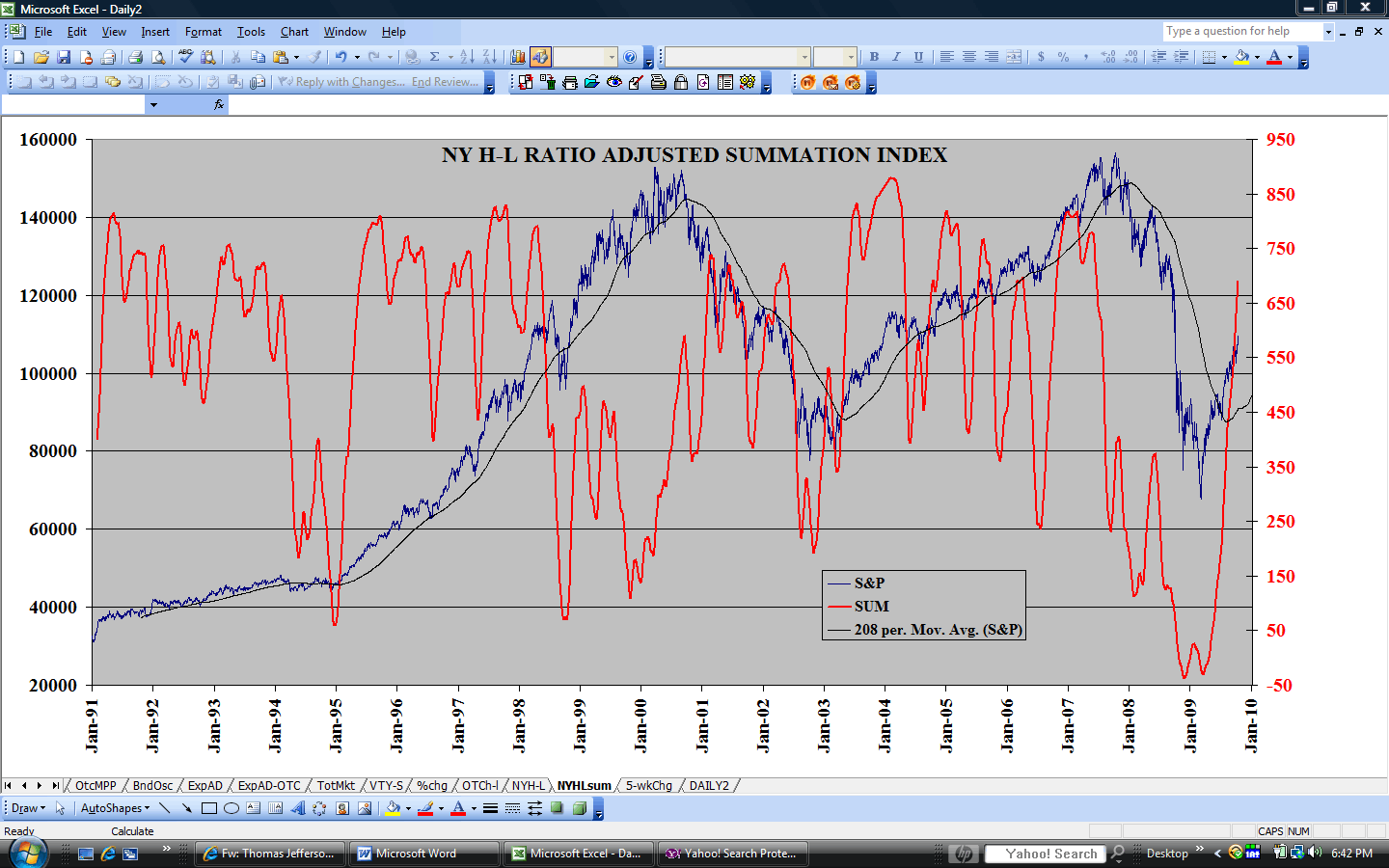
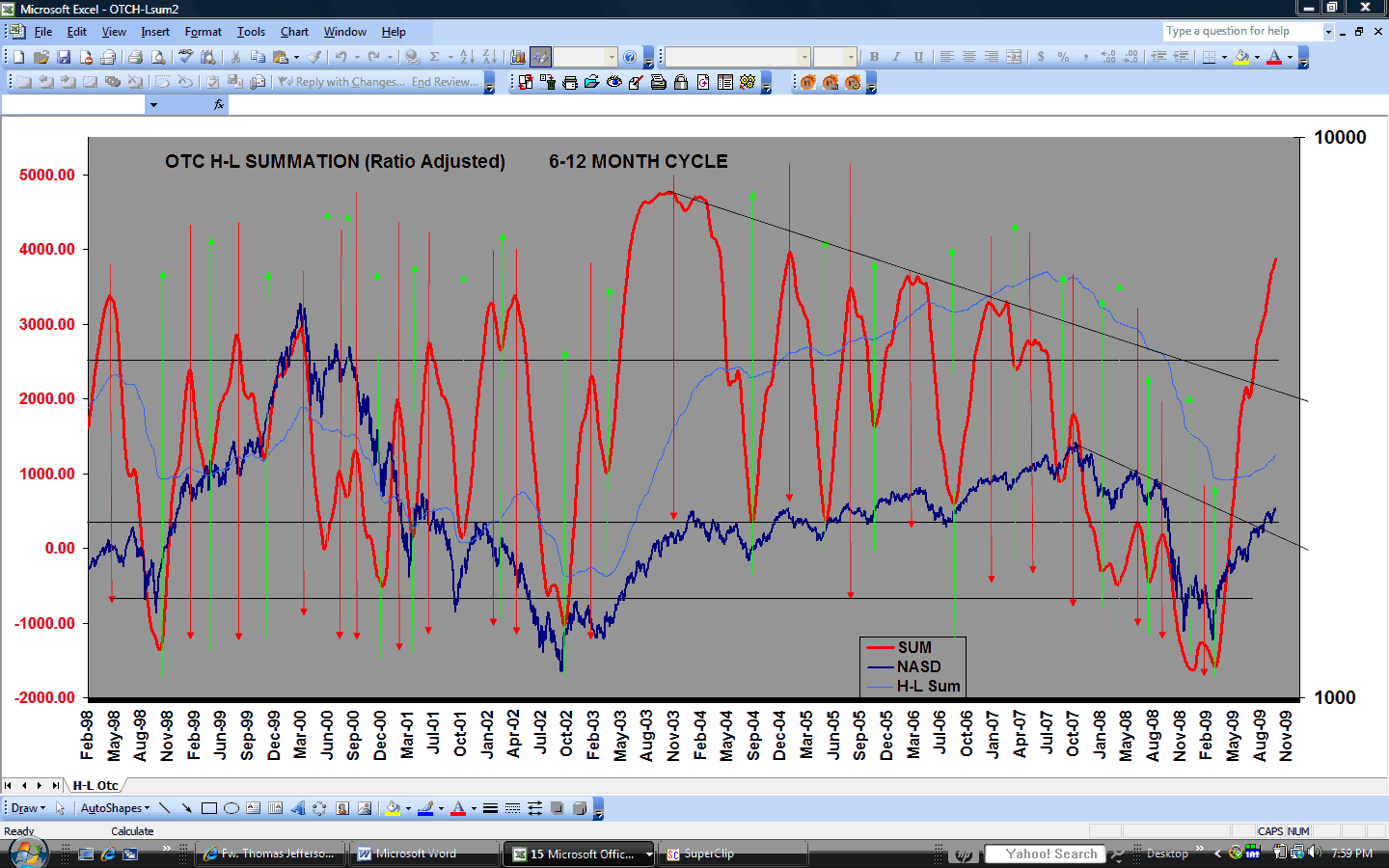
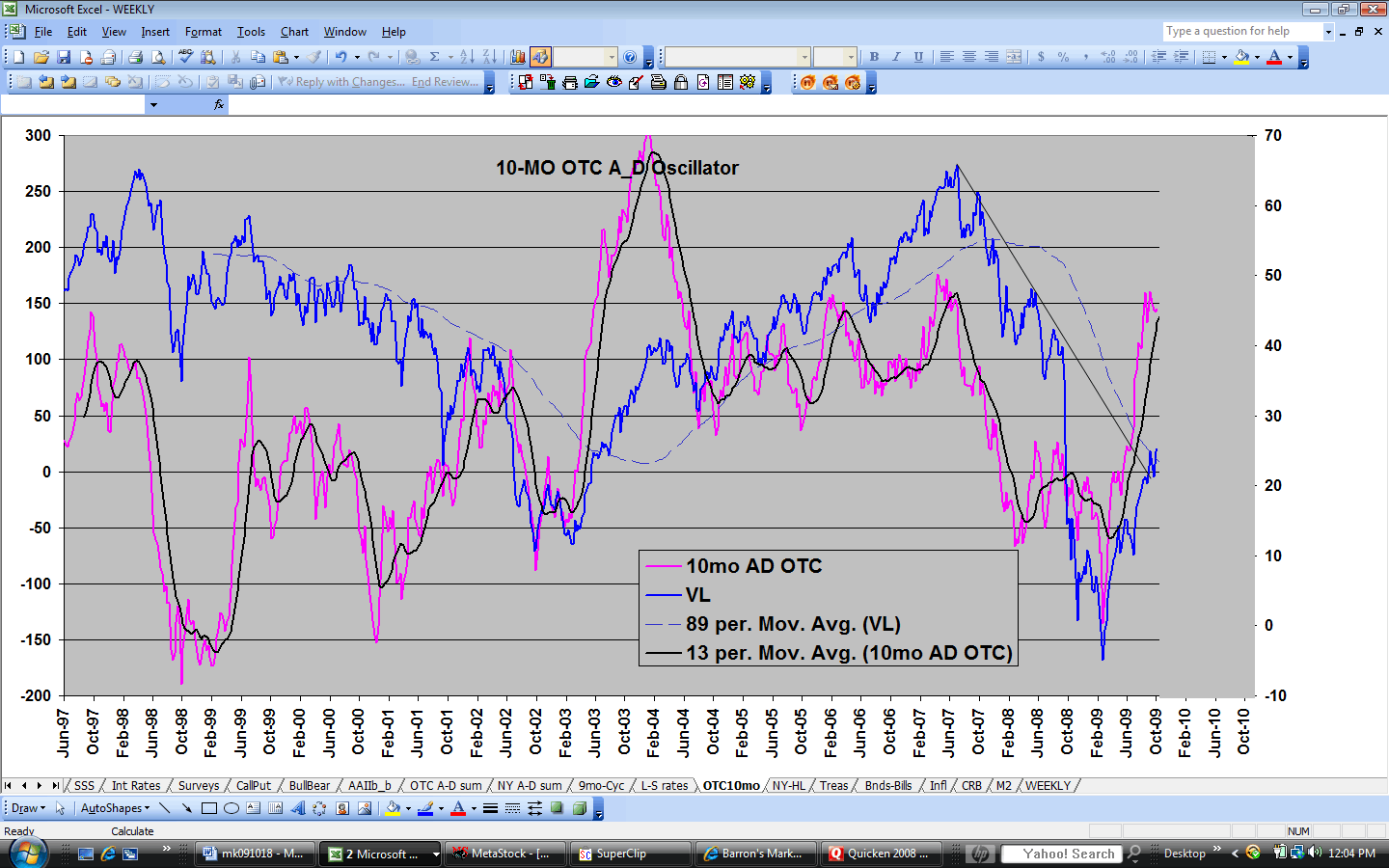
Most of the breadth indicators confirm that conclusion. The McClellan A-D Summation indexes (http://www.geocities.com/petegersb/A-Dsummation-NYSE.GIF, http://www.geocities.com/petegersb/A-Dsummation-OTC.GIF) obviously sustained their bullish stance last week, and so did the High-Low Summation Indexes (http://www.geocities.com/petegersb/H-Lsummation-NYSE.GIF , http://www.geocities.com/petegersb/H-Lsummation-OTC.GIF ). However, the 10-month advance-decline oscillators (http://www.geocities.com/petegersb/10-mo_A-D_oscillator.GIF, http://www.geocities.com/petegersb/10-mo_A-D_oscillatorOTC.GIF ) maintained their bearish stance despite the large plurality of Advances over declines, so some doubt remains.
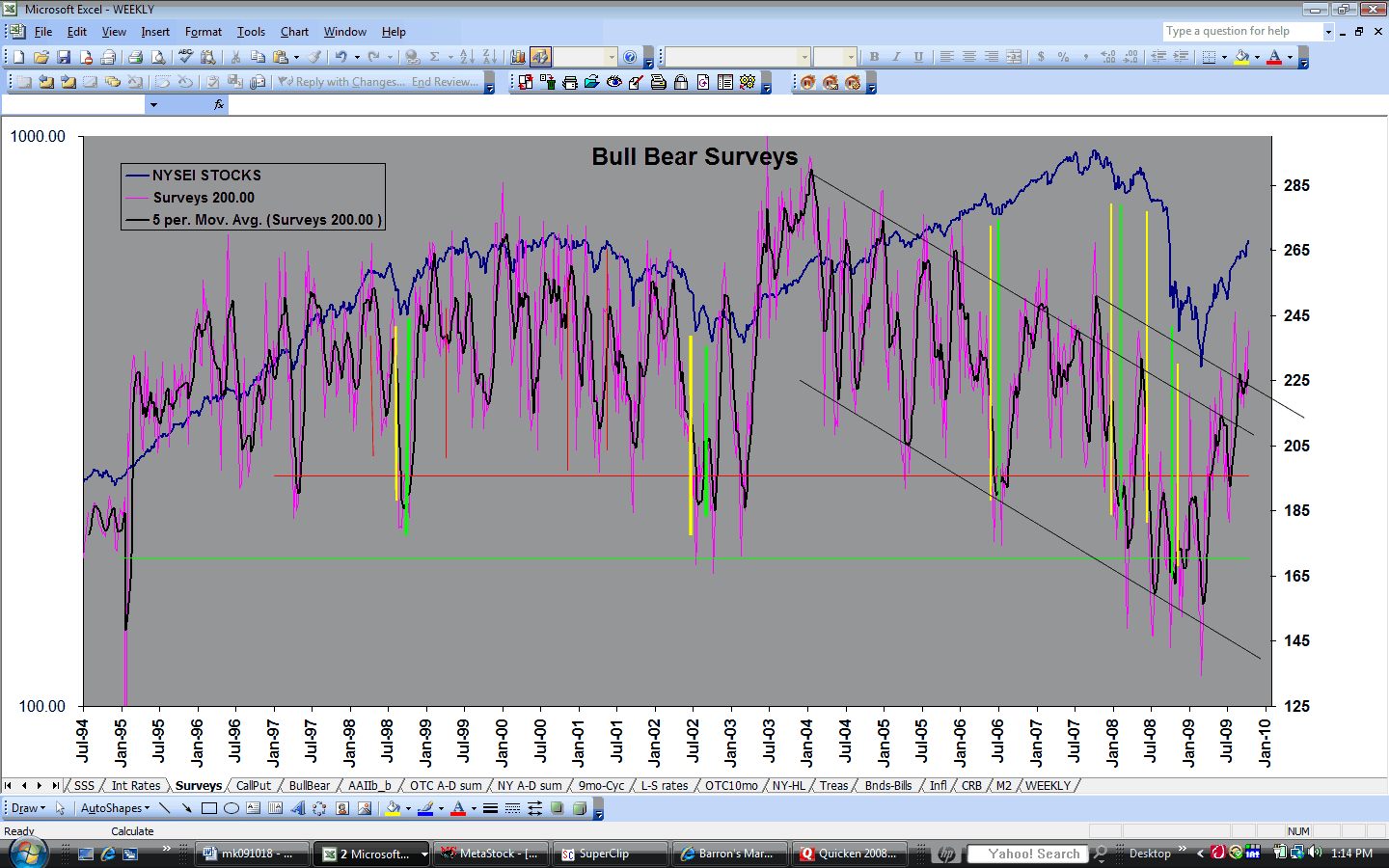
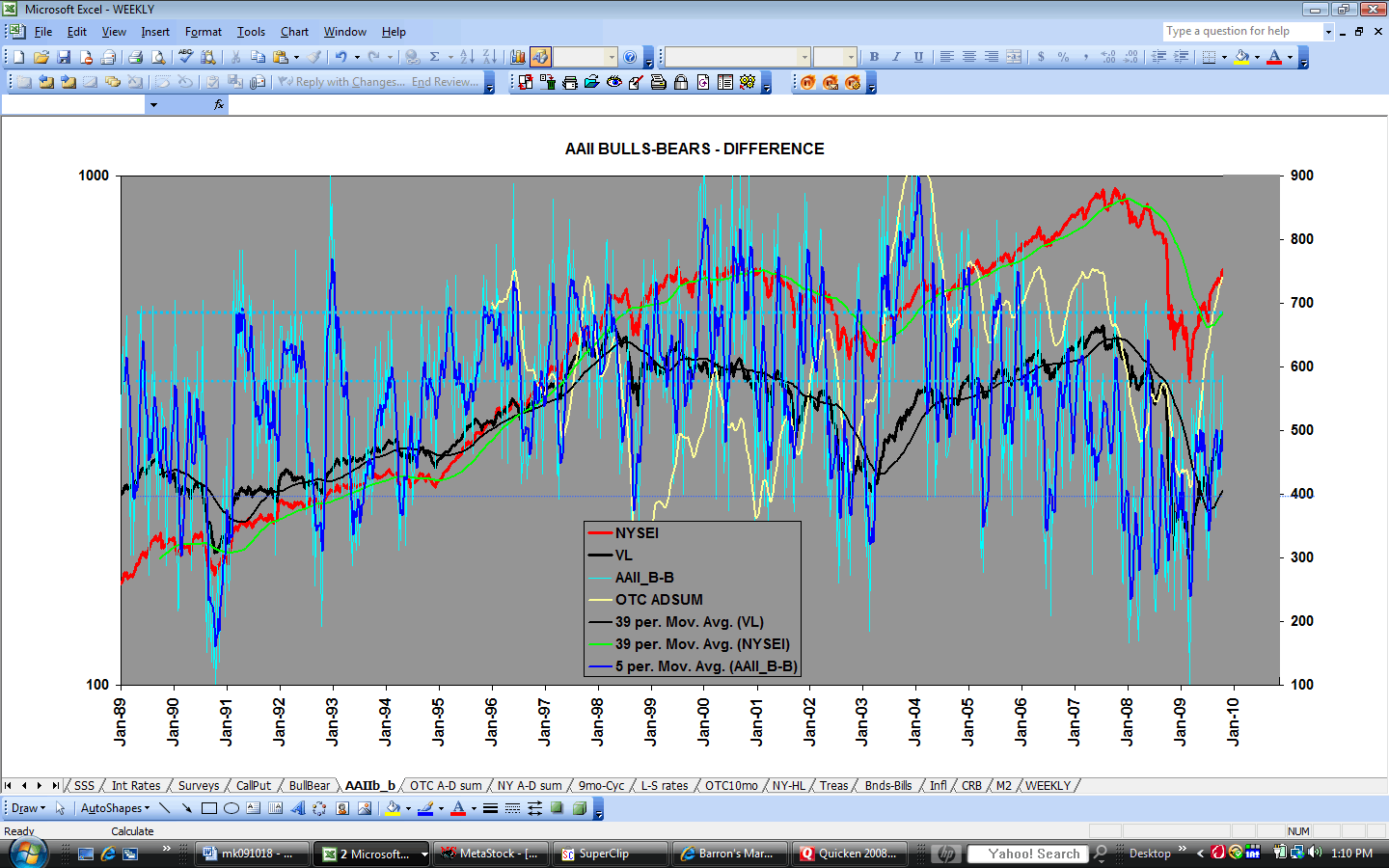
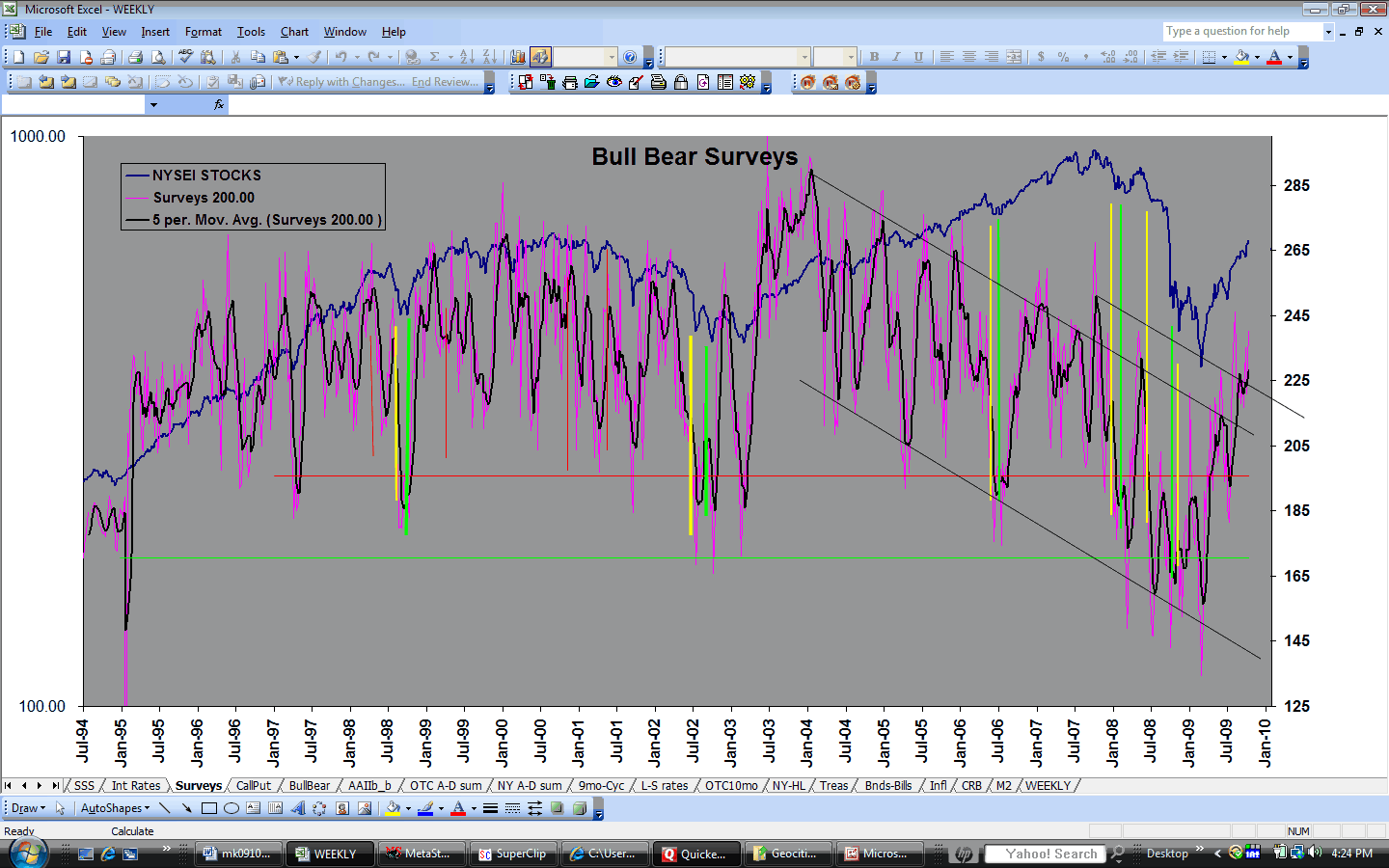
Advisory services (http://www.geocities.com/petegersb/InvestorsIntelligence.GIF) and AAII members (http://www.geocities.com/petegersb/AAIIsentiment.GIF) continue to disagree about the direction of stocks, but the combination makes an argument for rising 9-month and 4-year cycles. Combined sentiment (http://www.geocities.com/petegersb/SurveysCombined.GIF) has turned up from the deepest level of pessimism since the beginning of the late 90’s bull market. Double bottoms are the norm for this indicator, and with the March low coming in well below the January low on the indicator, I’m still looking for a second low in a few weeks as the 10 and 20-week cycles bottom to seal the deal.
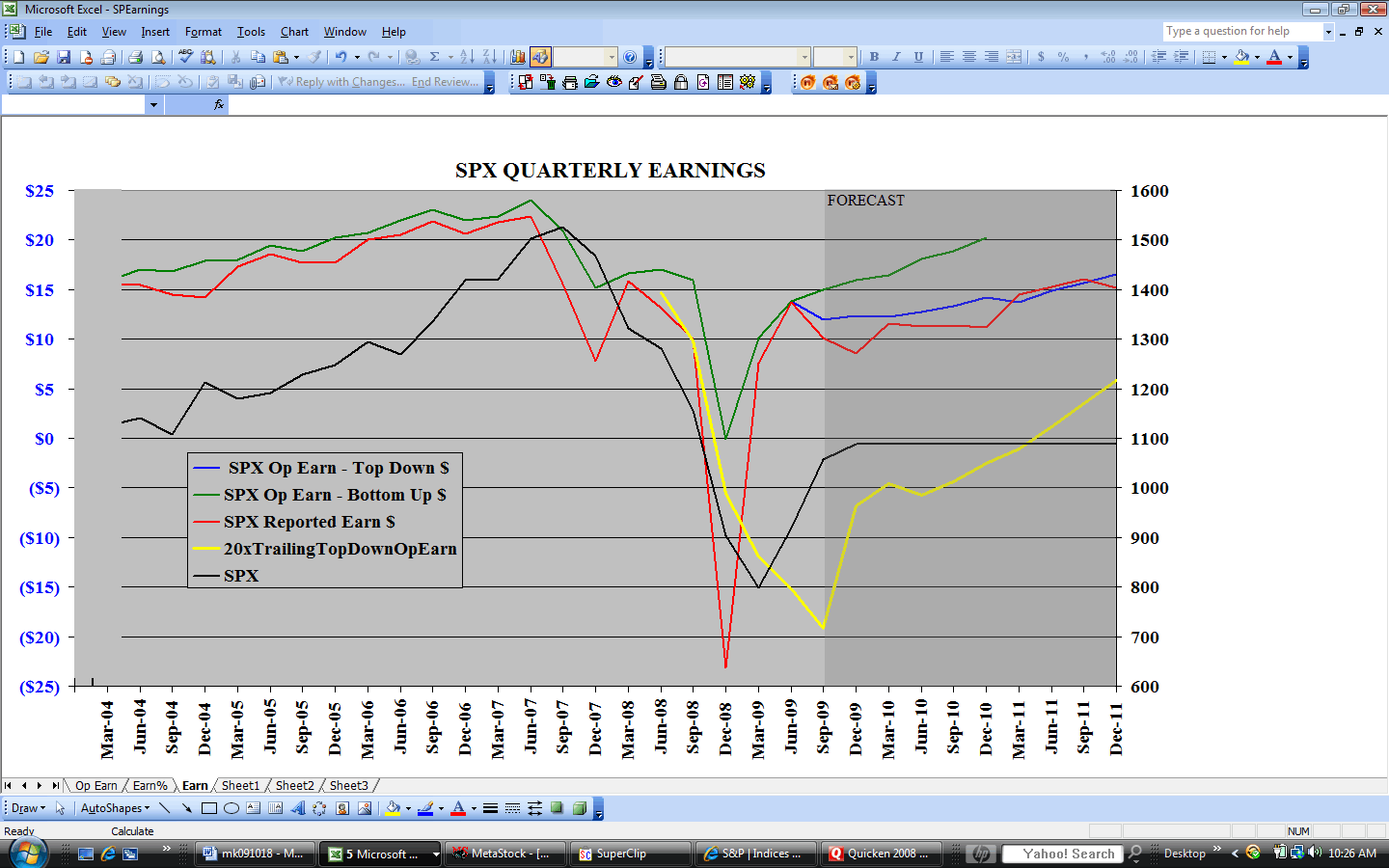
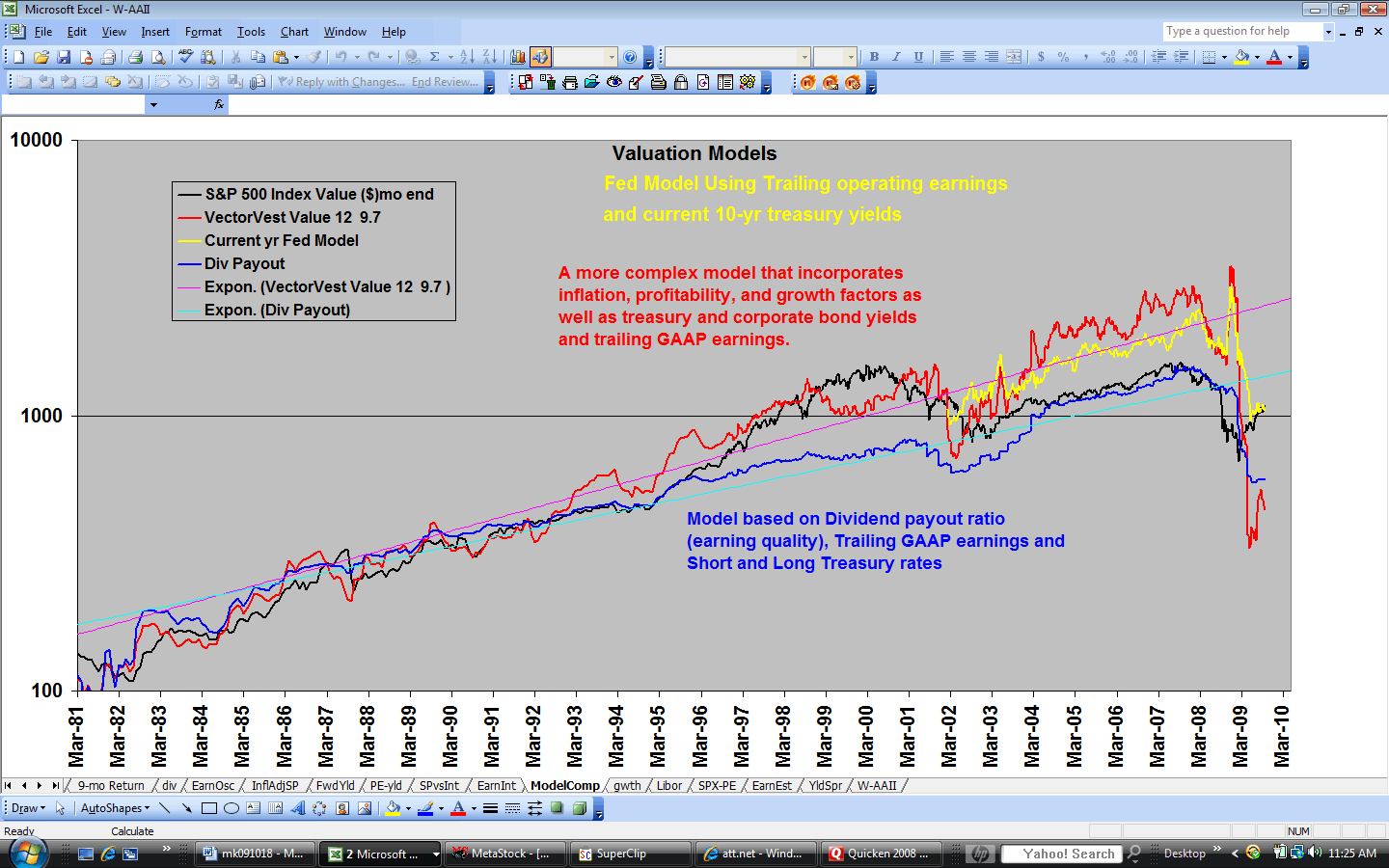
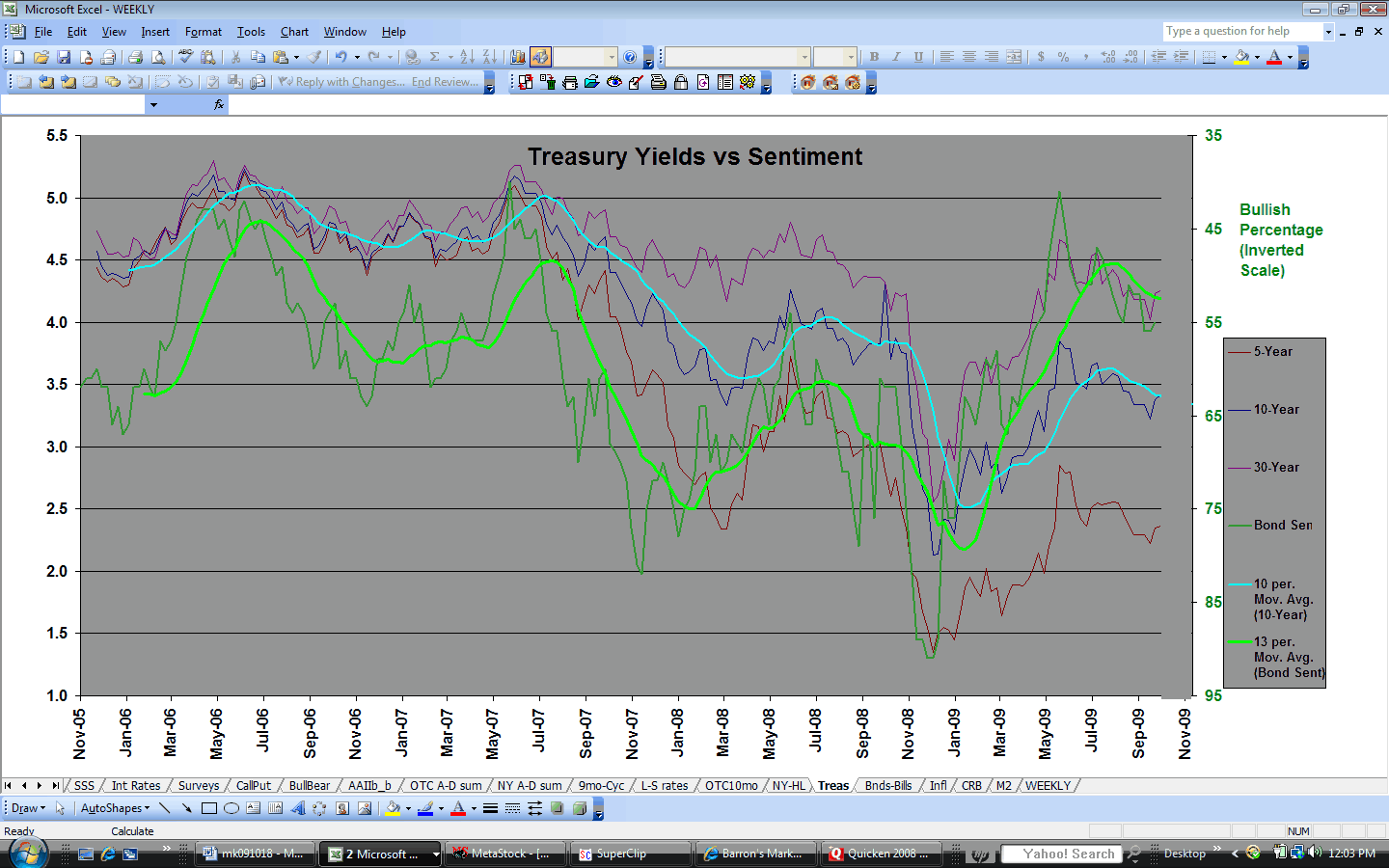
Last week’s rallies were sparked by better-than-expected earnings from a number of big names, but some of them were pretty dismal. As the numbers come in Standard & Poors had to continue dropping its optimistic estimates for trailing and future earnings (http://www.geocities.com/petegersb/EarnY-Y.GIF). Despite nice increases from Google, Caterpillar, Honeywell, and Schlumberger, S&P dropped its estimate of first quarter operating earnings from $21.09 to $19.67, its full year 2008 estimate from $96.79 to $93.62, and its 2009 estimate from $115.42 to $113.30. While earnings estimates continued to be lowered, treasury yields (http://www.geocities.com/petegersb/TreasuryYield-10yr.GIF) rose sharply. As a result, the Fed model (http://www.geocities.com/petegersb/ValuationModels.GIF), which relates stock values to government bond yields and corporate earnings, dropped over 9% in a week when stocks rose over 4%. The model still claims stocks are greatly undervalued relative to bonds, but you don’t hear much about the Fed Model any more. That’s probably because it’s been 6 years since the model valued the S&P anywhere near its actual price. However, for most of that period it at least got the direction right. Now it has had the direction wrong as well for the last 6 months. If earnings continue to drop, interest rates continue to rise, stocks continue to rise, or the right combination of these trends occurs, the model may eventually get it right.
So lets summarize. The fundamentals continue to deteriorate (falling earnings, rising interest rates), but stocks remain undervalued relative to bonds, and investors appear willing to follow Standard & Poors lead in betting that most of the earnings hits will be history after this reporting period, and that earnings will recovery strongly late this year and next. Sentiment is consistent with a recent major bottom, or one that will arrive soon. Most of the 9-month cycle indicators have turned up on both the price and breadth indexes. The 20-week cycle is past middle age and overbought. The second 10-week cycle within that 20-wk cycle is middle aged and also overbought. The 26-day cycle is either 23 days old and its DStoc has turned down prematurely, or it’s 4 days old and its DStoc failed to register the turn. The 13-day cycle is 4 days old, and appears destined to rally for most of this week until it reaches the next resistance in the vicinity of 1420 on the SPX. That should set the market up for a final sell off in a bear market or for the first 20-week cycle correction of a new bull market. If it works out either way, it will be time to become fully invested. The risk in waiting is that the market moves straight up from here with no significant corrections to accommodate would be buyers, as is common in new bull markets. The risk in plunging in is that the recession will not be brief and shallow, that earnings forecasts are far too optimistic, that interest rates rise steeply, and that stocks correct below trend. With the 10 and 20-week cycles likely near a peak, the latter still appears to be the greater risk, but that should change around the end of May. If the 9-month cycle (http://www.geocities.com/petegersb/9moNYA.GIF) and 4-year cycle (http://www.geocities.com/petegersb/4YearCycle.GIF) didn’t bottom in March, I expect they will do so sometime between the beginning of May and early June.
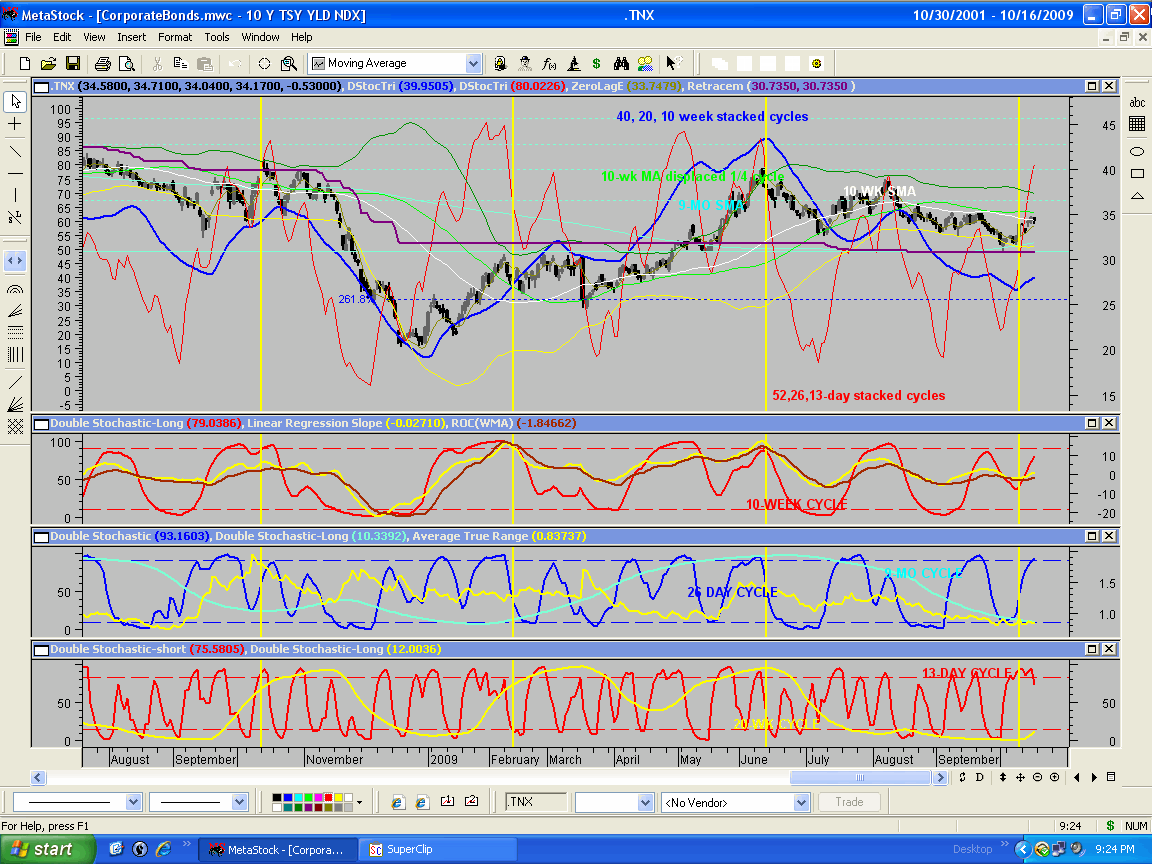
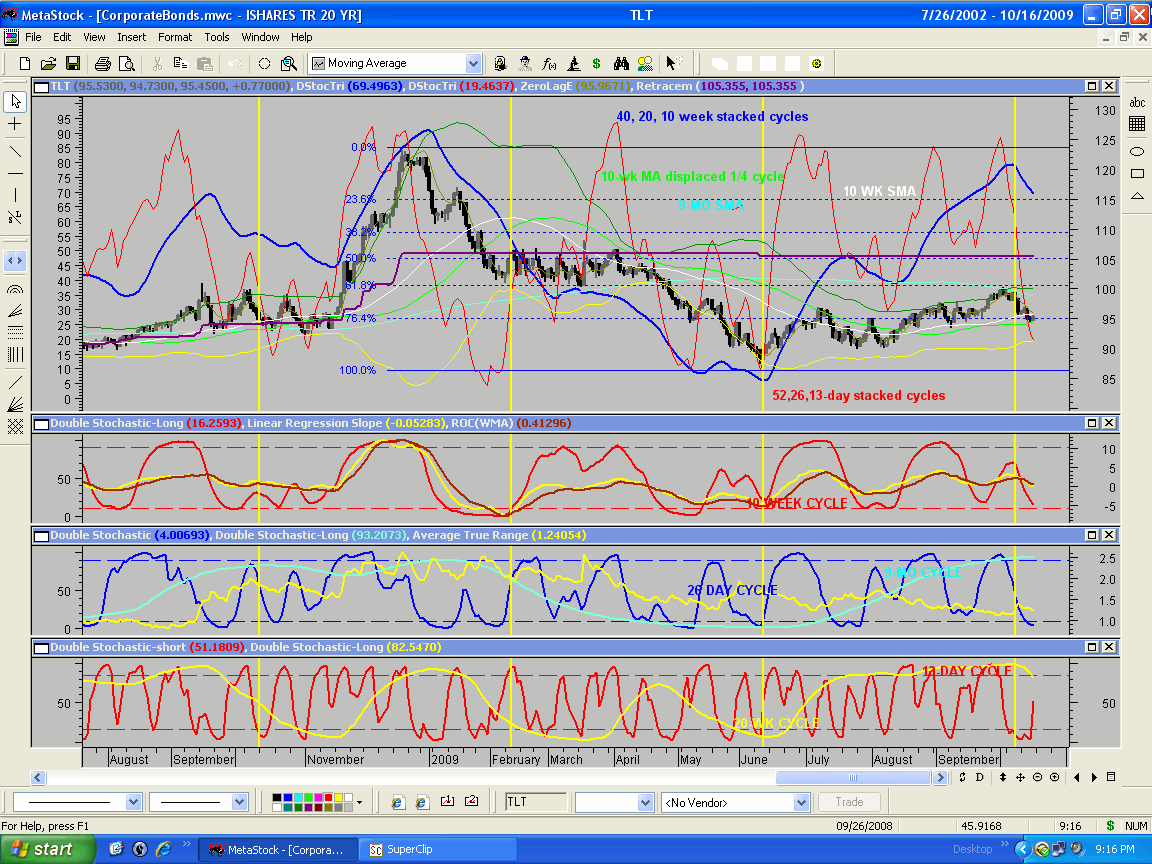
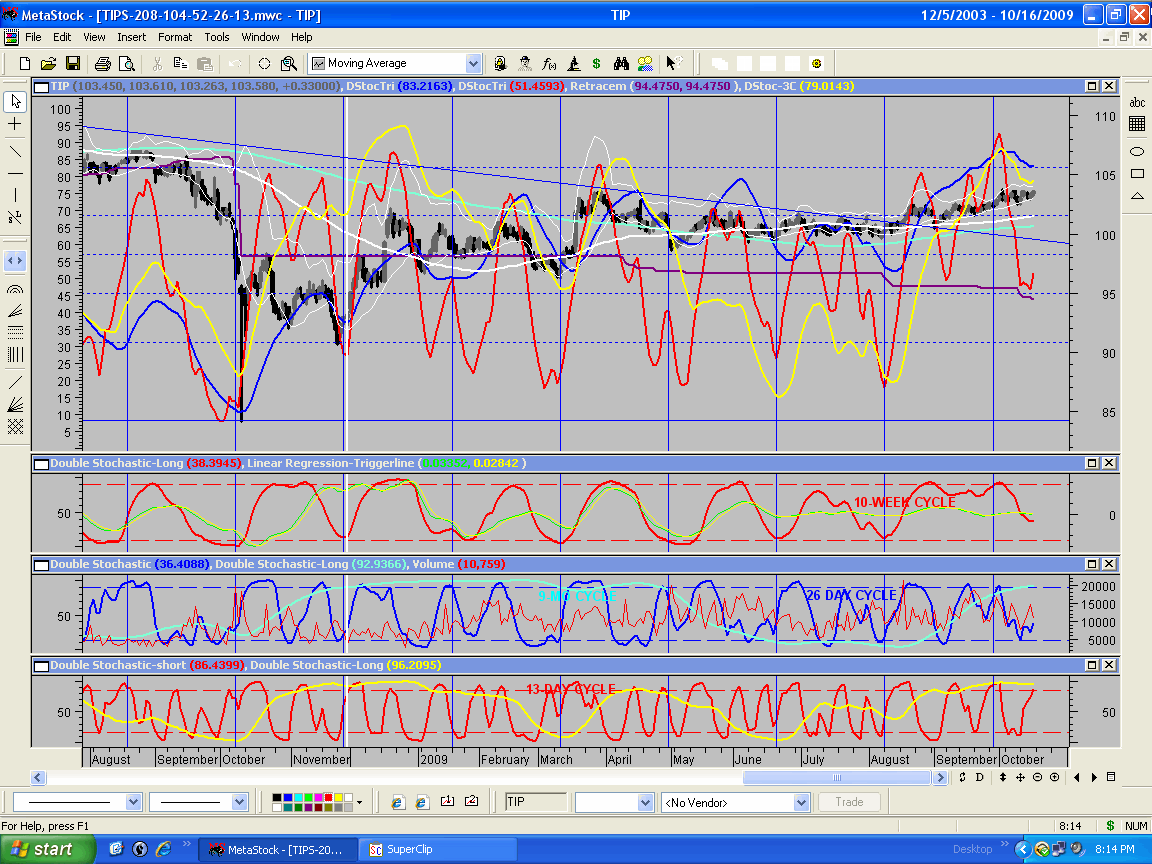
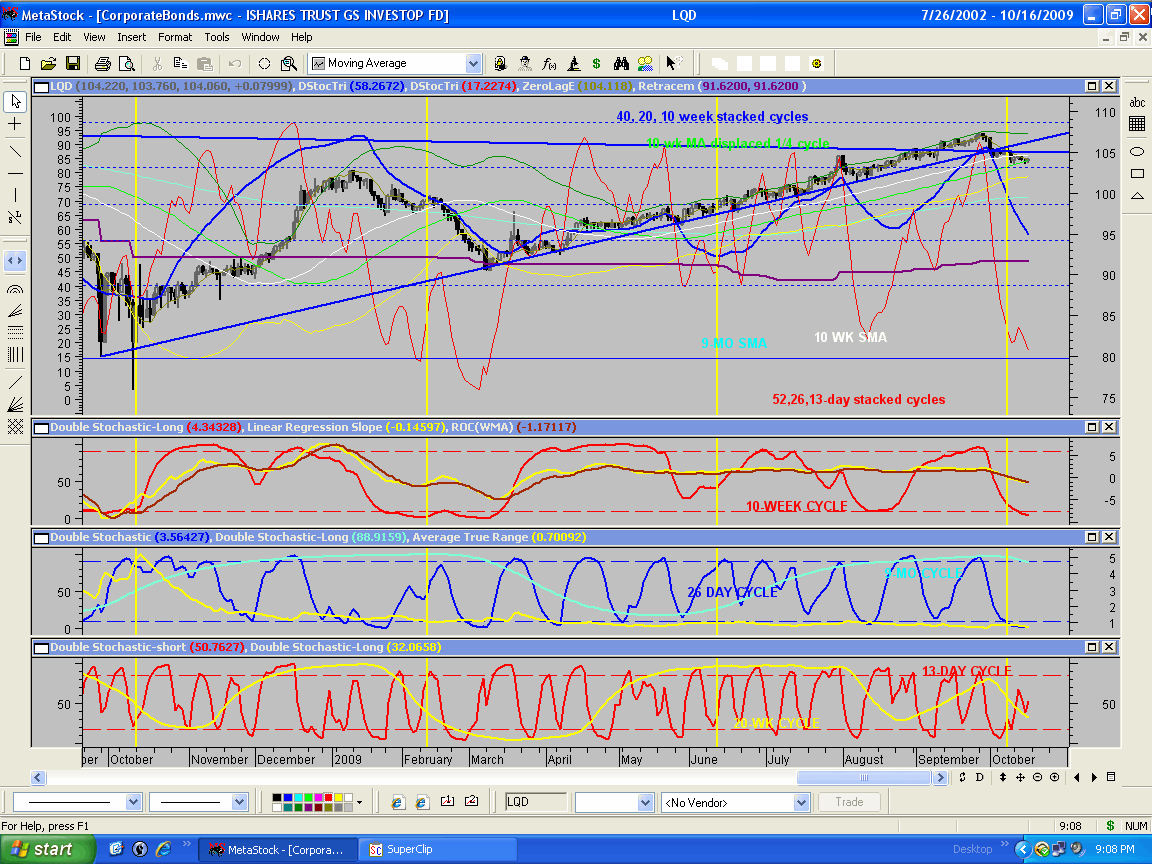
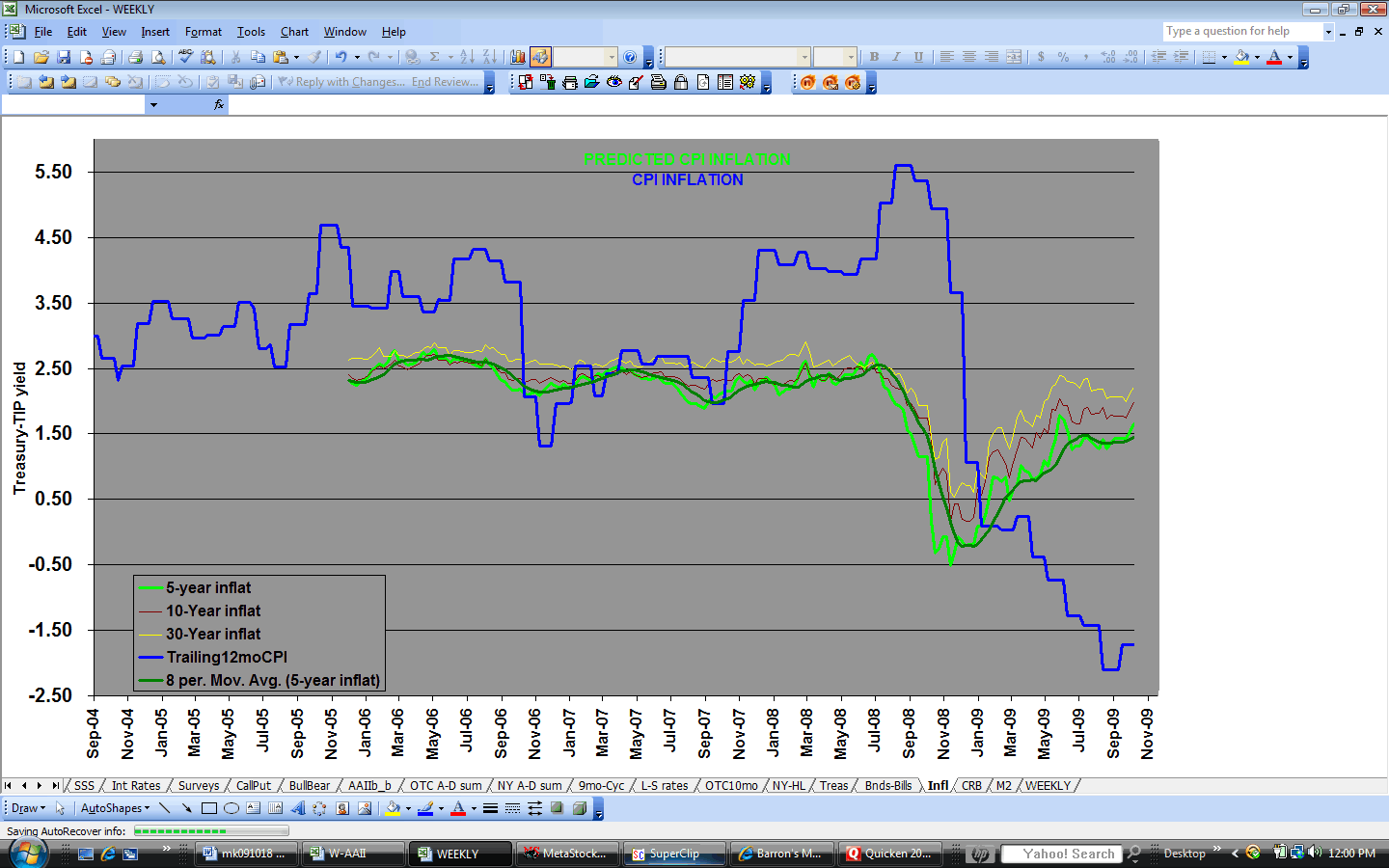
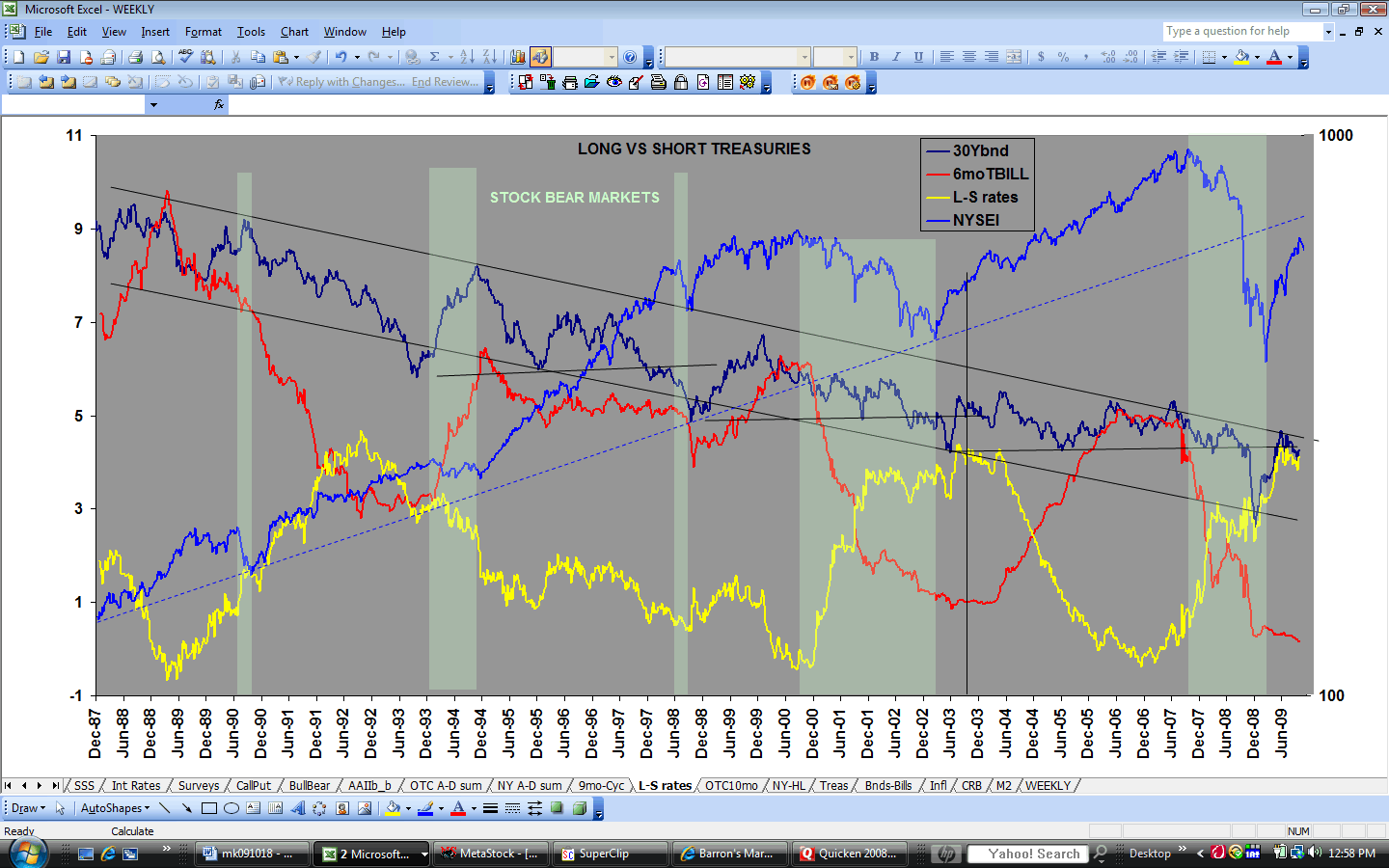
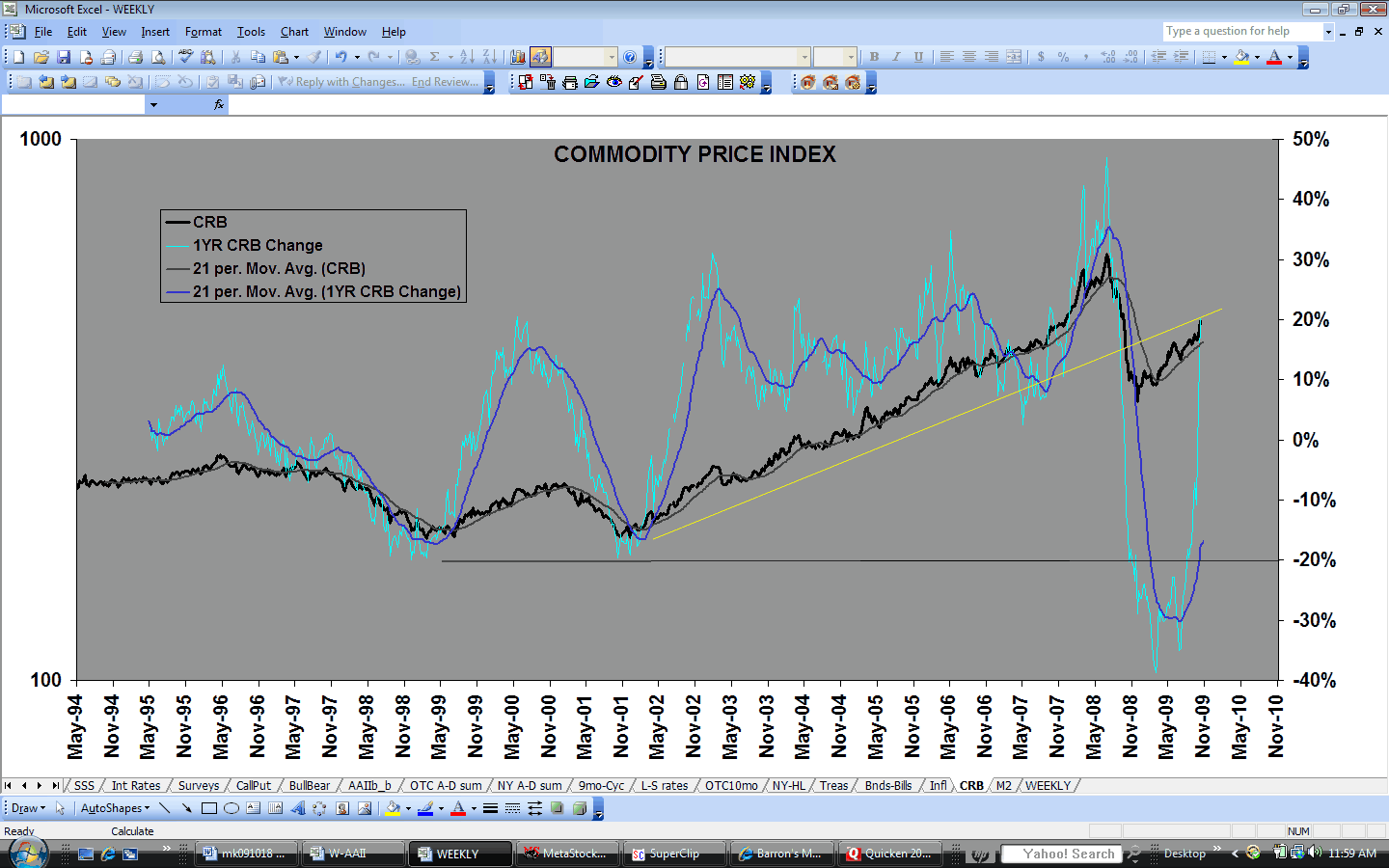
Conventional T-bonds (http://www.geocities.com/petegersb/Treasury-20yr.GIF) are now in well-established short and intermediate downtrends. The short-term decline should reach bottom late this week and find support near the December and February lows. Currently, it appears likely that the intermediate downtrend can also hold the bottom of that 6-month trading range. TIPS (http://www.geocities.com/petegersb/TIPs.GIF) outperformed conventional treasuries last week, but they broke below previously persistent support at the 80-day moving average and are now challenging support at the 38% retracement of the June-March rally. The short and intermediate downtrends suggest that support will also be broken. Next support should show up at the 50% retracement, which coincides with the 9-month moving average. Corporate bonds (http://www.geocities.com/petegersb/CorporateBonds.GIF) also had a bad week - again the only bond sector to move below the 9-month moving average. But the week ended with a strong rally back up to that 9-mo moving average on Friday. Mixed cycle directions should maintain corporate bonds near their flat moving averages for the foreseeable future. Bond sentiment (http://www.geocities.com/petegersb/BondSentiment.GIF) continues to hover at excessively optimistic levels. It suggests the next big move in yields (http://www.geocities.com/petegersb/TreasuryYield-10yr.GIF) will be upward. Last week’s CPI report maintained the official year-over-year rate near 4% (http://www.geocities.com/petegersb/CPI.GIF), so it wasn’t a bond market mover. However, had it still been calculated in the same way that it was back in the 70’s when we recognized that we were in a stagflationary period, it would be running in double digits and the bond market may not have been as sanguine. The rise of the yield curve (http://www.geocities.com/petegersb/Long-ShortYields.GIF) resumed last week. It is at a level that suggests a continued widening of the spread. The CRB index (http://www.geocities.com/petegersb/CRB.GIF) surged again last week, maintaining its 30%+ rate of annual commodity inflation. It should make the Fed reluctant to cut if it is to maintain any inflation fighting credentials. If it doesn’t cut at the next meeting, it may be the catalyst that produces the final sell off for stocks.
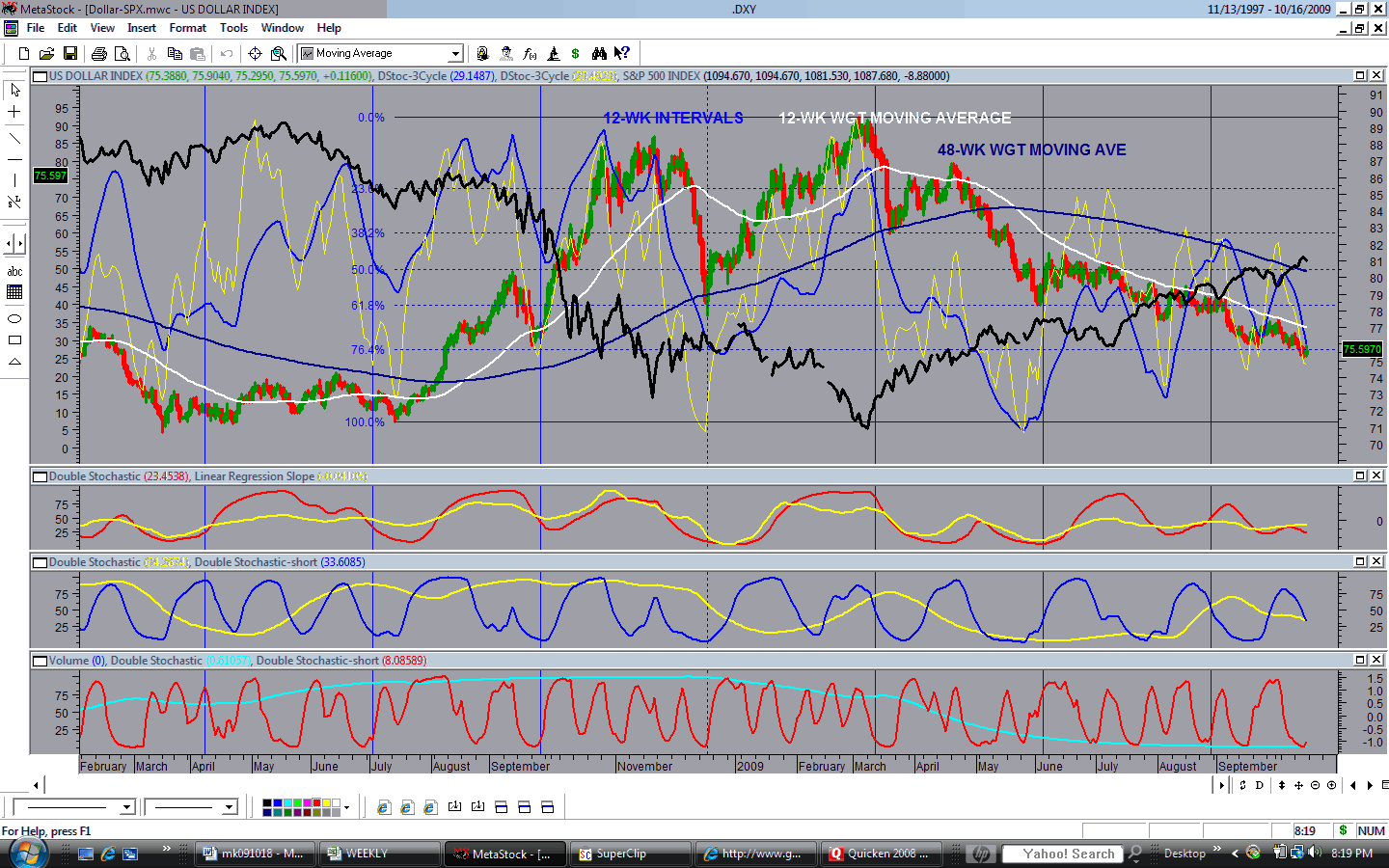
The dollar (http://www.geocities.com/petegersb/Dollar.GIF) remained in the tight range near its lows last week, but to hear the CNBC crowd, you’d have thought the minor rally late in the week was a major surge off of a long term low. It looks to me like a very short-term rally within a 10-week cycle downtrend that shouldn’t reach bottom for several more weeks. The downtrend will likely resume soon and produce more new lows during the next few weeks.
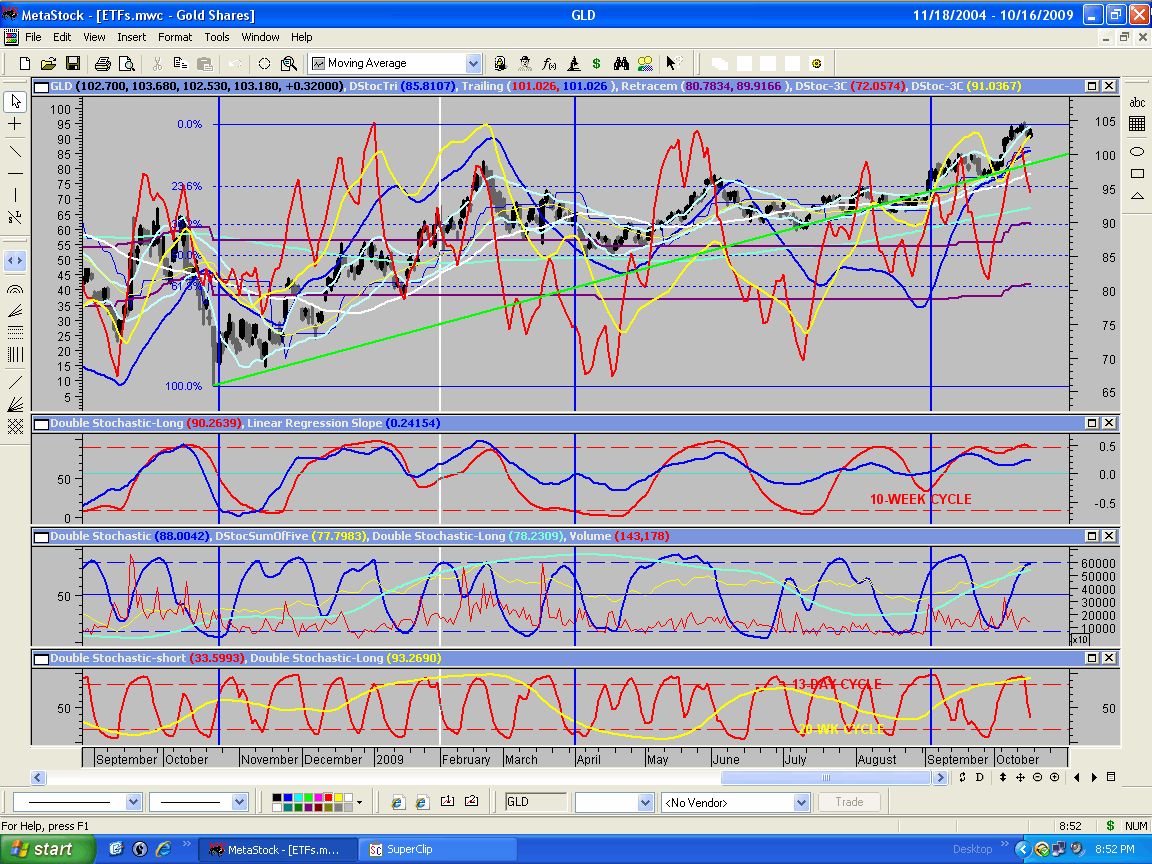
Gold (http://www.geocities.com/petegersb/GoldBullion.GIF) probably ended its 26-day cycle rally on Wednesday, and
sold off sharply of Friday. This short-term sell off should again find support
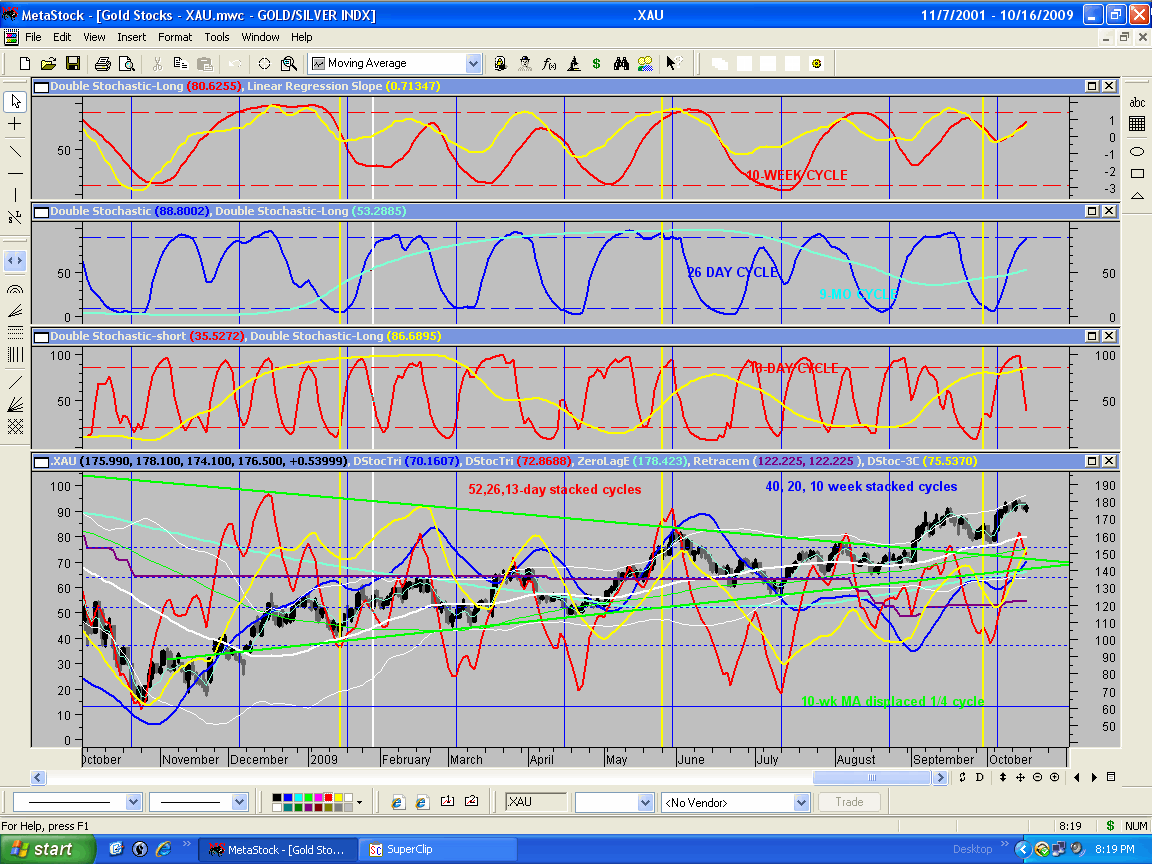
near 860 where it should be ripe for an intermediate bottom as well. Gold stocks as represented by the XAU
(http://www.geocities.com/petegersb/GoldStocks.GIF) also peaked on Wednesday, but for a change, they were
stronger than the metal. Its short-term composite did not turn down, but I
suspect it has begun a 26-day cycle correction as well. Its end should produce
a long-term buying opportunity.
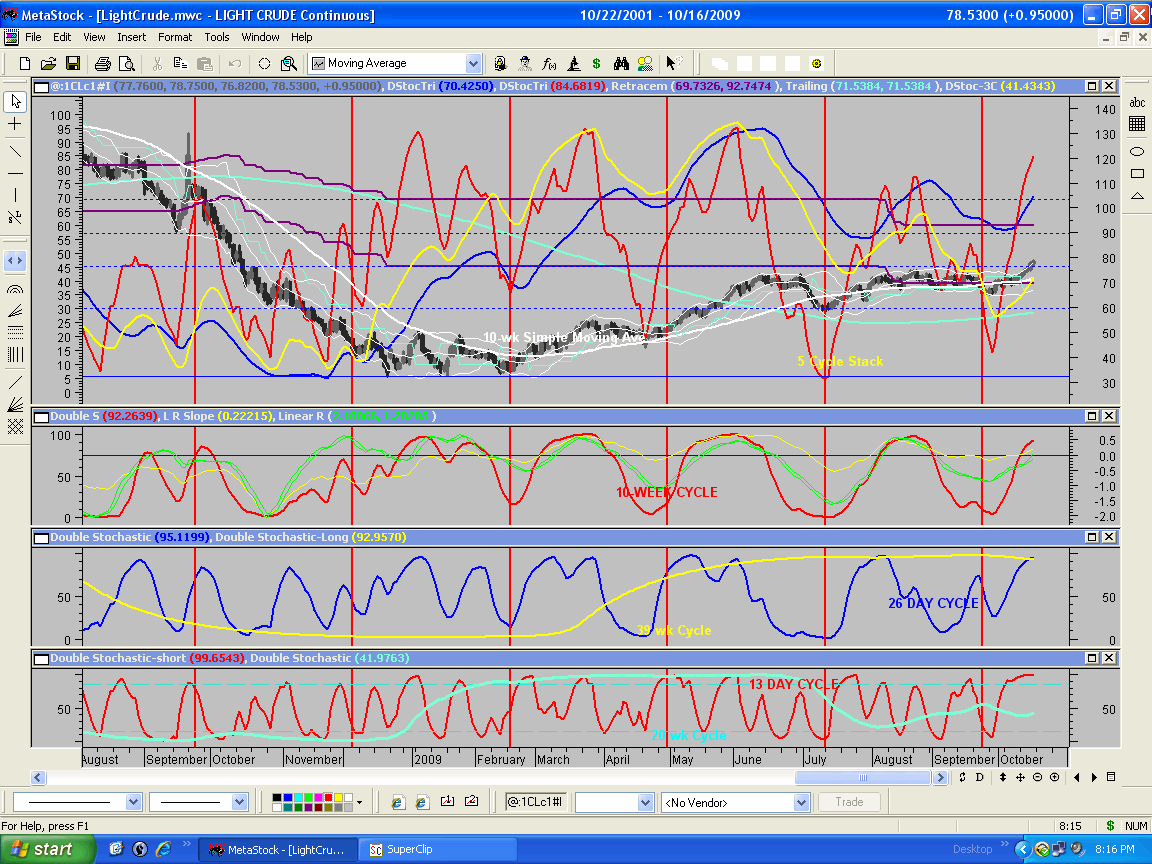
During a week when Crude oil (http://www.geocities.com/petegersb/CrudeOil.GIF) hit another new high above $116, John McCain proposed a fuel tax holiday during the summer driving months. Such shortsighted policies can only aggravate many of the formidable challenges our next president will have to face - our burdensome dependence on foreign oil, our unsustainable twin deficits, the warming of the globe and the associated climate disasters. By itself, temporarily suspending the gas tax may not have a large impact on these monumental problems, but it would certainly be another move in the wrong direction – one of many as McCain shifts from fairly rational policies 8 years ago to more and more irrational policies on energy, taxes, and climate change, as he shamelessly panders to the voters. It will be interesting to see if he introduces legislation to actually implement his proposal to stimulate energy demand at a time when we should be discouraging it. In any case, oil marched to new highs without the intervening short-term correction I had expected. While the 13 and 26-day cycle are very extended, the longer cycles and the composites indicate that still higher prices are in store before an intermediate peak.
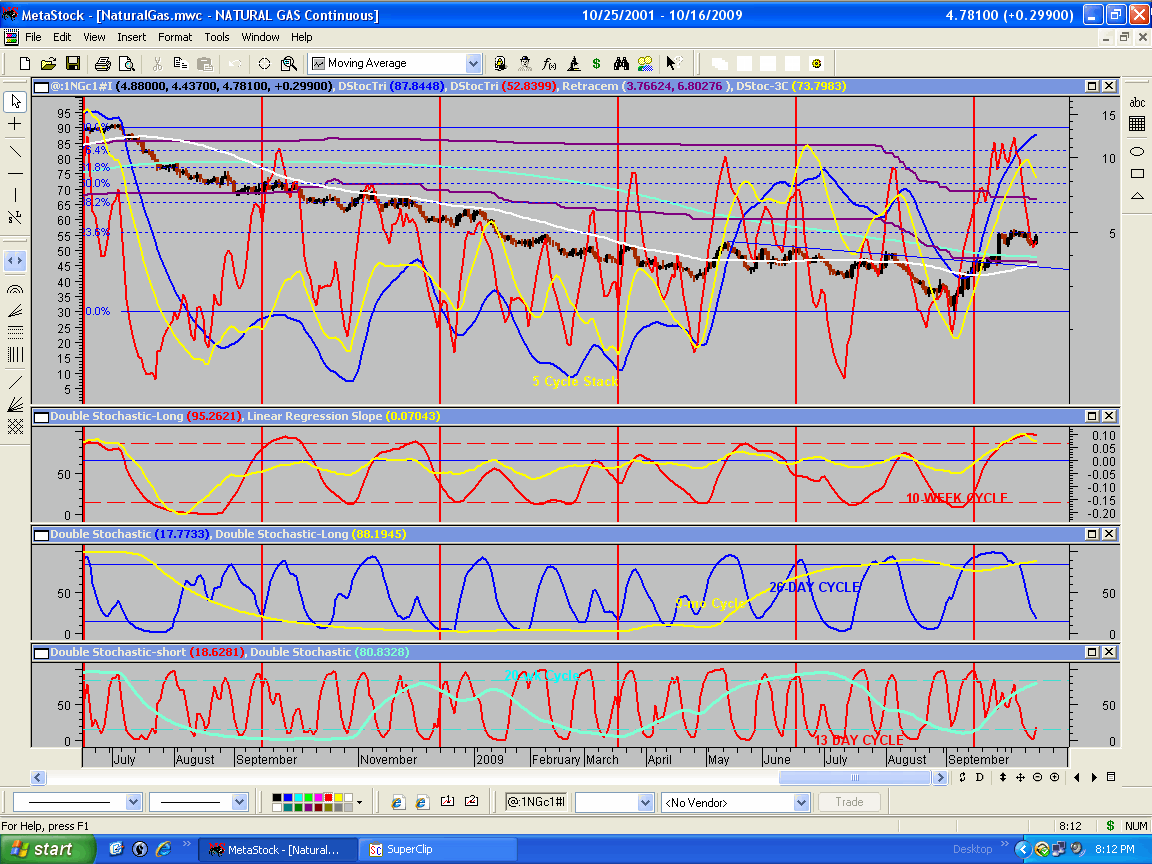
Natural
gas (http://www.geocities.com/petegersb/NaturalGas.GIF)
also continued its rally, moving to new
recovery highs on each of the last 3 days of the week. Despite overbought
9-month, 26-day and 13-day cycles, both short and intermediate composites
suggest more upside before any significant correction.
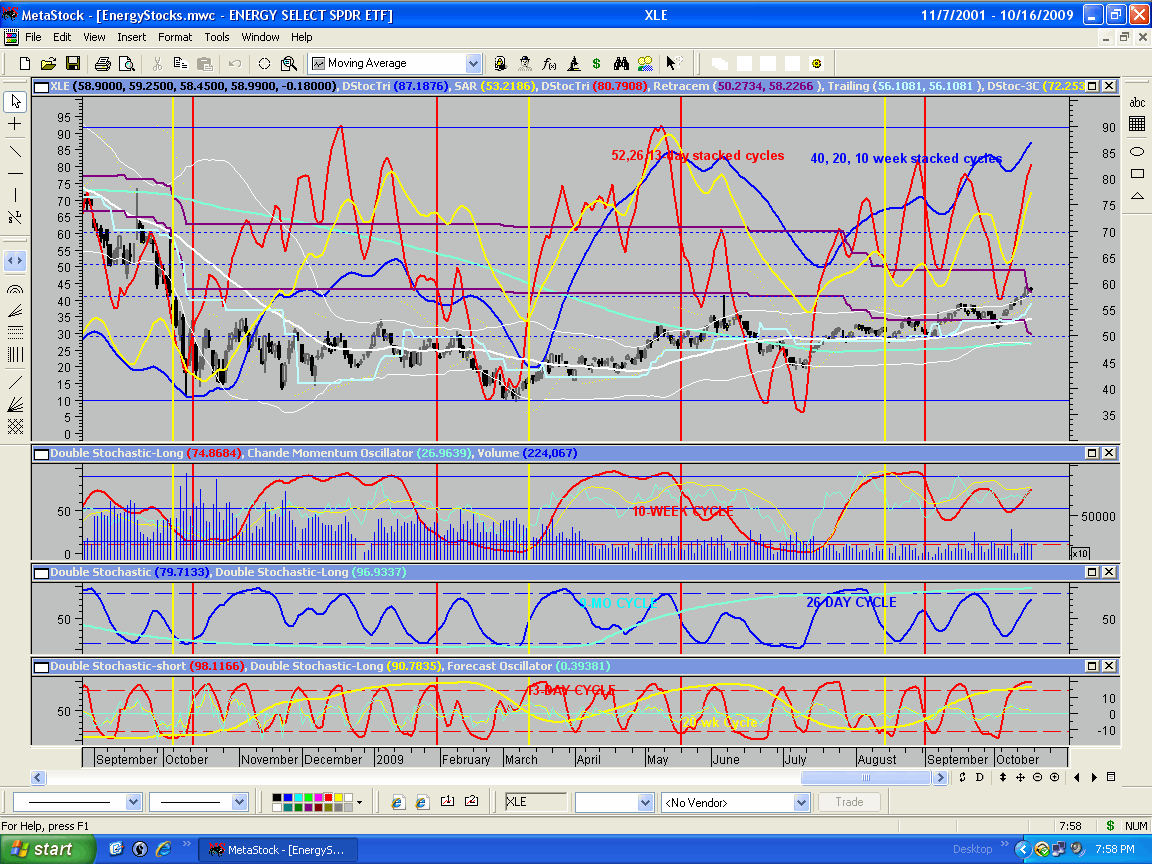
Energy
stocks (http://www.geocities.com/petegersb/EnergySPDR.GIF)
continued their month long surge last week,
defying my expectations of a short-term pullback. In a very strong week for
most stocks, Energy was again the strongest sector (http://stockcharts.com/charts/performance/SPSectors.html). At some point, Energy stocks will again pull back, but
with the 9-month cycle only 3 months old, and good reason to expect a right
translated peak, we can expect still higher prices to come.
Housing: The homebuilder ETF (http://www.geocities.com/petegersb/Homebuilders.GIF) joined the rally last week, but not strongly enough to match its April 7 short-term peak. Unless it can extend the rally beyond that level, the intermediate composite will turn down. This looks like a group that should be avoided even if the broad market continues to advance.
.