4/13/08
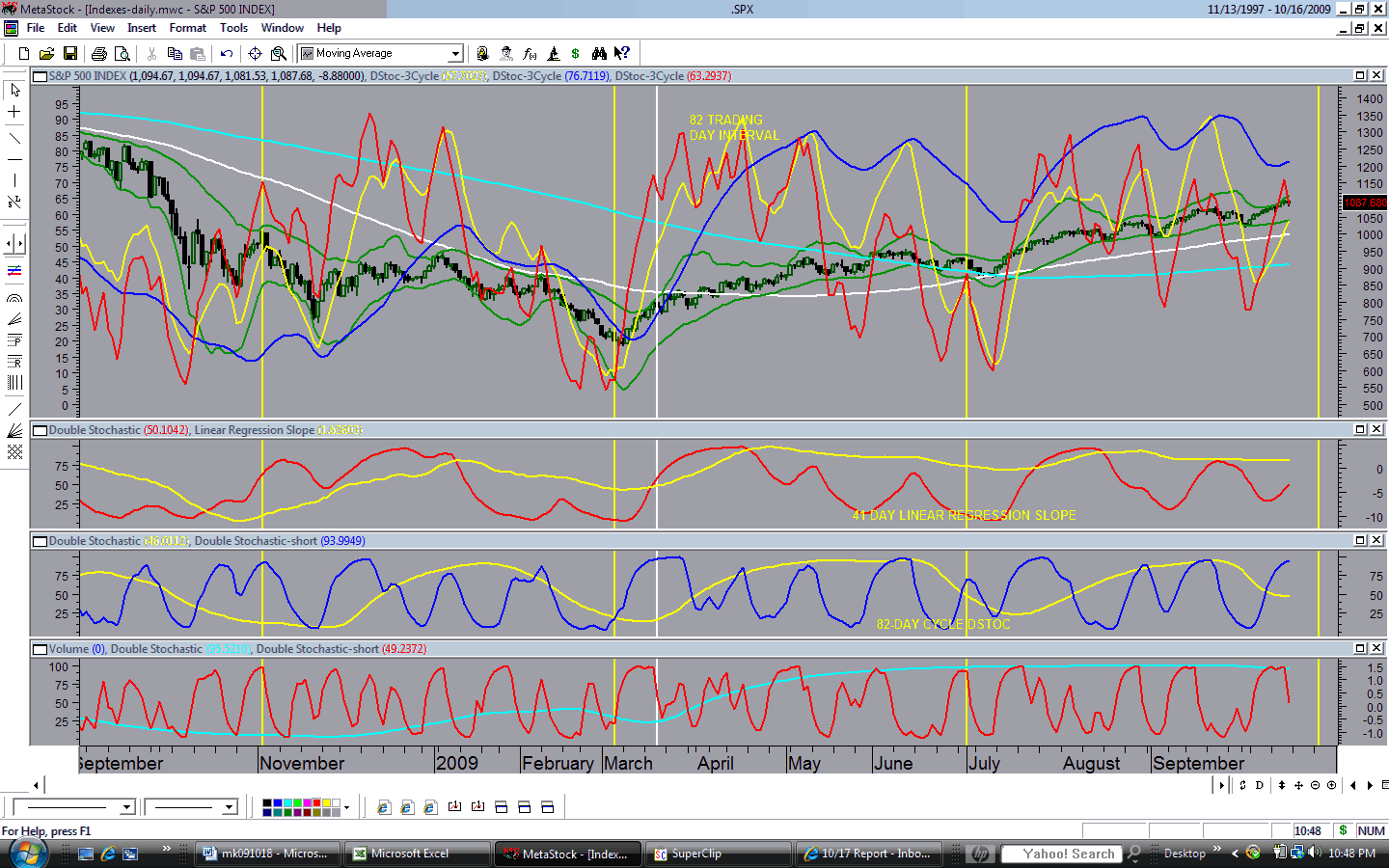
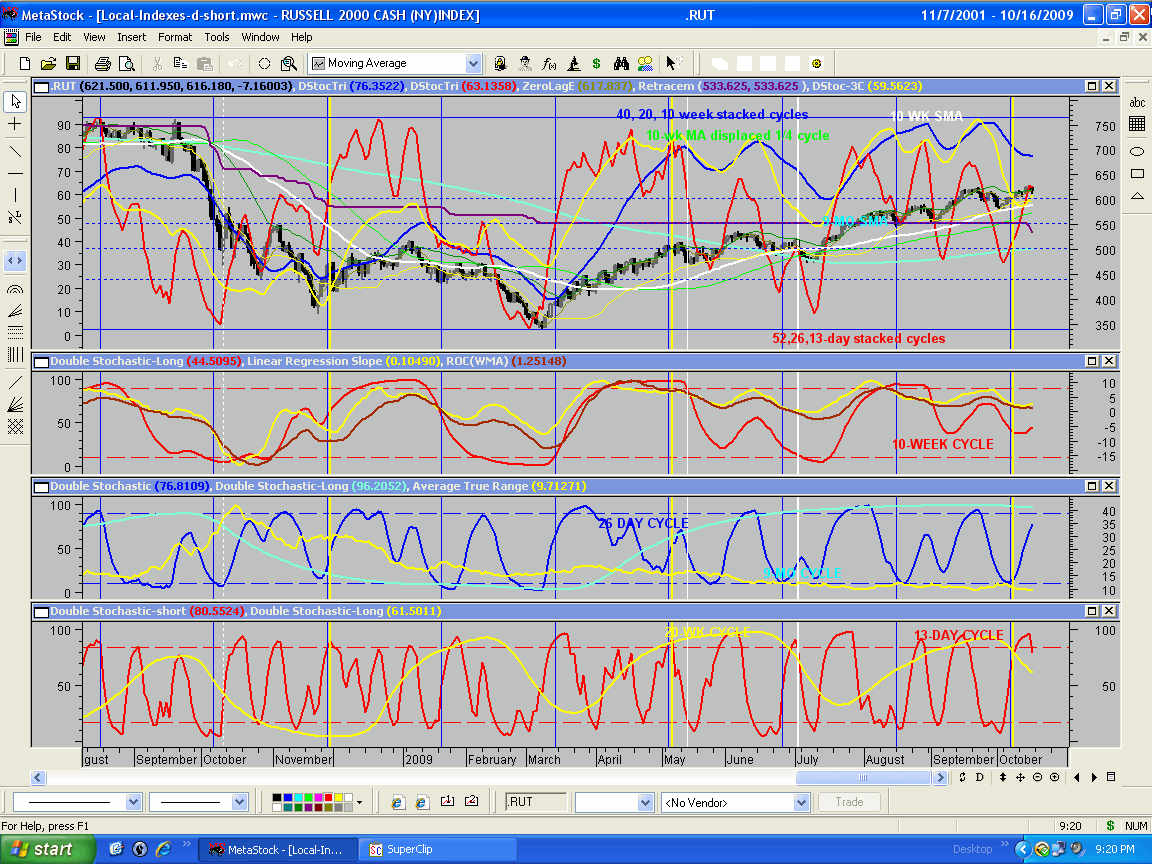
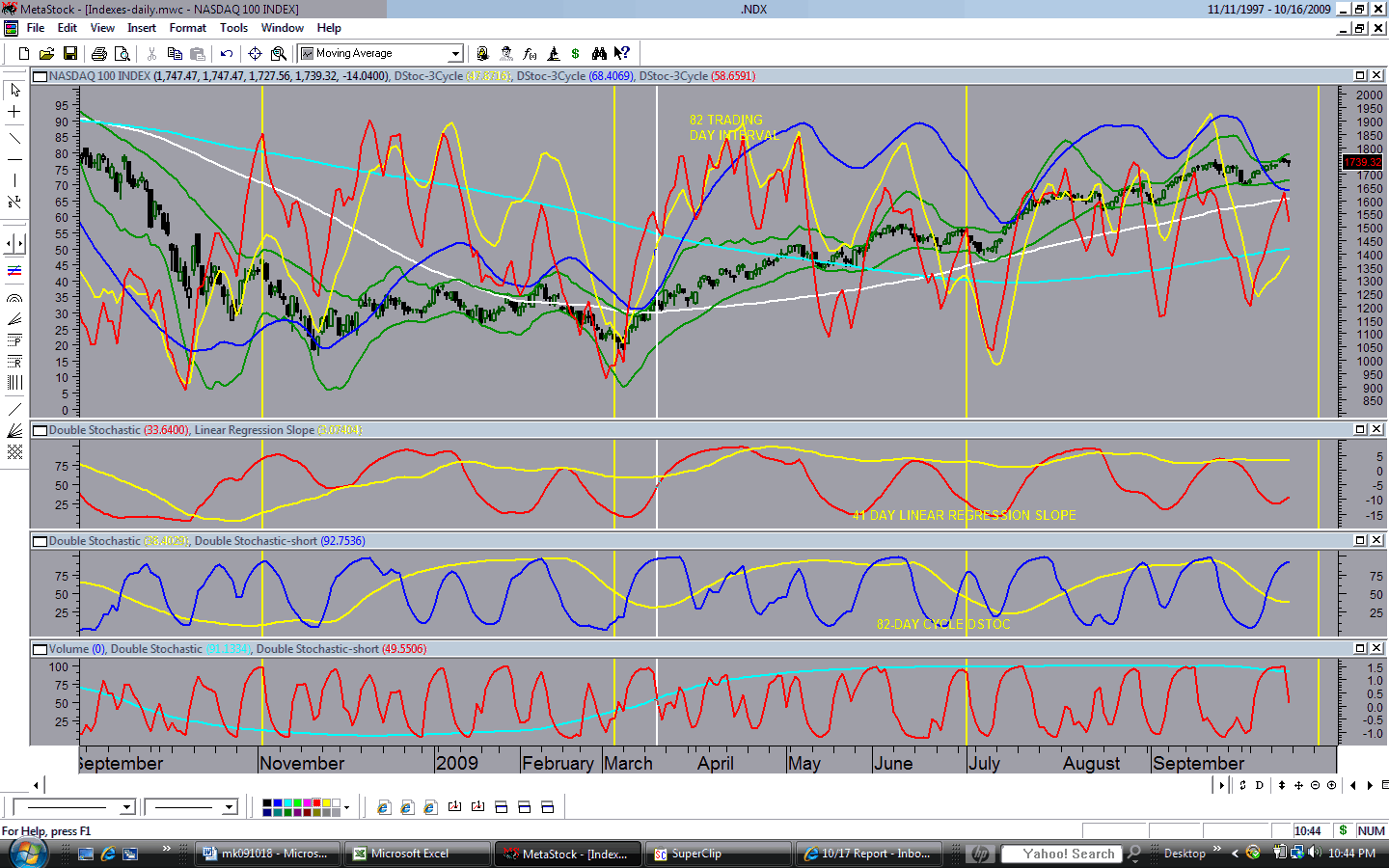
Last month the market demonstrated its ability to shrug off dismal economic news. Last week we learned that this irrational behavior does not extend to earnings disappointments – most notably by GE, which gave us a preview of a likely nasty earnings season. After struggling unsuccessfully for most of this month to extend its April Fools day rally beyond the stiff resistance at the late February 10-wk cycle peak, it made a final attempt on Monday. Again it proved too formidable an obstacle for a bear market rally. The S&P 500 large cap index (http://www.geocities.com/petegersb/SP500.GIF), Russell 2000 small cap index (http://www.geocities.com/petegersb/Russell2000.GIF), and most other indexes sold off for the rest of the week. The Nasdaq and Nasdaq 100 (http://www.geocities.com/petegersb/NDX.GIF) managed a higher 10-week cycle peak, but like the other indexes, their rallies met their demise at the 38% retracement of the October-March decline.
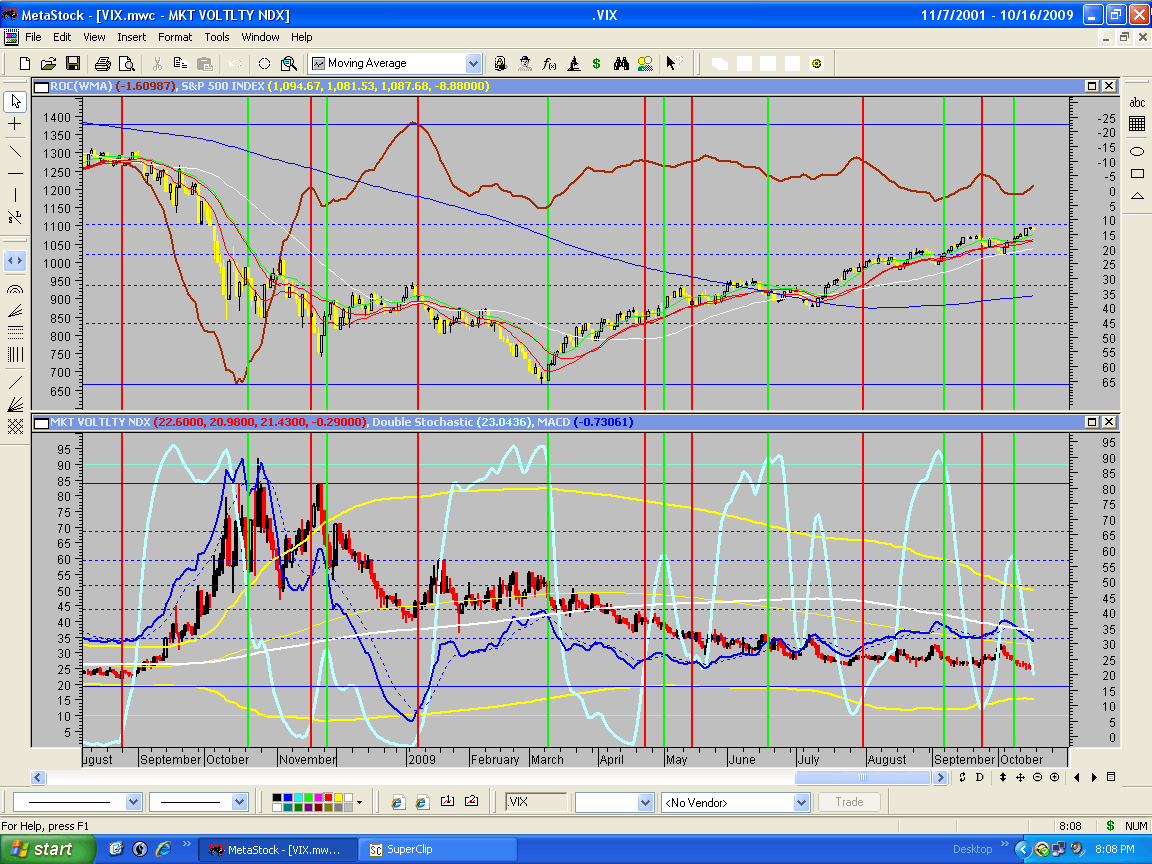
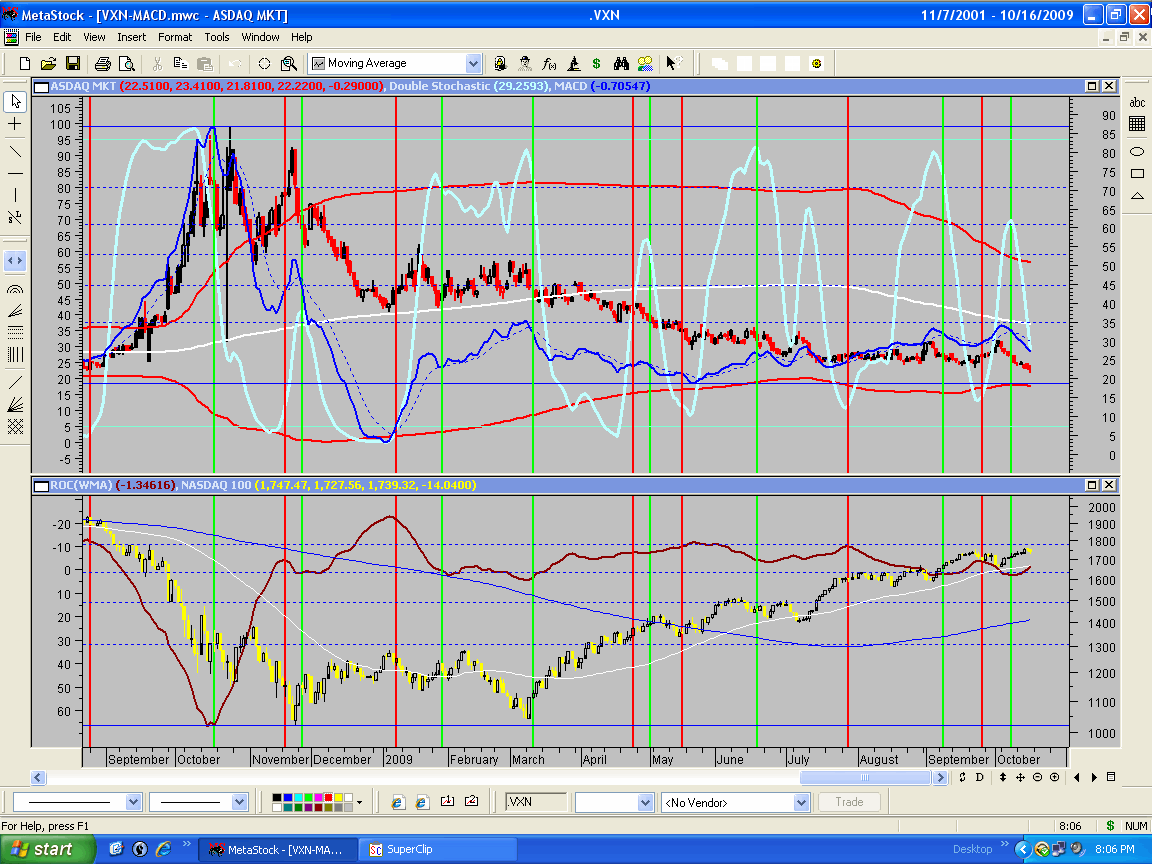
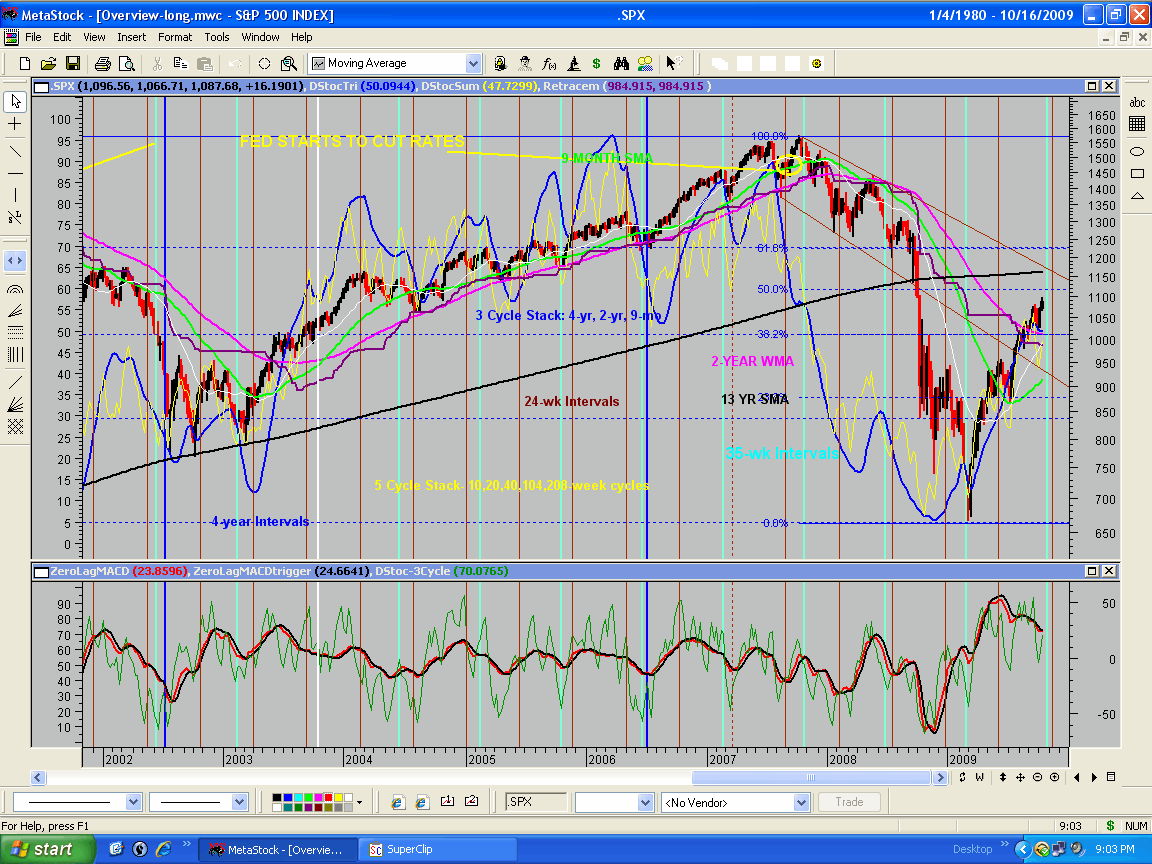
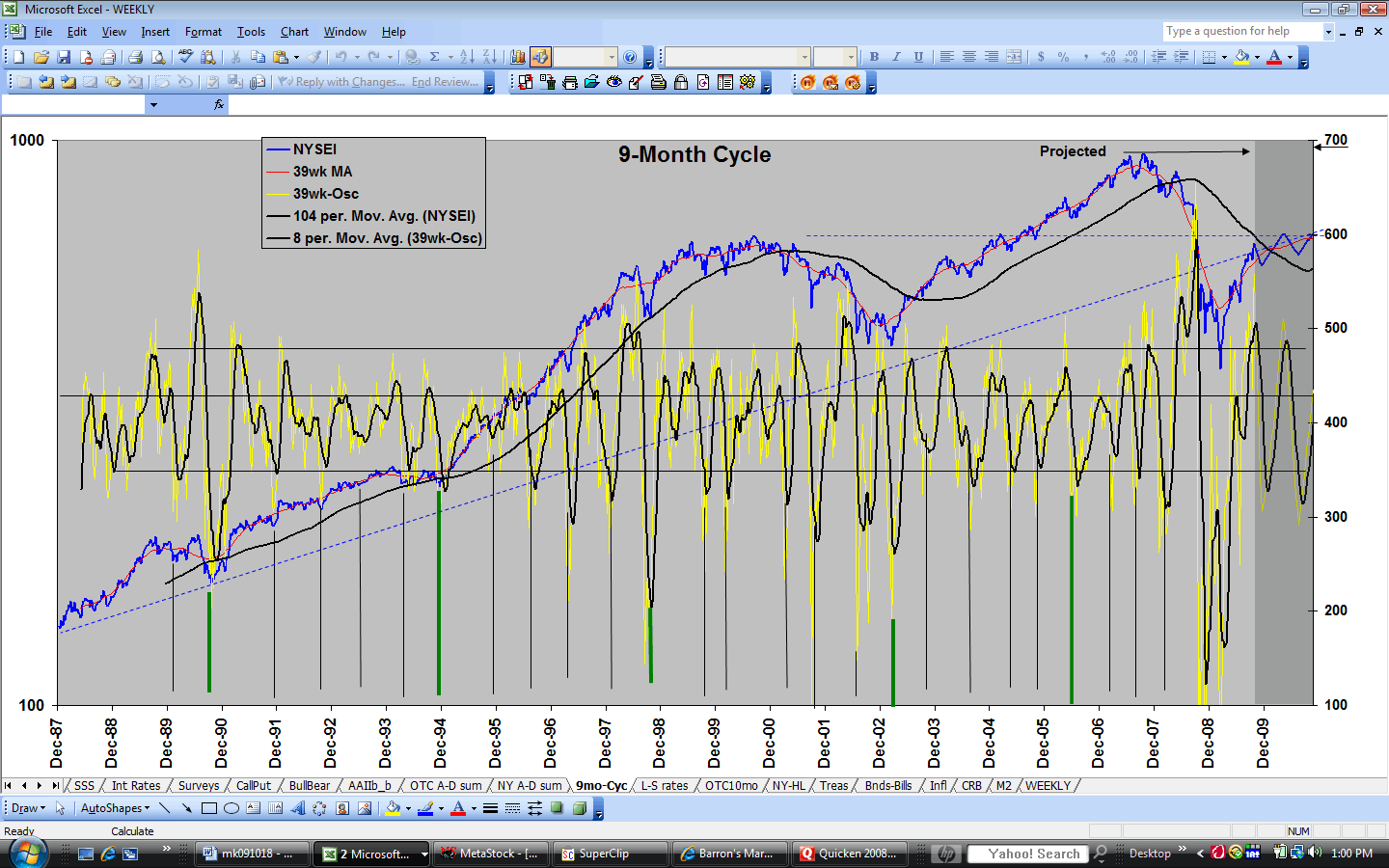
As I wrote last week: “The overbought conditions of the 20-wk, 26-day and 13-day cycles and their middle ages shouldn’t prevent a continuation of a rally in a bull market, but could do so in a continuing bear market. In a bear market, the 13 and 26-day cycles should peak by the middle of this week (if they didn’t do so Friday)…”. Clearly the 13 and 26-day cycles peaked on Monday, but it may have been more significant than that. Monday probably marked the peak of the 2nd 10-week cycle of the 2nd 20-wk cycle of the 9-month cycle that began in the middle of August. While some of the 10-wk cycle indicators have not yet turned down, the short-term composites did turn down from an extreme overbought condition, and that normally signals a 10-wk cycle downturn. The daily VIX and VXN (http://www.geocities.com/petegersb/VIX.GIF, http://www.geocities.com/petegersb/VXN.GIF) haven’t yet signaled a turn, but their declines have stalled at their 9-month moving averages – the turning point for all recent 10-wk cycles. Neither have the weekly VIX and VXN (http://www.geocities.com/petegersb/VIX-weekly.GIF, http://www.geocities.com/petegersb/VXN-weekly.GIF) signaled a peak for the 20-week cycle, and the weekly overview charts (http://www.geocities.com/petegersb/Overview-med.GIF, http://www.geocities.com/petegersb/Overview-long.GIF) don’t yet indicate a peak for either the 10 or 20-week cycles, but the indicators are in position to roll over if the market declines again this week as appears likely. We now have an 8-month-old 9-month cycle, a 12-week-old 20-week cycle, and a 4-week old 10-week cycle. If the 10-wk cycle has turned down, all of these cycles have now exhibited left-translated peaks, confirming that the bears are still in control. Another 6+/-3 weeks of decline would extend all of these cycles into the time frame that would mark the normal tolerances of their life spans. Consequently, I expect the 9-month (http://www.geocities.com/petegersb/9moNYA.GIF) and shorter cycles to reach bottom sometime between the beginning of May and early June. As always, we’ll have to wait for the market to confirm the accuracy of that forecast, but so far it’s been following the script quite well.
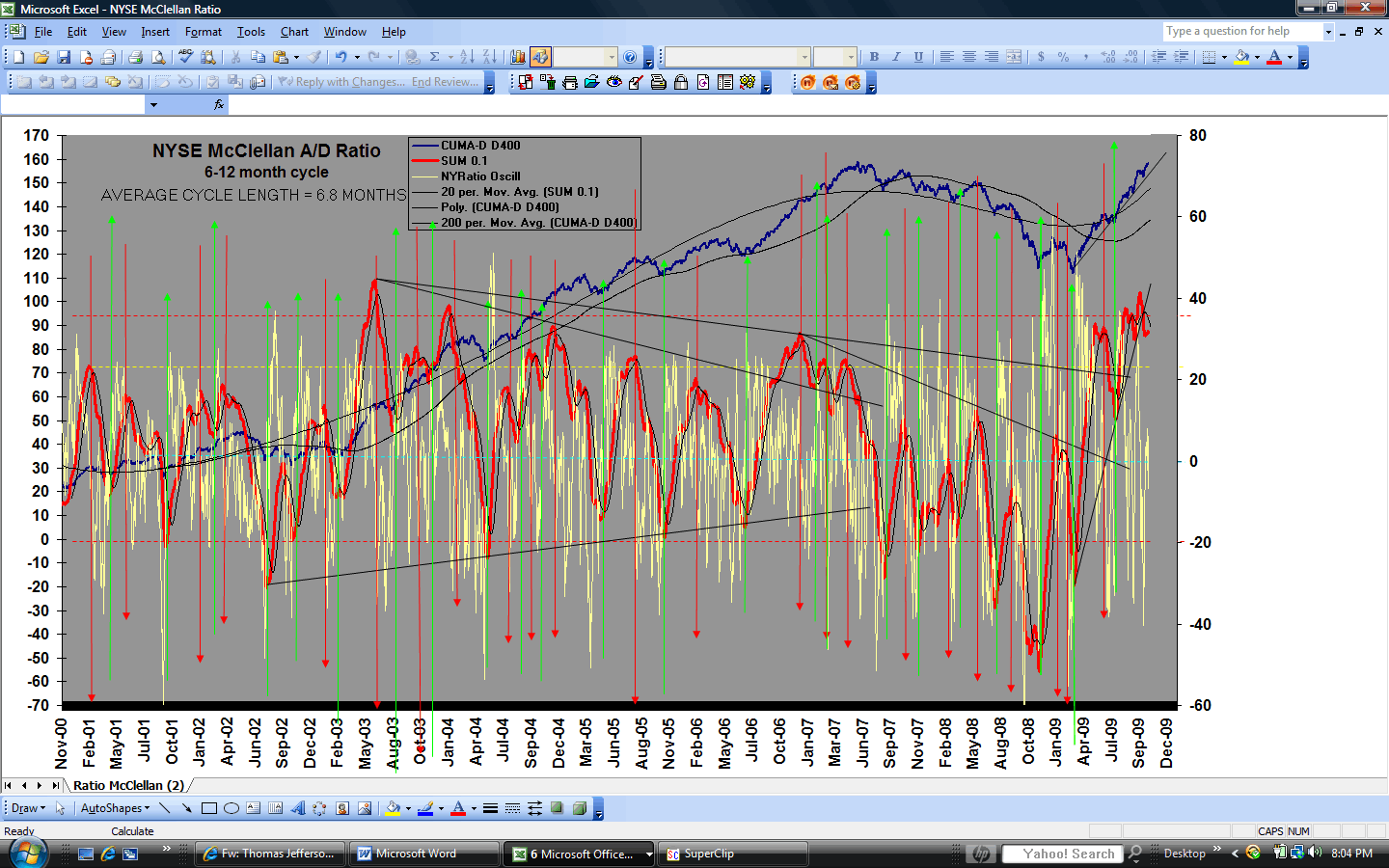
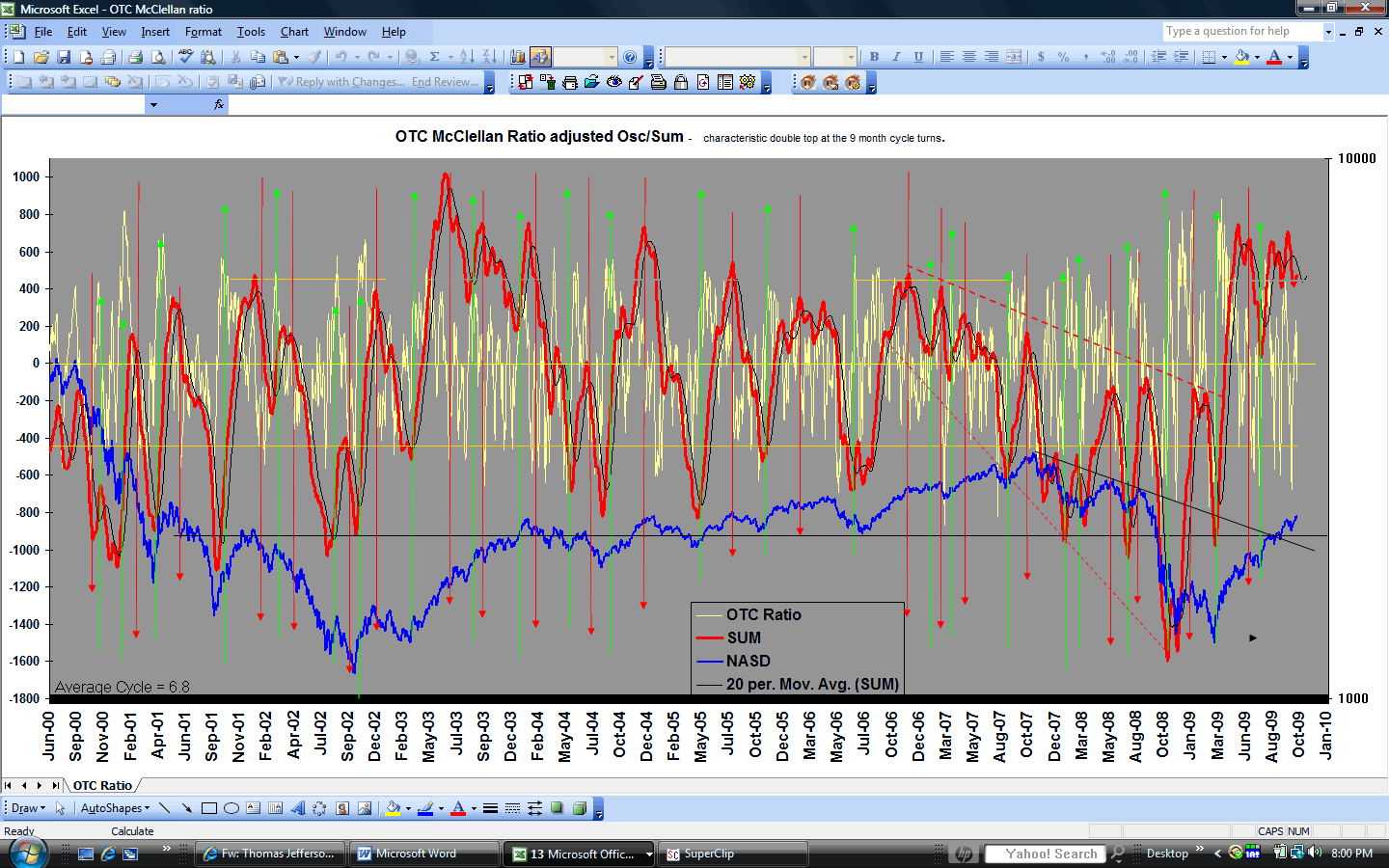
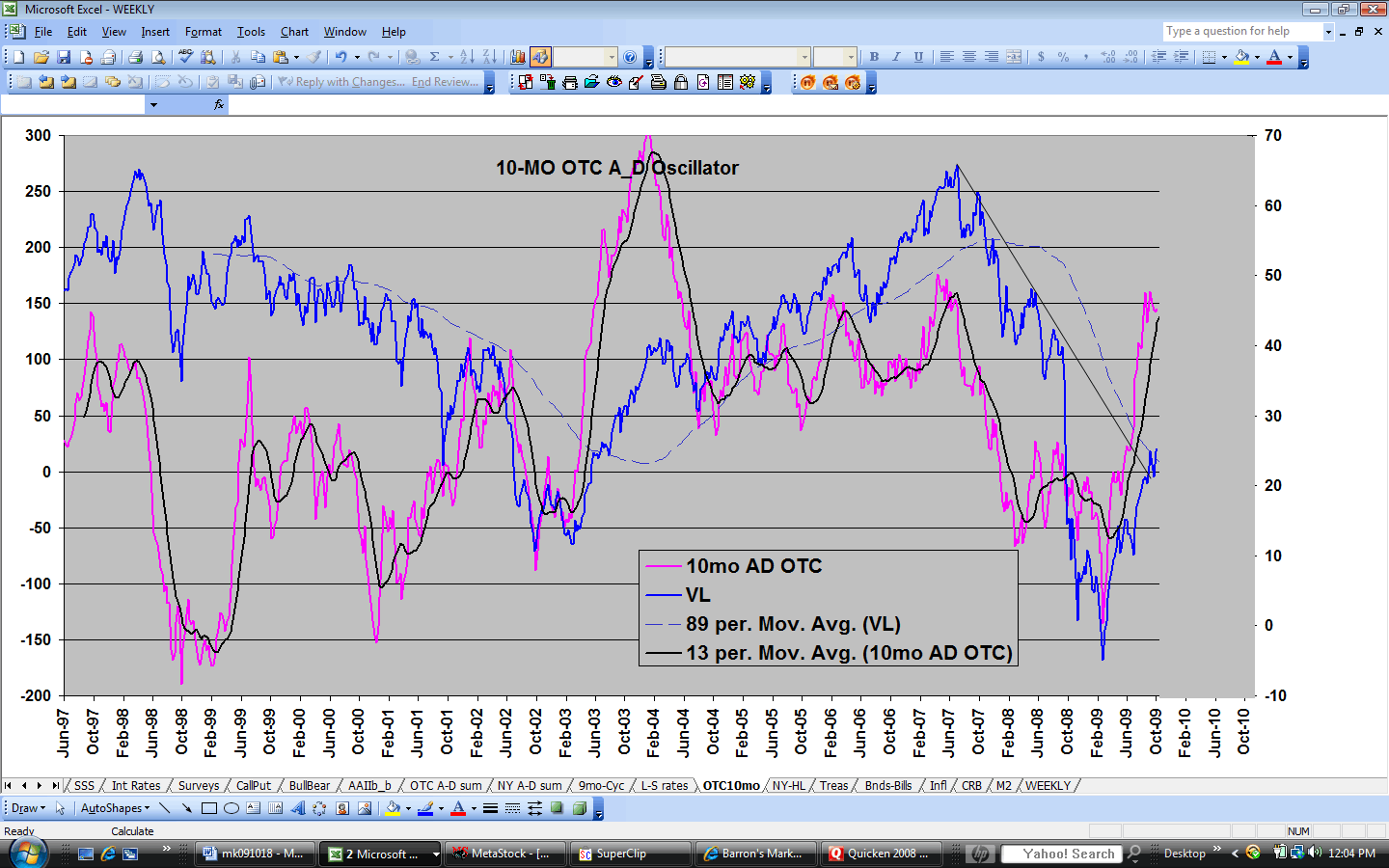
Some of the breadth indicators, which recently had been looking more upbeat, turned negative on Friday. Specifically, the McClellan A-D Summation indexes turned down – on the NYSE (http://www.geocities.com/petegersb/A-Dsummation-NYSE.GIF) from a lower high, and on the OTC (http://www.geocities.com/petegersb/A-Dsummation-OTC.GIF) from about the same level as the last two 10-week cycle downturns. The 10-month advance-decline oscillators (http://www.geocities.com/petegersb/10-mo_A-D_oscillator.GIF, http://www.geocities.com/petegersb/10-mo_A-D_oscillatorOTC.GIF ) maintained their bearish stance after narrowly averting a long-term buy signal for the Nasdaq last week.
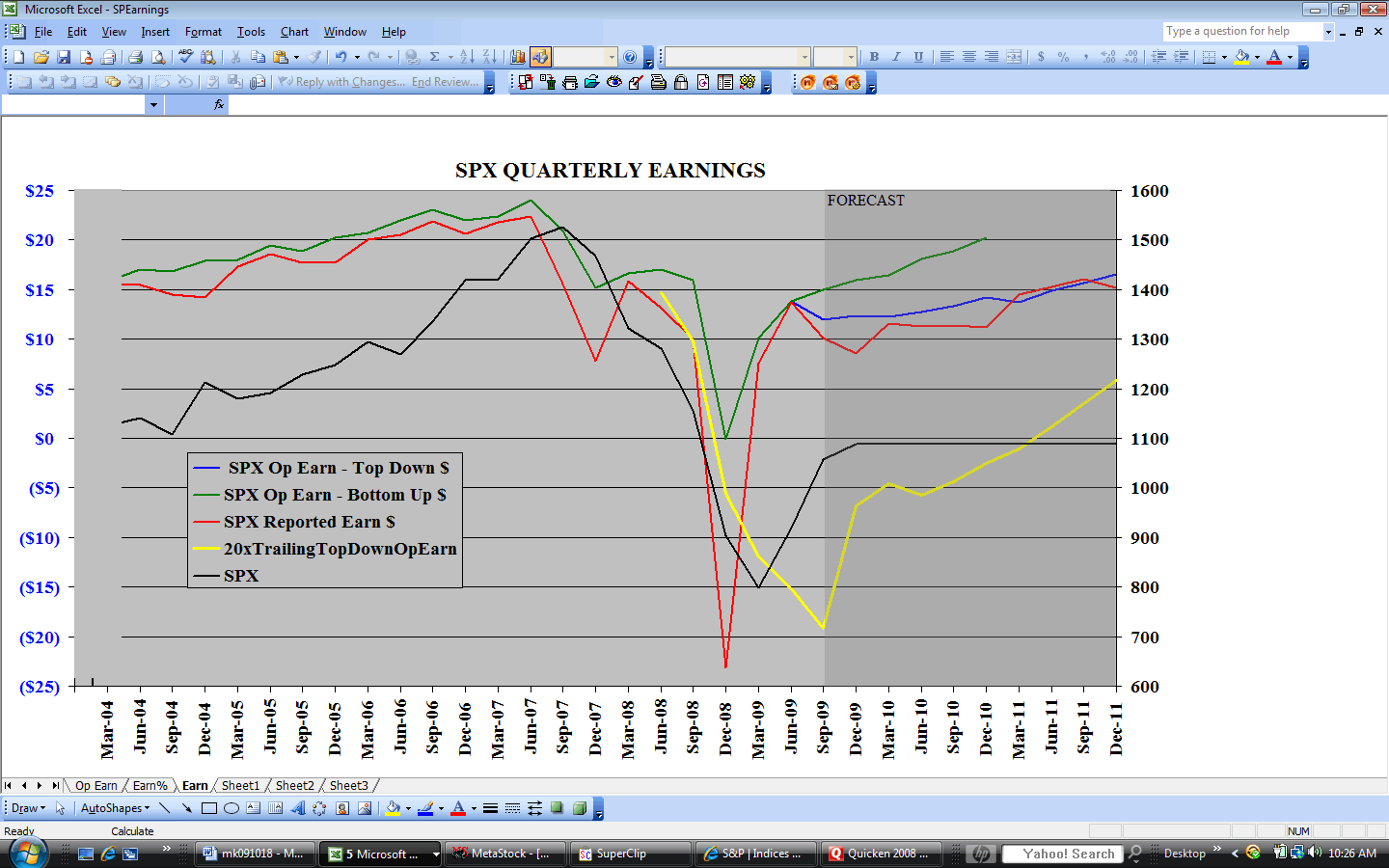
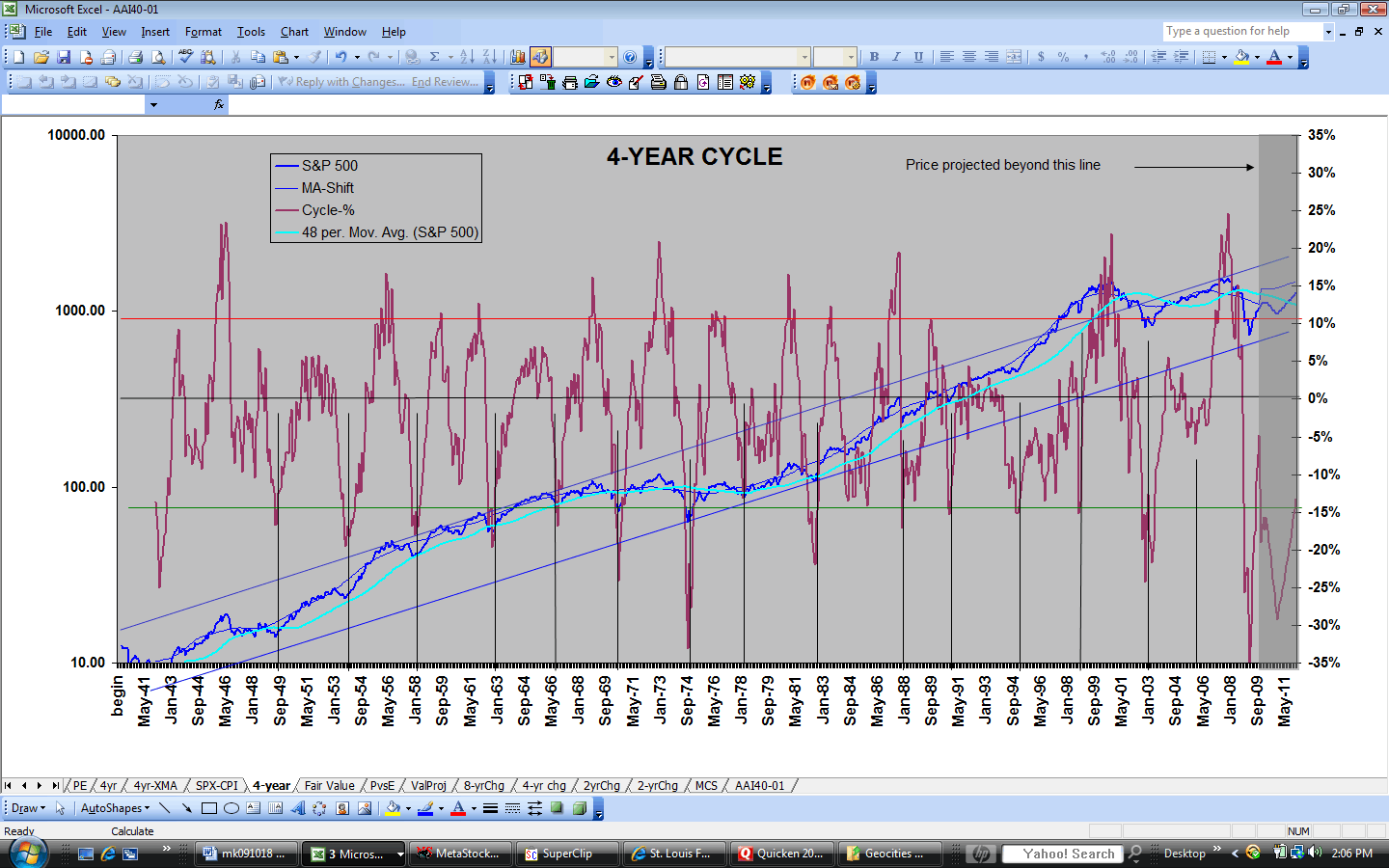
Friday’s decline seemed to be initiated by GE’s earnings disappointment, but it accelerated on a report that consumer confidence had reached its lowest level since 1982. That could actually be a hopeful sign that the market may at least be in the right year for a significant bottom. 1982 was the year that marked the beginning of the last great bull market. But I wouldn’t expect anything comparable to the 1982-2000 run because conditions are much different now. Ten-year treasuries were still paying double-digit interest rates in 1982, but interest rates had begun a decline that would last for 20+ years. That allowed the S&P price earnings multiples for stocks to expand from 7.3 in May of 1982 to a peak above 40 at the height of the bubble (http://www.geocities.com/petegersb/PE_Yld.GIF ). Now we have interest rates near a historic low, a P/E near 20 with earnings in a steep decline (http://www.geocities.com/petegersb/EarnY-Y.GIF), and a dividend yield of 2% vs. 6% in 1982. Clearly the P/E isn’t going to expand by a factor of 5 or 6 from this level. It’s far more likely that we will see a declining P/E going forward as interest rates rise back to a more normal level. So the P will be struggling even if the E recovers later this year and next, as S&P optimistically predicts. So enjoy the first 9-month cycle rally of the coming delayed (and probably abbreviated) 4-year cycle (http://www.geocities.com/petegersb/4YearCycle.GIF). It may be the only rally that looks like a bull market for quite some time.
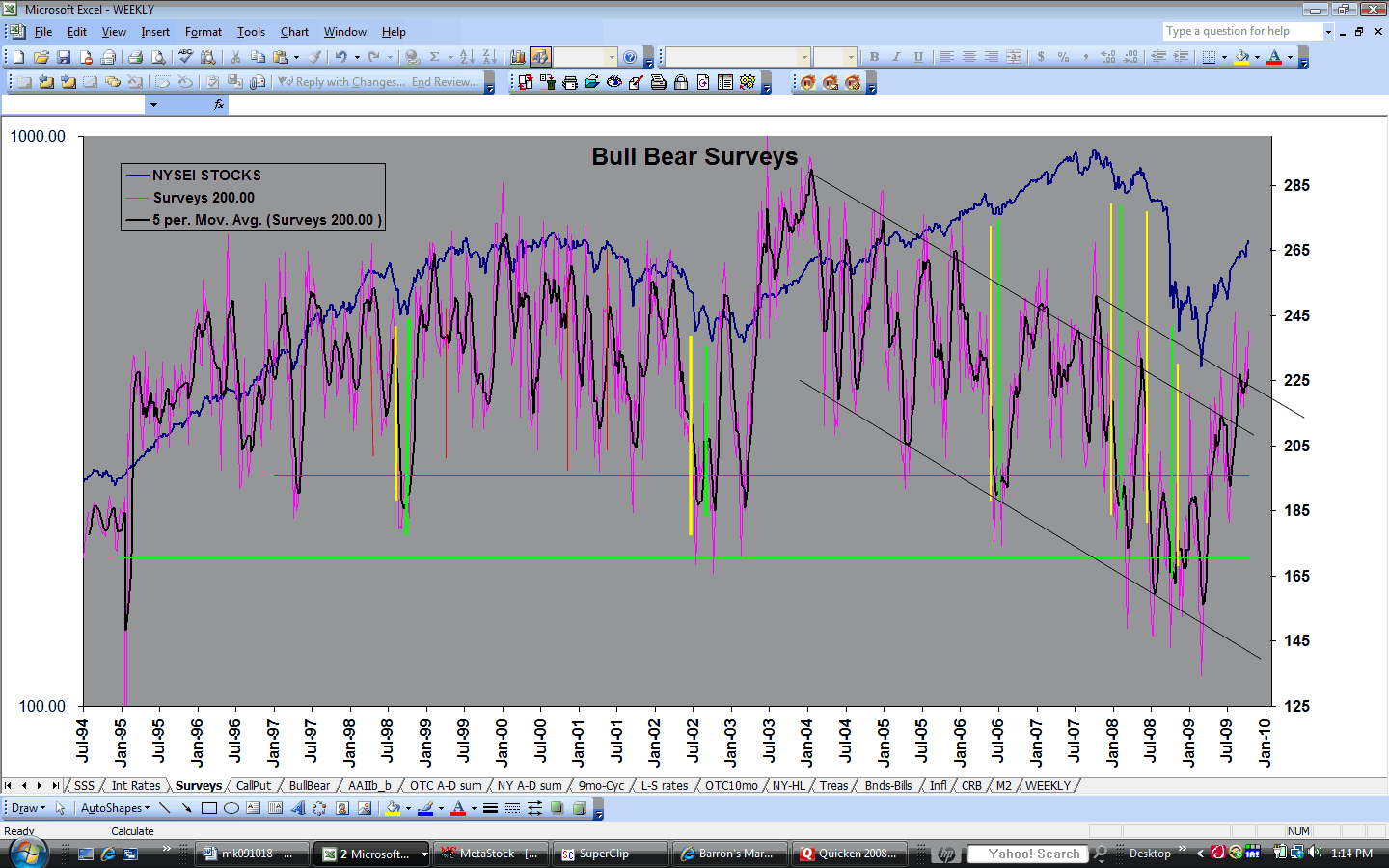
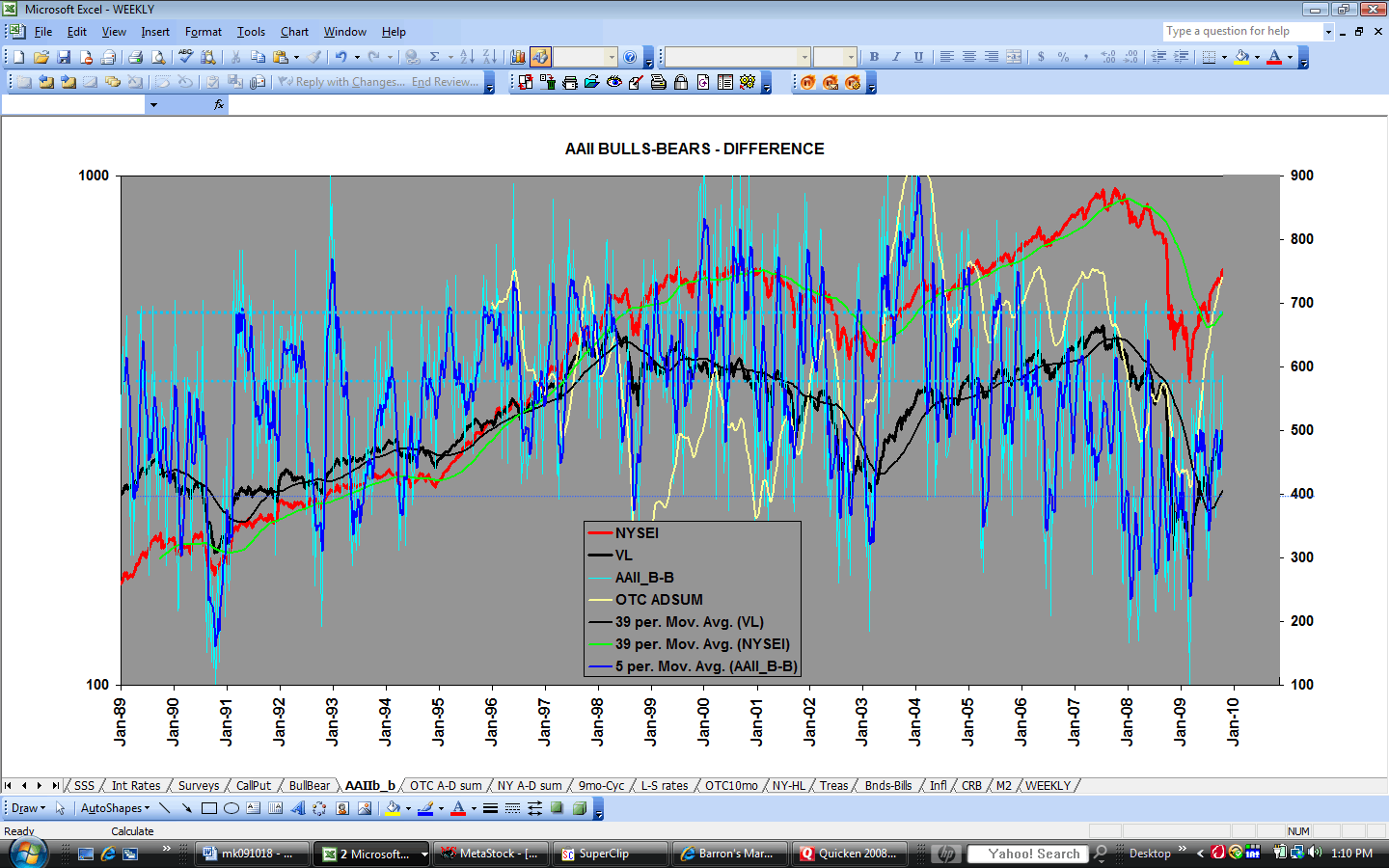
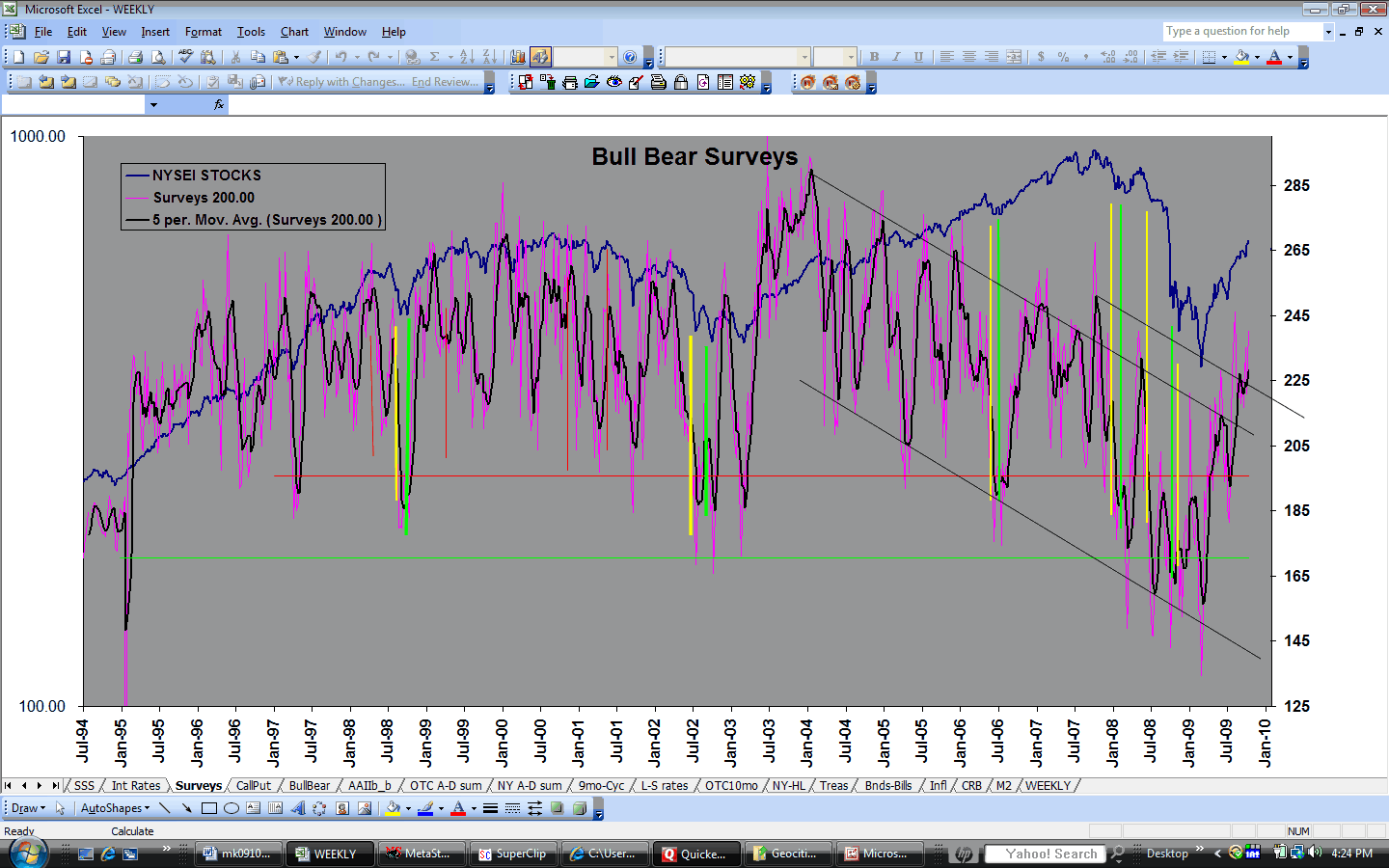
Advisory services (http://www.geocities.com/petegersb/InvestorsIntelligence.GIF) and AAII members (http://www.geocities.com/petegersb/AAIIsentiment.GIF) continue to disagree about the direction of stocks, but the combination makes a strong argument for the bull case. Combined sentiment (http://www.geocities.com/petegersb/SurveysCombined.GIF) has turned up from the deepest level of pessimism since the beginning of the late 90’s bull market. I have to add one caveat this week, however. Double bottoms are the norm for this indicator, and with the March low coming in well below the January low, we probably need a second low in a few weeks to seal the deal.
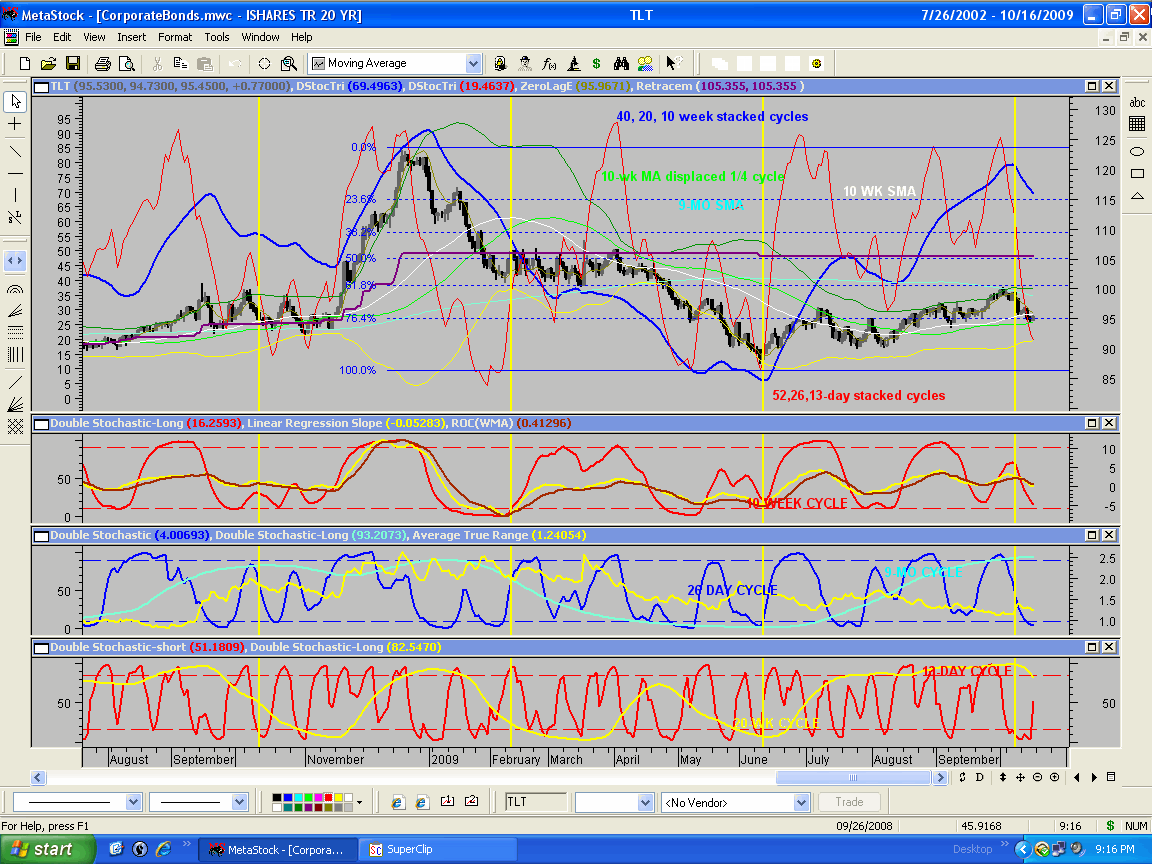
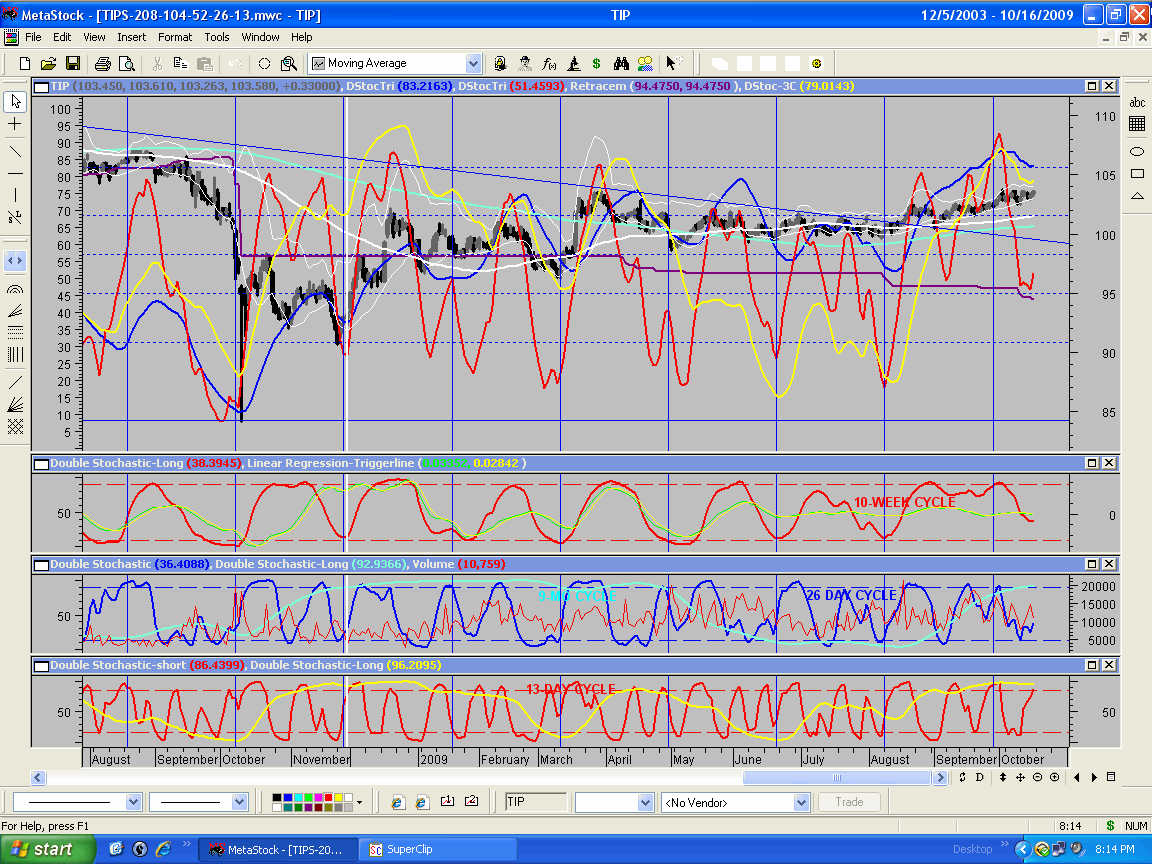
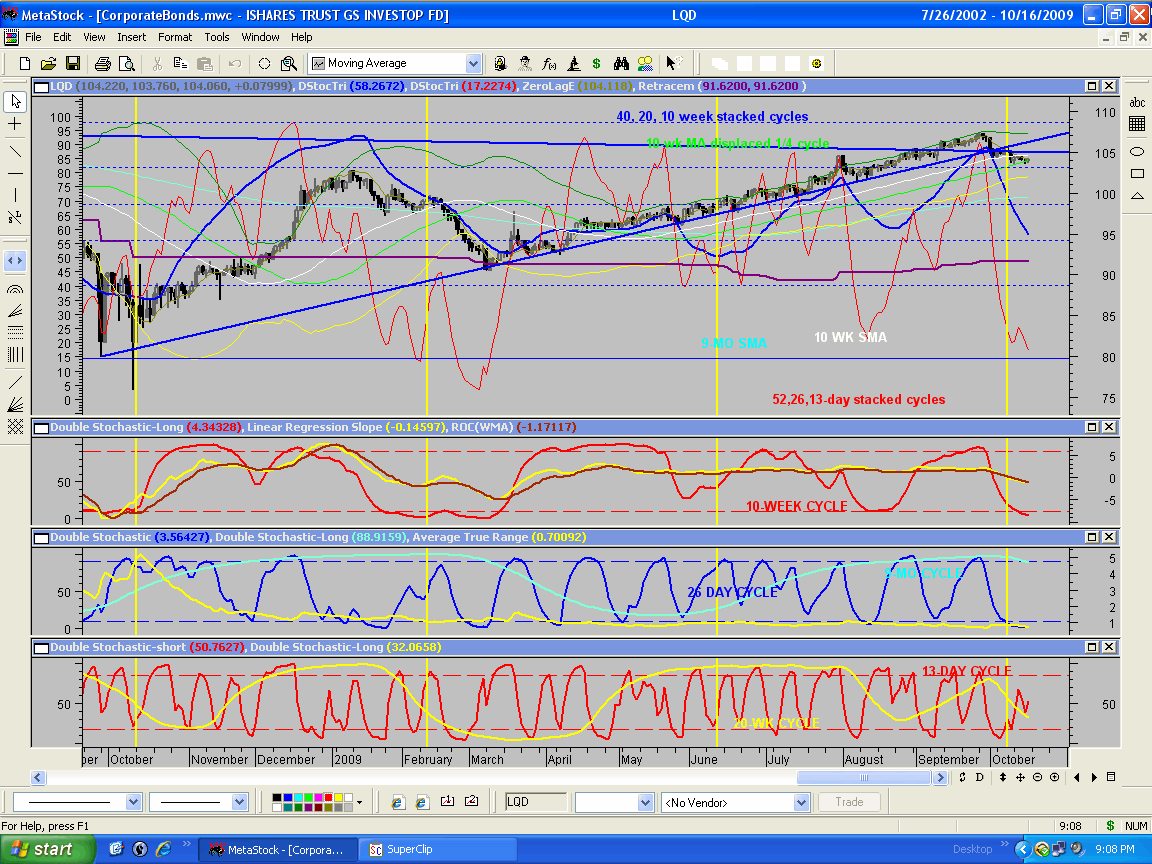
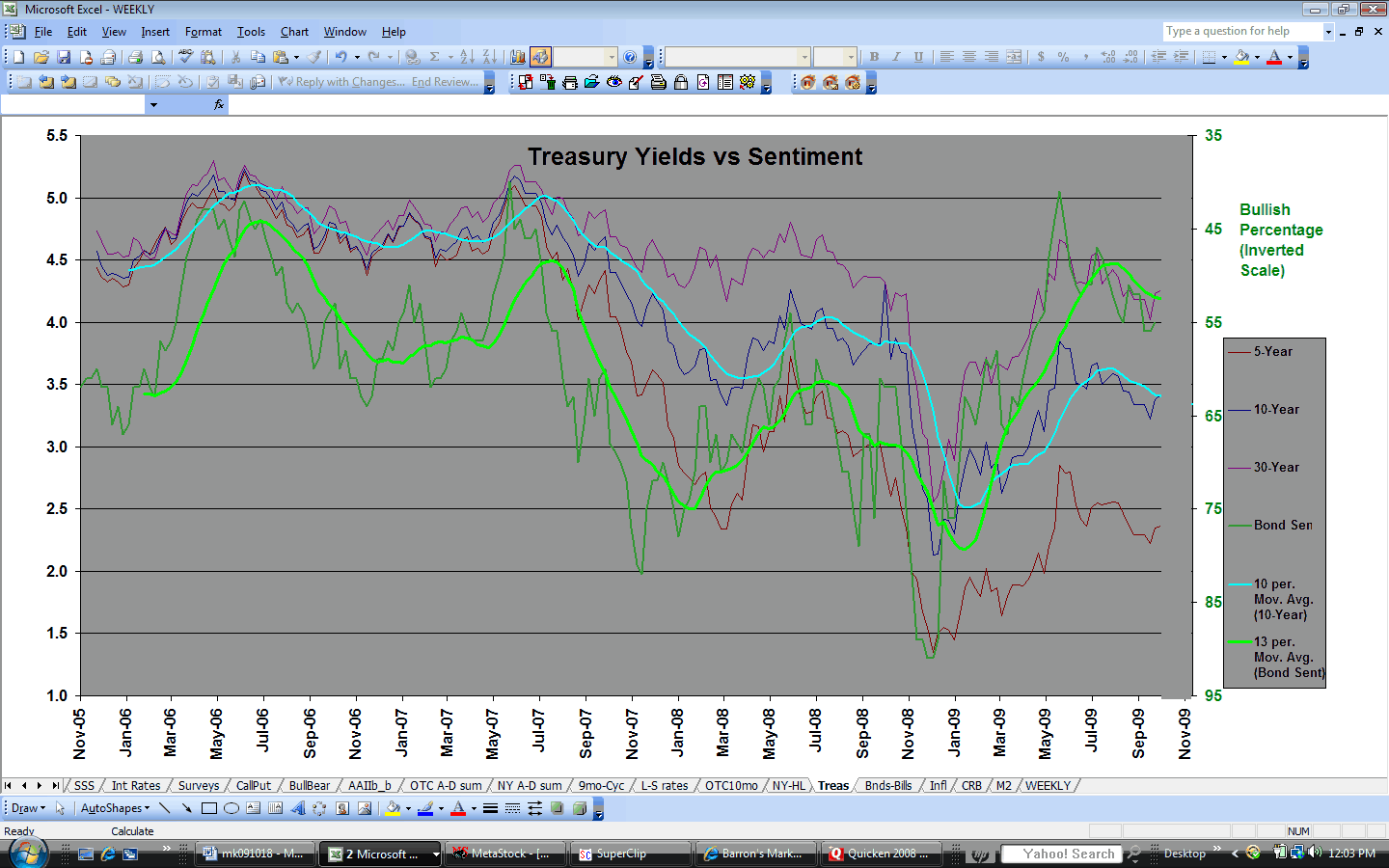
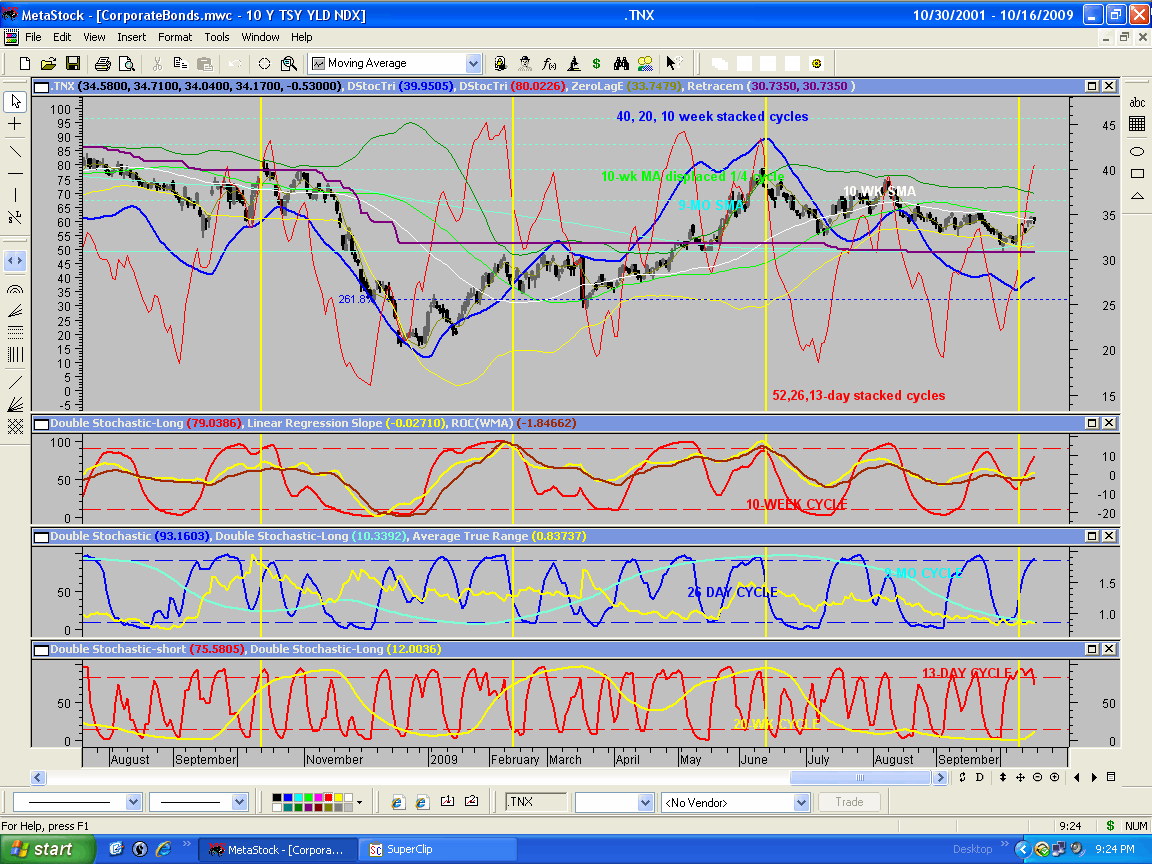
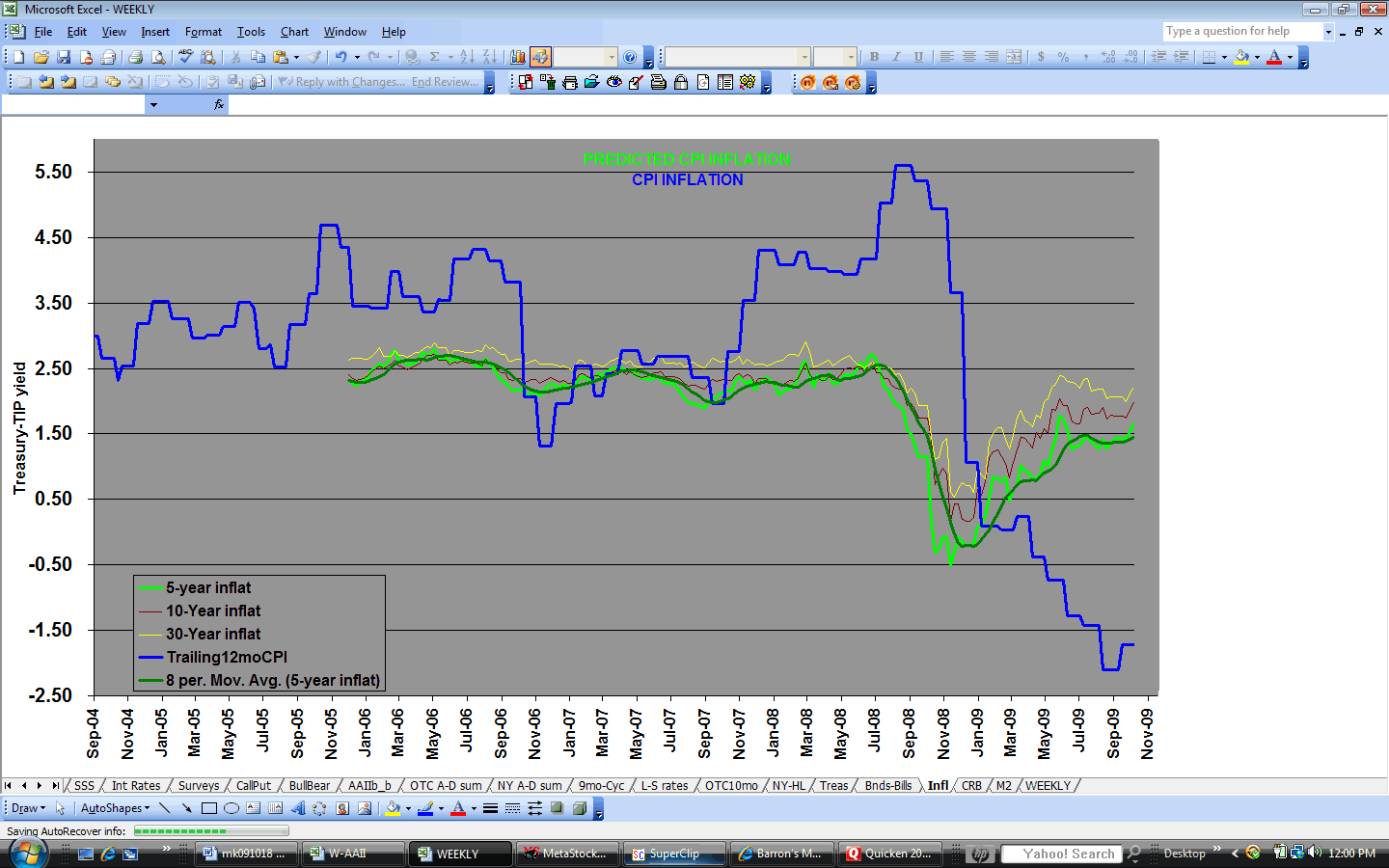
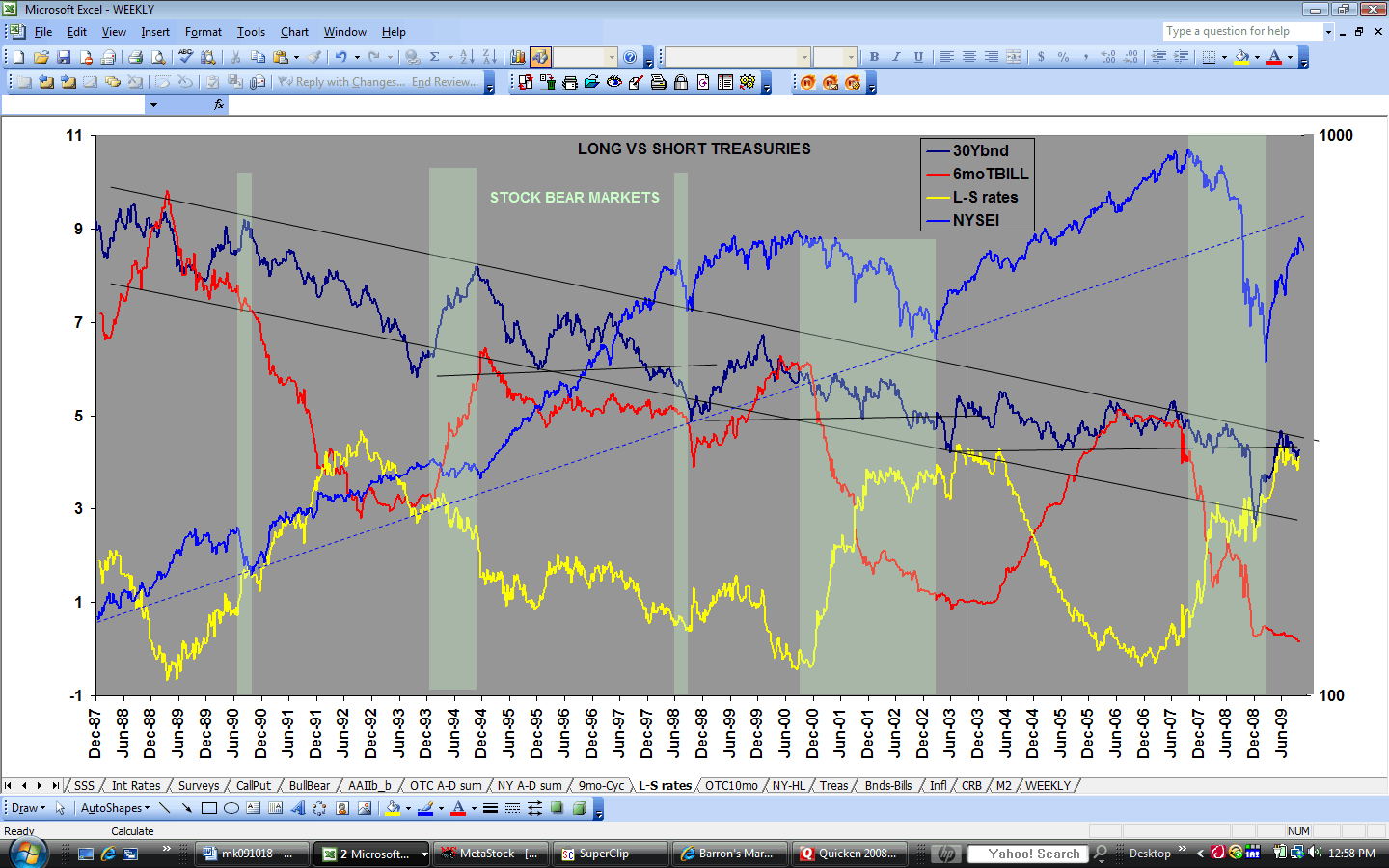
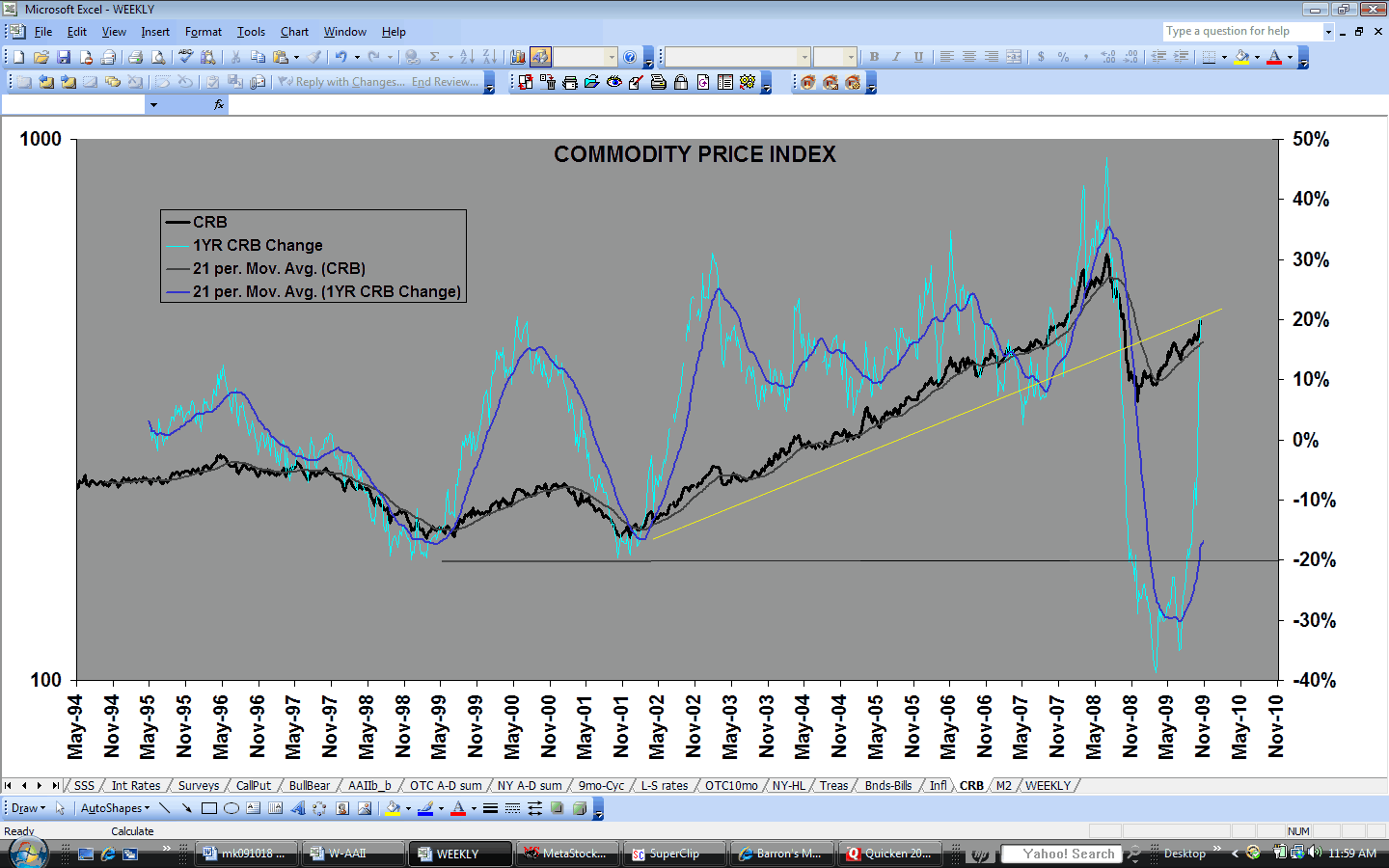
The short-term Bond rally within a 10-wk cycle downtrend that that I expected last week materialized for conventional T-bonds (http://www.geocities.com/petegersb/Treasury-20yr.GIF) and TIPS (http://www.geocities.com/petegersb/TIPs.GIF). But corporate bonds (http://www.geocities.com/petegersb/CorporateBonds.GIF) turned down from an overbought short-term peak. In all cases, cycle trends are mixed so large moves in either direction appear unlikely in the near term. Bond sentiment (http://www.geocities.com/petegersb/BondSentiment.GIF) suggests yields (http://www.geocities.com/petegersb/TreasuryYield-10yr.GIF) will rise when a trend does develop. In the intermediate term, TIPs look like the best bet on both a technical and fundamental basis. Next week’s CPI (http://www.geocities.com/petegersb/CPI.GIF) report has the potential to nudge bonds one direction or the other. If it comes in with the consensus 0.3% gain, the year-over-year increase will drop to 3.4% from 4.03% - still well above the rate predicted by the TIP yield spread. The halt in the rise of the yield curve (http://www.geocities.com/petegersb/Long-ShortYields.GIF) persisted last week. It could be an indication that Fed is about ready to stop cutting rates. If the PPI and CPI start reflecting the surge in the CRB index (http://www.geocities.com/petegersb/CRB.GIF), it should make the Fed reluctant to cut if it is to maintain any inflation fighting credentials. If it doesn’t cut at the next meeting, it may be the catalyst that produces a climactic sell off for stocks.
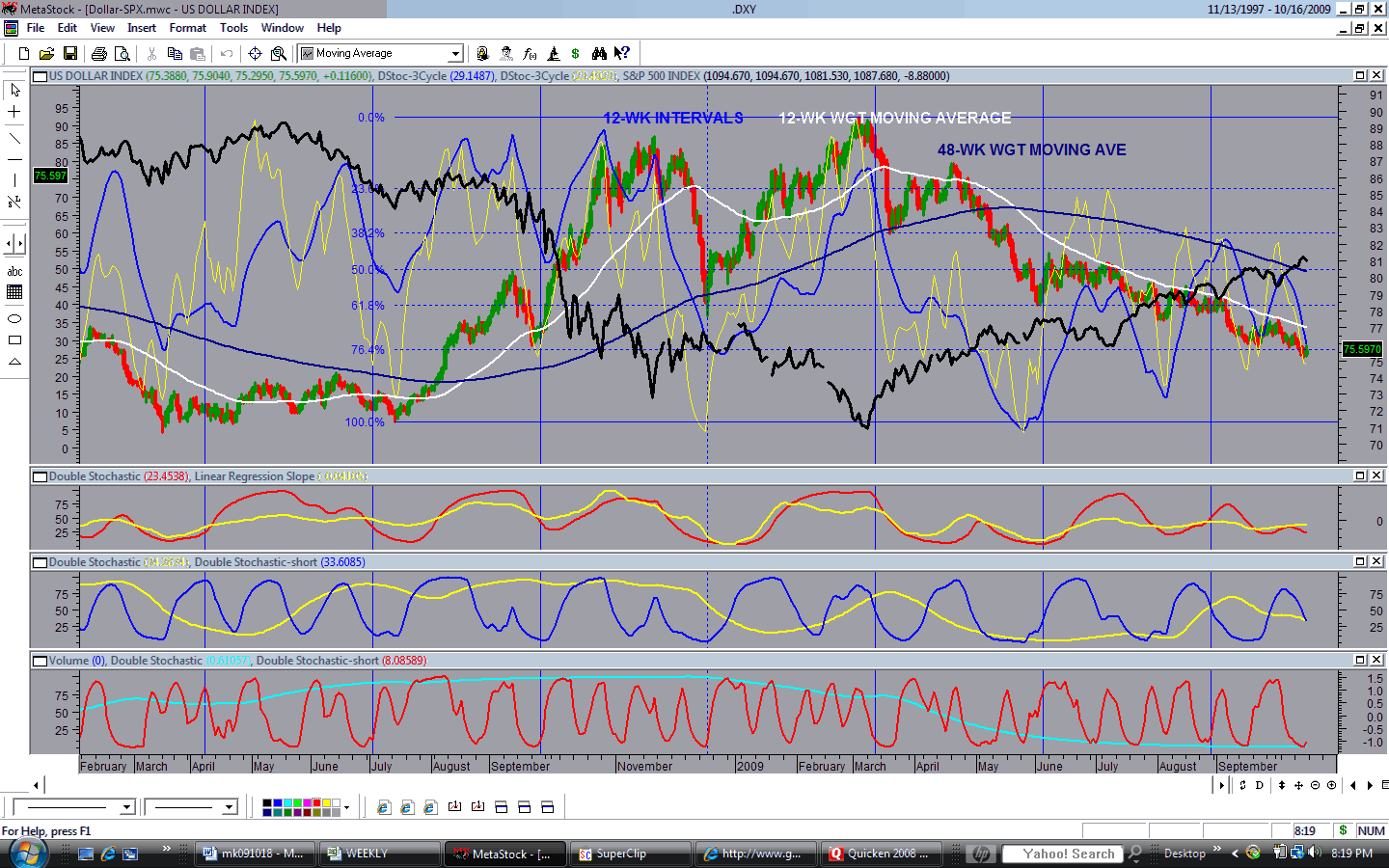
The dollar (http://www.geocities.com/petegersb/Dollar.GIF) went nowhere last week despite the young age of the intermediate uptrend. Given the conflicting cycle trends, it will probably continue to struggle to maintain that very weak uptrend this week. The downtrend will likely resume soon and produce more new lows during the next few weeks.
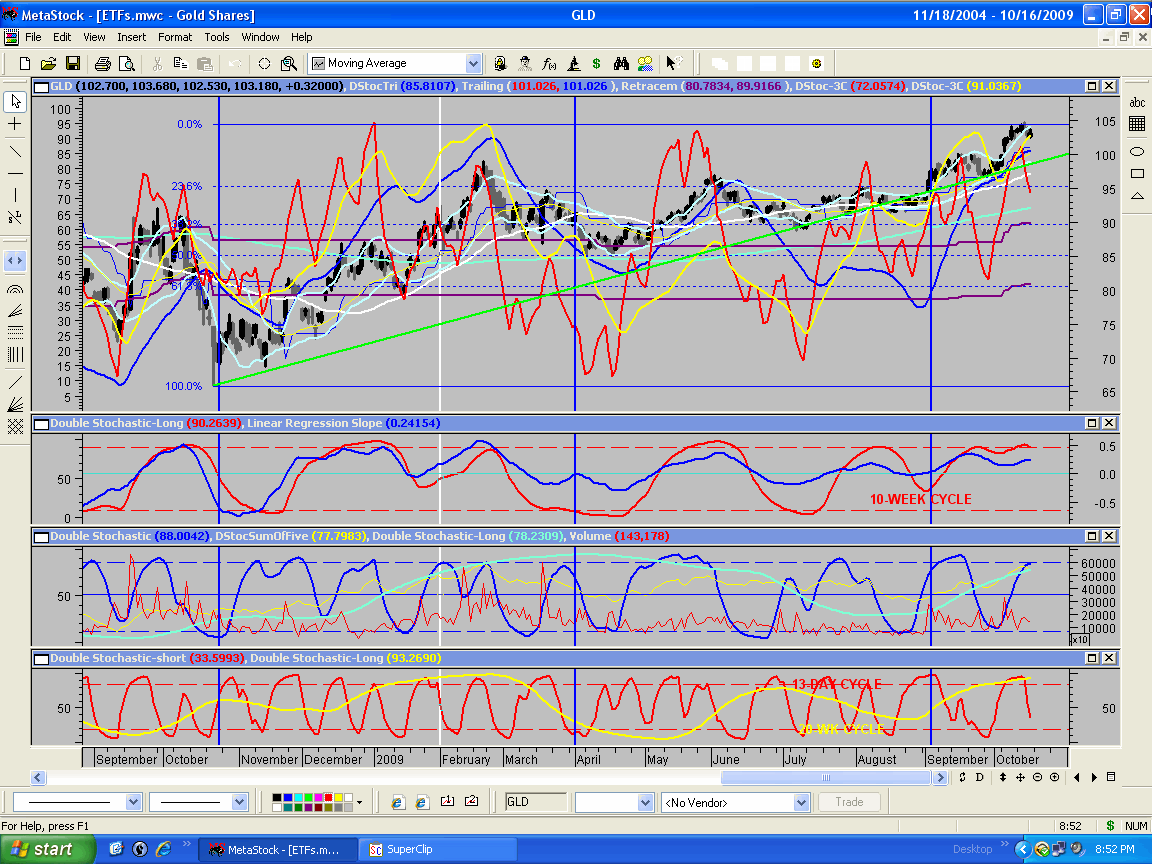
Gold (http://www.geocities.com/petegersb/GoldBullion.GIF) extended its 26-day cycle rally, but probably reached a
13-day cycle peak on Thursday. We should see a mild pullback this week and
probably a retest of the 38% retracement level before the intermediate
correction ends. If it holds that support level on a retest, as I expect, it
should be an attractive buying opportunity.
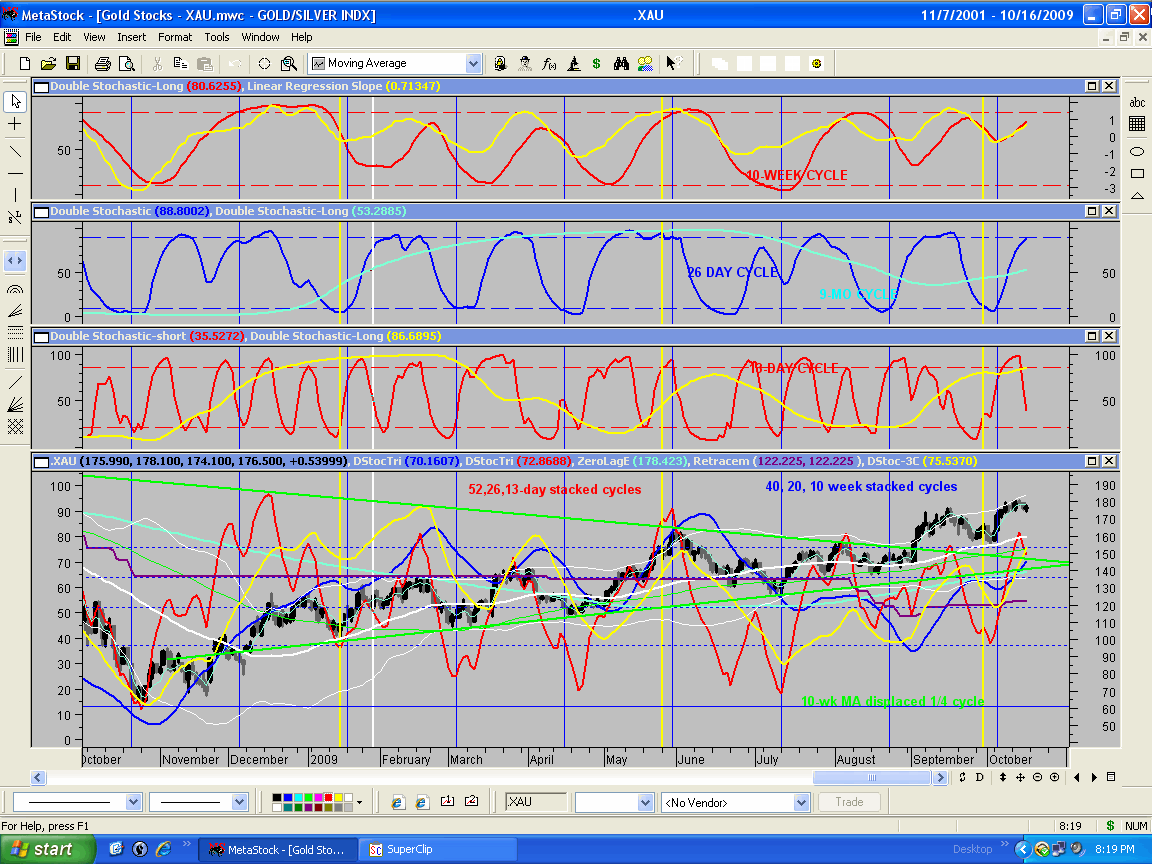
Gold stocks as represented by the XAU (http://www.geocities.com/petegersb/GoldStocks.GIF) peaked on Monday along with the broader market for
stocks. Although they remain weaker than the metal, the cycles remain similar,
and one more successful test of the 9-month moving average should provide a
nice buying opportunity.
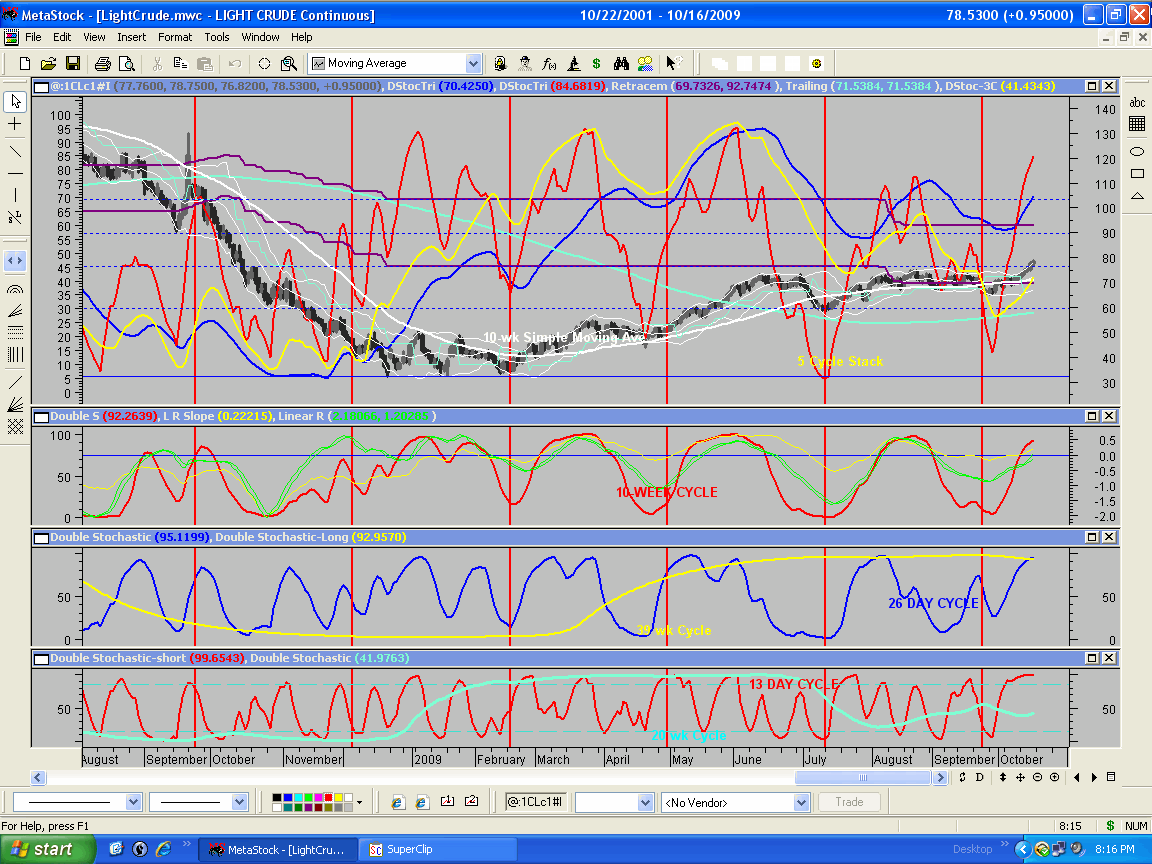
Spurred by a drawdown in inventories,
Crude oil (http://www.geocities.com/petegersb/CrudeOil.GIF) extended its short-term rally enough to reach another new
high. It was enough to turn the intermediate composite upward as well. We should
see a 13-day cycle pullback this week, but the longer cycles should push crude
to more new highs after a brief correction.
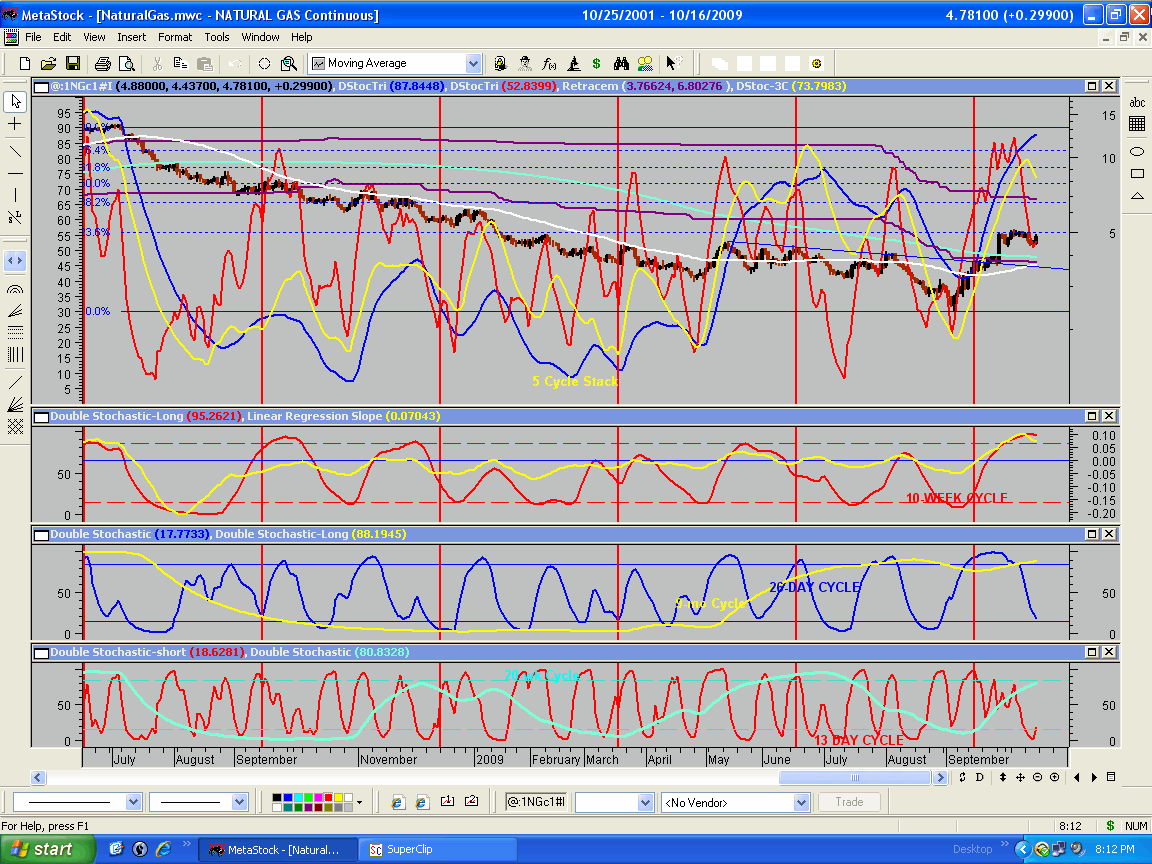
Natural
gas (http://www.geocities.com/petegersb/NaturalGas.GIF)
unexpectedly surged to a new recovery high on
Thursday. Now both short and intermediate composites are rising, and the
10-week moving average is rising steeply. Until that trend is broken, the
overbought condition of the 9-month cycle should be ignored.
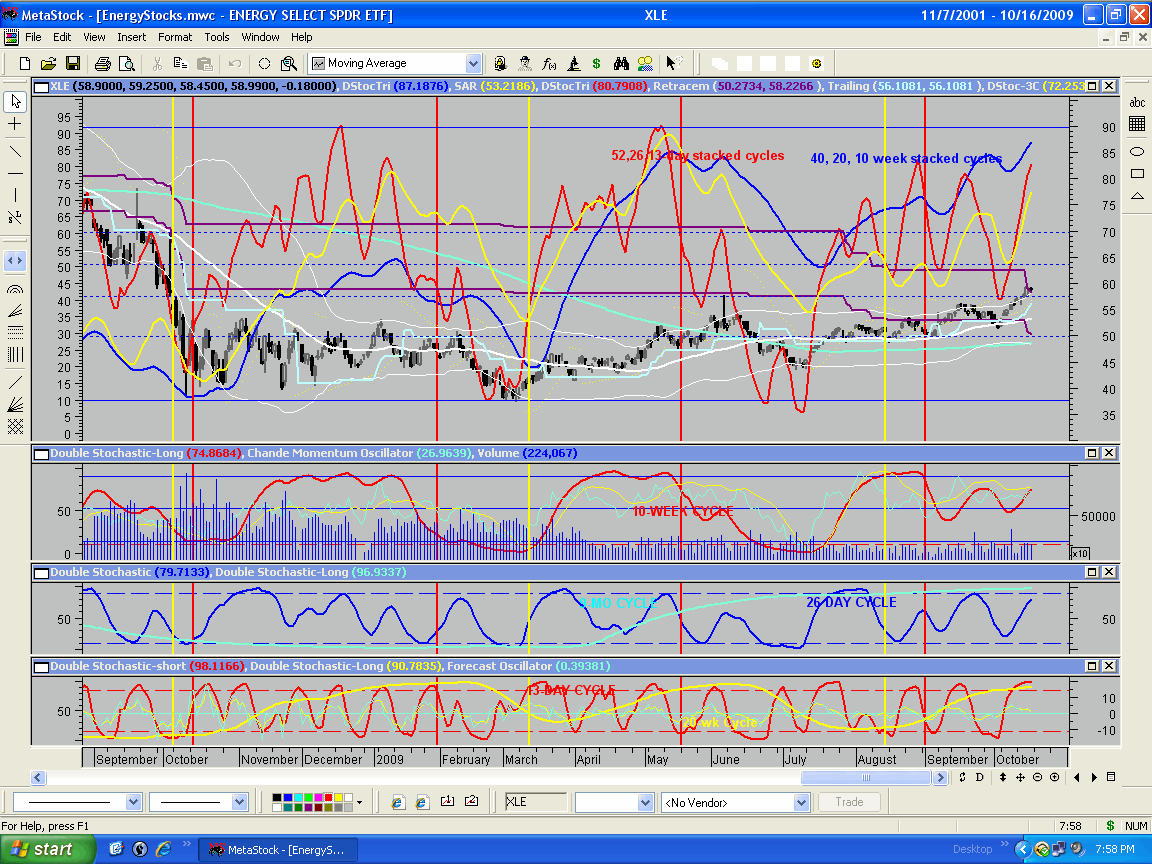
Unlike most
other stocks, Energy stocks (http://www.geocities.com/petegersb/EnergySPDR.GIF)
moved above their February 10-wk cycle peak before
the short-term composite turned down. We should see a continued short-term
pullback this week, but there is no technical reason to think that the XLE won’t
hold above its rising 10-wk moving average. The only reason to be apprehensive
about its ability to hold the intermediate uptrend is its correlation with the
broader market for stocks. But it continues to outperform most sectors (http://stockcharts.com/charts/performance/SPSectors.html), again coming in at second place last week.
Housing: The homebuilder ETF (http://www.geocities.com/petegersb/Homebuilders.GIF) began the expected short-term decline last week. It appears likely to turn into an intermediate-term decline this week despite the government handout wending its way through congress.
.