My WCCC briefing on 3/25 has been posted. It can be accessed at http://briefcase.yahoo.com/bc/petegersb/lst?.dir=/WCCC+Briefings&.view=l provided that you have software that can read PowerPoint files.
3/30/08
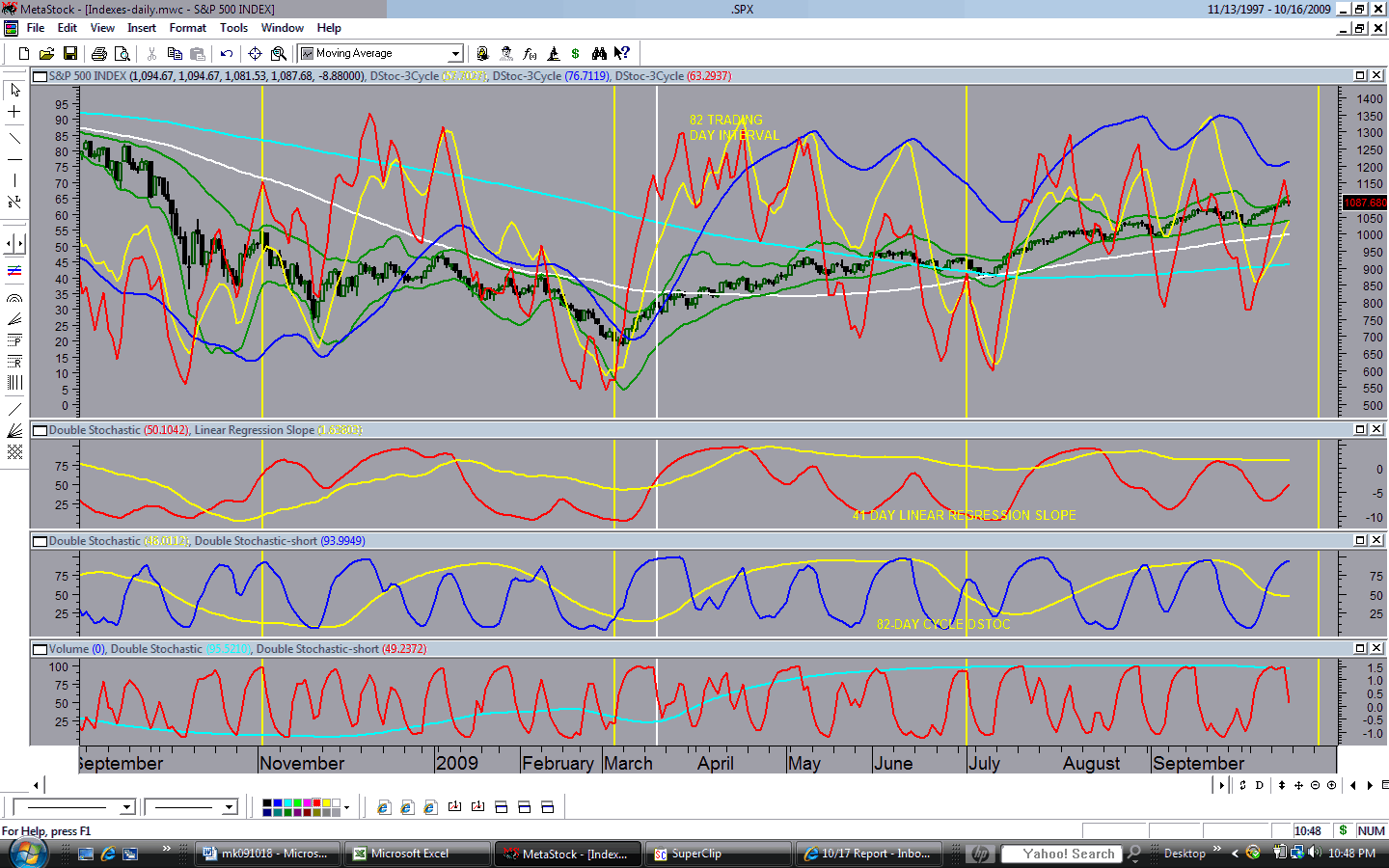
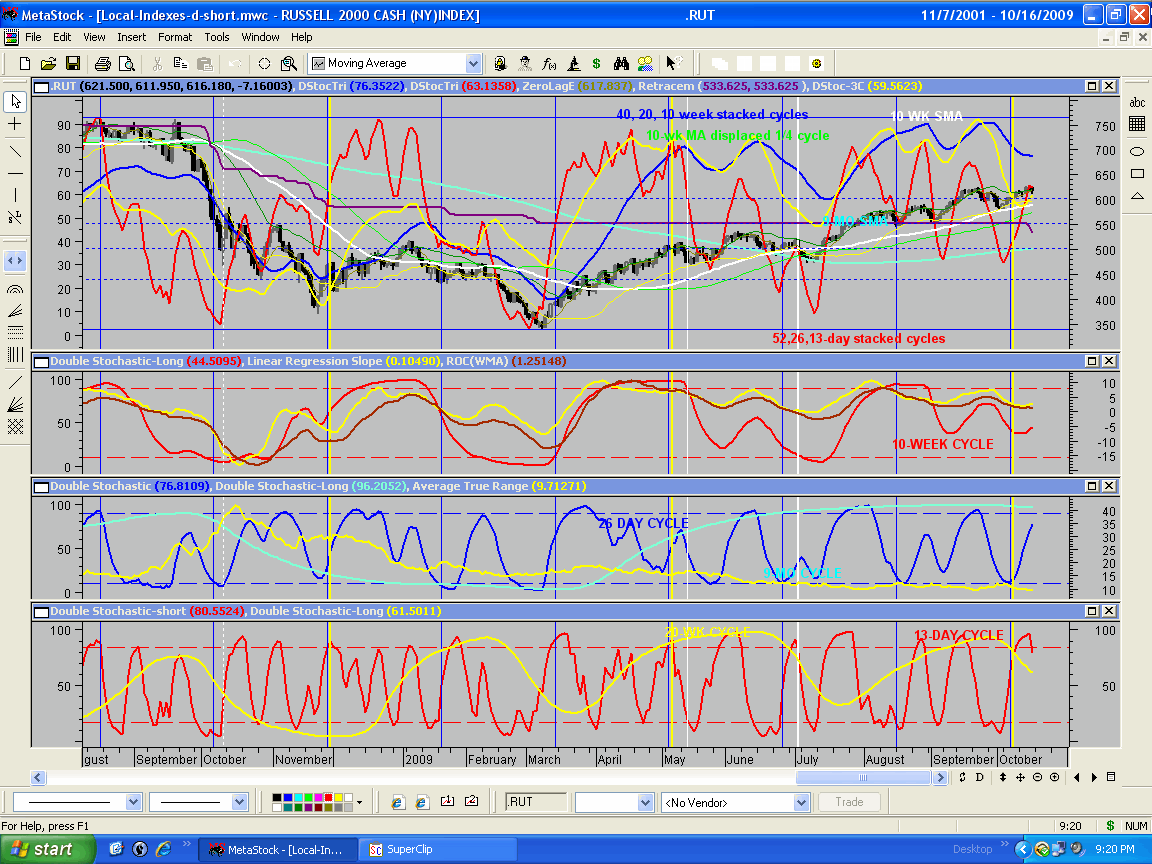
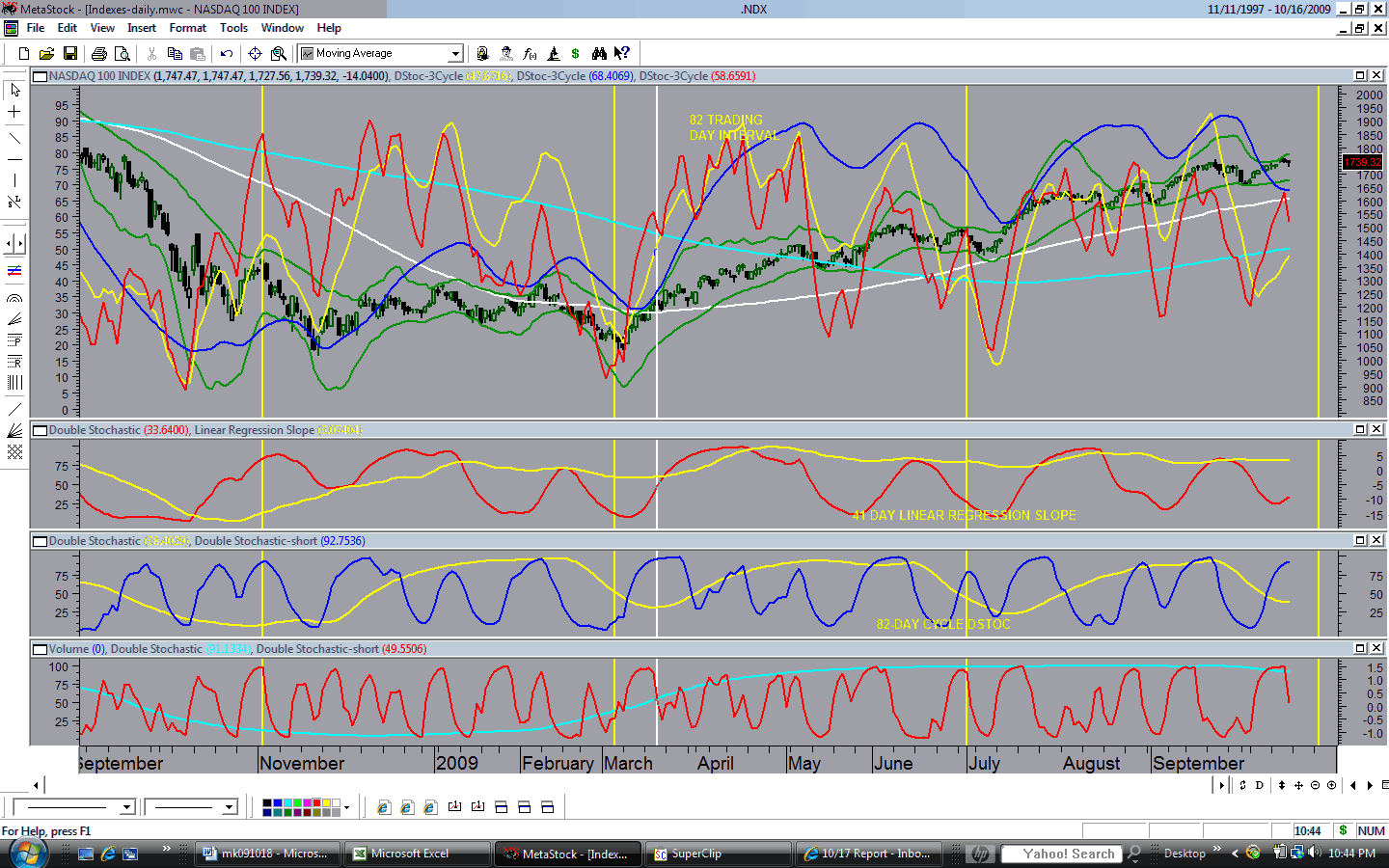
The worst quarter for stocks in several years is about to end, but it appears that the market decline will continue a bit longer. Last week’s 13-day cycle downturn looks very much like the downturn from the lower, left-translated peaks of the last two 10-week cycles that are illustrated by the vertical white lines on the daily cycle charts (http://www.geocities.com/petegersb/SP500.GIF, http://www.geocities.com/petegersb/Russell2000.GIF, http://www.geocities.com/petegersb/NDX.GIF). Both of those cycles were abbreviated to 8 weeks, but the current 10-week cycle appears likely to go full term or beyond. That’s because the 20-wk cycle is only 10-weeks, so the 2-wk-old 10-wk cycle would have to stretch to 12 weeks to nest its bottom with that of a nominal duration 20-week cycle. The 9-month cycle is 32 weeks old, so its downtrend would have to last another 7 weeks for normal longevity. I conclude that the downtrend is likely to last another 7 to 10 weeks, because a bottom in that time frame would produce durations for all of the afore-mentioned cycles (9-12 weeks for the 10-wk cycle, 17-20 weeks for the 20-wk cycle, and 39-42 weeks for the 9-month cycle) that are well within their normal tolerances. If instead we get extreme tolerances in the current 10-wk cycle, it should reach bottom along with the longer cycles in another 5 to 11 weeks.
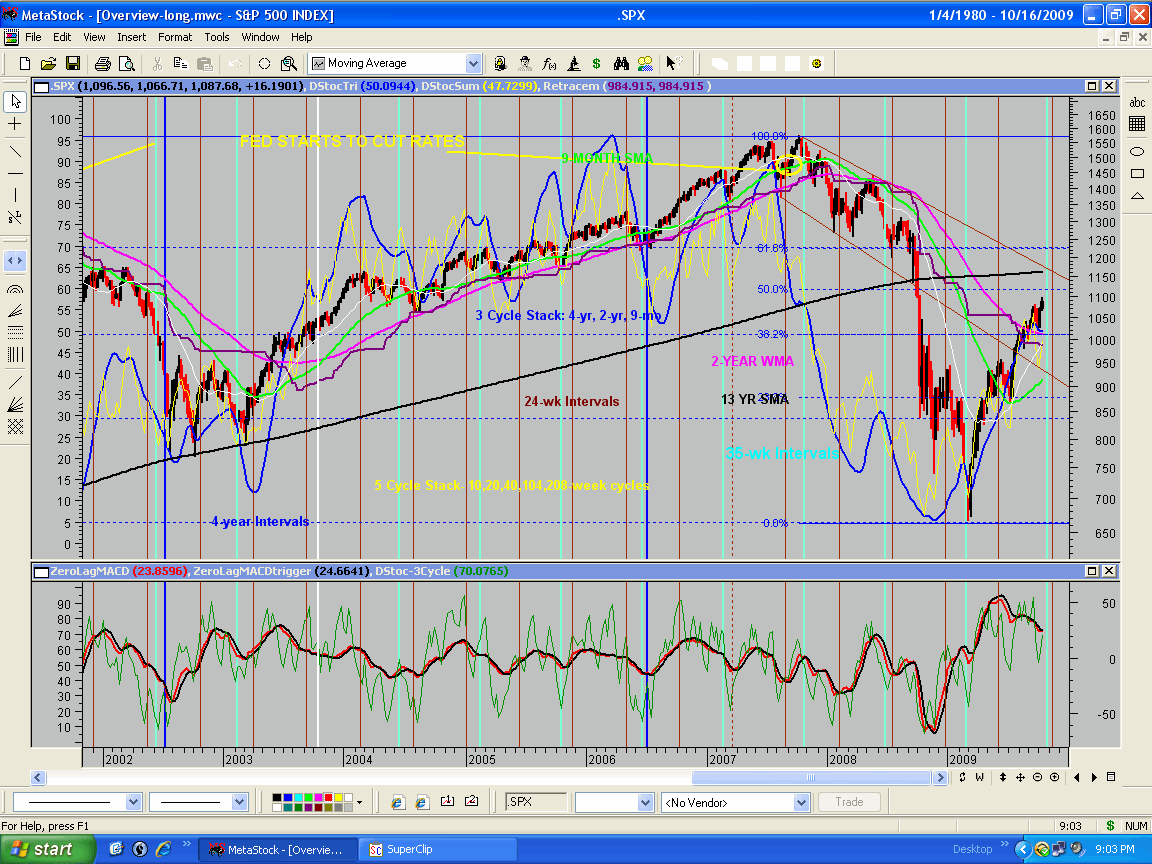
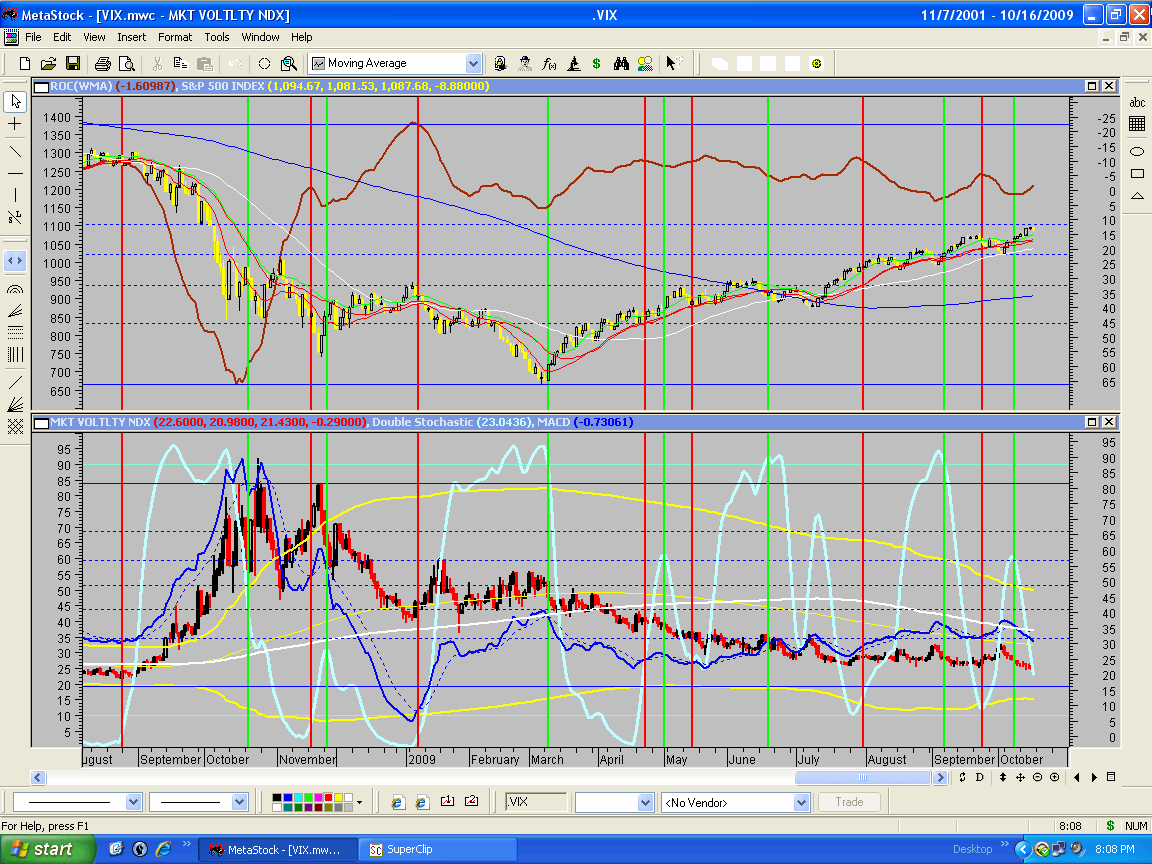
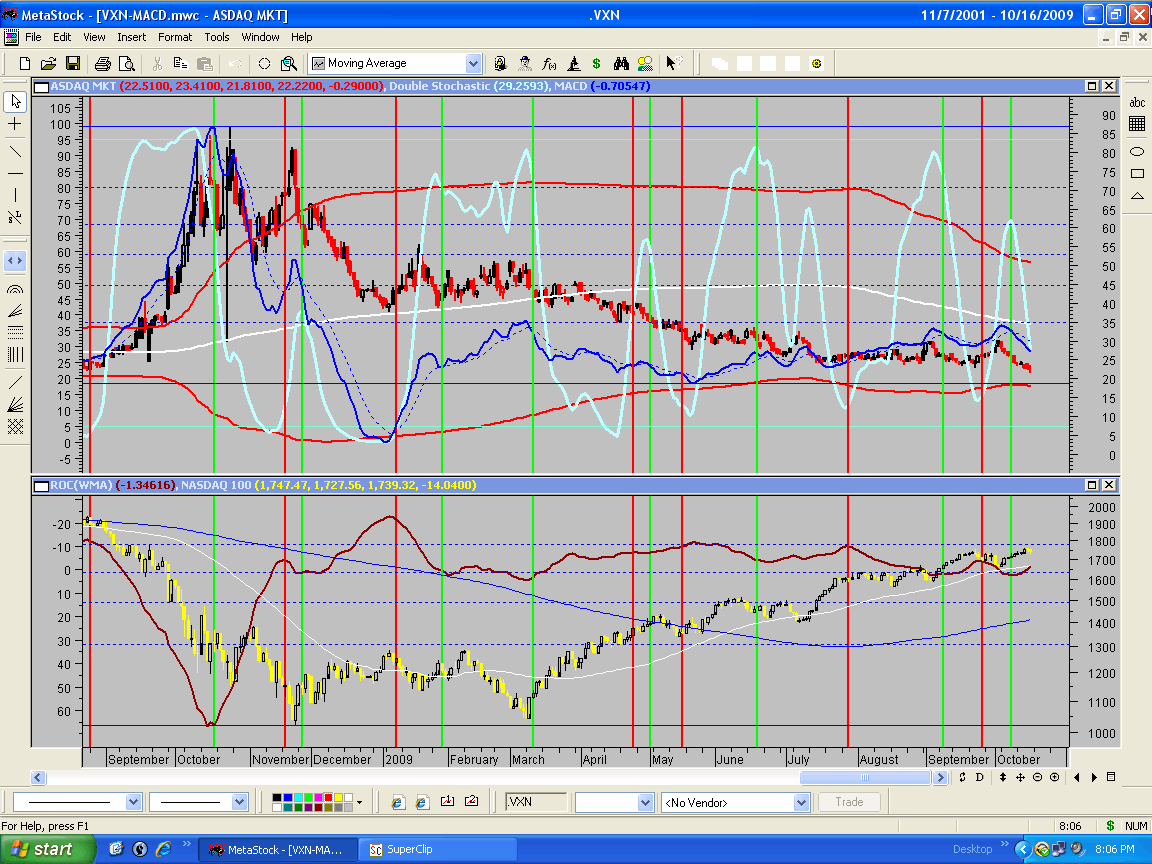
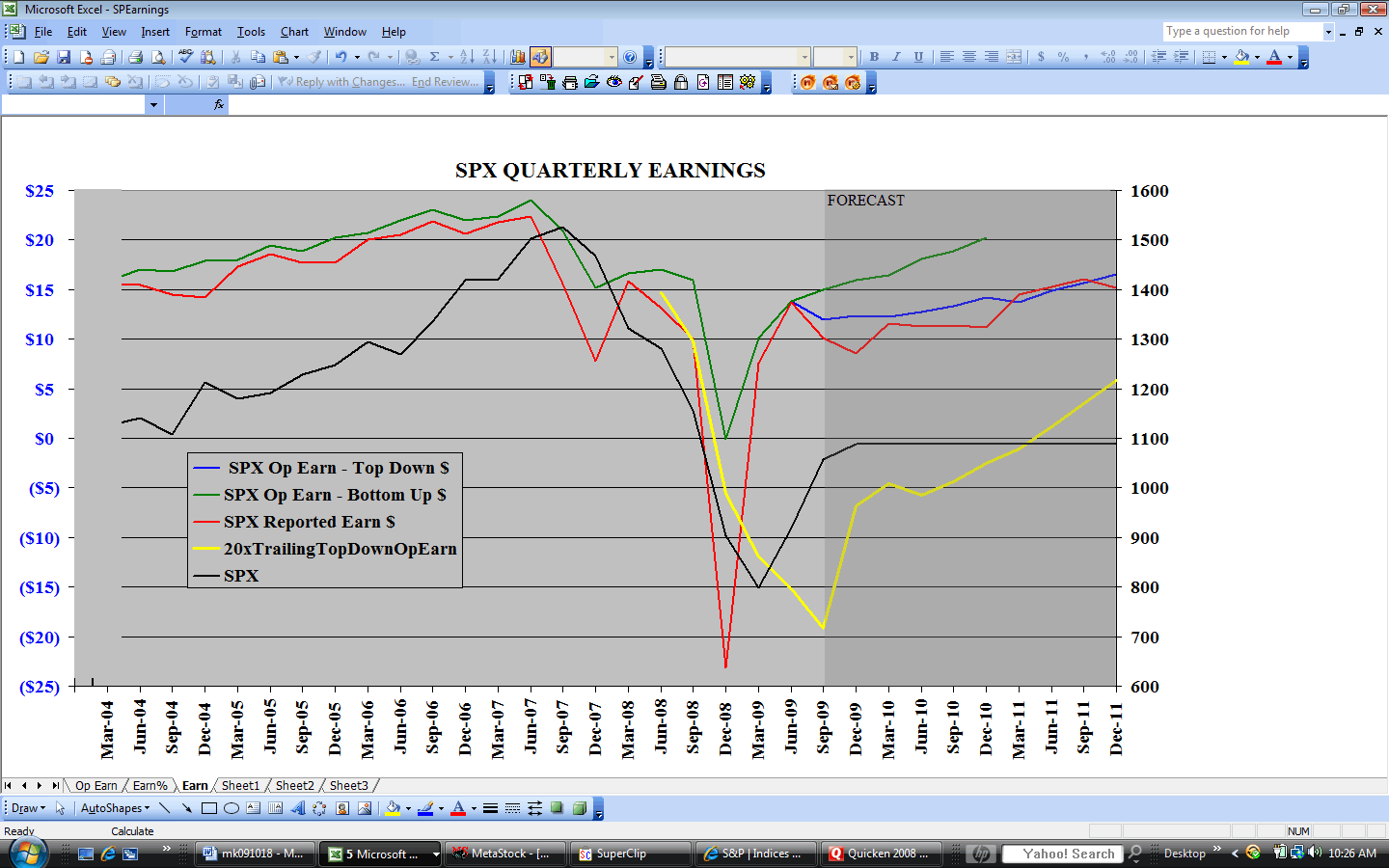
Most of the indexes poked slightly above their downtrending 10-wk moving average as the 13-day cycle and short-term composite peaked on 3/24. At about the same time, the intermediate composite turned up from an oversold condition on all of the indexes, so it’s premature, despite the similarities to the last two 10-wk cycles, to conclude that last week’s high was anything more significant than a normal 13-day cycle peak in a 10-week cycle rally. But the downturn added yet another lower peak to the persistent pattern of lower short-term lows and lower highs. Until that pattern is broken, the bulls have to bear the burden of proof. So far they haven’t been able to make a credible case. With the 13-day cycle likely to continue downward, I don’t think they will make that case this week either. None of the indicators has yet signaled a peak for the 10-week cycle (http://www.geocities.com/petegersb/Overview-med.GIF, http://www.geocities.com/petegersb/Overview-long.GIF, http://www.geocities.com/petegersb/VIX.GIF, http://www.geocities.com/petegersb/VXN.GIF), but the expected continuation of the 13-day cycle decline this week will put them to the test. So will earnings reports (http://www.geocities.com/petegersb/EarnY-Y.GIF) if they continue to disappoint, and the market has to be apprehensive about the March employment numbers due out Friday.
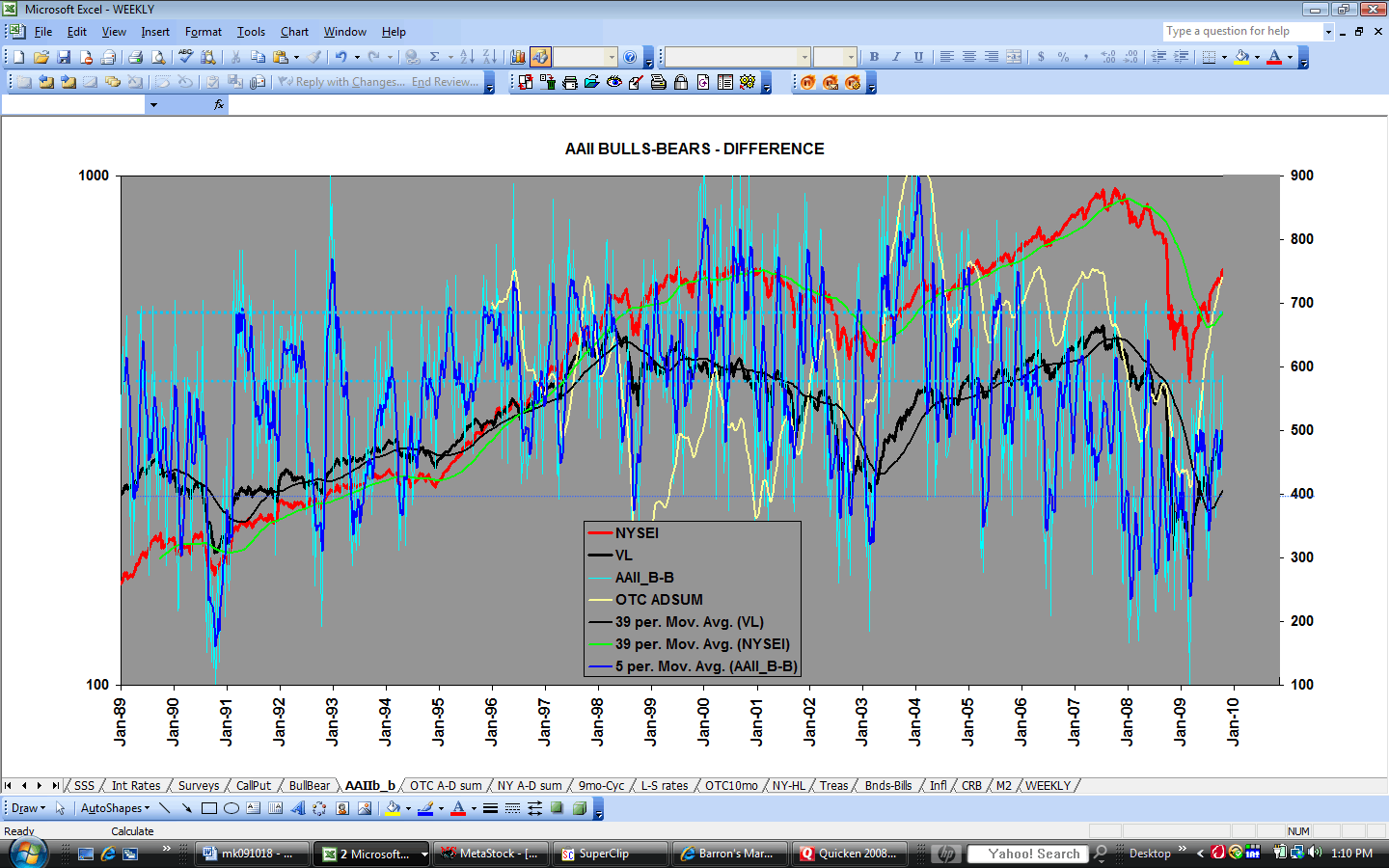
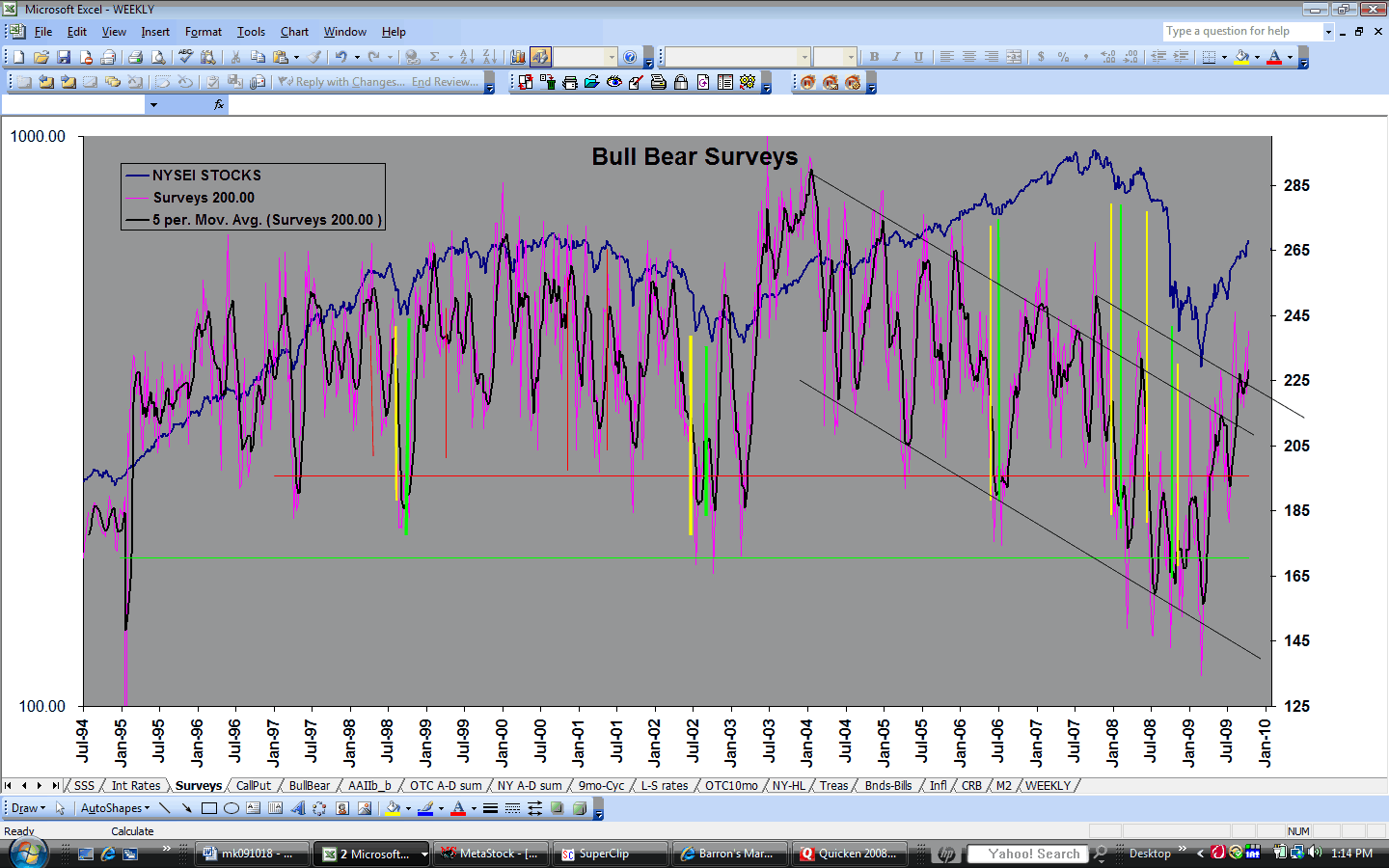
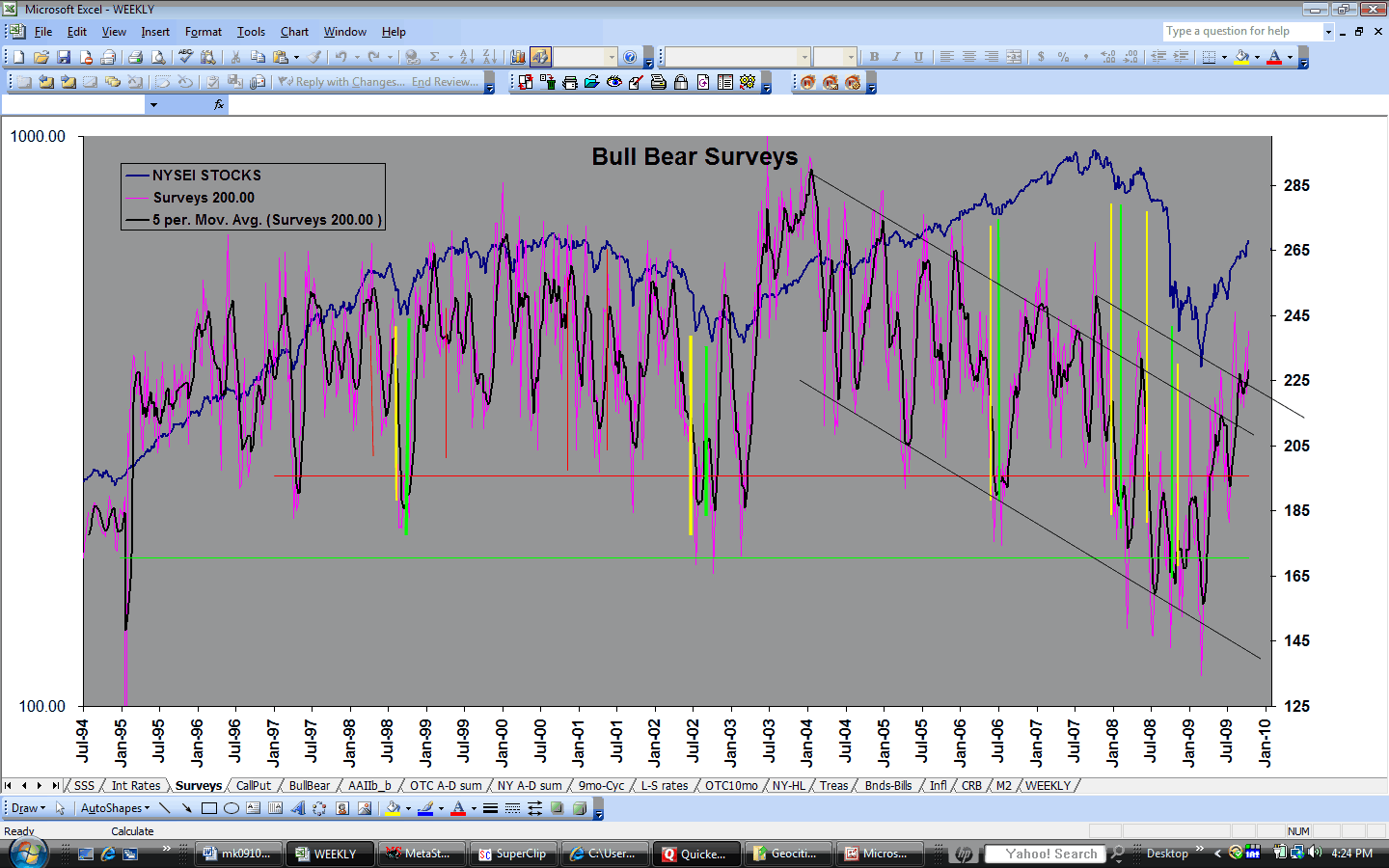
The sentiment survey data took a big step in a positive direction last week. Individual investors (http://www.geocities.com/petegersb/AAIIsentiment.GIF) turned moderately optimistic, and the lagging advisors (http://www.geocities.com/petegersb/InvestorsIntelligence.GIF) became less pessimistic. Combined (http://www.geocities.com/petegersb/SurveysCombined.GIF) the lift from the multi-year negative extreme is on the verge of turning the 5-week moving average upward.
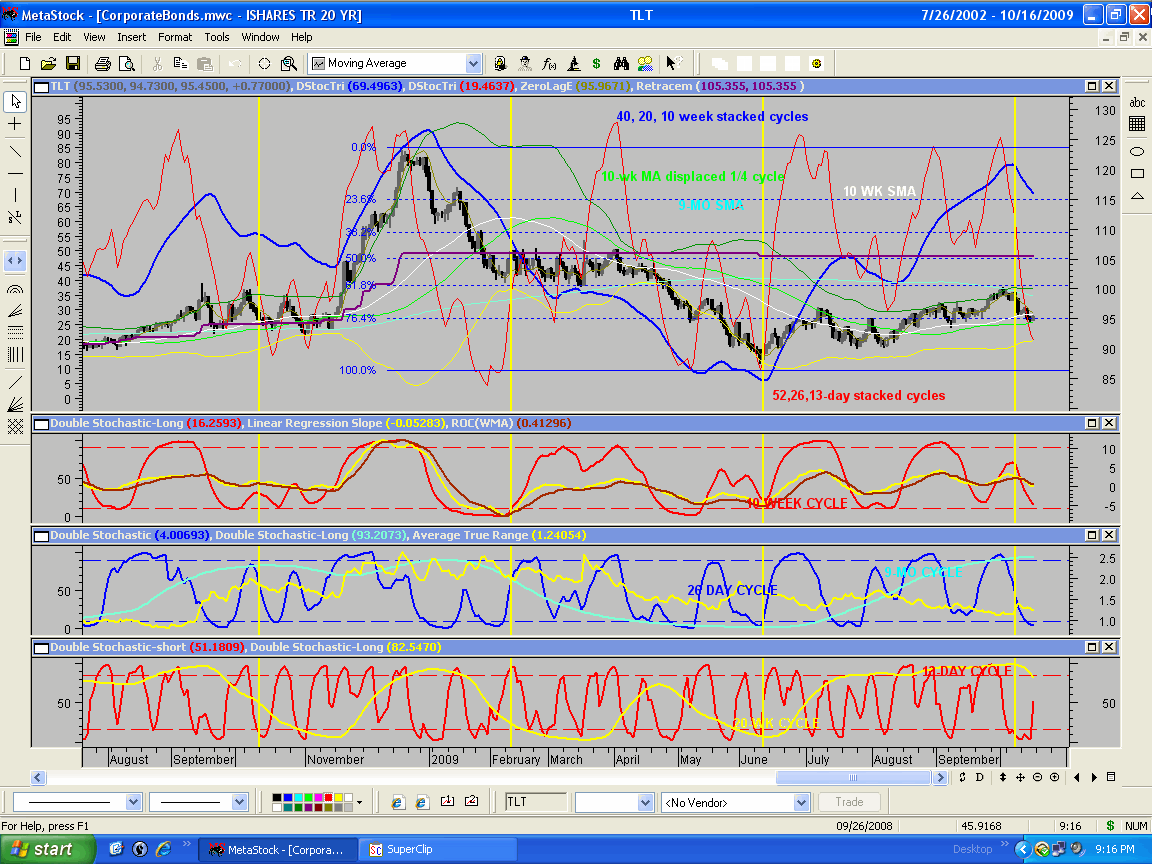
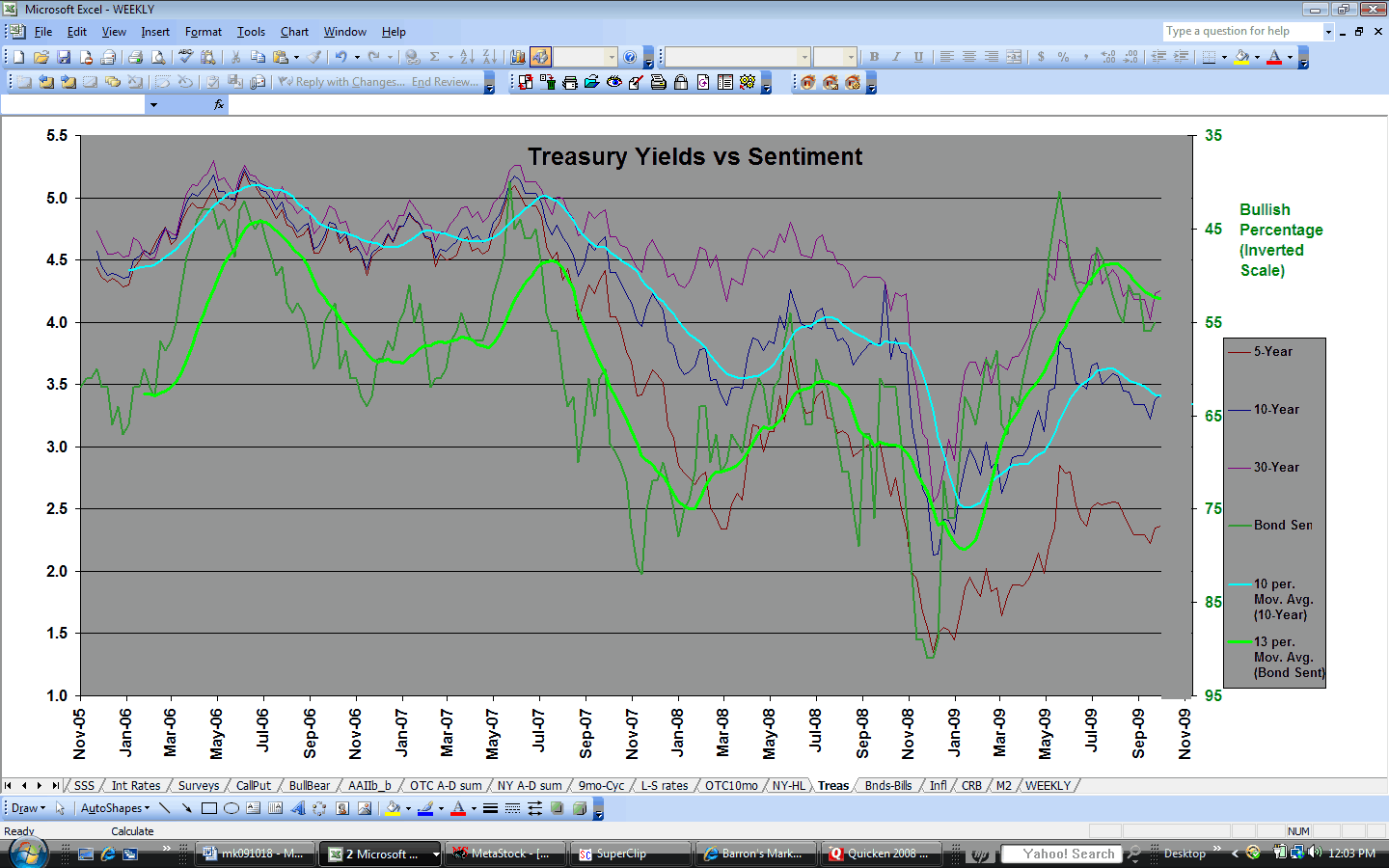
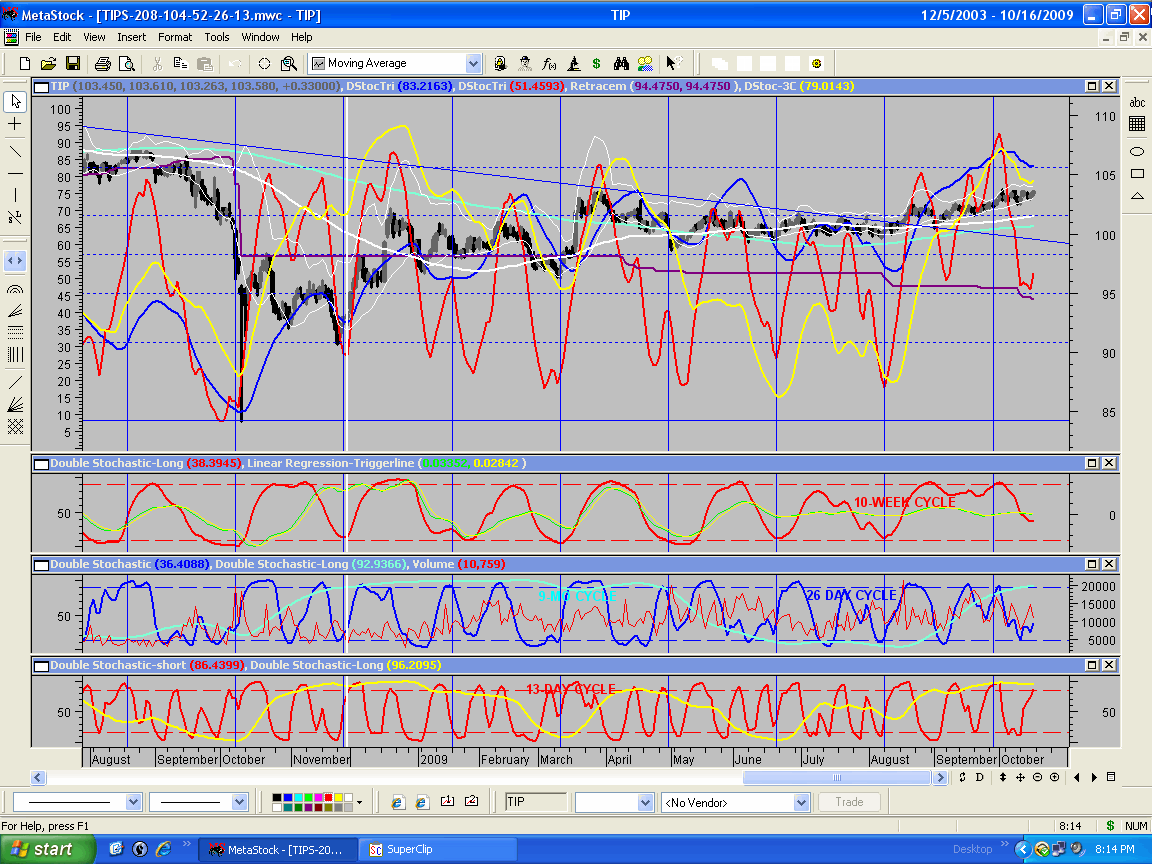
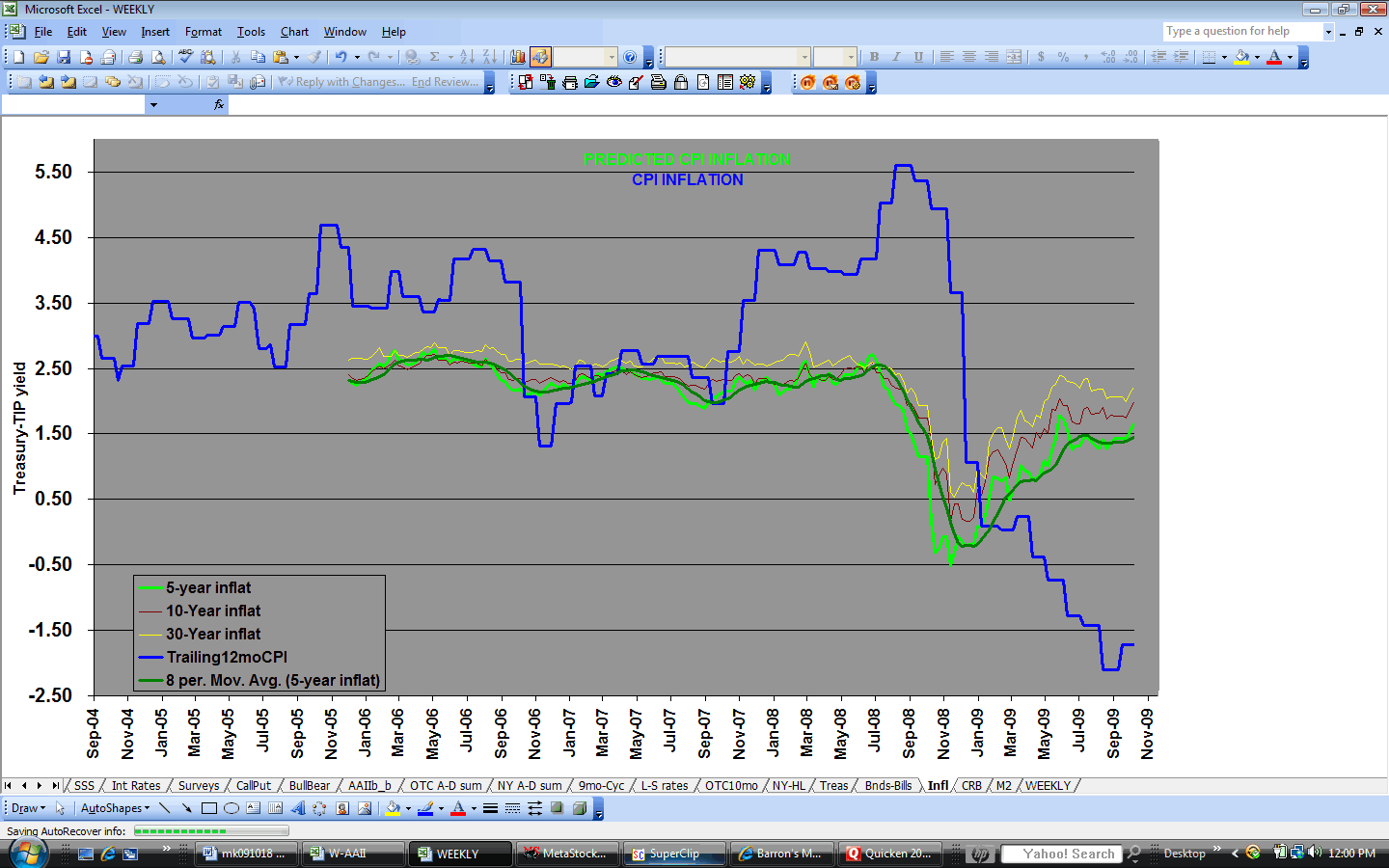
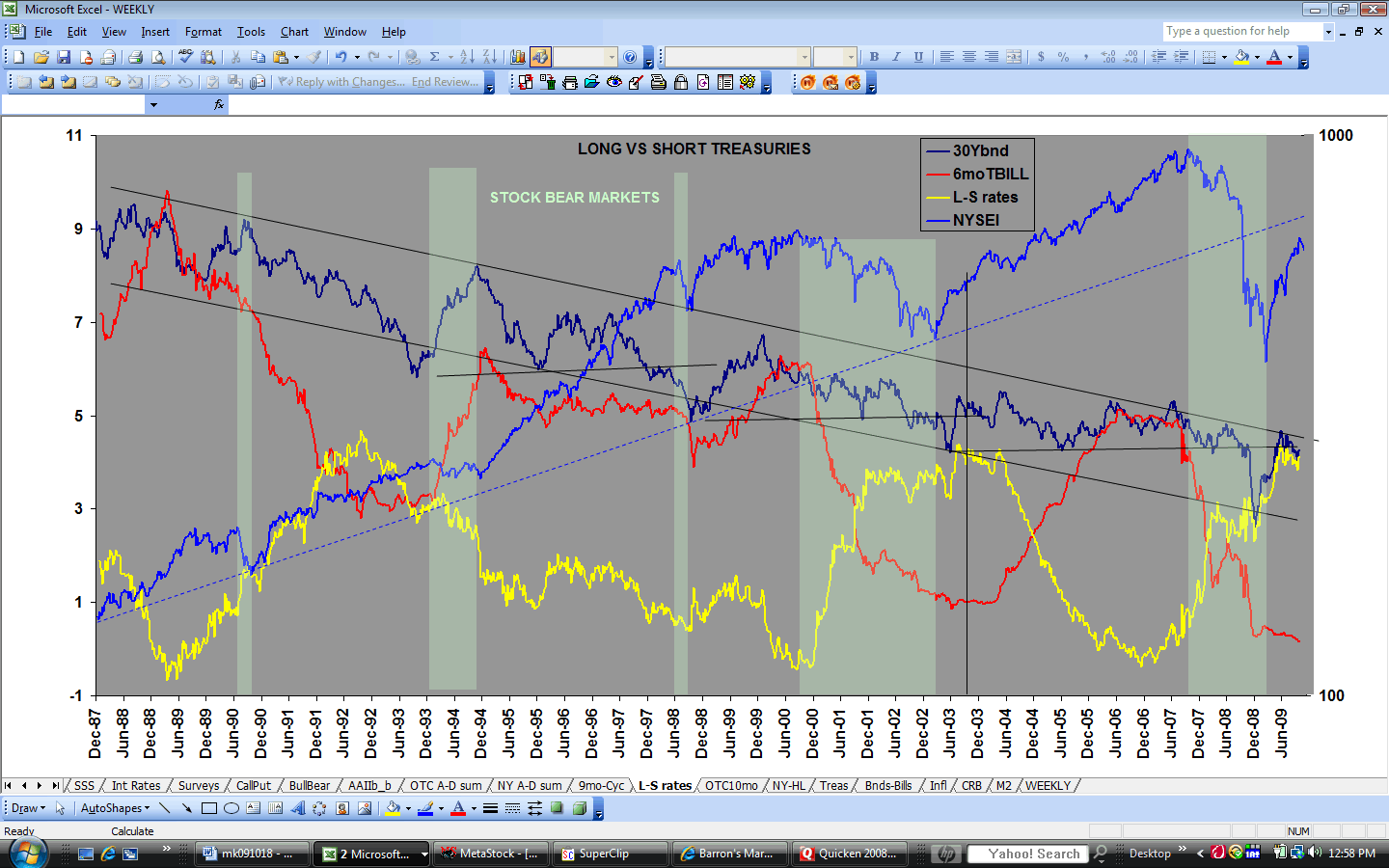
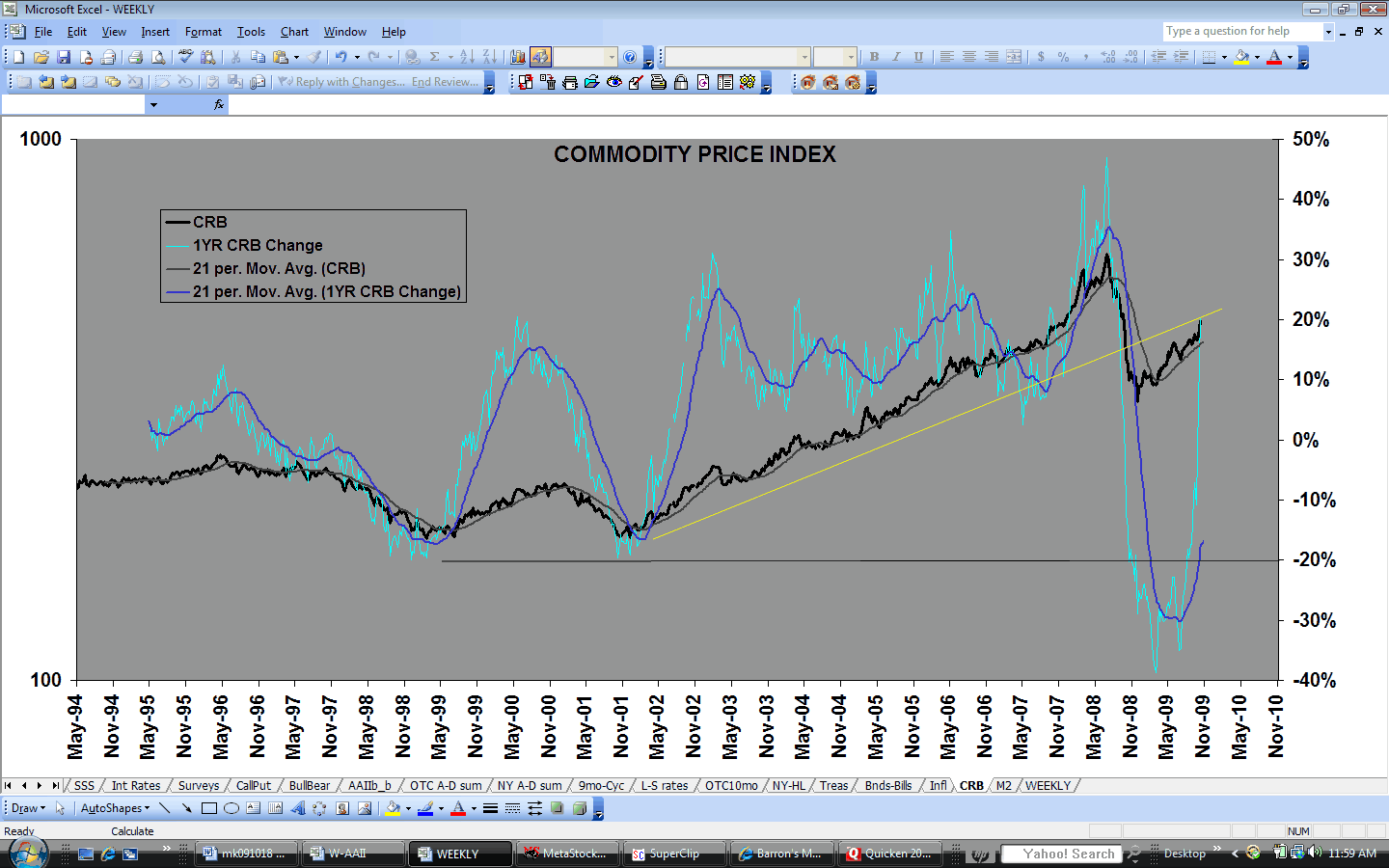
After testing their January peak, conventional T-bonds (http://www.geocities.com/petegersb/Treasury-20yr.GIF) entered a short-term downtrend last week. It doesn’t yet appear to threaten the intermediate uptrend, but the decline was substantial and the timing is about right for a 10-week cycle decline. Bond sentiment (http://www.geocities.com/petegersb/BondSentiment.GIF) also suggests a continued decline. TIPS (http://www.geocities.com/petegersb/TIPs.GIF) also declined last week, but not as steeply as conventional treasuries. There didn’t seem to be much in the news that would re-ignite fear of inflation, but inflation expectations rose (http://www.geocities.com/petegersb/CPI.GIF), and TIPS appear to have established a short-term bottom within an on-going intermediate decline. Corporate bonds held up best last week after many weeks of underperforming the treasuries. If that is the beginning of a trend, it’s another hopeful sign for equities, but don’t count on it just yet. Corporate bonds appear likely to decline this week. The long-short yield spread (http://www.geocities.com/petegersb/Long-ShortYields.GIF) has risen only to the level of late 1991 and late 2001. Stocks were flat for the first 9 months of 1992, and down steeply for the first 10 months of 2002 – neither a good precedent. The accommodating Fed in the early 90’s helped create the late 90’s stock bubble. The accommodating Fed in the early part of this century helped create the real estate bubble of the last few years. The accommodating Fed of the last few months will probably drive the current commodity bubble (http://www.geocities.com/petegersb/CRB.GIF) to un-imagined heights as well.
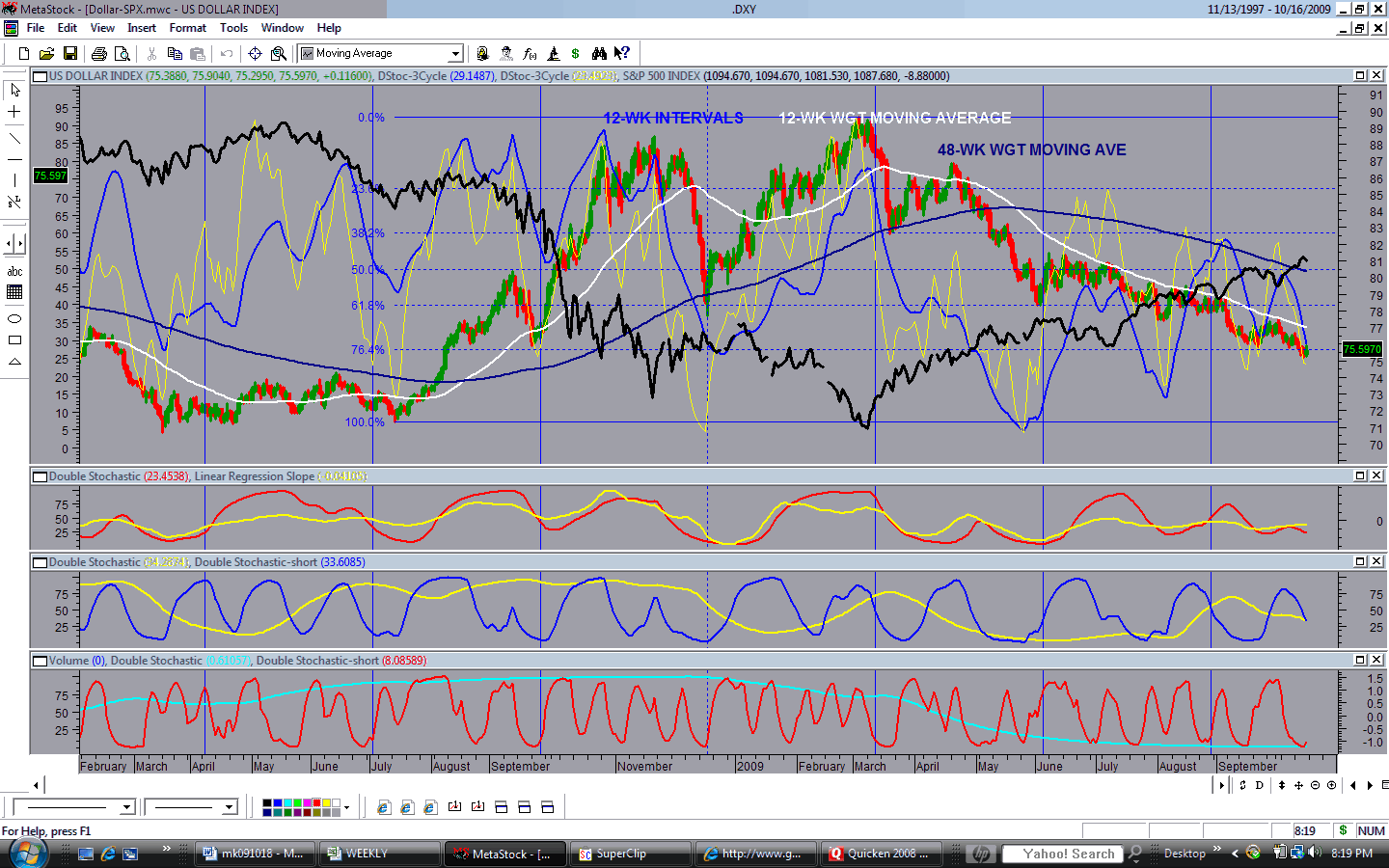
The dollar’s (http://www.geocities.com/petegersb/Dollar.GIF) rally off of its intermediate low on 3/17 lasted only 4 days before hitting a short-term peak. Last week’s decline wiped out most, but not all, of the prior week’s gains – reinforcing my conclusion that this intermediate rally won’t amount to much. I would be surprised if the dollar get back up to its declining 10-week moving average in the next few weeks, and I fully expect the declining 9-month cycle to produce substantial new lows during the next few months.
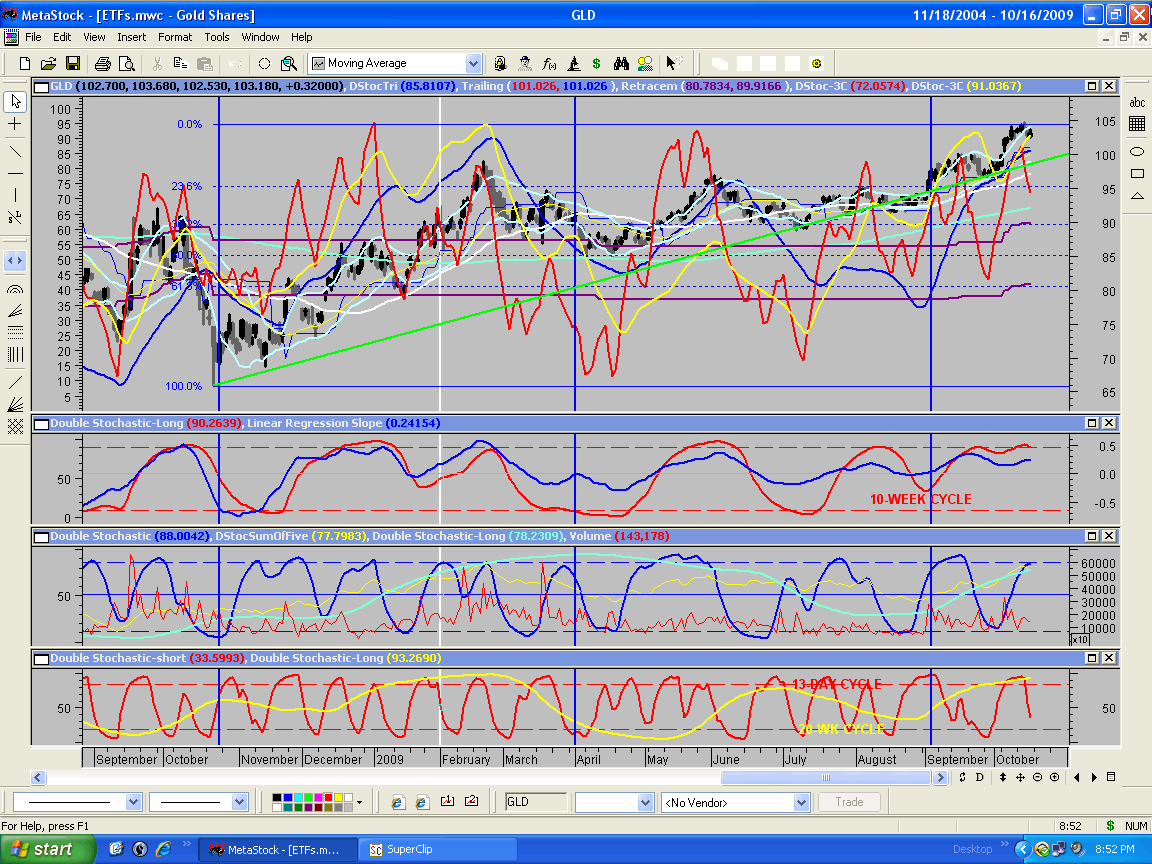
Gold (http://www.geocities.com/petegersb/GoldBullion.GIF) established a short-term bottom a week ago, but the
intermediate downtrend appears likely to continue, and may already have resumed,
given Friday’s big drop. The intermediate trend should find good support in the
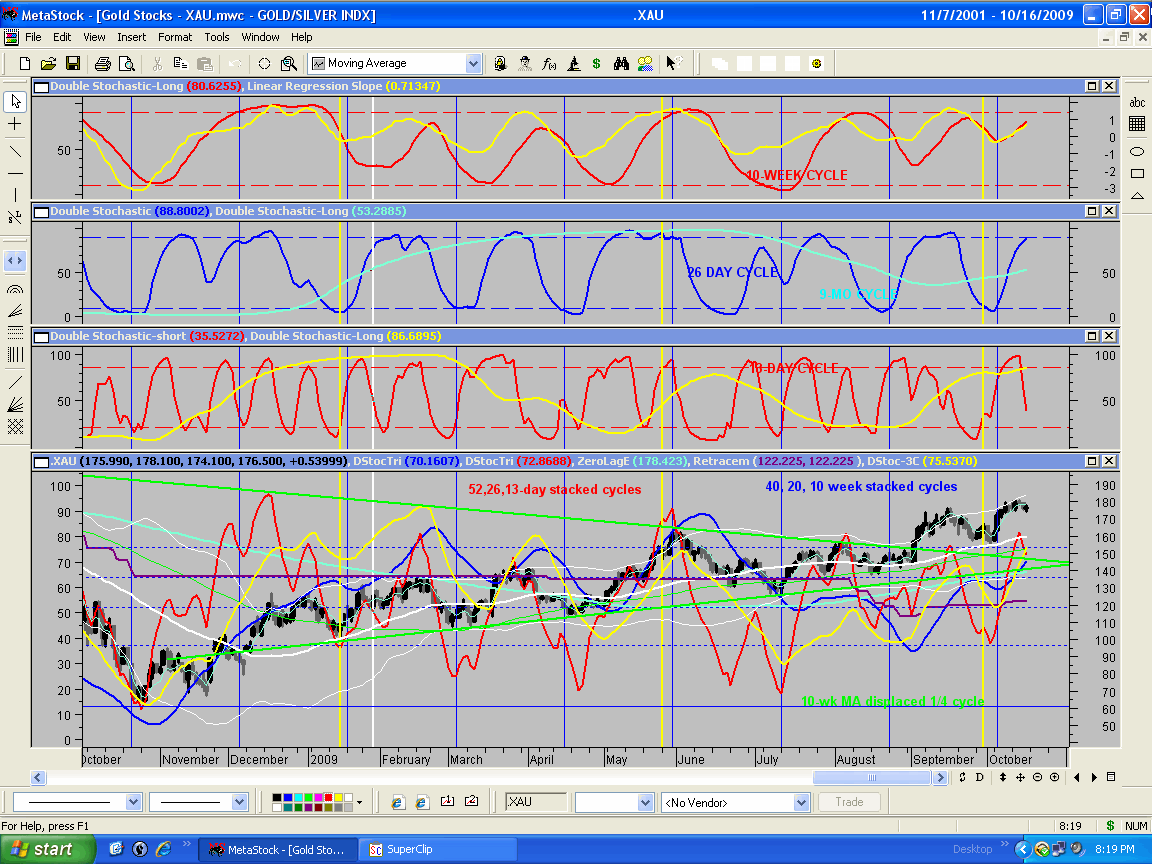
860-870 area. Gold stocks as
represented by the XAU (http://www.geocities.com/petegersb/GoldStocks.GIF) look somewhat similar with recent support just below 170 likely
to hold on a retest. However, the 7-month uptrend has been broken, and the
recent short-term rally met resistance at the breakout point. If the XAU breaks
below 165, the long-term uptrend would appear to be in jeopardy.
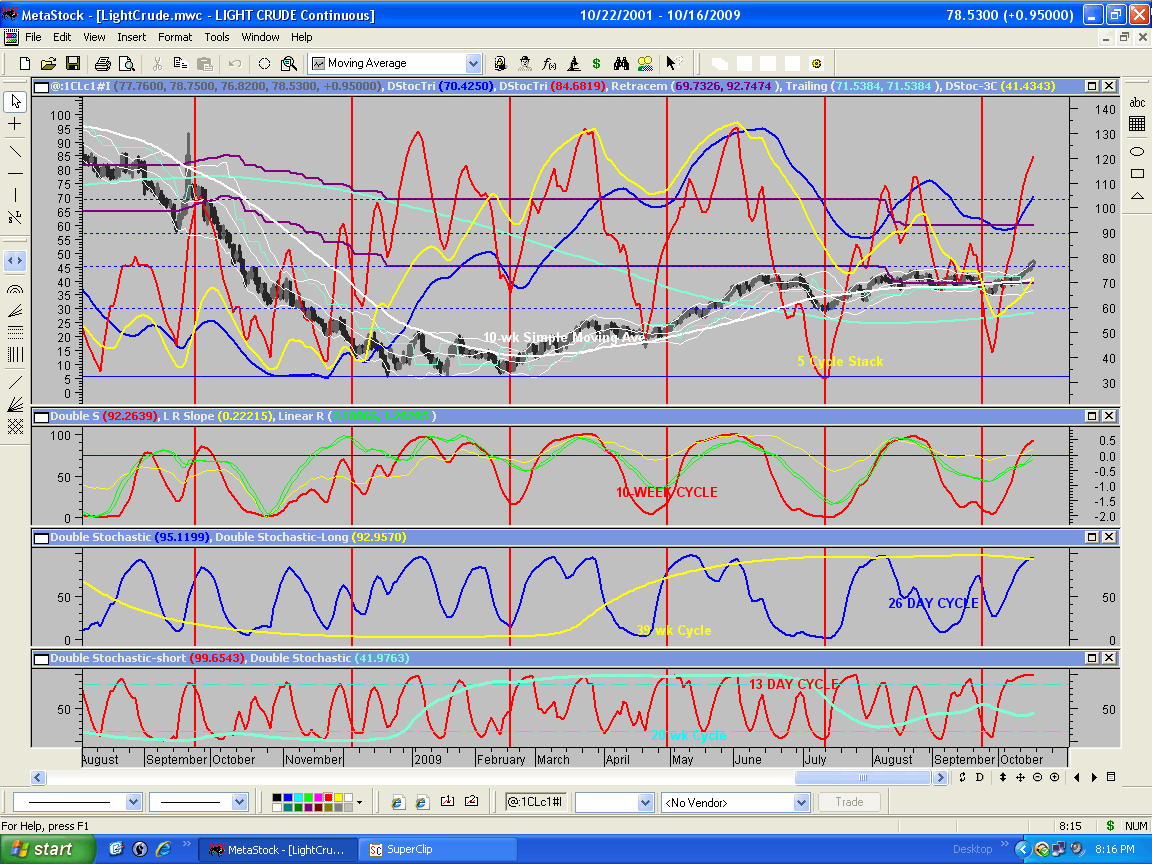
Crude oil (http://www.geocities.com/petegersb/CrudeOil.GIF) bounced strongly off of the support at the 50% retracement
of the February-March rally that coincides with the November and January peaks.
Now the10-week moving average has also risen to that support area, so it should
provide even stronger support if it is again tested while the intermediate
downtrend runs its course.
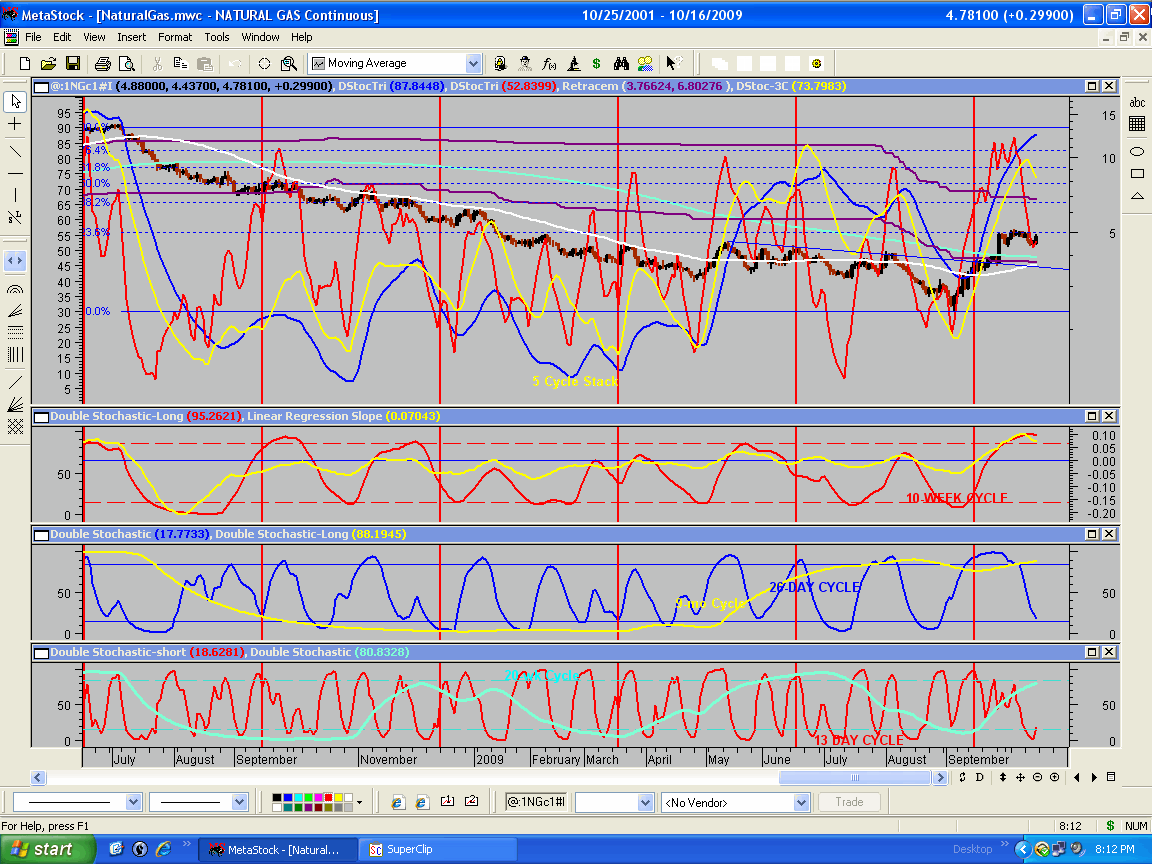
Natural
gas (http://www.geocities.com/petegersb/NaturalGas.GIF)
also bounced strongly last week, in this case
off of its 10-wk moving average that coincides with the November peak and the 50%
retracement of the January-March rally. Although, the 10-wk cycle DStoc hasn’t
yet turned up, the timing of the turn and strength of the bounce suggests that
the second 10-week cycle of the current 20-week cycle is now trending upward. Nevertheless,
the downtrending 20-week cycle is only 14 weeks old, so we can expect another
test of the 10-wk moving average after this short-term rally runs its course.
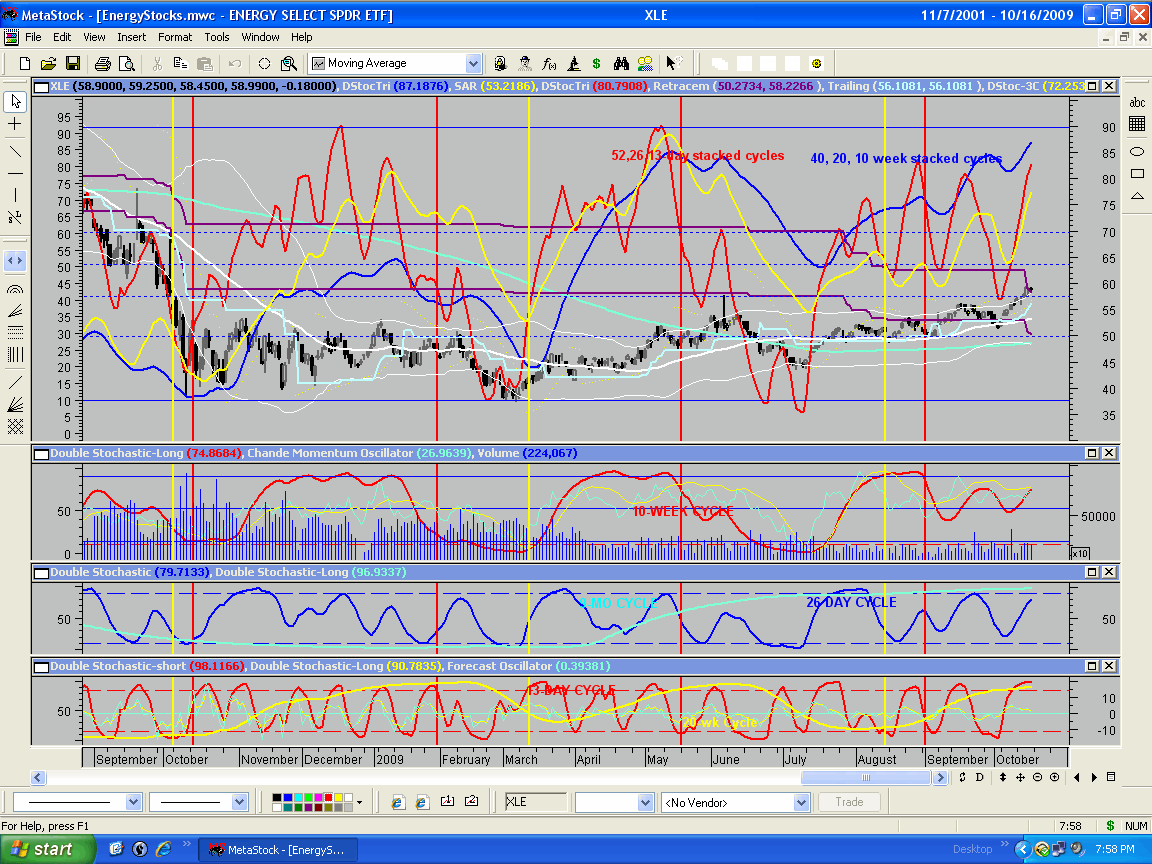
Energy stocks (http://www.geocities.com/petegersb/EnergySPDR.GIF)
managed to move a little above their
coincident 10-wk and 9-mo moving averages as they followed the underlying
commodities higher last week. Contrary to last week’s short-term expectations,
the XLE was once again the second strongest sector behind Materials (http://stockcharts.com/charts/performance/SPSectors.html). (Financials (http://www.geocities.com/petegersb/Financials.GIF)
were once again the poorest performers). The 10 and
20-wk cycles appear to be out of sync on Energy Stocks. I suspect that is due
to their tendency to correlate with both the underlying commodities and the
stock market, which have been going in opposite directions since last fall. The
short-term composite turned up last week, and the longer cycles suggest that
there isn’t much downside left in the declining intermediate composite. The two
higher short-term lows since January are a positive indication for this sector.
Housing: It appears that the record year-over-year drop in home prices is starting to bring in an increasing number of buyers. Home sales ticked upward slightly, but not enough to put a dent in the record inventory overhanging the market. If the trend accelerates over the next couple of months, it could be a factor that encourages investors to conclude that the worst if over for the housing market, the economy and the stock market. The homebuilder ETF (http://www.geocities.com/petegersb/Homebuilders.GIF) has been showing some signs of ending its 2-yr decline soon. It made a short-term peak slightly above its downtrending 9-mo moving average on Monday, and the rising 10-wk moving average is starting to act as support. However, both the 9-month and 20-wk cycles are overbought, suggesting at least a test of the January low, and perhaps worse.
The anecdotal evidence on my street of 18 houses is not encouraging. Three of the 18 have been on the market for over a year – the longest of those since it was foreclosed in late 2006. The 1st mortgage holder started by asking for the amount of the 1st. The 15% second had already been wiped out. When it didn’t sell, the price was dropped 6%. Still no sale, so the price was dropped another 8%. Still no sale, so the bank invested perhaps another 5% in fixing it up to make it more attractive. Still no sale, so the price dropped another 5%. At the latest price, potential buyers have finally started looking at it. So after the second mortgage holder got wiped out, the 1st mortgage holder will lose in excess of 30% after carrying costs and selling expenses. In all, lenders are looking at nearly a 50% loss already, and there may be more. That could establish a price bottom, but the pricing of the other two houses on the street suggests that most sellers have not yet come to grips with reality. One recently took down the for-sale sign and replaced it with a for-rent sign. At the same time, yet another one of the 18 came on the market. The two non-foreclosures now on the market are cosmetically in better shape, but otherwise comparable to the foreclosure. They are unrealistically priced about 25% above the foreclosure. It looks like asking prices will drop or sales will remain dormant in my neighborhood.