3/9/08
The big, although not surprising, news of the week was the dismal jobs data. The worse-than-generally-expected report, showing progressively worse numbers for the last three months, shows that the labor portion of our economy is rapidly heading into recession along with housing. The following chart does not include the loss of 63,000 jobs in February or the downward adjustments for the two prior months. The latest data will push the chart clearly into the red zone, although recessions are not generally recognized until the monthly job loss rises to about 150,000. By then, the stock market will probably have bottomed, or be very close to it, if it turns out that the recession lasts only two quarters as generally predicted. Of course, it’s possible, even likely, that it will be much more protracted than that.

Another report from the Mortgage Bankers Association highlighted the dismal state of the nation’s housing piggybank. Nationwide, nearly 6% of all mortgages were delinquent at the end of the 4th quarter and just over 2% were in foreclosure – the highest level since the association began keeping records in the 1970’s. At the same time, the Federal Reserve reported that for the first time since it began keeping track in 1945, the equity in the homes Americans owned dropped below 50% of their value in 2007. That was before home prices began the steep part of their decline. So the home equity piggybank that has sustained the economy for so long is rapidly running dry, and the increasing overhang of foreclosed properties will likely push the gauge still lower.
The market, in anticipation of the declining earnings and worsening balance sheets typically associated with recession, and in fear of a collapsing banking system, continued its decline into a likely 4-year cycle low. On Friday, the SPX (http://www.geocities.com/petegersb/SP500.GIF) closed a little below the January closing low and the NDX (http://www.geocities.com/petegersb/NDX.GIF) established an intraday low a little below the January intraday low to reinforce this bear market’s credentials. The 13-day cycle is sufficiently oversold that the late-Friday bounce off of the lows may have been the start of a brief rally. If so, it will be viewed by many as a successful test of the January low. But the10-week cycle should maintain its downtrend for most of March, and the 20-week cycle should maintain its downtrend for roughly another 3 months. Many technicians seem to be expecting the low sometime later in March, but for reasons stated in recent weeks, I believe that is too early. Such a bottom would be a timely 10-week cycle bottom, but not a great buying opportunity in a continuing bear market. For contrarian reasons, I’m glad to see this enthusiasm for a March bottom. They seldom occur when the crowd expects them.
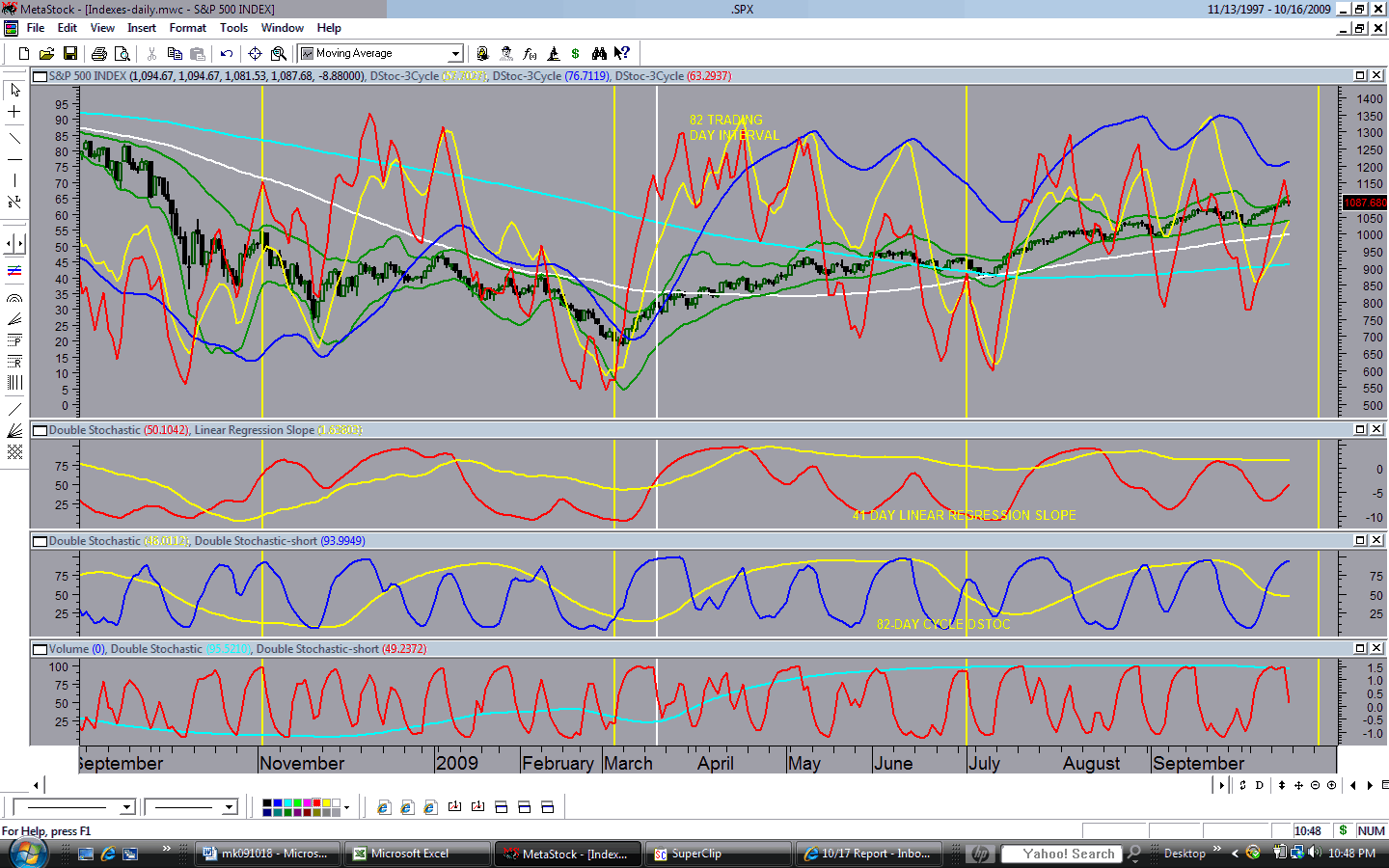
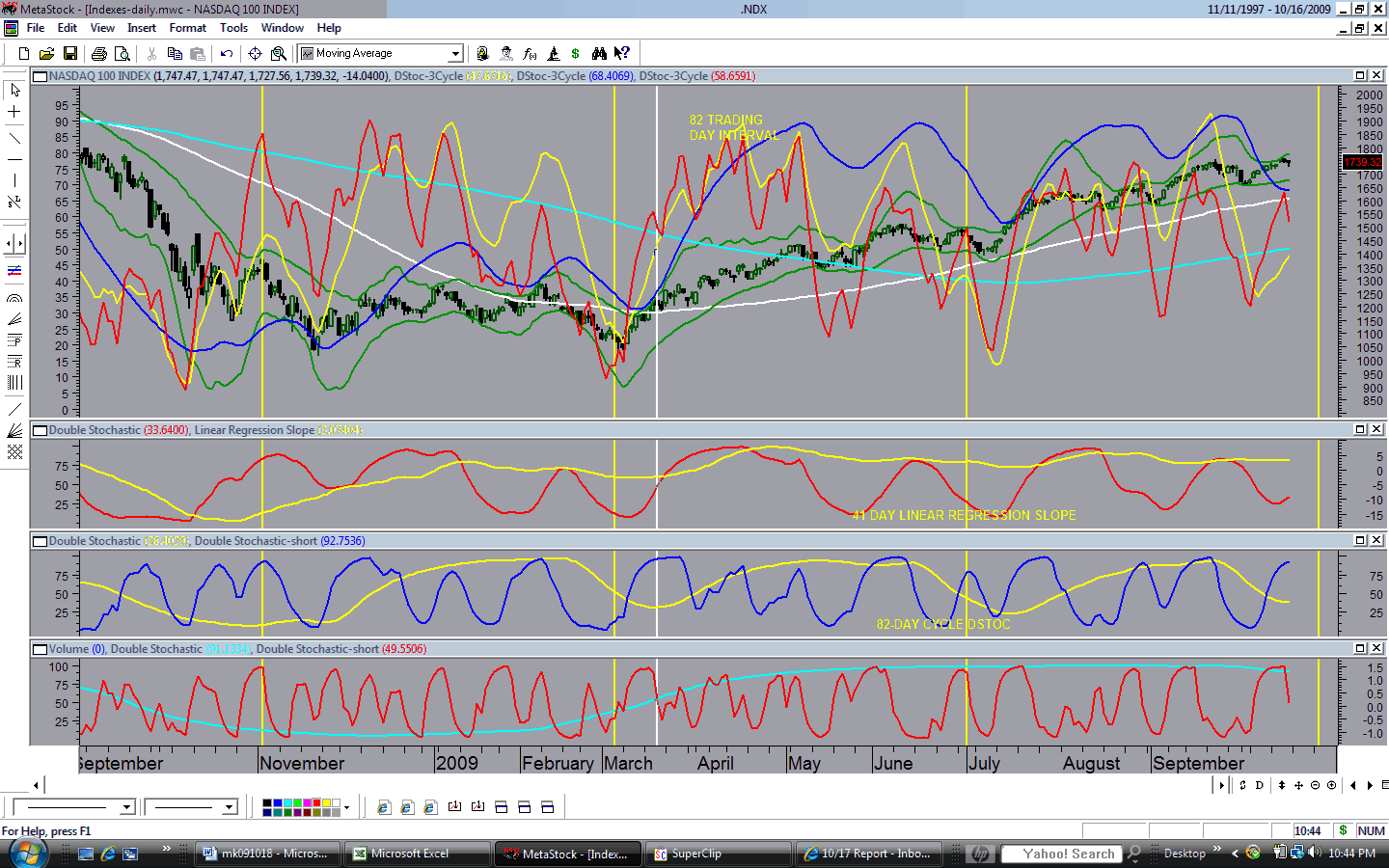
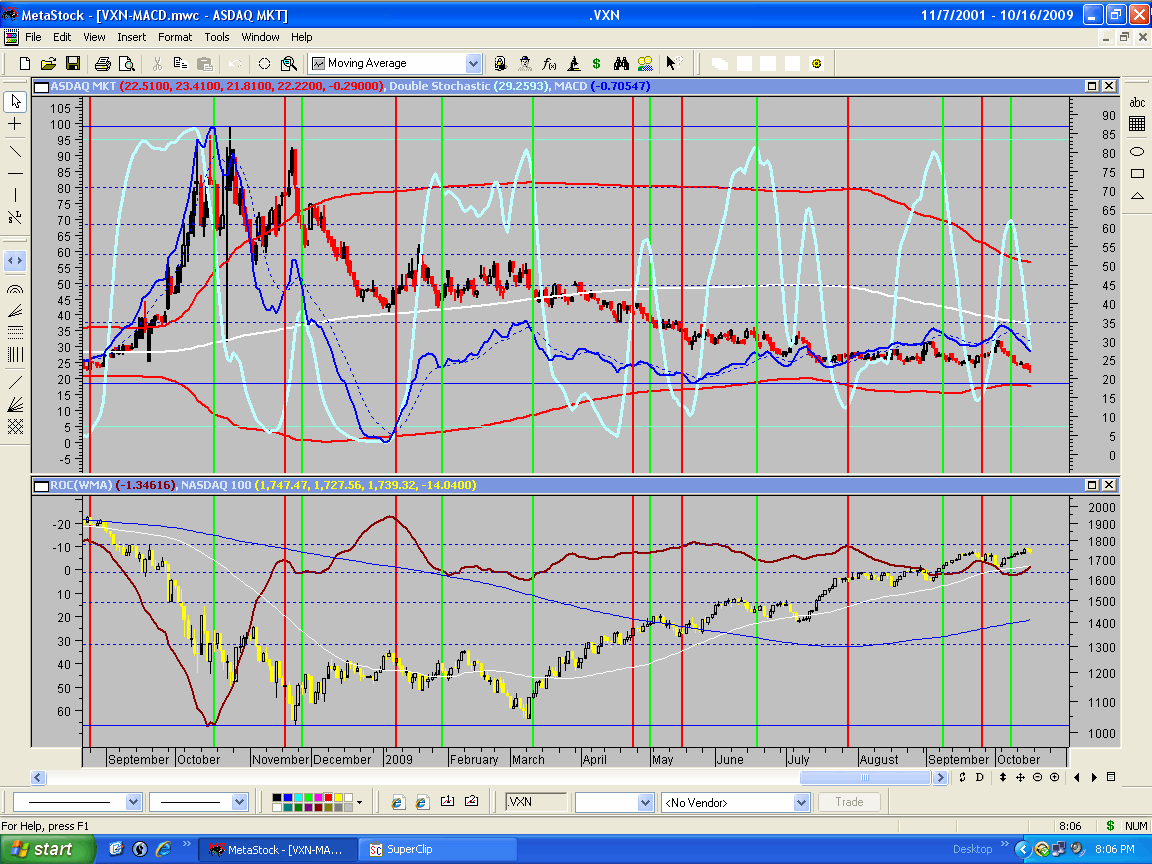
A week ago, I opined that last week would provide no relief from the downtrend, and that the trip to the bottom for the short-term composite would consume most of March. That remains the case for the short-term composite, but this week could provide a pause in the decline or at least a slowing of the rate. The 13-day cycle is oversold and the 26-day cycle is close to it (http://www.geocities.com/petegersb/Russell2000.GIF). But the 7-week-old 10-wk cycle probably requires one more 13-day cycle before reaching bottom. A normal 10-wk cycle encompasses four 13-day cycles. The current 11-day-old 13-day cycle is only the third. Ideally it will reach bottom in the middle of this week, and the next one will reach bottom at the end of the month along with a then 10-wk-old 10-wk cycle. The DStocs for the daily VIX and VXN (http://www.geocities.com/petegersb/VIX.GIF, http://www.geocities.com/petegersb/VXN.GIF) are not yet in position for a10-week cycle bottom, but likely will get there by month end.
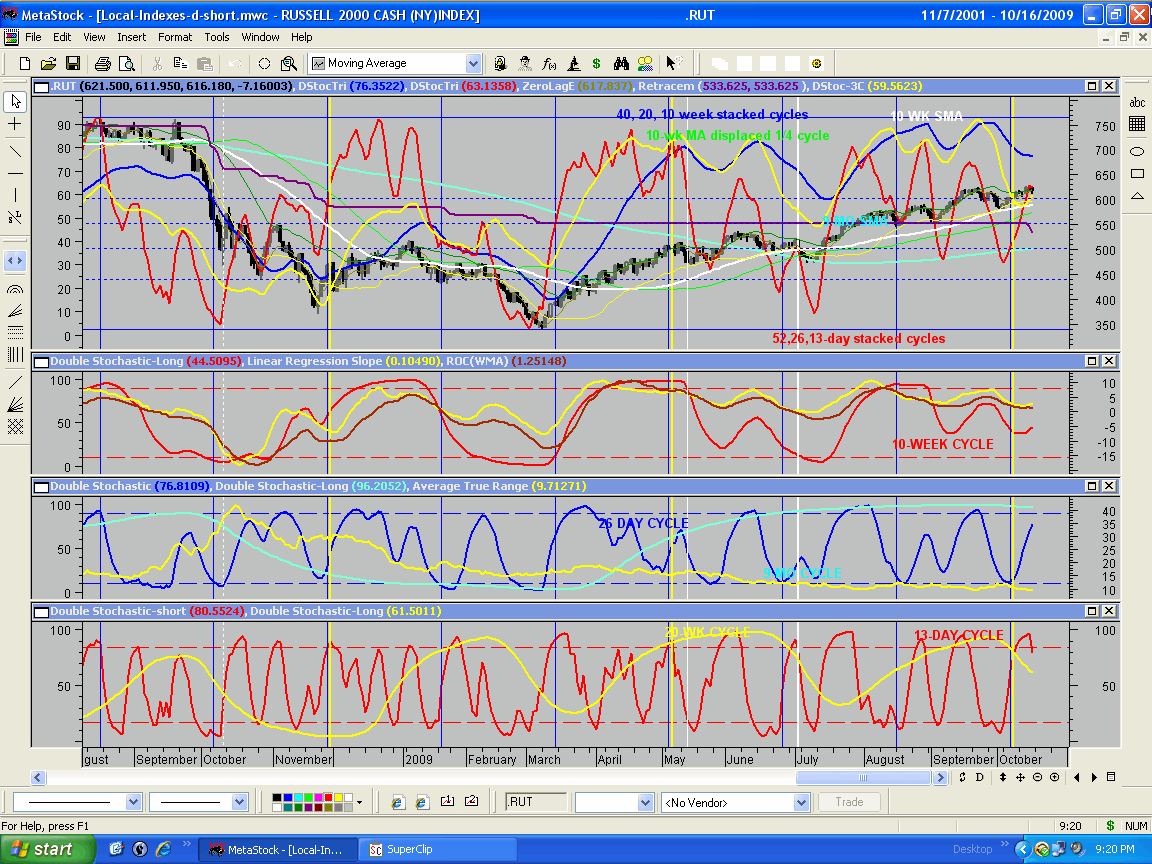
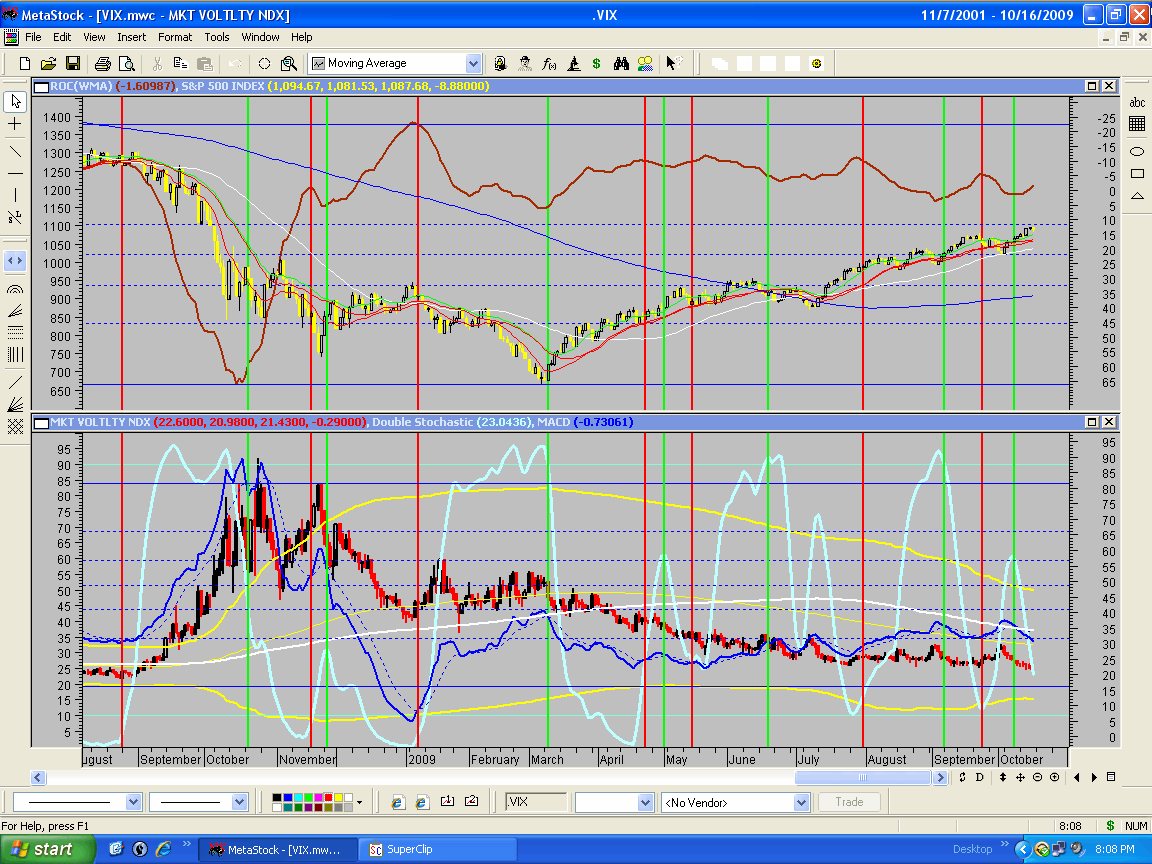
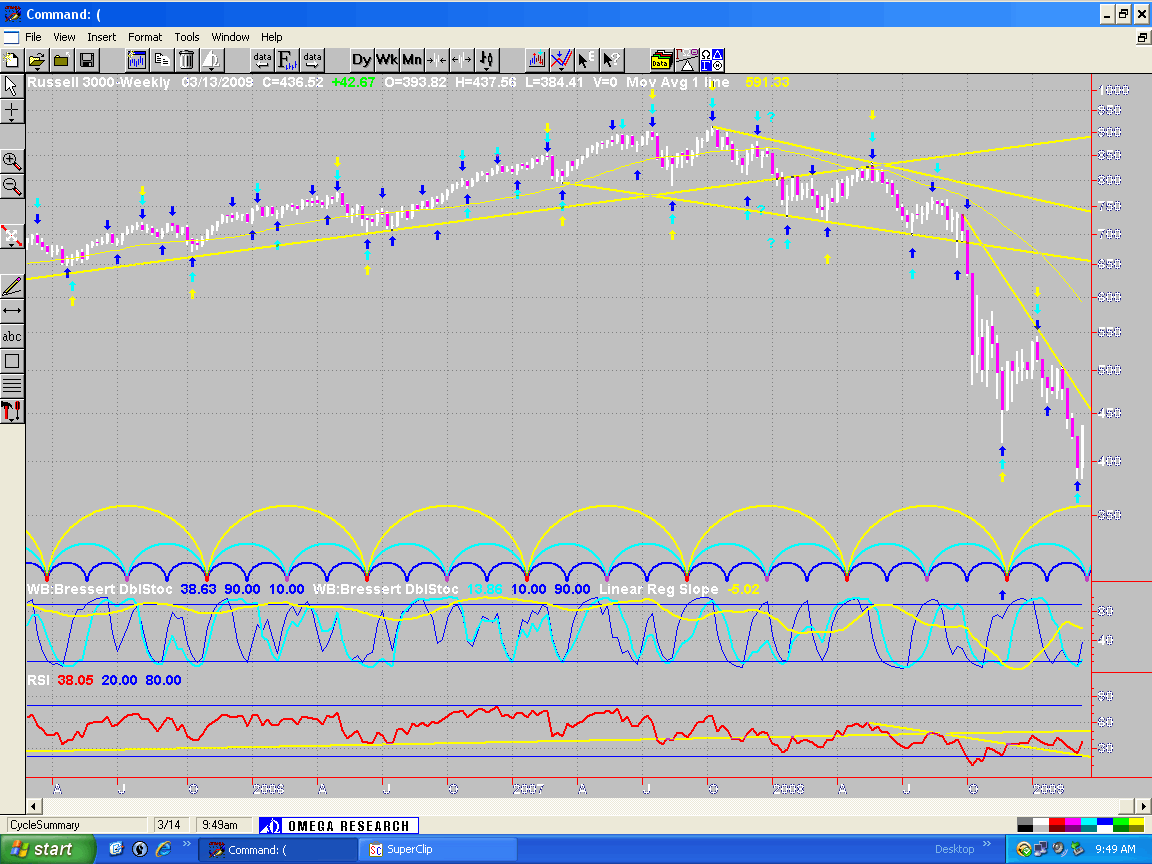
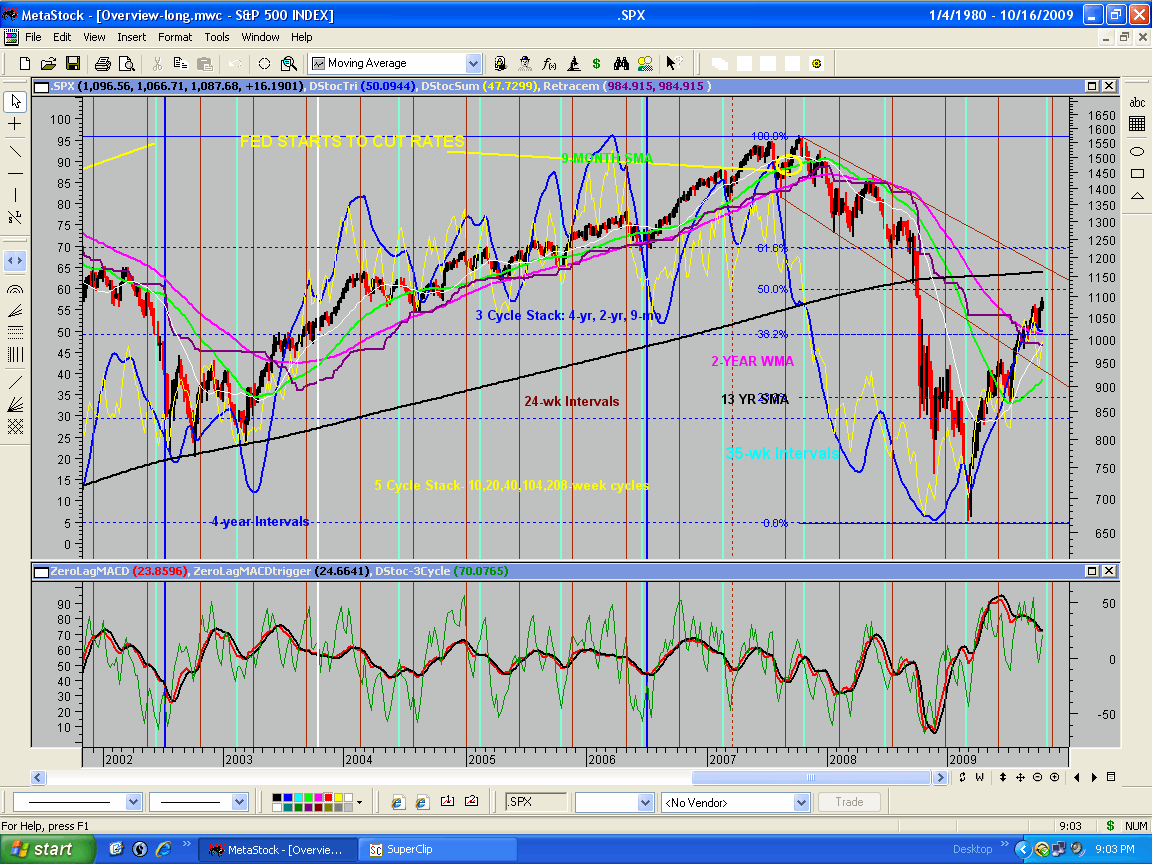
Even if the market cooperates with that short-term scenario, last week enhanced the prospect that the final bottom of this 9-month/4-year cycle will occur farther downstream. The DStocs for the 20-wk cycle have now turned down from left-translated peaks on all of the daily charts and on the weekly chart (http://www.geocities.com/petegersb/Overview-med.GIF). The turndown has been confirmed by the weekly VIX (http://www.geocities.com/petegersb/VIX-weekly.GIF) but not yet the weekly VXN (http://www.geocities.com/petegersb/VXN-weekly.GIF). Since that cycle is also only 7 weeks old, its ideal bottom projects to late June – about a month later than the ideal 9-month cycle low (http://www.geocities.com/petegersb/Overview-long.GIF) –close enough for cycle work. A normal 50% retracement of the 4-yr cycle would drive the SPX to about 1175 by that time – 9% below Friday’s close and a normal total bear market decline of 26%.


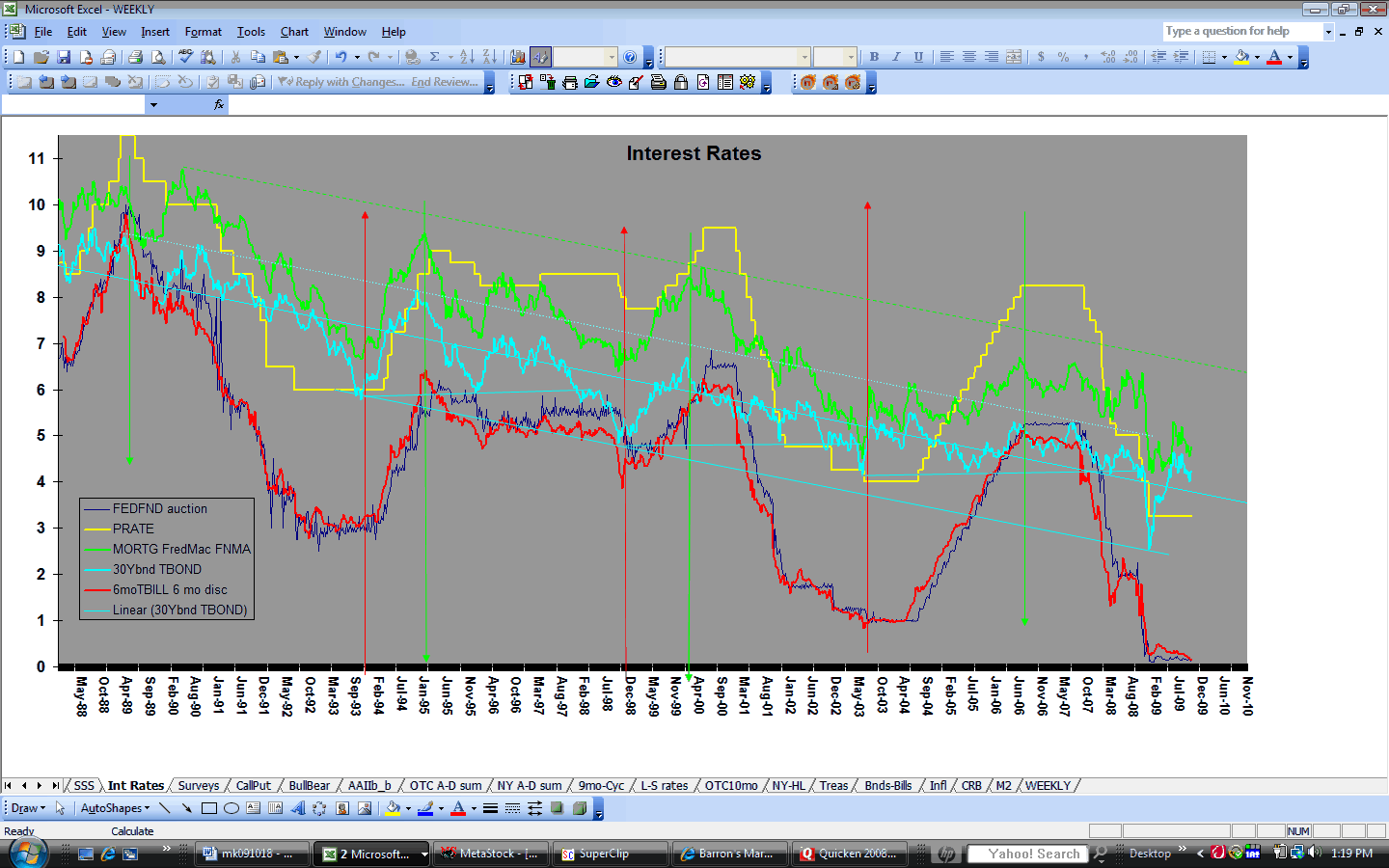
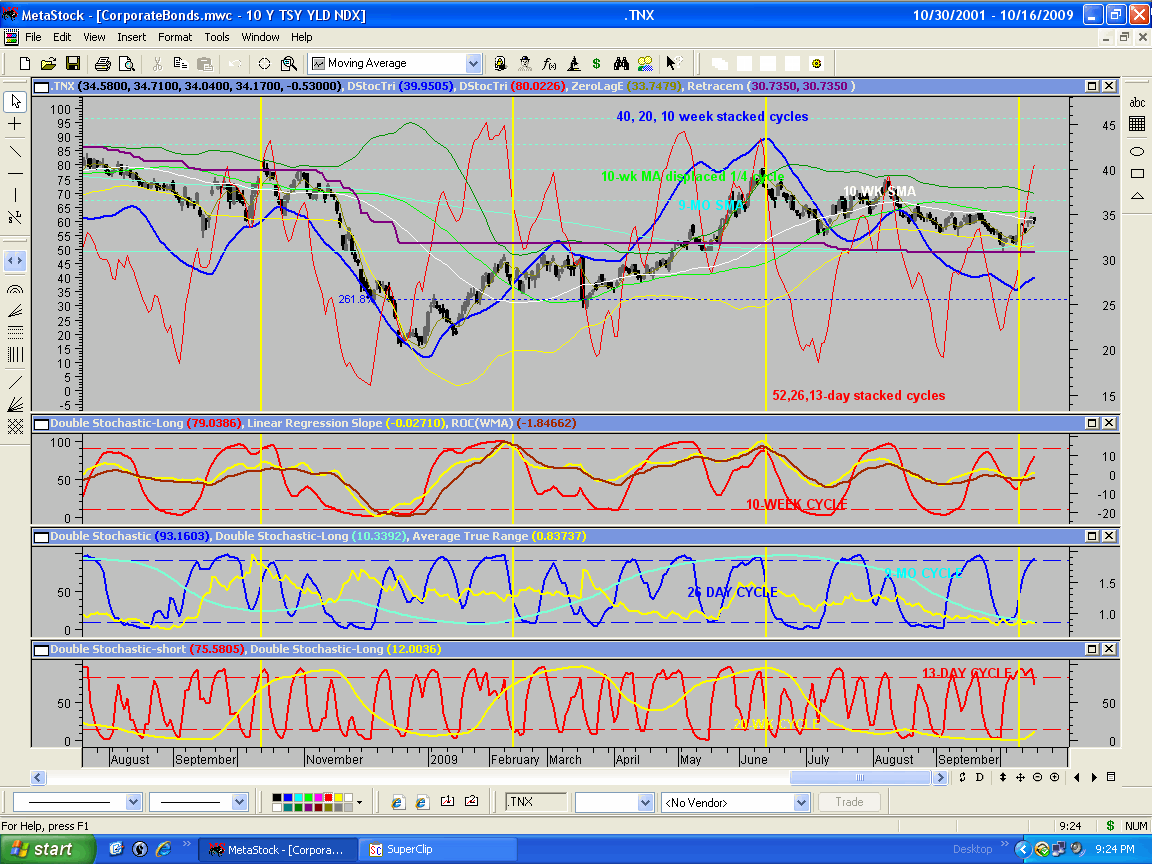
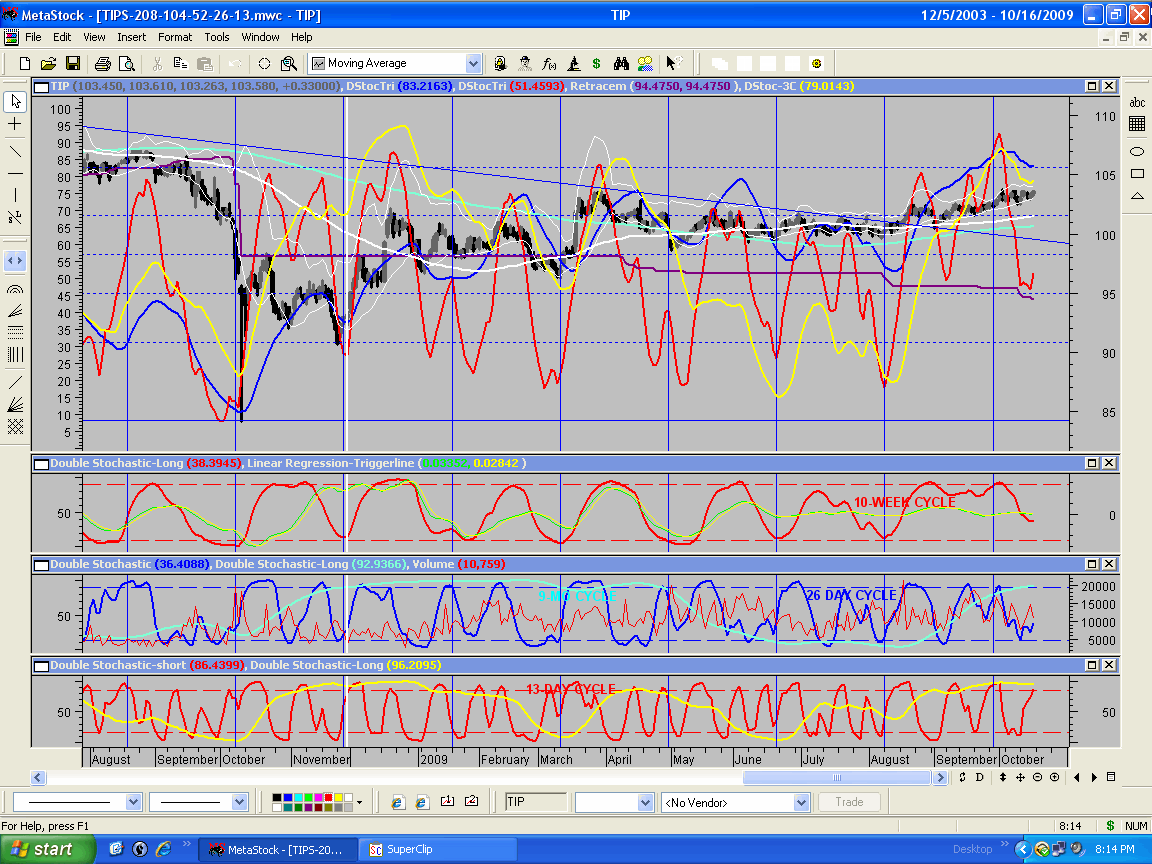
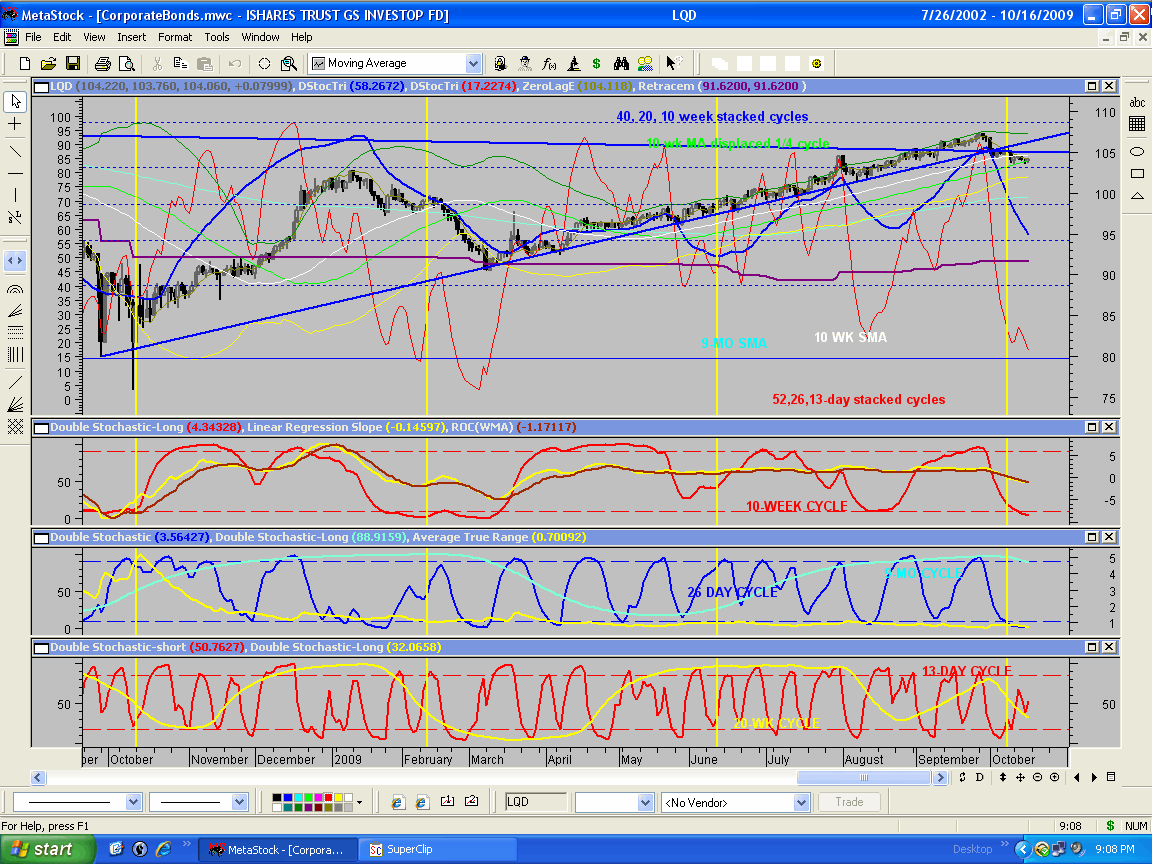
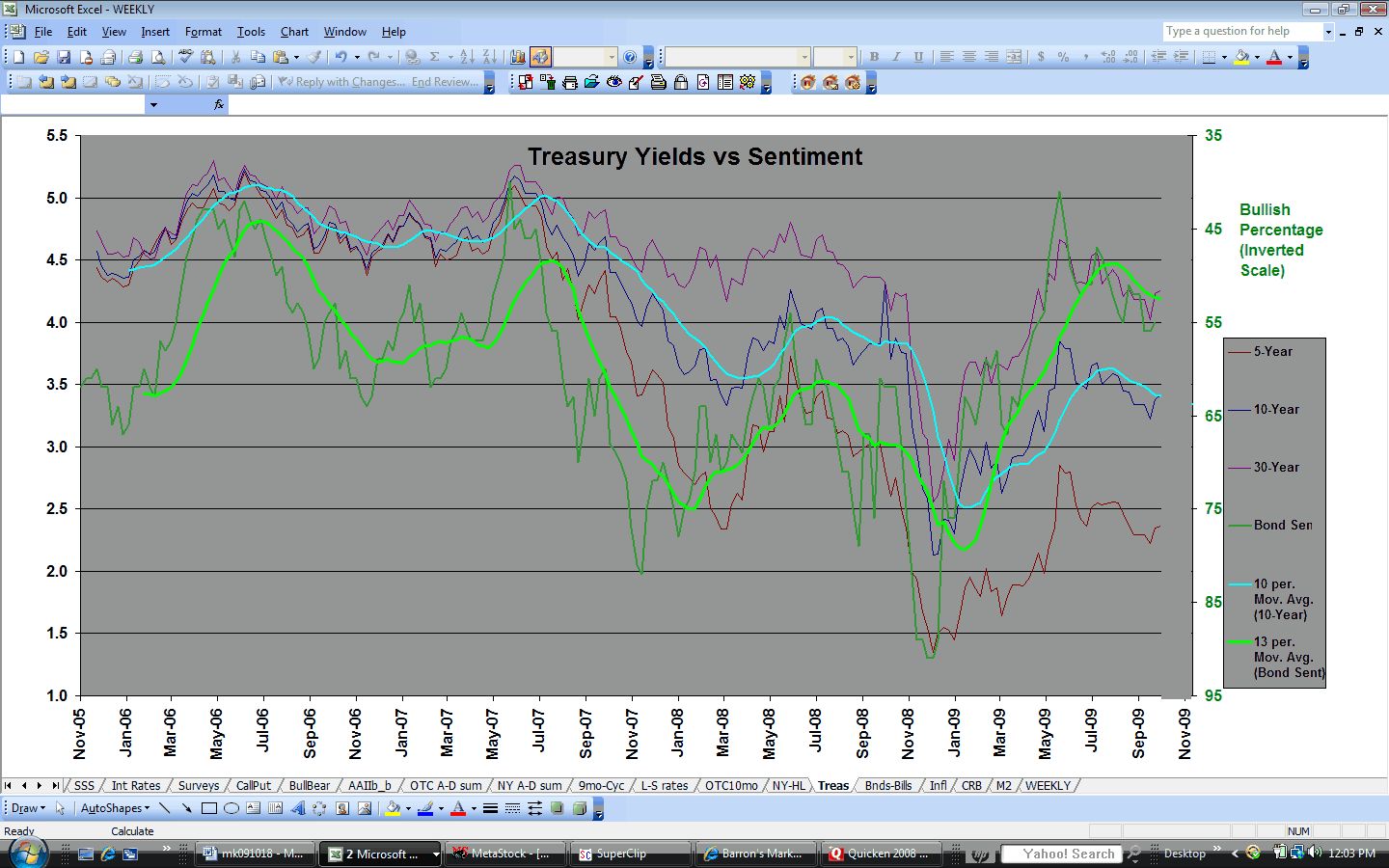
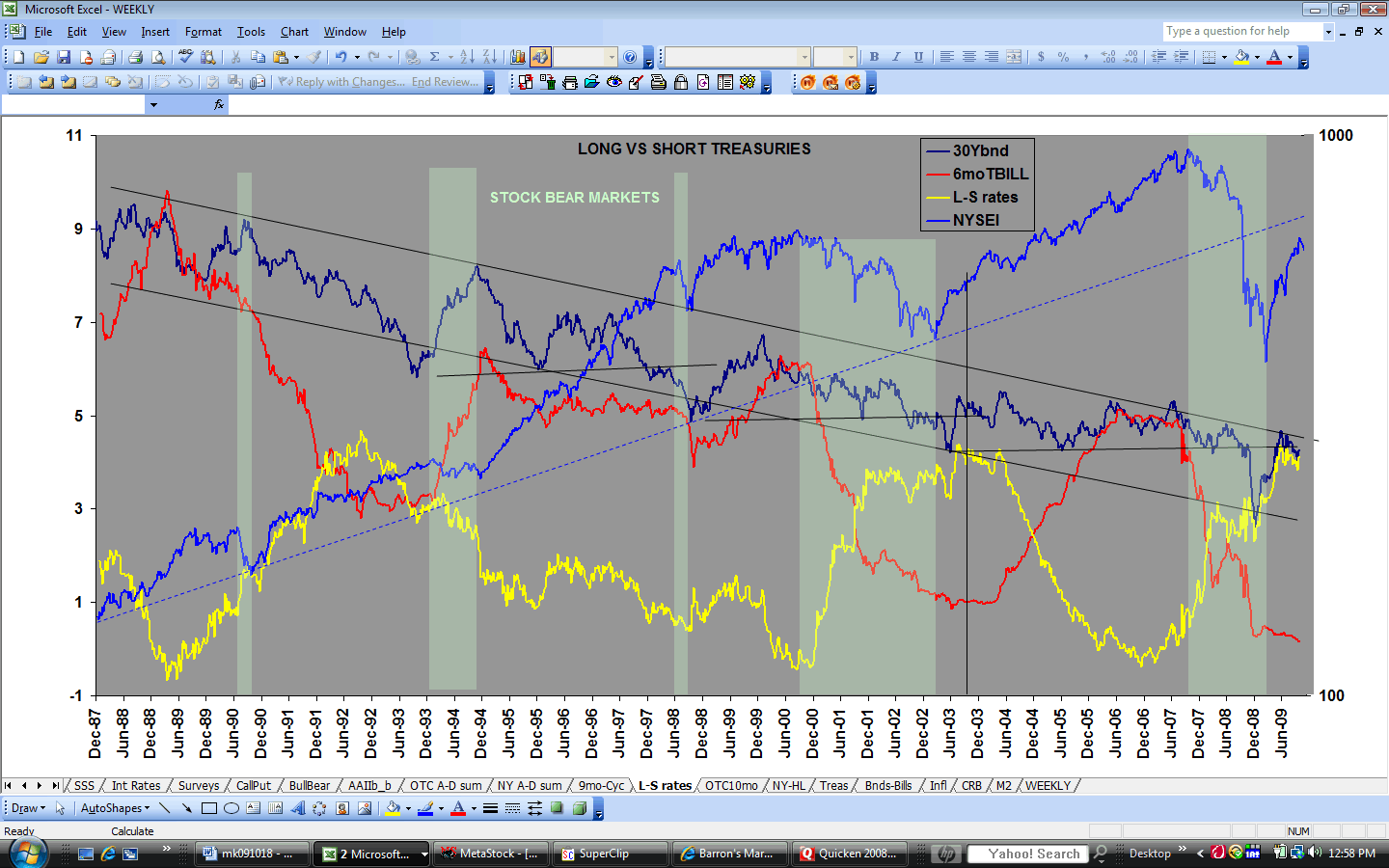
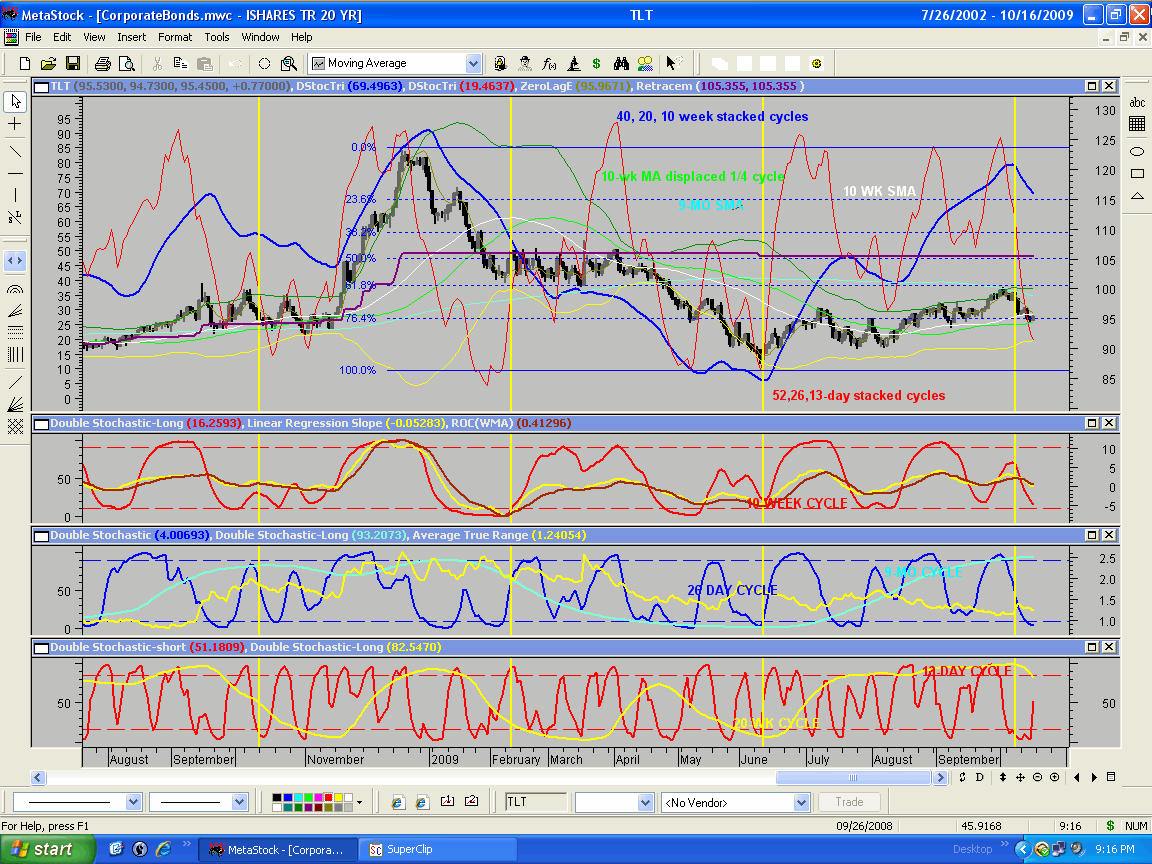
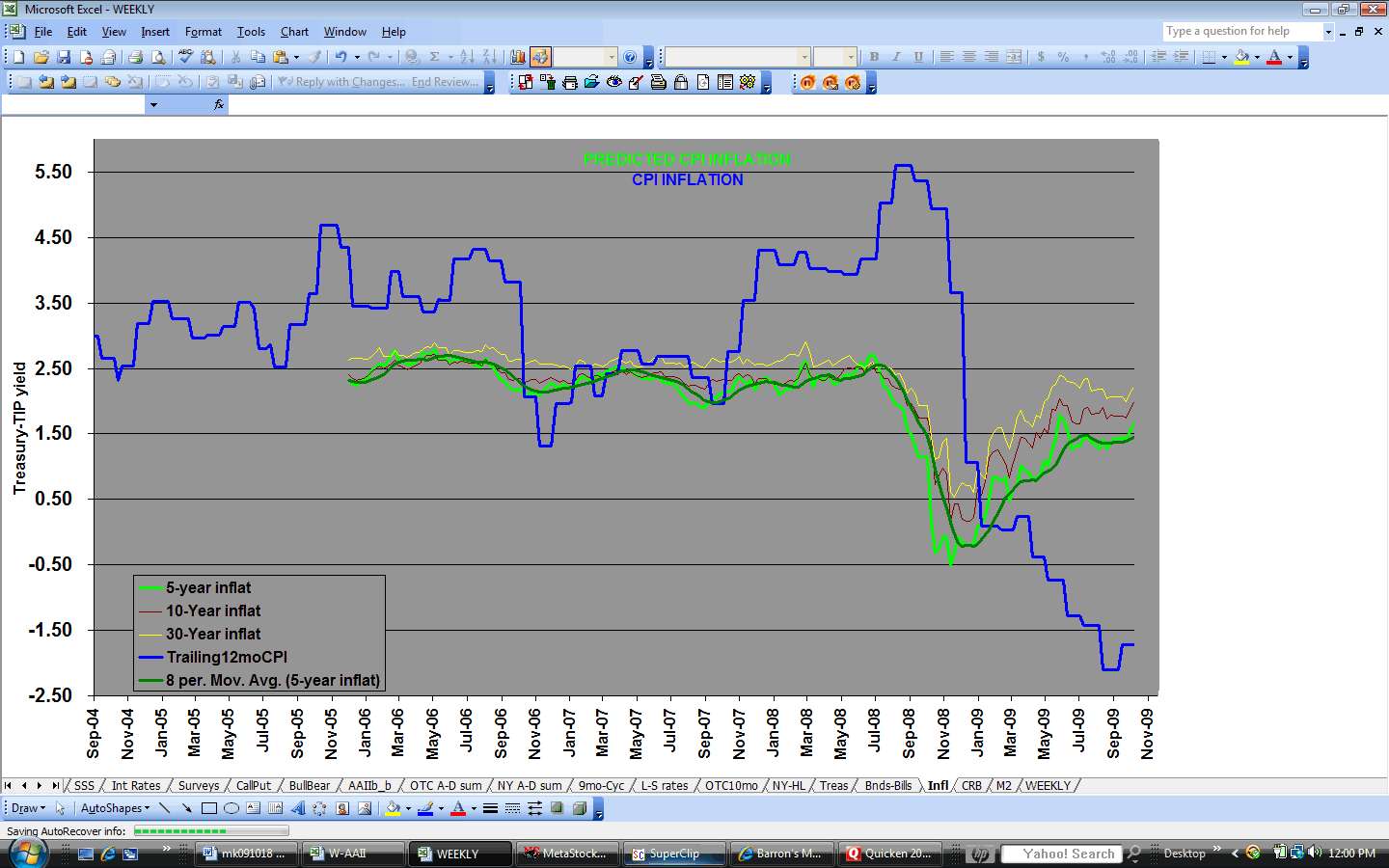
The weak economic date drove short-term interest rates lower (http://www.geocities.com/petegersb/InterestRates.GIF), while inflation concerns drove long-term rates higher, with the 10-yr treasury rate remaining essentially unchanged (http://www.geocities.com/petegersb/TreasuryYield-10yr.GIF). TIPS (http://www.geocities.com/petegersb/TIPs.GIF) again surged to a new high. Corporate bonds (http://www.geocities.com/petegersb/CorporateBonds.GIF), which moved below the February low, were again the weakest bond sector. The fear of inflation over the next few years is now so high, that the 5-yr TIP now has a negative yield to maturity (http://www.geocities.com/petegersb/BondSentiment.GIF). The same chart shows that optimism for bonds has returned to a very high level, providing a mixed signal. The increasing enthusiasm is a positive, but the very high level is a negative. The yield curve’s surge toward normalization http://www.geocities.com/petegersb/Long-ShortYields.GIF) should continue with another large short-term rate cut by the Fed now a near certainty following the weak employment data. Although the January peak still looks like a right-translated 9-month cycle peak for long-term bonds (http://www.geocities.com/petegersb/Treasury-20yr.GIF), it appears that the weak economy is influencing bond investors more than rising inflation (http://www.geocities.com/petegersb/CPI.GIF, http://www.geocities.com/petegersb/CRB.GIF). The 10-wk cycle on the 20-yr bond is rising; the 13-day and 20-wk cycles are moderately oversold, and the 9-month cycle is 9-months old. Conventional Treasury Bonds may follow TIPS in testing the January high, but not before completing the downtrend in the shorter cycles.
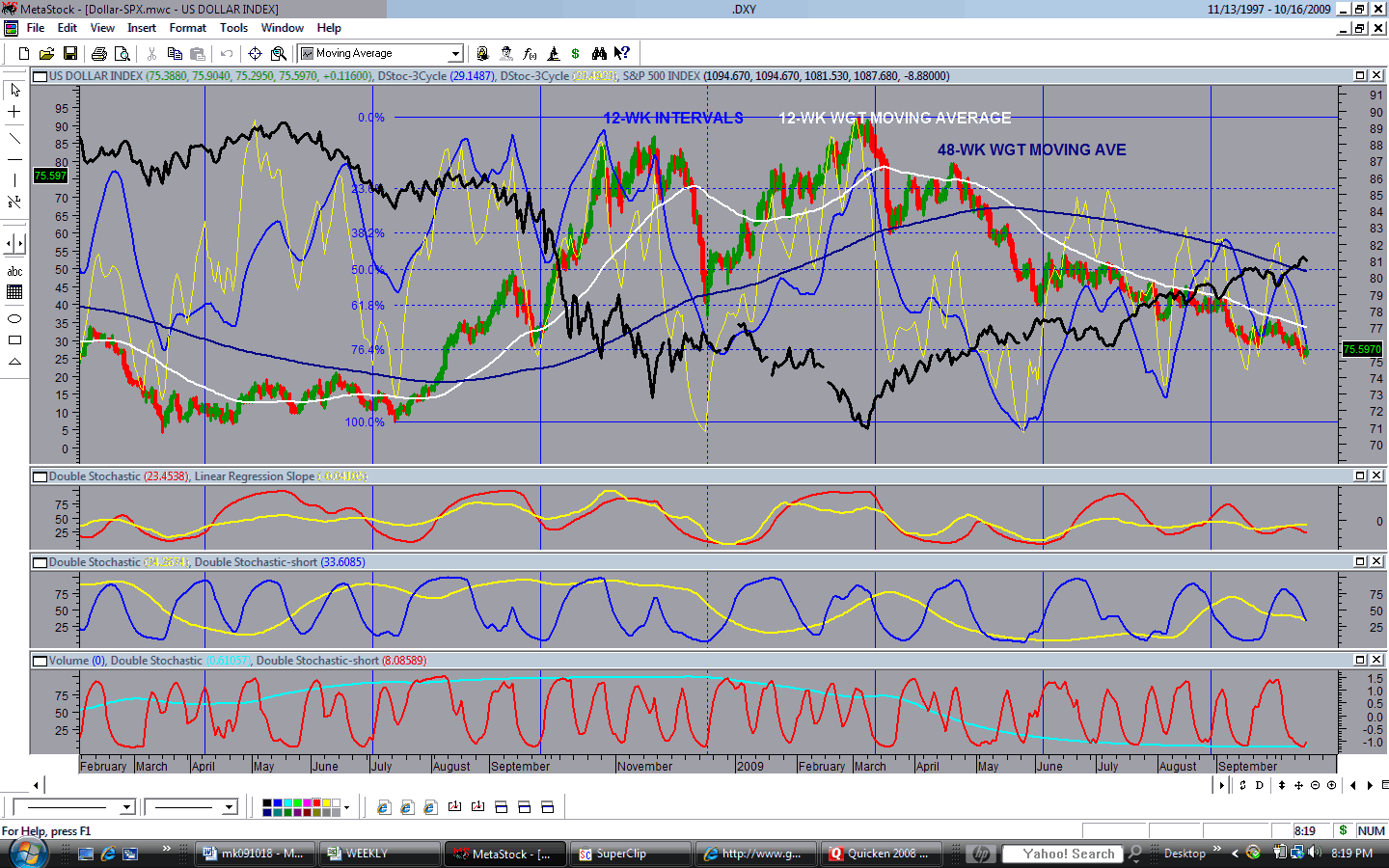
The dollar (http://www.geocities.com/petegersb/Dollar.GIF) declined each day of last
week – modestly early in the week, but steeply late in the week. The 5-week-old
10-wk cycle should produce considerably more downside, but the shorter cycles should
be providing some temporary support here. If so, the next Fed rate cut should
push the dollar lower again into a 20-wk cycle low that coincides with the next
10-wk cycle low. It’s already assured of a lower low after its left-translated
lower peak. The 9-month cycle isn’t scheduled to bottom until late summer. Perhaps
it will get some encouragement from a rising stock market in that time frame,
although that didn’t seem to matter since 2003. The dollar has declined during
the entire Bush presidency, whether stocks and interest rates were rising or
falling.
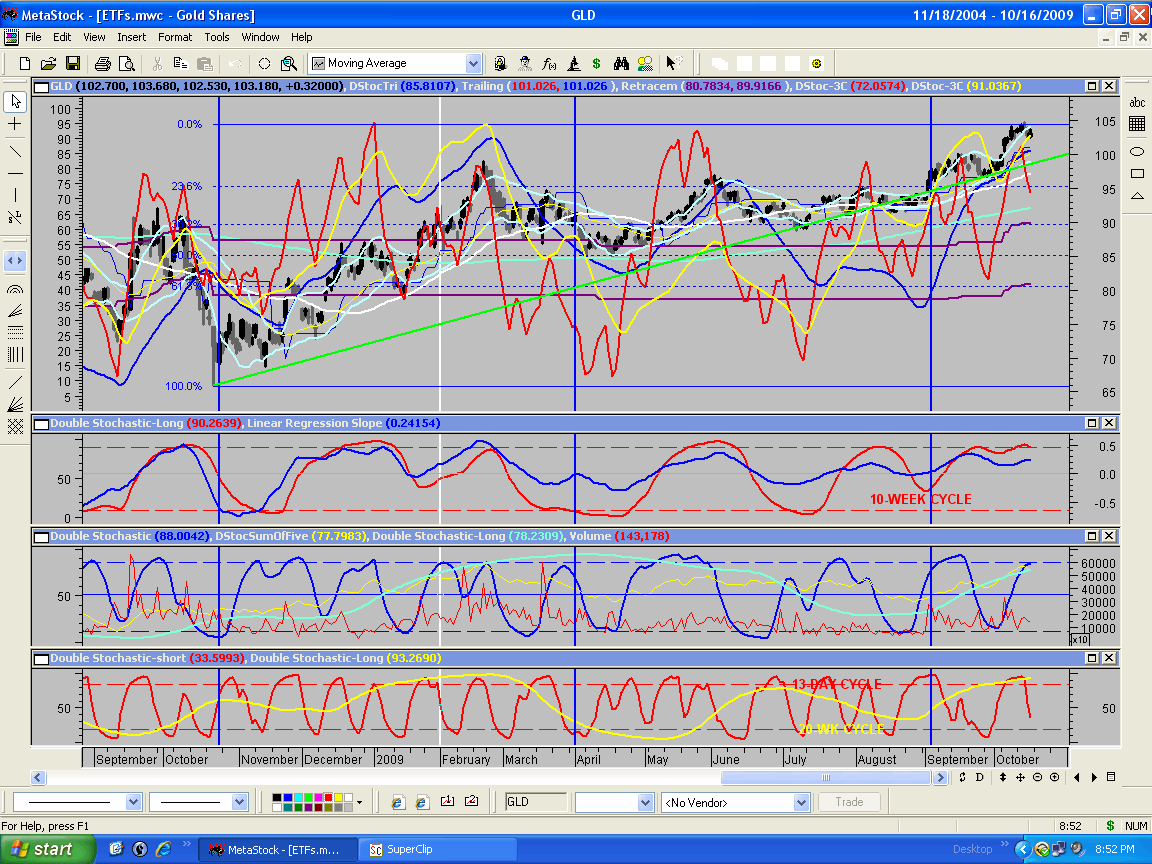
Gold (http://www.geocities.com/petegersb/GoldBullion.GIF)
reached a couple more new highs before pulling
back a little at the end of the week. Sometime next week the 13-day cycle
should reach bottom and then assist the 3-wk-old 10-wk cycle in driving the
price to more new highs before the overbought longer cycles produce a
correction of intermediate proportions. Thousand-dollar gold still appears
likely sometime this month, but that may well be the intermediate-term top. Gold
is near the top of the 2nd 10-wk cycle within the 2nd 20-wk
cycle of the current 9-month cycle. The eventual intermediate correction from
right-translated peaks in all of these cycles is likely to be shallow and
relatively brief, as were the last 3 intermediate corrections. Gold stocks as
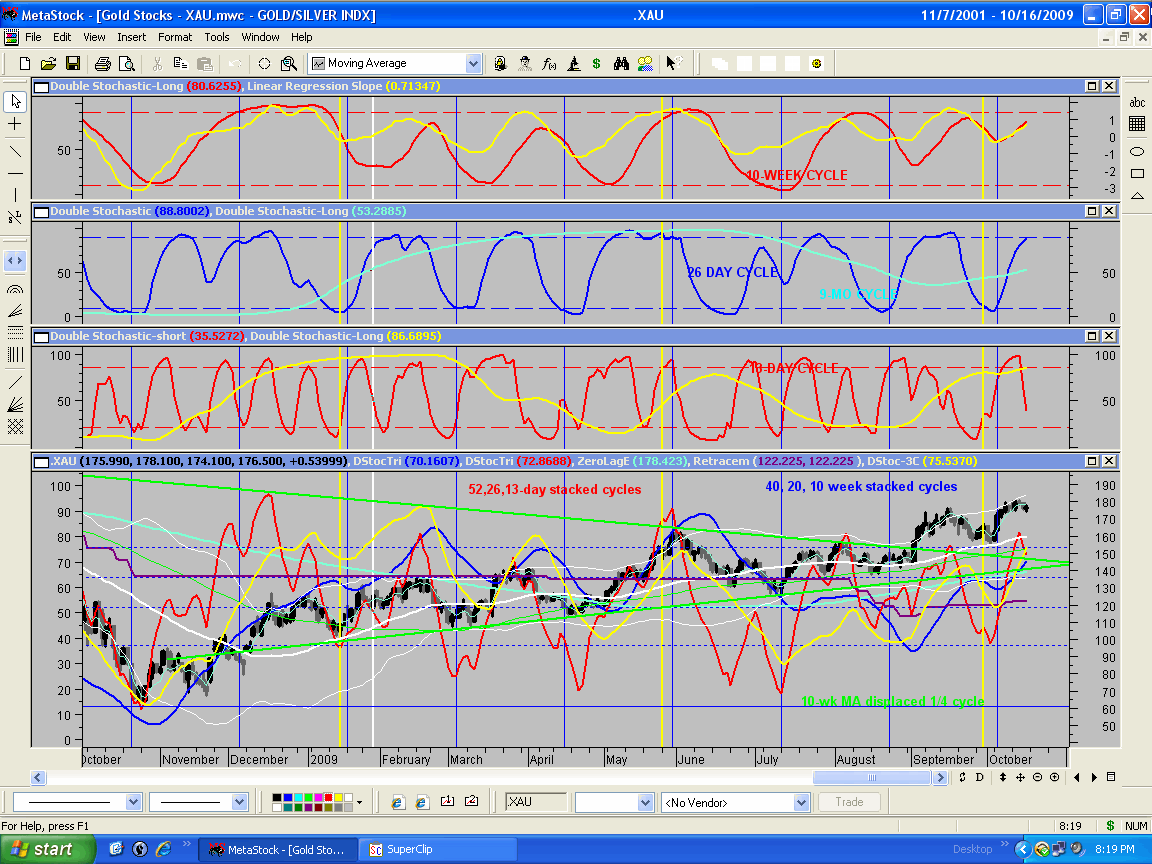
represented by the XAU (http://www.geocities.com/petegersb/GoldStocks.GIF) also made several new highs last week before selling off
to the bottom of the very short-term range on Friday. The cyclic pattern of the
XAU is very similar to that of the metal, but the stocks will probably correct
a bit more severely in an intermediate-term correction because of their
tendency to move somewhat in sympathy with other stocks. They declined very slightly last week, but as
anticipated, held up far better than the roughly 3% decline in the broad
indexes.
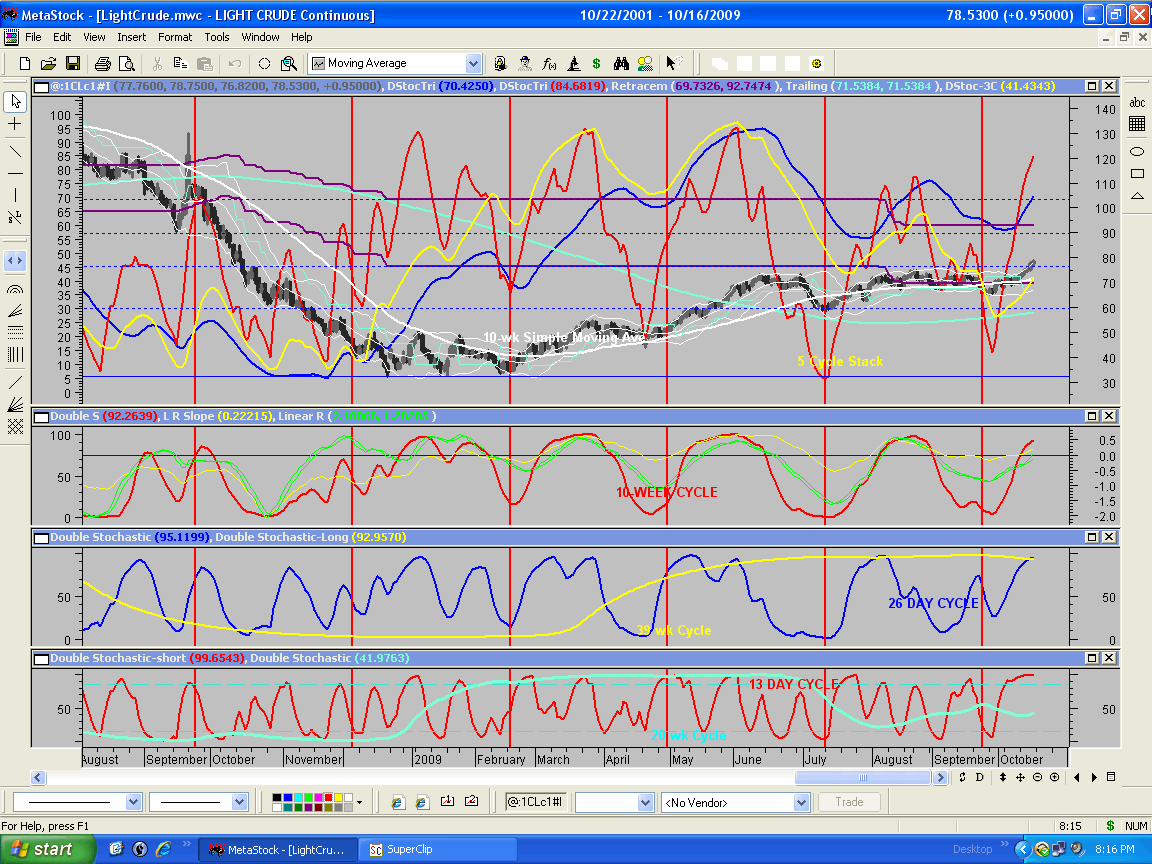
The rising
10 and 20-week cycles again drove Crude oil (http://www.geocities.com/petegersb/CrudeOil.GIF) to new highs as expected. Although the 10-wk cycle is
overbought and now past middle age, the 20-wk cycle should sustain the
intermediate advance for a couple more months.
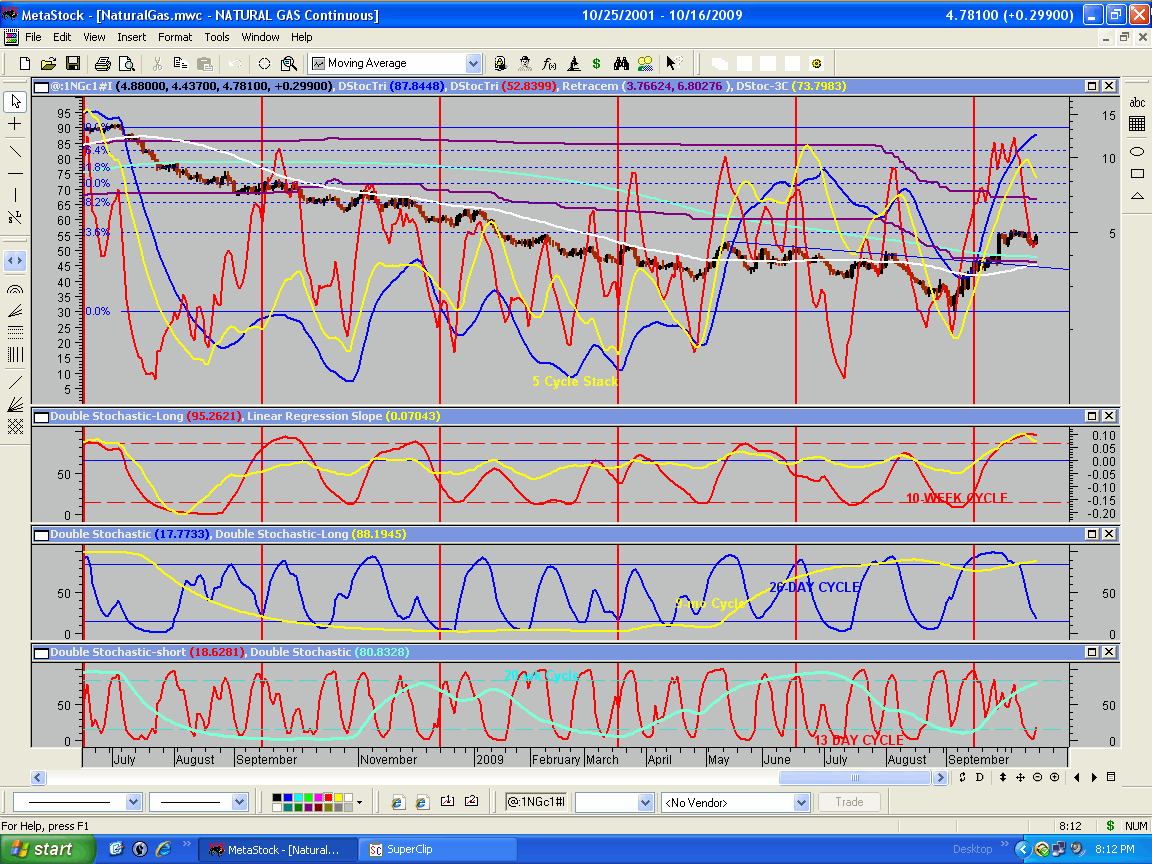
Natural
gas (http://www.geocities.com/petegersb/NaturalGas.GIF) has not been able to sustain a short-term correction for
more than a day or two. It surged to another multi-year high last week – nearly
doubling from its August low. The overbought condition of the 10-wk and longer
cycles suggests that an intermediate correction is near, but with this kind of
momentum, it’s likely to be shallow.
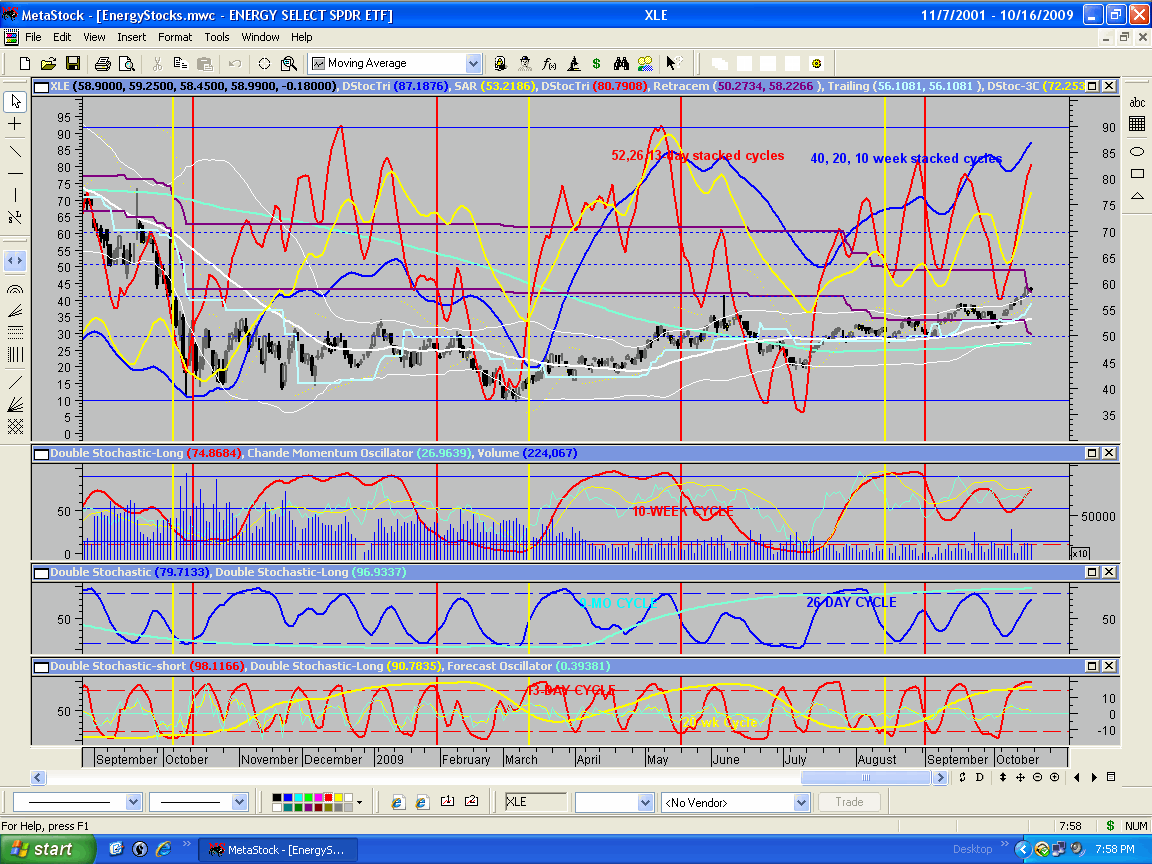
Energy
stocks (http://www.geocities.com/petegersb/EnergySPDR.GIF)
did not follow the underlying commodities to
new highs. Instead, under the influence of declining short cycles, they corrected
about as much as the broader market. Because of their greater-than-normal volatility,
that’s still a relatively good performance, but they broke below the 10-wk
moving average and are threatening the 9-month moving average. They may have
established a lower 10-wk cycle peak, but the oversold 13-day cycle should
provide some support soon. The rising 20-week cycle should provide continuing
support as well. If the short-term correction can hold above $71 on the XLE,
the chart pattern will continue to look healthy. If not it may be prudent to
exit this strong sector until the broader market bottoms. If the XLE can’t hold
up despite impressive strength in the underlying commodities, you will know
that stocks in general are in deep trouble.
.