3/2/08
During the last two weeks, the market, as measured by the S&P 500 (http://www.geocities.com/petegersb/SP500.GIF) and the Russell 2000 (http://www.geocities.com/petegersb/Russell2000.GIF), rallied back up to the downtrending 10-week moving average, where it probably established lower 10-week and 26-day cycle peaks, and sold off sharply to close within a fraction of a percent of the February lows - bear-market behavior that should follow through to break the January lows.
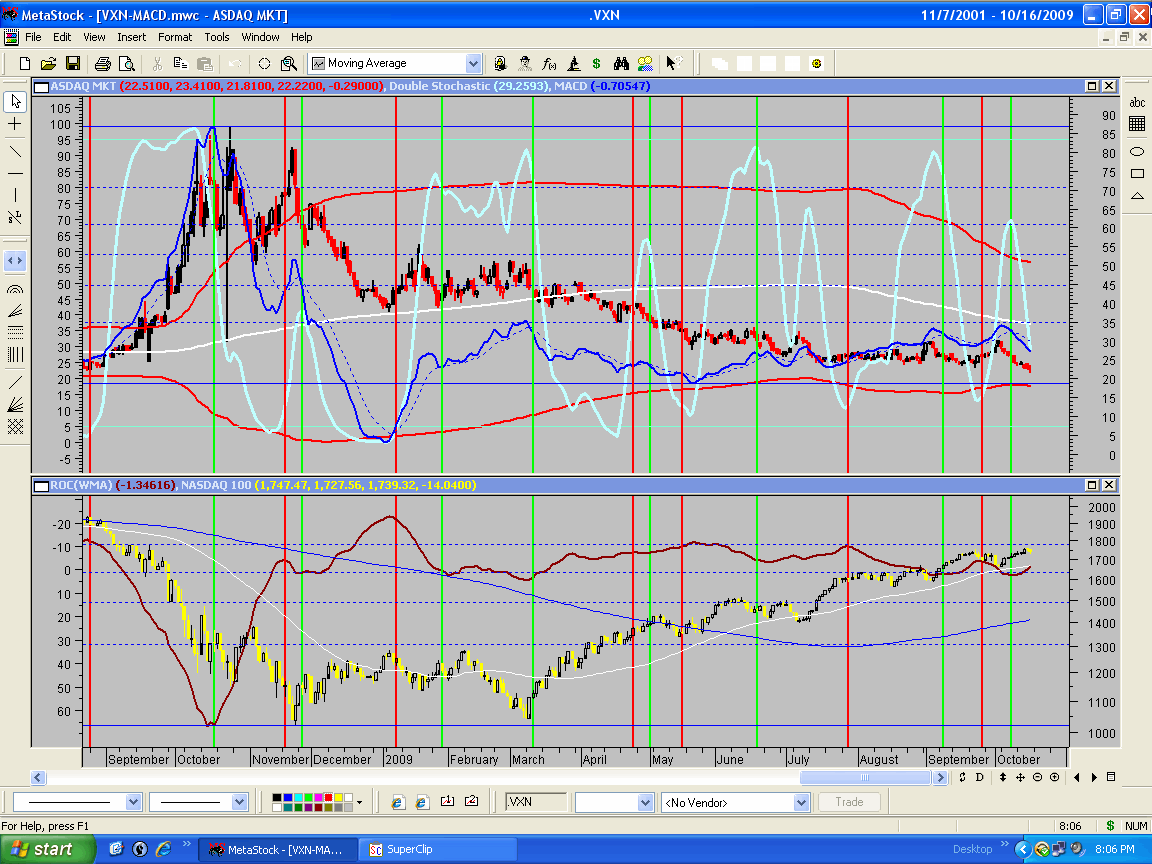
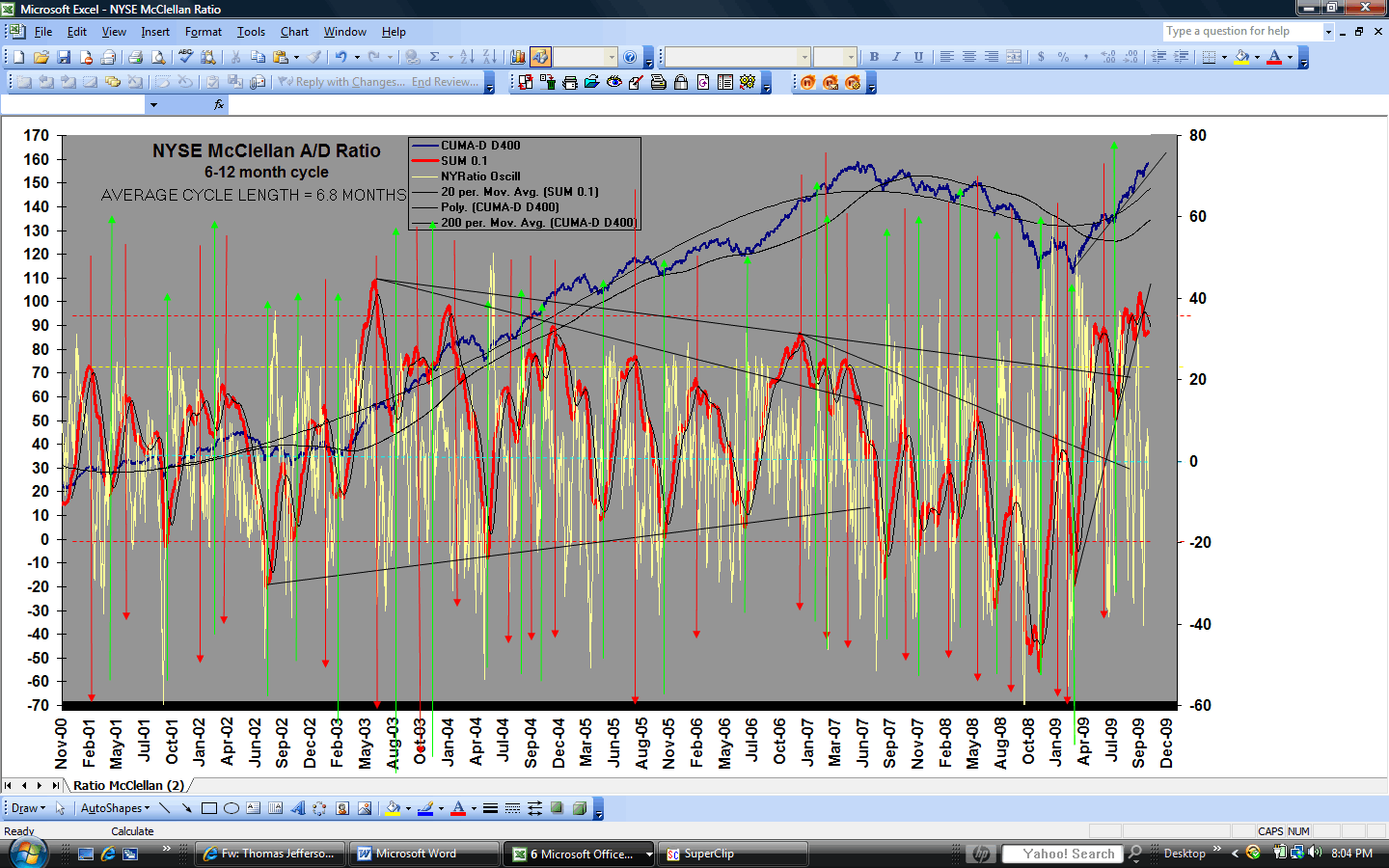
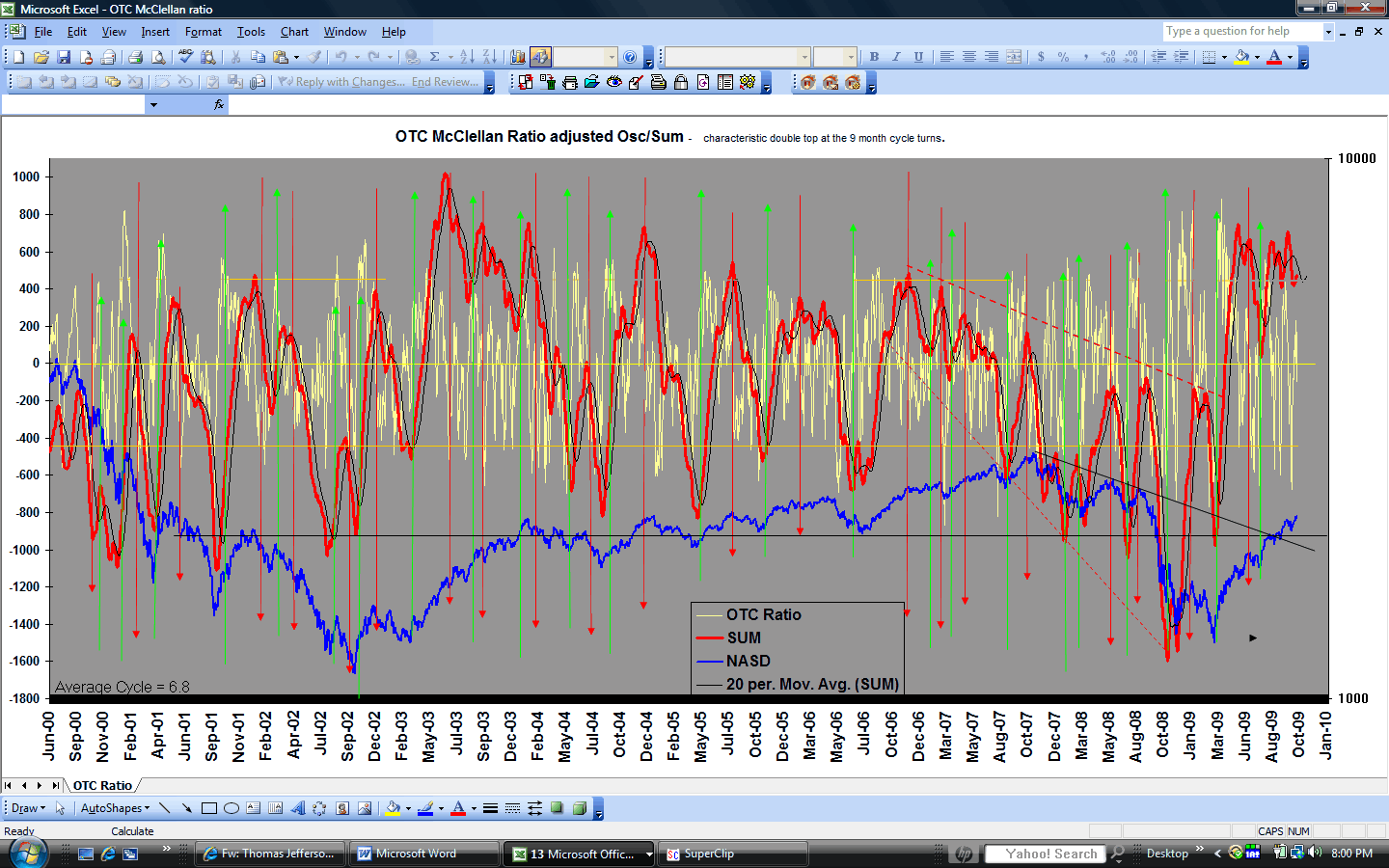
While the DStocs for the 10 and 20-wk cycles have yet to turn down on the daily price charts, both have done so on the weekly chart (http://www.geocities.com/petegersb/Overview-med.GIF), and the DStocs of the VIX and VXN also indicate a downturn in these cycles. The daily VIX and VXN (http://www.geocities.com/petegersb/VIX.GIF, http://www.geocities.com/petegersb/VXN.GIF) indicate the 10-week cycle has turned down, and the weekly VIX and VXN (http://www.geocities.com/petegersb/VIX-weekly.GIF, http://www.geocities.com/petegersb/VXN-weekly.GIF) indicate a 20-week cycle downturn as well. The McClellan A-D Summation indexes (http://www.geocities.com/petegersb/A-Dsummation-NYSE.GIF , http://www.geocities.com/petegersb/A-Dsummation-OTC.GIF) turned down from lower peaks. Assuming these indicators are correct, we have now seen extreme left-translated price peaks for both the 10 and 20-week cycles.
While the downtrends in these cycles are bad news for the intermediate term, they are probably good news for the longer term. It helps establish August 07 as the last 9-month cycle low and enhances prospects for the next one to arrive in spring – along with a very late 4-year cycle low. The May timeframe would measure 9 months from last August and nearly 20 weeks from the January low, so I’m looking for a good buying opportunity in that time frame. Had stocks continued to rally, it would have driven us to the conclusion that the summer of 2006 produced the last 4-year cycle low and January produced a lower 9-month cycle low (below the March 2007 low) very early in the four year cycle – a condition that implies the grim prospect of a continuing bear market into the next scheduled 4-year cycle low in 2010. If instead, the much delayed 4-year cycle low arrives in the May timeframe, as now indicated, we will have the happy prospect of a bull market in the second half of 2008 and hopefully on into 2009 before heading into the low of an abbreviated 4-year cycle similar to the 87-90 time frame.
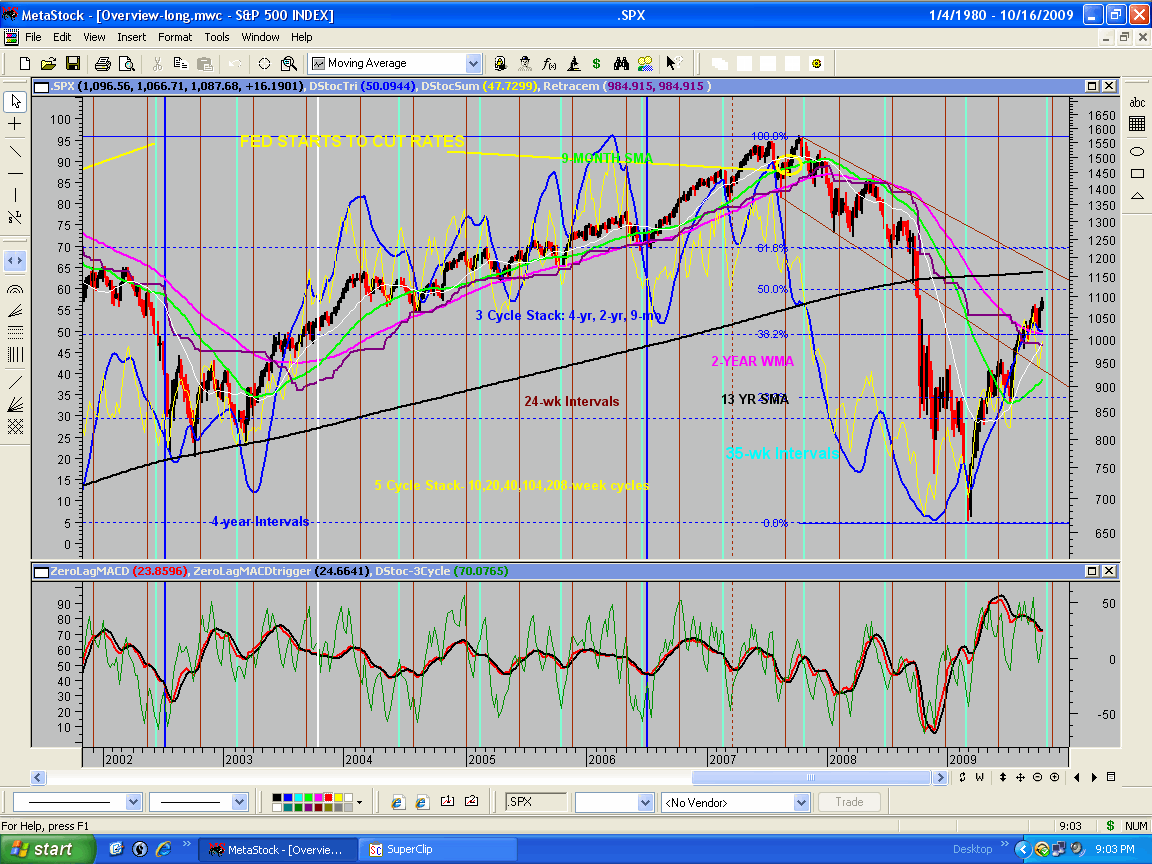
The two alternatives of a summer 2006 or a spring 2008 four-year cycle low ignore the possibility of January 2008 having been the 4-year cycle low. While a few of the indicators met the criteria for such a low in January, many did not, and the weak rally that ensued is totally uncharacteristic of liftoffs from 4-year lows (http://www.geocities.com/petegersb/Overview-long.GIF). Compare it with 82, 87, 90, 94, 98, or 03 and you will find no precedent. It has been weak even compared with any of the 9-month cycle liftoffs during the bear market of 2000-2002. So stay largely in cash and hope that I am right about the bear market lasting until spring rather than 2010.
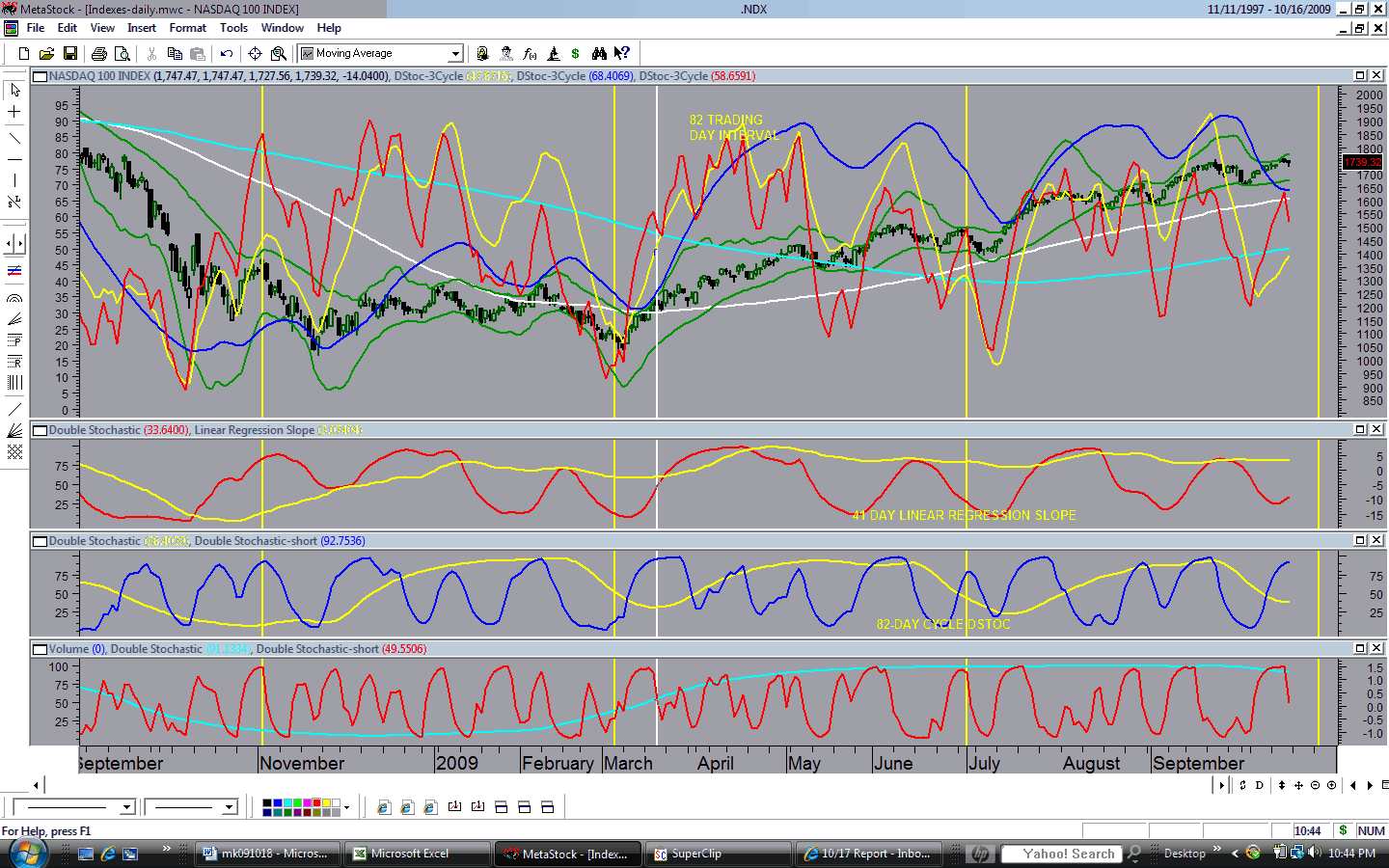
As dismal as the SPX and RUT have been, the Nasdaq has been even weaker, and that is another negative for the overall market. The NDX (http://www.geocities.com/petegersb/NDX.GIF) did not even come close to its downtrending 10-week moving average before turning south. It hasn’t quite reached its January intraday low, but its closing price on Friday was the lowest in the last 50 weeks.
So if the next couple of months promise to continue the string of 4 successive losing months, what about this week? There is no relief in sight. The short-term composites turned down late last week from overbought territory, and they remain near the top of the range. The trip to the bottom for the short term composite appears likely to consume most of March, and that shouldn’t be the final bottom.
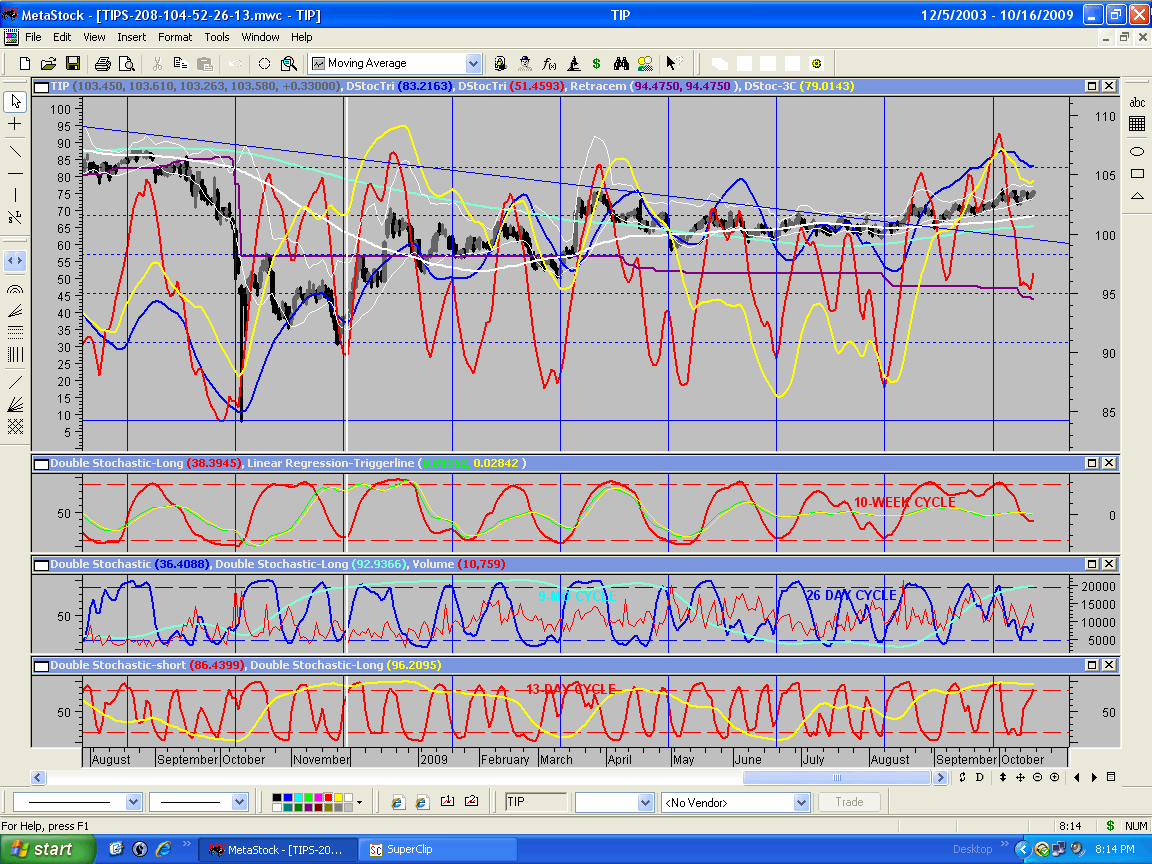
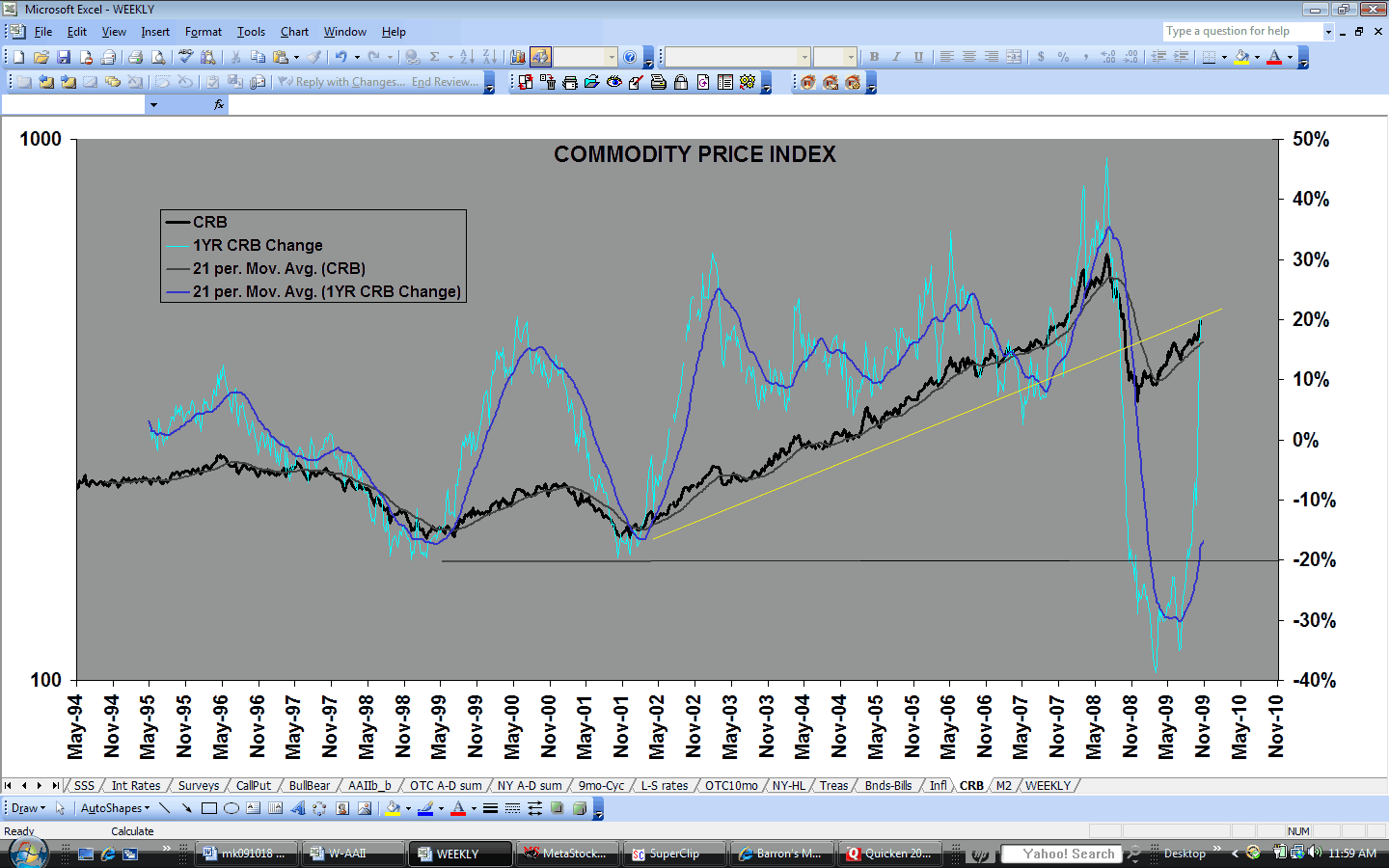
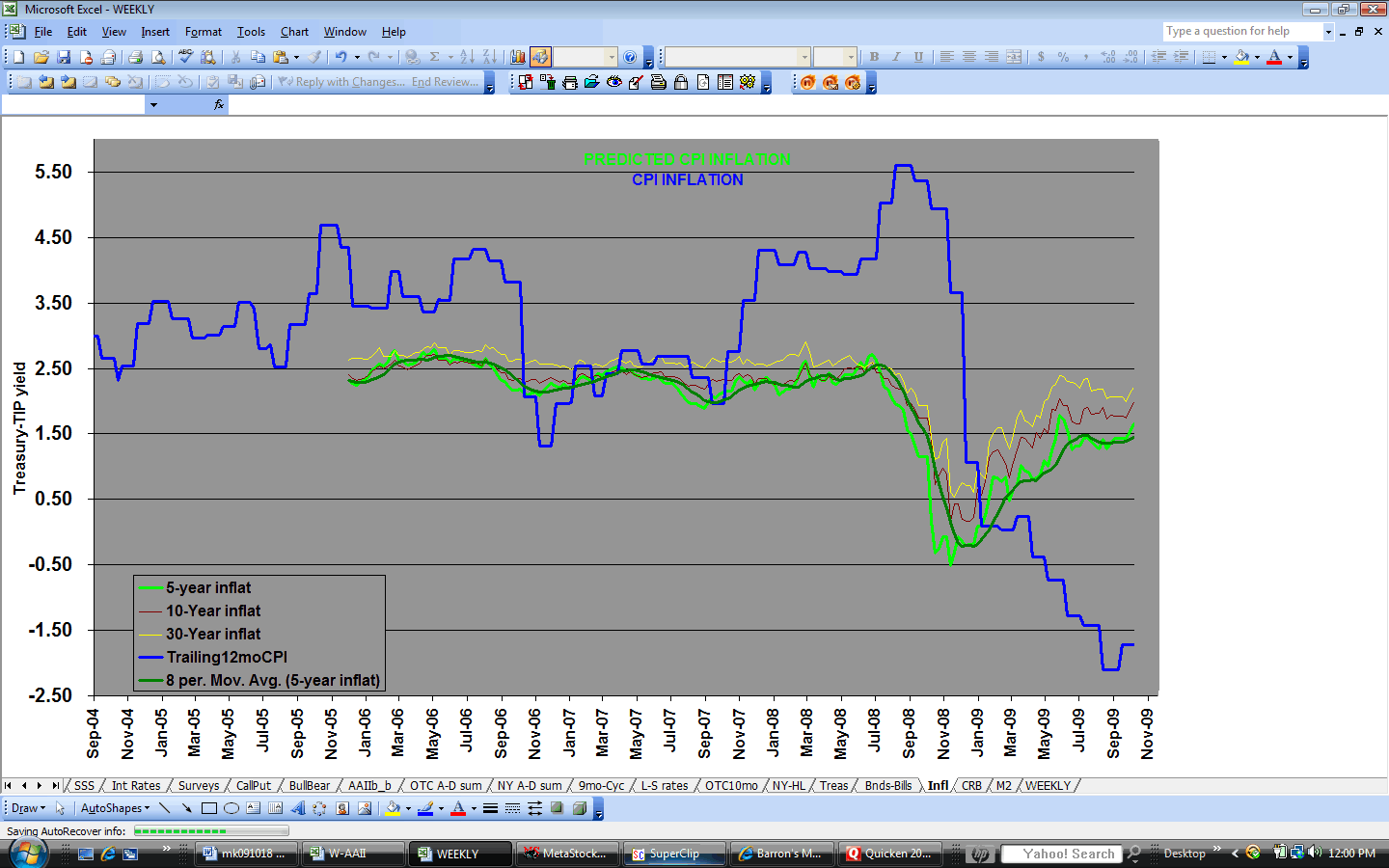
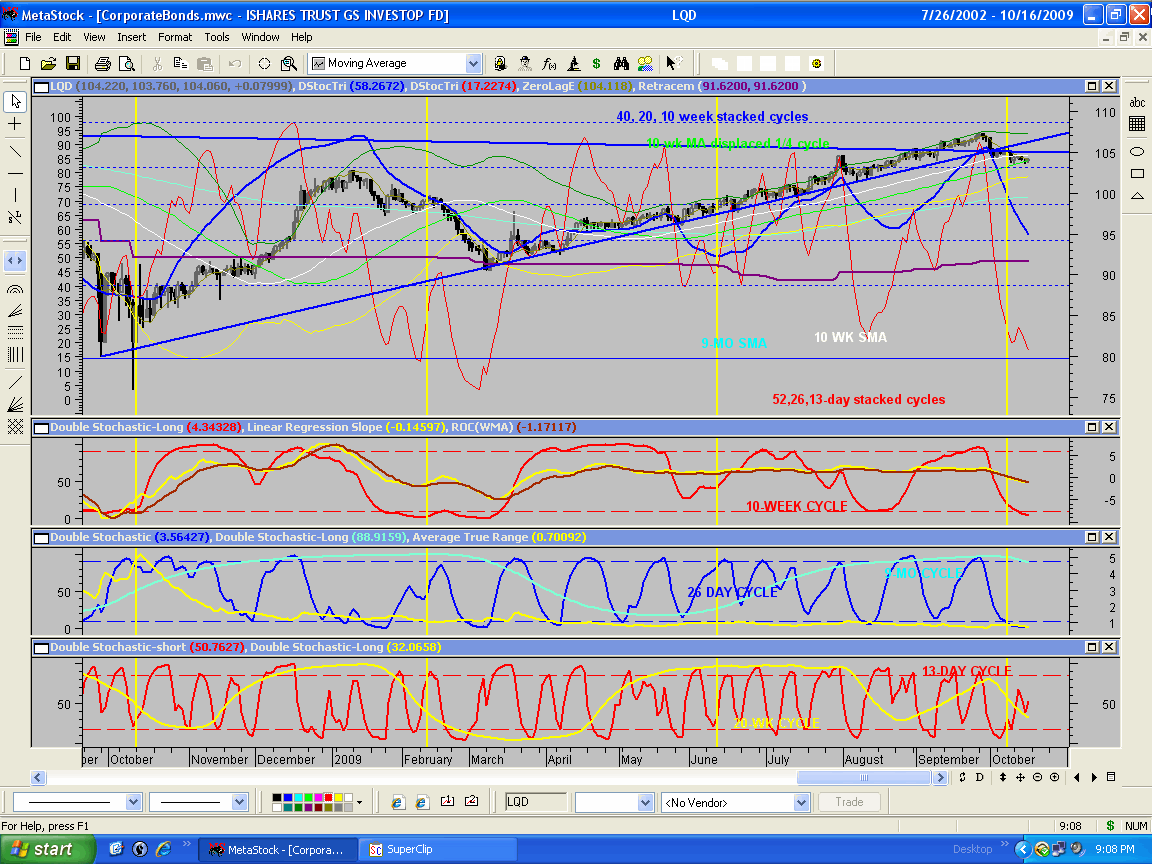
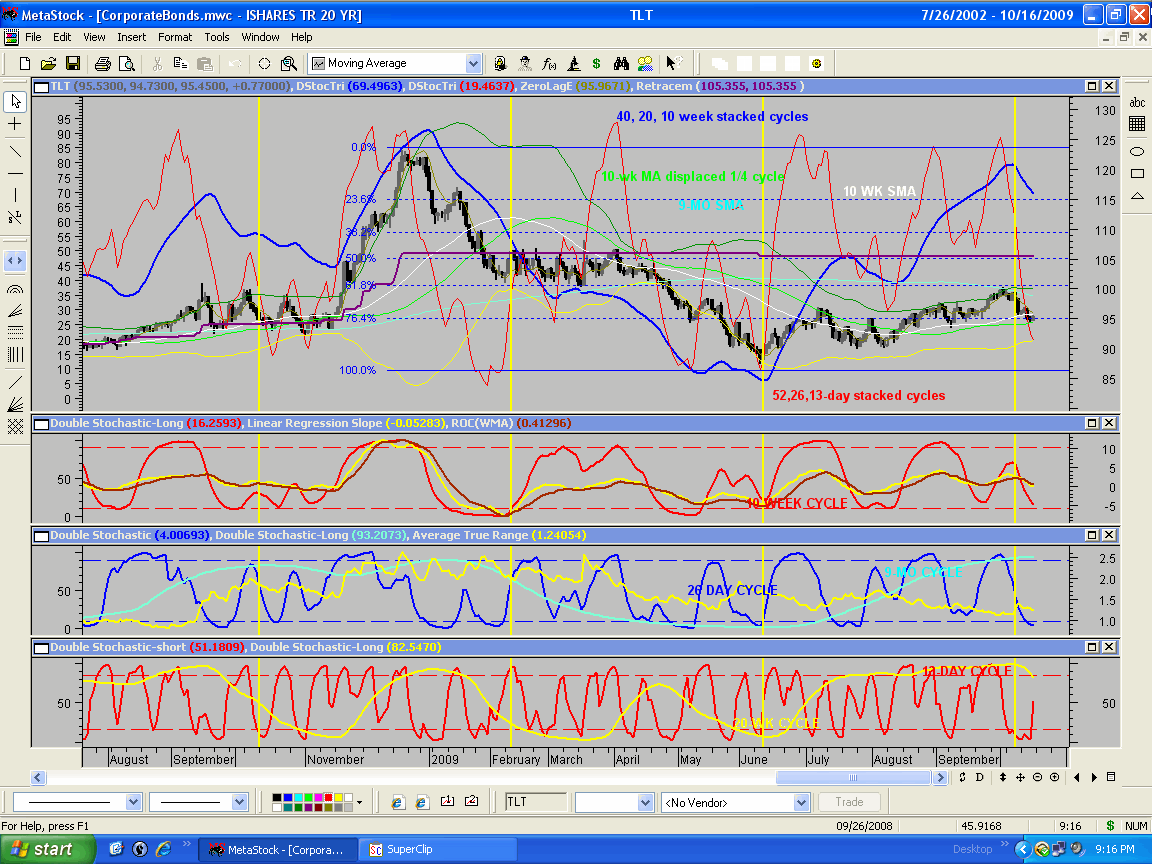
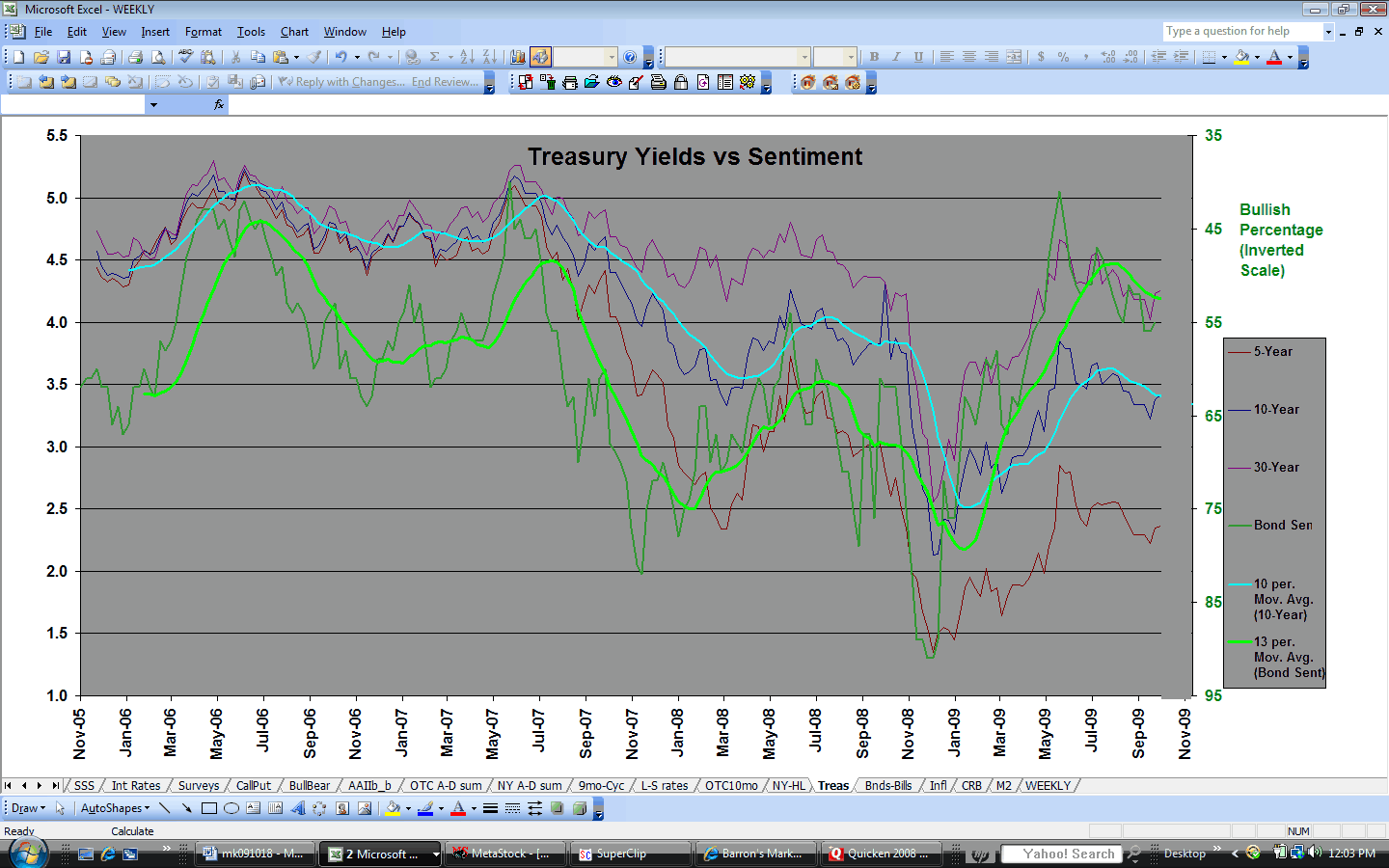
While stocks have followed the script quite well recently, bonds have not. While a bounce off of 10-week cycle lows was expected, the magnitude of that bounce was not. TIPS (http://www.geocities.com/petegersb/TIPs.GIF) surged to a new high following a couple of gap up openings. While I have been expecting them to outperform as a result of runaway commodity inflation (http://www.geocities.com/petegersb/CRB.GIF) that is spreading to producer and consumer prices (http://www.geocities.com/petegersb/CPI.GIF), I expected them to outperform by declining less during the worsening inflation. But Corporate bonds (http://www.geocities.com/petegersb/CorporateBonds.GIF) and conventional Treasury Bonds (http://www.geocities.com/petegersb/Treasury-20yr.GIF) also had strong surges late last week. They appear destined to test their recent highs as well, despite bond sentiment readings (http://www.geocities.com/petegersb/BondSentiment.GIF) that suggest they should be declining.
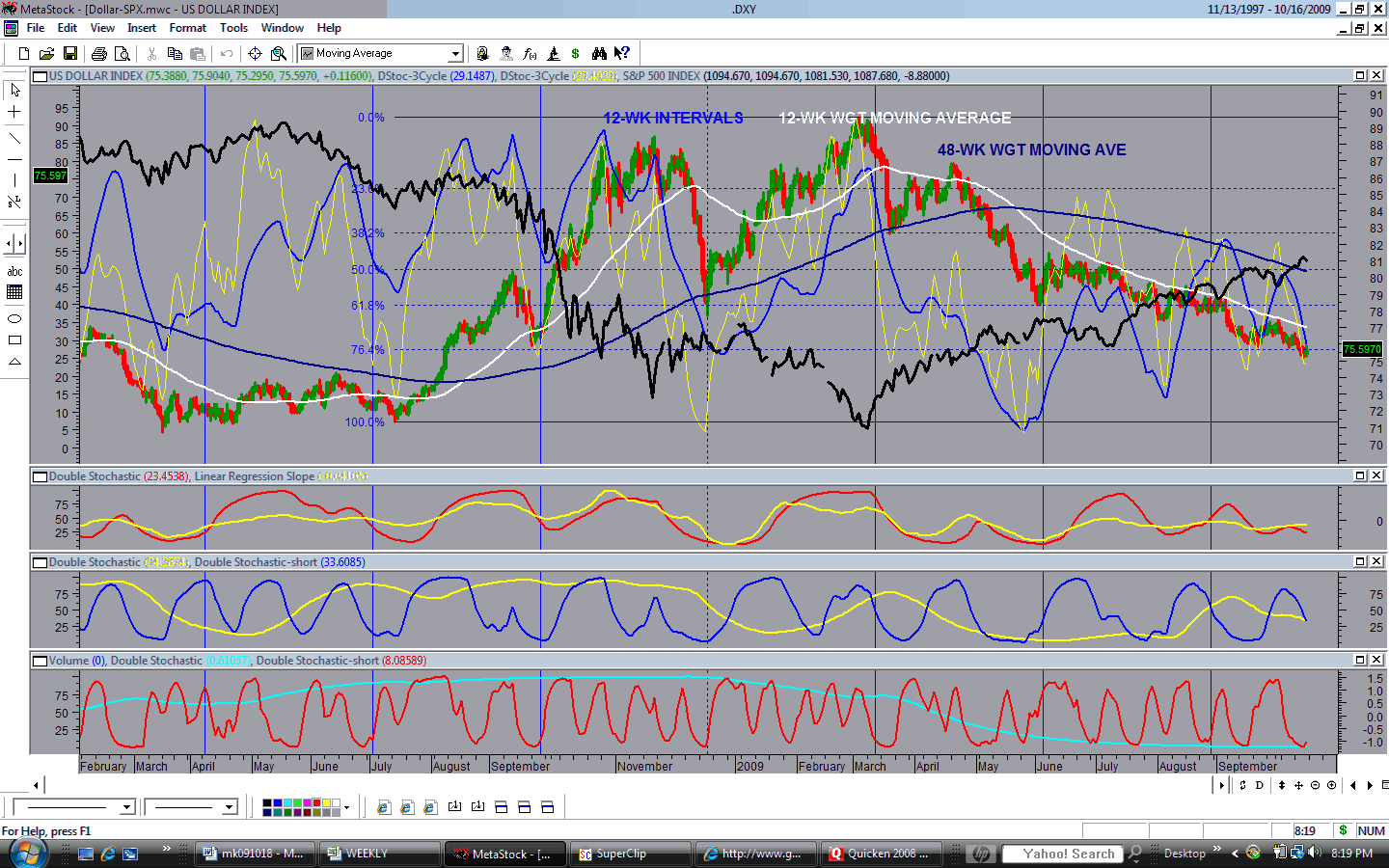
The dollar (http://www.geocities.com/petegersb/Dollar.GIF), which has been following
the script by continuing to decline, surprised by reaching new lows well before
I expected. Although the shortest cycles are oversold and due for a bounce, the
10-week and longer cycles will require more time and more decline to reach
normal intermediate oversold conditions.
Gold (http://www.geocities.com/petegersb/GoldBullion.GIF)
resumed its surge, making successive new highs
during the last couple of weeks after a brief pause to refresh. All the cycles
except the 2-wk-old 10-week cycle are overbought. That cycle should sustain the rally for several more weeks.
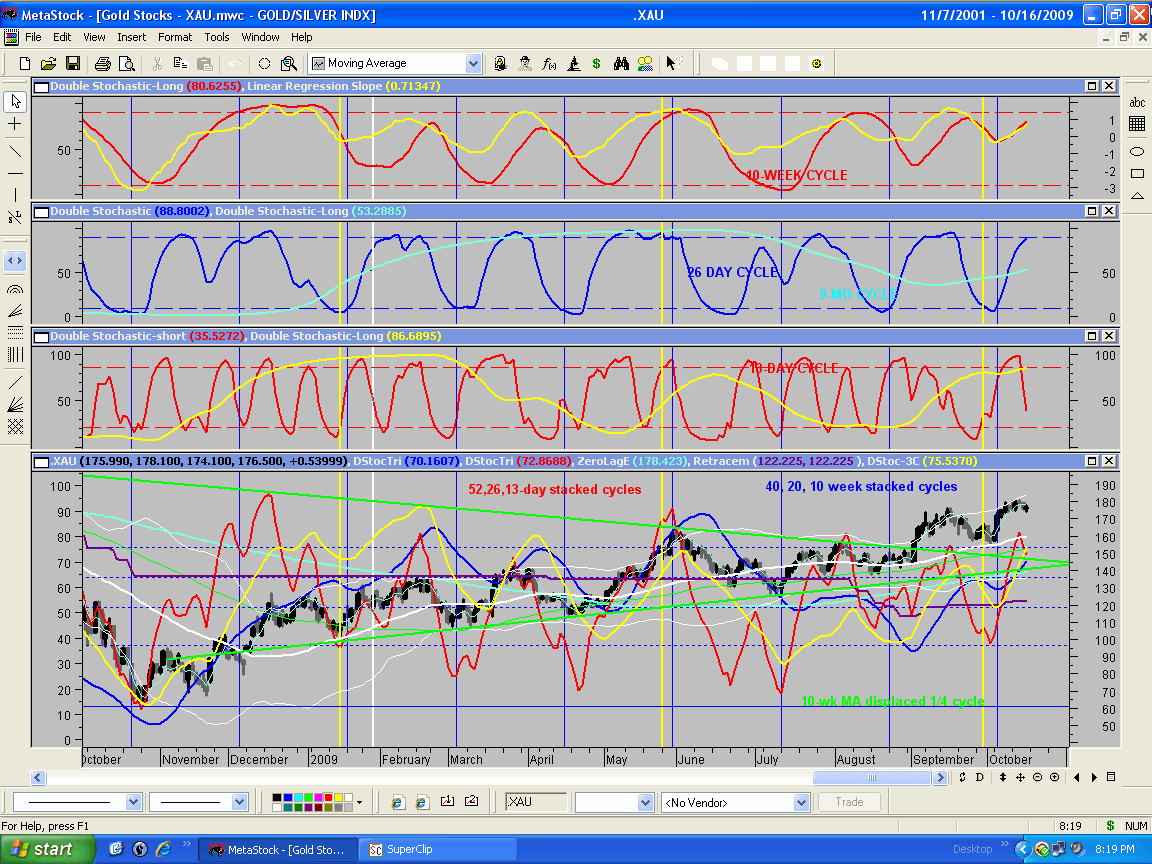
Thousand-dollar gold appears highly likely sometime this month. Gold stocks as
represented by the XAU (http://www.geocities.com/petegersb/GoldStocks.GIF)
found support above the expected level and also
moved to new highs. Unlike the metal, only the shortest cycles are overbought. If any stock sector has
the ability to hold up during the next couple of months, it’s probably the gold
stocks.
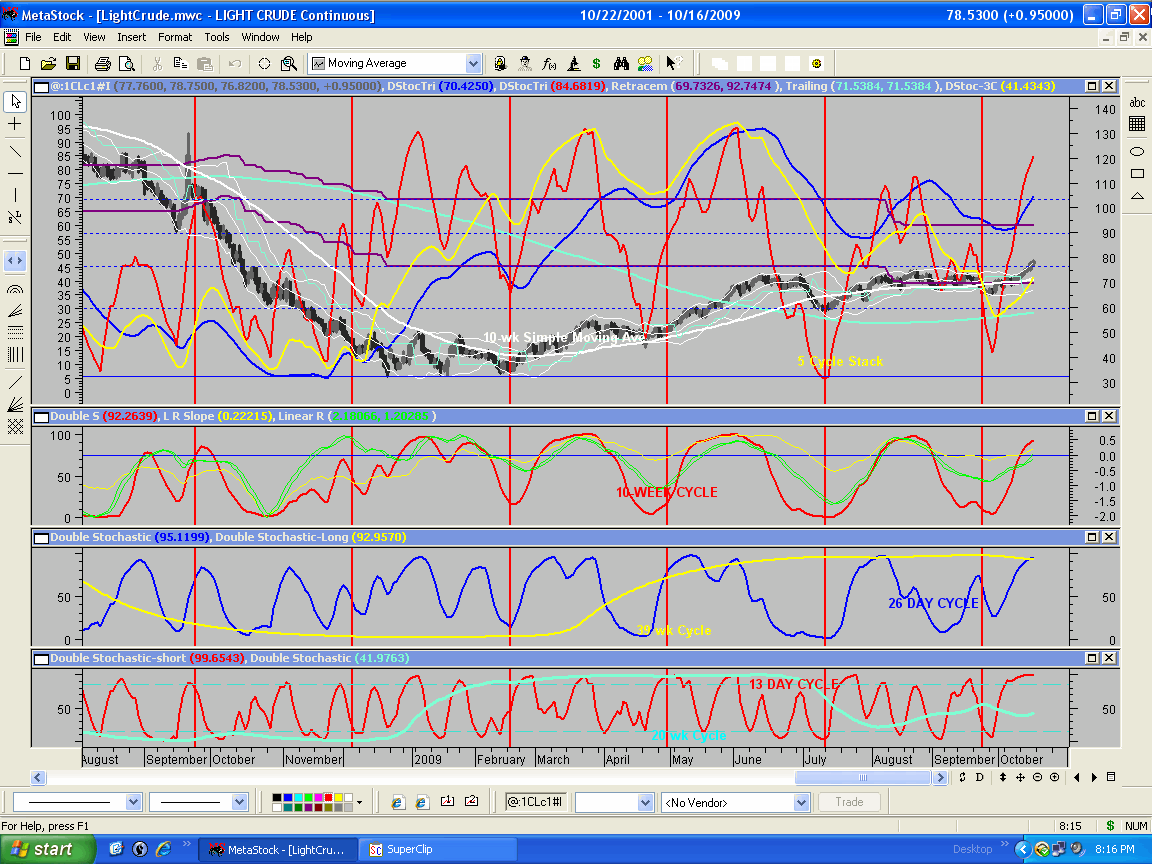
The rising
10 and 20-week cycles drove Crude oil (http://www.geocities.com/petegersb/CrudeOil.GIF) to triple digits as expected. Only the 26-day and
10-week cycles are overbought, so the uptrend should continue this week before
a short-term correction sets in. The intermediate uptrend appears likely to
remain intact during the eventual short-term correction.
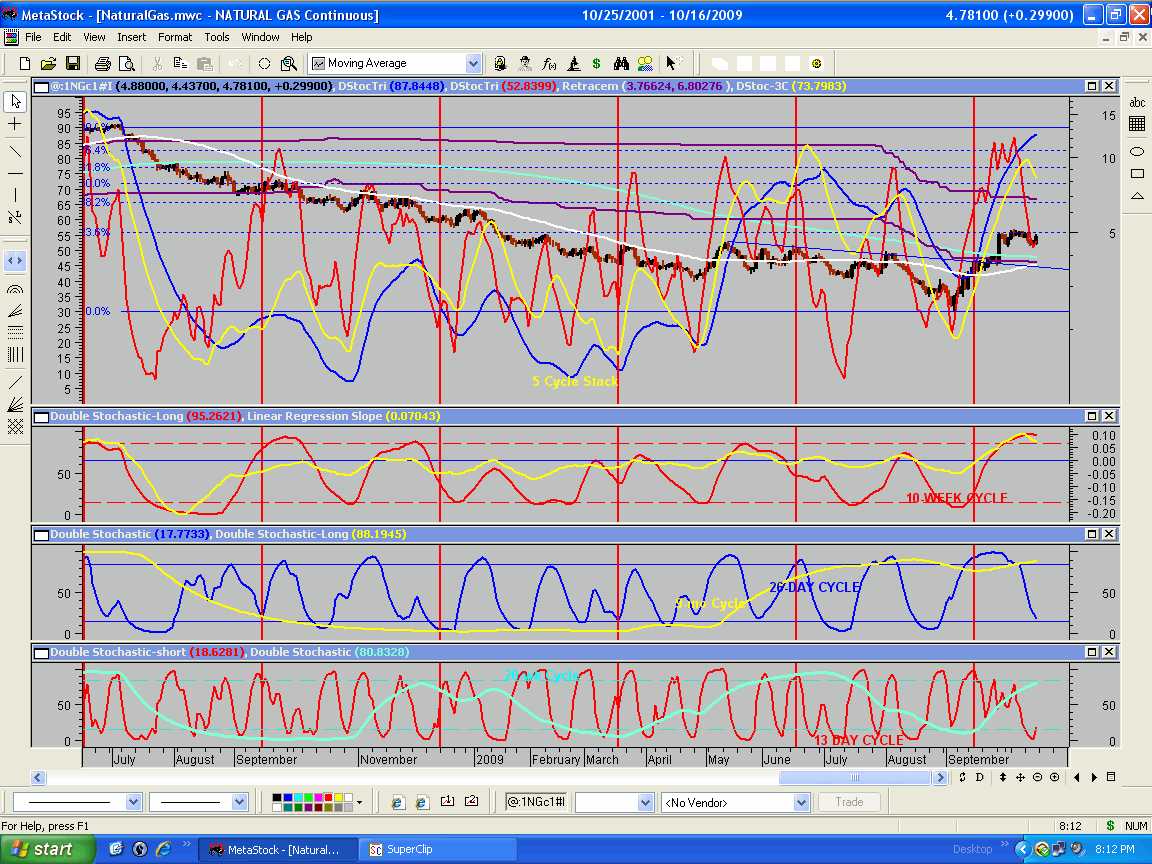
Natural
gas (http://www.geocities.com/petegersb/NaturalGas.GIF) aborted its short-term correction sooner than expected,
and surged following its breakout from its long-term basing pattern. Most
cycles are now overbought, so a pullback to the November highs would not be
surprising. However, the longer-term trend is now clearly favorable.
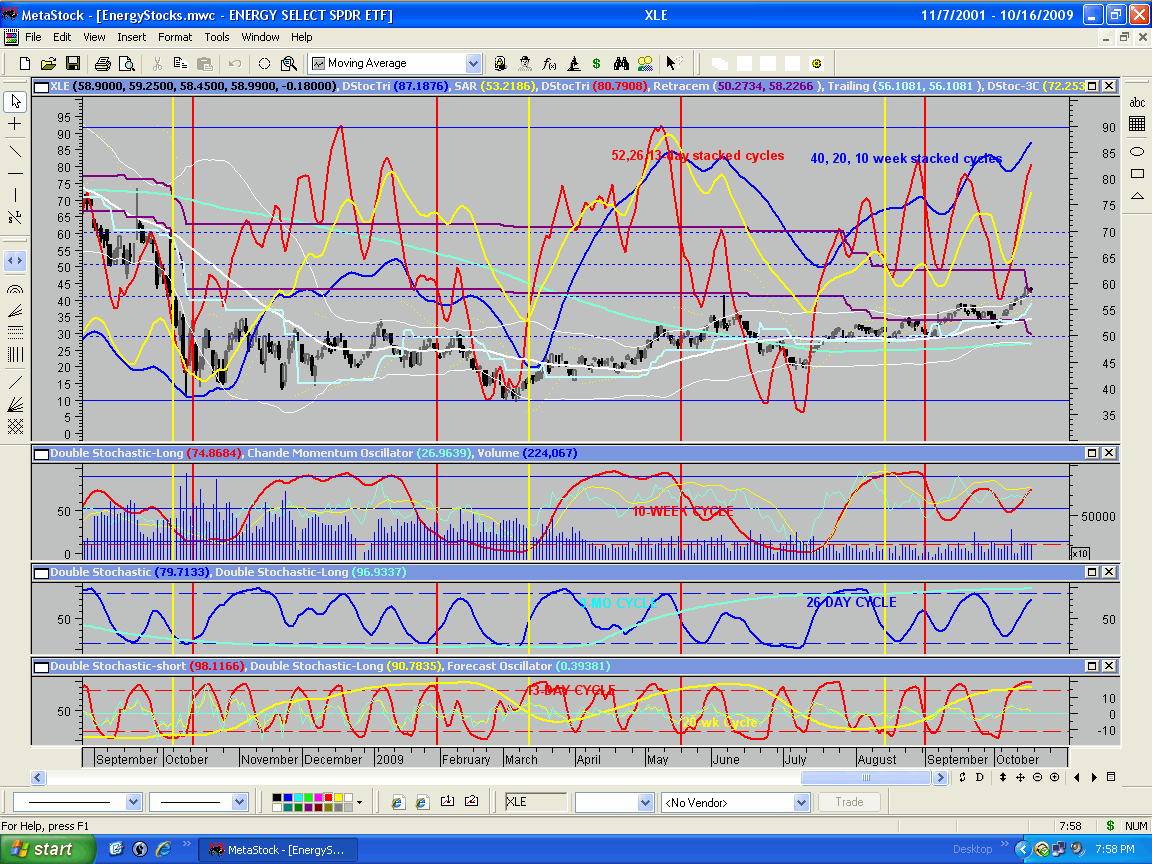
Energy
stocks (http://www.geocities.com/petegersb/EnergySPDR.GIF)
looked like a buy two weeks ago, and they
were. But unlike the underlying commodities, they were unable to
reach new highs before establishing a 26-day cycle peak on Thursday. Nevertheless,
the young 9-mo cycle and rising intermediate composite should prevent much
price damage during the short-term correction.
.