The regular weekly report will not be published next week. Instead, my 2/26 presentation to the West Coast Cycles Club will be posted on 2/26.
2/17/08
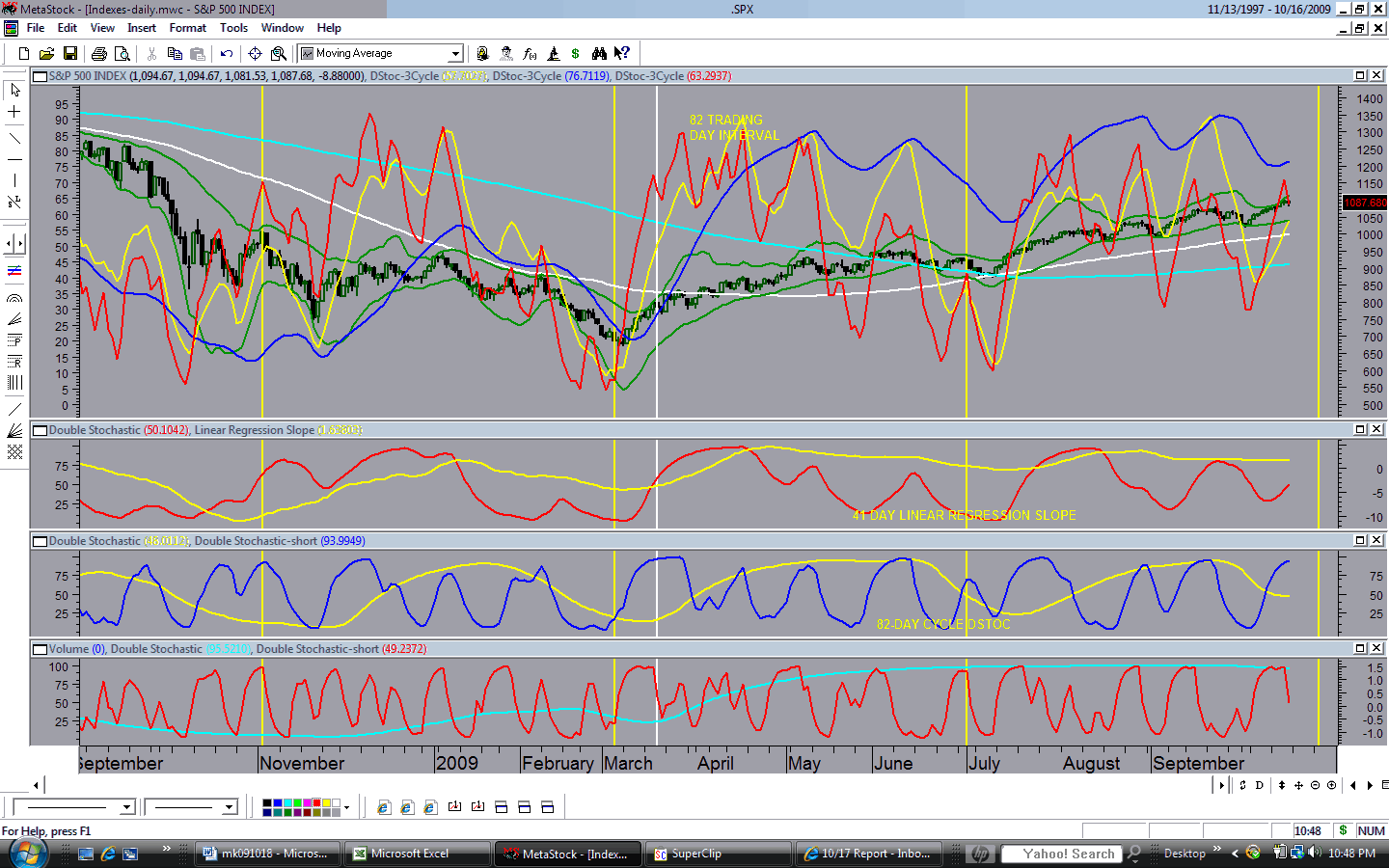
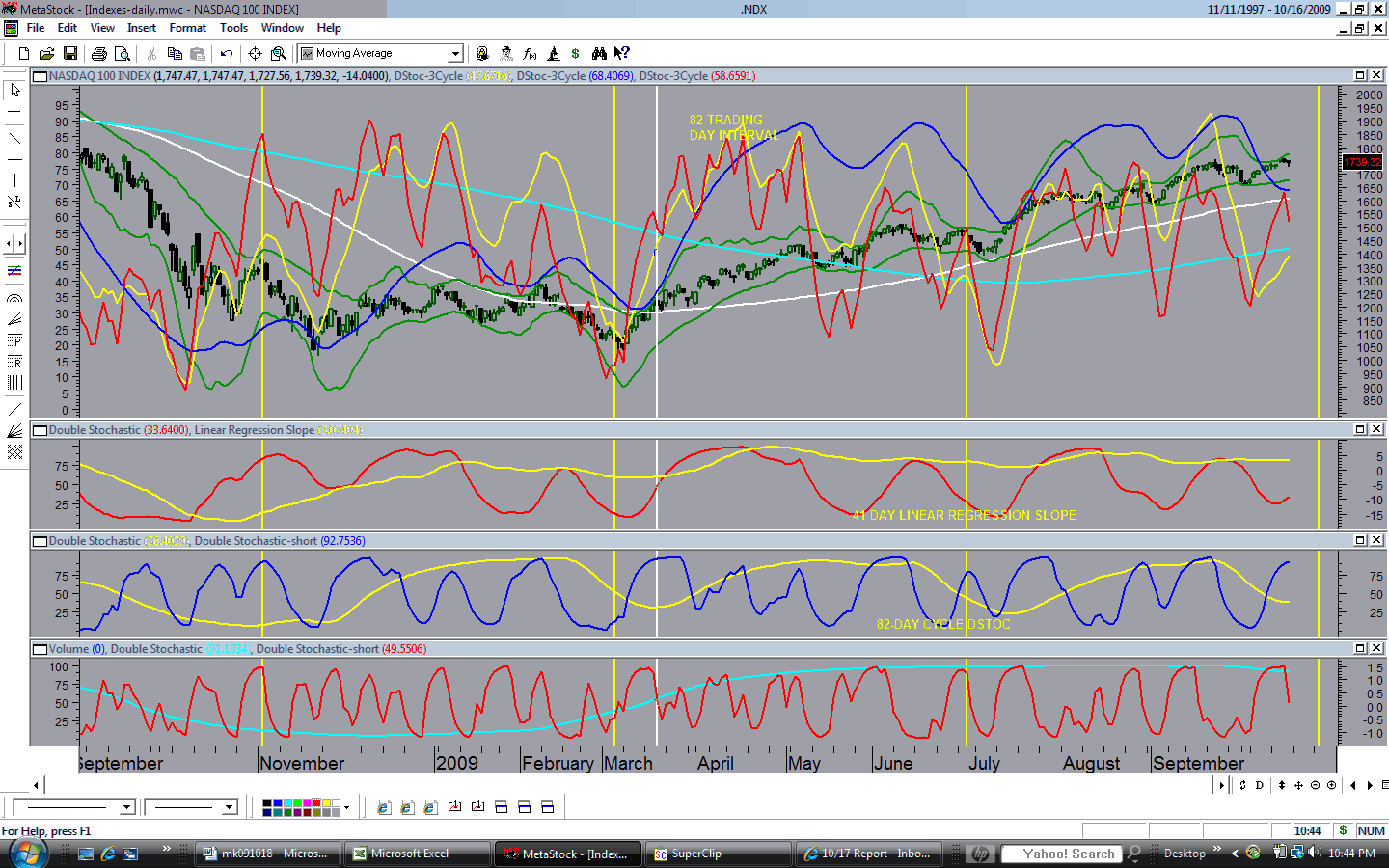
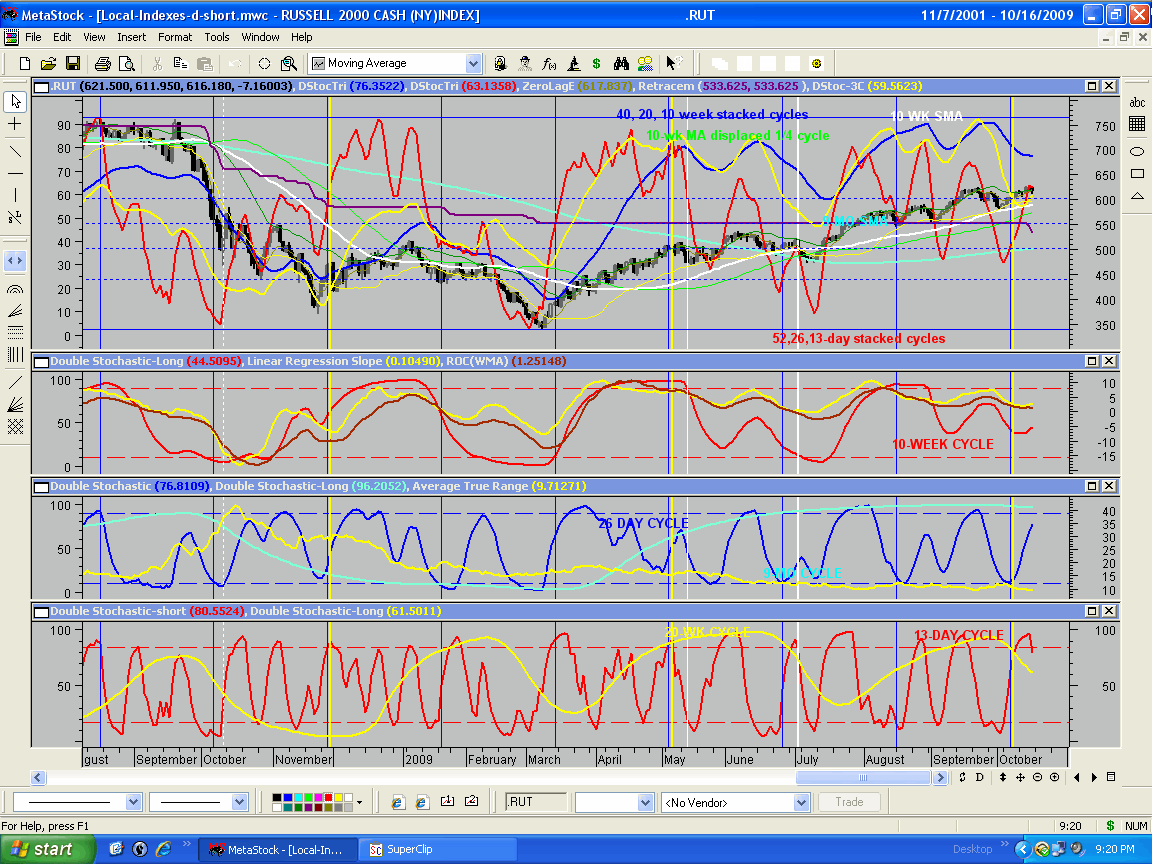
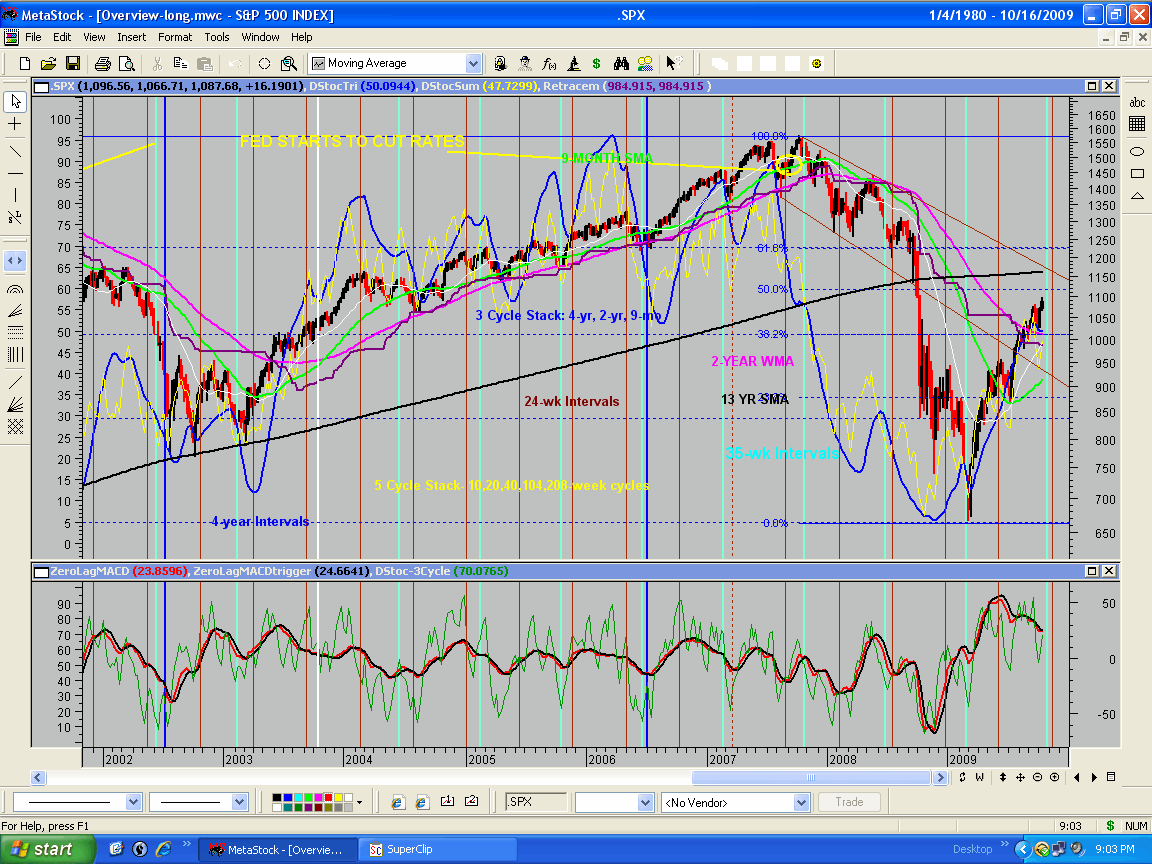
The early rounds in last week’s battle between the 13 and 26-day cycles were won by the rising 13-day cycle. It may have peaked prematurely on Wednesday, but the falling 26-day cycle was unable to take back all of the early-week gains by the end of the week despite some help from the worst consumer confidence reading since the last year of the first Bush presidency. This coming week promises to be more difficult for stocks. If the 7-day-old 13-day cycle didn’t establish a lower peak shortly before the Bernanke/Paulson testimony to the Senate Banking Committee on Thursday, it probably will do so early this week and reinforce the downtrend in the 18-day-old 26-day cycle. The 4-week-old 10-week cycle remains in an uptrend according to the indicators (http://www.geocities.com/petegersb/SP500.GIF, http://www.geocities.com/petegersb/NDX.GIF , http://www.geocities.com/petegersb/Russell2000.GIF), as do the intermediate and short-term composites (except the on the Russell 2000, where the short-term composite turned down on Friday). In a healthy market, the February high (1396 on the SPX) should be taken out before the February low (1317 on the SPX) is breached. With Friday’s 1350 close, the February high appears to be the slightly greater challenge, but with all of the longer-term trend indicators on these charts in continuing downtrends, the 10-week not due to bottom until April, and the oversold 9-month cycles not due to bottom until May (assuming the 9-month cycle last bottomed in August rather than November), the highs may be a much greater challenge. The long-term composite DStoc (blue line on the weekly chart (http://www.geocities.com/petegersb/Overview-long.GIF)) remains in a steep downtrend. Until it turns up we have to assume that that short-term rallies will give way to a resumption of the bear market.
While the bulk of the indicators continue to point to an unhealthy market that is getting close to a bottom that should be an attractive buying opportunity, the 20-week cycle doesn’t fit that scenario. All of the indicators suggest it bottomed on January 23 and remains in an early stage uptrend. If they are correct, and the recent very regular 22-week duration persists, it wouldn’t bottom again until late June. That would extend the 9-month cycle to a little over 10 months, which is well within the normal variance. While a further delay before the good buying opportunity arrives would be bad news, the good news in that scenario is that the 20-week cycle should provide good support for prices for several more weeks with much more attractive prices when the buying opportunity finally arrives.
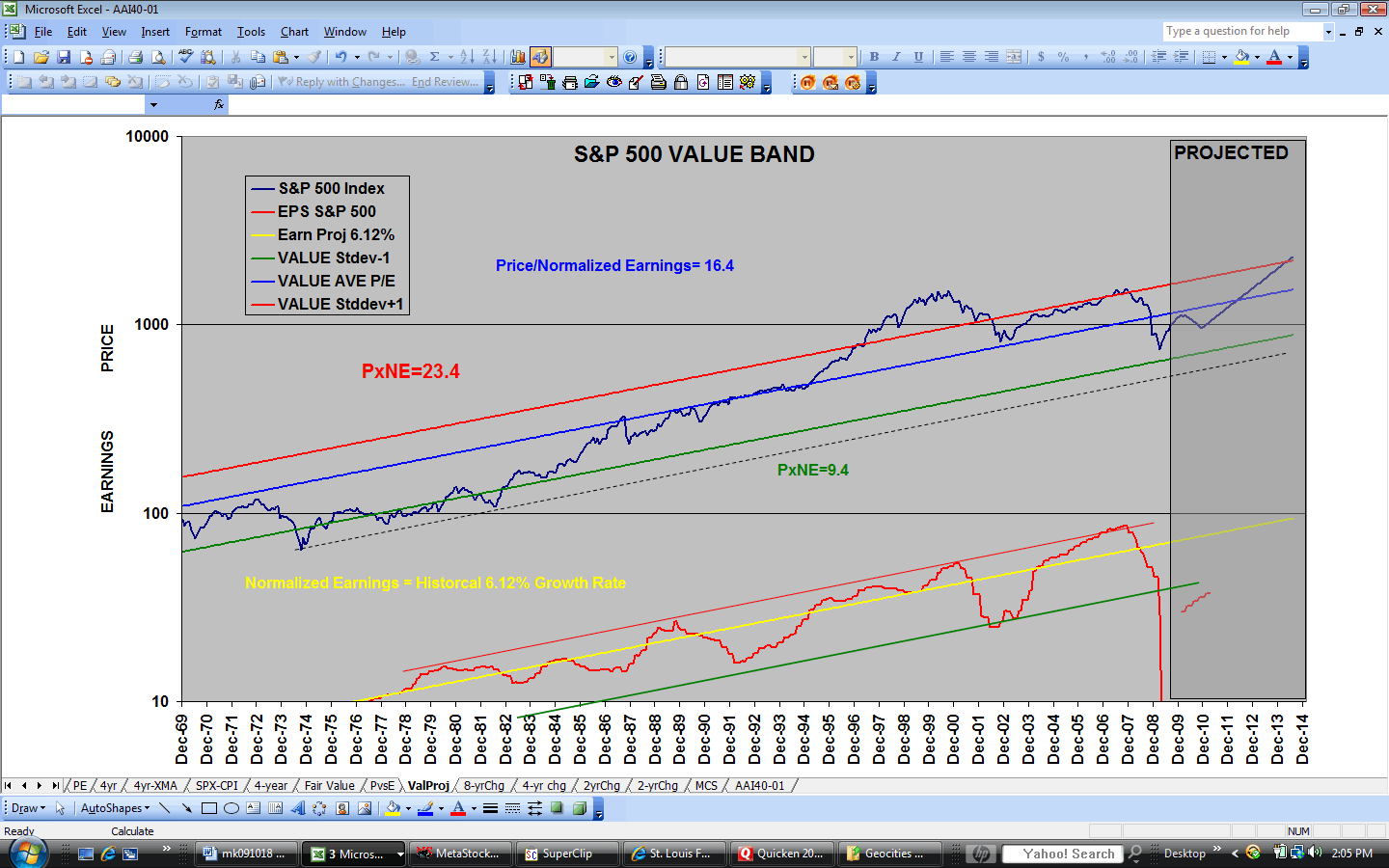
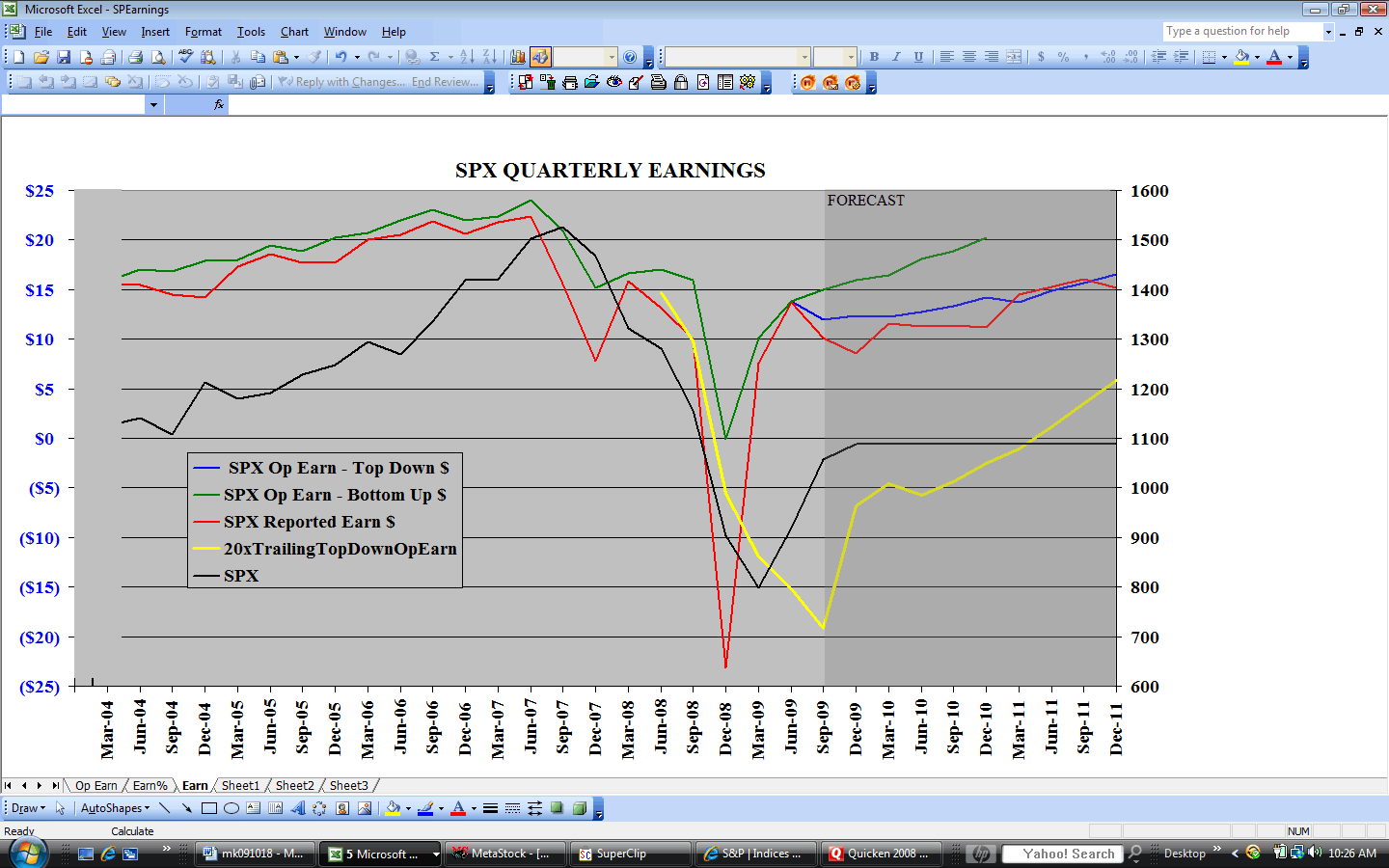
How attractive will those prices get? It’s best to wait and see, but it’s sometimes useful to make reasoned estimates so we are not surprised and fearful if they reach the target. One reasonable way to form an estimate is to assume a reversion to mean earnings and mean valuation of those earnings. Although I don’t often reference it, I regularly post a chart on my website (http://www.geocities.com/petegersb/ValueBand.GIF) that shows a reversion to trend for S&P earnings would reduce them to the $65 range (Latest reported = $73.28, down from a peak of $86.67). A commensurate reversion to trend for the SPX with a 16.4 earnings multiple would reduce it to about 1066. Writing in the 2/11 issue of Barron’s, Jeremy Grantham, the Chief Investment Strategist for GMO, a firm managing about $150 billion, argued for an 1100 level based on several techniques including mean reversion. He argues that “..there are few near certainties in this business – not many, but a few – and one of them is that abnormally high profit margins will go back to normal. The timing is unfortunately shrouded in fog”. Nevertheless, he expects the bottom in 2010, bolstering the argument with typical election cycle performance when the party in power changes, and with a normal 10 years to go from the peak of a bubble to the bottom. I wouldn’t argue with him about the likelihood of seeing 1100 in 2010 as the 4-year cycle gets back on schedule (It’s reflected in the referenced chart), but I think we could also see it at the spring 08 bottom. Earnings are already rapidly reverting to mean and a normal 50% retracement of the nearly 4-year bull market would get the SPX back to 1175, while a 62% Fibonacci retracement would bring it down to 1080.
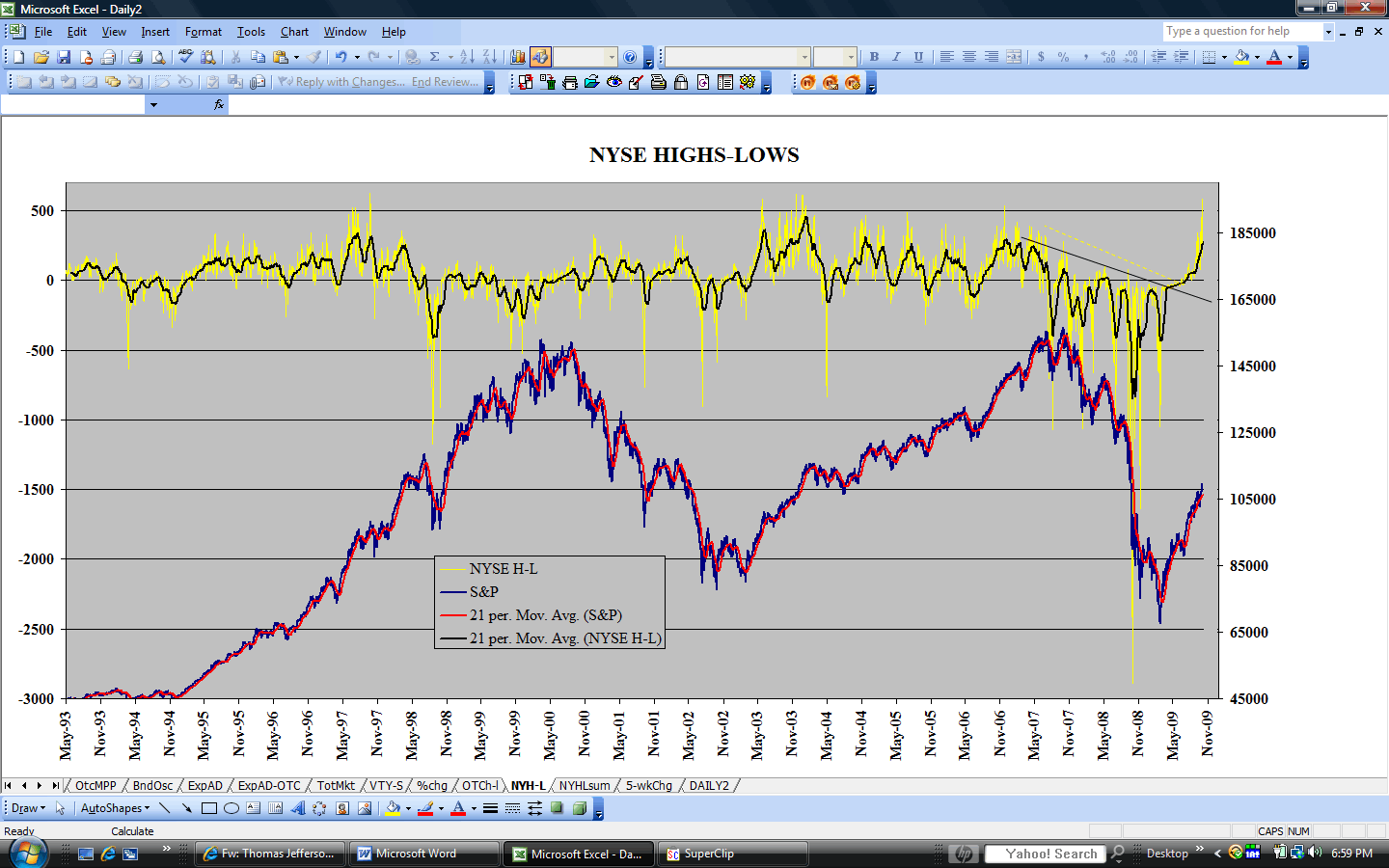
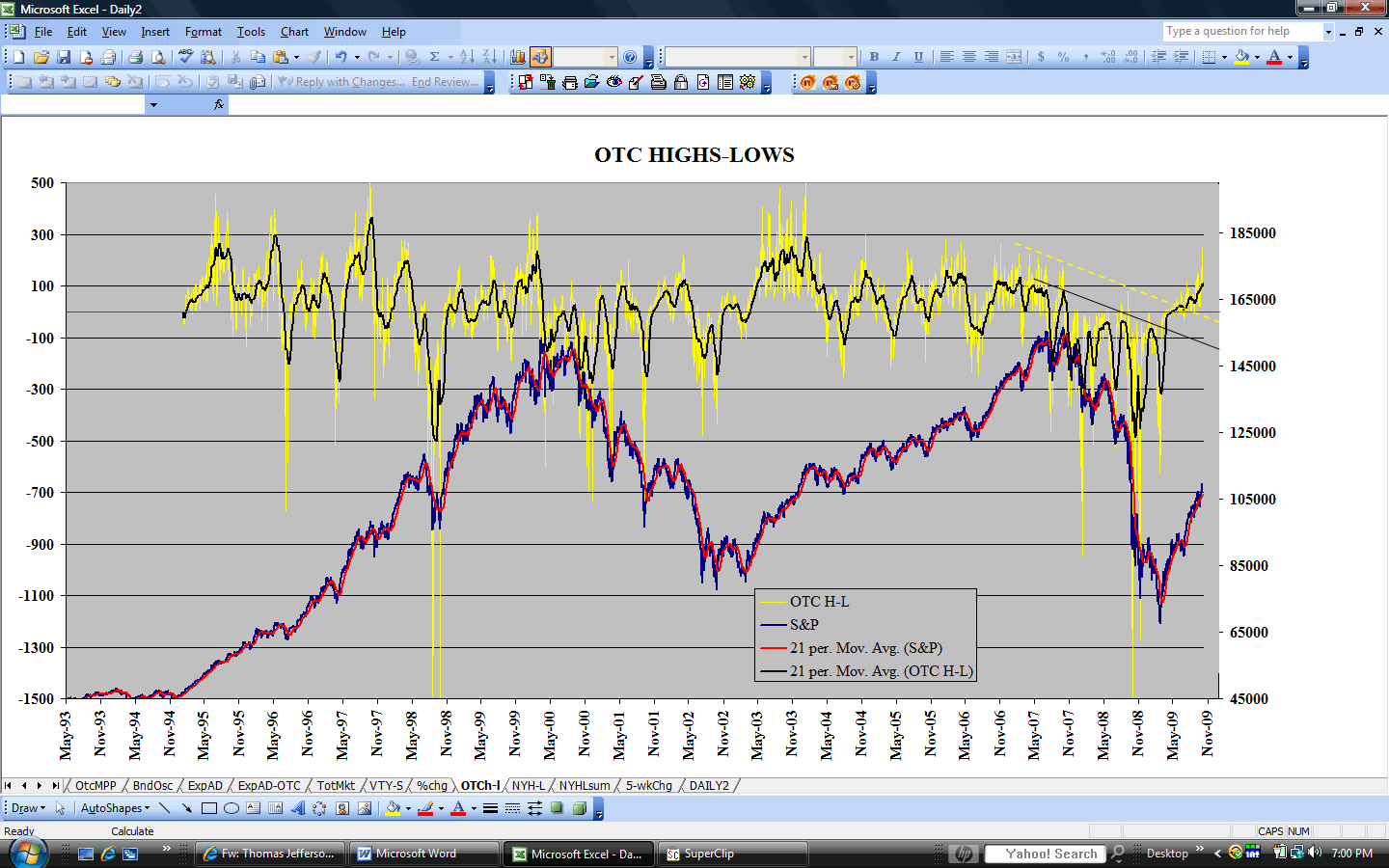
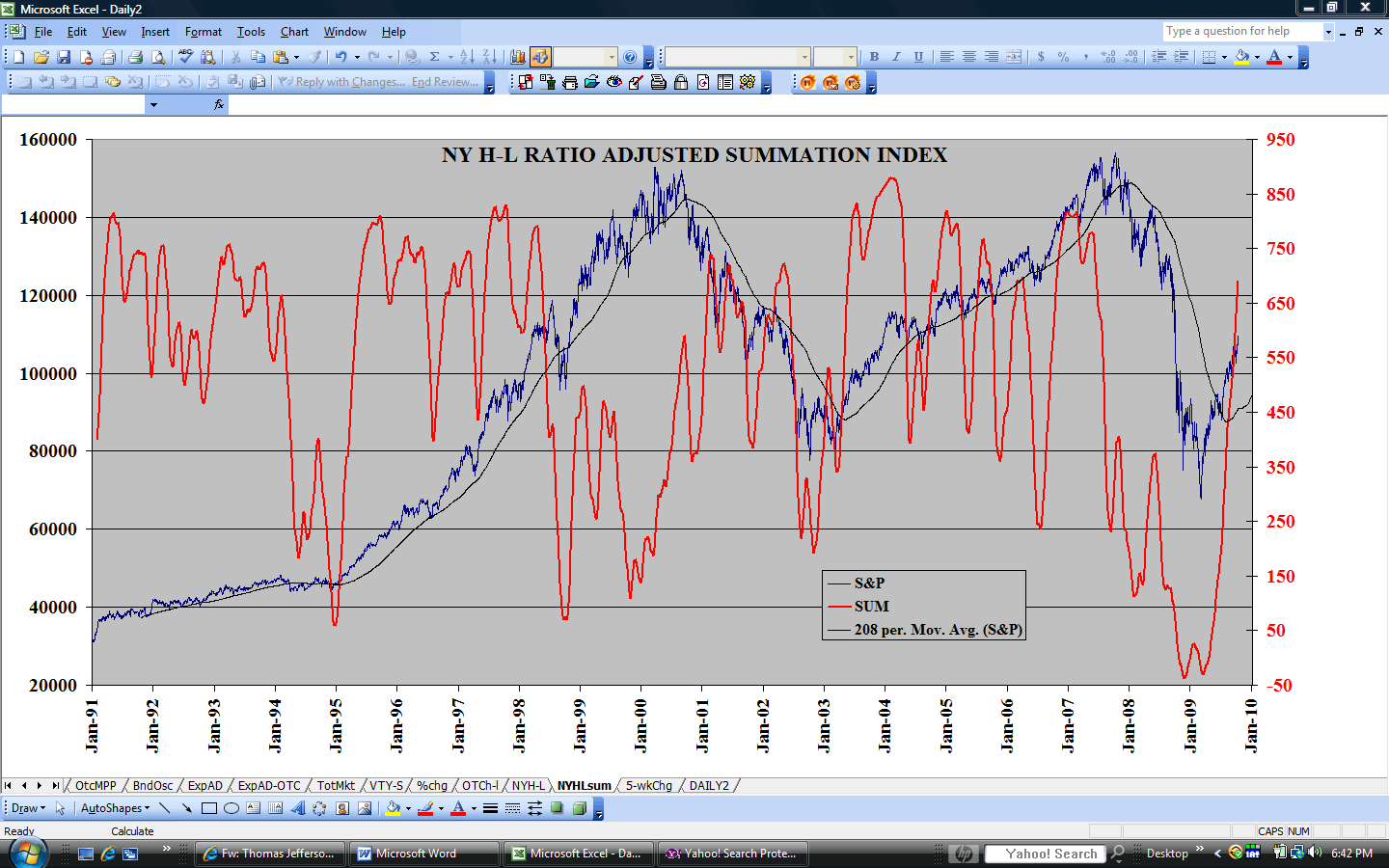
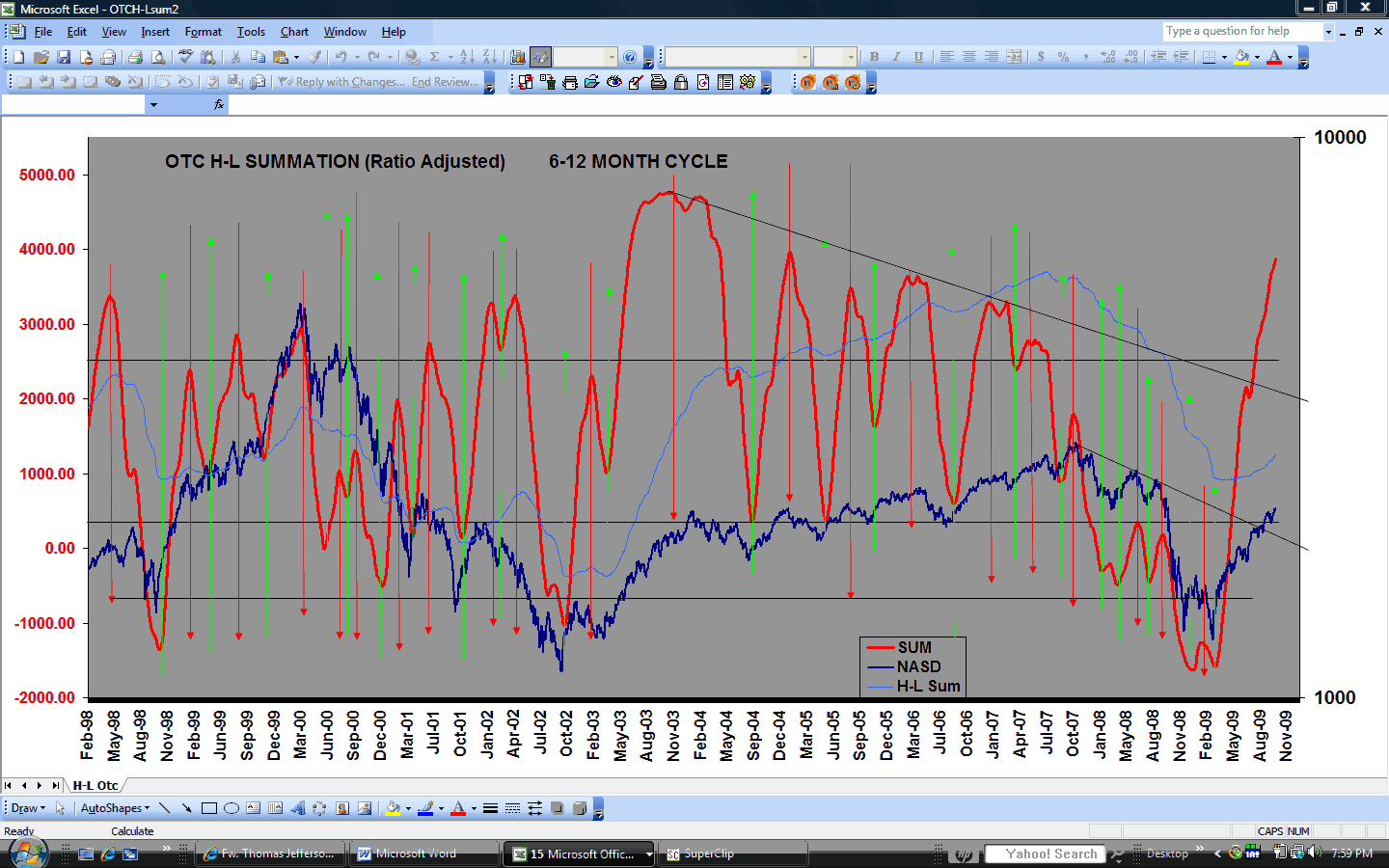
The breadth indicators didn’t change much last week, but what little change took place was negative. The high-low ratios (http://www.geocities.com/petegersb/HighLowNYSE.GIF, http://www.geocities.com/petegersb/HighLowOTC.GIF) still suggest at least a retest of the January lows, and the usually late-but-reliable high-low summation indexes http://www.geocities.com/petegersb/H-Lsummation-NYSE.GIF , http://www.geocities.com/petegersb/H-Lsummation-OTC.GIF ) are now giving mixed readings with a downturn on the OTC after a very small advancing phase. The A-D Summation indexes (http://www.geocities.com/petegersb/A-Dsummation-NYSE.GIF , http://www.geocities.com/petegersb/A-Dsummation-OTC.GIF) are also giving conflicting signals. The weak uptrend was maintained on the OTC, but it turned down on the NYSE almost imperceptibly on Friday. On balance the breadth indicators last week strengthened the case that the negative price extreme lies ahead.
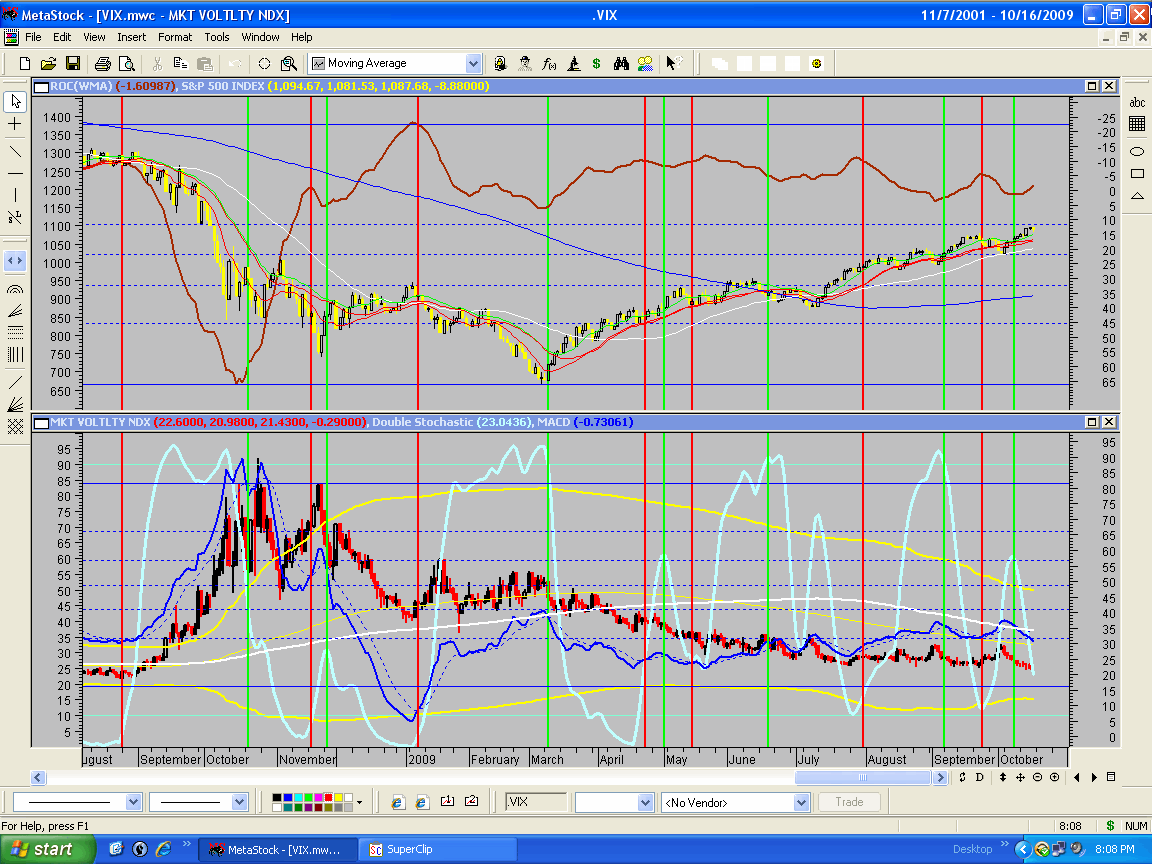
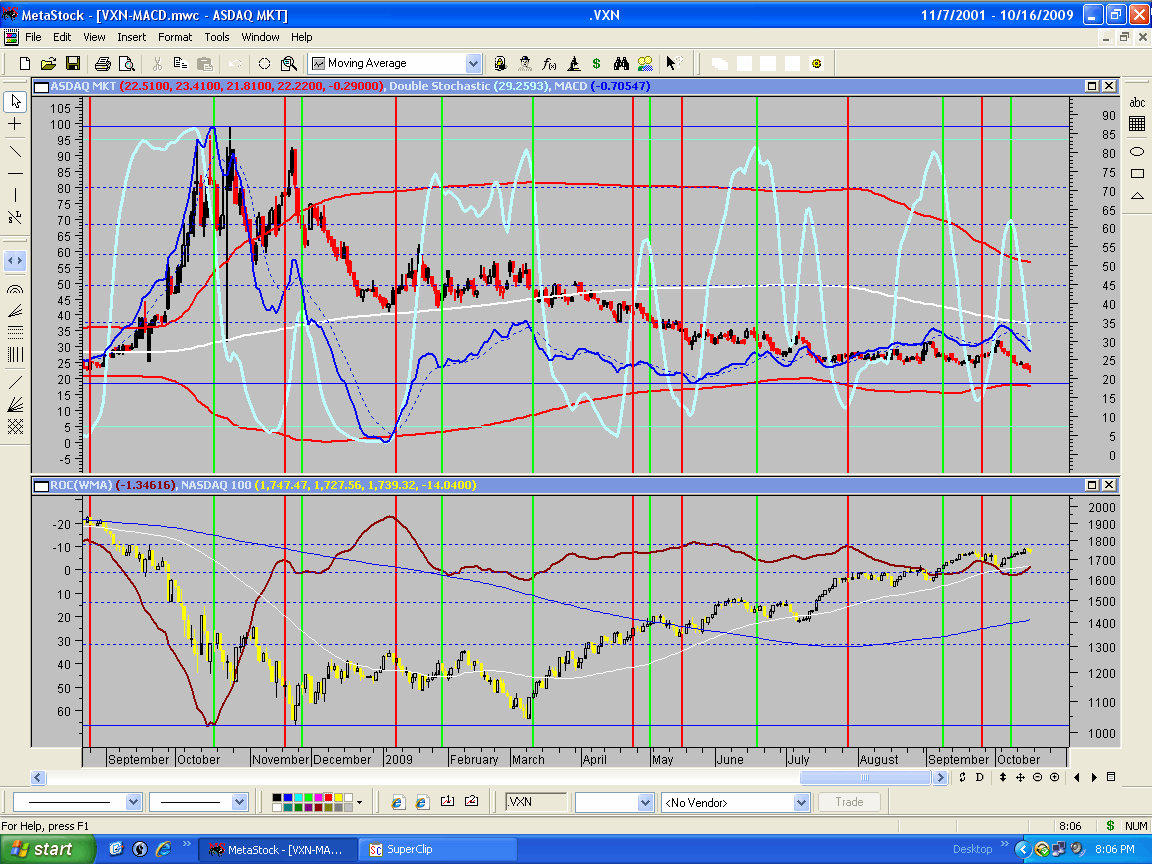
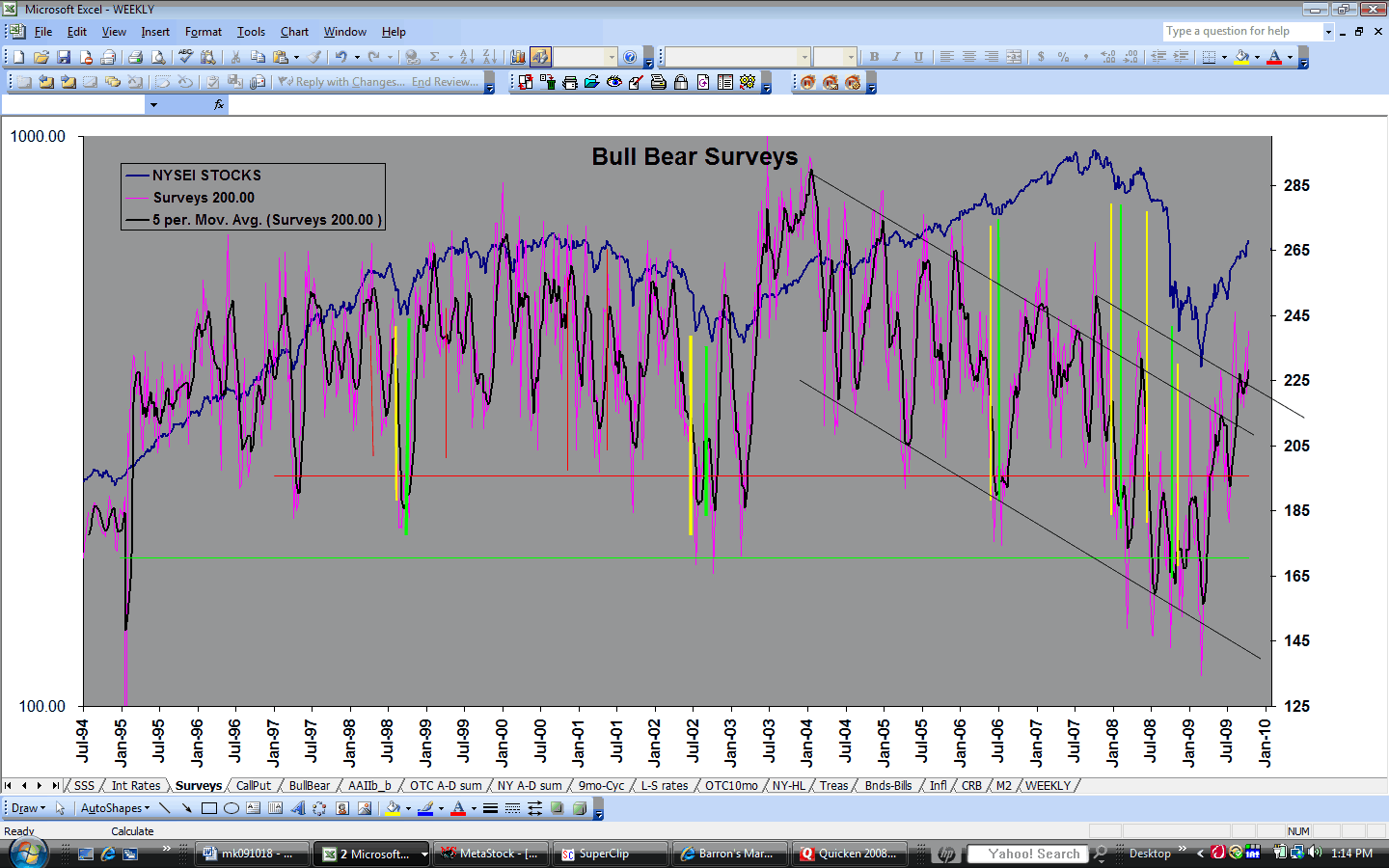
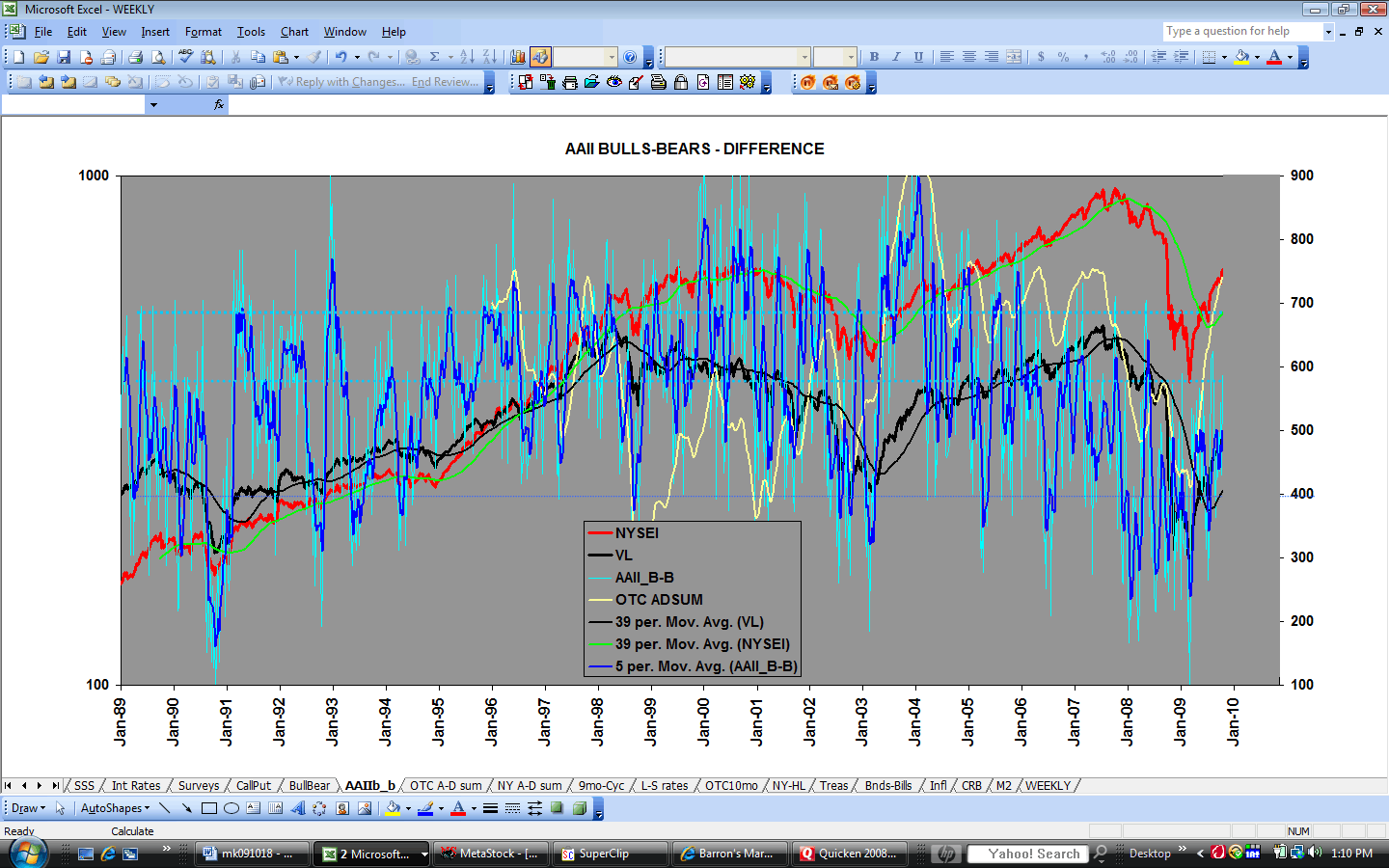
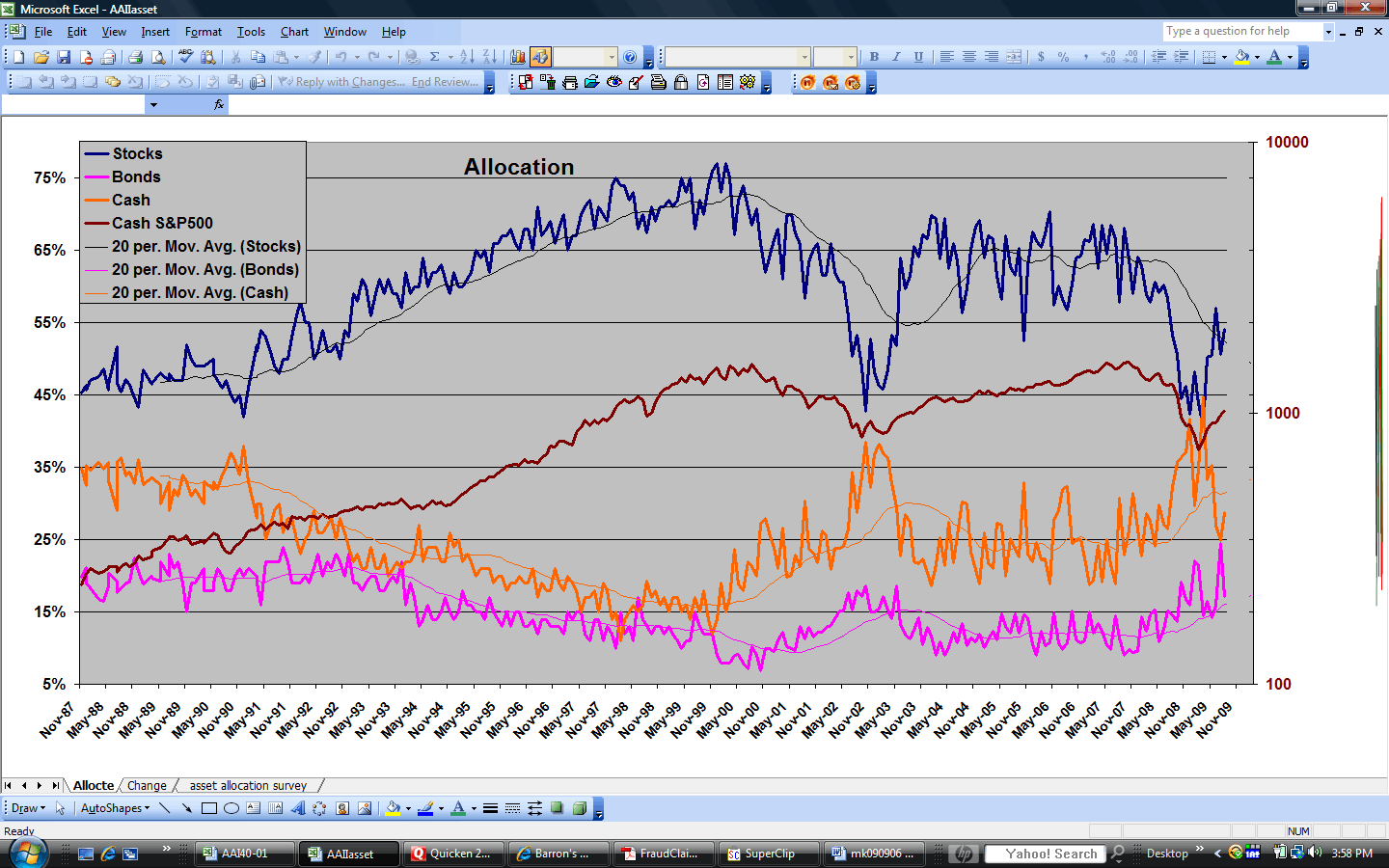
Sentiment indicators also didn’t change much last week. The daily VIX and VXN (http://www.geocities.com/petegersb/VIX.GIF, http://www.geocities.com/petegersb/VXN.GIF) support the case for a continuation of the rally phase of the 10-week cycle. They haven’t yet declined to the 9-month moving average that has marked their lows in recent cycles, and their DStocs are not yet oversold, although getting close. The DStoc on the weekly VIX (http://www.geocities.com/petegersb/VIX-weekly.GIF) corrected its one-week aberration and rejoined the weekly VXN (http://www.geocities.com/petegersb/VXN-weekly.GIF) in signaling a 20-week cycle uptrend. Advisory services (http://www.geocities.com/petegersb/InvestorsIntelligence.GIF) continue to make the bear case, while AAII sentiment (http://www.geocities.com/petegersb/AAIIsentiment.GIF) continues to make the bull case, but remains suspect due to a lack of an asset allocation (http://www.geocities.com/petegersb/AAIIassets.GIF) consistent with the stated pessimism. On balance, sentiment indicators make a case for ongoing 10 and 20-week cycle rallies within a 9-month cycle downtrend – a case that pushes the likely bottom out into the June time frame.
Fundamentals continue to deteriorate. S&P’s weekly downward revision of last year’s 4th quarter earnings (http://www.geocities.com/petegersb/EarnY-Y.GIF) brings them down to $73.28 from a peak of $86.67 two quarters prior. It doesn’t provide a projection of future reported earnings (obviously they also have no idea how big the write-offs will be), but incredibly they still project 2008 operating earnings 18.3% higher than in 2007. If anybody wants to bet on that, I’ll take the other side.
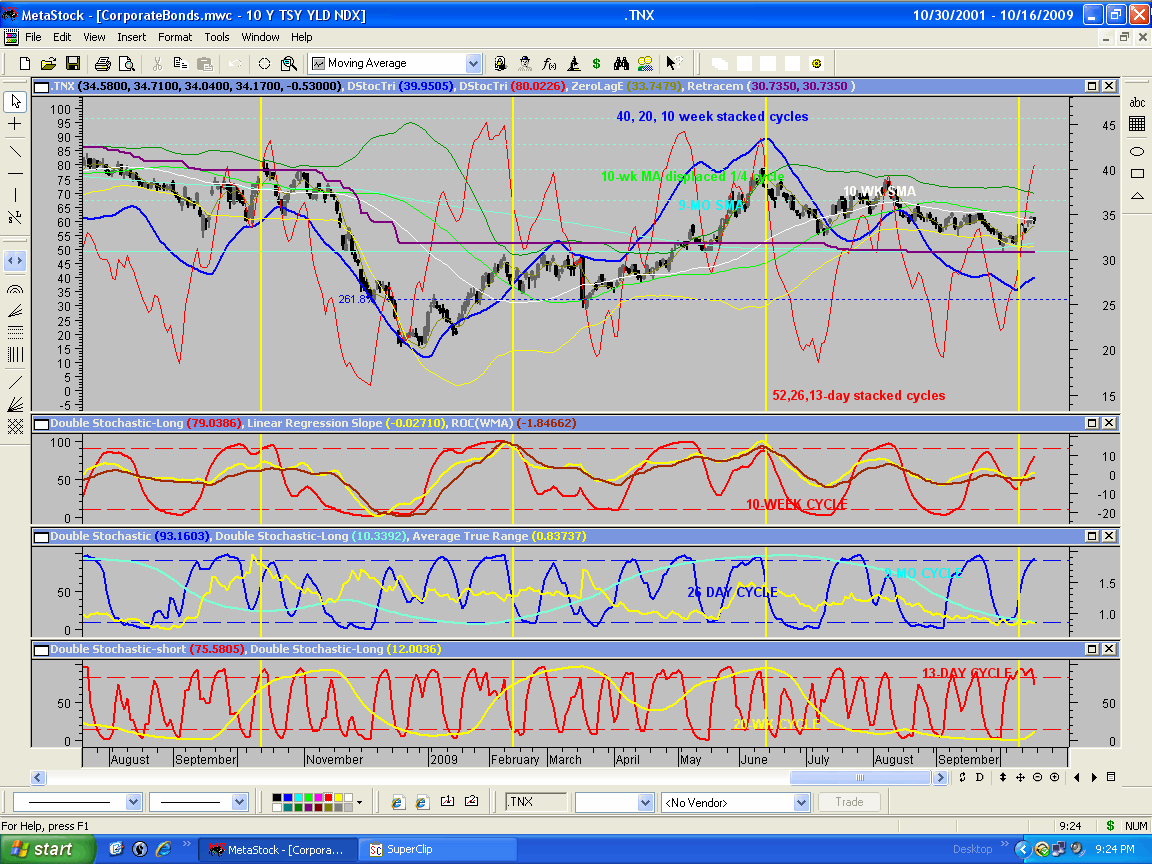
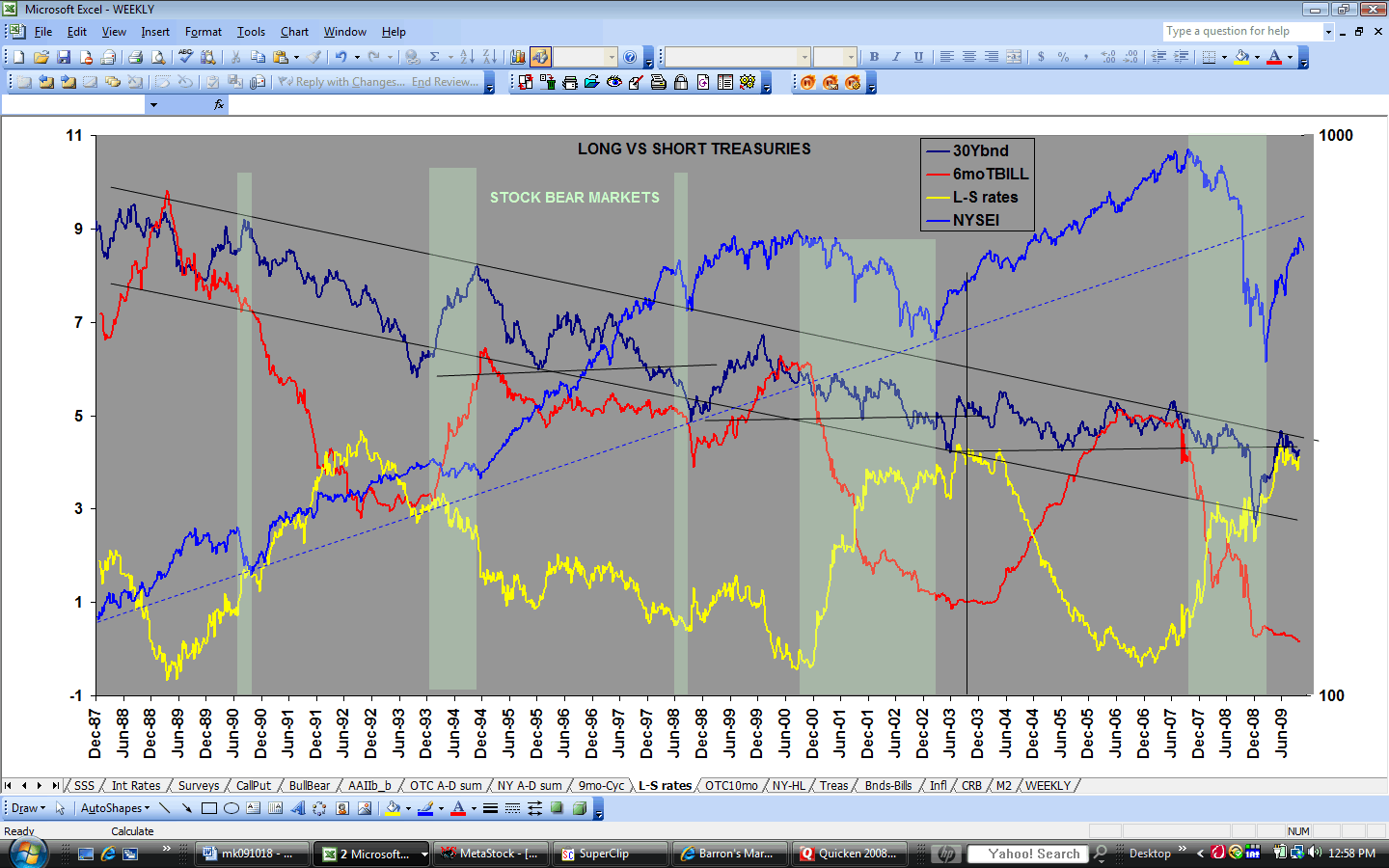
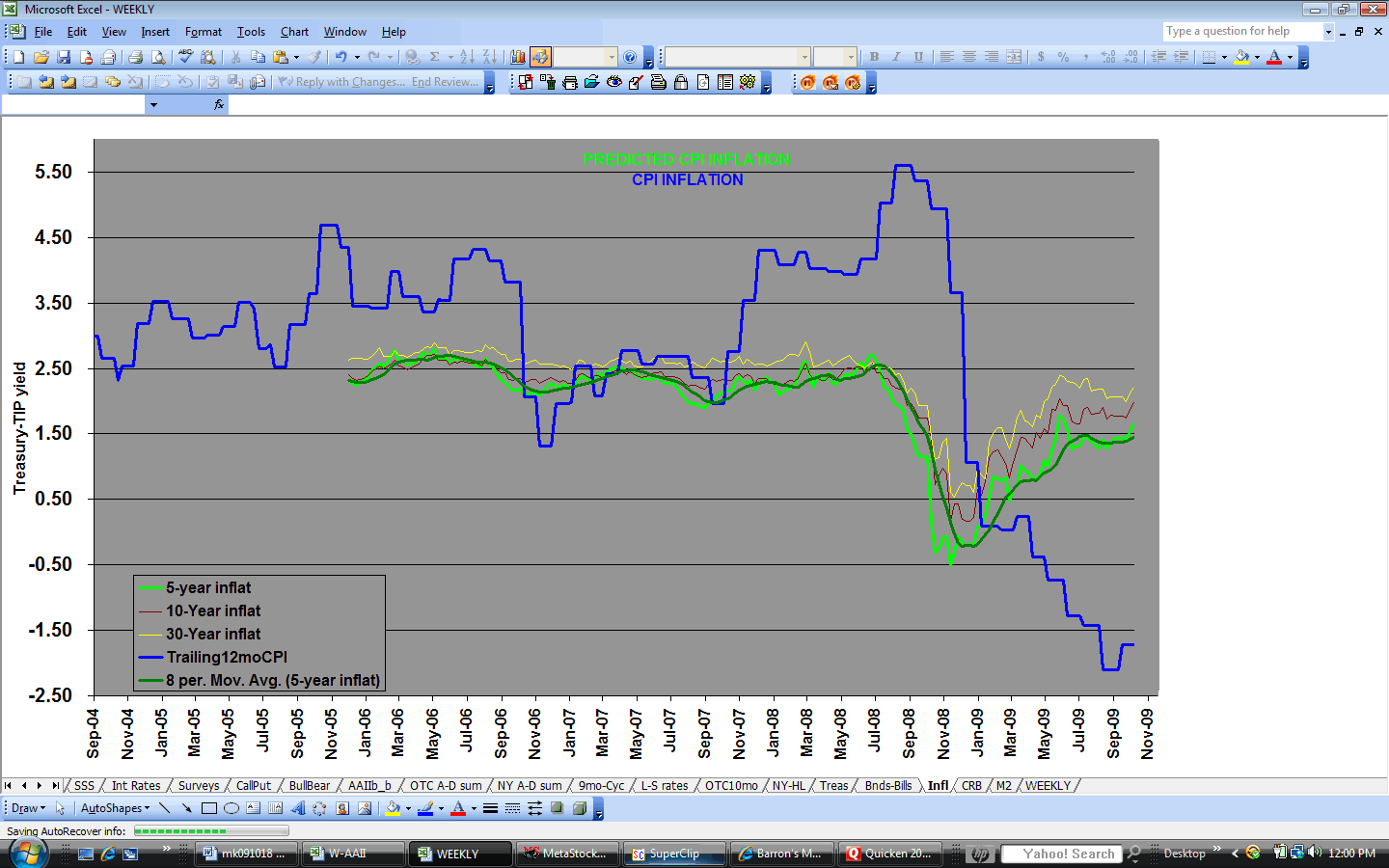
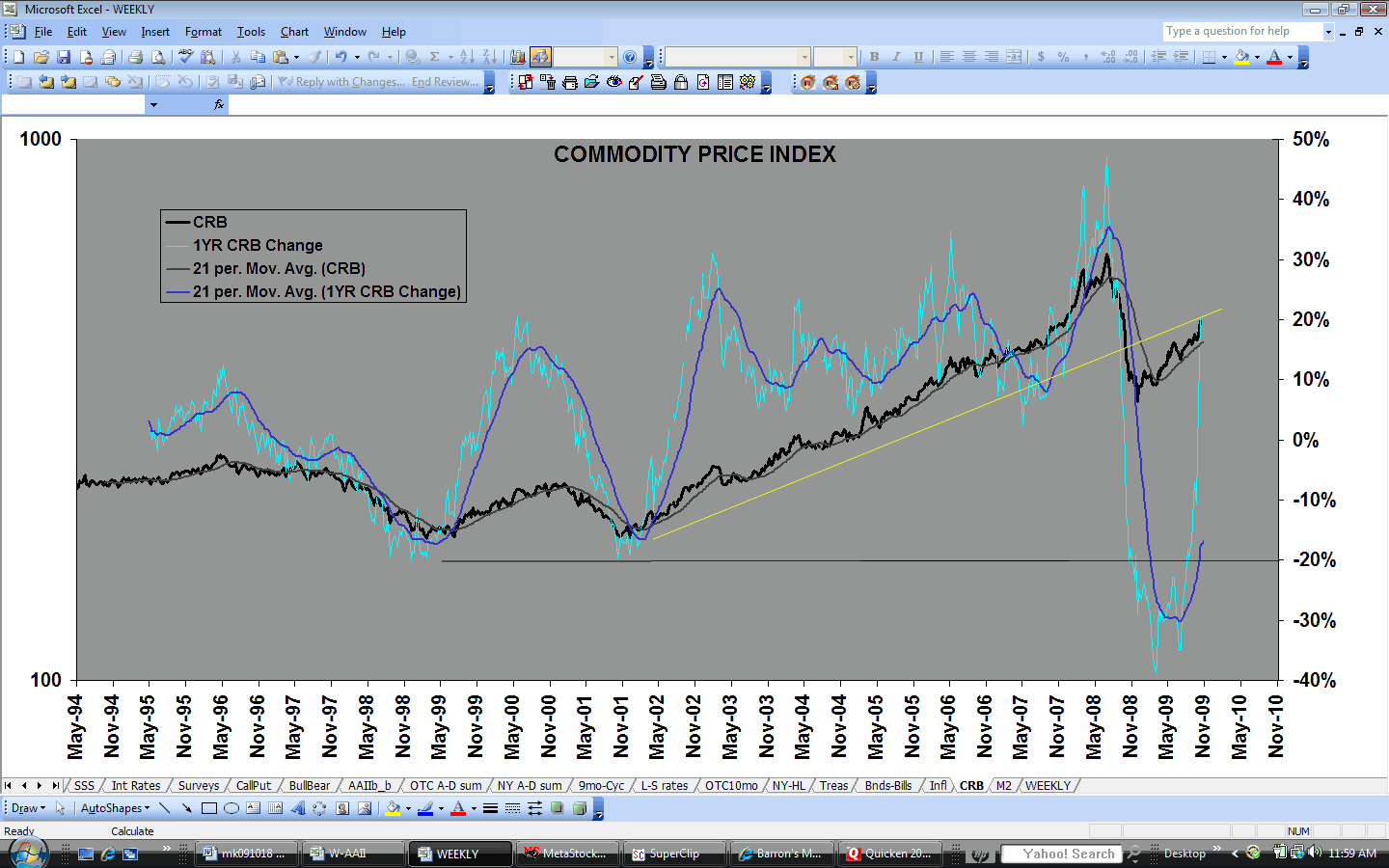
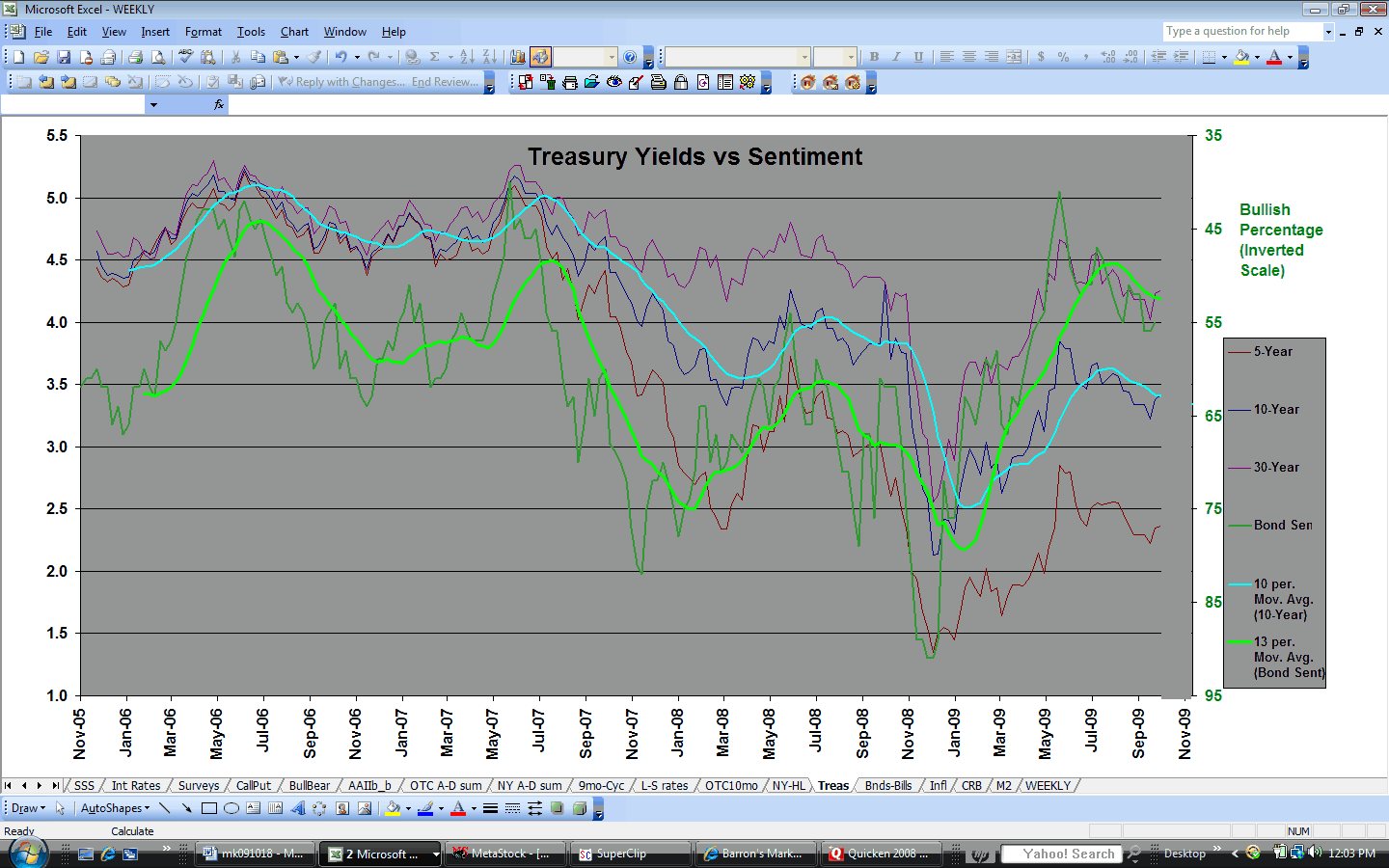
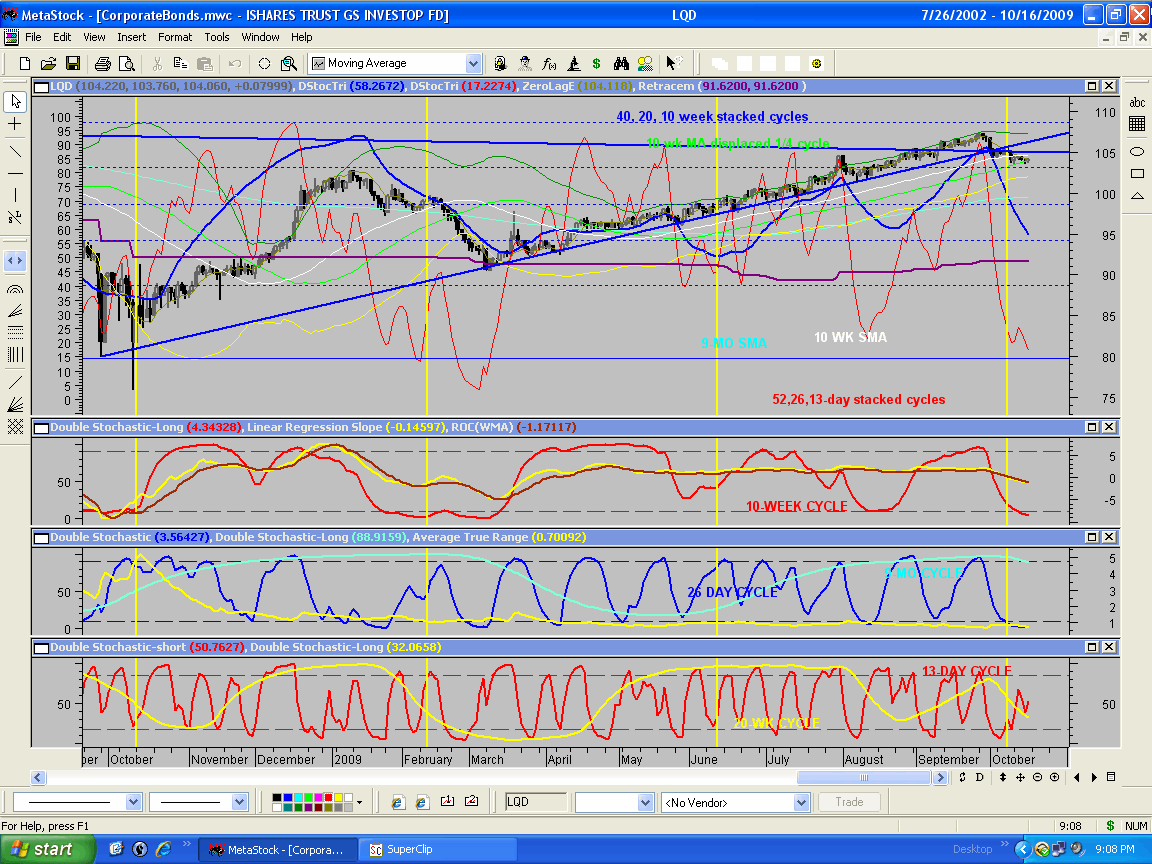
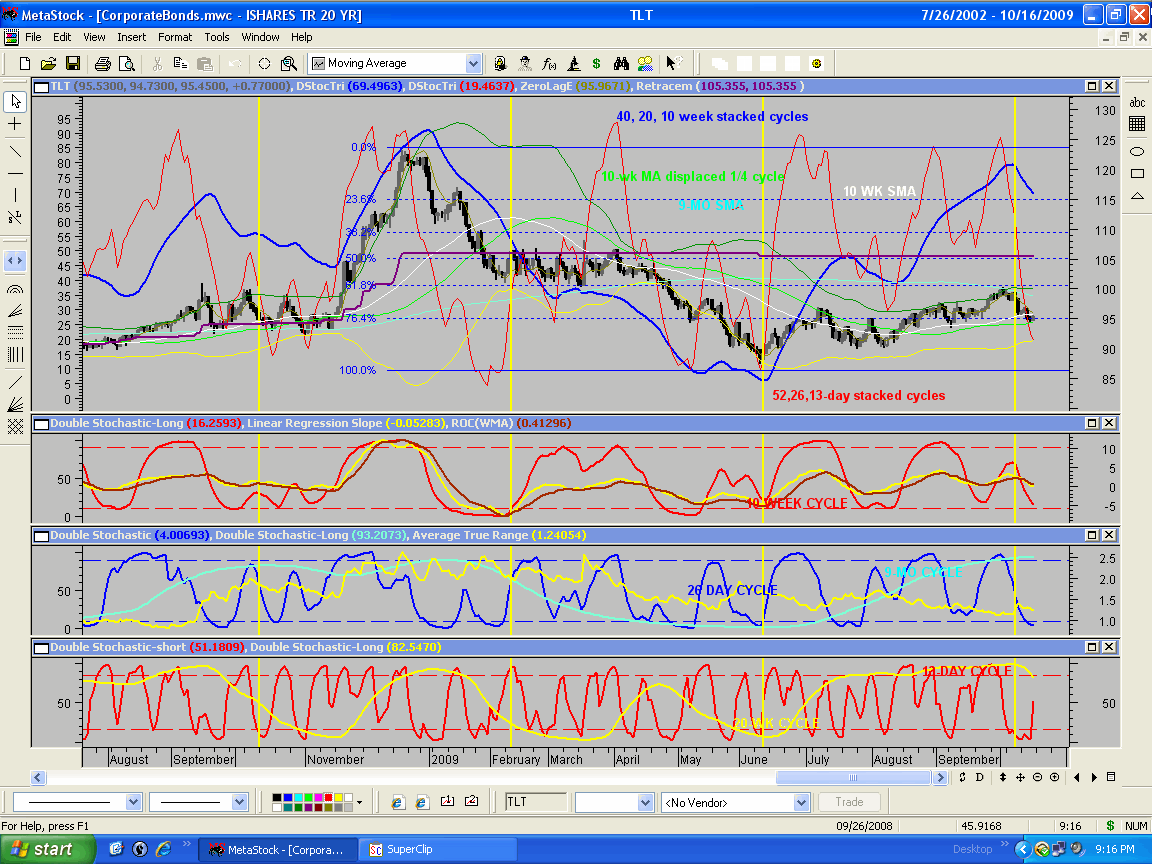
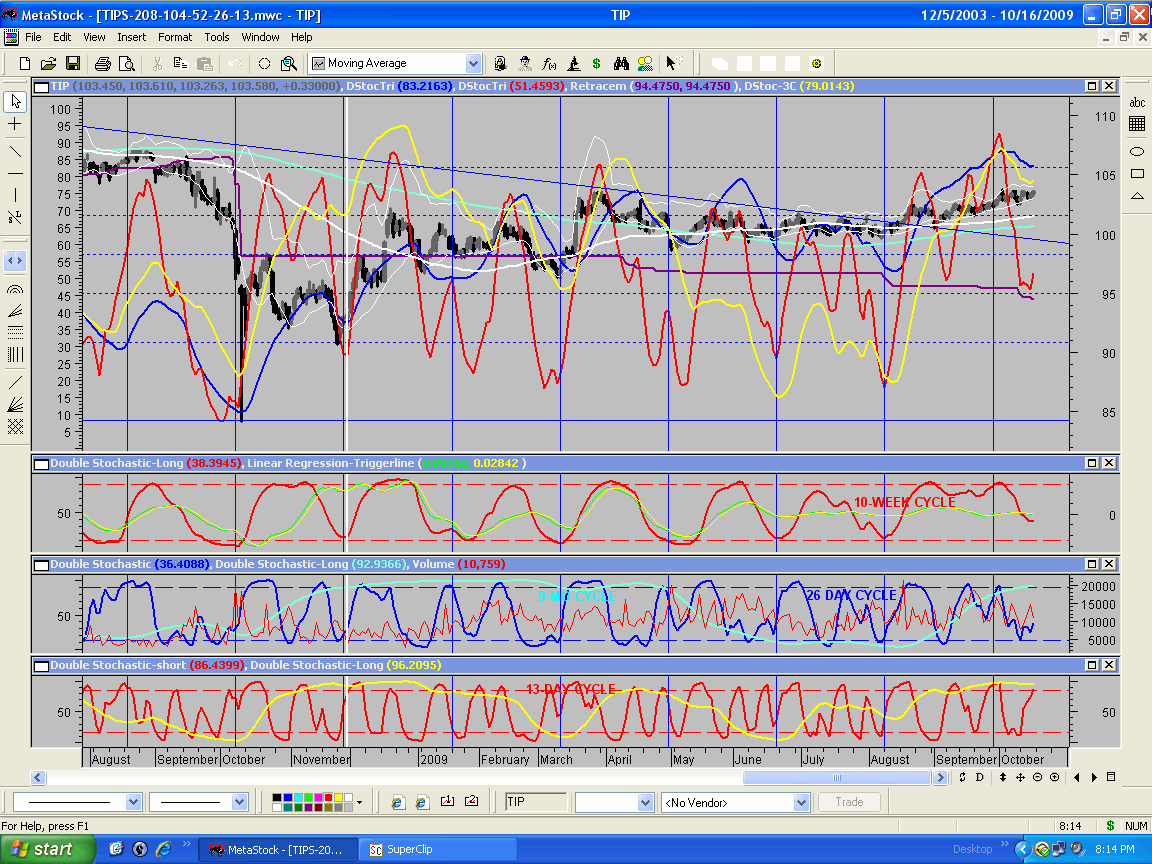
Interest rates (http://www.geocities.com/petegersb/TreasuryYield-10yr.GIF) continued their four-week rise after the climactic low in yields on 1/23 that nearly matched the 2003 low. Based on the level and trend of the cycle indicators, the rise should continue into this week, but rates appear close to a short-term (10-week cycle) peak. With the 9-month cycle only a month old, the intermediate trend appears likely to continue to rise for months. If so, the rapid rise in the long-short yield spread (http://www.geocities.com/petegersb/Long-ShortYields.GIF) will continue and produce a steep yield curve sometime this summer that is normally healthy for stocks. Inflation expectations as measured by the TIP yield spread (http://www.geocities.com/petegersb/CPI.GIF) rose a little last week, but hardly enough to reflect the runaway inflation in commodities (http://www.geocities.com/petegersb/CRB.GIF). This week we’ll get to see to what extent the commodity inflation is filtering through to the CPI. Bond optimism (http://www.geocities.com/petegersb/BondSentiment.GIF) continued to decline (scale inverted) from very high levels to reinforce my pessimistic outlook for bonds - especially Corporate bonds (http://www.geocities.com/petegersb/CorporateBonds.GIF) and conventional Treasury Bonds (http://www.geocities.com/petegersb/Treasury-20yr.GIF). We may have seen a slightly early short-term low in these bonds on Thursday, but TIPS (http://www.geocities.com/petegersb/TIPs.GIF) seem to have the better intermediate-term outlook. Its 20-week cycle appears to remain in an uptrend, whereas that cycle appears to have made a left-translated peak on other bonds.
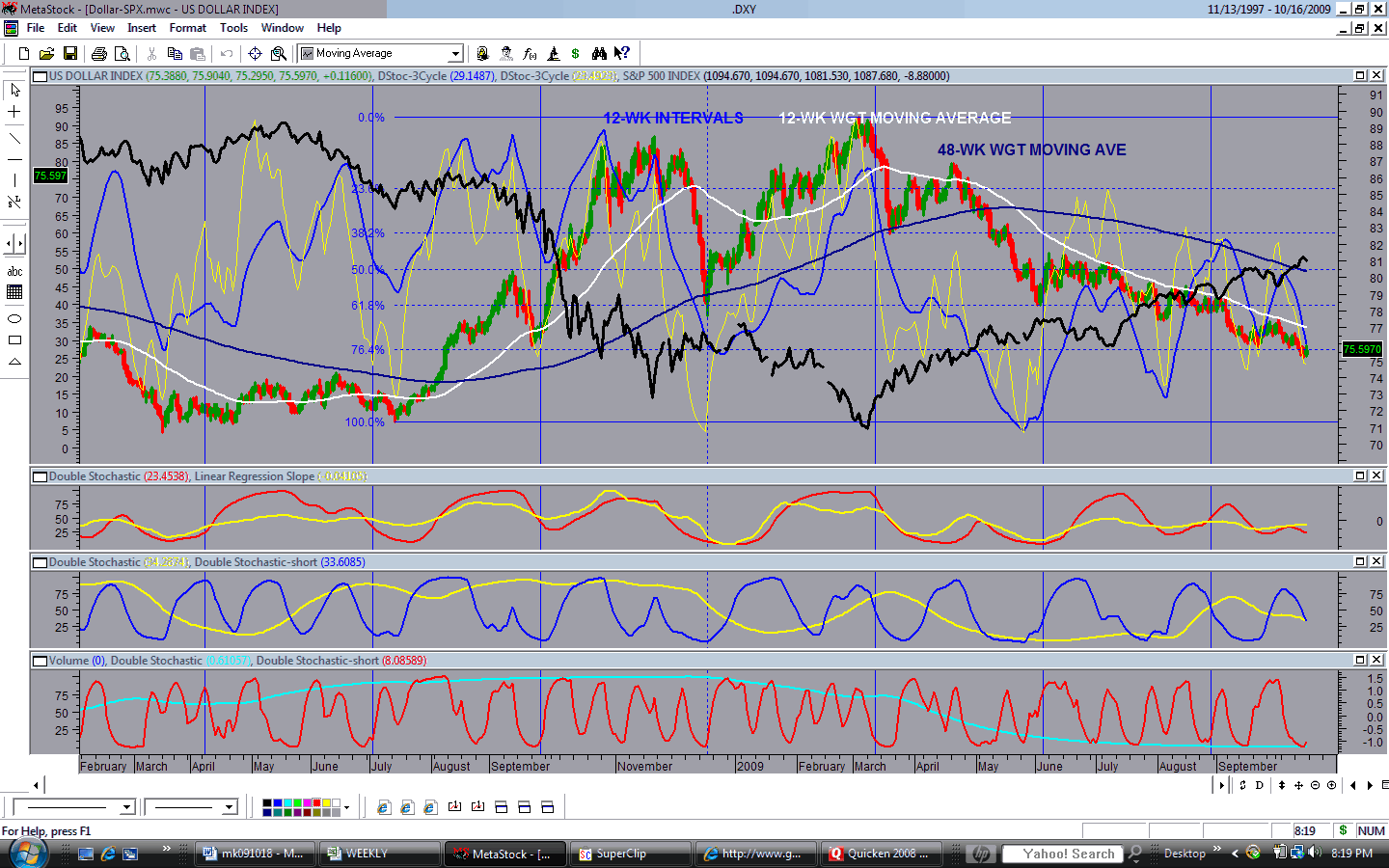
The dollar (http://www.geocities.com/petegersb/Dollar.GIF) declined last week as the
downtrending 13-day cycle trumped weak uptrends in the longer cycles. The very
short-term correction probably ended on Friday, so we should see a rally
attempt that produces a peak in the 11-day-old 26-day cycle when it reverses. Don’t
expect much from the rally.
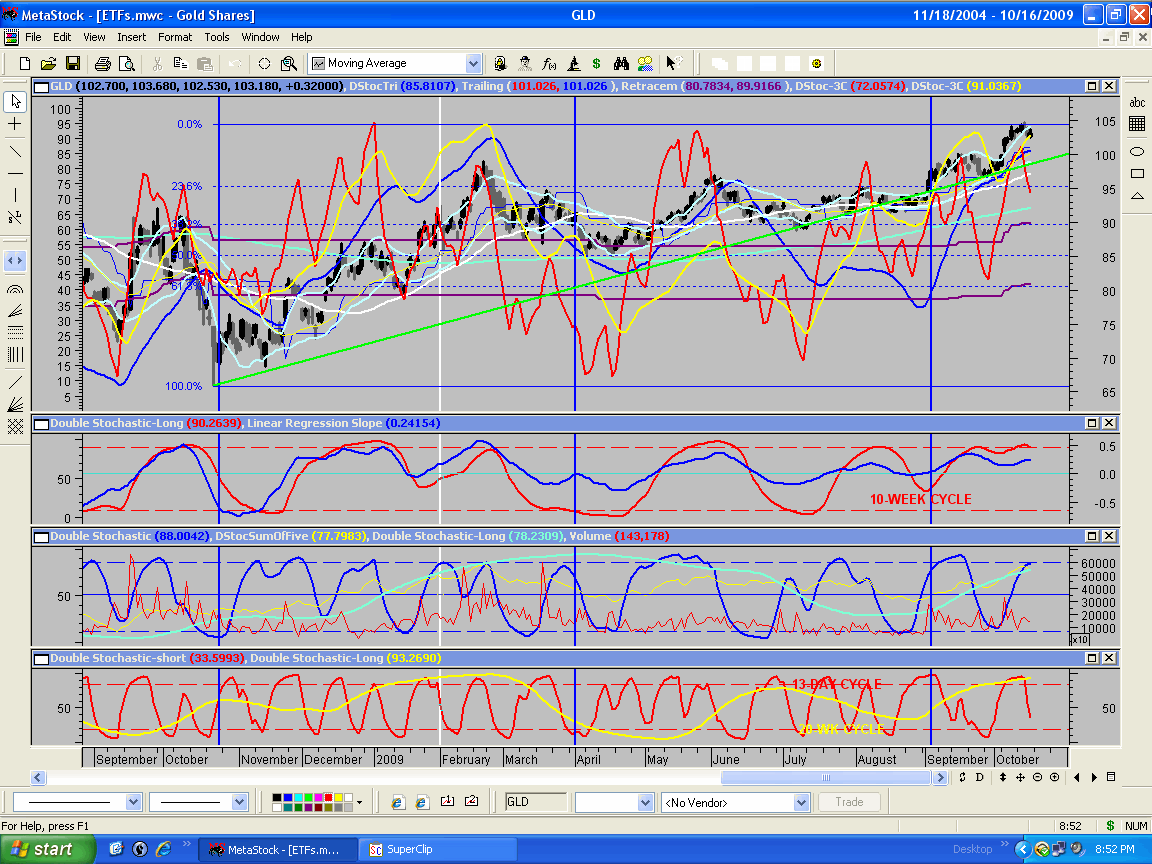
Gold (http://www.geocities.com/petegersb/GoldBullion.GIF)
declined a little last week, driving the
short-term composite to an oversold level that typically produces a rally even
when the intermediate composite is in a downtrend as it is now. However, neither
the 10-week nor the 13-day cycle has reached an oversold condition, so it
appears that a little more downside is likely before the short-term composite
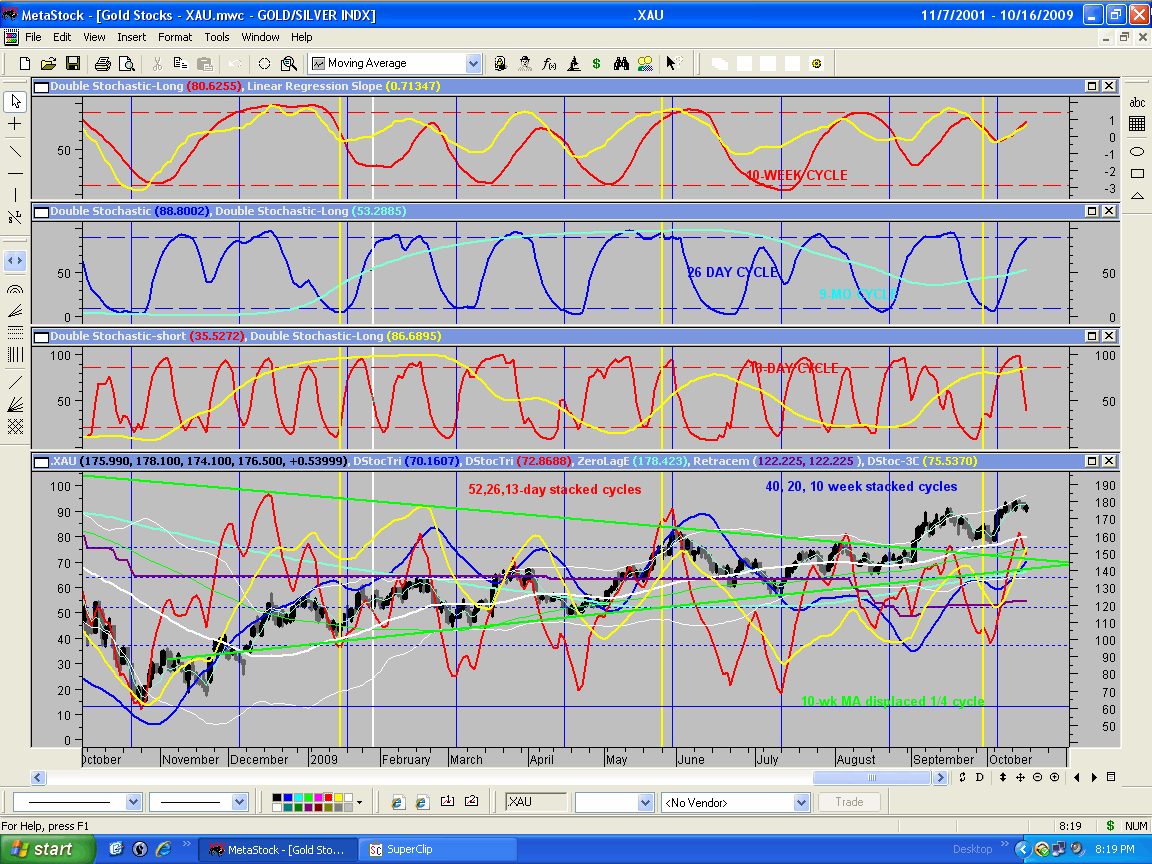
and prices turn up. Gold stocks as represented by the XAU (http://www.geocities.com/petegersb/GoldStocks.GIF)
declined a similar percentage, but its
short-term composite remains far from oversold. It appears that the trend line
from the August low is about to be broken. The XAU should find support at the
January low, which coincides with the 9-month moving average and 50%
retracement of the August-January rally.
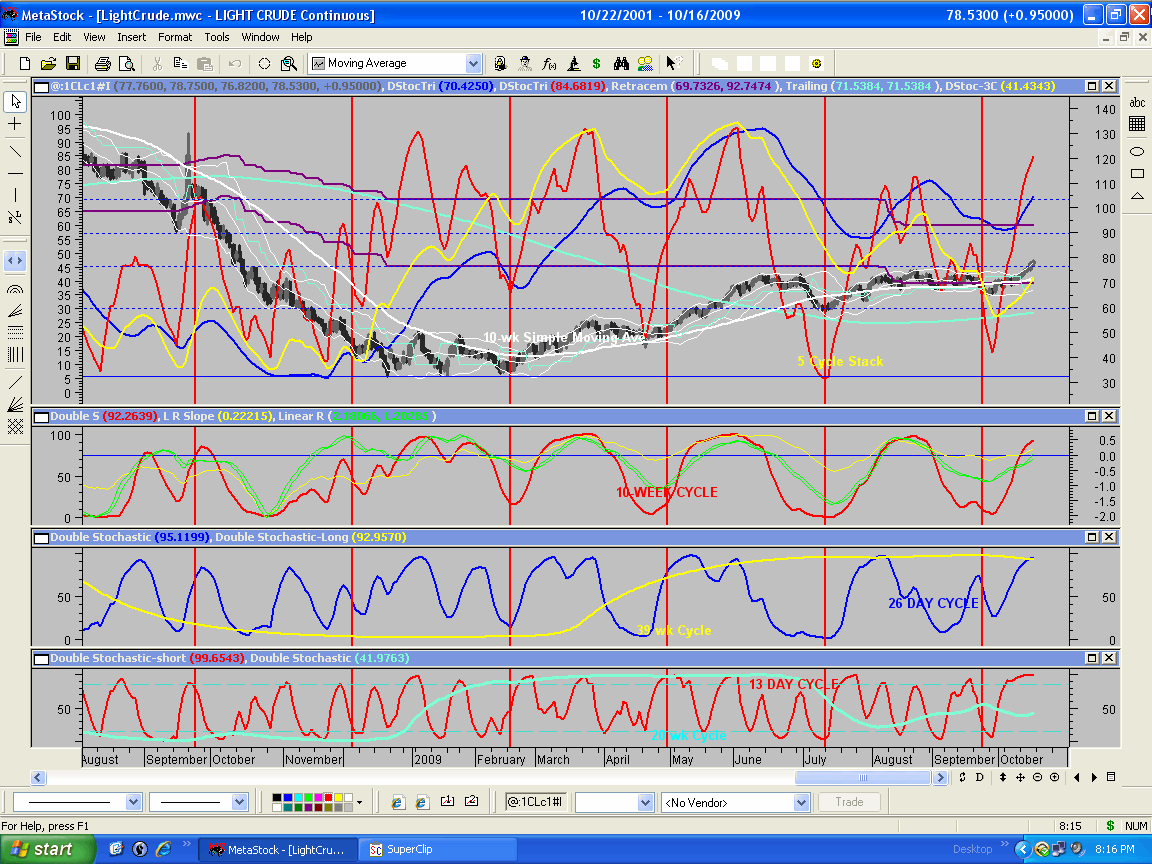
Crude oil (http://www.geocities.com/petegersb/CrudeOil.GIF) surged off of its 2/7 intermediate-term low. The 13 and
26-day cycles are moderately overbought, but the short-term composite is not.
The young 10 and 20-week cycle rallies should sustain the uptrend and drive oil
into triple digits before they peak.
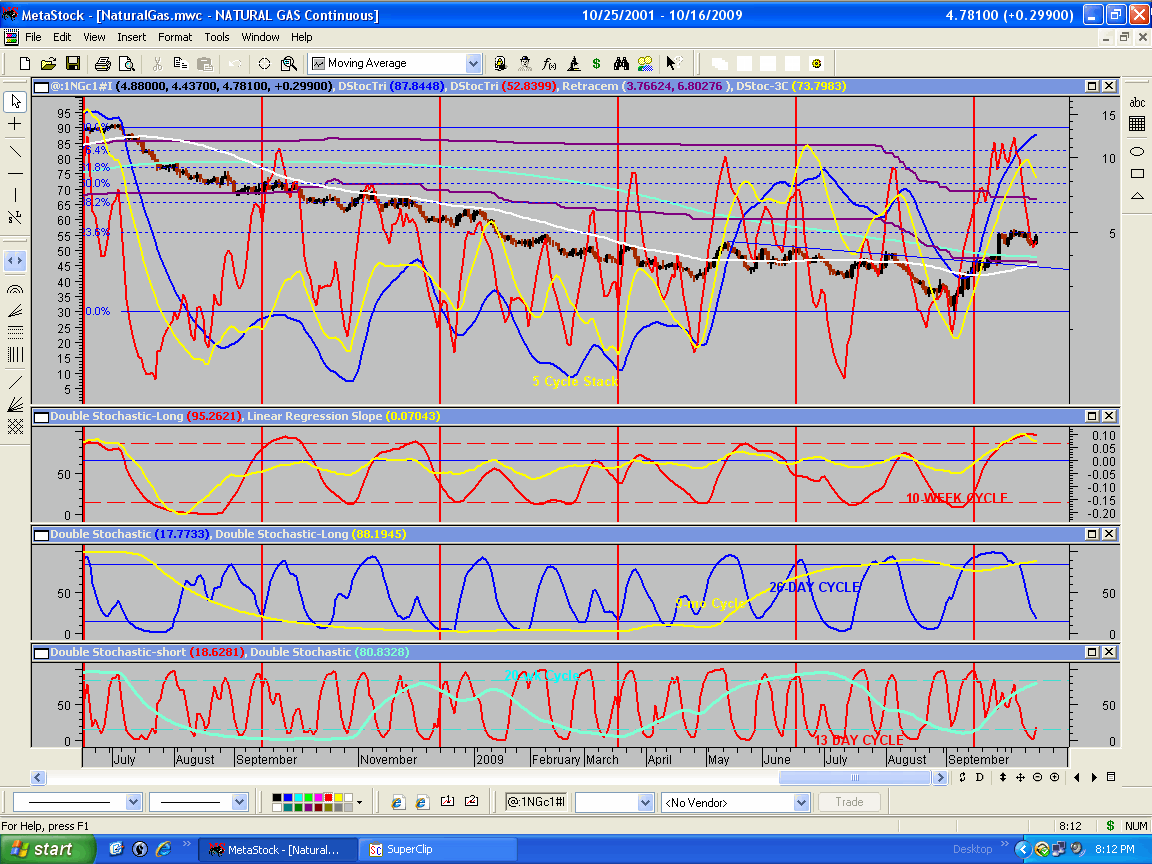
Natural
gas (http://www.geocities.com/petegersb/NaturalGas.GIF) also advanced last week, breaking above the trend line
from the early November peak on Monday, pulling back to it, and then advancing
further to near the top of its two-year trading range. Both short and
intermediate composites are now moderately overbought and the short-term
composite turned down on Friday. The rising 20-week cycle is only 9-weeks old
and far from overbought. Consequently, it appears that natural gas has
completed its lengthy basing period. After a short-term correction, it should
break above the trading range and be off to the races.
Inspired by
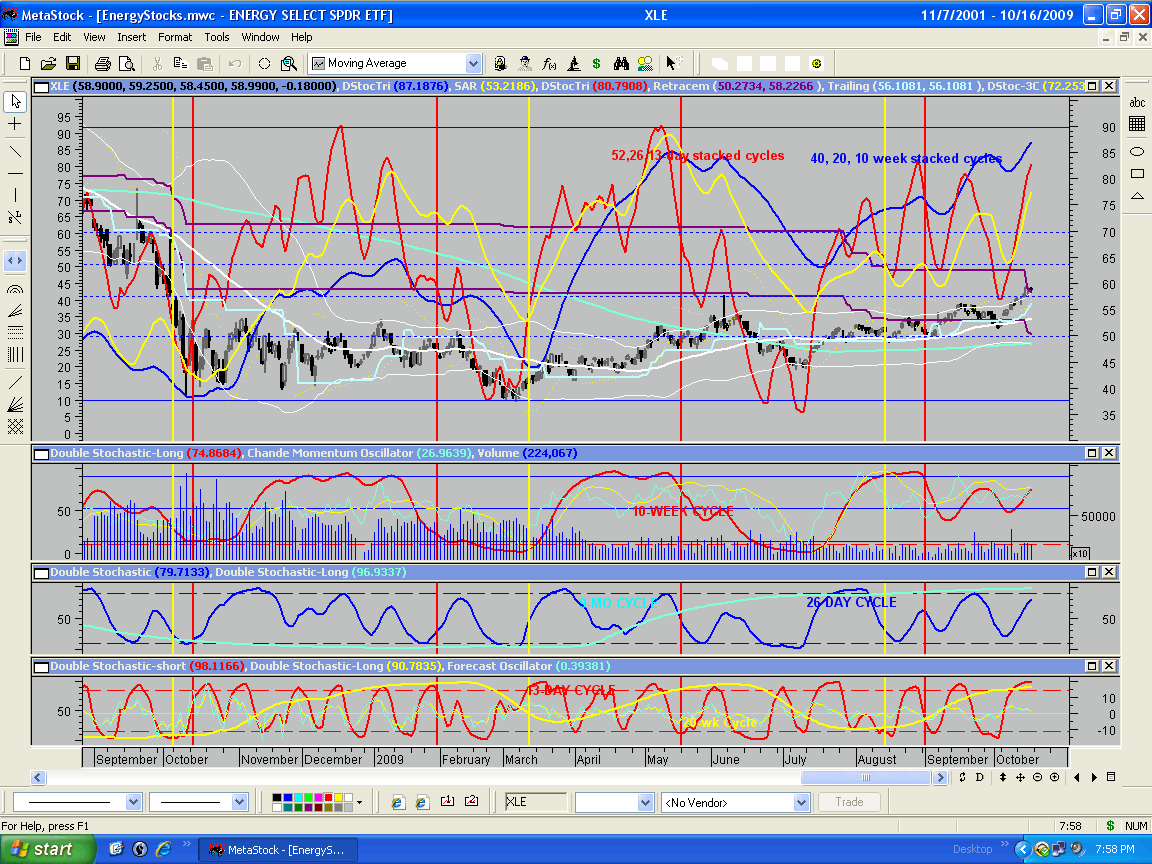
the performance of the underlying commodities, Energy stocks (http://www.geocities.com/petegersb/EnergySPDR.GIF)
were once again the best performing sector of
the week. The XLE moved above the 9-month moving average and then up to the
10-week moving average before pulling back on Friday in an apparent successful
test of the 9-month MA. In the process, the intermediate composite turned up.
The 13 and 26-day cycles are moderately overbought, but the short term
composite is not, and all of the longer cycles remain moderately oversold.
Energy stocks look like a buy.
.