2/3/08
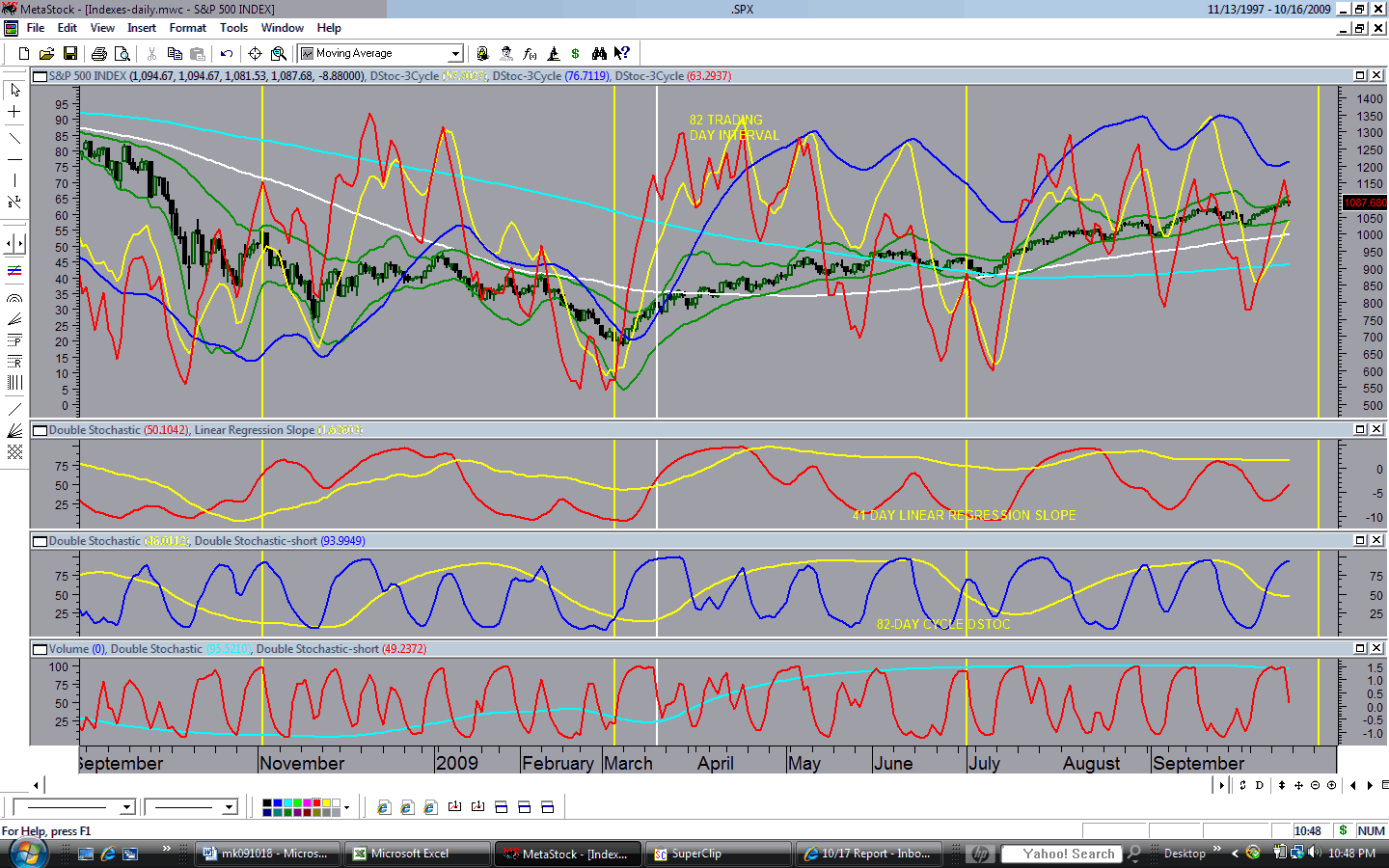
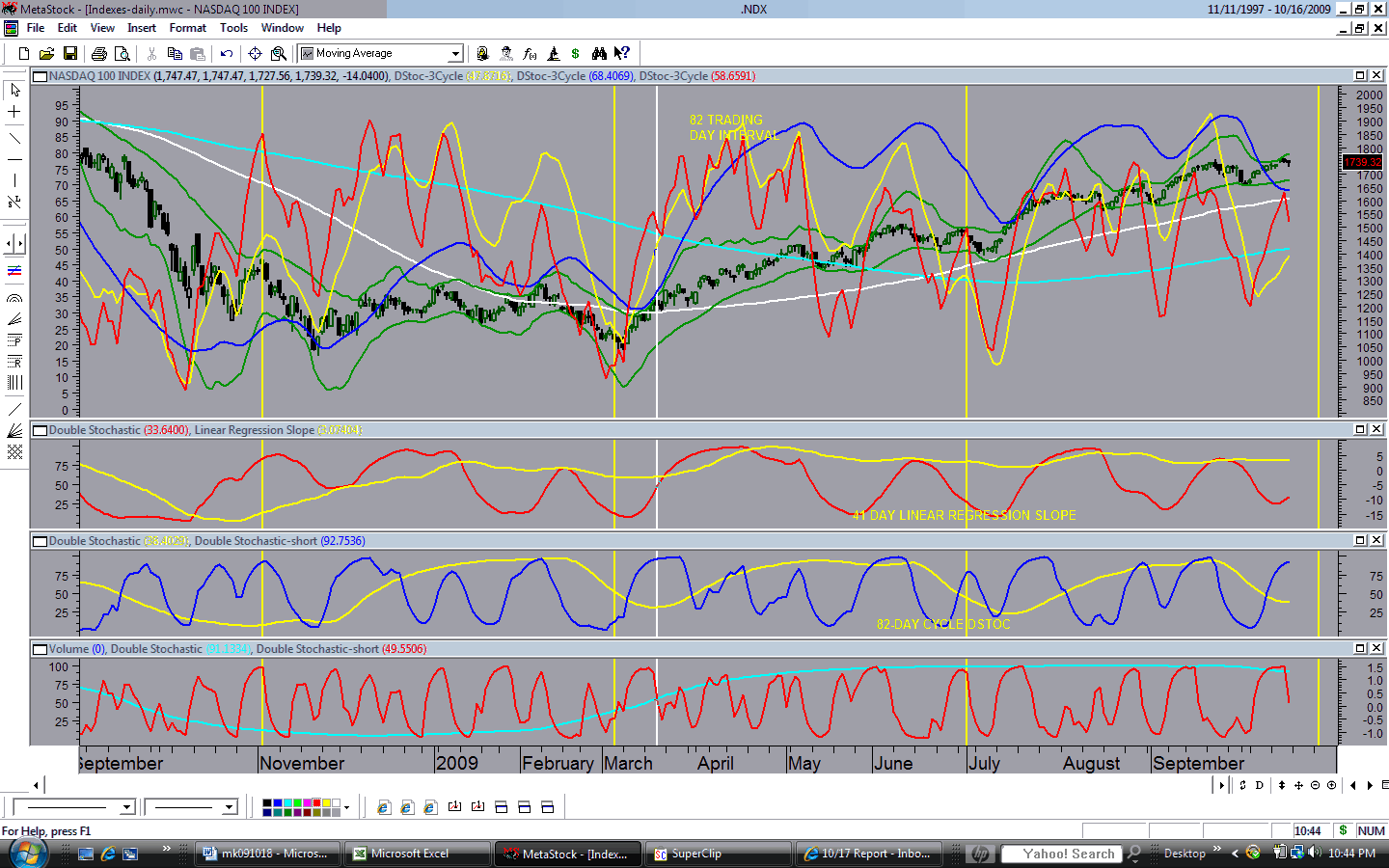
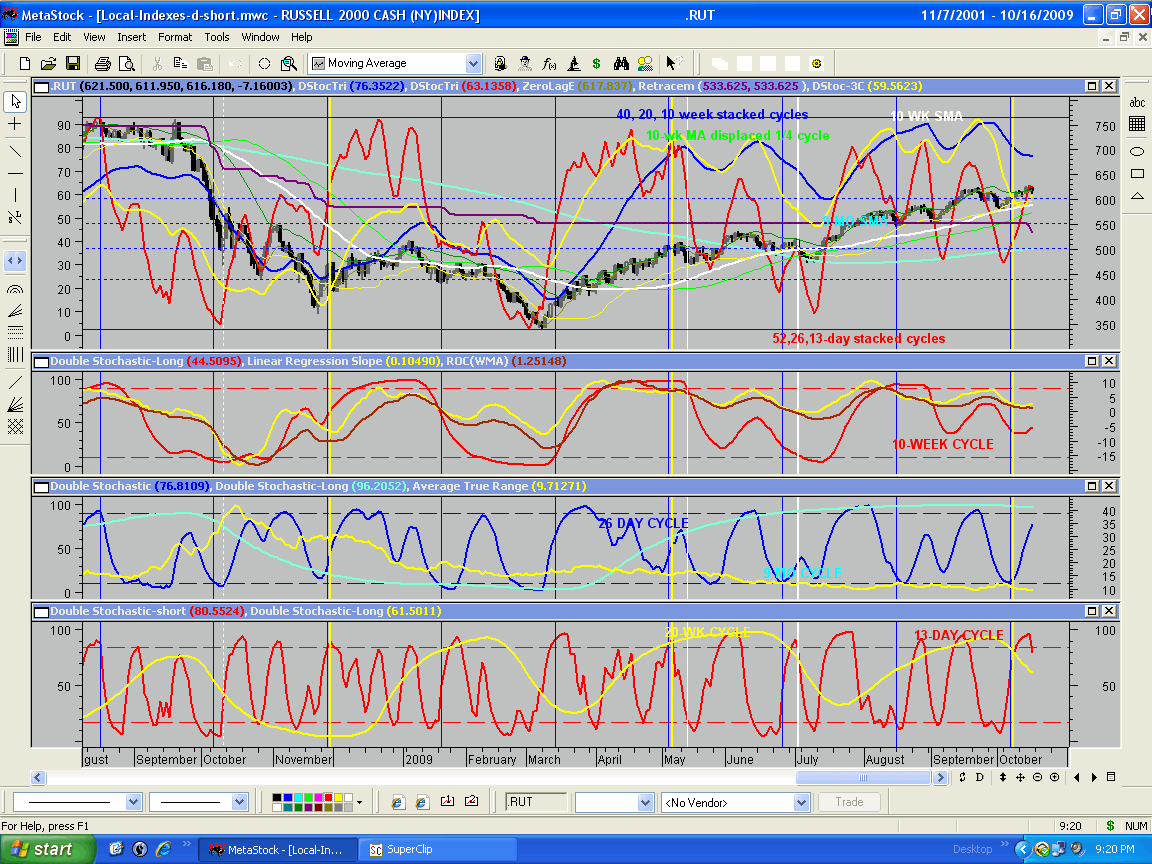
Undeterred by a negative jobs report, the 10-week cycle rally continued its surge last week It got help from the Fed, from MBIA’s assertion that it is not bankrupt, and from Microsoft’s offer to buy Yahoo at a premium, but that doesn’t diminish the importance of the impressive strength that turned the intermediate composite and most of the 20-wk cycle indicators higher. The cycle indicators now have reached about the same positions they held at the peak of the first 13-day cycle 8 trading days after a similar panic bottom last August (http://www.geocities.com/petegersb/SP500.GIF, http://www.geocities.com/petegersb/NDX.GIF , http://www.geocities.com/petegersb/Russell2000.GIF). That was followed by a brief pullback that gave back half of the gain from the intraday low. With both 13 and 26-day cycles overbought, the odds seem to favor a similar pullback this time. If so, it would lend credence to the assumption that indications of a 20-week cycle uptrend are legitimate, and help resolve the uncertainty in the location of the last occurrence (http://www.geocities.com/petegersb/Overview-med.GIF). A more sever pullback would lend credence to the assumption that the 20-week and 9-month cycle lows still lie ahead in the April time frame. In either case, I would expect a little more out of this 10-week cycle rally – most likely back up to the vicinity of the November lows at 1406 on the SPX.
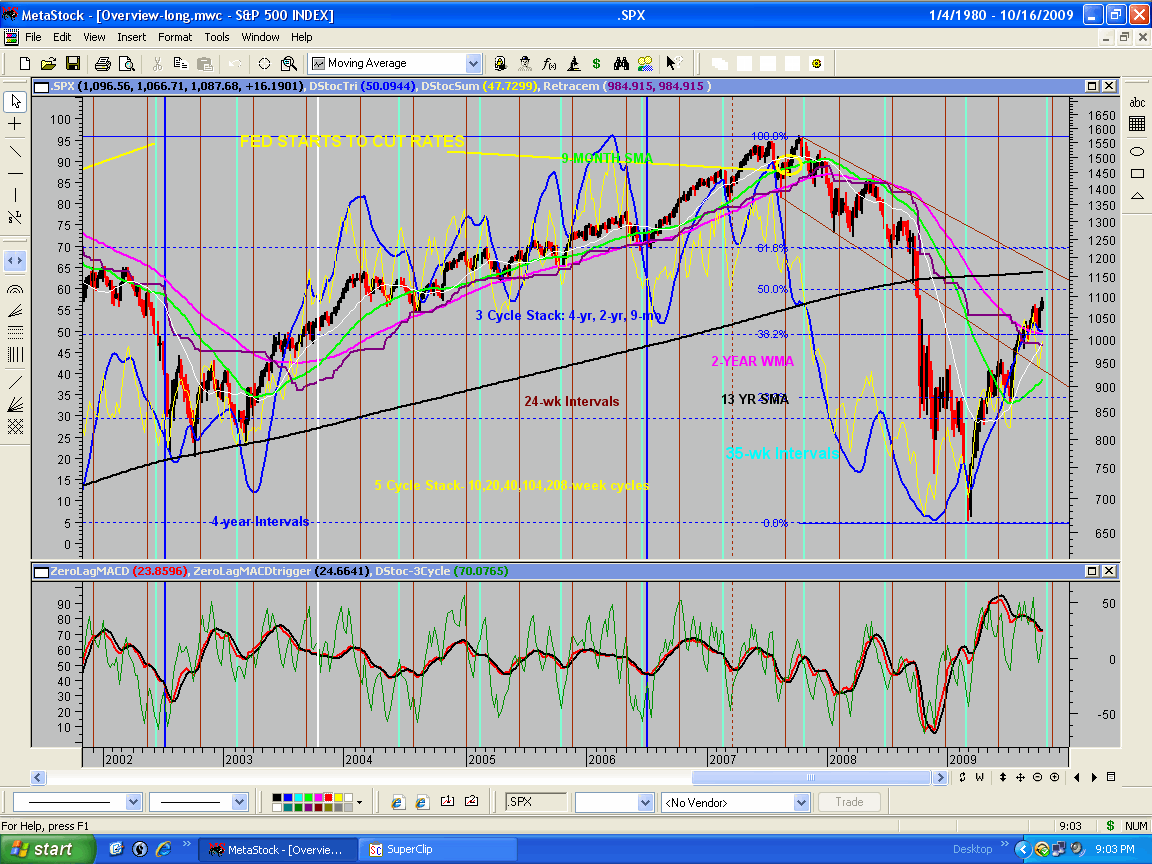
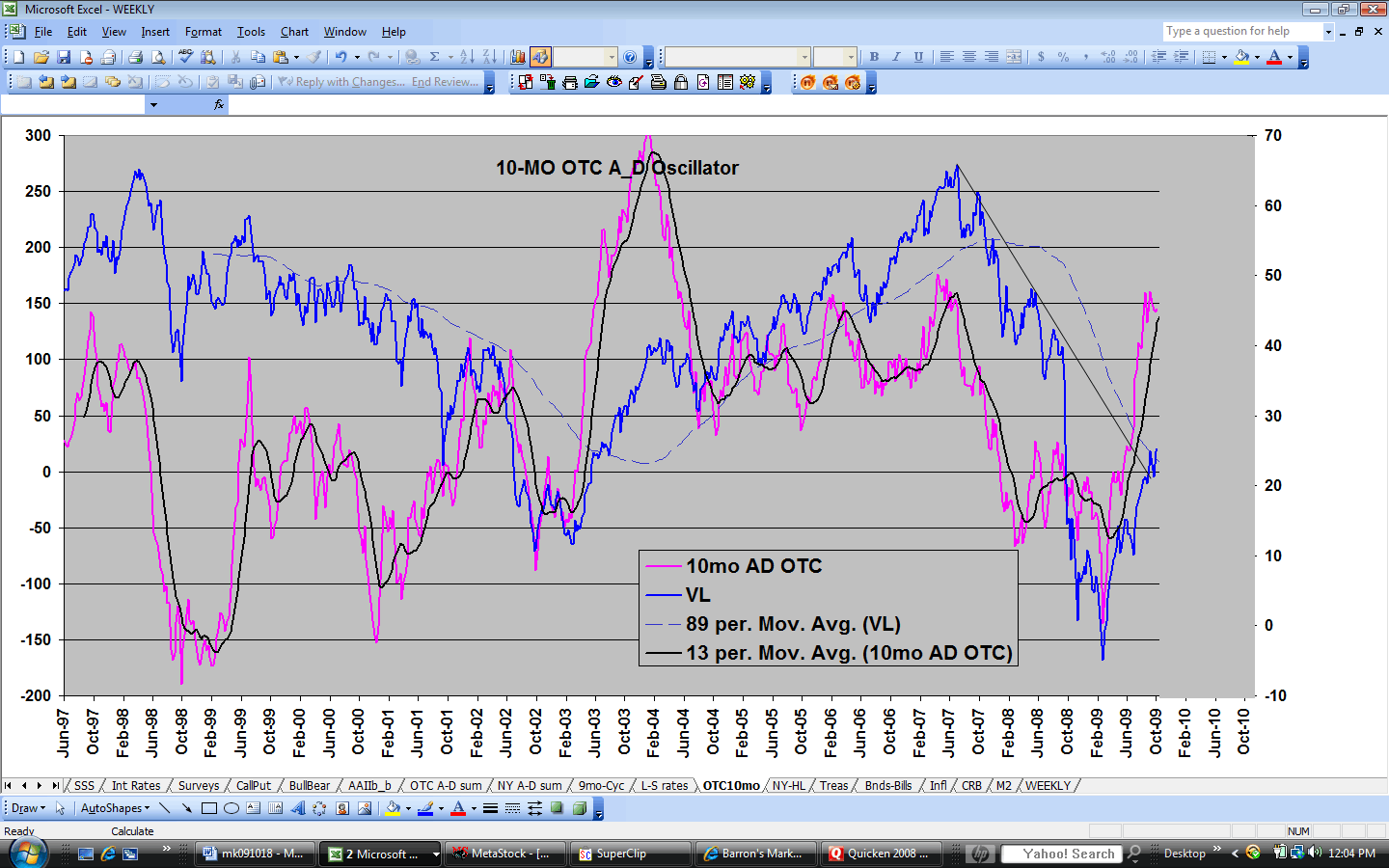
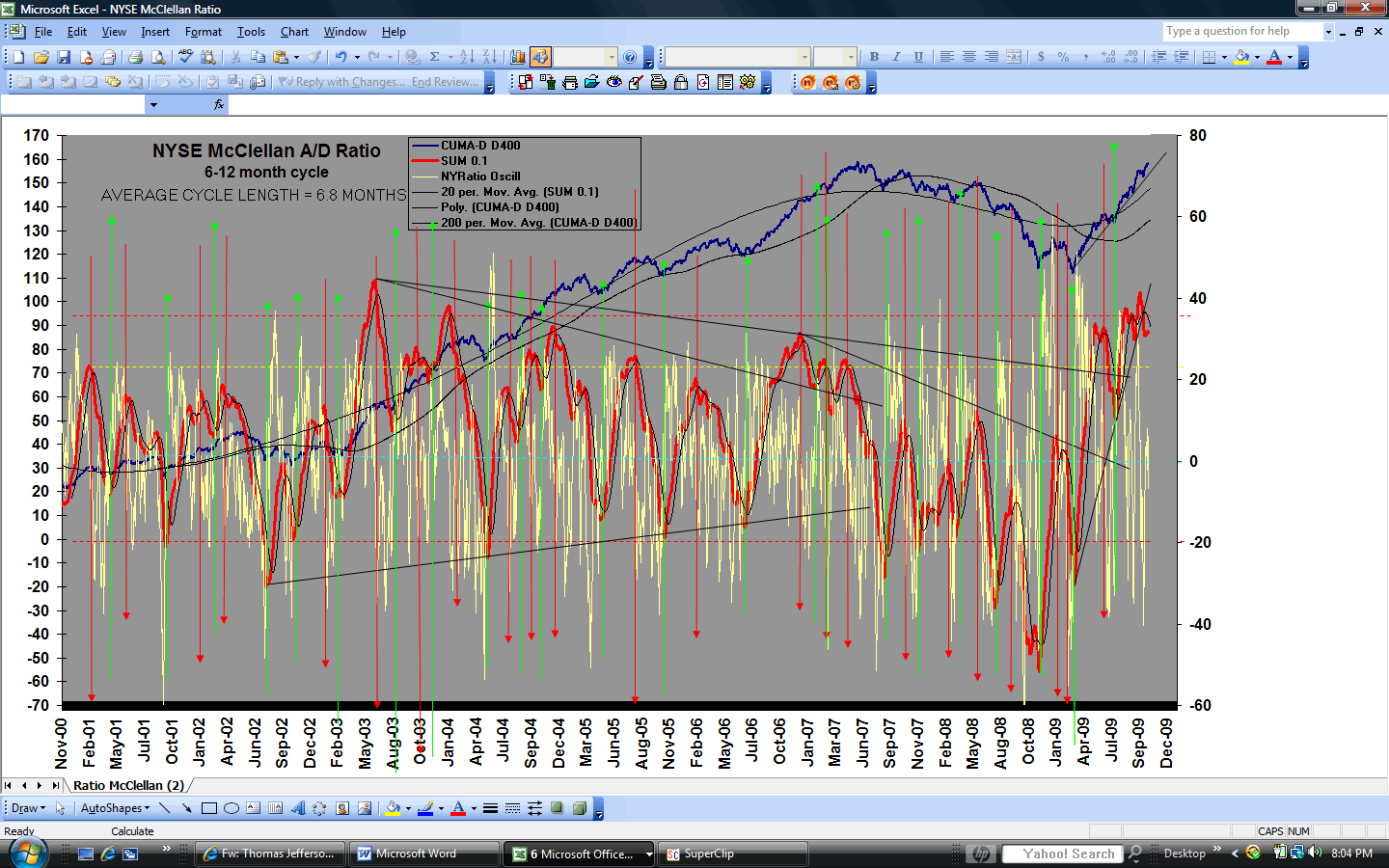
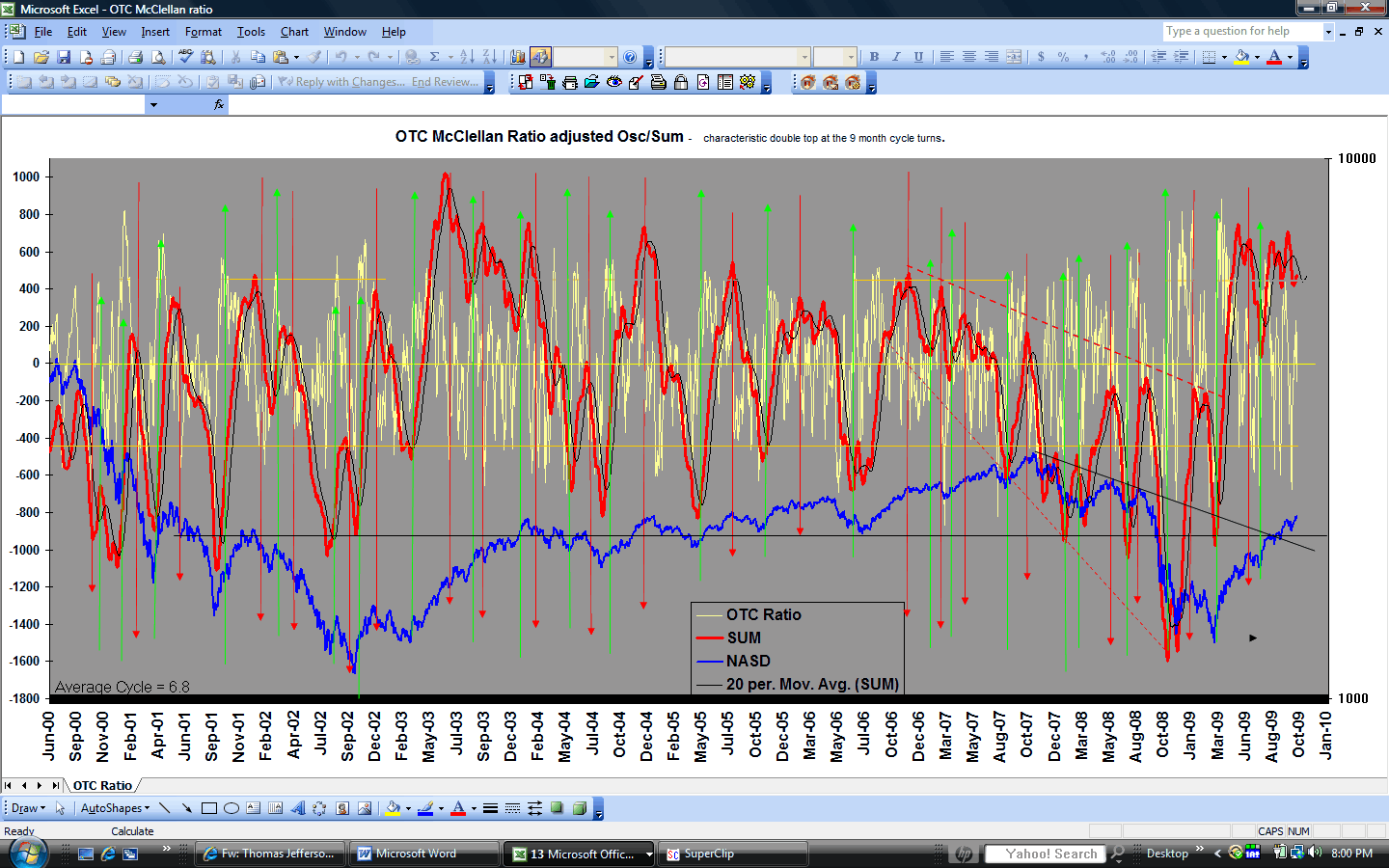
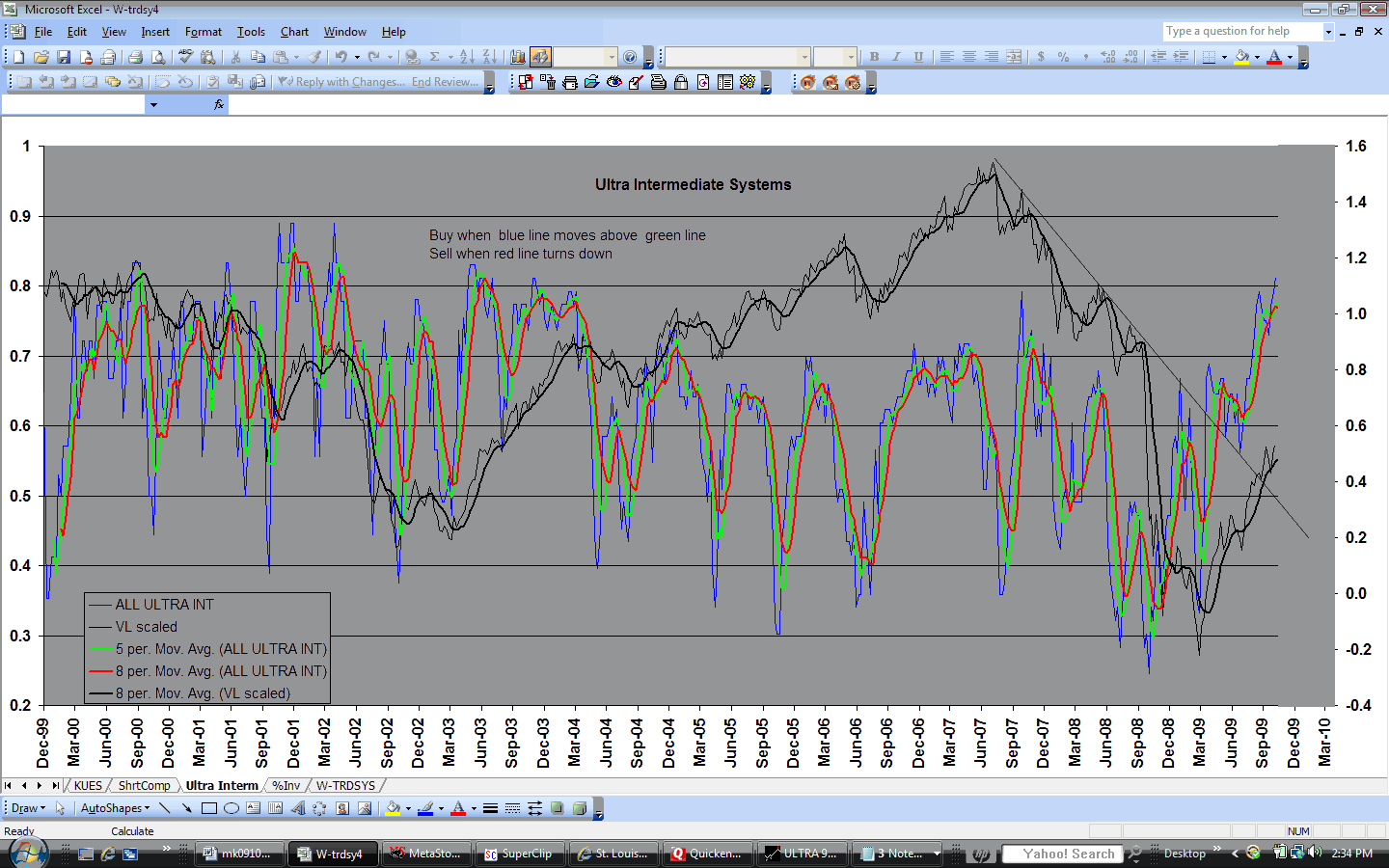
Several indicators argue for continued caution. All of the indexes remain below the 10-week moving average and the 10-week moving average is now below the 9-month moving average on all of the indexes. Moreover, the Nasdaq is much farther below these moving averages than are the other major indexes. Relative weakness by the Nasdaq is not usually a characteristic of a new bull market. It’s true that in order to capture most of a bull market, you have to turn bullish long before the long-term trend indicators turn up. But it’s also true that bear market rallies tend to be steep and brief. If you make a habit of anticipating that each is a major turning point, you will frequently be premature. Currently all of the long-term trend indicators are heading downward (http://www.geocities.com/petegersb/Overview-long.GIF , http://www.geocities.com/petegersb/10-mo_A-D_oscillator.GIF , http://www.geocities.com/petegersb/10-mo_A-D_oscillatorOTC.GIF ). The 9-month cycle indicators are mixed with most trending downward, but some breadth indicators have turned upward (http://www.geocities.com/petegersb/A-Dsummation-NYSE.GIF , http://www.geocities.com/petegersb/A-Dsummation-OTC.GIF) as did the ULTRA Composite Indicator (http://www.geocities.com/petegersb/UltraIntermediate.GIF ). The 20-week cycle indicators are mostly rising but somewhat suspect due to their tendency to conform to the 10-week cycle indicators in a very volatile market such as the one we have seen recently. The 10-week cycle is clearly rising and less than two weeks old. In a new bull market we should get more upside out of it, but if it were to peak with any of the shorter cycles, it would be indicative of a continuing bear market. Ditto for the 26-day cycle, which is approaching middle age and is mildly overbought. The 13-day cycle is past normal middle age and very overbought. It should correct this week – modestly if a new bull market dawned 8 days ago.
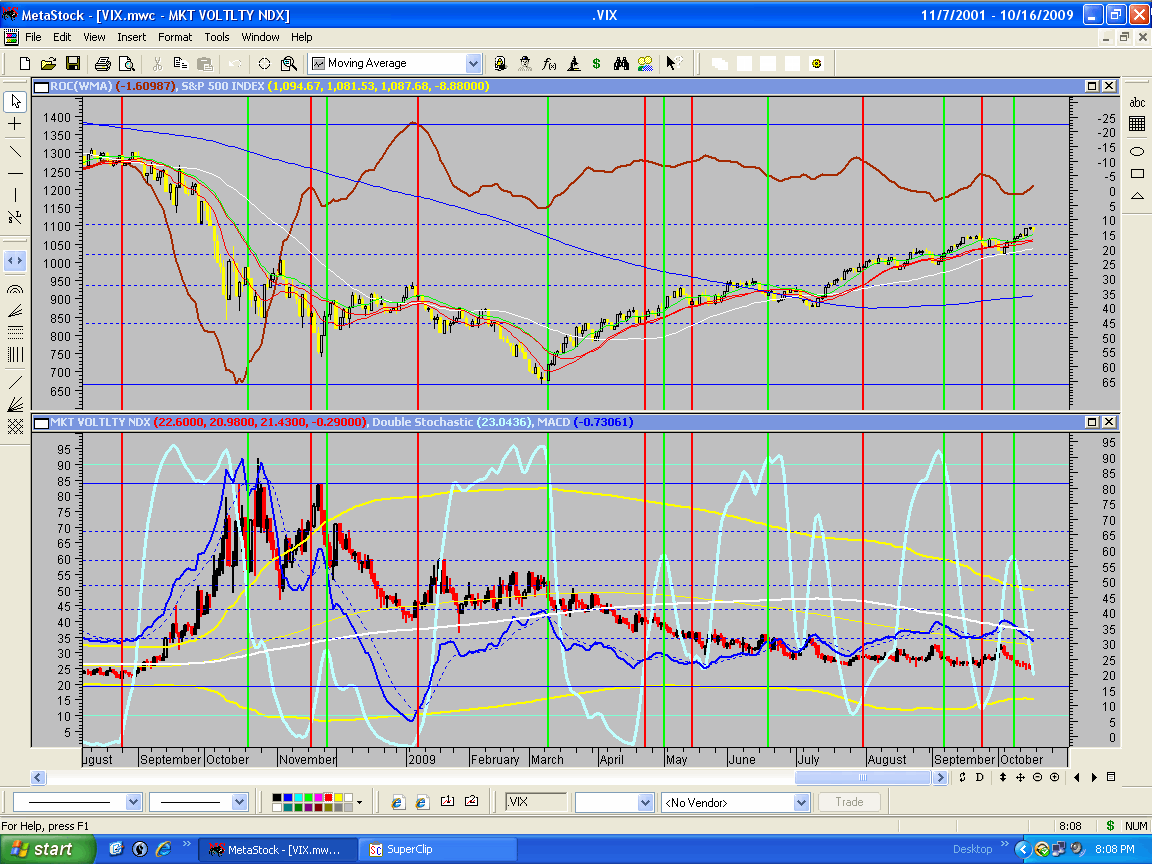
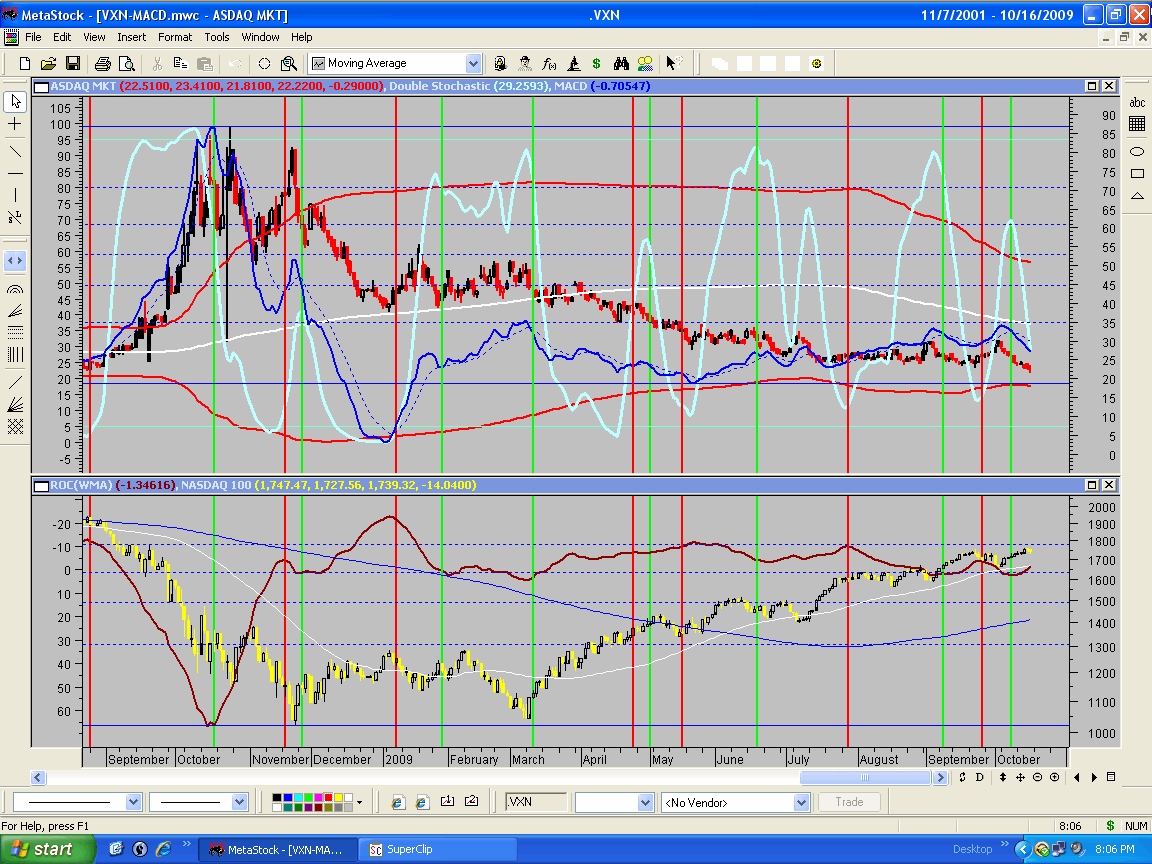
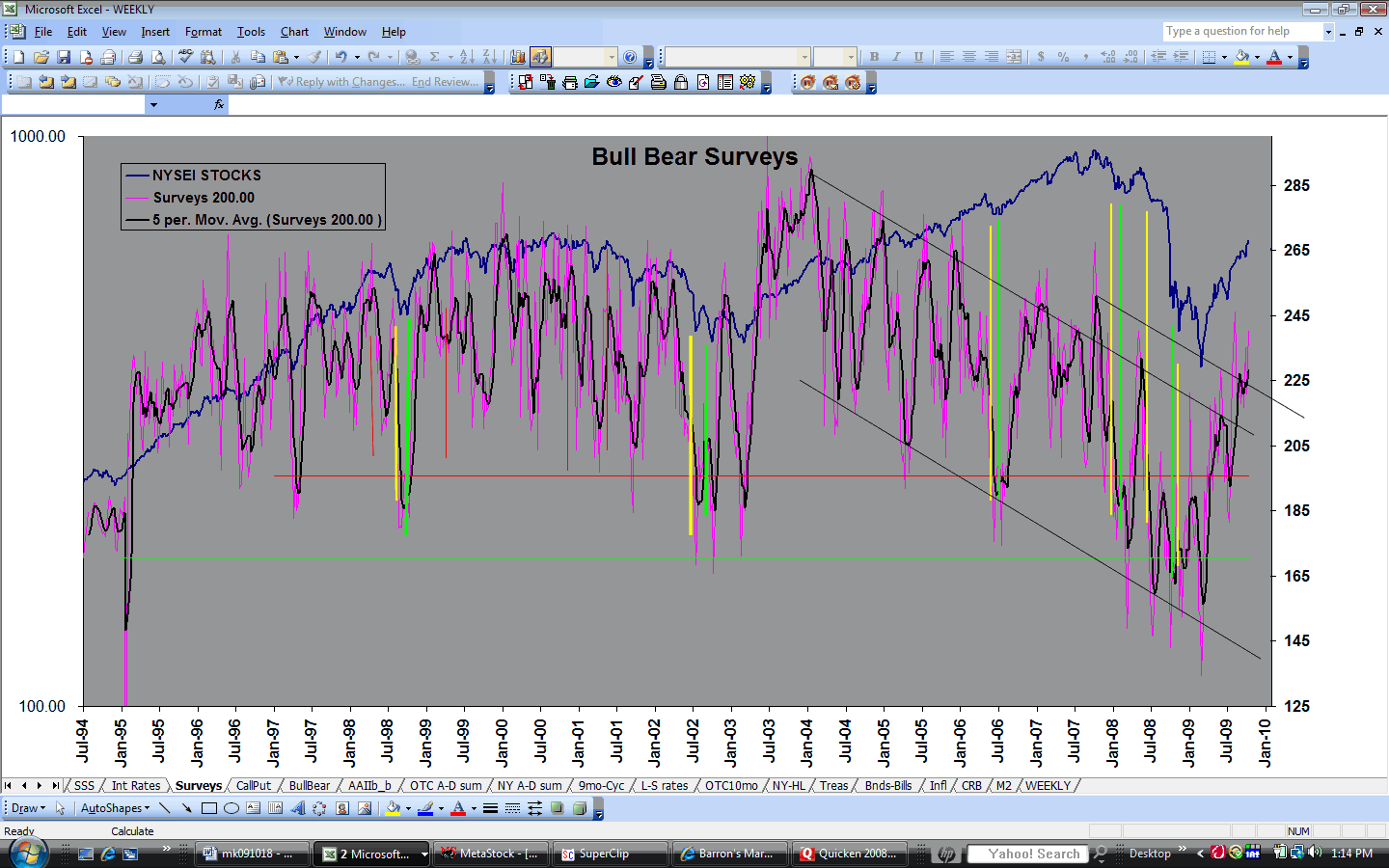
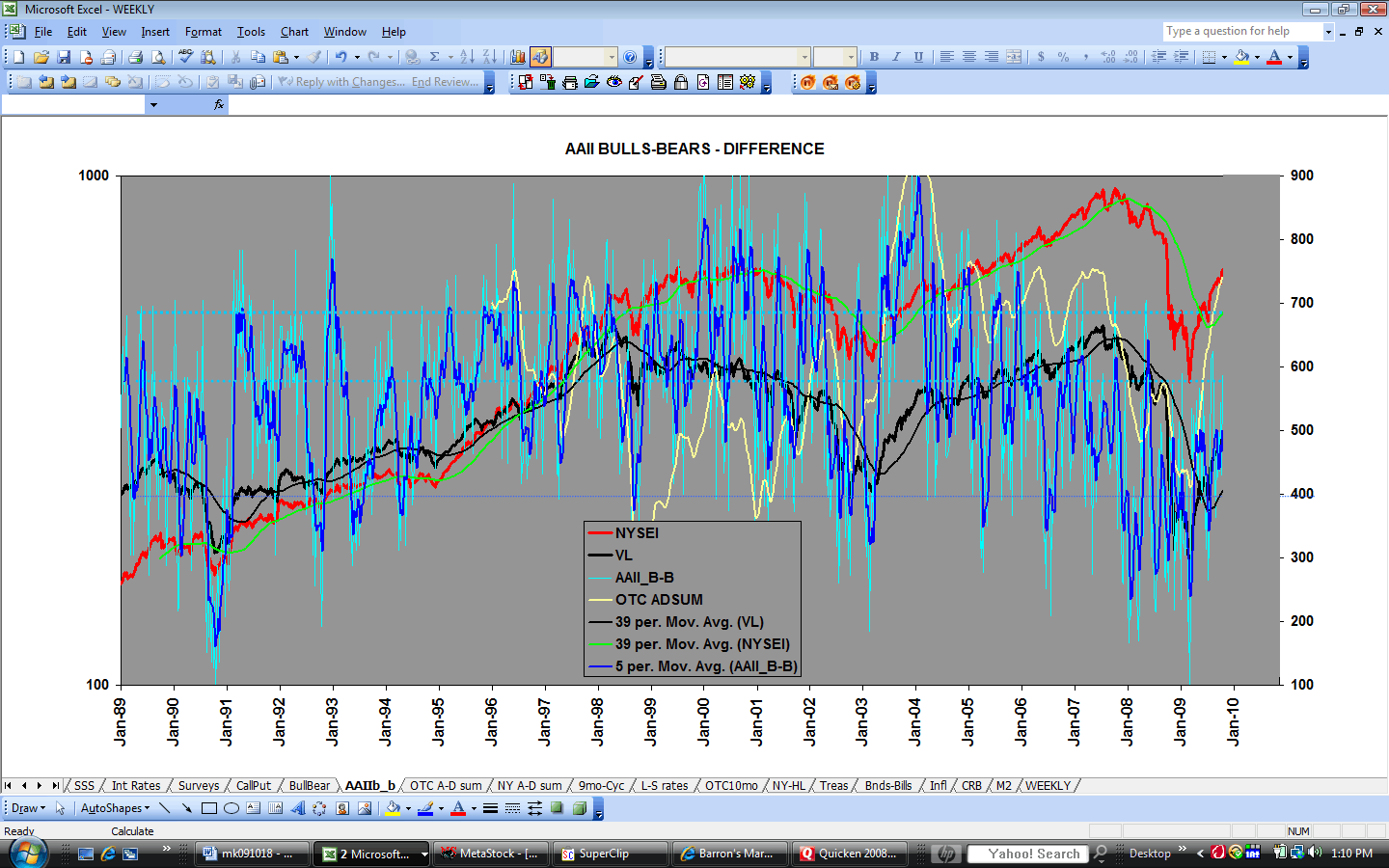
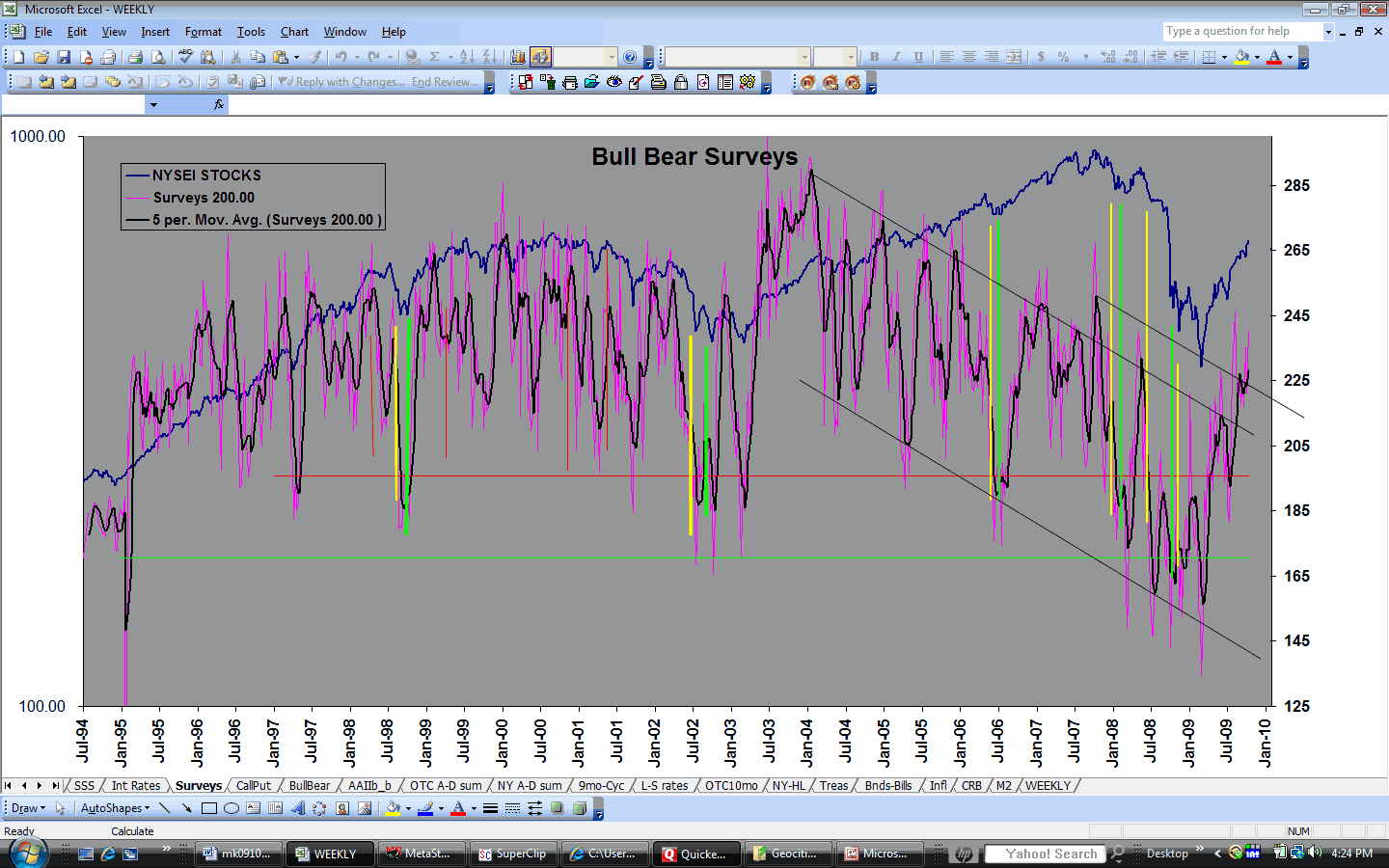
You can find sentiment indicators that support both bullish and bearish scenarios. The VIX and VXN now support the bullish scenario. Their daily DStocs (http://www.geocities.com/petegersb/VIX.GIF, http://www.geocities.com/petegersb/VXN.GIF) have clearly signaled a rally phase for the10-week cycle, and their MACDs have confirmed that signal. The DStocs on the weekly VIX and VXN (http://www.geocities.com/petegersb/VIX-weekly.GIF, http://www.geocities.com/petegersb/VXN-weekly.GIF) have signaled a 20-week cycle rally, albeit not from the extreme levels that would produce high confidence in the signal. Advisory services optimism remains in decline (http://www.geocities.com/petegersb/InvestorsIntelligence.GIF), and has not yet reached a healthy extreme, suggesting some more time required until a bottom. In contrast AAII sentiment (http://www.geocities.com/petegersb/AAIIsentiment.GIF), which doesn’t lag as much, has turned up from a low extreme, suggesting an important bottom. However, AAII asset allocation during January reached only the middle of the range, suggesting that January did not produce an important turning point. Furthermore, the combination of the survey data (http://www.geocities.com/petegersb/SurveysCombined.GIF) continued in a downtrend, failing to establish even the first bottom necessary to produce the double bottom that is characteristic of major bottoms.
All in all, a modest wager on a continued rise in this 10-week cycle appears reasonable, but it’s too early conclude that it will turn into anything more than that in the first quarter of 2008.
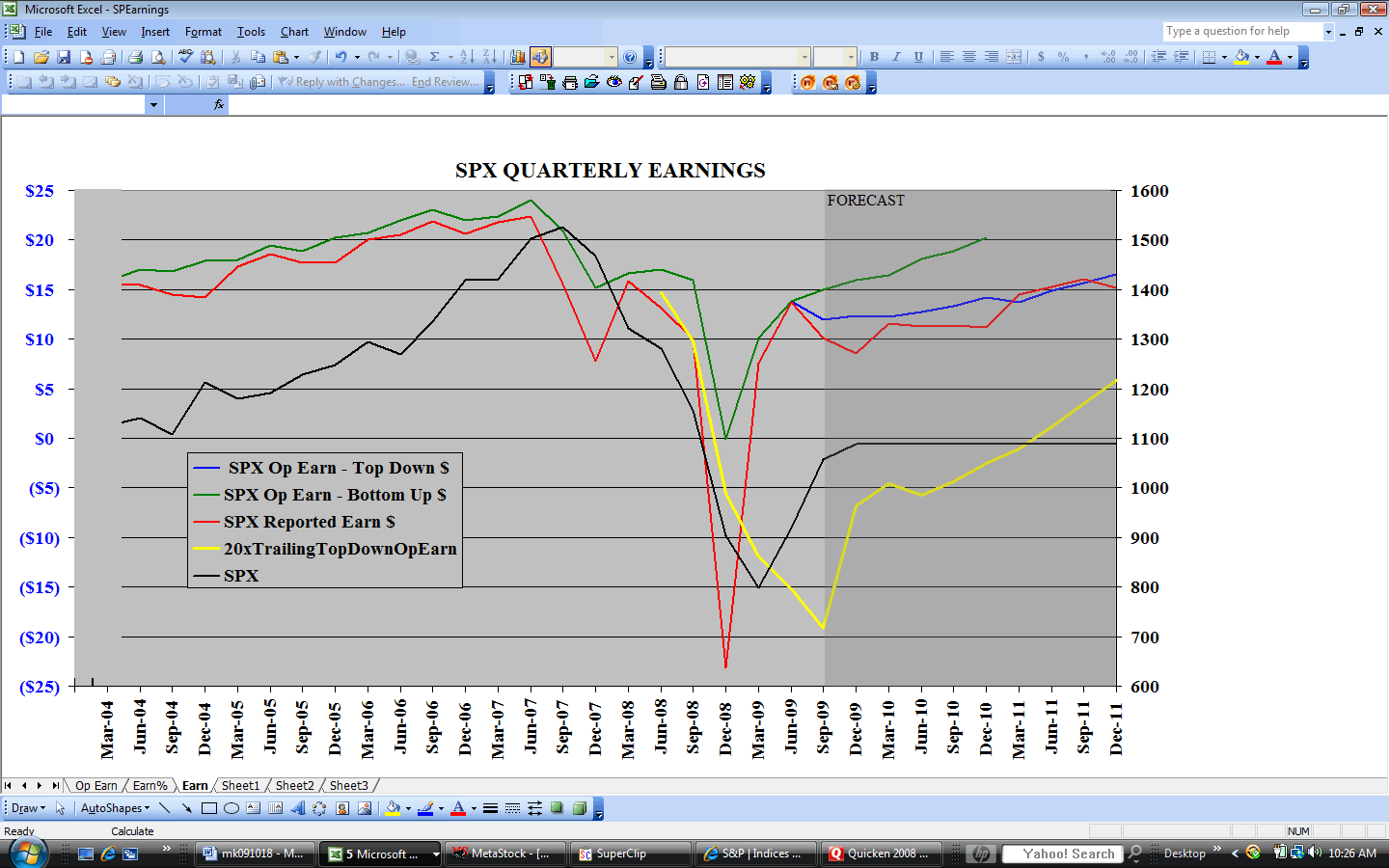
Fundamentals continue to deteriorate with S&P reporting lower earnings every week for the last quarter as the numbers come in (http://www.geocities.com/petegersb/EarnY-Y.GIF), and even lowering their very optimistic 2008 projections somewhat.
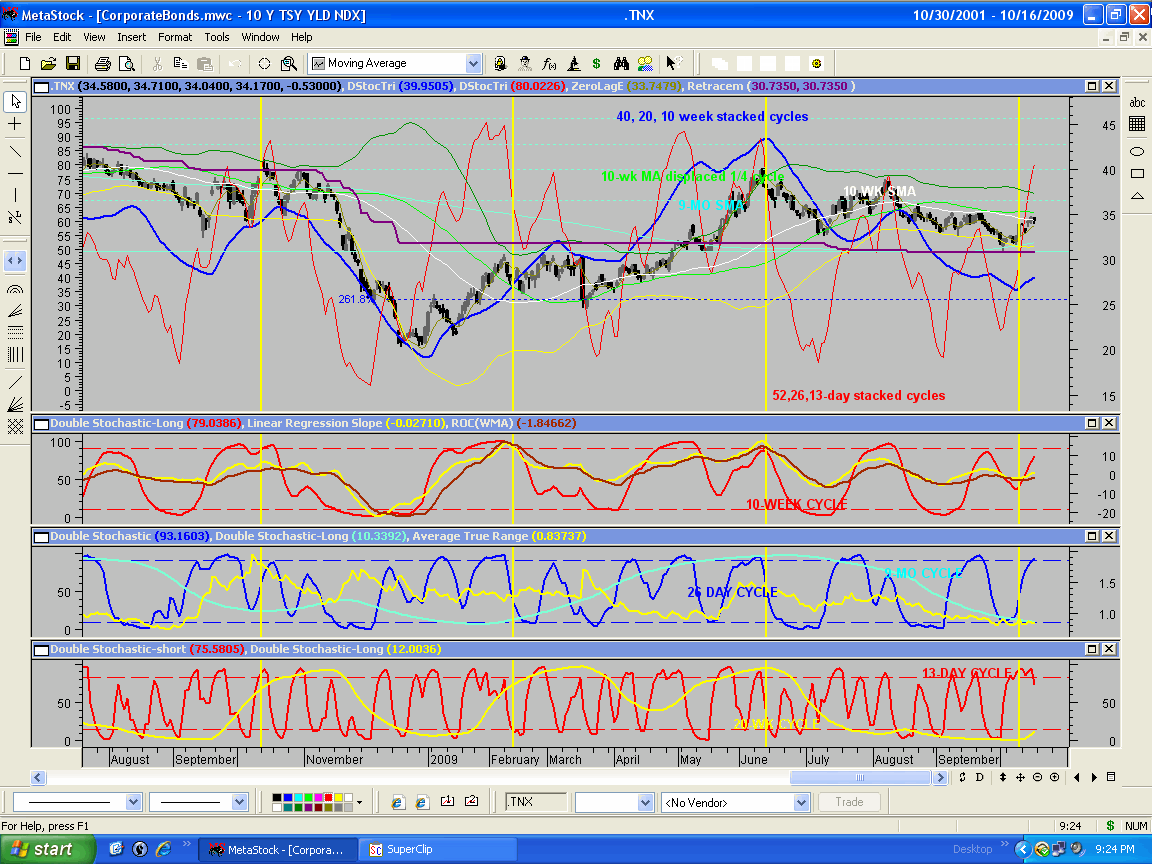
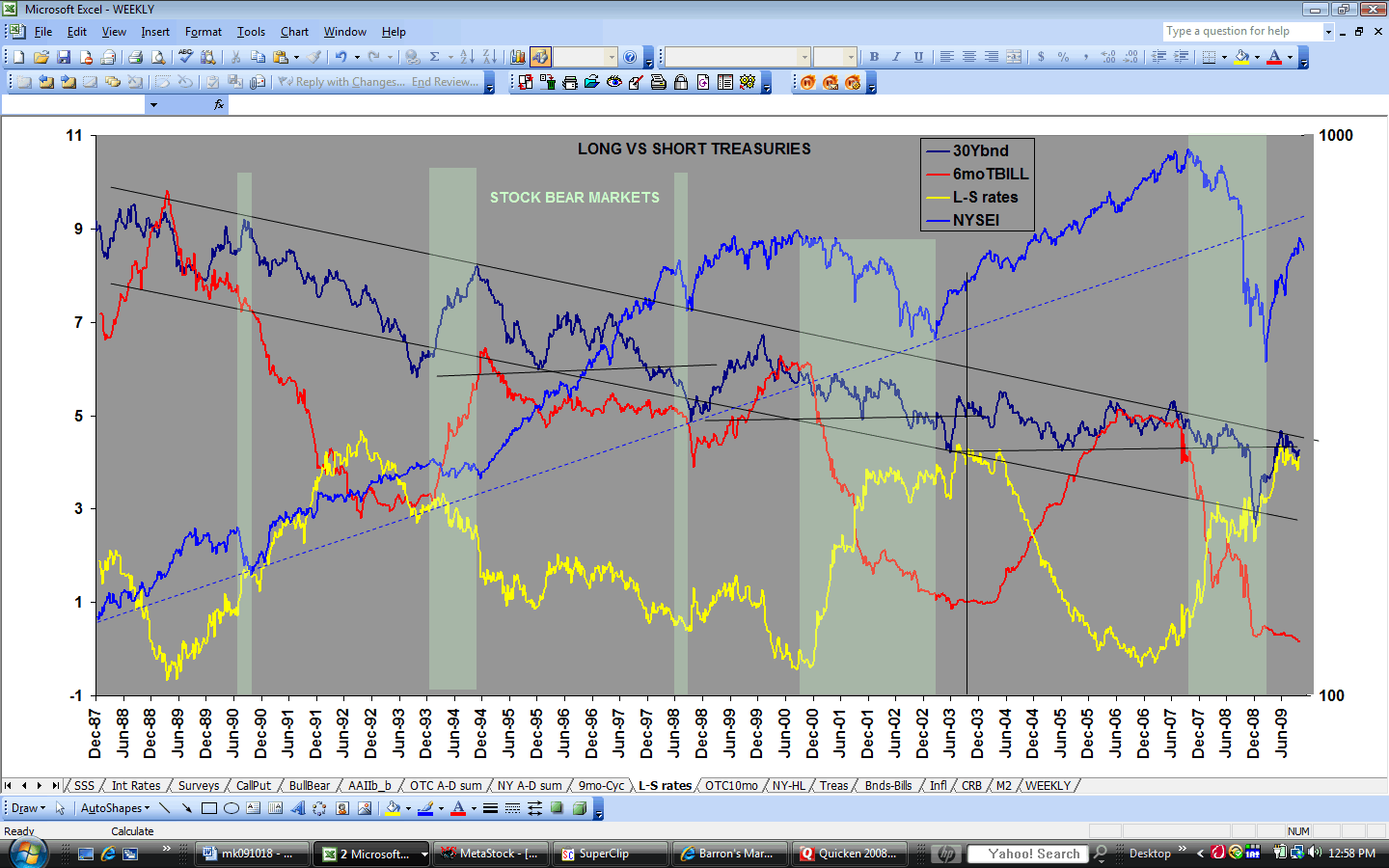
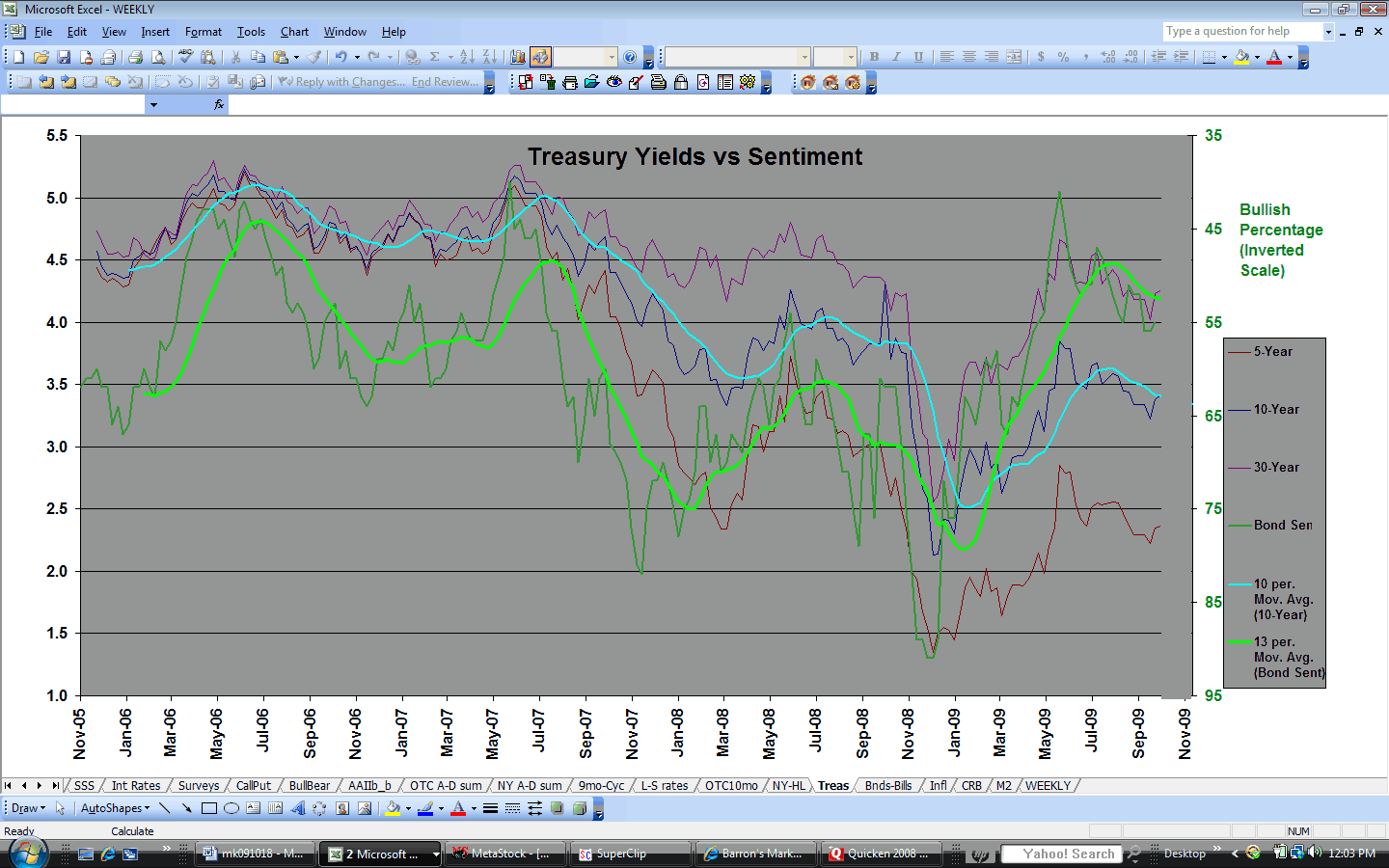
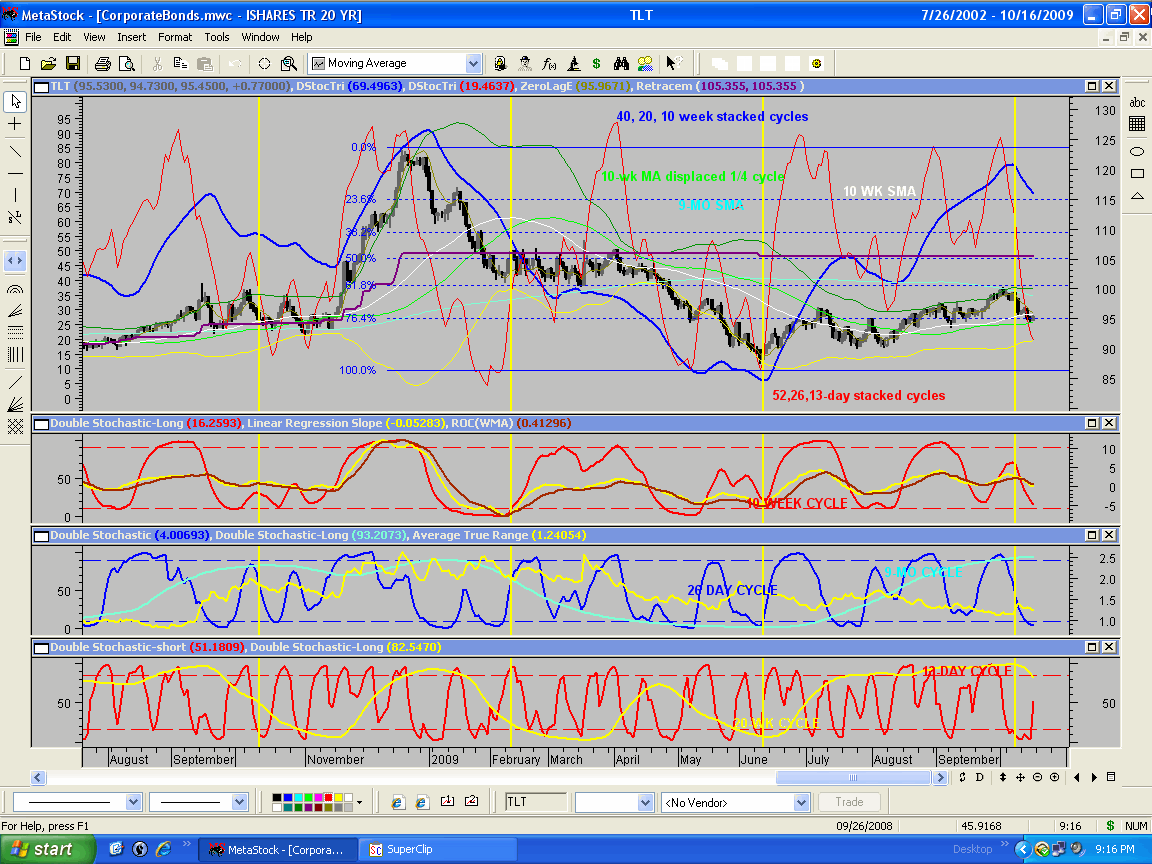
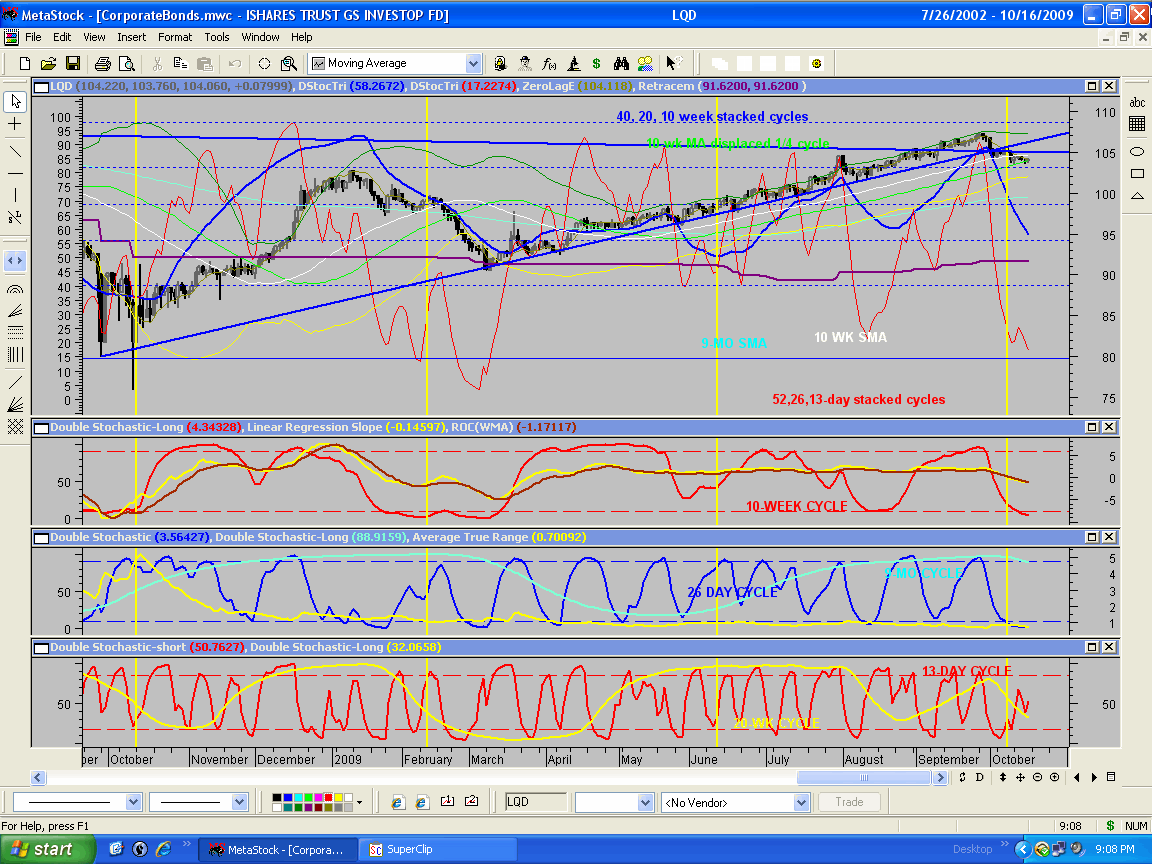
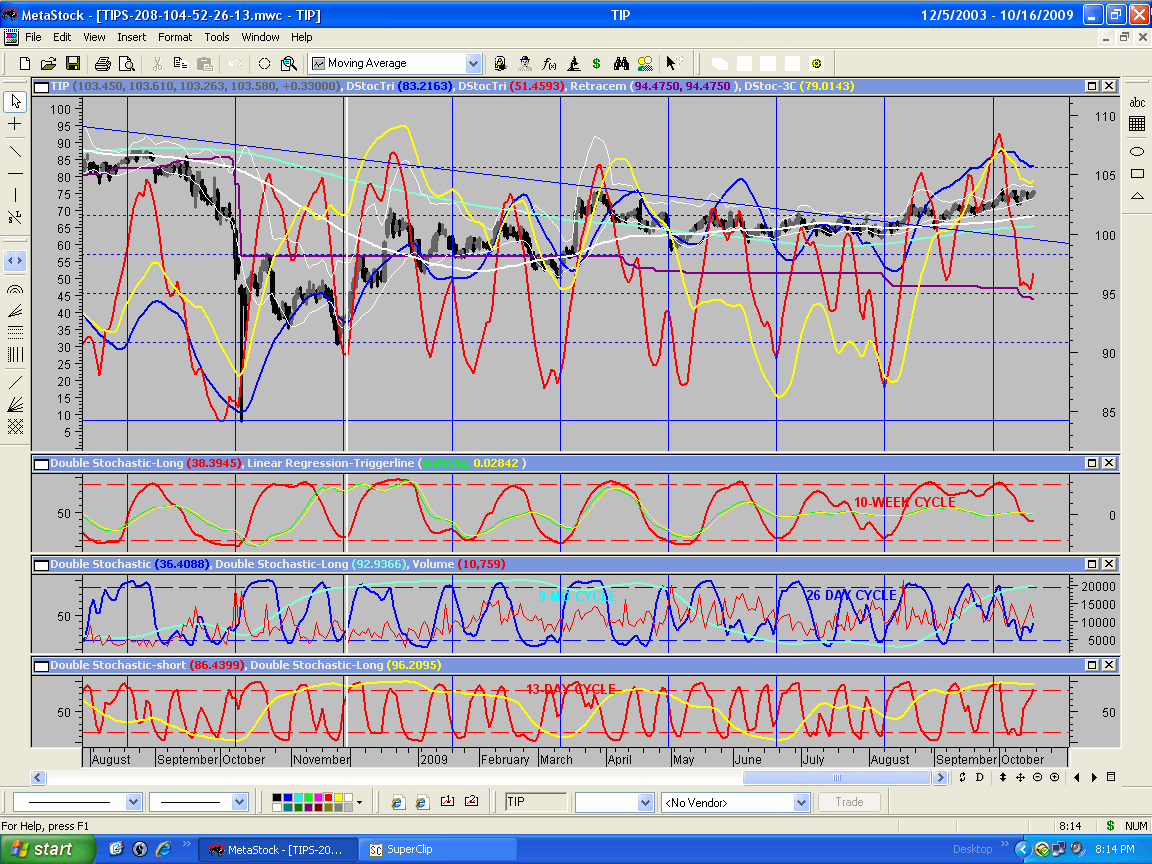
The interest rate picture looks like it is about to deteriorate as well. Although the short-term composite turned downward again on the 10-yr bond rate last week, the intermediate composite has turned upward and the action on 1/23 certainly looked climactic (http://www.geocities.com/petegersb/TreasuryYield-10yr.GIF). The low on that day may be tested in the short-term, but the longer cycles suggest that long rates will rise from that point to continue the recent rapid trend toward normalization in the yield curve (http://www.geocities.com/petegersb/Long-ShortYields.GIF). The sooner it gets there, the sooner we are likely to reach the bottom in stocks. Bond optimism (http://www.geocities.com/petegersb/BondSentiment.GIF) has turned down (scale inverted) to produce a sell signal to reinforce the downturn in the intermediate cycles of conventional Treasury Bonds (http://www.geocities.com/petegersb/Treasury-20yr.GIF). The intermediate composites of TIPS and Corporate bonds remain in uptrends, but appear at risk of an imminent downturn by virtue of either an extreme overbought condition (http://www.geocities.com/petegersb/CorporateBonds.GIF), or a marked loss of upward momentum (http://www.geocities.com/petegersb/TIPs.GIF).
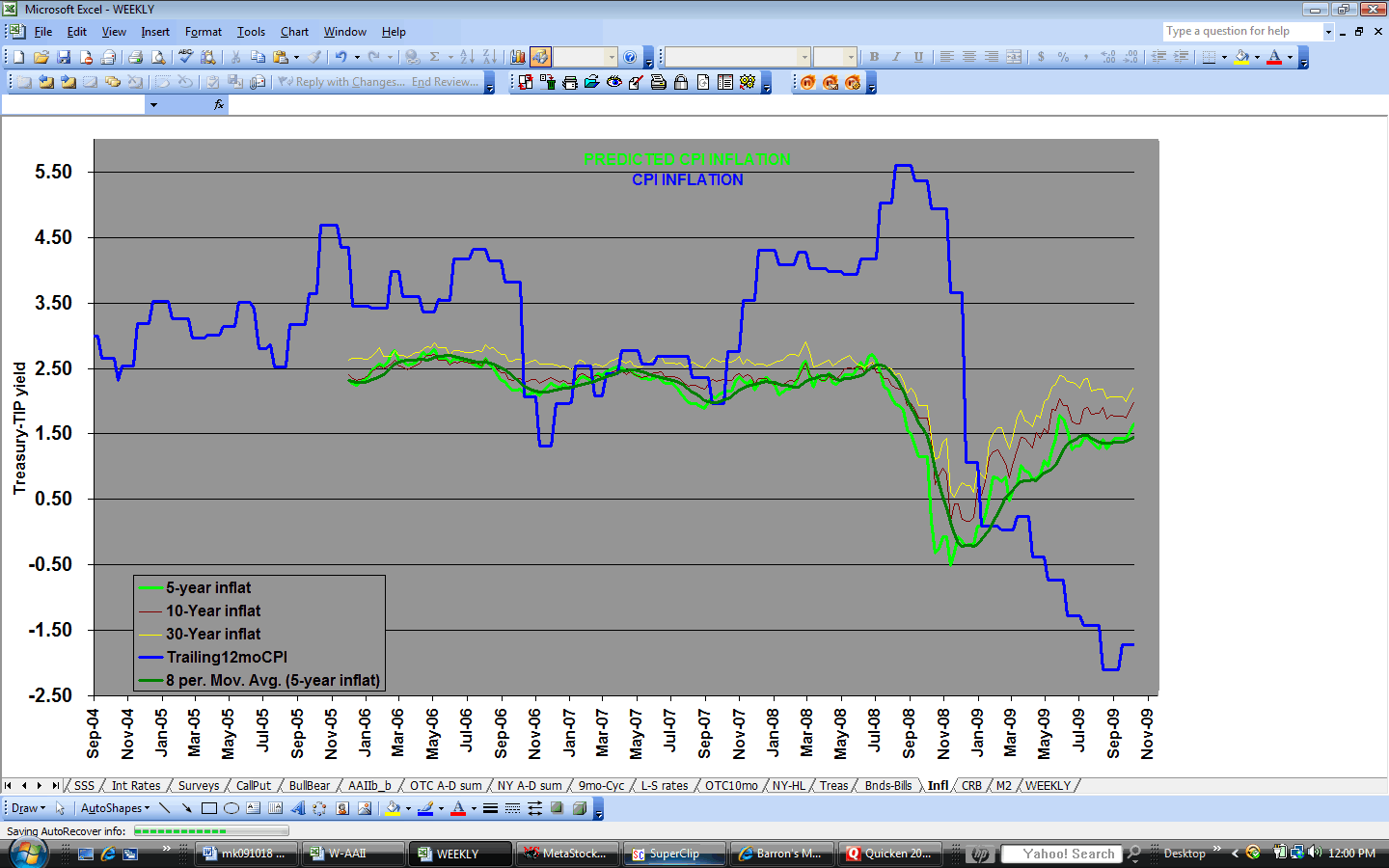
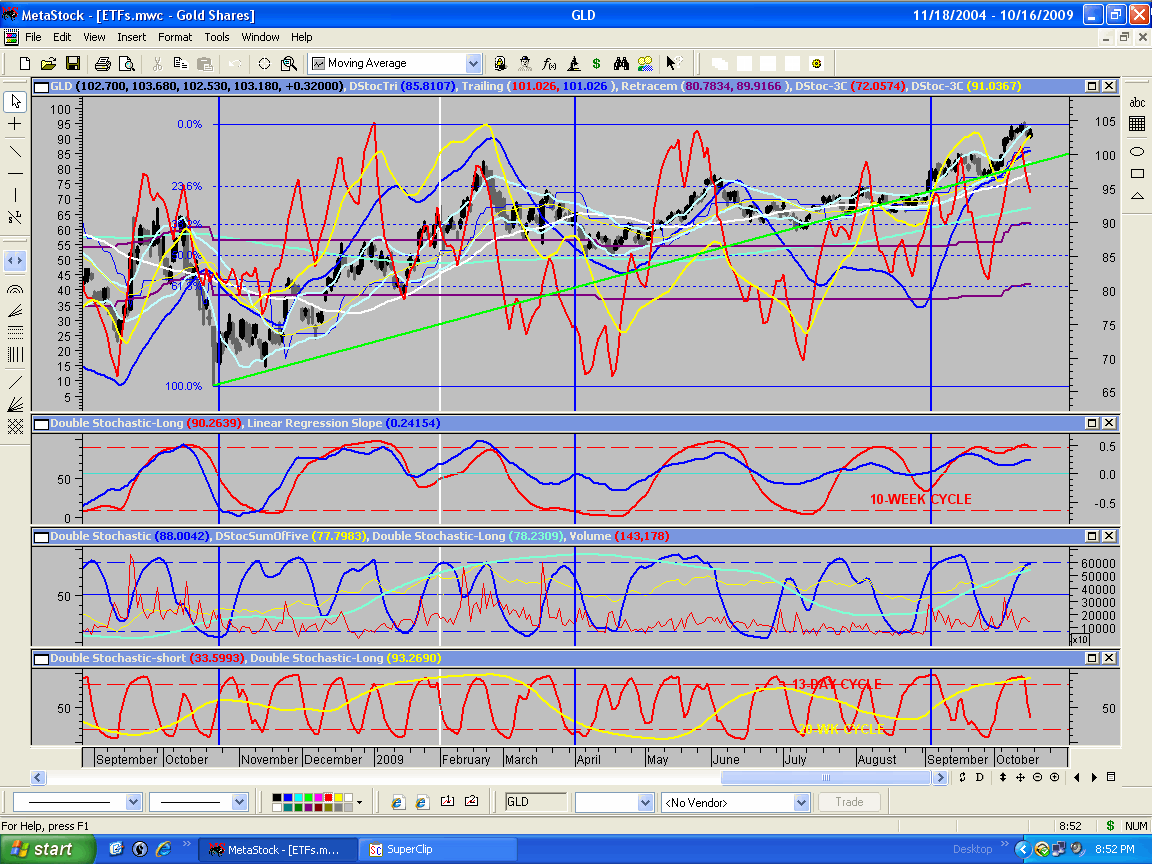
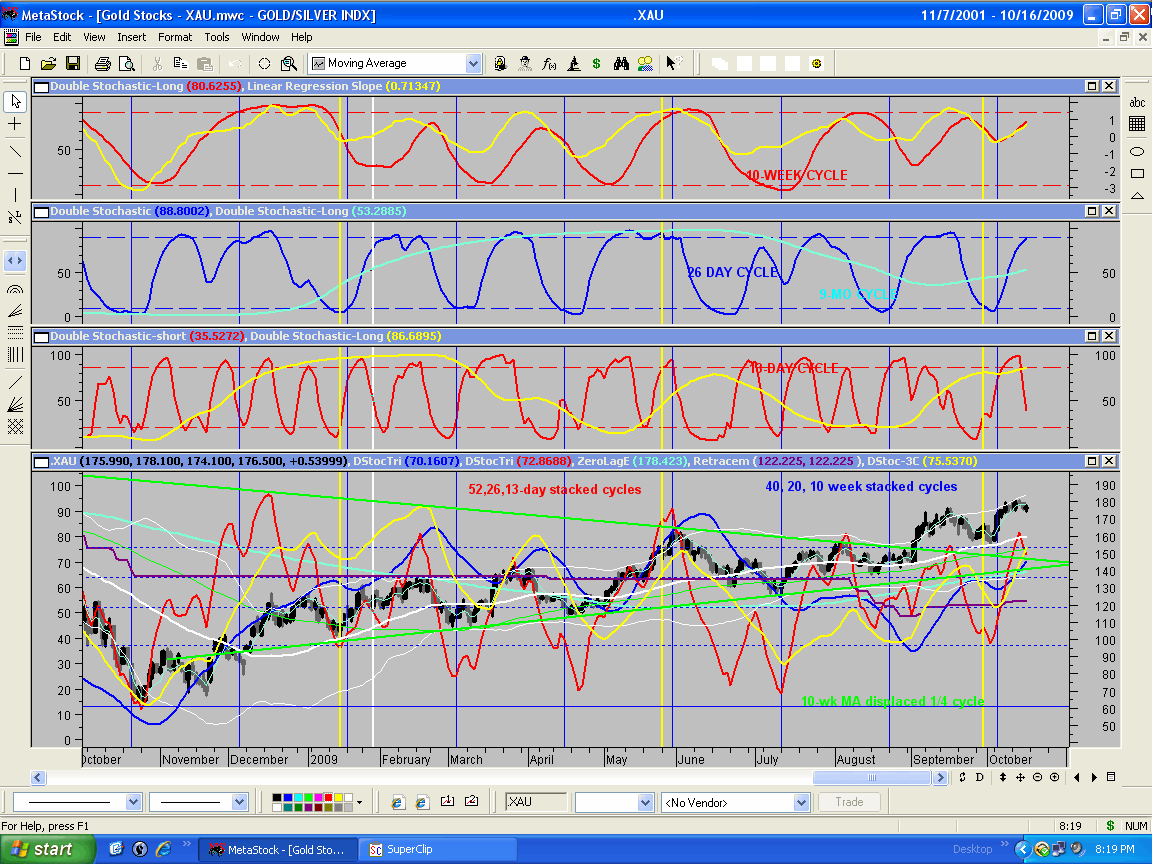
The Fed’s rate cut last week heightened inflation expectations (http://www.geocities.com/petegersb/CPI.GIF), as might be expected. Gold (http://www.geocities.com/petegersb/GoldBullion.GIF) initially surged on those heightened inflation fears, but sold off on Friday after the very weak jobs report. It looks like gold completed the first 10-week cycle rally of the current 20-week cycle on Thursday. It should continue the correction this week before becoming ripe for another rally to more new highs. Gold stocks as represented by the XAU (http://www.geocities.com/petegersb/GoldStocks.GIF) established a 10-wk cycle peak in mid-January and a lower 13-day cycle peak on Wednesday as they continued to underperform the metal. The intermediate uptrend appears to be at much greater risk than that of gold, which remains the better buy on a correction.
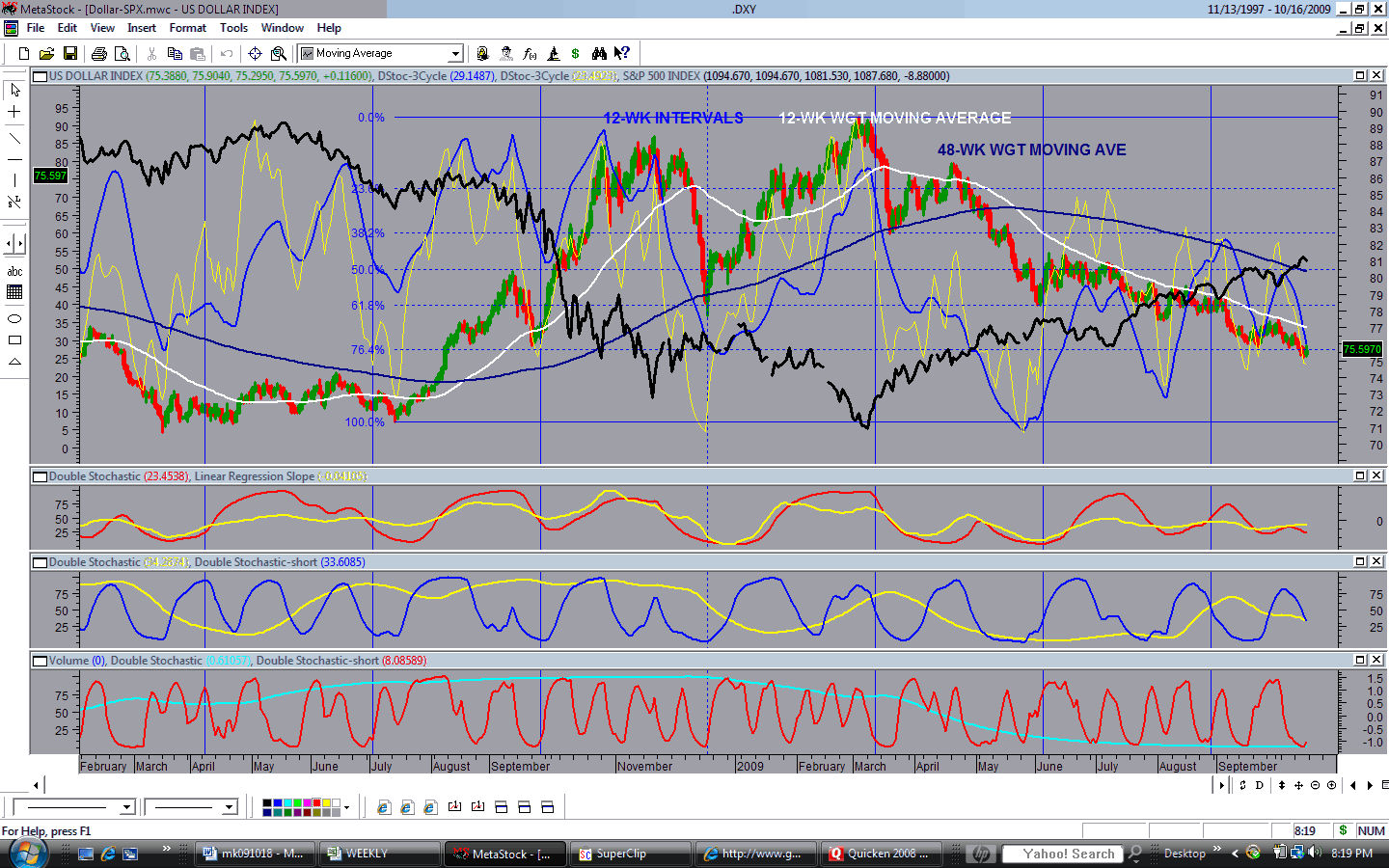
The dollar (http://www.geocities.com/petegersb/Dollar.GIF) continued to move
opposite gold, declining most of the week to a 2-month low before rallying a bit
on Friday as gold sold off. The 10-week
cycle was 10 weeks old and oversold, so the second 10-week cycle of the current
20-week cycle may have begun on Friday. It probably won’t exceed the
mid-December peak, and it will probably produce more new lows after the next
10-week cycle peak. There is still no reason to be optimistic about the dollar,
and that is another reason for continued optimism about gold.
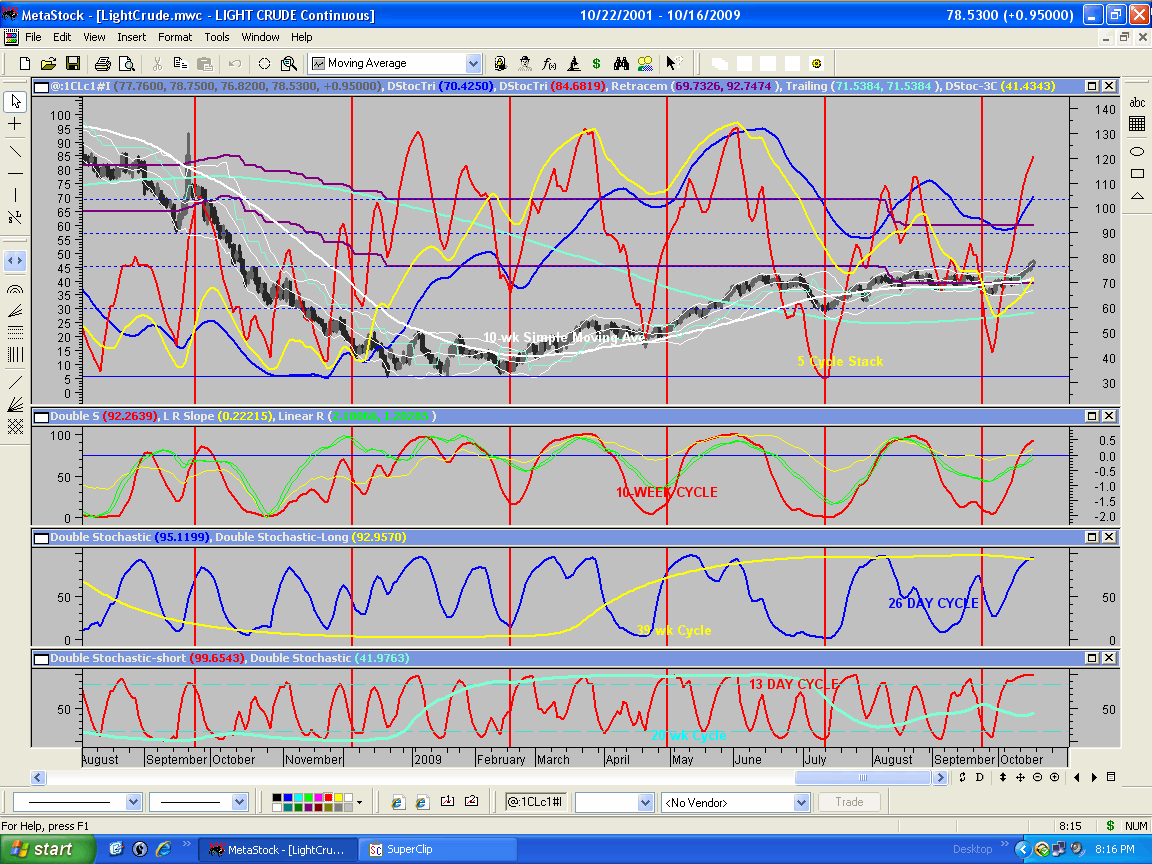
Crude oil (http://www.geocities.com/petegersb/CrudeOil.GIF) completed a weak 13-day cycle rally on Wednesday with
the intermediate downtrend intact. It appears to be at risk of establishing
lower 26-day and 10-week cycle lows while the 13-day cycle continues to correct
this week. However, if it can hold the bottom of the trading range near $86,
both the oversold 20-week cycle and intermediate-term composite should be ripe
for a good rally. The long-term uptrend will remain intact if crude can hold
above $80 as it corrects.
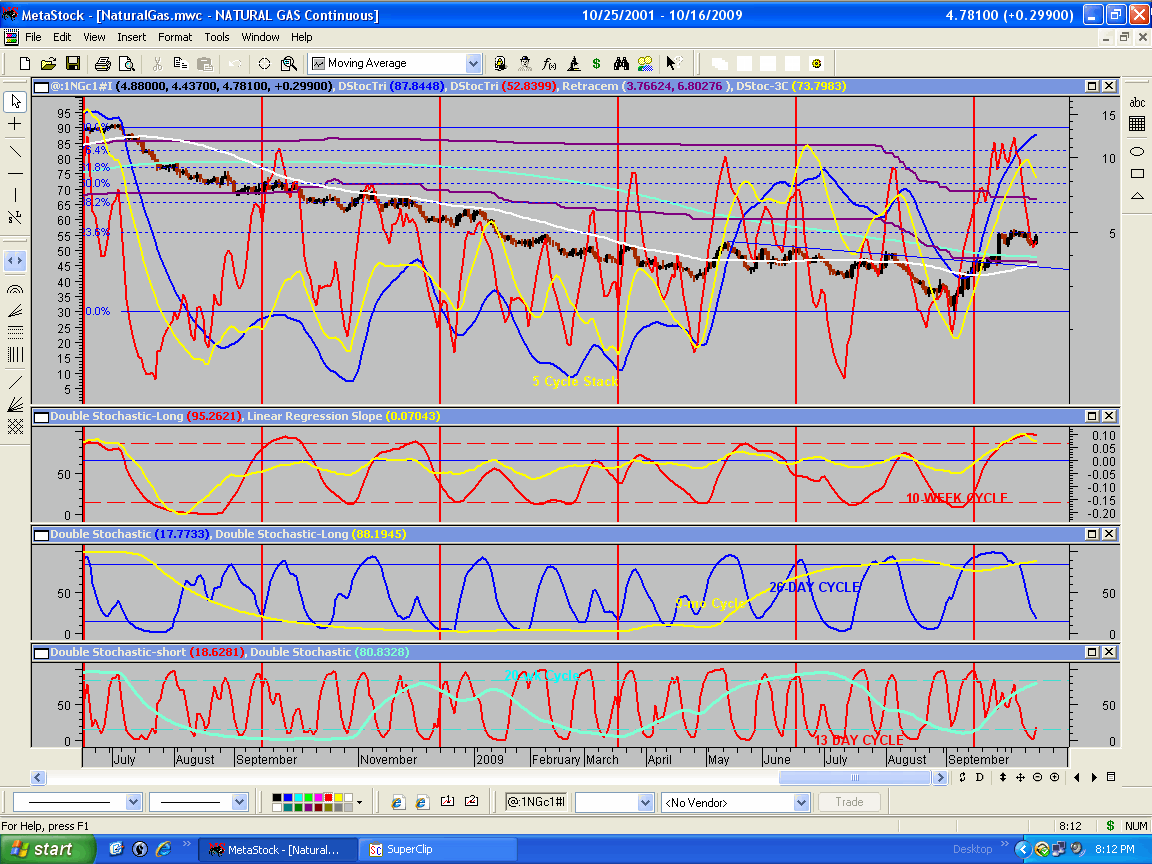
Natural
gas (http://www.geocities.com/petegersb/NaturalGas.GIF) Resumed a short-term downtrend on Friday as the 13-day
cycle peaked. The intermediate uptrend remains intact, but it is very much at
risk on this short-term correction. A lower 13-day cycle low appears likely, as
does a break below the 10-week moving average. Gas doesn’t appear ready for a
big bull run. Rather, the middle-aged 9-month cycle may be topping.
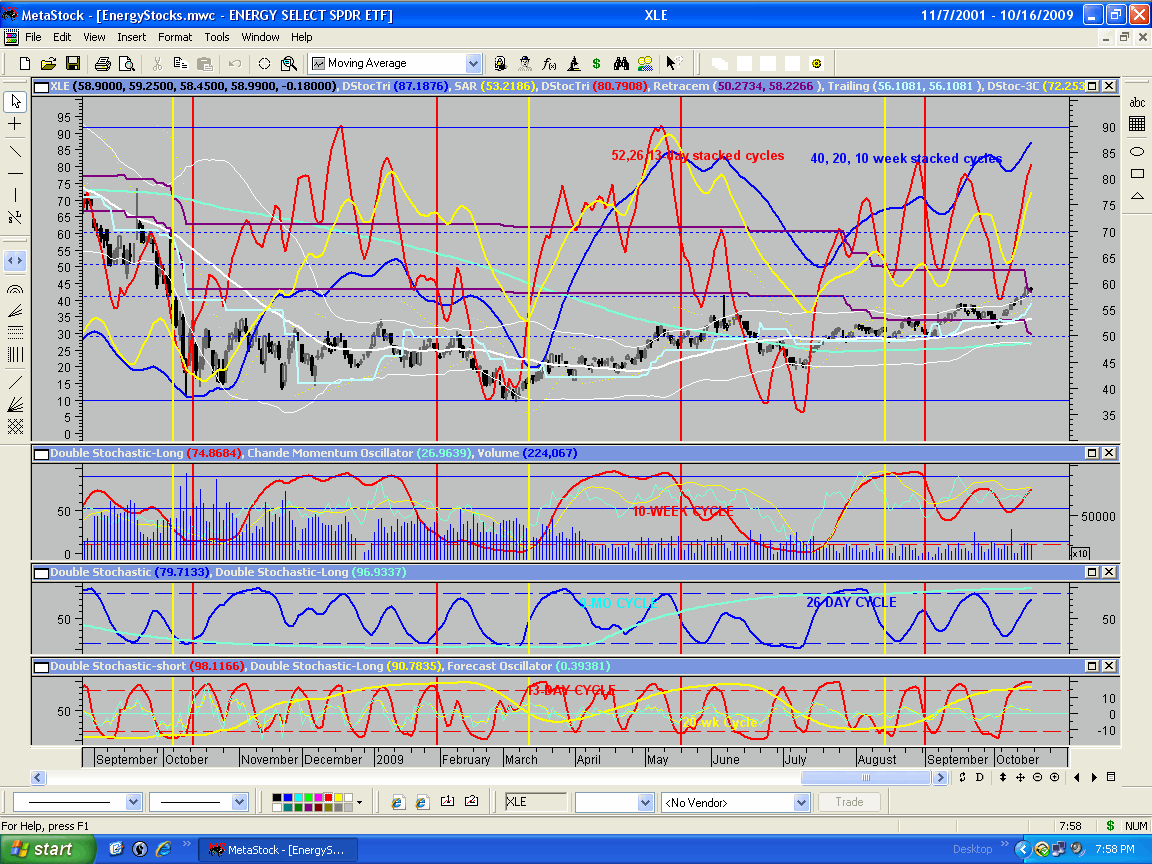
The
short-term rally in Energy stocks (http://www.geocities.com/petegersb/EnergySPDR.GIF)
stalled at the 9-month moving average as the 8-day
old 13-day cycle reached an extreme overbought condition. If the 10-week cycle
didn’t bottom on January 23 at age 8 weeks, it should reach that bottom in about
a week when the 13-day cycle reaches bottom. Either way it will be lower low
for the 10-week cycle, and the oversold 20-week cycle is not yet old enough for
a bottom. The 26-day cycle should be supportive as the 13-day cycle corrects
this week, but the outlook for an upturn in the intermediate trend any time
soon is not promising.
.