1/20/08
There will be no report next Sunday. However, my PowerPoint Presentation to the West Coast Cycles Club will be posted on the 28th or 29th.
When Larry Kudlow stops talking about his perceived Goldilocks economy and even George Bush recognizes that this economy is in trouble, it’s little wonder that investors are throwing in the towel. Even the talk of another $150 billion of deficit spending in the probable form of tax rebates couldn’t stem the rush for the exits for more than a few minutes. Little wonder. Once again the administration’s apparent plan would produce economic stimulus that is much later and less effective than it might be if intelligently designed. Speculation seems to center on cutting the tax rate on the first $8000 of taxable income for an individual and $16,000 for a couple from 10% to 0% - an approach that would leave out about 42 million households with the greatest propensity to spend it. Even the higher income people who would receive the government check wouldn’t get it until late spring or summer, and then only if congress acts quickly. By then the economy will be well into the recession. A simple and rapid approach to distributing the money to most of the people likely to spend it would be for the Treasury to cut a check to everyone who last year filed an income tax form or who pays Social Security taxes or receives Social Security benefits, unemployment benefits or welfare benefits. That would catch virtually all except those who operate exclusively in the underground economy, and it could be done within days after Congress passes and Bush signs the plan.
Such a more rapid and stimulative approach would be more akin to the approach that gave helicopter Ben his nickname, but even its effectiveness is uncertain. It depends on consumers being willing to spend the money domestically to stimulate GDP rather than just use the increased government debt to pay down their own vast debt. Inhibited consumer spending has not been a problem for many years, but a recent joint study by economists from the Federal Reserve, the University of Nevada, and the Wharton School concluded that the 2001 rebates were initially used largely to pay down debt. Consumers subsequently spent a good portion of their $300 rebate when they couldn’t resist using the increased available credit line, but it did not provide much of an immediate jolt to the economy. With consumers much deeper in debt now than in 2001 and the home equity piggy bank having run dry, they may be even more inclined to pay down debt this time.
I’m not arguing against the attempted government stimulus. In the long run reduced consumer debt would be a good thing. After all, the interest rate on the government debt that our children will eventually have to pay is considerably lower than most consumer debt. The only persons that may be hurt a little are the predatory lenders. I’m just suggesting that the result may be disappointing. But it’s certainly an improvement from the earlier Bush tax cuts that benefited primarily the wealthy and produced one of the more anemic recoveries in our history, despite record monetary stimulus.
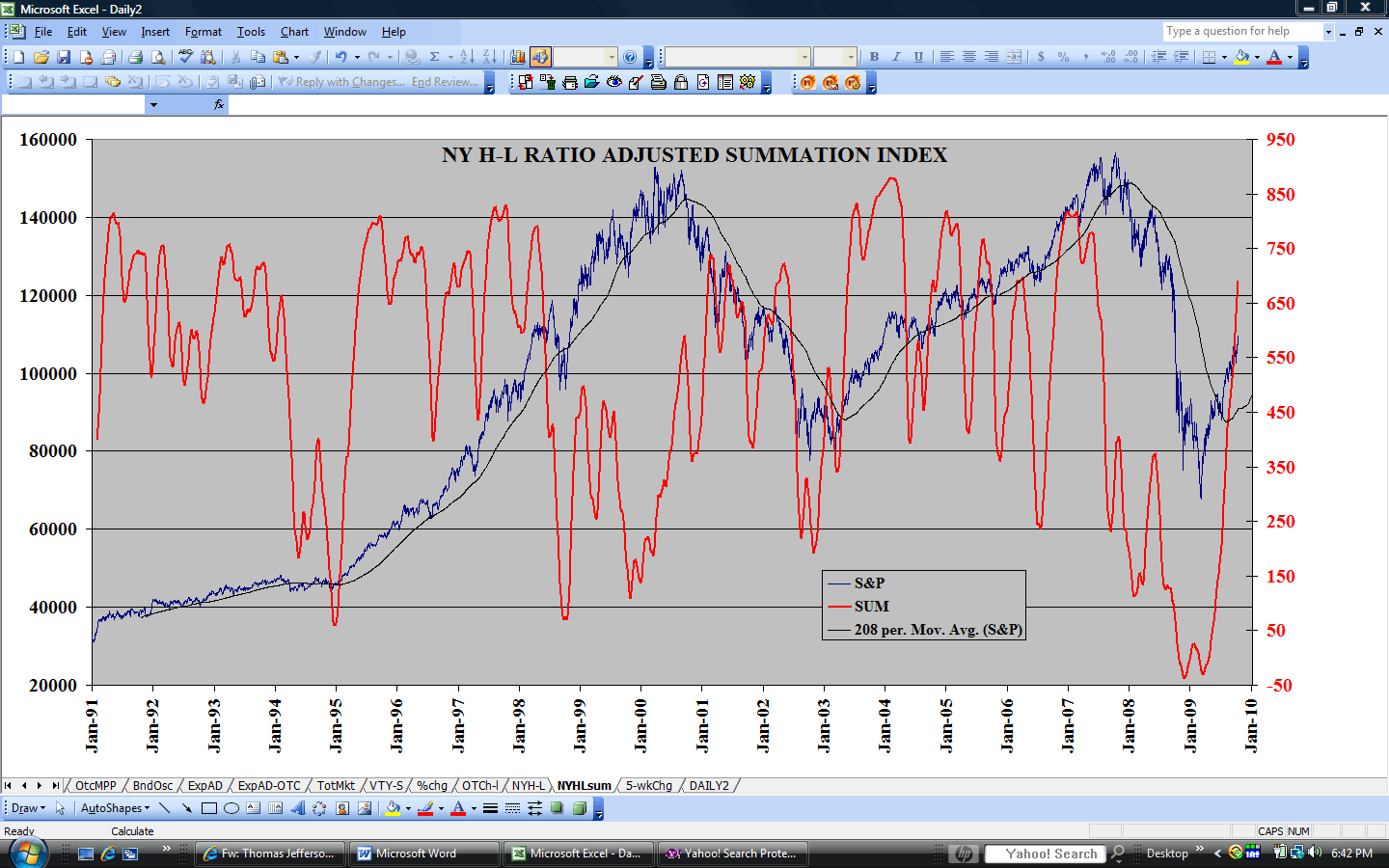
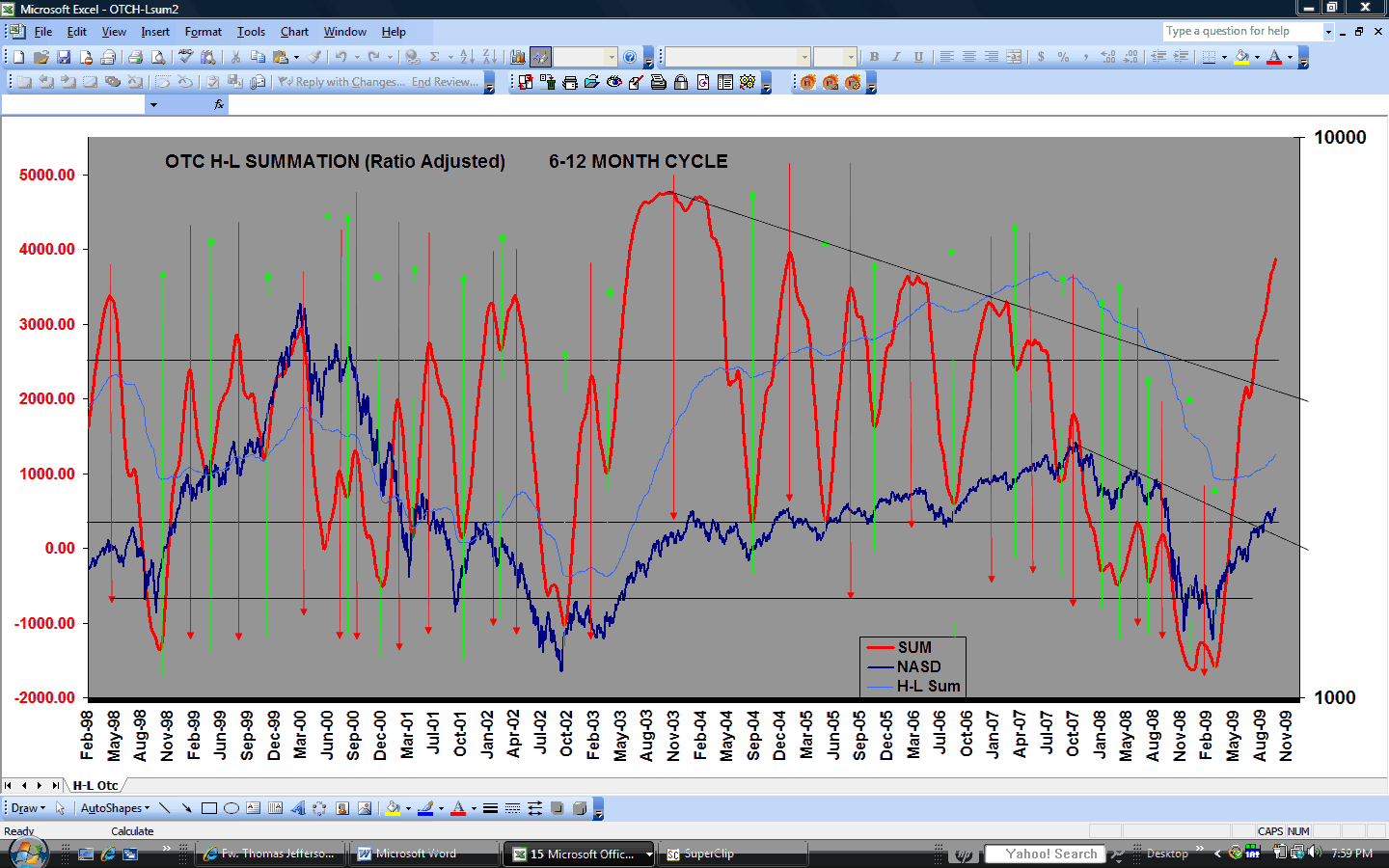
Investors rushed for the exits last week – producing the worst week for stocks in 5 years. So far this decline bears a lot of resemblance to the 1998 bear market, and some of the indicators are approaching the levels seen near the bottom of that 4-year cycle. (http://www.geocities.com/petegersb/H-Lsummation-NYSE.GIF, http://www.geocities.com/petegersb/H-Lsummation-OTC.GIF). Still, there is no indication yet that stock indexes have reached bottom. Rallies last a day or two at most and are met with selling that drives prices to lower lows the next day, and most of the cycles are not yet ripe for a bottom. I continue to think the market is probably about 3 months short of a major bottom with a weak intervening 10-week cycle rally. Here’s the rationale:
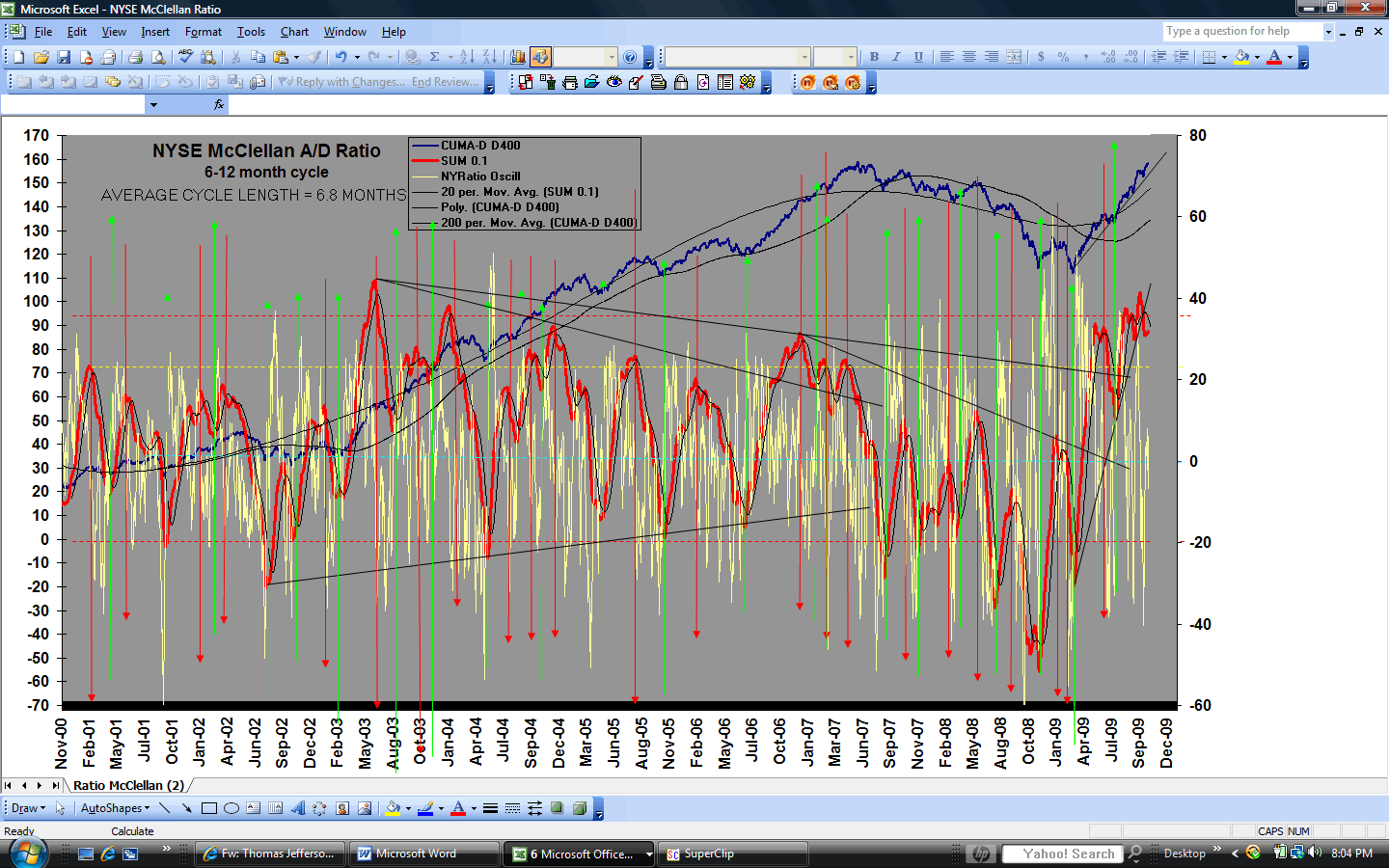
Most 9-month cycle indicators suggest the last bottom arrived in mid-August (http://www.geocities.com/petegersb/Overview-med.GIF , http://www.geocities.com/petegersb/9-mo-Russell3000-w.GIF , http://www.geocities.com/petegersb/9-moCycle-monthly.GIF , http://www.geocities.com/petegersb/A-Dsummation-NYSE.GIF , http://www.geocities.com/petegersb/A-Dsummation-OTC.GIF ). That puts the market on schedule for the next one in May. It could be up to 3 months early or 3 months late, but the shorter cycles argue for an early bottom. (At the current rate of decline, let’s hope so.) The last 20-week cycle clearly bottomed in late November (http://www.geocities.com/petegersb/SP500.GIF, http://www.geocities.com/petegersb/NDX.GIF , http://www.geocities.com/petegersb/Russell2000.GIF, http://www.geocities.com/petegersb/19-wkCycle-w.GIF ). That puts it on schedule for its next bottom near mid-April. It could be up to 6-weeks earlier or 6-weeks later. Assuming the normal nesting of cycle lows, that suggests a major bottom any time between early March and late May. The first 10-week cycle within this 20-week cycle is now 8-weeks old, but not yet oversold, suggesting a couple more weeks before the rally phase of the second 10-week cycle begins. When it does, we should be able to narrow the time window for the major bottom further. The last 26-day cycle low is not well defined by the indicators. It may have arrived on December 18, in which case it would be ripe for a bottom now. But more likely it arrived on January 9, which would align the likely next bottom with the likely 10-week cycle low in early February. The 13-day cycle is only 8 days old, and not yet oversold. So it argues for more downside at least in the early part of this week, and probably longer, before the 26-day and 10-week cycles reach bottom.
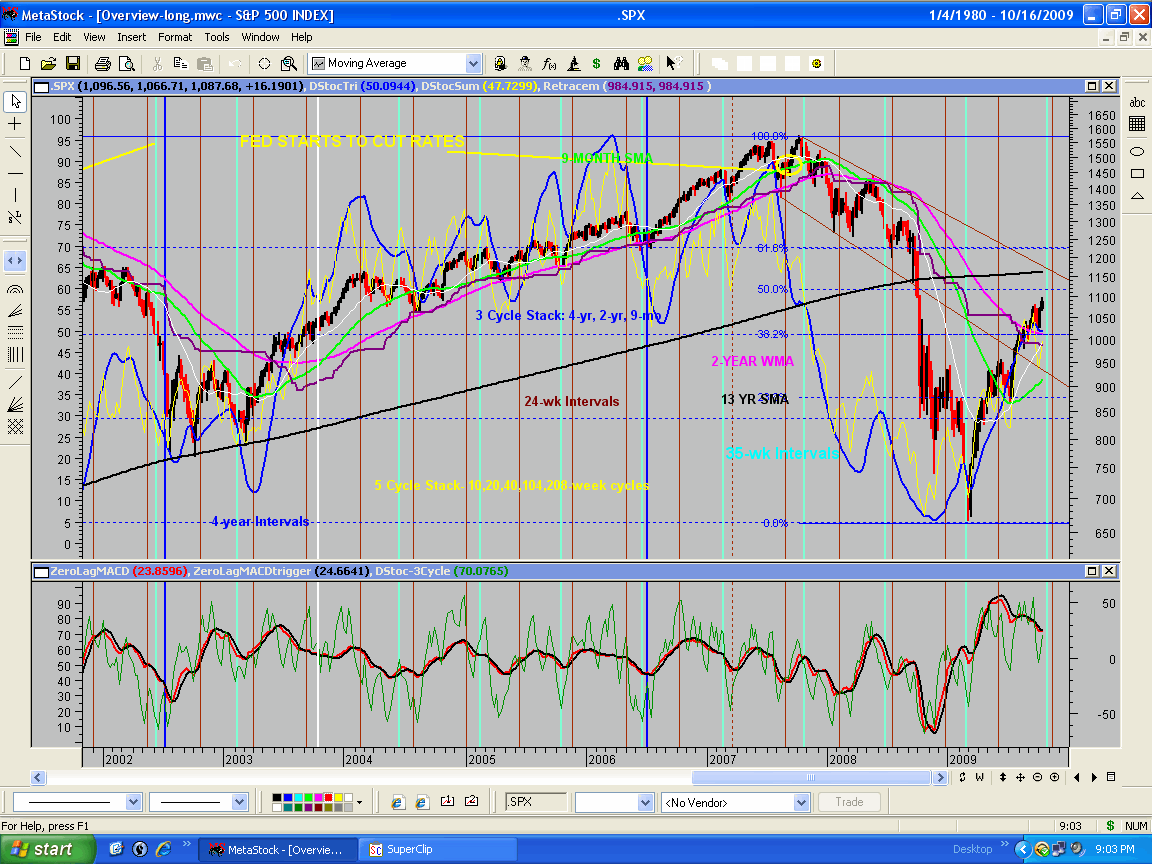
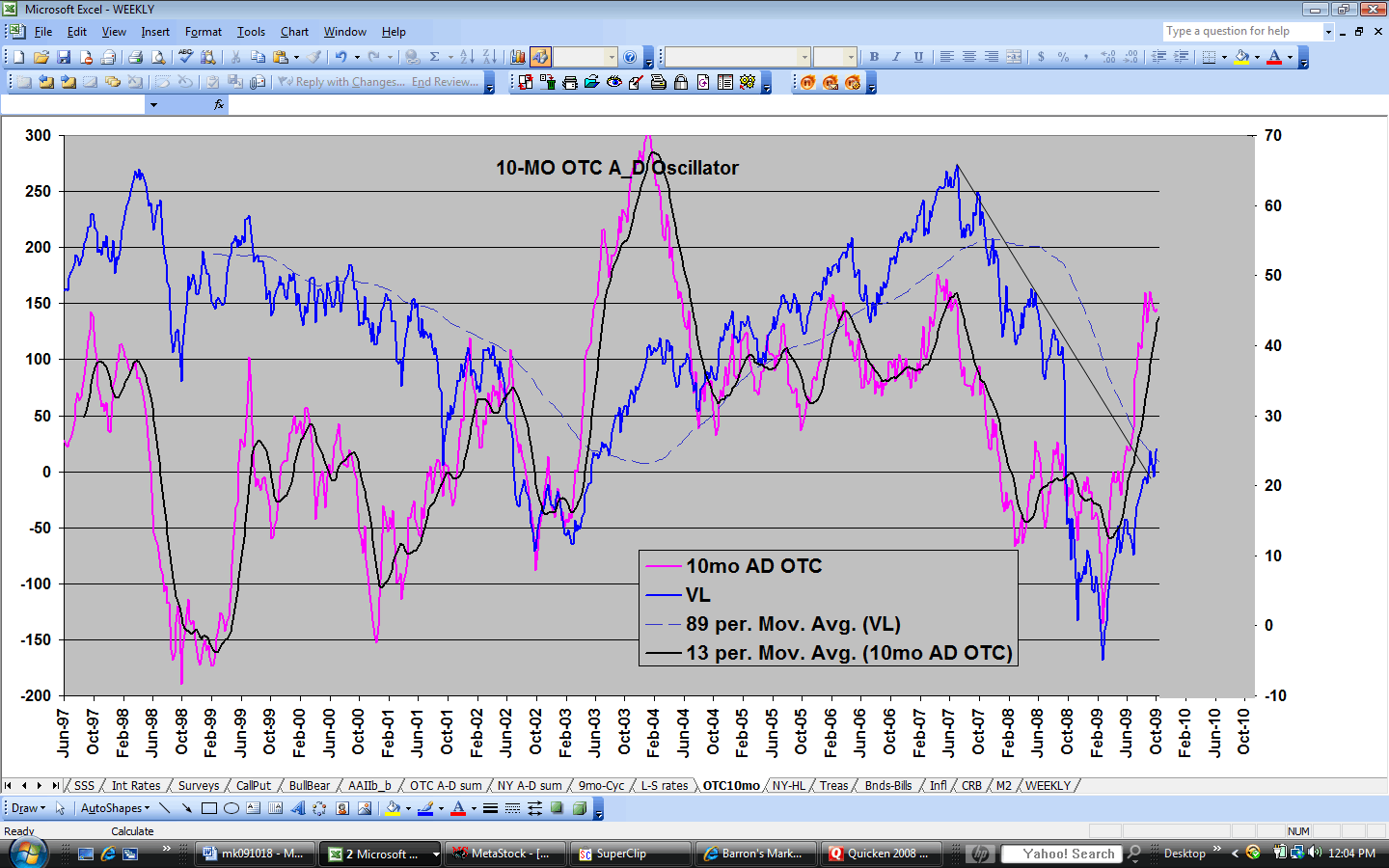
In summary, I expect the plunge to last about another week before spawning an abbreviated 10-week cycle rally. Bear market rallies can be quite strong, making them look like the real thing to suck in a few buyers. But they tend to also be brief, so don’t be misled by the first good rally. Following the rally phase of the next 10-week cycle, stocks are likely to experience their worst couple of months of the year as they plunge into a nested 20-week, 9-month cycle low sometime in April. Whenever the 9-month cycle low does arrive, it is already assured of looking like a 4-year cycle low for the first time since March of 2003 (http://www.geocities.com/petegersb/Overview-long.GIF , http://www.geocities.com/petegersb/10-mo_A-D_oscillator.GIF , http://www.geocities.com/petegersb/10-mo_A-D_oscillatorOTC.GIF ).
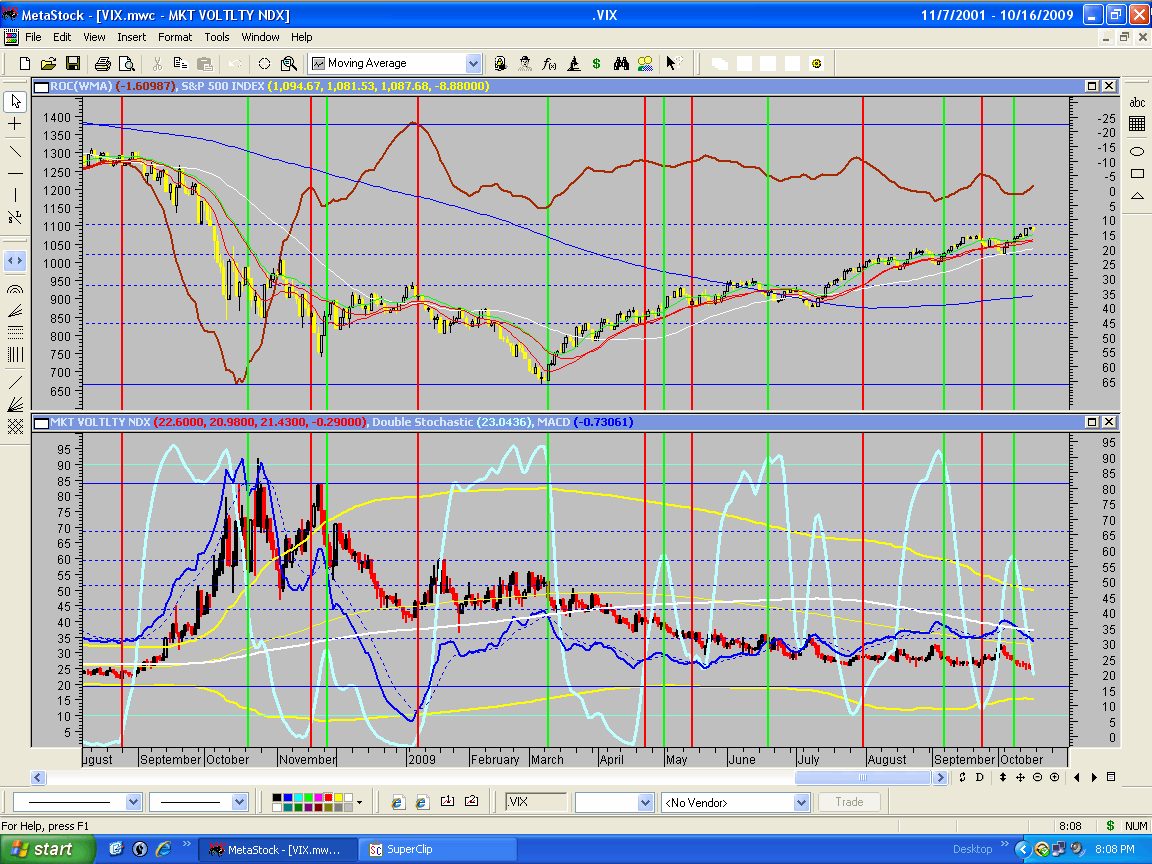
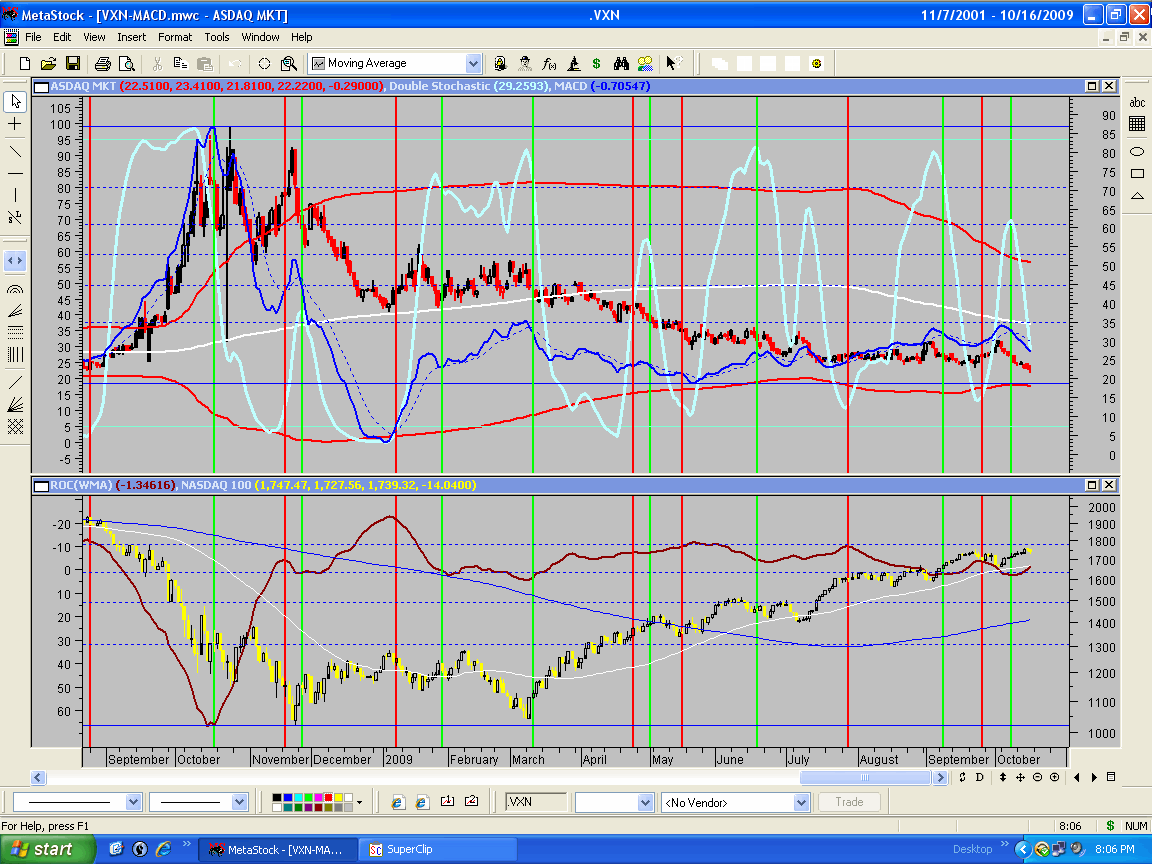
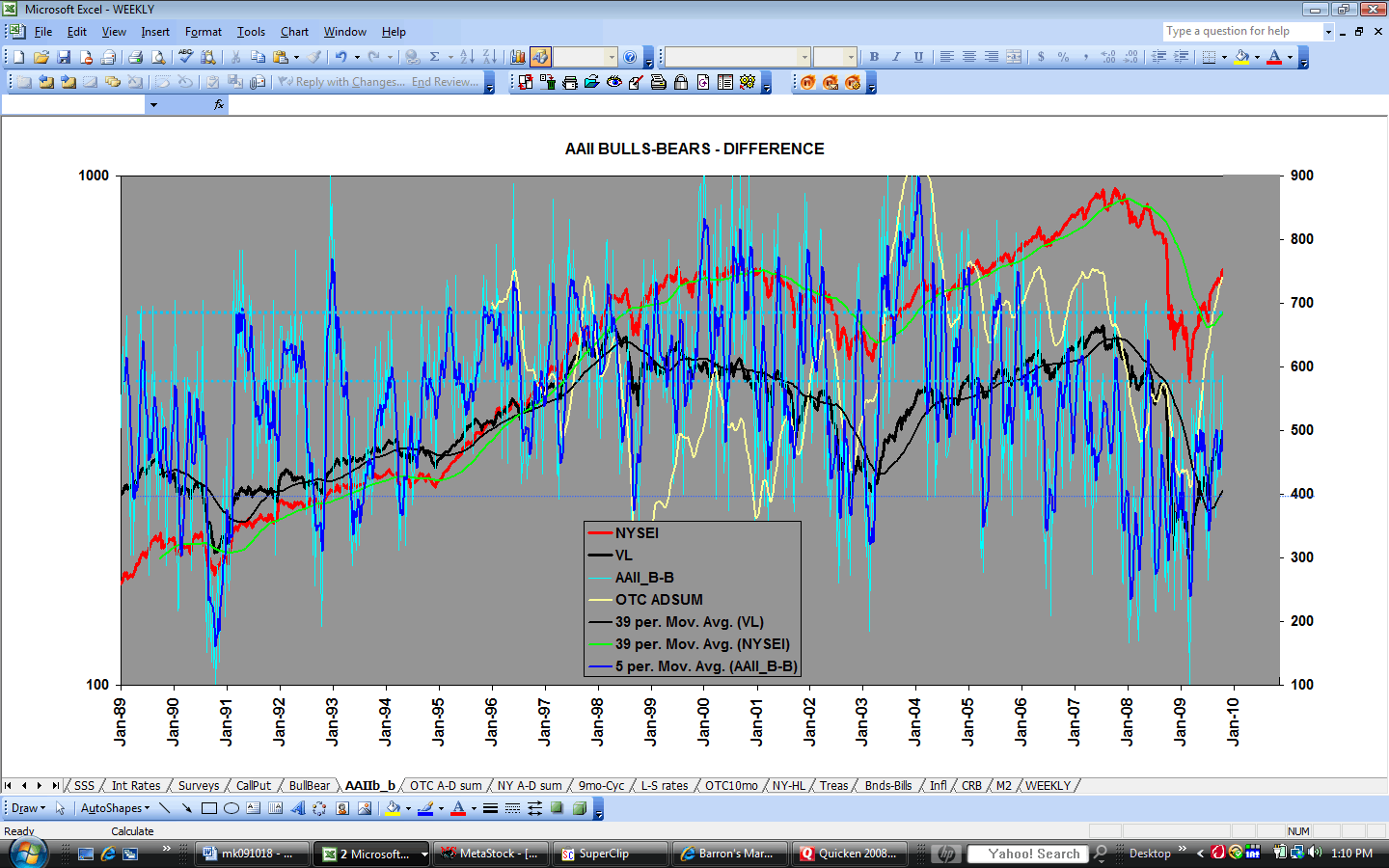
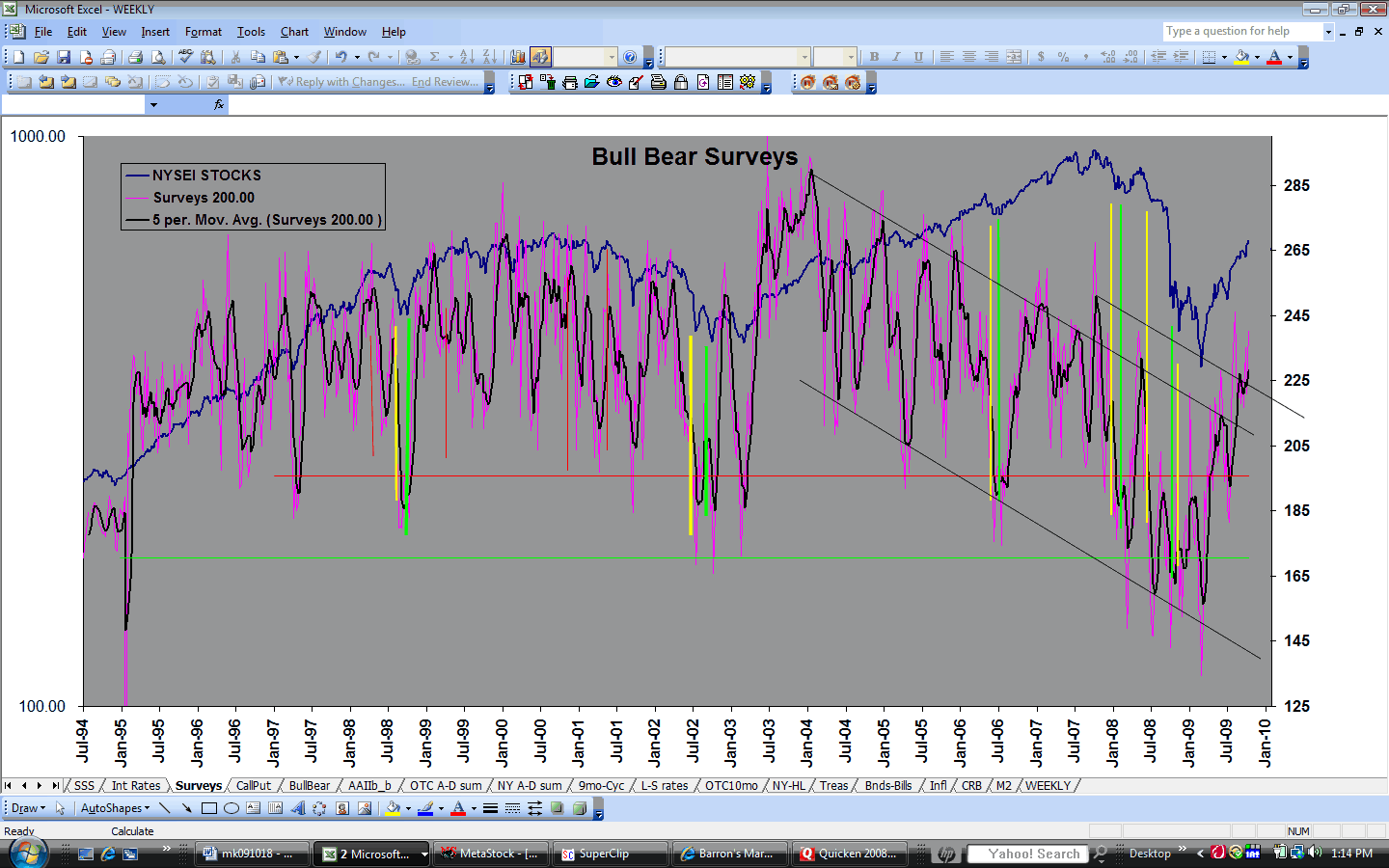
Do sentiment indicators support the above conclusion derived from cycle indicators? Certainly the VIX and VXN do. Although the VIX and VXN haven’t yet reached the levels of the last 10-week cycle low for stocks, their daily DStocs (http://www.geocities.com/petegersb/VIX.GIF, http://www.geocities.com/petegersb/VXN.GIF) have risen to a level from which 10-week cycle rallies begin. That’s the good news. The bad news is that the DStocs on the weekly VIX and VXN (http://www.geocities.com/petegersb/VIX-weekly.GIF, http://www.geocities.com/petegersb/VXN-weekly.GIF) have only reached the middle of the range – just about where you expect at the midpoint of the 20-week cycle. Both the 10 and 20-week cycles are now 8-weeks old, so the VIX and VXN are consistent with a 10-week cycle low soon and a continuation of the 20-week cycle plunge for another 3 months or so. AAII sentiment is now the most pessimistic since the1990 four-year cycle low (http://www.geocities.com/petegersb/AAIIsentiment.GIF), but the trend remains toward more pessimism. This indicator suggests a bottom could arrive soon, but it remains on a sell signal. Advisory services (http://www.geocities.com/petegersb/InvestorsIntelligence.GIF) are also now trending towards pessimism, but a large majority remains optimistic. The latter suggests some more time required until a bottom. But last week’s market is not yet reflected in the survey, so I expect a steep shift toward pessimism in the next week or two. This group could easily become sufficiently pessimistic for a major bottom in two or three months.
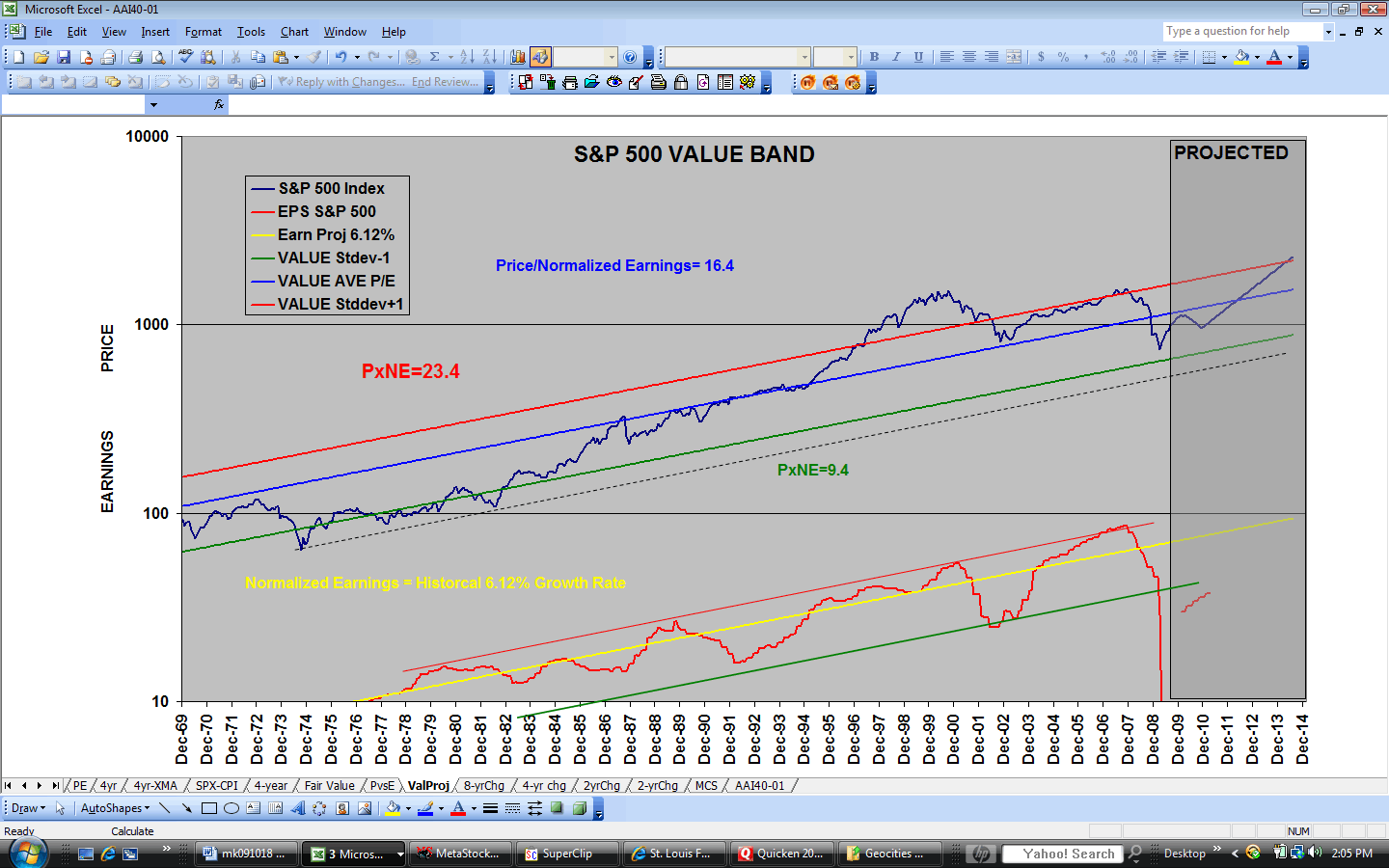
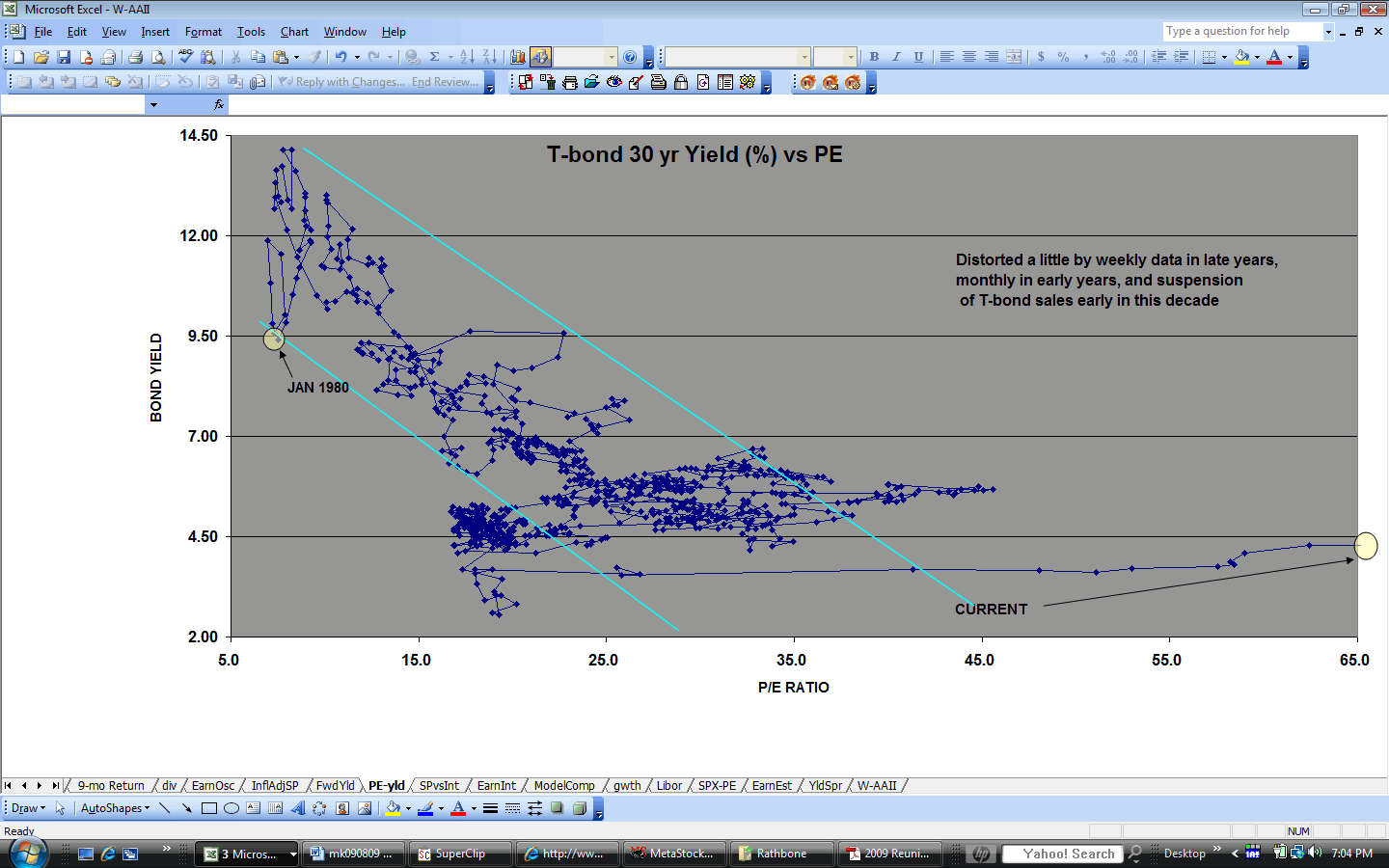
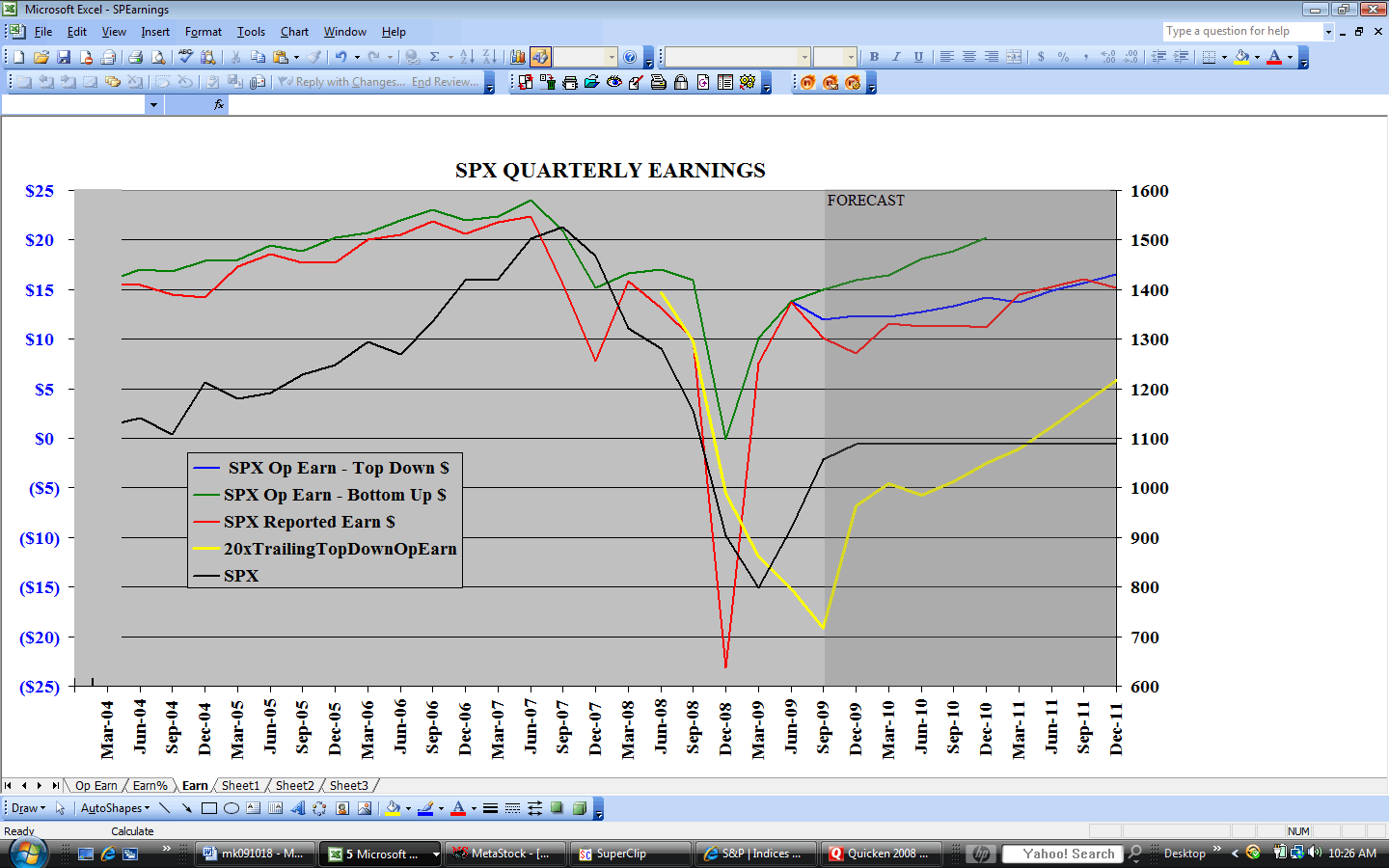
How about the fundamentals? For the first time since March of 2003, stocks have finally come down to their long-term trend relative to normalized earnings (http://www.geocities.com/petegersb/ValueBand.GIF ), and their relationship to long-term interest rates is at a favorable extreme (http://www.geocities.com/petegersb/PEvsBond.GIF ) that should prevent further deterioration in the P/E ratio - unless interest rates rise fairly dramatically. Eventually they probably will, but not until the recession ends. Standard & Poors has finally provided 4th quarter reported earnings estimates. Although it still expects lower operating earnings than last quarter and lower year-over-year results for reported earnings, it expects better results for the latter compared to last quarter (http://www.geocities.com/petegersb/EarnY-Y.GIF). Given the huge write-downs experienced in the financial sector during the last quarter, that optimism is hard to comprehend. It’s well to remember that S&P is rarely close to the mark on their predictions and even more rarely errs on the pessimistic side. Even so, unless we are headed for a very deep recession that destroys corporate earnings, stocks are now a screaming buy compared to bonds. If this turns out to be one of the rare occasions when S&P’s predictions are close to the mark, it would provide a powerful tailwind for stocks after the expected spring bottom. Indeed, first-quarter results would be arriving in mid-April – right about the most likely time for a bottom.
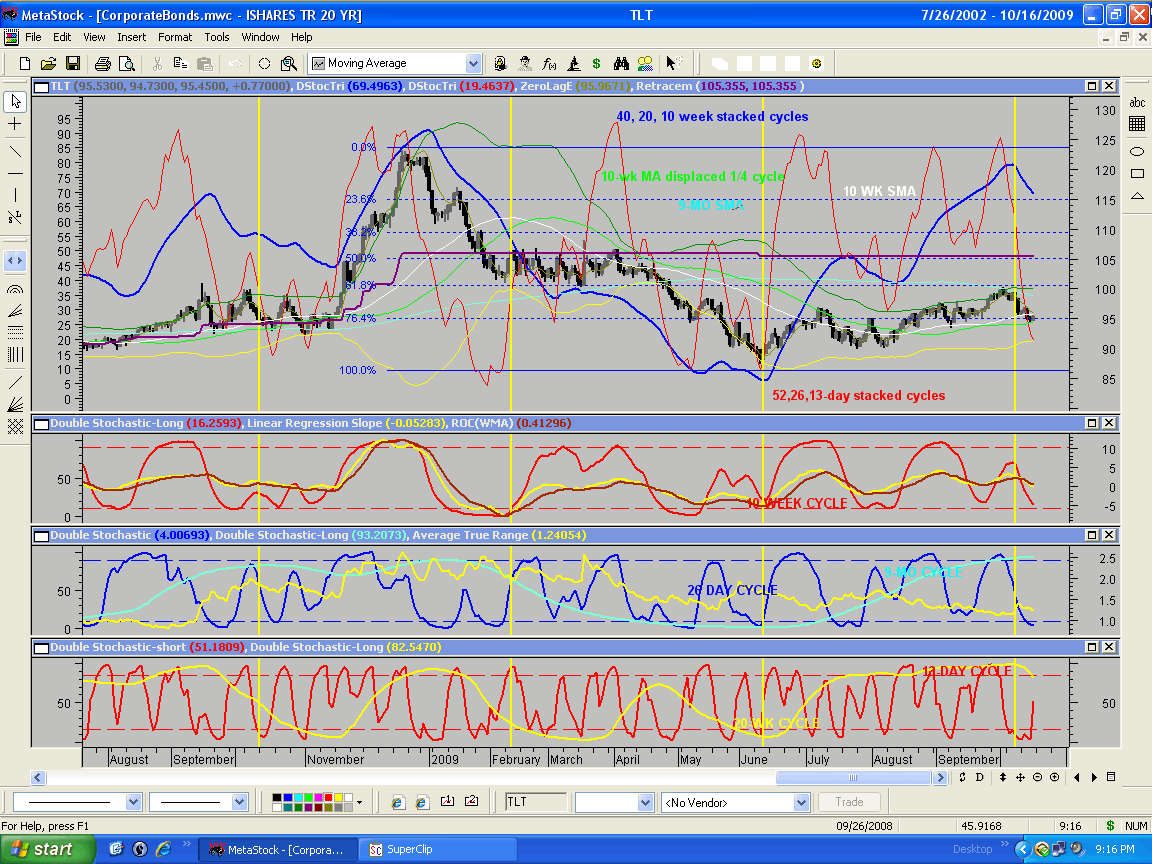
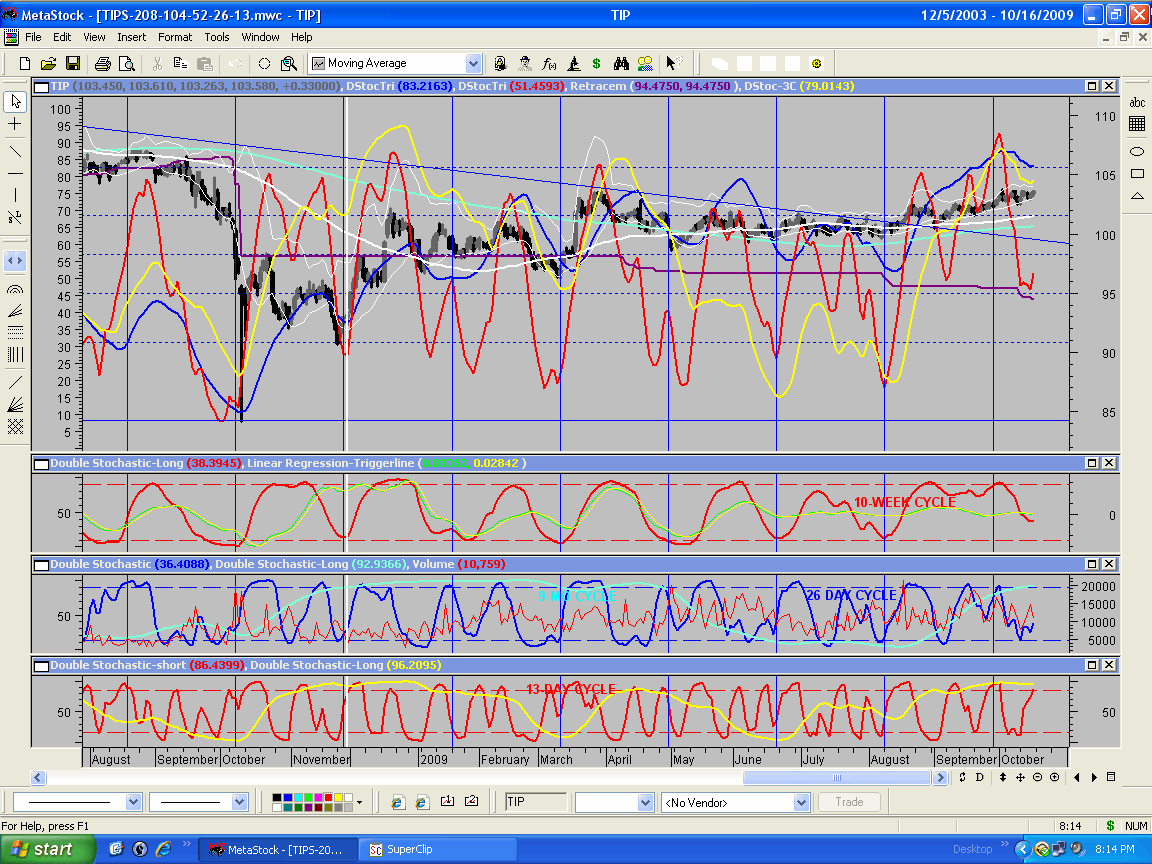
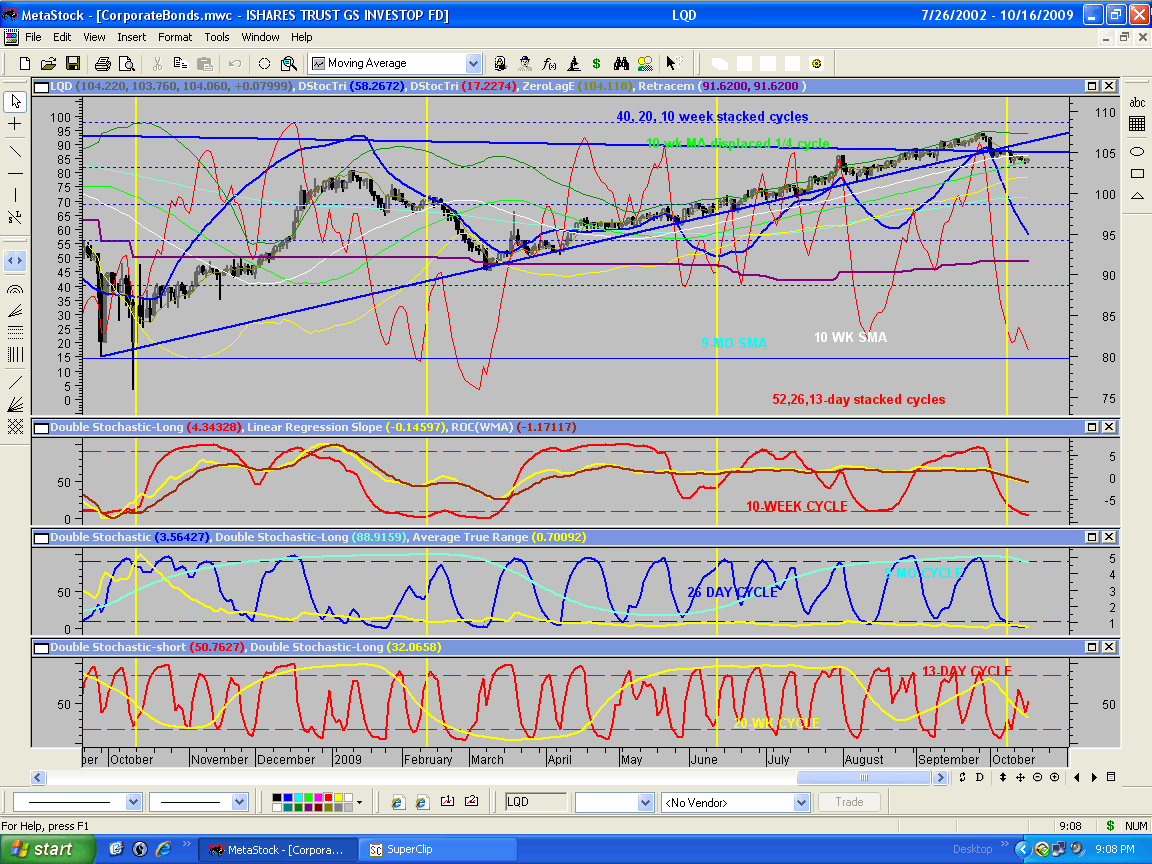
Bonds of all stripes (http://www.geocities.com/petegersb/Treasury-20yr.GIF, http://www.geocities.com/petegersb/TIPs.GIF, http://www.geocities.com/petegersb/CorporateBonds.GIF ) continued their rally as expected last week. Most are now short-term overbought as they test their November peaks. I expect them to back away from those peaks at least briefly, but there is no indication of an end to the intermediate uptrend.
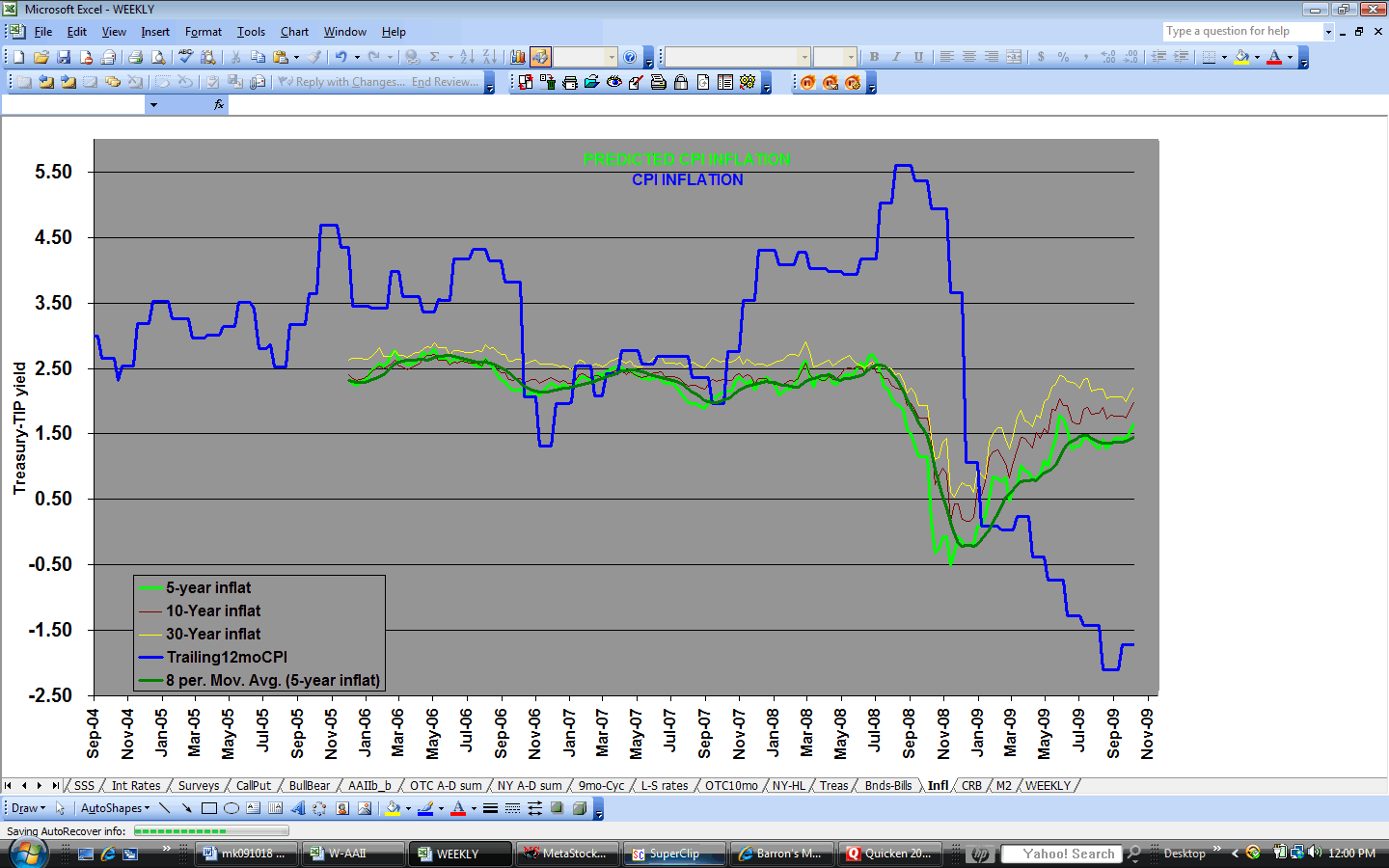
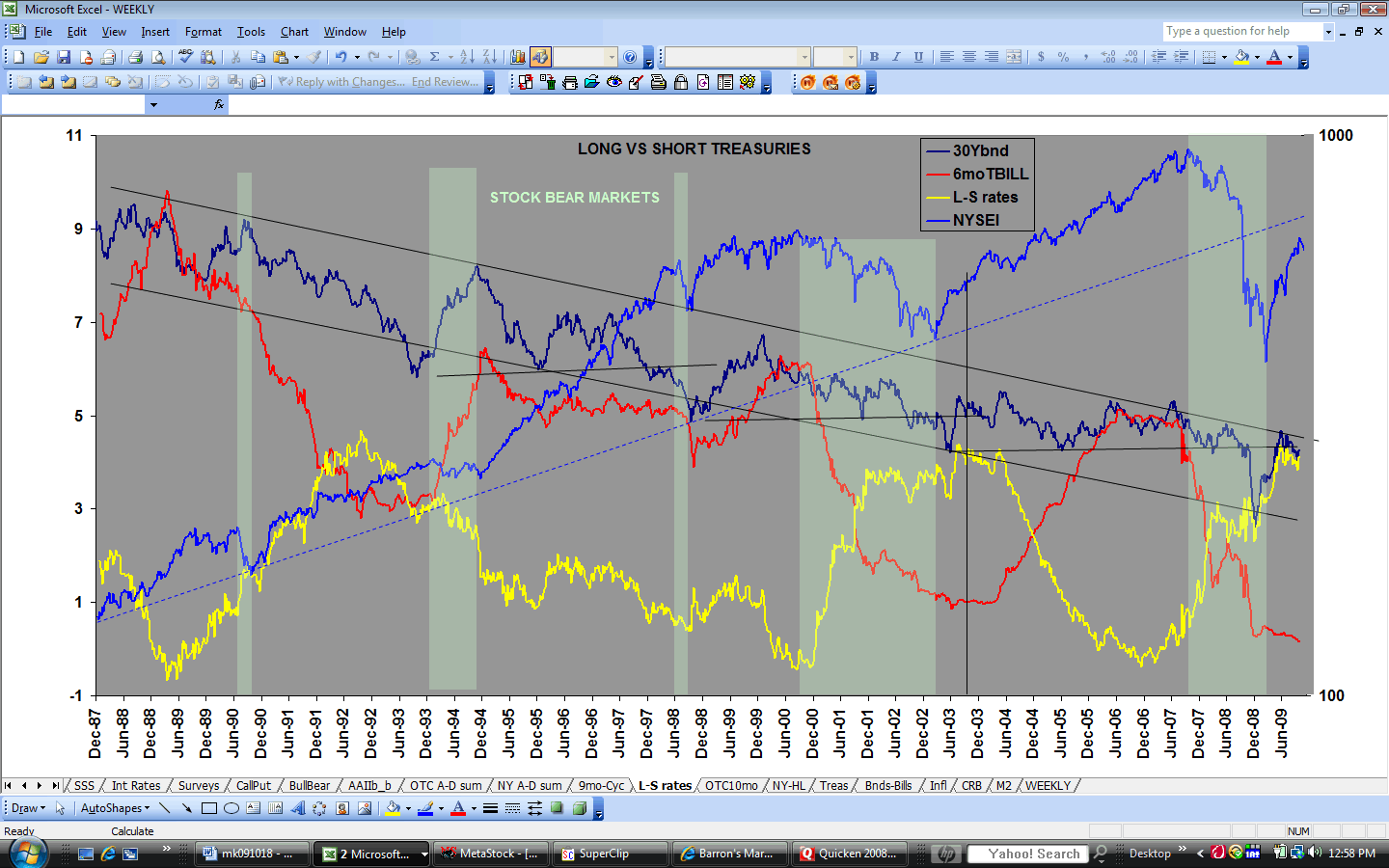
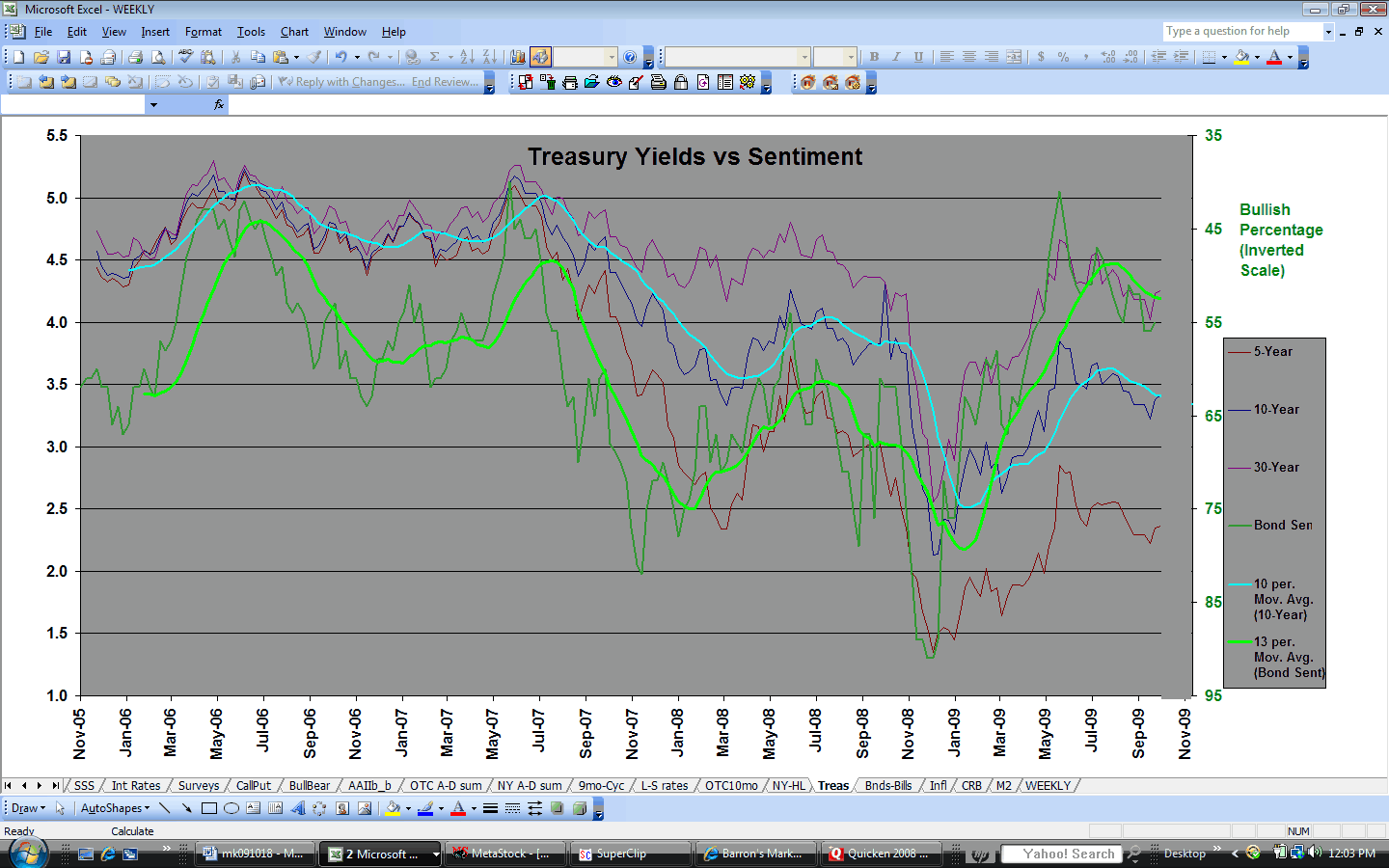
Lower gasoline prices (somehow I didn’t notice at the pump) produced a CPI that was little changed from the prior month, but maintained the annual CPI inflation rate above 4%. (http://www.geocities.com/petegersb/CPI.GIF). Inflation expectations dropped for the 5-year period, but rose slightly for the 10 and 30 year terms. The yield curve normalized a little more (http://www.geocities.com/petegersb/Long-ShortYields.GIF), but not significantly. Bond optimism rose further to a very high 72% (http://www.geocities.com/petegersb/BondSentiment.GIF ), suggesting bonds are in very dangerous territory.
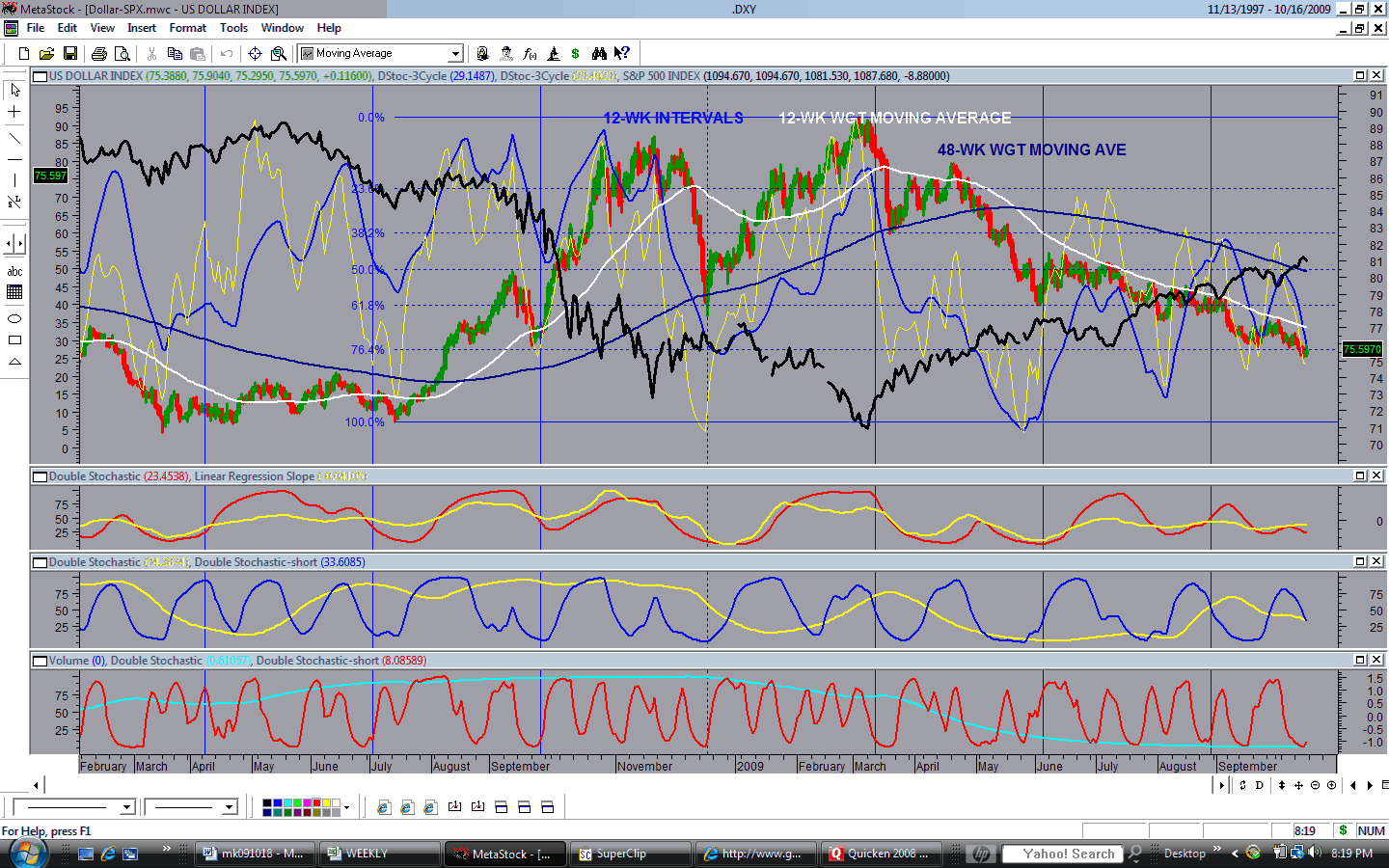
The dollar (http://www.geocities.com/petegersb/Dollar.GIF) may have unexpectedly
established a slightly premature higher 10-week cycle low on Tuesday, but I
wouldn’t bet on it until we see what next week brings.
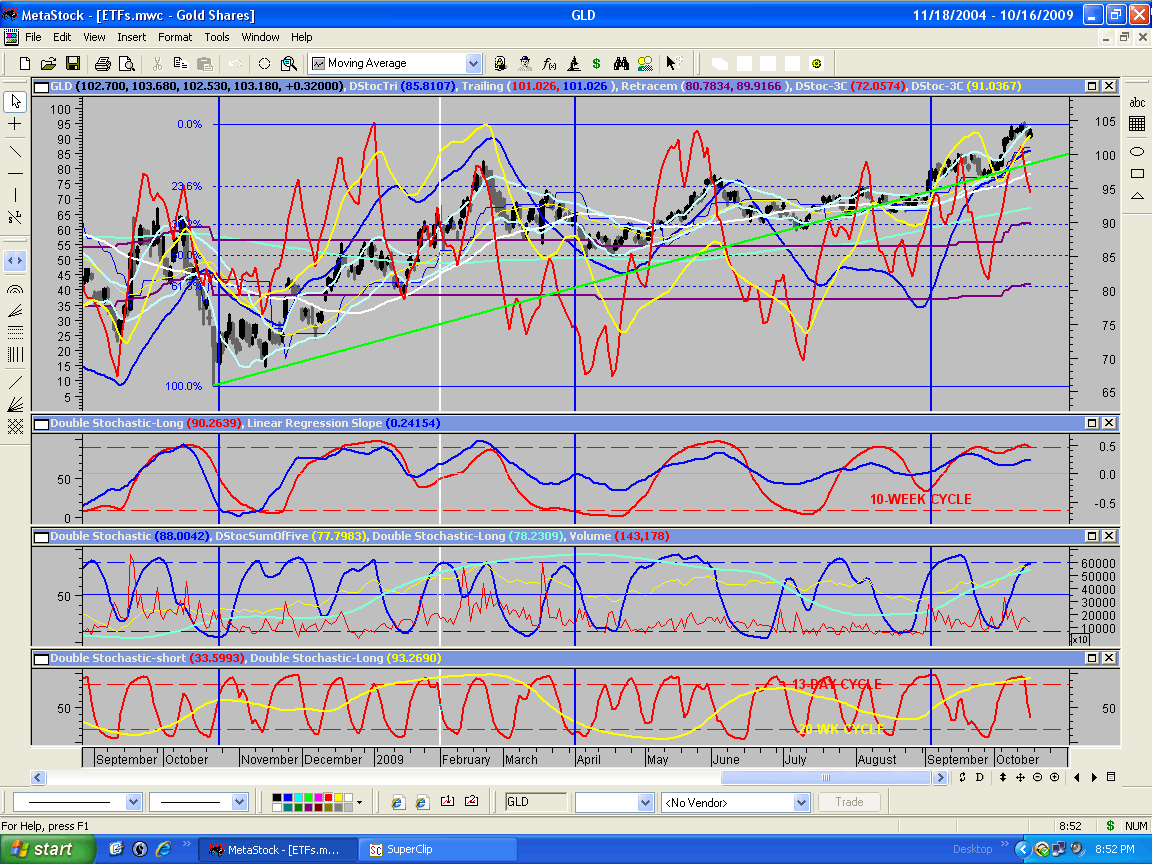
Gold (http://www.geocities.com/petegersb/GoldBullion.GIF) briefly broke above $900 before establishing a short-term
peak on Tuesday. Now the 13-day cycle is moderately oversold, so another
attempt to breach the latest century mark this week would not be
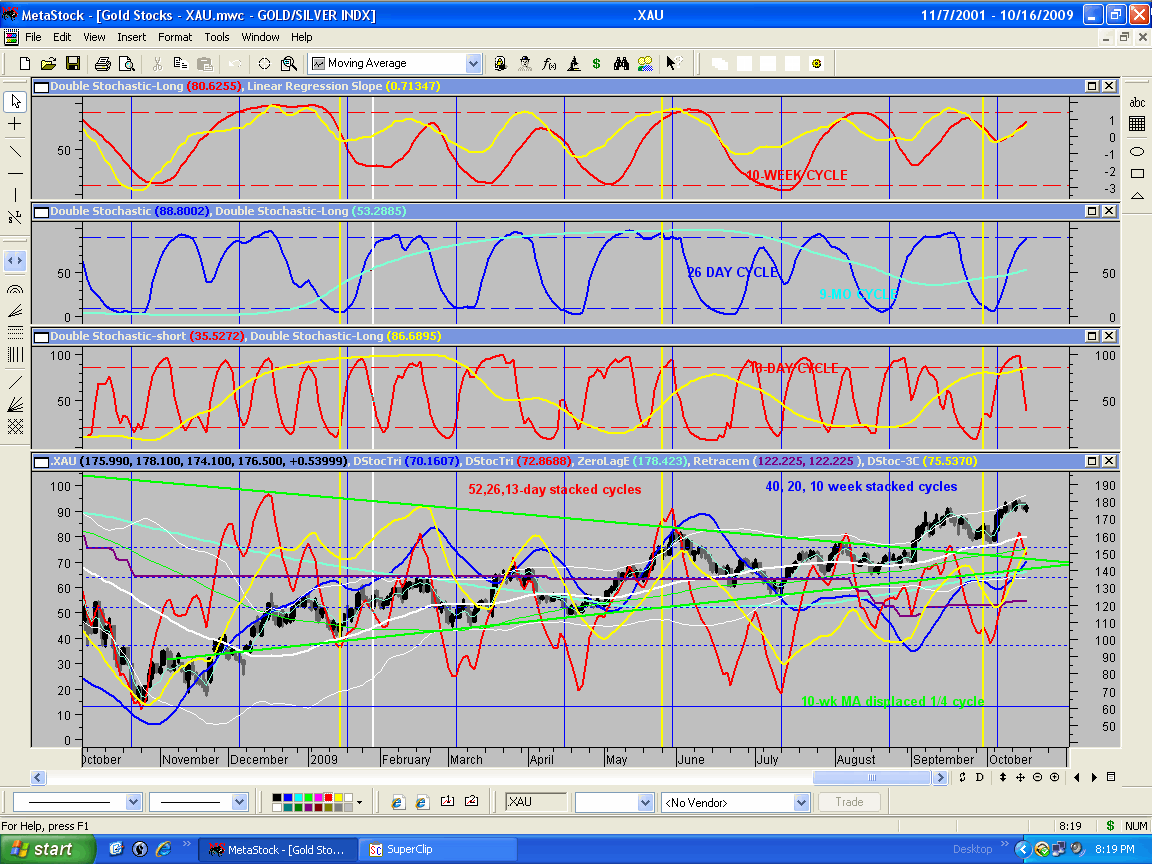
surprising. Gold stocks (http://www.geocities.com/petegersb/GoldStocks.GIF)
also moved to a new high just under $200 before establishing a
short-term peak. Then they plunged with other stocks in a quick 7% correction.
If the broad indexes continue lower as expected, the XAU will probably have
more trouble challenging its high than GLD.
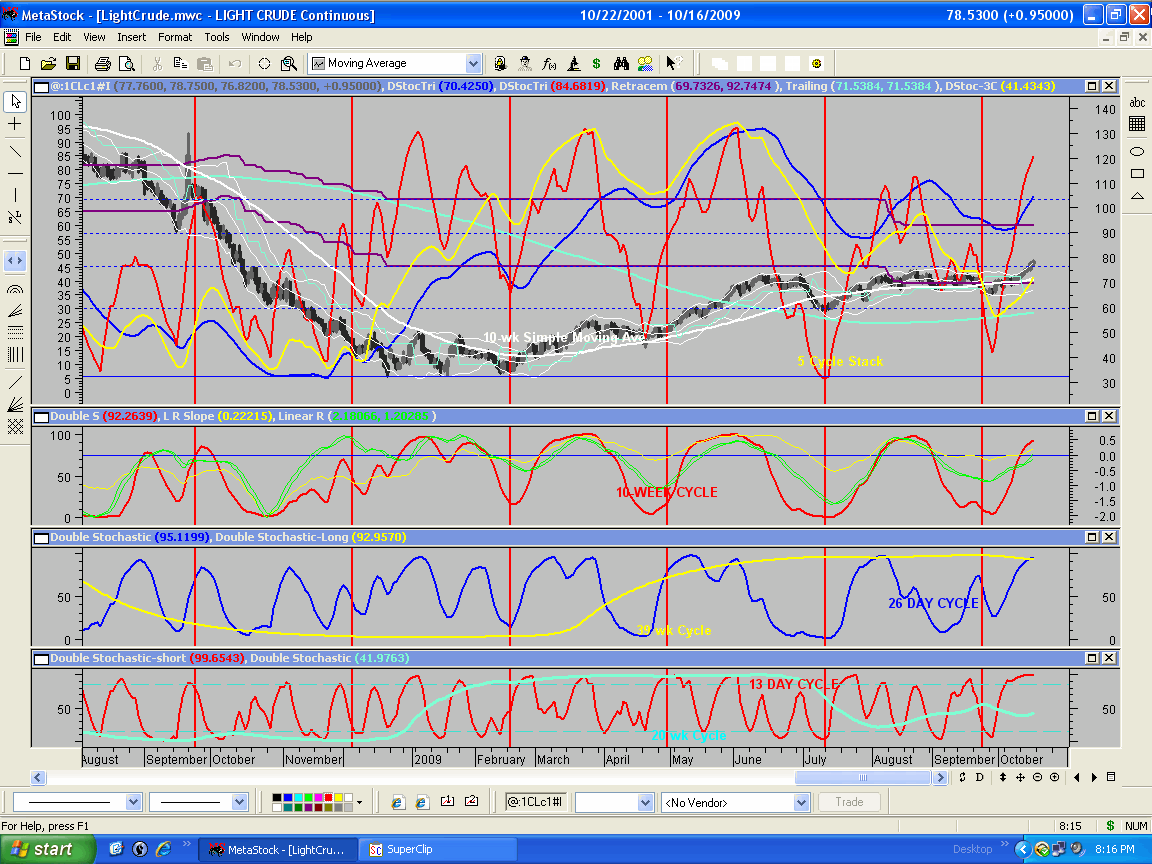
Crude oil (http://www.geocities.com/petegersb/CrudeOil.GIF) continued its short-term correction last week despite the
oversold 13-day cycle. It was enough to turn the intermediate composite
downward as well. More downside appears likely.
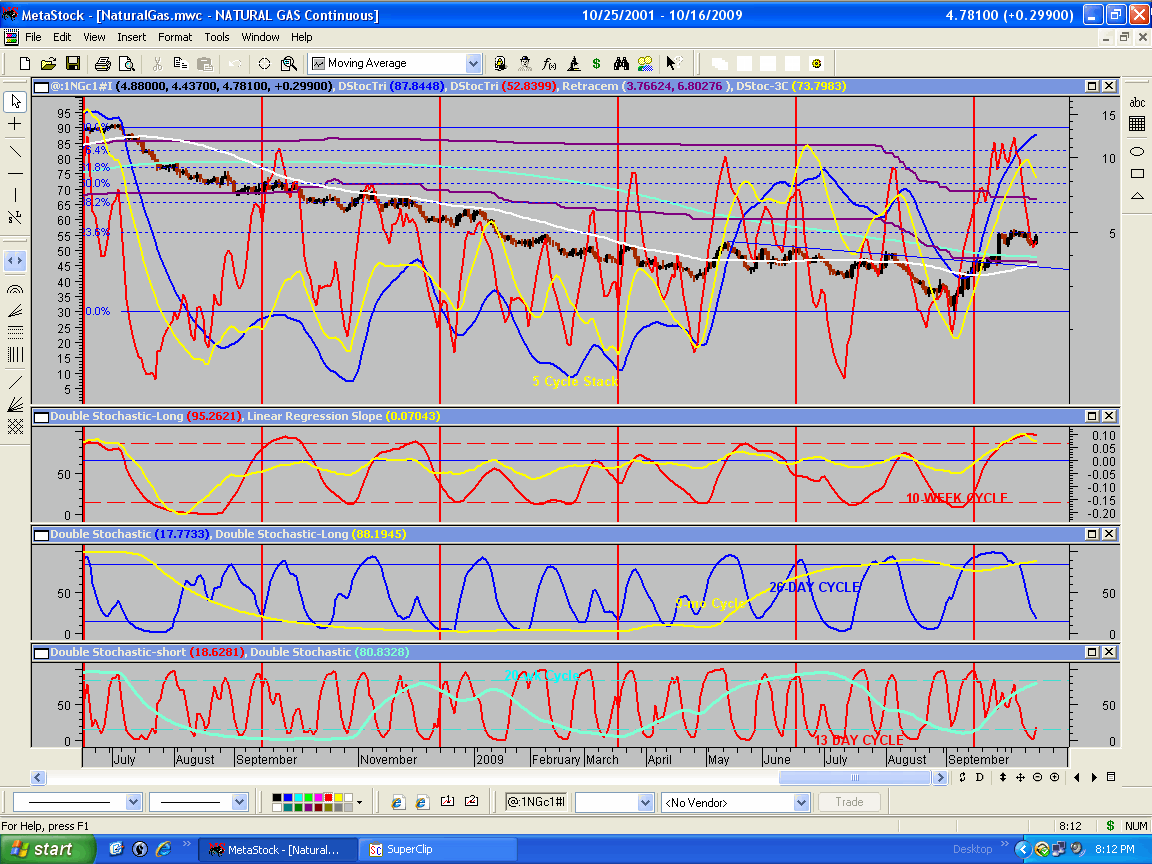
Natural
gas (http://www.geocities.com/petegersb/NaturalGas.GIF) entered a short-term correction as expected last week. The
13-day cycle became very oversold, but any rally attempt will be fighting a
26-day cycle downtrend this week. It looks like it will turn into a 10-week
cycle top. Any assault on the November peak to break the long basing pattern
will probably have to wait a while.
Without the
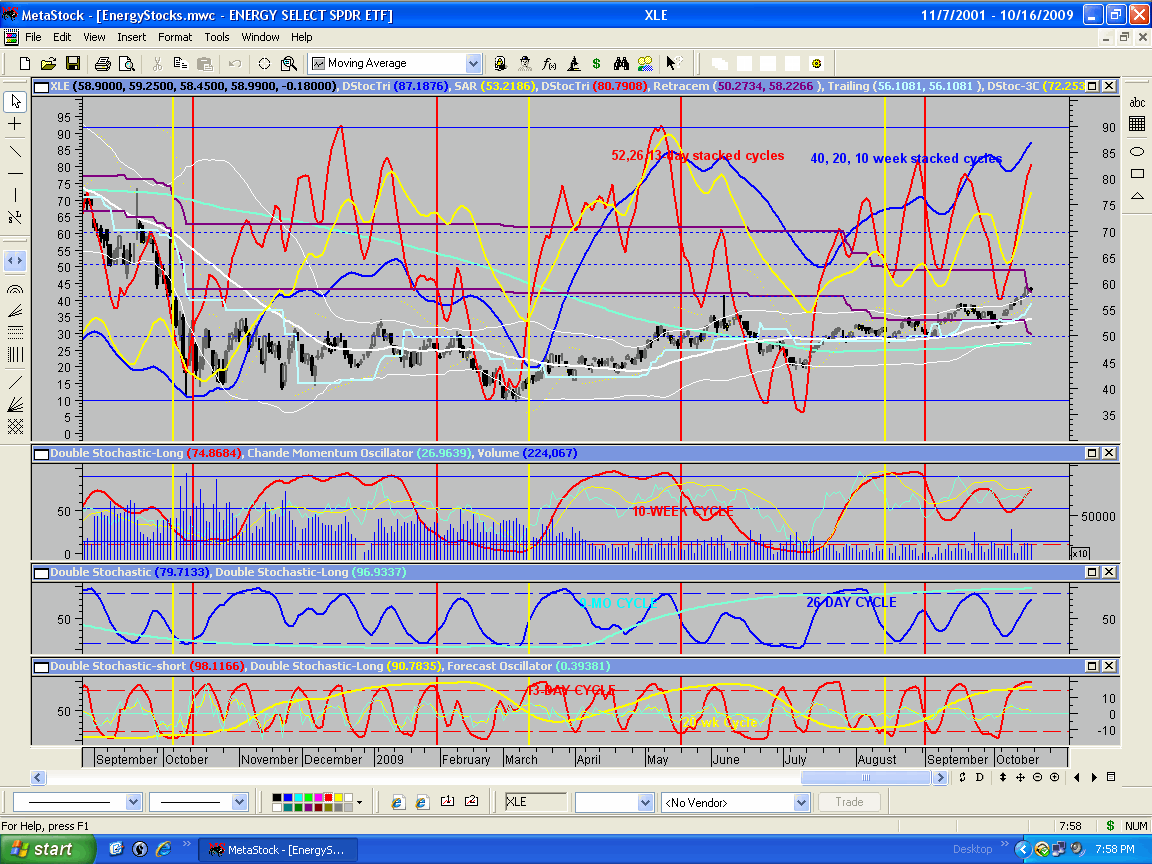
tailwind from the underlying commodities, Energy stocks (http://www.geocities.com/petegersb/EnergySPDR.GIF)
went from a worse than average performer to
the worst performing sector. Since its January 3 peak the XLE has
dropped a quick 15%. On Friday it did bounce off of its 50% correction of the
gain over the last year, and the 26-day cycle is ripe for a bounce. However, a
lower 10-week cycle low is already assured. XLE now looks like a sell on any
26-day cycle rally.
.