1/6/08
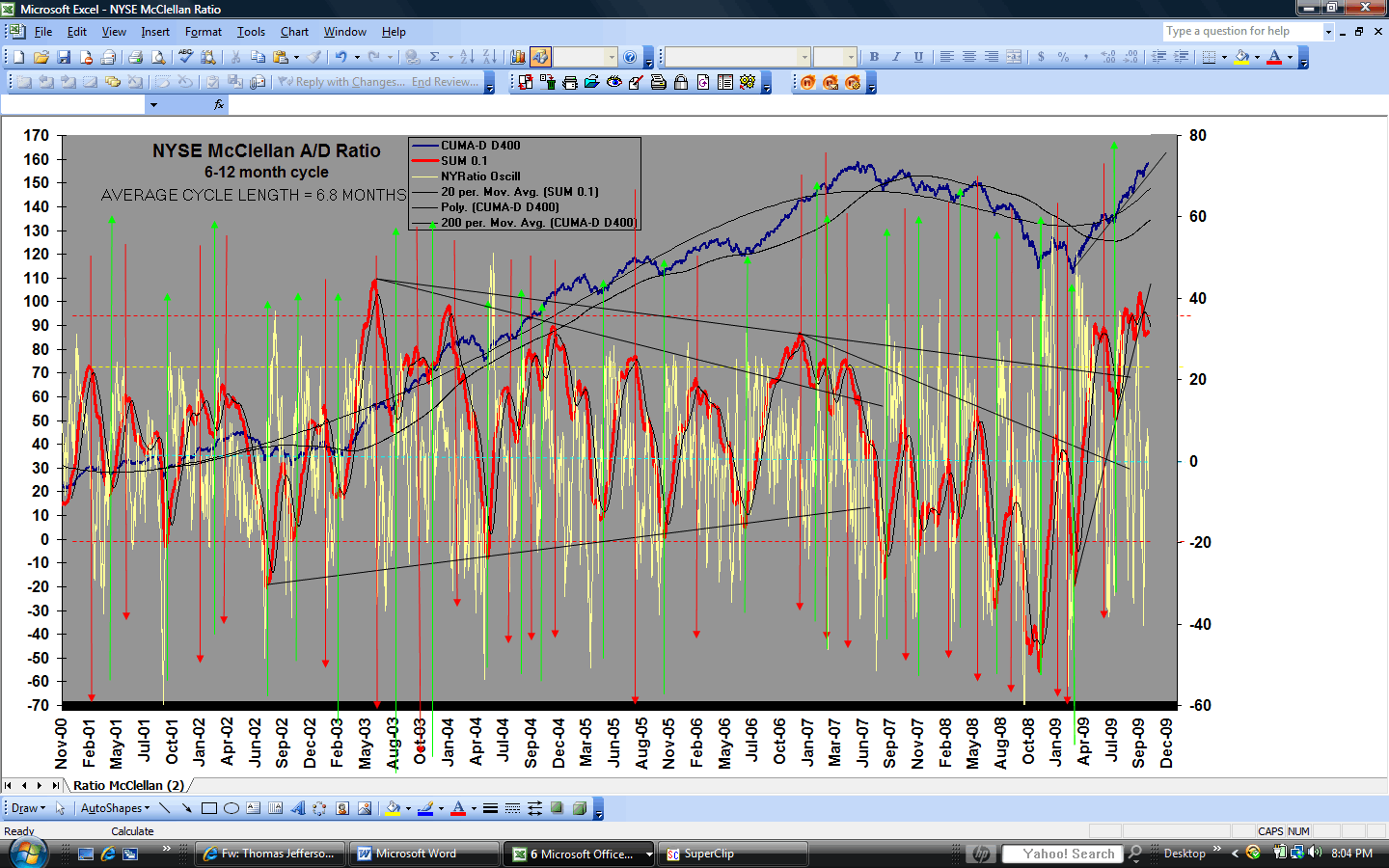
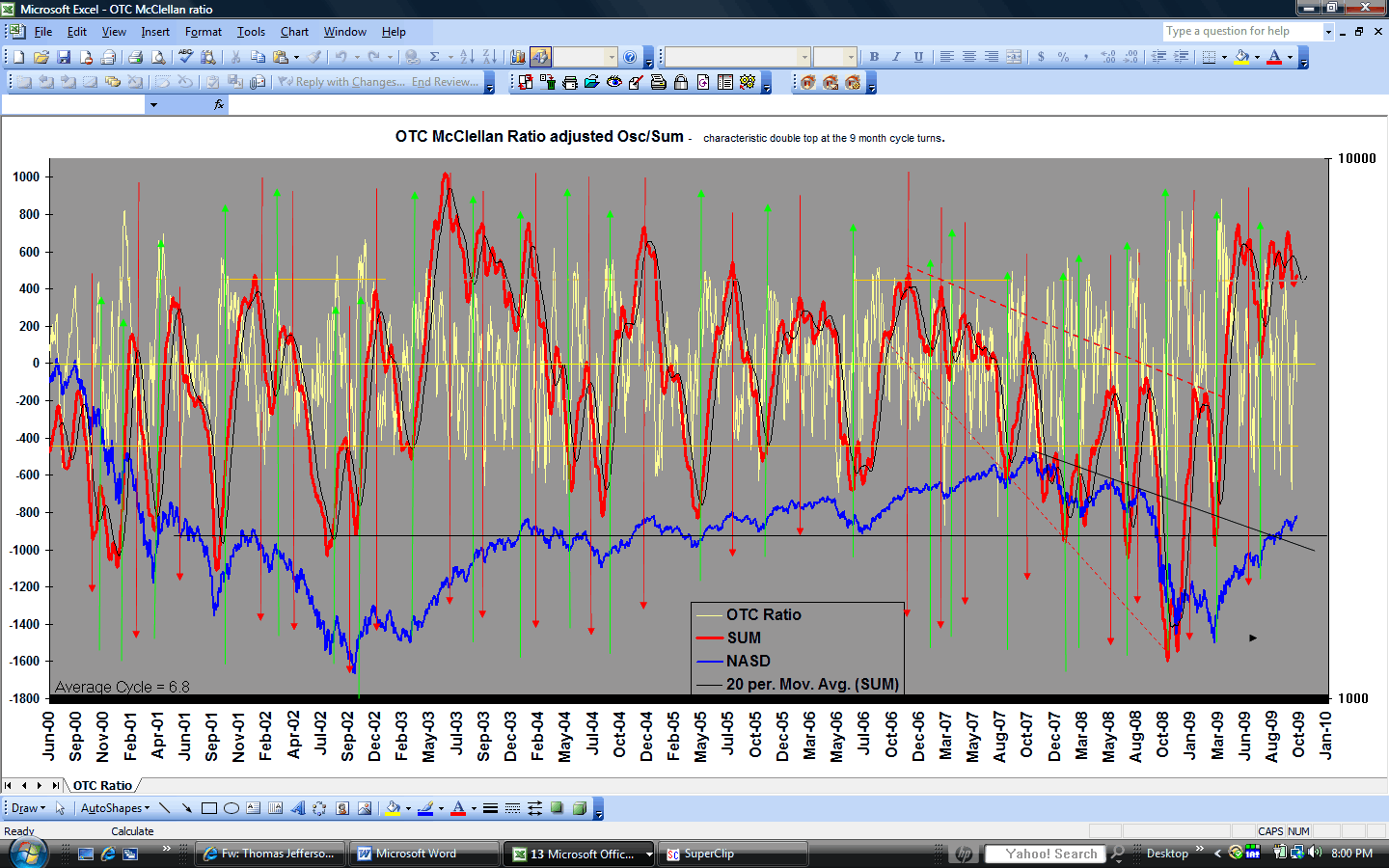
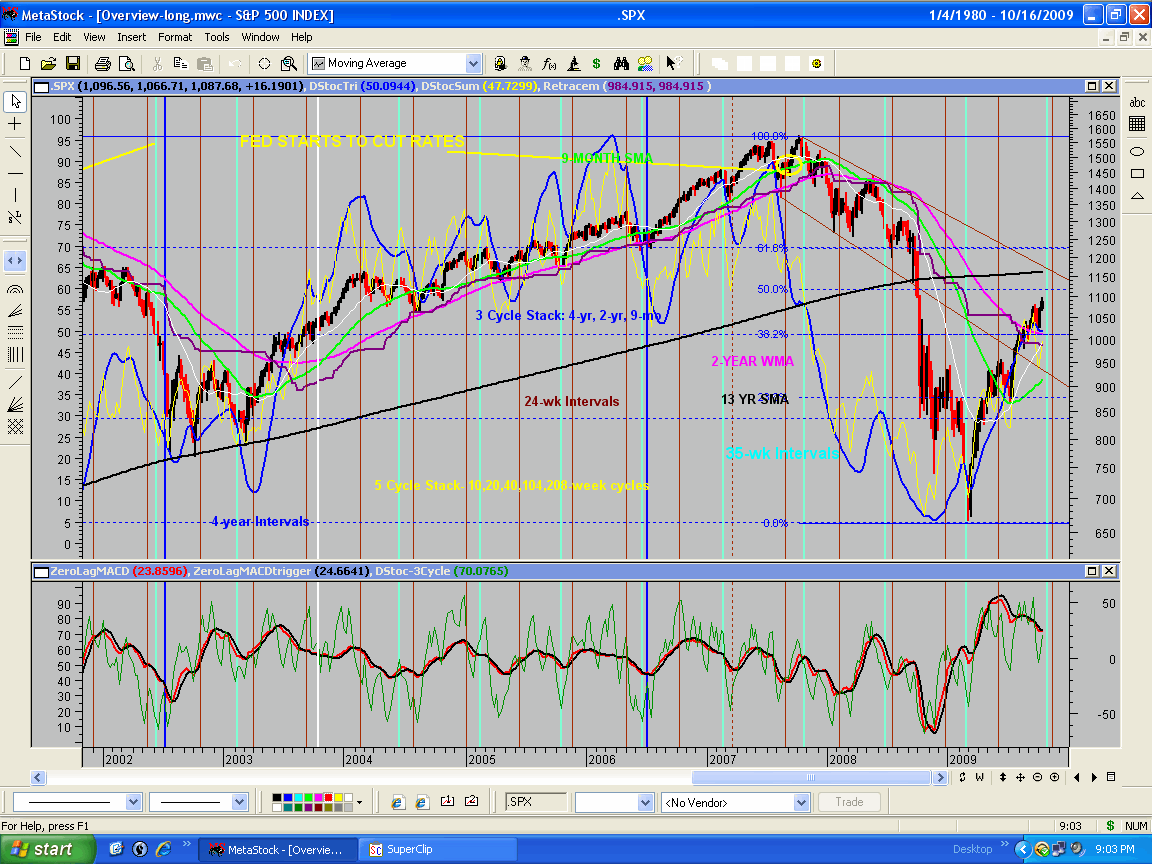
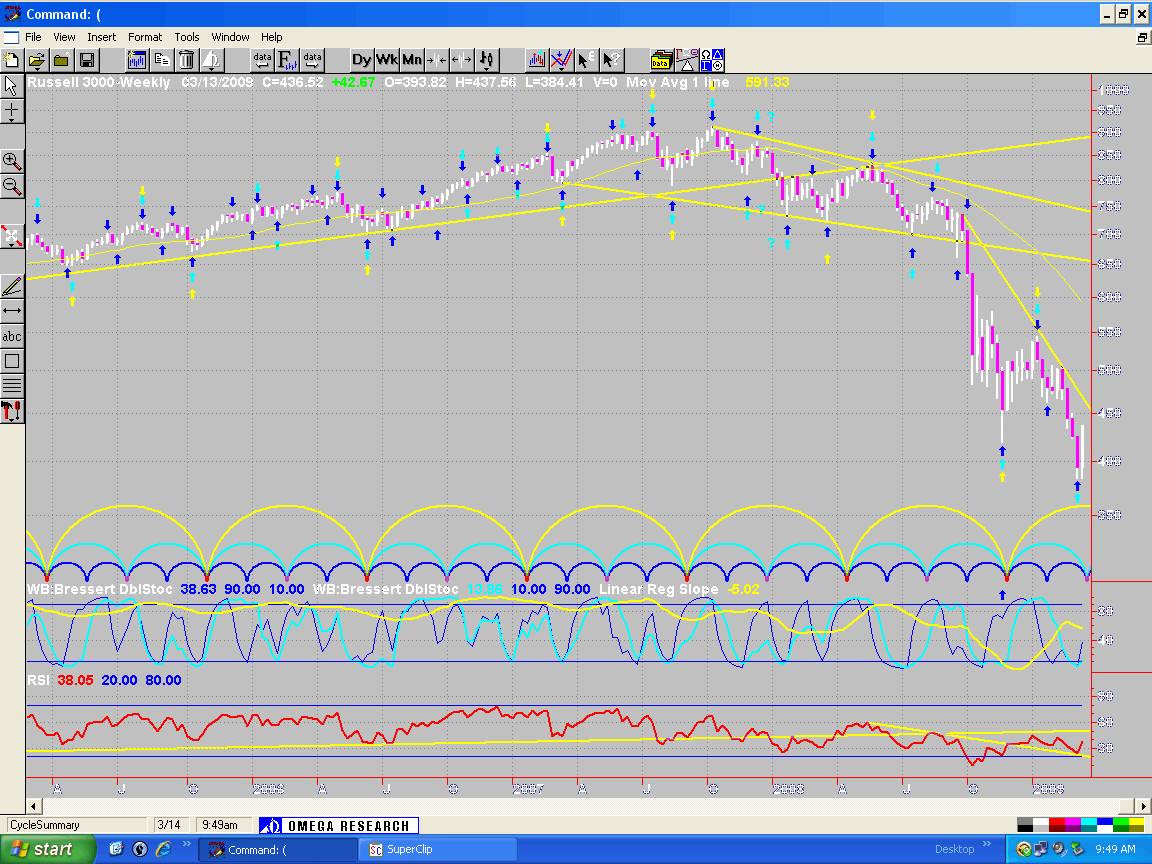
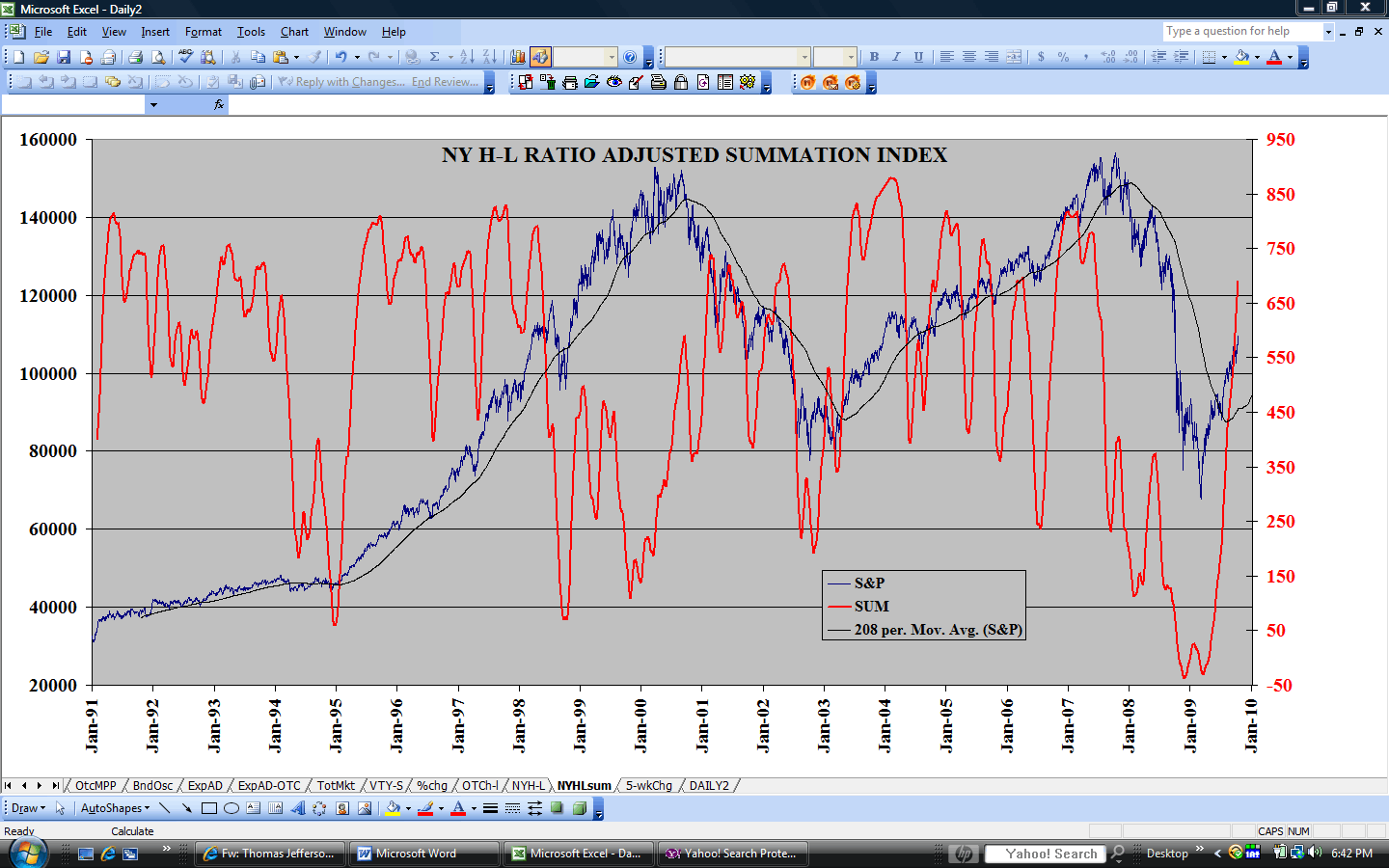
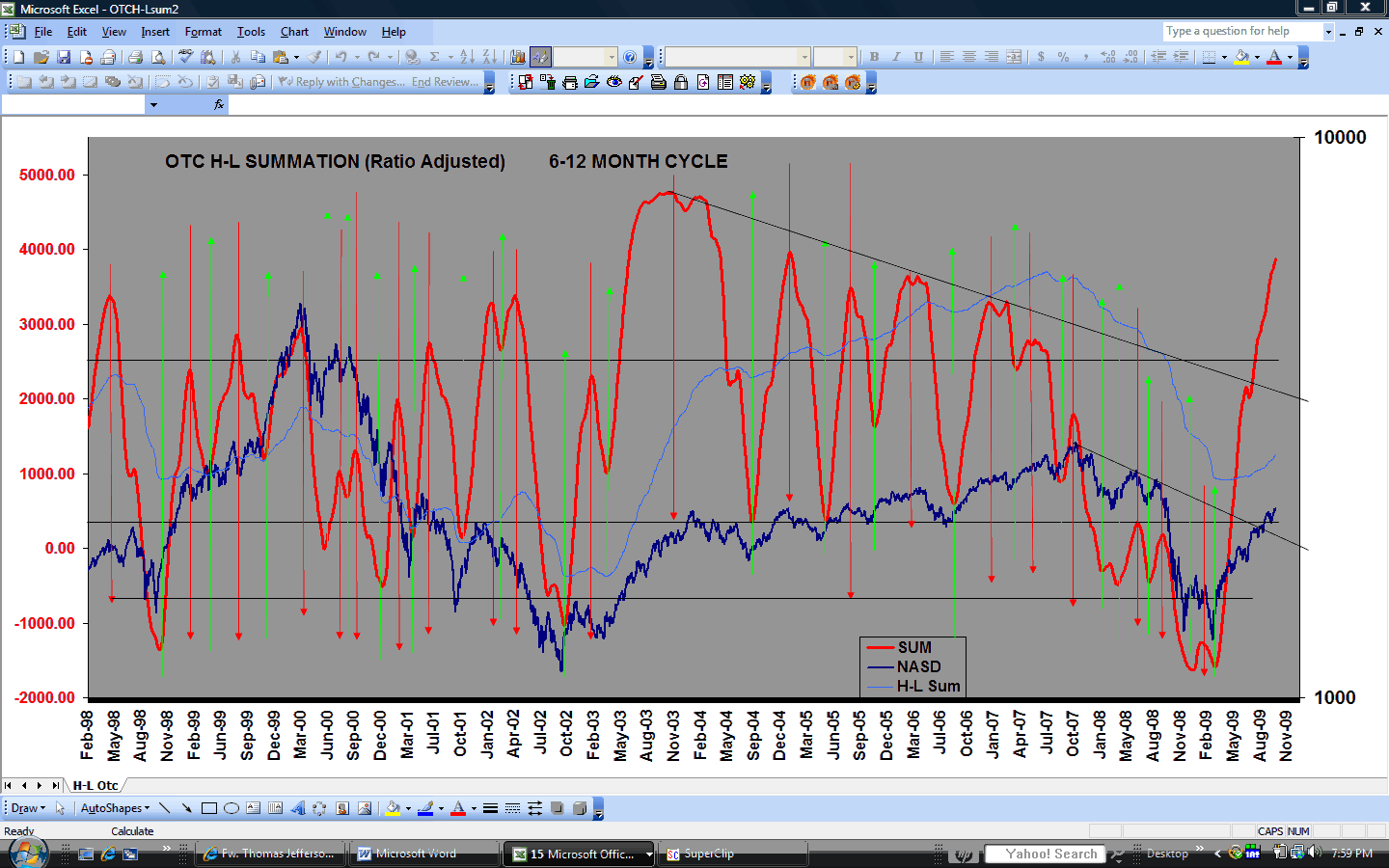
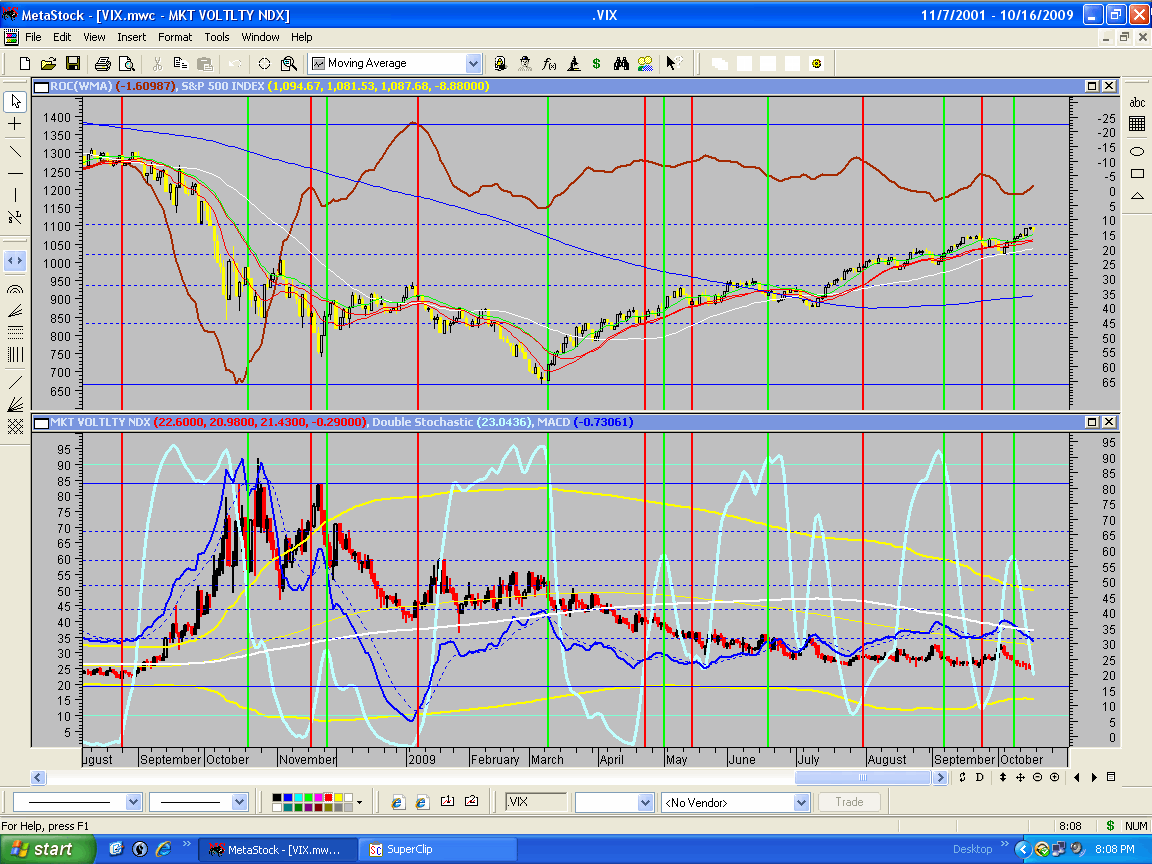
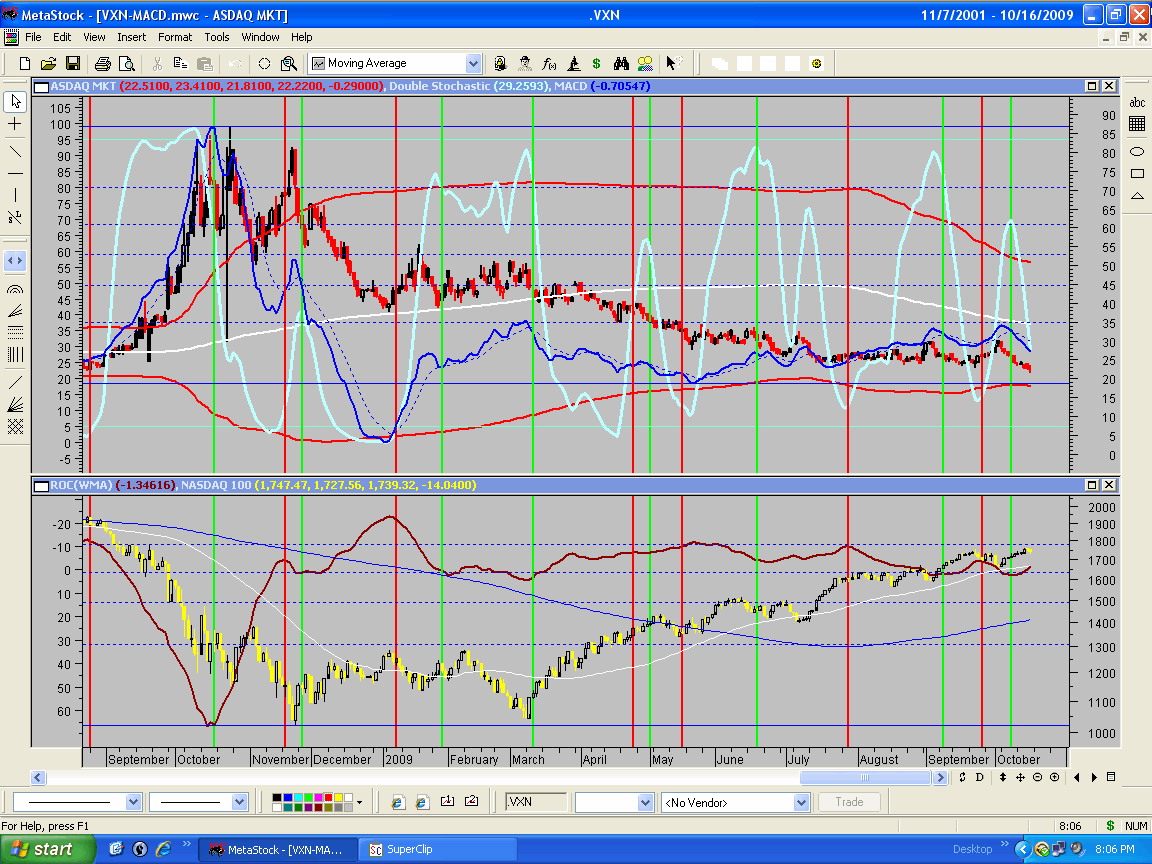
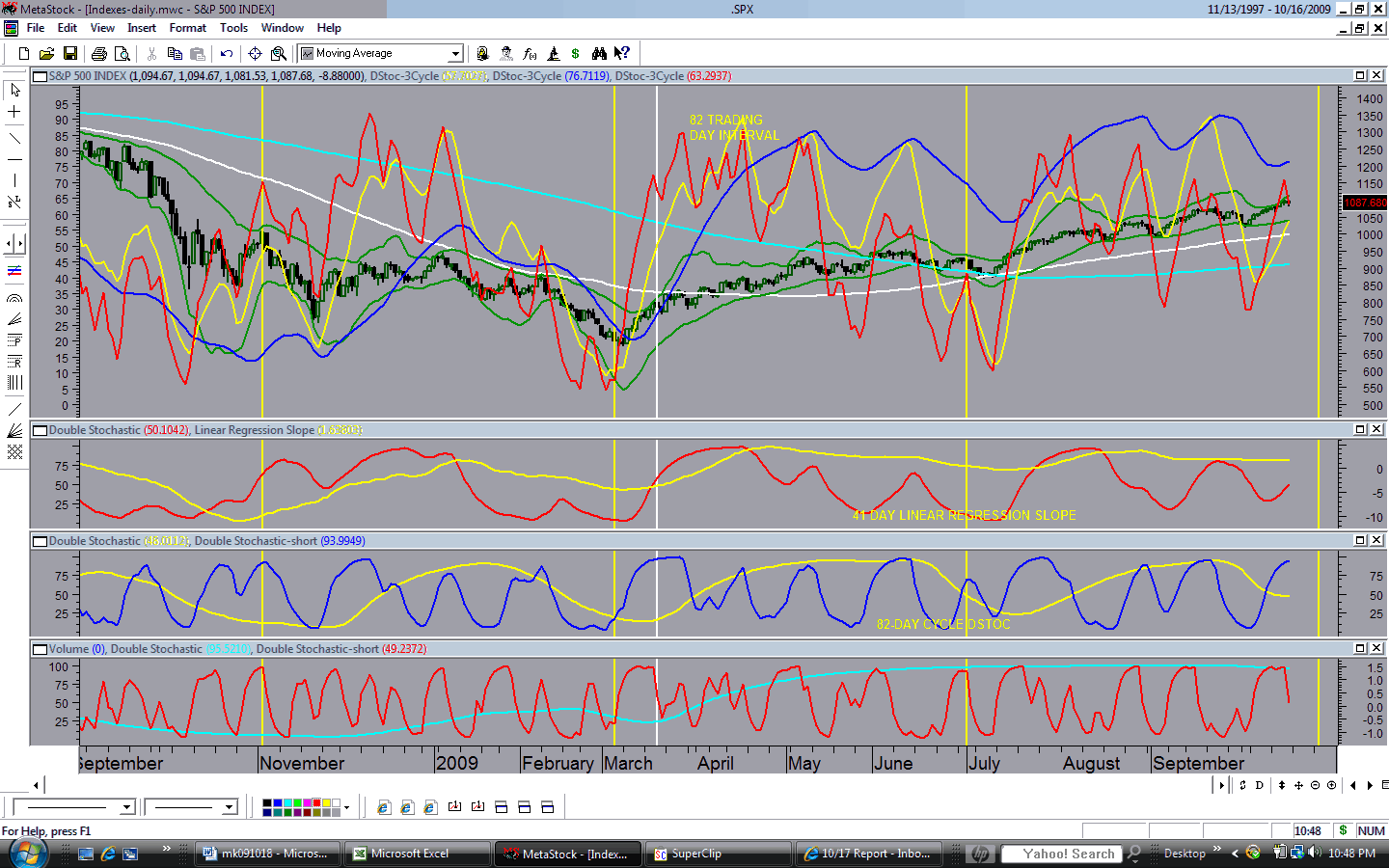
The first week of the New Year brought a little good news, but not very much. Obama won the Democratic caucus in Iowa, and the 13-day cycle reached its 13th birthday while the 26-day cycle reached its 27th birthday. The economic news, from an ISM index showing contracting manufacturing to employment data showing no private sector job expansion and rising unemployment (http://www.2000wave.com/index.asp), was consistently bad. So were the indicators for the longer cycles in stocks. With the belated downturn in the McClellan Summation Indexes (http://www.geocities.com/petegersb/A-Dsummation-NYSE.GIF, http://www.geocities.com/petegersb/A-Dsummation-OTC.GIF), all of the 9-month cycle indicators (http://www.geocities.com/petegersb/Overview-long.GIF, http://www.geocities.com/petegersb/Overview-med.GIF, http://www.geocities.com/petegersb/H-Lsummation-NYSE.GIF, http://www.geocities.com/petegersb/H-Lsummation-OTC.GIF.) are now trending downward. All of the 20-week cycle indicators, including the weekly VIX and VXN (http://www.geocities.com/petegersb/VIX-weekly.GIF, http://www.geocities.com/petegersb/VXN-weekly.GIF), have now confirmed a 20-week cycle downtrend from an extremely left translated peak. All of the 10-week cycle indicators are trending downward from a lower and extremely left-translated peak on 12/11, and the MACDs have now confirmed the 10-week cycle sell signals on the daily VIX and VXN (http://www.geocities.com/petegersb/VIX.GIF, http://www.geocities.com/petegersb/VXN.GIF) that were issued a week ago. If the energy sector is excluded (http://www.geocities.com/petegersb/SPY-XLE.GIF), the S&P has assured itself of a lower 10-week cycle low as it moved to a 15-month low last week, and a nominal 10-week cycle would decline for about another 4 weeks. That’s also the case for the small cap Russell 2000 (http://www.geocities.com/petegersb/Russell2000.GIF). The Nasdaq composite and Nasdaq 100 (http://www.geocities.com/petegersb/NDX.GIF) look only slightly better as they too moved below their prior 10-week cycle lows and broke below their 9-month moving averages – a feat managed by the small caps a couple of months ago.


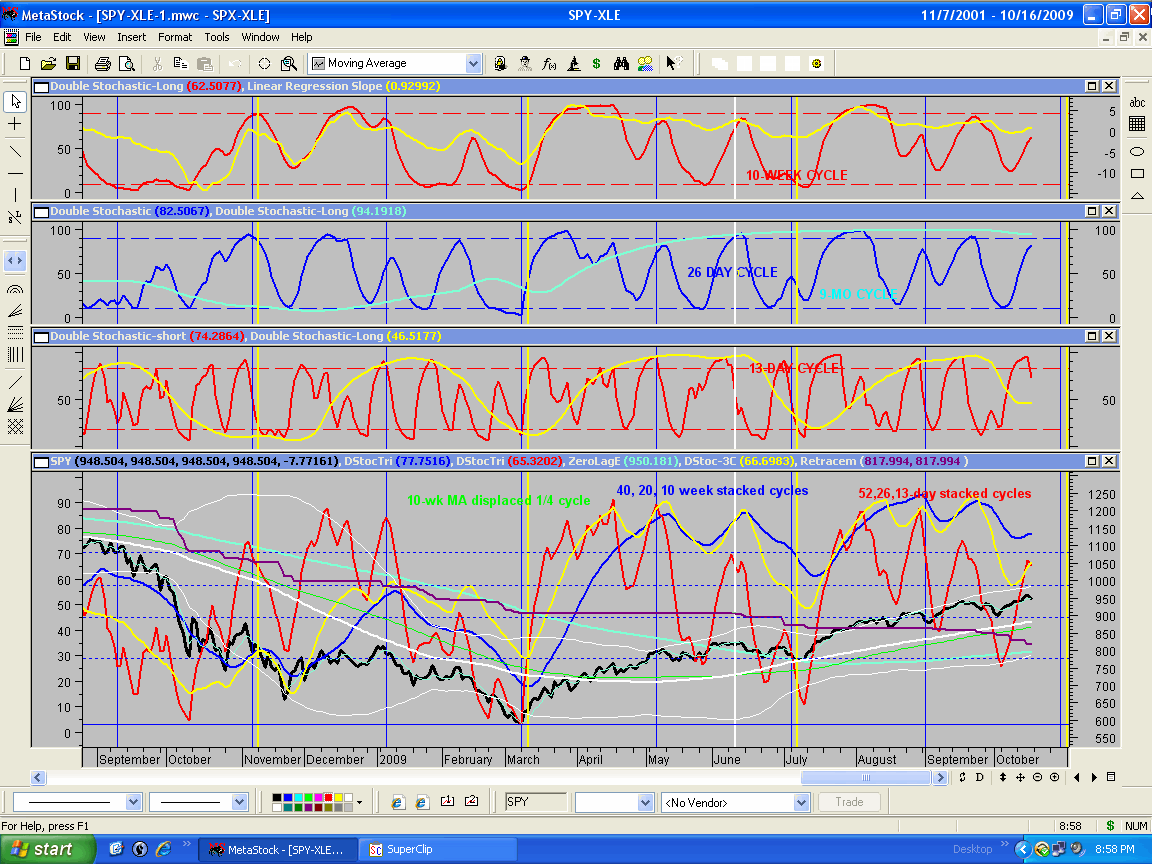
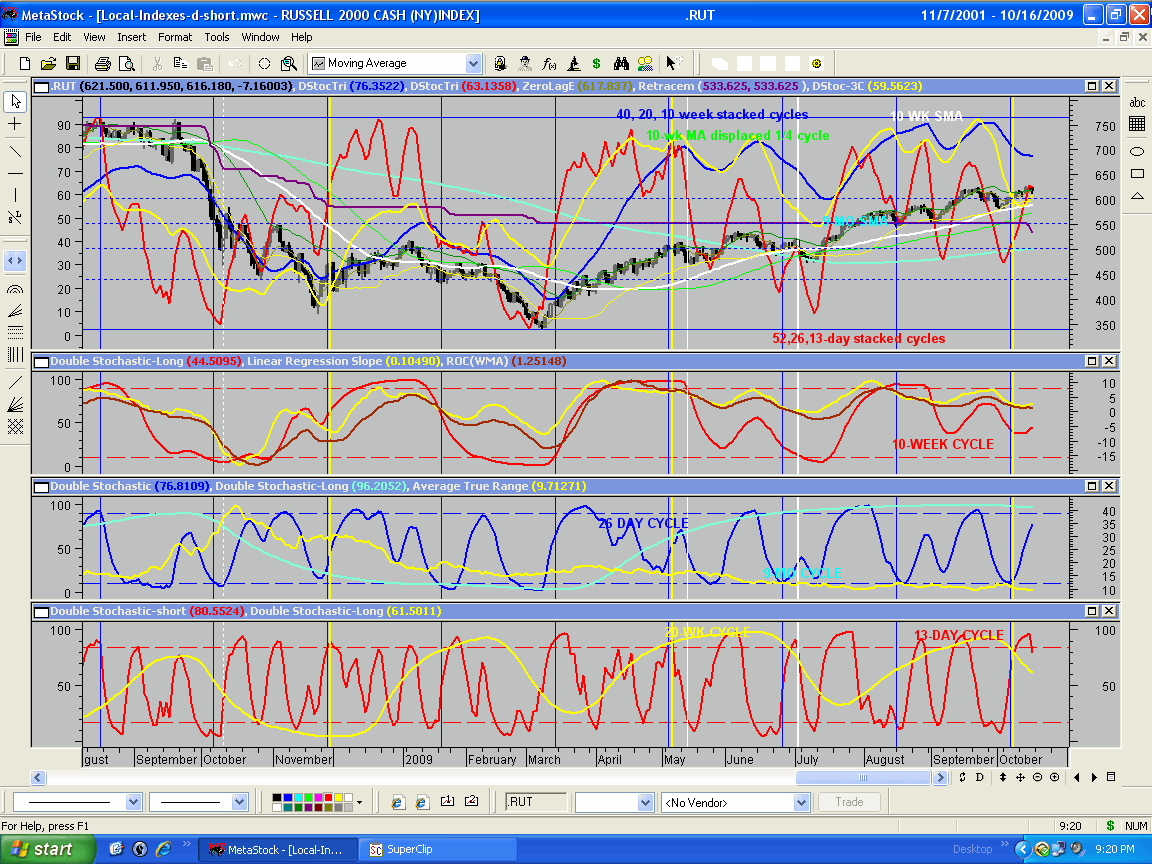
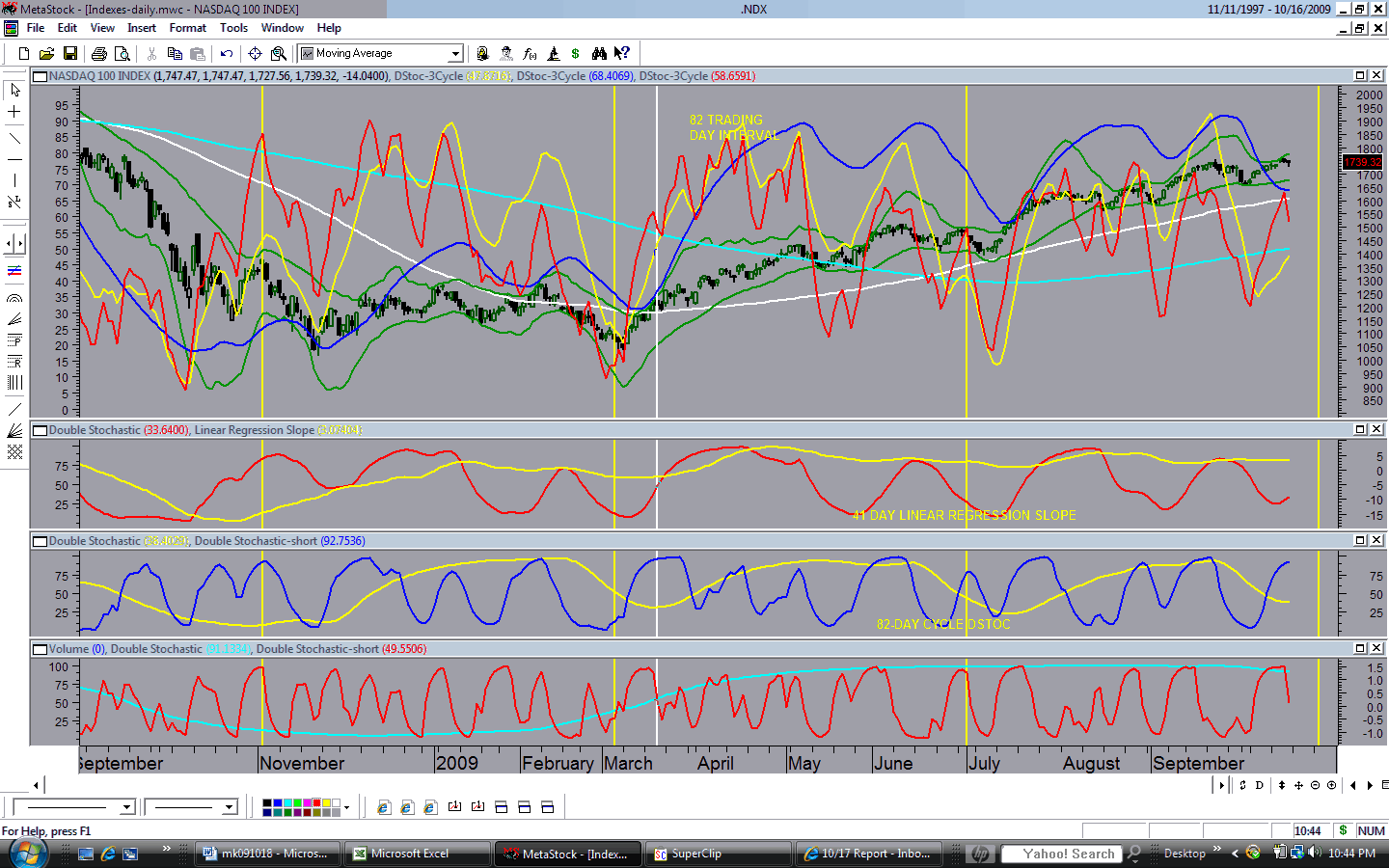
While the intermediate-term outlook appears grim, in the very short term we should soon see some relief from the aggressive selling because of the age of the 13 and 26-day cycles. These cycles are either moderately oversold (http://www.geocities.com/petegersb/SP500.GIF) or not yet oversold, so they appear likely to extend a little beyond their normal life spans before reaching a low around mid-week. When they enter their rally phase, they probably won’t produce much of a bounce because they will be fighting relatively young downtrends in all of the longer cycles. A week ago, I predicted a bad first quarter for stocks. Last week’s steep sell off and break below potential support levels served to reinforce that opinion.
Sentiment indicators deteriorated a little last week, but they remain mixed. Optimism declined a little in both surveys. AAII members turned sufficiently bearish in the latest survey (http://www.geocities.com/petegersb/AAIIsentiment.GIF) to reverse the direction of the 5-week moving average and reinstate a sell signal. Advisory service optimism declined a little more in the latest survey and it remains disturbingly high, but the 5-week moving average is still rising (http://www.geocities.com/petegersb/InvestorsIntelligence.GIF). The level of pessimism in the AAII survey suggests that stocks are relatively close to a low, but the 2:1 ratio of bulls to bears among advisory services suggest a long haul into the bottom. Both suggest that the bottom has not yet arrived.
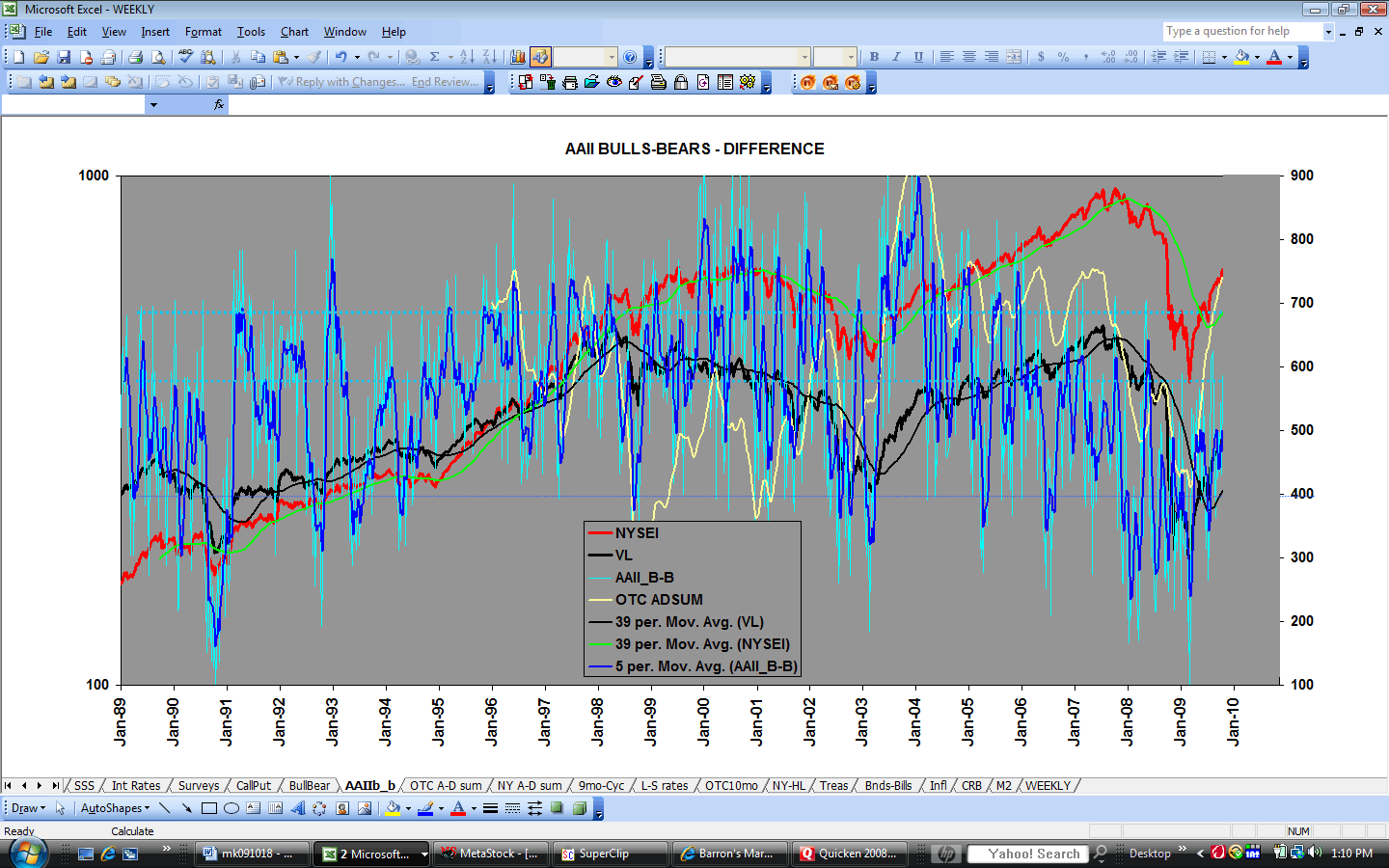
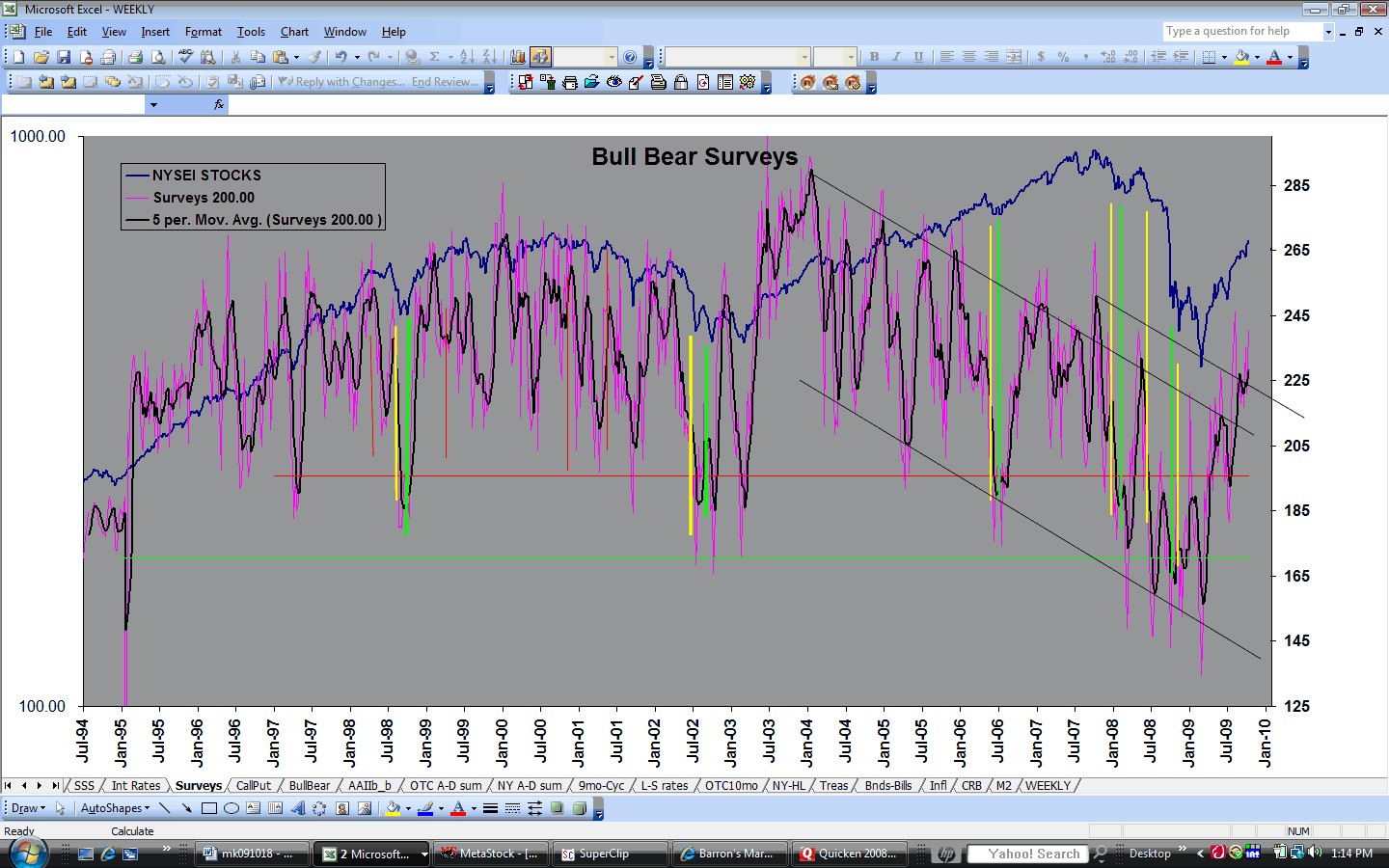
Here are a couple of charts that I lifted from Gordon Harms latest briefing: file:///C:/Documents%20and%20Settings/Owner/Local%20Settings/Temporary%20Internet%20Files/Content.IE5/6NH423D6/Jan2,2008%5B1%5D.ppt#324. The first relates to long (typically 4-year) cycles, while the second relates to sentiment.
It would seem that stocks and commodities are probably in stage 5, while interest rates and the economy have already progressed to stage 1. If my assessment is correct, it suggests a fairly rapid decline in stocks and commodities in order that they catch up and resume their normal phase alignment with the economy and interest rates. That normal alignment has been disrupted during the last few years by the extraordinary international demand for commodities and the equally extraordinary supply of capital from foreign markets to our own, driving interest rates downward. Consequently, a return to normal relationships is somewhat problematical.

The position in the emotional cycle appears pretty clear. If you listen to the pundits or read the financial press, denial seems to be the prevailing emotion. Overwhelmingly, they now seem to recognize an economic slowdown, but they still deny that the economy is headed into a recession. I can’t tell you how often I heard over the last few weeks what great bargains the financial stocks are as they continue to make new lows. This week Barron’s has two front-page headliners touting “29 Tech Stocks in the Bargain Bin” and “Dirty Dozen: Battered Shares worth a bet”. When the press suggests that you try to catch the falling knife, it’s probably best that you don’t try.

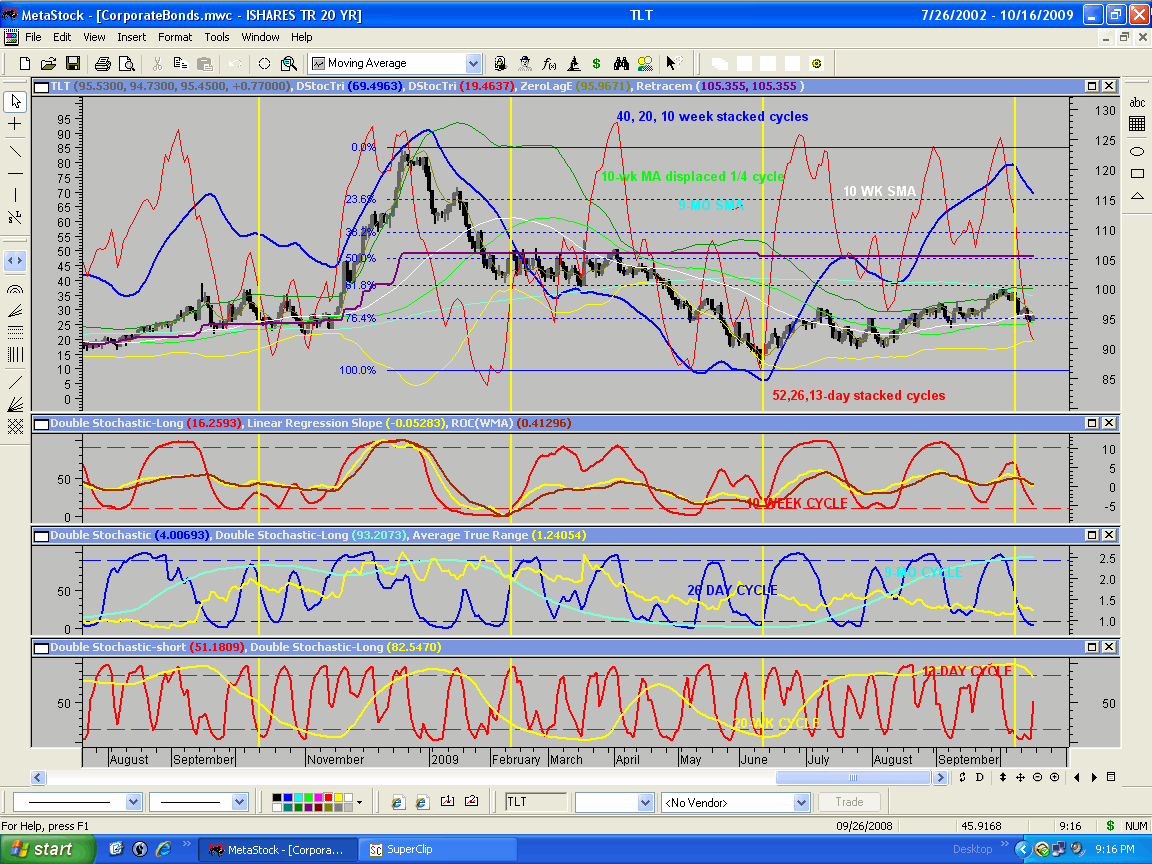
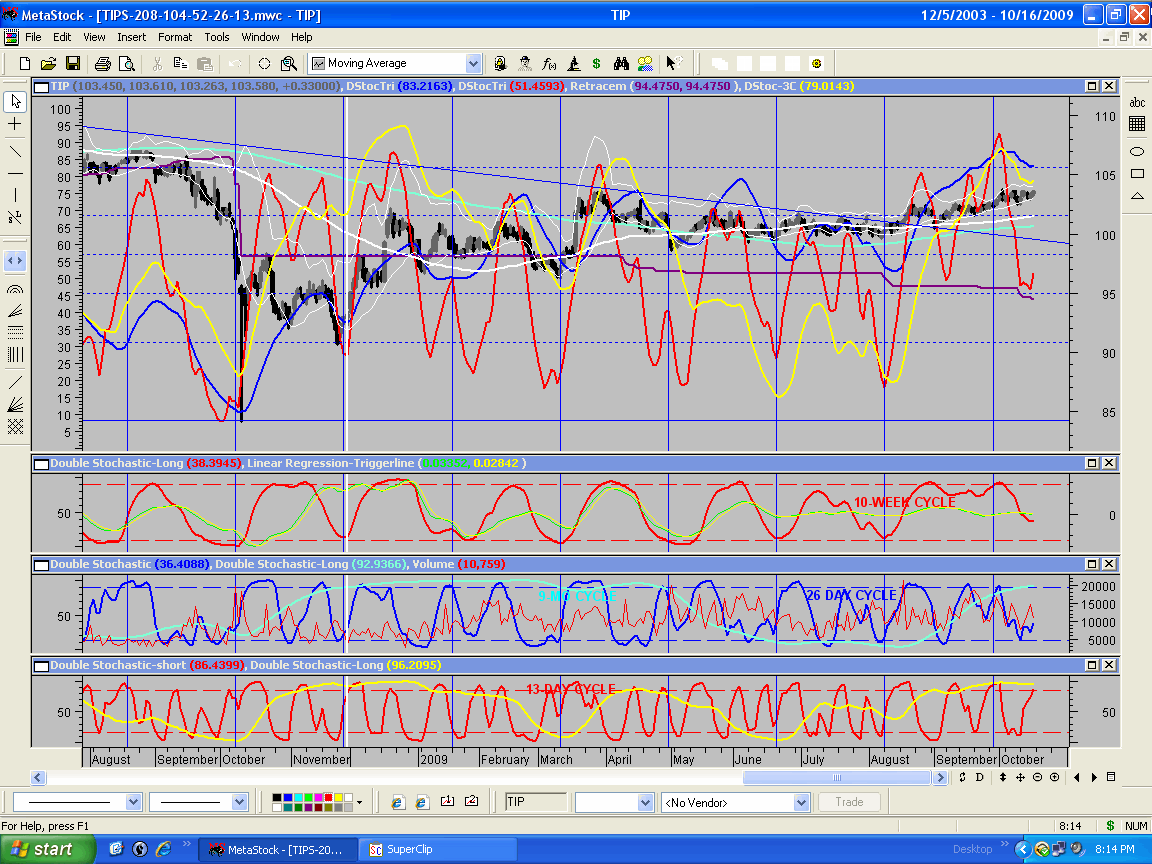
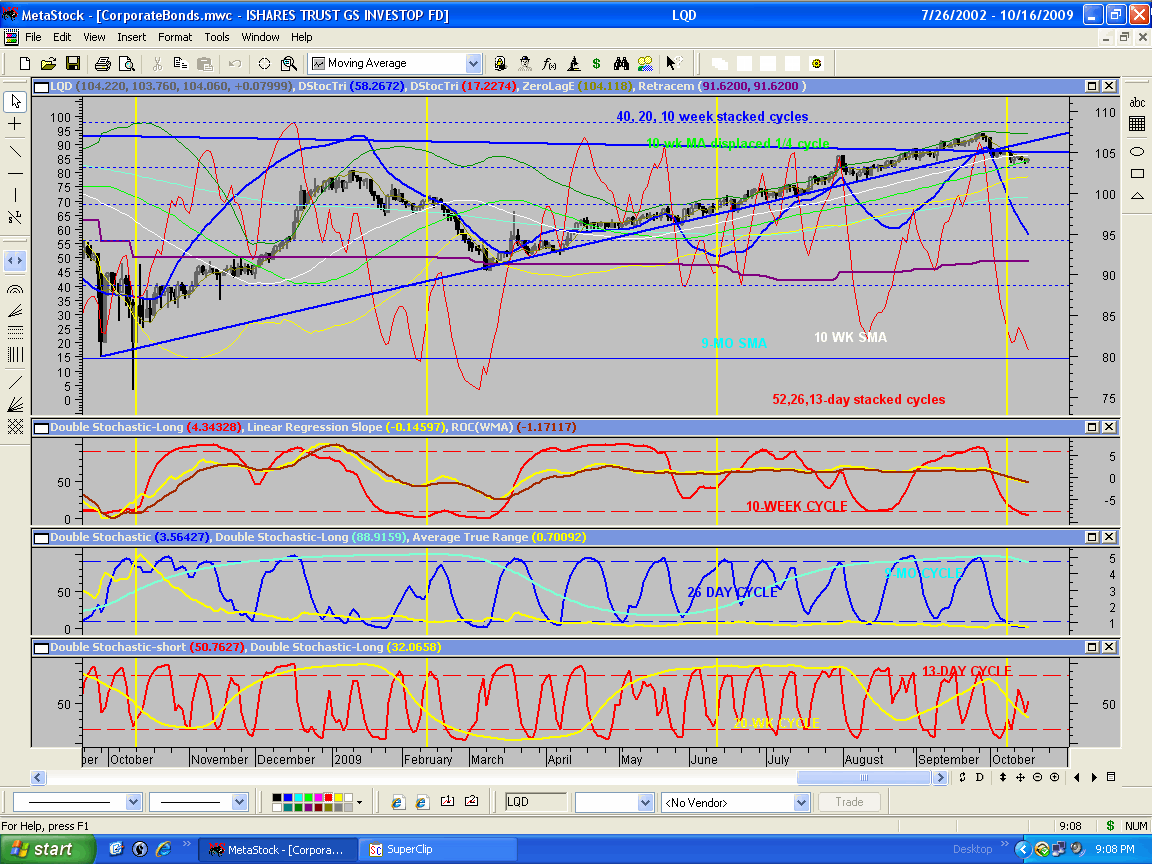
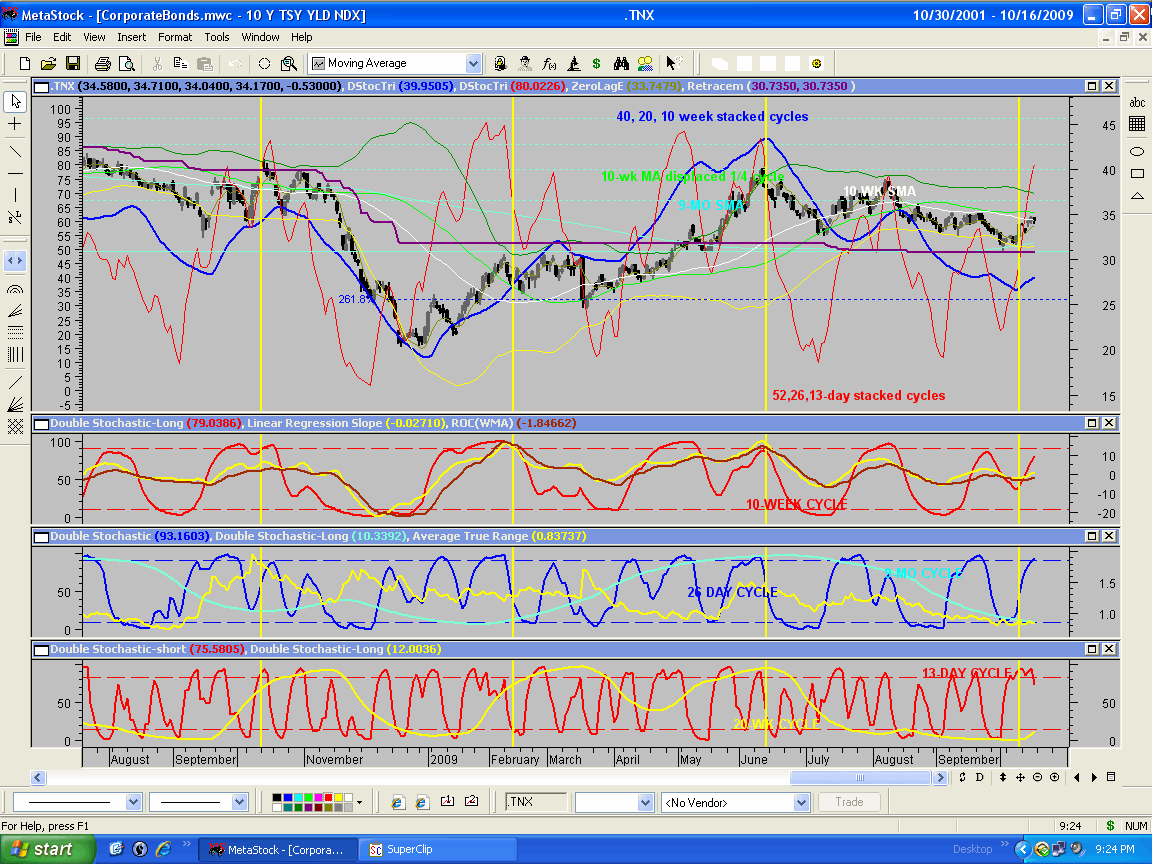
Bonds
(government bonds (http://www.geocities.com/petegersb/Treasury-20yr.GIF),
TIPs (http://www.geocities.com/petegersb/TIPs.GIF)
and Corporate bonds (http://www.geocities.com/petegersb/CorporateBonds.GIF)) continued their strong short-term
rally in response to more dismal economic news. It was strong enough to turn
the intermediate composites upward. The 3.85% yield on the 10-year treasury (http://www.geocities.com/petegersb/TreasuryYield-10yr.GIF)
is once again testing a two and a half year low. Perhaps that shouldn’t
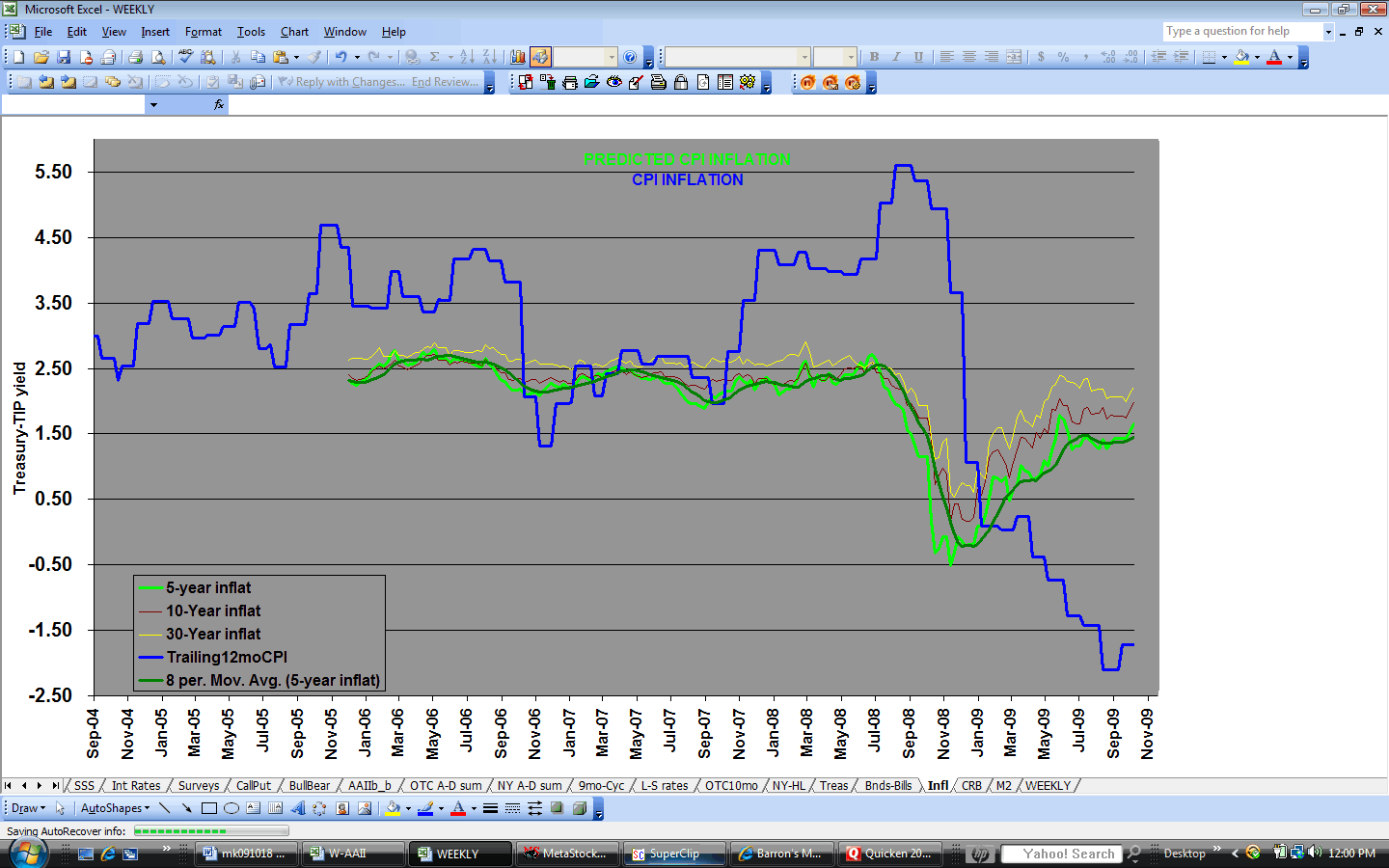
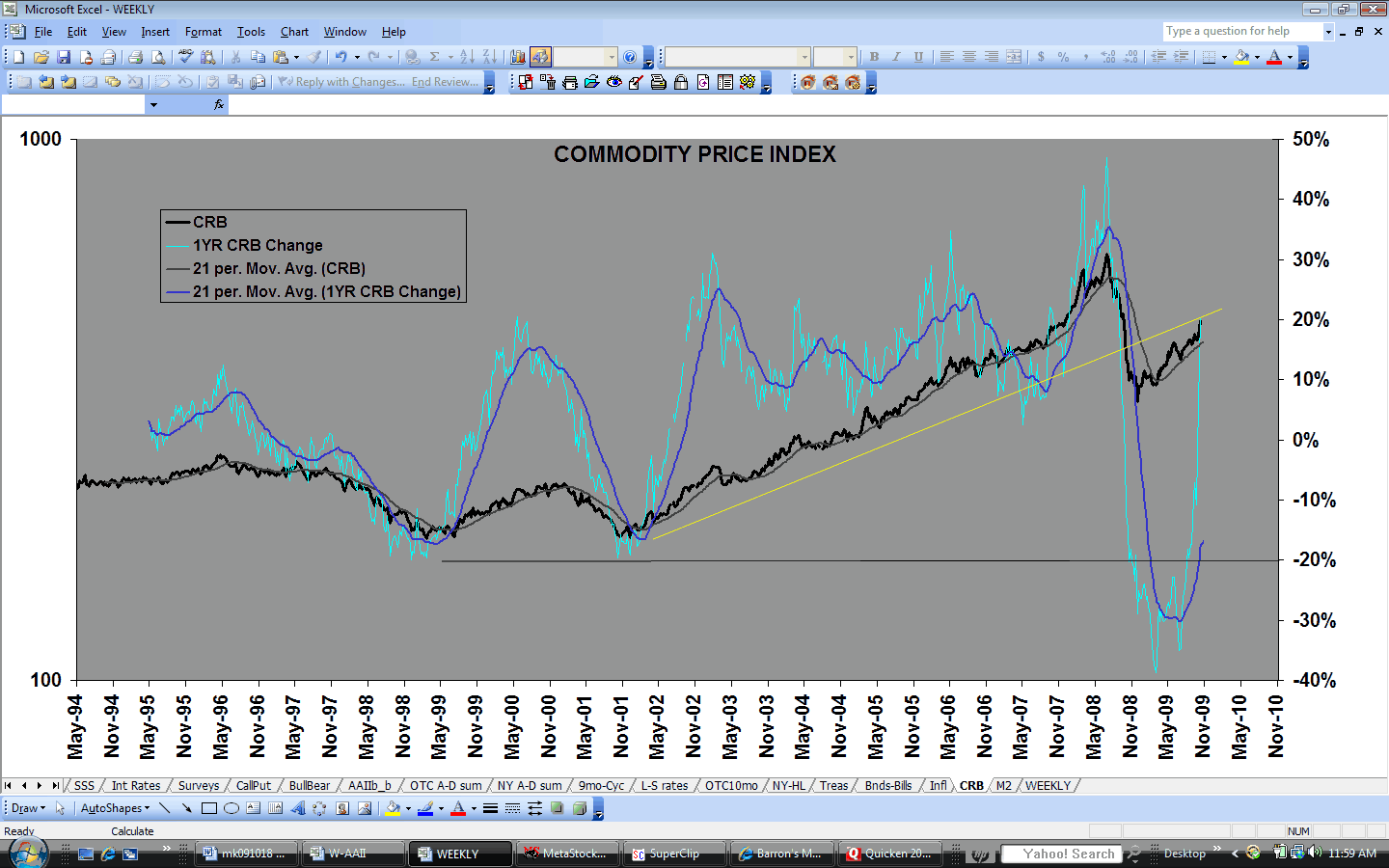
surprise me given the weakness in the economy, but when viewed in light of
12-month CPI inflation of 4.31% (http://www.geocities.com/petegersb/CPI.GIF)
and 12-month commodity inflation of 27% (http://www.geocities.com/petegersb/CRB.GIF),
it’s very surprising. Certainly the implied negative real rate of interest
should be highly stimulative to the economy – stimulation that may lead to the
start of a recovery late this year or in 2009. In the mean time, both short and intermediate trends in interest
rates are now favorable for bonds, not withstanding a very short-term
overbought condition. It surprises me, but after a brief pause in the bond
rally, it looks like multi-year highs are in store for bonds.
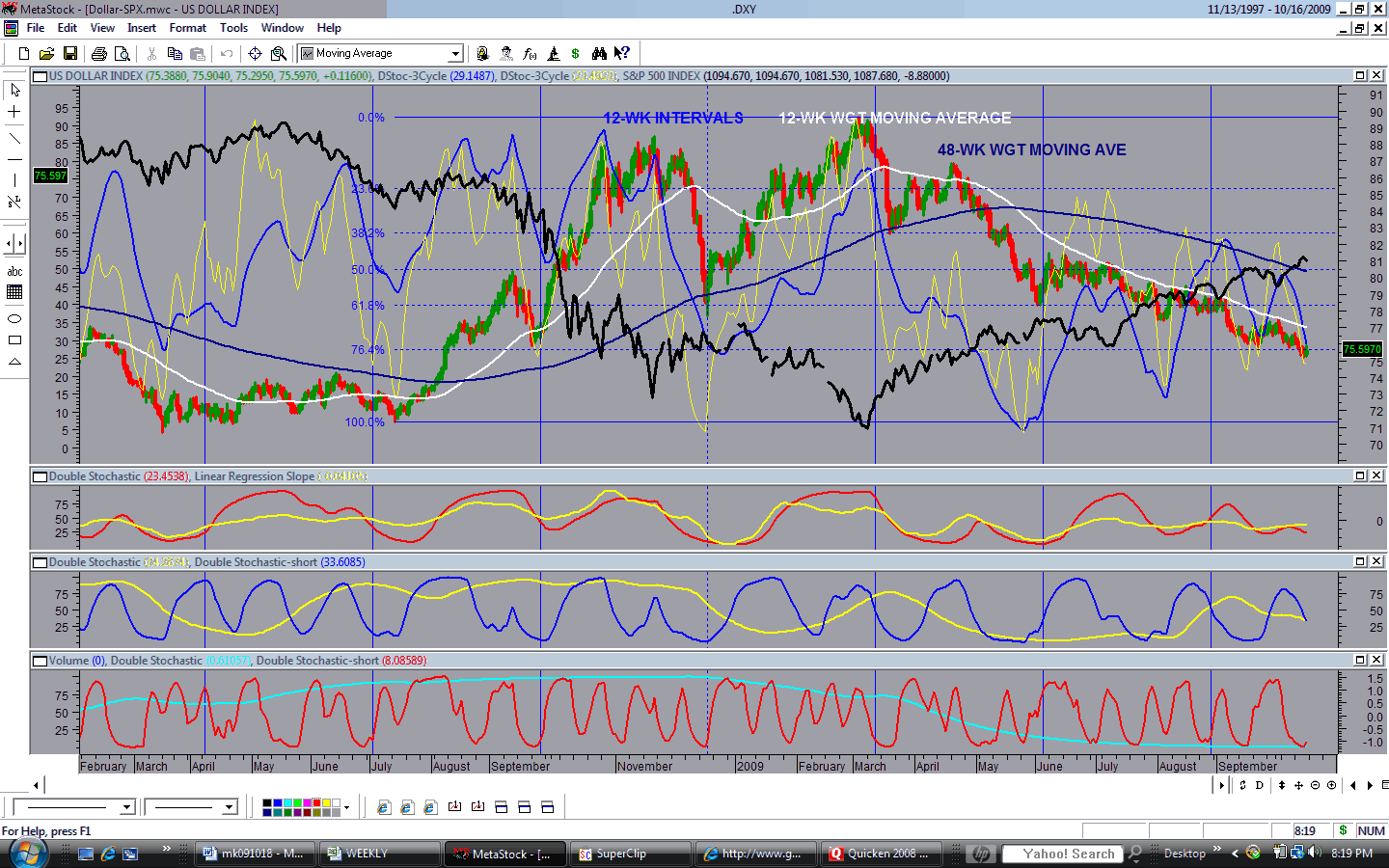
The dollar (http://www.geocities.com/petegersb/Dollar.GIF) continued its 10-week
cycle decline last week – sufficiently so to drag the 20-week cycle indicators
downward as well. The 13-day cycle appears to have bottomed on Friday, but the
downtrend appears very likely to resume after a brief uptrend in the shortest
cycles.
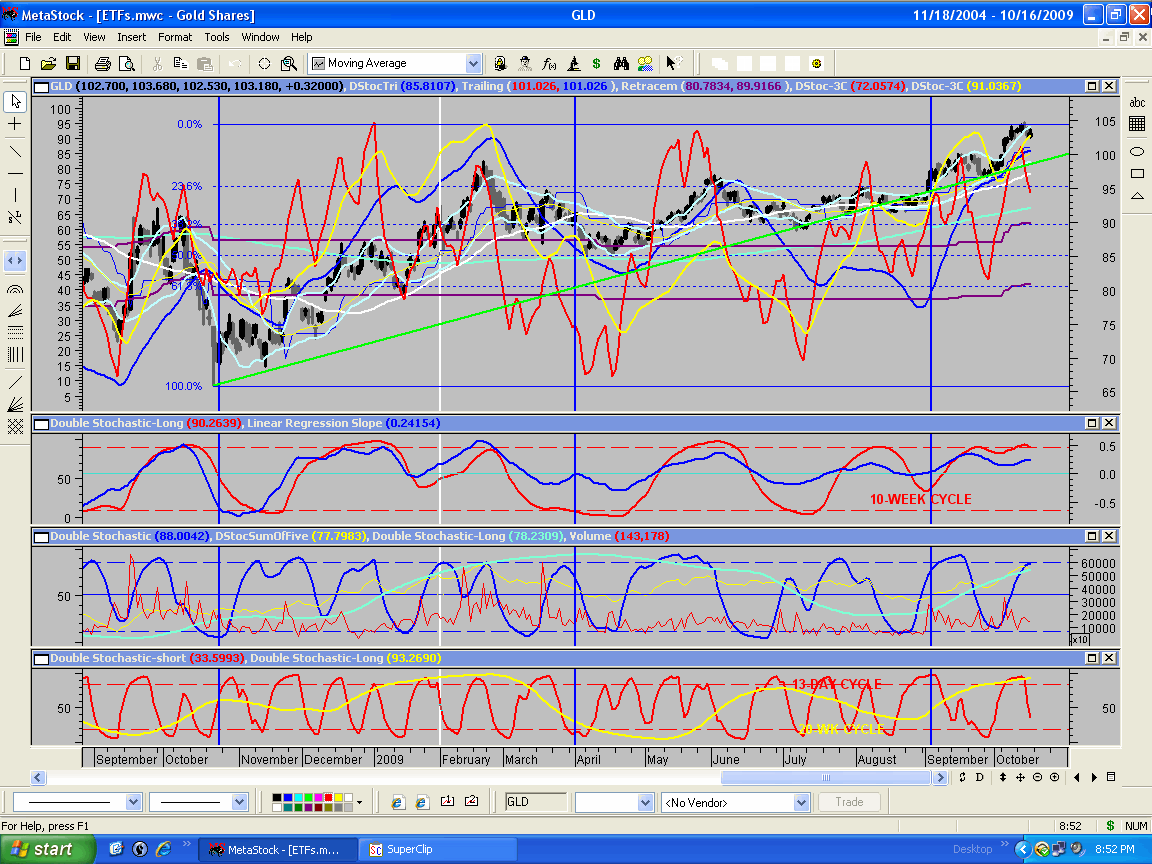
Gold (http://www.geocities.com/petegersb/GoldBullion.GIF) continues to show a pattern opposite to that of the
dollar. On Thursday it surged to a new high that appears to have been a 13-day
cycle peak and probably a 26-day cycle peak. After a brief pullback or pause, I
expect more new highs as the young 20-week cycle leads to a right-translated
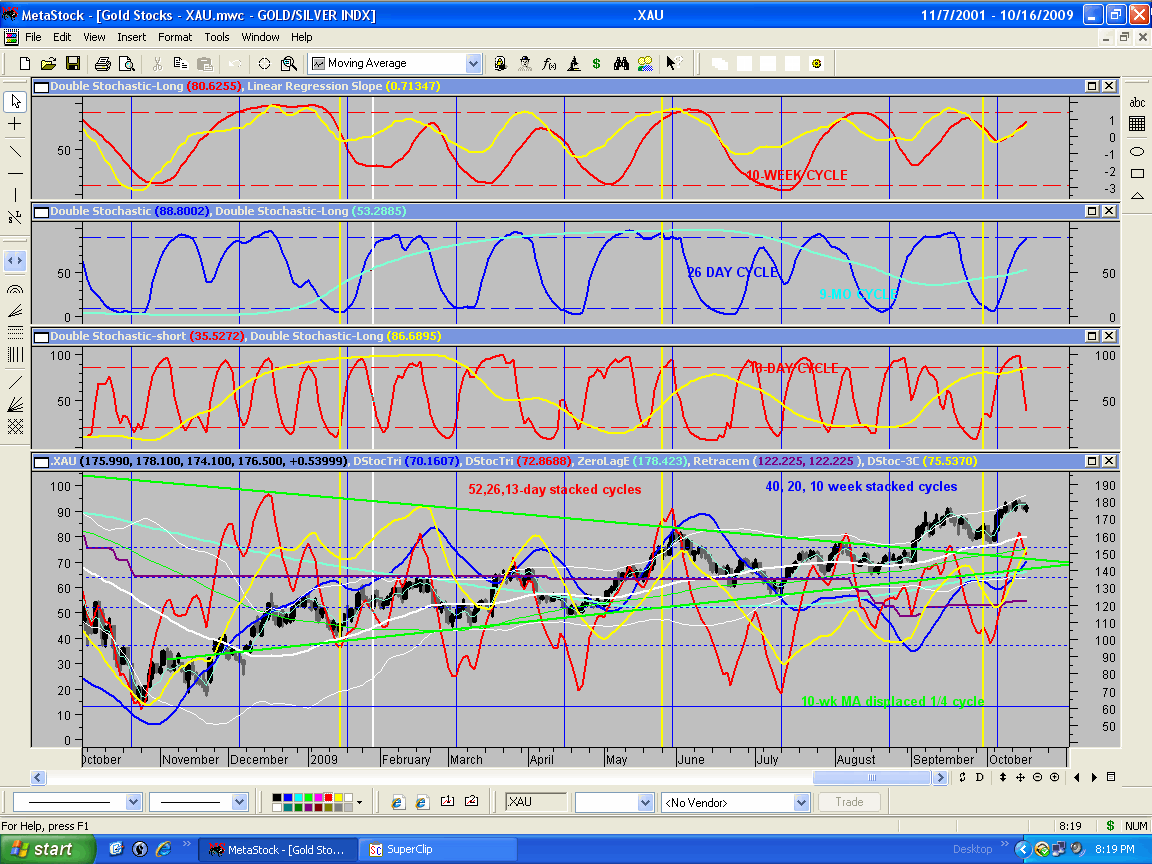
peak in the 9-month cycle. Gold stocks (http://www.geocities.com/petegersb/GoldStocks.GIF)
also surged to a likely short-term peak on Thursday, but the
XAU wasn’t quite able to match its November peak. GLD continues to appear to have better intermediate-term
prospects than the XAU.
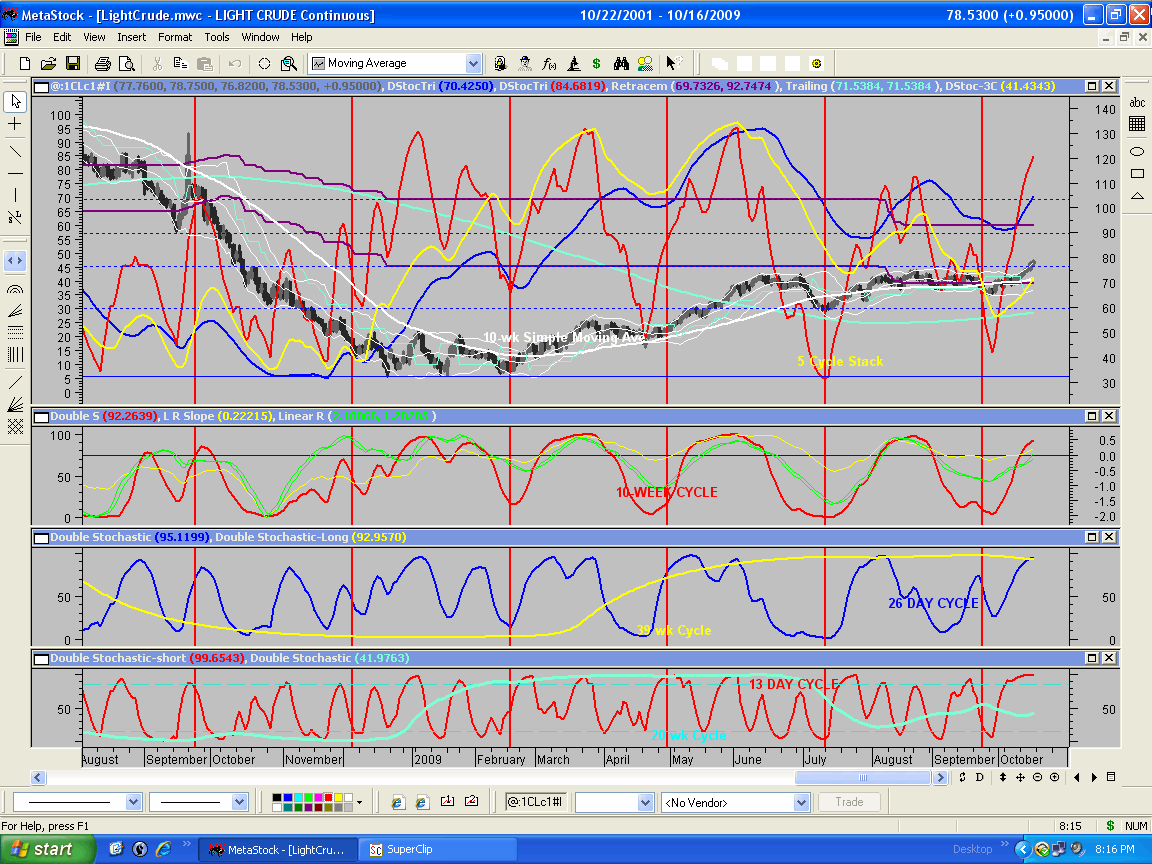
Crude oil (http://www.geocities.com/petegersb/CrudeOil.GIF) also moved to a new high last week, briefly hitting
triple digits before the short-term composite peaked on Thursday. That peak appears to be no more than a 13 and
26-day cycle affair. $105, now looks like a likely target before the month old
10-week cycle peaks.
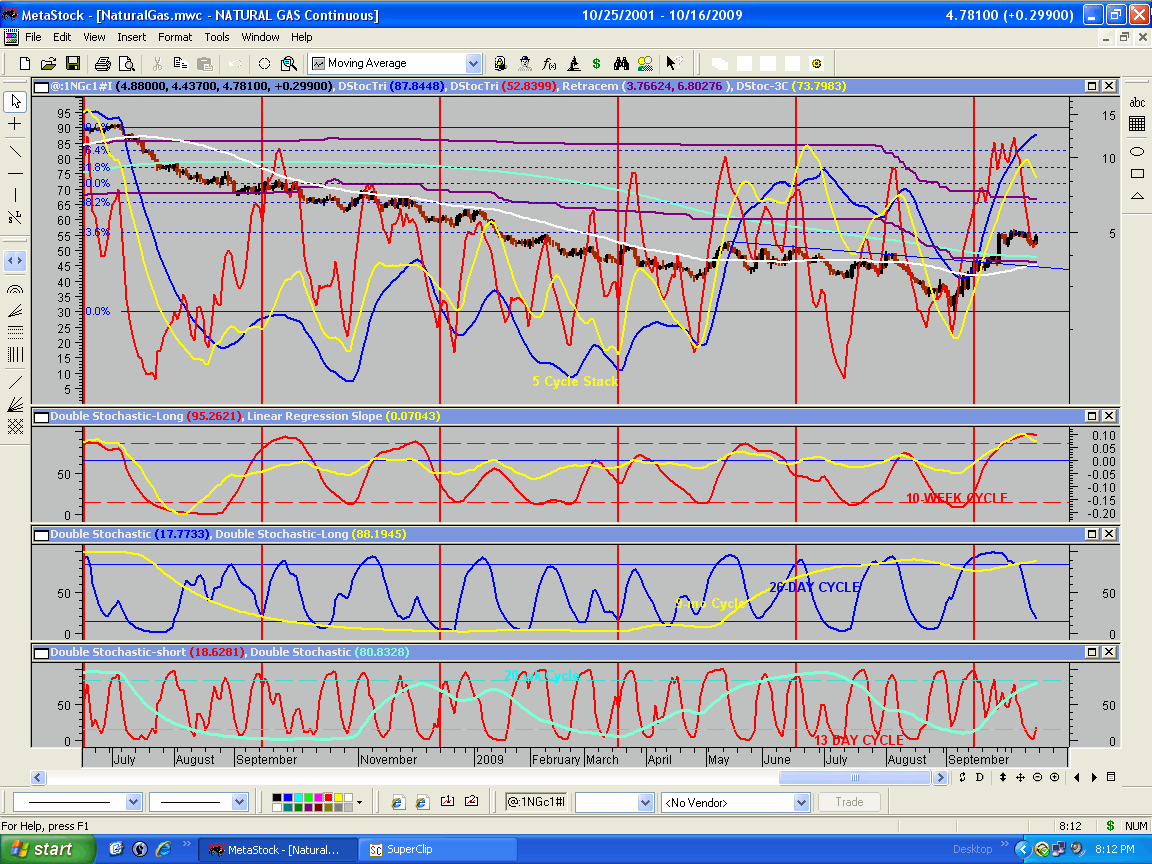
Natural gas (http://www.geocities.com/petegersb/NaturalGas.GIF) also rallied last week to confirm the higher 10-week cycle
low on 12/27. With both short and intermediate composites rising, there appears
to be a strong likelihood that that it was a slightly early 20-week cycle low
as well. A little more cold winter weather could drive prices above the
November peak and assure a right-translated 9-month cycle peak. 2008 may
finally be a good year for this lagging commodity.
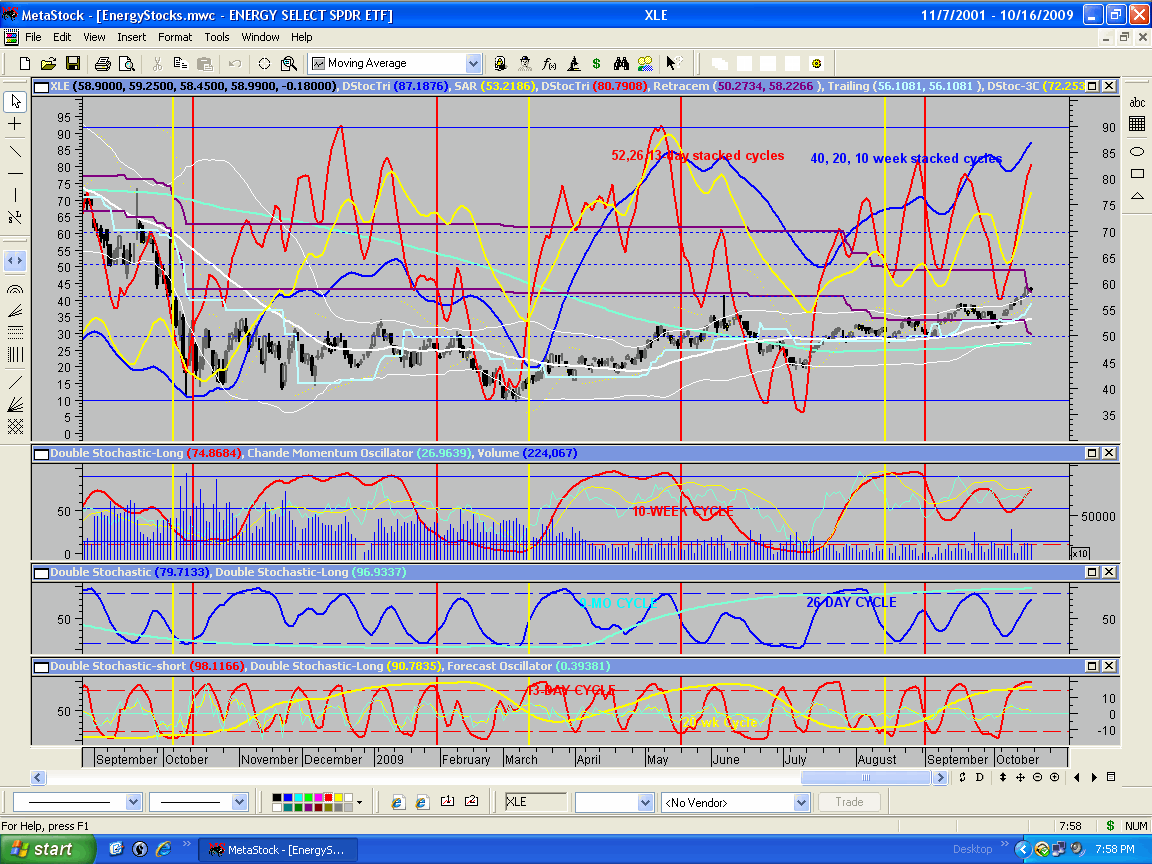
Energy stocks (http://www.geocities.com/petegersb/EnergySPDR.GIF) stalled at the prior week’s highs before plunging with
other stocks on Friday to turn the short-term composite downward from an
overbought condition. The intermediate uptrend is only 6-weeks old, and looks
likely to run for at least several more weeks, perhaps months. The cycles look
much like they did in April of last year, about midway through an advance that
saw only very brief and mild short-term corrections. I have no reason to expect
anything different this time – especially if I am right on strength in crude
oil and natural gas.
.