12/16/07
I don’t know what was more significant last week: the huge jump in the government’s inflation statistics, or the depth of the 13-day cycle correction. The worst monthly inflation reading since 1973, coupled with generally weak economic reports, provides more evidence of the stagflation that was characteristic of that era. Soaring energy prices were also characteristic of that era. A 13day cycle that already has taken back half (more in the case of small caps) of a fresh intermediate-term rally does not bode well for the health of the still rising longer cycles.
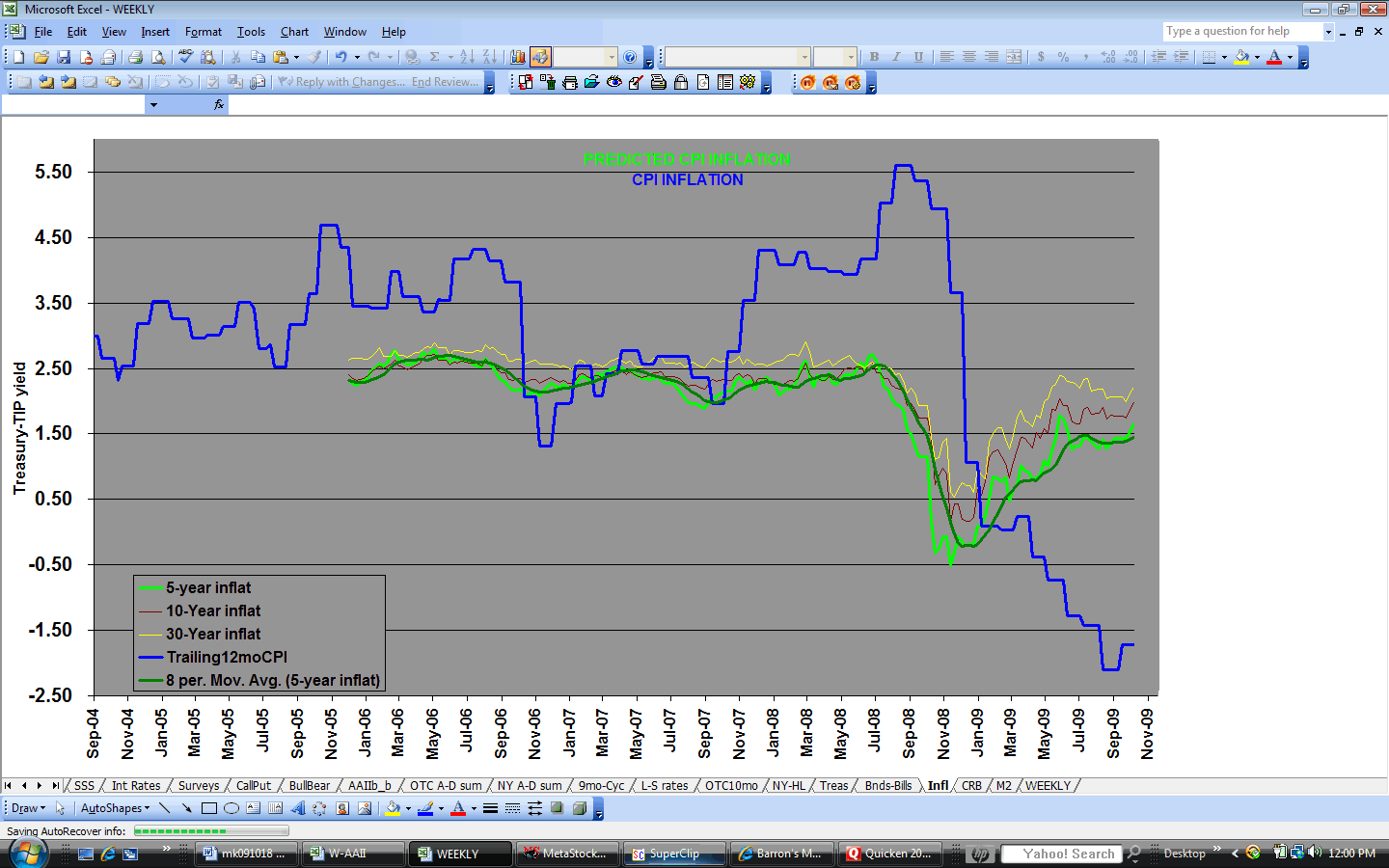
Both stock and bond investors were unhappy with the Fed action to stimulate the economy and with the inflation numbers that increase the probability that the Fed will be stingy at its next meeting as well. The Consumer Price Index rose 0.6% in November (0.8% seasonally adjusted) and 4.3% for the year (http://www.geocities.com/petegersb/CPI.GIF). That alone should be enough to deter the Fed from aggressive rate cuts, but the Producer Price Index rose a much worse 1.6% for the month (3.2% seasonally adjusted) and 7.2% for the year. Even an unchanged CPI during December would maintain the annual rate above 4%, and producer prices will ultimately feed through to the CPI, so the steady and steep rise in annual inflation during the last 3 months is likely to continue for the foreseeable future. The Fed will have to decide between fighting inflation and fighting recession. It is truly between a rock and a hard place.
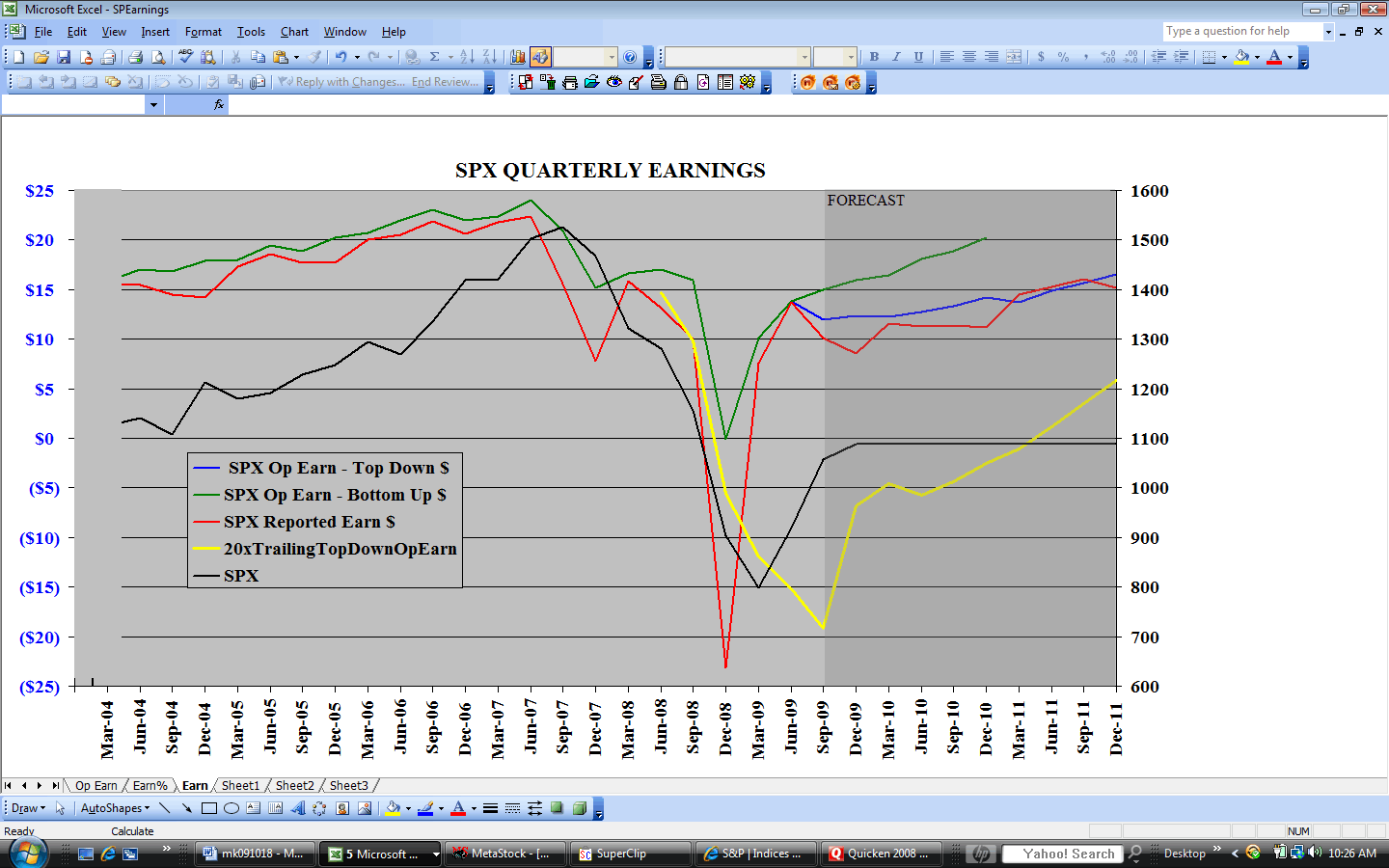
Investors have been relying on the consumer to continue spending, and the consumer spending report indicating a 1.2% rise in November suggests that indeed they continued to do so. But hourly wages in the private sector crept up by 0.28% (0.46% seasonally adjusted), about half the rate of even the understated CPI inflation. On an annual basis wages are up 3.77%, again less than the inflation rate, so it’s pretty clear that the average consumer does not have the wherewithal to increase spending in real terms without dipping into meager savings or increasing their already extremely extended borrowing. If the consumer falters, as she ultimately must, what is the remaining argument for resumed earnings growth as projected by Standard & Poors (http://www.geocities.com/petegersb/EarnY-Y.GIF) and most other prognosticators?
Evidence that corporations may be coming to the same conclusion surfaced last week in the form of Dividend actions. Reported S&P 500 earnings and dividends had been growing at a year-over-year rate in the low teen range for much of the year. That growth dropped to zero recently for earnings, and last week its report of annual dividend growth dropped from 14.5% to 11% due to a 3% reduction in their estimate of trailing 12-month dividends paid. Usually their weekly estimate changes by only a fraction of a percent. Unless this is a Barron’s typo, it probably represents a significant change in trend, and it probably helps explain why value stocks have been performing relatively poorly lately.
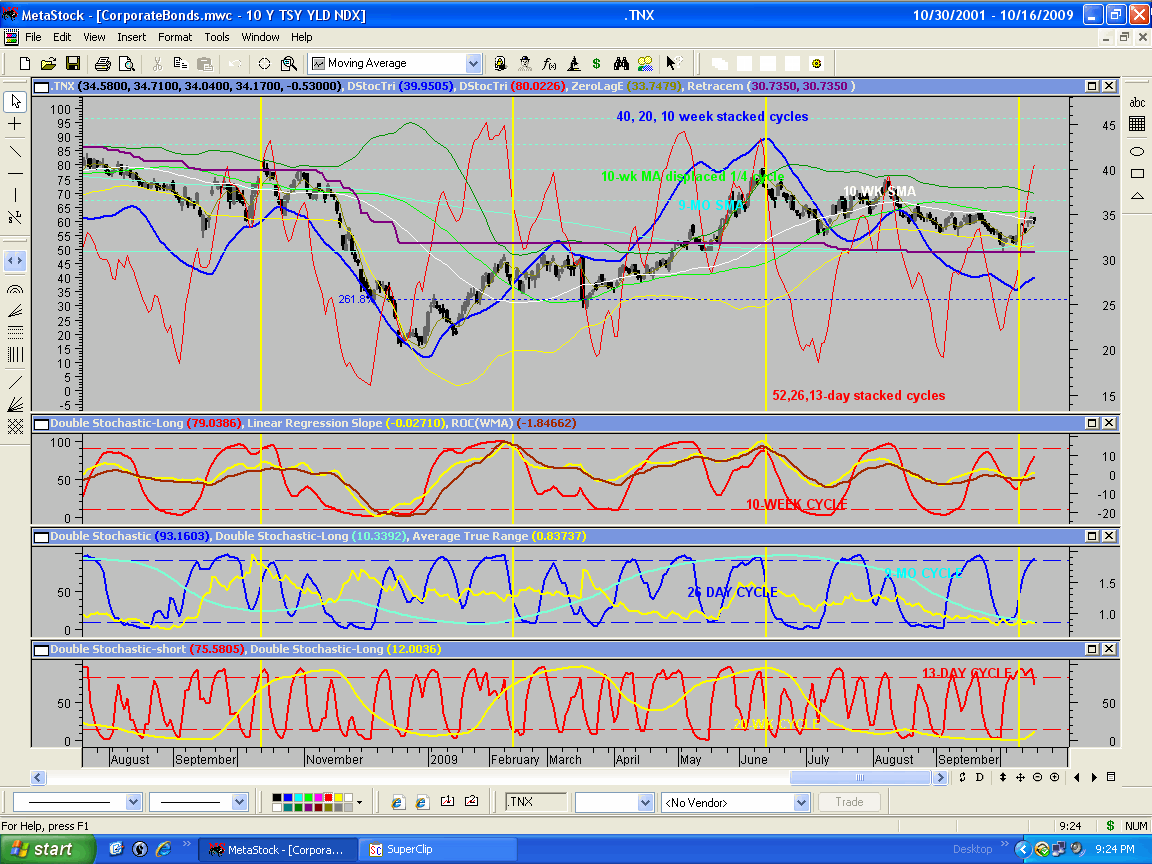
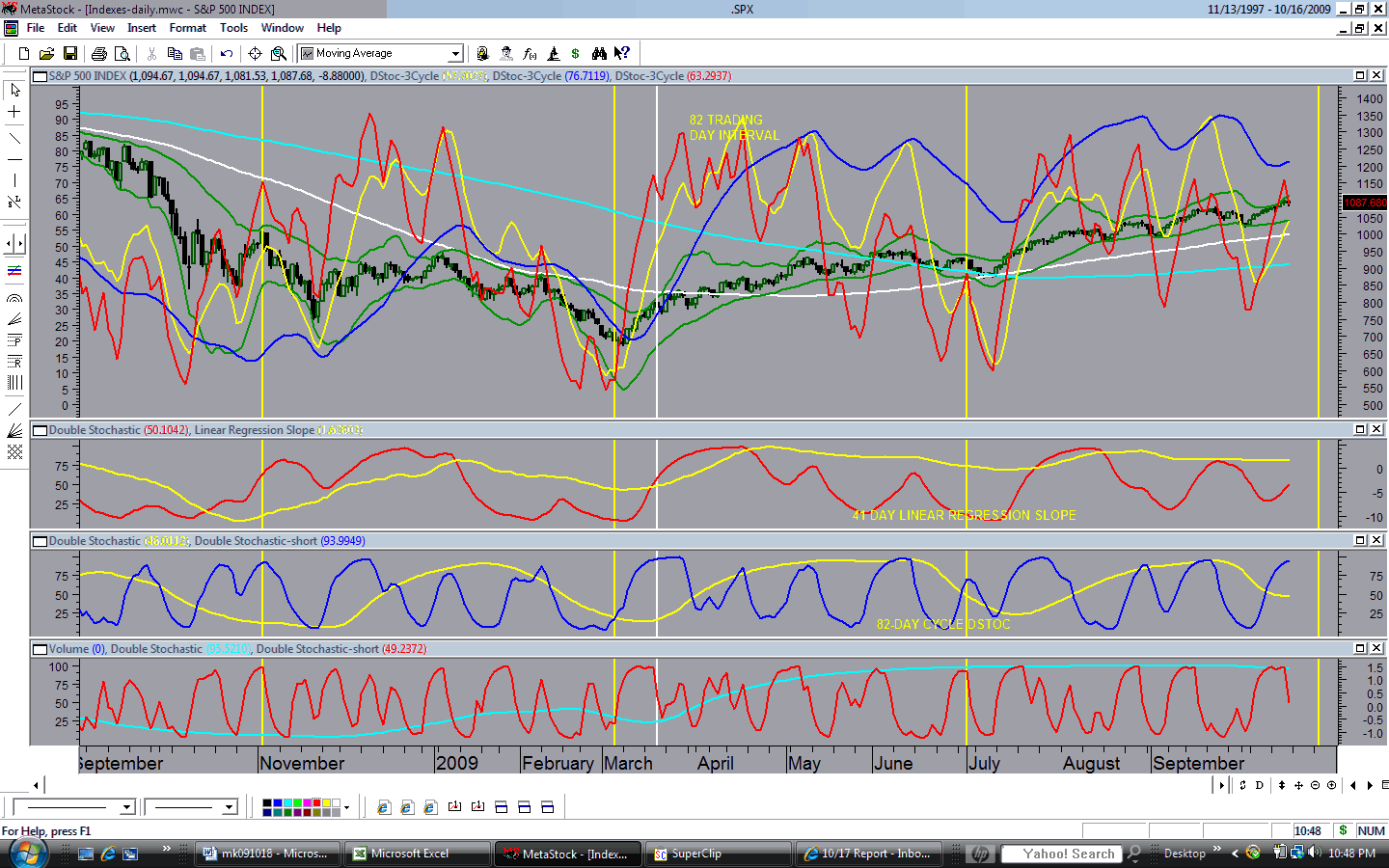
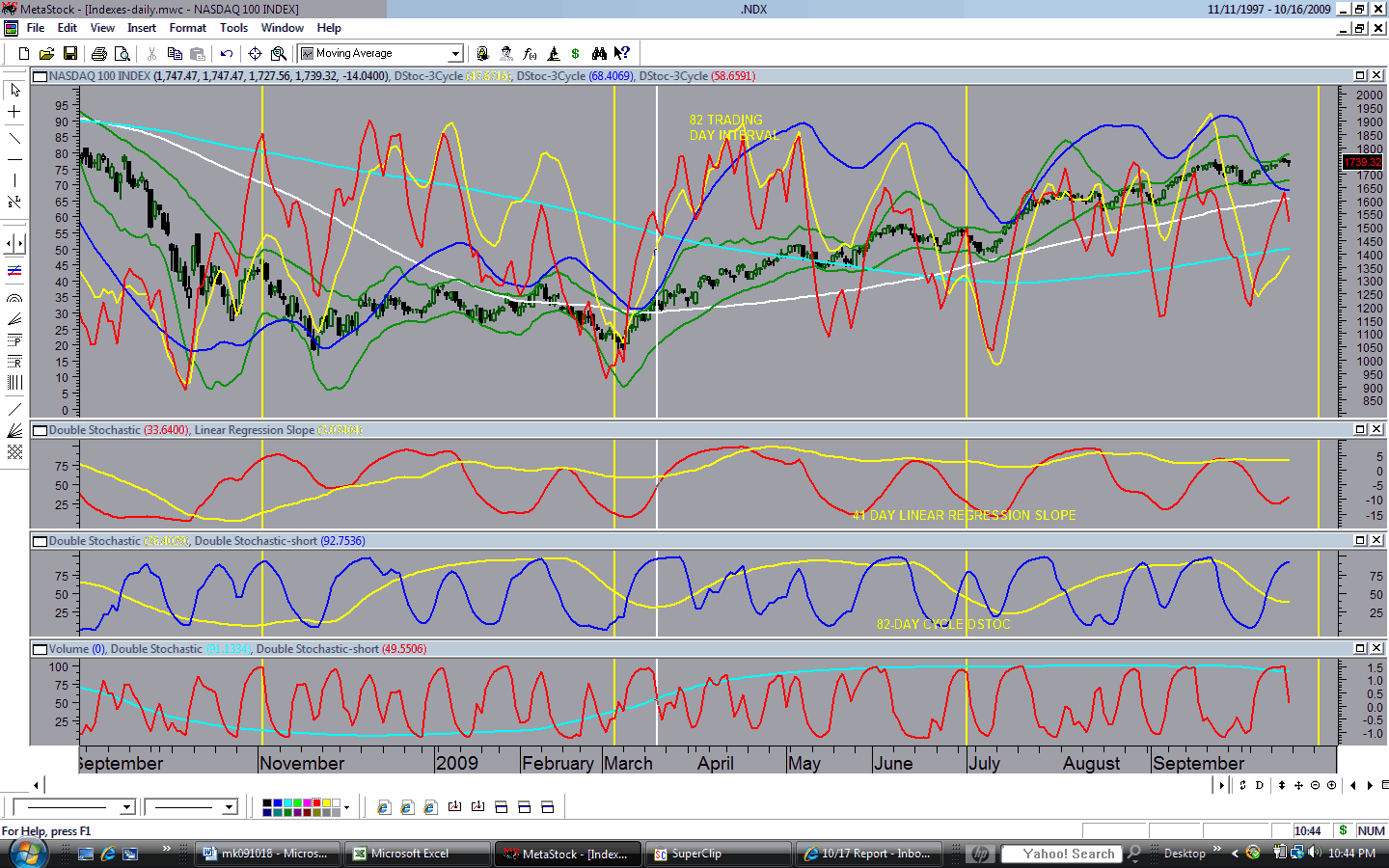
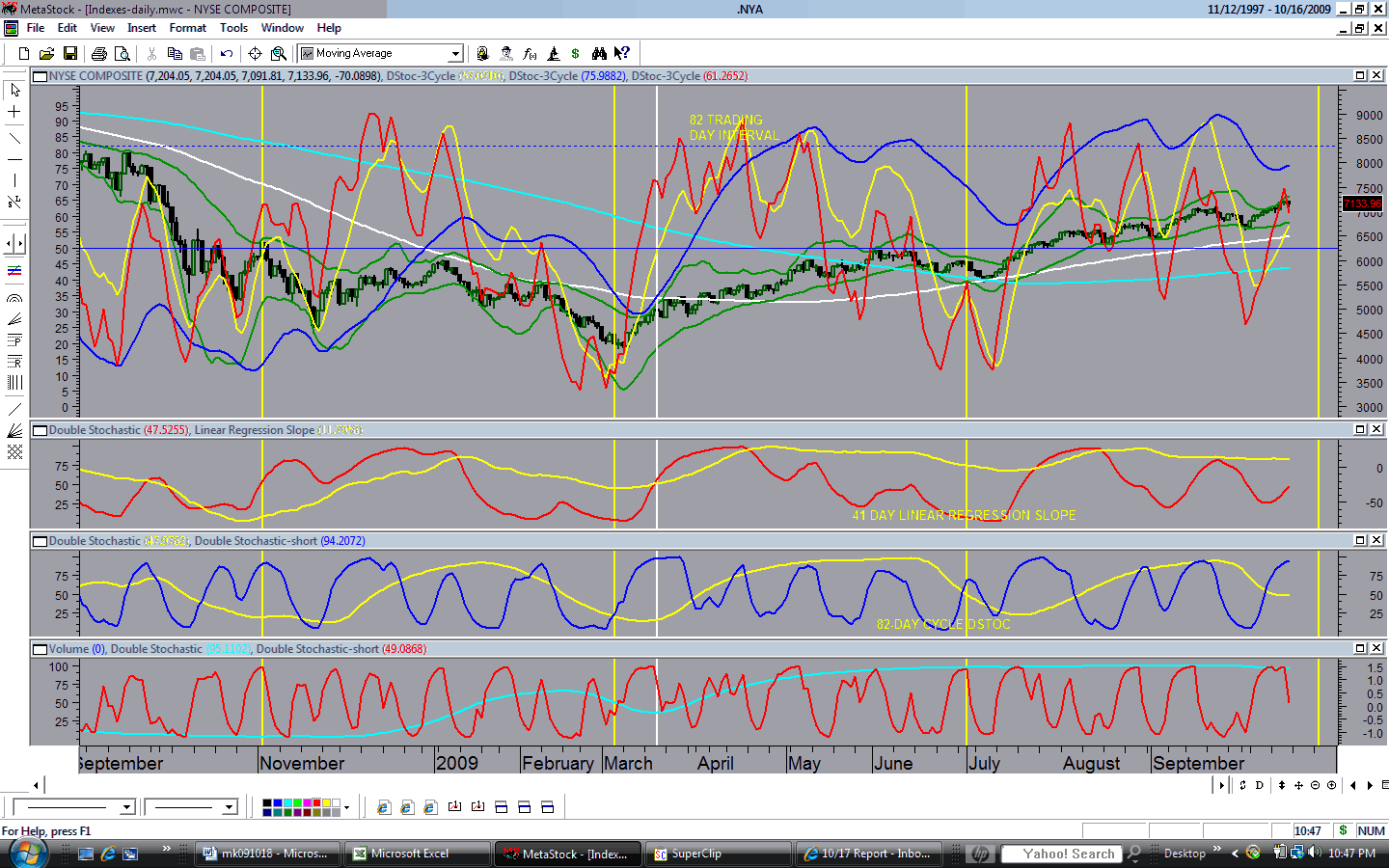
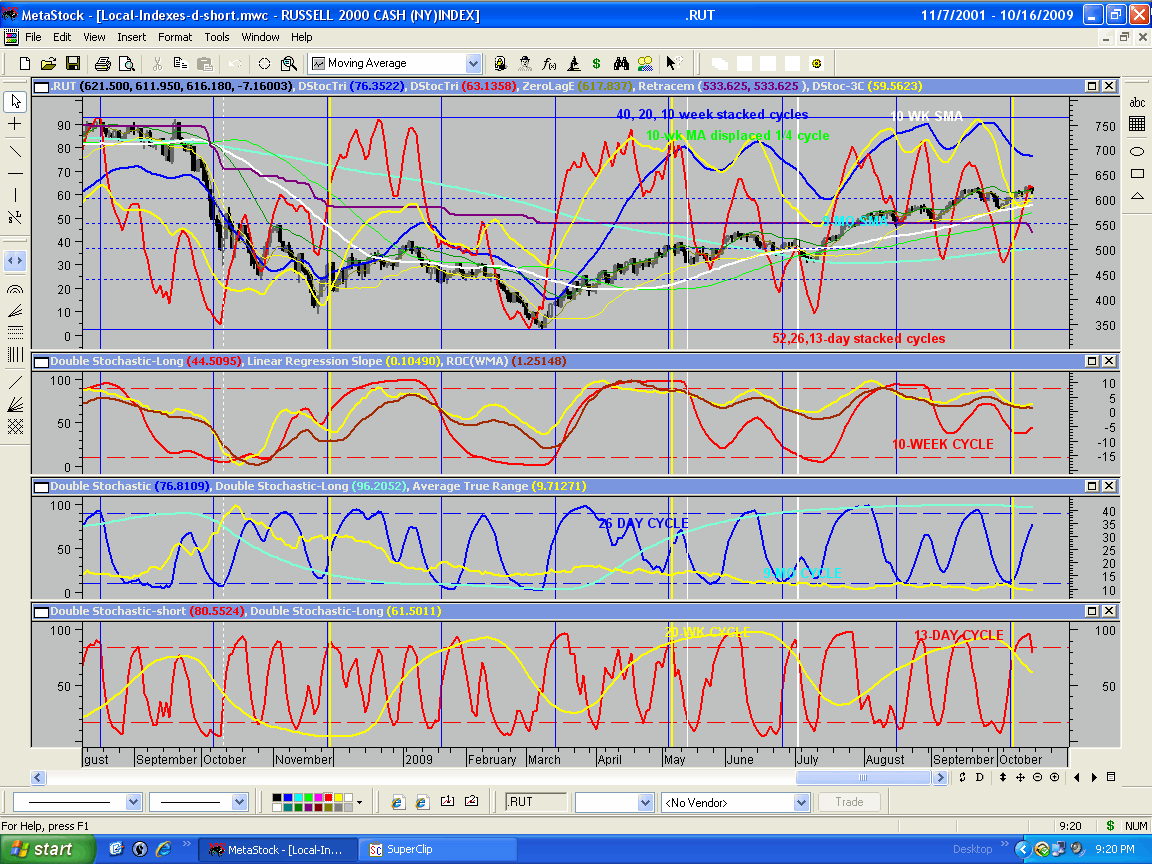
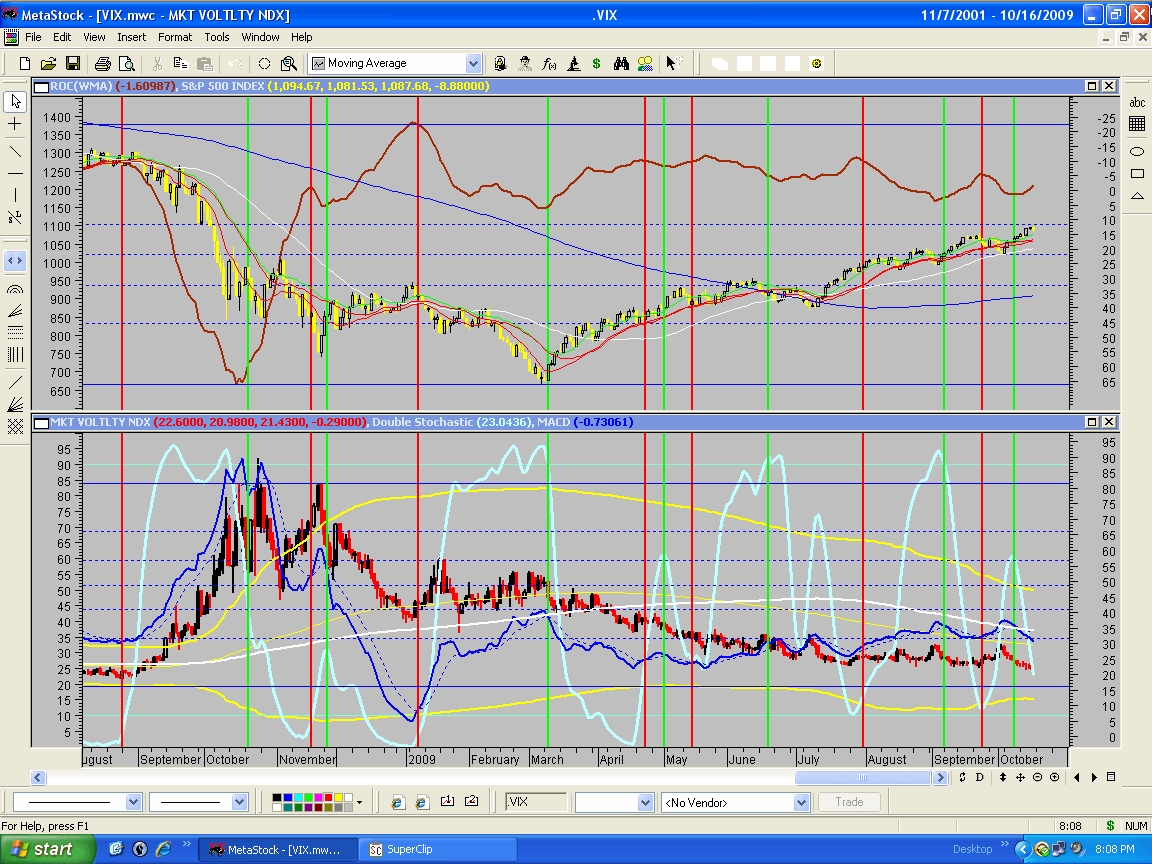
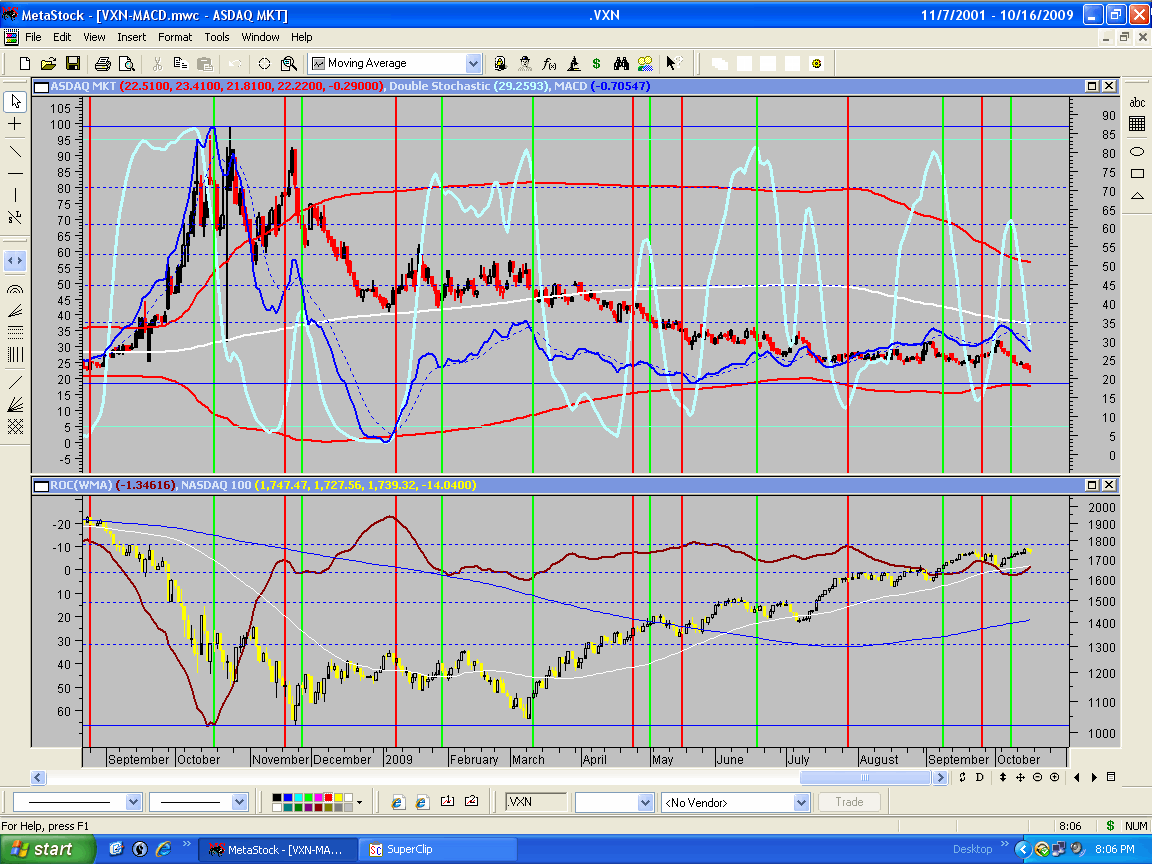
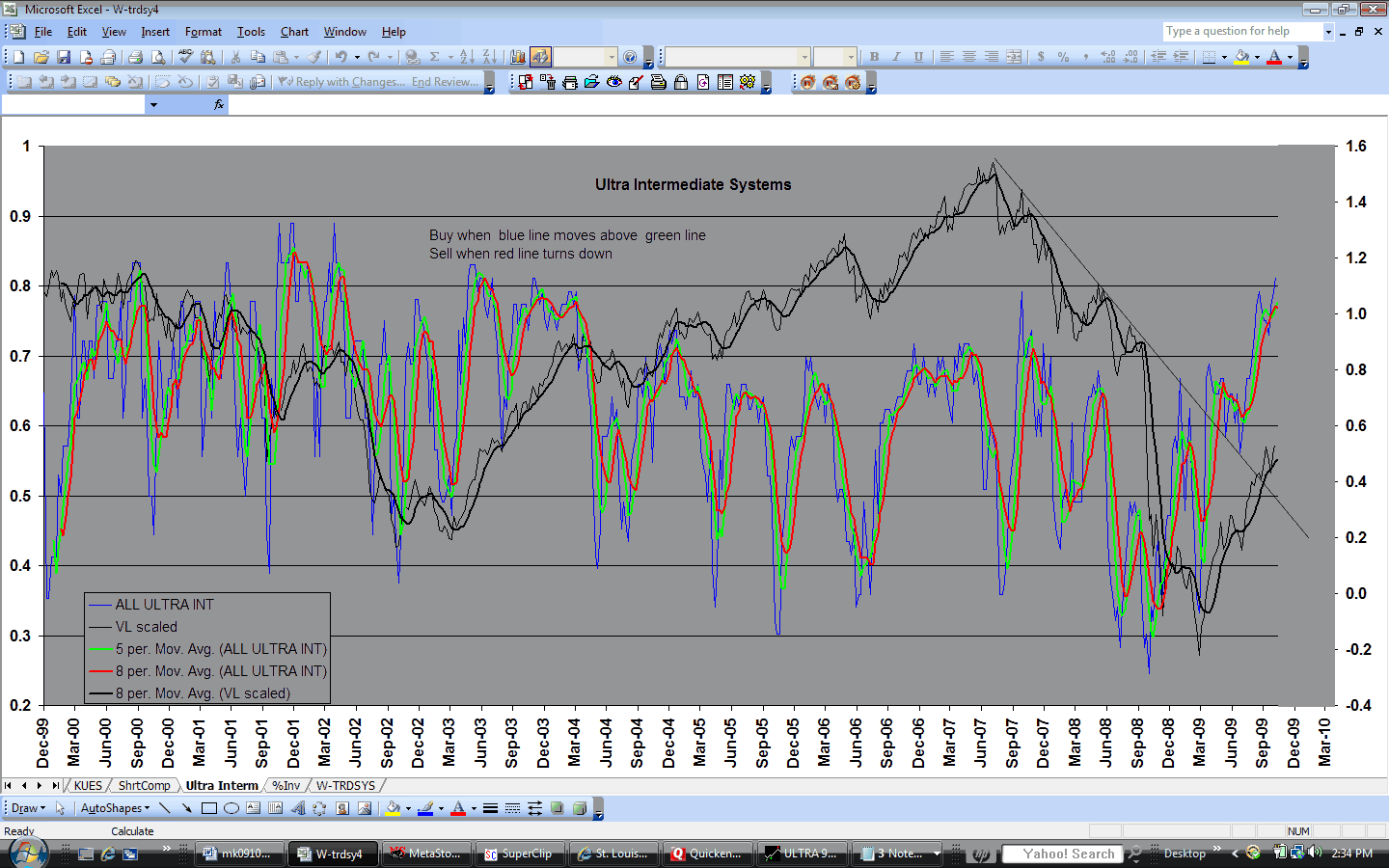
With earnings and dividends deteriorating and long-term interest rates (http://www.geocities.com/petegersb/TreasuryYield-10yr.GIF) rising steeply, can stocks maintain their 3-week old 10-week cycle uptrend (SPX (http://www.geocities.com/petegersb/SP500.GIF), NDX (http://www.geocities.com/petegersb/NDX.GIF), NYA (http://www.geocities.com/petegersb/NYSE.GIF ) and RUT (http://www.geocities.com/petegersb/Russell2000.GIF))? The 13-day cycle is oversold and 14 days old. Consequently we should see some relief from the short-term decline this week. It appears any 13-day cycle rally will be hindered by a declining 26-day cycle, but helped by all of the longer cycles. The bigger question is the likelihood of a possible left-translated peak in the 10-week cycle. It’s too early to tell, but if the 13-day cycle cannot reach bottom quickly and then overcome the downtrend in the 26-day cycle, the price-based 10-day cycle indicators and the intermediate composites will be in danger of turning down. The daily VIX and VXN (http://www.geocities.com/petegersb/VIX.GIF, http://www.geocities.com/petegersb/VXN.GIF) indicate the rally phase of the 10-week cycle has not yet played out, but they have reached the low levels that are consistent with a potential peak for that cycle. The trend following ULTRA intermediate composite (http://www.geocities.com/petegersb/UltraIntermediate.GIF) is also in imminent danger of reversing its recent buy signal. The rising 20-week cycle DStocs and the weekly VIX and VXN (http://www.geocities.com/petegersb/VIX-weekly.GIF, http://www.geocities.com/petegersb/VXN-weekly.GIF), however, provide some assurance of a continuing intermediate rally, and seasonal tendencies are usually a big help in late December.
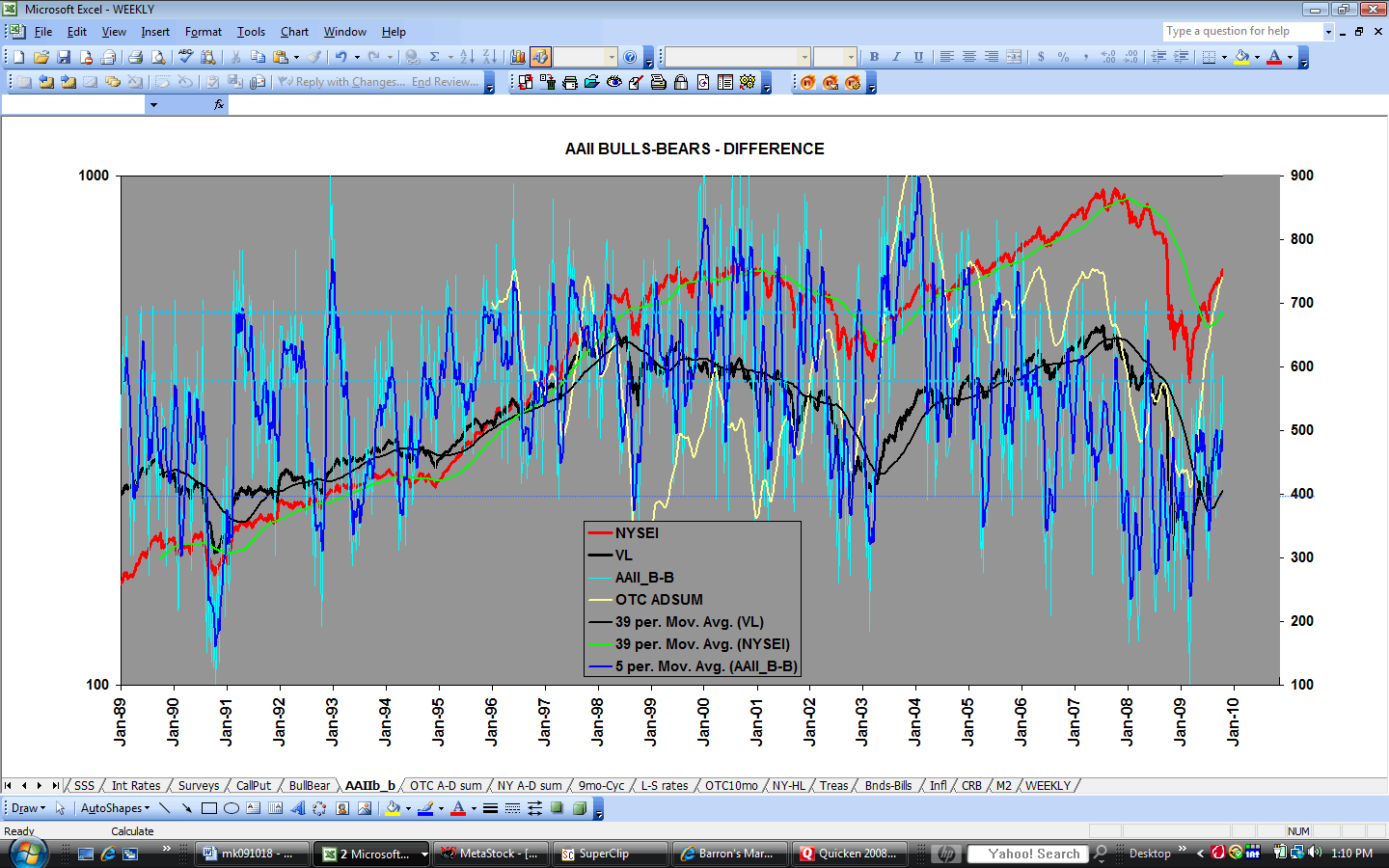
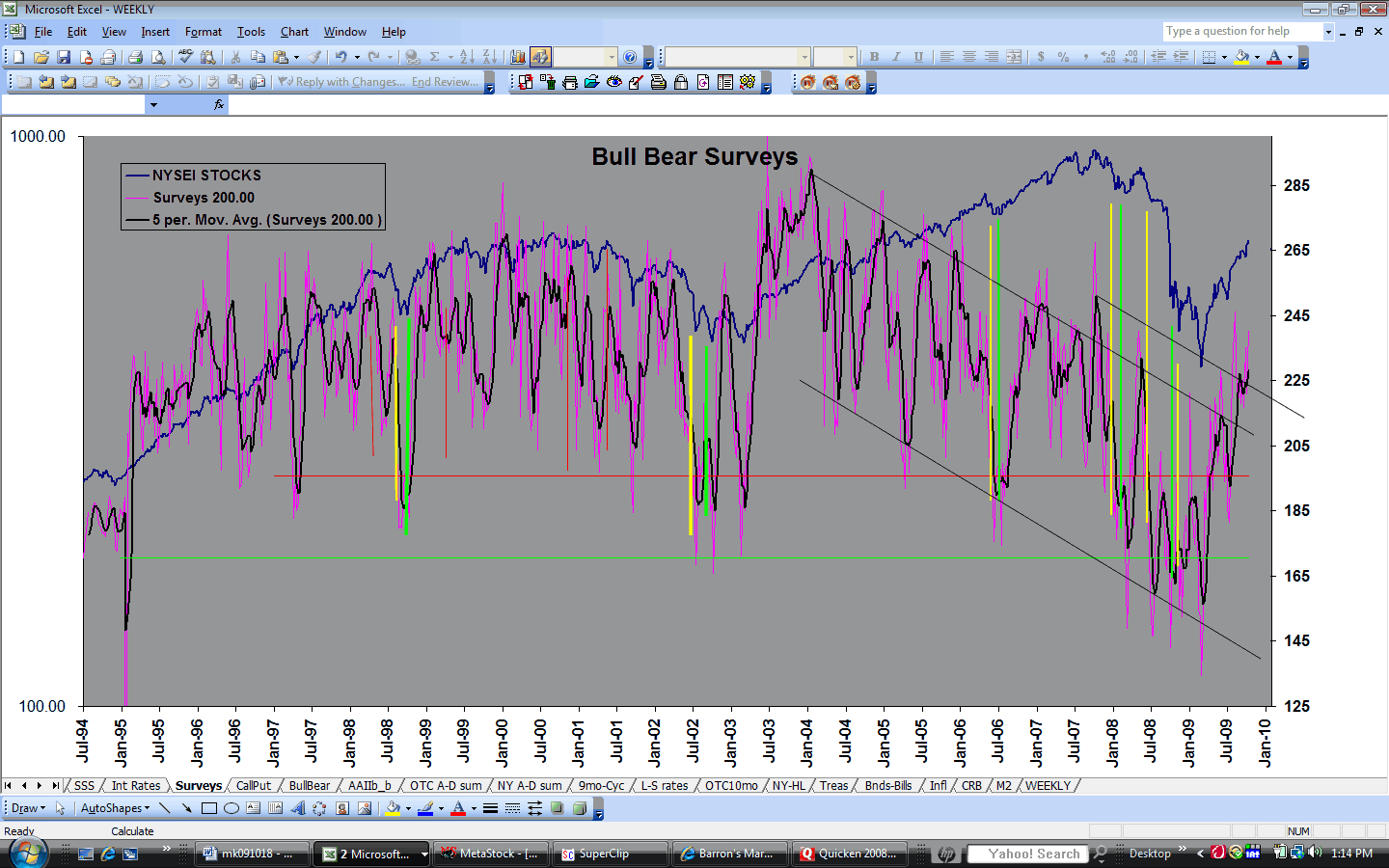
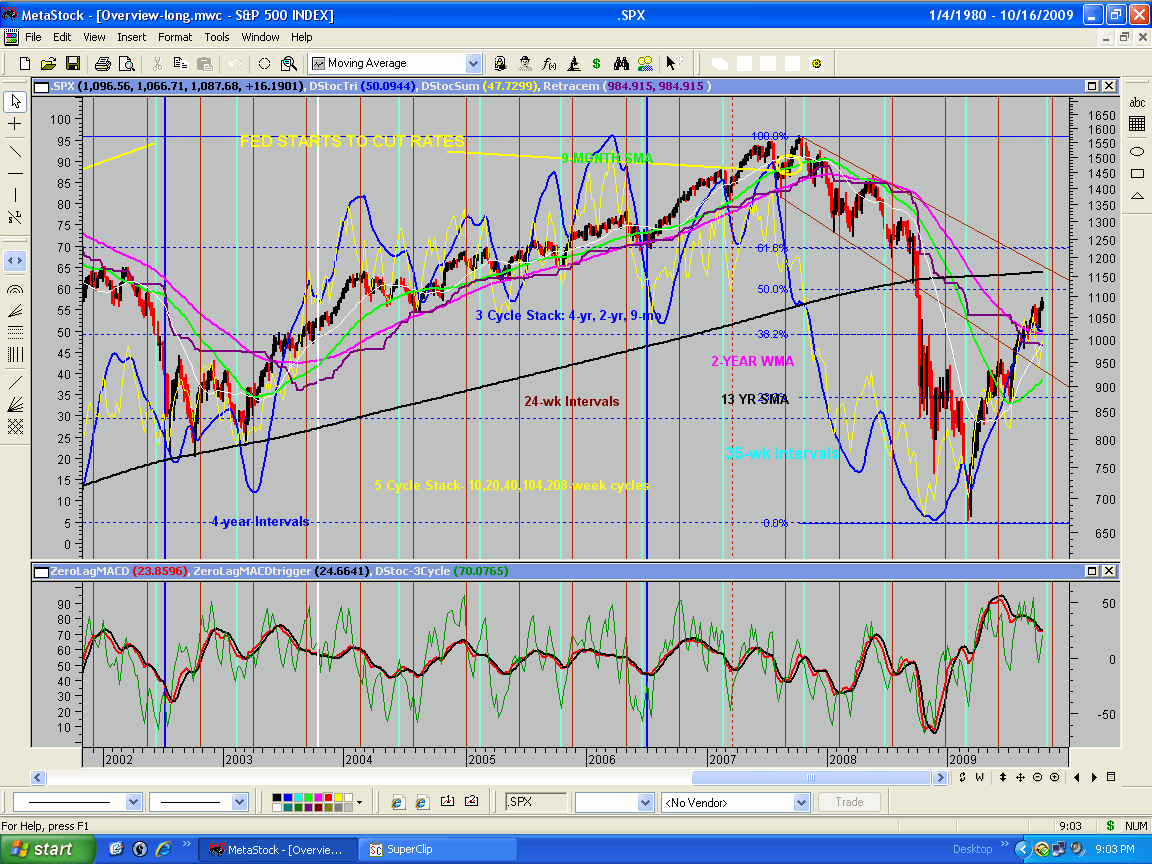
The 5-week moving average of AAII sentiment (http://www.geocities.com/petegersb/AAIIsentiment.GIF) turned positive as expected, but Advisory Sentiment’s 5-week moving average (http://www.geocities.com/petegersb/InvestorsIntelligence.GIF) continued to decline despite a 4 percentage point increase in optimism. Another important lagging indicator, the weekly composite (http://www.geocities.com/petegersb/Overview-long.GIF) also hasn’t yet signaled anything more than a short-term rally, and it now suggests that may already have come to an end. In summary, the indicators still favor a continuation of the intermediate uptrend, but last week’s nasty 13-day cycle decline has placed it in jeopardy.
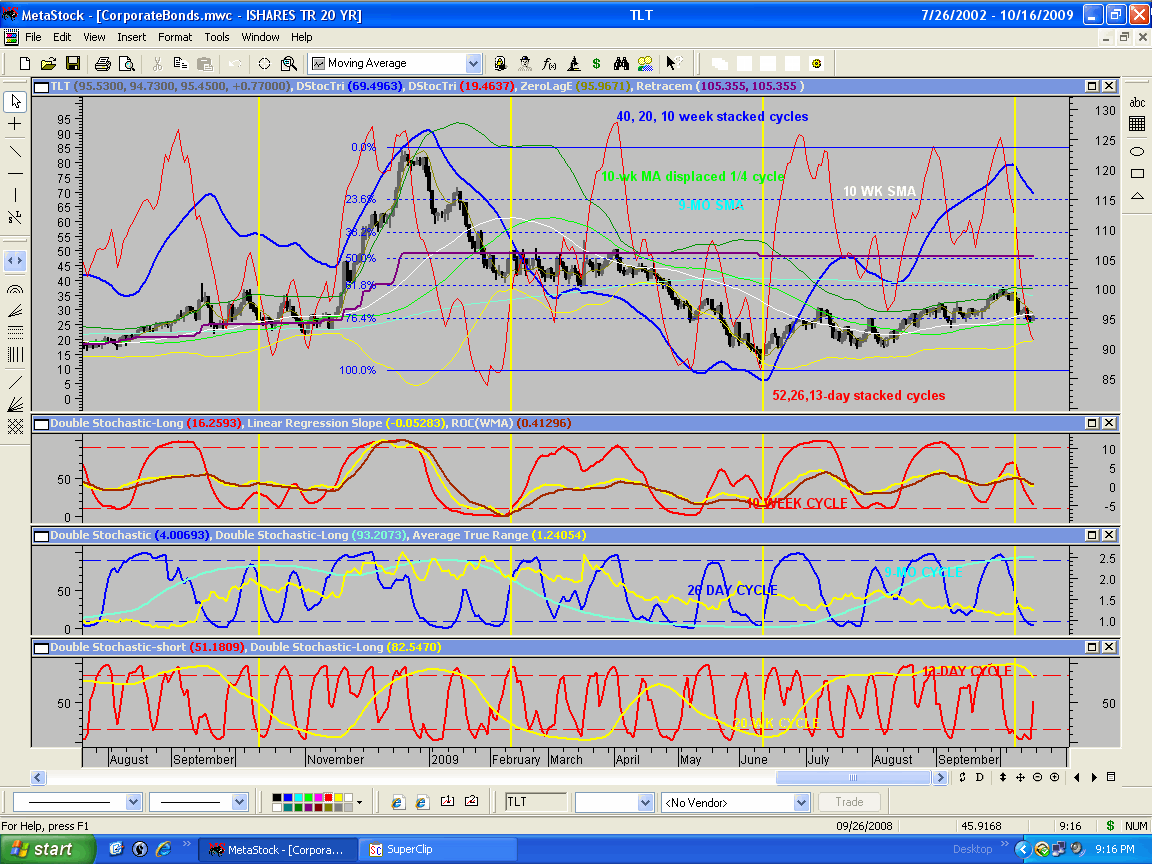
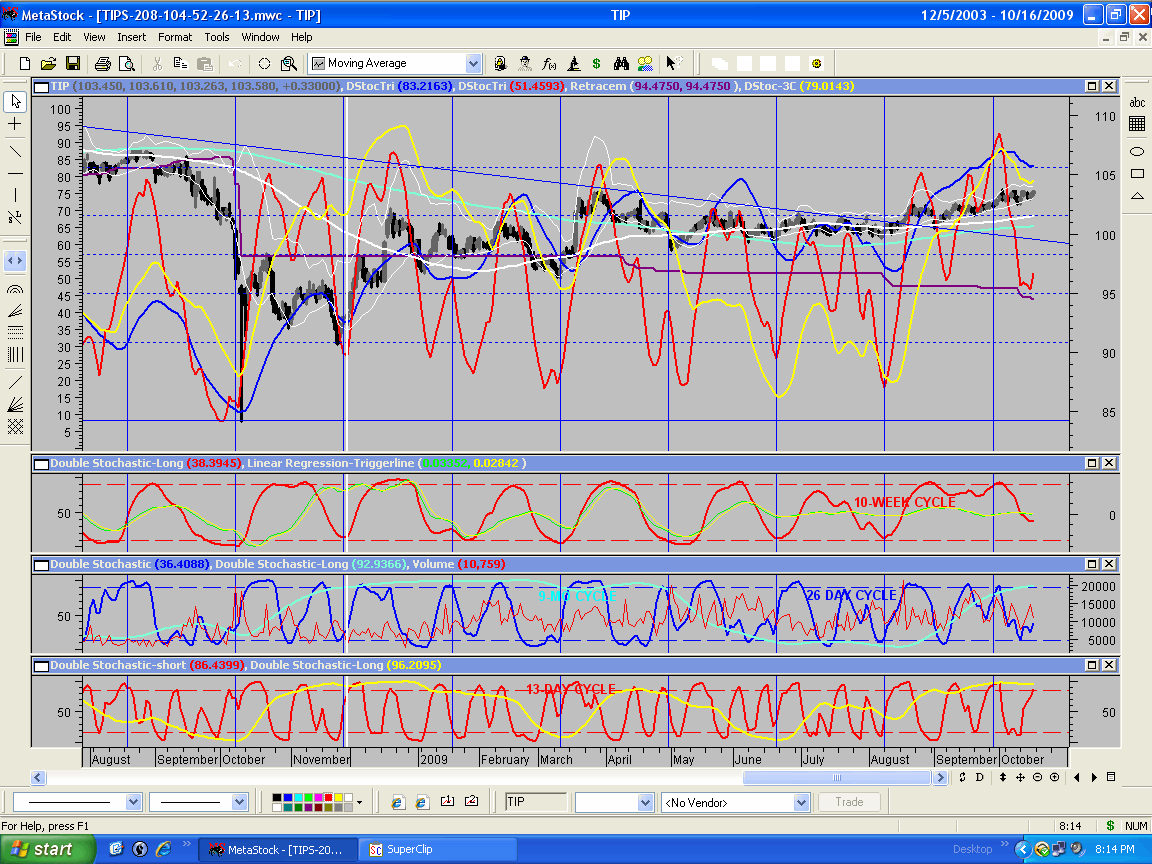
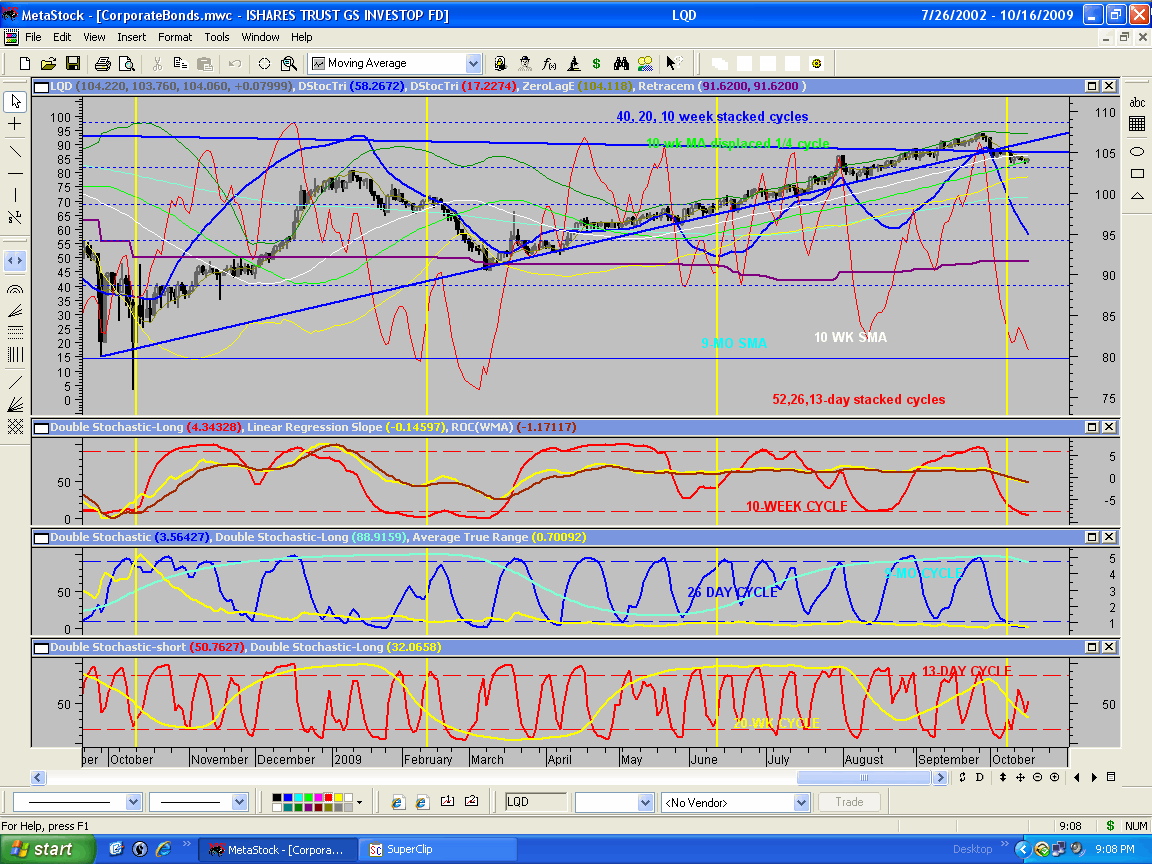
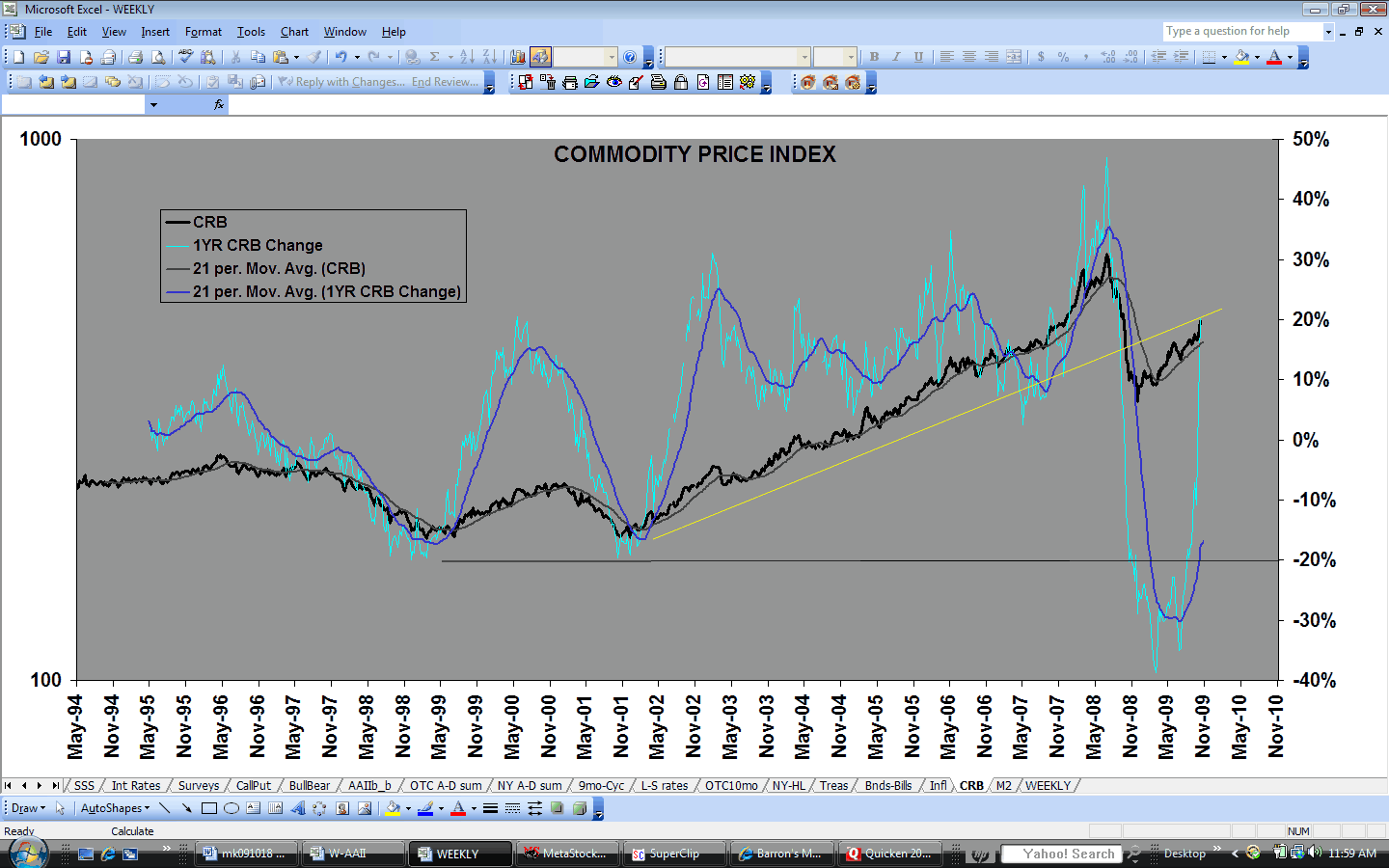
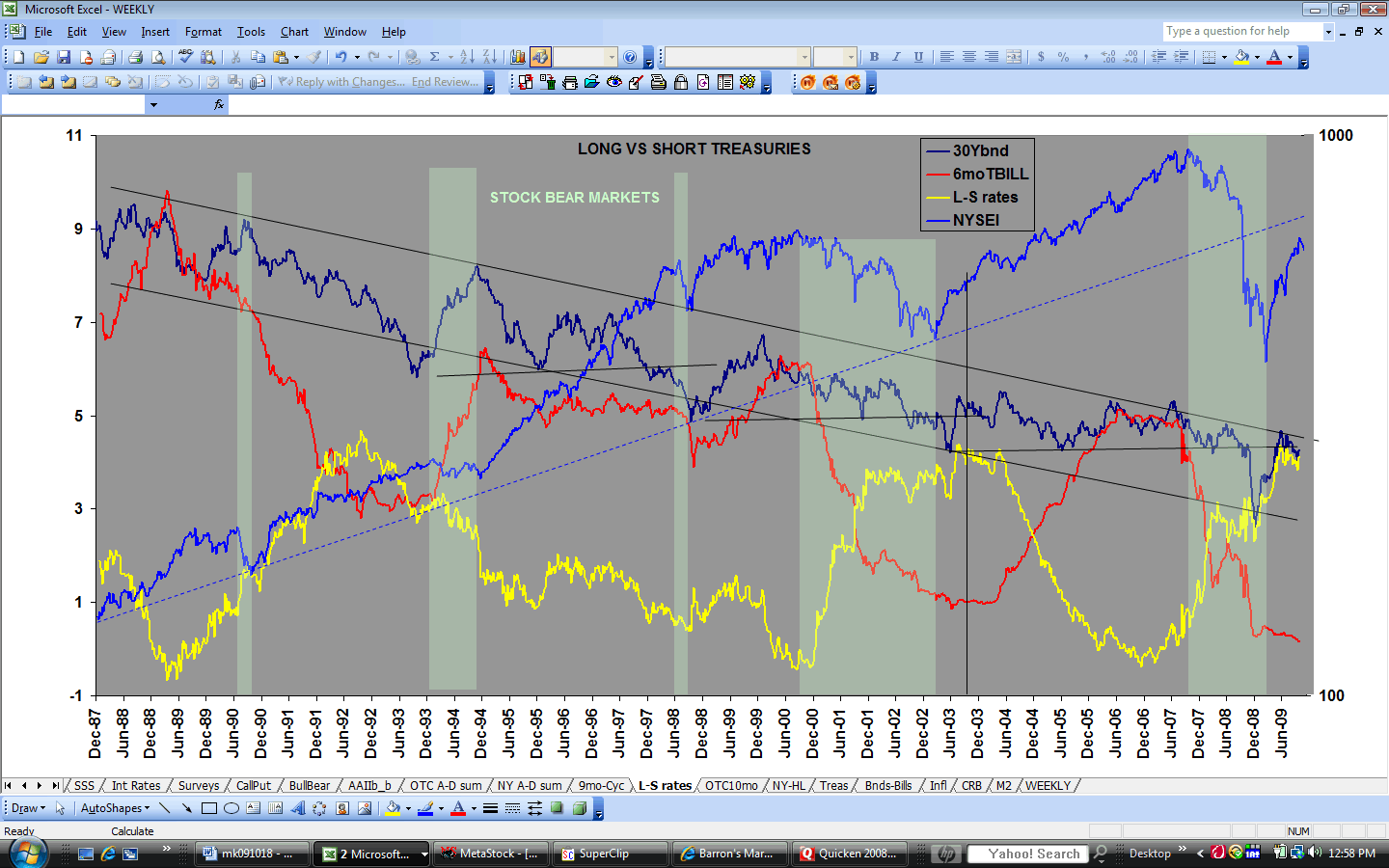
Bonds, including government bonds (http://www.geocities.com/petegersb/Treasury-20yr.GIF), TIPs (http://www.geocities.com/petegersb/TIPs.GIF) and especially Corporate bonds (http://www.geocities.com/petegersb/CorporateBonds.GIF) had another bad week, but this time inflation expectations (http://www.geocities.com/petegersb/CPI.GIF ) rose in response to the PPI and CPI reports. The steep rise in commodities (http://www.geocities.com/petegersb/CRB.GIF), now at 17.2% during the last 12 months, may a prelude for things to come in wider economy. The spread between long and short yields (http://www.geocities.com/petegersb/Long-ShortYields.GIF) widened some more, producing the most normal yield curve in two and half years. However, it still has a long way to go before reaching the steep level normally associated with lows in short-term rates. It suggests that the Fed will continue cutting, giving up on inflation control in favor of economic stimulation.
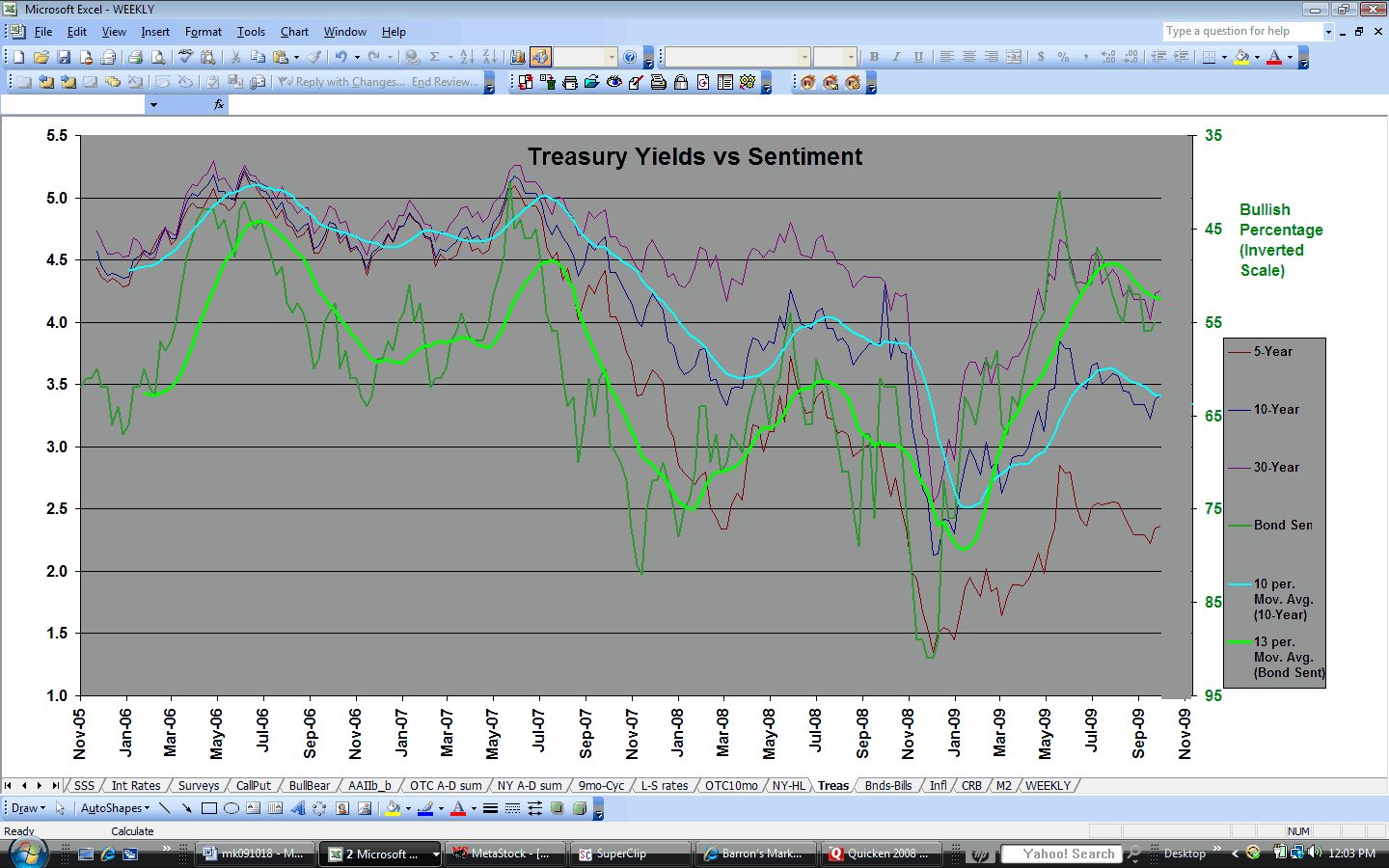
The timing is right for a short-term low in bonds within a continuing intermediate downtrend, and typical support levels have been reached, but there is no indication of any upturn yet. Ominously for the intermediate term, bond sentiment (http://www.geocities.com/petegersb/BondSentiment.GIF) has turned down from an extremely optimistic level to produce the anticipated sell signal. For bonds at least, it appears that the inflation outlook is trumping recession expectations – much as it did in the stagflationary 70’s. Hopefully things won’t get quite that bad.
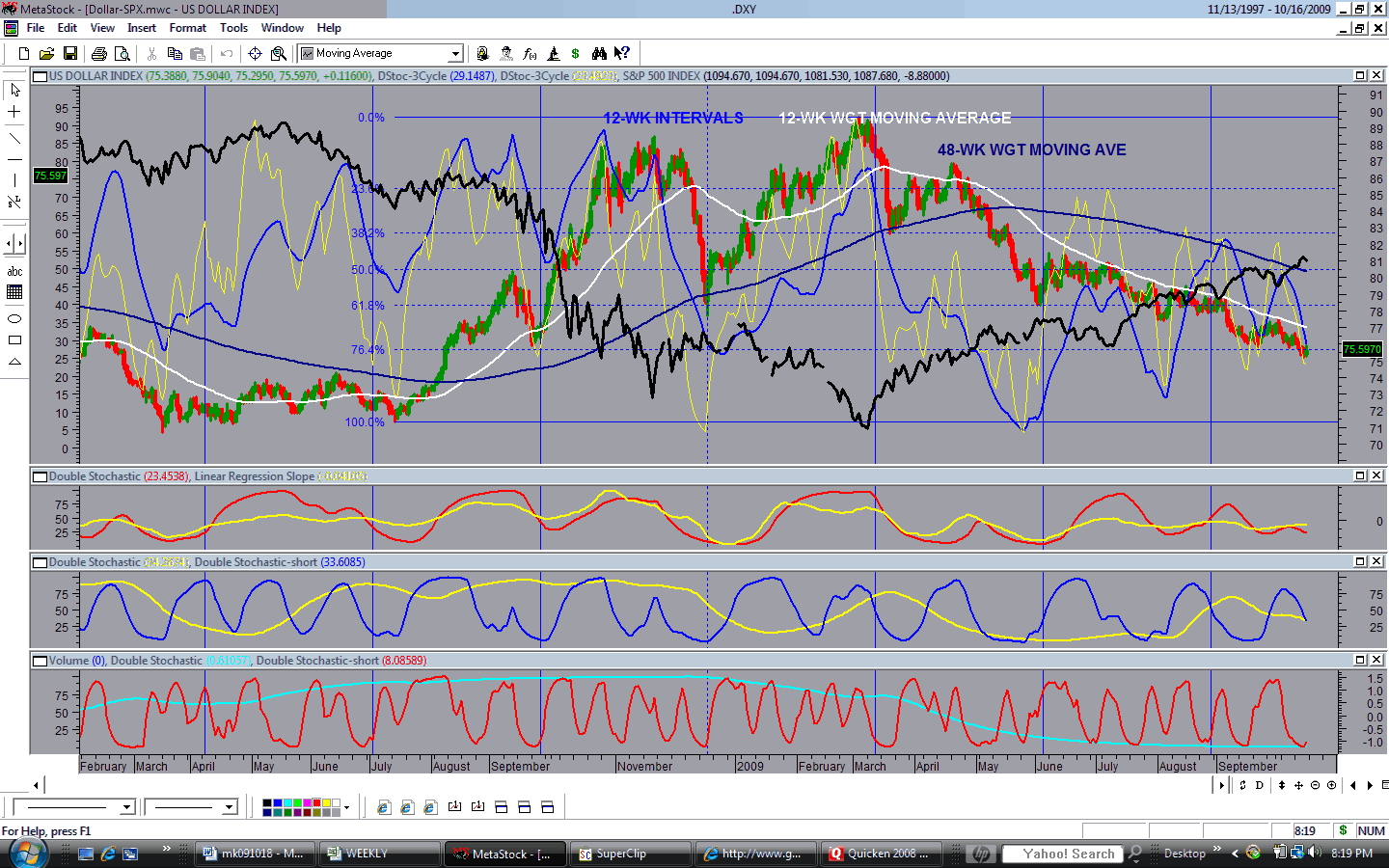
Perhaps spurred by rising interest rates, the dollar’s
(http://www.geocities.com/petegersb/Dollar.GIF) intermediate rally showed
some life last week. It reversed its short-term downtrend on Thursday, and produced
its strongest gain in years on Friday to vault above its downtrending 50-day
moving with gusto. The short-term composite is again overbought, but the
short-term rally will probably be sustained for another couple of days, and the
intermediate-term rally should continue for several more weeks. It could double
the rally off of the November low without even beginning to threaten the
long-term downtrend.
Gold (http://www.geocities.com/petegersb/GoldBullion.GIF) couldn’t sustain its short-term rally and pulled back to
its rising 10-week moving average once again – a very slight decline
considering the rise in interest rates and the dollar, but a counterintuitive
move considering the bad inflation numbers. Perhaps it will mount a sustainable
rally on its third attempt. If so, it should prove to be a 10 and 20-week cycle
rally as well, but for now the mild intermediate downtrend continues within a
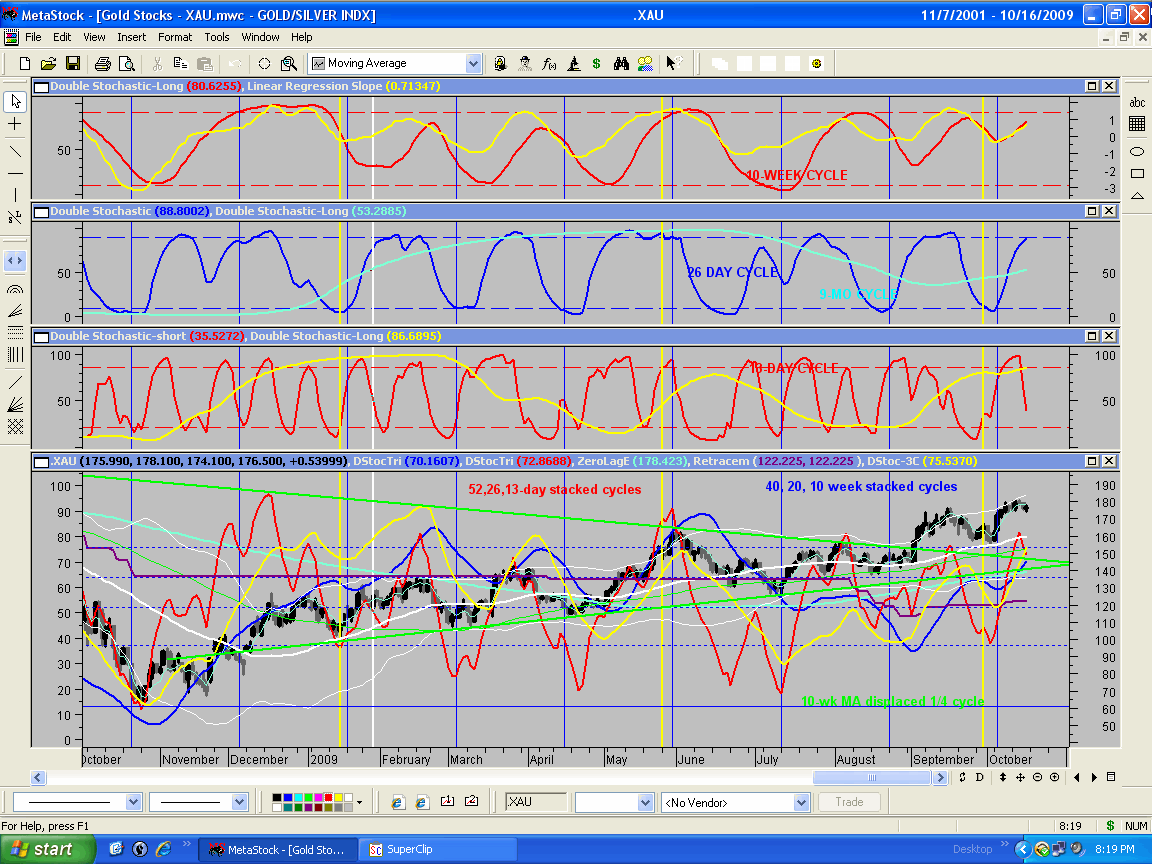
strong long-term uptrend. Gold
stocks (http://www.geocities.com/petegersb/GoldStocks.GIF)
were again weaker. As anticipated, they were
held back by the short-term correction in the
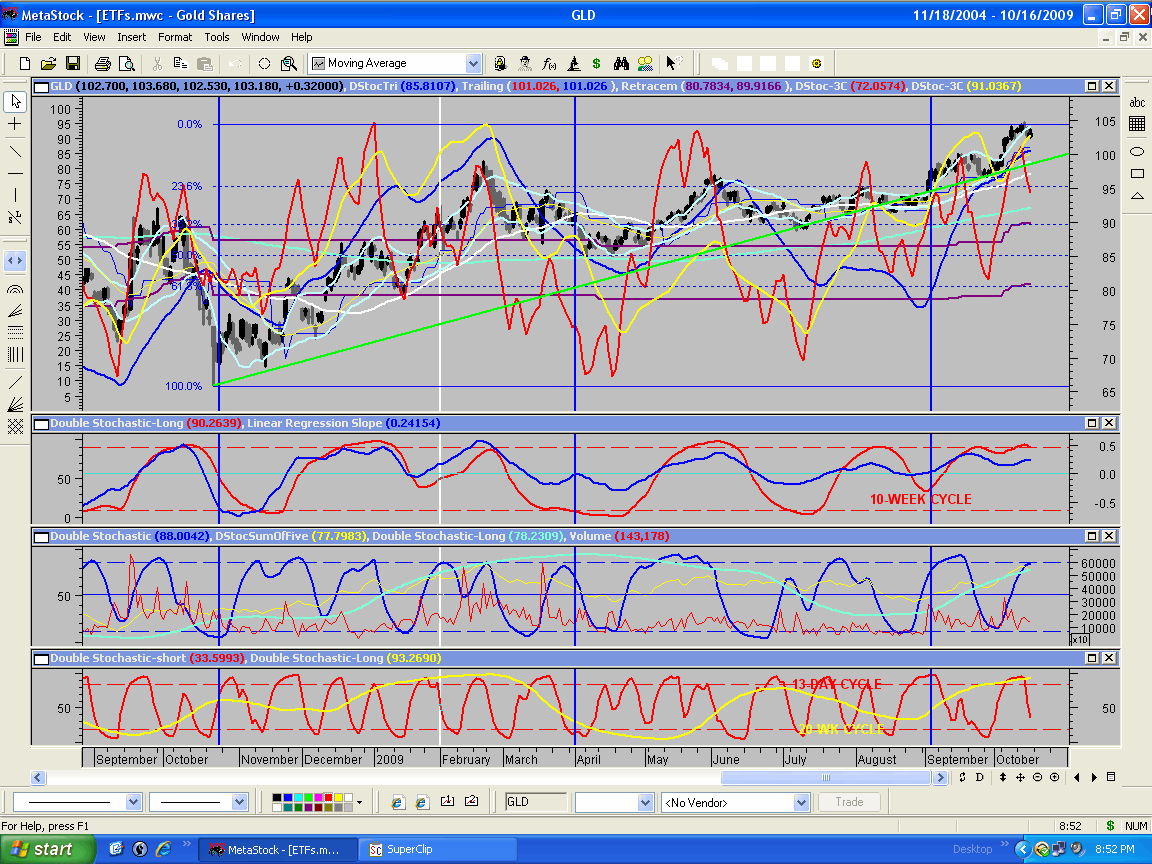
broader market. GLD continues to appear to have better prospects than the XAU.
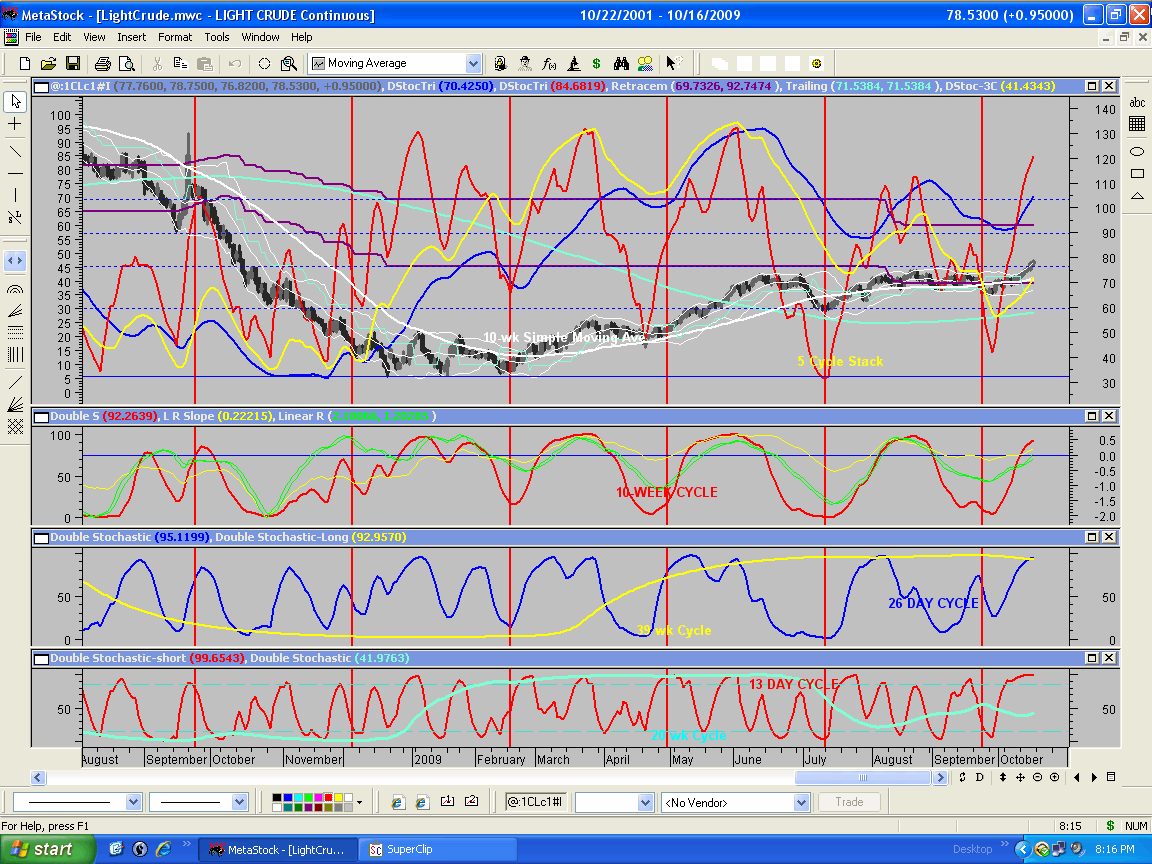
Crude oil (http://www.geocities.com/petegersb/CrudeOil.GIF)
continued its short-term rally to turn the 10-week
cycle DStoc upward and move the price above its rising 10-week moving average. It is now testing that breakout level as it
pulls back from a possible 13-day cycle peak at the summit of its huge rally on
Wednesday. If it can hold near the 10-week moving average, we probably have a
20-week cycle rally in progress, but for now the intermediate composite remains
in a downtrend. This week’s action should clarify the 20-week cycle status.
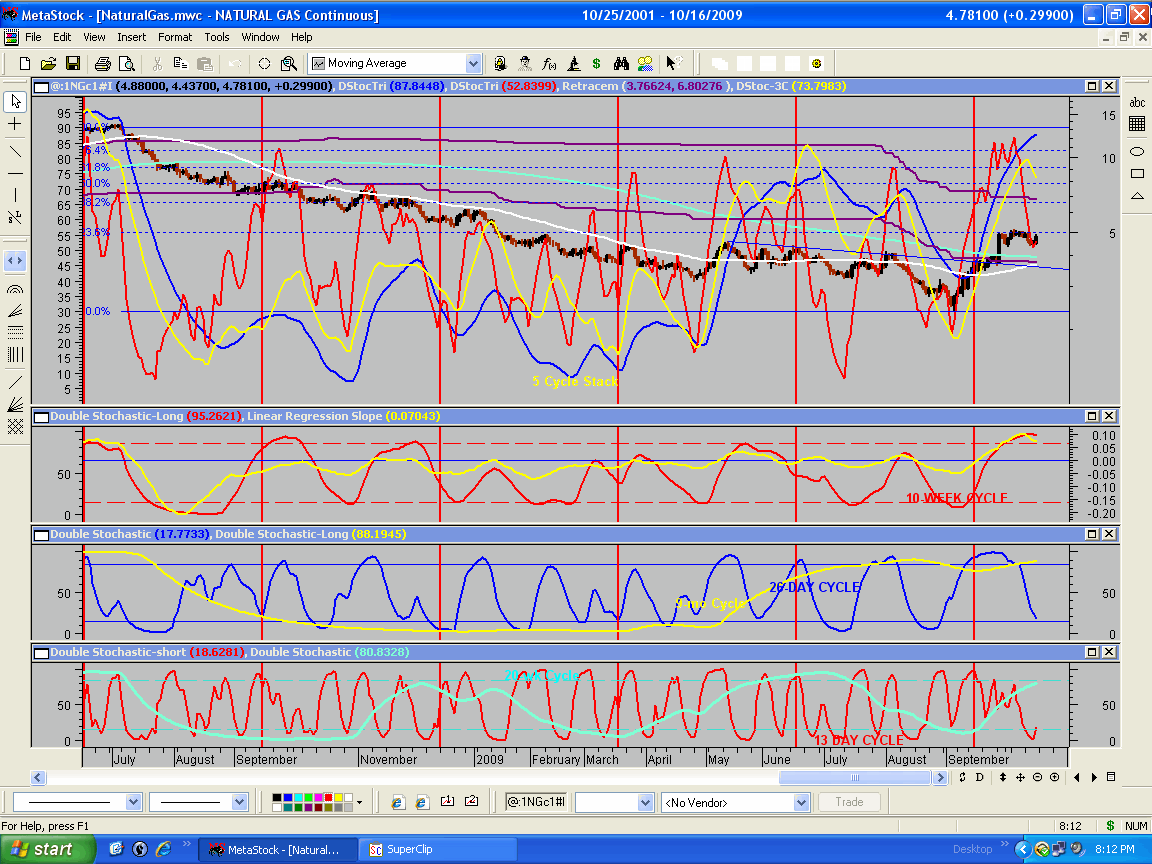
Natural gas (http://www.geocities.com/petegersb/NaturalGas.GIF) has been stuck between the 10-week moving average on top
and the 9-month moving average on the bottom during December. With two cycles
advancing, two declining and one flat, the direction of the next move within
its larger trading range is largely a mystery.
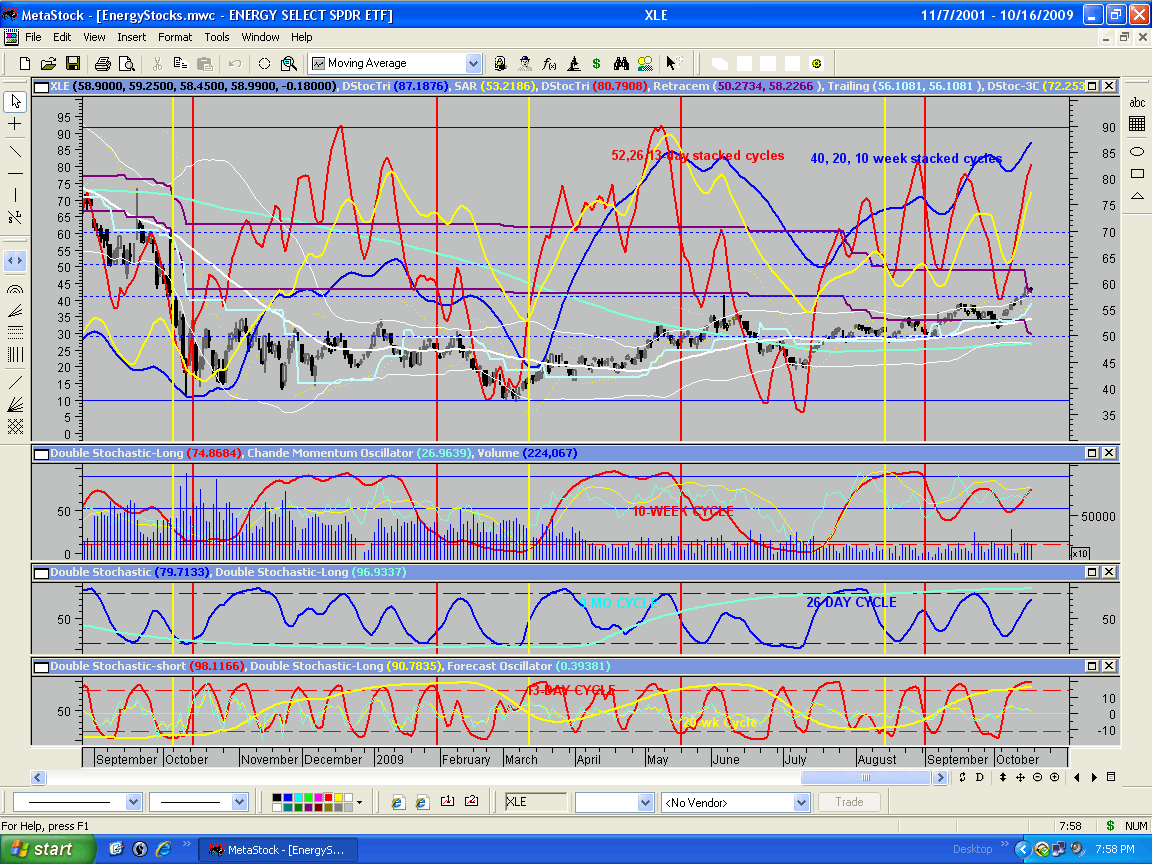
Energy stocks (http://www.geocities.com/petegersb/EnergySPDR.GIF) bucked the rest of the stock market last week. While the
XLE gain was very small, it was the only S&P sector that gained for the
week, and it is threatening a new high. Given that the rising 10 and 20-week cycles are only two and a
half weeks old, we will probably see that new high shortly after the 13-day-old
13-day cycle completes its correction. The
Energy sector continues to look like a buy.