|
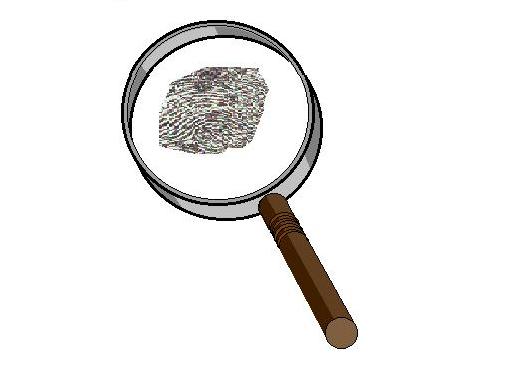
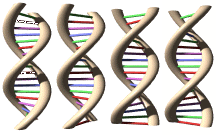
Traditional mass disaster identification techniques have centered around comparative dental, fingerprint, and radiographic examination. Here antemortem and postmortem records are compared looking for similarities. However, the past two years has seen the emergence of DNA as an identification tool. In the past the use of DNA has been hindered by high cost, availability, and practicality for large-scale investigations. One problem associated traditional dental, fingerprint, and x-ray techniques is the availability of antemortem records (less than 25% of the general North American population has fingerprints on file). This is not the case with DNA. Family members can supply samples for comparison. As well, personal effects from the deceased's home, such as toothbrushes, razors, and hairbrushes can be used to obtain antemortem DNA samples. DNA is also very resilient and resists decay in hostile environments for extened amounts of time. Also, an amazingly small amount of DNA is needed to yield amazingly accurate results. DNA was a major contributor to the identification of the victims of the swissair 111 crash off Peggy's Cove in Nova Scotia in September of 1998. The future of mass disaster identification seems to be headed in the direction of DNA analysis. Check back in the coming weeks for pictures and explanations of how this new DNA technique works!! |
|