 |
 |
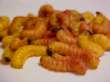
| Butterworms (Chilecomadia Morori) |
| Native to Chile, commonly known as Butterworms, grow only in their native surroundings and are considered a pest elsewhere. There are strict import regulations concerning butterworms. Despite the apparent cons, they are exceptionally high in calcium which make them a super snack for your animals. They do not bite and are soft-bodied. Since they are not bred locally, they command a high price for their size and import. Butterworms will last between 2-3 months in the fridge before they spoil. |
| Can grow to 2.0" in length |
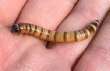 |
| Superworms (Zophobus Morio) |
| Commonly known as Superworms, are a hard bodied larvae of the darling beetle. Easy to pupate and very inexpensive to buy and keep, superworms make a great simple study for students. Larvae do not spin, but simply shed their hard casing, only to pupate, sit and wait for beetle development. Superworms are truly fascinating to watch. Superworms make great crunchy treats for most animals. |
| Can grow to 2.25" in length |
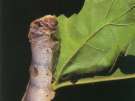 |
| Silkworms (Bombyx Mori) |
| Silkworms will not bite, making an ideal worm for feding most reptiles or other animals. It is soft bodies, slow moving and can grow to three inches in length. It is also relatively fast growing from hatching to adult, this can take as little as 25 - 28 days. Silkworms offer great nutritional value. baby silwroms are small enough for most baby reptiles to eat, and young silkworms can even be fed as they grow. |
 |
| Can grow to 3.0" in length |
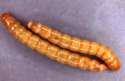
| Mealworms (Tenebrio Molitor) |
| Mealworms are similar to superworms in that they are hard- bodied larvae, very inexpensive and follow the same pupate pattern. The only diffrence between the mealworm and superworm is in the size. Mealworms are small, as are the pupae and the resulting beetle. Mealworms make great crunchy treats for most animals. Remember to keep mealworms in the fridge to prevent pupation. |
| can grow to 1.5" in length |
 |
| Redworms (Eisenia Fetida) |
| Also known as Red wigglers and redworms, they are popular, commercially grown varities of the more common dew and earthworms. redworms are the smallest variety, usually measuring between 11/2" and 21/2 " in length. Redworms are the optimum worm for vermicomposting, a process where worms eat and breakdown compostable yard and kitchen waste. They are also ideal bait worms for trout and panfish. Redworms are used to feed small herps, aquarium and small pond fish, many bird owners have chosen redworms to supplement traditional seed based diets. |
| Can grow to 2.5" in length |
 |
| Waxworms (Galleria Mellonella) |
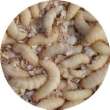
| Waxworms are the laval stage of the Greater wax Moth. They make excellent fish bait and are widely used as live food for herps.Waxworms are climbers and have a knack for escaping. Once receoved always remove the containers lid to ensure condensation that accumulated during shipping dissipates. Condensation is hazardous to the life expectancy of the waxworm. Be careful to keep waxworms refrigerated at all times, removing only those reqiired for feeding. If maintained in cups and refrigerated, they will usually live for three weeks. Remember DO NOT FEED your waxworms as they do not eat. If food is placed in their cantainers, it will mould and kill your waxworms. |
| Can grow to 1.0" in length |
| ~~Note: As with any species, we recommend you do not feed an exclusive diet of only one insect. In the wild all animals that feed on insects will eat 50 or more varities of various insects, giving the animal a varied vitamin and mineral intake. As pet owners, or breeders we must approximate the feeding habits and the best way to do this is to feed an erotic mix of various bugs.~~ |
| Chicken Mash |
| Chicken mash is made locally. No added medical ingrediants. Our chicken mash is 100 percent pure organic products. It is excellent cricket chow. Chicken mash makes an excellent absorbant bedding and feed for inscets. |
 |
 |
 |
 |
 |