 |
|
|
|
|
|
|
|
|
|
|
|
|
|
|
|
|
|
|
|
|
|
|
|
|
|
|
|
|
|
|
|
|
|
|
|
|
|
|
|
|
|
|
|
|
|
|
|
|
|
|
Stalking the Timber |
|
|
|
Big Timber Hunting |
|
|
Deer in deeply forested protection will be relatively undisturbed and, consequently, less wary. Residents will be going about their likely activities, and deer from more open habitat nearby may be in search of refuge from hunters who have pushed them.
To hunt these areas effectively, break the habitat down into its various components. Identify edges that serve as travel corridors and high-use areas, thick cover that offers secure bedding and escape locations, open feeding areas, creeks and slough bottoms, and thermal cover afforded by conifers.
All of these can offer important habitation for deer, and understanding where they live in relation to one another can help in finding the best places to set up. |
|
|
|
Breaklines |
|
|
Mapping Out Your Area |
|
|
|
|
|
|
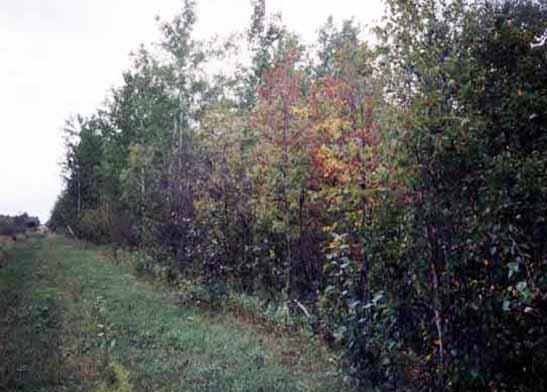
Break lines divide or break up the various terrain features of the land. Thick new growth has become the security cover big bucks need for reaching maturity. Setting up on the outside edges of a break line near the entrance and exit routes can be about as exciting as it gets |
|
|
|
|
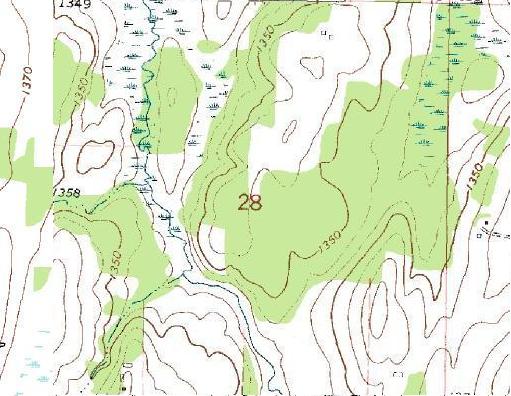
Obtain aerial photos and topographical maps for your hunting area, seek out all the natural funnels, waterways, ridges, crossover points, saddle crossings, cash crop fields, CRP ground, and so on. |
|
|
|
|
 |
|
|
 |
|
|
|
|
Points and Saddles |
|
Corners |
|
|
|
|
There are many different forms but ridge saddles are best to seek out. Converging ridge points can be most productive. Low saddles found in creek bottoms where ridges and gullies converge can swirl wind currents. Lower elevation saddles can be very tough to hunt effectively |
|
|
|
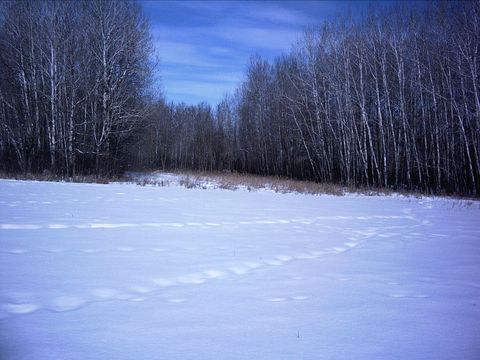
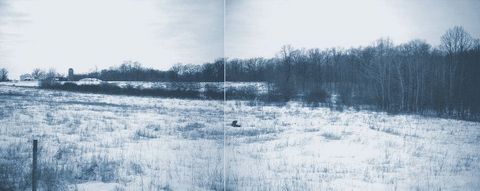
Corners, whether inside or outside, are nearly always sure bets for finding intersecting trails. In most cases where fences or tree lines form corners, deer funnel around these obstacles when traveling from bed to feed. |
|
|
|
|
|
 |
|
|
|
 |
|
|
|
|
|
|
Small Woodlot Hunting |
|
|
|
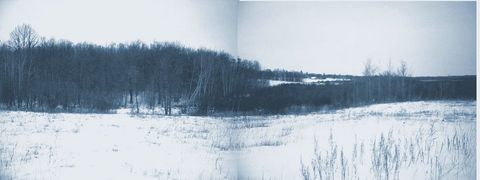
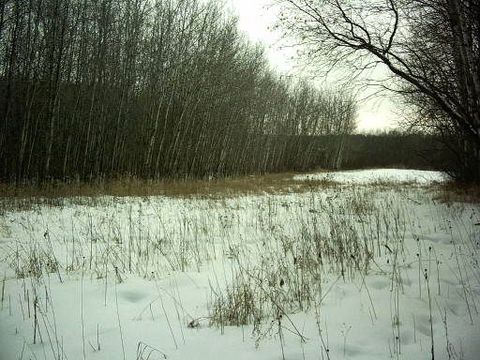
Experienced whitetails are able to live in small patches of cover without a hunter ever seeing them. Timber less then ten acres will categorize a woodlot. By and large in woodlot countryside there will be several of these throughout agricultural land. These woodlots congest with deer as hunters march into the big woods nearby. Intelligent mature deer will take residence in these diminutive sanctuaries. Many deer live in woodlots year around. |
|
|
|
 |
|
|
|
|
|
 |
|
| Feeding Patterns |
|
|
|
|
| Normally there is no deficiency of food, as most woodlots are substantial with edge brows as well as bordered by agricultural fields. This can make feeding patterns hard to isolate and challenging to hunt. Scouting and vigilant observation may help expose feeding holes. Woodlots will often have an isolated area of shelter or corner that is out of ordinary eye sight. This is where deer are likely to walk out to feed. |
|
|
|
|
|
Circular Home Range |
|
|
|
|
|
|
Deer appear to travel as a group all through their woodlot span. Being only in one area for only a couple of days before relocating to another woodlot. Generally repeating every five to seven days. Noticeable by the fresh buck sign, but no bucks. An ordinary way during the rut when the bucks follow the family groups.
Strangely it can be better to hunt a woodlot when the buck sign is old. Implicating the buck that made the sign will possibly be in the area moderately soon. Perfect the five to seven day travel course to be in the right situation at the right moment. |
|
|
|
Breeding Heavens |
|
|
|
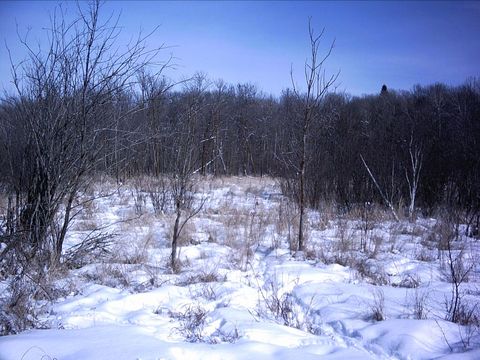
Depending on the age of the doe, during the rut bucks drive the does out into the undeveloped country or they pursue them. They hole up in sheltered pockets of cover to finalize their breeding at the same time trying to keep from other bucks that are irritating them.
They use the same neighborhood every year for this chasing, tending, breeding undertaking. Take advantage of this arrangement by hunting isolated areas of concealment during the core of the peak breeding stage of the rut. As long as you are with in � to � mile of larger timber, an occasion should happen year after year.
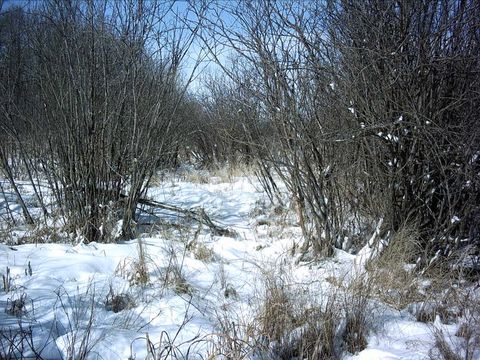
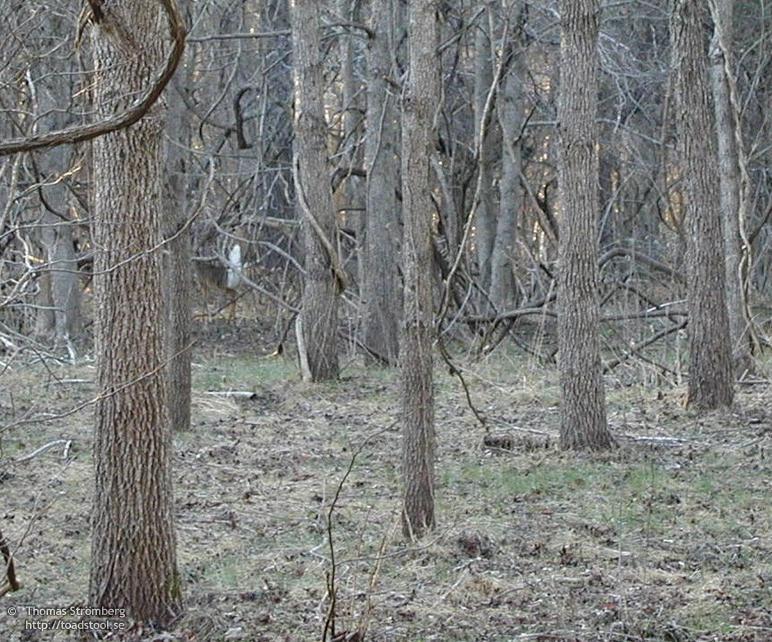
If a buck and doe are holding out of range, take a mental note of the surroundings. If there are deer in the area, wait them out if they are in a situation where stalking is not good. Being motionless all day may be beneficial, in insignificant cover you stand a fine chance that when the doe moves it could be closer to you. This is also an excellent time to exercise the stalk if conditions are textbook. They must be in a situation that keeps you stealthy and keeps them tranquil. |
|
|
 |
|
|
 |
|
|
|
|
|
 |
|
|
Going After Them |
|
|
|
|
|
Woodlot whitetails are exceedingly responsive to hunting pressure. Very little will inhibit them from using a specific part of the range. Preseason scouting should be done from a distance with binoculars. Any other scouting during the season in addition to post, you should stay away from the timber thoroughly.
An undetected approach is the real essence of a significant harvest.
Do not let the wind take your scent anywhere that the deer may be on your stalk. Use the cover to your advantage as well as the correct camouflage. |
|
|
|
|
|
|
Windbreaks and Fence Lines |
|
|
|
 |
|
|
|
|
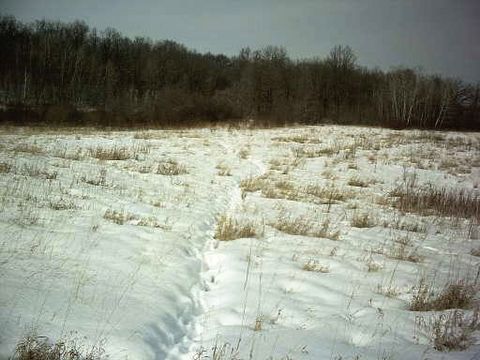
Pattern deer as they cross open fields to leave the woodlot near fence lines or wind breaks. Generally they will meet near the middle where you can find scrapes under tree limbs. Where these track patterns congregate is a great spot for an ambush.
Also you can stalk up to where they leave the woods to cross, or set up a ground blind in the fence line or wind break.
You can use the same strategy when hunting dips and saddles in an open field. Still hunt from round bail to bail creeping closer for the shot or sit one out using the bails as you blind. Deer use these low spots to cross open ground. |
|
|
|
|
|
|
Back to my Homepage |
|
|
|

|
|