 |
|
|
|
|
|
|
|
|
|
|
|
|
|
|
|
|
|
|
|
|
|
|
|
|
|
|
|
|
|
|
|
|
|
|
STALKING AND STILL-HUNTING THCKETS |
|
|
|
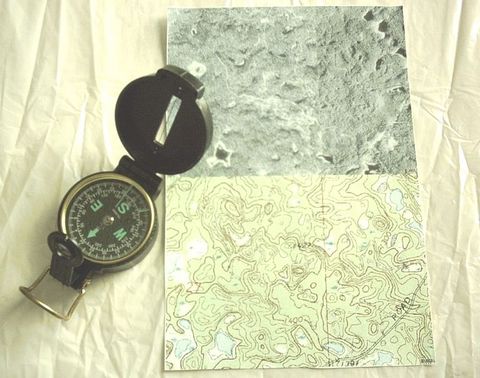
Before you try still hunting, it is essential that you be completely at ease in the woods. Always carry a compass and topographic map of the area you plan to hunt. You may become confused about where you are at some point during the day, even in familiar terrain. |
|
|
 |
|
|
|
|
|
 |
|
|
|
|
|
|
|
 |
|
|
Off-season scouting is crucial if you expect to harvest a whitetail. Particularly if you are going to be hunting in unknown areas. Scout throughout the year, even in home territory. |
|
|
|
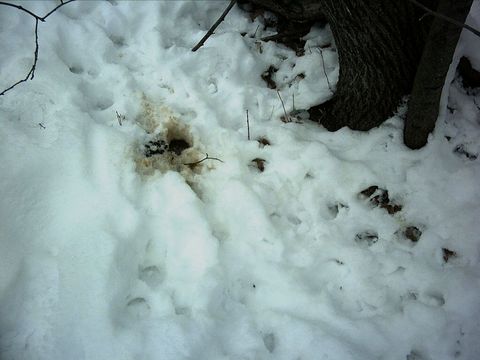
The best time to begin scouting for the following season is as soon as this years season is over. Tracks, trails, droppings, rubs, scrapes, feeding areas, are fresh and most obvious at this time of year. |
|
|
|
 |
|
|
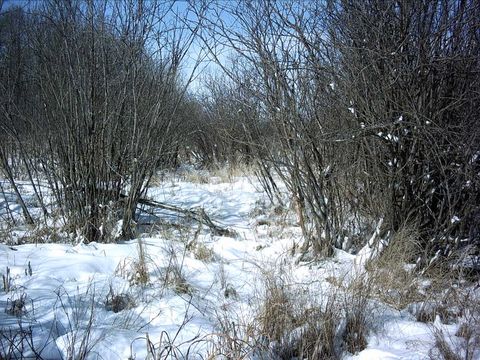
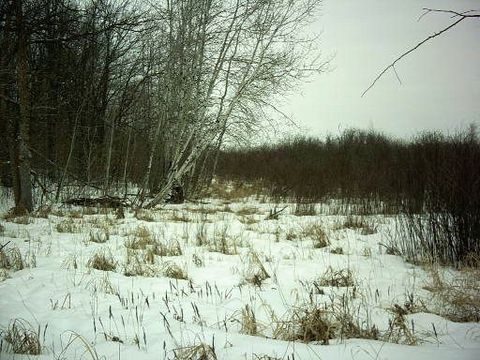
Deer habitat is a mix of cover types that may include hardwood ridges, brush-filled bogs, dense thickets and swamps. Most deer rarely leave the thickets and swamps except under the cover of darkness. All of their necessities are there like- forage, water, bedding and cover will be in the thickest growth. Hunt the open areas also but only when fresh sign leads you there. Make the bulk of your time in the woods spent in the densest cover. |
|
|
|
|
|
|
 |
|
|
|
|
|
|
|
|
To invade the heavy cover, takes patience, confidence and concentration. Sneaking around the blow downs and thickets is tense work. You should not allow yourself to snap sticks, rustle leaves, clink rocks, splash water and make other noises that will alert deer of your approach.
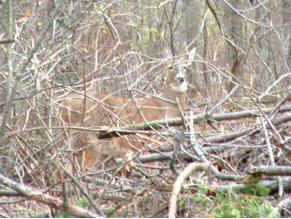
But if a still-hunter is doing things properly, most of the deer you see will be standing, moving slowly or bedding, |
|
|
|
 |
|
|
If you should make a noise, do not give up hope. All wildlife makes noise while moving in the woods. If the disturbance is not to noticeable, any nearby deer will likely think it to be just another forest resident. |
|
|
|
|
|
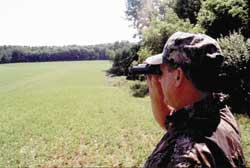
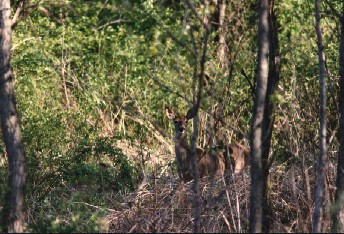
It is not easy to spot a whitetail in the thickets. The spotted lights and shadows of the forest make it even more difficult to pick a hidden deer out of the cover.
The trick is to look for pieces of the animal for instance- an eye ring, a flicking ear, a section of leg, a patch of hide, a section of antler, tail movement.
Look for horizontal lines in the forest. It may be only a blow down, or maybe the back or belly of a deer. Also, study any odd-looking branch, brush, stump or rock very carefully. Deer spend a lot of time standing and looking around. So should you! |
|
|
|
|
|
|
 |
|
|
|
|
 |
|
|
|
|
|
|
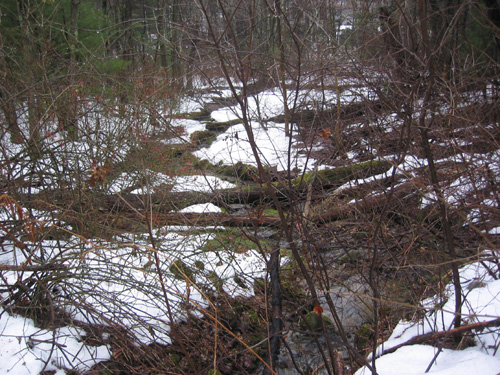
When the woods are wet, conditions are perfect for stalking. Although, when the woods are wet and quiet, most hunters want to hunt at a faster pace to try to cover more terrain; this is not a wise or productive decision. Whether the woods are wet or dry, it is better to stalk at the same slow pace. Whitetail have a hard time picking a motionless or slow-moving hunter out of the woods, But there eyes are adapted to recognizing motion, and the hunter who moves too quickly will be avoided. |
|
|
|
|
 |
|
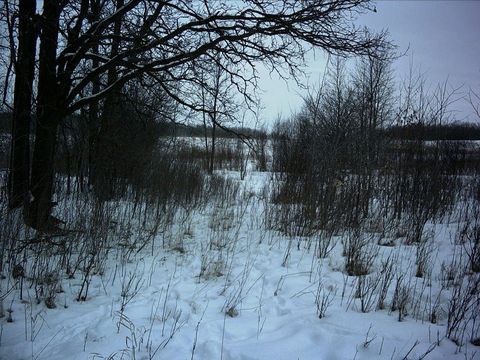
| To be a successful still-hunter, concentrate on heavily used areas, travel openings or path ways between cover and food sources, swamp and stream crossings and major trails marked by rub lines and scrapes, as well as funnels. |
|
|
|
|
Back to my Homepage |
|
|
|
|
|

|
|
|
|
|