Three common shapes
coccus: roundGrowth patterns
bacillus: rod

spirillum: spiral

staphylo: clusters
strepto: chains

diplo: pairs
Virus Structure
Composed of genetic material and proteinVirus PropertiesContain either DNA or RNA
Protein capsid surrounds genetic material
Viral shapes: rod, spiral, cubical or many-sided
Smaller than bacteria
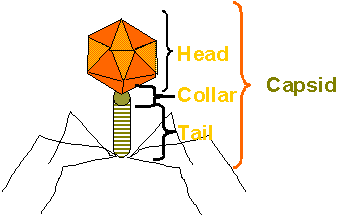
Lack cytoplasm, cell membranes, and ribosomesVirus Reproduction: Lytic CycleDo not grow or carry on metabolic activities
Contains only one type of nucleic acid
Contains few enzymes
Can be crystallized and reactivated
Attachment: virus attaches to specific host cell receptor sites.Virus Reproduction: Lysogenic CycleEntry: virus injects DNA into the host cell.
Replication: viral DNA takes over the cell, directing production of viral DNA and proteins
Assembly: new viruses made
Release: lysis of bacterial cell
Attachment and Entry: Virus enters the cell as in the lytic cycle.Virus ClassificationProvirus formation: Viral DNA attaches to host DNA.
Cell divides with viral DNA. No harm is done to the host cell.
External stimuli (x-rays or UV radiation) causes the virus to become virulent.
Genetic materialDNA virusesmay begin producing RNA directlyRNA virusesmay become part of host cell DNA
examples: small pox, warts, mononucleosis, cold sores, genital herpes
may produce proteins directlyretroviruses: make DNA from viral RNA, then new DNA directs RNA synthesis
examples: Polio, rabies, mumps, flu, measles, HIV
Characteristics
Monerans are prokaryotic and unicellularStructureThree common shapes
coccus: roundGrowth patternsbacillus: rod
spirillum: spiral
staphylo: clustersstrepto: chains
diplo: pairs
Cell wall used for protection; maintains osmotic balanceReproductionCapsule surrounds cell wall for additional protection
Endospore: dormant structure that may form when environmental conditions are harsh
Binary fissionNutritionDNA in the cell replicatesConjugationPlasma membrane and cell wall grow inward
Cell pinches in two
bridge is formed between two cellssmall portion of DNA is passed from one cell to another
Heterotrophs: parasites or saprophytesSignificancePhotosynthetic autotrophs: use light to obtain energy. Example: cyanobacteria
Chemosynthetic autotrophs: use sulfur and nitrogen containing compounds for energy.
Produce nutrientsbiology pageUsed to produce dairy products
Used to make antibiotics
Degrade environmental hazards
Fermented meats
Sugar syrup production
Stain removers
