|
Stockton Bight to Mount Sugarloaf Green Biodiversity Corridor |
Welcome
to our green corridor
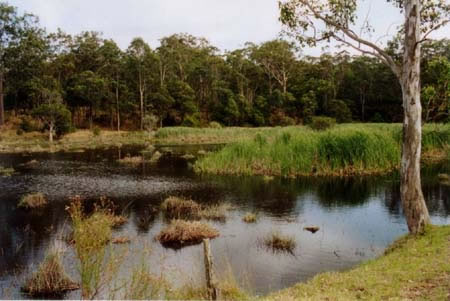
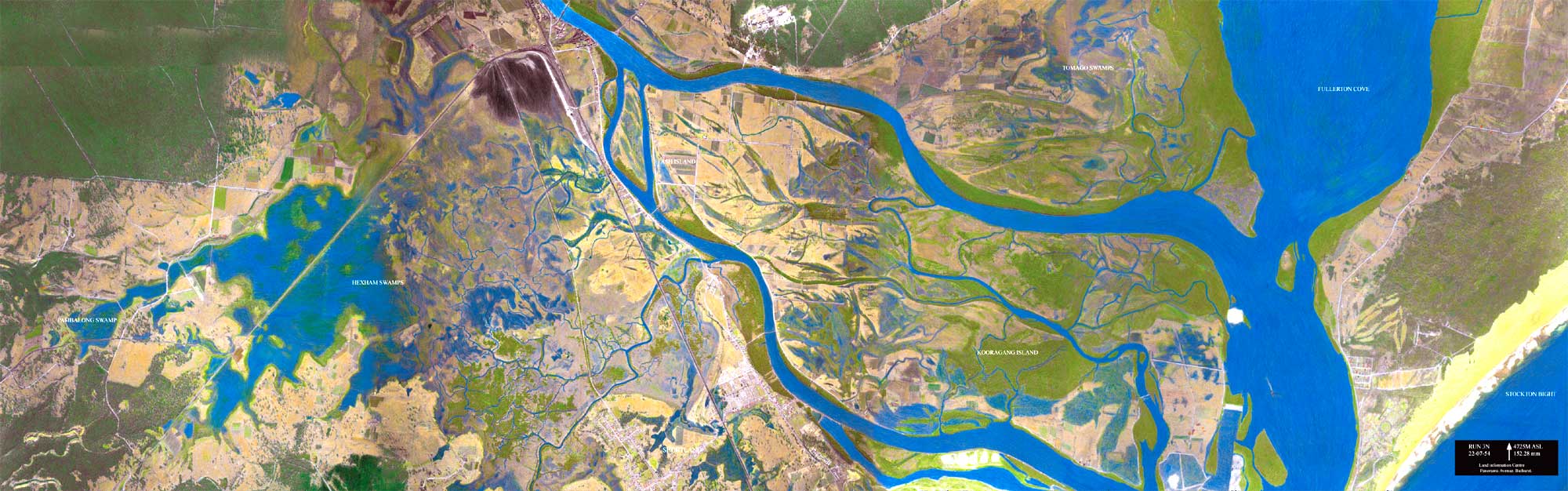
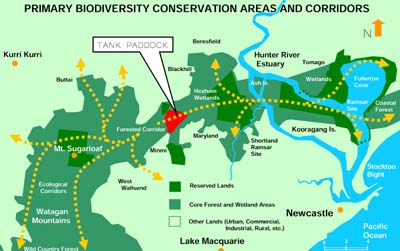
Our green biodiversity corridor surrounds the growing port city of Newcastle in the expanding Hunter region of New South Wales, Australia . The corridor contains areas of international significance and is a mix of salt and freshwater wetlands and forested mountain areas. Large numbers of endangered and threatened wildlife species rely on its continuing health, including international migratory bird species. Expansion of existing industrial areas in this estuarine river system is being planned, along with further urban development of the wetland's forested catchment areas. We must retain this very important green biodiversity corridor for the pleasure of this region’s many citizens and the benefit of future generations.
The Hunter Co-operative Statement
Our
vision is:
A protected green corridor linking our estuary with the wild country
of the Watagans and beyond.
Our goals are:
* To retain habitat for a diverse range of species in the lower Hunter
Region.
* To sustain into the future our fishing and tourism industries.
* To provide improved lifestyle opportunities for our children and our
children’s children.
* To highlight to our community the value of ecosystem services to our
local economy.
The way ahead:
Connecting the inter-dependent ecological areas of the lower Hunter
before they are degraded and lost.
And
specifically:
* Incorporation of the low-lying coastal forests between Kooragang
and the coast into an enlarged Stockton Bight National Park.
* Incorporation of the “Tomago buffer lands” and Ash Island
areas and State-protected fringing wetlands into the internationally recognised
Hunter River Estuary Wetlands, with the whole area managed and accessed
through The Wetlands Centre, with
appropriate funding and resourcing.
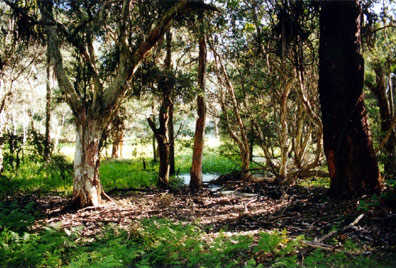
* Conservation and, where needed, revegetation of the transitional ecosystems
between the wetlands and the forests, including the strategically-important
“Tank Paddock”, the Pambalong Swamp Nature Reserve and the
connecting areas to the Blue Gum Hills
Regional Park.
* Protection in reserve systems of the corridor areas between the transitional
ecosystems and Mount Sugarloaf and the Watagans and Wollemi National Parks.
Until this occurs we call for the Minister for Infrastructure,
Planning and Natural Resources to:
* Incorporate the Lower Hunter Biodiversity Conservation Corridor
in relevant regional plans, including the (proposed) Hunter Regional Strategy
and the Thornton-Killingworth Subregional Conservation and Development
Strategy.
* Make directions to relevant local councils prohibiting all rezoning
and development decisions that would compromise our Lower Hunter Biodiversity
Conservation Corridor.
| RECENT
NEWS |
Please
show your concern and support for the Lower Hunter's environment
by answering "YES" to the following QUESTIONAIRE which
can be downloaded here as a [WORD] or
[PDF] file. THE
COALITION OF GROUPS invites you to attend the Public Launch of the
Stockton Bight to Mt. Sugarloaf Green Biodiversity Corridor Statement.
To be held at the Shortland RAMSAR Wetland Centre Sandgate Rd.,
Shortland on Sunday 9th November 2003 at 1-30
P.M.
The afternoon will include Formal launch of the Statement, Indoor visual presentation about corridor, Group’s information displays, Interactive wildlife sessions, Informal discussion about the corridor. |
| DOWNLOADS |
| Click here to download: Hunter
River Estuary Wetlands: A Prologue Hunter
River Estuary System in 1954. By D. Hirst Local Fisherman |